INTERNACIONAL
Crece la tensión en Medio Oriente: Irán atacó las bases de EE.UU. en Jordania, Kuwait y Bahréin

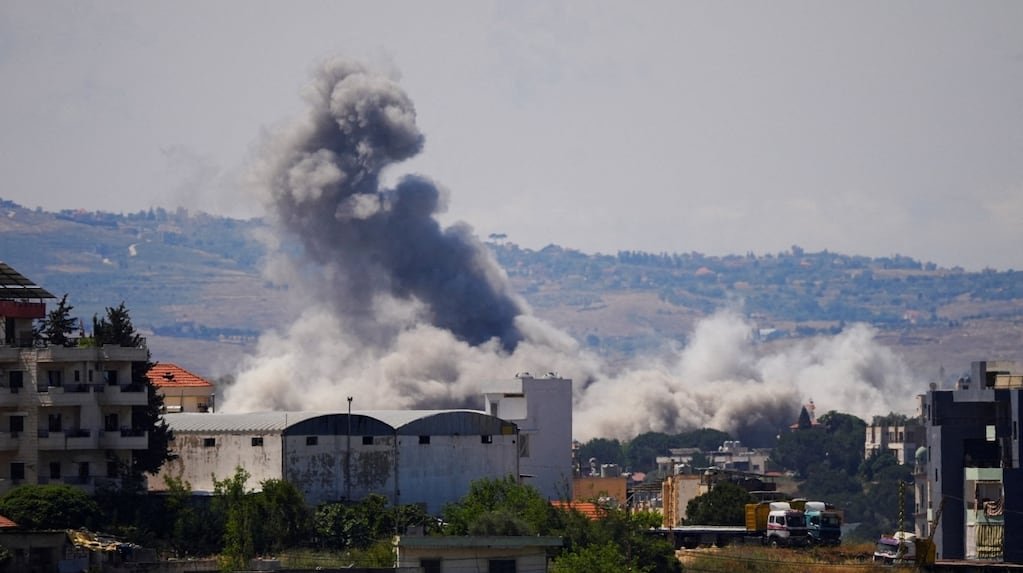
La tensión en Medio Oriente volvió a escalar a niveles críticos. En la madrugada del miércoles, Irán lanzó una serie de misiles y drones contra las bases de Estados Unidos en Bahréin, Kuwait y Jordania, en respuesta directa a los bombardeos estadounidenses sobre territorio iraní.
El Cuerpo de la Guardia Revolucionaria Islámica (CGRI) confirmó los ataques y advirtió que podrían intensificarse si continúan las agresiones.
El conflicto se desató luego de que Washington ordenara ataques en el estrecho de Ormuz, tras el derribo de un helicóptero Apache estadounidense cerca de esa zona estratégica.
El Mando Central del Ejército de Estados Unidos (CENTCOM) sostuvo que la ofensiva fue “una respuesta proporcional a la agresión iraní injustificada”.
Ataques cruzados y advertencias: cómo se desató la escalada
Según la Guardia Revolucionaria iraní, uno de los principales blancos fue una base estadounidense en Baréin.
En un comunicado, los Guardianes afirmaron: “Estados Unidos atacó esta madrugada varios puntos en Jask, Sirik y Qeshm bajo falsos pretextos, y dañó una torre de telecomunicaciones en Sirik y destruyó dos tanques de agua en la ciudad”.
“Desafortunadamente, tras este ataque, 20.000 habitantes de la región se han quedado sin agua potable, y con temperaturas que oscilan entre 45 y 50° C, las condiciones son extremadamente difíciles”, declaró un responsable de la empresa local de agua, según la televisión estatal. Una mujer sostiene una bandera iraní en Teherán. (Foto: Reuters/WANA/Majid Asgaripour).
Además, la Guardia Revolucionaria aseguró que “en respuesta a la cruel acción del enemigo, los combatientes navales de los Guardianes lanzaron un ataque con drones contra la 5ª Flota de Baréin a las 02:30 (23:00 GMT del martes)”. El mensaje fue claro: si las agresiones continúan, las respuestas serán “más contundentes”.
El CGRI también anunció un ataque contra una base estadounidense en Jordania. Según medios estatales iraníes, las fuerzas atacaron y destruyeron “cuatro objetivos importantes, entre ellos grupos de cazas F35 en una base aérea y el centro de mando militar estadounidense” de Azraq.
En Kuwait, las Fuerzas Armadas informaron que sus sistemas de defensa aérea interceptaron “objetivos aéreos hostiles” en medio del intercambio de ataques.
“El Estado Mayor del Ejército anuncia que los sistemas de defensa aérea kuwaitíes están enfrentando actualmente objetivos aéreos hostiles de acuerdo con los procedimientos operativos establecidos”, comunicó el Ejército en X, sin precisar el origen de las amenazas.
Trump ordenó los bombardeos y crece la amenaza de una guerra abierta
La escalada se produjo después de que el presidente estadounidense, Donald Trump, responsabilizara a Teherán por la destrucción del helicóptero militar y ordenara bombardeos contra objetivos iraníes.
Trump había anunciado en redes sociales que Irán derribó la aeronave durante un patrullaje sobre el estrecho de Ormuz y advirtió: “Estados Unidos debe, por necesidad, responder a este ataque”. Según el mandatario, ambos tripulantes del helicóptero resultaron ilesos.
La respuesta iraní no tardó en llegar. El ministro de Exteriores, Abbas Araqchi, lanzó una advertencia directa a Washington: “Abandonen nuestra región, si desean estar a salvo”.
Además, remarcó que las fuerzas armadas iraníes “no dejarán sin respuesta ningún ataque ni amenaza” y recordó que “la historia del golfo Pérsico cuenta con numerosos capítulos sobre el terrible destino que han corrido los intrusos extranjeros”. Un helicóptero MH-60R Sea Hawk se acerca al USS Delbert D. Black (DDG 119) después de patrullar el mar Arábigo en apoyo al bloqueo de Estados Unidos contra Irán (Foto: EFE)
Araqchi también apuntó contra la estrategia estadounidense: “A pesar de sus derrotas en el campo de batalla, Estados Unidos decidió poner a prueba nuestra determinación”.
La cancillería iraní afirmó además que los ataques dañaron los esfuerzos diplomáticos internacionales para negociar una salida al conflicto.
“Lamentablemente, Estados Unidos está dañando este proceso diplomático con los mensajes contradictorios que está enviando, con sus reiterados giros de posición y de demandas y, lo peor de todo, con sus repetidas violaciones del alto el fuego” en vigor desde el 8 de abril, dijo en un video publicado por medios locales el portavoz del ministerio de Exteriores, Esmail Baqai.
“Cualquier proceso diplomático se ve dañado por el uso de la fuerza y el recurso a acciones ilegales sobre el terreno”, enfatizó
Un conflicto que sacude la economía mundial y amenaza la tregua regional
La nueva escalada de violencia puso en jaque una tregua de dos meses que ya venía debilitada. El día anterior, Irán e Israel intercambiaron fuego por primera vez desde el frágil alto el fuego de abril. La televisión estatal iraní informó que los ataques israelíes del lunes mataron al menos a dos integrantes de las unidades de defensa aérea iraníes.
Desde que Estados Unidos e Israel iniciaron operaciones contra Irán el 28 de febrero, el conflicto impactó de lleno en la economía global: subieron los precios de la energía y se encarecieron productos básicos, incluidos los alimentos.
Leé también: Crece la tensión en Medio Oriente: luego de que Irán derribara un helicóptero militar, EE.UU. respondió con un ataque
Las negociaciones para transformar el alto el fuego en un acuerdo permanente no avanzaron, en parte porque Israel intensificó su campaña militar en el Líbano contra Hezbollah, la milicia respaldada por Teherán.
La región se encuentra en máxima alerta y el mundo sigue de cerca cada movimiento, ante el riesgo de que la escalada derive en un enfrentamiento aún mayor.
Irán, estado unidos, Medio Oriente












INTERNACIONAL
Estudiantes de la Usac denuncian ante el Ministerio Público de Guatemala la desaparición de sus registros académicos
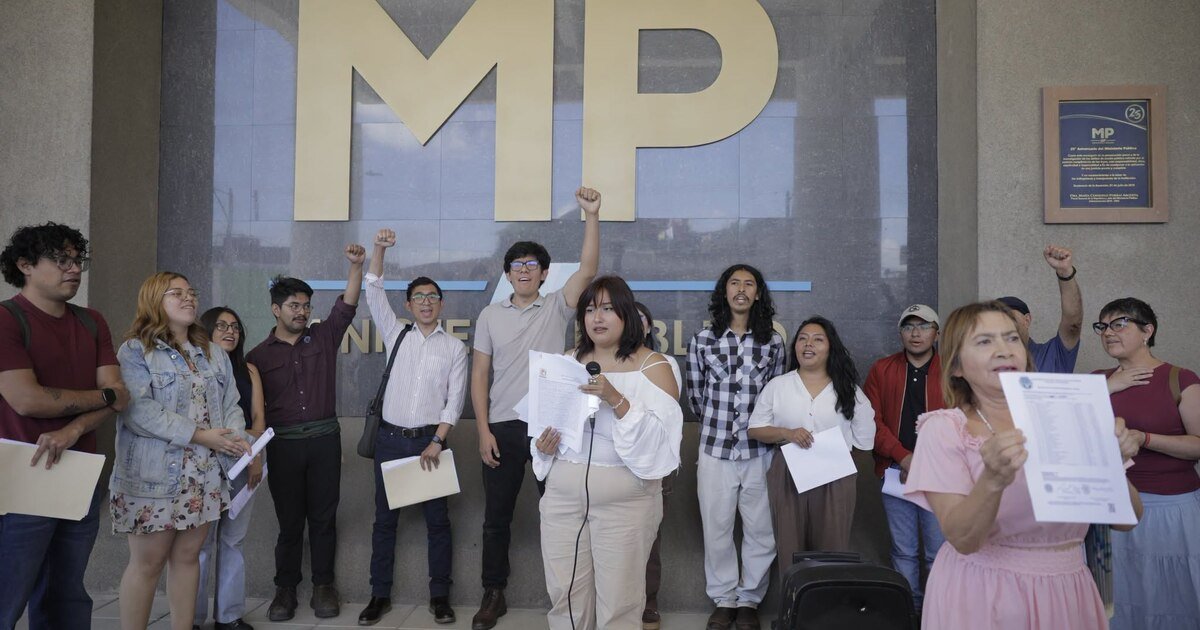
Entre 40 y 50 estudiantes de la Universidad de San Carlos de Guatemala denunciaron este 24 de julio ante el Ministerio Público la desaparición de sus registros académicos del sistema de Registro y Estadística, un hecho que describen como una “muerte académica” porque afecta trámites de graduación, becas, procesos de investigación y el cierre de carreras, pese a que varios conservan constancias de inscripción para 2026.
Los casos no se concentran en una sola unidad académica. Hay afectados en la Facultad de Derecho, la Escuela de Ciencias de la Comunicación, la Facultad de Ingeniería, la Escuela de Ciencia Política y el Centro Universitario de Noroccidente, mientras los estudiantes sostienen que cada día aparecen nuevos expedientes borrados.
La exigencia inmediata apunta en dos direcciones. Al Consejo Superior Universitario le reclaman una respuesta pública con un plan para restituir los registros, y a la Unidad de Registro y Estadística le piden recuperar la información académica y administrativa, además de garantizar que no vuelva a ocurrir contra estudiantes señalados o criminalizados.

Hasta ahora, la Usac respondió en redes sociales que la desaparición de expedientes se originó en 2022 y 2023, durante la toma de instalaciones por estudiantes. Los denunciantes sostienen que esa versión no explica varios de los casos, porque algunos tienen carné 2024 y carné 2025, y otros ingresaron después del período mencionado por las autoridades universitarias.
Un estudiante de la Escuela de Ciencias de la Comunicación dijo que esa explicación es “totalmente ilógica”, porque hay compañeros que ingresaron después de 2023 y aun así hoy figuran sin papelería. También afirmó que la responsabilidad de custodiar esos documentos era de Registro y Estadística y no de los propios alumnos.
En su caso, explicó que ya cursó los 10 semestres de su carrera, cerró pénsum en Locución Profesional y está en proceso de Ejercicio Profesional Supervisado para completar la licenciatura y luego realizar su tesis. Según relató, la eliminación de sus datos compromete años de estudio y el esfuerzo económico de su familia.
Gabriela Ochoa, estudiante de Trabajo Social en CUNOROC, afirmó que estaba a la espera de fecha de graduación en agosto. Contó que dedicó dos años y medio a una investigación y sostuvo que, si su expediente desaparece, también queda bloqueada una tesis vinculada con mujeres exautoridades y asambleas comunales de los 48 Cantones, el espacio donde realizó su trabajo.
Idekel Chitup, también de CUNOROC, señaló que estaba por cursar el décimo semestre de Ingeniería Agronómica con énfasis en fruticultura. Aseguró que la situación afecta su trayectoria académica, proyectos de investigación ya planificados y un proceso de beca que ahora le obliga a asumir más gastos.

Varios estudiantes vincularon la desaparición de registros con una persecución selectiva. Una de las voceras afirmó que no se trata de datos borrados al azar, sino de una afectación concentrada en personas que ya habían sido señaladas o acosadas física y digitalmente.
Roberto Andrés Luna Ríes, estudiante de la Facultad de Ingeniería, dijo que ganó hace alrededor de un año y medio la elección para asumir como representante estudiantil ante el Consejo Superior Universitario, pero todavía no ha tomado posesión. Señaló que, si su expediente realmente hubiera desaparecido en los años invocados por las autoridades, ni siquiera habría podido participar en un proceso electoral convocado por el propio CSU.
Para Luna Ríes, el daño no se limita al avance universitario. Afirmó que impacta proyectos de vida, planes profesionales y metas personales de estudiantes que están en la etapa final de sus carreras, y pidió al jefe de Registro y Estadística, el ingeniero Bryan Fuentes, una atención inmediata para resolver la situación.
Carlos Barrios, estudiante de la Facultad de Ciencias Jurídicas y Sociales, amplió la denuncia hacia las autoridades universitarias y de facultades. Sostuvo que la persecución obedece a que los estudiantes alzaron la voz frente a un proceso que, a su juicio, debió ser legítimo y democrático en la elección de rectoría.
En la conferencia, estudiantes, docentes y egresados también denunciaron una “ola de criminalización” que ya alcanzó a centros universitarios fuera de la capital. Desde la Escuela de Ciencia Política, José Chihuichón, representante de la asociación estudiantil, afirmó que varios compañeros han sufrido amenazas y que él mismo fue borrado del sistema de Registro y Estadística.
Ministerio Público,reunión pública,oradora,sociedad civil,comunicación pública
INTERNACIONAL
Combat vet senator chokes up over fallen friend in fiery floor speech about Iran war: ‘We will finish it’
NEWYou can now listen to Fox News articles!
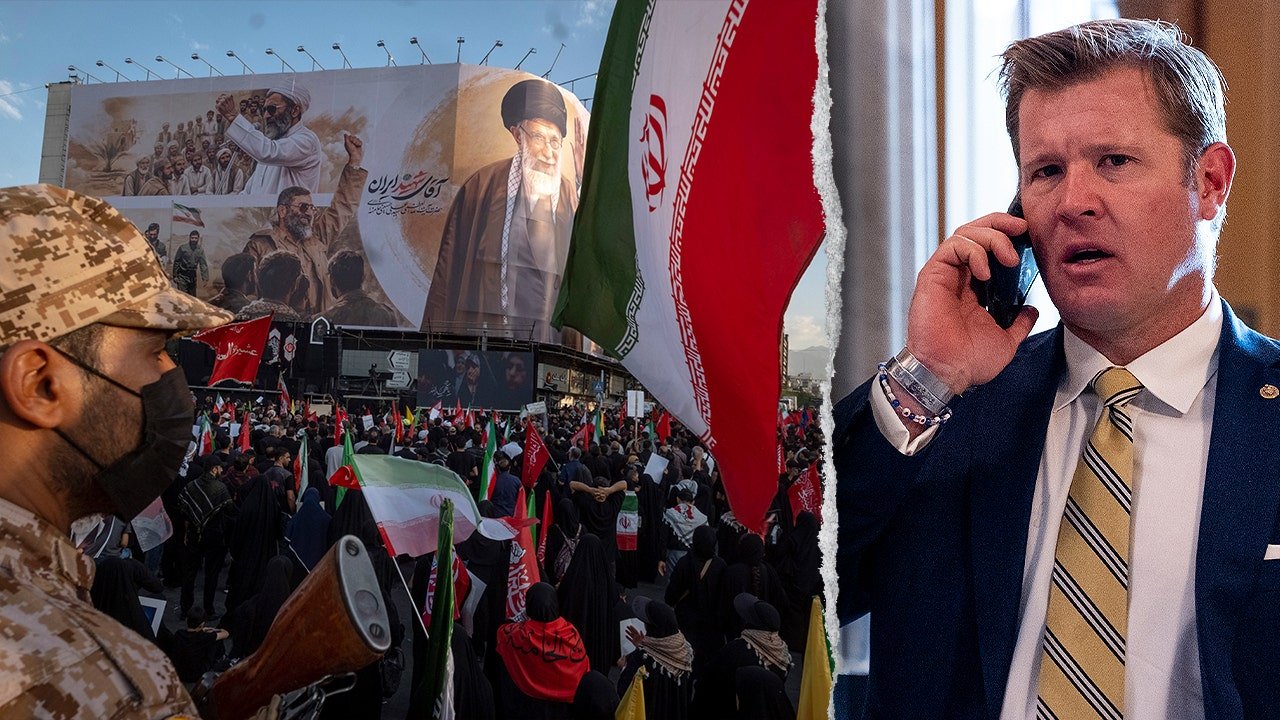
Sen. Tim Sheehy, R-Mont., choked up on the Senate floor as he pointed to a bracelet honoring a fallen friend he said was «cut in half» by an Iranian bomb, turning a Democratic-led push to rein in President Donald Trump’s war powers into an emotional warning about the cost of failing to confront Tehran.
The Montana Republican and combat veteran delivered the fiery remarks in opposition to an Iran War Powers Resolution that would have forced the removal of U.S. forces from hostilities against Iran unless Congress explicitly authorized the mission. The Senate rejected an effort to advance the measure Thursday in a 47-49 vote, but not before Sheehy accused critics of ignoring decades of Iranian-backed attacks on Americans.
«We didn’t start this war, we did not. But, we will finish it,» Sheehy said from the Senate floor. «And forever wars are not popular with anybody these days. Both sides of [the aisle] love to attack our forever wars. And I can promise you, being someone overseas wearing the uniform, when you’re fighting for your country, you don’t care what party’s in office.»
REPUBLICANS FALL IN LINE WITH TRUMP ON IRAN WAR DESPITE RISING COSTS AND US DEATH TOLL
Sen. Tim Sheehy, R-Mont., was seen during a series of Senate votes at the U.S. Capitol on June 17, 2026, in Washington, D.C. (Tom Williams/CQ-Roll Call, Inc via Getty Images)
Sheehy argued Democrats were right to call the conflict a «war of choice,» but said the choice was made by Iran’s regime decades ago — not by Trump.
«This is a war of choice. The Democrats are correct,» Sheehy said. «It’s a war of choice that was begun by a radical, lunatic band of terrorists that took over a beautiful nation 47 years ago.»
The former Navy SEAL then ticked through decades of attacks he tied to Iran and its proxies, invoking the 1983 Marine barracks bombing, the USS Cole, the Achille Lauro and terrorist groups including Hamas, Hezbollah and the Houthis.
TRUMP THREATENS ‘MAJOR MILITARY PUNISHMENT’ FOR IRAN OVER FUTURE HOUTHI ATTACKS
«This regime that we are fighting does not care about our partisan politics,» Sheehy said. «They don’t care who you voted for, who you pray to, or where you live. They want to kill all of us. And they don’t just say it, they actually do it. And they’ve been doing it for 47 years.»
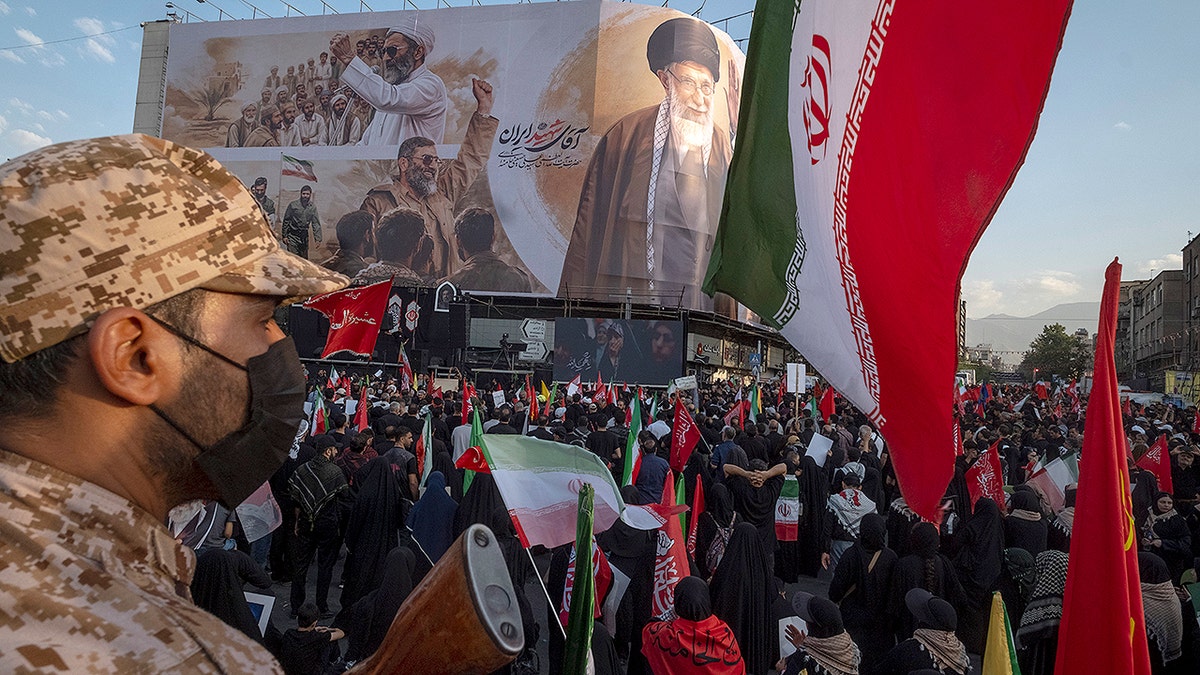
An armed member of the Islamic Revolutionary Guard Corps (IRGC) monitors the area while mourners participate in the funeral for the late Supreme Leader Ayatollah Ali Khamenei and his family in Tehran, Iran, on July 6, 2026. (Morteza Nikoubazl/NurPhoto via Getty Images)
Sheehy also invoked William Buckley, whom he described as «an American military officer» who was abducted and tortured in the 1980s.
«William Buckley was abducted in 1985,» Sheehy said. «He was skinned alive on camera by the Iranians.»
CLICK HERE TO DOWNLOAD THE FOX NEWS APP
The senator concluded by describing Iran’s ongoing retaliatory attacks as «the flailing’s of a nation in collapse» not strength, citing what he called «an occasional missile strike» on commercial boats and U.S. military members in the Middle East. Meanwhile he encouraged his congressional colleagues to «think about the people who are deployed right now standing on that wall with a loaded weapon who volunteered to defend our country and our way of life» in what Sheehy described as a «just war.»
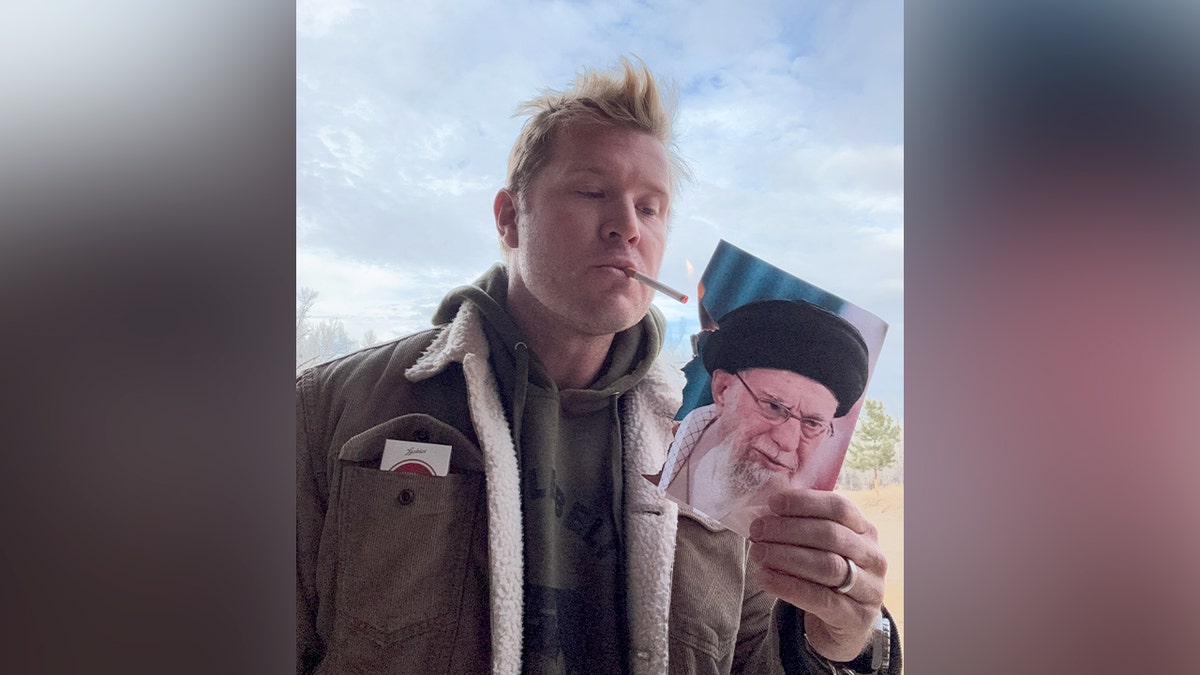
Sen. Tim Sheehy, R-Mont., showed his solidarity with the people of Iran by hopping on a social media trend in which he used a burning photo of Ayatollah Ali Khamenei to light a cigarette. (Courtesy of Sen. Tim Sheehy’s Office)
«Last time I checked, we wiped these bastards out … because they deserve it,» Sheehy said. «We did not start a war with the Iranian Revolutionary Guard (IRGC), they started it with us 47 years ago and their attacks have gone unanswered for half a century. It is time to fix this problem and make sure another generation of Americans does not have to fight this murderous, savage adversary.»
war with iran, foreign policy, defense, senate elections, politics
INTERNACIONAL
Flávio Bolsonaro pide perdón a la esposa de su padre y llama a la unidad de la derecha en Brasil
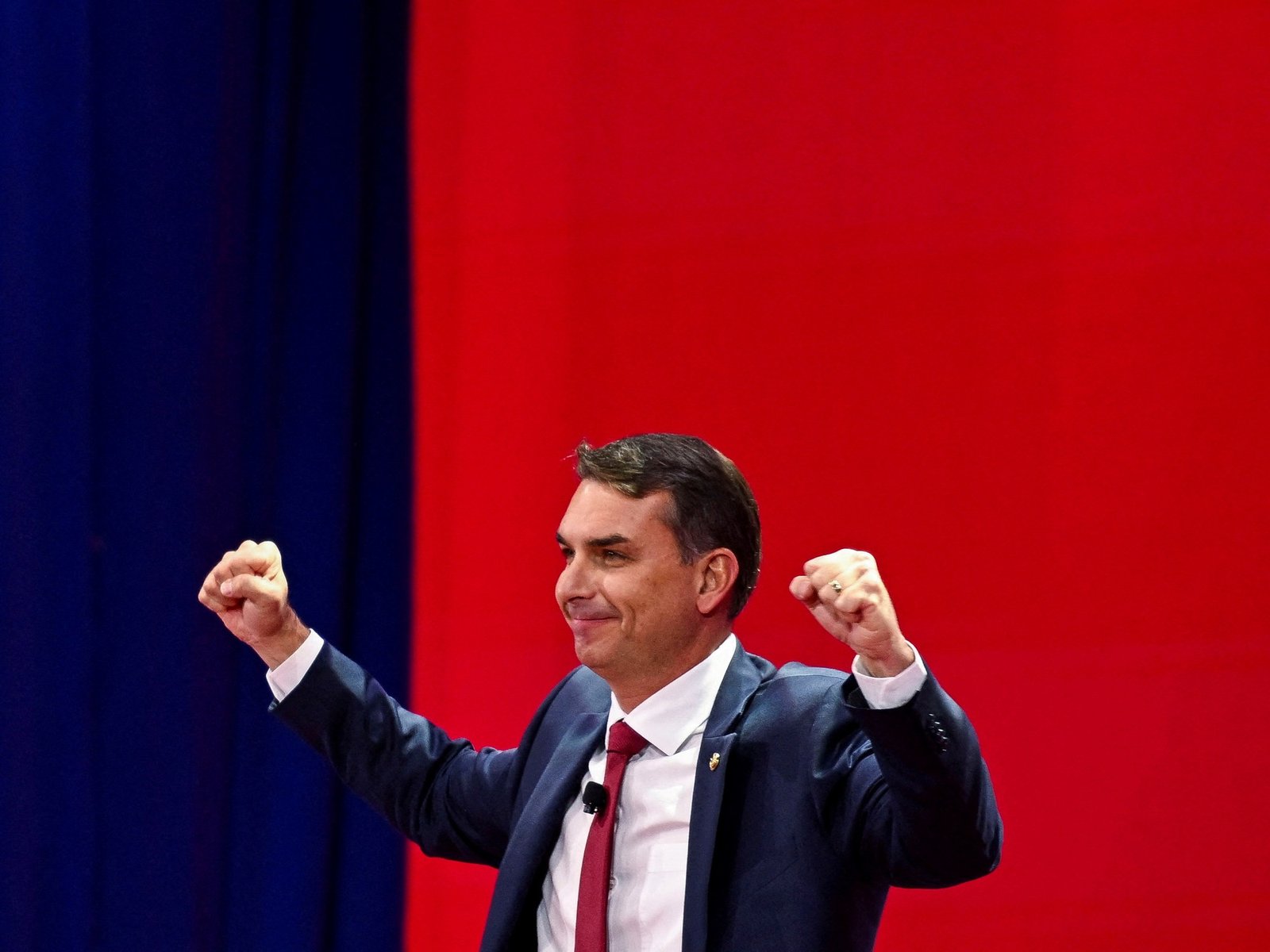
El senador brasileño Flávio Bolsonaro difundió en sus redes sociales un video con un mensaje donde ofreció disculpas a su madrastra, la ex primera dama Michelle Bolsonaro, luego de un enfrentamiento que se coló en la campaña electoral, y lanzó un llamado a la unidad de la militancia conservadora, justo antes de lanzar oficialmente su candidatura a la presidencia de Brasil.
La crisis en la familia Bolsonaro se desató a fines de junio, cuando la esposa del ex presidente Jair Bolsonaro declaró que su hijastro la «humilló» y «maltrató», y deslizó su intención de no apoyarlo en las elecciones.
Flavio perdió el apoyo de parte del electorado femenino evangélico, donde Michelle tiene alta aprobación. El encontronazo entre el senador, de 45 años y su madrastra, de 44, agudizó las divisiones en la derecha brasileña, cuando los sondeos de intención de voto muestran un repunte del presidente Luiz Inácio Lula da Silva, quien buscará su reelección.
En el video publicado el jueves, el hijo mayor del ex presidente Jair Bolsonaro arremetió contra Lula da Silva, que irá tras su cuarto mandato no consecutivo. Aseguró que Brasil «no soporta cuatro años más» de alguien que ya tuvo «tres mandatos para hacer, y no hizo».
Y afirmó que, para «liberar» y «llevar prosperidad» a Brasil, necesita que «todos entren en campo» y lo «ayuden».
En ese sentido, Flávio destacó públicamente la trayectoria de Michelle al frente de la sección femenina del Partido Liberal y valoró su labor en diversas causas sociales.
A la vez, enfatizó el papel crucial de la ex primera dama en el cuidado de Jair Bolsonaro debido a diversos problemas de salud, y quien cumple en prisión domiciliaria su condena a 27 años por intento de golpe de Estado.
«Yo no soy perfecto y una vez más pido disculpas por algunos momentos que causaron incomodidad. Como somos personas públicas, esto acaba siendo explotado por nuestros opositores. Nunca fue mi intención faltarle el respeto a nadie, y menos a la esposa de mi padre», afirmó el senador.
Asimismo, instó a los seguidores del movimiento bolsonarista a dejar de lado los conflictos y concentrarse en el «objetivo principal, que es rescatar a Brasil».
En ese sentido, invitó a Michelle Bolsonaro a trabajar en conjunto para construir un proyecto político orientado hacia un país «más seguro, próspero y lleno de esperanza» y a evitar que los desacuerdos familiares se conviertan en insumos para ataques de los sectores opositores.
La ex primera dama aceptó las disculpas. «Te perdono. Vamos a sentarnos, conversar, ajustar los detalles y, juntos, reunir un gran ejército de personas de bien para rescatar a nuestro Brasil. Hagámoslo por nuestro mayor líder, Jair Bolsonaro», afirmó Michelle en la noche de este jueves.
La esposa del ex presidente señaló que es necesario actuar con el «corazón limpio y libre» para cumplir grandes misiones y «construir nuevas historias, basadas en la verdad, el respeto y la esperanza».
El mes pasado Michelle, una importante líder del movimiento evangélico, acusó a su hijastro de ser agresivo con ella y por ese motivo expresaba su intención de no apoyarlo en su campaña.
La inhabilitación política y el encarcelamiento de Jair Bolsonaro han provocado una profunda fragmentación en la derecha brasileña de cara a las elecciones presidenciales.
Sin la figura unificadora del ex mandatario para imponer un único sucesor, el espectro conservador llega al proceso electoral atomizado en cuatro frentes encabezados por el senador Flávio Bolsonaro, el ex gobernador agrario Ronaldo Caiado, el liberal Romeu Zema y el emergente antisistema Renan Santos.
Mientras la izquierda concentra toda su fuerza en torno a la candidatura de Lula, la primera vuelta presidencial en el país se perfila para la derecha como una contienda interna abierta.
A pesar de que Flávio Bolsonaro encabeza las encuestas del bloque conservador con cerca del 30% de las preferencias, la presencia de estos competidores representa un obstáculo clave para unificar el voto frente al oficialismo.
Candidatos como Caiado, Zema y Santos, cuyos respaldos se sitúan por debajo del 5% pero resultan determinantes para un balotaje, han endurecido sus críticas hacia el hijo mayor del ex presidente.
Esta erosión mutua y los duros cuestionamientos dirigidos a Flávio Bolsonaro por sus presuntos vínculos financieros han agudizado las fracturas internas, alejando la posibilidad de articular un frente derechista sólido de cara a una eventual segunda vuelta.

El Gobierno define los cambios en el BCRA como “el proyecto del semestre” y Milei prepara su presentación

El Gato Sylvestre debutó como angelito de LAM y sorprendió con sus chimentos

Lanús vs San Lorenzo: formaciones, hora y dónde ver por tv

Estudiantes de la Usac denuncian ante el Ministerio Público de Guatemala la desaparición de sus registros académicos

En la Casa Rosada ya hay malestar con Adrián Ravier tras proyectar el precio del dólar

Antes de la visita de Milei a la Rural, LLA y sus aliados esperan una señal de la Casa Rosada para impulsar los proyectos vinculados al campo

Escándalo Mundial: Las presiones secretas, la amenaza de la FIFA por Malvinas y la verdad detrás del partido contra España

Jorge Berredo, general retirado de las FFAA, asumió como Secretario de Seguridad en San Isidro

Sin la anestesia mundialista, aflora la crisis del conurbano y Milei necesita reconectar con lo popular

Paro de transporte. El universo de los sindicalistas que pueden frenar los vuelos en el país

 DEPORTE3 días ago
Escándalo Mundial: Las presiones secretas, la amenaza de la FIFA por Malvinas y la verdad detrás del partido contra España
- POLITICA2 días ago
Jorge Berredo, general retirado de las FFAA, asumió como Secretario de Seguridad en San Isidro
- POLITICA2 días ago
Sin la anestesia mundialista, aflora la crisis del conurbano y Milei necesita reconectar con lo popular