INTERNACIONAL
Cuánto nos acerca a la Luna y a Marte la prueba exitosa del cohete Starship de Elon Musk


El día de ayer ya puede enmarcarse como histórico a nivel espacial, ya que SpaceX logró por primera vez que su megacohete Starship alcanzara la órbita terrestre.
El resultado cambió el alcance del programa espacial privado: la empresa ya no prueba solo un vehículo capaz de despegar, separarse de su propulsor y regresar al océano. Ahora cuenta con una nave que alcanzó la velocidad necesaria para permanecer alrededor del planeta, liberó una carga útil real y completó una secuencia de regreso controlado.
La diferencia parece técnica, pero define el futuro del sistema. Un vuelo suborbital permite atravesar las capas altas de la atmósfera y reunir datos sobre el ascenso, la separación de etapas y el reingreso. Una órbita exige algo distinto: velocidad horizontal suficiente para que la nave caiga de manera continua sin tocar la superficie.
Cerca de la Tierra, ese umbral ronda los 28.000 kilómetros por hora. A esa velocidad, mientras la gravedad atrae a la nave hacia abajo, la curvatura del planeta queda por debajo de su trayectoria.
Ese equilibrio representa la condición de partida para cualquier misión de larga duración. Los satélites de comunicaciones, los laboratorios espaciales, los telescopios y las cápsulas tripuladas dependen de él. También las futuras expediciones lunares y marcianas. Un vehículo que no puede entrar en órbita no puede esperar allí a una tripulación, recibir combustible de otras naves ni partir hacia destinos más lejanos.
La misión 14 incluyó además otro salto cualitativo: la nave superior Ship liberó 26 satélites Starlink V3, la nueva generación de la constelación de internet de SpaceX. La empresa ya había expulsado unidades de prueba en trayectorias suborbitales, pero esos dispositivos volvieron pronto a la atmósfera. Esta vez, los satélites quedaron en una órbita funcional y pasaron a formar parte de una red diseñada para ampliar la conectividad desde el espacio.

El éxito llegó pese a un incidente durante el ascenso. Uno de los seis motores Raptor de la etapa superior se apagó antes de tiempo. En una primera comunicación, el portavoz de SpaceX, Dan Huot, afirmó que la compañía descartaba la inserción orbital. Poco después, los controladores recibieron nuevos datos y corrigieron la decisión. “No nos rendimos todavía, seguiremos con el intento orbital”, dijo Huot.
La nave conservó el margen de rendimiento necesario para continuar. Cerca de 25 minutos después del despegue, encendió brevemente uno de sus motores y entró en órbita.
Desde el centro de control llegó la confirmación: “Starship está en órbita”. Elon Musk, director ejecutivo de SpaceX, escribió luego en la red social X: “¡Primer vuelo orbital de Starship exitoso!”.
La órbita convierte a Starship en una plataforma de carga y no solo en un prototipo

El despegue ocurrió a las 7.46, hora local de Texas, desde su plataforma Starbase, con los 33 motores Raptor del propulsor Super Heavy.
El cohete de 123 metros de altura es el sistema de lanzamiento más alto construido hasta ahora. Su primera etapa concentra una potencia que SpaceX calcula en 7.600 toneladas de empuje.
Tras impulsar a la nave, la primera etapa llamada Super Heavy se separó y descendió hacia el golfo de México. El propulsor registró algunas paradas de motor, pero completó un amerizaje controlado unos siete minutos después del despegue. La atención se concentró entonces en Ship, la etapa superior que debía alcanzar la órbita, liberar la carga y regresar a través de la atmósfera.

La nave transportó los 26 Starlink V3 en su bodega de carga. Cada unidad salió por una abertura estrecha, mediante un mecanismo de liberación que los expulsó uno a uno a una altitud cercana a los 269 kilómetros. Después, los satélites debían desplegar paneles solares y antenas, establecer enlaces por radiofrecuencia y láser, y elevar sus órbitas con propulsores propios antes de prestar servicio.
La importancia comercial de ese despliegue supera el número de unidades. Los Starlink V3 incorporan más capacidad que las generaciones previas y forman parte del plan de SpaceX para aumentar la velocidad de internet de su red orbital. La empresa calcula que esta carga añadió 26 terabits por segundo de capacidad, una cifra que, según sus previsiones, multiplica por cerca de 20 el aporte de una misión convencional del cohete Falcon 9.
Para Starship, el dato clave no reside solo en los satélites. La misión probó que la gran bodega de la nave puede llevar carga útil hasta una órbita operativa.

SpaceX proyecta una capacidad superior a 100 toneladas métricas en órbita baja terrestre y plantea cifras mayores para versiones futuras. Si ese rendimiento se confirma con reutilización frecuente, el costo por kilogramo enviado al espacio podría bajar de forma sustancial.
Esa posibilidad resulta central para la exploración humana. Las misiones tripuladas no requieren únicamente astronautas y una cápsula. Necesitan hábitats, alimentos, agua, trajes, sistemas de soporte vital, equipos científicos, vehículos de superficie, paneles solares y reservas de combustible. La infraestructura necesaria para sostener una presencia fuera de la Tierra pesa mucho más que una tripulación.
Durante décadas, la masa disponible para cada lanzamiento limitó los proyectos de exploración. Las agencias espaciales debieron repartir equipos entre varios cohetes, reducir el tamaño de los módulos o renunciar a determinadas cargas. Starship propone una arquitectura distinta: trasladar grandes volúmenes con un sistema que, en teoría, vuelve a la Tierra y vuela otra vez.

La idea todavía espera pruebas decisivas. La nave terminó su misión tras tres horas y ocho minutos, en lugar de las casi diez horas previstas al inicio. Después de liberar los satélites, SpaceX redujo el tiempo de vuelo y ordenó el reingreso. Ship atravesó la atmósfera con una posición horizontal, similar a la de un paracaidista, y luego encendió motores para orientarse de forma vertical antes del amerizaje en el Pacífico, frente a la costa de Chile.
El vehículo llegó intacto a la superficie del mar, se ladeó y explotó al contacto con las olas. Ese final no invalida el objetivo orbital, pero muestra el límite actual del programa. Una nave destinada a transportar seres humanos no puede depender de un amerizaje destructivo. Debe soportar el reingreso, aterrizar con precisión y volver al servicio con inspecciones limitadas.
SpaceX aspira a recuperar tanto Super Heavy como Ship en la propia torre de lanzamiento. La empresa ya ensayó la captura del propulsor con los brazos mecánicos de la torre en tres oportunidades. El siguiente gran paso consiste en intentar la misma maniobra con la etapa superior. Esa recuperación permitiría evitar plataformas de aterrizaje, barcazas y grúas, aunque exige una precisión extrema en los últimos segundos de vuelo.
La NASA necesita que Starship lleve astronautas a la Luna
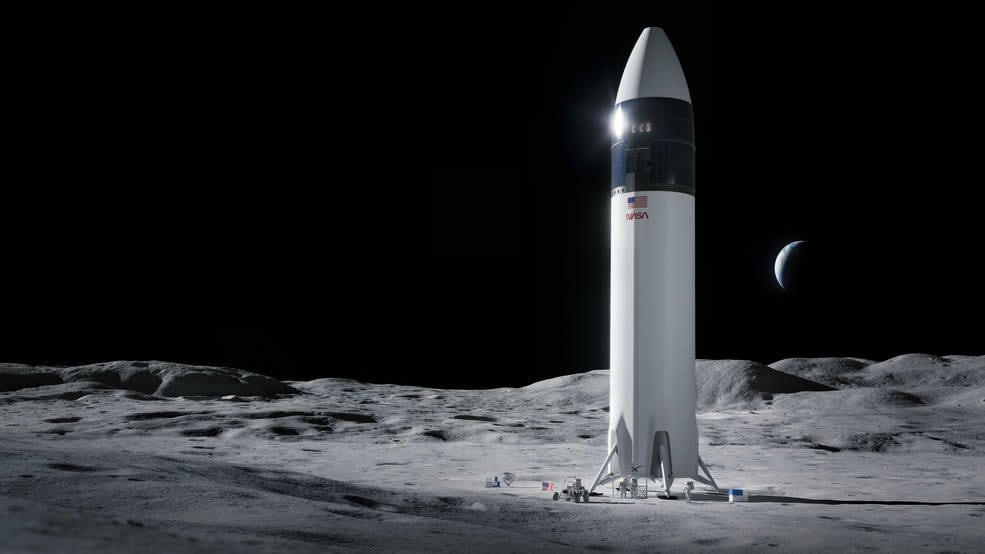
La relevancia del vuelo 14 trasciende a SpaceX porque la NASA eligió una versión de Starship como sistema de alunizaje humano para el programa Artemis. La nave no despegará desde la Tierra con astronautas rumbo a la superficie lunar. El esquema prevé que una Starship modificada espere en órbita, reciba combustible de naves cisterna y luego se encuentre con la cápsula Orion, que transportará a la tripulación.
El plan introduce operaciones que ninguna misión de Starship completó todavía. La primera consiste en transferir propelentes criogénicos de una nave a otra en órbita. Starship utiliza metano líquido y oxígeno líquido, sustancias que deben permanecer a temperaturas muy bajas. Su almacenamiento durante días o semanas, sin pérdidas que alteren la misión, plantea una dificultad técnica mayor que el simple traslado de combustible en la Tierra.
Una expedición lunar puede requerir hasta una docena de vuelos de naves cisterna para llenar los tanques de la Starship de alunizaje. Cada lanzamiento debe alcanzar la órbita, acoplarse con precisión y transferir propelente sin comprometer el estado de los vehículos. El vuelo 14 no resolvió ese desafío, pero estableció la condición previa: una Ship ya demostró que puede llegar a la órbita con carga.

También falta incorporar y validar sistemas de soporte vital, procedimientos de evacuación, comunicaciones para tripulación y criterios de seguridad propios de un vuelo humano. Un fallo de motor durante una misión no tripulada puede terminar en un amerizaje de prueba. Con astronautas a bordo, el diseño debe ofrecer márgenes, redundancias y opciones de aborto para cada fase crítica.
La NASA ubica Artemis III en 2027 como una misión de demostración de operaciones en órbita terrestre entre Orion y los módulos comerciales de SpaceX y Blue Origin, antes de futuras expediciones de superficie. El calendario depende del avance de los sistemas de alunizaje, los trajes espaciales, el cohete Space Launch System y la cápsula Orion. La agencia también seleccionó a Blue Origin para desarrollar otro módulo lunar, una decisión que introduce una segunda vía para el programa.
El director de la NASA, Jared Isaacman, destacó el resultado del vuelo 14 en X. “Lanzamiento espectacular, llevando la Nave a órbita y manejando cada paso de manera segura, responsable y especialmente inspiradora”, escribió. También señaló la expectativa de que la cooperación con SpaceX convierta estas misiones en operaciones rutinarias.
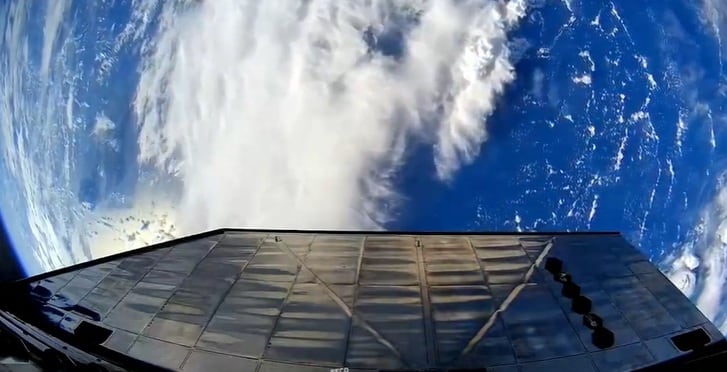
Para Elon Musk, la Luna representa una escala intermedia. Su objetivo declarado apunta a una ciudad autosuficiente en Marte. “Podemos ir a otros lugares del sistema solar, como Saturno, pero creo que lo más importante en lo que debemos centrarnos es en el camino más rápido hacia una ciudad autosuficiente en Marte”, fueron las palabras que pronunció el multimillonario empresario Elon Musk al presentar hace dos años su nuevo cohete Starship, con el que se propone generar una revolución espacial como la que hizo el legendario Apolo que llevó el hombre a la Luna.
Una misión a Marte requeriría aún más combustible, protección ante la radiación, sistemas de vida de larga duración y la capacidad de aterrizar cargas pesadas en otro planeta. Antes de ese horizonte, Starship deberá demostrar vuelos repetidos, recuperaciones completas y transferencias de propelente en el espacio.
El vuelo 14 no resolvió esas tareas, pero situó por primera vez al vehículo en el escenario donde todas deberán ocurrir: la órbita terrestre.
SpaceX,Starship,Starlink V3,programa Artemis,órbita terrestre,Infobae











INTERNACIONAL
Tras el debate en Brasil, Lula se acerca a Flávio Bolsonaro en las encuestas y crece la incertidumbre en la recta final de la campaña
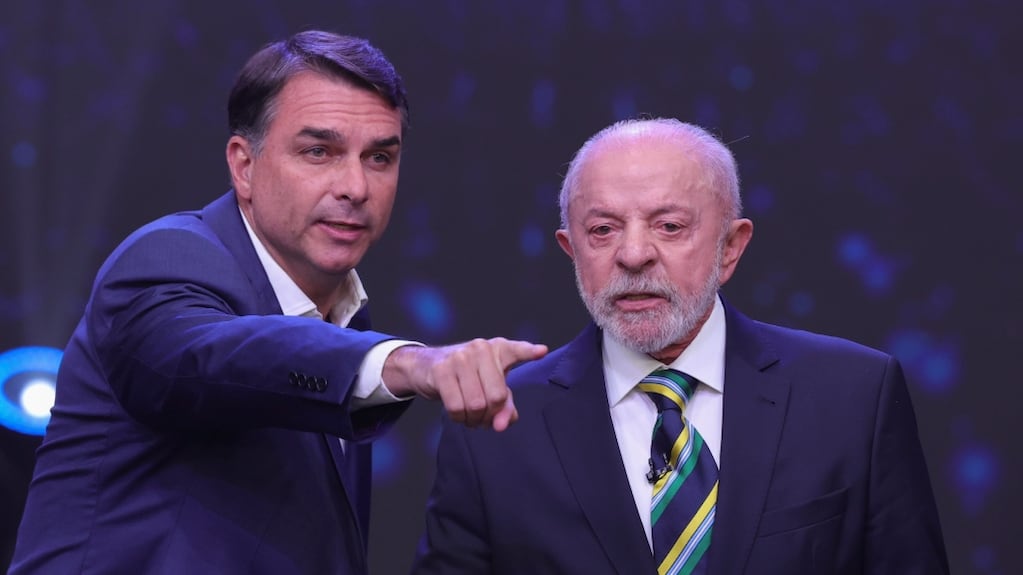
El primer debate presidencial aumentó la incertidumbre en Brasil. A solo seis días del balotaje del domingo próximo, el presidente Lula da Silva acortó aún más la desventaja sobre su rival de derecha Flávio Bolsonaro, según los últimos sondeos divulgados este lunes.
La diferencia a favor del primogénito de Jair Bolsonaro entra en el margen de error en dos de las tres encuestas conocidas hoy.
Un sondeo de BTG/Nexus reveló que el candidato del Partido Liberal (PL) cuenta con el 50,3% de los votos válidos (que excluyen los sufragios en blanco, nulos e indecisos) contra el 49,7% de Lula. La ventaja a favor del actual senador es de tan solo 0,6% frente a los 3,2 puntos del sondeo anterior divulgado el martes pasado.
Otra encuesta de Atlas/Bloomberg muestra a Bolsonaro con el 51,1% contra el 48,9% de Lula (con una diferencia de 2,2 puntos).
Un tercer sondeo de PoderData/Aya dio a Bolsonaro una ventaja de cuatro puntos (52% a 48%), el único que se muestra por fuera del margen de error.
La encuestas fueron realizadas antes del debate transmitido por la TV Band.
“Flávio aún tiene cierta ventaja, porque está numéricamente por delante, pero principalmente porque sabemos que la abstención tiende a perjudicar un poco más la candidatura de Lula. Históricamente, la abstención se concentra más entre los votantes de bajos ingresos y con menor poder adquisitivo, donde Lula recibe significativamente más votos que Flávio”, dijo Marcelo Tokarski, director general de Nexus.
En la primera vuelta, celebrada el 4 de este mes, Bolsonaro venció por dos puntos (47% a 45%) sobre Lula. Ambos candidatos mantendrán un segundo debate este viernes, dos días antes del segundo turno.
Quién ganó el debate
El debate, el primero de la campaña electoral, estuvo plagado de chicanas, denuncias y acusaciones cruzadas de corrupción.
Las propuestas quedaron opacadas ante la profusión de imputaciones y recriminaciones. En el cierre del debate el griterío de la platea, colmada de asesores y simpatizantes, interrumpió las consideraciones finales de ambos candidatos.
En un principio, Bolsonaro se mostró más seguro y logró desestabilizar a Lula, pero el actual presidente se recompuso y logró emparejar el desarrollo.
El analista brasileño Rodrigo Toniol destacó a TN que el debate fue seguido de forma masiva en Brasil. “Hoy por la mañana, en las calles, este es uno de los temas de conversación”, indicó.
Según afirmó, “en términos generales, fue un debate violento, absolutamente carente de propuestas y viciado por contenidos diseñados específicamente para convertirse en fragmentos virales en las redes sociales”.
Silva
INTERNACIONAL
Smithsonian screening dispute puts museum’s commitment to diverse views on trial: ‘Right kind of Black?’
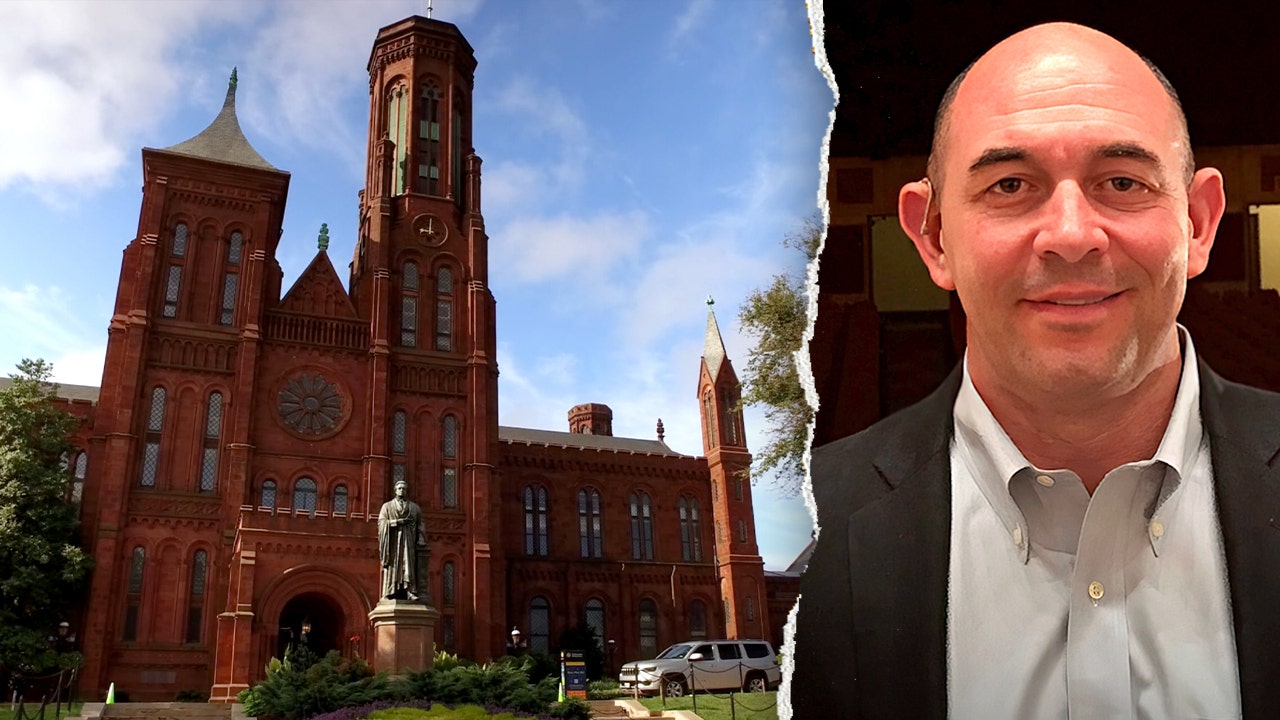
FIRST ON — A Black conservative filmmaker is challenging the Smithsonian to explain why his documentary questioning progressive views on race has yet to secure a public screening at its African American history museum, which has previously showcased films examining systemic racism.
«White Guilt,» directed and co-produced by Eli Steele, is based on a book by his father, noted Black conservative academic Shelby Steele. The younger Steele, who is Black, Jewish and deaf, has drawn on his own experiences to challenge prevailing views on race and identity.
The documentary argues that White guilt over America’s racial history, along with fears of being labeled racist, has pushed institutions to prioritize racial identity over individual merit.
The dispute comes as the Smithsonian faces mounting pressure from President Donald Trump and his administration over allegations of ideological bias in its portrayal of American history. The White House has accused the institution of promoting progressive narratives and threatened to restrict federal support, escalating a broader battle over whose perspectives are represented in the nation’s museums.
SMITHSONIAN AMERICA 250 EXHIBIT FEATURES 3X MORE LIBERAL ITEMS THAN CONSERVATIVE ONES
Steele provided communications to Digital showing that the museum declined his proposed screening dates and offered him a private rental option instead. The filmmaker says the museum has yet to respond to his request for alternative dates for a public screening.
«The film is professionally shot, the quality is there. A comparable film that they’ve shown is ’13th,’ which itself is a very controversial film,» Steele told Digital. «So that’s the big question we have here: Do we have viewpoint diversity or do we not? Do you have to be the right kind of Black to be shown at the Smithsonian?»
«That’s the big question that we have to address in this room. But I hope that it’s not about any of that,» he continued.
The filmmaker has questioned the apparent decision to not screen his film, given that the museum has allowed numerous other films with more progressive messages to have public screenings, though stopped short of accusing the museum of ideological discrimination.
«13th,» the film mentioned by Steele, is featured in educational and public programming at the NMAAHC. It argues that the 13th Amendment’s exception permitting forced labor as punishment for a crime enabled racial control to persist after slavery by allegedly criminalizing Black behavior.
Other films shown by the NMAAHC in public screenings include such titles as «Hidden Figures» in 2016, «I Am Not Your Negro» in 2017 and «Faith in Blackness: An Exploration of AfroLatine Spirituality» in 2023, the latter presented in partnership with the Smithsonian Folklife Festival.
LIBERAL FACULTY STILL HUGELY OUTNUMBER CONSERVATIVES IN HIGHER EDUCATION: REPORT
While Steele was hesitant to speculate as to why his film hadn’t been scheduled for a public screening, other Black conservatives saw the museum’s handling of his request as part of a familiar pattern.
«Academia is not what it was years ago when I went to graduate school, when it touted itself as a marketplace for ideas,» Carol Swain, a retired Black conservative professor and prominent media commentator, told Digital. «There would always be a token conservative included. And I have found over the years that conservatives were tolerated less and less. And if they were black, at some point they were not tolerated at all.»
«When you look at an institution like the Smithsonian, that’s supposed to belong to all of us, to all Americans, you would think that it would be open to divergent views,» Swain, who spent her career at institutions such as Princeton and Vanderbilt, continued. «That is not what we find.»
Wall Street Journal columnist and Manhattan Institute senior fellow Jason Riley shared a similar perspective.
FORMER DEMOCRATIC STAFFERS, DEI LEADERS SHAPE SMITHSONIAN LEADERSHIP AMID POLITICAL FIRESTORM
«I think the type of people who run the Smithsonian Institute are part of the broader liberal intelligentsia in this country that prevails in academia, prevails and the media. And this is not a point of view. That they take kindness to,» Riley told Digital. «In fact, this film takes some rather direct shots at that group of people. So there might be some self-interest here. It might cut a little too close to these folks.»
«I do think that they have a vested interest in putting forward a narrative out there to advance a political agenda. And I think that’s what’s really going on here at places like the Smithsonian,» Riley continued, citing his experience as a Black commentator who has spent his career sparring with White liberals.
TRUMP V. SMITHSONIAN: A TIMELINE OF HOW THE WHITE HOUSE FIGHT OVER ‘WOKE’ HISTORY UNFOLDED
Both Riley and Swain argued that viewing the film could do a service to White progressives by challenging their assumptions about race and forcing them to confront whether their preferred policies are actually helping Black America. Riley stated that the Black Americans who regularly attend the NMAAHC could benefit from Steele’s film as it challenges the popular assumption that they are blocked from social mobility by virtue of their race.
In recent months, the Smithsonian has been the target of criticism from Republican elected officials, including the president, who argue that the institution has allowed political bias to overshadow the neutral presentation of history, an argument some within the organization reject, claiming that they are simply presenting the good and the bad aspects of the American story. As part of its effort to pressure the Smithsonian over what it describes as ideological bias, the Trump administration has threatened to restrict federal support, including discretionary grants and cooperation from federal agencies.
While Riley and Swain raised questions about the Smithsonian’s motives, the museum told Steele that his proposed dates were unavailable but did not explain whether it would consider alternative dates for a public screening, according to correspondence reviewed by Digital.
Steele and his team reached out to the Smithsonian in late August about a public screening of their film, receiving a response within the day directing them to fill out an event application form, according to correspondence reviewed by Digital. In early September, they submitted a completed application form and provided two possible dates for a screening.
About two weeks later, the NMAAHC responded by informing them that neither date was available for a public screening, according to the correspondence. After Steele’s team asked about alternatives, the museum offered them the option of renting space for a private screening at a quoted cost of $35,000, according to correspondence reviewed by Digital, rather than arranging a museum-sponsored public screening.
INSIDE THE BEHEMOTH SMITHSONIAN MUSEUM NETWORK DRAWING FIRE FROM THE TRUMP ADMINISTRATION
When Steele and his team clarified that they wanted a public screening and signaled flexibility on their requested dates, they received no response from the museum, per correspondence reviewed by Digital.
«Answering email does not take that much time,» Steele told Digital.
«I watched the film last night. It’s a well-made and powerful representation of ideas that Shelby Steele has been developing over the last 40 years,» Glenn Loury, an African American professor at Brown University who has described himself as «conservative-leaning,» told Digital. «Those ideas — about how racial identity interacts with the pursuit of ‘black power’ and the quest for ‘white innocence’ in the West — are vividly illuminated through the film’s exploration of a number of exemplary cases.»
«The arguments advanced via Steele’s eloquent narration in the film are not beyond questioning, but they are invariably provocative and insightful,» he continued. «It would certainly be an appropriate use of the platform of the Smithsonian’s National Museum of African American History and Culture to screen this documentary, as a means of provoking critical engagement with its themes from all corners of the political/ideological spectrum.»
IN PICTURES: HISTORIC SMITHSONIAN MUSEUM PACKED WITH WOKE POLITICAL MESSAGING ON RACE AND GENDER
NMAAHC did not respond to a request for comment when reached by Digital.
«My father, Shelby Steele, was born into segregation and has spent decades examining how America has changed, how far we have come, and what still divides us. ‘White Guilt,’ drawing on his 2006 book, brings that work to the screen,» Steele said in a statement provided to Digital. «We approached the Smithsonian’s African American museum because we believe that conversation belongs there. Sharing his life’s work in a museum dedicated to the history he lived would mean a great deal to both of us.»
«Our proposal remains open, and we would appreciate an answer.»
smithsonian, politics, arts, cancel culture, entertainment, history
NEWYou can now listen to Fox News articles!
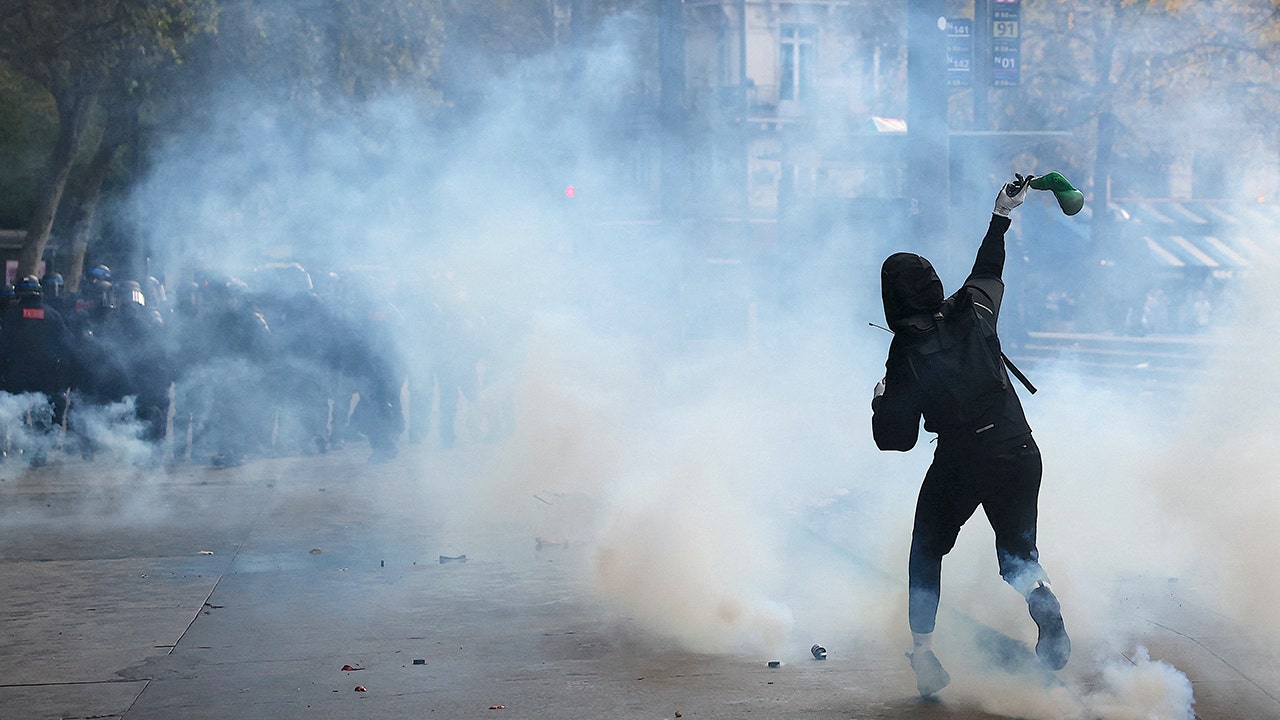
As images of burning cars and historic buildings in France and Italy ricochet across Europe, leaders in Hungary and Poland are seizing the moment, not to address the unrest, but to redefine the migration debate.
Both Hungary and Poland have laid down markers on allowing migrants into their nations. Even to the point of being fined and sanctioned by the European Union courts for refusing to open their gates to unchecked immigration, in Hungary’s case under former Prime Minister Viktor Orbán, while Poland faced sanctions in 2025.
Eurostat’s latest available figures show that in 2025 France had almost 10 million and Italy about 7 million foreign-born residents. Poland had roughly 1 million foreign-born residents, while Hungary had less than 700,000, with most born in other EU countries and in Poland’s case about half came from Ukraine.
TRUMP, WALTZ LINK FRANCE RIOTS TO MASS IMMIGRATION AS THOUSANDS ARE ARRESTED
Poland’s Prime Minister Donald Tusk (L) and Hungary’s Prime Minister Peter Magyar shake hands ahead of a round table as part of a European Union summit at the EU headquarters in Brussels on October 16, 2026. EU leaders headed to Brussels on October 15, 2026, for their biggest clash yet over the bloc’s next long-term budget, as they race to lock in a deal before next year’s French presidential election. (Photo by Ludovic MARIN / AFP via Getty Images) (Ludovic Marin / AFP via Getty Images)
Reacting to the violence, Hungary’s Prime Minister Péter Magyar posted on X that, «Europe can count on Hungary.» He stated that, «In the face of this senseless destruction and unjustified violence, perhaps it is now clear to everyone why Hungary advocates the strictest possible approach to migration, and why we will not weaken our border protection or immigration policy under any pressure.»
It is a sentiment echoed by Magyar’s Polish counterpart, Donald Tusk posted: «Poland will not repeat the mistakes of other European countries, nor will it pay for them,» he wrote on Sunday night. «We are firmly defending the border against illegal migration, we have our own asylum policy (we do not accept applications), we deport those who break Polish law. On security issues, we will be relentless.»

A demonstrator holds a Palestinian flag beside a burning bus stop at Place de la République in Paris. The entry of the Gilets Jaunes connects student issues to wider economic discontent. Paris, France Oct. 17, 2026 (Guy Smallman/Getty Images)
Sweden-based political scientist Daniel Schatz told Fox News Digital, «Burning buildings and looted shops in France and other countries are becoming political ammunition across Europe… Leaders pushing tougher immigration policies have a blunt message for voters at home: ‘This is what we intend to prevent.’ Images of chaos can carry more political weight than a hundred policy speeches.»
According to the latest available crime statistics from Eurostat, the European Union’s official statistical office, in 2024 France reported 304,900 police-recorded offenses, among the highest totals in the EU. Italy reported 142,600, while Poland with 57,300 and Hungary’s 28,600 were among the lowest totals in Europe. This as Eurostat’s 2023 «perception metric,» or what percentage of people report crime or vandalism in their areas, showed France was again among the highest with about 20%, Italy reported 14-17%, Poland 7-8%, and Hungary at 6-7%.
FRENCH SCHOOL RIOTS DEEPEN AS EXPERTS POINT TO FAR-LEFT ALLIANCE FUELING ‘BROADER CONFRONTATION’
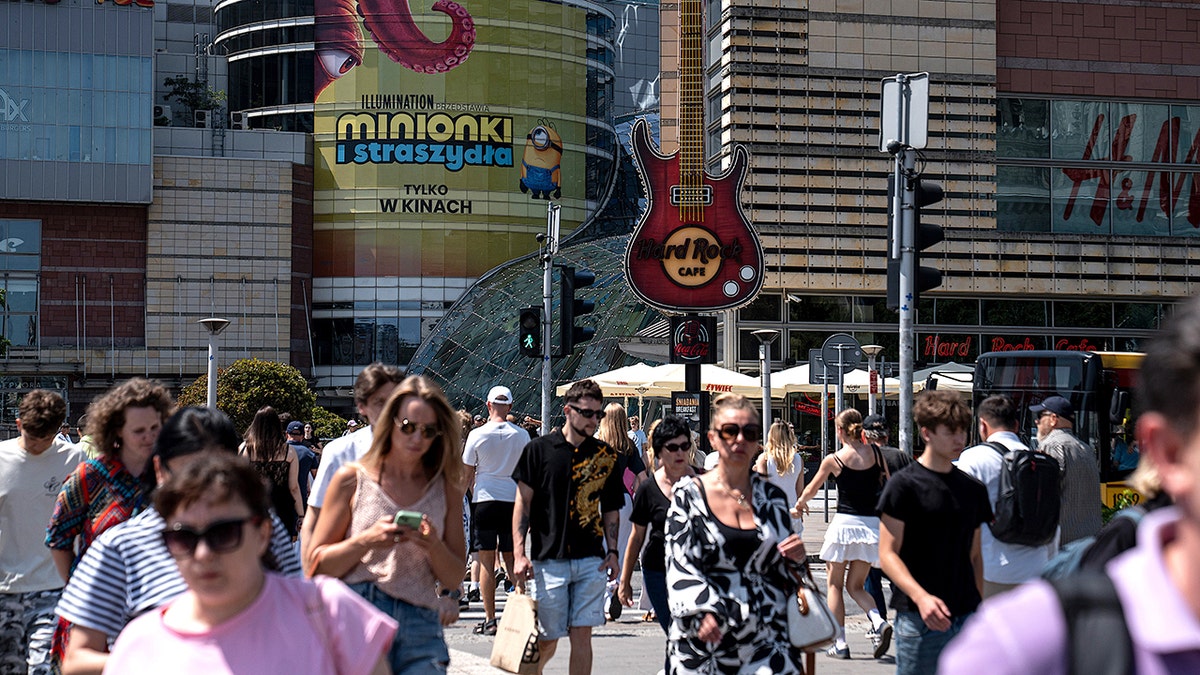
Shoppers outside the Zote Tarasy shopping center during high temperatures in Warsaw, Poland, on Tuesday, June 30, 2026. (Damian Lemanski/Bloomberg via Getty Images)
«In Central and Eastern European countries, the riots in France are linked to immigration and to the issue of non-adaptation and non-integration of immigrants,» Boštjan Udovič, Chair of International Relations at the University of Ljubljana’s Faculty of Social Sciences in Slovenia, told Fox News Digital.
«Magyar and Tusk are delivering a blunt message to Brussels,» Schatz added, «being pro-European does not mean signing up for liberal immigration policies… Magyar explicitly presents the French disorder as vindication of his migration policy. Tusk’s warning against repeating other countries’ mistakes reinforces a similar political message.»

Protesters climbed at the top of the Statue de la République as student unions and Gilets Jaunes united to demonstrate against education underfunding, austerity, and rising living costs in Paris, France, Oct. 17, 2026. (Guy Smallman/Getty Images)
Magyar said last week’s European Council summit «made it clear that the overwhelming majority of European countries have woken up and want to break with the permissive policies of the past. We hope it is not too late.
«The Europe we all love is in serious trouble today,» the Hungarian leader said. «It is our responsibility, too, to help preserve our continent as the most wonderful place in the world for our children and grandchildren… I express my full solidarity with the French people.»
ITALY’S SCHOOL VEIL BAN EXPOSES EUROPE’S ASSIMILATION FIGHT AS EXPERT WARNS US COULD BE NEXT

People attend Independence March celebrating the 106 anniversary of Poland regaining independence. Warsaw, Poland on 11 November, 2024. Tens of thousands of Poles from Warsaw and across the country arrived to the Polish capital city on the Nations Independence Day. (Beata Zawrzel/NurPhoto via Getty Images)
Schatz said Magyar and Tusk «do not need to invoke Polish King Jan Sobieski’s leadership of the allied army that broke the Ottoman siege of Vienna in 1683 — a victory long celebrated as a defense of Christian Europe — to cast themselves as Europe’s protectors. Burning buildings provide a vivid contemporary backdrop for that message.»
Udovič is not surprised by Magyar and Tusk’s positions, noting that Central and Eastern European countries «usually link their EU membership to their identity, based mostly on a single nation.» This is part of their history, he says, and «it would be unrealistic to expect that countries that fought for their independence based on their national movement would adopt… a concept of a multiethnic society.»
Schatz added, «This is ‘all politics is local’ playing out across borders. The streets are French or Italian; the voters being addressed are Hungarian or Polish.» Udovič noted that Tusk is entering «a sort of pre-election campaign where migration will also be an issue.»
MELONI CONDEMNS ‘GANGS OF THUGS’ AFTER PROTESTS TURNED VIOLENT ACROSS ITALY
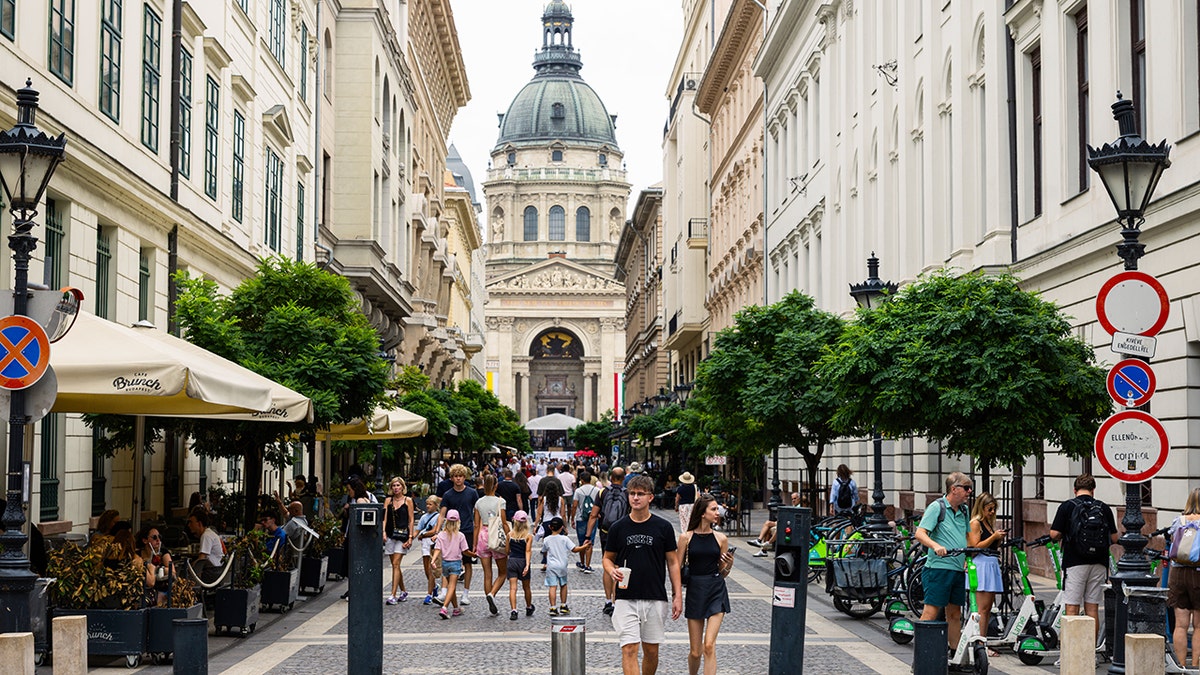
Shoppers on a pedestrianized street near St. Stephen’s Basilica in Budapest, Hungary, on Tuesday, Aug. 25, 2026. Hungary’s central bank delivered its third consecutive interest rate cut after the inflation rate fell to the lowest level in a decade. (Akos Stiller/Bloomberg via Getty Images)
Poland’s next parliamentary election is slated for Nov. 2027, and former Prime Minister Mateusz Morawiecki, a possible Tusk opponent, is echoing his successor’s remarks. «France is burning, and we must be wise before the harm is done,» Morawiecki posted to X Monday morning. He added that his new center-right political coalition, Rozwoj Plus, «has a package of comprehensive solutions that will allow Poland to be not only prosperous, but also the safest country in the world!»
Meanwhile, «Strict immigration policies enjoy broad support in Hungary,» former government official under the previous Prime Minister Viktor Orbán and current board member of the Hungarian Atlantic Council Á. Félix Debrenti told Fox News Digital.
He said, «Magyar understands that abandoning Orbán’s tough approach to immigration and border protection could cost him significant political support, particularly at a time when his party is already facing growing pressures.»
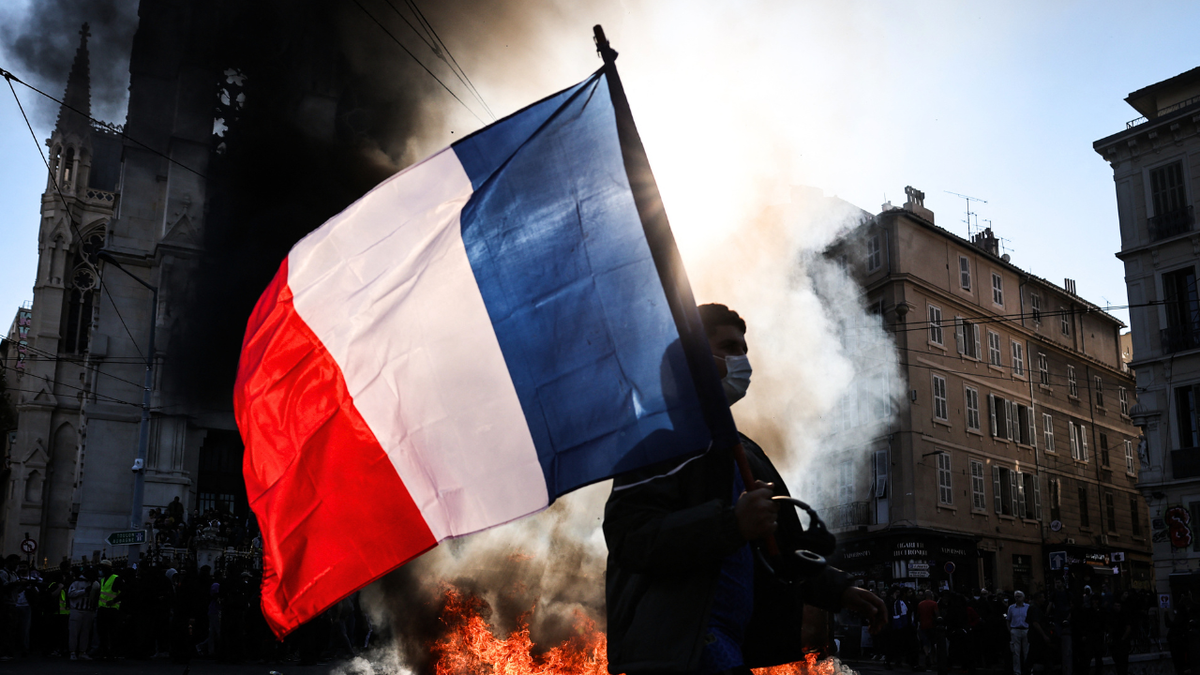
A protester waving a French national flag walks past a fire during clashes prior to the start of a demonstration to protest against the «high cost of living», in Marseille, southern France, on October 17, 2026. (Thibaud Moritz/AFP/Getty Images)
He said, «Taking a strong position on immigration allows Magyar to shift public attention away from the government’s domestic challenges and onto an issue where there is a broad national consensus,» Debrenti continues. «All this comes just days before Oct. 23… when Hungarians commemorate the 1956 Revolution and the fight for freedom against Soviet oppression.»
Touching on the protests, Magyar posted: «Let there be no doubt: peaceful and lawful protest is one thing; vandalism and violence are quite another. The former is a fundamental right; the latter is a serious crime.»
europe, france, hungary, border security, world protests

Los dueños de Metal Gear y Silent Hill lo tienen claro: la IA no cambiará sus juegos, porque dependen de un factor que no se programa

La Casación confirmó el cierre de la causa contra Mauricio Macri, Luis Caputo y Federico Sturzenegger por el crédito de US$57.100 millones del FMI

La peculiar situación que obliga a un famoso entrenador a dirigir sentado

Teresa Costantini asegura que su exmarido Eduardo le pidió retirar los restos de sus padres del Jardín de Paz: cuál fue su respuesta

El Banco Central ya compró más de USD 1.000 millones en lo que va de octubre

Richarlison acusa a Flávio Bolsonaro de adueñarse de su isla: ‘Se quedaron con ella sin pagar ni un céntimo’

El futuro será inteligente, pero inconsciente

La ANMAT prohibió un dispositivo de depilación definitiva por irregularidades sanitarias

Milei-Bullrich, la fórmula que más entusiasma al oficialismo en medio de las turbulencias económicas

La nueva vida de Paulinho: de dejar huella en el Barça a triunfar en los despachos

 CHIMENTOS3 días ago
Juan Minujín contó como llegó a trabajar con Angelina Jolie y Salma Hayek: «Al principio dije que no»
- INTERNACIONAL3 días ago
Trump’s new press secretary out of the job just days after rocky debut
- POLITICA3 días ago
Los intendentes del PJ que afrontarán un recambio inédito si es que la ley de reelecciones no se revierte