INTERNACIONAL
Culture clash laid bare as violent Somali gangs grip suburban communities: ‘These kids are different’

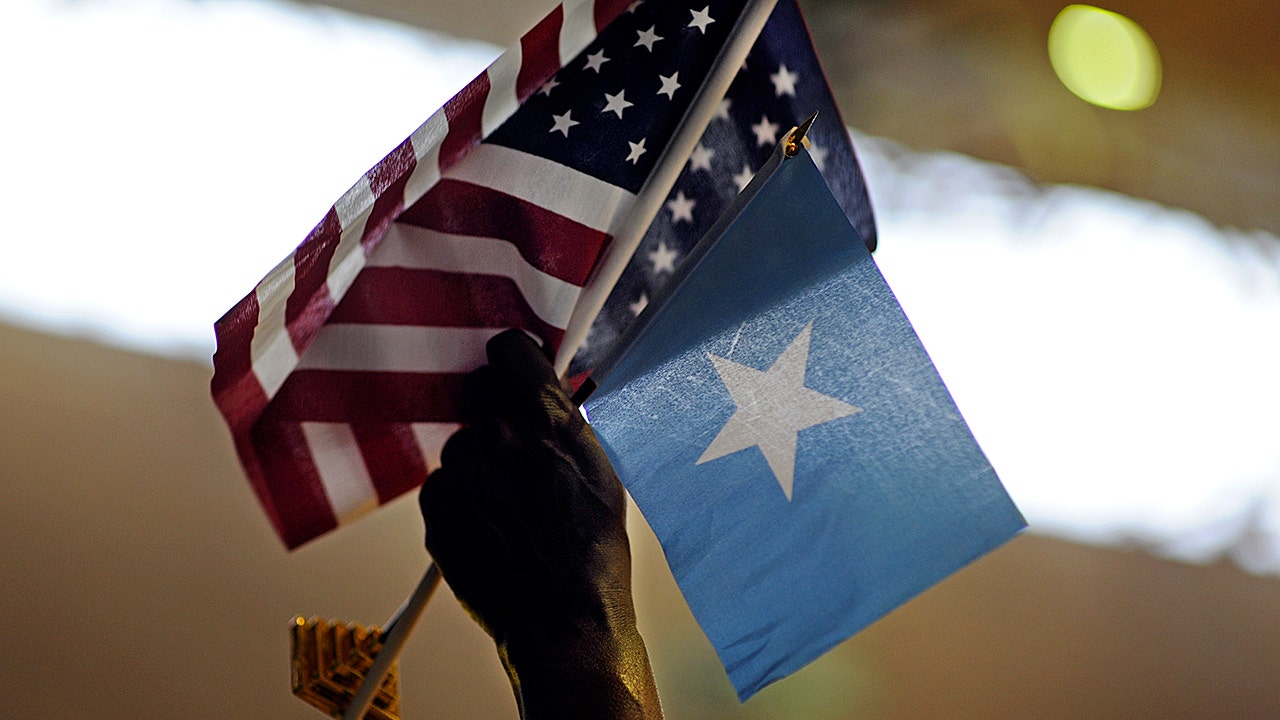
More than 100 rounds fired in a Minnesota neighborhood have left police struggling to explain a troubling pattern: Somali American youths from financially comfortable households are turning online disputes into gang violence.
The violence raises bigger questions about what is driving these gangs and whether struggles to fit into American life, cultural or clan ties, government policies or failures by schools and other institutions have played a role and what makes these youths different from traditional American street gangs.
«They’re coming from families. They got money, and they have resources,» Bloomington Police Chief Booker Hodges told Digital of the young Somali American gang members under investigation.
Those questions follow a late-night Bloomington gunfight that left one person injured during a string of shootings across suburban Minneapolis-St. Paul.
100-SHOT SOMALI GANG GUN BATTLE ROCKS MINNESOTA AS SHERIFF WARNS ‘WE’RE IN TROUBLE’
Hodges said the suspects defy traditional drug- or money-driven gang profiles. Asked what drives the violence beyond social media disputes, he acknowledged investigators lack a clear answer.
«I don’t know. I can’t tell you. I really wish I could,» Hodges said.
Somalia, long considered a failed state until the mid-2010s, according to the U.N., has endured decades of clan-based warfare and weak central government authority, including the 1993 Battle of Mogadishu depicted in «Black Hawk Down,» when Somali militiamen battled U.S. forces during an ill-fated military operation, part of the turmoil that drove waves of refugees to America.
More than 111,000 Somali refugees were admitted to the U.S. between 2001 and 2023 through the federal refugee resettlement program, spanning the George W. Bush, Barack Obama, Donald Trump and Joe Biden administrations. Minnesota became a major destination, alongside sizable Somali American communities in New York, Texas and Ohio.
Jessica Vaughan, director of policy studies at the Center for Immigration Studies, believes one possible explanation lies in how refugees have been resettled.
«We have to remember also that this population’s origins were as refugees who were a vulnerable population and traumatized in many cases,» Vaughan told Digital.
«But they were settled in clusters in certain places in the United States. And I believe that is a policy that has facilitated the formation of these gangs because it removes a lot of the incentives for people to assimilate.
«And it just makes assimilation to the larger society much more difficult because it’s not necessary for people to get by.»
Vaughan described an emphasis on preserving homeland cultures rather than encouraging integration as a «missed opportunity,» arguing it can leave immigrants in a «separate society within the larger Minnesota community.»
History, however, complicates the argument that maintaining strong ethnic ties necessarily prevents assimilation.
Stanford sociologist Tomás Jiménez cautioned against treating gang involvement among a small subset of second-generation immigrants as evidence that an entire community has failed to integrate.
«I would actually not think of it as, like, a failed assimilation, as much as a particular kind of assimilation,» Jiménez said.
He noted that Italian, Irish, Mexican and Salvadoran communities experienced gang activity while broader integration continued.
Jiménez emphasized that assimilation unfolds across generations, pointing out that the Italian American experience spanned roughly 75 years rather than occurring overnight. He identified education, economic advancement, language and intermarriage as important measures of integration.
NATION REVEALS HOW RUDY GIULIANI BROKE THE MAFIA’S GRIP ON NEW YORK
Donald Tricarico, an Italian American immigration scholar at Queensborough Community College, drew parallels between Italian and Irish immigrants, who established close-knit ethnic communities in New York. He said Italian families often followed relatives from the same villages into the same neighborhoods and occupations.
«They came to the same neighborhoods … what migration historians call ‘chain migration,’ and they … went to the same neighborhoods,» he said, citing his own family’s multigenerational experience in New York City.
«There isn’t a switch that gets flipped,» Tricarico said, challenging assumptions that Italian Americans assimilated quickly and noting that close-knit ethnic communities persisted into the 1980s in some cases.
WORKING-CLASS AMERICANS SAY THEIR TOWN IS THE NEXT DEARBORN — AND THEY’VE HAD ENOUGH
«Assimilation is a slow crawl,» he said, explaining that economic advancement and integration typically unfold across generations.
Tricarico noted that some Sicilian immigrants arrived with ties to existing Mafia networks overseas, a criminal element distinct from the broader Italian immigrant population. Hodges, meanwhile, said investigators have found no evidence that longstanding clan rivalries in Somalia are driving the Minnesota violence.
Somali American community figures have offered their own explanations, including the challenges facing immigrant parents.
At an Eden Prairie news conference Wednesday, Somali teacher Fardousa Yossuf suggested parents working long hours may have neglected their children’s needs and «expressed disbelief» that people raised with Islamic values could engage in gun violence, according to Alpha News.
Imam Yusuf Abdulle rejected characterizing the violence as a Somali problem in an interview with WCCO – CBS Minnesota posted on YouTube.
«These kids are Americans. They’re born and raised here,» Abdulle said. «It is an American problem. It is not a Somali problem.»
Vaughan, meanwhile, warned that the gangs have not reached the sophistication of transnational organizations such as MS-13 but could become more entrenched without intervention.
She pointed to families and schools as critical to preventing recruitment and argued that local institutions and law enforcement must intervene before the groups become more organized.
Vaughan acknowledged she had not established that specific Minnesota schools or resettlement policies prompted the shootings.
Asked whether longstanding Somali clan rivalries were fueling the shootings, Hodges said investigators found no evidence supporting that explanation.
«No, we have not seen that. I haven’t seen it,» he said.
He added that people from groups in conflict in Somalia can belong to the same cliques in Minnesota.
SIGN UP TO GET THE POLITICS NEWSLETTER
Hodges said police are redirecting task force resources toward the gangs and questioned whether some Hennepin County prosecution policies could limit intervention.
He warned the Bloomington gunfire could have endangered innocent bystanders had it occurred during daylight.
«If that had been one o’clock in the afternoon, it would have been a different story on that block,» he said.
minnesota, somali immigrant community, crime world, politics, minneapolis st paul, refugees, immigrant education, donald trump









INTERNACIONAL
Texas’ red wall facing its biggest threat in decades as Republicans scramble to defend it
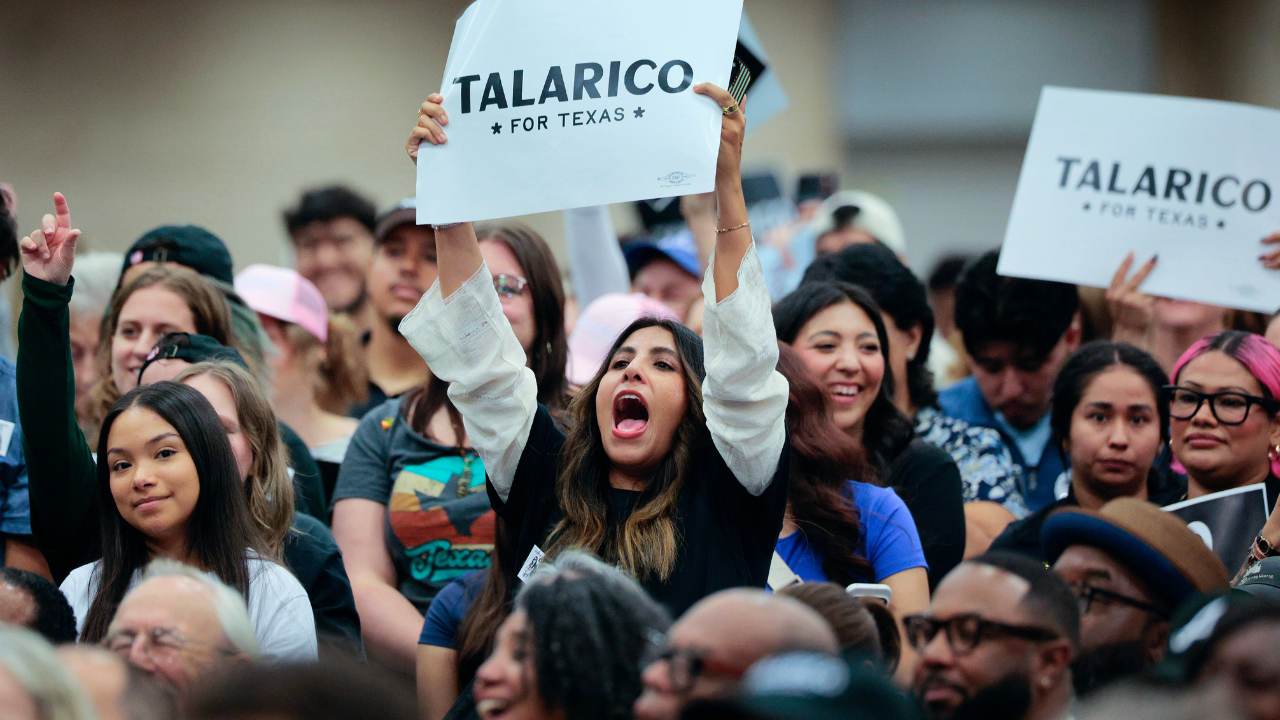
DALLAS — Democrats see a rare opening in Texas, and James Talarico is giving them their clearest shot in years at turning the state blue. If he pulls off the upset, the former teacher and Presbyterian seminarian could knock the first brick loose in Texas’ red wall.
The polling and fundraising figures help explain why Democrats see that possibility.
To put it in perspective, Talarico’s polling leads are wider than those recorded against Ted Cruz in 2018, when Beto O’Rourke came closer than any Democrat in decades to winning a Texas Senate race. And the enthusiasm on the ground from those who spoke with Digital backs up the numbers.
DEEP IN TRUMP COUNTRY, A NEW GENERATION REVEALS THE DIVIDE BEHIND TEXAS’ TIGHT SENATE RACE
What’s more, Talarico’s campaign raised $64 million from July through September, more than three times Trump-backed candidate Ken Paxton’s $18 million haul over the same period. Since launching his campaign, Talarico has raised more than $146 million.
But Paxton, currently the state’s attorney general, has enjoyed Republican outside groups pouring more than $200 million into Texas to support him, nearly all of it bankrolled by Elon Musk, the world’s richest man. Additionally, MAGA Inc., President Donald Trump’s principal super PAC, has spent another $33.7 million on ads backing Paxton, according to AdImpact.
At his Dallas rally on Thursday, Talarico underscored that divide by casting the race as a David and Goliath fight, telling supporters they were his weapon against powerful interests.
«David wasn’t as big or as strong as Goliath. He didn’t have as many weapons, but he had hope. He had faith, and he had a slingshot,» he said. «Dallas, you are my slingshot. The people of Texas are my slingshot.»
Talarico’s momentum has also shown up on the campaign trail.
Earlier this week, Talarico hopscotched across Texas, stopping in El Paso before holding events in Midland and Amarillo and drawing a larger-than-expected crowd in deep-red Lubbock on Tuesday.
Meanwhile, Trump campaigned with Paxton about four miles away that same night, shifting his rally time so it overlapped with Talarico’s event.
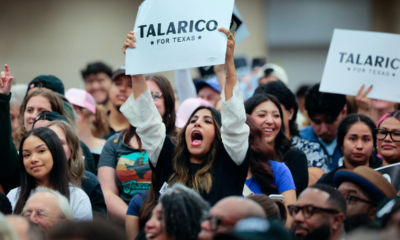
The dueling rallies put the race’s divide on display. Talarico’s campaign said more than 4,000 people signed up for his Lubbock rally, prompting a move to a larger venue.
«I know that we’re not the only show in town tonight, and I appreciate all 4,000 of you that showed up here this evening,» Talarico said at the Fiesta Center in Lubbock on Oct. 27. «That’s a lot of Talafreakos in one room.»
The Democratic candidate and his supporters have embraced the moniker «Talafreako,» a nickname first given to him as a derogatory dig by Republicans and President Trump.
Voters at Talarico’s rallies in Lubbock told Digital that Trump’s repeated Texas visits signaled Republican anxiety, while Paxton backers remained confident the state would stay red after a costly and contentious primary that saw Republicans divided over Paxton and sitting Sen. John Cornyn, who was ultimately ousted in the May runoff.
«Trump’s in Lubbock? Trump’s in Lubbock, Texas? He’s scared, he is scared,» one supporter told Digital.
Natalie, from Friona, called Trump’s same-day rally a sign Republicans were «nervous.»
«I think it’s performative, like to come the exact same day as he is here,» she said.
Jenny, from Brownsville, told Digital outside Trump and Paxton’s rally that the race was «not close» and she predicted that «Paxton will wipe the floor» with Talarico.
DUELING RALLIES THRUST DEEP-RED LONE STAR TOWN INTO THE CENTER OF THE POLITICAL UNIVERSE
Beyond the rally crowds, some Talarico supporters in Dallas and Lubbock said Paxton’s past legal controversies and impeachment by the Texas House shaped their views of the Republican nominee.
«We’re here in support of honesty, decency and integrity,» Lori, a Dallas voter who has voted Republican in the past, told Digital. «That’s what we like to see in a candidate, and we think Talarico is all that in one.»
George, a lifelong Texan at the Dallas rally, said years of watching Texas politics had become «heartbreaking» and called Talarico «a breath of fresh air.»
In Lubbock, Georgia cited several of Talarico’s policies and called him «authentic.» She also said his lack of an indictment was a plus, contrasting him with Paxton.
MEET THE VOTERS WHO COULD BREAK THE GOP’S DECADES-LONG GRIP ON A REPUBLICAN STRONGHOLD
Elias, a nurse from Lubbock, described Paxton as a weak leader.
«He had a chance to kind of redeem himself despite his ugly past, but he’s not a man, he can’t stand up for himself. He needs daddy Trump to come and support him.»
With Election Day on Nov. 3, the question is whether Talarico can turn rally crowds and a polling lead into a historic win. A victory would crack the GOP’s decades-long grip on Texas. A loss would leave Democrats still searching for a path to turn the state blue.
midterm elections, politics, texas, democrats senate, republicans elections, battleground voters
INTERNACIONAL
Flávio Bolsonaro reapareció tras su salida de Brasil, denunció persecución política y cuestionó los resultados “imposibles” del balotaje
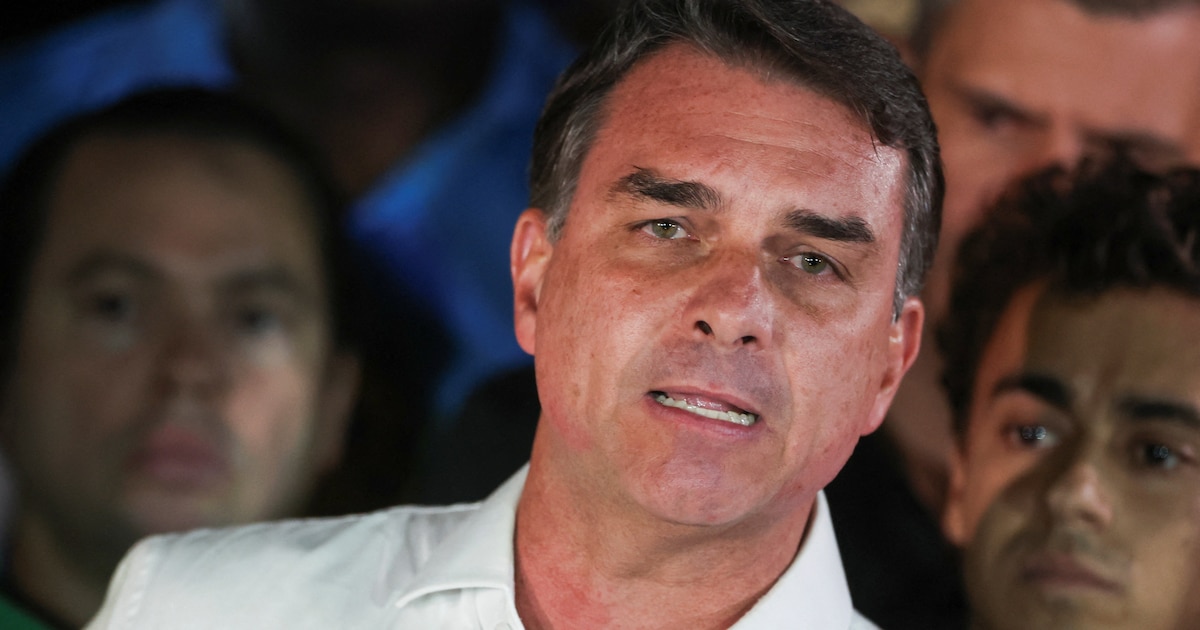
El senador Flávio Bolsonaro, ex candidato presidencial derrotado por el Partido Liberal (PL), afirmó este viernes que su salida de Brasil hacia Estados Unidos tras la segunda vuelta electoral “no es un signo de debilidad” y planteó la posibilidad de que el país celebre nuevas elecciones antes de 2030.
En una transmisión de unos 20 minutos por Instagram, Bolsonaro informó que decidió dejar Brasil tras una conversación con su esposa, Fernanda Bolsonaro. Durante su reaparición, agradeció a sus seguidores por los cerca de 60 millones de votos que recibió. “Esto me da mucha fuerza, mucha lucidez e incluso más valor para afrontar lo que sea necesario, para rescatar y salvar a nuestro país, para volver a presentarme a la presidencia. No me refiero a 2030, no, me refiero a antes”, sostuvo el legislador.
Flávio Bolsonaro acusó al presidente Luiz Inácio Lula da Silva, del Partido de los Trabajadores (PT), de utilizar recursos estatales durante la campaña, entre ellos el aumento del monto de la Bolsa Familia en vísperas de los comicios.
Durante la transmisión, Bolsonaro comparó la conducta que atribuyó a su rival con infracciones en un partido de fútbol. “Hubo varios goles marcados con la mano que mi oponente anotó y que no fueron anulados por el VAR [árbitro asistente de video]. Jugó completamente al margen de las reglas de la ley electoral”, agregó.
La legislación prevé que, si la Justicia electoral determina un abuso de poder y anula una candidatura ganadora dentro de los dos años posteriores a la elección, Brasil debe convocar a comicios presidenciales directos.
El senador también cuestionó la proclamación de los resultados por parte del Tribunal Superior Electoral (TSE) y volvió a aludir a un supuesto fraude, sin presentar pruebas. Según sostuvo, un resultado adverso para Lula en la segunda vuelta sería “matemáticamente imposible”.
Bolsonaro señaló que resolvió abandonar el país después de visitar a su padre, el ex presidente Jair Bolsonaro, quien se encuentra bajo arresto domiciliario. De acuerdo con su relato, agentes de la Policía Federal lo citaron en ese lugar para comunicarle que el ministro Alexandre de Moraes, del Supremo Tribunal Federal (STF), ordenó cancelar sus pasaportes.

“Entonces lo miré a la cara y le dije: ‘Papá, la persecución ha comenzado’. Incluso un poco antes de lo que imaginaba, porque todo el mundo sabe que Brasil vive actualmente en estado de excepción”, relató Flávio Bolsonaro. El ex xmandatario respondió: “Ya sabes adónde quieren llegar con esto, ¿verdad?”.
El senador afirmó que temía ser utilizado “como moneda de cambio para algún interés dentro del sistema” y aseguró que perdió “contra el sistema” y no contra su oponente.
“Dije que no me sometería a eso. Eso no es señal de debilidad, amigos. Puedo ser muchas cosas, pero no soy tonto. Supe analizar la situación y entendí hacia dónde se dirigían, y más rápido de lo que imaginaba”, afirmó.
Jair Bolsonaro llamó a ser parte de un “momento de unión y no de buscar culpables”
El ex jefe de Estado, preso por golpismo, pidió “unión y no buscar culpables” tras la derrota electoral de su hijo Flávio, según un mensaje que su esposa, la ex primera dama Michelle Bolsonaro, publicó este viernes en redes sociales.
“Vivimos tiempos difíciles. Necesitamos reflexionar y, solo después, actuar”, transmitió Michelle al citar al referente derechista, que tiene prohibido utilizar sus perfiles o divulgar comunicados. La ex primera dama señaló que Bolsonaro, a quien definió como “líder”, agradeció el “empeño y sacrificio” de los militantes durante la campaña presidencial de Flávio Bolsonaro.
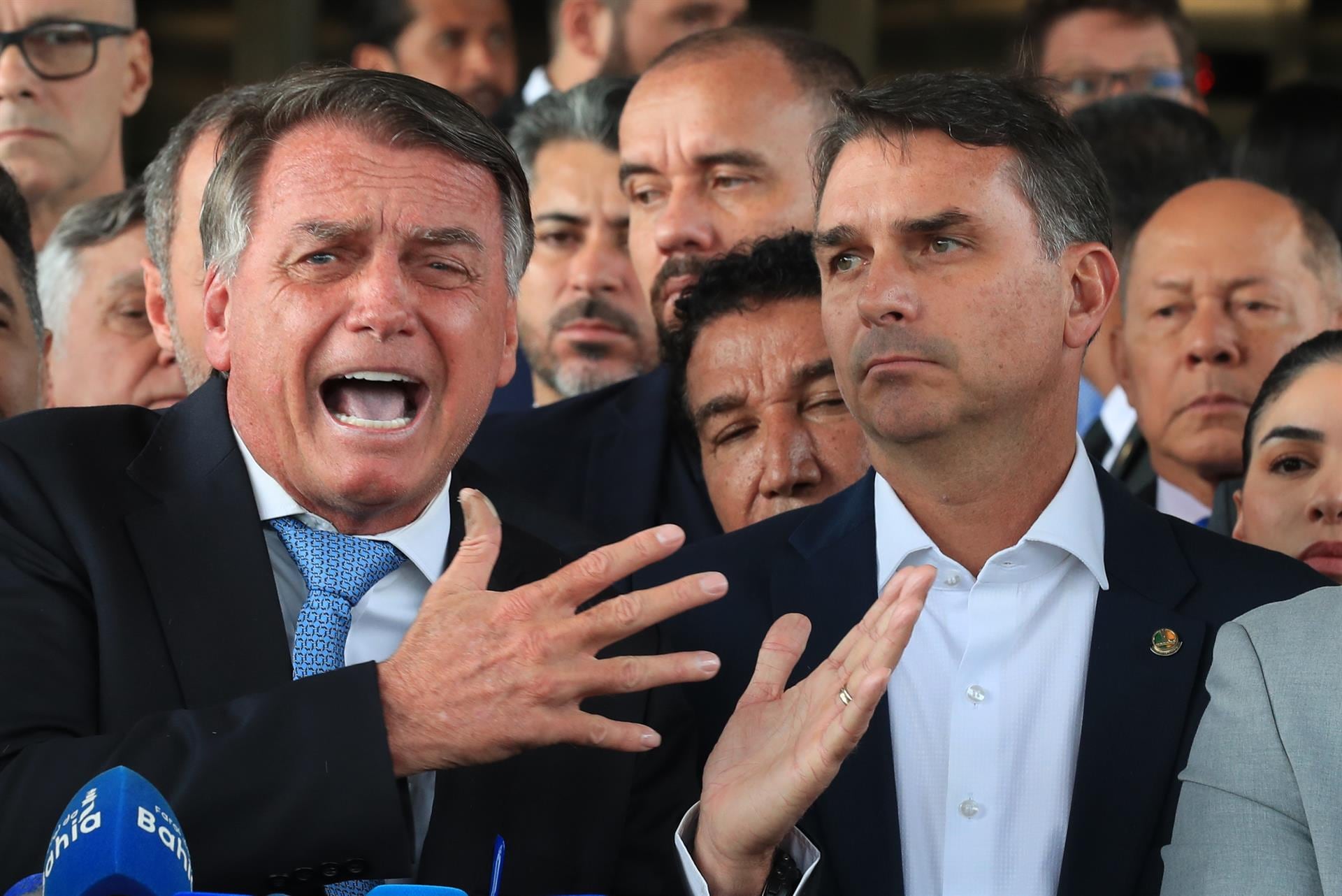
Michelle Bolsonaro negó que el exmandatario responsabilice a aliados por la derrota electoral de su hijo frente a Lula, quien ocupa la Presidencia de Brasil.
De acuerdo con su publicación, al ex presidente le “entristecen” las versiones que “pregonan la división” dentro de su espacio político y apuntan “injustamente a supuestos culpables”.
Jair Bolsonaro gobernó Brasil entre 2019 y 2022 y enfrenta una condena de prisión por golpismo. Además, no puede participar de forma directa en comunicaciones públicas a través de redes sociales ni de mensajes difundidos por otras personas.
Domestic,Politics,South America / Central America,Government / Politics
INTERNACIONAL
Governor probing ‘Decoy Dan’ Sullivan election scandal warns system flaw hiding in plain sight
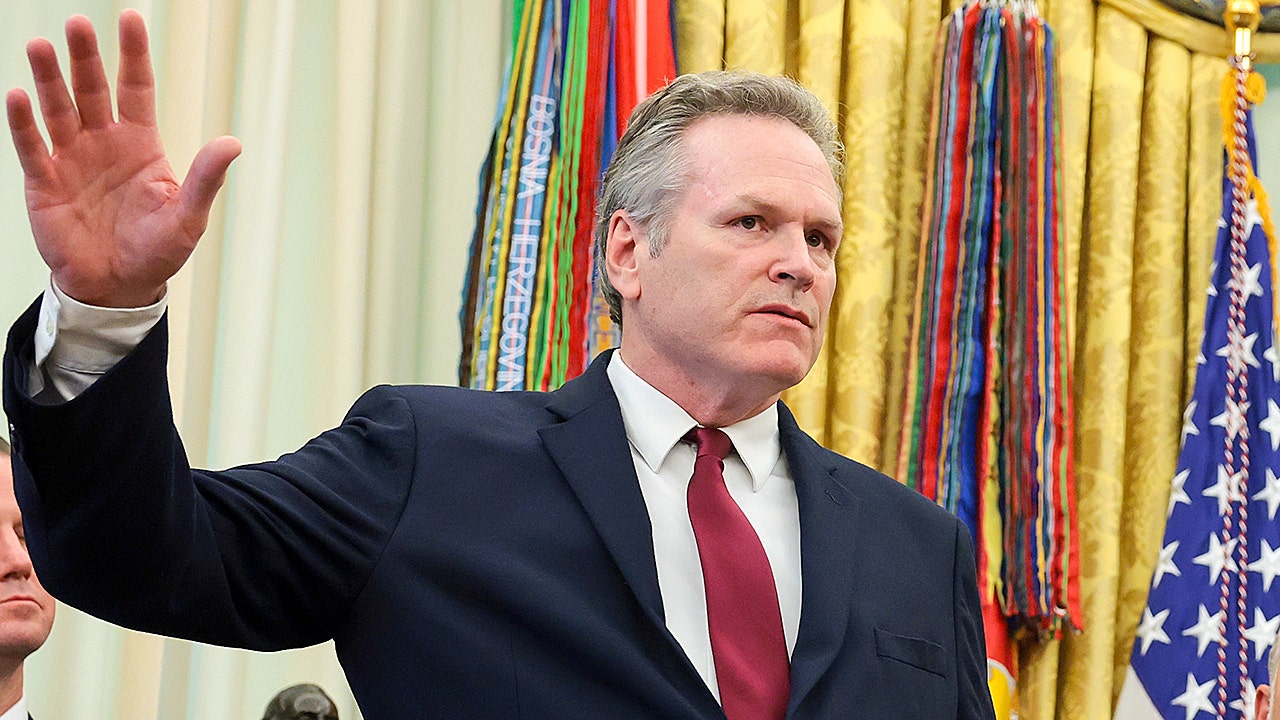
Alaska Gov. Mike Dunleavy warned that an alleged Democratic scheme to recruit a second «Dan Sullivan» into the state’s pivotal Senate race exposed a deeper vulnerability in its election system, telling Digital in an exclusive interview that his administration is investigating newly surfaced evidence just days before the midterms.
Dunleavy said The New York Times uncovered details that state officials did not have when they initially challenged the second Sullivan’s candidacy this past summer — including alleged involvement by operatives connected to Democratic nominee Mary Peltola.
The Republican argued Alaska’s relatively new election system helped make the controversy possible, as state and federal authorities pursue separate investigations into potential wrongdoing.
«This would have never happened if we didn’t have ranked-choice voting,» Dunleavy told Digital. «If this was a historical primary, a primary that our fathers and grandfathers had, this individual [retired schoolteacher Dan Sullivan of Petersburg] would not have gotten out of the primary.»
‘DECOY DAN’ SULLIVAN CASE LEADS TOP SENATOR TO BREAK FOUR-YEAR X SILENCE: ‘PATTERN OF LIES’
Dunleavy cited reporting that the Petersburg Sullivan initially denied having been recruited, but the Times found Peltola-connected operatives had worked to recruit spoilers named «Dan Sullivan» from around the state.
«We’re compelled to do an investigation on behalf of the people of Alaska, because as they say in Alaska, which is a big fish state, if you can smell the fish way far from the dock, you’ve got a real problem,» Dunleavy said.
«And so, this really does stink.»
Alaska’s election system advances the top four finishers from a nonpartisan primary to a general election in which voters rank candidates by preference. Dunleavy argued that traditional party primaries would have prevented the second Sullivan from reaching November’s ballot.
«Our job as executives are to make sure that we can provide our people with an election that everyone could look at it and say that was done with integrity. And right now this cast, unfortunately, a pall over all of this,» he said.
Dunleavy said the state’s initial investigation in June after the Petersburg Sullivan surfaced ultimately led to the state Supreme Court, which allowed both Sullivans’ names on the ballot, with Senator Sullivan marked «incumbent.»
«Initially, when [Petersburg Sullivan] contacted the Division of Elections, he wanted his name listed as Daniel S. Sullivan. That’s not his middle initial. That’s the middle initial of our incumbent senator. His website looked very, very, very similar to our incumbent senator. And we went to court over this, and the Supreme Court of Alaska ruled that they were going to put his name on the ballot,» he said.
«We knew there was a problem, but the courts had decided. And then of course, the article comes out in the Times and there’s a whole list of issues that we were never privy to.»
The new reporting identified contradictions in accounts of what transpired over the summer, including whether there was contact between Petersburg Sullivan and any campaigns.
RNC REJECTS NARRATIVE OF SPOILER CANDIDATES ‘ON BOTH SIDES,’ CALLS ALASKA SCHEME ‘FRAUDULENT’
«There’s a lot more smoke and a lot of fishy smell after this article came out,» he said.
In Alaska, elections are overseen by the lieutenant governor, not the governor, and Digital reached out to Lt. Gov. Nancy Dahlstrom for comment on whether or how her office is investigating.
«They’re obviously shoulders deep now in an election with all the people and all the polls open here with early voting. The governor’s office is in charge of making sure that there’s execution of the laws. That’s what this investigation is going to look at to see if there were any violations of law or if there was a civil violation as well,» Dunleavy added.
Peltola’s campaign has denied involvement with either Sullivan campaign. Peltola also dismissed the controversy as a distraction during a campaign appearance Wednesday, while the New York Times reported that operatives connected to her campaign participated in efforts to recruit potential spoiler candidates.
Digital reached out to Peltola for additional comment.
Former FEC Chair Hans von Spakovsky told Digital that something investigators should look at is whether individuals paid by Peltola or another political organization were providing any «in-kind» services to the Petersburg Sullivan.
«In-kind services are considered a contribution to a campaign. Failure to disclose such services is a violation of federal law. Also, if the fair market value of the services provided to the campaign exceeds the maximum contribution allowed to a federal candidate, that is also a violation of federal law. If this was knowingly and intentionally done, it moves from being a civil violation to a criminal violation of the law,» von Spakovsky said.
Von Spakovsky pointed to an FEC case involving socialist Sen. Bernie Sanders’ 2016 presidential campaign, which accepted campaign assistance from Australian Labor Party members whose travel expenses and stipends were paid by the foreign political organization.
SIGN UP TO GET THE POLITICS NEWSLETTER
The FEC determined that the arrangement constituted a prohibited $24,422 in-kind foreign contribution. Sanders’ campaign and the Australian Labor Party each agreed to pay $14,500 in civil penalties to settle the matter without admitting liability.
With Election Day approaching, the governor said the investigation would continue for as long as necessary, warning that the alleged effort could foreshadow new attempts to manipulate elections through misleading candidacies and other tactics.
Digital’s Hannah Brennan contributed to this report.
elections disputes, voter fraud concerns, elections state and local, elections, politics, state and local, voting

Texas’ red wall facing its biggest threat in decades as Republicans scramble to defend it

River Plate–Atlético de Madrid y Palmeiras–Ajax, las semifinales de la Messi Cup

Ganadores y perdedores del efecto Brasil: los tres sectores argentinos más amenazados y los que podrían salir favorecidos

Rafael Grossi tuvo su mejor elección y no se baja de la carrera por la Secretaría General de la ONU – Nexofin

La Joaqui y Tiago PZK cantaron juntos en vivo por primera vez: de los besos a una sensual performance

Los Milei refuerzan su vínculo con la iglesia evangélica antes de la visita del papa León XIV

Medios brasileños afirman que Flávio Bolsonaro escapó del país y está en vuelo a Estados Unidos

De Bullrich a Lula da Silva: a Milei se le abrieron dos frentes de conflicto con resolución incierta

Malvinas: tras aceptar modificaciones, el Gobierno buscará llevar al recinto el proyecto de Ley de Soberanía el 12 de noviembre

Avanza la búsqueda de los hermanos desaparecidos que fueron arrastrados por la corriente de un río en Santa Cruz

 POLITICA3 días ago
Malvinas: tras aceptar modificaciones, el Gobierno buscará llevar al recinto el proyecto de Ley de Soberanía el 12 de noviembre
- SOCIEDAD3 días ago
Avanza la búsqueda de los hermanos desaparecidos que fueron arrastrados por la corriente de un río en Santa Cruz
- DEPORTE3 días ago
Luis Enrique no tiene al gran ‘killer’ de París: una ‘bestia’ supera a Ferran Torres