INTERNACIONAL
De Yalta a Shenzhen: la oportunidad de un nuevo entendimiento mundial

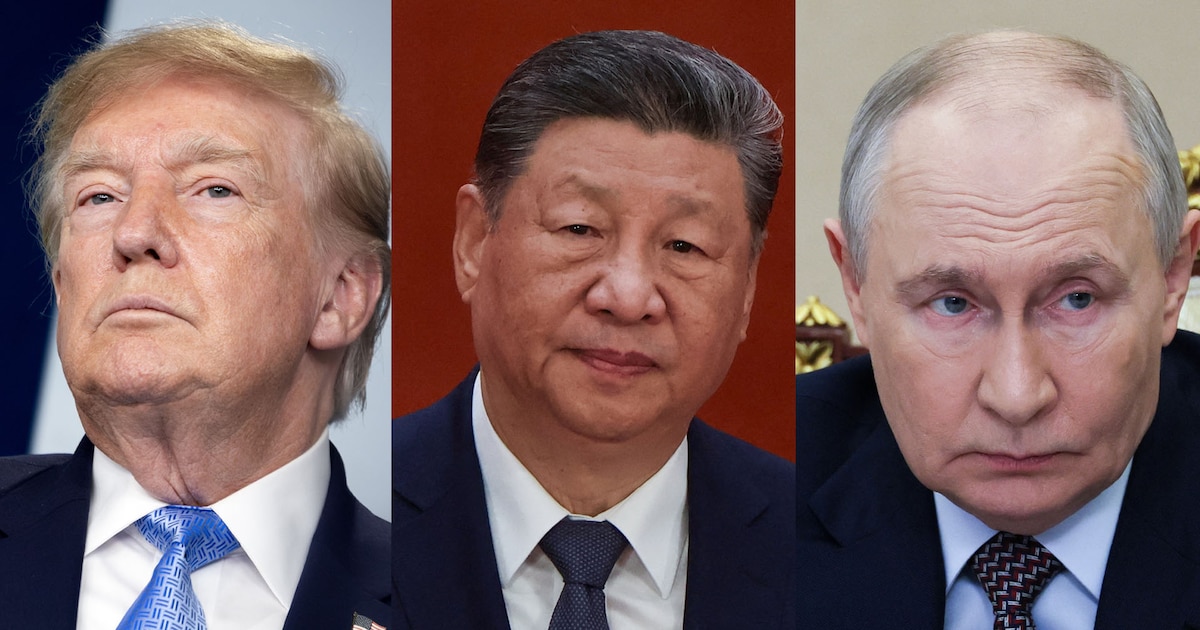
La historia demuestra que determinados encuentros entre los líderes de las grandes potencias pueden trascender largamente las circunstancias que los originan. En ocasiones, una reunión convocada para abordar problemas inmediatos termina sentando las bases de una nueva etapa en las relaciones internacionales.
La Conferencia de Yalta, celebrada en febrero de 1945, constituye uno de los antecedentes más significativos. Franklin D. Roosevelt, Winston Churchill e Iósif Stalin se reunieron en Crimea cuando la Segunda Guerra Mundial se aproximaba a su desenlace. Aunque compartían el objetivo de alcanzar la derrota definitiva de la Alemania nazi y del Japón imperial, representaban sistemas políticos, intereses nacionales y visiones del mundo profundamente diferentes.
Yalta fue mucho más que una negociación sobre el futuro de Alemania y Europa. Allí se avanzó en la organización de las Naciones Unidas y se alcanzaron acuerdos estratégicos relacionados con el desenlace de la guerra en Asia.
Uno de los compromisos más importantes fue la decisión soviética de incorporarse a la guerra contra Japón entre dos y tres meses después de la derrota alemana, una determinación que tendría consecuencias significativas para el desarrollo del conflicto en el Pacífico.
Aquel entendimiento demuestra que una reunión entre grandes potencias puede producir consecuencias que exceden ampliamente los asuntos más visibles de su agenda diplomática.
Sin embargo, Yalta también tuvo consecuencias que marcaron profundamente el orden internacional de las décadas siguientes. La configuración de nuevas áreas de influencia, las diferencias entre los modelos políticos y económicos y las crecientes tensiones entre Estados Unidos y la Unión Soviética contribuyeron a dar forma al escenario de la Guerra Fría.
De aquel período también surgieron instituciones y mecanismos de diálogo que, con todas sus limitaciones, contribuyeron a administrar una competencia estratégica de enorme intensidad.
Más de ochenta años después, el mundo se encuentra ante la perspectiva de un acontecimiento diplomático de particular significación.
La reunión anunciada para el 19 de noviembre en Shenzhen, entre Donald Trump, Xi Jinping y Vladímir Putin, en el marco de la cumbre del Foro de Cooperación Económica Asia-Pacífico (APEC), podría constituir una instancia singular para el diálogo internacional. De concretarse, reuniría a los líderes de Estados Unidos, China y Rusia para abordar cuestiones de interés estratégico mundial.
Las circunstancias son muy diferentes de las de 1945. No estamos frente al final de una guerra mundial ni ante tres potencias aliadas que deban organizar una posguerra. Vivimos en un escenario mucho más complejo, caracterizado por una profunda interdependencia económica, una acelerada transformación tecnológica y desafíos de seguridad que trascienden las fronteras nacionales.
Precisamente por eso, la posibilidad de abrir un diálogo sostenido entre estas tres potencias adquiere especial relevancia.
Uno de los asuntos que podría otorgar trascendencia histórica al encuentro es el futuro del control de los armamentos nucleares.
El 5 de febrero de 2026 expiró New START, el último tratado bilateral que establecía límites jurídicamente vinculantes a los arsenales nucleares estratégicos desplegados de Estados Unidos y Rusia. Firmado en 2010, durante las presidencias de Barack Obama y Dmitri Medvédev, aquel acuerdo pertenecía a una arquitectura de seguridad desarrollada fundamentalmente alrededor de las dos grandes potencias nucleares de la Guerra Fría.
Desde entonces, el equilibrio estratégico internacional ha evolucionado considerablemente. China ha incrementado su capacidad nuclear y ocupa un lugar cada vez más relevante en las decisiones que afectan la seguridad mundial.
Existen indicios que permiten pensar que Estados Unidos tendría interés en explorar, conjuntamente con China y Rusia, las bases de un nuevo marco de entendimiento en materia de control de armamentos nucleares. Las diferencias entre las capacidades y las posiciones estratégicas de los tres países plantean desafíos importantes, pero también ofrecen la oportunidad de iniciar un diálogo que permita desarrollar mecanismos de cooperación adaptados a las nuevas realidades internacionales.
La expiración de New START dejó un vacío en el sistema internacional de control de armamentos. Al mismo tiempo, plantea la necesidad de avanzar hacia nuevos entendimientos que contemplen las transformaciones geopolíticas y tecnológicas de las últimas décadas.
Un eventual acuerdo no tendría por qué limitarse a establecer cantidades máximas de armamento. Podría incorporar mecanismos de transparencia, prevención de incidentes, comunicación ante situaciones de crisis y reglas compartidas frente a nuevas tecnologías militares.
La inteligencia artificial, los sistemas autónomos, las capacidades espaciales y la creciente velocidad de los desarrollos tecnológicos plantean interrogantes que difícilmente puedan abordarse eficazmente sin canales de comunicación entre las principales potencias.
También existe una dimensión económica que merece especial atención.
La estabilidad estratégica contribuye a generar condiciones más previsibles para el comercio, las inversiones, la innovación y el crecimiento. En un mundo profundamente interconectado, la cooperación en determinadas áreas puede convivir con la competencia en otras.
Las tres potencias representan intereses nacionales diferentes y mantienen posiciones divergentes sobre numerosas cuestiones internacionales. Sin embargo, también comparten responsabilidades derivadas de su capacidad de influencia sobre la economía, la tecnología y la seguridad mundial.
Si bien se ha señalado que la guerra en Ucrania no formaría parte de la agenda formal del encuentro trilateral, no puede descartarse que una cuestión de semejante trascendencia internacional encuentre espacio en las conversaciones bilaterales que puedan desarrollarse en ese contexto. La posibilidad de intercambiar perspectivas sobre un conflicto de profundas consecuencias para la seguridad europea y la estabilidad internacional constituye, por sí misma, una dimensión relevante del diálogo entre las grandes potencias.
El verdadero valor potencial de Shenzhen reside precisamente en esa posibilidad: reconocer las diferencias sin convertirlas necesariamente en obstáculos insuperables para el entendimiento.
No sería razonable esperar que una sola reunión resuelva las principales tensiones internacionales. Los acuerdos duraderos requieren tiempo, confianza, mecanismos de cumplimiento y voluntad política sostenida. Pero los grandes procesos diplomáticos comienzan muchas veces con decisiones aparentemente modestas: aceptar el diálogo, identificar intereses comunes y establecer una agenda de trabajo.
Tampoco se trata de reproducir el modelo de Yalta ni de imaginar un mundo dividido en esferas exclusivas de influencia.
El desafío actual es diferente: encontrar formas de cooperación entre grandes potencias que fortalezcan la estabilidad internacional, respeten los principios del derecho internacional y contribuyan a desarrollar un sistema de relaciones más previsible.
Un entendimiento entre Washington, Pekín y Moscú no tendría por qué reemplazar los mecanismos multilaterales existentes. Por el contrario, podría contribuir a fortalecerlos, generando condiciones más favorables para abordar desafíos que requieren la participación de la comunidad internacional en su conjunto.
La historia no se repite de manera idéntica, pero ofrece enseñanzas.
En 1945, tres líderes comprendieron que, más allá de sus profundas diferencias, existían decisiones que requerían un entendimiento directo. Hoy, en un contexto histórico completamente distinto, la apertura de una conversación entre tres potencias de extraordinaria influencia podría contribuir a renovar algunos de los mecanismos fundamentales de la convivencia internacional.
Si Shenzhen logra establecer un canal de comunicación permanente y una agenda de cooperación concreta, su importancia podría trascender largamente los resultados inmediatos de la reunión.
No sabemos todavía cuáles serán sus conclusiones ni si dará origen a acuerdos posteriores. Pero la disposición al diálogo constituye, en sí misma, una oportunidad que merece ser considerada con una perspectiva constructiva.
Quizás dentro de algunas décadas no se recuerde tanto lo que se haya acordado en ese primer encuentro, sino el hecho de que sus protagonistas decidieron comenzar a conversar sobre el futuro que comparten.
La verdadera oportunidad no consiste en dividir el mundo, sino en encontrar nuevas formas de convivir en él.
Donald Trump,Xi Jinping,Vladimir Putin,geopolítica







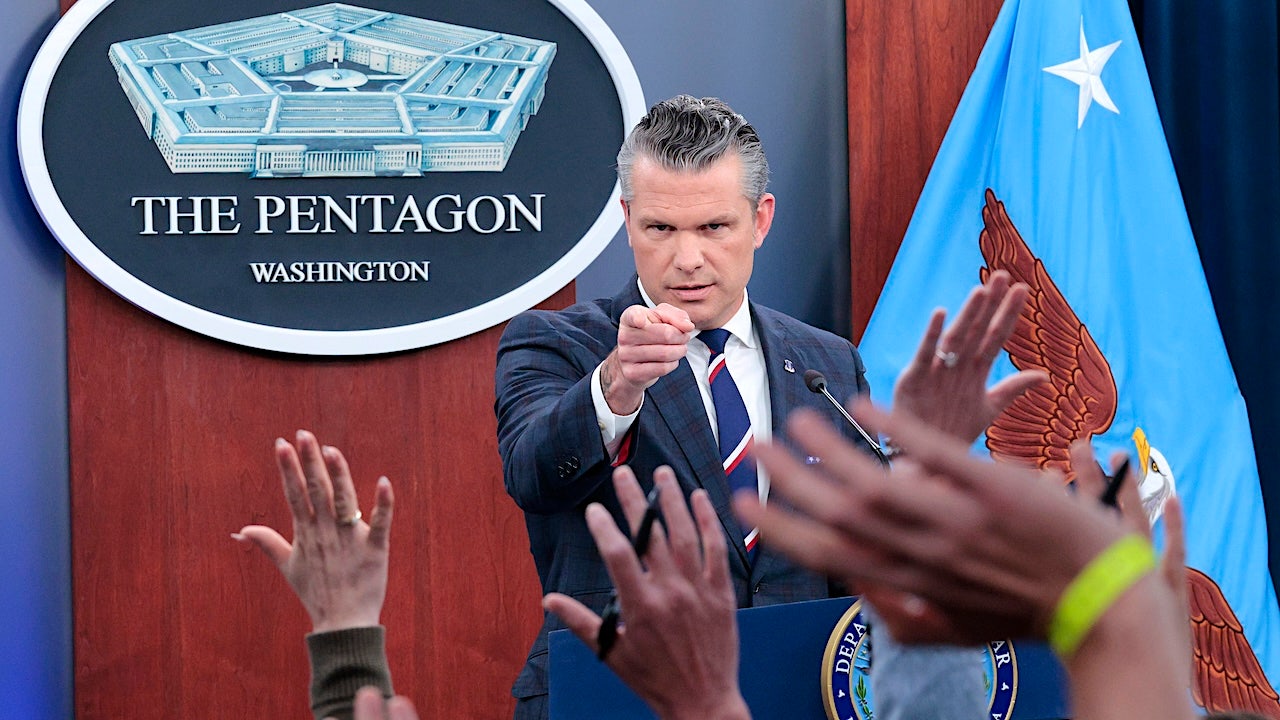
KENTON COUNTY, Ky. — Rep. Thomas Massie’s push to impeach War Secretary Pete Hegseth over the Iran war drew sharply different reactions from northern Kentucky residents interviewed by Digital.
The residents offered competing assessments of the outgoing Republican congressman and whether his latest confrontation with the Trump administration reflects principle or political payback.
Digital visited Covington, the population center of Massie’s district, along with Newport, Erlanger and other communities across the river from Cincinnati, to ask residents about their outgoing congressman and his efforts to impeach the Pentagon chief.
TRUMP DEFENDS PENTAGON CHIEF AS MASSIE TARGETS HIM: ‘HEGSETH SHOULD BE PRAISED, NOT IMPEACHED’
Richard Hassebrock, a Covington resident who said he has not always agreed with Massie, welcomed the impeachment effort.
«I’m not always a huge fan of Thomas Massie, but on this point I am,» Hassebrock told Digital.
Craig Cuskey, who works in the Covington area but lives just outside the bounds of Massie’s district in Louisville, described the impeachment push as «pure spite» and «petty,» saying his opinion of the congressman had deteriorated.
The contrasting reactions came after House Republicans voted to refer Massie’s impeachment effort against Hegseth to committee, adding another confrontation to the Kentucky Republican’s long-running disagreements with President Donald Trump and his party’s leadership.
Democrats poised to take the gavel in January, however, signaled they will likely take up Massie’s mantle and seek the Pentagon chief’s impeachment.
Hassebrock said he was disappointed by Massie’s electoral defeat and praised the congressman’s independence.
«He stands up for himself. He stands up to what he believes in. He’s got principles unlike 99% of the other congresspeople out there,» he said.
Rilla, a Fort Wright resident who provided only her first name, offered a more complicated assessment.
«I think he’s just trying to get back at Trump,» she said, adding she had been proud of Massie for standing up to the president and was disappointed by his defeat.
7 REPUBLICANS REBEL AGAINST TRUMP, VOTE WITH DEMS TO REIN IN IRAN WAR POWERS
Rilla said she opposed the Iran war, particularly the prospect of military action without congressional involvement.
«I don’t think anyone should just go in and declare war without Congress being a part of it,» she said.
Phil Wiseman, an Independence resident, said he doubted the impeachment effort would accomplish much, even as he questioned the administration’s military strategy.
«I don’t see a definable outcome,» Wiseman said. «And if you’re going to fight a war, there needs to be a definable outcome.»
Wiseman said he identifies as a «RINO,» a term often used derisively by conservatives for «Republican in name only,» and voted for an independent instead of supporting Rep.-elect Ed Gallrein, the Trump-endorsed Republican who defeated Massie in Kentucky’s primary earlier this year.
He said his family has discussed Hegseth, noting that his father was a 27-year military veteran and his son served in the Marine Corps.
«We all had the same discussion,» he said. «Who is advising him? Because this [war] is very ill-thought-out and not well-planned.»
Wiseman compared that aspect of the Iran conflict to how the U.S. previously became mired in Afghanistan.
«So, I seriously question the military advisors that are giving them this advice, or maybe they gave them contrary advice, and it was ignored,» he said.
Anthony Tuemler of Covington supported impeachment and accused Hegseth of violating the Constitution through his conduct of the war.
Tuemler’s assessment of Massie was similarly mixed. Although he said he was glad the congressman was leaving office, he credited Massie with speaking up when he believed it was necessary.
«I’m glad he’s gone,» Tuemler said of Massie. «But the only thing I’m distressed about or sorry about is, like, when it came time to say the right things, Massie was the one who did it.»
SIGN UP TO GET THE POLITICS NEWSLETTER
Randall Thompson of Newport, dressed in a military uniform for Veterans Day as he walked with his children near Covington’s Mainstrasse Village corridor, said he supports the defense secretary and pointed to their shared military experience in the Middle East.
«I support the troops and Pete Hegseth,» Thompson said, adding off-camera that he was in the same area of Iraq as the former host when they were both deployed.
Cuskey also defended Hegseth, saying he had initially been skeptical of his nomination but had grown more impressed with his performance.
«I think, for his background, he’s done a remarkable job,» Cuskey said, arguing that Hegseth was carrying out directives from the commander in chief.
House Minority Leader Hakeem Jeffries, D-N.Y., has voiced support for impeaching the Pentagon chief, while other Democrats have signaled plans to revisit his conduct when they take control of Congress in January.
Some lawmakers are also eyeing investigations and potential impeachment proceedings involving other senior Trump administration officials, including Secretary of State Marco Rubio, Commerce Secretary Howard Lutnick, White House chief of staff Stephen Miller and border czar Tom Homan, setting the stage for a broader confrontation between congressional Democrats and the White House.
pete hegseth, secretary of defense, defense, kentucky, house of representatives, politics, midterm elections
NEWYou can now listen to Fox News articles!
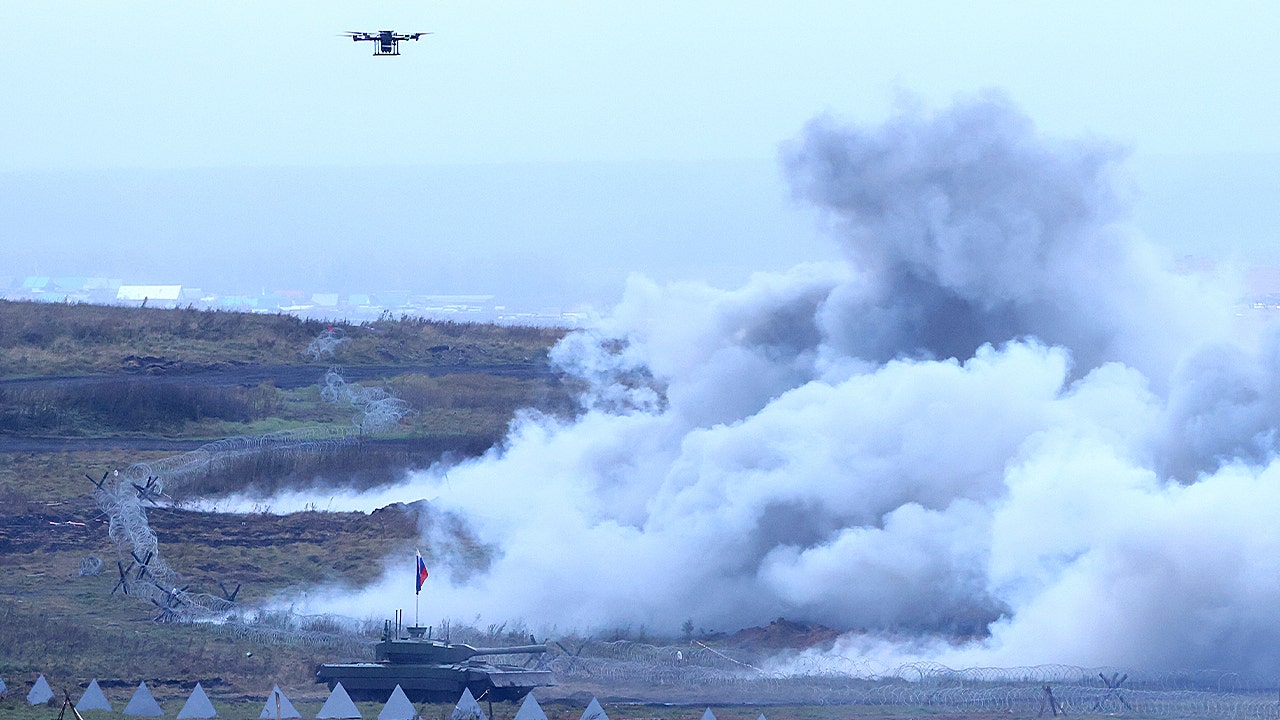
Two African governments have signed new agreements with a Russian industrial complex linked to the production of attack drones used against Ukraine, even as a Ukrainian investigation alleges Moscow is expanding a recruitment network that draws young African women into its military-industrial workforce.
The agreements, signed in late October by Ghana and the Democratic Republic of the Congo with Russia’s Alabuga Special Economic Zone, come months after Britain sanctioned individuals and entities associated with the Alabuga Start program over deceptive recruitment practices. The new partnerships raise questions about whether Russia’s efforts to attract foreign workers could help sustain drone production as its war against Ukraine continues.
The Ukrainian Security and Cooperation Centre says it has obtained internal documents identifying approximately 50 African women employed at Alabuga, alongside 10 Russian recruiters and two African intermediaries allegedly involved in attracting foreign workers.
OUR ADVERSARIES ARE EVEN USING THE US BANKING SYSTEM. HERE’S HOW THEY GET AWAY WITH IT
The remains of a Russian-made, Iran-designed Shahed-136 drone, known in Russia as a Geran-2, are displayed with other recovered drones, glide bombs, missiles and rockets in Kharkiv on July 30, 2025. (Scott Peterson/Getty Images)
«What we were able to do is basically to obtain internal documentation,» Solomiya Khoma, the organization’s head of international cooperation, told Fox News Digital in an exclusive interview.
Khoma said the investigation went beyond previous reporting by attempting to establish how recruitment operates across borders, connecting Russian cultural organizations, local intermediaries and Alabuga’s human resources department. «Our case is specifically related to African countries,» she said.
According to the report, the alleged network operates on three levels: Russian cultural and educational organizations cultivating relationships with young people in Africa, local recruiters promoting opportunities abroad, and Alabuga personnel arranging employment and logistics.

A satellite image shows possible planned location of UAV manufacturing plant in Russia’s Alabuga Special Economic Zone, as evidence of new Russian-Iran cooperation, in this handout acquired June 9, 2023. (White House/Handout via Reuters)
The investigation identifies two women from Tunisia and Uganda as alleged recruitment coordinators and describes connections with Russian HR personnel and foreign employees. Their specific recruitment activities have not been independently verified by Fox News Digital.
Khoma said the findings relied partly on a confidential source who remains employed within the Alabuga industrial complex.
«This person is still continuing to work in the Alabuga economical zone and these factories,» she said, explaining why the organization could not disclose the source’s identity.
She said investigators obtained information about the workers and their identities, including internal employee passes.
The researchers also examined the involvement of Russian cultural organizations, including councils of Russian compatriots and the Russkiy Mir Foundation, in promoting educational and employment opportunities in African countries.
The report points to a September 2024 cooperation memorandum between the Russian compatriots’ council in Tunisia and Alabuga, alongside Russian cultural activities in Uganda. However, the investigation does not establish that Russian diplomats or cultural organizations knowingly directed recruits into military drone production.
The findings build on an Associated Press investigation published in October 2024, which documented how African women recruited with promises of education and civilian employment were assigned to manufacture Iranian-designed attack drones. Some described long hours, lower-than-promised wages, surveillance and exposure to hazardous chemicals.

Russia’s President Vladimir Putin and the Democratic Republic of the Congo’s President Felix Tshisekedi arrive for their meeting on the sidelines of the Russia-Africa Summit at the Grand Kremlin Palace in Moscow, Russia, October 30, 2026. (Pavel Bednyakov/Pool via Reuters)
Khoma described a recruitment process in which women arrive in Russia expecting to combine education with paid employment, only to fail entrance examinations or Russian-language requirements.
«These people are promised a dual education opportunity,» she said.
After failing examinations, she alleged, workers may find themselves with limited options and unable to afford transportation home, leaving them performing factory work instead of pursuing their expected studies.
The recruitment program has also attracted international scrutiny. On May 5, 2026, the British government sanctioned seven individuals and entities associated with Alabuga Start recruitment, accusing the operation of using deceptive practices to obtain foreign labor for facilities producing military drones.
Yet cooperation with African governments appears to be continuing.
US COMPANIES WIN BILLIONS IN AFRICAN DATA CENTER DEALS IN DIRECT COMPETITION WITH CHINA
Ghanaian broadcaster Citi News reported October 29 that Labor Minister Emmanuel Agyekum signed an agreement with Alabuga to facilitate industrial employment opportunities for Ghanaian citizens. The ministry said it would coordinate recruitment, verify job offers and provide pre-departure orientation.
Meanwhile, CongoRassure reported October 30 that the Democratic Republic of the Congo signed a five-year memorandum focused on vocational training and strengthening employment institutions.

Russia’s President Vladimir Putin and Ghana’s President John Dramani Mahama enter a hall before the beginning of their talks on the sidelines of the third Russia-Africa Summit in Moscow, Russia, October 30, 2026. (Anastasia Barashkova/Pool/Reuters)
Neither agreement, as publicly described, establishes that either government intended to supply workers for military production.
Khoma called for sanctions targeting the recruitment networks themselves, including intermediaries, financial channels and organizations facilitating foreign labor recruitment.
She argued that Russia’s efforts to attract workers from abroad reflect growing labor shortages across its wartime economy and represent another potential point of international pressure.
SIGN UP TO GET THE POLITICS NEWSLETTER
«Without this effort abroad, without this help abroad, it would be difficult for Russia to sustain a war longer,» she said.
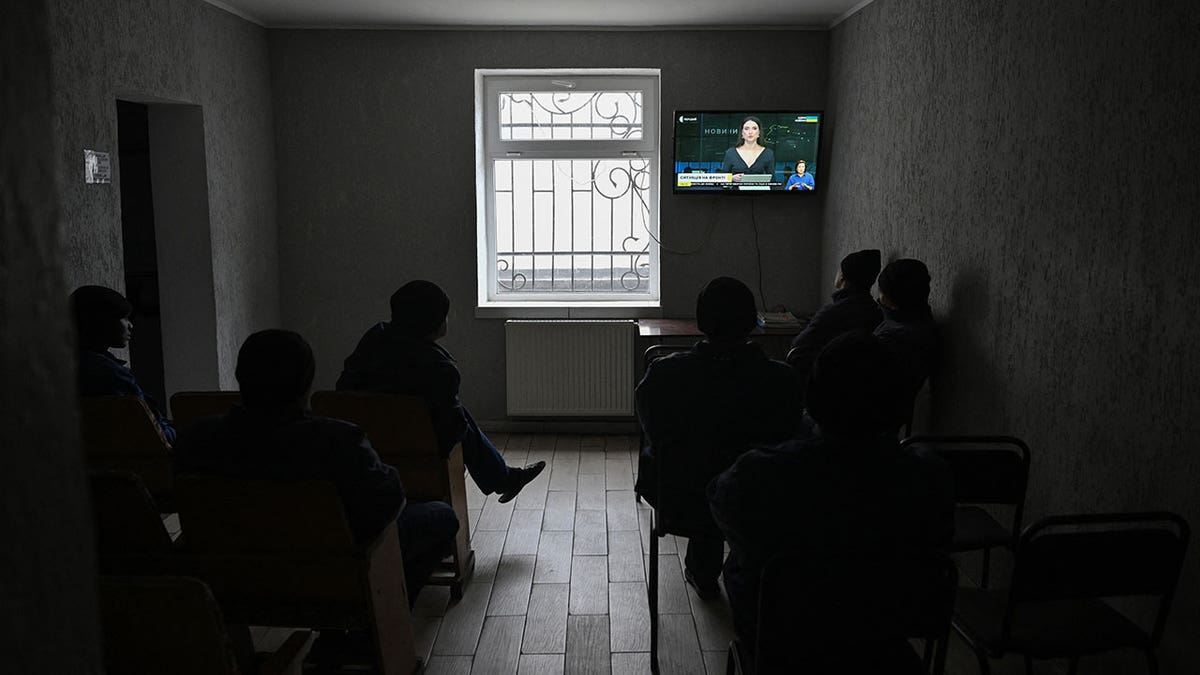
Nationals of African countries watch TV in a dedicated section where foreign fighters captured while serving for Russian forces on the Ukrainian front are hold at a detention center for Russian POWs in western Ukraine on November 26, 2025, amid the Russian invasion of Ukraine. Since Russia invaded Ukraine in 2022, many reports have emerged of African nationals fighting alongside Moscow’s forces, with some accusing Russian military of using deceptive tactics to recruit them. In November, Kyiv said it had identified 1,426 fighters from 36 African countries serving in the Russian army. (Photo by Genya Savilov / AFP via Getty Images)
Fox News Digital has reached out for comment to Alabuga, the Russian Foreign Ministry, and government representatives in Ghana, the Democratic Republic of the Congo, Uganda and Tunisia.
russia, ukraine, foreign affairs, world, sanctions
INTERNACIONAL
Trump’s top officials retreat behind military gates as ex-FBI deputy points to what’s fueling threats
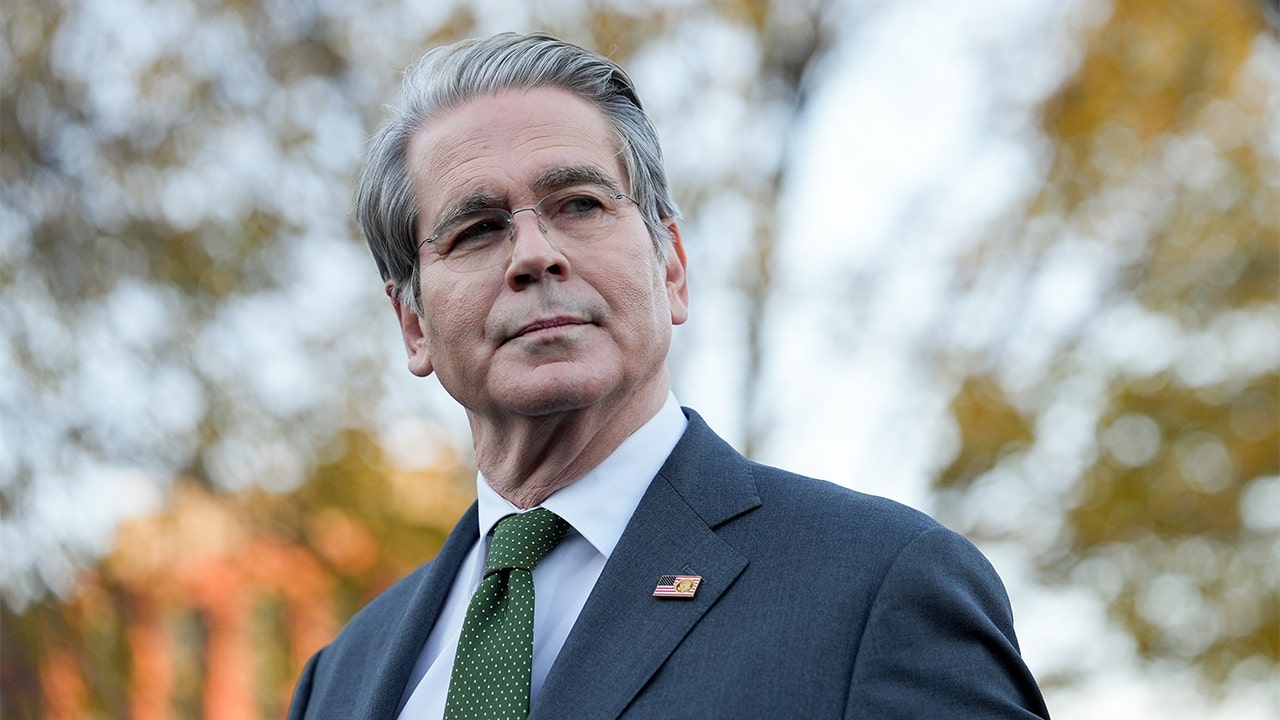
Military bases around Washington, D.C., have become an increasingly common refuge for some of President Donald Trump’s most powerful officials, as threats linked to Iran and a surge in threats against public officials raise security concerns across the administration.
«So you have this combination of a permission structure on the left for violence, combine it with the ability to track it and create a long paper trail, and the numbers explode, and these threat matrices go crazy,» former Secret Service agent and former FBI Deputy Director Dan Bongino said.
Treasury Secretary Scott Bessent is the latest senior administration official to relocate to a military installation, joining a growing number of top Trump officials living behind military gates as federal authorities confront security threats that extend well beyond the White House.
IRAN HAS ‘SUBSTANTIALLY INCREASED’ EFFORTS TO TARGET AMERICANS ABROAD, US INTELLIGENCE MEMO WARNS
«After The Wall Street Journal published an article featuring an online photo that allowed the location of the Secretary’s Georgetown home to be geo-located, security concerns began to increase which have now forced the Secretary to relocate to a military base for his safety. The news media has an obligation to act responsibly amid growing threats against public officials,» a source familiar with the situation told Digital.
Threats against Bessent had reached «more than an advanced stage» amid reported Iranian assassination threats, a senior administration official told Digital on Tuesday, but did not elaborate.
The Iranian threats against Bessent come amid a documented history of alleged Tehran-backed assassination plots targeting senior U.S. officials.
Attorney General Todd Blanche also relocated to a military base from his home around March, a different source familiar with the arrangements told Digital on Thursday.
The Justice Department charged a member of Iran’s Islamic Revolutionary Guard Corps in 2022 in an alleged murder-for-hire plot targeting former Trump national security adviser John Bolton, while prosecutors disclosed in 2024 that another Iranian operative had allegedly been tasked with developing a plan to assassinate Trump.
Bongino said federal protection decisions are generally driven by threat assessments that account for threatening communications, social media activity and intelligence gathered by security personnel. Agencies responsible for protecting senior officials use those assessments to determine what level of protection is necessary.
Secret Service Director Sean Curran said last month that threats against the agency’s full-time protectees had increased more than 40% from the previous year, with roughly 10,000 threat cases recorded in 2026 at the time.
Digital reached out to the White House and Secret Service for comment.
«Pretty much, sadly, anyone at the cabinet, or even sub-cabinet level, with any kind of public persona in the Trump administration, needed a detail,» Bongino said.
US EVACUATES 13 MILITARY AIRCRAFT FROM SECOND UK BASE AS NEW IRAN THREAT RAISES ALARM
The assassination of conservative activist Charlie Kirk and multiple attempts on President Donald Trump’s life have heightened concerns about political violence, as security officials confront a growing volume of threats against public officials.
Bongino pointed to his own experience as FBI deputy director, saying his security needs were comparable to those of some of the government’s highest-ranking law enforcement officials.
«Mine was on par with the attorney general and the FBI director that we had to expand it,» Bongino said of his threat assessment and security detail. «It was an independent analysis.»
Bongino said social media has made threats against public officials easier to track, but the sheer volume of online activity has also created more work for investigators trying to determine which threats are credible.
SECRET SERVICE CHIEF SAYS THREATS AGAINST PROTECTEES UP 40%, CITES INTERNET AND MENTAL HEALTH
Bongino said the disruption to Bessent’s personal life underscores the seriousness of the security concerns surrounding his move.
«For him to have to uproot his life. And move on to a military facility where the housing’s not terrible in those places, but it’s certainly not what he’s used to,» Bongino said. «This stuff, it’s not a convenience issue, I can promise you that. This is definitely serious stuff.»
Lawmakers have also raised concerns about security and federal spending. Rep. George Whitesides, D-Calif., secured House Armed Services Committee approval in June for a proposal seeking a Pentagon report on political appointees living in military housing, including the threats justifying their moves, legal authority for the arrangements and rental costs.
Sen. Maggie Hassan, D-N.H., also questioned whether the reported transfer of $415 million in Secret Service funding to White House construction projects could affect the agency’s protective operations, citing federal watchdog concerns about staffing and resource shortages.
Barry Donadio, a former Secret Service agent who served during the George W. Bush and Barack Obama administrations, similarly told Digital that the decision to relocate Bessent to a military installation suggests an extraordinary level of concern among those responsible for his protection.
«My first inkling is that the [threat] is so high that they cannot protect him with certainty, unless he is on a military base which speaks volumes for the situation at hand,» Donadio said.
TRUMP ADMIN APPROVES $351 MILLION FOR WHITE HOUSE SECURITY MEASURES AMID QUESTIONS OVER BALLROOM FUNDING
Donadio said the move could indicate that officials believe Bessent would be safer on a military base than at a private residence.
«They may have foiled an attack already that is not being publicized, and as an extra measure, have moved him to a military base for protective custody,» Donadio said, clarifying that he did not mean Bessent was in custody, but rather under heightened government protection.
Bessent is not the only senior Trump administration official whose security concerns have prompted a move to military housing.
Secretary of State Marco Rubio and Secretary of War Pete Hegseth have reportedly taken up residence at Fort McNair in Washington, D.C., while White House chief of staff Stephen Miller and other administration officials have moved to military installations or protected government housing.
TRUMP ADMIN APPROVES $351 MILLION FOR WHITE HOUSE SECURITY MEASURES AMID QUESTIONS OVER BALLROOM FUNDING
The relocations have not all stemmed from the same threats. Some followed concerns about domestic political violence, while Bessent’s move comes amid reported threats linked to Iran.
Bongino said threats against high-profile officials can also extend beyond their time in government, describing an incident in which an individual allegedly appeared at a California television studio with a manifesto threatening him and other officials.
«I mean, this stuff is real, it happens every day,» Bongino said. «And when you’re living through it and you’re not accustomed to it, you know, and it follows you after office too.»
He said officials including Bessent, FBI Director Kash Patel, CIA Director John Ratcliffe and Hegseth understood that public service in the administration could make them targets even after leaving office.
Fort McNair, a historic Army installation along the Potomac River in Washington, D.C., has emerged as one of the military properties housing senior Trump administration officials. The installation, which dates to the late 1700s, is home to the National Defense University and traditionally provides residential quarters for senior military leaders.
Fort McNair’s residential quarters are divided into two housing groups, according to a 2020 National Capital Planning Commission report, while a 2024 Army filing identifies 27 historic homes built before 1919 at the installation.
The Army’s housing website lists 88 historic dwelling units across Fort McNair and nearby Fort Myer combined, without specifying how many are at each base.
The growing use of military housing by senior civilian officials also raises questions about who approves the arrangements, whether officials pay for their accommodations and what impact, if any, the moves have on housing traditionally reserved for military personnel.
white house, scott bessent, national security, washington dc, defense
Por qué los alimentos importados todavía no lograron ganar espacio en los supermercados

El íntimo festejo de Paulo Dybala con Oriana Sabatini: cena romántica, look de gala y una torta especial

Massie’s push to impeach Hegseth splits constituents in his own backyard: ‘Pure spite’

El Superniño golpea el Litoral: 10 ciudades mantienen sus ríos por encima del nivel de evacuación y crece la preocupación de los vecinos

De Yalta a Shenzhen: la oportunidad de un nuevo entendimiento mundial

River Plate analiza las salidas de Rafael Santos Borré y de Mauro Arrambarri para el próximo mercado de pases

La dolorosa despedida al aire de Horacio Pagani a su amigo Carlos Babington: “Fue una noticia fulminante que la recibí en el auto”

Villa La Angostura: la Justicia ordenó completar el desalojo de una comunidad mapuche, pero el operativo sigue sin fecha

Escándalo íntimo en el cumpleaños de Emilia Mernes: un número uno, el mejor amigo, la novia del mejor amigo y una confesión que hizo estallar todo: «Me tocó y…»

Banco Santander anunció aumento de precio en sus paquetes y esto valdrá desde enero

 ECONOMIA3 días ago
Banco Santander anunció aumento de precio en sus paquetes y esto valdrá desde enero
- DEPORTE3 días ago
Así está el mano a mano entre Estudiantes de La Plata e Independiente Rivadavia
- POLITICA3 días ago
Karina Milei y Diego Santilli aprovecharon la visita a Corrientes para tratar la eliminación de las PASO con el gobernador