INTERNACIONAL
Desde hace un año más de 100 mil personas continúan sin acceso al agua potable en la región panameña de Azuero

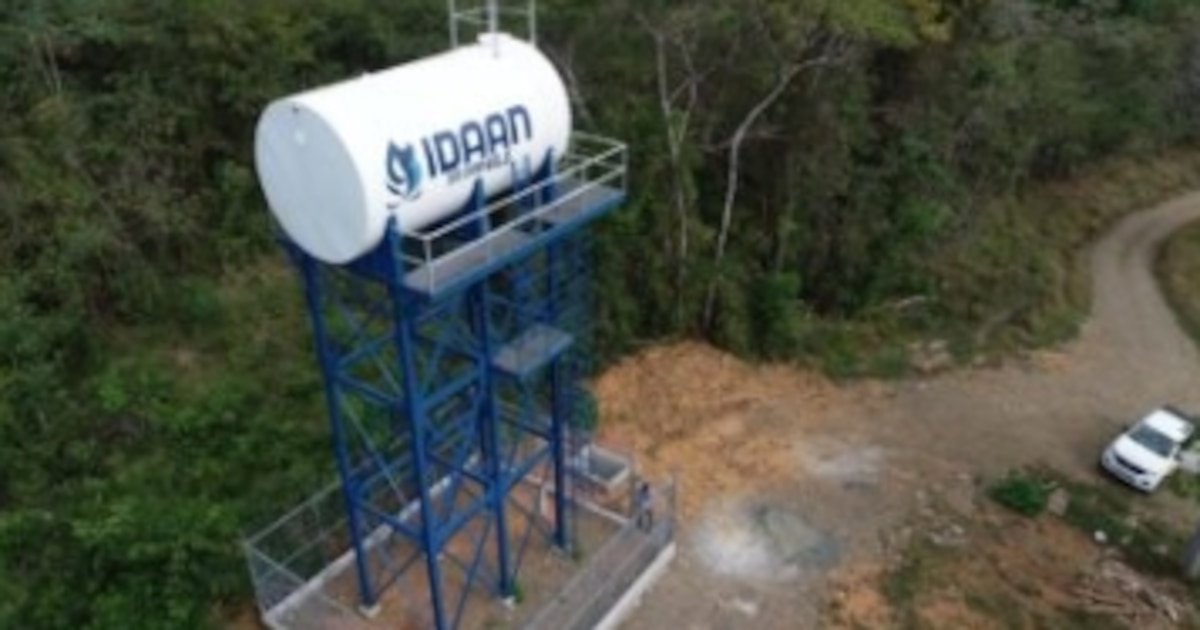
Desde hace un año más de 100 mil personas que habitan en la región de Azuero, en donde se ubican las provincias de Herrera y Los Santos, enfrentan una crisis hídrica por la contaminación del río La Villa, su principal fuente de abastecimiento de agua potable.
Una encuesta a 381 moradores de la región evidenció que el 85% atribuye esta situación a la existencia de granjas porcinas y vertederos.
El impacto en la comunidad incluye la actual escasez del líquido y la desconfianza sobre su calidad, amén de lo que llaman falta de accionar de las autoridades gubernamentales.
Al respecto, el presidente José Raúl Mulino dijo que la escasez del líquido es un “problema estructural que no se va a resolver de hoy para mañana, va a tomar tiempo”.
El mandatario descartó las constantes manifestaciones de las comunidades por la falta del servicio, al señalar que “producto de manifestaciones y malquereres no es que el agua va a llegar. Pueden hacer 100 manifestaciones más, y se los digo con toda honestidad, no va a ver agua”.

La presión sobre el río, de acuerdo al estudio “Crisis hídrica en Azuero: contaminación del río La Villa y necesidad de educación ambiental”, no respondió a un único foco, ya que esta se combinó con la expansión de las actividades agrícolas y ganaderas intensivas, el uso de agroquímicos, el crecimiento urbano cerca de las fuentes fluviales y la descarga de aguas residuales domésticas sin tratamiento.
El deterioro se agravó porque el río La Villa abastece el consumo humano, sirve para el riego agrícola, la ganadería, pesca y actividades de recreación de las comunidades cercanas a su cuenca.
La investigación, realizada por investigadores de los centros regionales de Azuero de la Universidad de Panamá y de la Universidad Especializada de las Américas, advirte que en las últimas décadas el ecosistema mostró señales crecientes de degradación por la acción humana.
El estudio indicó que un 74% de los encuestados identificó consecuencias directas como la escasez de agua potable y la pérdida de confianza en su calidad.
La investigación ubicó la crisis también en el plano de la salud, la economía y la vida comunitaria.

El Ministerio de Salud por su parte vinculó la afectación con cambios físico-químicos del agua, pérdida de biodiversidad acuática y proliferación de algas nocivas.
La revelación ministerial también mencionó lixiviados de vertederos a cielo abierto, porquerizas y posibles descargas industriales como factores asociados.
Los consultados señalaron como principales responsables a las explotaciones porcinas, los vertederos y las descargas residuales.
Para los autores del estudio esa percepción comunitaria refuerza la idea de que se trata de un problema sostenido en el tiempo y no de un episodio aislado.
La encuesta mostró que casi la mitad de los participantes, un 48%, consideró improbable una recuperación total del río La Villa.

El trabajo investigativo atribuyó ese escepticismo a una brecha de conocimiento sobre las fuentes de contaminación y sus efectos a largo plazo.
Según el trabajo, esa lectura social influye en la viabilidad de programas de saneamiento, educación ambiental y gestión integrada del recurso hídrico.
El texto del informe advirtió que, sin respaldo comunitario, las políticas de conservación pueden perder eficacia.
Al precisar los contaminantes más mencionados, el estudio registró que 41% citó coliformes y excremento animal, 35% apuntó a metales pesados y otros contaminantes, y 24% mencionó plaguicidas y residuos de fermentación.
Simultáneamente, se observa que el crecimiento demográfico y urbano en las cercanías al río condujo a un aumento en la descarga de aguas residuales domésticas sin tratamiento adecuado y la acumulación de residuos sólidos.
África,escasez de agua,niñez,crisis hídrica,sequía,pobreza,agua potable,grifo,medio ambiente,supervivencia








INTERNACIONAL
Indonesian passenger ship carrying 240 people loses contact in Java Sea, search underway
NEWYou can now listen to Fox News articles!
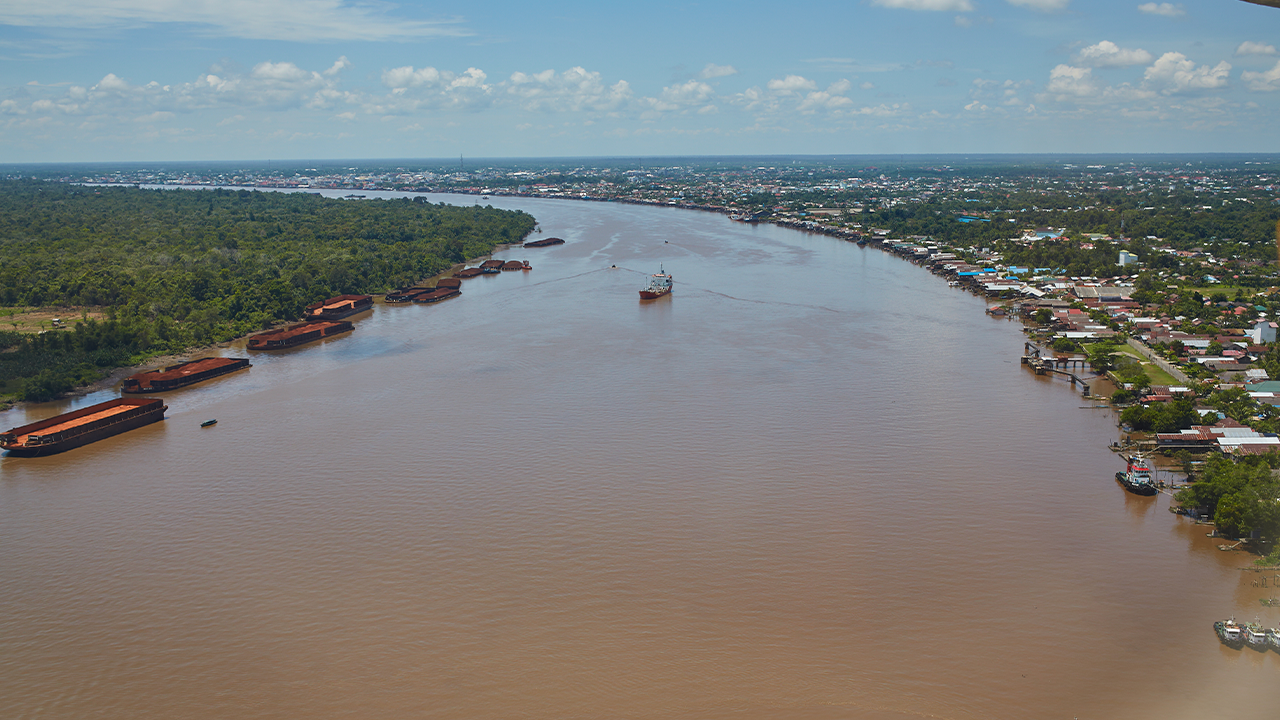
A passenger ship carrying 240 people vanished from contact in the Java Sea on Sunday local time, triggering an urgent search as Indonesian crews raced to locate the vessel.
The Virgo Transport 8 was traveling from Surabaya, East Java, to Banjarmasin on the island of Borneo when communications with the ship were lost, the Associated Press reported, citing Indonesia’s Banjarmasin Search and Rescue Office.
Authorities said the vessel was last tracked roughly 92 miles from a pier in Banjarmasin, the capital of South Kalimantan province.
MOM LOSES GRIP ON DAUGHTER AS PASSENGER FERRY CAPSIZES WITH 20 PEOPLE STILL MISSING
Authorities are searching for the Virgo Transport 8 after the passenger ship lost contact while traveling from East Java to South Kalimantan. (EyesWideOpen/Getty Images)
Search-and-rescue teams launched an operation after receiving a report that the ship had suffered a communications failure during the voyage, according to the AP.
Officials had not reported any deaths or injuries as of Sunday, and it was not immediately clear what caused the vessel to lose contact or whether weather conditions were affecting the search.
MULTIPLE RESCUED FROM PONTOON BOAT NEAR ALCATRAZ AS SEARCH CONTINUES FOR MISSING PERSONS
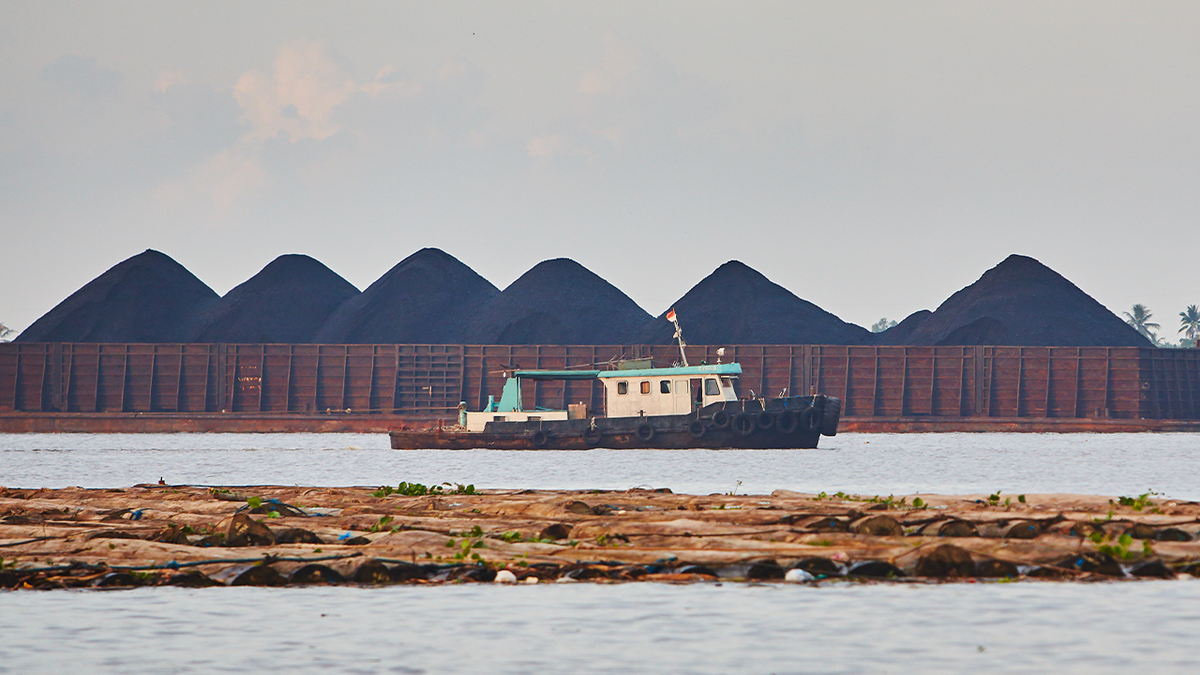
The Virgo Transport 8 lost contact while traveling from Surabaya to Banjarmasin, according to officials. (EyesWideOpen/Getty Images)
The Virgo Transport 8 departed Surabaya, Indonesia’s second-largest city, before losing contact while crossing the Java Sea toward South Kalimantan.
The search remains underway.
The Associated Press contributed to this report.
world, asia world regions, missing persons
INTERNACIONAL
‘Trump-level’ smackdown earns Vance roaring praise as 2028 buzz builds at GOP convention
NEWYou can now listen to Fox News articles!
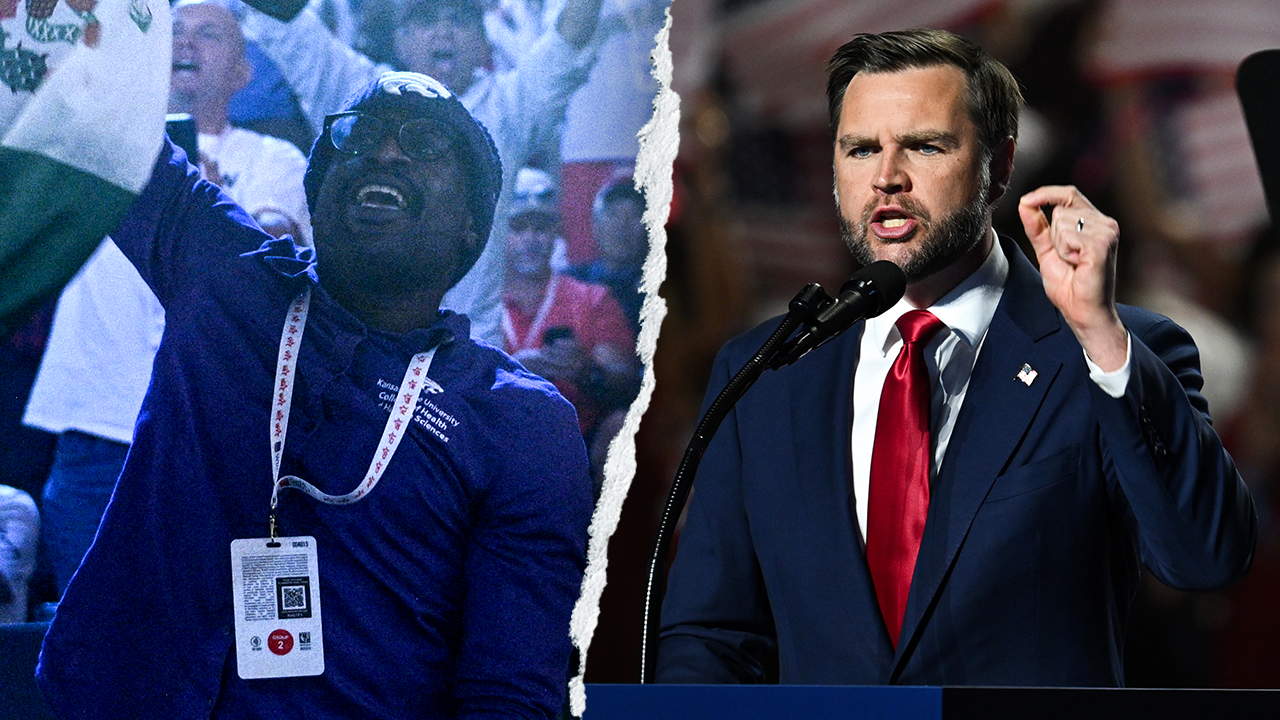
Republicans reached a consensus that Vice President JD Vance solidified his position as the presumptive 2028 presidential candidate with his «Trump-level» smackdown of a foreign flag-waving protester who disrupted his speech at the Republican National Convention.
Vance did not hesitate after a protester interrupted his primetime speech in Dallas on Thursday by waving the flags of the Palestinian Authority and Mexico. He recalled to those watching his speech on TV: «What the people at home missed is that we just had a protester interrupting us and waving the Mexican flag.»
«Well, my friend, if you love Mexico so much, get your a– over there. I’ll buy you the plane ticket,» the VP said, to which the crowd erupted into applause.
«JD Vance just MIC DROPPED a leftist heckler who interrupted him waving a Mexican flag…this place is DEAFENING,» conservative commentator Eric Daugherty wrote on X, adding, «TOTAL PANDEMONIUM.»
CROWD ERUPTS AS VANCE SMACKS DOWN PROTESTER WAVING MEXICAN FLAG: ‘GET YOUR A– OVER THERE’
A protestor throws a Mexican flag as Vice President JD Vance speaks during the second day of the Republican National Committee midterm convention at the American Airlines Center in Dallas, Texas on September 10, 2026. (Brendan SMIALOWSKI / AFP via Getty Images)
Popular conservative pundit Benny Johnson called Vance’s quick wit an «epic response.» President Donald Trump supporter and activist Scott Pressler similarly praised Vance for reacting «without missing a beat,» and called it «an iconic moment.»
«This was masterful. A Trump-level move from JD Vance,» wrote Overton, a conservative commentary and news account. «Vice President Vance perfectly handled a protestor waving a Mexican flag at the RNC in Dallas. Then he fired back with a savage one-liner that sent the American Airlines Center into absolute bedlam.»
The moment was capped off with a «USA!» chant from those in the crowd at the GOP Midterm Convention.
Students for Trump co-founder Ryan Fournier wrote, «JD Vance just absolute [sic] WIPED THE FLOOR with a leftist heckler who interrupted his rally waving a Mexican flag.»
«The crowd went completely WILD. Unbelievable energy,» wrote Fournier.
VANCE DECLARES DEMOCRATS ‘PARTY OF HATRED,’ SAYS PARTY HAS MOVED BEYOND BIG GOVERNMENT, CENSORSHIP

Vice President JD Vance introduces U.S. President Donald Trump to speak on stage on the second day of the 2026 Republican National Convention at the American Airlines Center on September 10, 2026, in Dallas, Texas. (Justin Sullivan/Getty Images)
«JD Vance just notched the most iconic moment of the RNC when he told a protester waving a Mexican flag exactly what all red blooded Americans were thinking,» wrote Turning Point USA spokesman Andrew Kolvet.
Commentator Brilyn Hollyhand put it simply, posting on X, «Yea JD for President after this.»
Vance recovered from the interruption quickly, telling the crowd, «Ladies and gentlemen, I had a whole speech written. But I think I’ve got to change it because we just discovered the symbol of the far left — an idiot waving … a Mexican flag at a protest when he should be waving the flag of the United States of America.»
«Now, we all know, of course, that as much as that person might wave around a foreign flag, he’d much rather live in Dallas, or in Cincinnati, or in any one of our great cities than Mexico,» President Donald Trump’s No. 2 continued. «But while we wave the American flag and fight for the American dream, we have to remind ourselves tonight that the good life that is the foundation of this country’s promise is not guaranteed.»
CHARLIE KIRK HONORED AT GOP CONVENTION WITH CALL TO REJECT ‘COMFORTABLE LOSING’

People hold signs on the first day of the 2026 Republican National Convention at the American Airlines Center on September 9, 2026, in Dallas, Texas. (Photo by Tasos Katopodis/Getty Images)
«Every generation of Americans has had to fight for these things when it’s our turn,» he went on.
«And this fall, the Democrats are running candidates who will tell your children what they’re allowed to say, how they’re allowed to live, and importantly, who they ought to hate, because that’s what the Democrat Party is about in 2026,» Vance continued. «It’s not about you, it’s about foreign fraudsters, and it’s about who they hate. And we got to send their a–es back in November.»
Speculation has swirled over who will be the heir to Trump’s MAGA throne in 2028. The consensus so far among Republicans appears to be split between Vance and Secretary of State Marco Rubio — but a lot could change before the next presidential election.
jd vance, republican convention, politics, dallas fort worth, texas, donald trump, us protests
NEWYou can now listen to Fox News articles!
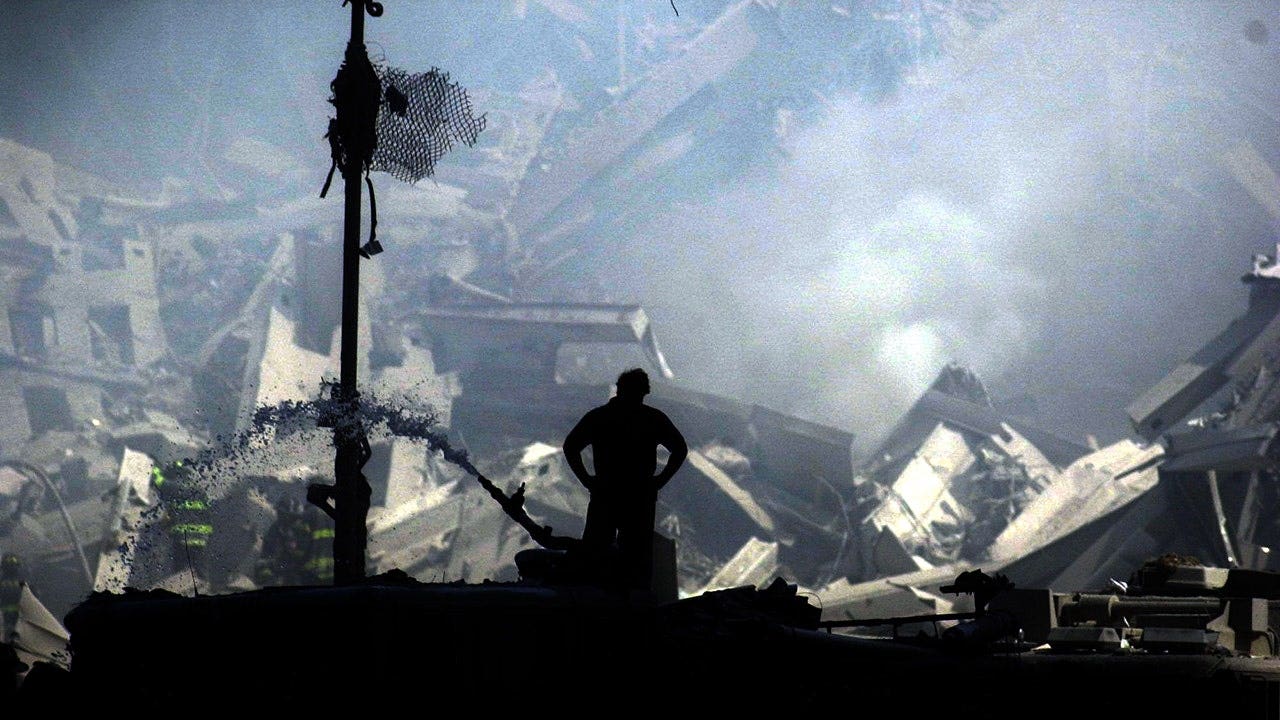
House Homeland Security Committee Chairman Andrew Garbarino, R-N.Y., remembers exactly where he was when the World Trade Center was attacked on Sept. 11, 2001.
«I was a senior in high school. I was in Mr. Ponzi’s government class. And that’s when the first plane hit. And one of the other teachers came in and was telling Mr. Ponzi about it,» he told Fox News Digital. «We all thought it was a little plane. And then we went to the next class. And then the second plane hit, and everybody realized that stuff was wrong.»
Twenty-five years later, Garbarino leads a congressional committee that oversees a Cabinet department created explicitly after the terror attack. He’s warning that Congress needs to change how it deals with potential threats to avoid another tragedy of that scale.
«Being chairman of the committee, being a New Yorker, it’s one of those things you focus on, and you want to make sure another 9/11 doesn’t happen, and doesn’t ever happen again. And that’s my goal. That’s my priority,» he said.
House Homeland Security Committee Chairman Andrew Garbarino, R-N.Y., is sounding the alarm against congressional «complacency,» 25 years after the Sept. 11, 2001, terrorist attacks. (Newspix via Getty Images)
9/11 IS BECOMING HISTORY. MY GENERATION MUST MAKE SURE AMERICA NEVER FORGETS
«Congress is very good at being reactive… We don’t want another 9/11. So if I could leave my fingerprints on something here, it’s the fact that the focus, Congress’ focus on national security, Congress’ focus on homeland security or safety, is that we address an issue before something happens.»
HOW 9/11 TRANSFORMED SYNAGOGUE SECURITY INTO A NEW REALITY FOR THE JEWISH COMMUNITY
He said Congress needed to get into the habit of passing laws ahead of time, «instead of being like, ‘Oh my God I can’t believe this happened, how did this happen, let’s fix it now.’»
«That’s why 9/11 happened. 9/11 happened because our intelligence agencies, they were siloed, they were not sharing information. I don’t know if it was a complacency or whatever, but there were a lot of problems,» Garbarino said. «I don’t want to fall into that same complacency.»
Garbarino represents New York’s 2nd Congressional District, part of Long Island’s south shore. As a suburb of New York City, its residents are deeply attuned to that tragedy 25 years ago.
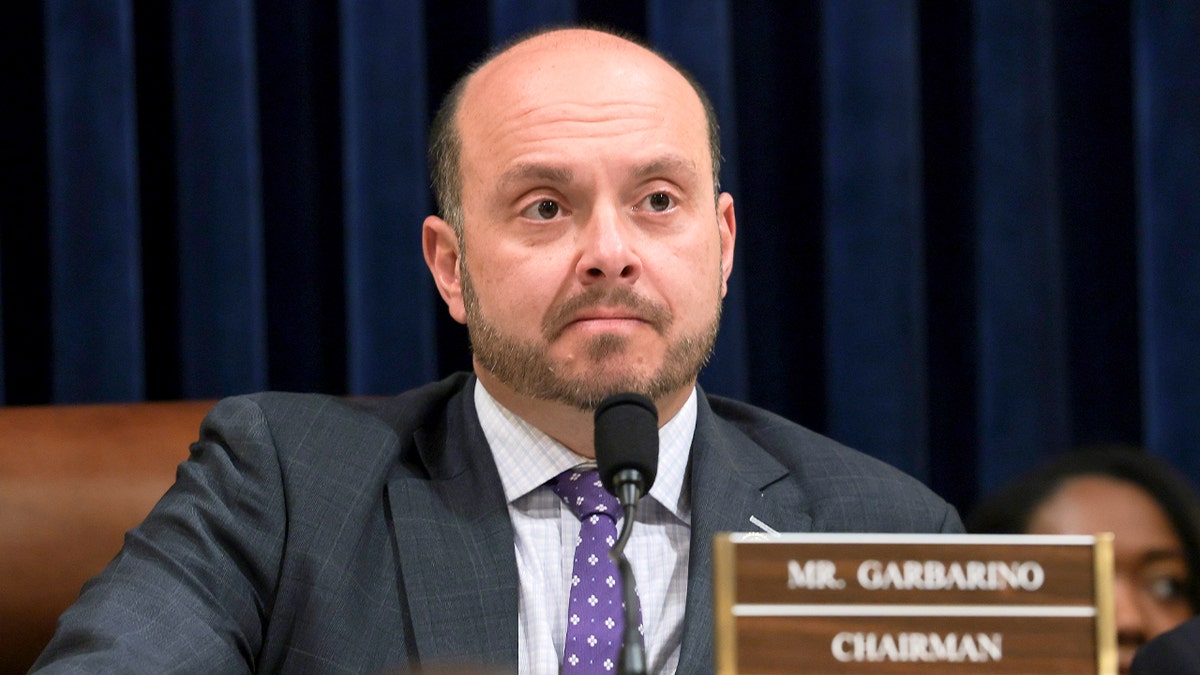
House Homeland Security Committee Chairman Rep. Andrew Garbarino presides over a hearing in the Cannon House Office Building in Washington on Dec. 11, 2025. (Anna Moneymaker/Getty Images)
«We have people that lost loved ones that day that are still dealing with it 25 years later,» Garbarino said. «So the scar is still there.»
His district and others are also still dealing with illnesses stemming from that day, including first responders who bravely rushed to the collapsing twin towers.
«There are now more people that have died from 9/11-related illnesses than died on the actual day. So it’s a day that keeps taking people away from us,» Garbarino said.
«You have firemen who, 9/11 was their first call. They were 21, 22 years old. They’re now 47… And a lot of these, some of these cancers, they take a while to take hold, and they’re now just getting sick.»
SCIENTISTS DISCOVER POSSIBLE LINK BETWEEN 9/11 AND ACCELERATED AGING
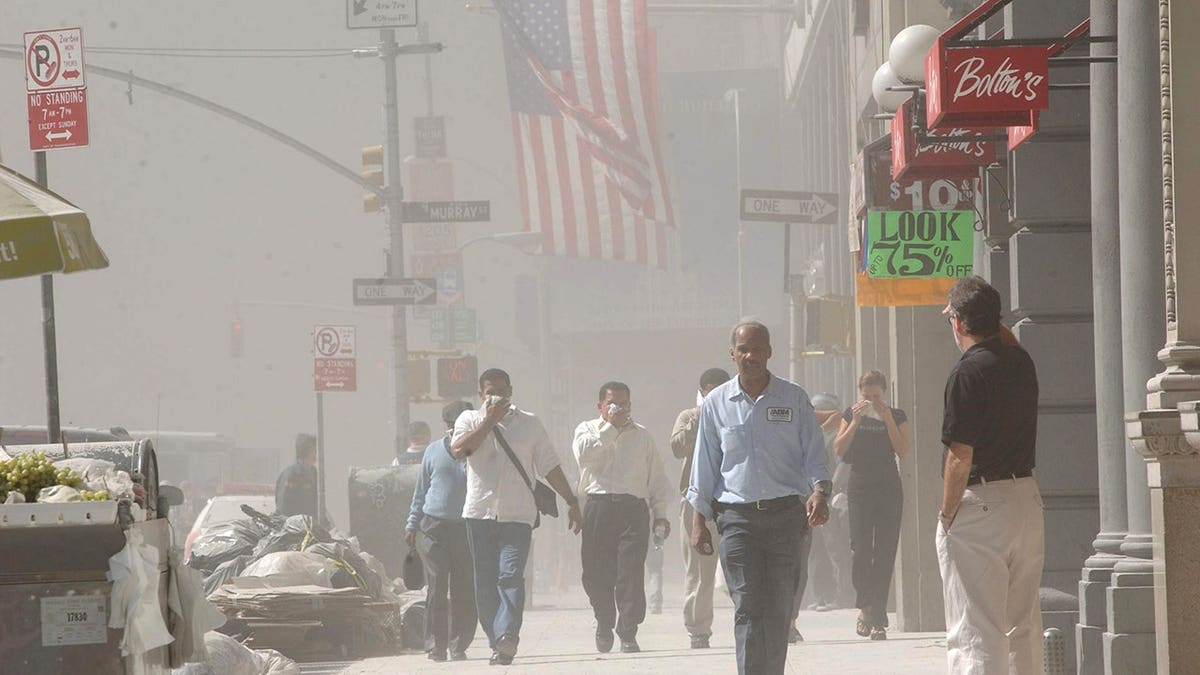
People rush away from the collapsing World Trade Center on Sept. 11, 2001, after two hijacked airplanes hit the twin towers in New York City in a terrorist attack. (Getty Images)
Earlier this year, President Donald Trump signed legislation led by Garbarino and others to address a projected funding shortfall for the World Trade Center Health Program, which helps survivors pay for their medical treatment.
He said nearly all congressional districts across the country have at least one person participating in the program, a testament to how widespread the tragedy’s effects are.
«People moved out of New York, people who came from all over the country after 9/11 to help, they all went back home, they also got sick. So this does affect the entire country,» Garbarino said.
september 11, politics, new york city, homeland security, terror

Uno por uno, quiénes son los gobernadores que ingresaron a la casa Rosada en lo que va de este año y los que nunca fueron

Facundo Díaz Acosta avanzó a su séptima final del año en el Challenger de Sevilla

Tormenta en el Banco Nación: un crédito de $52.600 millones, una empresa bajo sospecha y el traslado del gerente que se negó a firmar la financiación

Guillermo Andino: “Mi vocación nació a partir del momento más triste de mi vida”

Nintendo dejará de vender todos estos productos extra de Switch en Europa por la nueva normativa de baterías – Nintenderos

De la economía de la supervivencia a la economía de la productividad

El día que Owen Wilson se emocionó por el abrazo que le dio Lionel Messi tras un partido

Berni se diferenció de Kicillof en la aplicación de la baja de la edad de imputabilidad

Cuánto cuesta comprar una pick up en la Argentina y cuáles son los modelos más baratos en septiembre

La desafiante aventura de Carolina Baldini en moto por Europa: desde Edinburgo a Liverpool en dos ruedas

 ECONOMIA3 días ago
Así es la primera pickup compacta nacional: diseño, cuándo empezará a venderse y el novedoso sistema híbrido que tendrá
- DEPORTE3 días ago
Alarmante frase de Pierre Gasly antes del estreno del circuito de Fórmula 1 en Madrid
- POLITICA2 días ago
“¿Dónde está Kicillof?”: Patricia Bullrich cruzó al gobernador por la inseguridad en la Provincia