
INTERNACIONAL
‘Did you call 911?’ Tuberville recounts Graham’s frantic final phone call

A closer look at the ‘aortic dissection’ that killed Sen. Lindsey Graham
Fox News Senior Medical Analyst Dr. Marc Siegel clarifies Sen. Lindsey Graham’s preliminary cause of death: a ruptured aorta due to cardiovascular disease. Siegel thoroughly explains the rare condition of aortic dissection and discusses common risk factors like high blood pressure and plaque. He advises on preventative health measures and regular check-ups, emphasizing what Graham would want people to consider their health.
NEWYou can now listen to Fox News articles!
A Senate Republican added further detail to the late Sen. Lindsey Graham’s, R-S.C., final moments thanks to an unlikely connection.
Sen. Tommy Tuberville, R-Ala., revealed that it was a former member of his staff that called for medical assistance to aid Graham over the weekend, who died suddenly just after his return from an overseas trip.
«My former scheduler was Lindsey’s scheduler, and one of my staff members was with that scheduler the night Lindsey called,» Tuberville told reporters. «He called [and] basically said, ‘Listen, I’m having chest pains. You know, I need to do something.’ ‘Did you call 911?’ And he goes, ‘No, that’s the reason I called you.’»
GRAHAM REPORTEDLY REFUSED MEDICAL HELP BEFORE SCHEDULED TV APPEARANCE
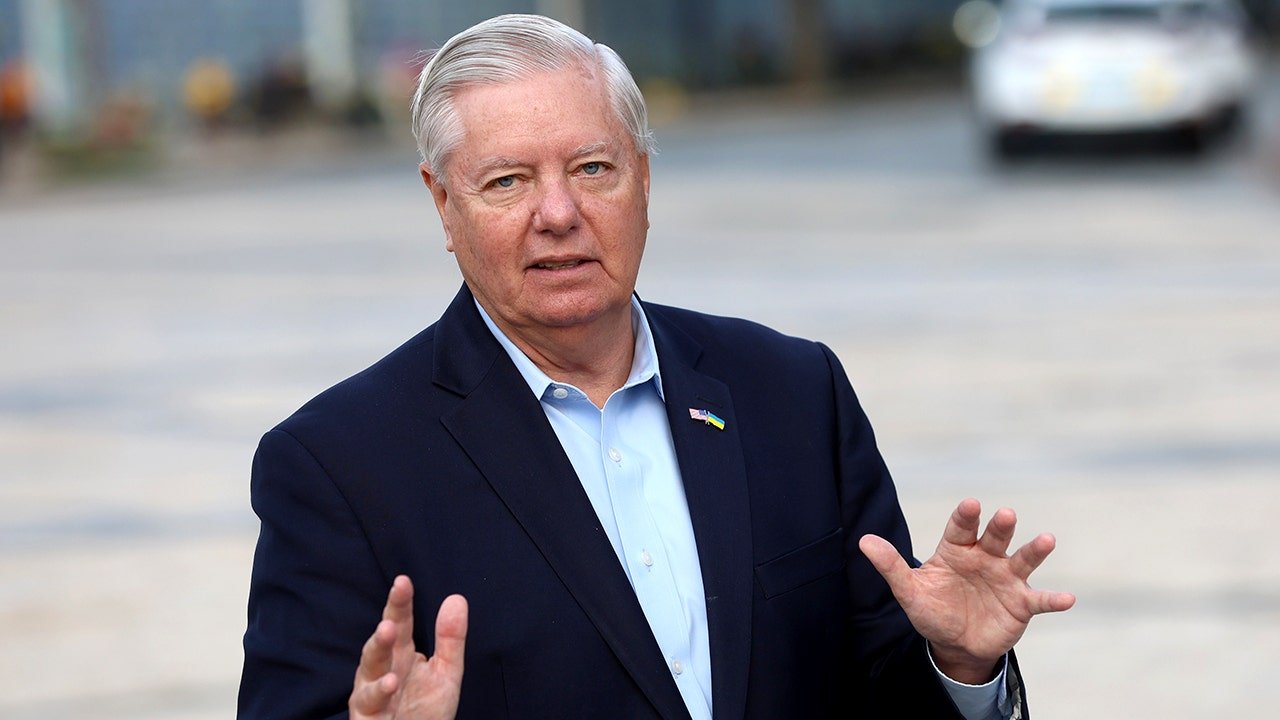
Sen. Lindsey Graham, R-S.C., stands at the U.S. Capitol in Washington, D.C. (Aaron Schwartz/Bloomberg via Getty Images)
«And so she called 911 … By the time she got there, 911 had knocked the door down, and they were working on him,» he continued.
A preliminary cause of death was revealed Sunday evening. His office said that the longtime lawmaker had died from «aortic dissection due to arteriosclerotic cardiovascular disease.»
Aortic dissection is when a tear occurs in the inner wall of the aorta, the body’s main artery, and is a life-threatening medical emergency.
«Lindsey basically worked himself to death, most of us have families, he didn’t have any family,» Tuberville said. «And if we had a couple of days off, he went to that airport, and he went somewhere to try to work out something for our country.»
LINDSEY GRAHAM’S SISTER APPOINTED TO SENATE AS GOP RUSHES TO PROTECT FRAGILE MAJORITY
Axios reported that in one of Graham’s final conversations, he told an unnamed source that he was feeling unwell but wanted to wait until after his scheduled appearance on NBC’s «Meet the Press» to seek medical attention.
«I can’t die now. I still need to do the Russia sanctions, get Iran sorted out and do Israeli-Saudi normalization,» Graham said.
His death has rocked the Senate, where emotional tributes rolled in throughout the day on Monday, the upper chamber’s first day back in Washington, D.C., since recessing for the Fourth of July.
GRAHAM’S DEATH IGNITES GOP SCRAMBLE FOR SENATE SEAT AS TRUMP HINTS HE ALREADY HAS A FAVORITE
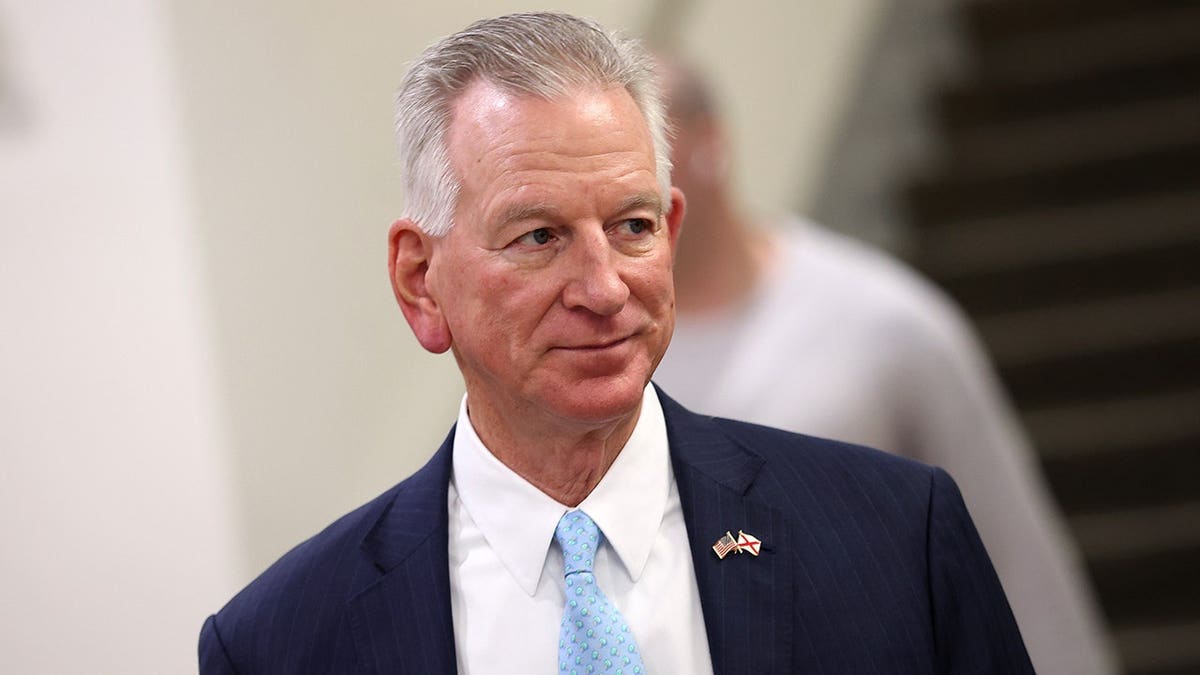
Sen. Tommy Tuberville, R-Ala., speaks to reporters as he returns to his office at the U.S. Capitol on Feb. 10, 2026, in Washington, D.C. (Kevin Dietsch/Getty Images)
Graham’s desk in the Senate, which is where the late Sen. John McCain, R-Ariz., his close friend, once sat, was draped with a black veil and a glass bowl of sharp white roses atop it.
Senate Majority Leader John Thune, R-S.D., in an emotional tribute to the late lawmaker, said that the «halls of the Senate already feel empty without him.»
«I am comforted by the knowledge that, in the end, he has just changed his address. And that one day, Mr. President,» Thune said through tears. «We will laugh together again.»
CLICK HERE TO DOWNLOAD THE FOX NEWS APP
Graham will be succeeded, temporarily, by his sister, Darline Graham Nordone. She is slated to be sworn in to the position on Tuesday after being tapped by South Carolina Gov. Henry McMaster to fill in for her late brother.
«I think this is what Lindsey would have wanted, and I plan to honor him in this way,» Nordone said during the ceremony in Columbia, South Carolina. «Now to Lindsey, I miss you more than I can even put into words. But I’m going to do this, I got it.»
politics, lindsey graham, senate elections, john thune, health











INTERNACIONAL
El Salvador registra dos millones de visitantes en sus destinos turísticos durante las vacaciones

Durante el periodo vacacional, El Salvador ha registrado una afluencia de dos millones de visitantes nacionales e internacionales en sus principales destinos turísticos, según datos oficiales actualizados hasta el 4 de agosto por el Ministerio de Turismo.
La cifra, que corresponde tanto a turistas locales como extranjeros, marca un intenso movimiento en sitios emblemáticos del país y confirma una tendencia al alza en la movilidad interna de la temporada.
La ministra de Turismo, Morena Valdez, atribuyó este resultado a la coordinación interinstitucional y al despliegue de personal en los principales destinos. La funcionaria recalcó que la meta de la cartera es alcanzar los 2.8 mil visitantes al cierre de la temporada, cifra que, a su juicio, podría cumplirse si se mantiene la tendencia de las últimas jornadas.
De forma inmediata las autoridades no han brindado detalles sobre las nacionalidades de los turistas que se encuentran visitando el territorio salvadoreño.

Entre los destinos de mayor preferencia destacan SívarLand, el Centro Histórico de San Salvador, playas públicas como Playa Punta Roca, áreas naturales protegidas y una amplia oferta de sitios culturales.
La funcionaria señaló que además que actividades como la tradicional atolada y las experiencias familiares en parques y volcanes forman parte de la agenda atractiva para las familias.
El panorama en la zona costera también ha mostrado una afluencia notoria. Yaneth Bran, gobernadora del departamento de La Libertad, aseguró que el destino mantiene un flujo constante de turistas y que las instituciones han fortalecido los mecanismos de prevención y seguridad. “La Libertad es un territorio privilegiado por su extraordinaria riqueza natural, cultural, histórica y gastronómica.
La diversidad de sus paisajes y la calidez de su gente convierten en este departamento en un lugar que ofrece experiencia para todos los gustos”, afirmó Bran durante su intervención. Destacó la presencia de visitantes en lugares emblemáticos como Surf City, el Puerto de La Libertad, el Malecón, San Diego, El Majagual, El Tunco, El Sunzal, Mizata y San Blas, así como en diversos parques recreativos y comercios del litoral.
La ministra Valdez resaltó que la totalidad de los parques del Instituto Salvadoreño de Turismo y los sitios culturales operan con normalidad y acceso abierto al público.

La funcionaria recomendó explorar sitios menos tradicionales como El Taquíl y Los Almendros en la zona occidental, además de los espacios naturales del Parque Natural Cerro Verde y las rutas de escalada en volcanes, siempre bajo la guía de personal autorizado del Ministerio de Medio Ambiente o de la Corporación Salvadoreña de Turismo.
En el litoral, la gobernadora Bran subrayó la disposición de equipos de emergencia, guardavidas y personal sanitario.
“Debido a la importante movilización de las personas que se registran durante esta temporada, todas las instituciones que conforman el Sistema Nacional de Protección Civil han fortalecido sus capacidades de prevención, de monitoreo con el propósito de garantizar la seguridad y el bienestar de las personas”, manifestó Bran.
“No hay pretexto, podemos disfrutar de estas vacaciones con sano esparcimiento, cuidándonos y previniendo. Y recordando que la prevención es responsabilidad de todos”, insistió la titular del ramo de turismo e instó a la población y al sector privado a seguir las indicaciones de las autoridades.
playas sonsonate,arena dorada el salvador,roca volcánica el salvador
INTERNACIONAL
Russia deploys North Korean missile unit to Ukraine; Moscow-Pyongyang axis deepens: report
NEWYou can now listen to Fox News articles!
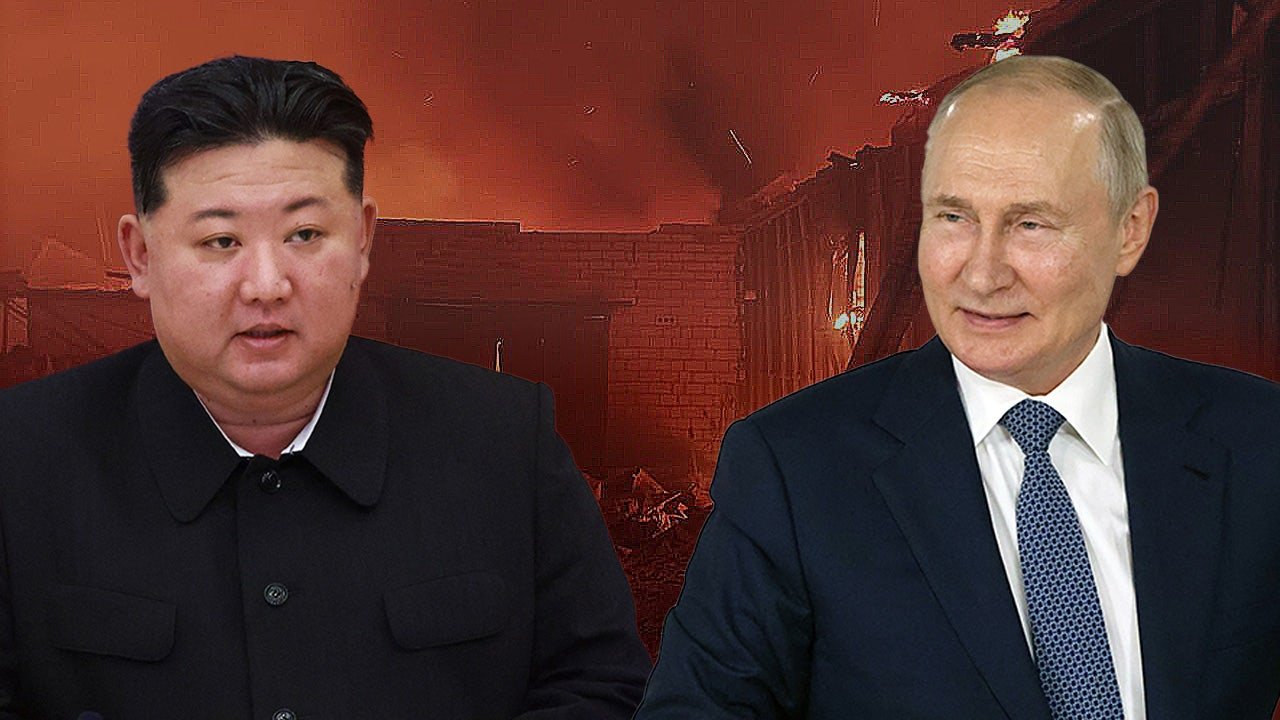
Russia has begun deploying a North Korean missile unit equipped with up to 120 ballistic missiles and six launchers for use in its war against Ukraine, a Ukrainian intelligence official told told Reuters Wednesday.
The reported escalation marks a deepening military partnership between Moscow and Pyongyang, with around 90 North Korean personnel expected to be stationed in Russia’s western Voronezh region to support the new unit, according to Andrii Cherniak of Ukraine’s Main Directorate of Intelligence (HUR).
Cherniak also claimed Pyongyang has already delivered a fresh batch of 40 KN-23 and KN-24 ballistic missiles to Russian forces, Reuters said.
RUSSIA LAUNCHES BALLISTIC MISSILE ATTACK ON KYIV HOURS AFTER ZELENSKYY WARNS OF MAJOR STRIKE
Russia has reportedly begun deploying a North Korean missile unit equipped with up to 120 ballistic missiles and six launchers for use in its war against Ukraine. (Alexander Kazakov/Pool/AFP via Getty Images)
Final details of the deployment are expected to be finalized during high-level talks next month.
The intelligence report follows a massive Russian barrage against Kyiv and the surrounding region Aug. 4.
Ukrainian President Volodymyr Zelenskyy said Moscow launched 24 ballistic missiles, four cruise missiles and 115 drones overnight, killing at least 17 people.
Zelenskyy argued more lives could have been saved had Western allies replenished Ukraine’s depleted stockpiles of air defense interceptors.
Zelenskyy previously warned that Moscow had been preparing since June to receive additional North Korean military personnel in the Voronezh region, according to reports.
RUSSIA UNLEASHES NEARLY 600 MISSILES AND DRONES ON KYIV IN DEADLIEST STRIKE SINCE MAY
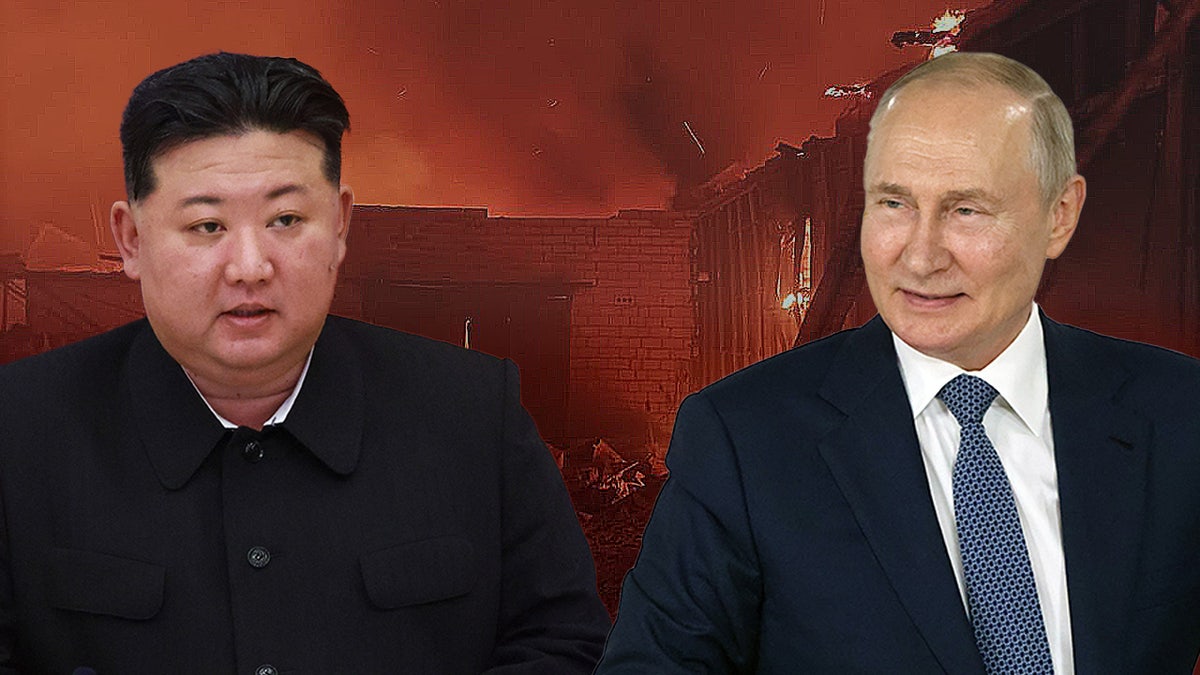
Russian President Vladimir Putin has deepened his defensive ties with North Korea’s Kim Jong Un. (Getty Images)
Cherniak told Reuters a Russian strike in late July marked the first recorded use of North Korean ballistic missiles against Ukrainian targets since August 2025.
According to HUR estimates, Russia has received approximately 150 KN-23 and KN-24 missiles from North Korea since late 2023.
Military analysts say Russia is increasingly relying on ballistic weapons because they require advanced defense systems — such as the U.S.-made Patriot — to intercept.
The Washington-based Institute for the Study of War (ISW) assessed that Russia is deliberately incorporating more ballistic missiles into its long-range strike packages to maximize pressure on Ukraine’s limited air defenses.
ISW added that North Korea is gaining critical battlefield data from the conflict, allowing Pyongyang to refine its missile performance using Russian operational experience.
ALARMING MISSILE REPORT DRAWS FORCEFUL RESPONSE FROM TRUMP AS IRAN WAR TESTS AMERICA’S ARSENAL

North Korea has emerged as one of Moscow’s key military allies. (KCNA via Reuters)
North Korea has emerged as one of Moscow’s key military allies since the full-scale invasion of Ukraine began.
Reuters reported that Pyongyang has supplied millions of artillery shells and previously sent 14,000 troops to Russia’s Kursk region to counter Ukraine’s 2024 cross-border incursion.
Cherniak also noted that roughly 9,500 North Korean troops are still in Kursk, though they are not engaged in active combat right now.
A report by the Foundation for Defense of Democracies (FDD) states that, since Russia’s 2022 invasion of Ukraine, North Korea has supplied Moscow with large quantities of artillery and rocket ammunition, cannon and rocket artillery systems and ballistic missiles.
The policy institute described the Russia-North Korea relationship as one of the «most consequential among the Axis» and the only partnership in which one member has deployed troops in combat to assist another.
russia, north korea, ukraine, conflicts
INTERNACIONAL
Dems in the hot seat for skipping crucial hearing on radical group hiding in US: ‘Embarrassment’
NEWYou can now listen to Fox News articles!
Democratic lawmakers were missing during Wednesday’s Senate Judiciary subcommittee hearing as they skipped a hearing on the Muslim Brotherhood’s alleged network inside the United States, drawing a blistering rebuke from Sen. Ted Cruz, R-Texas.
«You may notice that there are empty chairs on the Democrat side of the dais,» Cruz said as he opened the hearing by pointing out that every Democratic member of the subcommittee refused to attend. «The American people should ask themselves why not a single member of the minority decided that a hearing on terrorism was worth their time? It is an embarrassment.»
Cruz tied the Democrats’ boycott to Abdul El-Sayed’s primary victory, arguing that the timing helped explain why no Democratic members attended. Cruz accused the party of embracing a candidate who had campaigned alongside left-wing streamer Hasan Piker.
Cruz cited Piker’s past statement that «America deserved 9/11» and asked the witnesses what El-Sayed’s rise said about the direction of the Democratic Party.
HASAN PIKER UNLOADS ON ‘ISLAMOPHOBIC PIECES OF S—‘ DEMOCRATS AS EL-SAYED FACES PARTY UNITY TEST
«Abdul El-Sayed, the son-in-law of a leading member of several Brotherhood groups, won Michigan’s Democrat primary for U.S. Senate. Perfect timing for this hearing, probably explains why no Democrats are here and none intend to attend,» Cruz said. «Because their campaign is now openly embracing terrorist organizations waging war on America.»
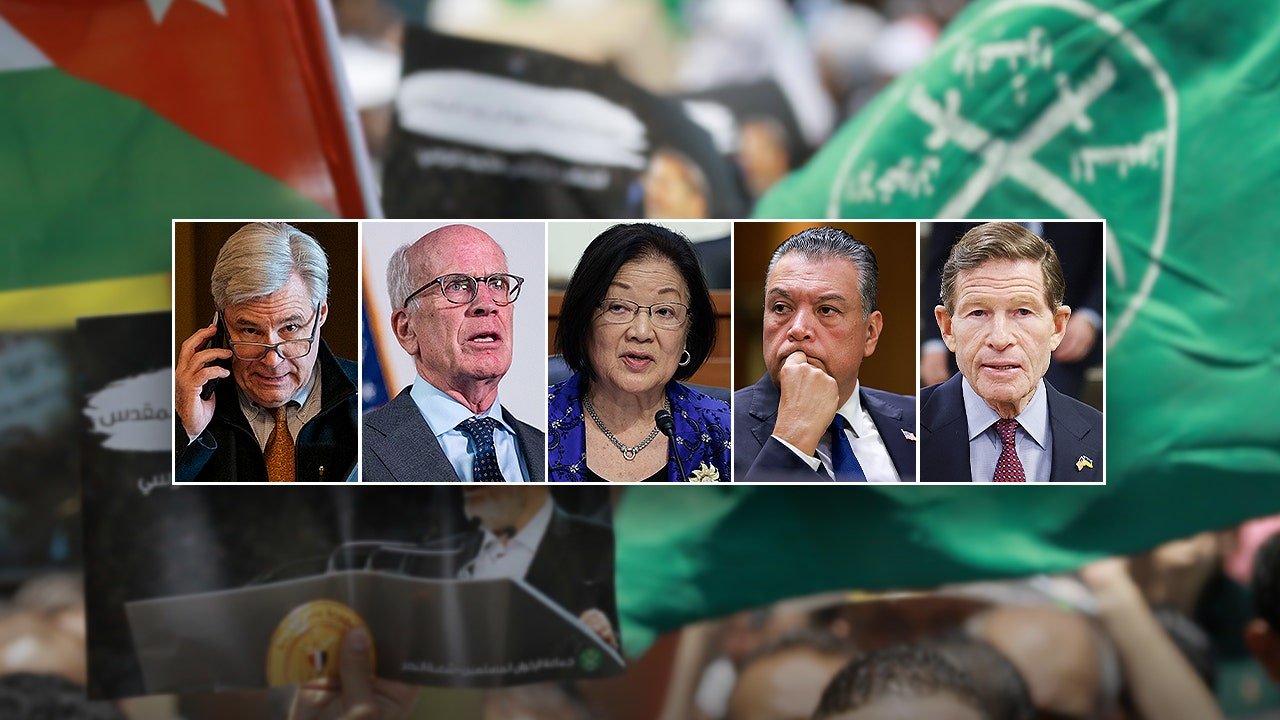
(From left to right) Democratic Party Sens. Sheldon Whitehouse of Rhode Island, Peter Welch of Vermont, Mazie Hirono of Hawaii, Alex Padilla of California and Richard Blumenthal of Connecticut. Muslim Brotherhood supporters near the Jordanian border with the West Bank from 2021 can be seen in the background. (Getty Images)
The five Democratic members of the subcommittee — Sens. Sheldon Whitehouse of Rhode Island, Richard Blumenthal of Connecticut, Mazie Hirono of Hawaii, Alex Padilla of California and Peter Welch of Vermont — announced beforehand that they would not attend. In a joint statement, the senators accused Cruz of staging a «political creepshow» that scapegoated Muslim Americans.
«Scapegoating Muslims may be a Texas Republican strategist’s idea of ‘solid gold’ to whip up their voters, but Democrats have no intention of indulging this political creepshow, particularly after the recent violence targeting places of faith,» they said. «Our focus is the costs families face thanks to rampant, non-stop Trump corruption.»
Blumenthal separately told reporters Wednesday that Democrats refused to attend because the hearing «could well be used as an anti-Muslim, Islamophobia kind of show trial.»
MICHIGAN SENATE RACE: EL-SAYED’S TIES TO EXTREMIST FUEL ANTISEMITISM CONCERNS AMONG JEWISH VOTERS
The Connecticut Democrat added that he planned to meet with members of the Muslim community who shared concerns about the Muslim Brotherhood, «which appears to be a terrorist organization,» while advocating for «tolerance and inclusion.»
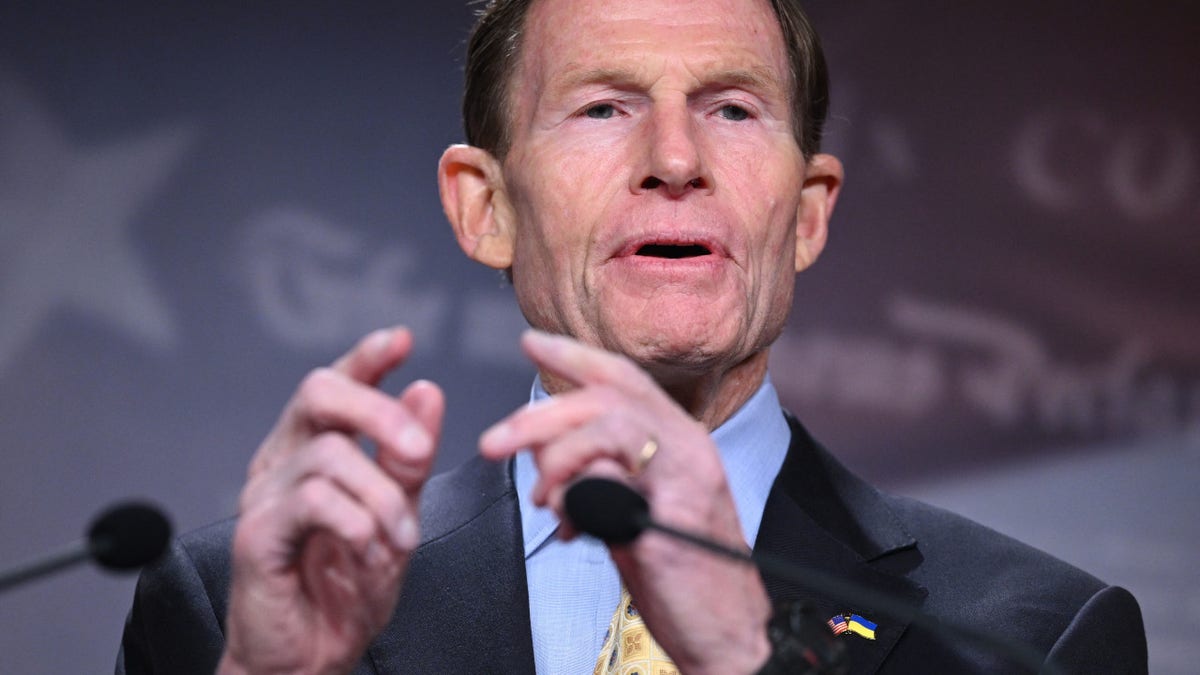
US Senator Richard Blumenthal (D-CT) speaks during a press conference at the US Capitol in Washington, DC, on January 24, 2023. (MANDEL NGAN/AFP via Getty Images)
The offices of Whitehouse and Welch referred Fox News Digital to the joint statement when asked why the senators chose to boycott rather than attend and challenge the witnesses directly. The offices of Hirono and Padilla had not responded by publication time.
Cruz and the hearing’s witnesses rejected the Democrats’ characterization of the proceeding as an attack on Muslims generally.
Lara Burns, a retired FBI special agent who helped lead a terrorism-financing investigation against what was once the largest Muslim charity in the United States, the Holy Land Foundation, warned that Americans should not disregard evidence because it is politically controversial.
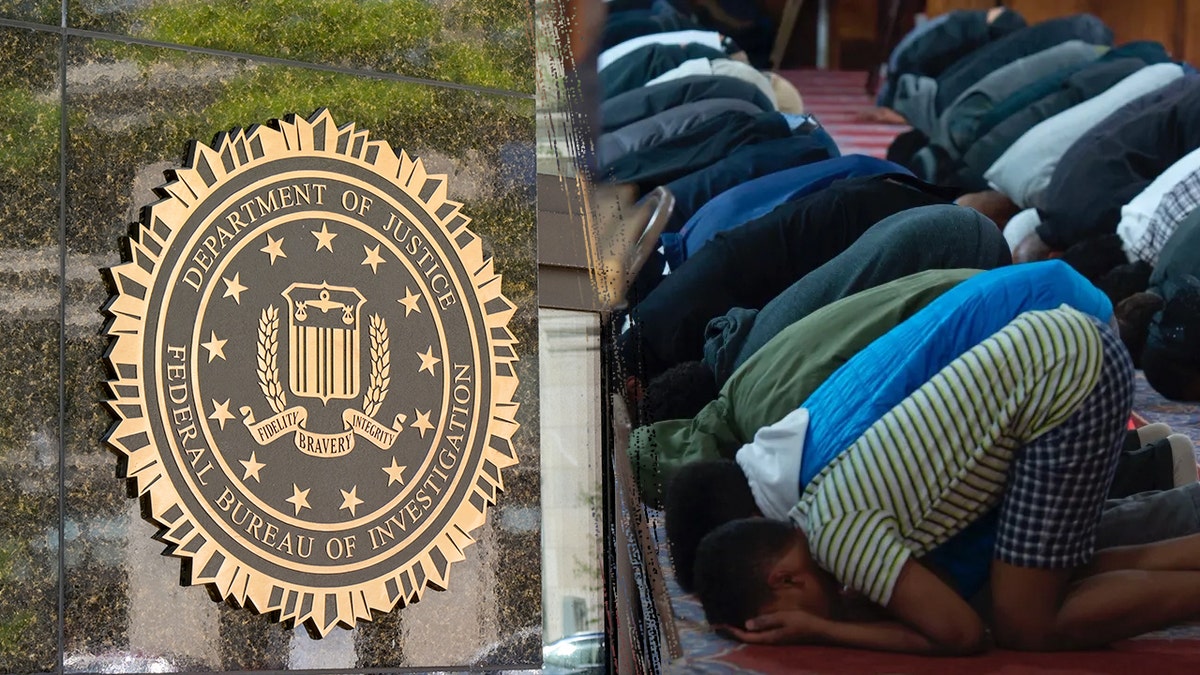
A surfaced OIG report shows FBI agents were urged to avoid communications with CAIR, the Council on American-Islamic Relations. (Getty Images)
«For decades, narratives have been intentionally seeded into public discourse that portray terrorist organizations as resistance movements,» Burns testified before arguing Americans cannot «ignore evidence introduced in federal court simply because that evidence is politically uncomfortable.»
«The history of this network is not in question,» she added. «It was made public decades ago, but few paid attention. Now is the time to pay attention and understand the facts.»
hearings, democrats senate, ted cruz, national security, politics

Yanina Latorre sacó a la luz el dato más fuerte sobre Facundo Moyano y su novia en el escándalo de drogas: «Podría haberse muerto»

Pablo Quirno también le pidió la renuncia a Villarruel: “Es sabido que busca desestabilizar al Gobierno”

El Salvador registra dos millones de visitantes en sus destinos turísticos durante las vacaciones

🟠 Hay alerta naranja por tormentas en Buenos Aires y 10 provincias para este jueves 6 de agosto

Russia deploys North Korean missile unit to Ukraine; Moscow-Pyongyang axis deepens: report

Detuvieron a un hombre acusado de amenazar de muerte a Javier Milei en sus redes sociales

“Vamos a acelerar con todo”: el objetivo del Gobierno por las reformas y la agenda electoral de cara al 2027

Javier Milei cruzó a Victoria Villarruel y elevó la tensión: “Es una opositora, replica los argumentos kirchneristas”

Reelecciones indefinidas: el oficialismo bonaerense niega que busque ampliar la Legislatura como parte de una reforma política para beneficiar a los intendentes

¡Chau Luck Ra! La salida de soltera de La Joaqui, muy bien acompañada, a días de su separación
-
 POLITICA2 días ago
Javier Milei cruzó a Victoria Villarruel y elevó la tensión: “Es una opositora, replica los argumentos kirchneristas”
-
 INTERNACIONAL3 días ago
Ohio GOP family feud explodes as Sen Bernie Moreno calls on Rep Max Miller to resign
-

 POLITICA3 días ago
Elecciones 2027: qué dijo Miguel Ángel Pichetto sobre una posible candidatura a presidenta de Victoria Villarruel