INTERNACIONAL
DOJ sues UCLA over alleged ‘Judenrein’ conditions during anti-Israel encampment


NEWYou can now listen to Fox News articles!
The Justice Department sued the University of California, Los Angeles, on Monday, accusing the university of allowing Jewish students to face a «hostile educational environment» during months of anti-Israel protests and encampment unrest that left students assaulted, blocked from campus buildings and fearful of attending class.
«The occupiers largely succeeded in their goal of making the heart of campus Judenrein — or at least free of Jews who did not share their desire to annihilate Israel,» the lawsuit stated.
In the 53-page complaint, the Justice Department accused UCLA of violating Title VI protections by showing «deliberate indifference» toward discrimination against Jewish students, allegations that could jeopardize federal funding.
«UCLA was deliberately indifferent to the suffering of its Jewish and Israeli students and declined to take meaningful action to protect them,» DOJ said.
TRUMP ADMINISTRATION DEMANDS $1B SETTLEMENT FROM UCLA OVER CAMPUS ANTISEMITISM CLAIMS
University of California police secure Dodd Hall after clearing anti-Israel protesters from the UCLA campus on May 23, 2023, during a congressional hearing where Chancellor Gene Block testified. (Mario Tama/Getty Images)
The lawsuit is part of a broader Trump administration effort to crack down on antisemitism tied to anti-Israel protests that spread across college campuses following Hamas’ Oct. 7, 2023 attacks on Israel
DOJ alleged that UCLA’s Equity, Diversity and Inclusion office «routinely ignored» more than 100 complaints of antisemitic harassment, which ranged from Jewish students being blocked from campus buildings to being beaten, pepper-sprayed and slapped with sticks. The Justice Department argued that the university’s «decision to ignore» these complaints violated Title VI, suggesting that the school could lose federal funding and pay restitution to the government.
The lawsuit’s central allegation focuses on UCLA’s handling of the anti-Israel protest encampment that formed on campus in late April 2024 and lasted about a week. At the time, anti-Israel encampments popped up on dozens of college campuses across the country in response to escalating tensions in the Gaza war. The conduct within the encampment prompted the Trump administration to create an antisemitism task force that visited UCLA.
The anti-Israel encampment was set up on April 25, 2024, sparking complaints that protesters formed «human phalanxes» to block Jewish students from accessing buildings and other parts of campus. The lawsuit also alleges that one Jewish student was kicked to the ground and knocked unconscious.
CALIFORNIA SHERIFF SLAMS ‘MERITLESS’ UCLA STUDENT LAWSUIT AGAINST POLICE WHO DISMANTLED ANTI-ISRAEL ENCAMPMENT
Police did not clear the encampment until May 2, 2024, during what was described as a chaotic scene in which anti-Israel protesters clashed with officers using pepper spray and fire extinguishers.
Confrontations at UCLA between anti-Israel protesters and police continued as six UCLA police officers were injured on June 10, 2024, during an attempt to create a new encampment.
UCLA PAYS BIG SETTLEMENT OVER ‘JEW EXCLUSION ZONE’ DISCRIMINATION CLAIMS FROM STUDENTS
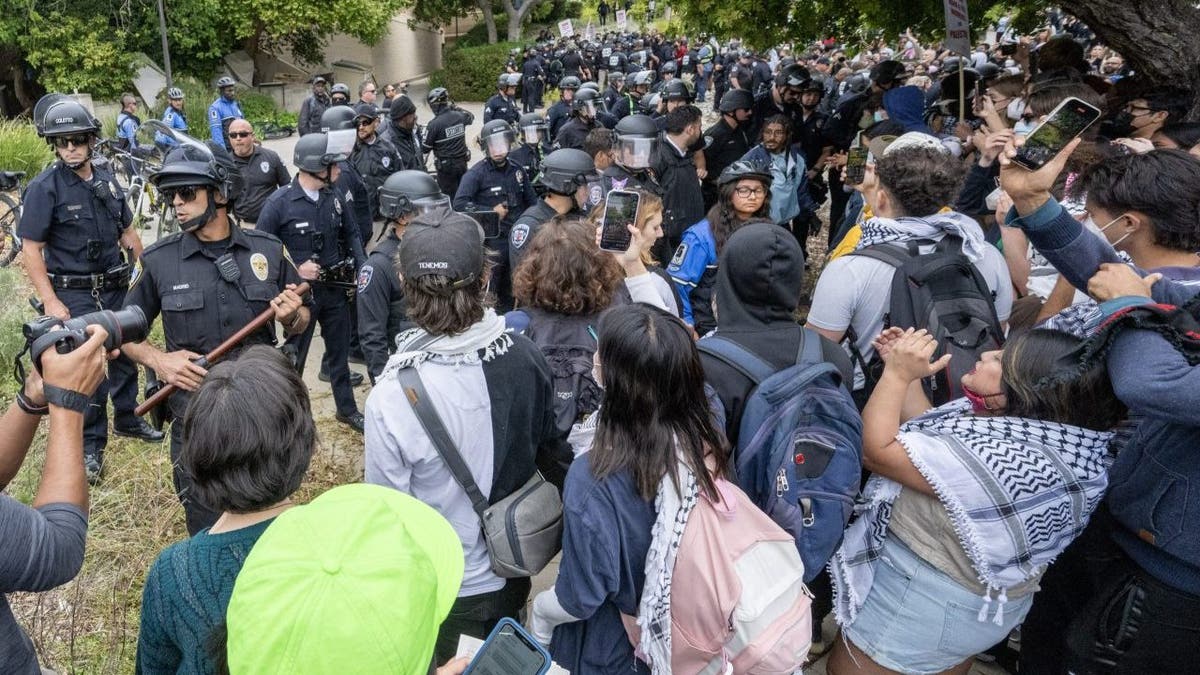
Police push back anti-Israel protesters on the campus of UCLA in Los Angeles on Thursday, May 23, 2024. (Hans Gutknecht/MediaNews Group/Los Angeles Daily News)
Even after voicing concerns over the violence seen during the spring 2024 anti-Israel protests, UCLA school safety officers were instructed to prioritize «de-escalation» rather than aggressively enforcing school policies during future anti-Israel protests that sprang up in 2025 and 2026.
At one Students for Justice of Palestine demonstration held on Oct. 7, 2025, officers stood by and did not engage even though some of the participants were breaking the campus’ «no masking rule.» An officer was asked why they weren’t enforcing the rules, and he replied by saying he «not that high up on that totem pole» to make that call.
The lawsuit heavily cited the findings of UCLA’s own task force in the lawsuit to back up its claims that school leadership failed to properly protect Jewish students on campus.

Police officers react as anti-Israel students stand their ground after police breached their encampment at the University of California, Los Angeles, on May 2, 2024. (Etienne Laurent/AFP)
«Indeed, UCLA’s Task Force found that ‘throughout most of 2023-2024, campus leadership repeatedly decided not to enforce federal law, state law, and University and campus rules,’ ‘resulting in failure to protect the Constitutional rights,’ of Jews on campus,» the lawsuit stated.
The lawsuit cited a poll conducted of Jewish students finding that 59.6% of students «reported spending less time on campus due to antisemitism and anti-Israeli bias» and and that 41.4% considered leaving the school because of antisemitism.
CLICK HERE TO DOWNLOAD THE FOX NEWS APP
The Trump administration’s lawsuit comes just months after the Justice Department filed a separate case against UCLA in February, accusing the university of antisemitic discrimination against Jewish and Israeli employees.
Fox News Digital reached out to UCLA for comment.
anti semitism, los angeles, campus controversy, justice department, politics







INTERNACIONAL
Lídia Jorge: “Cuanto más sofisticadas son nuestras sociedades, más fácilmente aceptan ser conducidas como rebaños”
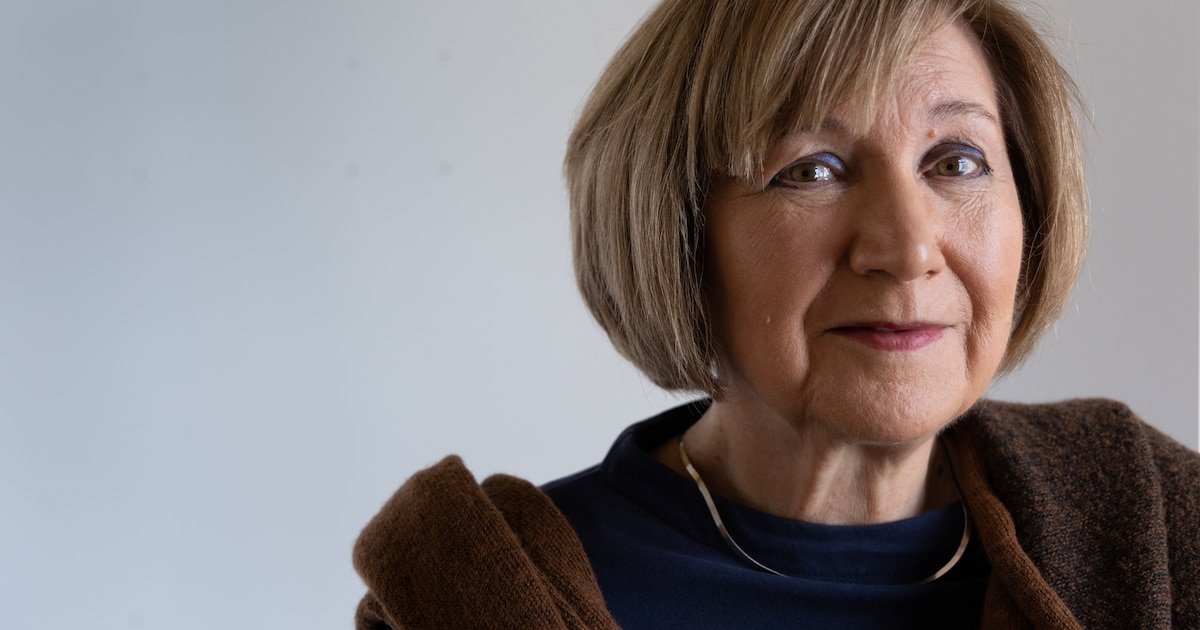
La escritora portuguesa Lídia Jorge, galardonada con el Premio Camões 2026 —el máximo reconocimiento de las letras en lengua portuguesa— y el Premio Estatal Austriaco de Literatura Europea, afirmó que “la literatura no anuncia la destrucción del mundo, intenta impedirla”. La autora de Misericordia y La costa de los murmullos hizo estas declaraciones en una entrevista concedida al diario El Mundo durante el Festival literario BABELL, celebrado en Oporto.
El Premio Camões, instituido en 1988 por los gobiernos de Portugal y Brasil con una dotación de 100 mil euros, le fue otorgado por unanimidad del jurado, que destacó “el diversificado conjunto de su obra y la gran contribución para el enriquecimiento del patrimonio literario y cívico-cultural de la lengua portuguesa”. El Premio Estatal Austriaco, entregado el lunes 28 de julio en el marco del Festival de Salzburgo, se suma a una trayectoria que incluye el Premio Médicis al mejor libro extranjero publicado en Francia en 2023, el Premio FIL de Literatura en Lenguas Románicas de Guadalajara en 2020 y el Premio Pessoa en 2025.
A sus 80 años, la escritora portuguesa se mantiene ajena a la solemnidad que suelen imponer los premios. “Los premios no se conceden a mi esencia. Se conceden a mi sombra”, afirmó. Y añadió: “Ningún premio puede alterar la humildad con la que uno se enfrenta al lenguaje”. Nacida en Boliqueime, en el Algarve, en 1946, Lídia Jorge debutó en la ficción con El día de los prodigios en 1980, obra que marcó un punto de ruptura con el realismo documental dominante en la literatura portuguesa de la época.
En la entrevista publicada por El Mundo, Jorge reflexionó sobre la paradoja que define a las sociedades contemporáneas: el avance material convive con un retroceso moral. “He visto dos movimientos simultáneos: una mejora extraordinaria de las condiciones materiales de la existencia —la medicina, la comunicación, la ciencia, la exploración espacial— y, al mismo tiempo, un proceso inquietante por el que volvemos a comportarnos como una manada”, señaló. “Cuanto más sofisticadas son nuestras sociedades, más fácilmente aceptan ser conducidas como rebaños”.
Esa tensión ha ocupado buena parte de su obra. Desde La costa de los murmullos —novela que reconstruye la guerra colonial en Mozambique desde la perspectiva de una mujer— hasta Los memorables, sobre los protagonistas de la “Revolución de los Claveles” de 1974, Lídia Jorge ha construido una cartografía de las grandes fracturas de Portugal y de Europa. “Me siento testigo de una época y prefiero pensar que mis libros son testimoniales antes que históricos”, declaró.

La autora también abordó el estado de las democracias occidentales con una mirada que rechaza tanto el catastrofismo como la complacencia. “Lo que me preocupa es que algunos hayan llegado a la conclusión de que hay que abolir la democracia cuando lo que necesitamos es lo contrario: reforzarla, devolverle credibilidad”, dijo. Para ella, el problema no radica en el sistema democrático en sí, sino en su relación con un modelo económico que “ha dejado de servir a una distribución justa de la riqueza y que cada crisis fortalece a quienes ya concentran el poder”.
Europa, tema recurrente en sus ensayos y artículos, aparece en su pensamiento no como una institución política sino como una conciencia moral compartida. Citó a Ortega y Gasset, que retomaba a San Agustín cuando le preguntaban qué era Europa. “No necesitamos definir Europa, la sentimos”, sostuvo. “Sabemos por qué no queremos volver a la guerra, por qué desconfiamos de ciertos modelos de poder como el ruso o el estadounidense y por qué seguimos buscando una forma de convivencia que vaya más allá del nacionalismo”.
Entre 2021 y 2026, Jorge formó parte del Consejo de Estado portugués, donde sucedió al filósofo Eduardo Lourenço. Fue, según explicó, un servicio que aceptó “con gusto porque exigía pensar constantemente en el presente del país y en los grandes asuntos internacionales”. El Consejo reúne en Portugal no solo a políticos, sino también a científicos, músicos, juristas y escritores, una práctica que la autora consideró natural para cualquier ciudadano.
Su última novela, Misericordia (2022), supuso para ella una aproximación inédita a la materia autobiográfica. En la entrevista con El Mundo, Jorge la describió como “un intervalo, no un final”, y la conectó con una idea del crítico literario Frank Kermode: “Las narraciones sobre el apocalipsis no hablan del deseo del fin del mundo, sino del intento de impedirlo”. La protagonista del libro llega a preguntarse si la pandemia será el fin de todo y descubre, precisamente entonces, un deseo intenso de seguir viviendo.
Esa voluntad de seguir escribiendo, de seguir buscando, es quizás la constante más firme en su trayectoria. “Yo escribo porque no entiendo las cosas”, confesó. “Multiplico los personajes porque, hablando entre ellos, saben más que yo sola. Y, aun así, nunca alcanzo del todo aquello que busco”. A los 80 años, con el Premio Camões recién recibido, la escritora mantiene intacta esa insatisfacción productiva: “Sigo creyendo que el próximo libro estará más cerca de ese libro que llevo toda la vida intentando escribir”.
[Fotos: cortesía João Barata]
NEWYou can now listen to Fox News articles!
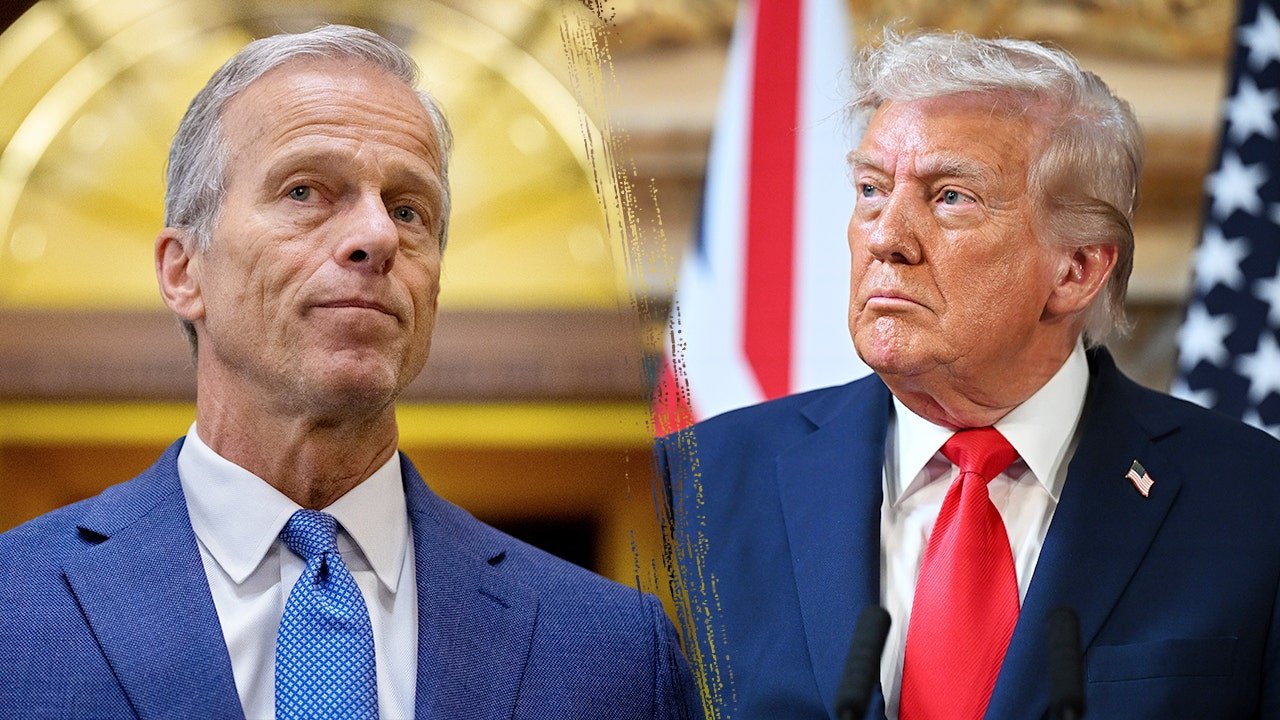
For months, President Donald Trump has fixated on one legislative priority. Now, its repeated failure may be costing Senate Majority Leader John Thune, R-S.D., the president’s support.
Trump has badgered Republicans to pass the SAVE America Act, his missing legislative crown jewel, turning support for the bill into a loyalty test.
Thune has become the target for those irritated that the bill hasn’t moved in the Senate. For months, Trump largely spared him from criticism over the bill’s stalled progress. That appears to have changed.
The hairline fractures in their relationship stem from Thune doing what few Republicans are willing to do: tell Trump no.
GOP RIFT GROWS AS THUNE HITS BRAKES ON TRUMP’S ELECTION BILL TO AVERT SHUTDOWN
Congressional Republicans, President Donald Trump and the GOP base want voter ID turned into law, but one barrier stands in the way: the political reality of the Senate. (Leon Neal/Getty Images; Andrew Harnik/Getty Images)
«Well, that’s too bad for him,» Trump said when asked about Thune not having the votes to move the SAVE America Act. «I mean, that’s too bad for him and too bad for the Republican Party.»
«He’s got the votes,» he continued. «He should get it done. He should be able to get it done.»
And, though he’s backed him before, Trump appeared to waver in his support of Thune when asked if he was the right man for the job.
«Well, we’re going to find out, and I’ll let you know,» Trump said.
TRUMP THREATENS TO YANK HIS OWN AG NOMINEE AS GOP REVOLT GROWS
On his way to and from the Senate floor, Thune was pressed on Trump’s comments. When asked about Trump wavering on him as the leader of the Senate GOP, Thune signaled it wasn’t up to him.
«I don’t know what you say on that,» he said. «That’s a decision made by my colleagues.»
He also pushed back on the president’s assertion that Republicans could pass the SAVE America Act.
«That must be a different form of math,» Thune said.
Thune has repeatedly argued Republicans simply don’t have the votes to pass the SAVE America Act, a position that has increasingly put him at odds with Trump. A bloc of Republicans has never supported the legislation, while Senate Democrats overwhelmingly oppose it, leaving Thune without the votes.
TRUMP DEMANDS THUNE KEEP SENATE IN SESSION UNTIL SAVE AMERICA ACT PASSES
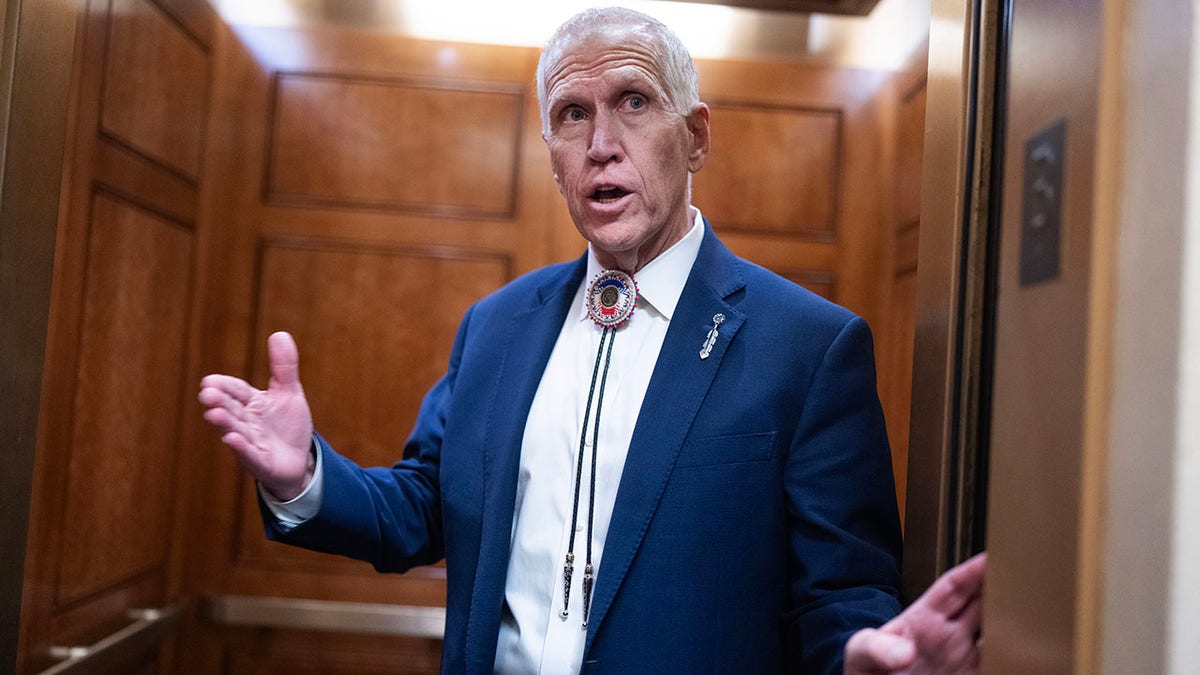
Sen. Thom Tillis, R-N.C., said he hopes the next Senate shows more independence from President Donald Trump while crediting Senate Majority Leader John Thune with steering Republicans through a difficult political landscape. (Tom Williams/CQ-Roll Call, Inc. via Getty Images)
«I think it’s wrong to blame Thune for this — Senator Thune,» Sen. Roger Marshall, R-Kan., told Fox News Digital. «This is not his fault.»
Still, Thune has moved major legislation backed by the president and has the Senate on a record pace for nominee confirmations, all while dealing with vulnerable Republicans taking tough political votes and Democrats who are bound to kneecap Trump’s agenda at every turn.
«I hope that the next Congress, the people with the election certificates as U.S. senators who actually make that decision, show some independence and courage,» Sen. Thom Tillis, R-N.C., told Fox News Digital. «And recognize that Thune has helped navigate an almost impossible scenario to navigate with this president.»
The legislation has been tested several times in a variety of forms, and has never gotten the needed votes to pass. And Thune has said the votes aren’t there to nuke the filibuster, which Trump has pushed for throughout his second term.
Even as Trump publicly questions Thune, the Senate GOP leader intends to seek another term as the top Republican.
Leadership is elected internally by Senate Republicans, not by the president. Thune came out of a crowded field to replace Sen. Mitch McConnell, R-Ky., battling Sen. John Cornyn, R-Texas, and Sen. Rick Scott, R-Fla., to get the top spot in the Senate GOP.
And his colleagues, so far, have his back.
Scott, who ran against Thune, told Fox News Digital that he had no intention of running for the top gig in the Senate again. He also noted that even though he wanted it, it’s a difficult profession to take on.
«John’s a smart guy,» Scott said. «He is working really hard. So I think he shouldn’t — you know, it’s tough to be the leader.»
«We’ve got a lot of issues we haven’t addressed, so it’s hard,» he continued. «I assumed it was gonna be hard.»
politics, donald trump, john thune, senate elections, republicans elections
INTERNACIONAL
Crisis en Ceuta: Finlandia apoya a Italia para suspender a España del espacio Schengen por la avalancha migratoria desde Marruecos
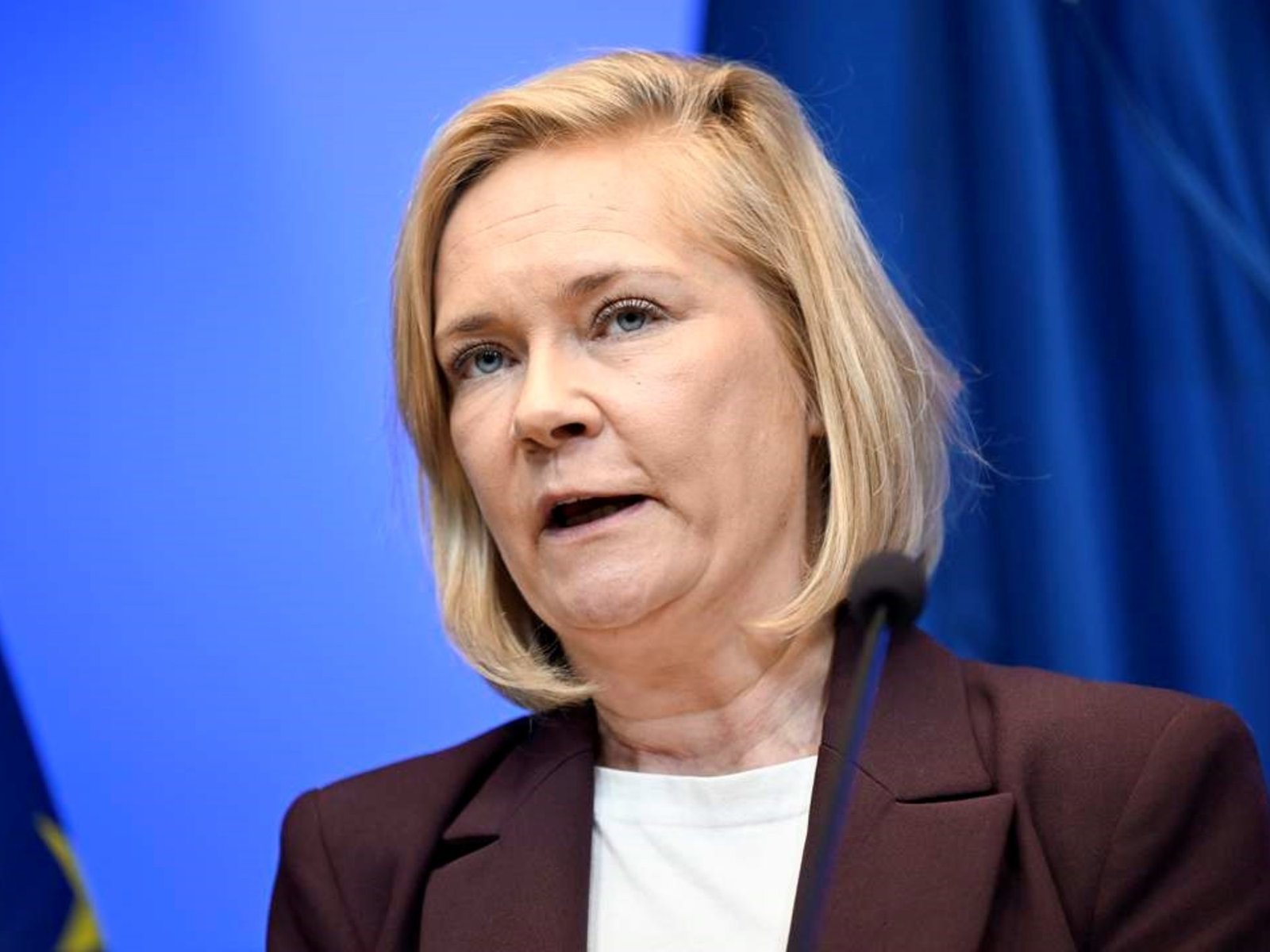
Finlandia respaldó este viernes la propuesta italiana de suspender a España del espacio europeo Schengen de libre circulación de personas tras la entrada ilegal de decenas de miles de migrantes al enclave español de Ceuta procedentes de Marruecos.
«Los países que no cumplen con su obligación de proteger la frontera exterior no pueden ser miembros de Schengen», escribió la ministra finlandesa de Interior, Mari Rantanen.
En este sentido, el gobierno de Pedro Sánchez está de vuelta en la mira de un grupo de mandatarios de derecha, tras la masiva entrada de migrantes marroquíes al enclave español de Ceuta (África). La primera ministra de Italia, Giorgia Meloni, confirmó que estudian la suspensión del espacio Schengen entre Italia y España que garantiza la libre circulación entre los países que firmaron el tratado.
«Las imágenes que llegan desde Ceuta son impresionantes y demuestran, una vez más, que la inmigración clandestina fuera de control representa una amenaza concreta para la seguridad de las fronteras europeas», escribió en X la líder italiana.
Este jueves miles de migrantes han accedido a la ciudad autónoma española desde Marruecos cruzando a pie por el espigón fronterizo sur del Tarajal, una situación que se ha repetido horas después con otros miles accediendo de forma irregular a la ciudad.
«Italia no se quedará de brazos cruzados. Estamos convocando a los organismos competentes, y al término de estas reuniones estamos preparados para intervenir también con instrumentos extraordinarios para defender las fronteras y la seguridad de los ciudadanos, como la suspensión del espacio Schengen con España«, señaló la mandataria, que previamente se había reunido con el ministro de Interior, Matteo Piantedosi.
«Sobre la inmigración clandestina no retrocederemos ni un milímetro: defender las fronteras, detener a los traficantes de seres humanos y garantizar repatriaciones efectivas seguirá siendo la línea de este Gobierno», cerró Meloni.
Le immagini che arrivano da Ceuta sono impressionanti e dimostrano, ancora una volta, che l’immigrazione clandestina fuori controllo rappresenta una minaccia concreta per la sicurezza dei confini europei.
Mi sono confrontata con il Ministro dell’Interno Matteo Piantedosi.…
— Giorgia Meloni (@GiorgiaMeloni) July 30, 2026
El gobierno español reaccionó al pedido de Meloni. Consideró que se trata de una medida demagógica y convocó al embajador italiano.
El ministro italiano de Relaciones Exteriores, Antonio Tajani, también se mostró a favor del cierre del espacio Schengen con España: «La inmigración irregular e incontrolada representa un peligro para la seguridad nacional«, señaló el ministro en X.
«Las imágenes que llegan desde Ceuta demuestran cómo la decisión del Gobierno de Madrid de otorgar la ciudadanía española, por tanto europea, a más de 500.000 inmigrantes irregulares es profundamente errónea e incentiva el tráfico de seres humanos», agregó.
Por su parte, la Casa Blanca atribuyó este jueves a las «políticas globalistas de extrema izquierda» de España la situación en Ceuta. «El presidente Trump lleva tiempo advirtiendo a Europa de las consecuencias de seguir implementando políticas globalistas de extrema izquierda, como facilitar la migración masiva. España y otros países que han adoptado esta filosofía destructiva deberían rectificar de inmediato o se arriesgan a su propia desaparición«, portavoz de la Casa Blanca, Ana Kelly, a EFE.
En las últimas horas el Gobierno informó de que las Fuerzas Armadas reforzarán a la Guarda Civil para mantener la seguridad en la ciudad de Ceuta.
El presidente del Gobierno español viajará este viernes a Ceuta para conocer sobre el terreno la situación. El mandatario español afirmó este jueves que el Ejecutivo está volcado en dar una respuesta inmediata a la situación y preparaba todas las medidas necesarias para recuperar la normalidad lo antes posible.
Sánchez también indicó que España y Marruecos acordaron reforzar la coordinación y los esfuerzos para hacer frente a la crisis migratoria y se comprometieron a revisar e implementar medidas para la entrega, lo antes posible, de todas las personas que entraron de forma irregular.
La Guardia Civil recuperó este jueves los cadáveres de once personas que habrían intentado entrar a nado en Ceuta y Salvamento Marítimo otro más.
Las autoridades marroquíes han comenzado a usar material antidisturbios, gases lacrimógenos y cañones de agua, para dispersar a la multitud congregada en los alrededores de la frontera con Ceuta. Miles de personas siguen llegando durante todo el día a la localidad de Castillejos con la intención de cruzar a la ciudad española, una marea humana de más de cinco kilómetros que ha terminado por desbordar a la policía marroquí.

La aclaración de la FIFA tras las críticas al proyecto de Infantino: «Nadie está vendiendo el fútbol» :: Olé

Milei recibe hoy las cartas credenciales del nuevo nuncio apostólico: avanzan los preparativos para la visita del Papa

El “Colo” Barco continúa su gira teatral después del Mundial: anoche fue a ver su cuarta obra en una semana

Diluvió en el AMBA pero aún rige una alerta naranja por tormentas, vientos fuertes y posible caída de granizo

Ya rige la nueva paritaria de encargados de edificios: conocé las escalas, aumentos y la suma fija.

Aníbal Fernández habló de la disputa en el PJ: respaldó a Kicillof y dijo que las diferencias deben resolverse en las PASO

La pelea con Lula y el verdadero desafío que enfrenta Milei

Cómo manejar en el hielo y la nieve: técnicas y precauciones para usar el auto en la montaña en vacaciones de invierno

El BCRA cortó la racha de compra y en el mercado vuelan rumores de maniobras para frenar al dólar

World-famous Catholic shrine torched, ‘Devil in a skirt’ scrawled on Virgin Mary statue

 POLITICA3 días ago
La pelea con Lula y el verdadero desafío que enfrenta Milei
- ECONOMIA3 días ago
El BCRA cortó la racha de compra y en el mercado vuelan rumores de maniobras para frenar al dólar
- INTERNACIONAL2 días ago
World-famous Catholic shrine torched, ‘Devil in a skirt’ scrawled on Virgin Mary statue