INTERNACIONAL
Donald Trump dice que la propuesta de Irán para terminar la guerra es «totalmente inaceptable»

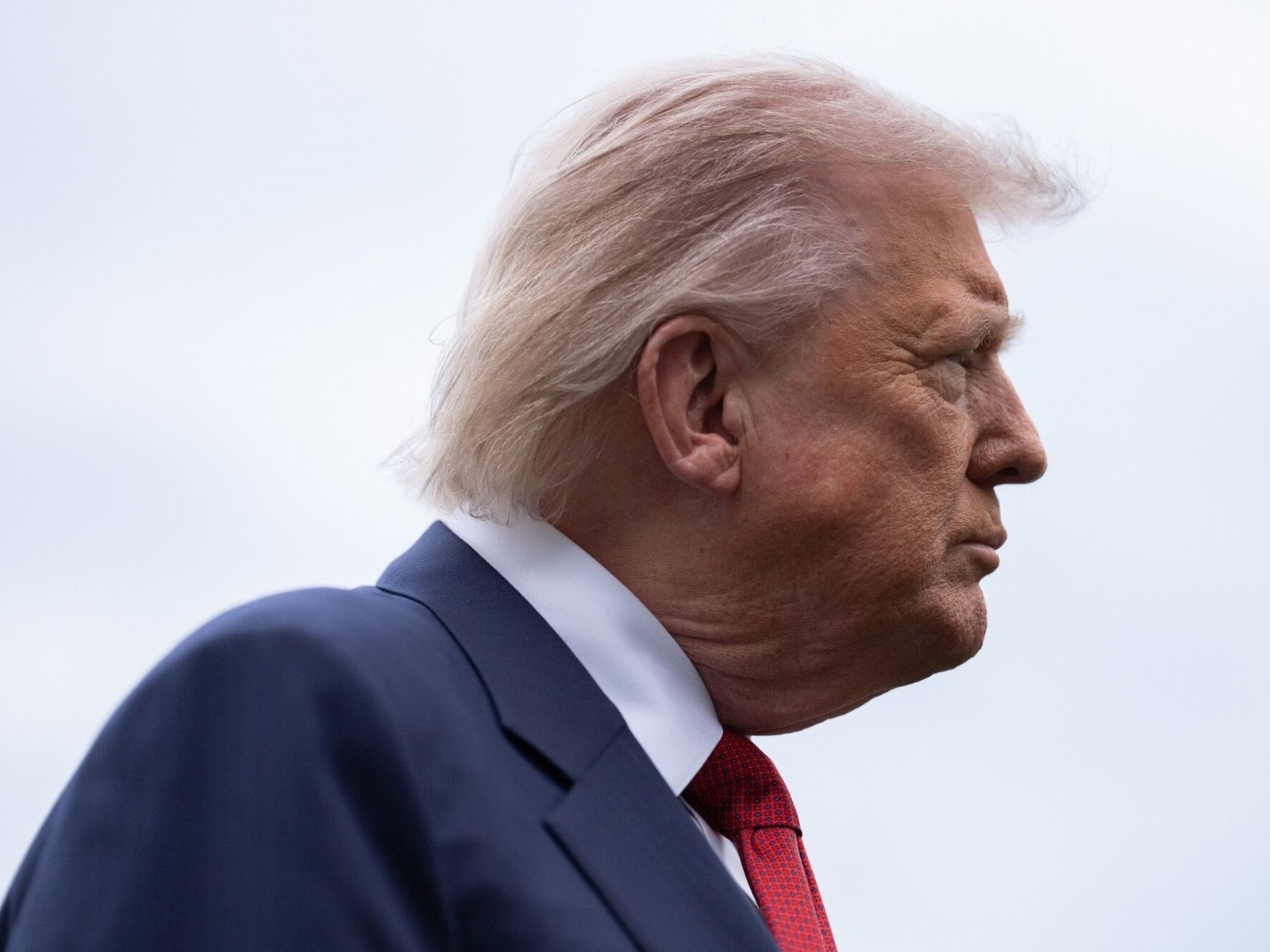
El presidente Donald Trump rechazó el domingo la respuesta de Irán a la propuesta de paz de Estados Unidos para poner fin a la guerra, diciendo que es «totalmente inaceptable».
«Acabo de leer la respuesta de los llamados «representantes» de Irán. No me gusta. TOTALMENTE INACEPTABLE», escribió Trump en su red Truth Social.
La breve declaración de Trump se produce después de que Irán presentara hoy su respuesta a la propuesta de EE.UU. para la resolución de la guerra en el golfo Pérsico, de la que se desconocen los detalles.
La respuesta de Irán a la propuesta de paz de Estados Unidos incluye el levantamiento de sanciones económicas sobre la República Islámica, el fin del bloqueo de Washington a los puertos iraníes y el manejo iraní del estrecho de Ormuz si EE.UU. cumple con algunos «compromisos», según reportó la agencia Tasnim la madrugada de este lunes en Irán.
Fuentes diplomáticas explicaron a Tasnim, una agencia vinculada a la Guardia Revolucionaria iraní, que el gobierno de ayatollahs reclamó el fin del bloqueo y que se permita la exportación de crudo desde Irán, así como el levantamiento de las sanciones económicas de EE.UU. sobre Irán y sus activos en la Oficina de Activos Extranjeros (OFAC).
La propuesta iraní también especifica que el estrecho de Ormuz, el escenario de tensiones entre Washington y Teherán que tiene en vilo la economía global, sea manejado por la República Islámica bajo algunos «compromisos» no especificados por parte de EE.UU..
Además, incluye una cláusula para un alto el fuego en Líbano, algo que es una «línea roja» para Teherán según la fuente recogida por Tasnim.
Pakistán, país mediador en las negociaciones, confirmó que recibió la respuesta iraní a la última propuesta de EE.UU. en medio de la escalada bélica de Teherán, que hoy atacó con un dron un buque comercial en aguas de Catar.
El primer ministro de Pakistán, Shehbaz Sharif, afirmó en un discurso en Islamabad ante la cúpula militar y política del país que el mariscal de campo Asim Munir le comunicó la recepción del documento iraní, pero evitó entrar en detalles sobre el contenido.
Irán ha enviado su respuesta a la última propuesta de alto el fuego de Estados Unidos a través de mediadores paquistaníes y quiere que las negociaciones se centren en poner fin permanentemente a la guerra, informaron el domingo los medios estatales iraníes. Pakistán confirmó haberla recibido.
Irán busca poner fin a la guerra en todos los frentes, incluido en Líbano, donde Israel combate al grupo miliciano Hezbollah respaldado por Irán, y garantizar la seguridad del transporte marítimo, reportó la televisión estatal. La última propuesta de Washington abordó un acuerdo para poner fin a la guerra, reabrir el estrecho de Ormuz y revertir el programa nuclear de Irán, un asunto que Teherán preferiría discutir más adelante.
La frágil tregua volvió a quedar a prueba el domingo cuando un dron provocó un pequeño incendio en un barco frente a la costa de Qatar, mientras que Emiratos Árabes Unidos y Kuwait reportaron sendas intrusiones de drones en su espacio aéreo. Emiratos Árabes Unidos culpó a Irán. No se reportaron víctimas y nadie se atribuyó los incidentes.
El Ministerio de Relaciones Exteriores de Qatar lo calificó como una “peligrosa e inaceptable escalada que amenaza la seguridad y la protección de las rutas de comercio marítimo y los suministros vitales en la región”.
Irán y sus grupos aliados como Hezbollah en Líbano han utilizado drones para llevar a cabo cientos de ataques desde que comenzó la guerra.
Trump ha reiterado amenazas de reanudar los bombardeos a gran escala si Irán no acepta un acuerdo para reabrir el estrecho y revertir su programa nuclear. Irán ha bloqueado en gran medida la vía marítima clave para el flujo global de petróleo, gas natural y fertilizantes desde que comenzó la guerra, sacudiendo los mercados mundiales.
Estados Unidos, a su vez, ha impuesto un bloqueo de los puertos iraníes y el viernes atacó dos petroleros iraníes diciendo que intentaron violar su bloqueo. La Marina de la Guardia Revolucionaria de Irán dice que cualquier ataque contra petroleros iraníes o embarcaciones comerciales sería respondido con un “fuerte asalto” contra una de las bases de Estados Unidos en la región y barcos enemigos.
El ejército estadounidense declaró el domingo que ha hecho retroceder a 61 embarcaciones comerciales y ha inutilizado cuatro desde que comenzó el bloqueo el 13 de abril.
Uno de los principales puntos de fricción en las negociaciones es el destino de las reservas iraníes de uranio altamente enriquecido. La agencia nuclear de la ONU dice que Irán tiene más de 440 kilogramos (970 libras) de uranio enriquecido hasta una pureza del 60%, a un paso técnico corto de niveles de grado armamentístico.
En una entrevista con medios estatales iraníes, un portavoz del ejército iraní dijo que las fuerzas estaban “totalmente preparadas” para proteger los lugares donde se almacena el uranio.

INTERNACIONAL
Qué es un hovercraft, cómo funciona y por qué Estados Unidos lo utiliza para llevar ayuda a Venezuela
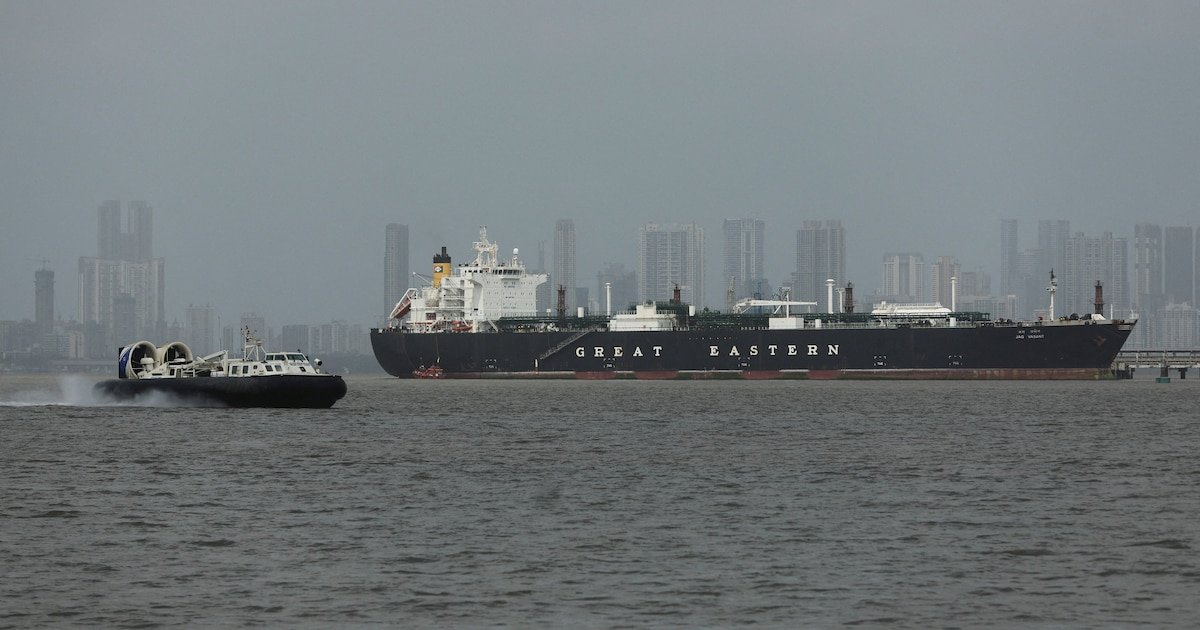
El despliegue de hovercraft por parte de Estados Unidos para colaborar con la distribución de ayuda humanitaria en Venezuela volvió a poner en primer plano una tecnología que, aunque fue desarrollada hace más de medio siglo, sigue siendo una pieza clave para las operaciones anfibias.
En su columna en Infobae al Mediodía, el analista internacional Andrei Serbin Pont explicó cómo funcionan estos vehículos, por qué representan una ventaja frente a las embarcaciones tradicionales y cuál es su importancia tanto en misiones civiles como militares.
Los hovercraft son vehículos anfibios que se desplazan gracias a un colchón de aire generado por potentes turbinas. Esa tecnología les permite moverse sobre el agua, la arena e incluso otras superficies sin necesidad de utilizar puertos o muelles, una característica que los convierte en una herramienta especialmente útil cuando la infraestructura costera está dañada o resulta inaccesible.
Según explicó Serbin Pont, esa es precisamente la función que cumplen actualmente en Venezuela. El buque anfibio estadounidense LPD San Antonio, apostado frente a La Guaira, puede desplegar estos vehículos para trasladar ayuda humanitaria directamente hasta la playa, evitando las limitaciones que impone un puerto afectado por un desastre natural. “Esto es exactamente lo que hacen los hovercraft. En este caso pertenecen a unidades de asalto anfibio de la Infantería de Marina”, señaló el especialista, quien destacó que este tipo de plataformas permite desembarcar personas, vehículos y suministros en lugares donde otras embarcaciones no pueden operar.
Además, remarcó que una de sus principales fortalezas es la capacidad para desplazarse sobre diferentes superficies sin necesidad de infraestructura específica. “Genera un enorme colchón de aire y permite deslizarse sobre diferentes superficies”, explicó, al resumir el principio de funcionamiento que convirtió al hovercraft en una herramienta de enorme valor tanto para operaciones militares como para misiones de asistencia.
Durante la columna, Serbin Pont repasó el origen de estos vehículos y recordó que comenzaron a desarrollarse en el Reino Unido durante la década de 1950 con un objetivo concreto: superar las limitaciones que enfrentaban las fuerzas militares al intentar desembarcar en playas sin infraestructura. Hasta entonces, los lanchones tradicionales solo podían acceder a una pequeña parte de las costas del mundo, lo que condicionaba la planificación de cualquier operación anfibia.
Para explicar ese problema, el analista evocó el desembarco de Normandía durante la Segunda Guerra Mundial. Recordó que muchas embarcaciones quedaban detenidas antes de llegar a la playa, obligando a los soldados a avanzar varios metros bajo fuego enemigo. “Muchos se ahogaron tratando de llegar”, señaló al describir las dificultades que enfrentaban las tropas incluso antes de entrar en combate.

La aparición del hovercraft modificó ese escenario. Al desplazarse sobre un colchón de aire, estos vehículos pueden superar bancos de arena, obstáculos sumergidos e incluso minas poco profundas sin entrar en contacto directo con el fondo. “Va por encima de la superficie. Si hay algo debajo del agua, no te afecta. No tenés una estructura rígida abajo; está todo por encima”, explicó Serbin Pont. Esa innovación permitió ampliar de manera significativa las posibilidades de desembarco, pasando de operar en apenas el 15% de las costas a poder hacerlo en cerca del 70% de las playas del mundo.
El especialista señaló que la tecnología continuó perfeccionándose durante la guerra de Vietnam y terminó de consolidarse entre las décadas de 1970 y 1980, cuando Estados Unidos incorporó decenas de estas unidades para fortalecer su capacidad de proyección anfibia. En paralelo, Rusia desarrolló modelos propios, incluso de mayor tamaño, algunos de los cuales posteriormente fueron adquiridos por países como China y Grecia.
Más allá de su movilidad, uno de los aspectos que distingue a estos vehículos es su capacidad de carga. Serbin Pont explicó que un hovercraft militar puede transportar un tanque Abrams de aproximadamente 70 toneladas, además de tropas, vehículos blindados y grandes volúmenes de suministros.

Ese rendimiento es posible gracias a un sistema de turbinas que impulsa aire hacia la parte inferior del vehículo, donde queda contenido por grandes faldones de goma que forman el colchón sobre el cual se desplaza. “Eso es lo que hace que flote por encima de la superficie”, resumió el analista al describir el funcionamiento de esta tecnología.
Consultado sobre el costo de estos sistemas, Serbin Pont precisó que cada hovercraft representa una inversión cercana a los 150 millones de dólares y recordó que Estados Unidos llegó a incorporar más de ochenta unidades para sus fuerzas anfibias. Sin embargo, advirtió que sus ventajas también tienen limitaciones, especialmente en escenarios de combate.
El especialista explicó que estos vehículos dependen por completo del colchón de aire para mantenerse operativos, por lo que cualquier daño en los faldones puede comprometer seriamente su desempeño. “Si hay fuego enemigo, no está bueno estar en un hovercraft. Si esos faldones no logran mantener el aire para hacer ese colchón, se te va a complicar mucho”, advirtió al referirse a uno de sus principales puntos vulnerables.

Aun así, sostuvo que el hovercraft continúa siendo una herramienta de enorme valor estratégico porque combina velocidad, capacidad de carga y la posibilidad de operar en costas donde otras embarcaciones no pueden llegar. El despliegue de estas plataformas en Venezuela demuestra justamente esa versatilidad: la misma tecnología concebida para desembarcar tropas y vehículos blindados también puede utilizarse para distribuir alimentos, medicamentos y otros insumos esenciales en zonas afectadas por emergencias.
Para Serbin Pont, esa capacidad de adaptarse a escenarios completamente distintos explica por qué los hovercraft siguen ocupando un lugar central en las operaciones anfibias modernas. “Estados Unidos busca proyectar constantemente sus fuerzas a nivel global”, concluyó el analista, al señalar que estos vehículos representan una herramienta clave tanto para responder a crisis humanitarias como para sostener la capacidad de despliegue militar en cualquier parte del mundo.
—
Infobae te acompaña cada día en YouTube con entrevistas, análisis y la información más destacada, en un formato cercano y dinámico.
• De 7 a 9: Infobae al Amanecer: Nacho Giron, Luciana Rubinska y Belén Escobar.
• De 9 a 12: Infobae a las Nueve: Gonzalo Sánchez, Tatiana Schapiro, Ramón Indart y Cecilia Boufflet.
• De 12 a 15: Infobae al Mediodia: Maru Duffard, Andrei Serbin Pont, Jimena Grandinetti, Fede Mayol y Facundo Kablan.
• De 15 a 18: Infobae a la Tarde: Manu Jove, Maia Jastreblansky y Paula Guardia Bourdin; rotan en la semana Marcos Shaw, Lara López Calvo y Tomás Trapé.
• De 18 a 21: Infobae al Regreso: Gonzalo Aziz, Diego Iglesias, Malena de los Ríos y Matías Barbería; rotan en la semana Gustavo Lazzari, Martín Tetaz y Mica Mendelevich
Seguinos en nuestro canal de YouTube @infobae.
Business,Asia / Pacific,Corporate Events

NEWYou can now listen to Fox News articles!
PORTLAND, Maine – Some of the leading contenders in the race to replace former candidate Graham Platner as the Democratic Senate nominee in Maine are amplifying calls to abolish ICE after a fatal shooting by federal immigration officers in the northern New England state.
Hours after U.S. Immigration and Customs Enforcement (ICE) agents on Monday shot and killed a man in Biddeford, which is located about 15 miles south-west of Portland, four of the candidates joined hundreds of protesters who marched by the shooting site.
The shooting comes as the battle to replace Platner is heating up, and will likely boost immigration as an issue in a crucial Senate race that may determine the Senate majority.
«I think we are at the point where ICE needs to be abolished,» Nirav Shah, the former director of the Maine Center for Disease Control and Prevention, told Fox News Digital. «ICE in its current form has shown itself incapable of doing its job.»
PLATNER EXITS SENATE RACE AMID SCANDALS AND CHORUS OF CALLS TO DROP OUT
A vehicle is transported on a flatbed near the scene of a shooting involving US immigration and customs enforcement, Monday, July 13, 2026 in Biddeford, Maine. (AP Photo/Robert F. Bukaty)
Maine Secretary of State Shenna Bellows, speaking with reporters, said, «This is not acceptable in America. A young man, a dad, has been killed by ICE…This must stop. We need to get ICE out of the streets.»
Troy Jackson, a former state Senate president, took to social media immediately after the shooting to write, «Abolish ICE.»
Jackson held a sign at the protest that called for abolishing ICE, and reiterated that he’s been calling for the dismantling of the agency for months.
Paige Loud, a social worker and former congressional candidate who has also launched a Senate bid, also attended the protest.
«We must abolish ICE and prosecute the leaders of these operations that are destroying communities,» she said in a social media post.
The incident in Maine is the second in a week when ICE agents have used deadly force, following the fatal shooting during a traffic stop in Houston, Texas.
DEMOCRACY ’26: STAY UP TO DATE WITH THE FOX NEWS ELECTION HUB

A woman holds a sign reading «ICE OUT OF HOUSTON» during a vigil for Lorenzo Salgado Araujo, a Mexican national fatally shot by a federal immigration agent a day prior, Wednesday, July 8, 2026, in Houston. (AP Photo/Mark Felix)
The latest incidents are reigniting protests and scrutiny of federal agents months after the shooting deaths in Minneapolis, Minnesota at the beginning of the year of Renee Good and Alex Pretti. Those shootings drew weeks of national coverage and sharp debate over President Donald Trump’s ramped-up deportation efforts amid his administration’s crackdown on illegal immigration.
The Maine attorney general’s office, which is investigating Monday’s shooting along with the FBI, said initial statements suggest the motorist who was the target of the enforcement operation was attempting to flee in the direction of an ICE agent.
SIGN UP TO GET THE POLITICS NEWSLETTER

Protesters lay flowers at a makeshift memorial following the fatal shooting by ICE agents in Biddeford, Maine on July 13, 2026 (Kailey Schuyler / Fox News)
Two immigration advocacy groups said the man who was killed was authorized to work in the U.S. and had a Social Security number.
The shooting in Maine came three days after Platner ended his campaign amid mounting controversies and allegations of sexual misconduct that he had repeatedly denied, and a chorus of calls from top Democrats in Maine, the nation’s capital, and across the country to drop out of the race immediately.
A populist Democrat who was backed last September by progressive champion Sen. Bernie Sanders, Platner was challenging longtime Republican Sen. Susan Collins in a high-profile, combustible and expensive race in Maine, which is one of a handful that will determine if the GOP holds onto its slim Senate majority in November’s midterm elections.
Seven Democrats have filed to run for the nomination, which will be determined by roughly 600 voting delegates at a July 25 convention held by the Maine Democratic Party.
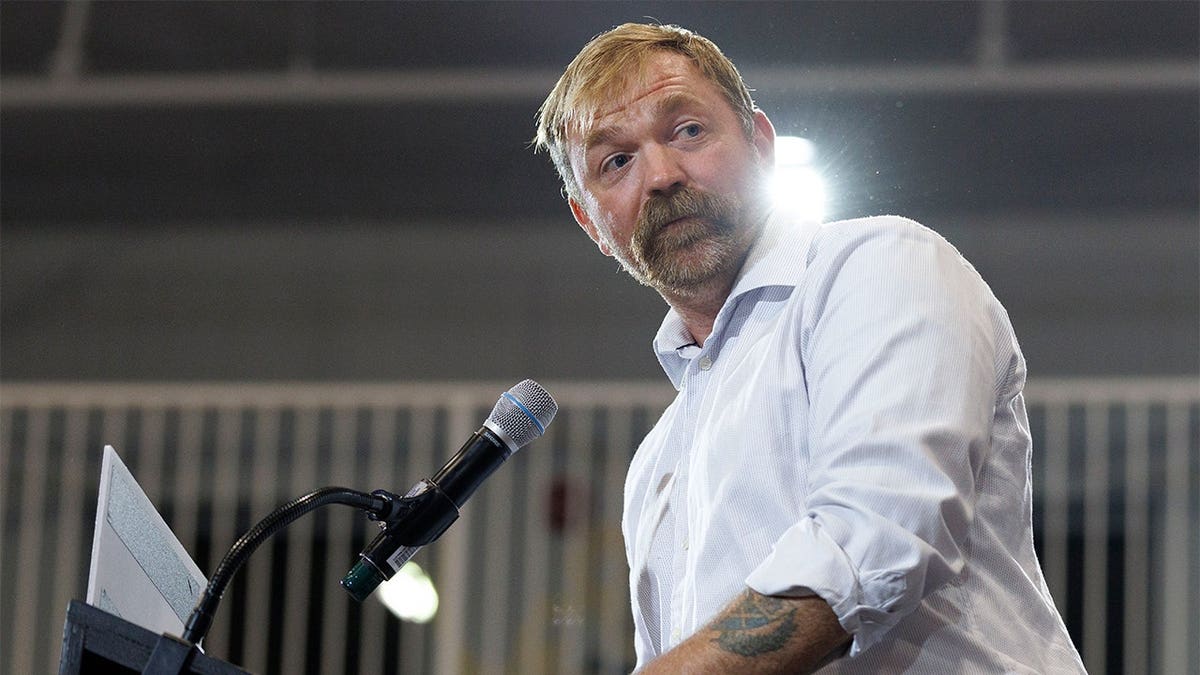
Graham Platner speaks at his Primary Election event on June 9, 2026, in Blue Hill, Maine. (CJ Gunther/Getty Images)
Collins said in a statement following the shooting that «a full and impartial investigation of what happened» was needed.
CLICK HERE TO DOWNLOAD THE FOX NEWS APP
Hours later, Collins said in another statement that Department of Homeland Security (DHS) Secretary Markwayne Mullin «informed me that the Boston office of the DHS Inspector General has taken over the investigation of the Biddeford shooting in cooperation with the FBI.»
One of Collins’ Senate offices is located in Biddeford, and protesters marched to the office to chant, «Vote her out.»
maine, graham platner, markwayne mullin, politics, immigration, midterm elections, senate
INTERNACIONAL
Revelan que Israel intentó reclutar como espía al iraní Mahmoud Ahmadinejad, que firmó el memorándum con Cristina Kirchner
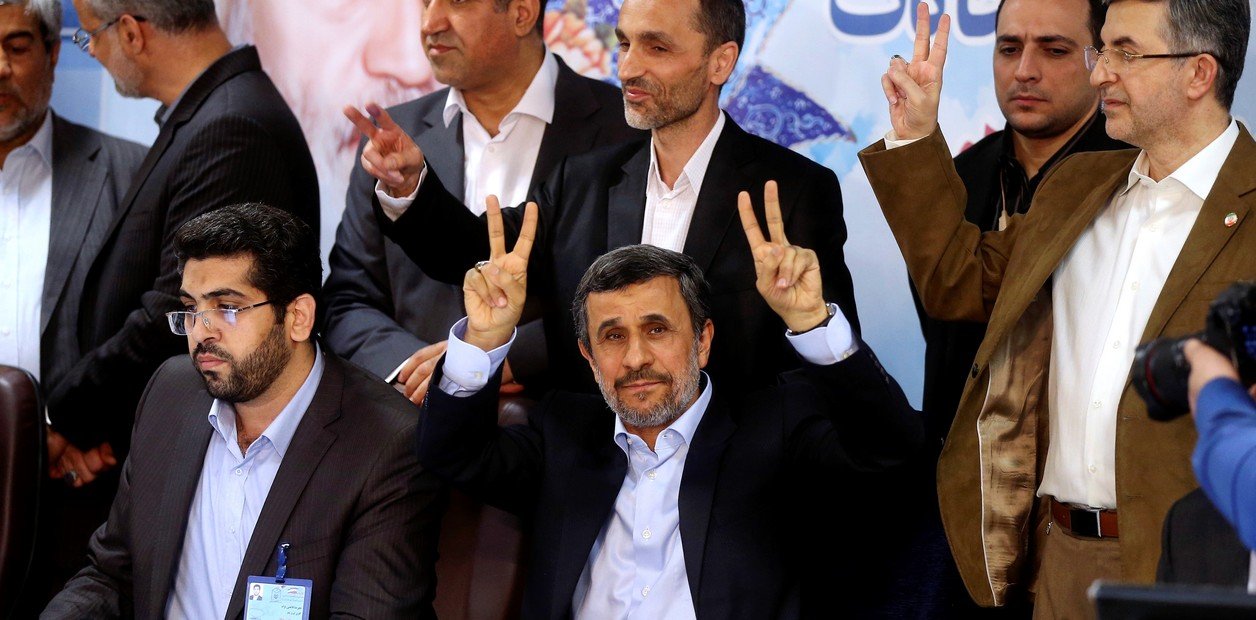
A principios de 2024, el rector de la universidad Ludovika de Budapest, Gergely Deli, recibió una sorprendente petición de un alto funcionario de Hungría. El funcionario le dijo que la universidad debería organizar una conferencia sobre el cambio climático e invitar a un invitado inesperado: Mahmoud Ahmadinejad, el expresidente de Irán, ampliamente repudiado.
Aún más impactante fue el motivo. El funcionario le dijo a Deli que la conferencia era simplemente una tapadera para que Ahmadinejad mantuviera conversaciones secretas en Budapest con agentes de Israel. Deli sabía que la invitación podría empañar la reputación de la universidad. Sin embargo, afirmó que creía que podría estar contribuyendo a salvar vidas. “Tienes dos enemigos, y si estos enemigos quieren hablar entre sí, lo mejor es hacer todo lo posible para que hablen”, declaró.
La visita de Ahmadinejad a la universidad en 2024 y una segunda en 2025 formaron parte de un esfuerzo israelí que duró varios años para prepararlo como un activo de inteligencia que, llegado el momento, podría ser instalado como el nuevo líder de Irán, según funcionarios estadounidenses e iraníes familiarizados con la operación, que hablaron bajo condición de anonimato para describir información de inteligencia sensible.
Para Israel, reclutar a Ahmadinejad era una prioridad tal que el entonces jefe de los espías israelíes, David Barnea, viajó a la capital húngara en 2024 para reunirse con él, según exfuncionarios de EE.UU. Poco después, el Mossad, el servicio de inteligencia exterior de Israel, notificó a la CIA que había estado en contacto con el iraní.
La decisión de Israel de construir un plan de cambio de régimen en torno a Ahmadinejad supone un giro extraordinario en la saga de las relaciones del país con el expresidente, conocido por acelerar el programa nuclear de Irán, pedir la destrucción de Israel y negar el Holocausto.
Según funcionarios estadounidenses, en los últimos años Israel pagó en secreto dinero a Ahmadinejad para cubrir sus gastos de alojamiento y viajes, y agentes israelíes se reunieron con él en el extranjero en varias ocasiones, incluso durante sus viajes a Budapest. El esfuerzo culminó a finales de febrero de este año —en los primeros días de la guerra entre EE.UU. e Israel contra Irán- con una audaz operación para reubicar al exlíder, quien vivía bajo estricta vigilancia en Teherán. El objetivo: poner en marcha el plan para derrocar al régimen actual e instalar a Ahmadinejad. El plan fracasó.
El 28 de febrero, un ataque aéreo israelí impactó el complejo de Ahmadinejad, teniendo como objetivo el edificio de sus guardaespaldas y su vehículo blindado. Tras el ataque, según cuatro altos funcionarios iraníes, un Peugeot negro recogió a Ahmadinejad y lo trasladó lejos de la caótica escena.
Funcionarios estadounidenses e iraníes afirmaron que el coche había sido conducido por agentes del Mossad, quienes llevaron a Ahmadinejad a una casa de seguridad secreta en Irán. Pero el iraní estaba molesto por la frenética operación de rescate y parecía estar desilusionado con el plan israelí para devolverle al poder Finalmente, abandonó la casa de seguridad en circunstancias aún no claras. Ahmadinejad no volvió a ser visto en público hasta el lunes pasado, cuando hizo una breve aparición en la procesión fúnebre del asesinado líder supremo, el ayatollah Ali Khamenei.
Su situación actual sigue siendo incierta. Sin embargo, cuatro altos funcionarios iraníes afirmaron que Ahmadinejad está bajo custodia del servicio de inteligencia de la Guardia Revolucionaria, en arresto domiciliario ahora que Irán tiene conocimiento de gran parte de sus interacciones con Israel.
Israel no se ha pronunciado sobre el plan para instalar a Ahmadinejad como líder de Irán, que formaba parte de un intento más amplio de derrocar al régimen. Otro elemento del plan consistía en armar y entrenar a las fuerzas de la oposición kurda para que cruzaran al oeste de Irán, controlaran el territorio y, finalmente, avanzaran hacia la capital, Teherán.
El plan de cambio de régimen implicaba una “secuencia de operaciones especiales, muy, muy singulares, que se suponía que debían llevarse a cabo”, declaró Tamir Hayman, exjefe de inteligencia del ejército israelí al programa de PBS “Firing Line” en mayo, luego de que The New York Times revelara detalles sobre el papel de Ahmadinejad en el plan. “Ahmadinejad -dijo- formaba parte de esa secuencia”. Los funcionarios del Mossad no respondieron a pedidos de comentarios. Tampoco Ali Javanfekr, portavoz de Ahmadinejad.
Como presidente de Irán ( 2005 y 2013) Ahmadinejad fue el político de línea dura más prominente. Abogó por la eliminación de Israel y en su mandato, Irán despertó sospechas de que estuviera desarrollando un programa secreto de armas nucleares. [Es conocido en la Argentina por haber firmado el memorándum de entendimiento sobre la AMIA con Cristina Kirchner en 2013. Teherán mantuvo conversaciones secretas con el ex ex canciller Héctor Timerman, que derivaron en la firma del pacto con Irán en Etiopía en 2013. Este acuerdo establecía una “comisión de la verdad” integrada por figuras internacionales que iba a tomar declaración en Irán a los acusados iraníes de ser autores intelectuales del atentado contra la AMIA de 1994, que dejó 85 muertos. En rigor, buscaba garantizar la impunidad. El pacto fue declarado inconstitucional en Argentina]
M.Mazzetti, J.Barnes, F.Fassihi y R.Bergman

Qué es un hovercraft, cómo funciona y por qué Estados Unidos lo utiliza para llevar ayuda a Venezuela

Un DT argentino libre: Cocca se fue de Atlas a cuatro días del debut

El celular de Elías Piccirillo apareció vacío y el financista Hauque pidió saber cómo se destruyó evidencia

Milei vuelve a convocar a legisladores nacionales para avanzar en el Congreso con la reforma del Banco Central

Bunge es nuevo líder de exportaciones agrícolas argentinas

Democrats running to replace Platner in key Senate race call for ICE to be ‘abolished’

Pablo Cervi, senador de LLA, defendió la eliminación de las PASO: “Hay que sacarle ese costo a la población”

“Hablame bien”: el tenso cruce de Lionel Messi con el árbitro en la victoria de Argentina ante Suiza en el Mundial

Hackearon a la AFA y enviaron correos con falsas denuncias sobre el arbitraje ante Egipto

El álbum de las vacaciones soñadas de Darío Barassi con su familia: “Ibiza, nos vas enamorando”

 POLITICA3 días ago
Pablo Cervi, senador de LLA, defendió la eliminación de las PASO: “Hay que sacarle ese costo a la población”
- DEPORTE2 días ago
“Hablame bien”: el tenso cruce de Lionel Messi con el árbitro en la victoria de Argentina ante Suiza en el Mundial
- CHIMENTOS1 día ago
El álbum de las vacaciones soñadas de Darío Barassi con su familia: “Ibiza, nos vas enamorando”