
INTERNACIONAL
Drago, el perro policía uruguayo que encontró 118 kilos de droga y se volvió clave en la lucha contra el narcotráfico

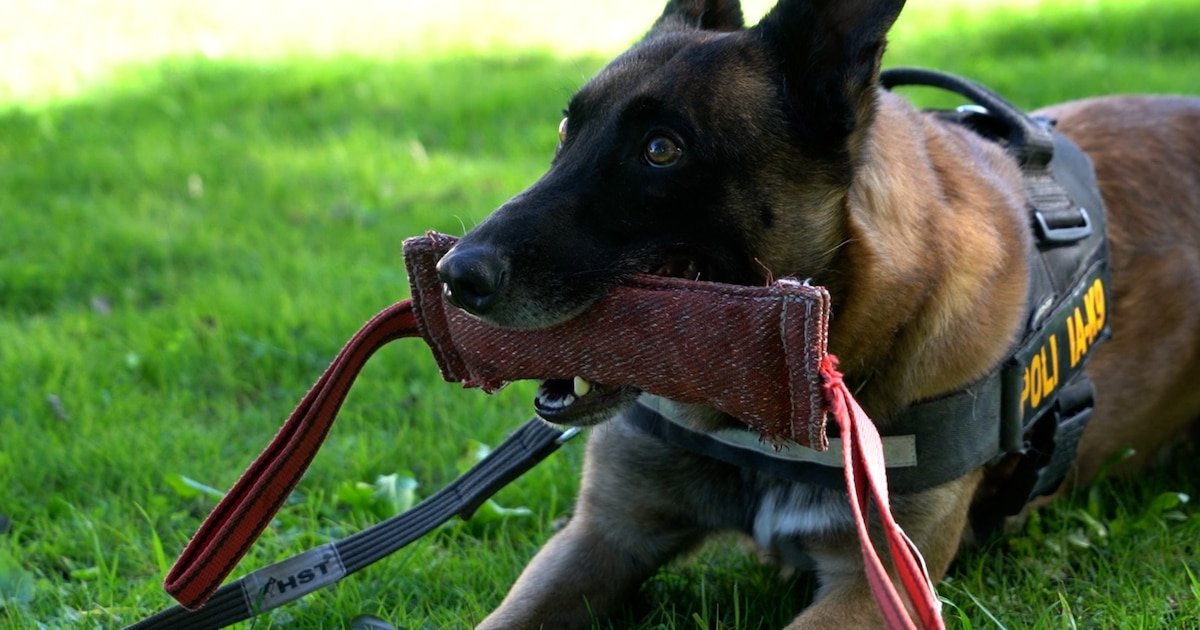
Drago, un pastor belga malinois, tiene apenas cuatro años y es integrante de la cuarta generación de perros detectores de la Dirección General de Represión al Tráfico Ilícito de Drogas en Uruguay. Su imagen fue difundida recientemente por el Ministerio del Interior del país, luego de que fuera clave para localizar un cargamento de unos 180 kilos de pasta base, que estaban ocultos en una camioneta que se dirigía a Paraguay.
Con 45 días de nacido, Drago comenzó a ser adiestrado y cumplió su fase preoperativa antes de cumplir el año y medio, de acuerdo a la información difundida por el Ministerio del Interior. El perro está adiestrado para la búsqueda de distintos tipos de sustancias.
El proceso de formación tuvo en su etapa inicial una “habituación”, que la que se lo expone a diferentes escenarios operativos, como controles de rutas, requisas en cárceles, allanamientos, inspecciones en terminales de pasajeros, aeropuertos y búsqueda de encomiendas.
¿Qué característica tienen que tener estos animales para ser parte? La principal es tener una “obsesión por el juego y el juguete”, explicó uno de los investigadores de la Policía uruguaya, que no fue identificado en la publicación para preservar su identidad. Además, debe tener un “temperamento adecuado, intensidad para búsqueda y resistencia física”, entre otras cualidades.
Drago tiene un entrenamiento continuo. Para enseñarle a detectar drogas, se utilizaron “pseudo sustancias sintéticas”, que simulan el olor a la original. Tienen el olor de sustancias como la marihuana, cocaína, pasta base y éxtasis.
Este aprendizaje fue el que le permitió al perro dar con esta cantidad de kilos de pasta base, que lo llevaron a ser un perro reconocido hasta en la televisión uruguaya.

El procedimiento se realizó en la ruta 1 y Camino General Escuela Basilio Múñoz, en la periferia de Montevideo. Durante una inspección a los vehículos, policías detectaron una anomalía en el piso de una camioneta y solicitaron que Drago interviniera.
Fue en ese momento que el perro detectó el olor característico de la droga y efectuó una “indicación pasiva”, según informó el Ministerio del Interior. ¿Qué fue lo que hizo? Se sentó en el lugar exacto donde se encontraba oculto el cargamento. El foco del olor estaba debajo del asiento del conductor.
Luego, los efectivos incautaron 111 ladrillos de pasta base de cocaína. Equivalen a 790.000 dosis, valuadas en aproximadamente un millón de dólares en el mercado local.

“Drago, ha tenido múltiples actuaciones positivas e incautaciones en lo que va de su servicio destacando su valentía y profesionalismo, convirtiéndose en una pieza clave en la lucha contra el narcotráfico”, destacó el Ministerio del Interior.
El encargado del K9 de narcóticos dio una entrevista a Puesta a Punto, de Canal 12, aunque de espaldas para no revelar la identidad, y contó que hay un “mito social” referido a que los perros son drogados cuando se los entrena.
“Eso no es así. Ellos se entrenan desde los 45 días de nacido, por aproximadamente un año, un año y medio, diariamente, y se asocia el olor de la sustancia a un juguete. O sea, cuando realiza la búsqueda lo que él recibe a cambio es el juguete. En realidad, él busca el juguete”. Contó.

Una de las características de esta raza es que los perros tienen una “obsesión por el juego”.
La mamá de Drago también fue integrante del plantel. El perro conformó una camada de 10 cachorros y él fue seleccionado. Ac
El perro vive en una residencia policial en el barrio Prado de Montevideo, junto a otros hermanos. Los guías los entrenan y los alimentan, y tienen servicio veterinario durante 24 horas. Duermen en caniles acondicionados.
corresponsal: Desde Montevideo







INTERNACIONAL
US says North Korea missile launch poses no immediate threat, ‘consulting closely’ with allies
NEWYou can now listen to Fox News articles!
U.S. Indo-Pacific Command vowed Thursday that the U.S. «remains committed to the defense of the U.S. homeland and our allies in the region» after North Korea test-fired a ballistic missile.
The launch of the short-range ballistic missile unfolded ahead of large-scale, annual exercises to be conducted by the U.S. and South Korean militaries later this month. South Korea’s Joint Chiefs of Staff said a projectile from North Korea’s eastern Wonsan area was detected around 5 p.m. local time.
«We are aware of the missile launch and are consulting closely with our allies and partners. Based on current assessments, this event does not pose an immediate threat to U.S. personnel or territory, or to our allies,» U.S. Indo-Pacific Command said in a statement.
«The United States remains committed to the defense of the U.S. homeland and our allies in the region,» it added.
RUSSIA DEPLOYS NORTH KOREA MISSILE UNIT TO UKRAINE; MOSCOW-PYONGYANG AXIS DEEPENS: REPORT
North Korea test-fired a short-range ballistic missile on Aug. 5, 2026. The Hwasong-11LA ground-to-ground tactical short-range ballistic missile is seen being test-fired at an undisclosed location on April 19, 2026, according to the Korean Central News Agency. (KCNA/Reuters)
South Korea’s military bolstered its surveillance posture and is closely coordinating with the U.S. and Japan in the wake of the event, according to South Korea’s Joint Chiefs of Staff.
Japanese Defense Minister Shinjiro Koizumi said the missile landed in the waters off North Korea’s east coast and that there were no reports that the weapon reached Japanese territory.
Koizumi added that North Korea’s repeated missile launches pose a threat to Japan and the region and that Tokyo lodged a protest to Pyongyang through their embassies in Beijing. South Korea’s presidential national security council called the North Korean launch «a provocation» that violates U.N. Security Council resolutions and urged the North to stop it.
It was North Korea’s first ballistic missile launch since late June, when it tested a tactical ballistic missile with a «special mission» warhead and other weapons. After watching the testing activities, leader Kim Jong Un said at the time that the military needed to bolster its «deadly and destructive offensive posture.»
CHINA, RUSSIA, IRAN AND NORTH KOREA FORM ‘AXIS OF AGGRESSORS’ THAT COULD OVERWHELM US, BOOK WARNS
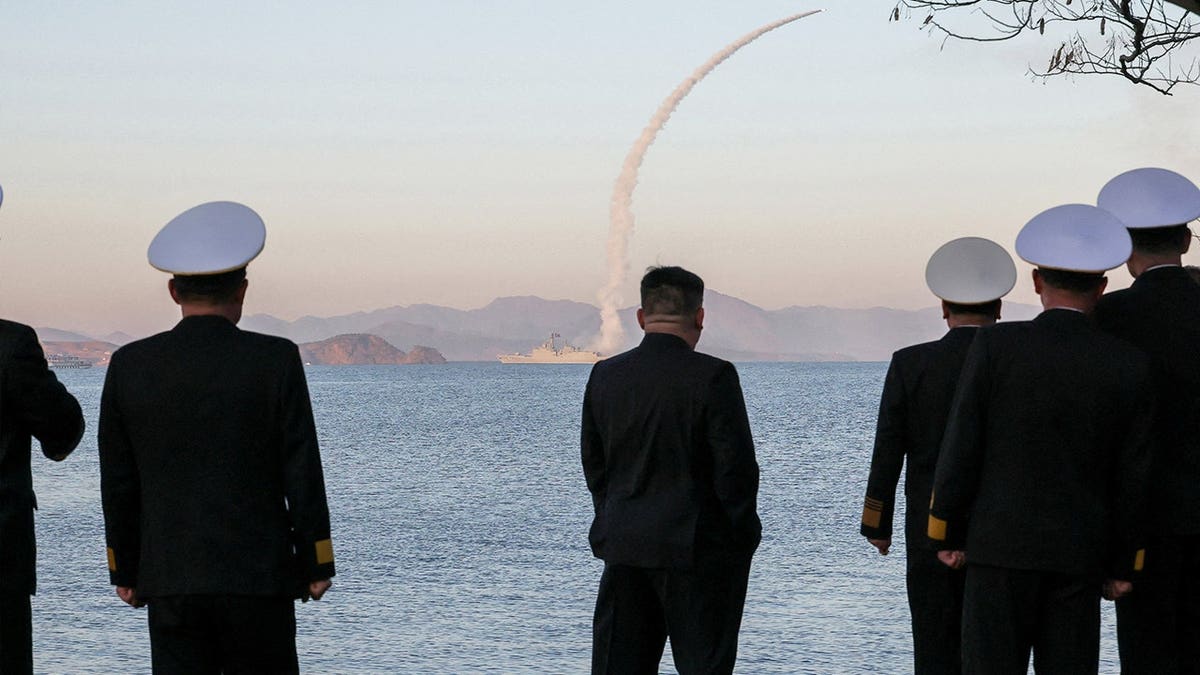
North Korean leader Kim Jong Un observes strategic cruise and anti-warship missiles test-fired from the destroyer Choe Hyon on Sunday, April 12, 2026. (Korean Central News Agency/Reuters)
South Korean and U.S. officials haven’t yet released details about this year’s Ulchi Freedom Shield joint exercise, but the drills are typically held in the latter half of August.
«This annual exercise aims to build understanding between Combined Forces Command, United States Forces Korea, the United Nations Command, and ROK Joint Chiefs of Staff (JCS), ROK government agency, ensuring their ability to fortify the combined defense posture and enhance Alliance response capabilities against a spectrum of security threats,» United States Forces Korea said about the exercises on its website.
«It will feature live, virtual, constructive and field-based training, engaging personnel from the various military services,» it added.
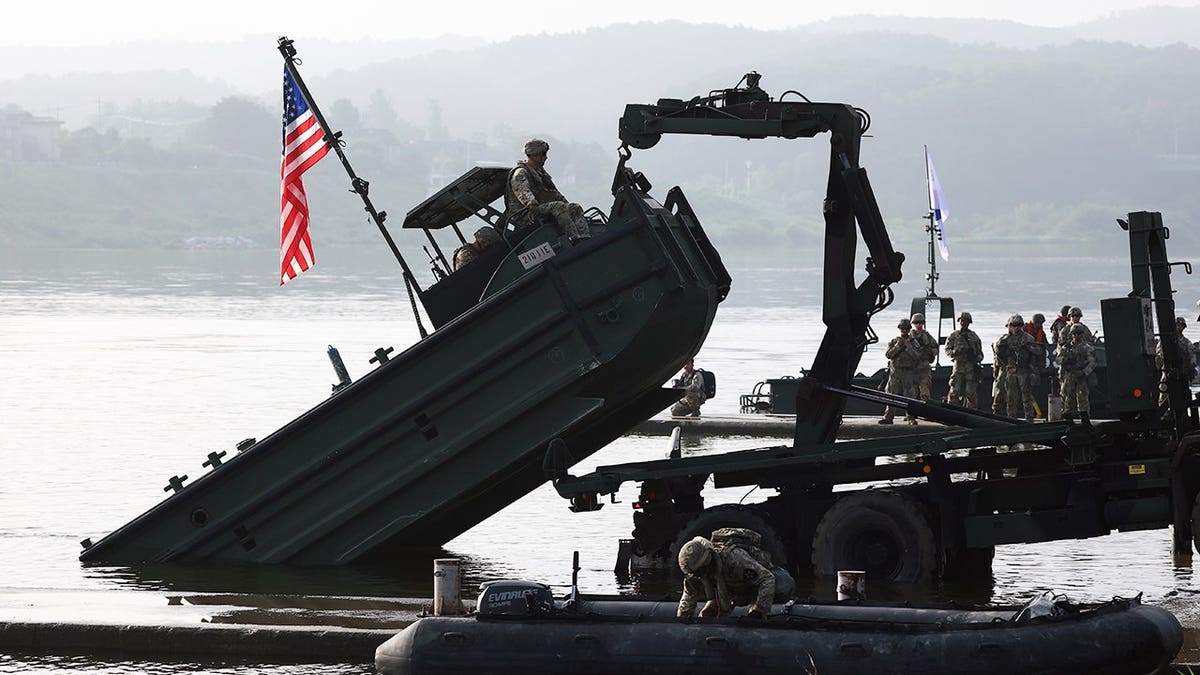
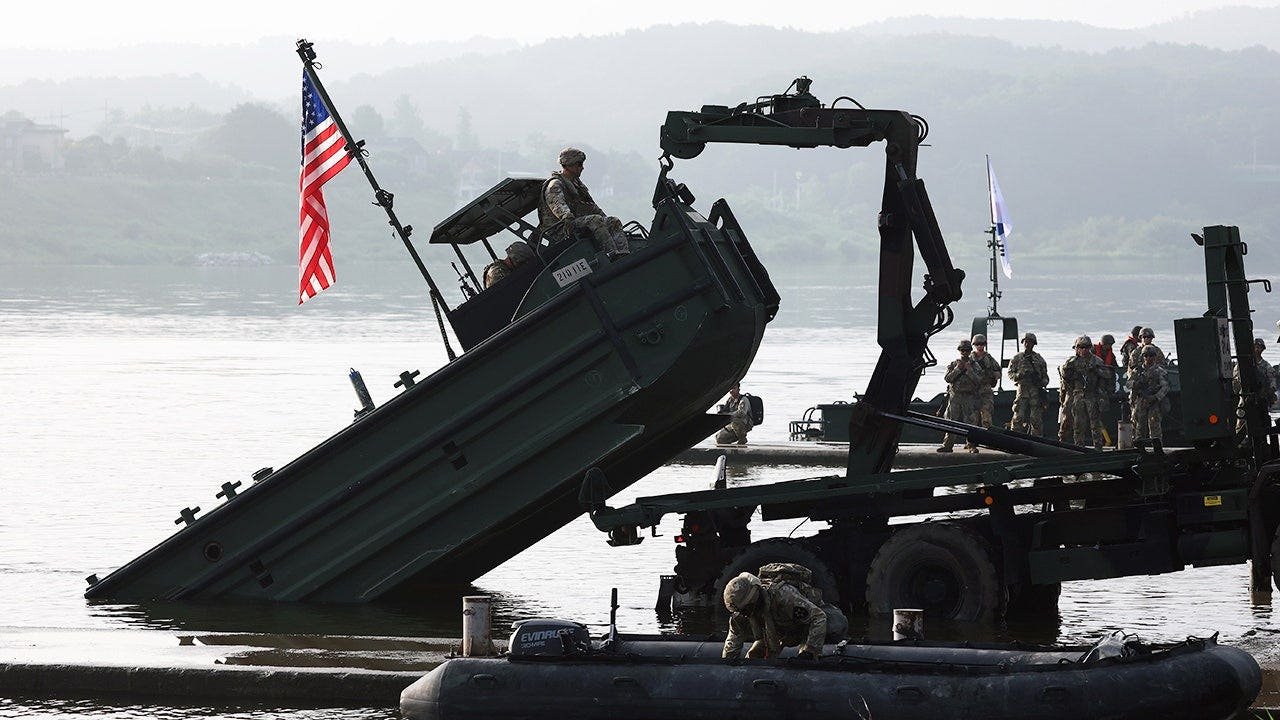
U.S. soldiers from the 2nd Infantry Division participate in a river crossing exercise as part of the Ulchi Freedom Shield exercise on Aug. 27, 2025, in Yeoju-gun, South Korea. The 11-day exercise is a regular joint military exercise between U.S. and South Korean troops to prepare for potential emergencies on the Korean Peninsula. (Getty Images)
U.S. and South Korean officials say the training is defensive in nature, but North Korea says the maneuvers are a practice invasion and often responds with missile tests, according to The Associated Press.
Fox News’ Liz Friden and The Associated Press contributed to this report.
north korea, south korea, military, japan, asia world regions, world
INTERNACIONAL
De los terremotos a los huracanes: así funcionan los sensores que revolucionan la predicción de tormentas
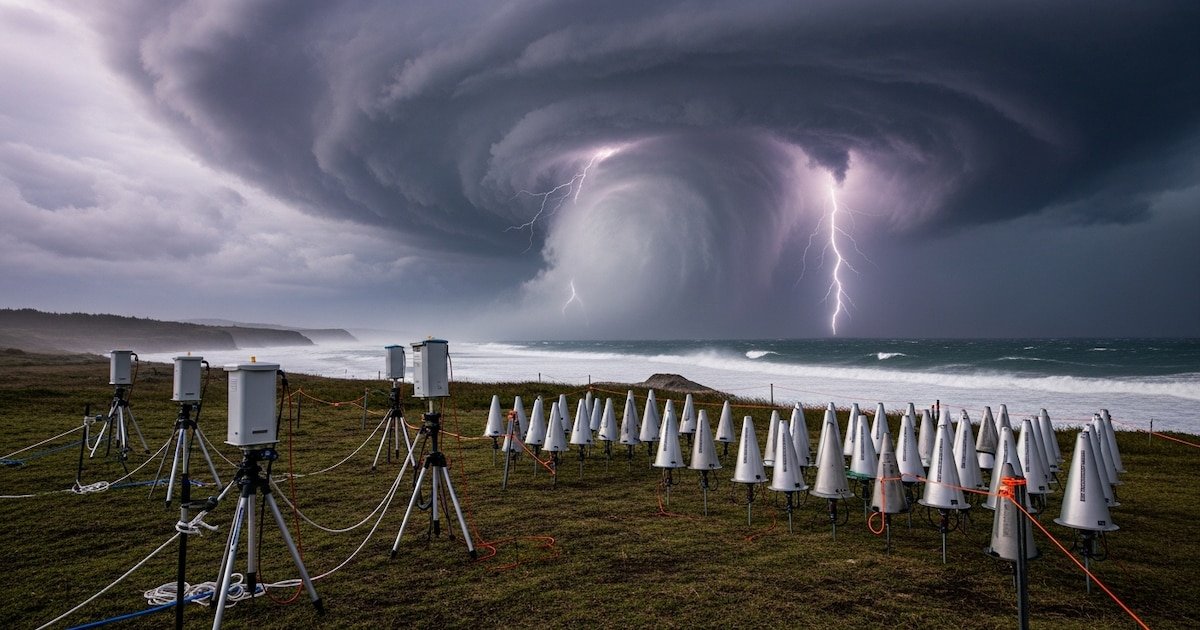
Investigadores de seguimiento interno de huracanes en la Universidad de Stanford demostraron que instrumentos usados para estudiar el movimiento de la Tierra también pueden revelar cómo funciona un huracán por dentro. El estudio, publicado en Science, apunta a una vía para mejorar la previsión de cómo evolucionan y se intensifican estas tormentas.
Los sismómetros y los micrófonos de infrasonido pueden ayudar a entender y prever mejor los huracanes porque registran dos señales clave cerca de la superficie: la turbulencia de la capa límite y las fluctuaciones de presión atmosférica. Al comparar esos datos con mediciones convencionales, los investigadores comprobaron que ambos sensores permiten seguir rasgos internos de la tormenta, incluido el paso del ojo y de la pared del ojo.

La investigación se apoyó en el paso del huracán Isaac por la costa de Luisiana en 2012, cuando la tormenta atravesó estaciones que ya estaban instaladas para cartografiar el interior de la Tierra. Qing Ji, autora principal del estudio, afirmó que hallaron “una forma nueva y eficaz de recopilar información valiosa sobre huracanes a partir de sensores sísmicos y acústicos”.
El experto realizó la investigación como estudiante de doctorado en el laboratorio de Eric Dunham, profesor de geofísica en la Escuela de Sostenibilidad Doerr de Stanford y autor principal, quien sostuvo que el estudio mostró que la geofísica y la ciencia atmosférica pueden aportar información mutua.
En este caso, los sismómetros detectan los movimientos del suelo y permiten precisar cuándo un huracán toca tierra. Los micrófonos de infrasonido, por su parte, registran ondas sonoras de baja frecuencia inaudibles para el oído humano y siguen los cambios de presión atmosférica a lo largo del tiempo.

Ese doble registro resulta útil en la capa límite, la zona más próxima al suelo donde se mezclan viento, calor y humedad. Medir la turbulencia en esa franja es clave para prever si una tormenta se fortalece o se debilita.
Los investigadores añadieron a los datos sísmicos los registros de infrasonido y obtuvieron una medición continua de las fluctuaciones de presión turbulentas. El conjunto combinado identificó con claridad el ojo tranquilo del huracán Isaac al pasar sobre ciertas estaciones, antes y después de la pared del ojo.
Después compararon ese material con datos convencionales de la capa límite y encontraron una gran concordancia. Ji dijo que el trabajo demuestra “la validez de este enfoque y la oportunidad que ofrece para utilizar este tipo de datos de una manera diferente”.
El origen del hallazgo fue accidental, porque Isaac pasó cerca de estaciones instaladas para otro proyecto geofísico en una región con pocos sensores sísmicos. Ji reconoció que tuvieron “algo de suerte” por la cercanía de los equipos a la trayectoria del huracán.

En un estudio previo sobre esas estaciones, Ji y Dunham descartaron la idea de que la instrumentación quedara saturada por ondas sísmicas superpuestas de toda la tormenta. Dunham explicó que observaron que la señal del sismómetro estaba dominada por la turbulencia local a una escala de pocos kilómetros.
La colaboración se amplió con Ipshita Dey, doctorada en Ciencias del Sistema Terrestre en 2024, que estudiaba la capa límite en el laboratorio de Morgan O’Neill. Dey señaló que esa cooperación permitió comprobar si las señales sísmicas procedían de rasgos de pequeña escala dentro del huracán y que ese trabajo conjunto llevó el estudio “al siguiente nivel”.
Los métodos habituales para obtener datos de la capa límite incluyen aeronaves que lanzan sensores en paracaídas, además de boyas, torres de medición de viento y radares. Las boyas y las torres solo ofrecen lecturas cercanas a la superficie, el radar aporta instantáneas y los vuelos pueden poner en peligro a los pilotos.
Isaac tocó tierra como tormenta de categoría 1 y en unos 100 segundos movió el suelo una fracción de milímetro, en una señal comparable a la de un pequeño terremoto imperceptible. El equipo prevé ampliar el análisis a otros huracanes y plantea añadir sensores para crear estaciones multifuncionales con utilidad sísmica y atmosférica.
Si ese enfoque se consolida, podría ampliar la base de datos para estudiar huracanes y otras tormentas intensas. Esa información también podría influir en decisiones sobre infraestructuras, evacuaciones, mensajes públicos y preparación ante tormentas para proteger a las comunidades.
huracán,espacio,ojo,nubes,océano
INTERNACIONAL
Burrito debate rips open GOP civil war on affordability: ‘We will lose, and deserve it’
NEWYou can now listen to Fox News articles!
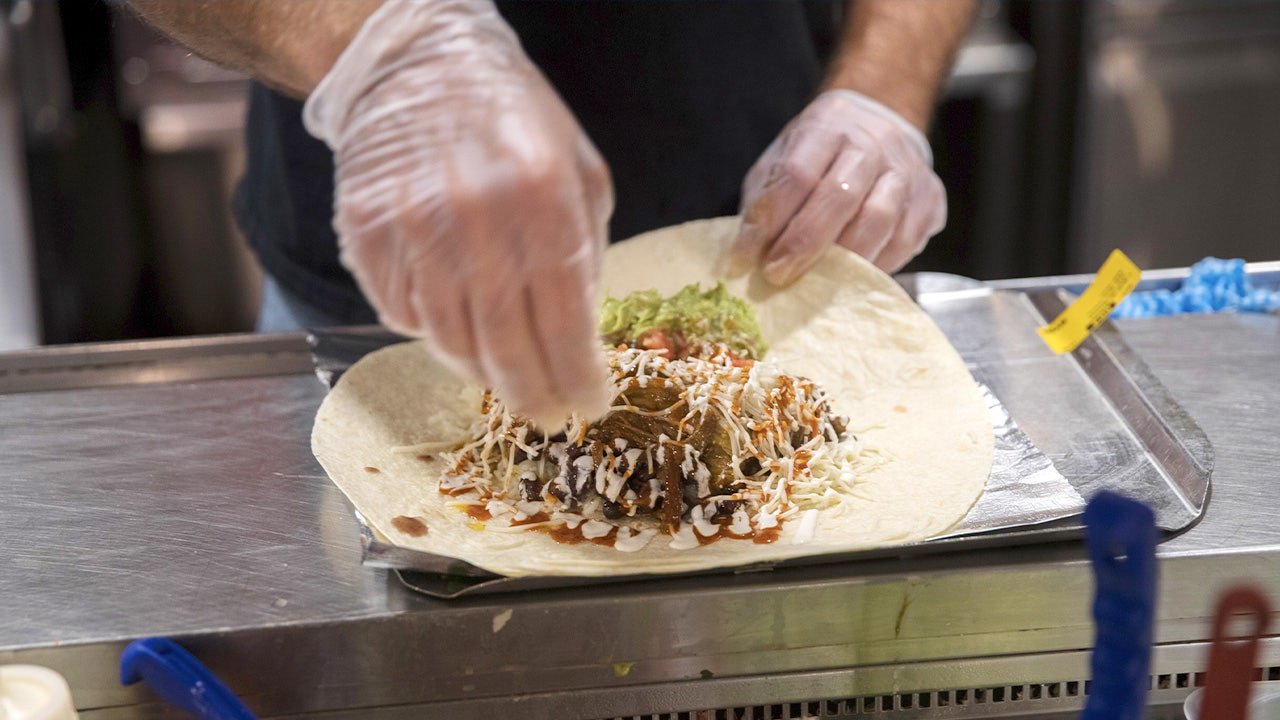
A debate over whether a burrito should cost $20 has ignited a Republican civil war over affordability and the party’s appeal to younger voters ahead of the midterm elections.
The clash began Wednesday when Turning Point USA spokesman Andrew Kolvet shared a college student’s complaint that basic purchases have become prohibitively expensive.
«One of our TPUSA college students gave me his take on affordability: ‘A burrito shouldn’t cost $20,’» he posted to X on Wednesday. «Yeah, a lot of this is a hangover from Covid and Biden-era inflation, but the lived experience is the same: It just feels like basic things cost too much.»
Fiscal conservatives took the position that food is generally affordable if one cooks for themselves and that purchasing a $20 burrito should be considered an occasional luxury. Those aligned with the populist wing of the GOP, meanwhile, argued that traditional conservatives are out of touch with the youth and that the Republican Party faces electoral peril unless it can meaningfully address affordability concerns.
NEW POLL COMPLICATES VANCE’S STATUS AS TRUMP’S LIKELY 2028 HEIR APPARENT
Andrew Kolvet, producer of ‘The Charlie Kirk Show,’ speaks during the public memorial service for Charlie Kirk at State Farm Stadium in Glendale, Arizona, on Sep.t 21. (Patrick t. Fallon/AFP via Getty Images)
«Just hearing about this dumb $20 burrito debate so just thought I’d make the losers on social media angry before going to bed,» Rep. Dan Crenshaw wrote on Wednesday night. «Stop whining, get a job, eat Ramen like the rest of us did in college, on a budget with 4 roommates. The market doesn’t care what you think something ‘should’ cost.»
RealClearInvestigations senior writer Mark Hemingway, however, said that such an approach to affordability concerns could prove toxic to the GOP.
‘IT’S A MESS’: GOP TURNS ON HOUSE CONSERVATIVES AS VOTER ID BLOCKADE STALLS TRUMP’S AGENDA
A Chipotle logo is displayed outside their restaurant on Feb. 24, 2025, in San Diego, California. (Kevin Carter/Getty Images)
«Andrew [Kolvet] is absolutely right about this, and pundits deflecting because you can cook at home cheaper are not helping,» he said. «Eating a burrito once in a while should not be an aspirational lifestyle, for crying out loud.»
«The comments saying stick to the dining hall or buy microwaveable burritos are missing the ENTIRE point,» Defense of Freedom Institute spokeswoman Angela Morabito said. «If the Right’s ‘solution’ to the affordability crisis is telling people to eat worse food, we will lose, and we will deserve it.»
Chipotle burritos generally run between about $9 and $12 depending on location, with cheaper restaurants, such as Taco Bell, offering more affordable options. Some fiscal conservatives also pointed out that young people can save money by preparing meals at home.
«A burrito only costs $20 when you buy it on Door Dash because you’re too lazy to walk over to Chipotle or Taco Bell (where you can get one for $3.99),» Fox News contributor Marc Thiessen wrote in response to a populist arguing that the GOP could surrender ground to socialists by not addressing affordability. «When I graduated I lived on ramen noodles, had two roommates, and worked two jobs. I didn’t whine about affordability, I worked hard so I could one day afford a better life.»
DOORDASH GETS FAA APPROVAL FOR ITS OWN DELIVERY DRONES

Vice President JD Vance attends a Cabinet meeting at Camp David in Maryland on July 31, 2026. (Aaron Schwartz/AFP via Getty Images)
Vice President JD Vance then added to the debate, responding to Thiessen.
«I’m surprised to hear Mark say this. If you’ve ever met him in person, it’s quite obvious the man has never missed a burrito,» the vice president wrote.
Bradley Devlin, politics editor at the Daily Signal, claimed that some involved in the burrito discourse were ignorant of financial sacrifices he says are quite common among young people.
«The Burrito Discourse has exposed that so people with thoughts on the youths have not spoken to one in years,» he wrote. «They do not expect to live off delivered food from bespoke restaurants and live on their own. I don’t know a single 20 something who lives on their own right now. Having a college degree and two jobs is around the highest it’s ever been. ‘The college premium’ has dried up.»
Others responded to the debate in jest.
«I don’t care for burritos,» Daily Wire host Michael Knowles posted.
fast food, republicans, politics, costs, jd vance

Coty Romero se operó el busto y publicó su primera foto tras salir del quirófano: “Todo bien, gracias a Dios”

La Corte rechazó planteos de una comunidad mapuche que quería ocupar terrenos en Villa La Angostura

Hubo enfrentamientos entre la policía y los manifestantes en la marcha frente al Congreso

Las acciones de Mercado Libre caen 6% en Wall Street tras la presentación del balance trimestral

Vuelve el futuro 9 de Brasil: Arsenal y Manchester United se interesan en Kaua Elias

Finalmente, Fernández Sagasti no podrá votar en la sesión donde se debate la ley de propiedad privada

Javier Milei cruzó a Victoria Villarruel y elevó la tensión: “Es una opositora, replica los argumentos kirchneristas”

Reelecciones indefinidas: el oficialismo bonaerense niega que busque ampliar la Legislatura como parte de una reforma política para beneficiar a los intendentes

Un muerto y tres heridos al chocar un colectivo de turismo y un auto en Mendoza

Zaira Nara realizó un topless en Formentera y un comentario de un seguidor generó debate: “¿Nunca vestida?»
-
 POLITICA3 días ago
Javier Milei cruzó a Victoria Villarruel y elevó la tensión: “Es una opositora, replica los argumentos kirchneristas”
-
 ECONOMIA1 día ago
Dólar hoy en vivo: a cuánto se negocian todas las cotizaciones minuto a minuto este miércoles 5 de agosto
-

 POLITICA1 día ago
Brasil retira a su embajador en la Argentina: qué consecuencias tiene la medida diplomática