INTERNACIONAL
DSA-backed candidates are winning primaries and their vision for America is very different

New York City DSA co-chair defends socialism, says economy is ‘not working’
NYC-DSA co-chair Grace Mausser argues that capitalism is failing many Americans who cannot afford housing, childcare or education. She advocates for economic populism and draws lessons from successful policies in American history, such as the New Deal, as well as those implemented in other countries. Mausser stresses the need for policies like universal healthcare.
NEWYou can now listen to Fox News articles!
The Democratic Socialists of America is seeking to reshape some of the most basic features of the U.S. economy — from who owns major corporations to how long Americans work and whether families pay for healthcare, college and housing.
The agenda is drawing renewed scrutiny after DSA-backed candidates gained ground in the 2026 midterm primaries and progressive socialism became a central Republican target at the GOP’s first-ever midterm convention in Dallas.
Below are some of the biggest economic proposals in the platform.
Public ownership of major corporations and industries
The Democratic Socialists of America says major corporations and key industries should be publicly owned rather than privately controlled. (Spencer Platt/Getty Images)
DSA calls for public ownership of major corporations and essential industries, arguing public ownership would give Americans greater democratic control over the economy.
Adam Lehodey, a policy expert at the Manhattan Institute, said nationalizing major corporations would cost billions of dollars and shift accountability from customers to government officials.
‘WASTEFUL DISTRACTION’: EXPERTS SLAM MAMDANI’S TAXPAYER-FUNDED STORES
He argued nationalized industries have historically suffered from waste, corruption and lower productivity, adding that reducing regulations would be a better way to encourage competition.
A 32-hour workweek with full pay

The Democratic Socialists of America says full-time employees should work 32 hours a week without a reduction in pay or benefits. (iStock)
DSA also wants to establish a 32-hour workweek without reducing workers’ pay or benefits, effectively giving full-time employees an additional day away from work while preserving their compensation.
The proposal is paired with a living minimum wage, paid family leave and stronger protections for workers to form unions and strike.
TRUMP DANGLES $5,000 CHECKS AS DEBT SURGES — BUT ONLY IF GOP CAN CLEAR MAJOR MIDTERM HURDLE
The agenda does not explain how a shorter workweek would be implemented across industries or how businesses would be expected to absorb the additional labor costs.
Lehodey said a 32-hour workweek without higher productivity could increase labor costs and reduce economic output.
Universal healthcare, housing and education
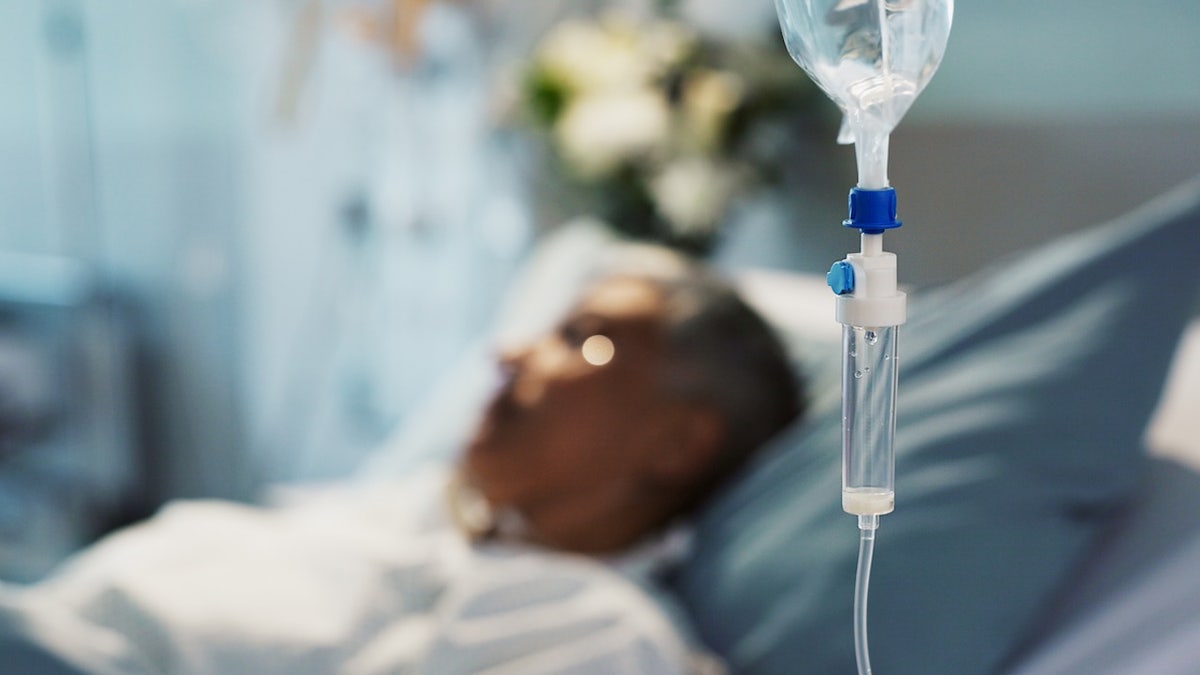
The Democratic Socialists of America says healthcare should be provided at no cost to individuals under its platform. (iStock)
Among DSA’s biggest proposals are universal healthcare, publicly owned social housing, free public education through college and cancellation of all student debt.
Together, the proposals would shift a much larger share of healthcare, housing and education costs from individuals to the federal government.
A Cato Institute analysis estimated that a Medicare-for-All-style healthcare system alone could increase federal spending by between $40 trillion and $75 trillion over a decade, though the estimate is not specific to DSA’s proposal.
Higher taxes on wealthy Americans and corporations
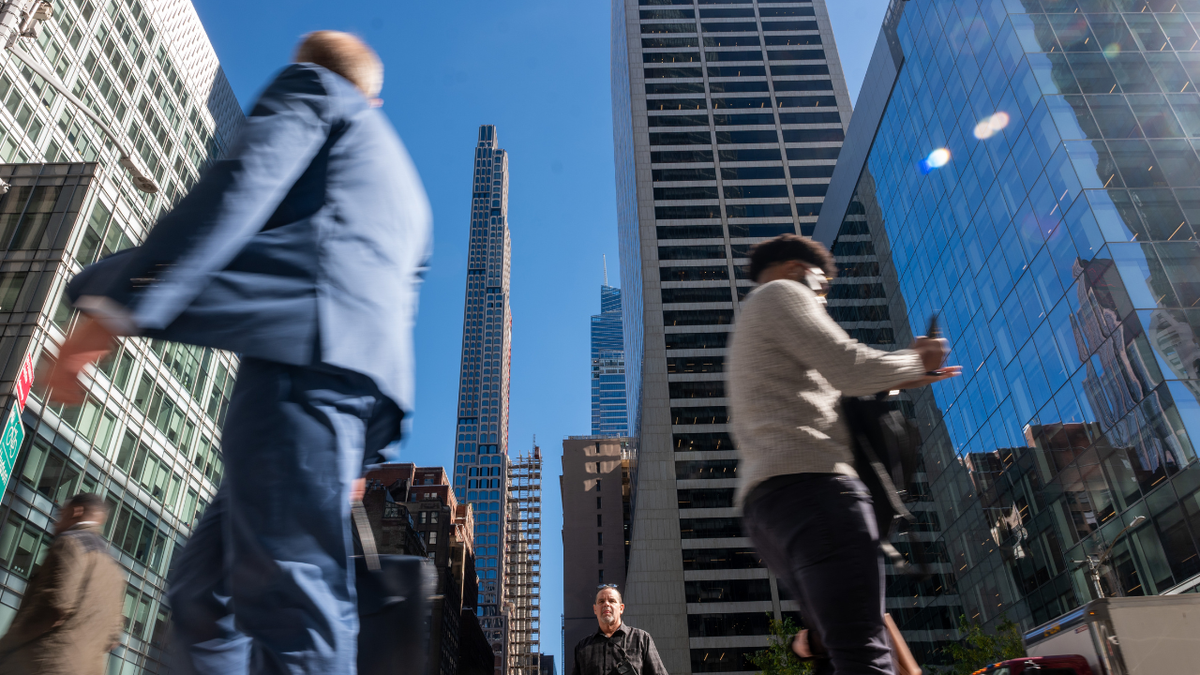
DSA’s platform calls for higher taxes on wealthy Americans and corporations to help fund its broader economic agenda. (Spencer Platt/Getty Images)
DSA says wealthy Americans and large corporations should shoulder more of the cost of its vision.
The platform calls for «aggressive wealth taxes» on the richest individuals and corporations, with the proceeds directed toward public goods and infrastructure.
Lehodey questioned whether wealthy taxpayers alone could finance the agenda, arguing broader taxpayers would likely bear some of the cost.
DSA’s platform does not estimate the total cost of its agenda or how much revenue its proposed tax increases would generate.
economic policy, politics, socialism, social policy, republicans, midterm elections










INTERNACIONAL
La actriz Sandra Hüller, de la Alemania de posguerra al presente: "Hay que ir contra el fascismo hasta que lo hayamos derrotado"

“Sí, lo sé”, dice Sandra Hüller y baja, un poco, los ojos. Le pesa en el corazón algo que ella no hizo, pero de lo que se hace cargo. La actriz —famosa por Anatomía de una caída y La zona de interés, ambientada en la época del nazismo— ahora protagoniza Tierra de mi padre (Fatherland en su título original), una película del realizador polaco Pawel Pawlikowski que se estrena en cines el jueves 29 y que cuenta el regreso de Thomas Mann a Alemania después del nazismo. Con ese rostro duro, contenido, Hüller encarna a su hija Erika.
No es —no fue en la realidad— un regreso fácil a su país el del autor de Muerte en Venecia y La montaña mágica. Alemania estaba dividida desde el fin de la guerra —cuando quedaron cuatro zonas, cada una a cargo de uno de los países vencedores— ya se había proclamado Alemania Occidental y faltaban unos meses para que fuera una entidad legal la Alemania Oriental. Entonces a Mann, que había partido en 1933, le dieron el Premio Goethe y en julio de 1949 fue a recibirlo. Formalmente, la ceremonia era en Frankfurt, en el oeste. Pero él quiso pasar por sobre ese tajo y hablar como alemán sin más. Y por eso fue también a Weimar, en el Este. En todas partes vio un país destrozado. Y, además, dividido. Una grieta que parece sin retorno.
“Me rodean ruinas que la catástrofe nacional ha dejado como evidencia palpable”, dijo Mann en el discurso que dio —en la realidad, no en la película— por esos días en las dos ciudades. Y trazó su anhelo, que en ese momento también era su derrota: “No conozco ‘zonas’”. Mi visita se dirige a la propia Alemania, a Alemania en su conjunto y no a ningún territorio de ocupación.»
Pero era imposible, simplemente era imposible, en 1949, encontrar la “Alemania en su conjunto”. Y Tierra de mi padre hace algo poco habitual: muestra la Alemania del Este en el momento de su nacimiento cuando, todavía, significaba también un proyecto, un anhelo, una forma diferente de salir del nazismo y de la guerra. Eso lo ha visto claramente Sandra Hüller, que creció en Alemania del Este. Lo ha dicho, incluso, con alguna nostalgia: “Agradezco que Pawel diera espacio a esta idea política que no sobrevivió en Alemania, pero que quizá la gente todavía pueda pensar. La idea socialista”.
Esta es la mujer que ahora baja un poco la vista y dice “Ya sé”. No hablábamos de socialismo, hablábamos de si es real eso de no tomar partido, no elegir bandos. Y ella entiende que la pregunta apunta a lo que pasa en estos días en Alemania, donde la ultraderecha está en ascenso.
—Si hablás de lo que pasa en mi país, hay que ir contra el fascismo de una manera muy clara, constante e incansable, hasta que lo hayamos derrotado —dice Hüller.
—En tu país y en el mundo, pero tu país tiene una experiencia radical.
Es ahí cuando Hüller baja la cabeza: “Sí, lo sé”. Y por un momento la cara imperturbable de la actriz se conmueve. Pero serán segundos.
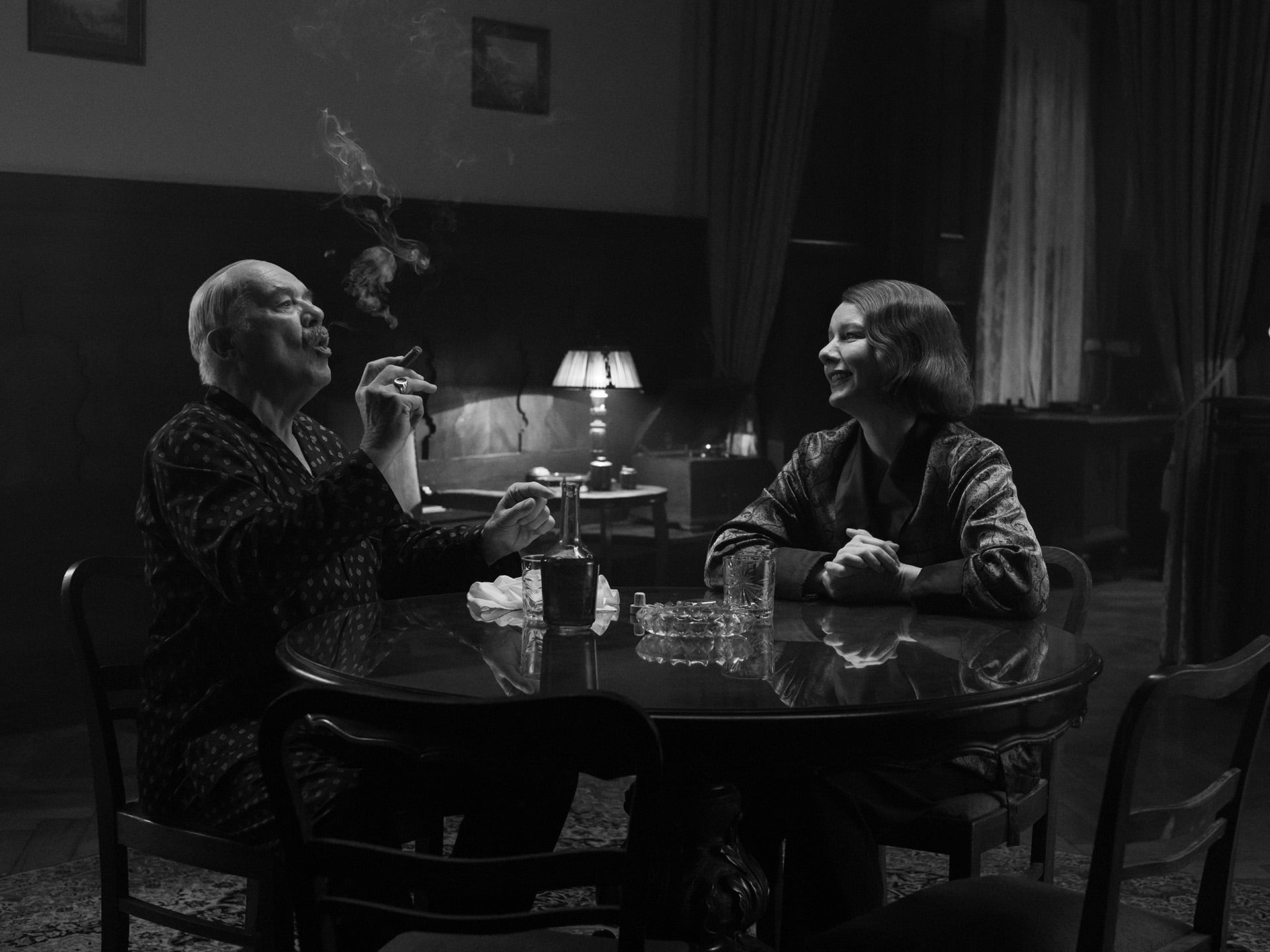
En la película, la hija de Mann es quien lo lleva en el auto pero, sobre todo, quien lo confronta. Lo ayuda a elaborar y a exponer sus ideas, pero también lo contiene. O lo pone frente a una realidad: Klaus, el hijo del escritor, se acaba de suicidar. El film arranca con Klaus (August Diehl) hablando con ella, hablándole de su cariño por ella y de su odio al padre de los dos. La actitud de Mann —encarnado por Hanns Zischler— frente a esa muerte va a ser fría: es uno de los temas de la película.
En mayo, Pawlikowski ganó el Premio a la Mejor Dirección del Festival de Cannes por esta película. El director polaco ya había obtenido ese reconocimiento en 2018 por Cold War y alcanzó proyección internacional con Ida, la primera película polaca en ganar el Oscar a mejor película extranjera, en 2015. Ahora, a días del estreno en América Latina, Hüller habla sobre su personaje, sobre las secuelas de la Segunda Guerra, sobre cómo se ve el fascismo hoy en Alemania. Entre otras cosas.
La otra cara de La zona de interés
¿Acaso esta película es la otra cara de la moneda de La zona de interés? Porque si aquella ocurría en la guerra y el nazismo esta transcurre en sus secuelas, en su devastación. Y lo que sigue es ver cómo se sana. La actriz asiente:
—Interesante, sí. Ambas son retratos de un tiempo y un espacio afectados por esta guerra. Yo nunca había tenido ese pensamiento, pero es hermoso. Gracias.

La guerra, la guerra, la guerra que terminó en 1945. Y acá estamos.
—¿Por qué una historia de posguerra nos importa hoy? ¿Qué dice sobre nuestro mundo?
—Siento que, dado que la guerra y también el mundo de posguerra afectan mucho nuestra vida hoy, muchos conflictos en el mundo están relacionados con eso, encontraron su origen en eso o han sido alimentados por eso. Por supuesto que es importante hablar de la Guerra hoy, para encontrar otra forma de lidiar con las heridas, de lidiar con el dolor.
En el principio, cuenta Hüller, cuando terminó de leer el guion, le gustó “la forma condensada en la que se presenta”. Le gusta, dice, “que no se usen demasiadas palabras para describir una situación”. Y: “me encanta que se trate más sobre una relación entre personas y entre las personas y su origen, que de una película biográfica. Me pareció una forma muy inusual de tratar a figuras históricas”.
—En su discurso, Mann dice que un alemán “puede ser modelo para la humanidad”. ¿Sí? ¿Dicho en ese contexto?
—En general creo que todos pueden ser un modelo a seguir. Solo tienen que actuar responsablemente, así que no importa de dónde vengas ni cuál sea tu historia, siempre puedes decidir ser una luz para otras personas.
—Erika parece muy contenida en la película. Sobre todo, porque carga con el peso de la historia de su hermano. Es imposible no pensar en eso mientras pasan otras cosas en la película. ¿Cómo entendés las emociones del personaje? ¿Cómo desarrollaste su interpretación?
—Ella tiene una responsabilidad muy grande para que este viaje funcione, para apoyar a su padre en la decisión que ha tomado. Y, al mismo tiempo, ha perdido a la persona más querida de su vida. Así que la película trata sobre este conflicto y sobre cómo las personas lidian con ello, cómo ponen el destino del mundo por encima de su propio destino, y cuán difícil es eso. Pero el intento de hacer justicia al país del que proceden y tratar de reunificarlo es algo hermoso.

¿Cómo fue, entonces, para una alemana, ponerse la ropa de época y entrar en esas escenas en que el país está tan dañado? ¿Cómo fue el primer día?
—Fue mi primer momento con Hanns y conduciendo el Buick. Ponerse el vestuario es un verdadero placer, todo se sentía muy, muy elegante, refinado y protector. El primer día consistió principalmente en averiguar cómo íbamos a trabajar juntos porque nunca nos habíamos tratado.
¿Y el trabajo con Diehl, con quien nunca están juntos en la pantalla, porque el vínculo, en la película es apenas una llamada? Bueno, al revés que con Zischler. “August y yo nos conocemos desde hace 30 años. Estudiamos juntos en la escuela de arte dramático. Habíamos soñado con trabajar juntos durante mucho tiempo y pensamos que finalmente lo haríamos en esta película, pero solo nos encontramos en el catering… La llamada telefónica tuvo lugar, de su lado, en un estudio donde construyeron la habitación donde él está. Y de mi lado, en mi cocina. Así que, en realidad nunca nos encontramos frente a cámara.
—¿Cómo fue trabajar con Pawel?
—Muy inspirador. Es una persona maravillosa con la que te alegra pasar tiempo todos los días. Es muy enérgico, pero al mismo tiempo no, no lanza palabras constantemente ni explica demasiado. Confía mucho en nosotros como actores. Él es muy responsable, por supuesto, de la imagen y el encuadre y de todas esas cosas y de esas cosas increíbles que se pueden ver en la película. Pero nos deja a nosotros la responsabilidad de dar forma a nuestros personajes.
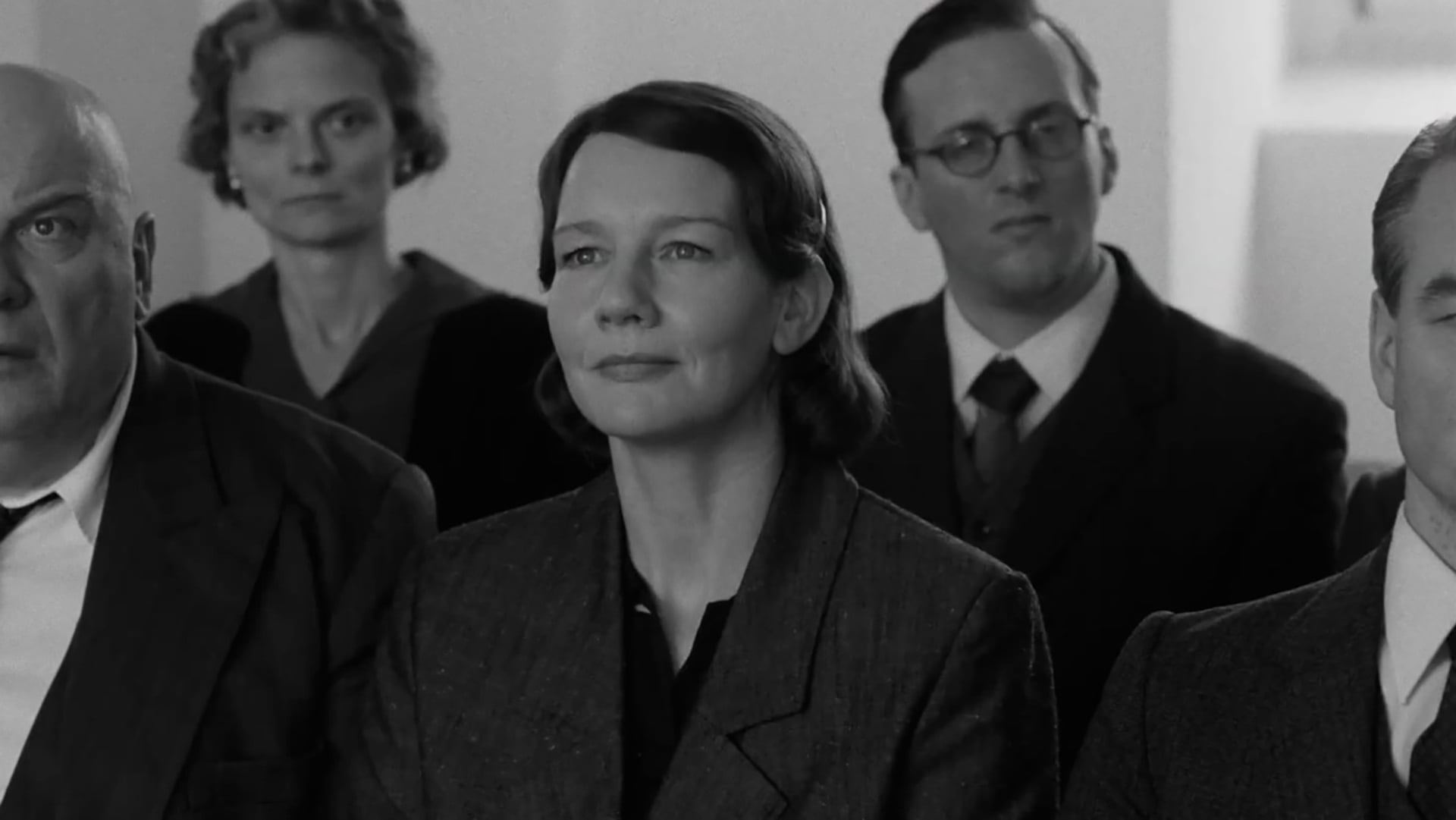
—Dijimos que Erika es muy contenida y seria. ¿Preferís este tipo de personajes? ¿Qué tipo de personaje te gustaría hacer después?
—No tengo deseos respecto de los personajes. Trato de estar abierta a las cosas que llegan a mí, y entonces puedo decidir si tengo el valor para, para intentar interpretarlos. No prefiero este tipo de personaje. En este caso, era necesario actuar de esta manera. Pensá que ella tuvo fases muy diferentes a lo largo de su vida, este es solo un pequeño episodio. Ella fue piloto de carreras, periodista, activista política, comediante. Así que ha hecho muchas cosas que no son contenidas en absoluto.
—Pero hablo de vos. ¿Qué tipo de personaje te gustaría interpretar?
—Como dije, no tengo una preferencia.
Arts / Culture / Entertainment,Europe
INTERNACIONAL
Zelenskyy can leverage Moscow ties from comedy days to make peace deal, says former key aide
NEWYou can now listen to Fox News articles!
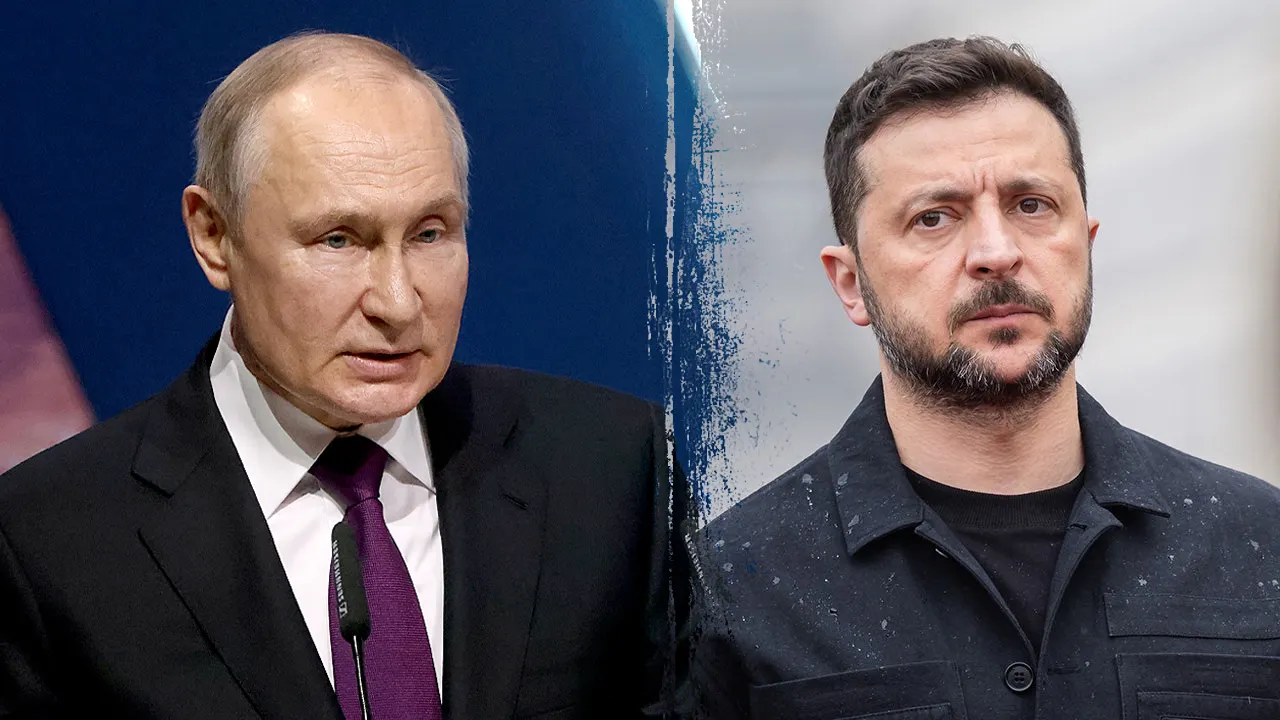
Ukrainian President Volodymyr Zelenskyy’s former spokesperson urged him Sunday to meet Russian President Vladimir Putin face-to-face in Moscow, arguing that his past business and political connections in the Russian capital from years back could help him negotiate a peace deal there.
Iuliia Mendel, who served as Zelenskyy’s spokesperson from 2019 to 2021, told Fox News Digital that the former comedian had also made his first millions in Russia and should perhaps leverage those ties to pursue lasting peace.
«When Zelenskyy was an entertainer, he often performed in Moscow,» Mendel said, adding that the Ukrainian president «knows a lot of people from Putin’s elite.»
«He actually professionally grew in Moscow and earned his first millions in Moscow, and today he pretends that he has nothing in common with them,» Mendel said.
RECOVERING FROM LUNG SURGERY, POPE LEO URGES PUTIN TO AGREE TO CEASEFIRE IN RUSSIAN-HELD UKRAINE CITY
Iuliia Mendel claimed When Zelensky was an entertainer, he often performed in Moscow,» Mendel claimed the Ukrainian president «knows a lot of people from Putin’s elite.» (Brendan Hoffman/Getty Images)
«He needs to go to Moscow and needs to agree on compromises that are acceptable,» she said, before adding that Zelenskyy «doesn’t need to play his maximalist games and to play this noble actor.»
Mendel’s criticism came as Ukraine, Russia and the United States prepared for another round of technical-level peace talks, potentially in Abu Dhabi or Switzerland, in November.
U.S. envoys Steve Witkoff and Jared Kushner have helped lay the groundwork for renewed negotiations that officials hope could finally lead to direct talks between the two leaders.
Before entering politics, Zelenskyy had built a successful entertainment career. Beginning in the late 1990s, he performed with the comedy troupe Kvartal 95, competed on the Russian-language comedy program KVN and later worked as an actor, writer and producer in television and movies.
From the late 1990s, he performed on Russian stages and at private parties and appeared in movies shown across former Soviet republics, Mendel claimed.
She said that after Russia annexed Crimea and launched its war in Donbas in early 2014, Zelenskyy traveled to Russia to work on the comedy film «Eight New Dates» which was released in Russian theaters in 2015.
ZELENSKYY TO SEEK OFFRAMP FOR YEARS-LONG RUSSIA WAR IN UN SPEECH AFTER TRUMP REVEALS PEACE DEAL IS CLOSE
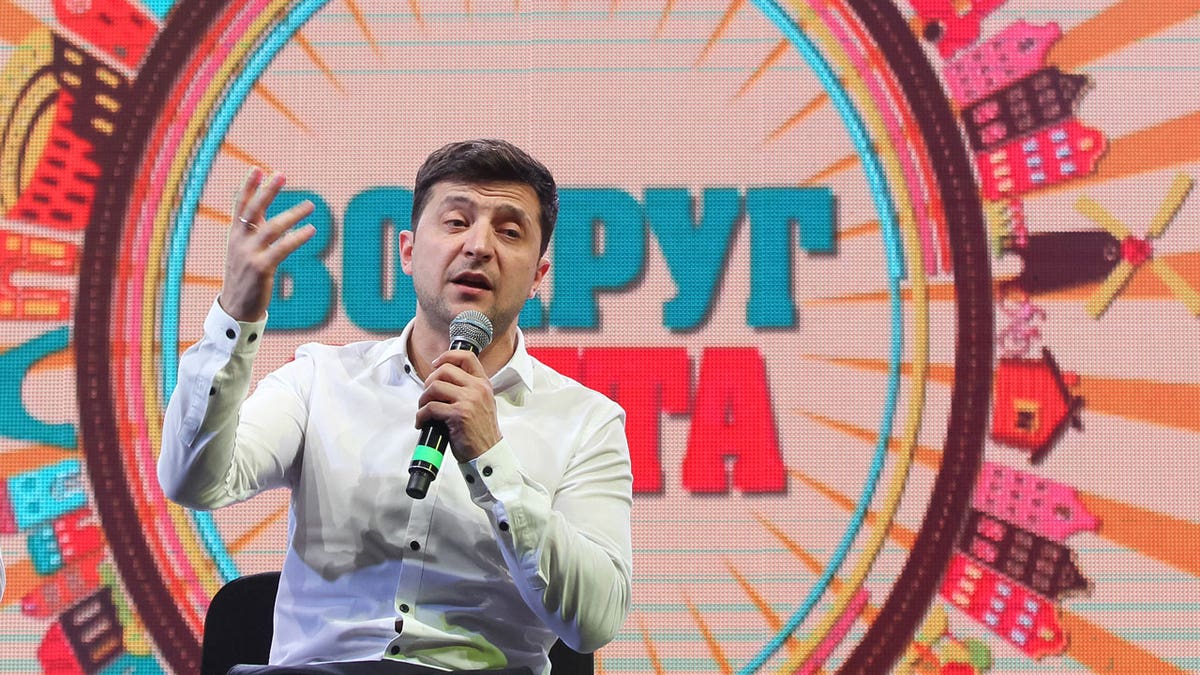
Before entering politics, Zelenskyy had a successful career in Ukraine’s entertainment industry. (Shutterstock)
According to a report by Business Insider, many of Zelenskyy’s movies were also in Russian and were marketed to a Russian audience, David Dodson, an American movie editor who worked with Zelenskyy told the outlet.
«He was a well-loved comic, actor and performer in Russia, but after [the 2013-14] Maidan [Revolution], everything changed,» Dodson said.
«People need to realize that Volodya’s movies were very big in Russia. Most of his market was in Russia. He’s always been a popular comedy star in Russia,» Dobson also clarified to GQ when asked if he directed the former actor in «Eight First Dates» in Russia, released in 2012.
In 2013, the movie received the Russian National Movie Awards as the Best Russian Comedy of the Year.
In 2019, Zelenskyy also promised to relinquish ownership of a Cyprus-registered company operating a film studio in Russia after investigative journalists revealed that he and his business partners still owned three Russian companies, according to the Kyiv Post.
Zelenskyy’s entertainment career made him a household name in Ukraine and other former Soviet republics before he entered politics and won Ukraine’s 2019 presidential election with roughly 73% of the runoff vote on promises to fight corruption and pursue peace in eastern Ukraine.
Mendel argued that Zelenskyy’s promise to bring peace at the time stands in stark contrast to the devastating war that has crippled the country and defined much of his presidency.
TRUMP ANNOUNCES IMMEDIATE ENERGY CEASEFIRE BETWEEN RUSSIA AND UKRAINE
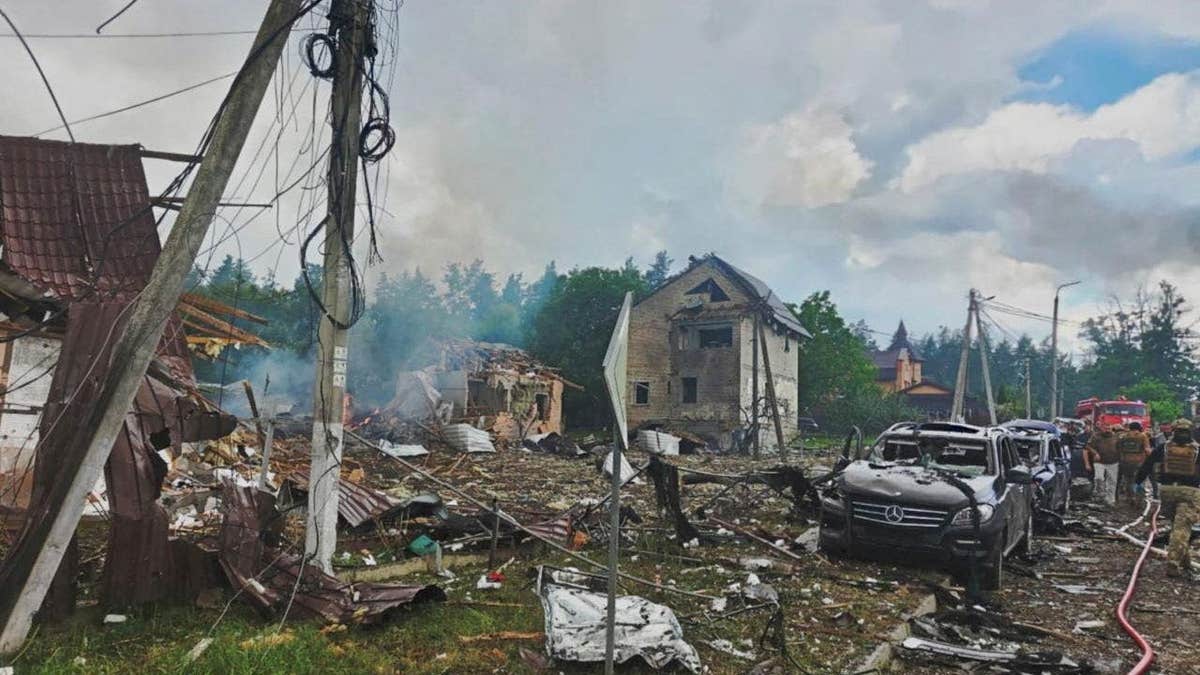
Emergency employees work at the site of a Russian missile strikes, amid Russia’s attack on Ukraine, in Kyiv region, Ukraine July 24, 2026. (Press service of the State Emergency Service of Ukraine/Handout via Reuters)
«Zelenskyy became the president with 73% record support,» Mendel said. «Because he promised to bring peace to Ukraine.»
«And now he has been presiding for almost five years (over) the largest war in Europe since World War II. This shows a lot.»
«When his country is bleeding, he needs to make a peace deal for his people,» she said before adding that the leader «needs to put the interests of his people first, just for Ukraine to exist as an independent state.»
Whether Zelenskyy should travel to Moscow has, in fact, become a flashpoint in efforts to arrange direct peace talks.
In 2025, Putin offered to host Zelenskyy for talks in Moscow, but the Ukrainian president rejected the invitation as Russian forces continued attacking Ukraine.
«He can come to Kyiv,» Zelenskyy told ABC News at the time, saying he could not visit Moscow while Ukraine remained under Russian missile attacks.
In September, on the sidelines of the U.N. General Assembly, Russian journalists pressed Zelenskyy on when he would visit Moscow. He replied, «On a missile.»
ZELENSKYY CONGRATULATES TRUMP ON TURNING 80 IN BIRTHDAY CALL, VOWS MORE UKRAINE PEACE TALKS AT G7 ON TUESDAY
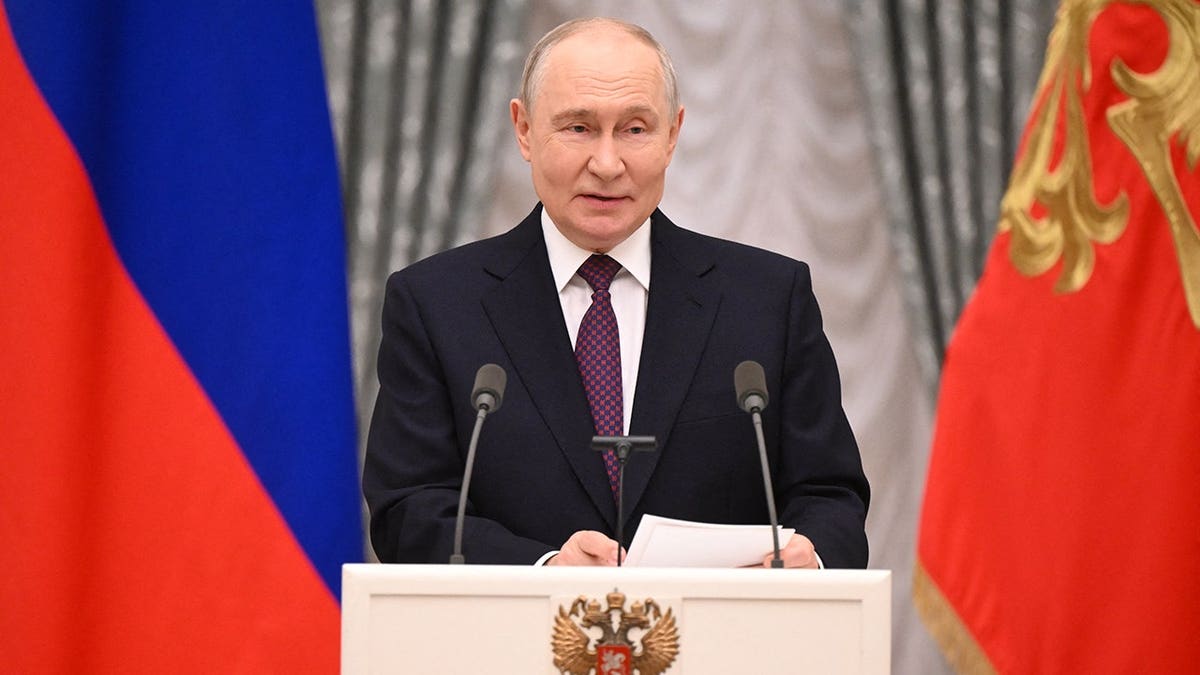
Russia’s President Vladimir Putin seen Monday at a ceremony to present state awards to mentors and teachers of participants in Russia’s war in Ukraine at the Kremlin in Moscow. Putin has tightly suppressed the flow of information to the outside world, observers have said. (POOL/AFP via Getty Images)
Mendel, however, argued that personal animosity between the two leaders has become the main obstacle to diplomacy.
«Today there are diplomatic efforts to try to stop this brutal and bloody war that Russia started,» she said.
«But what we see now is a personal opposition between Zelenskyy and Putin that continues to grow into constant escalation in which people suffer tremendously, Ukraine’s infrastructure, energy grid, and businesses are in ruins, and refugees are fleeing.»
Russia launched its full-scale invasion of Ukraine in February 2022. More than four years later, peace negotiations are deadlocked over territory, security guarantees and the terms of a lasting ceasefire.
Moscow has demanded territorial concessions from Ukraine, including areas Russian forces do not fully control.
Kyiv has rejected ceding sovereign territory and insists that any agreement include enforceable security guarantees against another Russian attack.
RUSSIA RELEASES AMERICAN TEACHER IMPRISONED ON UKRAINE MERCENARY CHARGES AFTER TRUMP PRESSED PUTIN

President Trump and Ukrainian President Volodymyr Zelenskyy said on Dec. 28, 2025, a Ukraine peace deal is nearing completion after Florida talks, though disputes over territory remain. (Volodymyr Zelenskyy X)
Mendel went on to praise President Donald Trump’s efforts to break the diplomatic deadlock, calling him the first Western leader to «challenge the status quo» and consistently push for an end to the war.
«For this reason, many Ukrainians place great hope in his ability to bring peace,» she said.
«A sustainable peace deal cannot be reached solely between Zelensky and Putin; it requires the involvement and initiative of a strong third party to halt the ongoing devastation.»
On Friday, the White House announced that first lady Melania Trump had helped broker a temporary ceasefire in Oleshky, a Russian-occupied town in southern Ukraine’s Kherson region, to allow humanitarian aid deliveries, demining operations and civilian evacuations.
An estimated 1,700 to 2,000 people remain in the devastated front-line town, many of them facing severe shortages of food, medicine and other essentials.
The White House said the ceasefire would begin Oct. 29, although Ukrainian and Russian officials have indicated that operations could begin Oct. 27.
Pope Leo also reportedly spoke with Zelenskyy and Putin about the humanitarian crisis, according to Vatican News.
ZELENSKYY ACCUSES PUTIN OF DEFYING TRUMP’S CEASEFIRE PUSH, SENDS POINTED MESSAGE TO WHITE HOUSE
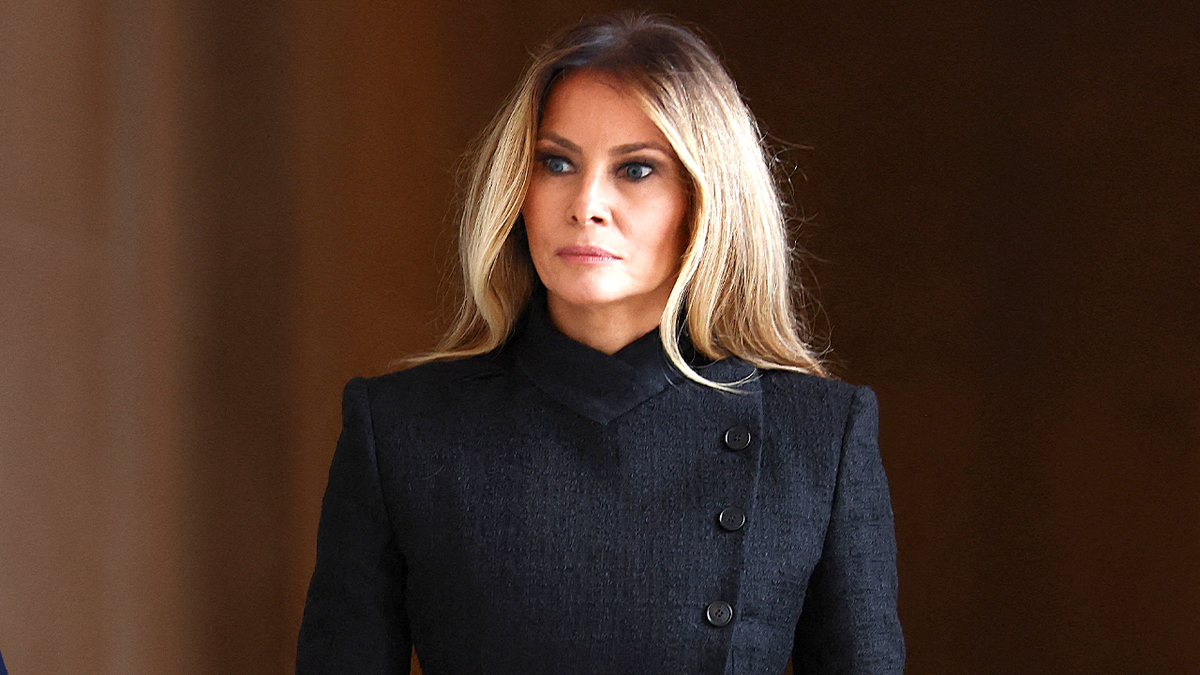
First lady Melania Trump visits the Smithsonian’s National Museum of Asian Art on Sept. 24, 2026, in Washington, D.C. The visit took place during Chinese President Xi Jinping’s state visit to the United States. (Finn Gomez/POOL/AFP via Getty Images)
«Melania Trump has become synonymous with the words of a saver and a hero, since she has brokered the deal for Oleshky,» Mendel said. «This is something that is going to save around 2,000 people and that neither Ukraine nor Russia could have solved for months and months.»
«That is why, you know, what Melania Trump has done is actually a case to show that where two men are fighting, a woman can actually save lives,» she added.
«And this is the new approach that would show that peace really should focus on human lives, not on maps and territories.»
Mendel also criticized the influence of Zelenskyy’s longtime ally Andriy Yermak on his diplomatic approach, arguing that the Ukrainian president has favored confrontation over compromise.
«Mr. Yermak was teaching Zelenskiy to be a strong man in diplomacy. And what today we see is actually diplomacy that doesn’t exist,» she said.
«It’s a diplomacy of humiliation, diplomacy of constant threats, diplomacy of demands,» Mendel added.
world, volodymyr zelenskyy, vladimir putin, ukraine, russia, foreign affairs, melania trump, donald trump
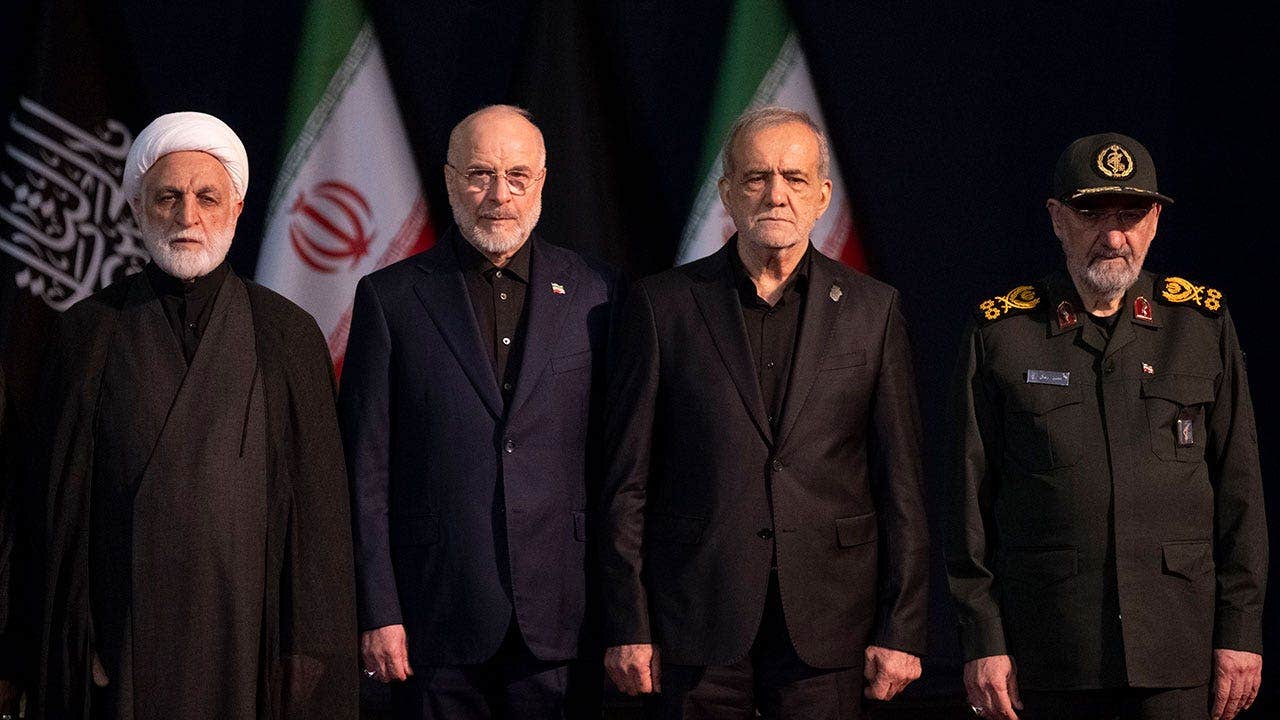
Iran is approaching a financial reckoning as a U.S. naval blockade threatens to wipe out its seaborne crude oil revenues by mid-December — but the economic pain may fall more heavily on ordinary Iranians than on the military Washington is trying to constrain.
Iran’s trackable floating oil inventory outside the U.S. blockade zone has fallen to zero, according to energy intelligence firm Kpler, which projects that Tehran’s crude revenues could dry up by the middle of December as outstanding payments are settled.
But the loss of oil revenue would not necessarily translate into an immediate military funding crisis. Tehran could shield military spending while cutting civilian programs, allowing inflation to erode purchasing power and drawing on alternative revenue sources.
BESSENT SAYS IRAN WILL HAVE ‘NOTHING LEFT TO TRADE’ WITHIN TWO WEEKS AS OIL LIFELINE DRIES UP
That complicates Washington’s pressure campaign: The blockade may deprive Tehran of one of its biggest sources of cash without immediately starving the military and Islamic Revolutionary Guard Corps of the money they need to operate.
Oil directly accounts for roughly 30% of Iran’s government budget, according to Gregory Brew, a senior Iran and energy analyst at Eurasia Group, and Miad Maleki, an Iran sanctions and financial expert at the Foundation for Defense of Democracies.
Iran entered the year expecting to export about 1.7 million barrels per day at roughly $54 per barrel, Brew said. Actual exports have fallen short of that target, though higher oil prices allowed Tehran to build some financial cushion.
Maleki estimated that oil and refined petroleum products account for between 50% and 60% of regime revenue when indirect income is included.
Still, the December deadline is not a date on which Iran suddenly runs out of money.
«The December timeline is more of a cash flow kind of disruption, and not really a collapse state,» Maleki told Digital.
Tehran has so far allowed inflation and the weakening rial to absorb some of the pressure rather than abruptly stopping government salaries or allowing widespread shortages to develop.
«The purchasing power of Iranians incrementally declines,» Maleki said.
Losing a revenue stream that covers roughly 30% of the government budget would nevertheless force increasingly difficult choices. Tehran can cut spending, borrow more or run larger deficits. Deeper cuts could hit subsidies, pensions and other government programs, while deficit spending risks fueling already high inflation.
«There’s already expectations that government spending next year is going to be greatly reduced,» Brew said . «A bigger chunk of the budget is likely going to be met through borrowing and deficit spending, which is of course going to add to inflation.»
IRAN LOSES KEY ECONOMIC LIFELINE IN MIDDLE EAST THAT TRUMP’S SANCTIONS COULDN’T REACH AS DEADLOCK PERSISTS
Military spending, however, could prove more resistant.
«There is a broad expectation that non-military spending is going to be slashed significantly, while military spending is going to be maintained and might even increase because of the overall war footing that the Iranian regime has been put on,» Brew said.
Iran is already spending resources to rebuild missile production facilities and other military infrastructure, expand underground facilities and repair damage to its nuclear program, Brew said.
Iran’s armed forces also have a direct connection to the country’s oil trade.
US TARGETS CHINESE REFINERY IN SWEEPING IRAN OIL CRACKDOWN, SANCTIONS ‘SHADOW FLEET’ TANKERS
The Treasury Department said last year that Tehran was allocating roughly 200,000 barrels of crude per day to its armed forces, with the value of planned allocations expected to exceed $10 billion annually. Military organizations can sell allocated oil abroad and use the proceeds themselves.
Maleki said those sales have helped finance equipment, chemicals and weapons components and support Iran-backed groups including Hezbollah and Hamas.
The IRGC also draws revenue from smuggling, black-market commerce and sanctions-evasion networks outside the formal state budget. Brew said its economic influence has expanded as sanctions have squeezed Iran’s private economy.
«If the IRGC is the single most important institution in the country, and if it largely benefits from sanctions and blockades and various forms of U.S. economic pressure, then there’s a world in which it benefits from this new environment rather than being squeezed like the overall government budget,» Brew said.
Iran’s oil squeeze has been months in the making.
Tehran held roughly 135 million barrels of crude in floating storage before the war began in February, providing a stockpile it could continue selling after U.S. forces restricted new exports. That offshore inventory has now been exhausted.
U.S. Central Command estimates the blockade has already denied Tehran at least $25 billion in oil revenue.
Buyers of Iranian crude typically settle payments one to two months after delivery, creating the lag between the disappearance of Iran’s floating inventory and Kpler’s projected revenue cutoff in December.
Even if that projection broadly holds, however, Iran is unlikely to stop earning money from hydrocarbons altogether.
Smaller quantities of oil can still move overland by truck and rail and across the Caspian Sea, while refined petroleum and petrochemical products can travel through routes outside the seaborne crude trade targeted by the blockade.
«While the amount of Iranian oil that can be tracked has fallen to zero, it’s unlikely Iran’s oil exports completely fall to nothing,» Brew said. «The amount will likely be fairly small, but it won’t be completely zeroed.»
Both experts said an agreement with Washington allowing Iranian tankers to resume leaving the Persian Gulf could reverse the trajectory . Without a deal or relaxation of the blockade, the financial pressure is expected to build into next year.
The bigger test may arrive in March, when Iran begins its new fiscal year and must reconcile its spending plans with dramatically lower oil income.
«There’s going to be a fiscal squeeze, and there’s going to be pressure around the release of the new budget,» Brew said. «There’s going to be economic unrest, potentially even economic turmoil as the government rolls out spending cuts.»
By then, Tehran could have gone months without its traditional seaborne crude income, forcing the regime to decide how much of the financial squeeze it is willing to pass on to its population while preserving spending elsewhere.
middle east, iran, sanctions, economy, inflation

Polémica en Mendoza con una ministra que hizo una costosa capacitación con fondos del Estado provincial

José Mourinho, después del triunfo en el Clásico de España: “El Madrid no juega para ganar en el Camp Nou, juega para ganar el campeonato» :: Olé

Daniela Celis pasó un momento de terror con sus hijas y una frase la dejó helada: “Mamá, hay alguien detrás de la puerta”

CFK, Axel Kicillof, Sergio Massa y otros referentes del PJ celebraron el triunfo electoral de Lula da Silva

11 frases de Arruabarrena tras el triunfo de Boca ante Independiente: gran elogio al plantel y un pedido de cara al Superclásico

El peronismo festeja la remontada de Lula y se mira en el espejo del PT de cara a 2027

Javier Milei y sus medidas, en vivo: el mandatario dijo que piensa un proyecto a “100 años” para la Argentina

Escándalo con Sancor Salud: Cuotas millonarias por un servicio nefasto que abandona a los pacientes en urgencias

Cuánto debería crecer la economía argentina en septiembre para no caer en recesión técnica

Estudiantes de La Plata busca su sexta final de Copa Libertadores: la tabla histórica del torneo y la disputa Argentina-Brasil que podría dirimir

 POLITICA3 días ago
Javier Milei y sus medidas, en vivo: el mandatario dijo que piensa un proyecto a “100 años” para la Argentina
- SOCIEDAD2 días ago
Escándalo con Sancor Salud: Cuotas millonarias por un servicio nefasto que abandona a los pacientes en urgencias
- INTERNACIONAL3 días ago
“Cualquier negociación sólo puede ocurrir después de liberar a los presos políticos”: la petición de 140 expresos cubanos al régimen