INTERNACIONAL
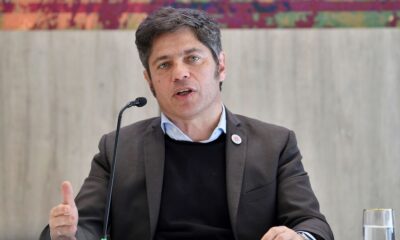
Economía débil y alta corrupción, el lastre que llevó a la derrota de Víktor Orbán en Hungría


¿Cómo sacarse de encima a Víktor Orbán? Ésa era la pregunta que gravitaba en la elección de este domingo, tanto dentro como fuera de Hungría. Pueden apilarse muchas explicaciones para explicar el sentido del voto. Pero al menos una idea asoma con nitidez: los húngaros advirtieron que la corrupción gubernamental y una economía débil están relacionados. Y que esa combinación, a la larga, siempre redunda en una corrosión de las libertades.
Desde su llegada al gobierno en 2010, Orbán inventó una fórmula para amarrarse al poder: fuertes cuotas nacionalistas para ganar la elección; cascoteo a los rivales usando las estructuras del Estado; desmantelamiento de instituciones independientes y acoso a la prensa. Eso es lo que ha convertido al húngaro en el paterfamilia global de la ultraderecha.
La traza de esa estrategia contó con la inestimable ayuda del partido oficialista Fidesz, cuyo control del Parlamento permitió alterar el sistema electoral en su favor, colocar a hombres dóciles al frente de agencias y empresas estatales, asegurar el clientelismo y garantizar grandes negocios para los amigos.
Pero luego de cuatro mandatos dictando las normas, Orbán no ha podido ahora convencer a los húngaros de que estarán mejor con él al comando. Su estrategia de presentar a Hungría como acosada por enemigos (la burocracia europea, las élites internacionales, los migrantes, los woke, Ucrania, los liberales y un largo etcétera) comenzó a cansar.
Mucho ha tenido que ver con ese hartazgo, según estudios de opinión a lo largo de la agitada campaña electoral, el fuerte grado de vulnerabilidad con el que Orbán ha dejado al país tras 16 años de mandato. Cuadran los números en esto, de modo categórico. El crecimiento se estancó y Hungría tiene indicadores que la ubican detrás de países cercanos como Eslovaquia, República Checa y Polonia, de acuerdo con datos de la UE y del Banco Mundial.
Por ejemplo, la economía apenas creció 0,4% en 2025, una cifra magra contra el 3,6% de Polonia y el 2,6% de la República Checa. Hungría es el país que más depende del gas ruso, por lo que fue uno de los más expuestos a la crisis de 2022 cuando Moscú invadió Ucrania. Budapest tuvo entonces la mayor inflación del bloque europeo. Los alimentos subieron 40% y la inflación fue del 22%.
El efecto fue la caída de los ingresos reales, el desplome del consumo y la desaceleración económica más aguda de la era Orbán. Para atenuarla, el Banco Central dispuso una tasa de interés del 6,25%, cuatro puntos más que la del Banco Central Europeo, lo que frenó inversiones y sofocó a las empresas. En Hungría no circula el euro, sino el florín.
Los húngaros sintieron el efecto del declive también en el aparato sanitario: según el Banco Mundial, el país invierte el 6,3% del PBI en salud, contra 8.06% de Polonia, 8,5% de República Checa y 7,4% de Eslovaquia.
De manera que, mirando la pujanza de países vecinos y comparándola con sus penurias, muchos húngaros parecen haber reparado con su voto en el dictamen de Transparencia Internacional que ubica a Hungría como la nación más corrupta del bloque europeo.
De acuerdo con el Corruption Research Centre de Budapest, en 2025 el 75% de los contratos gubernamentales fue a compañías asociadas a los amigos de Orbán, casi el doble que en 2022. Istvan Tiborcz, yerno del premier, y Lorinc Meszaros, un amigo de la infancia y el hombre más rico de Hungría, están entre los beneficiarios.
Todo este cuadro repercute además en la vital relación de Budapest con los cuantiosos fondos comunitarios que reparte la muy criticada Bruselas. Como sus auditores desconfían de que en Hungría se respete la ley y la independencia de las agencias de control, desde 2022 la UE congeló casi US$ 20.000 millones que debía enviar como ayuda post Covid. Para un Estado como Hungría, no es una bicoca: representa el 11% de su PBI.
Durante años, los conservadores europeos, con Angela Merkel a la cabeza, salvaron varias veces el cuello de Orbán. Requerían sus votos en el Parlamento Europeo frente al bloque de izquierda. Ya no lo necesitan. El alemán Manfred Weber, su presidente, fue descriptivo hace unos días: “Estamos hartos de Orban”, dijo. Según el voto de este domingo, los electores húngaros estuvieron muy de acuerdo.

INTERNACIONAL
Republican convention attendees share heartfelt tributes to late Charlie Kirk on assassination anniversary

NEWYou can now listen to Fox News articles!
DALLAS, Texas – A year after the shocking assassination of conservative titan and Turning Point USA founder Charlie Kirk, Republicans gathered at the GOP’s midterm convention shared the profound ways in which the young leader and family man impacted their lives.
«Charlie Kirk is a wonderful man, and he is very much missed,» Marsha Landry of Texas told Fox News Digital during an interview at the American Airlines Center, where the Republican Party is rallying to try to keep control of the House and Senate in November. «He was making a lot of progress in this country, especially among the youth. I know personally some of our children have really started paying attention.»
Jacquez Jones, a young convention attendee, said Kirk’s legacy lives on.
REMEMBERING CHARLIE KIRK: TURNING POINT USA’S ANDREW KOLVET REFLECTS ON CONSERVATIVE GROUP’S CHALLENGING YEAR
Charlie Kirk throws hats to the crowd after arriving at Utah Valley University in Orem, Utah, on Sept. 10, 2025. Kirk, founder of Turning Point USA, was speaking at his «American Comeback Tour» when he was shot in the neck and killed. (Trent Nelson/The Salt Lake Tribune/Getty Images)
«It’s a daily reminder that we have to have courage to go out there and spread the message, not only of just conservatism, but our faith as well,» he said. «And so on this anniversary, I look back at not only what Charlie Kirk was able to accomplish, but the things that even in his passing he’s still able to do.»
On this day last year, Kirk, 31, was speaking at Turning Point’s «American Comeback Tour» event at the Utah Valley University (UVU) in Orem, Utah, just after noon, when he was shot in the neck. He was pronounced dead at a local hospital shortly thereafter.
The suspect in the killing, then-22-year-old Tyler Robinson, is accused of firing one shot from a rooftop overlooking the quad where Kirk was speaking. A shocked crowd scattered as Kirk was rushed away from the scene.
Kirk, who was a father, left behind his wife Erika and two young children.
ERIKA KIRK REFLECTS ON FIRST YEAR OF GRIEF AFTER CHARLIE KIRK’S ASSASSINATION IN NYT ESSAY
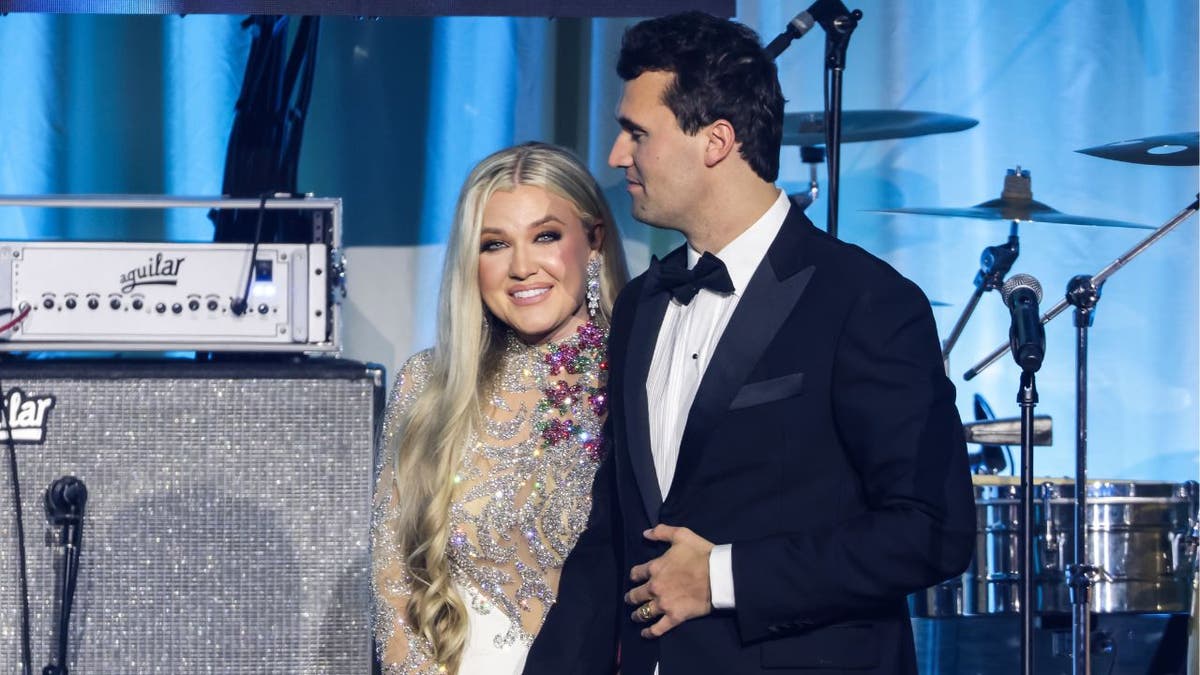
Conservative activist Charlie Kirk is pictured with his wife Erika Kirk on stage at an event earlier this year in Phoenix. (Samuel Corum/Getty Images)
«I think it’s an extremely somber reminder of what we have in this country, that free speech is not free, that somebody died for that right, and Charlie Kirk [was] somebody who was brave enough to go out there on the college campuses and talk about conservatism and prove to the American people and the young generation that the conservative policies still work,» Jones said.
Another Republican convention-goer, Mike Hurst of Mississippi, described what he remembers after first hearing the news that Kirk had been killed.
«It was one of the most gut-wrenching feelings I’ve ever seen, and of course, I went online, I saw the video, and to this day I’m still shocked that that could happen in our country,» Hurst said, adding that we need more people like Kirk who encourage civil dialogue instead of political violence.
ACCUSED CHARLIE KIRK ASSASSIN ALLEGEDLY CONFESSED IN TEXTS, APOLOGIZED AND DESCRIBED MOTIVE, AGENT TESTIFIES
Robinson allegedly fled the rooftop, ditched his rifle in a wooded area across the street from the UVU campus, and fled the scene. A statewide manhunt persisted until the following night at around 10 p.m. when Robinson surrendered to authorities in St. George, Utah, about four hours south of the UVU campus.

The American Airlines Center, as preparations are underway for the Republican National Midterm Convention in Dallas, Texas, on September 7, 2026. (Jessica Koscielniak, Reuters)
His parents reportedly convinced him to turn himself in.
Pre-trial proceedings in Robinson’s case are ongoing after a protracted battle regarding media access to the courtroom, and motions attempting to remove the death penalty as a possible sentence should Robinson be convicted.
Alex Stone of Missouri said young people are looking for a leader to fill Kirk’s shoes, though his memory remains.
«Since Charlie’s assassination, people have been lost,» he said. «People have been looking for a voice or a leader to lead them in the right direction, and so we need people who are going to stand up and rise up and say, ‘this is what is good, this is what is true, this what is beautiful.’ And ‘this is wrong, and here’s what we should do in the face of it.’»
politics, turning point usa, charlie kirk, republican convention, tyler robinson
INTERNACIONAL
Hallazgo en la Patagonia: científicos desenterraron huevos de dinosaurios gigantes y revelaron el lugar donde los incubaban
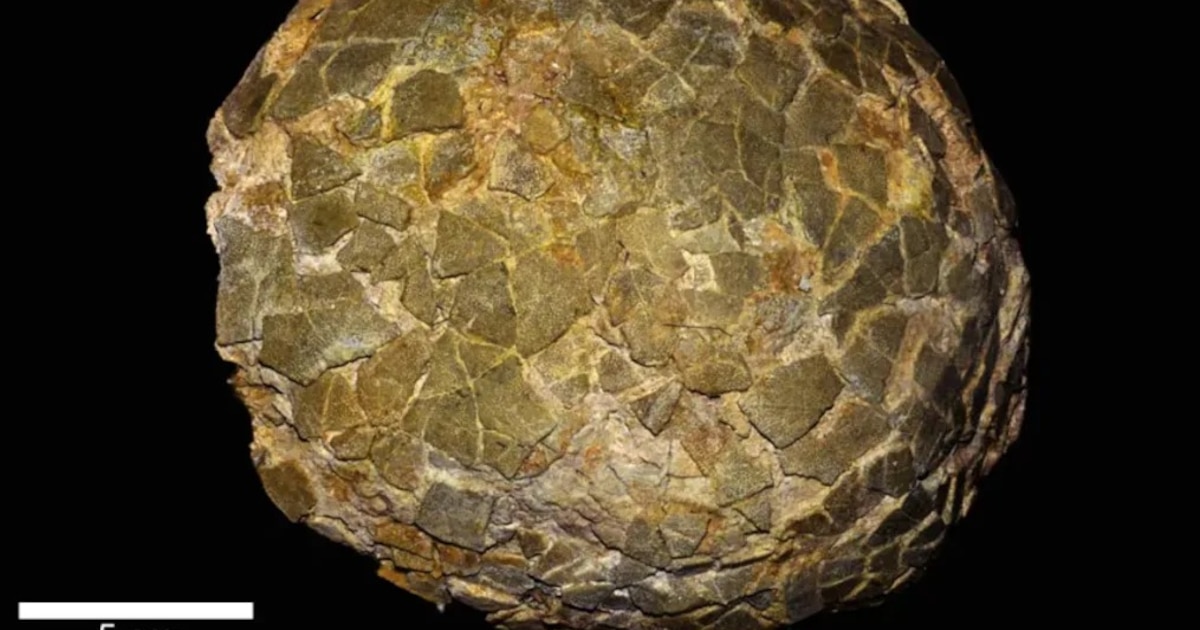
Los titanosaurios, uno de los grupos de dinosaurios más grandes que existieron, enterraban sus huevos en nidos de tierra y vegetación para mantenerlos calientes en el sur de Argentina, según un nuevo estudio publicado en Royal Society Open Science.
El análisis de fragmentos de cáscaras hallados en la Formación Chorrillo indica que estos saurópodos aprovechaban el calor generado por la descomposición de plantas, una estrategia similar a la de los cocodrilos actuales.
La investigación de la Universidad de Calgary, Canadá, realizada en colaboración con científicos de Japón y Argentina, aporta pruebas de que estos gigantes podían reproducirse en latitudes altas, lejos de las zonas cálidas próximas al ecuador donde se habían encontrado la mayoría de las puestas de titanosaurios.
Los restos fueron recuperados en la provincia de Santa Cruz, en un área que hace millones de años tenía condiciones climáticas más frías que las de otros sitios conocidos de anidación de saurópodos.
Los titanosaurios no podían sentarse sobre sus huevos
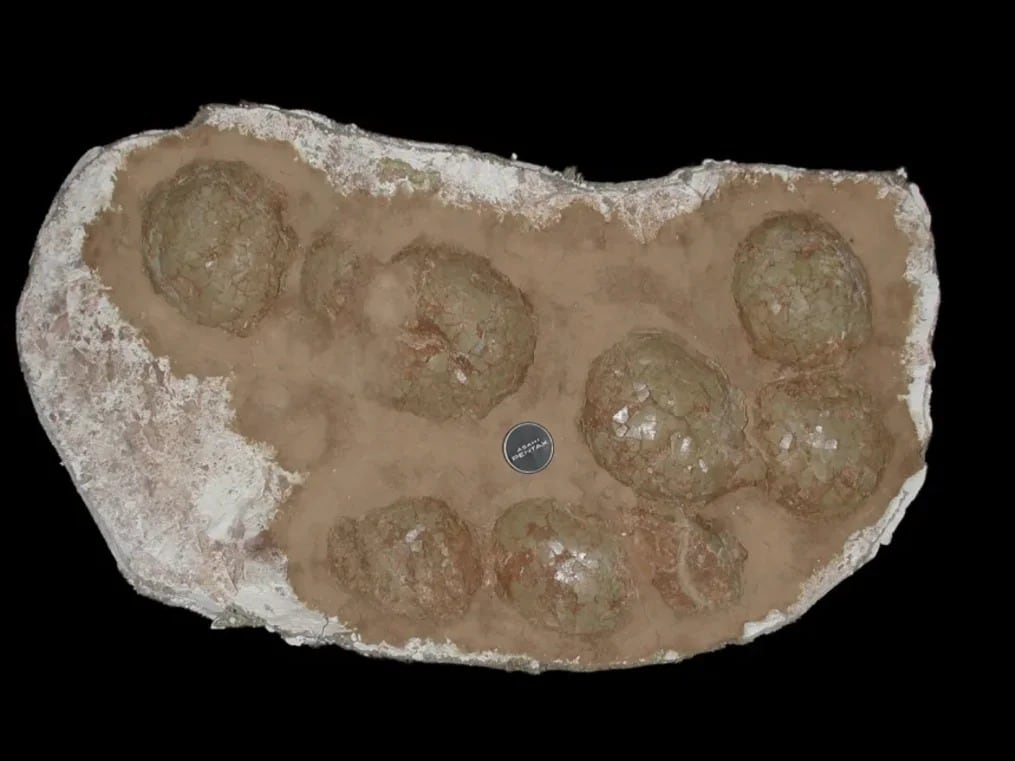
El tamaño de estos dinosaurios impedía que incubaran las puestas como lo hacen muchas aves. Algunos titanosaurios alcanzaban hasta 25 metros de largo y ciertos ejemplares del grupo podían pesar cerca de 75 toneladas. Sus huevos, en contraste, tenían un tamaño similar al de una pelota de vóleibol.
“La nidada sería una tortilla gigante”, dijo la paleontóloga Darla Zelenitsky, de la Universidad de Calgary, al explicar por qué estos animales no podían sentarse sobre los huevos sin romperlos.
Los científicos consideran que los titanosaurios depositaban los huevos y no permanecían junto a ellos durante el período de desarrollo embrionario. Esa ausencia de incubación directa obligaba a encontrar otra fuente de calor, sobre todo en una región situada a gran distancia del ecuador.
La respuesta habría estado en el propio nido. La materia vegetal en descomposición liberaba calor, tal como ocurre hoy en los nidos construidos por cocodrilos y por algunas aves megapodios. Estos animales cubren sus huevos con hojas, ramas, tierra y otros restos orgánicos; los microorganismos degradan ese material y elevan la temperatura interna.
El principal indicio surgió de la estructura microscópica de las cáscaras. Todos los huevos poseen poros que permiten el intercambio de gases necesario para el desarrollo de los embriones. El tamaño y la densidad de esos pequeños canales varían según el lugar donde se encuentre la puesta.
Un huevo expuesto al aire necesita menos poros para no perder demasiada humedad. En cambio, los huevos cubiertos por arena, tierra o plantas requieren una cáscara más porosa, que facilite el paso de oxígeno a través de ese material.
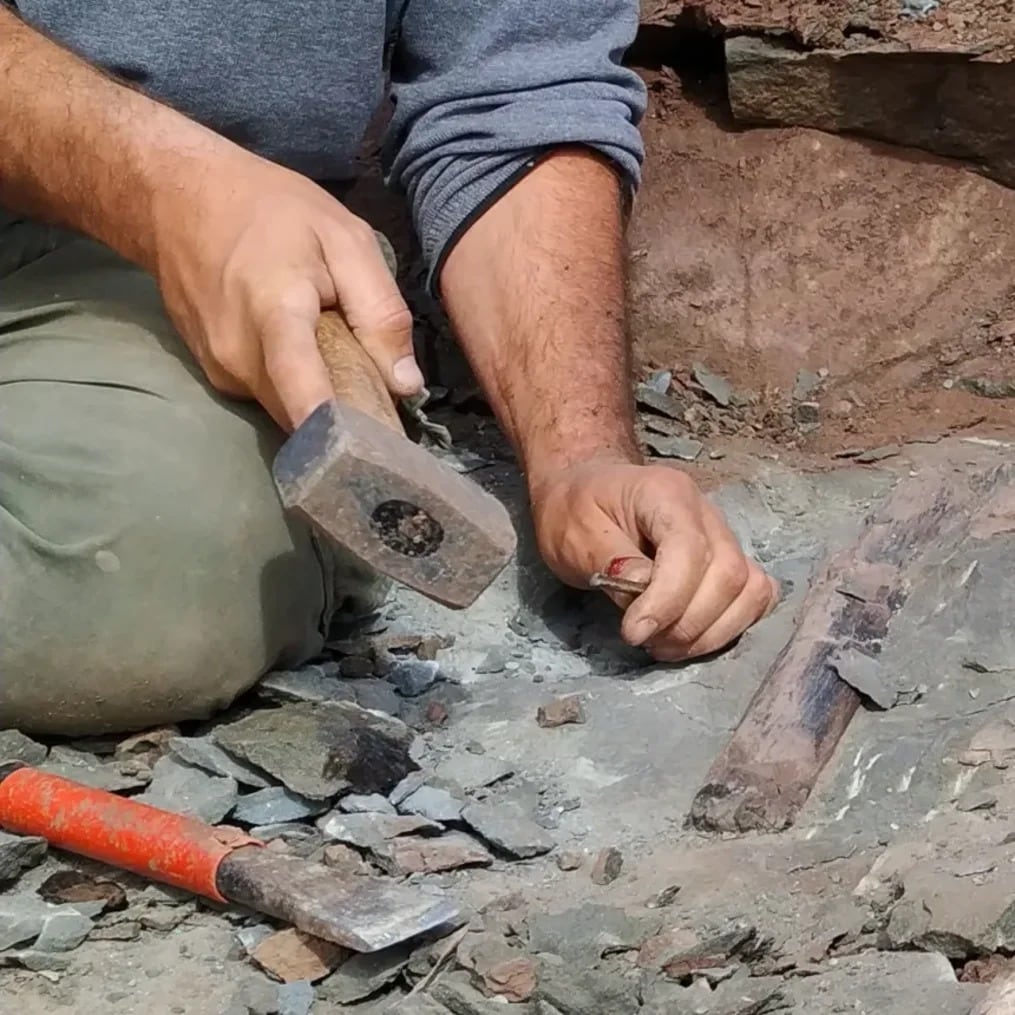
Los investigadores analizaron 255 fragmentos de cáscara de huevos fósiles identificados como Fusioolithus. Encontraron que eran muy porosos, una característica compatible con la incubación bajo tierra o dentro de montículos de vegetación.
En palabras sencillas, los huevos no habrían quedado a la intemperie. Los titanosaurios los habrían dejado protegidos por una cobertura que conservaba la humedad y generaba la temperatura necesaria para que los embriones continuaran su desarrollo.
Zelenitsky explicó que, si esos huevos hubieran permanecido expuestos, “habrían perdido agua y se habrían secado”, con consecuencias fatales para las crías. El enterramiento ofrecía condiciones más estables, incluso en un ambiente con temperaturas moderadas.
El hallazgo en Santa Cruz revela una zona de anidación a gran latitud
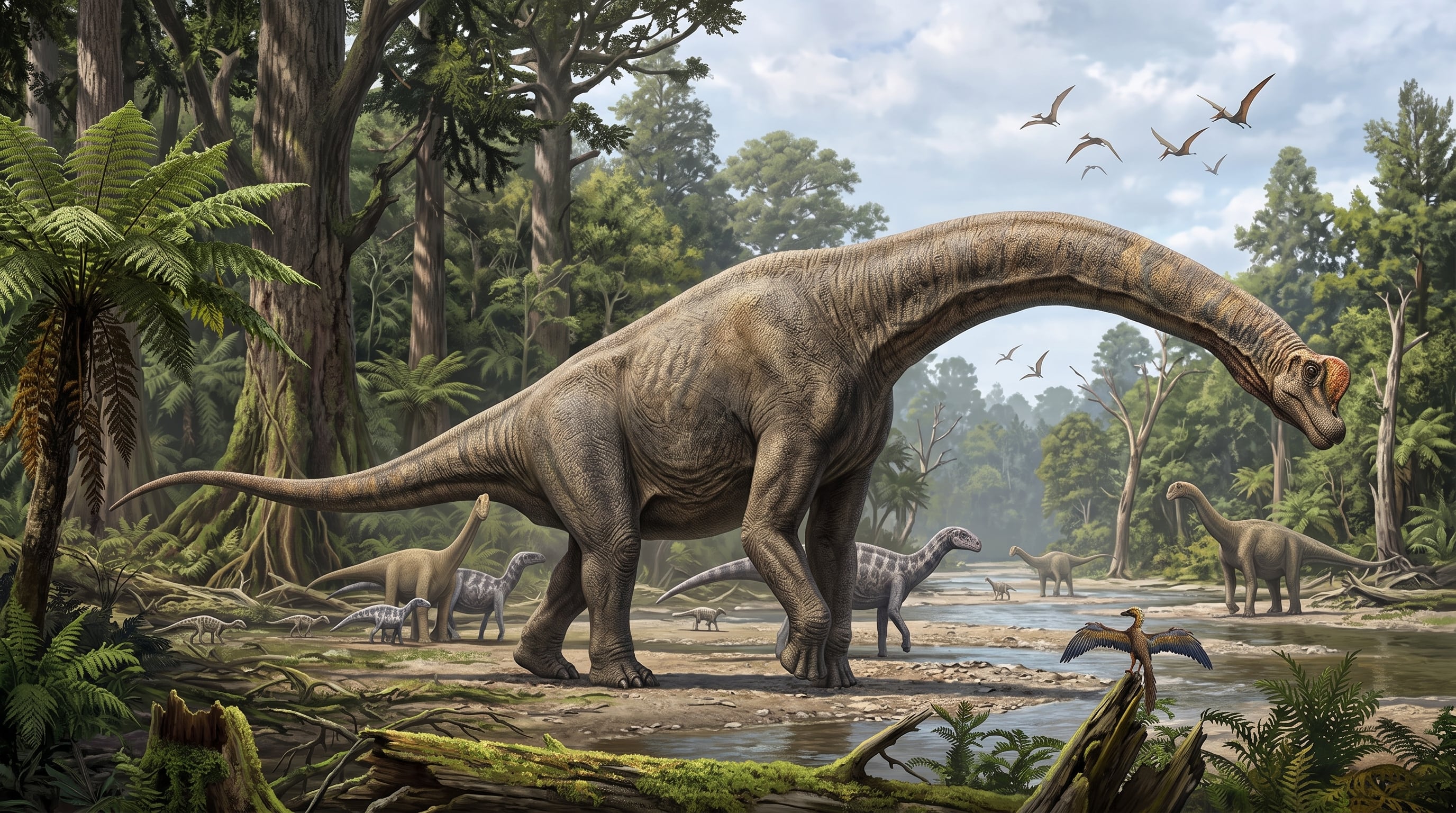
Los fragmentos fueron descubiertos entre 2020 y 2024 en la Formación Chorrillo, en el extremo sur de Argentina, a unos 322 kilómetros al norte del estrecho de Magallanes. Las rocas del sitio datan del Cretácico tardío, el período que abarcó los últimos millones de años antes de la extinción de los dinosaurios no avianos.
Hace unos 68 millones de años, el lugar se ubicaba entre los 55 y 60 grados de latitud sur. Aunque los continentes modificaron su posición desde entonces, los científicos calculan que se encontraba tan lejos del ecuador como la actual ciudad de Red Deer, en Canadá. El clima, de todos modos, habría sido similar al de Nueva York en la actualidad.
La ubicación convierte al yacimiento en la evidencia más austral de huevos de dinosaurio conocida hasta ahora y en uno de los principales registros de anidación de saurópodos en latitudes elevadas.
Hasta este descubrimiento, los paleontólogos sabían que los titanosaurios habían llegado a regiones muy alejadas entre sí. Sus restos aparecieron en lugares tan meridionales como el sur de Argentina y la Antártida, y también en Mongolia y Texas. Faltaba establecer si solo visitaban esas zonas o si podían completar allí su ciclo reproductivo.
“Claramente pasaban tiempo en zonas de latitudes más altas, pero hasta ahora no se sabía si también anidaban allí”, señaló Zelenitsky.
Un ecosistema con grandes saurópodos, reptiles y mamíferos
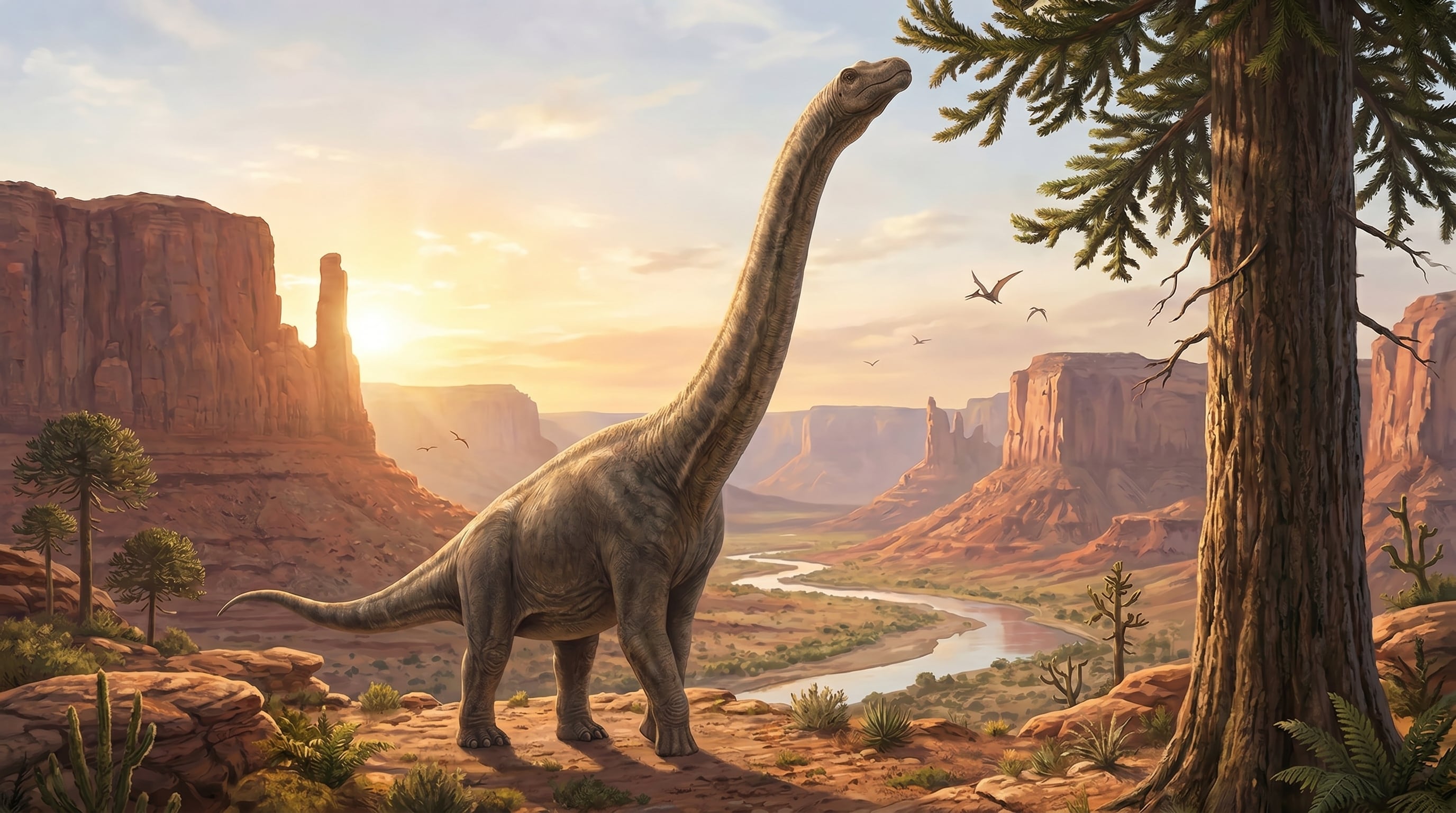
La Formación Chorrillo no solo conserva cáscaras de huevo. El sitio reúne restos de una llanura costera con dinosaurios herbívoros y carnívoros, aves, cocodrilos, tortugas, serpientes, ranas, peces, mamíferos, insectos y caracoles.
Entre los grandes animales de la zona se encontraba el Nullotitan glaciaris, un titanosaurio que podía medir hasta 25 metros de largo. También vivían allí el herbívoro bípedo Isasicursor santacrucensis y megaraptores, depredadores relacionados de forma distante con los tiranosaurios.
No se conoce con certeza qué especie puso los huevos hallados. En el mismo yacimiento aparecieron dientes asociados con colososaurios, un grupo de titanosaurios de grandes dimensiones. Si las cáscaras pertenecían a esos animales, las crías habrían necesitado un ambiente con abundantes plantas y recursos para iniciar un crecimiento que las llevaría, en algunos casos, a superar decenas de toneladas.
A pesar del tamaño de los adultos, los huevos podían contener alrededor de cuatro litros de líquido y las crías nacían con un peso cercano a los cuatro kilogramos. La diferencia entre el tamaño del huevo y el del adulto era extrema, por lo que los primeros meses de vida resultaban decisivos.
Los nidos pudieron ser montículos del tamaño de una mesa
La estrategia de incubación habría requerido estructuras amplias. Zelenitsky propuso que los nidos podrían haber sido montículos de tierra y vegetación del tamaño de una mesa de picnic, con los huevos enterrados en el interior.
Esa posibilidad abre la puerta a que los titanosaurios anidaran en grupos, aunque el estudio no permite determinar cuántos individuos usaban cada área ni si regresaban al mismo lugar de forma periódica. En otros sitios del mundo se encontraron concentraciones de huevos que sugieren comportamientos de anidación colectiva.
El nuevo trabajo también plantea que la estrategia reproductiva de los titanosaurios pudo variar según la geografía y el clima. En España, por ejemplo, se localizaron huevos con cáscaras más delgadas y menos porosas, una característica que apunta a puestas más expuestas.
La comparación indica que los titanosaurios podían adaptar sus nidos a las condiciones de cada ambiente. En el sur de Argentina, donde la luz solar no bastaba para garantizar una incubación eficiente, la descomposición de plantas pudo ofrecer el calor que necesitaban las futuras crías de algunos de los mayores dinosaurios de la historia.
saurópodo,Jurásico,paleontología,fauna prehistórica
El virus respiratorio sincitial afecta con fuerza a la provincia atlántica de Bocas del Toro, donde se contabilizan al menos 238 casos y dos últimas muertes de menores de un año.
El incremento también se refleja en la demanda de atención pediátrica y en la aplicación de una nueva estrategia preventiva para recién nacidos, según el Ministerio de Salud.
El director regional de Salud, Daryl Padmore, confirmó a una televisora local que las víctimas eran bebés de tres y seis meses de edad.
La situación en esa provincia forma parte de un registro más amplio de muertes asociadas al virus en el país durante la semana epidemiológica 31.
Las autoridades sanitarias comunicaron que el Virus Respiratorio Sincitial (VSR) causó 18 defunciones en Panamá hasta ese período epidemiológico.
La mayor parte de las muertes correspondió a menores de cinco años. El resto afectó a personas mayores de 65 años.
Del total de fallecidos durante el periodo descrito, 12 eran hombres y seis eran mujeres.
La comarca Ngäbe Buglé concentró seis decesos. Bocas del Toro y Chiriquí registraron tres casos cada una.
Panamá Oeste acumuló dos muertes. Las otras defunciones se distribuyeron en distintas regiones del país.
El reporte sanitario sitúa a Bocas del Toro entre las áreas con mayor número de fallecimientos vinculados a esta enfermedad respiratoria.
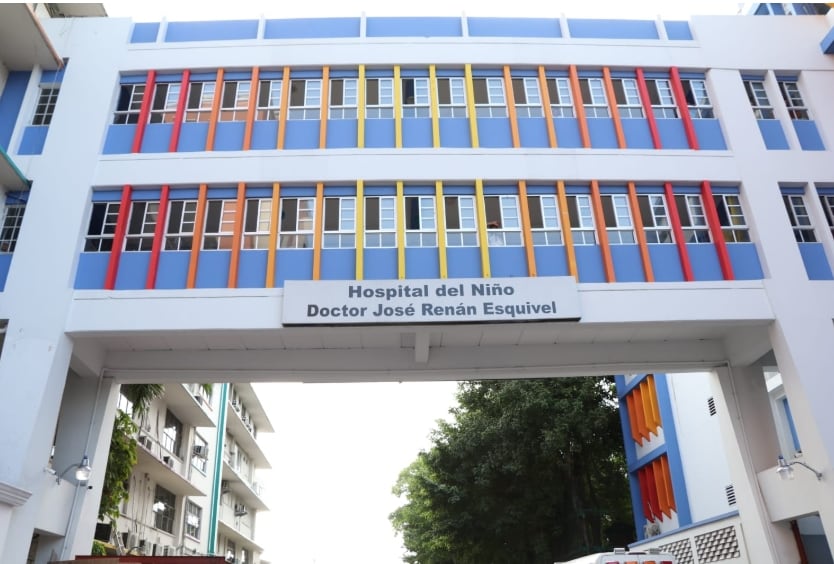
A finales de agosto el Hospital del Niño mantenía a 61 pacientes internados por VRS.
De ese grupo, 23 recibían atención en cuidados intensivos, según la información disponible.
La ocupación de camas obligó en ese momento al centro pediátrico a postergar de manera temporal las intervenciones electivas complejas que requieren que los pacientes permanezcan hospitalizados.
La medida no se presentó como una suspensión general de las cirugías, sino como una decisión vinculada a los procedimientos que necesitan disponibilidad de camas para el período posterior a la operación.
El aumento de las hospitalizaciones ocurrió mientras las autoridades informaban sobre los casos y fallecimientos registrados en distintas zonas del país.
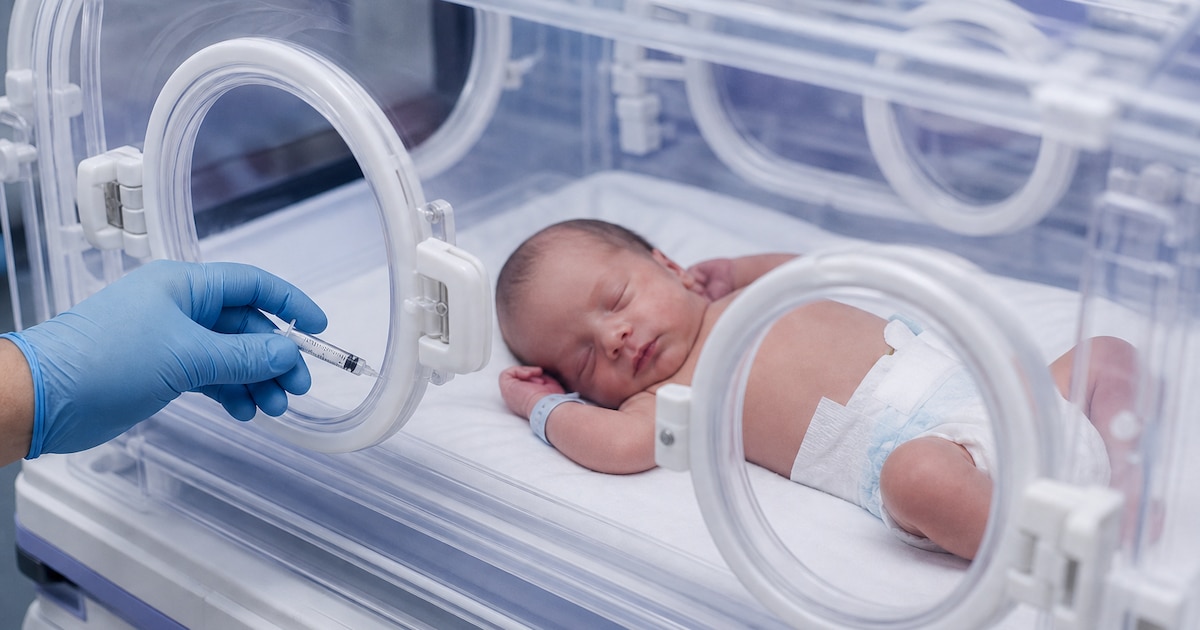
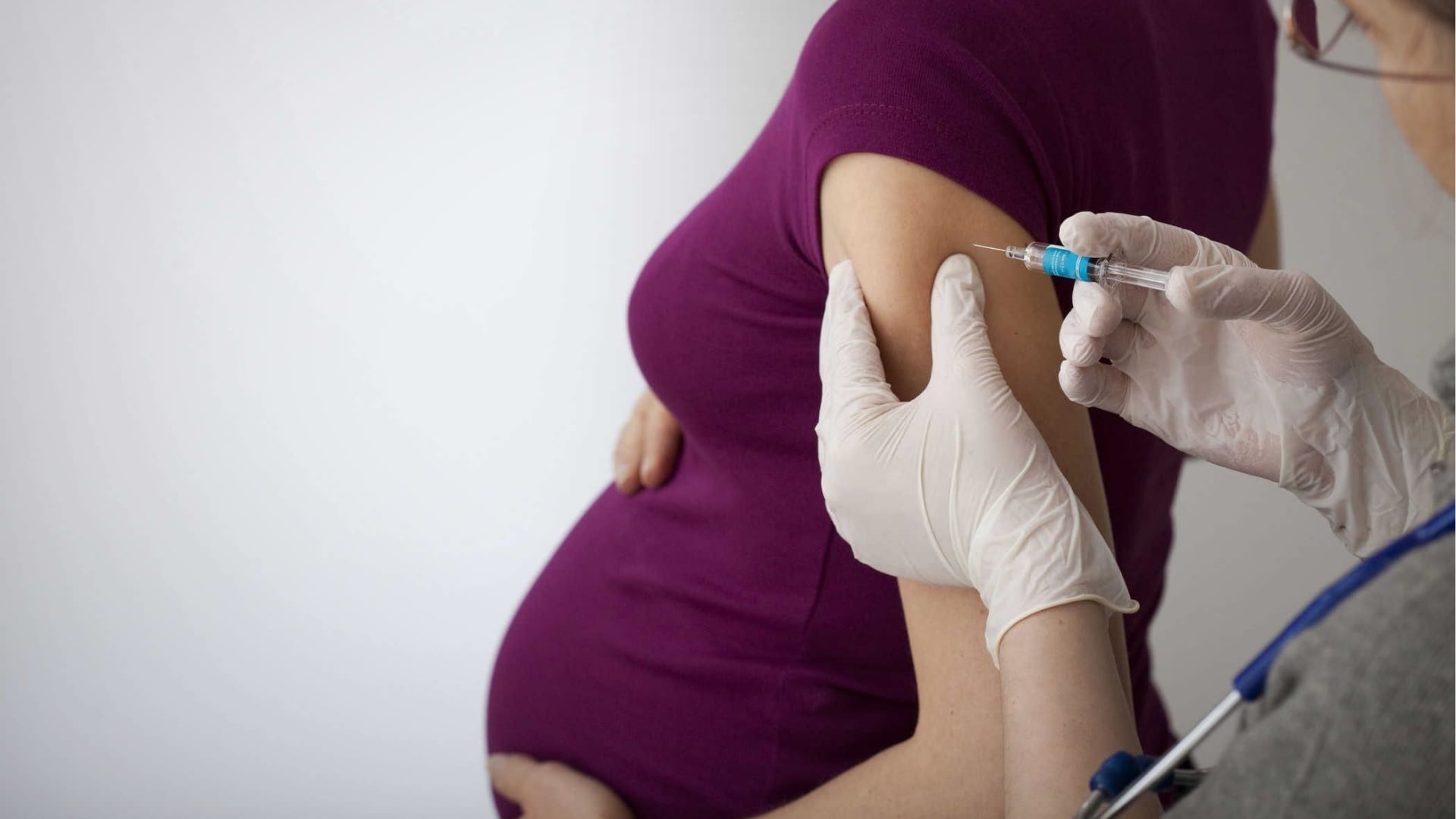
El 31 de agosto el Ministerio de Salud inició la aplicación de anticuerpos monoclonales de acción prolongada para reducir el riesgo de formas graves de VRS en recién nacidos y lactantes que cumplan los criterios establecidos.
Los primeros dos beneficiarios recibieron nirsevimab en la Maternidad del Hospital Santo Tomás, en la ciudad capital.
Ambos bebés habían nacido ese día, y la aplicación marcó el comienzo de la estrategia sanitaria dirigida a la protección de la población infantil elegible frente al virus.
El nirsevimab fue incorporado por las autoridades como una herramienta preventiva ante una enfermedad que ha provocado internaciones pediátricas y muertes en los grupos de edad más vulnerables.
La implementación comenzó en un momento en que el sistema sanitario enfrentaba una alta demanda de atención por infecciones respiratorias, con especial impacto en los menores de edad.
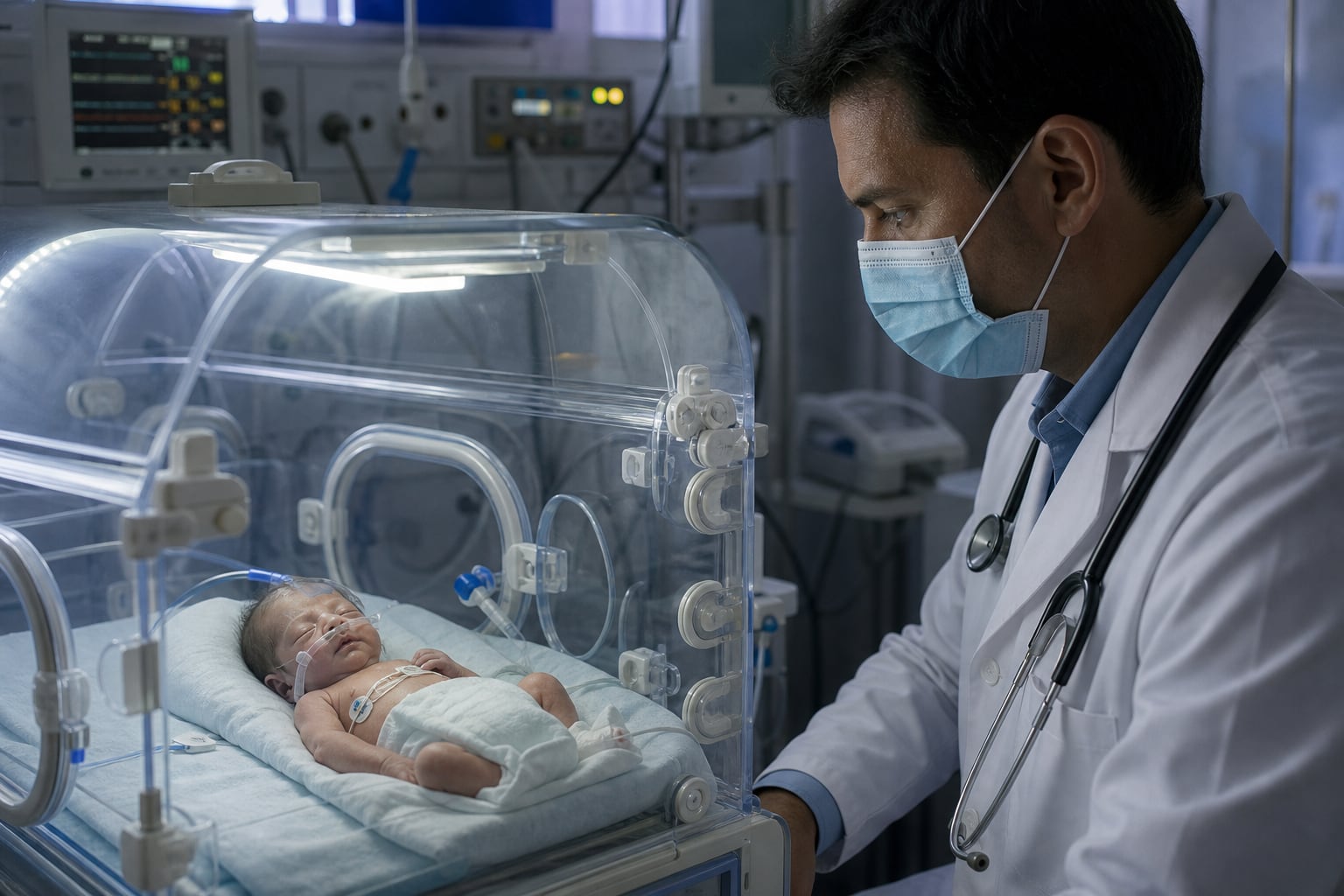
La presión hospitalaria por VRS llevó al Hospital del Niño a suspender de forma temporal las cirugías electivas complejas que necesitan hospitalización. La decisión respondió a la falta de camas ante el aumento de pacientes atendidos por esta infección respiratoria.
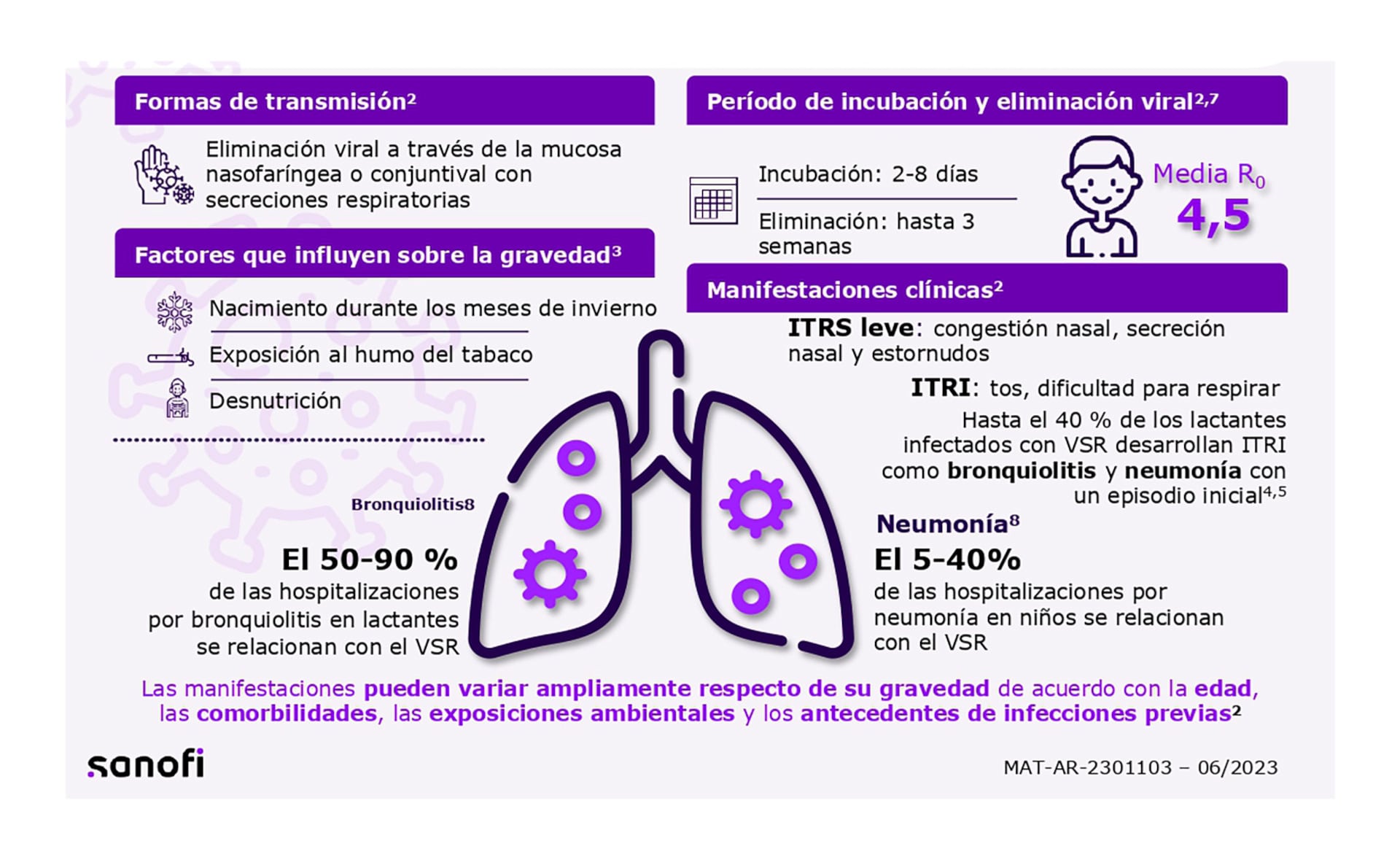
El VSR es uno de los patógenos respiratorios más importantes a nivel mundial, especialmente en lactantes, niños pequeños y personas mayores, y en la última década se ha consolidado como un problema prioritario de salud pública tanto por su carga de enfermedad como por los esfuerzos recientes para prevenirlo mediante nuevas vacunas y anticuerpos monoclonales.
En la población general suele causar cuadros similares a un resfriado común, pero en grupos vulnerables puede provocar bronquiolitis y neumonía, con necesidad de hospitalización e incluso riesgo de muerte.
Panamá, por su parte, se ha convertido en un caso particularmente relevante en la región: registra circulación del VSR durante todo el año, ha documentado aumentos significativos de incidencia y defunciones en niños pequeños, y desde 2023–2025 desarrolló una respuesta innovadora que incluye vigilancia epidemiológica intensificada y el uso de anticuerpos monoclonales.
incubadora,recién nacido,jeringa,neonatología,pediatría

A pesar de la tensión por Malvinas, Javier Milei tiene previsto viajar a Londres en octubre

Atención inversores: stos son los 10 tips clave para evitar caer en estafas piramidales

El oficialismo explicó su estrategia en Diputados: por qué acompañó las iniciativas de la oposición

El PJ cordobés toma distancia del rearmado nacional y relativiza la confluencia en el homenaje a De la Sota

Alarmante frase de Pierre Gasly antes del estreno del circuito de Fórmula 1 en Madrid

Juicio por Loan Peña, en vivo: declara el ex comisario Walter Maciel, uno de los acusados

El gobierno de Kicillof retendrá un 2% en los premios de las apuestas online

Femicidio brutal en Merlo: un jubilado de 64 discutió con su esposa y la asesinó a puñaladas

El rotundo cambio de Julián Álvarez en una foto presentación del Atlético de Madrid tras quedarse en el club

Los alimentos aumentan un 0,8% en septiembre y ya anticipan una inflación de 1,8%

 POLITICA3 días ago
El gobierno de Kicillof retendrá un 2% en los premios de las apuestas online
- SOCIEDAD3 días ago
Femicidio brutal en Merlo: un jubilado de 64 discutió con su esposa y la asesinó a puñaladas
- DEPORTE3 días ago
El rotundo cambio de Julián Álvarez en una foto presentación del Atlético de Madrid tras quedarse en el club