La ondulante masa del glaciar se extendía desde las colinas y volcanes del interior de la Antártida hasta el océano Austral, cubriendo una superficie del tamaño de Gran Bretaña.
Won Sang Lee, ataviado con un traje polar rojo, permanecía de pie sobre el hielo, observando a su equipo trabajar.
Advertisement
Nueve científicos, ingenieros y guías, algunos de los cuales llevaban más de cinco años planeando esta misión con él.
Ahora, se encontraban en la fase final:
Cañones formados por rupturas en el glaciar Thwaites en la Antártida, 16 de enero de 2026. Un equipo de científicos, en una misión que llevaba años planificándose, viajó hasta el fin del mundo para averiguar por qué un glaciar del tamaño de Gran Bretaña se está derritiendo tan rápido. (Chang W. Lee/The New York Times)
perforar el glaciar en deshielo para alcanzar la vasta cavidad oceánica que se extendía bajo él.
Advertisement
Estaban cansados y hambrientos.
Se mantenían en pie con té, galletas y barritas de proteínas.
Habían cruzado el océano más salvaje del mundo, sobrevolado en helicóptero el páramo helado del glaciar, y luego trabajado durante días azotados por vientos huracanados, todo por una oportunidad, una sola oportunidad, de perforar el hielo en las profundidades de la Tierra.
Advertisement
Periódicamente, oían estruendos cuando el glaciar se movía y se agrietaba bajo sus pies.
Los científicos del equipo sabían que las corrientes cálidas estaban erosionando este glaciar, el Thwaites, desde abajo.
También sabían que, en algún momento de las próximas décadas, el Thwaites podría colapsar por completo, provocando que tanto hielo se desprendiera hacia el océano a lo largo de varios siglos, lo que podría elevar el nivel global del mar en más de 4,5 metros.
Advertisement
En otros glaciares antárticos, el retroceso del hielo es demasiado gradual para notarlo.
«En Thwaites, se siente», dijo Lee, de 52 años.
«Desaparecerá tarde o temprano.
Advertisement
No en escalas de tiempo centenarias o milenarias.
Imagen de un video que muestra un cable descendiendo unos 900 metros por un agujero perforado con agua caliente en el glaciar Thwaites, en la Antártida, enero de 2026. Un equipo de científicos, en una misión que llevaba años planificándose, viajó hasta los confines de la Tierra para averiguar por qué un glaciar del tamaño de Gran Bretaña se está derritiendo tan rápido. (Chang W. Lee/The New York Times)
Podría ocurrir durante nuestra vida o la de la próxima generación».
¿Y cuánto tiempo después podrían quedar inundadas las ciudades costeras del mundo?
Lee y su equipo pensaron que los datos de la caverna cubierta de hielo bajo el glaciar podrían proporcionar algunas pistas.
Advertisement
Primero utilizaron chorros de agua caliente para derretir un agujero de treinta centímetros de ancho en el hielo de ochocientos metros de espesor.
Luego comenzaron a bajar un cable con instrumentos incorporados.
Por fin, el cable quedó desenrollado a la longitud correcta.
Advertisement
El sol, que nunca se ponía, caía a plomo.
Peter Davis, uno de los oceanógrafos del equipo, se levantó para comprobar si los instrumentos de la boya habían llegado al océano, bajo el glaciar.
Davis se arrodilló en la nieve y conectó los instrumentos desde su computadora portátil.
Advertisement
Tecleó un poco, escribió algo y se frotó las manos.
Permaneció en silencio durante un largo rato.
Luego levantó la cabeza.
Advertisement
“Creo que podría estar atascado.”
Lee descubrió su pasión por observar la naturaleza cuando era niño en Seúl, Corea del Sur.
Recorriendo las montañas cercanas a la capital, siempre metía las manos en agujeros en el suelo, buscando oro, monstruos o quién sabe qué.
Advertisement
Si un agujero parecía poco profundo, cavaba más hondo.
Todo esto aterrorizaba a sus padres, quienes temían que lo mordieran las serpientes.
Pero fue el comienzo de una fascinación por las rocas y el interior de la Tierra que lo llevó a estudiar geofísica.
Advertisement
Solicitó convertirse en el primer astronauta de Corea del Sur y, cuando ese intento fracasó, una oportunidad laboral inesperada lo llevó al Instituto Coreano de Investigación Polar.
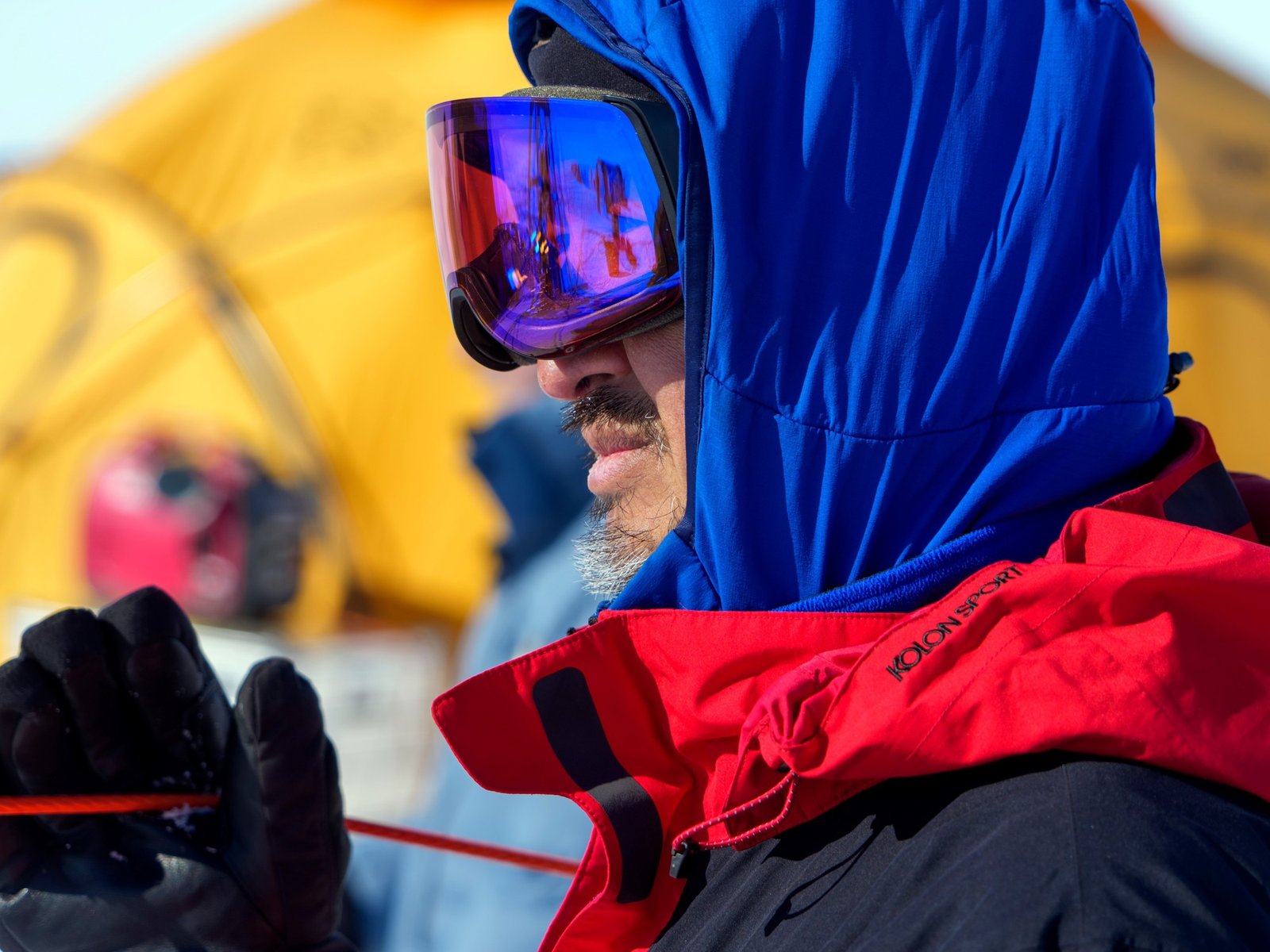
Won Sang Lee, científico jefe de la expedición, a bordo del buque de investigación Araon, 30 de enero de 2026. Un equipo de científicos, en una misión que llevaba años planificándose, viajó hasta los confines de la Tierra para averiguar por qué un glaciar del tamaño de Gran Bretaña se está derritiendo tan rápido. (Chang W. Lee/The New York Times)
La exploración antártica le atraía por la misma razón que la exploración espacial:
Difícil llegar allí, difícil realizar el trabajo.
Cada pizca de conocimiento se conseguía con mucho esfuerzo.
Advertisement
Dos siglos después de que el ser humano avistara por primera vez el continente helado, aún existían muchas zonas donde ningún hombre había puesto un pie ni ningún barco había navegado, incluyendo Thwaites.
Incluso después de 15 viajes a la Antártida, Lee ansiaba conquistar lo desconocido, ir a lugares y hacer cosas que otros no podían.
Cosas como perforar un glaciar que se derretía rápidamente.
Advertisement
Llevaba nueve años soñando con perforar el glaciar Thwaites, casi la mitad de su carrera como científico polar.
A principios de 2022, él y un equipo del British Antarctic Survey hicieron un primer intento, pero nunca lograron llegar al glaciar.
El denso hielo marino bloqueó el paso de su barco, el Araon.
Advertisement
Lee dirigió otras expediciones y viajó a otros glaciares.
Pero el Thwaites seguía llamándolo.
Pocas naciones habían destinado los recursos que Corea del Sur tenía para su estudio.
Advertisement
Lee estaba decidido a llevar a cabo este trabajo.
Quería demostrar que su país podía impulsar la ciencia polar a pesar de ser menos avanzado en este campo que Europa o Estados Unidos.
«Tenemos que darnos prisa porque llegamos tarde», afirmó.
Advertisement
En diciembre pasado, cuando él y su equipo estaban a pocas semanas de partir hacia la Antártida, recibió una noticia impactante:
su padre había fallecido.
El padre de Lee había sido barbero y un ferviente defensor del trabajo de su hijo.
Advertisement
«Sentía curiosidad por todo», comentó Lee.
De repente, tenía que organizar un funeral.
La idea de pasar ocho semanas en el fin del mundo le parecía absurda, incluso irresponsable.
Advertisement
Lo invadieron emociones que no lograba procesar del todo.
Arrepentimiento, por ejemplo.
Su padre le había preguntado a menudo sobre su investigación en la Antártida.
Advertisement
El buque de investigación Araon de la expedición permanece en medio del hielo marino mientras se delimita una zona segura antes de la extracción de muestras de hielo, en la Antártida, el 14 de enero de 2026. Un equipo de científicos, en una misión que llevaba años planificándose, viajó hasta el fin del mundo para averiguar por qué un glaciar del tamaño de Gran Bretaña se está derritiendo tan rápido. (Chang W. Lee/The New York Times)
¿Por qué no había compartido más con él, por qué no le había respondido con más paciencia?
Lee no estaba seguro de poder controlar sus sentimientos y, al mismo tiempo, liderar un equipo hacia Thwaites.
Pero su madre y su esposa le dijeron que sería un error quedarse en casa.
Creían que su padre habría querido que fuera.
Advertisement
El 24 de diciembre, Lee voló a Nueva Zelanda.
Tres días después, él y sus compañeros de equipo observaron desde a bordo del Araon cómo la civilización se reducía a un punto diminuto en el horizonte, a sus espaldas.
3.
Advertisement
Cuando el barco llegó a Thwaites la mañana del 8 de enero, el paisaje era una visión de belleza sobrenatural.
Equipo de perforación utilizado para alcanzar el agua de mar bajo el glaciar Thwaites en la Antártida, 30 de enero de 2026. Un equipo de científicos, en una misión que llevaba años planificándose, viajó hasta los confines de la Tierra para averiguar por qué un glaciar del tamaño de Gran Bretaña se está derritiendo tan rápido. (Chang W. Lee/The New York Times)
Los imponentes acantilados de hielo estaban bañados por un sol dorado y rodeaban al Araon por tres lados, como un abrazo.
El agua estaba milagrosamente libre de hielo marino, y el barco atracó frente al glaciar.
Por lo que Lee pudo comprobar, ningún otro barco había navegado jamás tan cerca del majestuoso frente de Thwaites.
Advertisement
Sin embargo, ya existía un problema.
Finas nubes persistentes cubrían la superficie del Thwaites, lo que hacía demasiado peligroso que los helicópteros del Araon aterrizaran en el hielo.
Día tras día, el equipo de perforación permaneció atrapado a bordo del barco, donde contaban con una cafetera decente, un pequeño gimnasio y parrilla coreana los sábados, pero pocas distracciones más.
Advertisement
Otros 30 científicos e ingenieros viajaban a bordo del Araon con los perforadores y aprovecharon la oportunidad para comenzar sus proyectos:
recolectar muestras del hielo marino, desplegar robots submarinos y sobrevolar Thwaites con un radar para escanear sus grietas y daños.
Como científico jefe de la expedición, Lee ayudó a decidir la ruta diaria del barco y qué proyectos de los equipos podían seguir adelante.
Advertisement
Pero la perforación era la máxima prioridad, y el Araon debía abandonar la Antártida a principios de febrero, independientemente de si los perforadores habían terminado su trabajo o no.
Lee ansiaba pisar el hielo, aunque poco podía hacer salvo consultar el tiempo y rezar para que el hielo marino no se moviera e impidiera que el barco volviera a navegar hasta Thwaites.
Consideraba que afeitarse durante las expediciones traía mala suerte, y su creciente desaliño se convirtió en una especie de señal del paso lento de los días.
Advertisement
Davis estaba decidido a no dejarse intimidar por los retrasos.
Taff Raymond (izquierda) y Won Sang Lee, científico jefe de la expedición, durante la instalación del campamento del equipo en el glaciar Thwaites, en la Antártida, el 19 de enero de 2026. Un equipo de científicos, en una misión que llevaba años planificándose, viajó hasta los confines de la Tierra para averiguar por qué un glaciar del tamaño de Gran Bretaña se está derritiendo tan rápido. (Chang W. Lee/The New York Times)
Won Sang Lee, científico jefe de la expedición, observa cómo se examina el agujero perforado en el glaciar Thwaites mediante una cámara conectada a un cable, en la Antártida, el 29 de enero de 2026. Un equipo de científicos, en una misión que llevaba años planificándose, viajó hasta el fin del mundo para averiguar por qué un glaciar del tamaño de Gran Bretaña se está derritiendo tan rápido. (Chang W. Lee/The New York Times)
Cañones formados por rupturas en el glaciar Thwaites en la Antártida, 16 de enero de 2026. Un equipo de científicos, en una misión que llevaba años planificándose, viajó hasta el fin del mundo para averiguar por qué un glaciar del tamaño de Gran Bretaña se está derritiendo tan rápido. (Chang W. Lee/The New York Times)
Imagen de un video que muestra un cable descendiendo unos 900 metros por un agujero perforado con agua caliente en el glaciar Thwaites, en la Antártida, enero de 2026. Un equipo de científicos, en una misión que llevaba años planificándose, viajó hasta los confines de la Tierra para averiguar por qué un glaciar del tamaño de Gran Bretaña se está derritiendo tan rápido. (Chang W. Lee/The New York Times)
Won Sang Lee, científico jefe de la expedición, a bordo del buque de investigación Araon, 30 de enero de 2026. Un equipo de científicos, en una misión que llevaba años planificándose, viajó hasta los confines de la Tierra para averiguar por qué un glaciar del tamaño de Gran Bretaña se está derritiendo tan rápido. (Chang W. Lee/The New York Times)
El buque de investigación Araon de la expedición permanece en medio del hielo marino mientras se delimita una zona segura antes de la extracción de muestras de hielo, en la Antártida, el 14 de enero de 2026. Un equipo de científicos, en una misión que llevaba años planificándose, viajó hasta el fin del mundo para averiguar por qué un glaciar del tamaño de Gran Bretaña se está derritiendo tan rápido. (Chang W. Lee/The New York Times)
Equipo de perforación utilizado para alcanzar el agua de mar bajo el glaciar Thwaites en la Antártida, 30 de enero de 2026. Un equipo de científicos, en una misión que llevaba años planificándose, viajó hasta los confines de la Tierra para averiguar por qué un glaciar del tamaño de Gran Bretaña se está derritiendo tan rápido. (Chang W. Lee/The New York Times)
Vista aérea desde un helicóptero del campamento de la expedición de investigación en el glaciar Thwaites, en la Antártida, el 19 de enero de 2026. Un equipo de científicos, en una misión que llevaba años planificándose, viajó hasta los confines de la Tierra para averiguar por qué un glaciar del tamaño de Gran Bretaña se está derritiendo tan rápidamente. (Chang W. Lee/The New York Times)
Taff Raymond (izquierda) y Won Sang Lee, científico jefe de la expedición, durante la instalación del campamento del equipo en el glaciar Thwaites, en la Antártida, el 19 de enero de 2026. Un equipo de científicos, en una misión que llevaba años planificándose, viajó hasta los confines de la Tierra para averiguar por qué un glaciar del tamaño de Gran Bretaña se está derritiendo tan rápido. (Chang W. Lee/The New York Times)
Con tan solo 38 años, estaba a cargo de preparar e instalar los instrumentos bajo la supervisión de Thwaites.
Todas las misiones polares tienen sus dificultades, comentó. La clave era no desanimarse.
«En el mejor trabajo de campo, uno simplemente avanza con sigilo y al final lo logra».
Advertisement
El 18 de enero, el cielo nos sonrió.
Las nubes se disiparon y, tras 24 horas y aproximadamente 40 vuelos, los pilotos de helicópteros lanzaron más de 17 toneladas de equipo, combustible y alimentos sobre el glaciar.
Mientras los científicos transportaban cajas y bolsas de lona a la plataforma de aterrizaje, Davis rebosaba de energía acumulada.
Advertisement
Lee se mostró más reservado.
El tiempo, admitió sin sonreír, «tenía mejor pinta de lo que pensábamos».
Un científico y dos guías fueron los primeros en sobrevolar el glaciar para inspeccionarlo en busca de grietas.
Advertisement
Delimitaron un área de dos campos de fútbol de largo y 45 metros de ancho, donde parecía seguro acampar y trabajar.
Horas después, los guías se encontraban al borde del sitio cuando oyeron un sonido similar a un trueno.
El hielo a su alrededor se estaba rompiendo.
Advertisement
Cada paso que los científicos daban más allá de los límites del campamento podría ser el último.
Sabían que era un riesgo que debían afrontar: esta parte del glaciar Thwaites se deslizaba hacia el mar a más de nueve metros por día, lo que provocaba que su superficie se estirara y se fracturara.
Pero, ¿era realmente necesario que el glaciar se lo recordara tan pronto y con tanta fuerza?
Advertisement
Los guías, nerviosos, estrecharon los límites.
4.
El equipo trabajó durante ocho días para transformar su trozo de blancura absoluta en un lugar de perforación, para reemplazar el silencio amortiguado del glaciar con el traqueteo y el zumbido de los generadores.
Advertisement
Una vez que amainaron los fuertes vientos, los ingenieros comenzaron a lanzar agua caliente a través de una larga manguera suspendida de una torre.
Con la pesada boquilla de latón de la manguera en su mano enguantada, un ingeniero trazó un pequeño círculo, derritiendo los primeros indicios de un agujero.
“¡Muy bien!”, exclamó.
Advertisement
La manguera comenzó a descender y, durante dos días, el equipo trabajó sin descanso para profundizar el pequeño agujero centímetro a centímetro.
En la segunda tarde de perforación, Lee se sentó en una caja de aluminio bajo la carpa azul que albergaba los controles.
Apuntó la cámara de su teléfono a una pequeña pantalla LED que mostraba la profundidad del agua en el fondo del agujero.
Advertisement
Cuando los números rojos descendieran, indicaría que la perforadora había derretido la base del hielo, provocando que el agua del agujero fluyera hacia el océano.
Lee quería capturar ese momento crucial.
Miró por la abertura de la tienda, hacia el brillante cielo despejado.
Advertisement
«Es un día perfecto para celebrar algo», dijo.
Junto a él estaba Keith Makinson, oceanógrafo e ingeniero de perforación, quien sonrió ante su comentario pero no respondió.
Esta fase de la misión estaba a cargo de Makinson y otros dos ingenieros, y aún tenía mucho en qué pensar antes de poder celebrar, empezando por el hecho de que el equipo estaba perforando prácticamente a ciegas.
Advertisement
El sensor que indicaba la profundidad a la que se encontraba la manguera dentro del agujero había dejado de dar lecturas fiables.
Ahora, los ingenieros solo podían calcular, contando las rotaciones de la rueda que guiaba la manguera, qué tan cerca estaban de perforar completamente el agujero.
Tras casi cuatro décadas perforando glaciares en la Antártida, Groenlandia y los Alpes, Makinson, de 59 años, estaba a punto de jubilarse y había acudido a Thwaites para un último trabajo, el más ambicioso de su carrera.
Advertisement
Además, el pronóstico meteorológico volvía a ser incierto, lo que significaba que debían terminar pronto para tener tiempo suficiente para transportar todo de vuelta al barco.
En las 42 horas transcurridas desde que la manguera empezó a funcionar a toda máquina, Makinson y los otros dos ingenieros perforadores apenas habían dormido.
Combatían la confusión mental con tazas de té Yorkshire preparado con nieve derretida.
Advertisement
Los demás dormían la siesta por turnos.
El momento crucial llegó sin previo aviso, debido al sensor averiado:
alrededor de las 16:20 del 30 de enero, los números rojos del LED cayeron repentinamente.
Advertisement
La manguera había perforado el fondo del hielo.
El portal del equipo al reino oscuro bajo Thwaites estaba abierto.
“¡Por fin!”, exclamó Lee. Soltó un profundo suspiro de alivio y luego sonrió de oreja a oreja.
Advertisement
Makinson aún no estaba listo para relajarse.
Él y los demás ingenieros debían volver a subir la manguera a la superficie mientras seguían bombeando agua caliente para evitar que el agujero se congelara de nuevo.
Después, bajarían una cámara mediante un cable para inspeccionar el agujero en busca de obstrucciones.
Advertisement
Luego, llegaría el momento culminante:
instalar los instrumentos que permanecerían bajo el glaciar.
Lee ya estaba pensando en el día que se avecinaba, el último de la misión.
Advertisement
Un poco de descanso, un poco de ciencia y luego —el equipo había traído whisky para brindar por la victoria— “Thwaites Bar”.
Se rió y le dio una palmada en la espalda a Makinson.
Makinson intentó mostrar algo de entusiasmo.
Advertisement
«Ya solo quedan unas pocas horas», dijo.
5.
Cuando la boquilla emergió del pozo ocho horas después, goteando y humeando en el aire frío, el tiempo volvió a correr.
Advertisement
A menos que el equipo volviera a introducir la manguera, el pozo se sellaría en dos días.
Era el turno de Davis de ponerse manos a la obra.
Antes de instalar el amarre que dejarían bajo Thwaites, estaba bajando un cable con un pequeño conjunto de sensores para tomar mediciones preliminares.
Advertisement
Se agachó en la nieve y accionó el cabrestante.
Bajo una tienda amarilla cercana, Yixi Zheng, una investigadora postdoctoral de 30 años, observaba en su computadora portátil cómo llegaban los datos.
Los dos científicos bajaron los sensores a través del agujero hasta el fondo marino antes de volver a subirlos.
Advertisement
Repitieron este proceso cinco veces, creando cinco perfiles detallados de la temperatura y la salinidad del agua bajo el glaciar, además de la velocidad de las corrientes.
Fueron los primeros datos de este tipo recopilados en esta zona de Thwaites, y demostraron que el agua que baña la parte inferior del glaciar era inusualmente turbulenta y cálida.
Davis entró apresuradamente en la tienda amarilla para mirar la pantalla de Zheng.
Advertisement
«Hay mucha actividad», dijo. «
Hay suficiente calor para provocar el derretimiento».
Incluso si no lograban nada más en Thwaites, estos datos por sí solos eran un «gran logro», dijo Zheng.
Advertisement
Eran las 6 de la mañana del 31 de enero, un nuevo día.
El campamento se había enfriado durante la noche, aunque aún no había oscurecido.
La temperatura era de -8,4 grados Celsius, unos 17 grados Fahrenheit.
Advertisement
Tras una semana y media de sol, nieve y viento, todos tenían la cara enrojecida y bronceada.
El plan original consistía en pasar ocho horas introduciendo la manguera de nuevo en el agujero para ensancharlo.
Pero, ante la falta de tiempo, el equipo decidió proceder directamente a desplegar el sistema de amarre principal:
Advertisement
29 instrumentos, tendidos a lo largo de más de 1150 metros de cable, todos conectados a una torre que transmitiría datos desde la superficie del glaciar.
La primera pieza que se introdujo en el agujero fue una cadena oxidada de casi 86 kilos.
Se enganchó al extremo inferior del cable y serviría de ancla, manteniendo los instrumentos estables en el agua bajo el hielo.
Advertisement
Mientras sus compañeros desenrollaban el cable, Davis y un ingeniero se arrodillaron en la superficie del agujero, conectando los instrumentos uno a uno al cable a medida que descendía.
Otro ingeniero supervisaba la carga —es decir, el peso que soportaba el cable— desde la carpa de control.
Era un trabajo lento y repetitivo.
Advertisement
El cable desaparecía por el agujero con una lentitud que parecía incomprensible, aunque en realidad avanzaba a unos 6 metros por minuto.
Las manos de Davis volaban mientras apretaba las abrazaderas y las bridas.
«No podría haber pedido mejor tiempo», dijo.
Advertisement
En un momento dado, un ingeniero notó que la lectura de carga había disminuido.
¿Se habrían atascado los instrumentos en algún punto del interior del agujero?
Poco probable, pensó Davis: las paredes no deberían ser tan estrechas. El equipo continuó.
Advertisement
Lee intentó animar a todos. «¡El bar Thwaites abrirá a las 5 de la tarde!», exclamó, sin obtener respuesta.
Un silencio sepulcral se había apoderado del hielo.
Poco después de la 1 de la tarde, el cable se desenrolló hasta alcanzar la longitud deseada por el equipo.
Advertisement
Era el momento para que Davis conectara los instrumentos y comprobara su ubicación.
Se arrodilló en la nieve y se quedó mirando la pantalla de su ordenador portátil.
Casi todos los sensores se encontraban a la misma profundidad en el agujero, aproximadamente a tres cuartas partes de su longitud a través del glaciar.
Advertisement
Ninguno estaba en el océano.
Algo impedía que los instrumentos descendieran más, y probablemente llevaba así un tiempo.
El resto del cable simplemente se había acumulado encima.
Advertisement
“Creo que la realidad es que casi con toda seguridad estamos atrapados”, dijo Makinson, el ingeniero de perforación, en voz baja.
Davis miraba fijamente a lo lejos, con la boca abierta.
Sabía que la investigación polar era arriesgada. Sin embargo, hasta el momento, nunca había conocido el fracaso. El pensamiento no dejaba de resonar en su cabeza: habían llegado tan lejos. Estaban tan cerca del triunfo. No podía terminar así.
Advertisement
Sin embargo, hasta el momento, nunca había conocido el fracaso.
El pensamiento no dejaba de resonar en su cabeza:
habían llegado tan lejos. Estaban tan cerca del triunfo.
Advertisement
Los ingenieros intentaron rebobinar el cable, pero no subió mucho.
Podrían intentar acelerar el motor para forcejear con el glaciar, pero entonces toda la estructura podría derrumbarse.
Alguien podría resultar herido.
Advertisement
Davis se volvió hacia Lee. Era su equipo, su expedición.
“Won Sang, ¿cuál es tu preferencia?”
Lee no había dicho mucho mientras el trabajo del equipo se desmoronaba.
Advertisement
Ahora, el final se hacía evidente.
—Detente —dijo—. Déjalo ahí.
Zheng sugirió que tal vez podrían perforar otro agujero para recuperar los instrumentos.
Advertisement
—No tenemos agua —dijo Lee, interrumpiéndola.
Había dureza en su voz. Para obtener más agua caliente para la perforación, tendrían que derretir más nieve, y eso significaría horas de palear, horas que no tenían.
Zheng insistió. Quizás podrían retrasar su regreso al barco.
Advertisement
El científico jefe lo había decidido.
La misión había terminado.
6.
Advertisement
Tardaron otros dos días en empacar todo y llevarlo de vuelta al Araon.
Cuando Lee bajó del helicóptero, se emocionó profundamente. Después de todo lo que él y sus compañeros habían pasado, habían regresado sanos y salvos, y por eso estaba agradecido. Le hizo sentir que alguien allá afuera los protegía: su padre.
Después de todo lo que él y sus compañeros habían pasado, habían regresado sanos y salvos, y por eso estaba agradecido.
Advertisement
Le hizo sentir que alguien allá afuera los protegía: su padre.
Durante todo el viaje había intentado no pensar en su padre.
Ahora, de repente, lo único que deseaba era compartir ese momento con él.
Advertisement
Se apoyó contra la pared del hangar de helicópteros y lloró.
El Araon permaneció en Thwaites durante otra semana mientras los demás científicos finalizaban su trabajo.
El equipo de radar logró escanear el hielo más arriba del glaciar de lo que nadie había hecho jamás con un helicóptero.
Advertisement
Otro equipo utilizó una máquina de su propia invención para recopilar los primeros datos submarinos detallados de una zona de Thwaites que se había deteriorado hasta convertirse en una sucesión de bloques gigantes, cada uno de 30 metros de altura y 1,6 kilómetros de ancho.
Los miembros del equipo de perforación no pudieron evitar preguntarse qué habría pasado si hubieran podido pasar uno o dos días más (o cuatro) en el glaciar.
Según Makinson, los ingenieros sin duda habrían ensanchado el pozo antes de bajar el amarre.
Advertisement
Se saltaron ese paso y, como consecuencia, el pozo se volvió a congelar parcialmente, quizás incluso lo suficiente como para impedir el paso de una parte clave del amarre.
¡La cadena! La cadena oxidada al final del cable.
Pero tal vez era lo suficientemente voluminosa como para atascarse.
Advertisement
Eso también explicaría por qué la lectura de carga de los ingenieros había disminuido.
Thwaites había agarrado la cadena con sus mordazas.
Makinson se había resignado a ello.
Advertisement
«Me siento orgulloso de lo que hemos logrado», dijo, refiriéndose a los datos pioneros que Davis y Zheng recopilaron y al agujero que los ingenieros perforaron.
Con casi exactamente 1000 metros, o 3280 pies, era el más profundo jamás perforado en el extremo flotante de un glaciar.
No era una mala manera, pensó Makinson, de culminar una carrera.
Advertisement
En cuanto al amarre atrapado, bueno, él ya había lidiado con contratiempos en el hielo.
Dos semanas después de regresar del glaciar, al joven científico aún le costaba superar las emociones de aquel día.
El estrés acumulado y la tensión mental.
Advertisement
El golpe de euforia por haber logrado asegurar el amarre, seguido de la decepción instantánea al darse cuenta de que no lo habían conseguido.
Esos sentimientos probablemente eclipsarían sus recuerdos más felices del viaje durante un tiempo, comentó.
Lo único que podían hacer ahora era esperar que, a medida que el calentamiento del océano erosionara la base del hielo, los instrumentos varados algún día se descongelaran, cayeran al mar y comenzaran a recopilar datos, liberados por los mismos procesos que estaban destruyendo el glaciar.
Advertisement
Con sus colegas, Lee se mostraba optimista de que los instrumentos saldrían de lo que él llamaba «hibernación«, aunque en privado no estaba tan seguro.
Como líder, sentía que debía mantener una actitud positiva para motivar a su equipo.
Pero perder el rumbo también le había afectado.
Advertisement
Tras regresar al barco desde el glaciar, había roto su propia regla y se había afeitado.
Esta vez, el aspecto desaliñado no le había servido de mucho.
«No quiero volver a fracasar en el futuro», dijo.
Advertisement
Lee ya estaba pensando en volver a perforar en Thwaites, probablemente dentro de cuatro años.
El glaciar no se estaba volviendo más seguro ni más accesible.
Cada vez más hielo perdía su agarre sobre la roca madre y se desmoronaba.
Advertisement
Poco podía hacer al respecto, y también ante el clima adverso.
Pero durante las dos semanas que pasaron en el glaciar, él y sus colegas habían demostrado que podían con casi todo lo demás.
Esto, pensó, era razón suficiente para intentarlo de nuevo.
Advertisement
Lee había aprendido hacía mucho tiempo sobre la ciencia polar que el fracaso era parte del proceso.
Lo que más satisfacción le producía como investigador, según él, era ver «progreso en cada paso».
Incluso sus fracasos no eran verdaderos fracasos, siempre y cuando lo impulsaran hacia adelante.
Advertisement
Pero no siempre era fácil comunicar esto, ni a los funcionarios gubernamentales ni al público.
Lee se arrepentía de no haberle contado más sobre su trabajo. Si tuviera la oportunidad, ¿qué le contaría ahora sobre lo sucedido en Thwaites?
Pensó un momento y luego sonrió.
Advertisement
Se dio cuenta de que su padre ya conocía la historia de aquella expedición.
Era una historia familiar de su infancia en las montañas de los alrededores de Seúl:
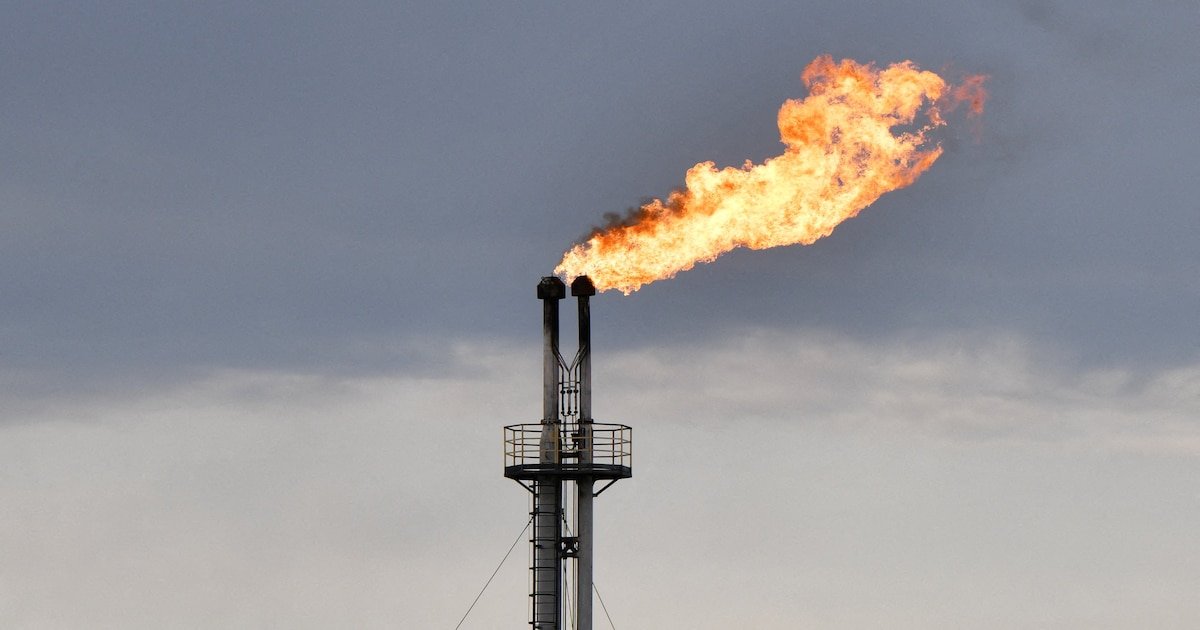
Vista de una antorcha en la instalación de estabilización de petróleo (REUTERS/Alexander Manzyuk/Archivo)
07 Ago, 2026 02:48 a. m. EST
El precio del petróleo subió este viernes en medio de nuevas preocupaciones por la apertura del estrecho de Ormuz, luego de que Irán, en coordinación con Omán, propusiera prohibir el paso de buques considerados hostiles y aplicar fuertes multas a quienes violen las reglas propuestas. El régimen persa mantiene un cierre de facto de la vía marítima estratégica desde el 28 de febrero de 2026.
Advertisement
Los futuros del crudo Brent, de referencia europea,ascendieron 80 centavos, o 0,97%, hasta 83,29 dólares el barril, mientras que el West Texas Intermediate (WTI) de Estados Unidos subió 64 centavos, o 0,83%, hasta 77,93 dólares.
El jueves, los futuros del petróleo cerraron con un alza superior a los 3 dólares por barril después de que Irán analizara un proyecto de ley para prohibir el paso de buques estadounidenses e israelíes por el estrecho de Ormuz, canal donde transitaba cerca de una quinta parte del petróleo y gas natural licuado mundial antes del inicio de la guerra en Medio Oriente a fines de febrero.
Los precios habían caído a principios de semana ante la posibilidad de una solución al conflicto, pero el Brent superó los 80 dólares el jueves tras haber caído por debajo de ese umbral por primera vez desde el 13 de julio. Ambos referenciales se encaminan a cerrar la semana con una caída cercana al 8%.
Advertisement
Embarcaciones en el estrecho de Ormuz, cerca de la playa de Bandar Abbas (Irán), el 27 de julio de 2026 (Razieh Poudat/ISNA/vía WANA/vía REUTERS)
Las tensiones entre Irán y Estados Unidos mantienen la atención del mercado energético tras la presentación de un borrador de plan iraní que propone restringir el tránsito por el estrecho de Ormuz.
Analistas coinciden en que las hostilidades entre ambos países persisten.Lin Ye, vicepresidente de mercados de materias primas y petróleo en Rystad Energy, explicó que la reciente reacción de los precios del petróleo está vinculada a la difusión del plan iraní. “El detonante inmediato es más específico, está reaccionando al plan publicado por Irán para las condiciones de tránsito en Ormuz, que prohibiría buques estadounidenses e israelíes y exigiría a otros países ‘hostiles’ pagar compensaciones antes del paso”, declaró Ye en diálogo con Reuters. El ejecutivo remarcó: “Eso no es el mercado descontando un mal acuerdo, es la confirmación de que lo que surja será un corredor gestionado o condicional, no una restauración del flujo normal”.
Un legislador iraní informó que una comisión parlamentaria evalúa un proyecto preliminar que prohíbe el tránsito de barcos estadounidenses, israelíes y de otras naciones consideradas hostiles por el Parlamento de Irán. Este proyecto prevé multas de hasta el 20% del valor de la carga para quienes violen estas restricciones, informó la agencia Fars.
Según un alto funcionario iraní, Irán aspira a cobrar tarifas de entre el 5% y el 7% del precio de las cargas a los buques que utilicen el estrecho. Por su parte, Omán discute fijar tarifas cercanas al 3%, mientras que Washington rechaza cualquier tipo de cobro. Cuatro fuentes del sector consultadas por Reuters advirtieron que el acuerdo propuesto enfrenta dificultades de implementación debido a las sanciones de Estados Unidos y a las cláusulas restrictivas de seguros sobre cualquier pago.
Advertisement
Una imagen muestra un manómetro cerca de las bombas de extracción de petróleo (REUTERS)
Vandana Hari, fundadora de la consultora Vanda Insights, afirmó que “las señales de esta semana sobre un posible acuerdo de tránsito Irán-Omán han causado oscilaciones en la percepción del mercado, pero hasta ahora dejan sin claridad qué condiciones se necesitan para concretar el entendimiento”.
En paralelo, los hutíes de Yemen informaron sobre ataques con misiles y drones contra “despliegues sauditas” en las regiones de Marib y Hadramout, según reportó Reuters. El presidente de Estados Unidos, Donald Trump, declaró el jueves ante periodistas que considera que “la guerra terminará pronto”.
U.S. Senator Marsha Blackburn, R-Tenn., cruised to victory in a GOP primary on Thursday evening in a race to replace outgoing Tennessee Gov. Bill Lee.
Advertisement
With the nomination in tow, Blackburn is likely to become the next governor in the Volunteer State — a state that hasn’t elected a Democrat to its top executive role since 2006.
Lee, who has served in the role since 2019, is term-limited and cannot seek re-election. He last won reelection in a 64.9% to 32.9% victory over Democratic challenger Jason Martin, a businessman and doctor.
DEMS RALLY AROUND BEST HOPE TO DEFEND GOVERNOR’S MANSION FROM GOP TAKEOVER
Advertisement
Republican Sen. Marsha Blackburn of Tennessee is running for governor in the 2026 race to succeed term-limited GOP Gov. Bill Lee.(Joe Raedle/Getty Images)
Notably, Lee did not endorse anyone in the three-way Republican race for the 2026 nomination but noted that he had a close relationship with Blackburn when she announced her candidacy.
«I’ve been friends with Marsha for a long time, and she served as my congressman and representative in the General Assembly. I’m proud we have really good people running for governor in this state,» Lee told local outlets.
Advertisement
Blackburn, for her own part, promised to continue focusing on issues that Republicans have made centerpieces to the GOP platform in Washington, D.C.
She highlighted immigration as one such issue.
«As governor, I’ll deport illegals, stop the flow of drugs and drug money. We will crack down on Cartels, restrict cash transfers to drug havens and hit criminals and illegals where it hurts — in their wallets,» Blackburn said in a campaign video.
Advertisement
Blackburn also promised to prevent China from buying up Tennessee land, punctuating her commitment with a viral ad where she crushed a fortune cookie.
«It doesn’t take a fortune cookie to figure it out. Here in Tennessee we’re going to stop communist China and protect Tennessee land,» she remarked.
President Donald Trump also did not issue an endorsement in the race, saying that he had ties to one of Blackburn’s challengers: Rep. John Rose, R-Tenn.
Advertisement
TRUMP MAY HAVE ENDORSED DARLINE GRAHAM, BUT GOP SENATE HOPEFULS AREN’T BACKING DOWN
Sen. Marsha Blackburn walks out of the Senate Chambers during a vote at the U.S. Capitol Building in Washington, D.C., on October 27.(Anna Moneymaker/Getty Images)
Rose, an 8th-generation farmer and the millionaire founder of Transcender Corp., an IT certification company, has served in the Tennessee legislature since 2019. In his gubernatorial campaign, he pitched himself as a homegrown candidate focused on local solutions to local problems.
«I know that anything is achievable in Tennessee because I have lived it. Now, I’m asking for you to give me the chance to bring opportunity to all Tennesseans,» Rose said in a campaign video.
Advertisement
On his website, Rose highlighted five key areas of focus, including education, infrastructure, healthcare, energy and economic and community development.
A third candidate, State Rep. Monty Fritts, had run on a more aggressive, small-government platform.
«My number one priority is leaving more money in your pockets, in your purses and in your country bankrolls rather than sending it to Nashville,» Fritts said in a campaign video.
Advertisement
On his website, Fritts touted positions like shrinking the size of Tennessee’s budget, protecting citizen rights against encroaching government power and increasing parent input in education.
Fritts attracted controversy earlier this year when, as part of his campaign, he called for a ban on mosques and other «pagan religions.»
5 MEXICAN CARTEL BOSSES CHARGED IN WEAPONS, DRUG TRAFFICKING, TIMESHARE FRAUD SCHEMES, DOJ SAYS
Advertisement
State Capitol Building Nashville Tennessee USA. (Photo by: Andrew Woodley/Universal Images Group via Getty Images)(Andrew Woodley/Universal Images Group via Getty Images)
«Islam is a little different story than perhaps other religions are, in that it’s not necessarily a religion; it’s a political movement,» Fritts said. «It’s that movement that, if you don’t submit, perhaps you are executed. I feel that Islam is incongruent with both our U.S. and Tennessee Constitution,» Fritts told local outlets.
Having cleared the primary, Blackburn will run in the state’s general election on Nov. 3 against her Democratic opponent, Memphis City Councilwoman and Chief Public Defender Jerri Green.
Advertisement
Leo Briceno is a politics reporter for the congressional team at Fox News Digital. He was previously a reporter with World Magazine.
Italia puso en máxima alerta por calor a todas sus principales ciudades el jueves, mientras una sofocante ola de calor se apoderaba de Europa, establecía un récord nacional de temperatura en Austria, avivaba incendios forestales en Francia y alteraba los sistemas de energía y transporte en todo el continente.
El clima extremo ha elevado las temperaturas por encima de los 40º en varios países, lo que derivó en advertencias sanitarias para millones de personas. Científicos y autoridades advierten que estos fenómenos se están volviendo más frecuentes e intensos a medida que el clima se calienta.
Advertisement
La actual ola de calor ha expuesto vulnerabilidades en los sistemas de salud pública, en la generación de energía, en las redes de transporte y la infraestructura turística, lo que obliga a gobiernos y empresas a adaptarse a periodos más frecuentes de clima extremo.
El calor obliga a Italia a declarar alerta
El Ministerio de Salud de Italia puso en alerta roja el jueves a las 27 ciudades monitoreadas por su sistema nacional de vigilancia del calor. Es la primera vez este año que toda la red queda simultáneamente bajo el nivel de advertencia más alto.
Advertisement
Las alertas se extienden desde Trieste, en el noreste, hasta Palermo, en Sicilia, e indican un riesgo para la salud de toda la población, no solo de grupos vulnerables como los adultos mayores y las personas con enfermedades crónicas.
Las autoridades instaron a residentes y turistas a evitar la luz solar directa durante las horas más calurosas del día, a permanecer en espacios interiores siempre que sea posible y beber mucha agua.
Varias personas caminan sobre un banco de arena bajo el puente Margarita del Danubio, en el centro de Budapest, Hungría. Foto AP
El calor también ha obligado a realizar ajustes en las visitas a monumentos. Los ministerios de Turismo y Cultura ampliaron los horarios de apertura nocturnos para sitios como el Coliseo y el Panteón de Roma.
Advertisement
En Italia: Ventiladores y “playa urbana” para refrescar a la gente
Además, se han instalado ventiladores con bruma refrescante en las entradas del Coliseo y se han habilitado puntos de atención médica adicionales.
Roma también introdujo otra respuesta inusual a la emergencia por calor: una “playa urbana” municipal gratuita a lo largo del río Tíber en el barrio Marconi, donde los residentes pueden refrescarse en piscinas, fuentes de agua y zonas de sombra.
Advertisement
El sitio, conocido como Tiberis, se ha convertido en un refugio para familias y niños que buscan alivio de las temperaturas. Los residentes elogiaron la iniciativa, diciendo que les permitió sobrellevar mejor el calor y ofreció una rara oportunidad de escapar del asfalto y el concreto abrasadores de la ciudad.
“Es excelente, es una gran iniciativa. Hicieron lo correcto, especialmente con días tan calurosos es importante refrescarse con agua, especialmente para los niños”, expresó Claudio Rocchi, un residente romano.
Austria y Eslovaquia baten récords nacionales de temperatura
Advertisement
Más tarde el jueves, Eslovaquia registró otro máximo histórico de temperatura. El nuevo récord, establecido en Dolne Plachtince, en el sur, fue de 42,2º C (108º F), informó el Instituto Meteorológico Eslovaco.
En Eslovaquia, los bajos niveles de agua en el Danubio obligaron a la mayor central hidroeléctrica del país, en Gabčíkovo, a apagar siete de sus ocho turbinas, informó la agencia de noticias TASR.
En lo que va del año, la central produjo 15% menos electricidad que hace un año debido a la falta de agua en el río.
Advertisement
Las autoridades registraron el caudal más bajo de agua en el Danubio para julio del que se tenga registro, informó la Academia de Ciencias.
Una persona intenta refrescarse en una fuente de Lviv, al oeste de Ucrania, en una jornada marcada por las altas temperaturas. Foto EFE
También se registró una temperatura máxima histórica de 41,2º C (106,2º F) en Austria el miércoles en el pueblo de Bad Deutsch-Altenburg, cerca de la frontera con Eslovaquia, según GeoSphere Austria.
Austria también enfrenta una sequía severa. Las precipitaciones entre el 1 de enero y el 30 de junio estuvieron un 27% por debajo del promedio de largo plazo a nivel nacional, mientras que algunas regiones orientales recibieron solo la mitad de sus precipitaciones habituales.
El climatólogo Alexander Orlik indicó que algunas partes del país no habían experimentado condiciones tan secas desde 1885.
Advertisement
Hungría reduce el uso de energía mientras la sequía afecta a central nuclear
En Hungría, la prolongada sequía y el mínimo histórico en el cauce del río Danubio han afectado gravemente a la única central nuclear del país, que depende del agua del río para enfriar sus reactores.
Los operadores de la planta han reducido la producción a alrededor del 10% de lo normal, lo que llevó al gobierno a introducir medidas de conservación de emergencia mientras una ola de calor récord azota al país.
Advertisement
Las autoridades han pedido a los grandes usuarios industriales y a los hogares que reduzcan el consumo de electricidad, en particular durante las horas de máxima demanda entre las 5 p.m.y las 10 p.m. Se prohibió la circulación de trenes de carga durante ese horario, mientras que se apagó la iluminación decorativa de monumentos en Budapest.
Varias grandes empresas — entre ellas la energética Mol, la farmacéutica Gedeon Richter y las automotrices Suzuki, Mercedes-Benz, Audi y BMW — han anunciado planes para recortar el uso de electricidad.
El gobierno también canceló las sesiones parlamentarias esta semana en un esfuerzo por ahorrar energía.
Advertisement
La ola de calor ha pulverizado récords de temperatura en todo el país. Budapest registró el miércoles por la noche su mínima nocturna más alta de la que hay registros, con valores que solo bajaron a 28º Celsius (82º Fahrenheit), lo que subraya la persistencia del calor extremo.
Alemania se preocupa por el caudal de los ríos
Alemania enfrenta una creciente preocupación por el impacto de la sequía en el transporte y la industria, mientras el nivel de agua en el Rin y otros ríos seguía bajando.
Advertisement
El ministro de Transporte, Steffen Bilger, se reunió el jueves con organizaciones afectadas y advirtió que los bajos niveles de agua planteaban grandes desafíos para el transporte fluvial interior, la industria y la cadena logística en general.
La conocida como «Hungerstein» (piedra del hambre), un hito hidrológico de 1857, es visible en el río Rin durante el bajo nivel del agua en Worms, Alemania. Foto EFE
El grupo ambiental BUND instó a las autoridades a no centrarse únicamente en los impactos económicos, sino también en hacer que los ríos sean más resilientes al cambio climático, reteniendo más agua en los paisajes y reduciendo las extracciones durante periodos de sequía.
Francia se mantiene en máxima alerta por incendios forestales
En el sureste de Francia, los bomberos mantuvieron una amplia presencia en la región de Var después de que las autoridades señalaran que un gran incendio forestal en la zona ya no avanzaba, pero aún podría reavivarse.
Advertisement
El fuego, que comenzó el 20 de julio, ha quemado más de 60 kilómetros cuadrados (23 millas cuadradas), lo que lo convierte en el mayor en la región en las últimas décadas.
Las autoridades advirtieron que los fuertes vientos y las condiciones extremadamente secas dejaban al sureste de Francia en un riesgo muy alto de más incendios forestales.
Las temperaturas bajaron en Inglaterra, pero el impacto del julio más seco del que se tenga registro quedó en evidencia cuando un incendio de pastizales cerró temporalmente la pista sur del Aeropuerto de Heathrow, en Londres, el jueves.
Advertisement
Los Balcanes combaten los incendios y la sequía
La ola de calor alcanzó su punto máximo en los Balcanes el jueves, cuando las temperaturas se acercaron a los 40º C (104º F) y las autoridades combatían la sequía y los incendios forestales.
En Serbia, los bomberos tuvieron dificultades para contener varios fuegos tras días de clima seco. Un gran incendio arrasó bosques de pinos al oeste de Belgrado, mientras que otro se propagó cerca de la ciudad central de Kraljevo, donde el terreno difícil complicó las labores de extinción.
Advertisement
En la vecina Croacia, turistas en Dubrovnik buscaron refugio en la sombra y evitaron las playas durante las horas más calurosas del día, mientras las temperaturas se disparaban a lo largo de la costa adriática.
















 POLITICA2 días ago