INTERNACIONAL
El piloto indio de Flydubai contó cómo sobrevivió al ataque de su copiloto durante el vuelo a Israel

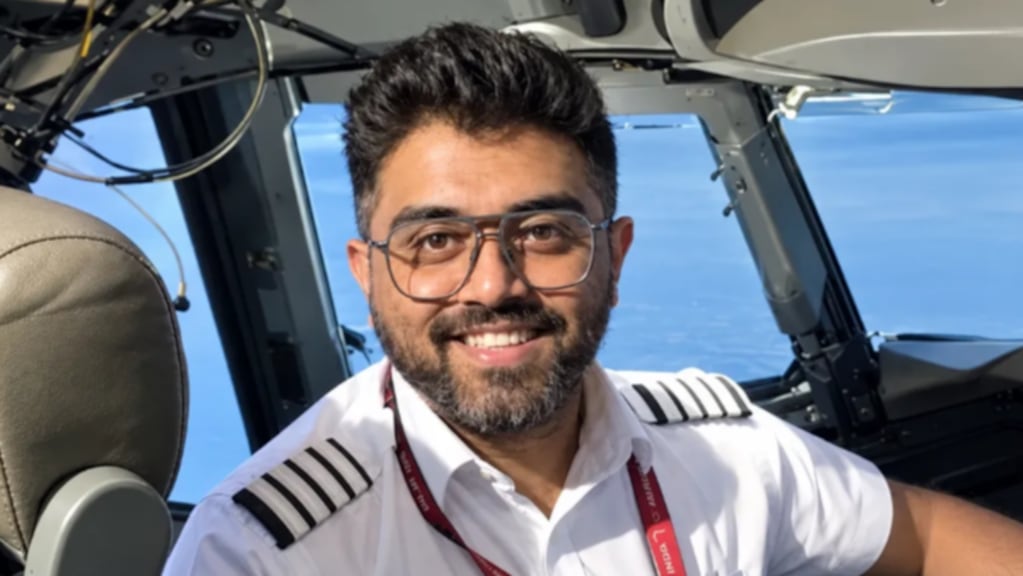
El piloto indio Smit Machchhar se convirtió en protagonista de una dramática situación a bordo de un vuelo de flydubai entre Dubái y Tel Aviv, cuando fue atacado en pleno vuelo por su copiloto, que buscaba estrellar el avión. A pesar de las heridas sufridas, Machchhar aseguró que actuó para proteger la vida de los 174 pasajeros que viajaban en la aeronave.
Desde su cama de hospital, Machchhar le contó al primer ministro de India, Narendra Modi, cómo vivió el momento crítico. “Estaba intentando salvar mi propia vida, pero sabía que no podía permitir que toda esa gente muriera”, afirmó el piloto en una llamada que fue difundida por Modi en redes sociales
A pesar de recibir varias puñaladas y caer al suelo de la cabina, Machchhar se levantó y abrió la puerta para que los pasajeros pudieran ingresar y reducir al agresor, evitando así una tragedia.
El incidente ocurrió el miércoles, cuando el copiloto atacó a Machchhar, lo que desató una lucha por el control de la aeronave, un Boeing 737. El comandante, con 17 años de experiencia en la aviación y 11 como piloto al mando, recordó que, aun herido, notó que el avión perdía altitud.
“Había sufrido tantas heridas que me desplomé. En ese momento podía sentir que el avión estaba bajando. Sabía que era el último esfuerzo, que la puerta estaba allí mismo”, explicó Machchhar.
“Me seguía golpeando, pero simplemente abrí la puerta y todos entraron”, agregó sobre el momento en que los pasajeros irrumpieron en la cabina y lograron reducir al atacante, un ciudadano omaní que fue detenido en Arabia Saudita.
El dramático aterrizaje de emergencia y la reacción internacional
Tras la pelea en la cabina, el avión perdió cerca de 5200 metros de altitud en un minuto, según datos de Flightradar24. La rápida reacción permitió desviar el vuelo y realizar un aterrizaje de emergencia en Arabia Saudita.
El avión, que transportaba a 182 personas, desvió su ruta y aterrizó de emergencia en Tabuk, en el noroeste de Arabia Saudita. El primer ministro indio, Narendra Modi, calificó al comandante de “héroe” y destacó que su intervención evitó “un desastre como el 11 de septiembre”.
Durante el ataque, Machchhar recitó el Hanuman Chalisa, un himno hindú dedicado a la deidad mono Hanuman, y aseguró que “el señor Hanuman me dio valor”.
El piloto permanece internado en Abu Dabi, donde continúa su recuperación, tras haber recibido atención inicial en Arabia Saudita.
El odontólogo Shota Musaev, uno de los pasajeros que lo asistió, afirmó que el piloto sufrió una “pérdida masiva de sangre” y heridas graves.
Machchhar contó que una de sus hijas lo visitó en el hospital y se asustó al verlo con la cabeza vendada y tubos en la nariz, mientras que su hijo menor, de dos años, aún no pudo verlo.
La trayectoria de Smit Machchhar y el reconocimiento de India
Machchhar trabaja en Flydubai desde hace casi cuatro años y antes integró durante 11 años la aerolínea india SpiceJet, donde fue comandante superior y capitán instructor de línea, acumulando más de 9.750 horas de vuelo.
Nacido en una familia vinculada al sector textil en Mumbai, contó que inicialmente no soñaba con ser piloto y que se inscribió en ingeniería textil antes de dedicarse a la aviación.
En la videollamada con Modi, Machchhar se mostró emocionado: “Ahora que me ha llamado, estoy realmente muy orgulloso de mí mismo. No estaba orgulloso antes de esto, pero ahora sí”, afirmó.
El primer ministro indio, Narendra Modi, elogió públicamente la valentía de su compatriota: “Ante el peligro más grave y a pesar de estar gravemente herido, mostró un inmenso coraje y una resolución inquebrantable para proteger la vida de los demás. Su valentía ayudó a salvar cientos de vidas y a evitar una gran tragedia”. Además, expresó sus deseos de pronta recuperación para el piloto.
“El valor de Smit llena de orgullo a todos los indios”, dijo Modi.
En una publicación en X, la aerolínea SpiceJet elogió el “valor heroico” de Machchhar y sus “acciones desinteresadas”. “Sos un héroe para todos nosotros, capitán”, escribió la aerolínea.
Mientras tanto, las autoridades continúan investigando los motivos detrás del ataque del copiloto, que fue calificado por Israel de ataque terrorista.
Israel, avion, Flydubai, ataque, arabia saudita










INTERNACIONAL
Nueva Ley de Vivienda en Cuba: qué deben hacer los propietarios que viven fuera del país
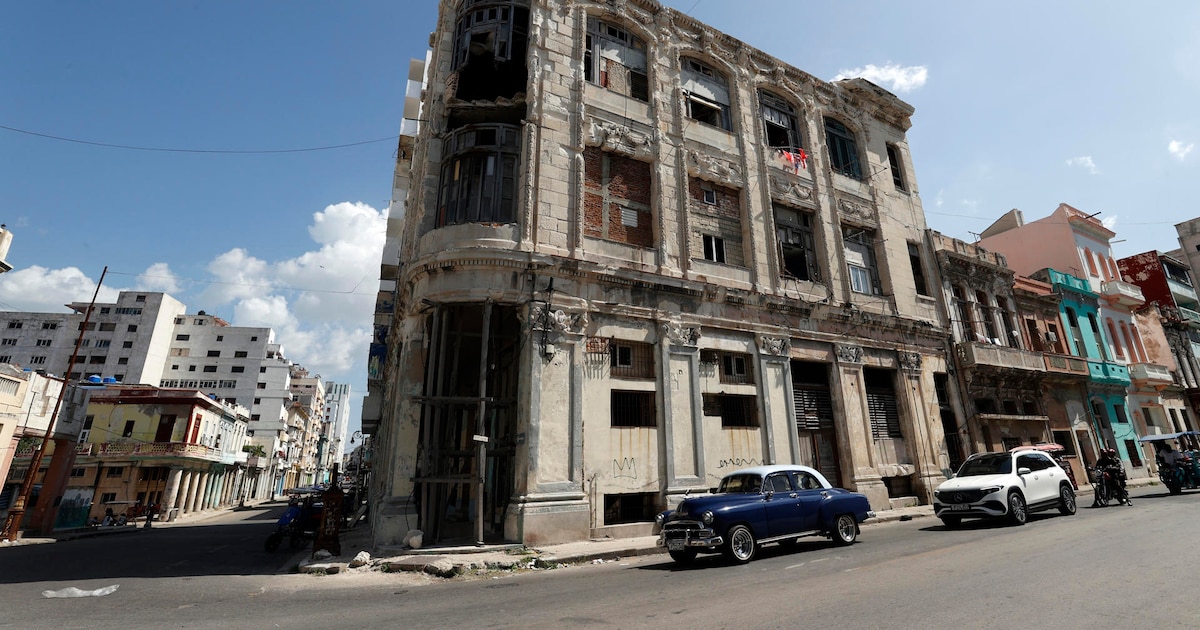
Los propietarios cubanos que residen fuera del país ya no perderán de forma automática una vivienda por haber emigrado. La Ley 187 de Vivienda, que entra en vigor este miércoles 21 de octubre, mantiene sus derechos sobre los inmuebles, aunque les impone deberes de representación, conservación, registro y pago de tributos.
La norma reemplaza a la Ley General de la Vivienda vigente desde 1988. La Asamblea Nacional del Poder Popular la aprobó el 30 de julio y la Gaceta Oficial número 86 la publicó el 14 de octubre junto con decretos reglamentarios y resoluciones vinculadas al catastro.
Una persona natural podrá tener hasta dos viviendas y conservar una tercera destinada a vacaciones o descanso si esa condición figura de forma expresa en sus documentos legales. La ley también prohíbe pagar en efectivo las compraventas, establece obligaciones para las propiedades desocupadas y modifica las reglas para emigrados, herederos, ocupantes y familias en situación de vulnerabilidad, según Periódico Cubano.
Los emigrados conservan sus viviendas, pero deben cumplir nuevas obligaciones
La salida definitiva de Cuba deja de ser, por sí sola, una causa para perder la propiedad de una casa. El cambio alcanza a quienes viven en el exterior y mantienen inmuebles dentro de la isla.

El artículo 139.3 dispone que los dueños ausentes deberán designar a una persona que los represente ante emergencias, trámites administrativos y procesos judiciales relacionados con la vivienda.
La disposición no establece un plazo mínimo de ausencia para activar esta obligación.
El hecho de que una vivienda permanezca cerrada tampoco basta para que su propietario pierda el inmueble. La ley exige condiciones adicionales y una decisión de los tribunales.
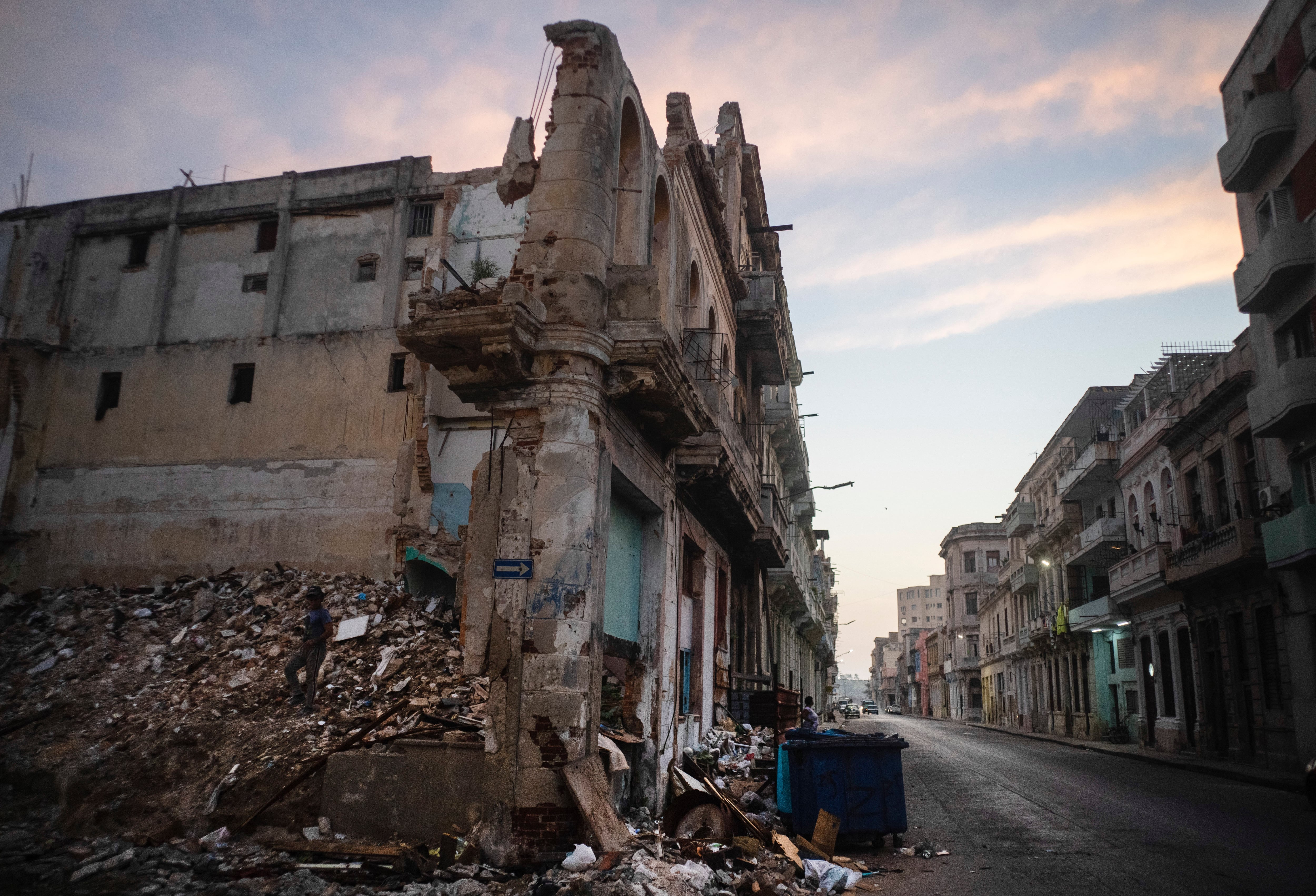
El artículo 141 permite que las autoridades municipales soliciten la pérdida de la propiedad cuando la casa sea declarada en ruinas por abandono y el dueño no adopte medidas para recuperarla. La pérdida del inmueble requiere una decisión judicial.
La norma incorpora también reglas para familiares que siguieron viviendo en casas cuyos titulares habían sido declarados emigrados bajo disposiciones anteriores. Los cónyuges, exparejas y determinados familiares podrán solicitar el reconocimiento de derechos si cumplen los requisitos de convivencia y no poseen otra vivienda.
Esa posibilidad no supone la devolución automática de inmuebles que fueron confiscados o perdidos bajo el régimen legal anterior. Tampoco convierte en propietario a cualquier pariente que permanezca en la casa.
La ley permite hasta dos viviendas y una residencia de descanso
Las personas naturales podrán ser propietarias de dos casas. Además, podrán conservar una tercera vivienda cuando esté destinada a vacaciones o descanso y cuente con esa clasificación en la documentación correspondiente.
La autorización no habilita una acumulación ilimitada de inmuebles. Las autoridades podrán iniciar una investigación administrativa si detectan que un propietario superó el límite previsto.
Si se confirma la infracción, la Dirección Municipal de la Vivienda podrá disponer la pérdida de la última propiedad adquirida. Esa medida aparece regulada en el artículo 4.
Las vías para obtener una vivienda incluyen la compraventa, las donaciones, las permutas y las sucesiones hereditarias. La nueva regulación también establece disposiciones para los inmuebles usados como segunda residencia.
La clasificación de esas casas puede cambiar de acuerdo con las circunstancias en que se produzca una transmisión. Por esa razón, la situación registral y documental de cada inmueble tendrá efectos sobre las operaciones futuras, de acuerdo con Periódico Cubano.
Las compraventas deberán formalizarse ante notario y sin efectivo
Los artículos 89 y 90 obligan a que las compraventas se realicen ante notario. El pago del precio no podrá hacerse en efectivo.
Las partes deberán utilizar instrumentos bancarios u otros mecanismos admitidos por la legislación. El efectivo queda excluido de las operaciones de compraventa.
El vendedor podrá negociar el importe con el comprador, pero antes tendrá que demostrar que el inmueble está inscrito en el registro correspondiente. También deberá acreditar que cumplió sus obligaciones fiscales.
La operación exigirá, además, resolver las deudas exigibles asociadas con la adquisición de la vivienda. Esos requisitos condicionarán la formalización del contrato ante la autoridad notarial.
El valor catastral tendrá un papel directo en el cálculo de los impuestos. Si el precio declarado resulta inferior a la valoración oficial, esa referencia servirá como base mínima para determinar la carga tributaria.
La medida busca impedir que un valor reducido en la escritura disminuya necesariamente los tributos. El valor catastral podrá fijar la base imponible mínima.
Los ocupantes tendrán cinco años para solicitar el reconocimiento de la propiedad
La Ley 187 prevé un plazo de cinco años para que determinados ocupantes legítimos y usufructuarios soliciten el reconocimiento de la propiedad. El trámite deberá completarse dentro del período establecido.
Quienes no lo hagan podrían pasar a la condición de arrendatarios del Estado, según corresponda en cada caso. La norma vincula esa consecuencia al incumplimiento del procedimiento previsto.
La legislación introduce mecanismos de financiamiento por medio de créditos, subsidios y garantías hipotecarias. Estas últimas estarán sujetas a restricciones, entre ellas la protección de la vivienda familiar frente a ciertas operaciones de garantía.

Las cooperativas, empresas privadas, mipymes y otras formas de gestión podrán participar en la construcción y rehabilitación de viviendas. La ley también regula las responsabilidades de los propietarios en edificios de apartamentos y sus áreas compartidas.
El acceso a viviendas estatales contempla prioridades para personas en situación de vulnerabilidad, adultos mayores, ciudadanos con discapacidad, víctimas de violencia familiar y familias con menores.
La inclusión en esos grupos no garantiza una asignación inmediata. Las decisiones seguirán sujetas a los procedimientos administrativos aplicables.
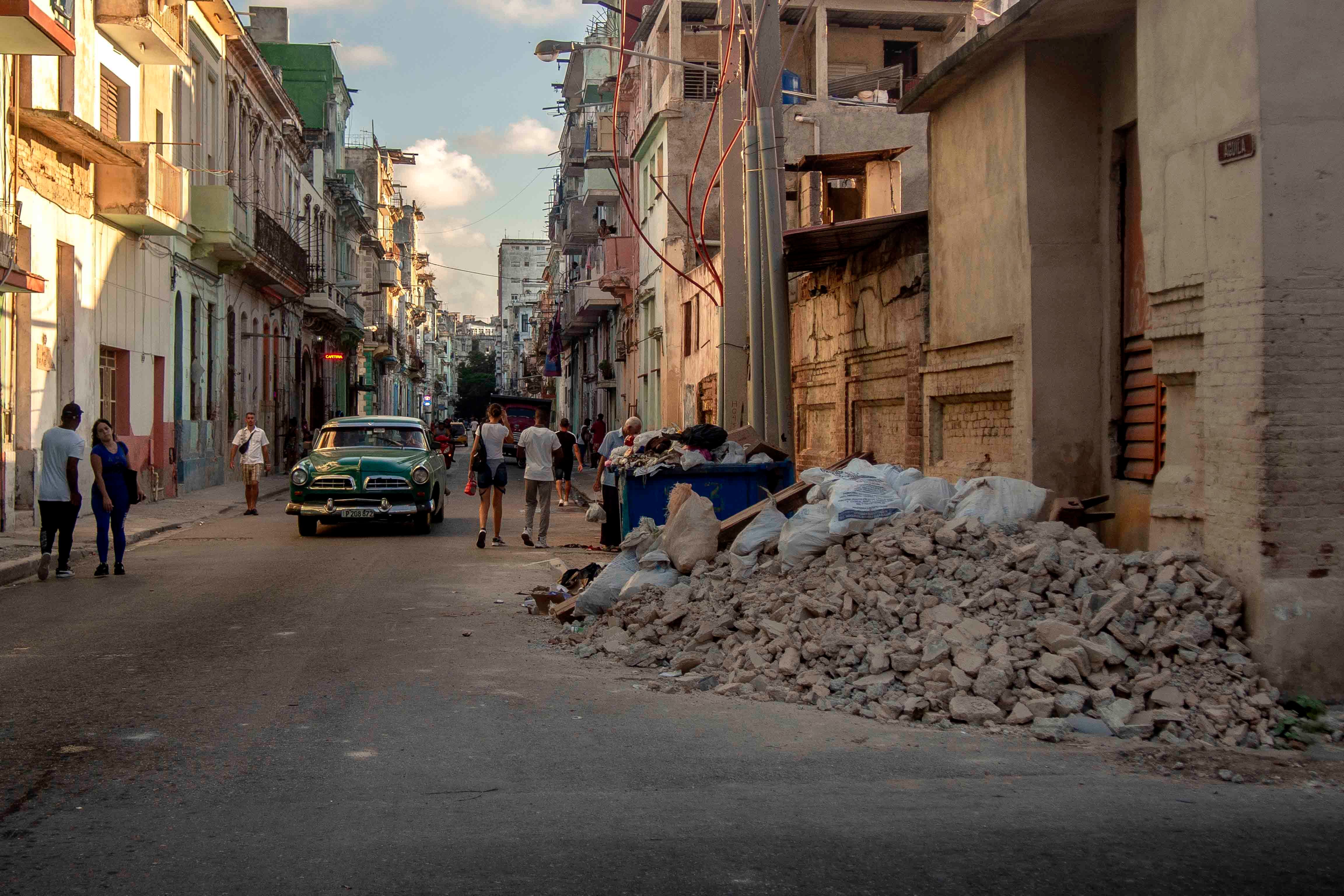
La entrada en vigor de la nueva ley ocurre en un escenario en el que numerosas familias enfrentan dificultades para construir, reparar o comprar una vivienda. La aplicación de las disposiciones dependerá de los recursos disponibles, el funcionamiento institucional y el cumplimiento de los trámites establecidos.
La derogación de la normativa de 1988 obliga a los propietarios dentro y fuera de Cuba a revisar la situación jurídica de sus inmuebles antes de vender, donar, construir, reparar o regularizar una vivienda.
INTERNACIONAL
France’s riot chaos fuels Farage’s warning that mass immigration failures could haunt another country next
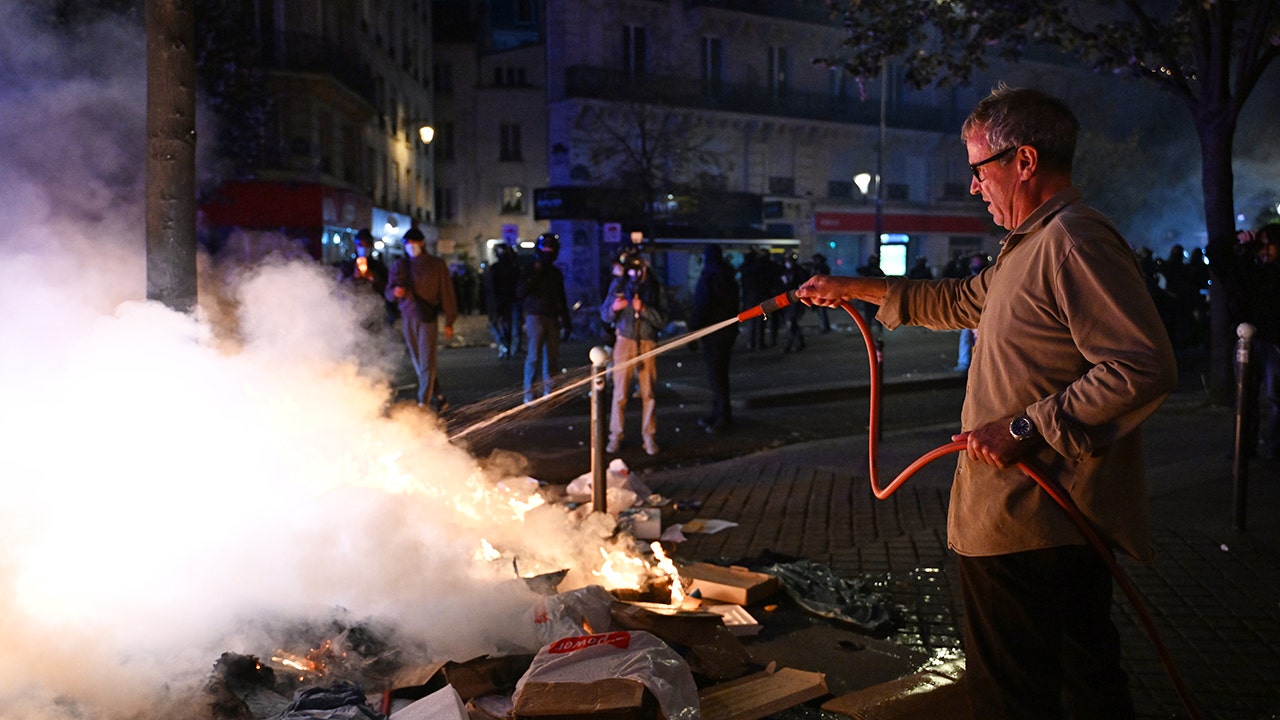
As violent riots grip France, British political leader Nigel Farage warned Americans against repeating what he described as Europe’s mass immigration failures, arguing that years of unchecked migration have transformed European cities and fueled unrest that could eventually spread elsewhere.
«People like me who were warning about this years ago have sadly been proven right, but the problems are gonna be here for a very, very long time,» Farage told Digital in an interview. «Please, please don’t make the same level of mistakes that we have,» he said in his message to Americans.
Violent riots have erupted across parts of Europe in recent weeks, particularly in France, with Farage pointing to years of mass migration and failed political leadership as key factors fueling the unrest. The Reform UK leader singled out Emmanuel Macron, arguing that the French president should have mobilized the military to confront the violence, after education protests spiraled into riots, destruction and theft.
MACRON JETS OUT OF RIOT-TORN FRANCE FOR GULF TRIP AS POLITICAL PRESSURE MOUNTS
«Macron was asleep at the wheel, and it isn’t just that he was at a concert,» Farage said. «And whilst the French do have effective police forces, the scale of the uprising, I mean the mass looting, the mass looting and violence that took place in Paris was genuinely horrendous.»
«Meloni’s reaction was swifter and a better sign of leadership,» Farage said, referring to the Italian leader deploying 500 military troops to Milan in response to recent riots. «But the problem is, for people like Macron, who have always said, any criticism of immigration, whether legal or illegal, makes you racist, they psychologically find it hard to face up to their own failures of policy.»
Farage warned that the unrest he described in France and elsewhere in Europe could eventually erupt in Britain, pointing to demonstrations in London and questioning whether British leaders would respond more forcefully than Macron.
ITALY UNLEASHES MILITARY RESPONSE TO VIOLENT RIOTS AS FRANCE FACES A RECKONING OF ITS OWN
«You know, my real worry is they can happen in this country too,» Farage said. «We’ve got the same hard left here. We’ve the same hate mobs that march, chanting in the streets of London, from the river to the sea.»
«I’m concerned that these things could happen here. And I wonder whether a British prime minister has got any more courage than President Macron in France,» he added.
Farage contrasted Europe’s failure to control its borders with President Donald Trump’s immigration crackdown in the United States.
TRUMP, WALTZ LINK FRANCE RIOTS TO MASS IMMIGRATION AS THOUSANDS ARE ARRESTED
«Look, whatever you think of President Trump’s current policies, one thing he has done, and he promised he’d do. He’s closed the southern border,» Farage said.
Trump vowed Tuesday to treat potential rioters in the U.S. «very rough,» pointing to the unrest in France, he said at a rally in Greenville, North Carolina, before being interrupted by a protestor in the crowd.
«They’re crazy, these people. Look at that guy. He’s a nutjob,» Trump said, in reference to the protester.
He warned that he would crack down on potential threats, saying he would not allow similar unrest to take hold in the U.S.
FRANCE COULD FACE EVEN WORSE DESTRUCTION WITH SECOND WEEKEND OF PLANNED RIOTS, STATE DEPT WARNS
«That’s what you witness over the last three or four days. You watch nutjobs like him in France ruining their country,» Trump said. «We’re not going to put up with it by the way.»
«If a possible threat, which could happen, I hope you won’t get angry if I treat them very, very rough, because that’s what’s going to happen. They’re not going to destroy our country,» he said.
On Tuesday, British counterterrorism police rearrested two men suspected of assisting Iranian intelligence in an alleged plot targeting RAF Fairford, a U.K. base used by U.S. bombers.
Authorities say Iranian state involvement is «highly likely,» though no charges have been filed.
FOILED TERROR PLOT AT BOMBER BASE SIGNALS WIDER THREAT TO US MILITARY INSTALLATIONS: EXPERT
Farage said he has foreshadowed such criminal acts, alleging that Iran has exploited illegal crossings of the English Channel to move operatives into Britain.
«I’ve called again and again for this to be declared a national security emergency. I have been ignored. If the Americans removing their bombers from RAF Fairford isn’t enough warning. I don’t know what is,» he said.
«We’ve just become so caught up over here in Europe and Britain with this human rights culture, which puts the interests, frankly, of the bad guys above the interests of the majority.»
united kingdom, france, world protests, illegal immigrants, donald trump, politics, national security, foreign affairs
INTERNACIONAL
El exembajador Diego Guelar analizó la crisis de Occidente y advirtió sobre el debilitamiento de los liderazgos europeos
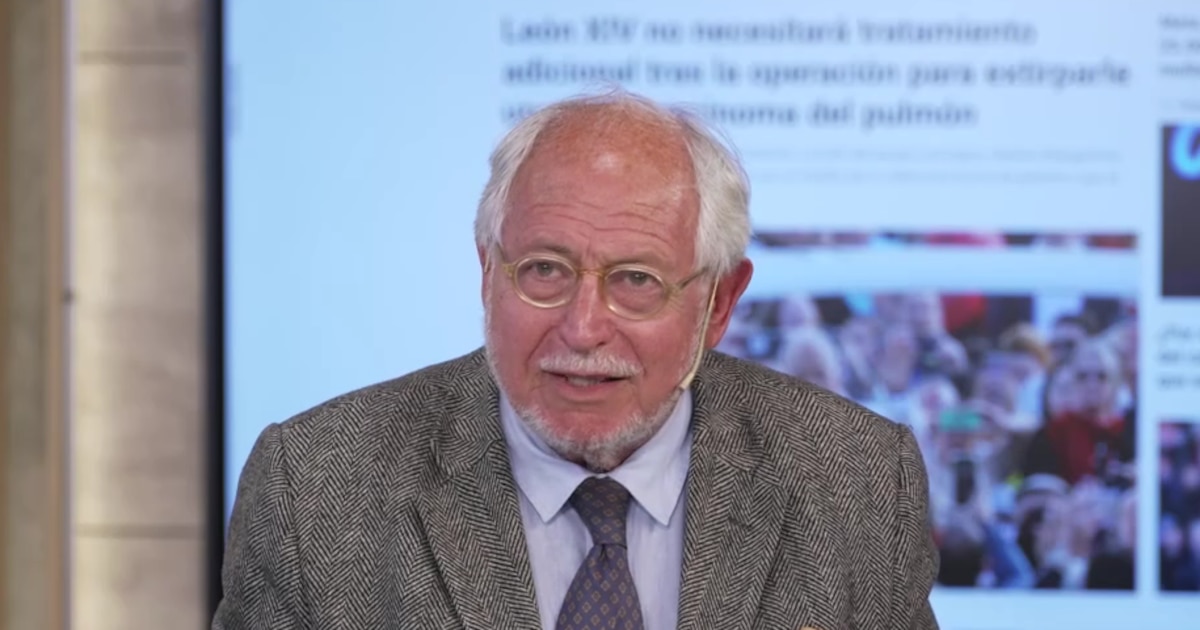
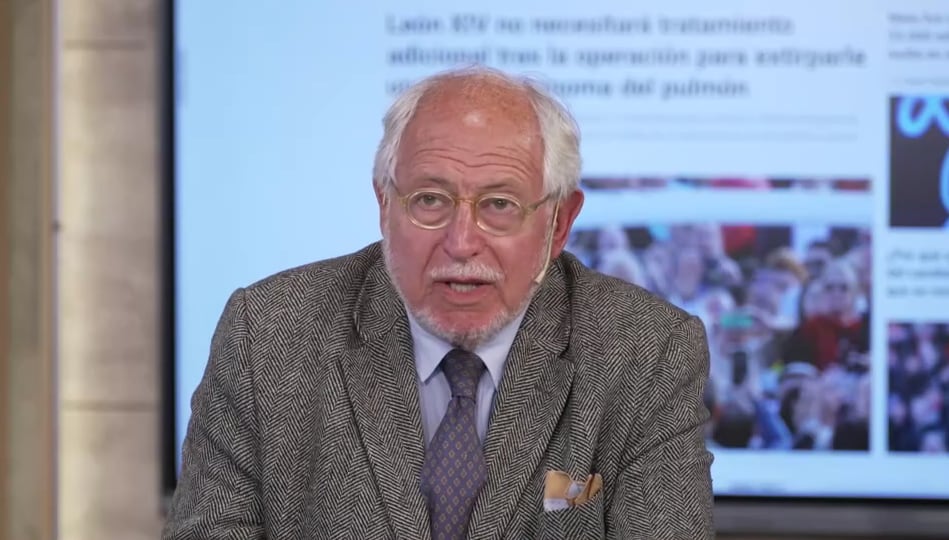
Las protestas en Francia, los enfrentamientos en Italia y los episodios de violencia en otros países europeos reabrieron el debate sobre las causas del malestar social en el continente. Para Diego Guelar, exembajador argentino ante la Unión Europea, Brasil y China, la crisis responde, en buena medida, a la falta de liderazgo político y a las dificultades para construir consensos en sociedades cada vez más divididas.
En diálogo con Infobae a la Tarde, el diplomático rechazó la idea de que Occidente atraviese una amenaza existencial y cuestionó las interpretaciones que presentan la diversidad cultural como un riesgo para las democracias.
“Occidente siempre fue diverso. Todas nuestras constituciones occidentales hablan de la alternancia y la diversidad como dos pilares de nuestra cultura”, sostuvo.
Ante las advertencias del presidente Javier Milei sobre el futuro de Occidente, Guelar fue categórico: “No, decididamente no”. Luego cuestionó las posiciones que buscan imponer una única visión ideológica. “Hay una visión de la derecha dura que tiene una interpretación de lo que llama la batalla cultural, como es el triunfo de una visión unilateral de extrema derecha para todos. Yo creo que eso es lo que no es Occidente”, afirmó.
La crisis europea y la falta de liderazgo político
Al analizar las tensiones vinculadas con la inmigración, Guelar cuestionó que los movimientos migratorios sean considerados la causa principal de los conflictos. Aunque criticó la falta de políticas de integración, descartó que la presencia de extranjeros represente por sí sola una amenaza para la identidad europea.
“Estamos hablando de un 10% de la población. No estamos hablando de una invasión que transforme Europa”, señaló.
Para el exembajador, uno de los problemas centrales es la pérdida de dirigentes capaces de articular intereses y tradiciones políticas diferentes. Como ejemplo, recordó a Margaret Thatcher, François Mitterrand, Helmut Kohl, Giulio Andreotti y Felipe González, referentes de distintas corrientes ideológicas que condujeron gobiernos europeos durante las últimas décadas del siglo XX.
“Tenían una capacidad de conducir a sus sociedades muy grande”, afirmó. A su juicio, esa capacidad para construir acuerdos se encuentra hoy debilitada y contribuye a profundizar la fragmentación política.
Guelar también distinguió las movilizaciones sociales de los episodios delictivos. Al referirse a los saqueos durante las protestas en Francia, sostuvo que algunos grupos aprovechan la confusión para cometer delitos y cuestionó que la cobertura mediática se concentre en las escenas de violencia.
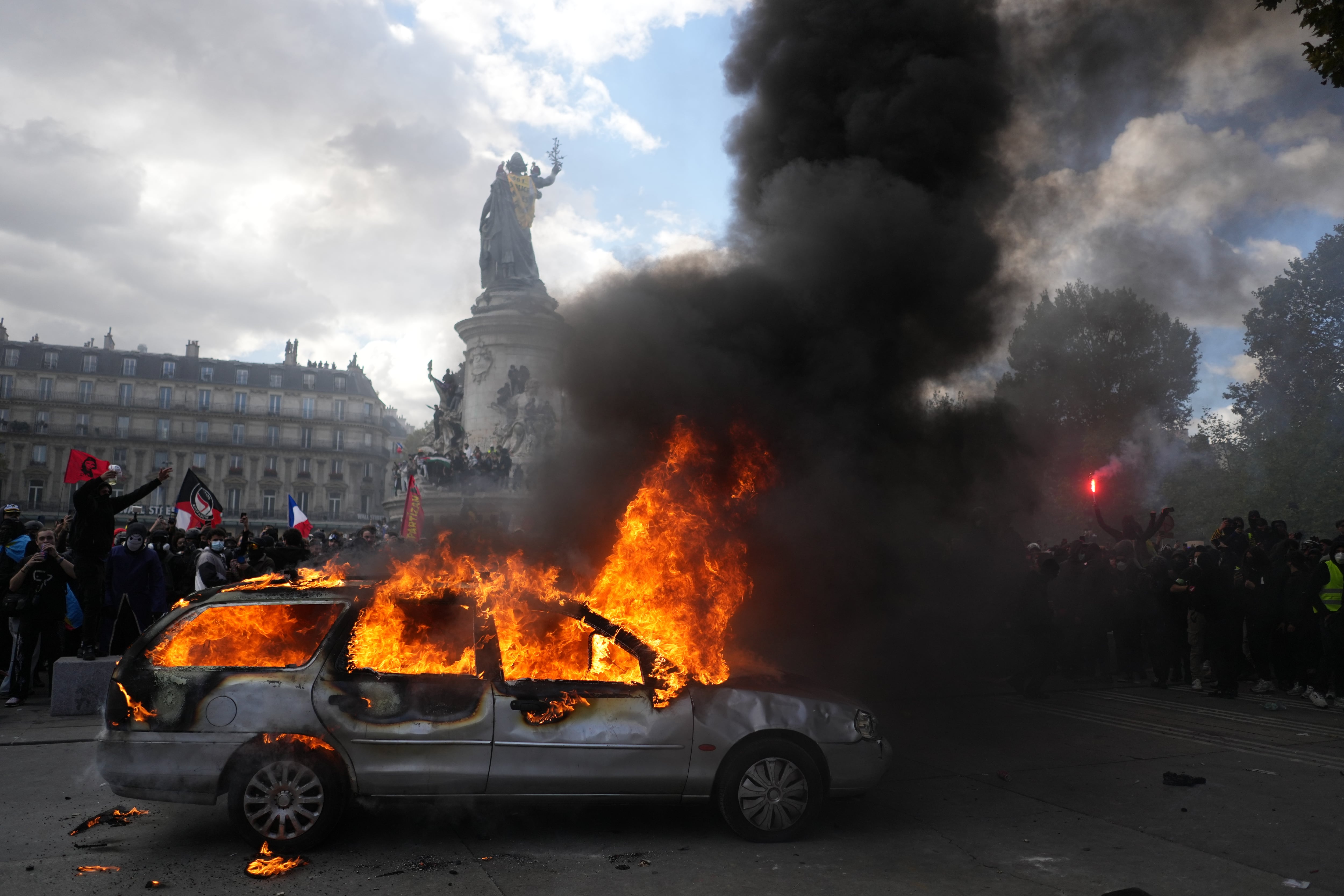
“Los que asaltaron a Louis Vuitton o a las otras casas de marcas no estaban buscando fideos, ni leche, ni un pedazo de carne. Son delincuentes que aprovechan”, afirmó.
A ese escenario sumó los problemas energéticos y el envejecimiento poblacional, dos desafíos que presionan sobre las economías europeas. En particular, advirtió sobre las dificultades de los sistemas previsionales frente al aumento de la expectativa de vida.
“Los viejos no nos morimos dentro de los diez años de jubilarnos, sino que por suerte vivimos 30 o más”, señaló.
Pese a ese diagnóstico, el diplomático se mostró confiado en la recuperación del continente y volvió a señalar la conducción política como un factor determinante. “Yo no tengo la menor duda, tengo una total confianza en que Europa, pese a todo el conflicto y los conflictos que tiene, va a superar esta etapa de caos que tiene que ver con una crisis de dirigencia”, afirmó.
Brasil y la continuidad de las políticas económicas
La entrevista también abordó el balotaje presidencial brasileño y sus posibles consecuencias para la Argentina. Guelar relativizó el impacto de la alternancia política sobre las principales variables económicas y destacó la continuidad de las políticas de Estado.
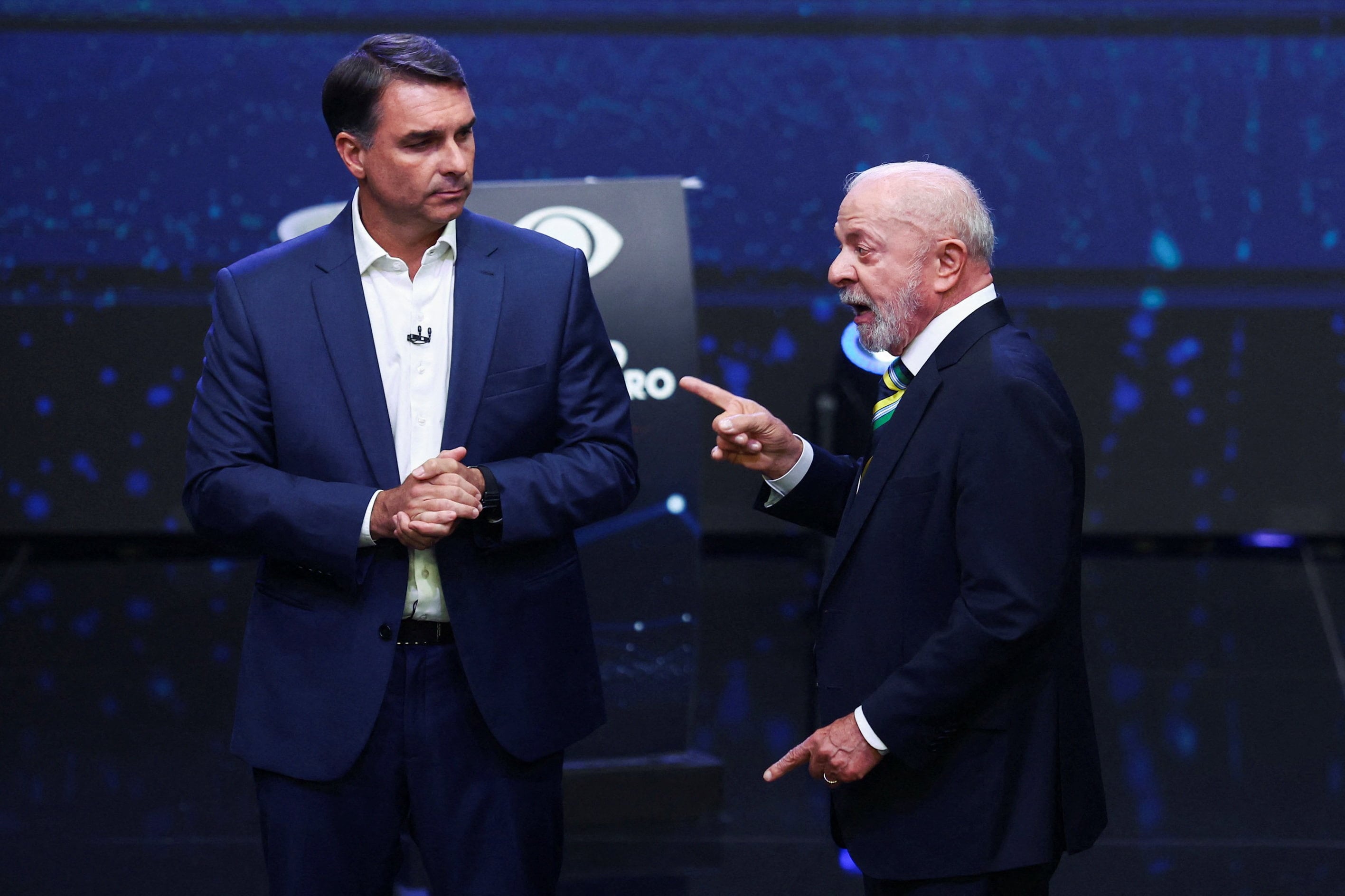
“Chile, Uruguay, Brasil, Paraguay han pasado en los últimos 30 años de izquierda a derecha, de derecha a izquierda y no se mueve ni la inversión, ni el crecimiento, ni el riesgo país”, sostuvo.
El exembajador consideró que el resultado electoral no alteraría sustancialmente los lineamientos económicos brasileños. También destacó el volumen de inversiones extranjeras que recibe ese país y lo contrastó con el desempeño argentino.
Según las cifras que mencionó durante la entrevista, Brasil recibió USD 77.000 millones de inversión extranjera directa, frente a USD 3.100 millones en la Argentina. Guelar sostuvo que la estabilidad económica y la integración regional deben prevalecer sobre las diferencias partidarias.
“Lo que sí tiene que regir en las naciones son los intereses de las naciones”, afirmó.
En ese sentido, consideró que el crecimiento brasileño representa una oportunidad para el país, independientemente de quién ocupe la Presidencia. “Un Brasil que siga creciendo, que sea un referente importante, que sea la séptima economía del mundo y, si no es la séptima, será porque llega a ser la sexta. Bienvenido sea”, señaló.
Las críticas a la política exterior de Milei
Guelar también cuestionó el estilo de las intervenciones internacionales del Presidente, en particular sus enfrentamientos públicos con dirigentes extranjeros.
“Él inventó una cosa, que es ir a insultar al otro en su casa”, afirmó sobre la estrategia de Milei durante sus viajes al exterior.
Para el diplomático, las diferencias ideológicas no deberían desplazar los objetivos centrales de la diplomacia ni los intereses económicos de cada país. En ese marco, defendió una política exterior orientada a preservar la estabilidad, promover las inversiones y sostener los vínculos regionales.
El desgaste del trumpismo
Por último, Guelar analizó la influencia internacional de Donald Trump y consideró que el trumpismo atraviesa una etapa de desgaste, después de haber condicionado el debate político en Estados Unidos y Europa.
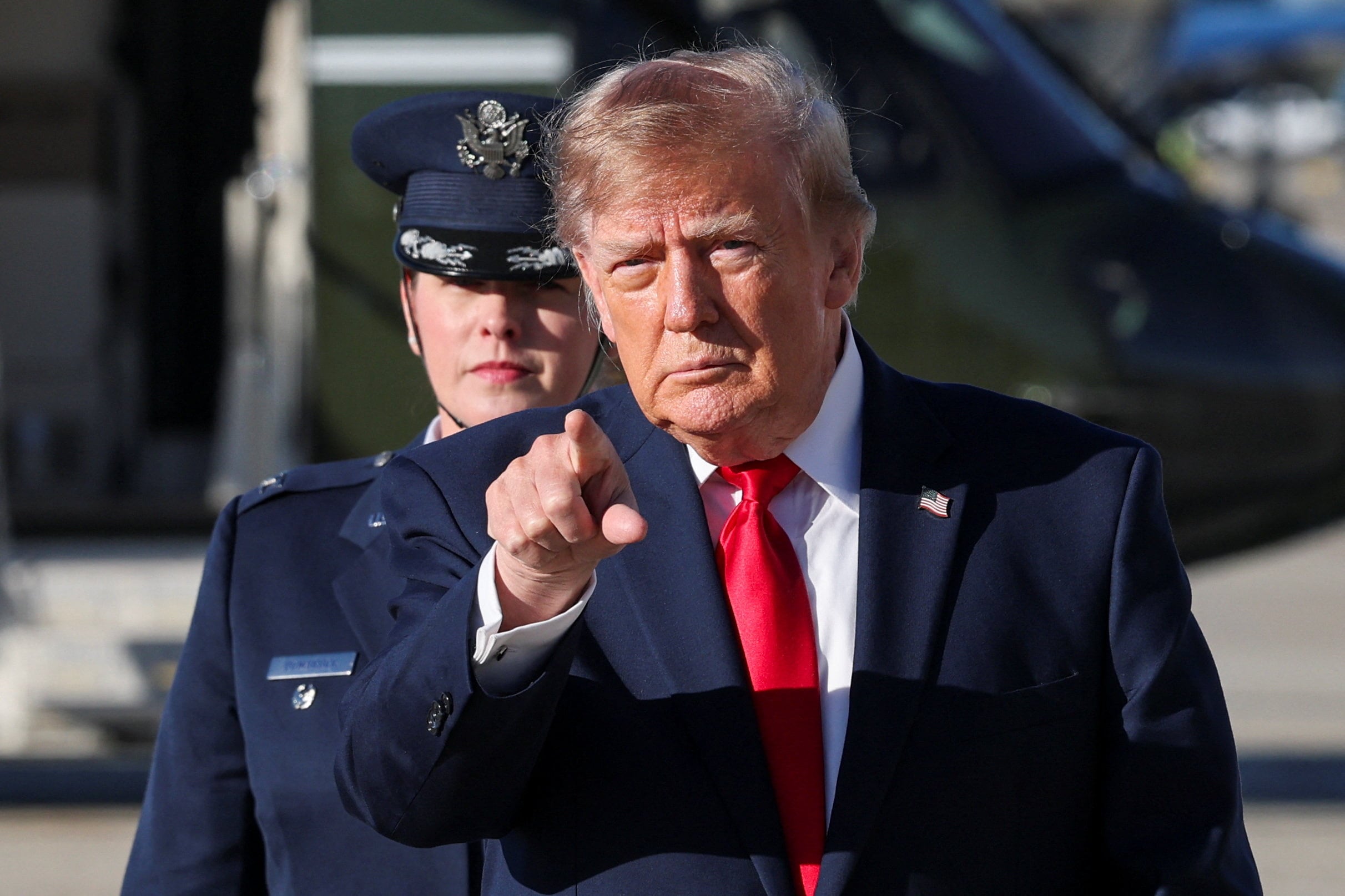
“Es la característica de los últimos metros de duración, a mi juicio, del trumpismo”, sostuvo.
El exembajador anticipó que las corrientes de centroizquierda y centroderecha podrían recuperar protagonismo, aunque evitó pronosticar quién sucederá a Trump en la Casa Blanca.
“Van a aparecer, pero por debajo de las piedras, candidatos republicanos y demócratas”, afirmó.
En un escenario internacional atravesado por disputas políticas y transformaciones económicas y tecnológicas, Guelar cerró con una advertencia sobre los límites de los pronósticos: “Hay especialistas en relaciones internacionales que tienen respuestas para todo. Por favor, no le crean”.
–
Infobae te acompaña cada día en YouTube con entrevistas, análisis y la información más destacada, en un formato cercano y dinámico.
• De 7 a 9: Infobae al Amanecer: Nacho Giron, Luciana Rubinska y Belén Escobar.
• De 9 a 12: Infobae a las Nueve: Gonzalo Sánchez, Tatiana Schapiro, Ramón Indart y Cecilia Boufflet.
• De 12 a 15: Infobae al Mediodia: Maru Duffard, Andrei Serbin Pont, Fede Mayol y Facundo Kablan.
• De 15 a 18: Infobae a la Tarde: Manu Jove, Maia Jastreblansky y Paula Guardia Bourdin; rotan en la semana Marcos Shaw, Lara López Calvo y Tomás Trapé.
• De 18 a 21: Infobae al Regreso: Gonzalo Aziz, Diego Iglesias, Malena de los Ríos y Matías Barbería; rotan en la semana Gustavo Lazzari, Martín Tetaz y Mica Mendelevich
Seguinos en nuestro canal de YouTube @infobae.
diego guelar

Tras la privatización de AySA: qué pasará con las facturas de agua y la tarifa social

Harry Kane y la ansiedad por el Balón de Oro: «Es difícil no pensar en eso» y el enorme elogio de Gerrard :: Olé

Dos funcionarios de Trump llegaron al país, con China y los acuerdos económicos como eje de su agenda

Dura advertencia de Javier Milei al Reino Unido: “Los vamos a seguir incomodando hasta que nos devuelvan las Malvinas”

Estudiantes de La Plata va por el golpe ante Flamengo en el Maracaná para clasificarse a la final de la Copa Libertadores: hora, TV y formaciones

Cuánto cuestan la carne y el pollo en la Argentina frente a otros ocho países

El Gobierno pone en marcha un nuevo plan de retiros voluntarios y busca que haya 20.000 empleados menos en el Estado

Alerta roja en Sudamérica por el Súper Niño: cambio climático, inundaciones extremas y el hallazgo de microplásticos y metales en el granizo

“Feliz día a la mejor mamá del mundo”: el doble gesto del Chato Prada con Lourdes Sánchez y la reacción de ella

¿Dónde ver EN VIVO y ONLINE el Ferro vs Racing de Córdoba?

 POLITICA3 días ago
El Gobierno pone en marcha un nuevo plan de retiros voluntarios y busca que haya 20.000 empleados menos en el Estado
- CLIMA3 días ago
Alerta roja en Sudamérica por el Súper Niño: cambio climático, inundaciones extremas y el hallazgo de microplásticos y metales en el granizo
- POLITICA3 días ago
El Gobierno reconoció que “está bajo análisis” la postura argentina en el Comité de Descolonización de la ONU