INTERNACIONAL
En el Congreso, el rey Carlos III destacó el vínculo con Estados Unidos y condenó al atentado contra Trump: «Estos actos de violencia nunca tendrán éxito»

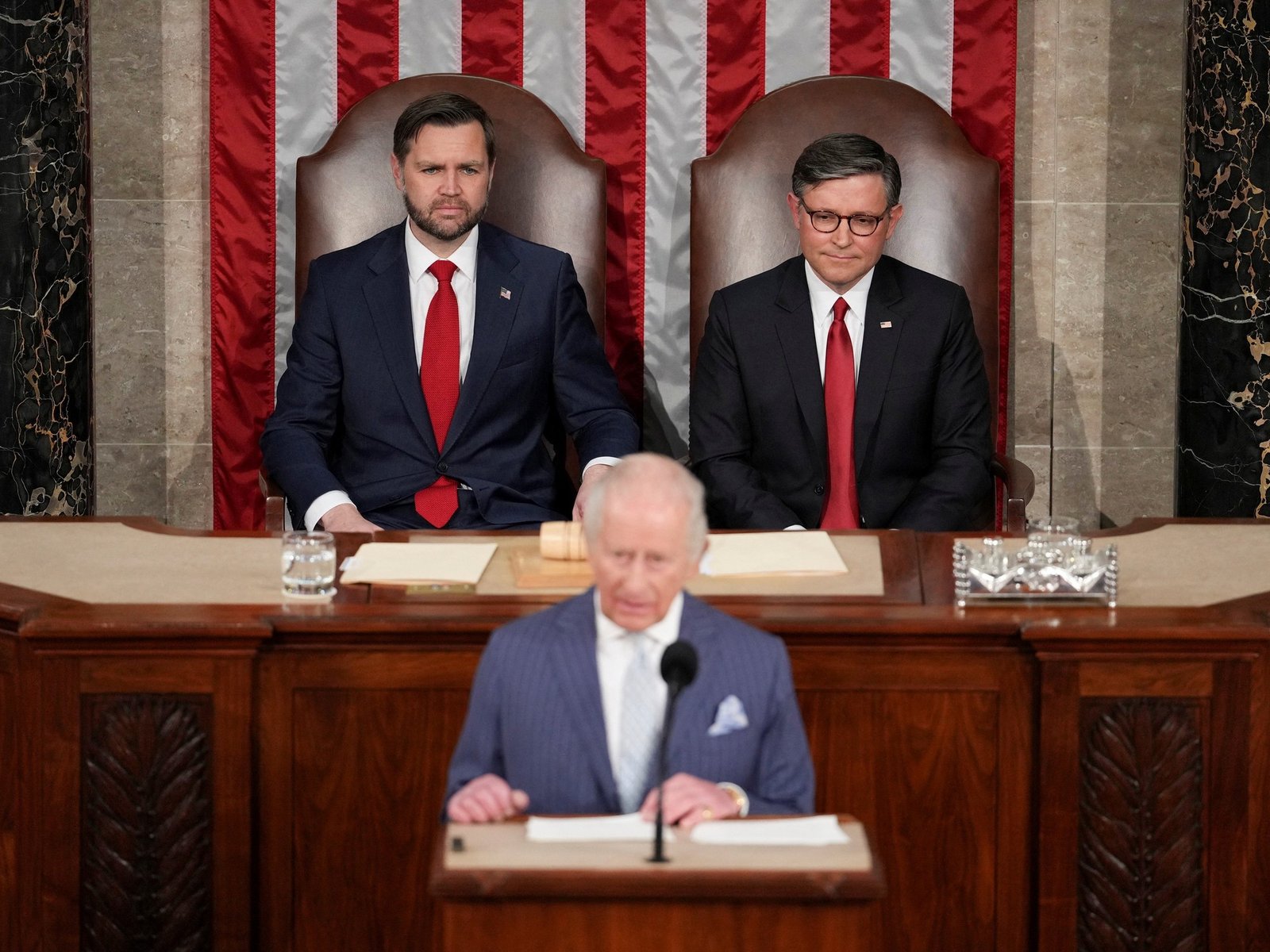
El presidente Donald Trump recibió este martes al rey Carlos III en una ceremonia con toda la pompa en la Casa Blanca y luego el monarca británico pronunció un histórico discurso ante el Congreso estadounidense, en el que resaltó que la sociedad entre el Reino Unido y Estados Unidos es “irrompible” y “más importante que nunca”, en el momento más tenso de las relaciones anglo-estadounidenses en generaciones.
Junto a su esposa Camilla, Carlos celebró así su primera visita de Estado (la máxima categoría dentro del protocolo oficial estadounidense) al país desde que su madre, la reina Isabel II, falleció en 2022, y pudo ver con sus propios ojos la fascinación que tiene Trump por la familia real británica en una fastuosa ceremonia en la Casa Blanca repleta de militares, una banda militar vestida con atuendos de la época revolucionaria que tocaba marchas con flautas y tambores y aviones que surcaban el cielo.
La visita real contribuyó a relajar la fuerte tensión bilateral generada tras los ataques de Trump al primer ministro británico Keir Starmer por su reticencia a unirse a Washington en el ataque a Irán y a contribuir a la reapertura del Estrecho de Ormuz. Días atrás, trascendió incluso un mensaje del Pentágono que recomendaba acciones de represalia contra Gran Bretaña por la falta de apoyo, que incluía restar respaldo diplomático a “posesiones imperiales” británicas como las islas Malvinas. Gran Bretaña salió enseguida a criticar esta posibilidad.
Pero a pesar de ese clima, Trump recibió con calidez a Carlos y Camilla, con un discurso efusivo y marcando la estrecha relación.
«En los siglos desde que obtuvimos nuestra independencia, los estadounidenses no hemos tenido amigos más cercanos que los británicos», dijo Trump. «Esperemos que siempre siga siendo así», agregó.
«Compartimos la misma raíz, hablamos el mismo idioma, compartimos los mismos valores y juntos nuestros guerreros han defendido la misma civilización extraordinaria bajo dos estandartes gemelos de rojo, blanco y azul».
Trump incluso tomó un tono inusualmente personal cuando recordó la fascinación de su madre, Mary Anne MacLeod Trump, una inmigrante nacida en Escocia, por la familia real británica. Dijo que ella admiraba a Isabel y tenía un «enamoramiento» por Carlos de pequeño.
Luego de su visita a la Casa Blanca, Carlos y Camilla se trasladaron al Congreso, donde fueron recibidos con una ovación, y el rey pronunció ante representantes y senadores el primer discurso de un monarca británico desde Isabel II en 1991.
«Como el propio presidente Trump observó durante su visita de Estado a Gran Bretaña el pasado otoño: el vínculo de parentesco e identidad entre Estados Unidos y el Reino Unido es invaluable y eterno. Es irreemplazable e irrompible», declaró.
Recordó el 250 aniversario de la independencia de Estados Unidos, que se conmemora este año, y afirmó que la asociación entre ambos países «nació del desacuerdo, pero no es menos fuerte por ello». Y subrayó los valores democráticos compartidos entre ambas naciones y apuntó: «cuando hemos encontrado esa manera de estar de acuerdo, se han producido grandes cambios no solo en beneficio de nuestros pueblos, sino de todos los pueblos».
Además citó al propio Starmer: «Como dijo mi primer ministro el mes pasado: ‘la nuestra es una alianza indispensable’.»
Y en forma hábil, sin mencionar a Trump ni a la OTAN (la alianza atlántica que el republicano repudia y amenaza con abandonar) dijo: «Rezo con todo mi corazón para que nuestra alianza continúe defendiendo nuestros valores compartidos, junto con nuestros socios en Europa, la Commonwealth y en todo el mundo, y que ignoremos los llamados que nos invitan a volvernos cada vez más aislacionistas», añadió.
El rey también pidió a los parlamentarios demostrar una «determinación inquebrantable» en la defensa de Ucrania. Su llamado se produce cuando los europeos se quejan de un desentendimiento de Washington en su apoyo a Kiev frente a Rusia, tanto en el campo de batalla como en las negociaciones diplomáticas.
Según fuentes del Palacio de Buckingham, el texto del discurso fue elaborado por el Gobierno de Keir Starmer, si bien el lenguaje y el tono reflejan en gran medida la voz personal del monarca.
Al finalizar su visita en Washington, los monarcas seguirán unos días más en Estados Unidos, en Virginia y Nueva York.
En tanto, Trump pareció feliz de haber recibido al rey en su casa. La cuenta oficial de presidencia compartió este martes una fotografía del presidente junto a Carlos III en los jardines de la Casa Banca, acompañada de la leyenda «dos reyes», lo que generó críticas en redes sociales, sobre todo del movimiento opositor “No Kings” que suele organizar marchas en todo el país para denunciar actitudes autoritarias del republicano.

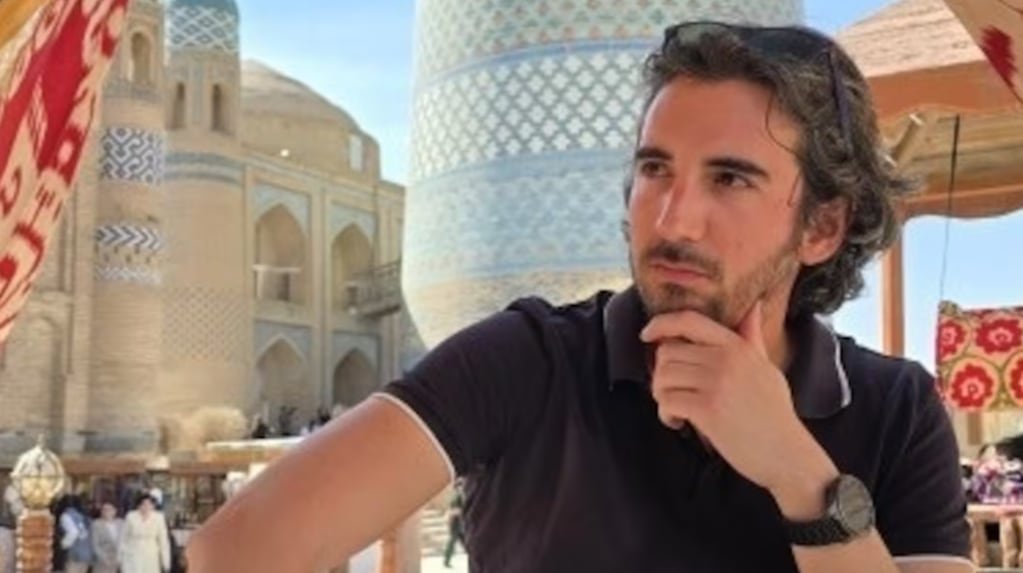
La investigación por el asesinato del ingeniero argentino Facundo Rico en Madrid logró reconstruir en pocos días cómo se desencadenó el ataque. Para los investigadores, el acusado, a un hombre de 65 años, creía que la víctima era el amante de su esposa. Eso lo llevó a presentarse en su departamento donde lo apuñaló 13 veces y, menos de 24 horas después, se quitó la vida.
El crimen ocurrió el martes 14 de julio, cerca de las 10 de la mañana, en un departamento alquilado del barrio Las Tablas, en el distrito madrileño de Fuencarral. Hasta allí llegó el presunto agresor, también ingeniero, quien ingresó a la vivienda y mantuvo un violento enfrentamiento con Facundo.
La pelea terminó en la cocina de la casa. Según la reconstrucción policial, la víctima recibió 13 puñaladas, varias de ellas en la espalda y en la zona del omóplato. El cuchillo quedó abandonado en el piso y en una de las paredes se hallaron restos de gas pimienta, que el atacante llevaba consigo y utilizó durante la agresión.
Para los investigadores, la violencia desplegada durante el ataque demuestra que el hombre contemplaba la posibilidad de matar. De hecho, consideran que el hecho de haber llevado un aerosol de gas pimienta refuerza esa hipótesis, aunque todavía se analiza si había planificado el homicidio desde un principio. La principal hipótesis de la Policía sostiene que el ataque fue cometido por un hombre de 65 años que estaba convencido de que Rico era el amante de su esposa. (Foto: AP)
Tras el crimen, el agresor escapó rápidamente del edificio. En el hall se cruzó con el encargado, que había sido alertado por una vecina luego de escuchar los gritos de la víctima y percibir un fuerte “olor químico”.
Después subió a un auto rojo, estacionado frente a una clínica, y emprendió viaje hacia la provincia de Ávila. Parte de ese recorrido quedó registrado por cámaras de tránsito.
La obsesión que habría motivado el ataque
Las primeras declaraciones de familiares y allegados de Facundo orientaron la investigación hacia un posible móvil sentimental.
La principal hipótesis sostiene que el agresor estaba convencido de que el ingeniero mantenía una relación con su esposa. Esa sospecha, según la investigación, derivó en una obsesión que terminó desencadenando el ataque, indicaron fuentes de la investigación a El País.
Los detectives establecieron que la mujer, de unos 50 años, y la víctima asistían al mismo gimnasio, ubicado a pocos metros de la casa donde vivía Facundo.
Además, fuentes cercanas al caso señalaron que ella pretendía separarse de su marido, quien habría comenzado a investigar si existía una tercera persona en su vida.

Facundo Rico era oriundo de San Juan y vivía en Madrid hacía al menos una década. (Foto: Facebook / Facundo Rico)
Después del homicidio, el hombre llegó a una segunda residencia que el matrimonio poseía desde hacía dos años en La Adrada, un pueblo de casi 3.000 habitantes ubicado a menos de dos horas de Madrid, donde habían remodelado un antiguo chalet.
Según la reconstrucción de los investigadores, el agresor le dijo a su esposa que durante ese día había estado realizando distintos trámites, sin dar mayores explicaciones. Mientras tanto, la noticia del crimen ya ocupaba los principales medios españoles.
Al día siguiente, cuando comenzaron a difundirse la identidad de la víctima y los detalles del brutal ataque, el hombre se dirigió hasta el paraje conocido como Charco de la Olla y se arrojó a una garganta, donde murió. Antes de suicidarse fue visto por una pareja que caminaba por el lugar, cuyos integrantes luego declararon que lo habían notado con “muy mala cara”.
Una investigación cerrada
Con la muerte del presunto autor, la causa quedó prácticamente concluida desde el punto de vista penal, ya que no existe la posibilidad de continuar el proceso judicial.
De todos modos, los investigadores del Grupo V de Homicidios de la Policía Nacional ya habían reunido una importante cantidad de pruebas.
Leé también: Quién era el ingeniero argentino asesinado de 13 puñaladas en España por una sospecha de infidelidad
Las cámaras de seguridad de la urbanización registraron el ingreso del sospechoso, cuya contextura física resultaba fácilmente reconocible, mientras que el encargado del edificio confirmó haberlo visto salir poco después de escuchar los gritos provenientes del departamento.
La esposa del agresor quedó en estado de shock cuando la Policía le comunicó las sospechas sobre la participación de su marido en el crimen. Incluso, según fuentes cercanas a la investigación, en un primer momento se negó a creer que pudiera haber cometido el asesinato.
España, Crimen, Infidelidad
INTERNACIONAL
Guerra en Medio Oriente EN VIVO | El petróleo Brent se acerca a los 100 dólares tras un repunte del 5% por los ataques de los hutíes en el Mar Rojo

Alcanzó los 98,80 dólares por barril, mientras que el principal contrato estadounidense, el West Texas Intermediate, subió un 3,8% hasta los 90,11 dólares por barril
El presidente de Estados Unidos, Donald Trump, aseguró que Irán aún no está listo para alcanzar un acuerdo nuclear tras dar por “terminado” el Memorando de Entendimiento de Islamabad, ya que, según afirmó, el régimen de Teherán modifica constantemente sus condiciones a medida que avanzan las negociaciones. “Están siendo golpeados con mucha dureza y quieren llegar a un acuerdo”, aseguró.
En paralelo, las fuerzas estadounidenses completaron este jueves su duodécimo bombardeo contra Irán, con ataques contra instalaciones marítimas, depósitos de misiles y drones, puestos de vigilancia costera y sistemas de defensa aérea. Además, reafirmaron que “Irán no controla el estrecho de Ormuz”.
Desde Teherán, el Cuerpo de la Guardia Revolucionaria Islámica (CGRI) reivindicó nuevos ataques contra objetivos militares estadounidenses en Kuwait, incluido un bombardeo contra instalaciones de Estados Unidos y dos hangares de helicópteros en el cuartel de Al-Adiri.
En ese contexto, el régimen de Irán elevó el tono de sus advertencias contra Estados Unidos y amenazó con extender las represalias a los países que colaboren con Washington. El ministro de Asuntos Exteriores, Abbas Araghchi, afirmó: “Nuestra doctrina de defensa es clara: ojo por ojo”.
A continuación, la cobertura minuto a minuto:
El petróleo Brent se acerca a los 100 dólares tras un repunte del 5% por los ataques de los hutíes en el Mar Rojo
El precio del principal contrato internacional de petróleo, el Brent del Mar del Norte, se disparó un 5% después de que los rebeldes hutíes afirmaran haber atacado dos petroleros saudíes en el Mar Rojo.
El Brent alcanzó los 98,80 dólares por barril, mientras que el principal contrato estadounidense, el West Texas Intermediate, subió un 3,8% hasta los 90,11 dólares por barril, ya que los ataques podrían abrir un nuevo frente en la guerra de Medio Oriente.
Rubio aseguró que Arabia Saudita busca un “programa nuclear civil y pacífico”
El secretario estadounidense de Estado, Marco Rubio, afirmó que el acuerdo histórico de cooperación nuclear alcanzado con Arabia Saudita solo dará lugar a un programa atómico “pacífico y civil”.
“Cualquier acuerdo que vayamos a celebrar con cualquier país del mundo sobre energía nuclear civil contará con salvaguardias para garantizar que no pueda convertirse en un programa de armas”, zanjó Rubio al margen de una cumbre con cancilleres del sudeste asiático en Manila. “Arabia Saudita busca tener un programa nuclear pacífico y civil”, dijo a periodistas.
Suenan las sirenas de alerta aérea en Bahréin
Las sirenas sonaron en Bahréin este jueves, según informó el Ministerio del Interior. Corresponsales de la agencia de noticias AFP escucharon las alertas en la capital, Manama, mientras el país sufre ataques diarios por parte de Irán.
“Se ha activado la sirena… Se insta a los ciudadanos y residentes a mantener la calma y dirigirse al lugar seguro más cercano”, indicó el ministerio en un comunicado.
El Ejército jordano interceptó misiles y drones iraníes
Jordania afirmó haber interceptado misiles y drones procedentes de Irán, mientras Teherán respondía a los ataques aéreos estadounidenses atacando a los aliados de Washington en la región.
El Ejército jordano informó en un comunicado que interceptó tres misiles este jueves por la mañana, mientras que un cuarto cayó en una zona deshabitada, y que interceptó seis drones el miércoles por la noche, sin que se produjeran bajas ni daños materiales.
Rubio afirmó que el objetivo de Estados Unidos en la guerra es un Irán desnuclearizado
El secretario de Estado de Estados Unidos, Marco Rubio, afirmó el jueves que la prioridad de la administración Trump respecto a Irán es impedir que el país adquiera armas nucleares, descartando que el objetivo seag un cambio de régimen. Rubio aseguró que “Estados Unidos busca un Irán desnuclearizado que nunca tenga armas nucleares” durante una cumbre de la ASEAN en Manila.
El funcionario subrayó: “Nuestro problema, nuestra preocupación y nuestro objetivo principal es la desnuclearización de Irán. Jamás podrán tener armas nucleares”. Consultado sobre si Washington aceptaría la permanencia de los actuales líderes iraníes en el poder, Rubio reiteró: “No pueden tener un arma nuclear”.
El jefe de la diplomacia estadounidense rechazó las interpretaciones de que el presidente Donald Trump persiga un cambio de régimen en Irán. “Nunca dijo que el cambio de régimen fuera un objetivo”, afirmó. “Desde el primer día de la operación, quedó muy claro que íbamos a debilitar sus lanzadores de misiles, sus drones, sus fábricas y su armada”, concluyó.

Qué se sabe de la montaña Pickaxe, el enclave donde Trump asegura que Irán oculta un complejo nuclear subterráneo
La presunta planta iraní comenzó a construirse tras reiterados bombardeos contra instalaciones nucleares en territorio persa y durante la ofensiva estadounidense a Natanz en la “Operación Midnight Hammer” en la guerra de 2025 entre el régimen de Teherán e Israel


El presidente de Estados Unidos, Donald Trump, destacó la posibilidad de que las fuerzas estadounidenses bombardeen el sitio nuclear iraní en construcción conocido como Kuh-e Kolang Gaz La o “montaña Pickaxe”, en el marco de la escalada de ataques entre Washington y Teherán por el control del estrecho de Ormuz, entre otros ejes.
El Comando Central de EEUU apoyó el paso de más de 900 buques comerciales por el estrecho de Ormuz desde mayo
El cuerpo militar subrayó en un comunicado que Irán no controla la vía marítima internacional y que la misma permanece abierta para el tránsito independientemente de las amenazas y ataques de la Guardia Revolucionaria Islámica
El Comando Central de Estados Unidos (CENTCOM) informó que más de 900 barcos comerciales transitaron el estrecho de Ormuz desde mayo con apoyo militar estadounidense, a pesar de la presión de las fuerzas iraníes cerca de la vía marítima estratégica en Medio Oriente.
La Guardia Revolucionaria de Irán afirmó que destruyó un equipo militar estadounidense en Jordania

La Guardia Revolucionaria iraní, brazo ideológico del ejército de Irán, declaró el jueves que atacó y destruyó varios objetivos militares estadounidenses en Jordania.
En un comunicado difundido por la televisión estatal, el cuerpo militar detalló que los blancos incluyeron un radar para el sistema de defensa antimisiles THAAD de Estados Unidos, un sistema Patriot, un radar C-RAM y un hangar para helicópteros.
El régimen iraní atacó tres bases estadounidenses en Kuwait
El ejército iraní informó que lanzó ataques con drones contra tres bases militares estadounidenses en Kuwait, en el marco de la 23ª fase de la Operación Saegheh. Según el comunicado oficial, los objetivos incluyeron depósitos de municiones y logística en Camp Doha, tanques de almacenamiento de combustible en la base aérea Ali Al Salem y un depósito de municiones en Camp Arifjan.
Las autoridades militares iraníes señalaron que estas acciones se ejecutaron “en respuesta a la continua arrogancia y agresión del enemigo (en alusión a Estados Unidos) contra nuestro país”.
Los precios del petróleo se mantienen en su nivel más alto en más de seis semanas por la escalada de la guerra en Medio Oriente
La suba responde al aumento de la incertidumbre sobre el suministro mundial de petróleo debido a la combinación de amenazas sobre el estrecho de Ormuz y el estrecho de Bab el-Mandeb, dos pasos estratégicos para el comercio energético internacional

Los precios internacionales del petróleo alcanzaron este jueves su nivel más alto en más de seis semanas después de una nueva escalada militar en Medio Oriente, marcada por una nueva ronda de ataques de Estados Unidos contra Irán, la ofensiva de los hutíes contra petroleros en el Mar Rojo y las amenazas sobre dos de las principales rutas marítimas para el transporte mundial de crudo.
International,Relations,Asia / Pacific,Diplomacy / Foreign Policy
INTERNACIONAL
AOC roasted over defense bill claim as GOP lawmaker tells her to ‘stop stoking Jew hatred’
Democrats divided over House vote on Israel aid as U.S.-Middle East tensions rise
‘Special Report’ anchor Bret Baier discusses the intensifying political divide within the Democratic Party regarding a House bill to cut off aid to Israel. Rep. Thomas Massie’s, R-Ky., amendment has sparked significant debate, with House Minority Leader Hakeem Jeffries warning it could undermine U.S. national security by empowering Hamas and Hezbollah.
NEWYou can now listen to Fox News articles!
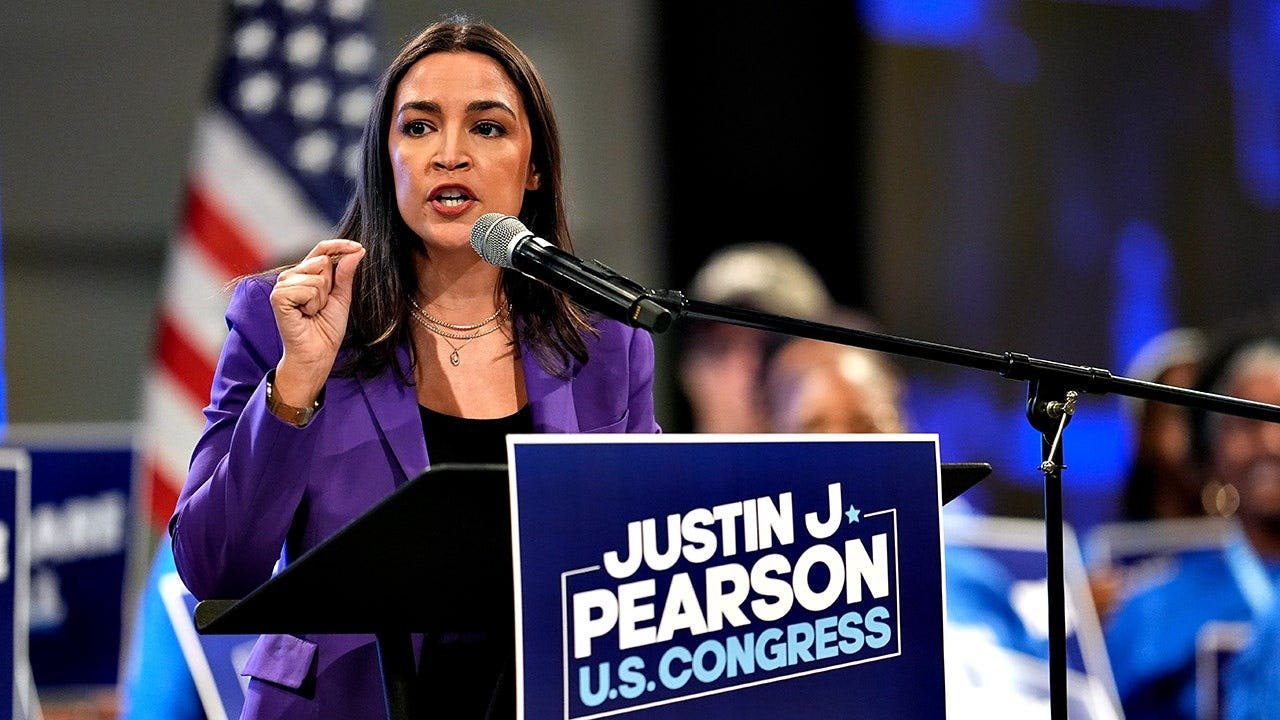
Rep. Alexandria Ocasio-Cortez, D-N.Y., came under fire after claiming the House-passed National Defense Authorization Act (NDAA) would «merge parts of our military with the Israel Defense Forces,» drawing accusations that she distorted what the legislation actually does.
The fight centers on Section 219 of the House-passed National Defense Authorization Act, a provision that calls for deeper U.S.-Israel defense integration through expanded cooperation on military technology, supply chains, research, artificial intelligence, cybersecurity and joint exercises.
On Wednesday, the House passed its version of the FY2027 National Defense Authorization Act in a 219-206 vote, leaving Section 219 intact.
But ahead of the vote, Ocasio-Cortez wrote on X that the NDAA «includes a provision to merge parts of our military with the IDF.»
THE US-ISRAEL STRATEGIC ALLIANCE – PARTNERSHIP, NOT CHARITY
Rep. Alexandria Ocasio-Cortez, D-N.Y., speaks during a ‘New York is Not For Sale’ rally at Forest Hills Stadium on Oct. 26, 2025. (Stephani Spindel/VIEWpress via Getty Images)
«This amendment is an existential threat to American sovereignty and democracy,» she wrote. «Every member of Congress must vote NO.»
Ocasio-Cortez’s post quickly drew criticism from Republican lawmakers and Trump administration officials, who argued the measure strengthens defense cooperation with Israel but does not merge the two militaries.
Environmental Protection Agency Administrator Lee Zeldin called the claim «FALSE,» accusing the congresswoman of misrepresenting the bill.
AOC SLAMS ‘OPPRESSED’ TRUMP STATES WHILE TOUTING NYC SERVICES DESPITE $5B DEFICIT AND TRANSIT CRIME SPIKE
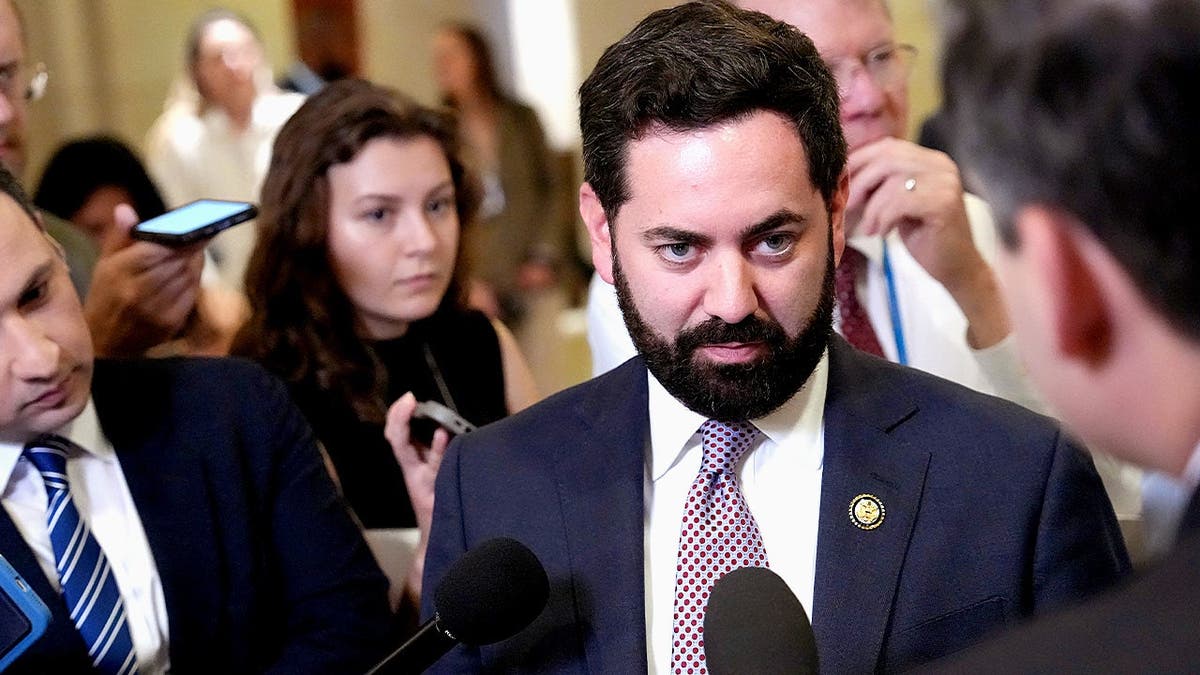
Rep. Mike Lawler, R-N.Y., spoke with reporters as he arrived for a House Republican conference meeting at the U.S. Capitol on May 15, 2025, in Washington, D.C. (Kevin Dietsch/Getty Images)
«Instead of merging the part of your brain that hates Jews with the part of your brain concocting your daily lies, you should try merging the part of your brain responsible for reading bill text with the part of your brain responsible for critical thinking,» Zeldin wrote on X.
Rep. Mike Lawler, R-N.Y., similarly blasted Ocasio-Cortez, calling her to «stop stoking Jew hatred.»
«Good grief, you are either obtuse or intentionally lying. We are not merging our military with the IDF,» Lawler wrote.
Lawler argued the provision simply expands the type of defense cooperation the United States already maintains with close allies, including intelligence sharing, joint military exercises, and collaborative weapons development.
While Republicans disputed Ocasio-Cortez’s description, some lawmakers who opposed the provision also expressed concern about its scope but framed it differently.
Rep. Thomas Massie, R-Ky., introduced an amendment to strip Section 219 from the legislation, but House leadership did not allow it to receive a vote. After the procedural rule passed, Massie announced he would oppose the entire defense bill.
HOUSE DEMOCRATS FRACTURE BADLY OVER MASSIE AMENDMENT TO CUT $3.3B IN U.S. AID TO ISRAEL
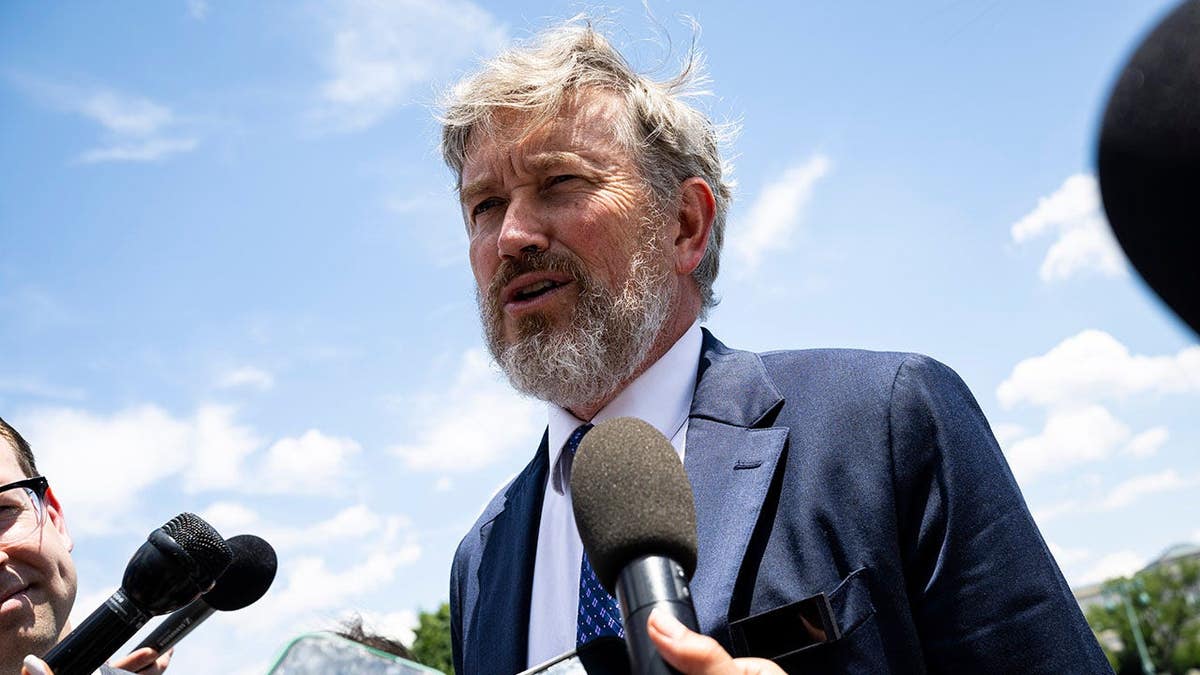
Rep. Thomas Massie, R-Ky., speaks to members of the media outside the U.S. Capitol in Washington, D.C., on Thursday, June 25, 2026. (Graeme Sloan/Bloomberg via Getty Images)
«Unfortunately the Rule passed just now and no debate or vote was allowed on section 219, integration of US military technology and supply chains with Israel’s,» Massie wrote on X. «The NDAA will receive a recorded vote tomorrow with section 219 in it. I’ll vote no.»
SIGN UP TO GET THE POLITICS NEWSLETTER
Rep. Ro Khanna, D-Calif., who partnered with Massie on the amendment, also criticized House leadership for blocking a vote, writing that Congress had prevented consideration of a proposal to stop «the integration of our military with Israel’s.»
CLICK HERE TO DOWNLOAD THE FOX NEWS APP
«It is unconscionable to not even have a vote,» Khanna wrote on X. «We will be continuing on and will not be intimidated by the pro-Israel lobby.»
Fox News Digital reached out to Ocasio-Cortez’s office for comment.
alexandria ocasio cortez, defense, national security, politics, congress

Arranca la liga rusa con tres entrenadores españoles al frente de Spartak, Rubín y Rostov

Rebelión contra la Corte: claves para entender un conflicto con siete años de idas y vueltas

Michale Bublé y Luisana Lopilato envueltos en una fuerte polémica que dejó muy expuesto al cantante canadiense: «No estés celosa»

Grimoldi ofrece hasta 50% de descuento en zapatillas, botas y sandalias para mujer

Se conocieron escalofriantes detalles del crimen del ingeniero argentino en España

Confirman que una avanzada del Vaticano llegó a Buenos Aires para organizar una eventual visita del Papa

Sin la Copa y sin Messi en el avión, vuelve Tapia y deberá enfrentar tres frentes de tormenta tras la pausa del Mundial

Escándalo Mundial: Las presiones secretas, la amenaza de la FIFA por Malvinas y la verdad detrás del partido contra España

Samuel L. Jackson llamó a Argentina “el país más racista del mundo”: la contundente respuesta que le dejó Bárbara Lombardo

Le ganan a la inflación: los senadores pasarán a cobrar $12 millones brutos a partir de agosto

 POLITICA3 días ago
Sin la Copa y sin Messi en el avión, vuelve Tapia y deberá enfrentar tres frentes de tormenta tras la pausa del Mundial
- DEPORTE1 día ago
Escándalo Mundial: Las presiones secretas, la amenaza de la FIFA por Malvinas y la verdad detrás del partido contra España
- CHIMENTOS2 días ago
Samuel L. Jackson llamó a Argentina “el país más racista del mundo”: la contundente respuesta que le dejó Bárbara Lombardo