INTERNACIONAL
Ex-Dem lobbyist for company that promoted addictive opioid clears key gubernatorial hurdle


NEWYou can now listen to Fox News articles!
Cinde Warmington secured the Democratic nomination in New Hampshire’s gubernatorial primary on Tuesday evening after running unopposed.
Her nomination marks the second time she’s pursued the office as Warmington continues to face attacks over her work as an attorney for Purdue Pharma — the company that became notorious in the early 2000s for the development and marketing of OxyContin.
The Republican Governors Association (RGA) called her connection to the drug disqualifying.
NEW HAMPSHIRE CANDIDATE JOHN SUNUNU BLASTS DEMS FOR NOVING ‘FIRST IN THE NATION PRIMARY’ ON RUTHLESS
Former Executive Councilor Cinde Warmington of New Hampshire, seen in a campaign video launches her second straight bid for governor of the key northern New England swing state. (Cinde Warmington for governor)
«Based on her role in fueling the opioid epidemic and calling OxyContin a ‘miracle drug,’ Cinde Warmington is completely disqualified from being governor. Warmington chose a payday over protecting New Hampshire families,» the RGA told local outlets.
Purdue faced public outrage, investigations and lawsuits over how it pushed OxyContin as a non-addictive drug while knowingly concealing its high potential for abuse. After years of lawfare, the company was required to pay a $7.4 billion settlement in May.
Warmington, for her part, has called the attacks unfounded and said that she had only a limited association with Perdue. In a video titled «setting the record straight,» she addressed it head on.
«My dad, who I loved very, very much, struggled with addiction,» she said. «We did not escape the opioid crisis.»
«In 2001, when, as an attorney, I was assigned a case by a partner to represent Purdue Pharma … I was fighting for patients to get access to the healthcare that their doctors thought that they needed. What I did not know at the time was that Purdue Pharma was engaged in this massive criminal fraud — something that would only be exposed over years of litigation.»
In the past, Warmington served on the New Hampshire Executive Council, representing the state’s 2nd district from 2021 to 2025.
LIZ PEEK: DEMOCRATS’ AFFORDABILITY SCAM COLLAPSES IN STATES THEY ACTUALLY RUN
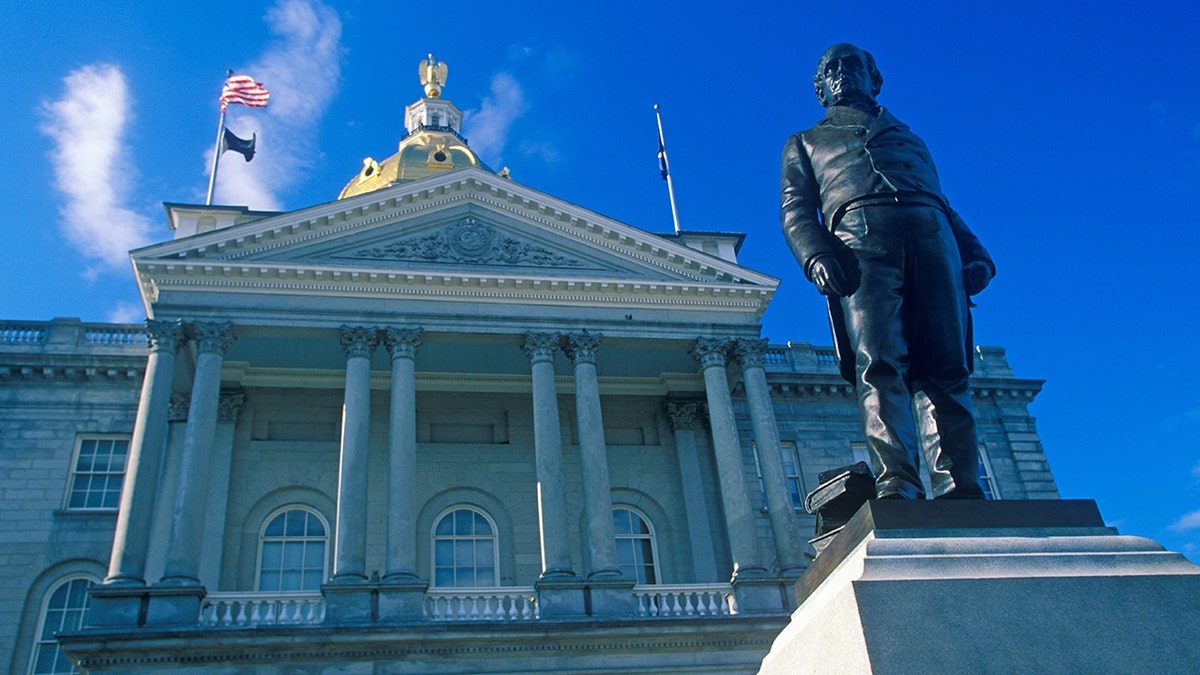
State Capitol of New Hampshire, Concord (Photo by: Joe Sohm/Visions of America/Universal Images Group via Getty Images) (Joe Sohm/Visions of America/Universal Images Group via Getty Images)
She’s run for governor once before in 2024, losing out to Joyce Craig, the eventual nominee, in a 47.9% to 41.8% contest. Craig herself would go on to lose to Gov. Kelly Ayotte, the Republican in the race.
In her 2026 campaign, Warmington has pitched herself as a foil to rising costs of living. Like many Democratic candidates in the 2026 primaries, Warmington has put pressure on Republicans for not doing enough on affordability.
«The prices of houses, groceries, electricity and property taxes are crushing working families. And Kelly Ayotte is making your life more expensive. I know we can do better,» Warmington said in a campaign video.
She shares some platform similarities with other Democrats.
In addition to championing priorities like pushing back on Trump’s immigration crackdown through Immigration and Customs Enforcement (ICE), implementing guardrails for data center construction, and preventing investor groups from purchasing housing, Warmington has also appealed to voters across the aisle with promises to slash taxes.
«I’ll make sure we don’t have a sales or income tax,» Warmington said.
TRUMP SCORES MAJOR WIN AS CONGRESS PASSES HOUSING CRACKDOWN ON WALL STREET INVESTORS
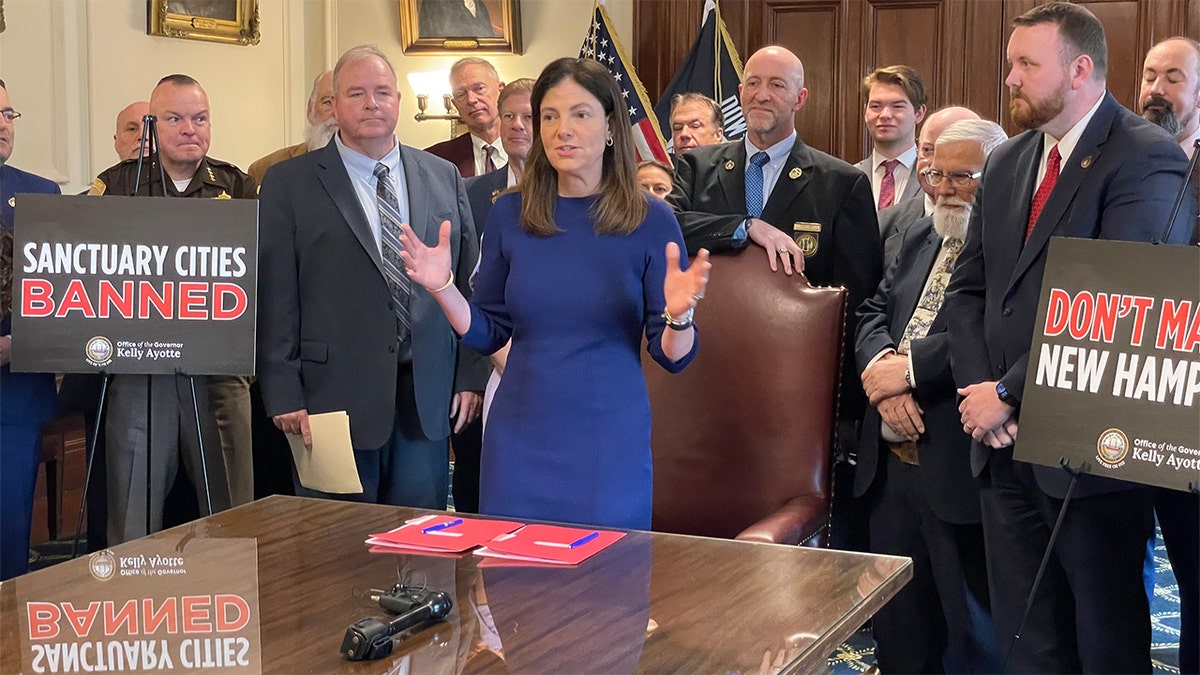
Republican Gov. Kelly Ayotte of New Hampshire, at a bill signing, on May 22, 2025 at the Statehouse in Concord, N.H. (Paul Steinhauser – Fox News)
Having secured the party nomination, Warmington will face off against Ayotte in the state’s general election for governor on Nov. 3.
Ayotte won election in 2024, defeating Craig 53.6% to 44.3%.
politics, new hampshire, gubernatorial








INTERNACIONAL
Britain’s dramatic crackdown on Israeli settlements sparks fierce response as US blowback looms
NEWYou can now listen to Fox News articles!
The United Kingdom unveiled sweeping new measures targeting Israeli settlements in the West Bank on Tuesday, triggering an immediate diplomatic rupture with Israel and a sharp warning from a senior Trump administration official.
Israeli Foreign Minister Gideon Sa’ar announced Tuesday, with Prime Minister Benjamin Netanyahu’s approval, that Israel would close the British Consulate in Jerusalem and impose a series of countermeasures in response to the U.K. sanctions.
The Israeli measures also include removing British representatives from the International Gaza Support Center in Kiryat Gat, ending British activities training Palestinian Authority forces in the West Bank and denying entry to 12 British elected officials and other British nationals whom Israel accused of antisemitic or anti-Israel activity.
UK MOVES TO SANCTION ISRAELI SETTLEMENTS AS PM BURNHAM RISKS CLASH WITH TRUMP: REPORT
Ed Miliband, the British foreign secretary who announced the settlement sanctions policy in Parliament on Tuesday in London, June 23, 2026. (Toby Melville/Reuters)
«Measures against Israel will not go unanswered,» Sa’ar said. «Whoever acts against Israel, Israel will act against them, and they will lose their influence and relevance in the region.»
The escalation came hours after Foreign Secretary Ed Miliband told Parliament that Britain would ban imports of goods from Israeli settlements, target companies and individuals facilitating settlement expansion, and refuse licenses for arms and other exports that materially contribute to the occupation.
The move is part of a coordinated push with France, Canada and other European partners amid what the governments described Tuesday as «unprecedented levels of settler violence and settlement expansion» in the West Bank, including Israel’s E1 project, which they argue threatens the viability of a future Palestinian state. The measures come just weeks before world leaders gather for the U.N. General Assembly in New York and less than two months before Israel’s Oct. 27 election, adding diplomatic and political stakes to an already strained relationship between Israel and several of its traditional Western allies.
At the same time, the foreign ministers recognized Israel’s «legitimate security interests» and reiterated their condemnation of Hamas’ Oct. 7 terrorist attack, which they described as «the worst antisemitic massacre since the Holocaust.» They said their objective remained a two-state solution allowing Israel and «a sovereign, democratic and viable Palestinian state» to live side by side in peace and security.
UK DEFENSE SHORTFALLS HIGHLIGHTED AS BRITAIN AVOIDS IRAN OFFENSIVE ROLE AMID TRUMP CRITICISM
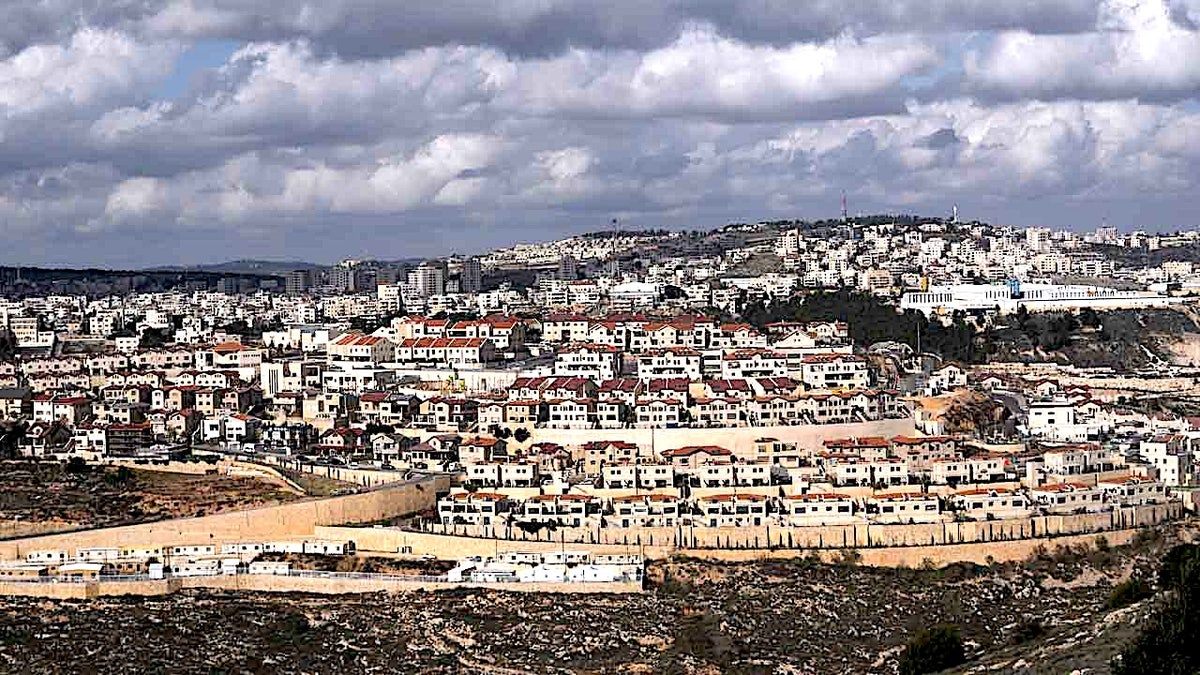
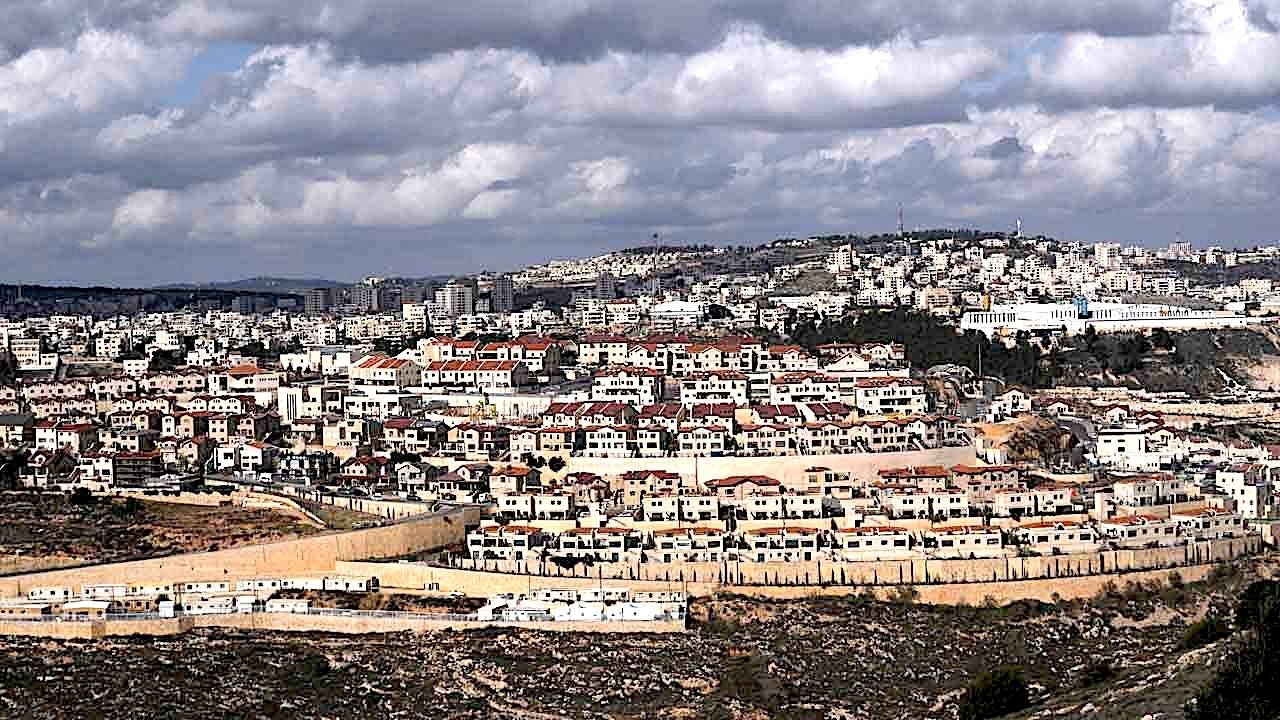
The West Bank, also known as Judea and Samaria. (Mahmoud Illean/AP)
The timing has also become a political issue inside Britain. An unnamed Labor MP told The Telegraph that Prime Minister Andy Burnham had faced pressure from colleagues worried about Gaza-related campaigning and losing seats to the Greens, while Israeli officials have accused London of trying to influence Israel’s election — claims the British government rejects as it frames the measures as an effort to preserve the two-state solution.
«Today, I announce that the official view of the British government is that the occupation is unlawful,» Miliband told lawmakers Tuesday.
Miliband opened the statement by describing himself as a «proud British Jew» with «the deepest gratitude to the State of Israel,» recalling how his grandmother found refuge there after losing her husband and 60 other family members at the hands of the Nazis.
He stressed that the measures were aimed at settlements rather than Israel itself.
«The sanctions regime will target illegal settlement and settlement expansion. Not Israel,» Miliband said, adding that Britain would continue to support trade with Israel inside the Green Line and that he «wholeheartedly» opposed the broader Boycott, Divestment and Sanctions movement.
Miliband also condemned rising antisemitism in Britain, saying, «Holding British Jews responsible for the actions of the Israeli government is antisemitism, plain and simple.»
He reaffirmed Israel’s right to defend itself against terrorism, called for Hamas to disarm and dismantle its terrorist infrastructure under the U.S. -led 20-point Gaza plan, and announced sanctions against Hezbollah financing institution Al-Qard Al-Hassan. He also said Britain was reimposing major economic sanctions on Iran and would continue security cooperation with Israel against shared threats.
The measures drew immediate criticism from U.S. Ambassador to Israel Mike Huckabee, who warned in an interview with BBC World Service Newsday that Britain could face economic repercussions in the United States.
ISRAELI OFFICIAL SAYS EU SANCTIONS REVEAL ANTISEMITISM HIDING BEHIND ‘SOCIALLY ACCEPTABLE MASK’
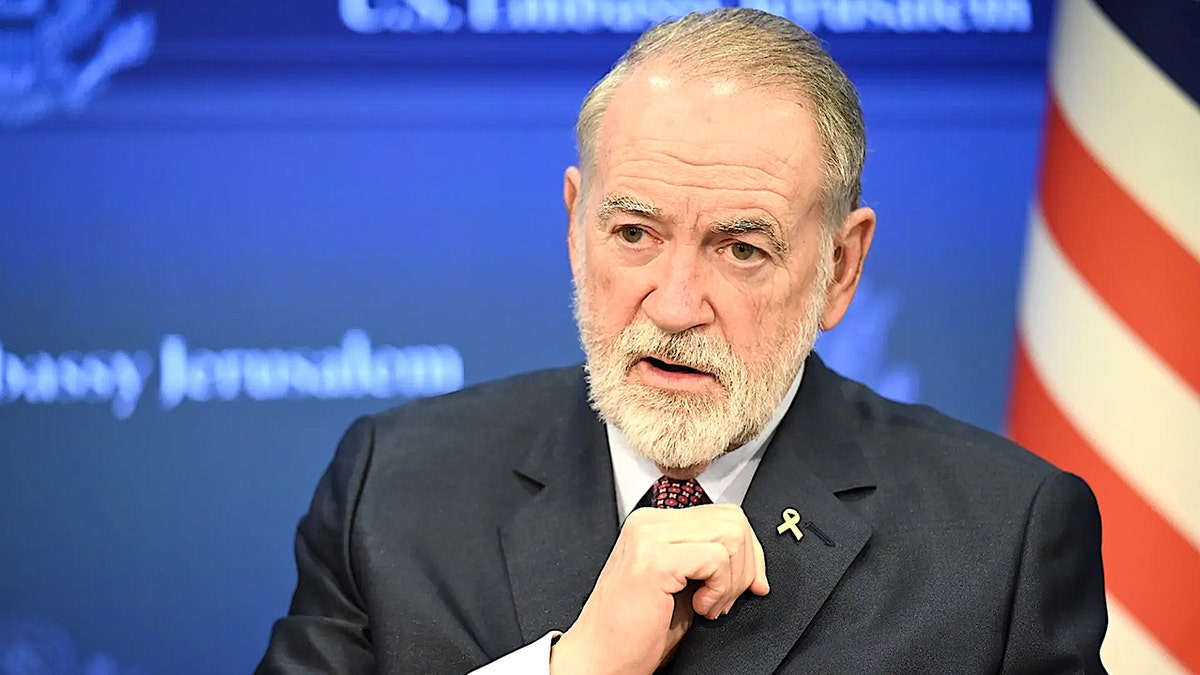
U.S. Ambassador to Israel Mike Huckabee speaks to Fox News Digital during an interview at the American embassy in Jerusalem. (Yoav Dudkevitch/ TPS-IL for Fox News)
«I think without a doubt there will be,» Huckabee said when asked whether the U.K. should expect consequences.
Huckabee pointed to Florida and other states with anti-boycott laws, arguing that British companies could face restrictions on doing business there.
«If the Brits do something like this with a partner, Israel, then they will not be able to do business in Florida,» he said, warning of a «huge economic impact on British businesses.»
He also challenged Britain’s policy on substantive grounds, arguing that Israel is permitted under the Oslo agreements to build communities in Area C and predicting that the sanctions would have «a very negative effect that does not meet whatever goal maybe that the Brits have.»
In a separate portion of the BBC interview, Huckabee said, «I feel like that it’s a discrimination against the Israeli government. It’s a discrimination against the Jewish people. And I don’t understand the rationale.»
The Trump administration also made clear Tuesday that Washington would not join the coordinated sanctions push. Secretary of State Marco Rubio said the United States does not want to see «anything destabilizing» in the West Bank, but said Washington would not follow Britain, France and Canada in blocking imports from Israeli settlements, according to Reuters.
IS ISRAEL REALLY ISOLATED? POLLS AND DIPLOMACY POINT IN OPPOSITE DIRECTIONS
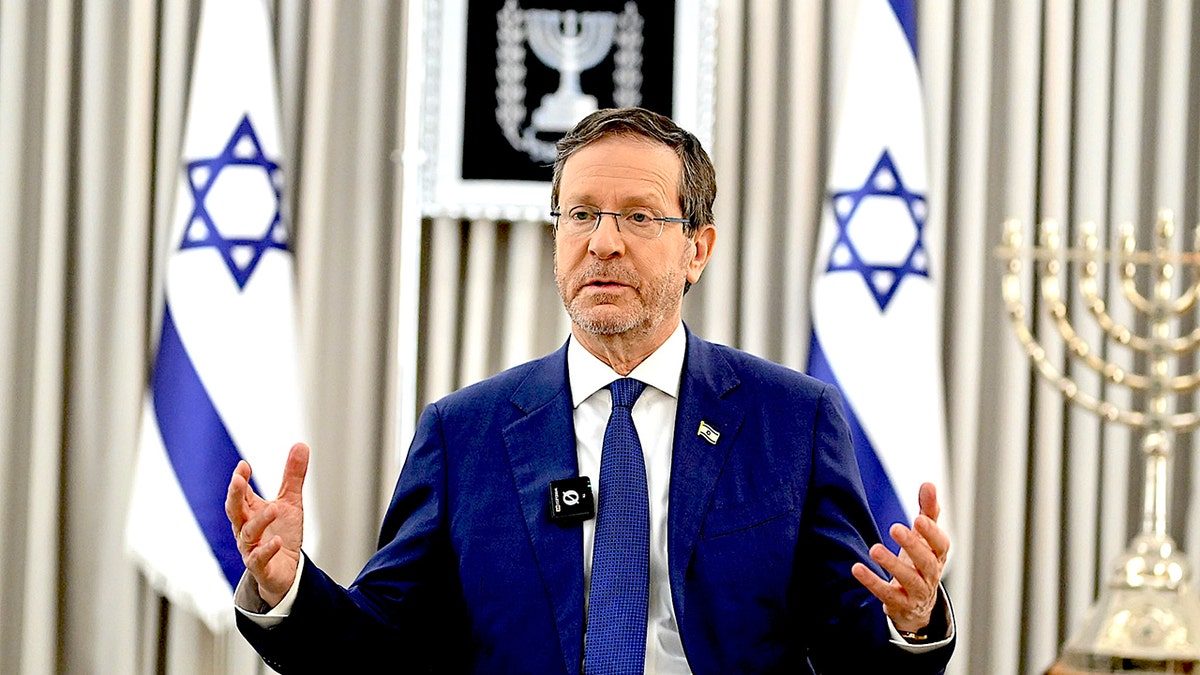
Israeli President Isaac Herzog during an interview with Fox News Digital in Jerusalem. (Yoav Dudkevitch/TPS-IL for Fox News Digital)
Sa’ar also accused London of interfering in Israel’s election campaign and said the settlement sanctions were driven by domestic British politics ahead of the Labor Party conference.
«The British move is morally distorted and constitutes blatant interference in the affairs of a sovereign state and in its electoral process,» he said.
Israeli President Isaac Herzog called Britain’s move a «grave miscalculation» Tuesday and argued that it amounted to «gross interference» in Israel’s upcoming election, according to a statement from his office.
Nitsana Darshan-Leitner, president and founder of the Tel Aviv-based Shurat HaDin-Israel Law Center, also criticized the measures, arguing that the economic impact would be limited while the political consequences could be significant.
«These sanctions are not serious economic policy; they are political theater staged at Israel’s expense,» Darshan-Leitner told Fox News Digital. She disputed Britain’s legal characterization of the territory, saying, «The territories are disputed, not sovereign Palestinian land, and their future must be negotiated by the parties under the Oslo framework.»
Darshan-Leitner also argued that because little of the roughly $8 billion in annual U.K.-Israel trade originates in West Bank settlements, the measures would have little direct economic effect while potentially influencing Israel’s political debate ahead of elections.
Miliband, however, argued that failing to act would allow continued settlement expansion to destroy the possibility of a two-state solution. He focused particularly on Israel’s E1 project east of Jerusalem, which Britain and numerous other governments say threatens the territorial viability of a future Palestinian state.
Sa’ar rejected Britain’s position that the E1 settlement project threatens the viability of a future Palestinian state.
UK PINS STRING OF ANTISEMITIC ATTACKS ON IRAN-LINKED GROUP, BANS IRGC
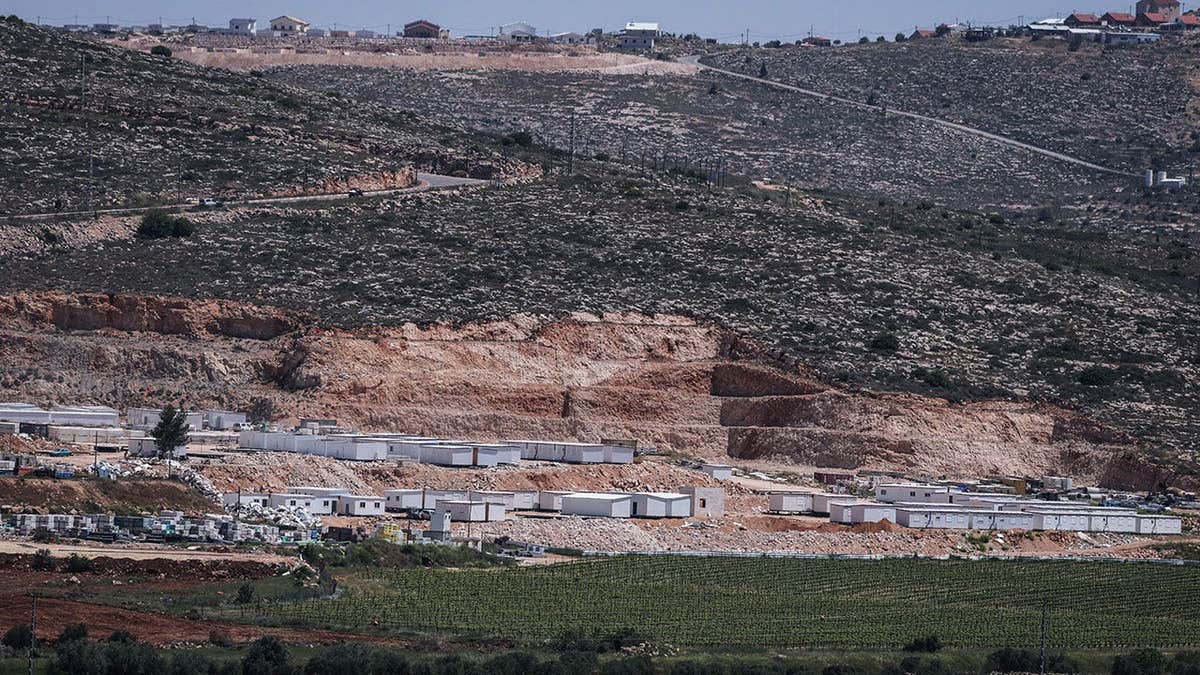
The Libi Infrastructure and Construction factory in the Israeli settlement of Shilo in the West Bank, April 30, 2026. (Reuters/Ammar Awad)
The policy has also exposed divisions within Britain.
Conservative lawmaker Tom Tugendhat acknowledged in Parliament that illegal settlements were wrong and that some settlers had committed «outrageous abuses» against Palestinians, but argued that the government’s response risked hurting ordinary Israelis and Palestinians.
«What we reject here is not the intent, but the performative politics,» Tugendhat said, warning against acting without sufficiently broad international support.
Miliband rejected arguments that the measures were intended to isolate Israel.

An Israeli soldier is seen during a protest in the town of Beita, in the West Bank, on July 26, 2024. (Wahaj Bani Moufleh/Middle East Images/AFP via Getty Images)
«Our argument is not with the people of Israel, with whom the U.K. has unshakable bonds,» he said. «Our argument is with the conduct of its government.»
Chief Rabbi Sir Ephraim Mirvis also sharply criticized the measures, calling Tuesday «a truly dark day for British Jews.»
«Today our Government has chosen to ignore the deep concerns expressed by so many of us,» Mirvis wrote on X. «These measures will succeed only in bolstering the very extremism they seek to target.»
Mirvis argued that the sanctions would do little to advance peace and could deepen hostility toward Israel at a time of heightened concern about antisemitism in Britain.
«Gesture politics of this kind feeds into an increasingly hostile discourse about Israel,» he wrote, warning that the cumulative effect of such policies could «further embolden those, at home and abroad, who use hatred as a weapon against Jews.»
united kingdom, middle east foreign policy, sanctions, politics, foreign policy
INTERNACIONAL
Régimen de Nicaragua entrega el control de los puertos y transporte acuático al Ejército

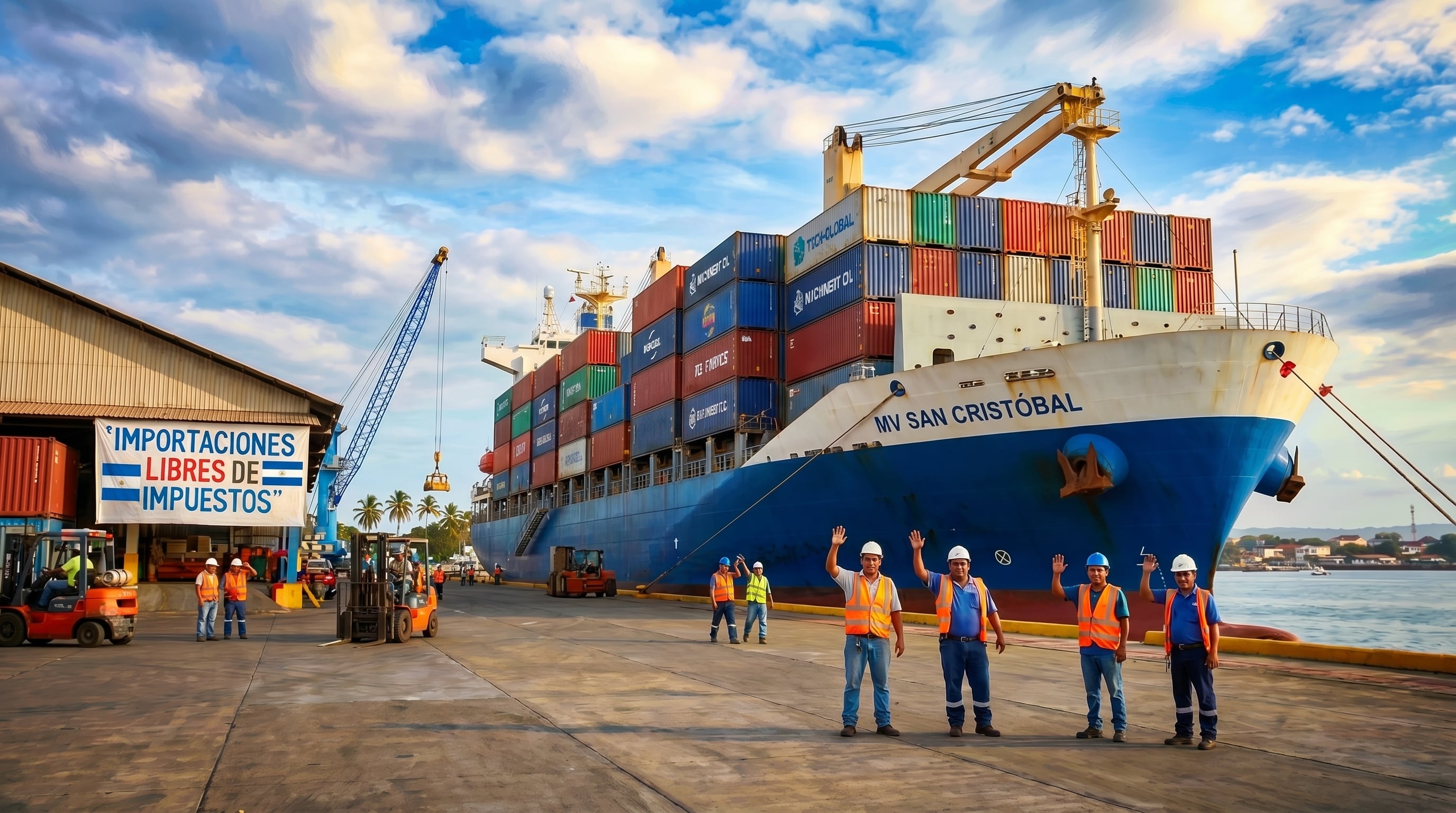
El régimen de Nicaragua, mediante la Asamblea Nacional, aprobó recientemente la creación de la Dirección General de Transporte Acuático (DGTA), un ente que estará adscrito al Ejército y que controlará los puertos y el transporte acuático. La medida amplía atribuciones de los militares en un momento de disputa política por su lealtad ante un eventual cambio de régimen.
La nueva estructura tendrá autonomía técnica, administrativa y financiera, personalidad jurídica y patrimonio propio. También recibirá los recursos, vehículos, sistemas informáticos y bienes que usaba la Dirección General de Transporte Acuático vinculada al Ministerio de Transporte e Infraestructura.
Según el portal oficialista el19digital.com, la legislación incorpora el numeral 19 bis al artículo 3 de la Ley 181, Código de Organización Militar, para formalizar que las Fuerzas Armadas ejercerán el control y tutela de la nueva entidad. La iniciativa presentada por la Presidencia sostiene que la medida busca reforzar la coordinación en seguridad y protección de los espacios marítimos, fluviales y lacustres.
La DGTA podrá formular políticas de seguridad para la navegación; dirigir, regular y controlar el desarrollo marítimo nacional; autorizar matrículas y permisos; cancelar rutas y servicios, y supervisar a personas y empresas dedicadas a actividades marítimas. También tendrá facultades sobre tarifas de transporte de carga y pasajeros, además del cobro de matrículas, patentes, permisos de navegación, certificaciones para astilleros y talleres de mantenimiento, y multas previstas por la ley.
Más control para asegurar la fidelidad militar
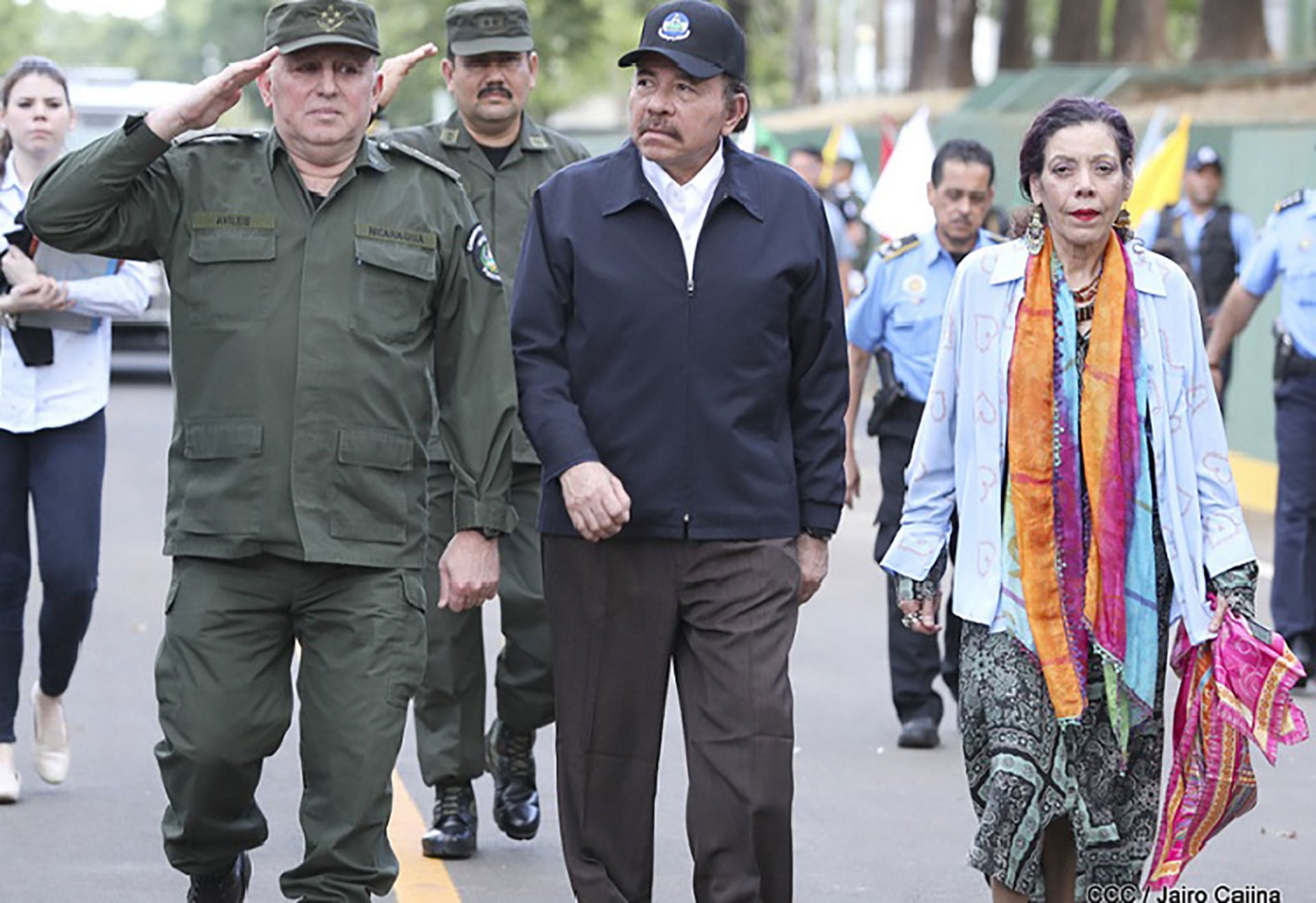
La ampliación de funciones del Ejército se produce en un momento en que los militares aparecen como un actor en cualquier escenario de continuidad autoritaria o transición en el país. Esto se volvió especialmente visible el 2 de septiembre, durante el 47.º aniversario del Ejército.
Ese día, la Unidad Nacional Azul y Blanco pidió a oficiales y soldados que no usaran las armas contra la población y les planteó que tendrían espacio en una futura democracia. Horas después, el general Julio César Avilés respondió desde el acto oficial con un respaldo a las reformas constitucionales del régimen de Ortega y Murillo y llamó a los militares a mantenerse “leales, firmes, cohesionados y sin dobleces”.
Avilés dijo: “Le decimos a los traidores, vividores y vendepatria, vergüenzas de la nación, que aquí estamos los soldados de la patria”. El jefe militar expresó, en nombre del Consejo Militar, el cuerpo de generales y la Comandancia General, su “firme respaldo” a la reforma constitucional promovida por el régimen.

La oposición también modificó su discurso hacia las Fuerzas Armadas. Juan Sebastián Chamorro, al explicar la propuesta “Nicaragua: Transición Ordenada desde la Dictadura hacia la Democracia”, sostuvo que el Ejército sí tendría un papel en la ecuación de cambio, siempre que se trate de militares no implicados en delitos, violaciones de derechos humanos o crímenes de lesa humanidad.
Chamorro afirmó: “Sí, definitivamente. Así lo vemos. Es un factor”. Añadió que las Fuerzas Armadas podrían contribuir a evitar que una salida del régimen desemboque en violencia, narcotráfico, vacío de poder o desintegración institucional.
Avilés rompió la rotación histórica y puede completar 21 años en la jefatura
El principal mecanismo de control construido por Ortega y Murillo tiene nombre propio: Avilés Castillo, comandante en jefe desde el 21 de febrero de 2010. Antes de su permanencia, el Ejército había mantenido relevos regulares de cinco años con Joaquín Cuadra entre 1995 y 2000, Javier Carrión entre 2000 y 2005 y Omar Halleslevens entre 2005 y 2010.
En enero de 2014 fue reformada la Ley 181 y desapareció la prohibición de reelegir al comandante en jefe. Avilés recibió un segundo período entre 2015 y 2020, un tercero entre 2020 y 2025 y un cuarto mandato iniciado en 2025 que se extenderá hasta 2031.
Si completa ese período, habrá dirigido el Ejército durante 21 años consecutivos. En su cuarta juramentación, Rosario Murillo afirmó: “Nos sentimos igualmente orgullosos de contar con la lealtad suprema de un soldado de la patria”.
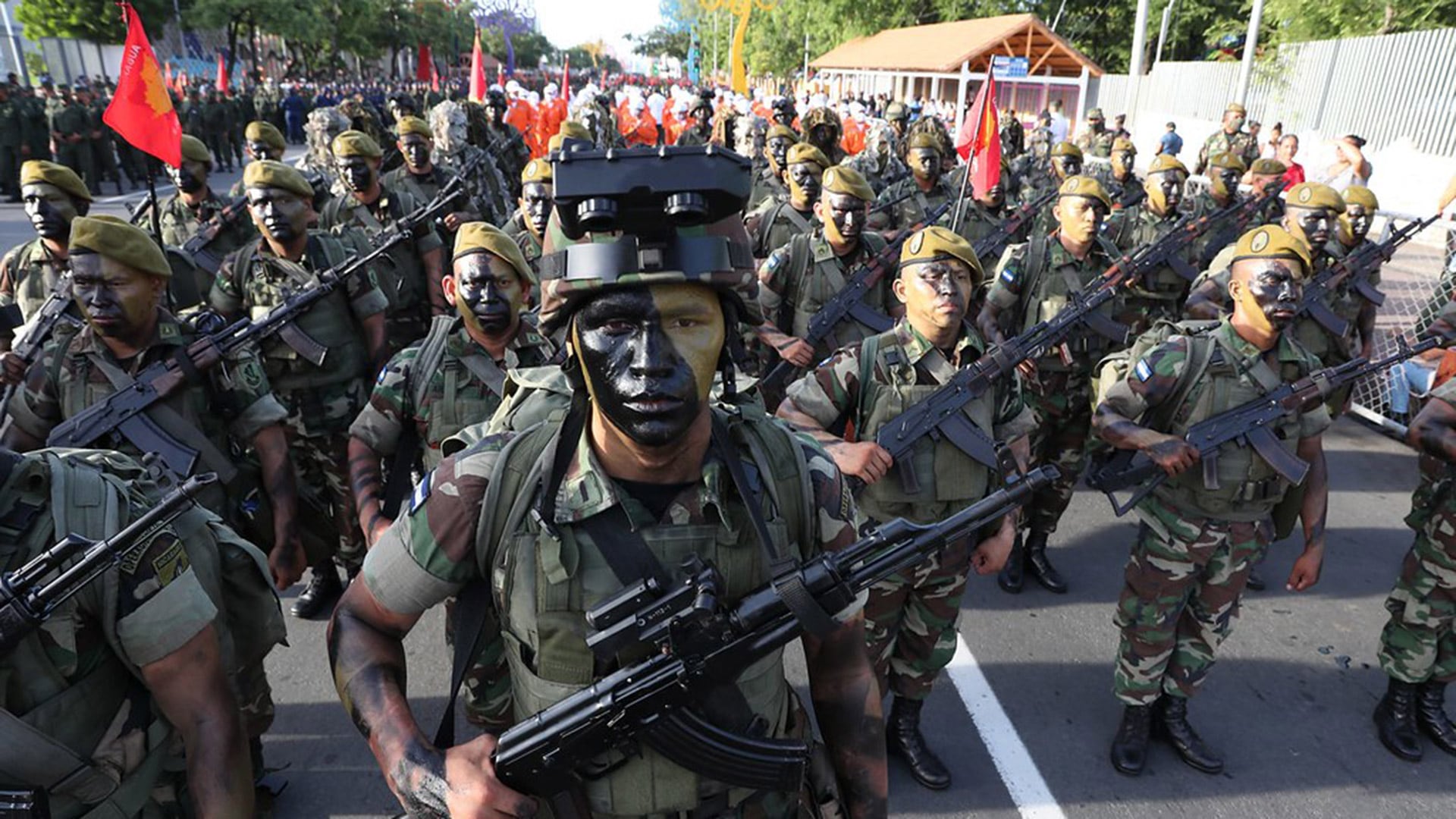
La consolidación de la cúpula no se limita al comandante. En julio de 2025, La Prensa publicó que Ortega había nombrado al menos 43 generales desde su regreso al poder en 2007, hasta configurar una estructura que el diario describió como un Ejército “enano cabezón”.
En 2025 también se creó el grado de coronel general, situado debajo del general de Ejército. Los primeros ascendidos fueron Bayardo Ramón Rodríguez, jefe del Estado Mayor General, y Marvin Elías Corrales, inspector general, una decisión que permitió promoverlos sin apartarlos de sus cargos y abrió nuevos espacios en la cúspide del escalafón.
Fuentes militares citadas por el diario señalaron que, si continúan las extensiones de mandatos, integrantes centrales del Estado Mayor podrían acercarse a los 80 años antes de dejar definitivamente la cima de la institución. Esa permanencia bloquea la progresión de coroneles, tenientes coroneles y otros oficiales que esperan ascensos.
La oposición busca a los mandos medios del Ejército
De acuerdo con el medio nicaragüense, mientras crecen los mensajes políticos hacia los cuarteles, el régimen acumula incentivos, ascensos y nuevas atribuciones para la cúpula.
Javier Meléndez, analista en asuntos de defensa y seguridad, citado por Infobae, situó el foco en los mandos intermedios a quienes el mensaje opositor debería ofrecer “incentivos profesionales, amnistías condicionadas” y un lugar en el futuro democrático.
Hasta ahora, la Fuerza Naval ha tenido un perfil costero y se dedica al patrullaje, la lucha contra el narcotráfico, la pesca ilegal, la búsqueda y rescate y la vigilancia de aguas jurisdiccionales.
En ese contexto, la entrega de puertos, rutas, permisos y tarifas del transporte acuático a una entidad bajo tutela militar añade una nueva esfera de control a una institución que ya dispone de organización nacional, inteligencia, cadena de mando y despliegue territorial.
ejército de Nicaragua,operación antidrogas,patrulla nocturna,narcotráfico,droga,lancha

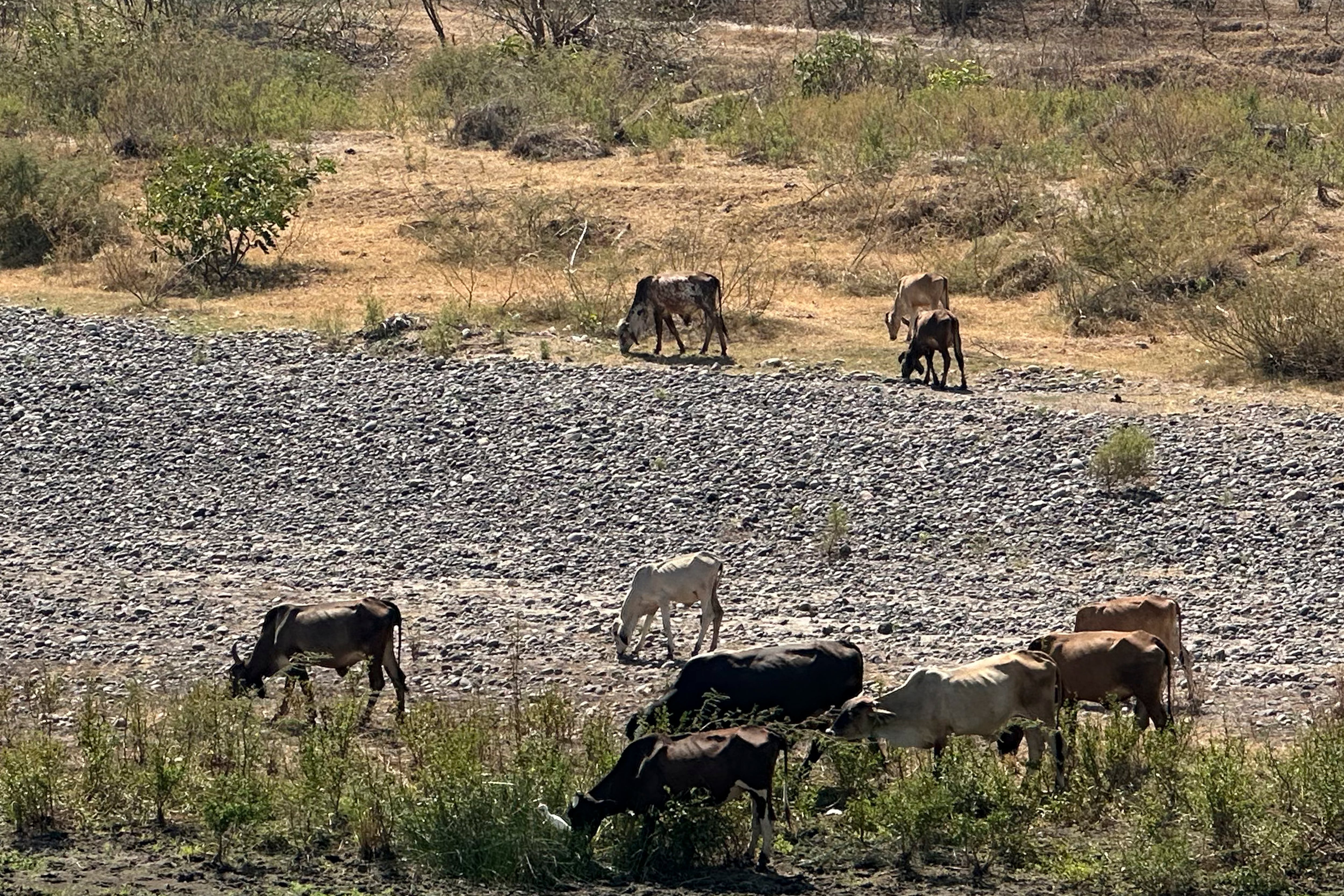
Aunque las lluvias han regresado a distintas regiones del país durante las últimas semanas, las autoridades consideran que las precipitaciones registradas hasta ahora no son suficientes para afirmar que la emergencia ha quedado atrás.
La Secretaría de Gestión de Riesgos y Contingencias Nacionales (Copeco) mantiene algún nivel de alertamiento en 234 municipios, lo que representa cerca del 80 % del territorio hondureño. Dentro de este grupo, 103 municipios permanecen en Alerta Roja, debido a la gravedad de los efectos asociados al déficit de lluvias.
La cantidad de población que permanece expuesta refleja la dimensión de una emergencia que trasciende el ámbito agrícola. La falta prolongada de precipitaciones también afecta las fuentes de agua de las comunidades y aumenta el riesgo de dificultades para garantizar la alimentación de las familias.

El ministro de Copeco, Reinaldo Sánchez, explicó que la institución mantiene un seguimiento permanente de las condiciones en cada municipio para determinar si la situación mejora o se agrava.
Entre los elementos que se toman en cuenta están los días acumulados sin precipitaciones, la cantidad de lluvia registrada y el déficit existente en cada territorio. También se revisa el estado de las fuentes de agua, el comportamiento de la producción agrícola y las condiciones relacionadas con la seguridad alimentaria.
Uno de los principales retos para las autoridades es determinar si las lluvias recientes representan un cambio real en las condiciones climáticas o solamente una mejoría temporal.
Sánchez señaló que las precipitaciones no han tenido el mismo comportamiento en todo el país. Mientras algunas comunidades han recibido cantidades de lluvia que han permitido observar cambios en sus fuentes de agua, otras continúan enfrentando condiciones de sequedad.

Durante recorridos por zonas afectadas, el funcionario encontró ríos que habían quedado completamente secos y que, después de las lluvias, comenzaron a recuperar pequeños caudales. Sin embargo, este tipo de recuperación todavía no es suficiente para considerar restablecidas las condiciones normales.
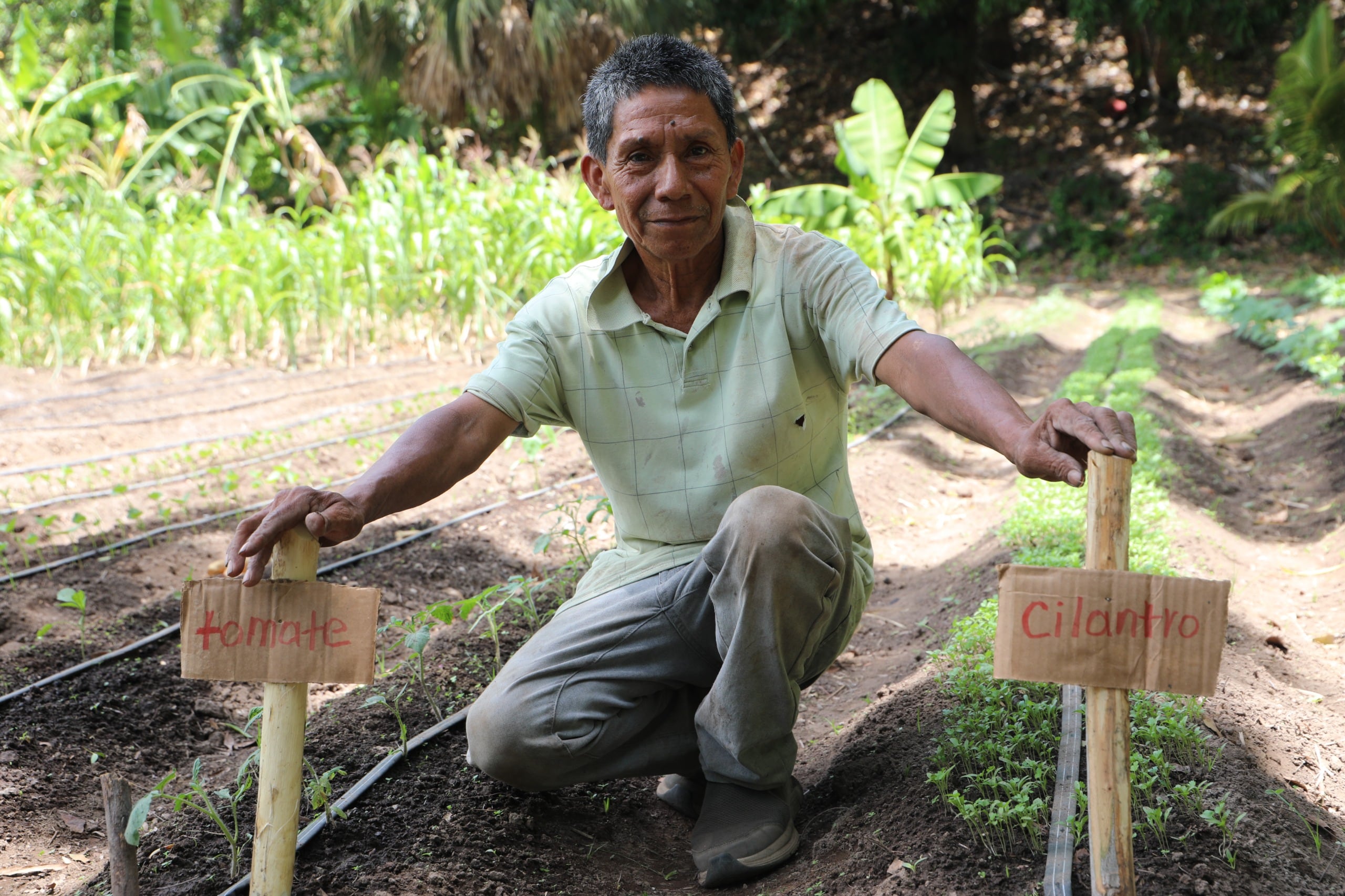
Por esa razón, los 5.6 millones de hondureños que residen en los municipios bajo alerta continúan expuestos a los efectos de la emergencia.
Las próximas semanas serán importantes para conocer la evolución de la situación. Las autoridades tienen especial atención en la segunda mitad de septiembre, debido a que este período puede resultar determinante para los productores que dependen de las lluvias para la cosecha de postrera.
Una temporada favorable de precipitaciones permitiría mejorar las condiciones para los cultivos y reducir parte de la presión que actualmente existe sobre la producción de alimentos.
Sin embargo, Copeco mantiene una posición cautelosa frente al comportamiento climático de los siguientes meses. De acuerdo con las previsiones mencionadas por Sánchez, noviembre podría continuar presentando dificultades, por lo que el monitoreo de la situación se contempla incluso hasta marzo de 2027.
Esto significa que, aun cuando las lluvias de septiembre puedan generar alivio en algunas zonas, la emergencia no necesariamente desaparecerá de inmediato.
Mientras las autoridades esperan una recuperación de las condiciones, algunas de las comunidades más afectadas ya requieren asistencia directa.

Actualmente, 37 municipios reciben ayuda alimentaria como parte de una respuesta coordinada entre Copeco, la Secretaría de Desarrollo Social, agencias de Naciones Unidas y la Red Humanitaria.
La respuesta no se limita al suministro de comida. Las instituciones también trabajan en acciones preventivas de salud ante posibles enfermedades relacionadas con las condiciones que puede generar una sequía prolongada.
El panorama mantiene en alerta a las autoridades porque la recuperación de las fuentes de agua y de la producción agrícola puede requerir más tiempo que el regreso de las precipitaciones.
Para que la situación comience a normalizarse será necesario que las lluvias sean suficientemente constantes para recuperar los niveles de agua y permitir que los productores retomen sus actividades con menor riesgo.
Por ahora, la cifra de 5.6 millones de hondureños que viven en municipios bajo algún nivel de alerta evidencia que el impacto de la sequía continúa siendo amplio.
Con 234 municipios bajo vigilancia, 103 de ellos en Alerta Roja y asistencia alimentaria desplegada en 37 localidades, las autoridades mantienen activa la respuesta mientras esperan que las próximas semanas definan si Honduras avanza hacia una recuperación o si la falta de agua seguirá representando una amenaza durante los próximos meses.
corresponsal:Desde Tegucigalpa, Honduras

El Gobierno acelera los contactos con aliados regionales para sumar apoyos al reclamo por las islas Malvinas

Bariloche: 13 armados disputarán una elección local que ya funciona como ensayo para 2027

Los memes que dejó la victoria de Boca ante San Pablo por la Sudamericana: Merentiel, Jagger Herrera y Velasco, los elegidos

La Justicia le advierte al Congreso que el cambio de las PASO no debe hacerse en pleno proceso electoral

Nora Colosimo recordó su historia de amor con Andrés Nara: “Fue en un flechazo en un semáforo”

Patricia Bullrich cuestionó a la jueza que frenó la ley penal juvenil en la provincia de Buenos Aires: “No le corresponde decidir”

Arizona voter-law fight reaches SCOTUS as election groups warn ‘absurd’ consequence could ensue

Franco Colapinto elogió la pole de Gasly en Monza y explicó cuál fue la diferencia de rendimiento con su compañero de Alpine

Final Fantasy VII Revelation confirma nuevos detalles: Cambio de personaje, pistola de agarre y más – Nintenderos

El Gobierno nacional y la Conferencia Episcopal anunciaron avances en la planificación de la visita de León XIV

 POLITICA3 días ago
Martín Menem dijo que Milei será el primer no peronista en ser reelecto y llamó a invertir más
- POLITICA3 días ago
1000 días de Milei: los logros, las crisis que lo marcaron y los déficits de su gestión
- DEPORTE3 días ago
Franco Colapinto largará en el puesto 7 con su Alpine el Gran Premio de Italia de la Fórmula 1: hora, TV y todo lo que hay que saber