INTERNACIONAL
Examining NATO: Inside the ‘commitment gap’ as US carries alliance deterrence

NEWYou can now listen to Fox News articles!
This is part one of a series examining the challenges confronting the NATO alliance.
As President Donald Trump ramps up pressure on NATO allies to increase defense spending — and orders the withdrawal of 5,000 U.S. troops from Germany over the next six to 12 months — a deeper issue is coming into focus: even as allied budgets rise, NATO still depends heavily on American military power to function.
NATO’s imbalance is not theoretical — and it is not new, retired Lt. Gen. Keith Kellogg told Fox News Digital, «I told the president… maybe you ought to talk about a tiered relationship with NATO,» Kellogg described conversations with Donald Trump in his first term about the alliance’s future. «…we need to develop a new, for lack of a better term, a new NATO a new defensive alignment with Europe.»
Kellogg, who served as a senior national security official during Trump’s first term, said the alliance has expanded politically but not militarily — creating what he sees as a growing gap between commitments and real capability.
NATO CHIEF SIGNALS ALLIES MAY ACT ON HORMUZ, WARNS OF ‘UNHEALTHY CODEPENDENCE’ ON US
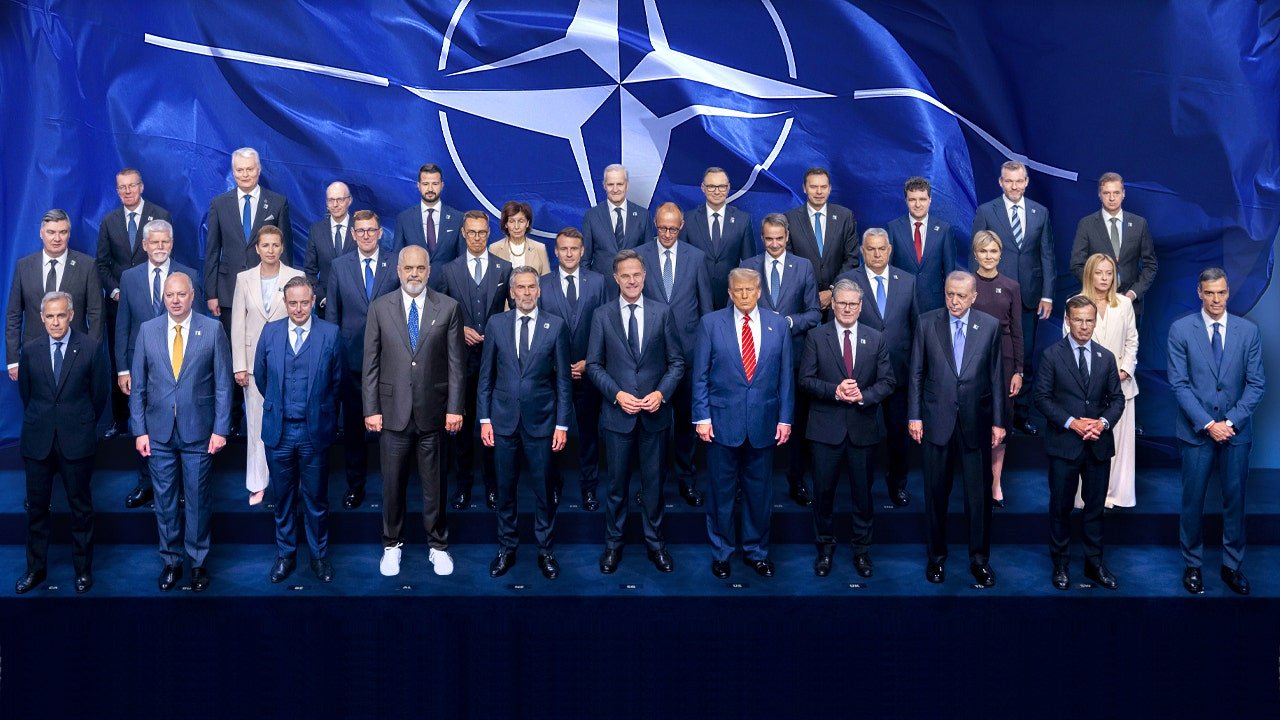
NATO Secretary General Mark Rutte, U.S. President Donald Trump and Britain’s Prime Minister Keir Starmer pose with NATO country leaders during the NATO Heads of State and Government summit in The Hague, Netherlands, on June 25, 2025. (Ben Stansall/Pool/Reuters)
«You started with 12, and you went to 32, and in the process, I think you diluted the impact,» he argued, calling today’s NATO «a very bloated architecture.»
«They haven’t put the money into defense. Their defense industry and defense forces have atrophied. When you look at the Brits right now, they could barely deploy forces: they have two aircraft carriers, both under maintenance. Their brigades are like one out of six that work. And you just look at the capability, it’s just not there. So I think we need to realize that and say, well, we need something different,» Kellogg, who is the co-chair of the Center for American Security at the America First Foreign Policy Institute, told Fox News Digital.
But not everyone agrees the alliance is losing relevance.
«It has never been more relevant,» said John R. Deni, a research professor at the U.S. Army War College, who says NATO remains central to U.S. national security.
«The reason for that is twofold,» he said. «One, it’s our comparative advantage versus the Chinese and the Russians… they don’t have anything like this.»
«And the second reason… NATO underwrites the security and stability of our most important trade and investment relationship,» he added, referring to economic ties between North America and Europe.
NATO ALLIES CLASH AFTER RUSSIAN JETS BREACH AIRSPACE, TESTING ALLIANCE RESOLVE
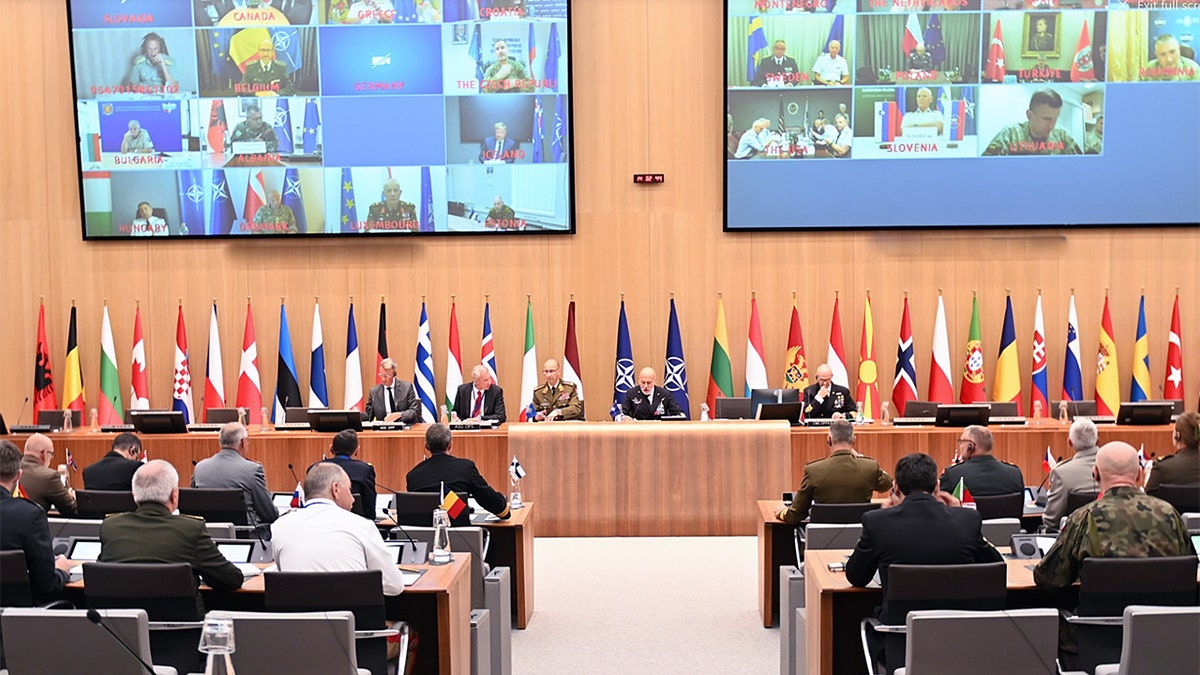
NATO Chiefs of Defense hold a hybrid meeting in Brussels on Aug. 20, 2025, with screens displaying allied leaders joining remotely to discuss Ukraine. (Fox News)
Dependence: Design or Weakness?
By around 2010, the United States accounted for roughly 65% to 70% of NATO defense spending, according to analysis provided by Barak Seener from the Henry Jackson Society, a London-based think tank.
«They’ve always been dependent on the U.S.,» Kellogg said of the European allies.
«The allies overall rely upon one another for deterrence and defense by design,» Deni said, explaining that alliances exist to «pool their resources» and «aggregate their individual strengths.»
Deni pointed to ground forces as a clear example of what the U.S. gains from the alliance, noting that «there are far more allied mechanized infantry forces on the ground than there are Americans.»
Still, he acknowledged that reliance has at times gone too far.
«In the past… it was fair to say that the European allies were overly reliant upon the Americans for conventional defense,» he said, pointing to the 2000s.
That, he said, was partly driven by U.S. priorities — as Washington pushed European allies to focus on wars in Afghanistan and Iraq rather than territorial defense.
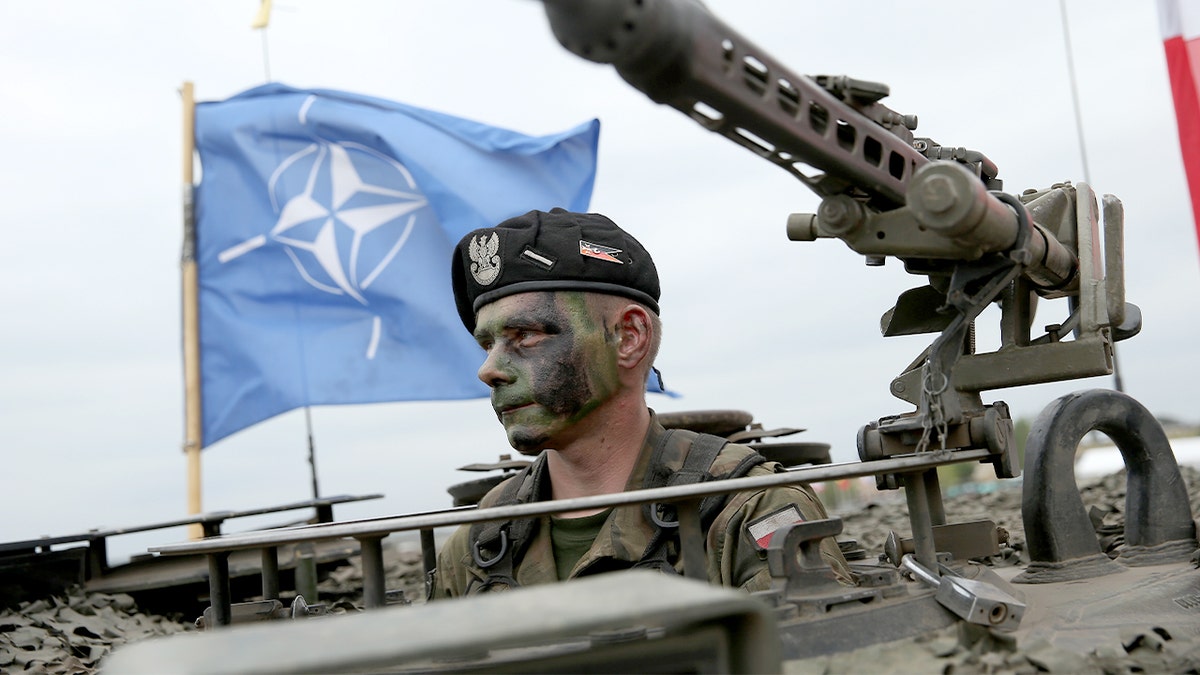
A Polish Army soldier sits in a tank as a NATO flag flies behind during the NATO Noble Jump VJTF exercises on June 18, 2015, in Zagan, Poland. (Sean Gallup/Getty Images)
Seener describes NATO as «formally collective, but functionally asymmetric,» with the U.S. providing a disproportionate share of «high-end capabilities.»
That asymmetry is most visible in nuclear deterrence.
Seener said the U.S. provides the overwhelming majority of NATO’s nuclear arsenal — including intercontinental ballistic missiles, submarine-launched systems and strategic bombers — meaning deterrence ultimately relies on the assumption of U.S. retaliation.
A NATO official told Fox News Digital that, «The U.S. nuclear deterrent cannot be replaced, but it is clear that Europe needs to step up. There’s no question. There needs to be a better balance when it comes to our defense and security. Both because we see the vital role the U.S. plays around the world and the resources that it demands, and also because it is only fair.»
«The good news,» the official added, «is that the Allies are doing exactly that. They are stepping up, working together — and with the U.S. — to ensure we collectively have what we need to deter and defend one billion people living across the Euro-Atlantic area.»
NATO LAUNCHES ARCTIC SECURITY PUSH AS TRUMP EYES GREENLAND TAKEOVER
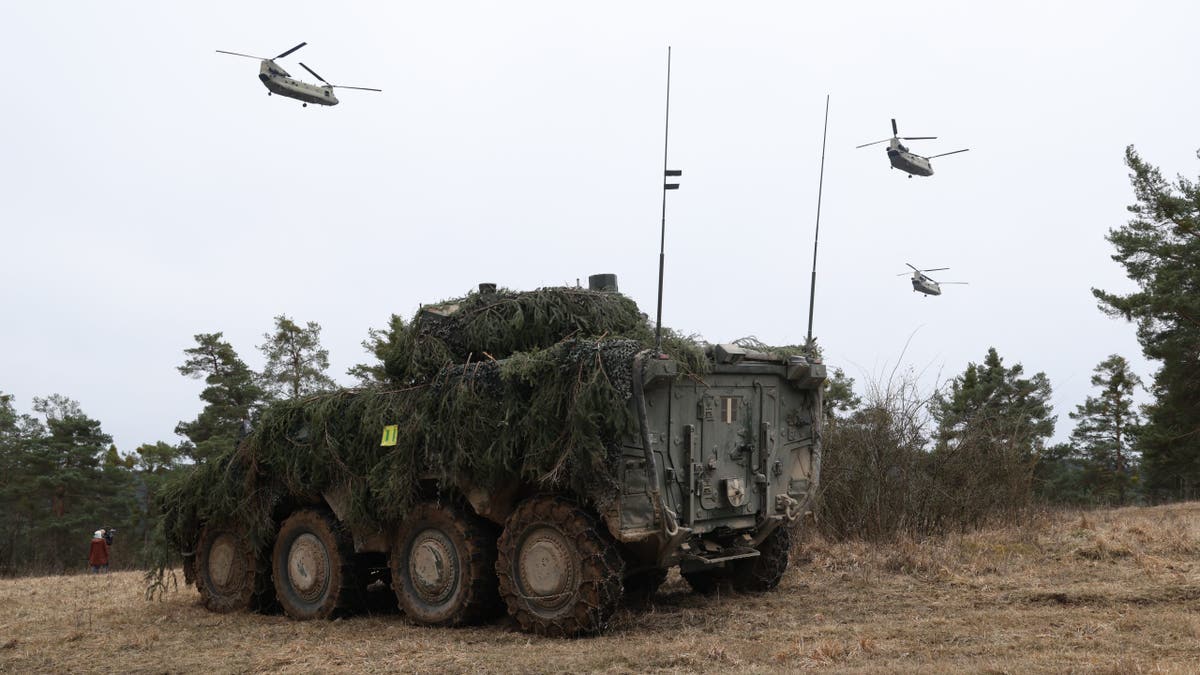
Boeing CH-47 Chinook helicopters of the U.S. Army 12th Combat Aviation Brigade fly over a Lithuanian Vilkas infantry fighting vehicle during the Allied Spirit 25 military exercise near Hohenfels, Germany, on March 12, 2025.
The Systems NATO Cannot Replace
Beyond nuclear weapons, the dependence runs through the alliance’s operational backbone.
Seener pointed to U.S.-provided intelligence, surveillance and reconnaissance — as well as logistics and command systems — as essential to NATO operations.
«Without U.S. intelligence and surveillance, NATO loses situational awareness and early warning capabilities,» Seener said, adding, «So that means that Russia, for example, can attack Europe. And theoretically, if there’s no NATO and the U.S. is not involved, Europe would not be aware, or it would take it too long to be able to defend itself.»
Kellogg also says that much of Europe’s military capability falls short of top-tier systems.
«For the most part, their equipment, if you had to grade it A, B, C, D, E, F, they’re kind of like B players or C players,» he said. «It’s not the first line of work.»
He pointed to air and missile defense as a key gap, noting that while European countries rely on U.S.-made systems such as Patriot and THAAD, «they don’t have a system that’s comparable.»
Kellogg attributed that to years of underinvestment, saying European defense industries «have atrophied,» adding that the United States is also now «relearning that as well.»
TRUMP AFFIRMS US ‘WILL ALWAYS BE THERE FOR NATO,’ WHILE EXPRESSING DOUBTS ABOUT ALLIANCE
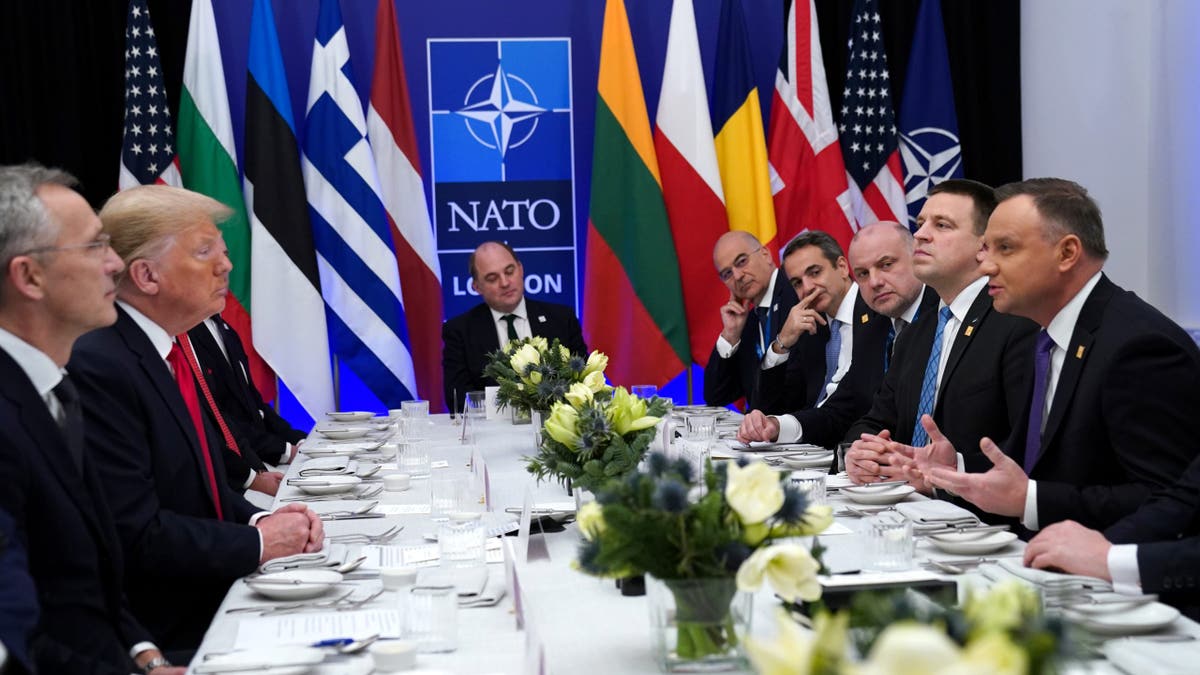
NATO Secretary General Jens Stoltenberg looks on as President Donald Trump and Poland’s President Andrzej Duda talk during a working lunch at the NATO leaders summit in Watford, Britain, on Dec. 4, 2019. (Kevin Lamarque/Reuters)
Deni said the picture today is more mixed.
«Alliance defense spending has been up… and has spiked far more after 2022,» he said, pointing to Russia’s invasion of Crimea in 2014 as a turning point.
But he cautioned that capability gains take time, noting that many improvements are still years away from full deployment.
Deni pointed to recent European purchases of U.S. systems as evidence of growing capability, noting that countries including Poland, Romania, Norway and Denmark are acquiring the F-35 fighter jet from the U.S.
«You can’t build an F-35 overnight,» he said, adding that many of these improvements will take years to fully materialize.
A NATO official told Fox News Digital the alliance «needs to move further and faster» to meet growing threats, pointing to new capability targets agreed by defense ministers in June 2025.
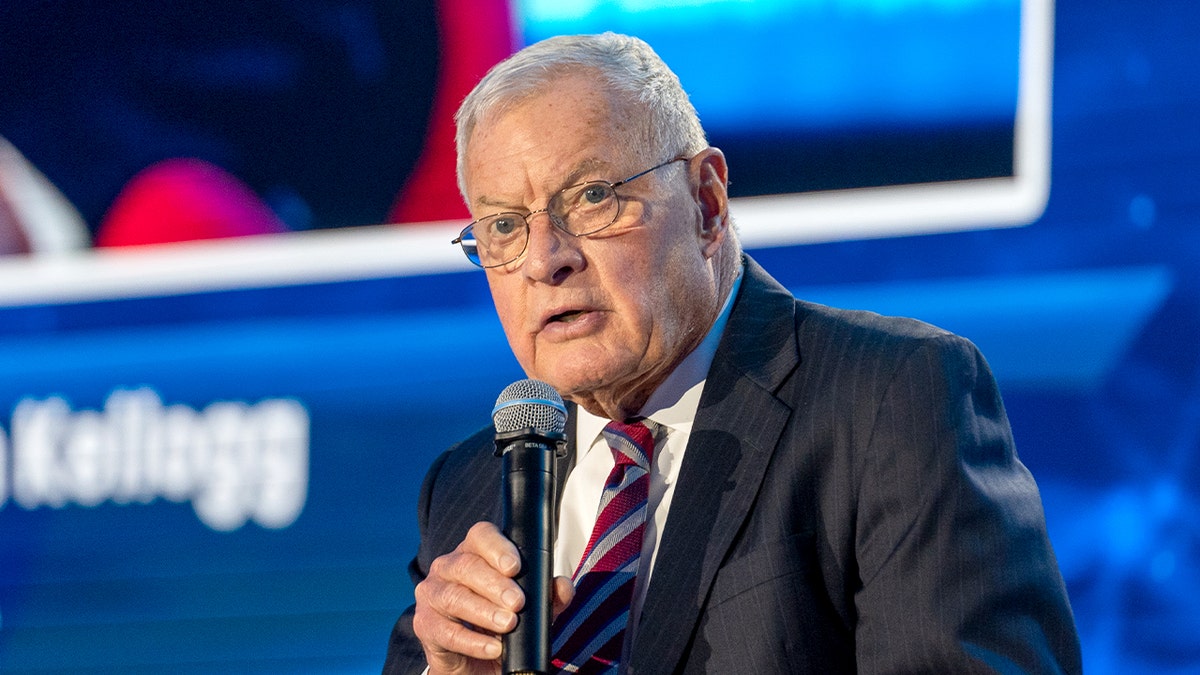
Keith Kellogg speaks during the Warsaw Security Forum 2025 on Sept. 30, 2025, in Warsaw, Poland. (Marek Antoni Iwanczuk/NurPhoto via Getty Images)
The official said priorities include air and missile defense, long-range weapons, logistics and large land forces, noting that while details remain classified, plans call for a fivefold increase in air and missile defense, «thousands more» armored vehicles and tanks, and «millions more» artillery shells. NATO also aims to double key enabling capabilities such as logistics, transportation and medical support.
The official added that allies are increasing investments in warships, aircraft, drones, long-range missiles, as well as space and cyber capabilities, while boosting readiness and modernizing command and control.
«These targets are now included in national plans,» the official said, adding that allies must demonstrate how they will meet them through sustained defense spending and capability development.
The NATO official also noted that European allies lead multinational forces across Central and Eastern Europe, while the U.S. and Canada serve as framework nations in Poland and Latvia, alongside ongoing air policing missions and NATO’s KFOR operation in Kosovo.
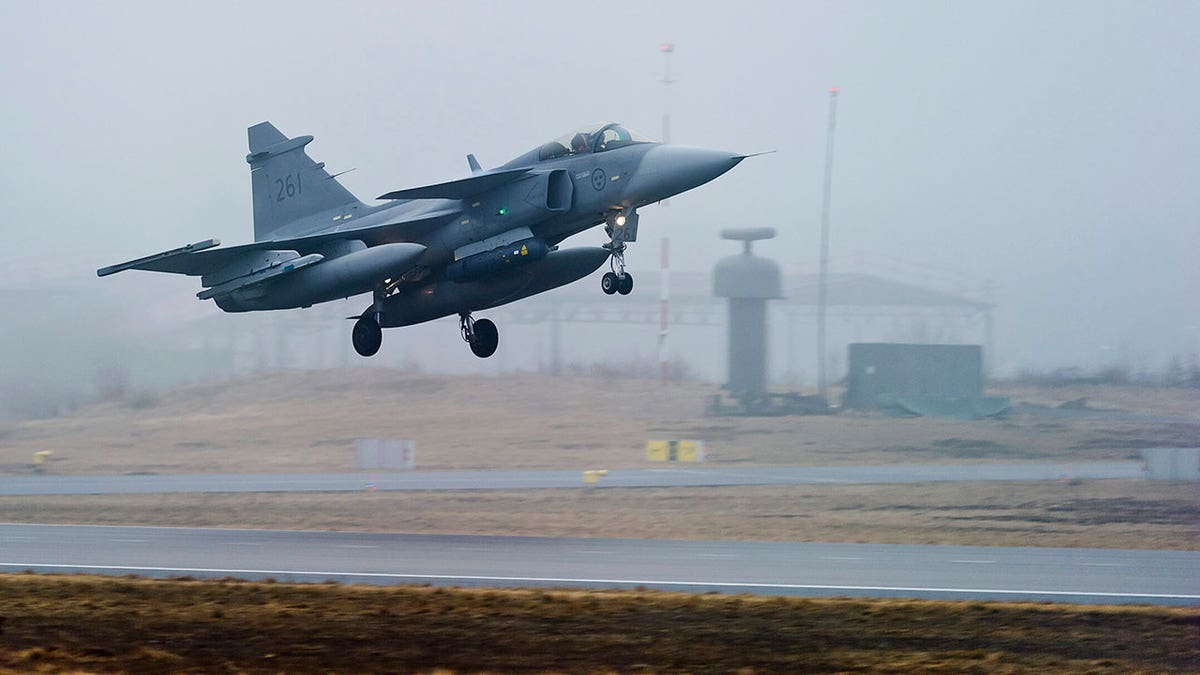
One of three Swedish Air Force JAS 39 Gripen fighter aircraft takes off from the Blekinge Wing F17, based in Kallinge southern Sweden for a base in Sardinia to join the Nato-led operation in Libya, on Saturday, April 2, 2011. As Sweden joins NATO, it bids a final farewell to more than two centuries of neutrality. (AP Photo/Scanpix/Patric Soderstrom, File)
What happens if the U.S. is stretched?
Kellogg’s warning is direct: NATO’s deterrence depends on U.S. presence.
«The one you always have to worry about… is Russia,» Kellogg, who was Trump’s special envoy for Ukraine and Russia in 2025, said.
If U.S. forces are tied down elsewhere, NATO could face serious strain — particularly in areas like intelligence and logistics.
For Kellogg, the danger is delay. «We won’t know until it happens,» he said. «And then you won’t be able to respond to it.»
Deni, however, said the alliance remains a strategic asset — not a liability.
CLICK HERE TO DOWNLOAD THE FOX NEWS APP
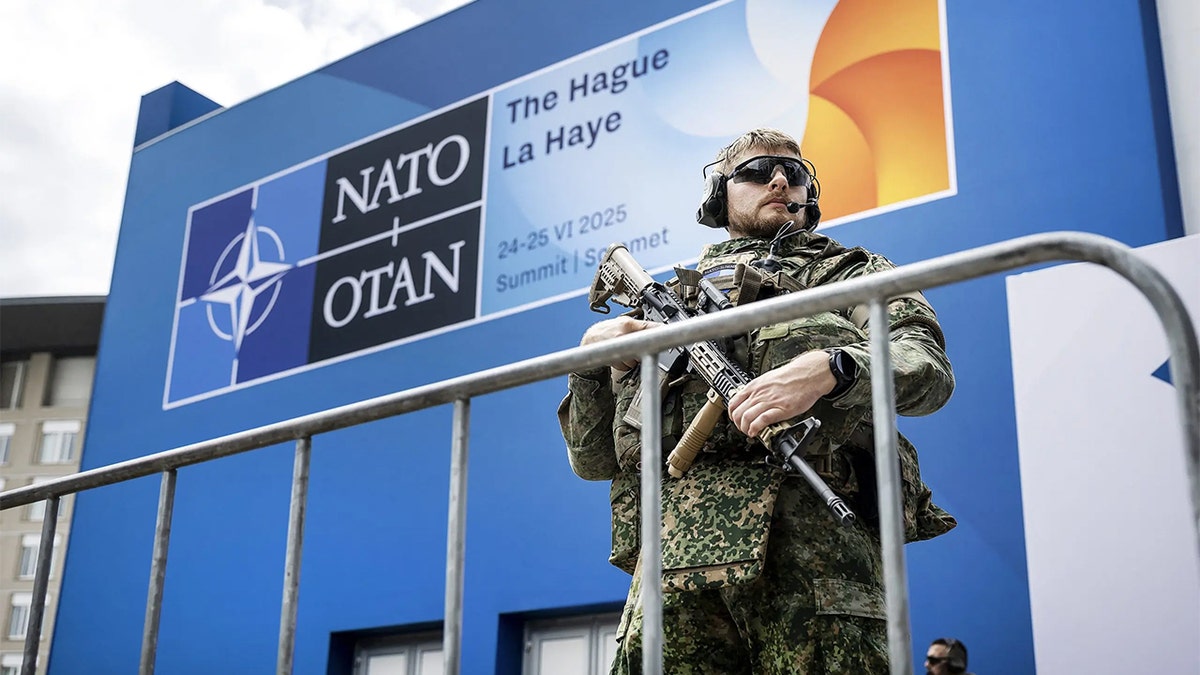
A NATO military force stands guard outside the World Forum in The Hague ahead of the two-day NATO summit on June 22, 2025. (Remko de Waal/ANP/AFP)
The question, he suggests, is not whether NATO still works. It is whether allies can adapt fast enough to keep it working.
nato, defense, national security, alliances, spending










INTERNACIONAL
9/11 hero’s memory preserved through massive effort to ‘do good’ for vets, first responders: ‘His legacy’
NEWYou can now listen to Fox News articles!
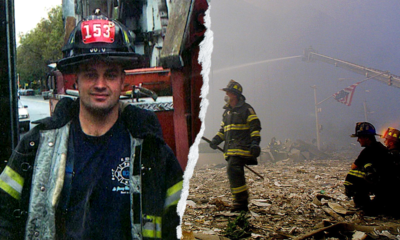
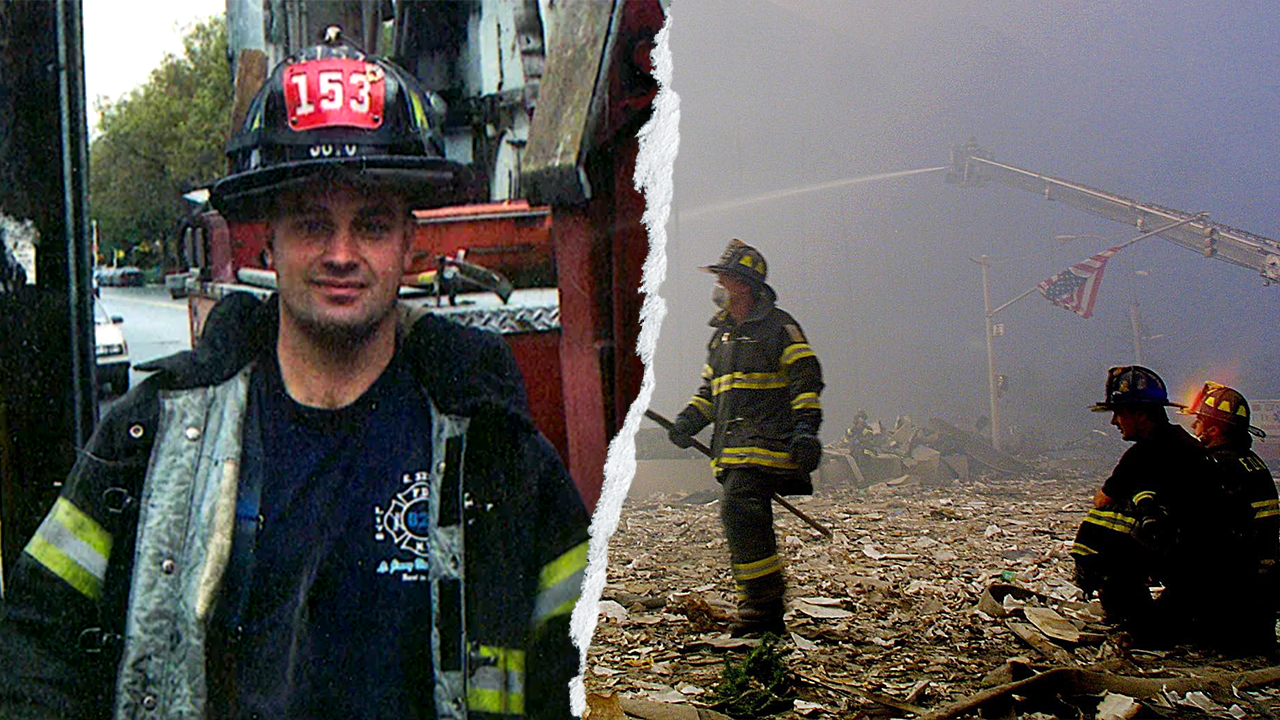
On one of the darkest days in America’s history, New York City firefighter Stephen Siller strapped on his gear and ran through the Brooklyn Battery Tunnel to the collapsing Twin Towers, ultimately giving his life to save those caught in the Sept. 11, 2001, attacks. Two and a half decades later, Tunnel to Towers, founded by Siller’s family, has continued his legacy through its commitment to «do good» for veterans and first responders and their families across the country.
Since its founding, inspired by Siller and his favorite quote, «While we have time, let us do good,» Tunnel to Towers has provided more than 1,700 mortgage-free homes to the families of fallen service members and first responders, as well as to disabled veterans and first responders. The organization has also delivered housing assistance and support services to more than 20,000 homeless veterans and holds hundreds of events nationwide to honor America’s heroes and preserve the memory of those who lost their lives for future generations.
Tunnel to Towers CEO Frank Siller, the brother of the 34-year-old firefighter who gave his life on Sept. 11, previously warned in 2020 that America was «very close to forgetting the impact 9/11 had on our nation.» Now, with anti-American sentiment on the rise and some online commentators belittling the Sept. 11 attacks or even justifying them, many worry the legacy of those who lost their lives, including the 343 members of the New York City Fire Department who made the ultimate sacrifice, will be forgotten.
Siller, however, has vowed that «Tunnel to Towers will never let that happen.»
9/11 IS BECOMING HISTORY. MY GENERATION MUST MAKE SURE AMERICA NEVER FORGETS
The Tunnel to Towers Foundation was started in honor of FDNY firefighter Stephen Siller, who died responding to the attacks. (Tunnel to Towers Foundation)
The Tunnel to Towers 9/11 Institute has helped to educate students from kindergarten through 12th grade on the «extraordinary heroism and goodness of everyday people» on Sept. 11, «while demonstrating the strength and resilience of America’s spirit.» Its mobile 9/11 exhibit has traveled to nearly all 50 states as well as Canada.
This year, Tunnel to Towers launched its «Steel Across America» display, in which a 16,000-pound steel beam pulled from the wreckage of the World Trade Center traveled more than 10,500 miles to 35 stops across 21 states and the District of Columbia, culminating in New York City.
NEW 9/11 MUSEUM EXHIBIT AIMS TO CONNECT YOUNGER AMERICANS TO THE ATTACKS THROUGH POWERFUL ARTIFACTS
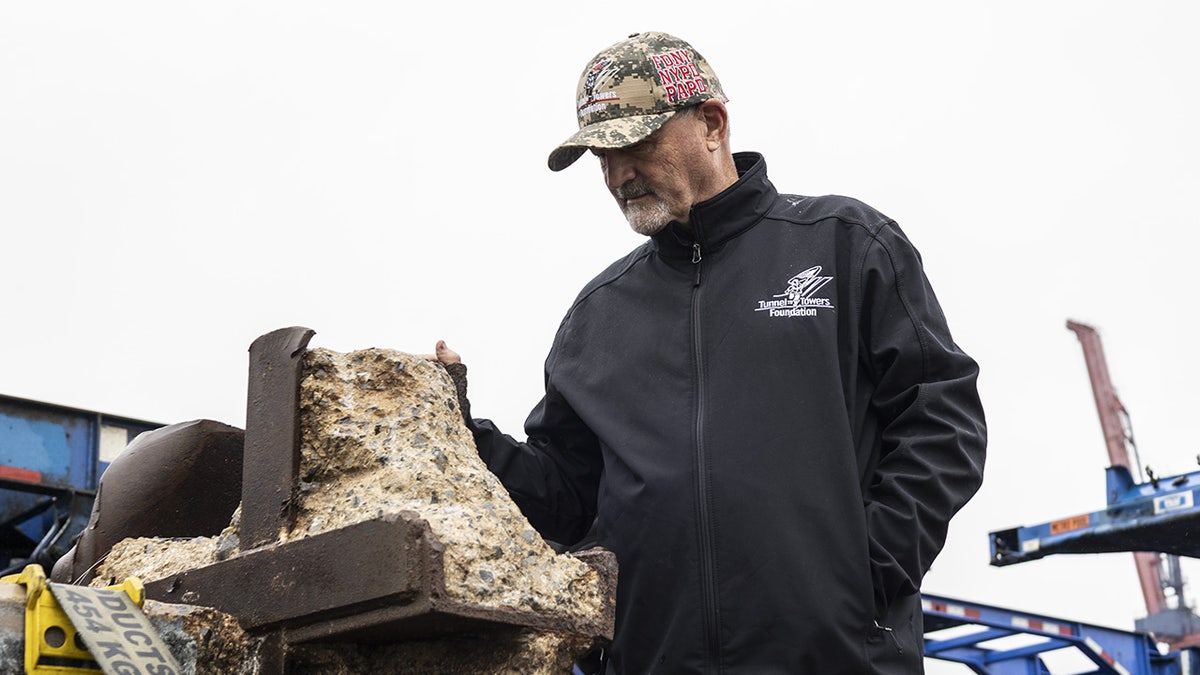
Frank Siller, CEO of the Tunnel to Towers Foundation, stands near a piece of World Trade Center steel that will be featured during the foundation’s effort to honor and remember the victims of the 9/11 attacks as the 25th anniversary approaches. (Courtesy: Tunnel to Towers Foundation)
To mark the 25th anniversary, Tunnel to Towers also launched its 343 Homes Initiative this year to honor the 343 New York firefighters who died on Sept. 11. According to the group, this initiative will deliver 343 mortgage-free homes to the families of fallen service members and fallen first responders as well as to catastrophically injured service members across the country.
This initiative builds on Tunnel to Towers’ «In the Line of Duty Programs,» which have provided more than 1,700 mortgage-free homes to the families of fallen service members and first responders, as well as to catastrophically injured veterans and first responders. More than 220 of those homes have been custom «Smart Homes,» modified to be fully accessible to catastrophically injured veterans and first responders.
SIGN UP TO GET THE POLITICS NEWSLETTER
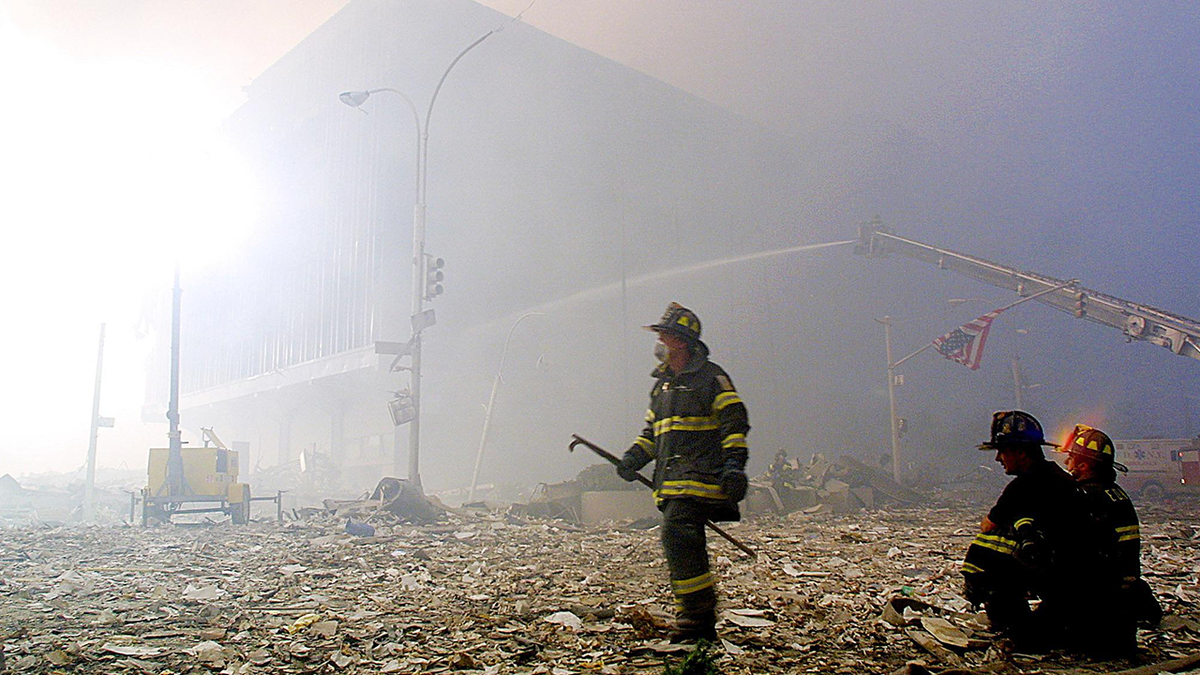
A firefighter walks through the rubble of the twin towers of the World Trade Center as an American flag hangs from a traffic light post on September 11, 2001, in New York. (DOUG KANTER/AFP via Getty Images)
In a recent Fox News opinion piece, Siller put it simply: «Stephen’s life and heroic death serve as a reminder to us all to live life to the fullest and to spend our time here on earth doing good—this is his legacy.»
tunnel to towers steel across america, september 11, new york city, all american heroes, blue lives lost, terrorism, defense, police and law enforcement
INTERNACIONAL
Una astronauta de la Estación Espacial Internacional celebró los 60 años de la serie Star Trek

Este 2026 es muy especial para los fanáticos del espacio y de la ciencia ficción. Es el año en que se cumple el 60 aniversario de Star Trek, la serie de TV que luego fue llevada al cine en numerosas películas y cuyas celebraciones llegaron esta semana hasta la última frontera, el espacio exterior.
Además de los suministros necesarios y materiales científicos para trabajar en la Estación Espacial Internacional (EEI) para la misión en órbita, la astronauta de la Agencia Espacial Europea (ESA), Sophie Adenot, llevó algunos objetos personales, entre los que se encontraba un pequeño recuerdo en honor a uno de los fenómenos de la cultura pop más influyentes que ha instado continuamente a la humanidad a dirigir su mirada hacia las estrellas.
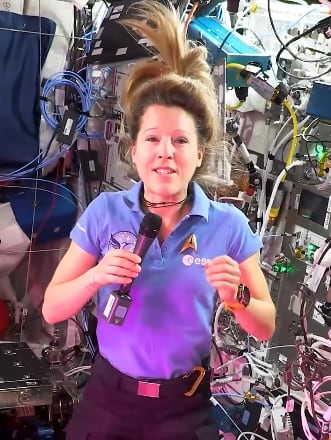
Adenot subió al laboratorio espacial una pequeña insignia de la Flota Estelar de una de las series más recientes de Star Trek, Strange New Worlds, que lució durante un video publicado por la ESA.
“Hola desde la Estación Espacial Internacional. Soy Sophie Adenot, astronauta de la Agencia Espacial Europea. Para mí, la exploración y la ciencia son sinónimo de curiosidad y cooperación: atreverse a ir un poco más allá juntos, aprender de lo que descubrimos y construimos, y transformar ese conocimiento en un futuro mejor para todos”, comenzó a relatar.
Y agregó: “Durante 60 años, Star Trek nos ha ofrecido historias de amistad y exploración. Llevo puesta la insignia del capitán Pike a bordo de la EEI para celebrar la continuidad de la labor científica y de exploración en el mundo real. Feliz 60.º aniversario, Star Trek. Larga vida y prosperidad”.
Adenot viajó a la EEI a bordo de una cápsula Dragon de SpaceX en la misión Crew-12 de la NASA con destino al laboratorio orbital el 13 de febrero último, y actualmente se desempeña como ingeniera de vuelo para la Expedición 75 de la EEI.
Este es su primer viaje al espacio y está previsto que finalice pronto, a la espera del lanzamiento y la llegada de la próxima nave espacial Dragon de SpaceX que transportará a los astronautas de la misión Crew-13 de la NASA, prevista para dentro de pocas semanas.
En el vídeo de Adenot, se la ve luciendo la insignia de la Flota Estelar en su camiseta de la ESA para la ISS, mientras flota en el módulo de laboratorio Columbus de la ESA.
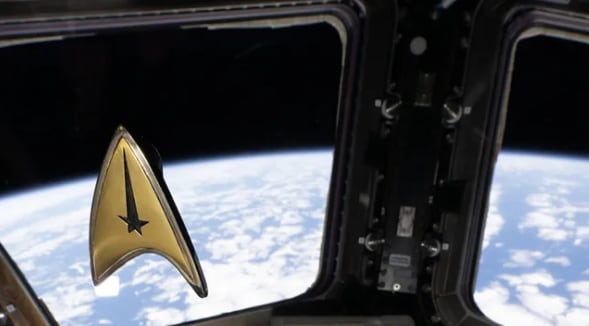
En tanto, la ESA publicó también la foto de la insignia flotando en la Cúpula, la ventana más grande que tiene la EEI con vista a la Tierra.

“Larga vida y prosperidad”, escribió la ESA en la red social Instagram, junto a una manito con el saludo del planeta Vulcano. “¡Celebra el 60.º aniversario de @startrek el 8 de septiembre con el Día de Star Trek! También lo conmemoramos en órbita con un pin conmemorativo de Star Trek a bordo de la @iss, llevado allí por @soph_astro durante su misión Epsilon”, agregó.
Y enseguida describió el pin llevado: “Es un objeto pequeño, pero conlleva algo más grande: sesenta años de una historia que nos enseñó a soñar con explorar juntos. Durante más de 50 años, eso es exactamente lo que hemos estado haciendo. Hemos enviado personas y máquinas más allá de la Tierra, construido naves espaciales con socios de decenas de países y seguido planteando la misma pregunta que Star Trek nunca dejó de formular: ¿qué hay ahí fuera y qué podemos aprender de ello?”.
Para la ESA, “la ciencia ficción imagina el futuro. Nosotros lo construimos. Desde la tripulación de la USS Enterprise hasta las tripulaciones de la Estación Espacial Internacional, la misión no ha cambiado realmente: explorar, descubrir y hacerlo juntos”.

“Así que brindamos por los 60 años de una serie que convirtió el ´¿y si…?´ en un ´¿por qué no?´, y por cada explorador al que inspiró a mirar hacia las estrellas”, concluyó, invitando a la comunidad a que envíe un comentario preguntando ¿cuál es ese momento de Star Trek que despertó tu pasión por el espacio?
Desde su estreno el 8 de septiembre de 1966, la serie de TV y sus 14 películas derivadas, han contado historias que ponen en primer plano los problemas sociales y los conflictos culturales, mostrando así las mejores cualidades de la humanidad.
Según su creador, Gene Roddenberry, representa una versión idílica de la humanidad que, en su opinión, era verdaderamente alcanzable mediante la simple aceptación mutua.
“Todo el programa pretendía transmitir que la humanidad alcanzará la madurez y la sabiduría el día en que empiece no solo a tolerar, sino a deleitarse especialmente con las diferencias de ideas y de formas de vida”, declaró Roddenberry en el álbum de 1976, The Star Trek Philosophy.
Y agregó: “Si no aprendemos a disfrutar de esas pequeñas diferencias —a encontrar un deleite positivo en esas pequeñas diferencias entre los de nuestra propia especie— aquí en este planeta, entonces no merecemos ir al espacio y encontrarnos con la diversidad que casi con toda seguridad existe allí”.
La ESA celebró esa filosofía y el potencial que encierra para la humanidad la comunidad formada entre la ciencia ficción y la exploración espacial pasando la última frontera.
INTERNACIONAL
Republican convention attendees share heartfelt tributes to late Charlie Kirk on assassination anniversary
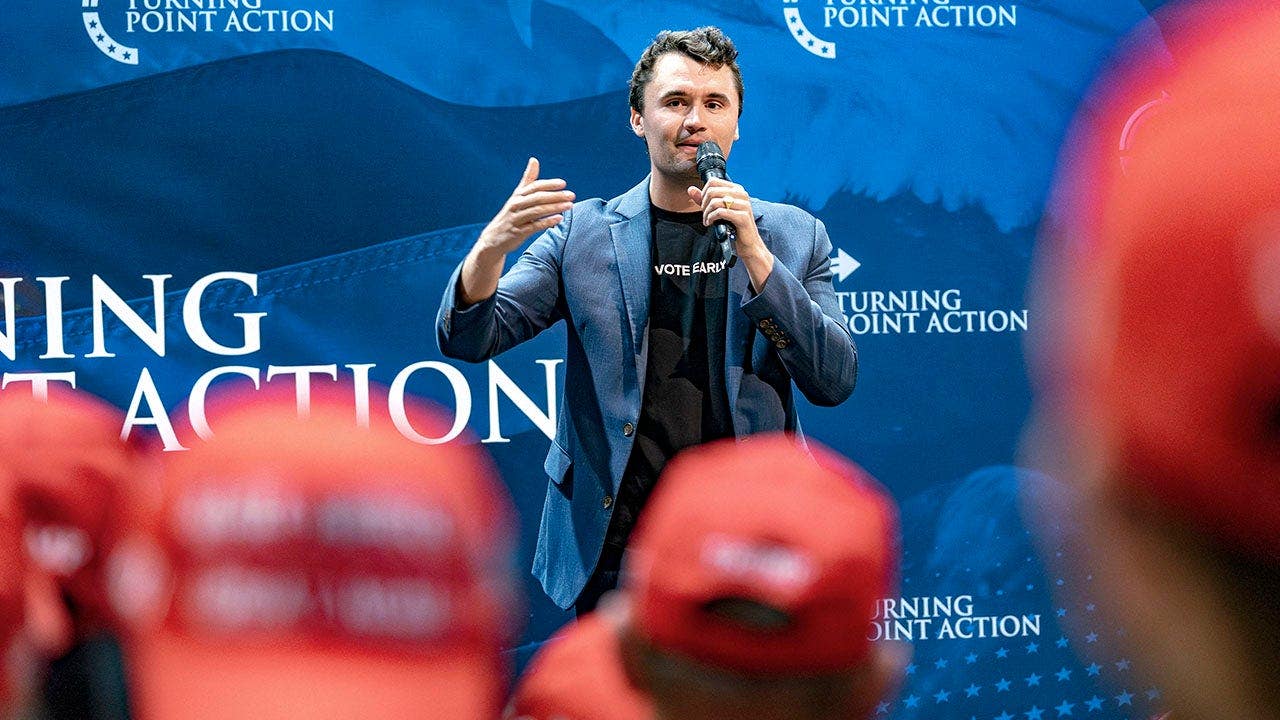
NEWYou can now listen to Fox News articles!
DALLAS, Texas – A year after the shocking assassination of conservative titan and Turning Point USA founder Charlie Kirk, Republicans gathered at the GOP’s midterm convention shared the profound ways in which the young leader and family man impacted their lives.
«Charlie Kirk is a wonderful man, and he is very much missed,» Marsha Landry of Texas told Fox News Digital during an interview at the American Airlines Center, where the Republican Party is rallying to try to keep control of the House and Senate in November. «He was making a lot of progress in this country, especially among the youth. I know personally some of our children have really started paying attention.»
Jacquez Jones, a young convention attendee, said Kirk’s legacy lives on.
REMEMBERING CHARLIE KIRK: TURNING POINT USA’S ANDREW KOLVET REFLECTS ON CONSERVATIVE GROUP’S CHALLENGING YEAR
Charlie Kirk throws hats to the crowd after arriving at Utah Valley University in Orem, Utah, on Sept. 10, 2025. Kirk, founder of Turning Point USA, was speaking at his «American Comeback Tour» when he was shot in the neck and killed. (Trent Nelson/The Salt Lake Tribune/Getty Images)
«It’s a daily reminder that we have to have courage to go out there and spread the message, not only of just conservatism, but our faith as well,» he said. «And so on this anniversary, I look back at not only what Charlie Kirk was able to accomplish, but the things that even in his passing he’s still able to do.»
On this day last year, Kirk, 31, was speaking at Turning Point’s «American Comeback Tour» event at the Utah Valley University (UVU) in Orem, Utah, just after noon, when he was shot in the neck. He was pronounced dead at a local hospital shortly thereafter.
The suspect in the killing, then-22-year-old Tyler Robinson, is accused of firing one shot from a rooftop overlooking the quad where Kirk was speaking. A shocked crowd scattered as Kirk was rushed away from the scene.
Kirk, who was a father, left behind his wife Erika and two young children.
ERIKA KIRK REFLECTS ON FIRST YEAR OF GRIEF AFTER CHARLIE KIRK’S ASSASSINATION IN NYT ESSAY
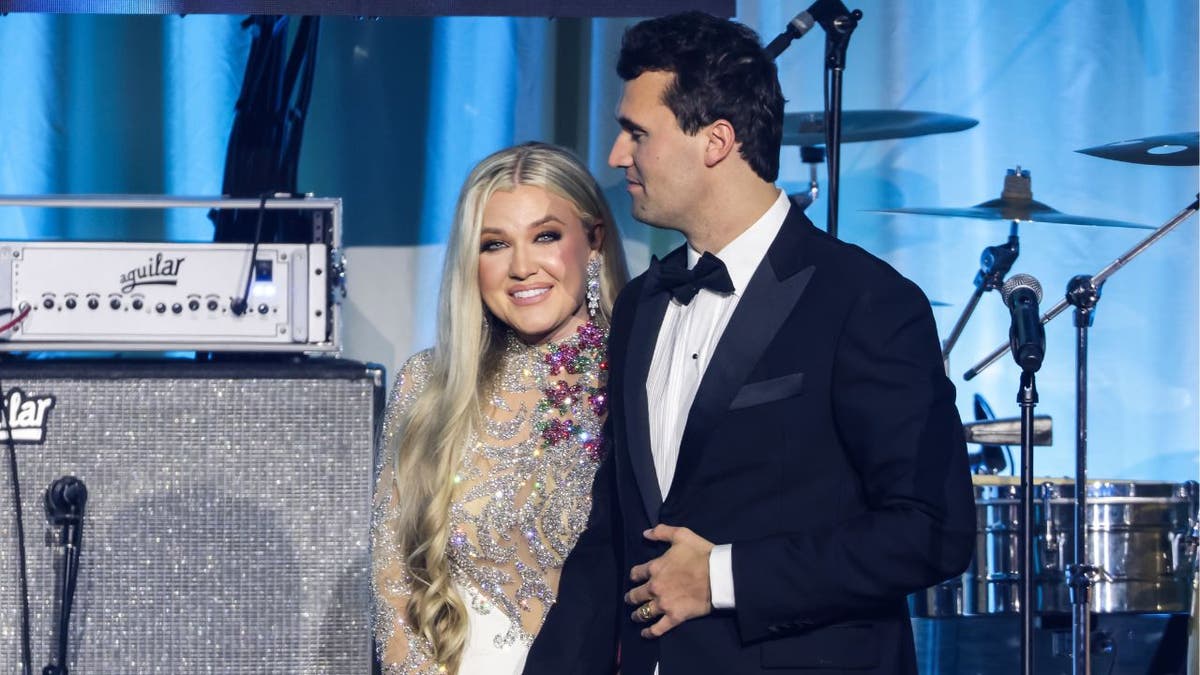
Conservative activist Charlie Kirk is pictured with his wife Erika Kirk on stage at an event earlier this year in Phoenix. (Samuel Corum/Getty Images)
«I think it’s an extremely somber reminder of what we have in this country, that free speech is not free, that somebody died for that right, and Charlie Kirk [was] somebody who was brave enough to go out there on the college campuses and talk about conservatism and prove to the American people and the young generation that the conservative policies still work,» Jones said.
Another Republican convention-goer, Mike Hurst of Mississippi, described what he remembers after first hearing the news that Kirk had been killed.
«It was one of the most gut-wrenching feelings I’ve ever seen, and of course, I went online, I saw the video, and to this day I’m still shocked that that could happen in our country,» Hurst said, adding that we need more people like Kirk who encourage civil dialogue instead of political violence.
ACCUSED CHARLIE KIRK ASSASSIN ALLEGEDLY CONFESSED IN TEXTS, APOLOGIZED AND DESCRIBED MOTIVE, AGENT TESTIFIES
Robinson allegedly fled the rooftop, ditched his rifle in a wooded area across the street from the UVU campus, and fled the scene. A statewide manhunt persisted until the following night at around 10 p.m. when Robinson surrendered to authorities in St. George, Utah, about four hours south of the UVU campus.
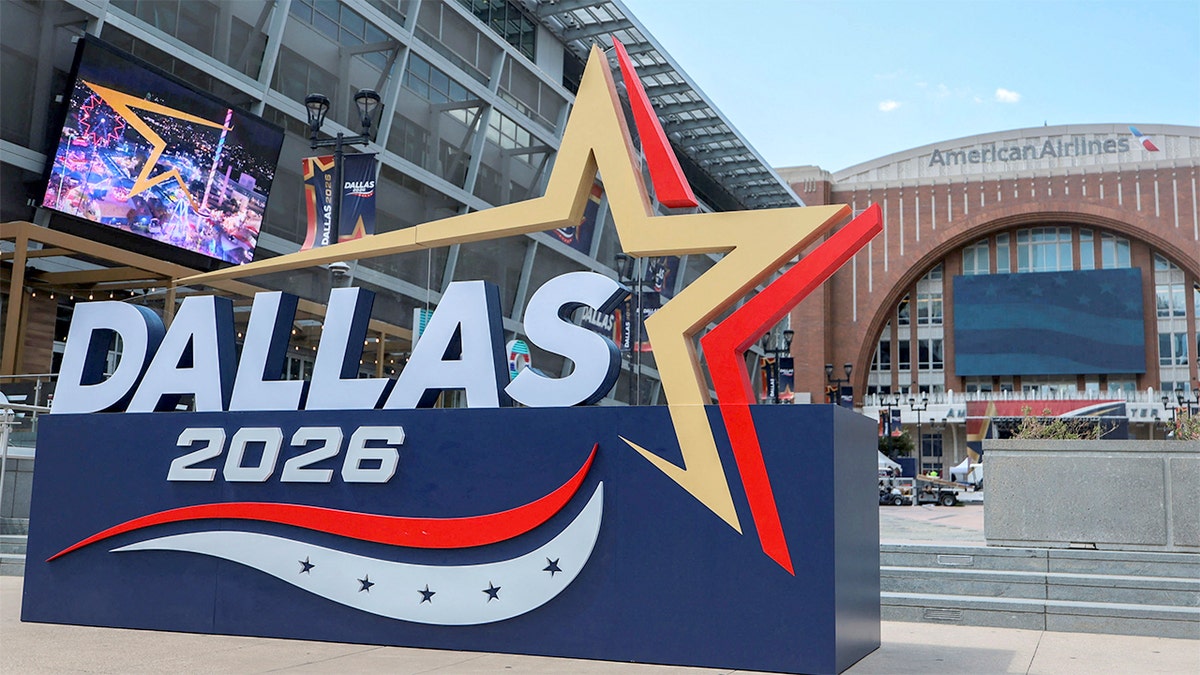
The American Airlines Center, as preparations are underway for the Republican National Midterm Convention in Dallas, Texas, on September 7, 2026. (Jessica Koscielniak, Reuters)
His parents reportedly convinced him to turn himself in.
Pre-trial proceedings in Robinson’s case are ongoing after a protracted battle regarding media access to the courtroom, and motions attempting to remove the death penalty as a possible sentence should Robinson be convicted.
Alex Stone of Missouri said young people are looking for a leader to fill Kirk’s shoes, though his memory remains.
«Since Charlie’s assassination, people have been lost,» he said. «People have been looking for a voice or a leader to lead them in the right direction, and so we need people who are going to stand up and rise up and say, ‘this is what is good, this is what is true, this what is beautiful.’ And ‘this is wrong, and here’s what we should do in the face of it.’»
politics, turning point usa, charlie kirk, republican convention, tyler robinson

La pasión desconocida de Uma, la hija de Amalia Granata y Cristian Fabbiani, a los 18

Cuánto ganan los empleados de comercio en septiembre de 2026

La Justicia federal investigará a Claudio Tapia por presunto enriquecimiento ilícito en su cargo en la CEAMSE

Franco Colapinto planteó cuál es su mayor preocupación de cara al estreno del circuito de Madrid de Fórmula 1: “Son traicioneras”

Pese a las dudas sobre la actividad económica, el FMI respalda los resultados del programa argentino: cuándo será la próxima misión

Es campeona del mundo, criticó a Messi, se le vino el mundo encima, hasta la hermana le soltó la mano y ahora el periodista del momento confesó una intimidad con ella: «En el Santa Bárbara…»

El gobierno de Kicillof retendrá un 2% en los premios de las apuestas online

Femicidio brutal en Merlo: un jubilado de 64 discutió con su esposa y la asesinó a puñaladas

El rotundo cambio de Julián Álvarez en una foto presentación del Atlético de Madrid tras quedarse en el club

Los alimentos aumentan un 0,8% en septiembre y ya anticipan una inflación de 1,8%

 DEPORTE3 días ago
El rotundo cambio de Julián Álvarez en una foto presentación del Atlético de Madrid tras quedarse en el club
- POLITICA2 días ago
Patricia Bullrich cuestionó a la jueza que frenó la ley penal juvenil en la provincia de Buenos Aires: “No le corresponde decidir”
- CHIMENTOS1 día ago
Así se anunció la muerte de Chiche Gelblung: la tradicional placa negra de Crónica y las lágrimas de Mercedes Ninci