INTERNACIONAL
Family member of lawyer who coined ‘genocide’ seeks to strip name from group accusing Israel of atrocity

NEWYou can now listen to Fox News articles!
A family member of Raphael Lemkin, a Jewish lawyer who escaped Europe during World War II and coined the term «genocide,» is in a fight to have his name removed from a Pennsylvania nonprofit organization that accuses Israel of the exact term he came up with.
The Lemkin Institute for Genocide Prevention and Human Security has «warned of genocide in Gaza since Oct. 13, 2023,» less than a week after Hamas terror attacks killed about 1,200 and resulted in the capture of 251 hostages in 2023.
On Oct. 28, 2023, the institute issued a «statement of mourning for the Gazans and the world,» saying that «these two major military powers [the U.S. and Israel] are committing genocide in Gaza only weeks after actively enabling genocide against another besieged people: the Armenians of Artsakh.» It also warned that «if the world allows these two powers to continue to act with this level of impunity, genocide will become the normative policy of both dictatorships and the world’s so-called democracies alike.»
PROMINENT HOLOCAUST MUSEUM CHALLENGES MAMDANI WITH OFFER IN RESPONSE TO CLAIMS ABOUT ‘GENOCIDE’ IN GAZA
International lawyer Raphael Lemkin helped draft the Genocide Convention, which maps out prevention and punishment for the crime of genocide. (Getty Images)
The man calling for the change is Joseph Lemkin — whose father was Raphael’s cousin — and the sole survivor after his family of six was killed during the Holocaust. Joseph told Fox News Digital that growing up the son of a Holocaust survivor meant being followed by «a black cloud» that colored his entire life.
In one example, he explained that when the families at his Jewish day school placed ads during an annual banquet to celebrate their successes, his father wrote a yearly commemoration of the memories of his more than 40 family members who died during the Holocaust, including his parents and brother killed at Auschwitz and two brothers who died after joining underground resistance groups.
He said his father raised funds for the impoverished Raphael’s funeral when he died in 1959, and worked until weeks before his death to fundraise for the betterment of his fellow Jewish Americans.
Joseph’s experience as the child of a Holocaust survivor came to mind again when his teenage son showed him a social media post from the Lemkin Institute using the family name to accuse Israel of genocide.
«Seeing the impact and how my son came across it made me really more concerned about it,» Lemkin said.
ANTI-ISRAEL NONPROFIT UNDER FEDERAL INVESTIGATION OVER FINANCIAL DEALINGS: REPORT
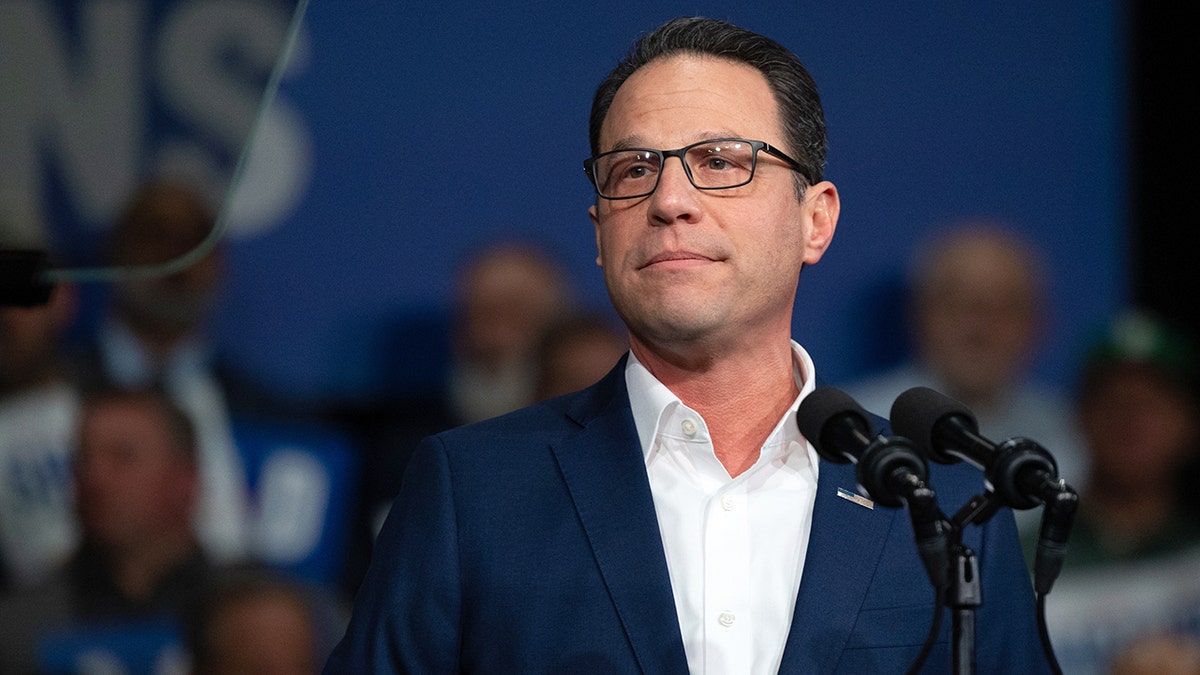
Pennsylvania Gov. Josh Shapiro speaks during a re-election campaign kickoff event in Philadelphia on Jan. 8, 2026. (Rachel Wisniewski/Bloomberg via Getty Images)
In an effort to keep the family name from being «turned on its head,» he said he has worked with the European Jewish Association (EJA) to submit a letter of complaint to the office of Democratic Pennsylvania Gov. Josh Shapiro and to Pennsylvania’s Department of State’s Bureau of Corporations and Charitable Organizations. In June, Lemkin and his team also sent out letters referencing their concerns to other leaders in Pennsylvania.
In response to a request from Shapiro’s office for additional information, Lemkin and the EJA submitted a 32-page comprehensive legal submission and statement of facts and a 58-page evidentiary appendix in April 2025. He said he believes that an investigation has been opened into the complaint.
Pennsylvania’s Department of State spokesman, Geoff Morrow, told Fox News Digital «the Department [of State] cannot confirm or deny whether any organization has had a complaint filed against it or is under investigation.»
Gov. Shapiro’s office did not respond to requests for comment from Fox News Digital.
ISRAEL TURNS TABLES ON UN OFFICIAL CLAIMING ‘GENOCIDE’ IN GAZA WITH BASIC QUESTIONS

People walk through Times Square as they participate in a pro-Palestinian rally on Oct. 4, 2025, in New York City. (Stephanie Keith/Getty Images)
In an Oct. 13, 2025, press release responding to an op-ed, the Lemkin Institute stated, «It is very hard to imagine that Raphael Lemkin would not have seen the genocidal dynamics of the present conflict early on, given his definition of the term and his historical studies. We share Raphael Lemkin’s belief in the need for a Jewish national home, but that has not meant that we are unable to see the genocide before our eyes.»
The same press release also noted, «Joseph Lemkin does not speak for the entire Lemkin family, nor does he officially represent a Lemkin estate. We have Lemkin family members on our side who reached out to us after October 7, 2023. Peter Lemkin, in whose childhood home Raphael Lemkin was a frequent visitor, has been particularly supportive, offering encouragement, sharing insights into Lemkin’s work, and informing us of his family’s close collaboration in the effort to get the Genocide Convention ratified by states.»
In a statement to Fox News Digital, the institute again questioned Joseph’s representation of Raphael, stating in part, «Over the years, members of the Lemkin family have reached out to express their support for our work. Joseph Lemkin has expressed his disagreement with our work. There is no legal battle between the Lemkin Institute and the Lemkin family.»
Peter Lemkin did not respond to Fox News Digital’s requests for comment. Nor did another family member identified to Fox News Digital by the institute as being supportive of its work.
The statement to Fox News Digital continued, «The Institute was founded in 2016/2017. In 2021, it was renamed to honor the life and work of Raphael Lemkin, whose research and moral commitments, reflected not only in the 1948 Genocide Convention but also in the many case studies he completed before his untimely death at age 59, have deeply influenced the work of the Institute’s founders. Since Raphael Lemkin died without heirs or an estate, there was no official representative for the Lemkin family to contact for permission,» it stated.

Anti-Israel activists protest outside the United Nations headquarters in New York, on April 7, 2025. (Selcuk Acar/Anadolu via Getty Images)
The statement also noted, «The Lemkin Institute for Genocide Prevention is an all-volunteer organization founded to fill the gaps in genocide prevention that co-founders Dr. Elisa von Joeden-Forgey and Dr. Irene Massimino observed during several visits to Northern Iraq in 2016 and 2017, when they met with religious leaders, government officials, and survivors of ISIS genocide, including Yezidi, Christians, Shabak-Shia, Kakay and other religious, national, and ethnic minorities.»
It continued, «This includes, of course, security for the Jewish people, who continue to be the targets of one of the oldest and most lethal global genocidal ideologies — antisemitism. This also includes Palestinians, Darfuris, Armenians, Artsakhsis, Rohingya, Ukrainians, Uighurs, Amhara, trans people, Yezidis, many Christian populations, many Muslim populations, Somalilanders, Kurds, the Karakalpak, many Black and Native communities in the Western Hemisphere, and far too many other groups to mention here. Our world is unfortunately awash in genocide and it benefits all humanity for all of us to be involved in preventing the crime.»
UN COMMISSION ACCUSES ISRAEL OF ‘EXTERMINATION’ IN CONTROVERSIAL REPORT

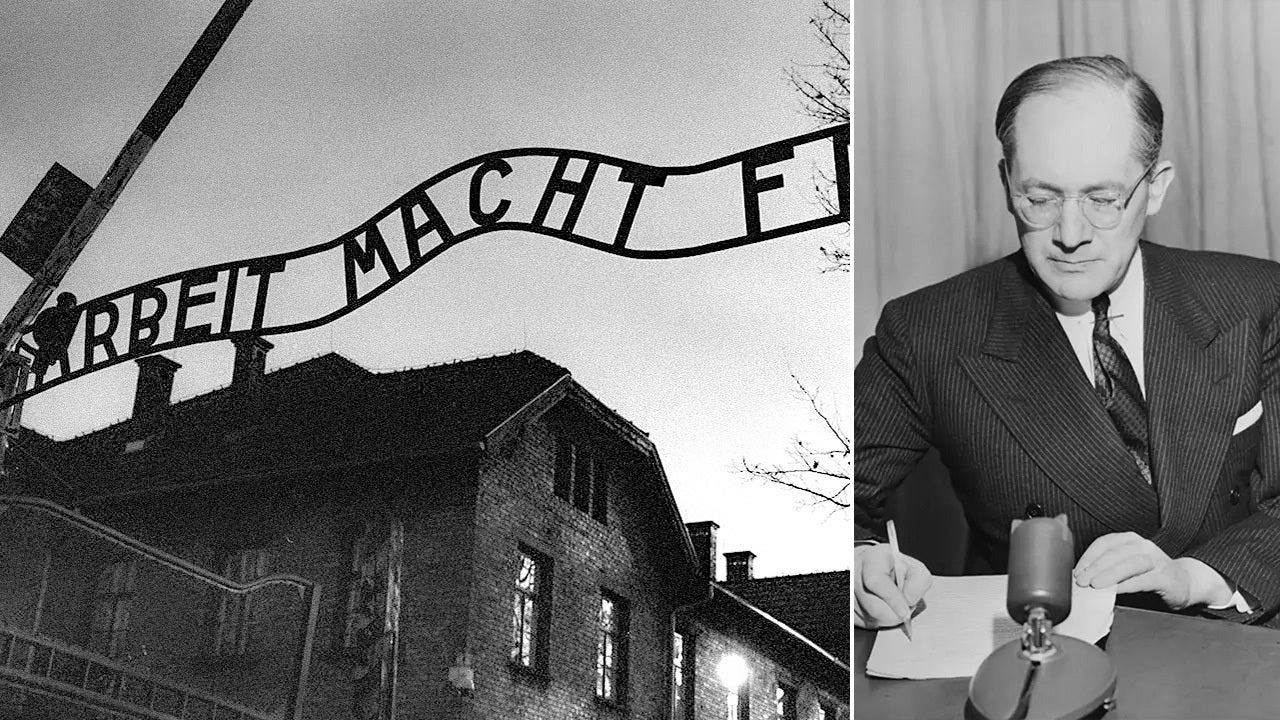
A participant wrapped in a flag of Israel stands at the main gate with the lettering «Arbeit macht frei» (Work sets you free) at the start of the annual March of The Living to commemorate the victims of the Holocaust during World War II, at the memorial site of the former Auschwitz-Birkenau Nazi death camp in Oswiecim, Poland, on April 14, 2026. (Wojtek Radwanski/AFP via Getty Images)
The institute utilized the October 2025 press release to start a fundraising campaign «to cover urgent legal fees, hire a full-time administrator, and ensure the survival of the Lemkin Institute.» They stated that «the attempt to discredit us or to shut down our work is part of a wider effort to silence opposition to Israel’s genocide in the USA. But we will not allow our work to be smeared, or our voices to be silenced.»
Israeli civil rights attorney and president of the Shurat HaDin Law Center, Nitsana Darshan-Leitner, who is not party to the dispute, told Fox News Digital, «The real question is not simply ‘standing,’ but whether the Institute has a lawful right to use Raphael Lemkin’s name in a manner that implies his endorsement, his family’s authorization, or fidelity to his beliefs. The Institute apparently never received permission from Lemkin, his estate, or an authorized representative when it appropriated the name. While using a deceased scholar’s name is not automatically unlawful, it becomes legally actionable when it misleads donors and the public, creates a false impression of endorsement, constitutes deceptive charitable solicitation, or appropriates the reputation and goodwill attached to that individual’s identity.»
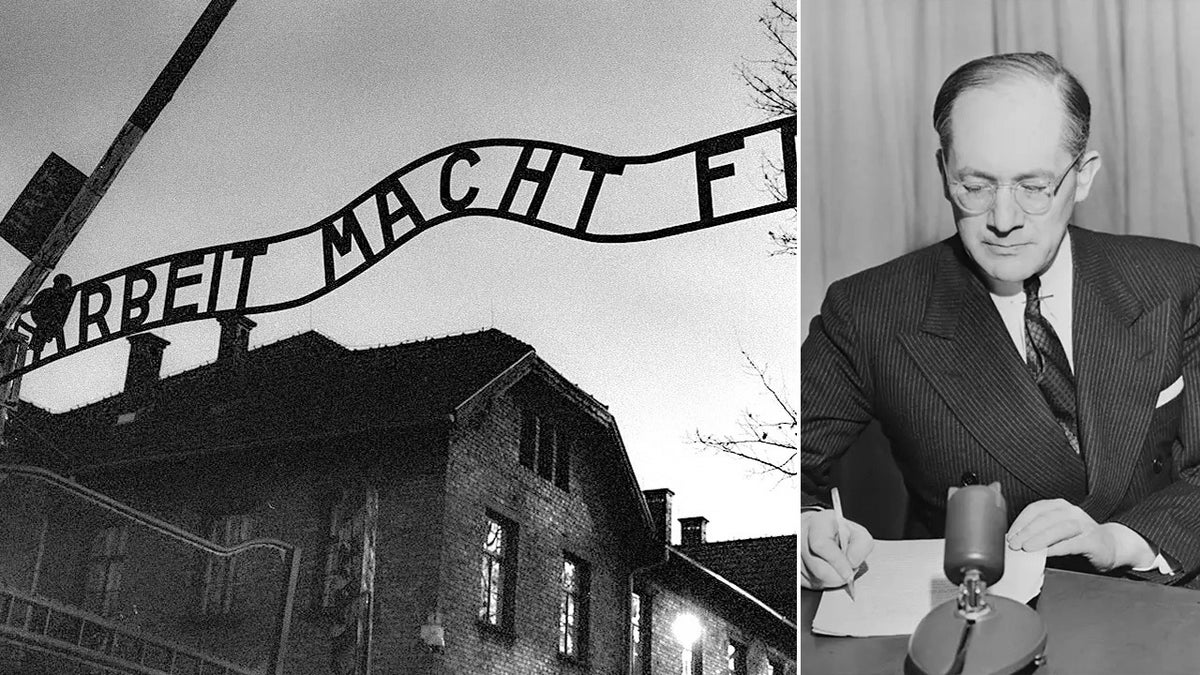
The main entrance at the former Nazi death camp of Auschwitz, and, right, Raphael Lemkin, who helped draft the convention that maps out prevention and punishment for the crime of genocide. (AP Photo/Markus Schreiber/Getty Images)
Commenting recently on the growing threat of antisemitism worldwide after the Hamas attacks of Oct. 7, 2023, renowned historian Sir Simon Schama called accusations that Israel has committed genocide in Gaza a «blood libel» in his keynote address at the Holocaust Educational Trust on Sept. 7. Schama stated, «We, the victims of the greatest genocide the world has ever seen, are being called perpetrators of genocide.»
The Lemkin Institute has published multiple reports on the Israel-Gaza war that allege genocide by Israel. On May 28, 2024, they wrote, «Even if there were legitimate doubts about Israel’s genocide, there is no doubt that Israel is committing atrocity crimes of the most barbaric kind. Israel must be stopped.»
The institute also said it is «disgusted by Western leaders, especially in the USA, Germany, and the U.K. They have demonstrated not only that they don’t care one bit about genocide prevention and human rights, but also that they are willing to allow an ally to commit atrocity crimes while they offer material and diplomatic support.» The Lemkin Institute suggested that «they should also be put on trial.»
anti semitism, holocaust, hamas, human rights












Hace exactamente treinta días Alemania se despertó con un resultado que merecía algo más que reuniones de comité, declaraciones solemnes y caras largas.
AfD había obtenido 43,8% en Sajonia-Anhalt. La CDU, 17,2%. Ulrich Siegmund quedó apenas tres bancas por debajo de la mayoría absoluta.
Friedrich Merz dijo estar profundamente conmocionado. Markus Söder, jefe de la CSU bávara, habló de un “golpe en la boca del estómago”.
Tenía razón en lo del golpe. Lo que Berlín no parece haber entendido es que el estómago no era el órgano que debía reaccionar.
Era el cerebro.
Treinta días después, INSA coloca a AfD en 30,5% nacional y CDU/CSU en 17,5%. El 5 de septiembre estaban 28% y 20%. La brecha pasó de ocho a trece puntos.
Infratest dimap es menos extremo —27% contra 20%— pero cuenta la misma historia. Y hay algo peor para Merz: sólo 10% está satisfecho con su gestión y 88% insatisfecho, mínimo histórico del DeutschlandTrend.
No parece una pequeña indigestión electoral.
El humor cambió. Merz se amargó
Casi nueve de cada diez alemanes miran la situación del país con preocupación. Tres de cada cuatro dicen sentir sobre todo las cargas de las decisiones gubernamentales y no sus beneficios.
Ahí está la clave. Alemania no se volvió súbitamente ultraderechista el 6 de septiembre. Se está quebrando la confianza en que el sistema tradicional pueda producir resultados.
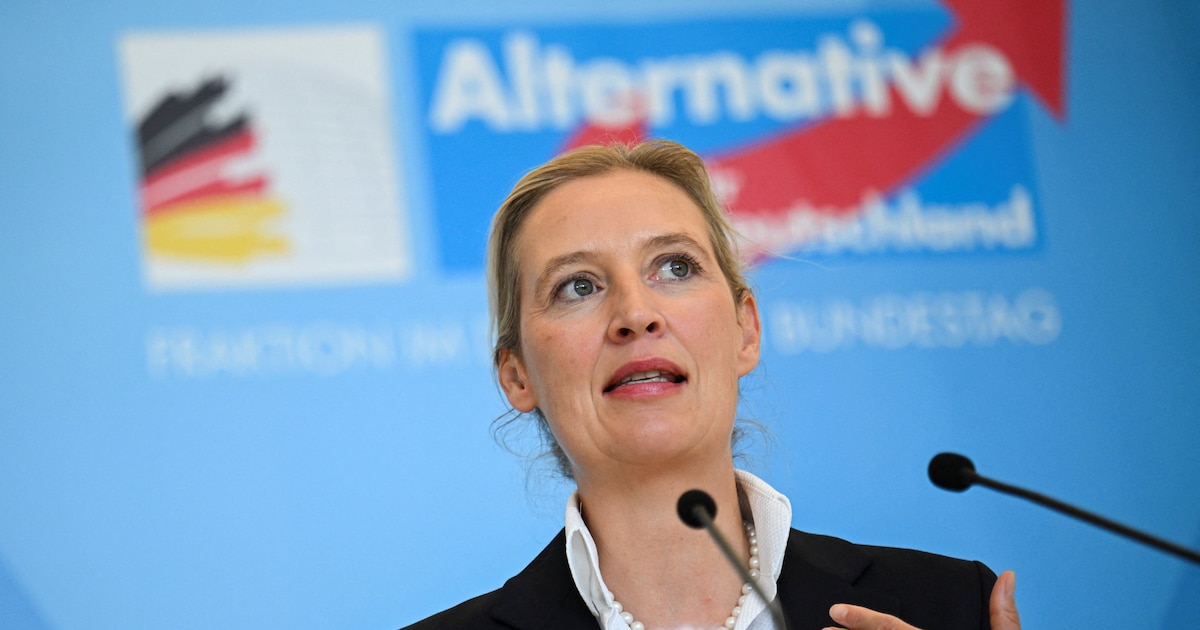
Y mientras tanto Alice sonríe. No necesita hacer demasiado: sus adversarios colaboran.
Dos semanas después llegó Mecklenburg-Vorpommern. AfD volvió a ganar: 38,2%. CDU obtuvo 4,9% y, por primera vez, quedó fuera de un Parlamento regional.
Merz volvió a lamentarse.
Y volvió a prometer reformas.
Quizás alguien en la Cancillería debería explicarle que repetir una respuesta esperando un resultado diferente no constituye exactamente una estrategia.
Söder parece haber olido mejor el problema: a un tortazo político por derecha se le responde con otro más fuerte, no con una comisión que entregue sus conclusiones el año próximo.
Y hoy apareció otra imagen incómoda. Tobias Rausch, de AfD, fue elegido presidente del Parlamento de Sajonia-Anhalt con 48 votos. AfD tiene 39 diputados y los cinco legisladores de BSW habían anunciado su apoyo.
Todavía sobran cuatro votos.
El sufragio fue secreto.
El Brandmauer sigue en pie, naturalmente.
Sólo que alguien acaba de descubrir cuatro ladrillos flojos.
Alice descubre las ventajas de la moderación
Weidel también entendió que para llegar al poder no basta con protestar: hay que parecer capaz de gobernar.
Un documento estratégico conocido esta semana propone dejar la salida del euro para después: primero renegociar Europa, recuperar competencias nacionales y obtener opt-outs. Si eso fracasa, recién entonces habrá un referéndum.
Después de años amenazando con abandonar el club, Alice parece haber descubierto algo elemental: quizá resulte más rentable quedarse con el edificio y cambiar el reglamento.
Con Rusia necesita menos sutilezas. Dirigentes de AfD preparan para 2027 una eventual reunión de Weidel y Tino Chrupalla con Kirill Dmitriev, enviado económico de Vladimir Putin, para discutir el retorno del gas ruso si antes existe un marco de paz con Ucrania.
La receta es seductora: energía barata, sanciones afuera y negocios adentro.
Por Nord Stream deberá volver a pasar gas. La historia, aparentemente, tendrá que buscarse otro caño.
Merz elige Kiev
Merz respondió este domingo desde el otro extremo.
Viajó a Kiev, anunció 1.000 millones de euros adicionales de ayuda militar y otros 350 millones para infraestructura energética. Empresarios alemanes que lo acompañaron firmaron 14 acuerdos por unos 6.600 millones de euros, incluyendo defensa aérea, radares y drones.
Puede existir una sólida justificación estratégica para hacerlo. Pero existe también una pregunta política que Merz no puede evitar: ¿cómo se explica esa prioridad a un país donde tres de cada cuatro ciudadanos sienten que soportan las cargas de las decisiones del gobierno?
Gobernar no consiste solamente en tener razón.
También consiste en conseguir que la sociedad comprenda hacia dónde se la conduce.
Y ahora, un ex jefe de espías
Como si a Alemania le faltaran ingredientes para este otoño, hoy fue detenido August Hanning, director del BND —la inteligencia exterior alemana— entre 1998 y 2005.
La Fiscalía sospecha que obtuvo mediante pagos material secreto y utilizó información clasificada para elaborar un análisis destinado a un servicio de inteligencia extranjero. Su antiguo colaborador Manfred D. habría suministrado alrededor de 2.000 documentos.
Conviene aclararlo: la investigación conocida hasta ahora no establece que el destinatario haya sido Rusia.
Pero la imagen es demoledora.
Mientras Alemania discute Rusia, Ucrania, Nord Stream, guerra híbrida y seguridad energética, uno de sus antiguos jefes de inteligencia termina detenido bajo sospecha de espionaje y tentativa de alta traición.
No es una conexión.
Es el clima.
El problema es bastante mayor que Alice
Aquí aparece el verdadero debate europeo.
Quizás es el momento en que surgen las preguntas políticamente incorrectas: ¿cómo pueden las actuales democracias parlamentarias enfrentar fenómenos políticos disruptivos y distópicos que avanzan mucho más rápido que su capacidad de reaccionar? ¿Y están preparadas para ejecutar las transformaciones económicas que Europa necesita aunque impliquen recortar gastos públicos faraónicos, desmontar burocracias y revisar privilegios construidos durante décadas?
No es la democracia lo que está agotado.
Es una determinada forma de administrarla.
Coaliciones de tres o cuatro partidos, vetos cruzados, ministerios repartidos para sostener mayorías, burocracias que crean nuevas burocracias para administrar las anteriores y Estados que descubren una agencia pública para resolver los problemas creados por otra.
Mientras Estados Unidos y China compiten en inteligencia artificial, semiconductores, energía, defensa, biotecnología y espacio, Europa produce reglamentos.
Y facturas.
Y acaso no será el momento que aparezca Peter Thiel, hoy cómodamente viviendo en Buenos Aires, con sus ideas y propuestas de gobiernos con tecno-estructuras meritocráticas, con estructuras chicas (o por lo menos más chicas que las actuales gastadoras compulsivas), y funcionarios con atributos meritocráticos..?? . El es alemán de nacimiento, amigo de Alice Weidel quien dijo hace un año que si llega al poder, lo encumbra como ministro.
Prueba del actual derrumbe y desorden son los criterios fiscales de Maastricht que siguen diciendo 3% de déficit y 60% de deuda sobre el PBI. Pero doce de los 27 miembros de la Unión terminaron 2025 por encima de aquel 60%. Francia: 115,6%. Italia: 137,1%. España: 100,7%. Hasta la disciplinada Alemania: 63,5%. La eurozona en conjunto: 87,8%.
Maastricht sobrevive espléndidamente.
Pero sobre el papel.
Europa necesita gastar más en defensa, energía, infraestructura y tecnología; no sostener más la entelequia de un “estados de bienestar” diseñados para otra demografía; reducir deuda y déficit; y competir con Estados Unidos y China.
No existe suficiente dinero para hacerlo todo.
Y tampoco suficiente tiempo.
La propia Comisión reconoce que la productividad europea por hora trabajada equivale apenas al 78,5% de la estadounidense, con un retraso particularmente serio en tecnología digital. Mario Draghi ya escribió el diagnóstico: inversión, energía competitiva, innovación, mercados de capitales integrados y menos fragmentación.
El problema europeo no es la falta de informes. Es su extraordinaria capacidad de encargarlos y su mucho menor capacidad de ejecutarlos.
Treinta días
Sajonia-Anhalt puede terminar siendo mucho más que una elección regional.
En treinta días AfD pasó del 43,8% en Sajonia-Anhalt al 30,5% en una encuesta nacional. Ganó otra elección regional. CDU siguió cayendo. Merz alcanzó mínimos históricos. El Brandmauer mostró fisuras. AfD empezó a discutir cómo gobernar, cómo reformular Europa y cómo volver a hacer negocios con Moscú.
Alice Weidel no creó esta crisis.
La está aprovechando.
Y quizá allí radique el error fundamental de Friedrich Merz: sigue tratando a AfD como el problema cuando probablemente sea también el síntoma.
Alemania —y posiblemente Europa— atraviesa un momento bisagra en el que crecimiento mediocre, pérdida de competitividad, presión fiscal, inmigración, energía cara, guerra y revolución tecnológica ocurren simultáneamente.
Frente a semejante transformación, administrar la política como siempre puede resultar tranquilizador.
También puede resultar fatal.
Porque los sistemas políticos suelen descubrir que el mundo cambió bastante después de que los votantes ya lo hicieron.
Domestic,Politics,Europe,Government / Politics
INTERNACIONAL
Lawsuit accuses Dearborn, Michigan, of being ‘hostile to Christians and Jews’ with Islamic displays
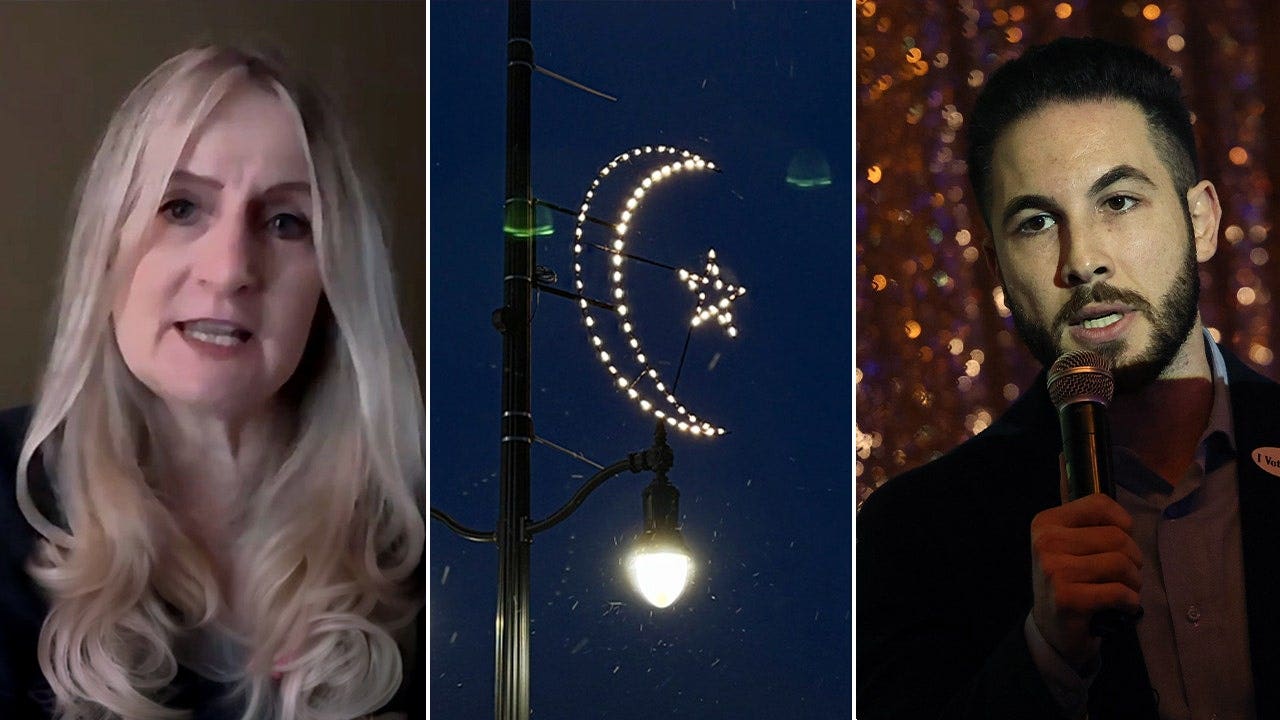
Margot Cleveland, senior legal correspondent at The Federalist, is suing the city of Dearborn, Michigan, and the city’s mayor, Abdullah Hammoud, for violating the First Amendment by displaying exclusively Muslim symbols in public displays, accusing the city of being «a hostile place for Christians and Jews.»
Cleveland alleges the city put up banners celebrating the Islamic holiday of Ramadan and a display of crescent moons while refusing to showcase equivalent Christian or Jewish iconography.
«I was picking up pizza in downtown Dearborn. When I went down the boulevard, up and down the street were ‘Ramadan Kareem’ (generous Ramadan) banners, which is the equivalent of a happy or blessed Ramadan,» Cleveland told Digital in an exclusive interview.
«This was the fourth week of Lent. We had Easter coming up in two weeks, and Passover was a week away. I was shocked, and then I saw the display all by itself — again, the crescent moon,» she said.
Cleveland wrote to Dearborn’s city attorney, asking if the city planned to reciprocate the displays for the other Abrahamic faiths, but did not get a response, she told Digital.
SUPREME COURT SHOWDOWN LOOMS OVER ST MICHAEL STATUE BLOCKED FROM PUBLIC SAFETY BUILDING
Cleveland submitted a series of Freedom of Information Act (FOIA) requests to find out the cost of the displays, which, according to her lawsuit and in an interview with Digital, is where she allegedly learned that the city had also integrated Islamic iconography in other official capacities.
«The police department was selling — with the police department’s seal — Ramadan T-shirts. It had the police department seal and a crescent moon, and I believe it said Ramadan,» Cleveland said.
CONNECTICUT BARS NATIVITY DISPLAY IN STATE CAPITOL BECAUSE IT’S ‘RELIGIOUS,’ LAWSUIT THREAT SAYS
The Dearborn Police Department did not respond to a Digital inquiry regarding the alleged T-shirts.
After repeated attempts to try and contact city officials, Cleveland still received no response, until one city councilor told her that the council had been instructed not to engage with her.
TRUMP DOJ EXPANDS RELIGIOUS LIBERTY PROTECTIONS AFTER MAJOR SUPREME COURT RULINGS
«I reached out to city council, every individual, both their public email and a secondary one. Received no response,» she shared. «But on LinkedIn, one of the council members responded and said, ‘Hey, we were told we can’t talk to you,’» Cleveland told Digital.
Cleveland then attended an open city council meeting in May. She asked that the councilors, who she explained control the city’s purse strings, use an ongoing budget surplus to purchase banners celebrating Jewish and Christian holidays.
GOP LAWMAKERS URGE SUPREME COURT TO STRENGTHEN FIRST AMENDMENT PROTECTIONS FOR STREET PREACHERS
«I have not asked the city not to celebrate Ramadan,» she said. «What I’ve asked is that the city treat Christians and Jews equally. Put up Passover banners, Easter banners, put up a Star of David, put up a cross, do something. And throw in some patriotic symbols to show we are one Dearborn, one country where all faiths are represented equally. That has not been done,» she said.
Contrary to acceding to her requests, Cleveland claims the city put up even more decorations celebrating Ramadan in the wake of her attempts to contact city officials.
CALIFORNIA BILL RECOGNIZING 2 ISLAMIC HOLIDAYS NEARS NEWSOM’S DESK
«After I was ignored, what happened? The mayor then went and bought more Ramadan displays. I complained about the banners. What does he go? He goes bigger and brighter with lighted Ramadan displays,» she said.
The mayor’s office did not respond to a request for comment.
WORKING-CLASS AMERICANS SAY THEIR TOWN IS THE NEXT DEARBORN — AND THEY’VE HAD ENOUGH
«People who are not in Dearborn do not understand Dearborn,» Cleveland said. «My beef is with the mayor and the people running the city, who are discriminating against Christians and Jews. The average people who live in Dearborn get along great. It is a diverse city and people get along. The mayor is causing a problem.»
The city rejected Cleveland’s accusations in a statement released shortly after Cleveland’s lawsuit.
Dearborn «has a longstanding commitment to serving all residents fairly and equitably, regardless of faith or background,» the statement read.
«Dearborn will continue to uphold the rights and dignity of every resident and remain a city where everyone is treated with fairness, respect, and equal protection under the law,» the statement continued.
The American Freedom Law Center filed the civil complaint on behalf of Cleveland in the United States District Court for the Eastern District of Michigan on Sept. 17.
Dearborn’s city attorney did not respond to Digital’s request for additional comments.
The Associated Press contributed to this report.
politics, first amendment religion us, religion us, islam, local, michigan, controversies state and local, controversies
INTERNACIONAL
Panamá mantiene atractivo para los inversionistas, pero enfrenta alertas por corrupción y justicia

Panamá conserva condiciones favorables para atraer inversión extranjera, pero la corrupción, la limitada transparencia, las debilidades del sistema judicial y los atrasos en pagos continúan complicando las operaciones de empresas internacionales.
Esa es una de las principales conclusiones del informe sobre clima de inversión publicado en septiembre de 2026 por el Departamento de Estado de Estados Unidos.
El documento reconoce entre las principales fortalezas del país su posición geográfica, la economía dolarizada y el Canal de Panamá, además de una trayectoria de crecimiento relativamente fuerte.
Sin embargo, considera que las presiones fiscales y los problemas de gobernanza generan incertidumbre para quienes evalúan colocar capital en el mercado panameño.
Estados Unidos identifica a Panamá como uno de los principales receptores de inversión extranjera directa de Centroamérica y destaca que la legislación concede un trato similar a compañías nacionales y extranjeras. La inversión directa estadounidense alcanzó $5,200 millones al cierre de 2024, de acuerdo con cifras incorporadas al informe.
Entre los obstáculos aparecen la corrupción, la falta de transparencia, una capacidad judicial limitada y problemas de impago, junto con brechas en las competencias de la fuerza laboral. El análisis sostiene que estas condiciones pueden restringir nuevas inversiones y dificultar las operaciones empresariales pese a las ventajas estructurales del país.
Uno de los apartados más críticos se concentra en el funcionamiento de la justicia y la resolución de disputas comerciales. Algunas compañías estadounidenses han reportado tratamientos inconsistentes, injustos o sesgados en tribunales panameños, mientras la falta de tecnología y de experiencia comercial especializada afecta la atención de controversias contractuales y patrimoniales.
El reporte también señala que resolver disputas comerciales y de inversión puede resultar largo y complejo. Los inversionistas recurren con frecuencia a mecanismos de mediación o arbitraje ante dificultades en los tribunales, mientras persisten denuncias relacionadas con sesgo judicial, regulaciones inconsistentes y demoras en los procesos.
El Departamento de Estado dedica otro capítulo a la corrupción y sostiene que continúa siendo un desafío significativo para Panamá.

Inversionistas estadounidenses reportan irregularidades tanto en el sector público como privado y mencionan presuntos sobornos, contratos inflados y falta de transparencia en procedimientos relacionados con permisos, propiedades y compras gubernamentales.
Aunque Panamá aprobó reformas para modernizar la contratación pública, el informe considera que la aplicación de los mecanismos de control continúa siendo inconsistente. También afirma que existen debilidades institucionales para garantizar rendición de cuentas y señala vulnerabilidades frente a interferencias políticas en el Ministerio Público y el Órgano Judicial.
El documento incorpora igualmente el caso de Cobre Panamá como ejemplo de los riesgos regulatorios y políticos que enfrentan los inversionistas. Recuerda las controversias surgidas después del cierre de la mina y los reclamos arbitrales, y sostiene que las presiones internas pueden generar incertidumbre para el capital extranjero aun cuando el país reconoce formalmente los arbitrajes internacionales.
En materia financiera, Washington reconoce avances. Panamá salió de la lista gris del Grupo de Acción Financiera Internacional en 2023 y posteriormente fue retirado de la relación europea de jurisdicciones de alto riesgo en materia de lavado. Sin embargo, persisten cuestionamientos europeos relacionados con transparencia e intercambio de información tributaria.
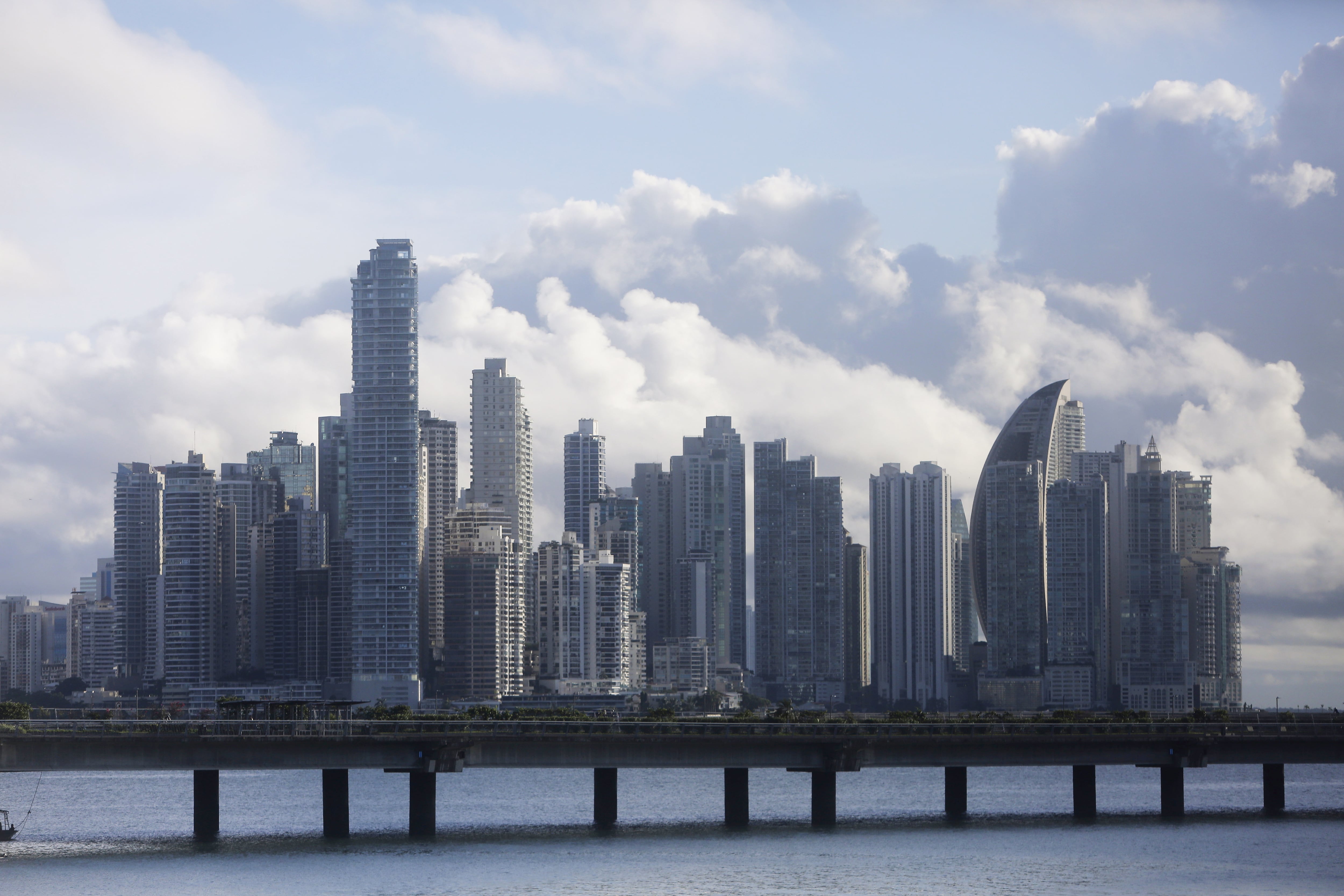
El informe destaca que en mayo de 2026 el presidente José Raúl Mulino aprobó una Ley de Sustancia Económica que exige a determinadas entidades multinacionales demostrar presencia económica genuina en Panamá. La medida busca acercar al país a los estándares de la OCDE y la Unión Europea y avanzar en materia de transparencia fiscal.
Las ventajas para los inversionistas continúan siendo numerosas. Panamá mantiene regímenes especiales para sedes de multinacionales, manufactura, turismo y zonas económicas, además de incentivos para determinadas actividades. La Zona Libre de Colón alberga más de 2,800 empresas y Panamá Pacífico supera las 350 compañías instaladas, según el documento.
Otro elemento favorable es el sistema financiero. El Departamento de Estado describe al sector bancario panameño como desarrollado, regulado y abierto a la participación extranjera, pese a que la economía dolarizada carece de banco central, prestamista de última instancia y seguro de depósitos. El país mantiene 63 bancos entre entidades oficiales, nacionales, internacionales y oficinas de representación.
Pero la disponibilidad de trabajadores especializados aparece como otro desafío. Panamá enfrenta escasez de personal capacitado en contabilidad, tecnología de la información y construcción especializada, además de una limitada disponibilidad de trabajadores que hablan inglés. El reporte recuerda que el país ocupó el puesto 81 entre 135 economías en competencias de graduados universitarios.A
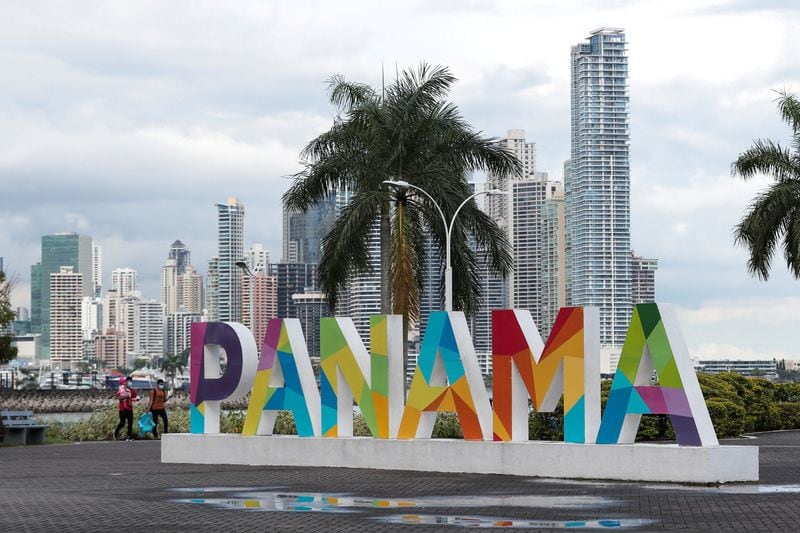
El diagnóstico laboral incluye además una elevada informalidad. Con datos correspondientes a 2025, el Departamento de Estado señala que cerca del 47% de la fuerza laboral estaba vinculada al sector informal, mientras en comunidades indígenas la proporción superaba 70%. Estas condiciones contrastan con las necesidades de talento especializado que manifiestan los inversionistas.
El balance del informe presenta así dos caras del clima de negocios panameño: una economía dolarizada, conectividad logística, regímenes especiales y apertura al capital extranjero frente a problemas institucionales persistentes.
Para Estados Unidos, corrupción, justicia, transparencia y capital humano continúan siendo obstáculos que Panamá deberá enfrentar para aprovechar plenamente sus ventajas como destino de inversión.
Panamá,Centroamérica,fútbol,bandera panameña,mapa

Yanina Latorre se animó a contar lo que nadie dijo sobre la despedida de Messi, entre el papelón y los escándalos: «Los boludos dicen que…»

Adrián Ravier: “El kirchnerismo quiere romper el modelo, pero no va a ocurrir porque la gente ya eligió otra cosa”

Comprar un auto a tasa 0%: cuáles son los planes de financiación que ofrecen las automotrices en octubre

Un ex Barça triunfa en Malasia rompiendo récords mundiales: 113 partidos sin perder

La emotiva entrevista de una nena de 11 años al Dibu Martínez: “Para mí es un ídolo”

“Saludos a Papá”: el significado real de la frase que envió el presidente de Bolivia a los generales que tenían cautivo al Che Guevara

¡Precios de Manhattan con sueldos de Argentina! Cómo los créditos hipotecarios inflaron las propiedades y congelaron el sueño de la casa propia

La Argentina se sumó a un acuerdo liderado por EE.UU. para impulsar el uso de la inteligencia artificial en la ciencia

Los enviados del peronismo y las principales figuras del partido miraron con cautela el resultado en Brasil

Alarma entre los fans de Naruto: Se filtran polémicos cambios en el futuro live-action – Nintenderos

 DEPORTE10 horas ago
Escándalo total en la AFA: reventa millonaria, un homenaje paupérrimo a Messi y el pedido urgente de renuncia a Chiqui Tapia
- INTERNACIONAL3 días ago
Israeli medical workers who treated Oct 7 wounded relive day terror hit home
- POLITICA3 días ago
El gobernador de la provincia que más ATN recibió de la Casa Rosada no integró la comitiva de Milei en París