INTERNACIONAL
Fulton Sheen became a TV sensation preaching faith, morality and warnings Michael Knowles says still resonate

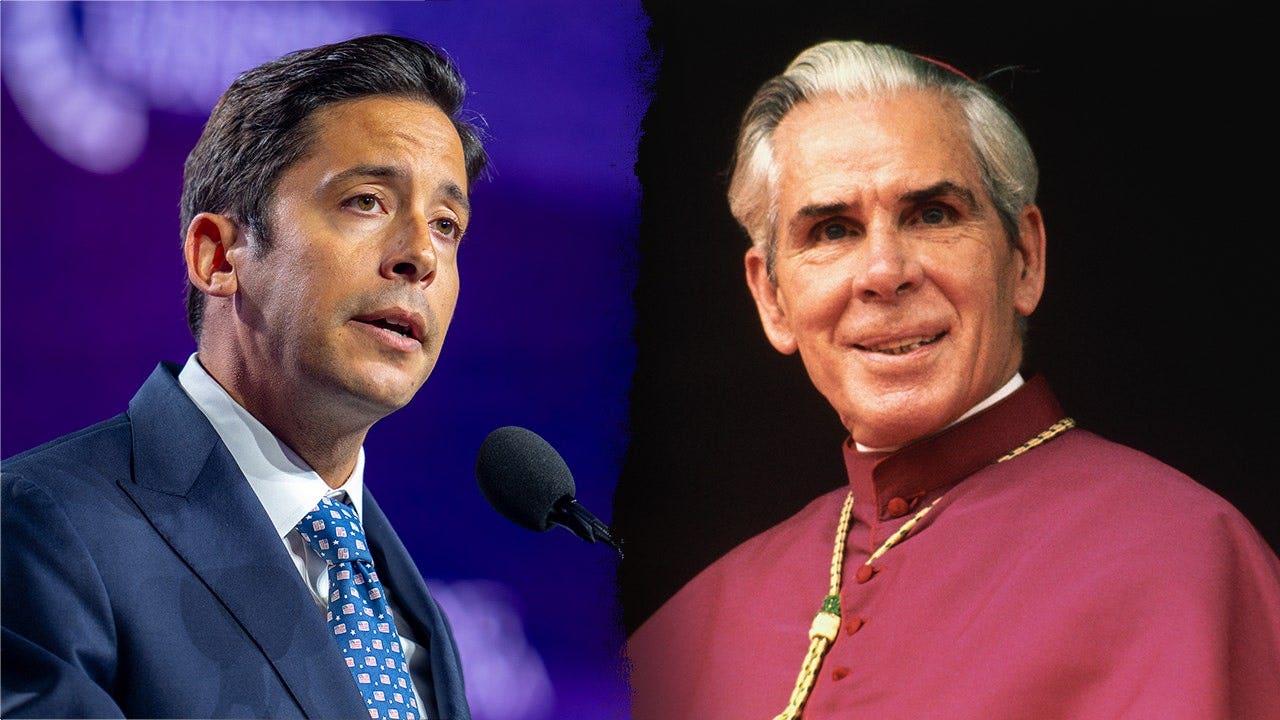
Archbishop Fulton Sheen drew tens of millions of Americans to their TV sets with little more than a chalkboard, a cape and a message about Christianity, morality and the threat of communism.
More than seven decades later, conservative commentator Michael Knowles said he believes the legendary Catholic broadcaster could deliver essentially the same message and immediately find himself branded a «far-right extremist.»
«I think he would be taking his first breath to utter the first syllable of the very first sentence just when someone called him a far-right extremist,» Knowles told Digital. «He wouldn’t need to change his message.»
BISHOP ROBERT BARRON: THE REAL REASON COMMUNISTS FEAR RELIGION AND WANT BELIEVERS SILENCED
Sheen was formally beatified, or formally «blessed» by the Roman Catholic Church Thursday in St. Louis, marking a major step toward possible sainthood for one of the most recognizable religious figures of 20th century America.
President Donald Trump and first lady Melania Trump joined Catholics celebrating Sheen’s life, the White House called him the first American-born bishop to be beatified by the Catholic Church.
Long before podcasts and social media gave religious figures direct access to enormous audiences, Sheen became one of America’s most successful religious broadcasters.
His radio program, «The Catholic Hour,» reached more than 4 million people, according to Vatican News.
He later made the leap to television, where «Life Is Worth Living» eventually captivated an estimated 30 million viewers. The format was strikingly simple.
AMERICA HAS FOUNDING FATHERS A CATHOLIC SAINT WAS A FOUNDING MOTHER
Wearing his clerical robes and standing before a chalkboard, Sheen spoke directly to viewers about faith, morality, suffering and the dignity of the human person, weaving theology with stories and humor.
«He was the very first televangelist,» said Knowles, who argued Sheen understood something about mass communication that remains true in the digital age. «He went where the people were.»
Sheen’s reach extended far beyond a conventional religious audience.
The White House also noted that he competed with entertainment giants Milton Berle and Frank Sinatra in weekly ratings, appeared on the cover of Time magazine and won an Emmy for outstanding television personality.
CHASTITY BEFORE MARRIAGE? NO COHABITATION? DATA SAYS COUPLES WHO SKIP BOTH MAY HAVE STRONGER UNIONS
Among the millions of Americans who encountered Sheen through television was a boy who would eventually become the first American pope. Pope Leo XIV has recalled encountering Sheen’s evangelization while growing up. Decades later, Leo approved Sheen’s beatification in St. Louis.
Knowles said Sheen would likely have embraced podcasts, social media and other modern platforms with the same enthusiasm. But the message delivered through those platforms, Knowles argued, could put Sheen at odds with parts of modern American culture.
Asked what would get the bishop «canceled» first in 2026, his Catholicism, his anti-communism or his refusal to apologize for either, Knowles said the three were difficult to separate.
«His absolutely unapologetic apologetics,» Knowles said.
Knowles argued that Sheen’s traditional Catholic teachings about sex, marriage and human nature would draw particularly fierce criticism today.
«They would have tried to cancel him,» Knowles said, before adding that Sheen would ultimately have «the last laugh in heaven.»
Sheen’s opposition to communism was central to his public ministry and was emphasized by the White House as Americans marked his beatification. The presidential message described Sheen as bringing Christian teaching to a world «threatened by the titanic forces of communism.»
The White House also recalled Sheen warning in the 1960s about what he described as a destructive impulse sweeping American society.
BISHOP ROBERT BARRON: THE WAR ON CHRISTIANS IS REAL, AND THE WORLD CAN NO LONGER STAY SILENT
«Our nation is too full of those that are crying, ‘Down,’» Sheen said in the remarks shared by the White House, before listing schools, churches, teachers, government and police. «Can you build anything down?»
Knowles said Sheen’s warnings continue to resonate because the underlying debate about human nature has not disappeared in modern times.
He tied the recurring appeal of communist and utopian political movements to the Christian doctrine of original sin, arguing that political systems fail when they begin from a mistaken conception of human nature.
«When their policies are implemented, they fail,» Knowles said.
Yet Sheen’s journey to Thursday’s beatification ultimately rests not on his television ratings or political commentary, but on the Catholic Church’s assessment of his religious life and a miracle attributed to his intercession.
His cause for sainthood opened in Peoria, Illinois, in 2002. The miracle accepted for Sheen’s beatification centered on a child born in 2010 without a heartbeat or respiration, according to an account published by Vatican News. After 61 minutes, the child was revived and ultimately recovered to full health.
Pope Francis approved the miracle in 2019, clearing a major hurdle in Sheen’s path toward beatification. The Catholic Church’s recognition of Sheen was not presented merely as a celebration of his TV celebrity.
Cardinal Luis Antonio Tagle, who represented Pope Leo at Thursday’s beatification Mass, emphasized Sheen’s relationship with Christ and missionary work rather than his fame. In an apostolic letter read during the ceremony, Leo described Sheen as an evangelist who used modern communications to proclaim the Gospel.
Sheen’s connections to the modern papacy stretch much further back. He participated in the Second Vatican Council, where, according to a biography published by Vatican News, he encountered two clerics who would eventually become popes: Archbishop Karol Wojtyla, the future Pope John Paul II, and Father Joseph Ratzinger, the future Pope Benedict XVI.
Shortly before Sheen’s death, his path crossed John Paul II’s again. During the pope’s 1979 visit to New York, a physically weakened Sheen approached John Paul at St. Patrick’s Cathedral and attempted to kneel before him. John Paul lifted him up and embraced him, according to the Vatican account.
«You have written and spoken well of the Lord Jesus Christ,» John Paul told him. «You are a loyal son of the Church.»
Sheen died just two months later on Dec. 9, 1979.
For Knowles, however, Sheen’s ability to draw an enormous audience wasn’t simply a product of theology or the novelty of television.
«He took life seriously. He just didn’t take himself seriously,» Knowles said.
That combination allowed Sheen to tackle weighty subjects without becoming ponderous, Knowles argued, and helped make complex religious and philosophical arguments accessible to an audience far beyond practicing Catholics.
People might discover Sheen through his anti-communism position, cultural traditionalism or even an appreciation for formal dress among people tired of seeing «sweatpants at the airport,» Knowles joked.
But beneath the television celebrity and political commentary was a priest who maintained a daily Holy Hour before the Eucharist throughout his ministry, a practice Sheen called «the hour that makes my day,» according to the Vatican News biography.
Admiring Sheen is one thing, Knowles suggested, but following his example is another.
«It would be far better for you and for all of us to follow his example,» Knowles said.
christianity, religion, roman catholic, pope francis, cancel culture, christianity religion, pope leo xiv






INTERNACIONAL
Rodrigo Paz recibirá a José Antonio Kast con miras a fortalecer el comercio y la seguridad entre Bolivia y Chile
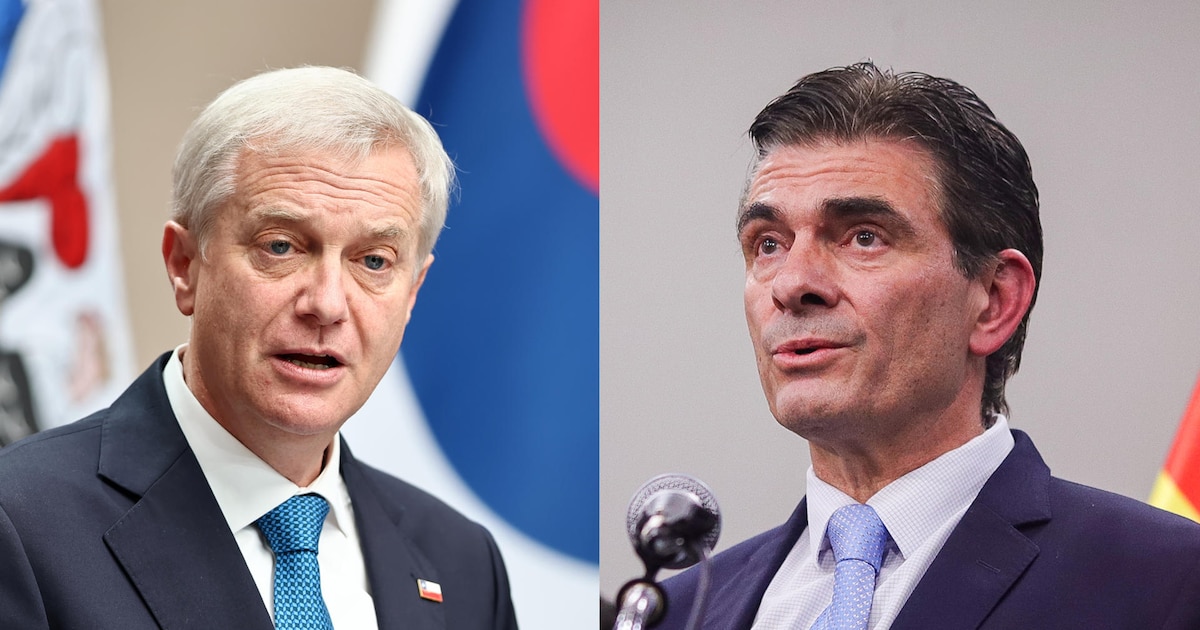
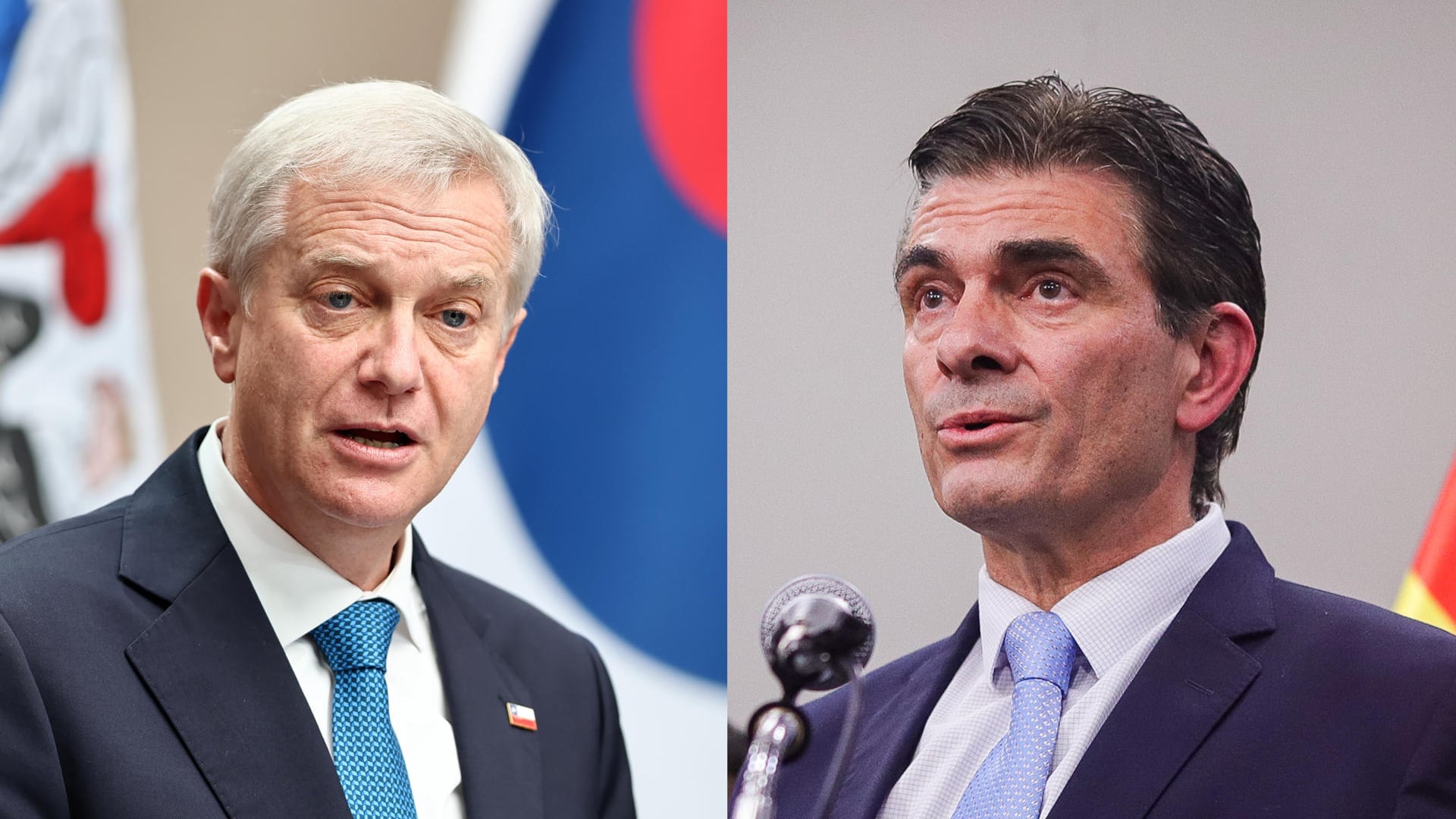
El presidente de Bolivia, Rodrigo Paz, recibirá este viernes en La Paz a su homólogo de Chile, José Antonio Kast, en una visita de Estado que será la primera de un mandatario chileno al país andino en siete décadas y que buscará abrir una etapa de “confianza mutua” y cooperación bilateral.
Kast llegará a la sede del Ejecutivo y del Parlamento bolivianos con una agenda de alrededor de diez asuntos vinculados con economía, comercio, fronteras y seguridad, según adelantaron autoridades en Bolivia.
El encuentro tendrá lugar pese a que ambos países carecen de relaciones diplomáticas a nivel de embajadores desde 1962, con la excepción del período comprendido entre 1975 y 1978. La ausencia de vínculos plenos responde a la falta de un acuerdo sobre la histórica demanda boliviana de una salida soberana al mar, aunque ambos Estados mantienen consulados generales en La Paz y Santiago.
La anterior visita de Estado de un presidente chileno a Bolivia ocurrió en 1955, cuando Carlos Ibáñez del Campo asistió por invitación de Víctor Paz Estenssoro. En las décadas posteriores, otros jefes de Estado chilenos viajaron al país vecino para investiduras presidenciales o compromisos multilaterales.
Bajo las administraciones de Paz y Kast, los dos gobiernos retomaron contactos en los últimos meses. Bolivia reiteró, de todos modos, que su reivindicación marítima forma parte de este “nuevo ciclo” de la relación bilateral.
El acercamiento tomó impulso en abril, cuando el entonces canciller boliviano, Fernando Aramayo, y el ministro de Relaciones Exteriores chileno, Francisco Pérez Mackenna, se reunieron en el paso fronterizo que une Chungará, en Chile, con Tambo Quemado, en Bolivia. Luego mantuvieron encuentros en La Paz sobre seguridad, migración, agricultura, tecnología, uso de puertos, conectividad vial y una eventual reposición de embajadores.
La Cancillería chilena afirmó entonces que, desde la llegada de Kast al Gobierno en marzo, la relación bilateral “ha evolucionado hacia una agenda positiva, contribuyendo a la reconstrucción de las confianzas”.
La visita presidencial estaba prevista para el primer semestre del año, pero quedó aplazada por las protestas contra el Gobierno de Paz entre mayo y junio. Los contactos continuaron después con la primera Reunión de Altos Mandos Policiales y Unidades Especializadas, celebrada en agosto en La Paz, para reforzar la coordinación contra el crimen organizado.
En septiembre, una delegación del Parlamento chileno viajó a Bolivia para discutir con legisladores locales asuntos de migración, comercio y seguridad. Ese mismo mes, el canciller boliviano, Néstor Huanca, propuso a Chile “elegir qué clase de vecinos” desean ser y sostuvo que las diferencias históricas no deben impedir el trabajo conjunto en los temas de interés común.
Bolivia y Chile atravesaron etapas de diálogo y conflictos judiciales por la demanda marítima y las aguas del Silala durante las últimas décadas. Uno de los períodos de mayor acercamiento ocurrió bajo los gobiernos del entonces presidente boliviano Evo Morales y la ex mandataria chilena Michelle Bachelet. En 2006, ambos países acordaron una agenda de diálogo de 13 puntos que incluyó, por primera vez, el reclamo boliviano de una salida soberana al océano Pacífico.
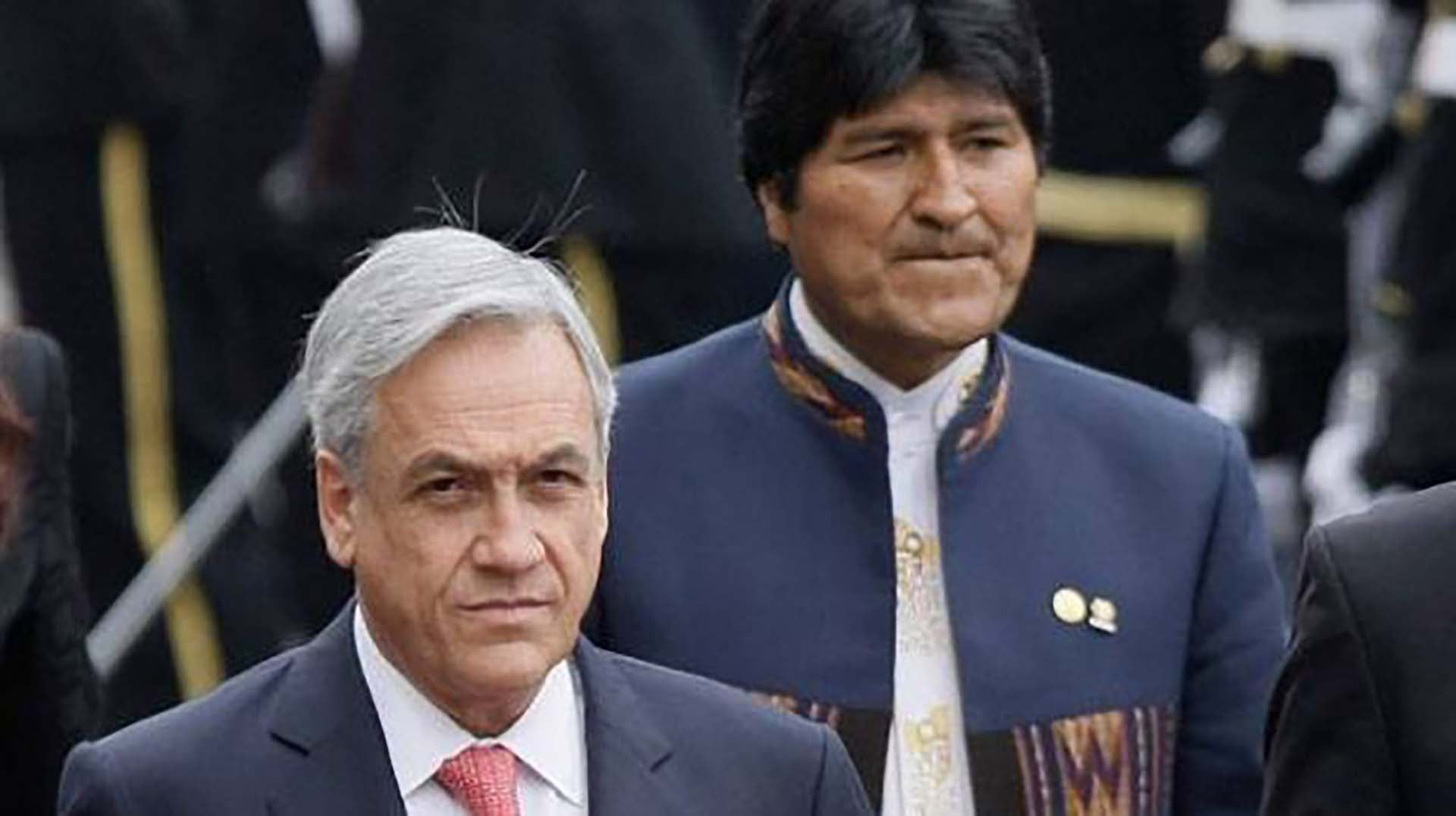
Ese entendimiento perdió fuerza durante el primer mandato de Sebastián Piñera en Chile. La relación bilateral se tensó aún más en 2013, cuando Morales presentó una demanda contra Chile ante la Corte Internacional de Justicia (CIJ), con sede en La Haya.
Bolivia buscaba que el tribunal estableciera la obligación de Chile de negociar de forma efectiva su reclamo marítimo. En 2018, la Corte resolvió que Chile no tiene una obligación legal de negociar con Bolivia por ese asunto.
Los dos países también llevaron a la CIJ su controversia sobre las aguas del Silala, un curso que nace en territorio boliviano y continúa hacia Chile. La disputa giró en torno a su naturaleza y al uso de ese caudal. En 2022, el tribunal cerró el caso después de que ambas partes coincidieran en que el Silala es un río internacional, por lo que no correspondía emitir un fallo sobre el fondo de la controversia.
(Con información de EFE)
INTERNACIONAL
Honduras: Salud afirma que el 97% de médicos interinos ya cobró y exige el regreso a las consultas
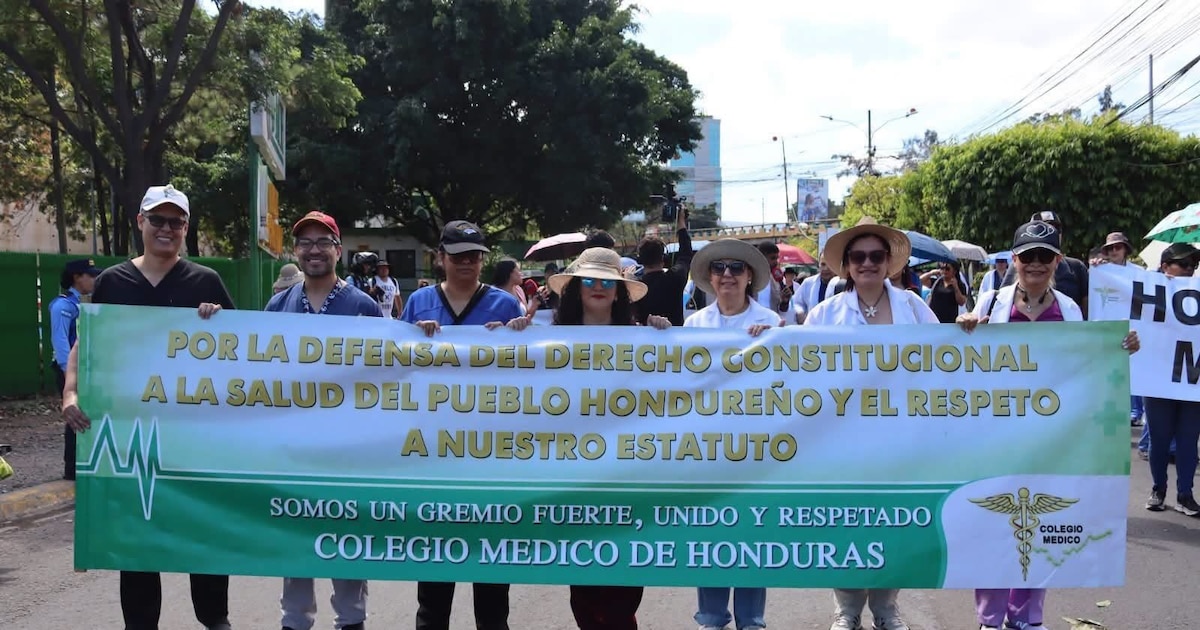
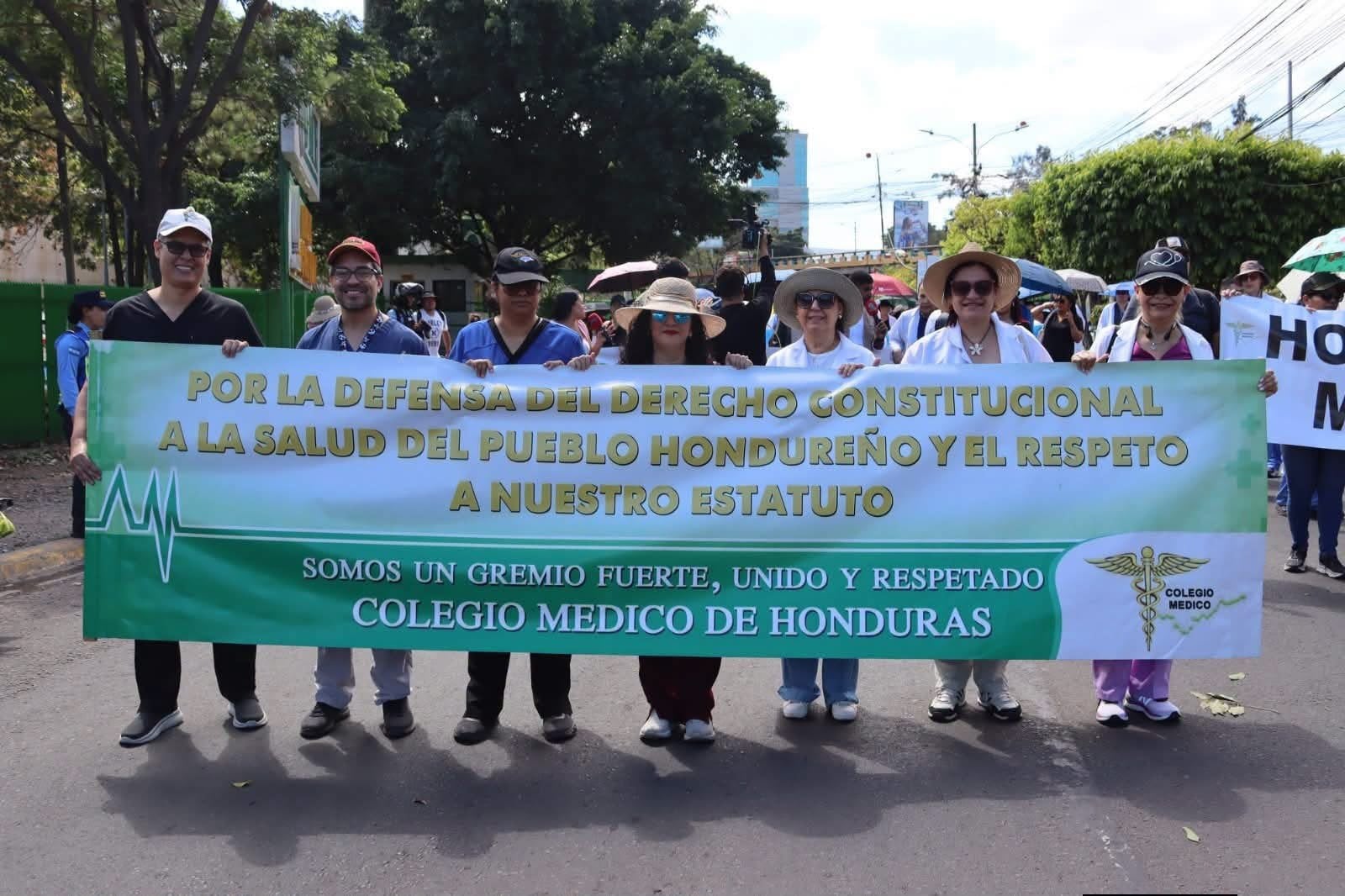
Miles de pacientes continúan a la espera de consultas médicas, procedimientos y evaluaciones especializadas en Honduras, en medio del conflicto laboral que enfrenta a las autoridades sanitarias con la dirigencia del Colegio Médico de Honduras (CMH).
Ante este escenario, la Secretaría de Salud aseguró que el 97% de los médicos contratados bajo la modalidad de interinato ya recibió sus salarios y pidió a los profesionales reincorporarse a sus puestos de trabajo.
El viceministro de Salud, Eduardo Midence, informó este jueves que la mayoría del personal médico interino ya recibió sus pagos, mientras que los casos pendientes están bajo revisión mediante una mesa técnica integrada por representantes del gremio y funcionarios de la institución.
Según el funcionario, el 3% restante está siendo atendido de manera individual para determinar los montos adeudados, las razones de los retrasos y las circunstancias que impidieron completar las transferencias salariales.
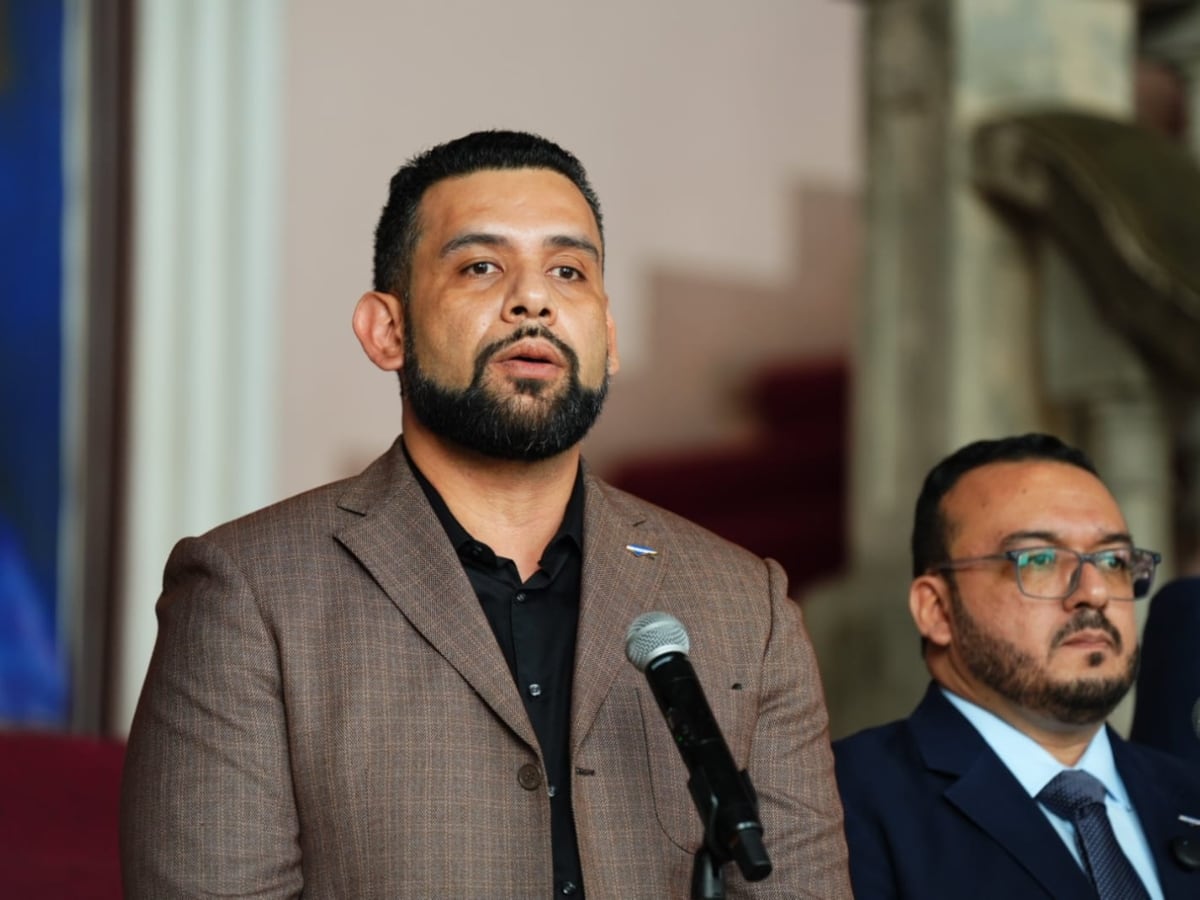
La mesa técnica cuenta con la participación del subsecretario de Salud, José Miguel Castillo, y representantes del Colegio Médico, quienes revisan cada situación para establecer las acciones correspondientes.
Midence también afirmó que el 100% de los médicos contratados bajo la modalidad permanente ya tiene sus salarios pagados. Con base en estas cifras, pidió a los profesionales que recibieron sus ingresos retomar sus actividades y contribuir a restablecer la atención habitual en los establecimientos sanitarios.
El viceministro apeló a la responsabilidad del personal médico ante las necesidades de los pacientes que requieren consultas, controles y tratamientos, mientras continúa la controversia con la Junta Directiva del CMH.
Uno de los principales argumentos expuestos por Midence para solicitar la reanudación de los servicios es la cantidad de personas que, según sus datos, permanecen pendientes de atención especializada.
El funcionario detalló que 3,092 niños y niñas esperan atención pediátrica, mientras que otras 2,979 mujeres necesitan servicios ginecológicos. En conjunto, las cifras representan 6,071 pacientes pendientes de recibir diferentes prestaciones médicas.
En el caso de las mujeres, Midence indicó que las atenciones pendientes incluyen consultas ginecológicas, citologías, seguimiento de lesiones premalignas o malignas relacionadas con el cáncer, ultrasonidos, mamografías y evaluaciones con especialistas.
El viceministro cuestionó la suspensión de las consultas programadas y advirtió sobre las consecuencias que puede tener la interrupción de los controles médicos, particularmente para quienes necesitan seguimiento de enfermedades o evaluaciones oportunas.
Asimismo, señaló que algunos profesionales habrían recibido instrucciones de asistir a asambleas del gremio bajo advertencia de sanciones. Estas afirmaciones fueron expuestas por el funcionario en el contexto de las medidas adoptadas durante el conflicto.
La dirigencia del Colegio Médico de Honduras mantiene su postura de suspender las consultas y limitar la atención a los casos de emergencia, según lo señalado por Midence, mientras continúa la disputa relacionada con las condiciones laborales y los pagos.
Ante las críticas por la interrupción de los servicios, el viceministro sostuvo que el Gobierno garantizó el abastecimiento de material médico quirúrgico y realizó contrataciones de personal para mantener la atención en los establecimientos sanitarios.
Entre los profesionales incorporados mencionó médicos especialistas, enfermeros, enfermeras instrumentistas y otros trabajadores de enfermería.
Sin embargo, aseguró que parte del personal suspendió las consultas tras el llamado de la dirigencia del Colegio Médico, lo que, según su versión, ha dificultado la continuidad de las atenciones programadas.
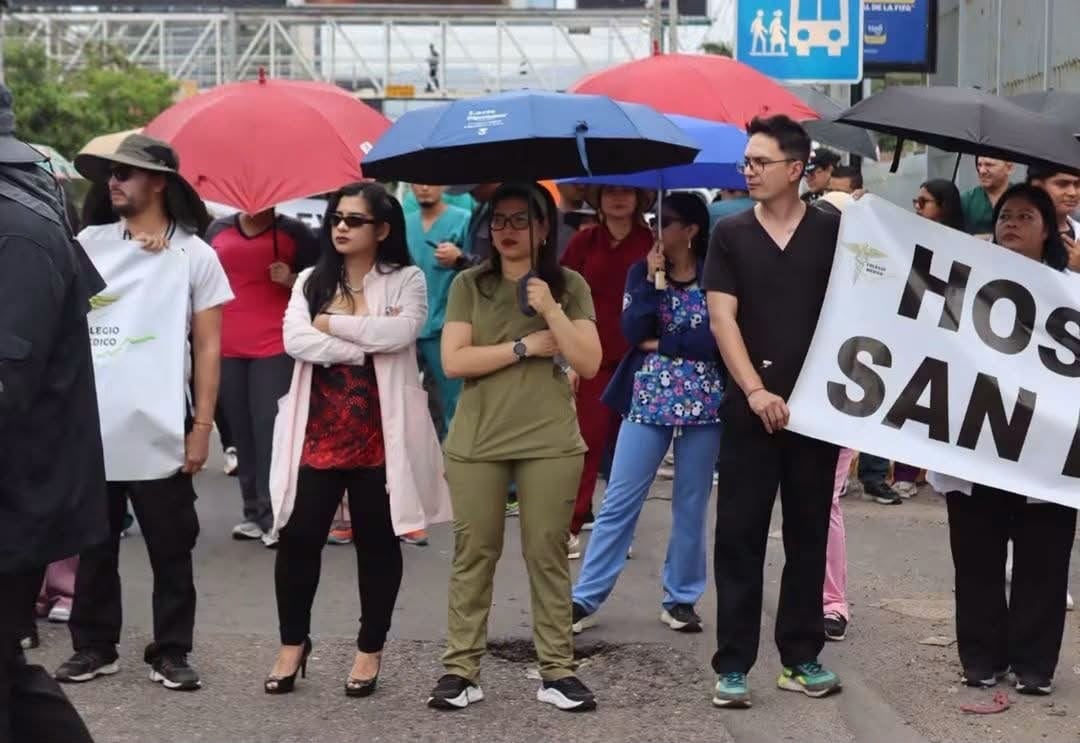
Midence insistió en que el restablecimiento de las consultas permitiría atender a los pacientes que permanecen en espera y dar continuidad a procedimientos que requieren controles periódicos.
En contraste con las consultas suspendidas en algunos establecimientos, el funcionario destacó que las unidades médicas de atención comunitaria continúan desplazándose por diferentes zonas del país como parte del programa “La salud más cerca de usted”.
De acuerdo con los datos proporcionados por Midence, estas unidades han realizado más de 35,677 atenciones médicasy brindado 287 servicios de telemedicina.
El programa permite que pacientes reciban consultas con especialistas ubicados en Tegucigalpa y con profesionales que trabajan desde el extranjero, mediante herramientas de atención médica a distancia.
El viceministro defendió la continuidad de esta estrategia sanitaria, impulsada por el Gobierno del presidente Juan Asfura, y sostuvo que las unidades comunitarias contribuyen a acercar los servicios médicos a personas que enfrentan dificultades para acceder a una consulta especializada.
También reportó que 2,848 mujeres se han sometido a mastografías, entre las cuales 14 recibieron una detección oportuna de cáncer de mama y actualmente se encuentran en tratamiento.
A estos resultados sumó más de 2,500 densitometrías realizadas para identificar posibles casos de osteoporosis, principalmente entre adultos mayores. Según explicó, los diagnósticos obtenidos permitieron que pacientes comenzaran a recibir atención médica.
corresponsal:Desde Tegucigalpa, Honduras
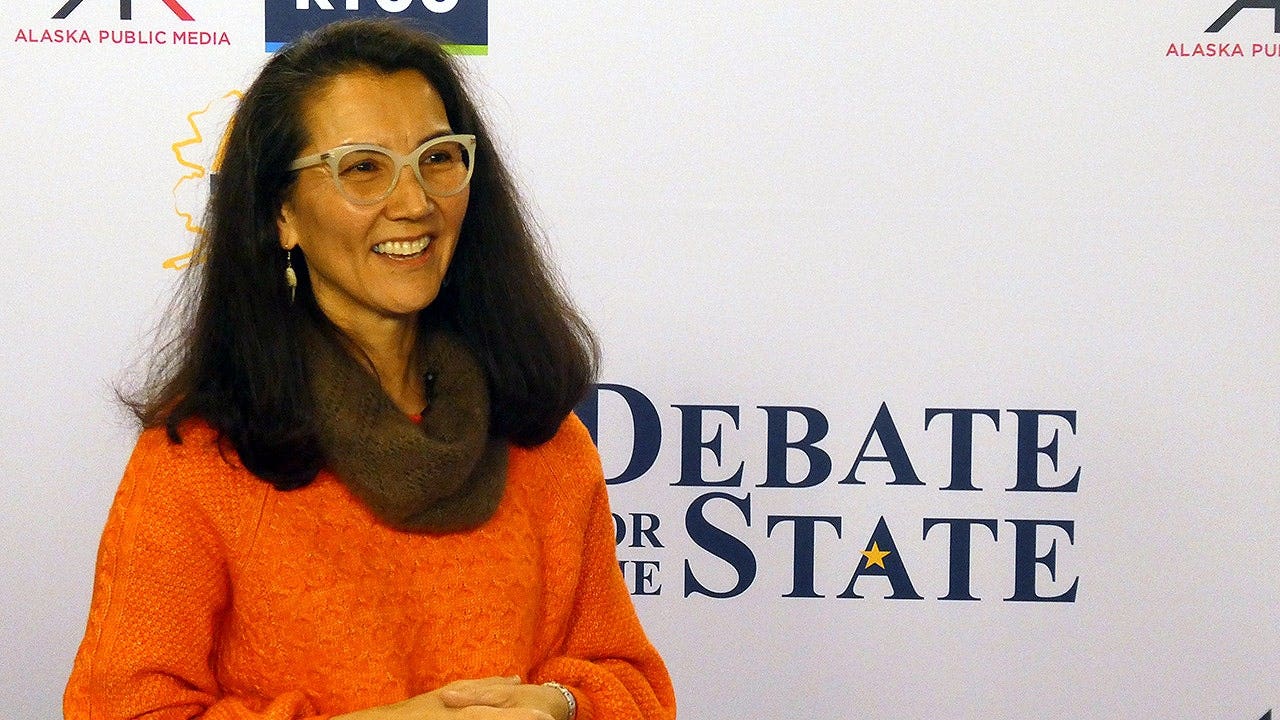
Alaska Democratic Senate hopeful Mary Peltola faced ridicule Thursday night after her use of notecards during a debate with Republican Sen. Dan Sullivan drew mocking responses from GOP critics — including a pointed jab from her incumbent opponent.
Sullivan is in an unusually close race with Peltola, a former congresswoman, that is further complicated by another candidate with his same name but a different middle initial, as Republicans fight to hold their narrow Senate majority.
«Really, Mary? Reading off a script? You can’t cue-card your way through the Senate,» Sullivan wrote on X after Peltola appeared to have a notecard-sized paper with bullet points that she looked down at for several seconds while responding to earlier questions.
GOP SENATOR, EX-HOUSE DEM EMERGE FROM ALASKA’S ‘JUNGLE PRIMARY’ DESPITE FAR-LEFT MEDDLING
The criticism quickly became a flashpoint in the candidates’ debate-night exchanges, with Republican commentators seizing on Peltola’s apparent use of prepared notes.
«Mary, blink twice if you are okay. It seems you can’t string a sentence together without reading from the talking points your Lower 48 handlers wrote you,» NRSC official Joanna Rodriguez posted on X.
Another social media user took aim at Peltola’s apparent reliance on notes even while discussing personal details.
«Mary Peltola can’t read her name or that she’s a grandmother without needing a cue card,» the user wrote, adding a laughing emoji.
After Peltola appeared to read from her card another time, Sullivan cut in that he had a question for the moderators.
‘THEY WERE SPYING’: SULLIVAN SOUNDS ALARM ON JOINT RUSSIA-CHINA MOVES IN U.S. ARCTIC ZONE
INSERT CLIP: 6389131701112
«We weren’t supposed to get these questions beforehand, were we?» he asked the debate moderators.
«No sir,» Alaska’s News Source reporter Wil Courtney replied. «Absolutely not,» added Alaska Public Media chief editor Lori Townsend.
«OK,» Sullivan said. «I’m just watching my opponent.»
Peltola defended herself, interjecting that she was better «prepared.»
The Republican Party’s research arm hit back on X, highlighting a clip of Peltola appearing to read from her card:
«Mary Peltola — who did not introduce a single bill to help Alaska fisherman during her first term in Congress — has to read off of a script when talking about Alaska’s fishing industry,» the party tweeted.
The debate also turned personal when Sullivan confronted Peltola over allegations that she mistreated former staffers, citing reporting by The New York Times and claiming that 25 employees had quit while working for her.
Peltola rejected the allegations as «outright fabrications or mass exaggerations of the truth,» arguing that the election should not be about her «worst day.»
The heated exchange prompted moderators to call for decorum and warn that microphones could be shut off if the candidates continued interrupting one another. Sullivan maintained that the allegations reflected a pattern of behavior, while Peltola accused her opponent of exploiting the controversy for political gain.
The candidates also faced questions over Alaska’s long-discussed liquefied natural gas pipeline after moderators reported South Korea had not committed to investing in the project despite President Donald Trump’s public promotion of a potential deal.
Sullivan defended the administration’s efforts, arguing Seoul had committed funding through a broader trade agreement while acknowledging that the specific investment amount remained under negotiation.
DEM SENATE HOPEFUL VOWS TO UNLEASH ALASKA OIL — BUT HER RECORD TELLS A DIFFERENT STORY
Peltola also expressed support for the pipeline but cautioned against raising expectations without firm commitments, saying Alaska should not be «promoting falsehoods that just have no substance.»
Both candidates emphasized the project’s economic potential, although the exchange exposed uncertainty over whether promised foreign investment would materialize.
Peltola previously became the first Democrat in decades to represent Alaska in the House after the death of Republican Rep. Don Young, and her Senate candidacy again carries potentially sweeping statewide and national repercussions.
SIGN UP TO GET THE POLITICS NEWSLETTER
The showdown comes as Republicans fight to defend their narrow Senate majority, with Sullivan’s seat emerging as a major Democratic pickup opportunity in a state President Donald Trump carried in 2024. The Cook Political Report rates the contest a toss-up, making Alaska one of several battlegrounds that could determine which party controls the chamber in January.
Digital reached out to Peltola’s campaign for comment.
midterm elections, alaska, primary debate videos, politics, republicans, democrats senate

La inflación interanual oficial creció en Cuba y se situó en septiembre en el 28,44%, pero la cifra real puede ser mucho mayor

Rodrigo Paz recibirá a José Antonio Kast con miras a fortalecer el comercio y la seguridad entre Bolivia y Chile

Nacho Fernández rompió en llanto al hablar de la cinta de capitán con la imagen de Maradona: “Me acompaña todos los partidos”

La nueva vida de Paulinho: de dejar huella en el Barça a triunfar en los despachos

Milei-Bullrich, la fórmula que más entusiasma al oficialismo en medio de las turbulencias económicas

El futuro será inteligente, pero inconsciente

Milei viajará a EE.UU. para reunirse con empresarios y con el hermano de Flávio Bolsonaro antes del balotaje en Brasil

Más de 2.000 islas sin hospitales: así funciona la red de clínicas flotantes de India

La angelita de LAM que reveló la peor infidelidad que sufrió en un matrimonio: «Encontré mensajes con otras mujeres y…»

Autos chinos en Argentina: el caso de Noruega reaviva las alertas por espionaje y riesgos para la seguridad nacional

 INTERNACIONAL3 días ago
Más de 2.000 islas sin hospitales: así funciona la red de clínicas flotantes de India
- CHIMENTOS2 días ago
La angelita de LAM que reveló la peor infidelidad que sufrió en un matrimonio: «Encontré mensajes con otras mujeres y…»
- POLITICA2 días ago
Autos chinos en Argentina: el caso de Noruega reaviva las alertas por espionaje y riesgos para la seguridad nacional