INTERNACIONAL
Iran’s drone hunt escalates as Tehran targets US spy tech to expose battlefield secrets

NEWYou can now listen to Fox News articles!
Iran is deliberately targeting U.S. naval drones in the Strait of Hormuz to gather intelligence on American surveillance capabilities and learn how to evade U.S. defenses, drone experts warned Tuesday.
Tehran’s strategy is coordinated, they said, and involves exposing critical insights into U.S. Navy theater operations in the world’s most vulnerable maritime choke point even when classified data is uncompromised.
The warning came as tensions escalated in the Gulf region Sept. 14 after the U.S. military destroyed two Iranian small boats amid an attempted seizure by the Islamic Revolutionary Guard Corps (IRGC) of an American unmanned surface vessel (USV) patrolling the area, according to reports.
US MILITARY ATTACKS IRAN IN ‘SELF-DEFENSE STRIKES’ OVER WEEKEND
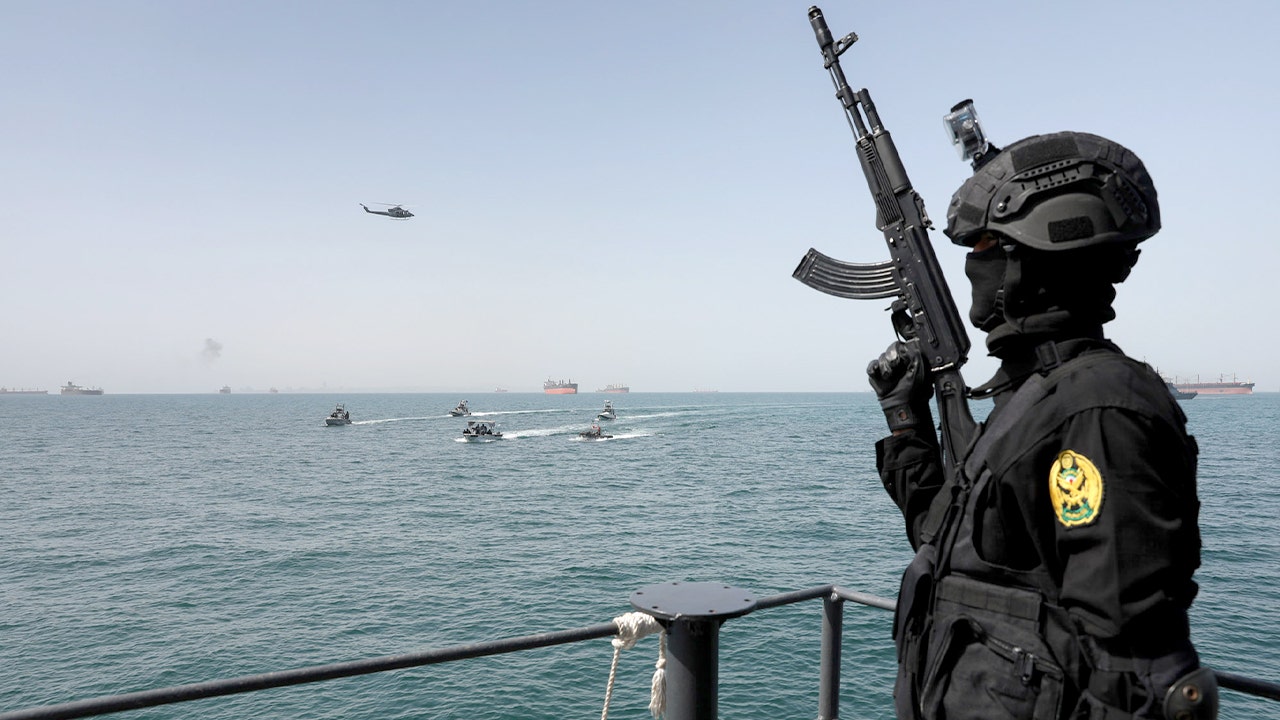
A cargo ship sails in the Persian Gulf toward the Strait of Hormuz, Wednesday, April 22, 2026. (AP Photo)
Iranian state media initially said the incident was a U.S. strike on civilian fishing vessels while its officials reported search-and-rescue operations off the coast of Kargan and near Larak Island, claiming local fishermen were missing.
U.S. Central Command (CENTCOM) spokesperson Capt. Tim Hawkins confirmed the attempted seizure on Tuesday.
«Iranian small boats recently attempted to take possession of a U.S. unmanned surface vessel, but they were unsuccessful after CENTCOM forcefully responded,» Hawkins said.
«The surface drone remains under U.S. operational control.»
«What’s going on with drones generally in the Strait right now—when we see all these types of intel capture missions that Iran is launching—we need to make no mistake that these are very coordinated, absolutely deliberate drone capture missions,» Cameron Chell, CEO of U.S. drone manufacturer Draganfly, told Fox News Digital.
PENTAGON JUMPS FROM $225M TO $55B ON DRONES AS CHEAP ATTACKS OVERWHELM US DEFENSES
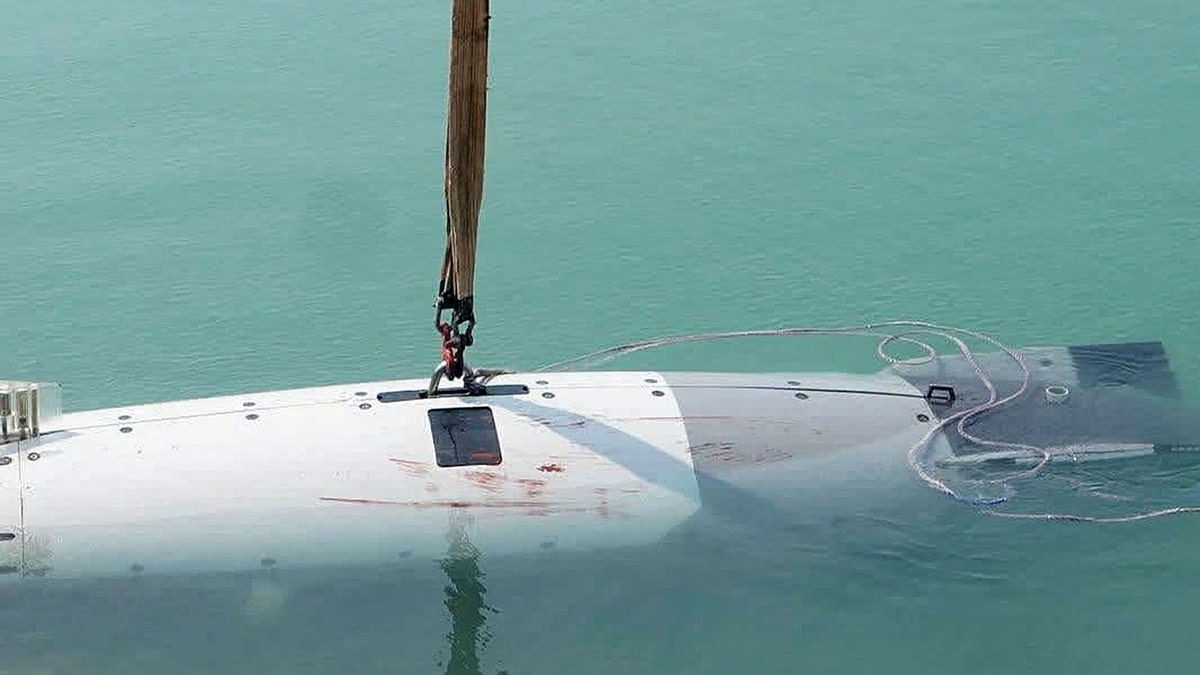
The Sept. 8 incident involved Iran’s capture of a Dive-LD autonomous underwater drone manufactured by defense contractor Anduril. (IRGC/WANA (West Asia News Agency /Handout via REUTERS)
Chell warned that even a brief examination of a captured drone provides Tehran with a quick win by revealing how the U.S. conducts surveillance and how to counter those systems.
«If Iran captures a drone, it could give them an immediate tactical advantage,» Chell said.
«It may not yield specific classified data, but it gives insight into the theater of operations, which at any given moment offers an advantage. I wouldn’t doubt it for a heartbeat that it is escalating.»
«Just getting little tidbits of intel starts to paint a picture, giving them different attack plans, battle plans, and thoughts on what the U.S. might be doing. I would be very surprised if this wasn’t an ongoing effort.»
WHO CONTROLS THE STRAIT OF HORMUZ RIGHT NOW? HERE’S WHAT THE SHIP TRAFFIC ACTUALLY SHOWS
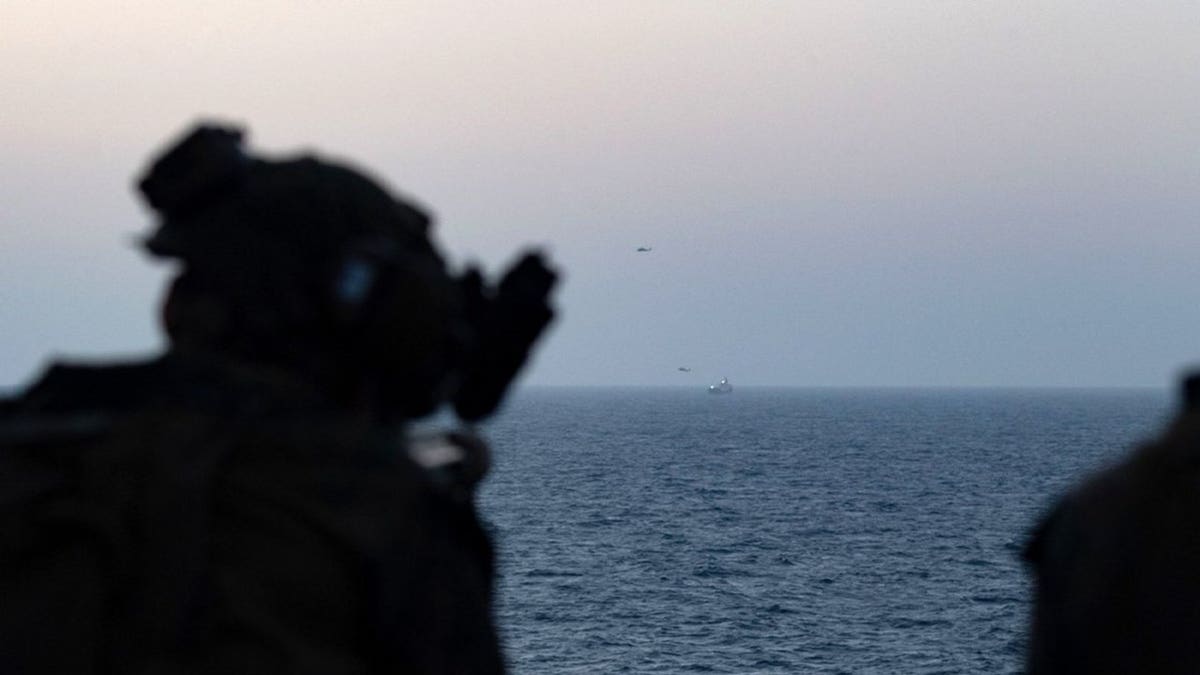
U.S. Marines aboard USS New Orleans (LPD 18) stand watch in the Arabian Sea during naval blockade operations against Iran. As of today, 44 commercial vessels have been directed to turn around or return to port, according to U.S. Central Command. (U.S. Central Command)
Iran’s attempts to capture drones underscore growing security volatility in the Strait of Hormuz, the vital international shipping lane where commercial transit has fallen below historic levels since the war broke out in February.
Chell emphasized that any access to captured hardware over the last six months would allow Iranian forces to evaluate sensitive onboard sensors.
«It really speaks to the bigger picture of how the whole intelligence infrastructure works of, say, the Navy, for example,» Chell said.
«The other important thing is that when they get their hands on these drones—even if they’re only able to spend some time glimpsing at them before they have to evacuate or abort a mission—is they get a real understanding of the types of sensors on them.»
IRAN SAYS ITS SMALL SUBS DEPLOYED TO STRAIT OF HORMUZ AS EXPERT EXPLAINS THREAT: ‘VULNERABLE TO DETECTION’
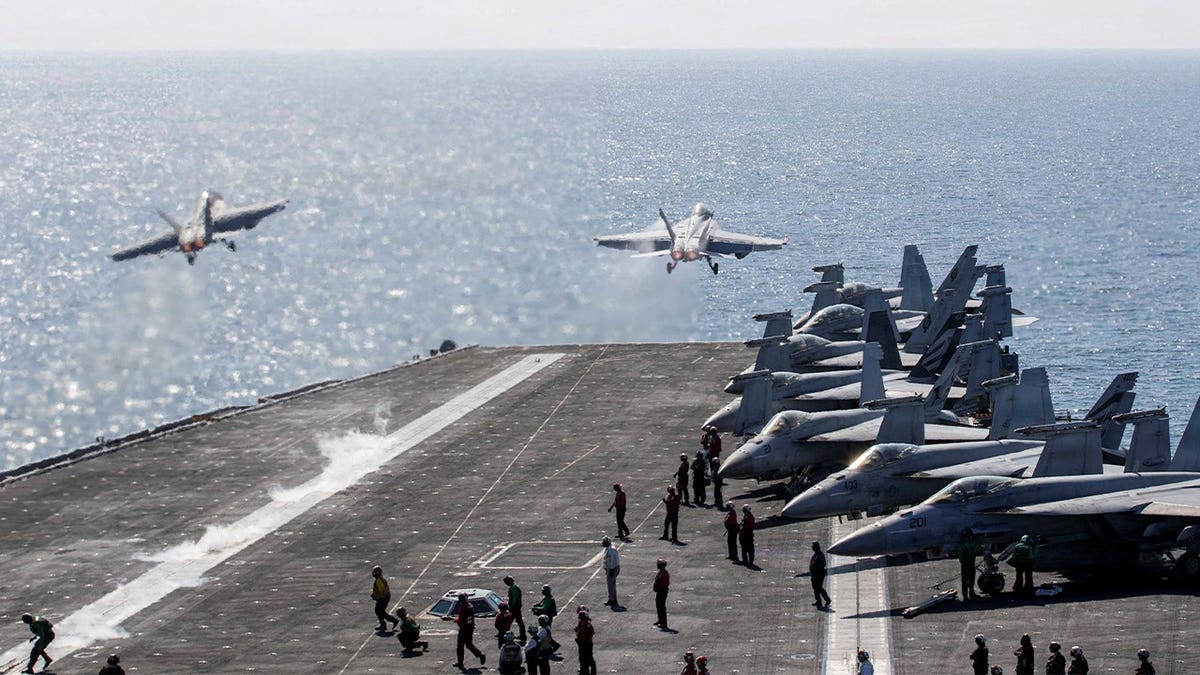
Two F/A-18 Super Hornets launch from the flight deck of the U.S. Navy Nimitz-class aircraft carrier USS Abraham Lincoln in support of the Operation Epic Fury attack on Iran from an undisclosed location March 3, 2026. (U.S. Navy/Handout via Reuters)
«That gives them a complete picture of how they can launch attacks and evade the type of sensing equipment out there,» Chell continued.
«They can understand how to counter or measure the intelligence being gathered, and potentially use that design offensively in their own equipment.»
The latest escalation also follows a Sept. 8 incident involving Iran’s capture of a Dive-LD autonomous underwater drone manufactured by defense contractor Anduril.
While Anduril CEO Palmer Luckey said the drone was designed to operate in «environments too dangerous for humans where capture is an expected possibility.»
«I can’t get into the details, but it provided significant value for months before capture,» Luckey dded.
IRAN’S DRONE SWARMS CHALLENGE US AIR DEFENSES AS TROOPS IN MIDDLE EAST FACE RISING THREATS
«Unboxing ceremony by our reverse engineers, tomorrow morning!» Iran’s embassy in Hyderabad also wrote on X.
U.S. Navy representatives however, said the recovered drone was an older model that had malfunctioned and gone dead in the water.
«The U.S. being alert to the fact that these are high-value targets dictates where and how they use and protect them,» Chell noted.
«I don’t doubt that the captured underwater drone had sensitive information on it, but that’s not the point. Again, the point is, they want to see the type of equipment and information being gathered, or view logs to see where it has been. This all just puts the U.S. on higher alert.»
Tehran has previously leveraged captured U.S. assets—including an RQ-170 Sentinel stealth drone seized in 2011—to bolster domestic technology and regional propaganda.
Then-President Barack Obama publicly asked Tehran to return the aircraft. Iran later claimed it reverse-engineered the platform to build domestic lookalikes.
In 2022, a U.S. Navy patrol ship and an MH-60S Seahawk helicopter intercepted an Iranian naval vessel attempting to tow a Saildrone surface vessel in the Gulf.
RUSSIA PREPARING HYBRID ATTACKS ON NATO’S EASTERN FLANK, INTELLIGENCE WARNS
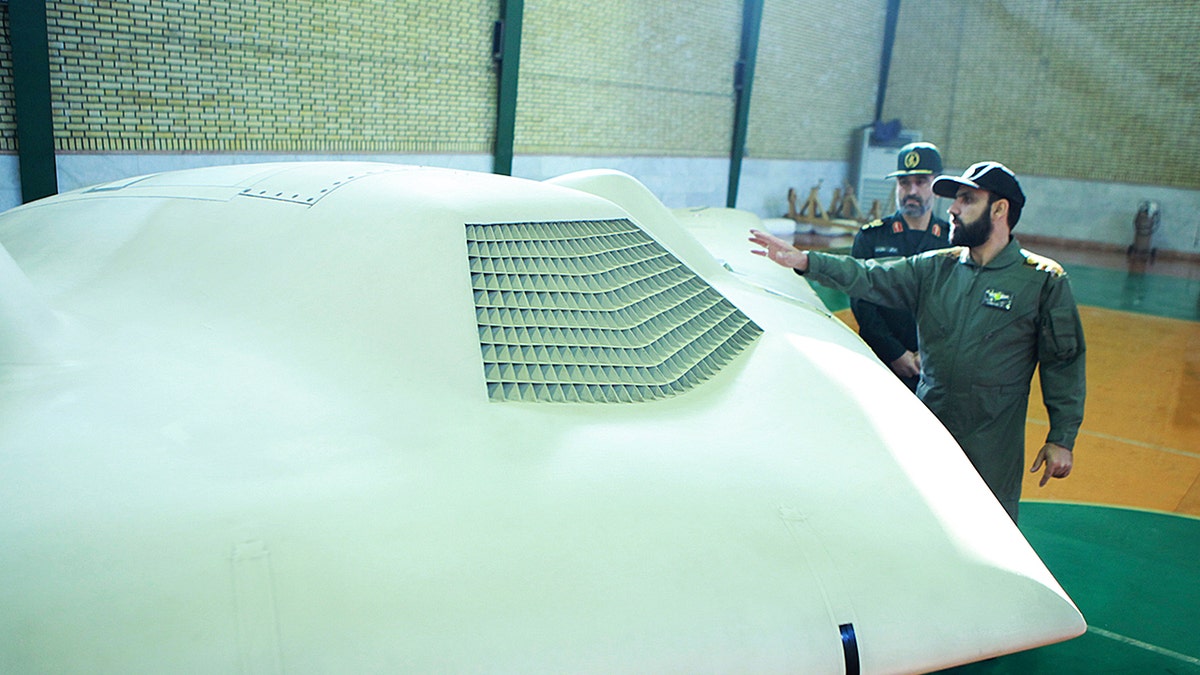
Tehran has previously leveraged captured U.S. assets—including an RQ-170 Sentinel stealth drone seized in 2011—to bolster domestic technology and regional propaganda. (REUTERS/Sepah News.ir/ Handout)
«Iran actually has a history of attempting this in the past, and at times has been successful,» Chell said, noting Washington takes the threat «very, very seriously.»
«In other instances where they’ve gotten sail ship drones, for example, and tried to bring them into Iranian territory—» Chell said, pointing back to the RQ-170 seizure: «a number of Iranian drones look suspiciously like the RQ line.»
«Still, when the U.S. knows a drone has been captured, they adjust their tactics and operational overview accordingly,» Chell, whose firm has been awarded a five-year contract by the Government of Canada to provide low-cost tactical intelligence, surveillance and reconnaissance uncrewed aircraft systems to the Canadian Armed Forces, concluded.
«There is no question that autonomy and unmanned systems are the new standard in warfare,» Chell said.
drones, middle east, us navy, world, foreign policy, national security, military, iran





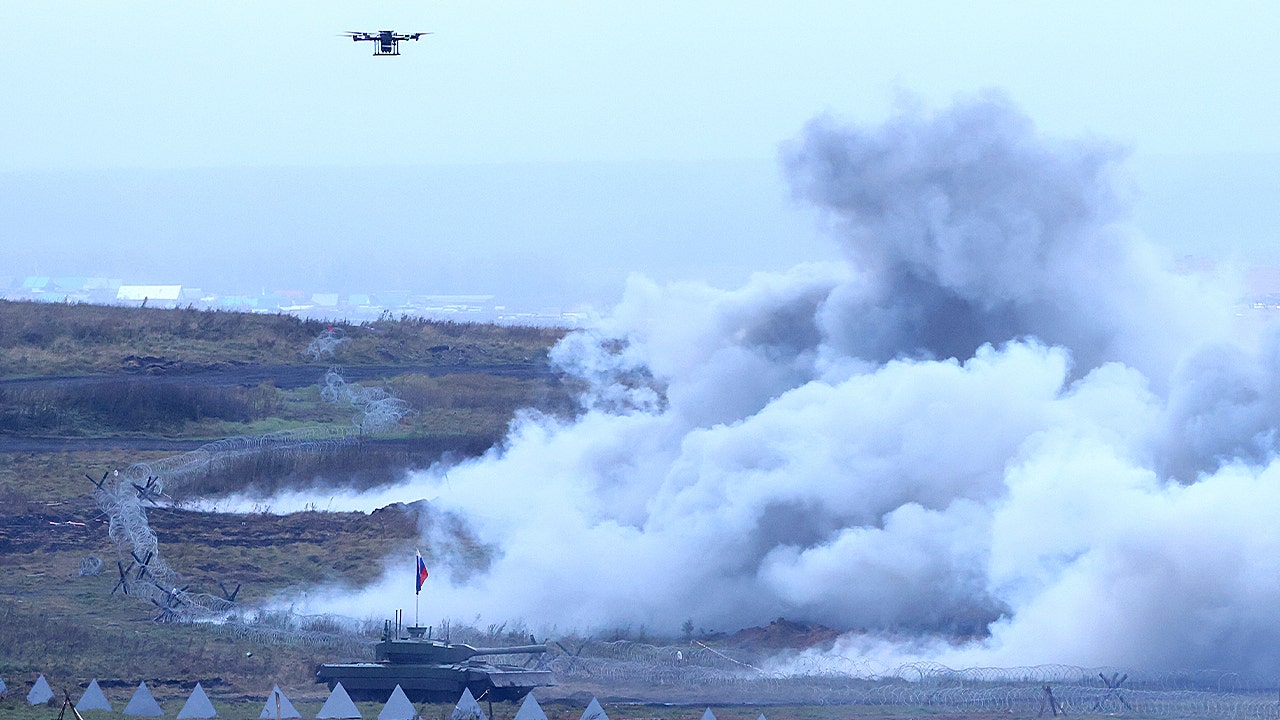
NEWYou can now listen to Fox News articles!
Two African governments have signed new agreements with a Russian industrial complex linked to the production of attack drones used against Ukraine, even as a Ukrainian investigation alleges Moscow is expanding a recruitment network that draws young African women into its military-industrial workforce.
The agreements, signed in late October by Ghana and the Democratic Republic of the Congo with Russia’s Alabuga Special Economic Zone, come months after Britain sanctioned individuals and entities associated with the Alabuga Start program over deceptive recruitment practices. The new partnerships raise questions about whether Russia’s efforts to attract foreign workers could help sustain drone production as its war against Ukraine continues.
The Ukrainian Security and Cooperation Centre says it has obtained internal documents identifying approximately 50 African women employed at Alabuga, alongside 10 Russian recruiters and two African intermediaries allegedly involved in attracting foreign workers.
OUR ADVERSARIES ARE EVEN USING THE US BANKING SYSTEM. HERE’S HOW THEY GET AWAY WITH IT
The remains of a Russian-made, Iran-designed Shahed-136 drone, known in Russia as a Geran-2, are displayed with other recovered drones, glide bombs, missiles and rockets in Kharkiv on July 30, 2025. (Scott Peterson/Getty Images)
«What we were able to do is basically to obtain internal documentation,» Solomiya Khoma, the organization’s head of international cooperation, told Fox News Digital in an exclusive interview.
Khoma said the investigation went beyond previous reporting by attempting to establish how recruitment operates across borders, connecting Russian cultural organizations, local intermediaries and Alabuga’s human resources department. «Our case is specifically related to African countries,» she said.
According to the report, the alleged network operates on three levels: Russian cultural and educational organizations cultivating relationships with young people in Africa, local recruiters promoting opportunities abroad, and Alabuga personnel arranging employment and logistics.

A satellite image shows possible planned location of UAV manufacturing plant in Russia’s Alabuga Special Economic Zone, as evidence of new Russian-Iran cooperation, in this handout acquired June 9, 2023. (White House/Handout via Reuters)
The investigation identifies two women from Tunisia and Uganda as alleged recruitment coordinators and describes connections with Russian HR personnel and foreign employees. Their specific recruitment activities have not been independently verified by Fox News Digital.
Khoma said the findings relied partly on a confidential source who remains employed within the Alabuga industrial complex.
«This person is still continuing to work in the Alabuga economical zone and these factories,» she said, explaining why the organization could not disclose the source’s identity.
She said investigators obtained information about the workers and their identities, including internal employee passes.
The researchers also examined the involvement of Russian cultural organizations, including councils of Russian compatriots and the Russkiy Mir Foundation, in promoting educational and employment opportunities in African countries.
The report points to a September 2024 cooperation memorandum between the Russian compatriots’ council in Tunisia and Alabuga, alongside Russian cultural activities in Uganda. However, the investigation does not establish that Russian diplomats or cultural organizations knowingly directed recruits into military drone production.
The findings build on an Associated Press investigation published in October 2024, which documented how African women recruited with promises of education and civilian employment were assigned to manufacture Iranian-designed attack drones. Some described long hours, lower-than-promised wages, surveillance and exposure to hazardous chemicals.

Russia’s President Vladimir Putin and the Democratic Republic of the Congo’s President Felix Tshisekedi arrive for their meeting on the sidelines of the Russia-Africa Summit at the Grand Kremlin Palace in Moscow, Russia, October 30, 2026. (Pavel Bednyakov/Pool via Reuters)
Khoma described a recruitment process in which women arrive in Russia expecting to combine education with paid employment, only to fail entrance examinations or Russian-language requirements.
«These people are promised a dual education opportunity,» she said.
After failing examinations, she alleged, workers may find themselves with limited options and unable to afford transportation home, leaving them performing factory work instead of pursuing their expected studies.
The recruitment program has also attracted international scrutiny. On May 5, 2026, the British government sanctioned seven individuals and entities associated with Alabuga Start recruitment, accusing the operation of using deceptive practices to obtain foreign labor for facilities producing military drones.
Yet cooperation with African governments appears to be continuing.
US COMPANIES WIN BILLIONS IN AFRICAN DATA CENTER DEALS IN DIRECT COMPETITION WITH CHINA
Ghanaian broadcaster Citi News reported October 29 that Labor Minister Emmanuel Agyekum signed an agreement with Alabuga to facilitate industrial employment opportunities for Ghanaian citizens. The ministry said it would coordinate recruitment, verify job offers and provide pre-departure orientation.
Meanwhile, CongoRassure reported October 30 that the Democratic Republic of the Congo signed a five-year memorandum focused on vocational training and strengthening employment institutions.

Russia’s President Vladimir Putin and Ghana’s President John Dramani Mahama enter a hall before the beginning of their talks on the sidelines of the third Russia-Africa Summit in Moscow, Russia, October 30, 2026. (Anastasia Barashkova/Pool/Reuters)
Neither agreement, as publicly described, establishes that either government intended to supply workers for military production.
Khoma called for sanctions targeting the recruitment networks themselves, including intermediaries, financial channels and organizations facilitating foreign labor recruitment.
She argued that Russia’s efforts to attract workers from abroad reflect growing labor shortages across its wartime economy and represent another potential point of international pressure.
SIGN UP TO GET THE POLITICS NEWSLETTER
«Without this effort abroad, without this help abroad, it would be difficult for Russia to sustain a war longer,» she said.
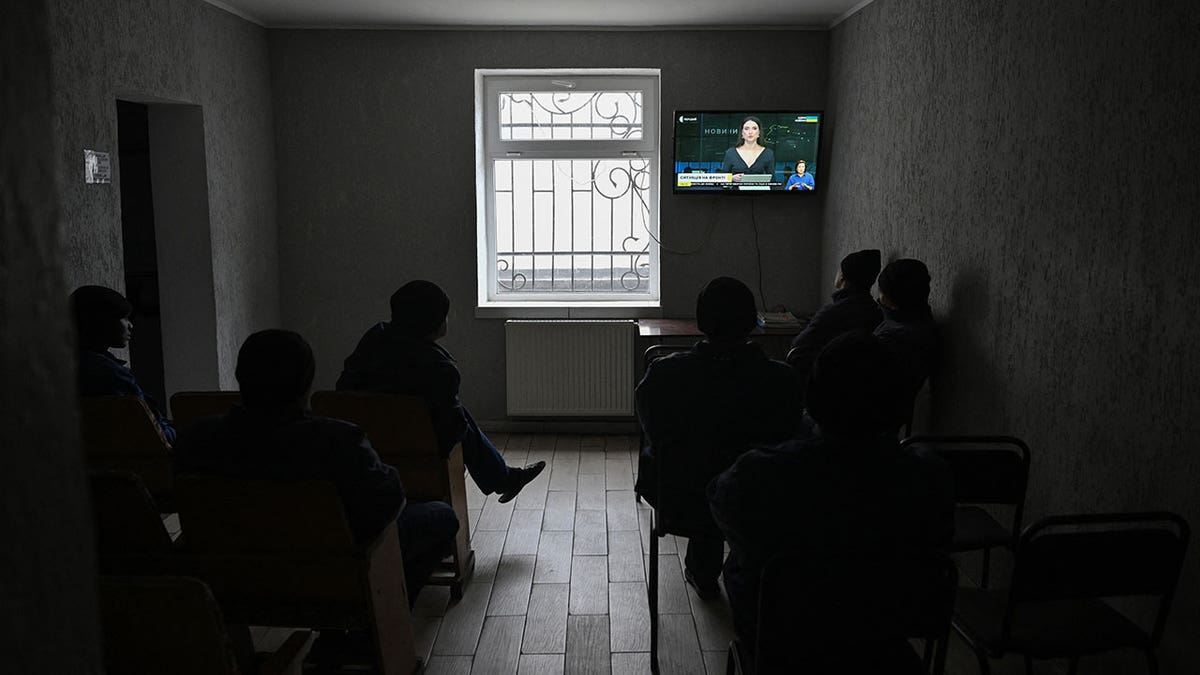
Nationals of African countries watch TV in a dedicated section where foreign fighters captured while serving for Russian forces on the Ukrainian front are hold at a detention center for Russian POWs in western Ukraine on November 26, 2025, amid the Russian invasion of Ukraine. Since Russia invaded Ukraine in 2022, many reports have emerged of African nationals fighting alongside Moscow’s forces, with some accusing Russian military of using deceptive tactics to recruit them. In November, Kyiv said it had identified 1,426 fighters from 36 African countries serving in the Russian army. (Photo by Genya Savilov / AFP via Getty Images)
Fox News Digital has reached out for comment to Alabuga, the Russian Foreign Ministry, and government representatives in Ghana, the Democratic Republic of the Congo, Uganda and Tunisia.
russia, ukraine, foreign affairs, world, sanctions
INTERNACIONAL
Trump’s top officials retreat behind military gates as ex-FBI deputy points to what’s fueling threats
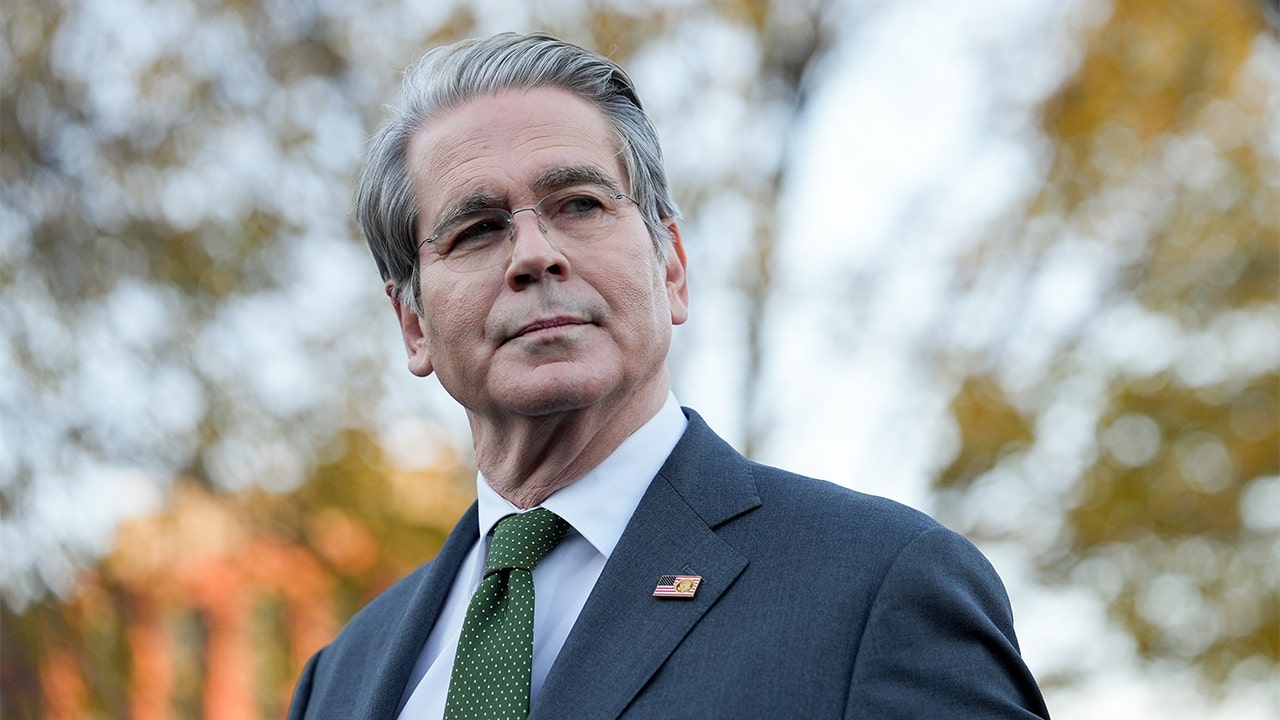
Military bases around Washington, D.C., have become an increasingly common refuge for some of President Donald Trump’s most powerful officials, as threats linked to Iran and a surge in threats against public officials raise security concerns across the administration.
«So you have this combination of a permission structure on the left for violence, combine it with the ability to track it and create a long paper trail, and the numbers explode, and these threat matrices go crazy,» former Secret Service agent and former FBI Deputy Director Dan Bongino said.
Treasury Secretary Scott Bessent is the latest senior administration official to relocate to a military installation, joining a growing number of top Trump officials living behind military gates as federal authorities confront security threats that extend well beyond the White House.
IRAN HAS ‘SUBSTANTIALLY INCREASED’ EFFORTS TO TARGET AMERICANS ABROAD, US INTELLIGENCE MEMO WARNS
«After The Wall Street Journal published an article featuring an online photo that allowed the location of the Secretary’s Georgetown home to be geo-located, security concerns began to increase which have now forced the Secretary to relocate to a military base for his safety. The news media has an obligation to act responsibly amid growing threats against public officials,» a source familiar with the situation told Digital.
Threats against Bessent had reached «more than an advanced stage» amid reported Iranian assassination threats, a senior administration official told Digital on Tuesday, but did not elaborate.
The Iranian threats against Bessent come amid a documented history of alleged Tehran-backed assassination plots targeting senior U.S. officials.
Attorney General Todd Blanche also relocated to a military base from his home around March, a different source familiar with the arrangements told Digital on Thursday.
The Justice Department charged a member of Iran’s Islamic Revolutionary Guard Corps in 2022 in an alleged murder-for-hire plot targeting former Trump national security adviser John Bolton, while prosecutors disclosed in 2024 that another Iranian operative had allegedly been tasked with developing a plan to assassinate Trump.
Bongino said federal protection decisions are generally driven by threat assessments that account for threatening communications, social media activity and intelligence gathered by security personnel. Agencies responsible for protecting senior officials use those assessments to determine what level of protection is necessary.
Secret Service Director Sean Curran said last month that threats against the agency’s full-time protectees had increased more than 40% from the previous year, with roughly 10,000 threat cases recorded in 2026 at the time.
Digital reached out to the White House and Secret Service for comment.
«Pretty much, sadly, anyone at the cabinet, or even sub-cabinet level, with any kind of public persona in the Trump administration, needed a detail,» Bongino said.
US EVACUATES 13 MILITARY AIRCRAFT FROM SECOND UK BASE AS NEW IRAN THREAT RAISES ALARM
The assassination of conservative activist Charlie Kirk and multiple attempts on President Donald Trump’s life have heightened concerns about political violence, as security officials confront a growing volume of threats against public officials.
Bongino pointed to his own experience as FBI deputy director, saying his security needs were comparable to those of some of the government’s highest-ranking law enforcement officials.
«Mine was on par with the attorney general and the FBI director that we had to expand it,» Bongino said of his threat assessment and security detail. «It was an independent analysis.»
Bongino said social media has made threats against public officials easier to track, but the sheer volume of online activity has also created more work for investigators trying to determine which threats are credible.
SECRET SERVICE CHIEF SAYS THREATS AGAINST PROTECTEES UP 40%, CITES INTERNET AND MENTAL HEALTH
Bongino said the disruption to Bessent’s personal life underscores the seriousness of the security concerns surrounding his move.
«For him to have to uproot his life. And move on to a military facility where the housing’s not terrible in those places, but it’s certainly not what he’s used to,» Bongino said. «This stuff, it’s not a convenience issue, I can promise you that. This is definitely serious stuff.»
Lawmakers have also raised concerns about security and federal spending. Rep. George Whitesides, D-Calif., secured House Armed Services Committee approval in June for a proposal seeking a Pentagon report on political appointees living in military housing, including the threats justifying their moves, legal authority for the arrangements and rental costs.
Sen. Maggie Hassan, D-N.H., also questioned whether the reported transfer of $415 million in Secret Service funding to White House construction projects could affect the agency’s protective operations, citing federal watchdog concerns about staffing and resource shortages.
Barry Donadio, a former Secret Service agent who served during the George W. Bush and Barack Obama administrations, similarly told Digital that the decision to relocate Bessent to a military installation suggests an extraordinary level of concern among those responsible for his protection.
«My first inkling is that the [threat] is so high that they cannot protect him with certainty, unless he is on a military base which speaks volumes for the situation at hand,» Donadio said.
TRUMP ADMIN APPROVES $351 MILLION FOR WHITE HOUSE SECURITY MEASURES AMID QUESTIONS OVER BALLROOM FUNDING
Donadio said the move could indicate that officials believe Bessent would be safer on a military base than at a private residence.
«They may have foiled an attack already that is not being publicized, and as an extra measure, have moved him to a military base for protective custody,» Donadio said, clarifying that he did not mean Bessent was in custody, but rather under heightened government protection.
Bessent is not the only senior Trump administration official whose security concerns have prompted a move to military housing.
Secretary of State Marco Rubio and Secretary of War Pete Hegseth have reportedly taken up residence at Fort McNair in Washington, D.C., while White House chief of staff Stephen Miller and other administration officials have moved to military installations or protected government housing.
TRUMP ADMIN APPROVES $351 MILLION FOR WHITE HOUSE SECURITY MEASURES AMID QUESTIONS OVER BALLROOM FUNDING
The relocations have not all stemmed from the same threats. Some followed concerns about domestic political violence, while Bessent’s move comes amid reported threats linked to Iran.
Bongino said threats against high-profile officials can also extend beyond their time in government, describing an incident in which an individual allegedly appeared at a California television studio with a manifesto threatening him and other officials.
«I mean, this stuff is real, it happens every day,» Bongino said. «And when you’re living through it and you’re not accustomed to it, you know, and it follows you after office too.»
He said officials including Bessent, FBI Director Kash Patel, CIA Director John Ratcliffe and Hegseth understood that public service in the administration could make them targets even after leaving office.
Fort McNair, a historic Army installation along the Potomac River in Washington, D.C., has emerged as one of the military properties housing senior Trump administration officials. The installation, which dates to the late 1700s, is home to the National Defense University and traditionally provides residential quarters for senior military leaders.
Fort McNair’s residential quarters are divided into two housing groups, according to a 2020 National Capital Planning Commission report, while a 2024 Army filing identifies 27 historic homes built before 1919 at the installation.
The Army’s housing website lists 88 historic dwelling units across Fort McNair and nearby Fort Myer combined, without specifying how many are at each base.
The growing use of military housing by senior civilian officials also raises questions about who approves the arrangements, whether officials pay for their accommodations and what impact, if any, the moves have on housing traditionally reserved for military personnel.
white house, scott bessent, national security, washington dc, defense
INTERNACIONAL
El Ministerio de Agricultura de Guatemala mantiene bajo vigilancia a 90 municipios por el frío nocturno y la baja humedad del suelo
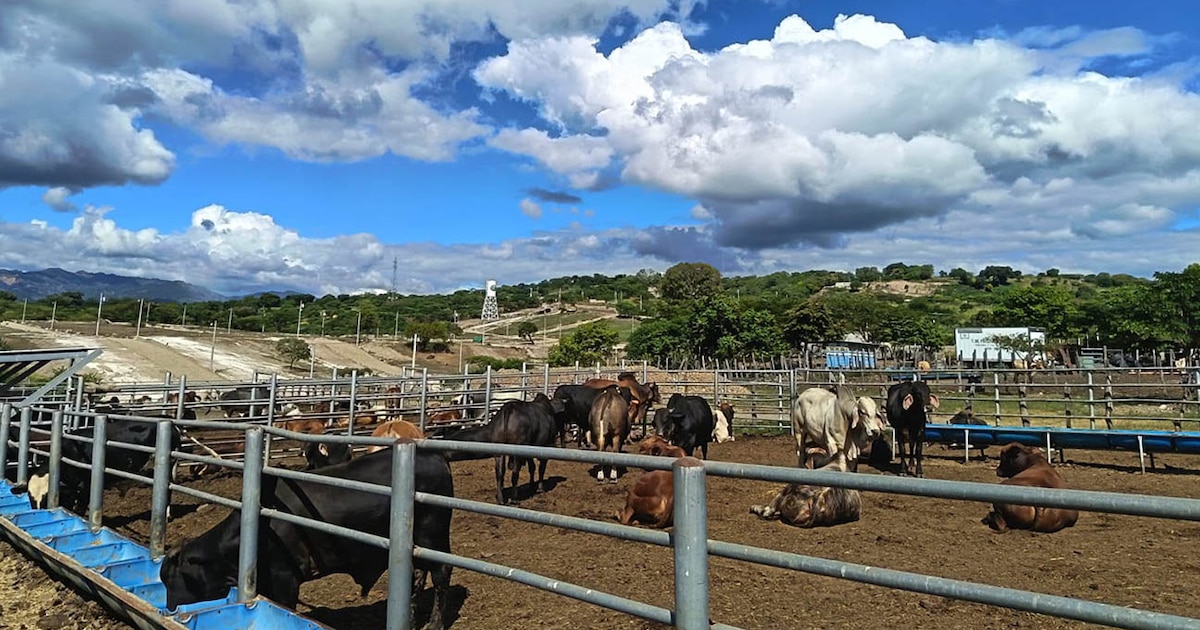
El MAGA mantiene bajo observación 90 municipios de Guatemala ante el frío nocturno y la menor humedad del suelo, una combinación que puede afectar los cultivos de maíz, frijol, hortalizas, café y cardamomo, especialmente en las primeras etapas de crecimiento. El riesgo se concentra durante la noche y la madrugada, cuando los descensos de temperatura, la niebla y la humedad acumulada pueden deteriorar semilleros, siembras recientes y plantaciones ya establecidas.
Las proyecciones contemplan temperaturas de entre 3 y 6 °C en los altiplanos Central y Occidental, donde también podrían registrarse valores inferiores a 5 °C. El boletín agroclimático del Ministerio de Agricultura, Ganadería y Alimentación, elaborado con previsiones del Instituto Nacional de Sismología, Vulcanología, Meteorología e Hidrología, advierte que el frío coincidirá con períodos de mayor nubosidad, lluvias o lloviznas dispersas en las regiones norte y central.
El riesgo alcanza a 90 municipios de nueve departamentos, aunque el monitoreo detallado de cultivos se concentra en Huehuetenango, San Marcos, Quetzaltenango, Totonicapán, Quiché, Sololá y Chimaltenango. San Marcos, Huehuetenango, Quiché y Sololá fueron identificados como los territorios con mayor vulnerabilidad para los semilleros y las siembras jóvenes.
Las bajas temperaturas pueden perjudicar maíz, frijol, hortalizas, pastos, fresas, café y cardamomo. Las plantas recién establecidas enfrentan una exposición mayor, pero las condiciones también pueden afectar parcelas con cultivos que ya avanzaron en su desarrollo.
Semilleros y plantaciones bajo mayor exposición
La humedad disponible en el suelo es otro de los factores observados por las autoridades agrícolas, sobre todo en los terrenos de siembra reciente. Las plantas en sus primeras fases requieren condiciones adecuadas de humedad para sostener su crecimiento frente a las variaciones térmicas.
La presencia de niebla o neblina durante el amanecer y las horas nocturnas añade humedad al ambiente y eleva la posibilidad de daños en las parcelas. El agua acumulada sobre las hojas y en el terreno también puede favorecer la aparición de enfermedades en los cultivos.
El Ministerio de Agricultura recomendó realizar revisiones periódicas de las plantaciones para detectar daños en hojas, tallos y semilleros después de las madrugadas más frías o de períodos de neblina. Esa inspección debe alcanzar tanto las siembras recientes como las parcelas establecidas, debido a que la exposición varía según el estado de desarrollo de cada cultivo.
Las hortalizas pueden protegerse con coberturas temporales de plástico, tela agrícola o paja, que reducen el contacto directo con el frío. Los árboles frutales jóvenes también deben permanecer cubiertos durante los momentos de menor temperatura.
Las medidas incluyen conservar la humedad del suelo en las áreas de siembra reciente para evitar que las plantas enfrenten al mismo tiempo frío y falta de agua. El MAGA también pidió evitar podas y otras labores que dejen a los cultivos más expuestos, además de incorporar abonos orgánicos para mejorar las condiciones del suelo y favorecer el crecimiento de las raíces.
Una evaluación anterior del ministerio ubicó a 52 municipios en situación de vulnerabilidad, principalmente por encontrarse a más de 1.700 metros sobre el nivel del mar. En esas zonas, las heladas pueden comprometer la producción agrícola y los medios de vida de las familias que dependen de la agricultura y la ganadería.
El pronóstico también incluye lluvias dispersas y actividad eléctrica en el territorio nacional. Tras esos días, se espera un aumento gradual del viento del norte y nordeste, un factor que puede intensificar la sensación de frío en las comunidades rurales.
Refugios secos y alimentación para el ganado
Las recomendaciones preventivas alcanzan a la producción pecuaria, con especial atención a los animales recién nacidos, jóvenes o enfermos. El Viceministerio de Sanidad Agropecuaria y Regulaciones pidió protegerlos del frío, el viento y la humedad, ya que presentan una mayor exposición a las condiciones adversas.
Los productores deben evitar que los animales pasen la noche a la intemperie o en espacios expuestos a corrientes de aire frío. Los corrales y áreas de descanso deben conservarse secos, mientras que los refugios necesitan ventilación sin convertirse en ambientes cerrados.
El MAGA recomendó garantizar agua a temperatura ambiente y una alimentación adecuada para el ganado y los animales de granja. También solicitó contar con reservas de forraje, complementar la dieta cuando sea necesario y mantener al día las vacunas y desparasitaciones.
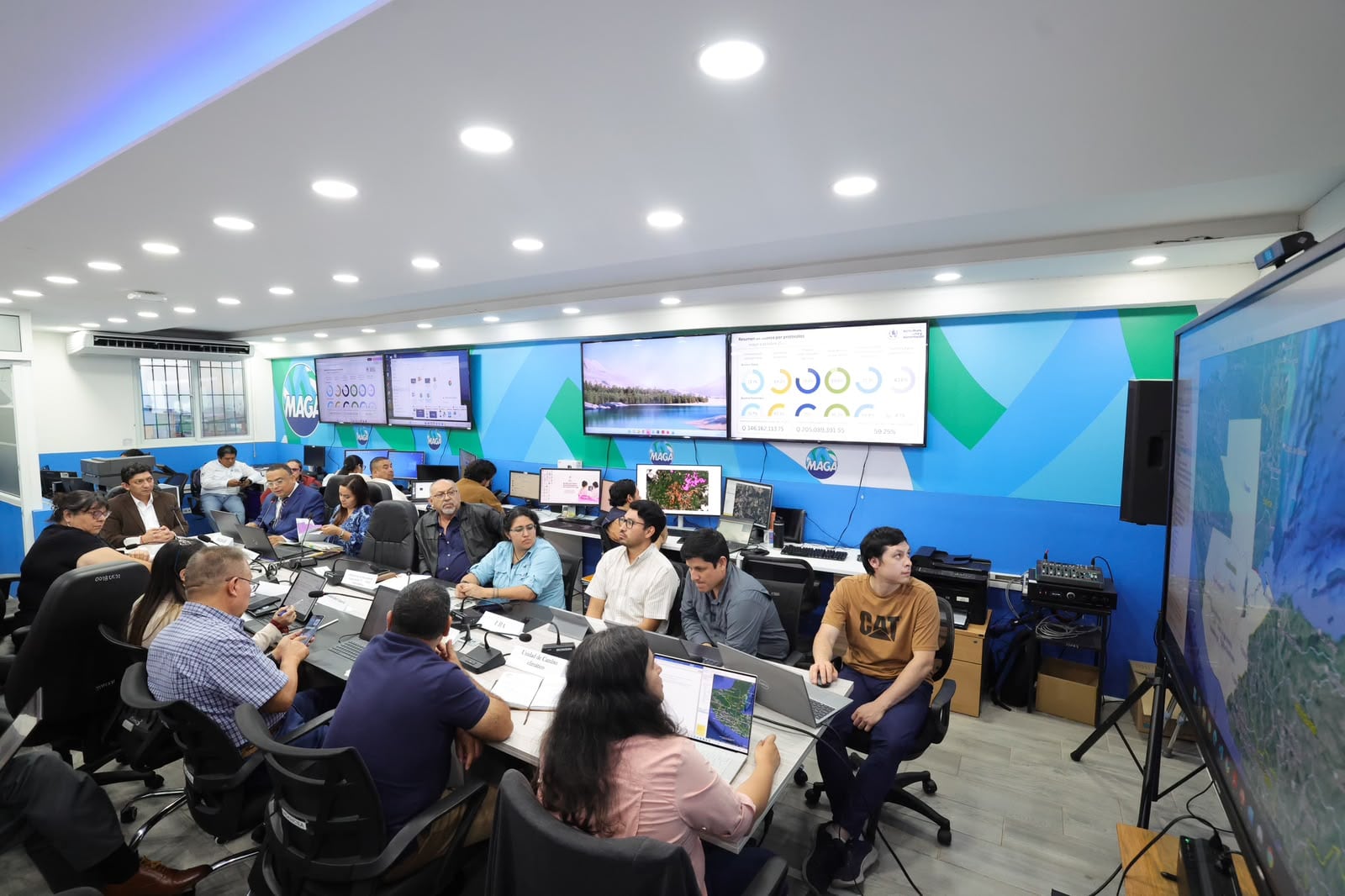
Las medidas fueron tratadas durante el primer Comité de Emergencia encabezado por el ministro de Agricultura, Ganadería y Alimentación, José Antonio López Leonardo. En la reunión participaron la viceministra de Sanidad Agropecuaria y Regulaciones, Mayra Motta; la viceministra de Seguridad Alimentaria y Nutricional, Dinorah Herrera, de manera virtual; el director de Información Geográfica, Estratégica y Gestión de Riesgos, Rafael López, y el director de Coordinación Regional y Extensión Rural, Nery Pérez.
Las autoridades analizaron las condiciones agroclimáticas y coordinaron la recolección de información mediante los reportes de extensionistas que trabajan en distintas regiones del país. Esos datos permitirán identificar las áreas con mayor riesgo, emitir alertas agropecuarias y orientar a las familias productoras sobre la protección de sus cultivos y animales.
El Ministerio de Agricultura mantendrá el monitoreo meteorológico en el país y prevé emitir nuevas indicaciones si las bajas temperaturas se intensifican en los próximos días.
conferencia,reunión de trabajo,seminario,computadoras portátiles,oficina

Tragedia en Chaco: murió un nene de 7 años luego del choque de una camioneta contra un árbol

Revelaron detalles de la interna que atravesó un equipo de Fórmula 1 por la continuidad de uno de sus pilotos para 2027

Putin’s war machine tied to troubling recruitment of young women as new deals emerge

Trump’s top officials retreat behind military gates as ex-FBI deputy points to what’s fueling threats

Lopetegui ya piensa más allá de Qatar

Rusherking habló por primera vez de la infidelidad a María Becerra y la escandalosa ruptura: «Me dejó consecuencias»

Fútbol sudamericano: por qué es importante seguir el calendario de partidos

La dolorosa despedida al aire de Horacio Pagani a su amigo Carlos Babington: “Fue una noticia fulminante que la recibí en el auto”

La plataforma Doctor SV triplicó su red médica y acumuló 5.4 millones de consultas en su primer año en El Salvador

Villa La Angostura: la Justicia ordenó completar el desalojo de una comunidad mapuche, pero el operativo sigue sin fecha

 ECONOMIA3 días ago
Banco Santander anunció aumento de precio en sus paquetes y esto valdrá desde enero
- DEPORTE3 días ago
Así está el mano a mano entre Estudiantes de La Plata e Independiente Rivadavia
- POLITICA3 días ago
Karina Milei y Diego Santilli aprovecharon la visita a Corrientes para tratar la eliminación de las PASO con el gobernador