
INTERNACIONAL
Maduro ally deported to US over alleged billion-dollar corruption scheme tied to oil, food program

NEWYou can now listen to Fox News articles!
A close ally of ousted Venezuelan President Nicolás Maduro has been deported by Venezuela to the United States, according to Venezuelan officials, to face federal charges accusing him of orchestrating a sweeping money laundering and bribery scheme tied to Venezuela’s state-run food program and oil industry.
Alex Nain Saab Moran, 55, of Colombia, a former minister of industry and national production under the Maduro regime, appeared in federal court in Miami Monday, according to the U.S. Attorney’s Office for the Southern District of Florida. The Justice Department said Saab is presumed innocent unless proven guilty beyond a reasonable doubt.
Prosecutors allege Saab led a yearslong scheme beginning around 2015 to defraud a humanitarian program intended to provide food to impoverished Venezuelans.
He and his co-conspirators later allegedly sold billions of dollars’ worth of Venezuelan state-owned oil while circumventing U.S. sanctions, according to the Justice Department. Authorities say the proceeds were routed through U.S. bank accounts in an effort to conceal the transactions and further advance the scheme.
MADURO ALLY ALEX SAAB ARRESTED IN JOINT US-VENEZUELAN OPERATION, OFFICIAL SAYS
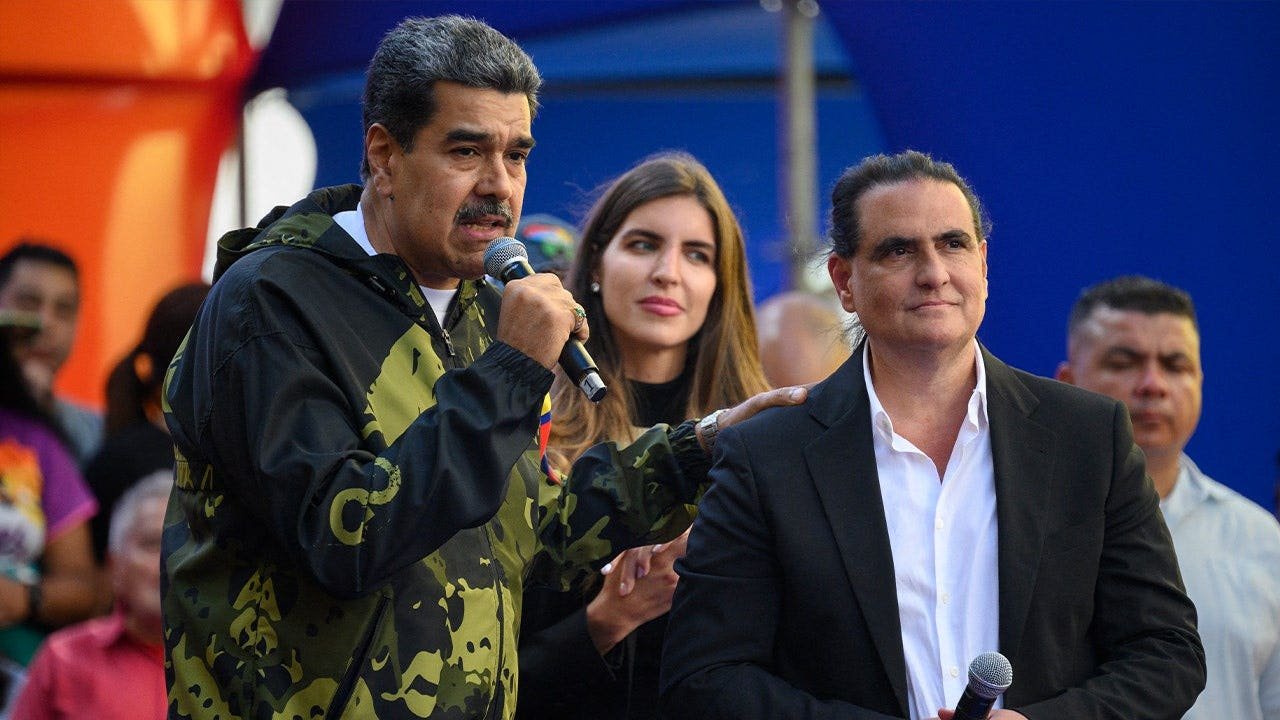
Venezuela’s President Nicolas Maduro (L) speaks to supporters next to Colombian-born businessman Alex Saab during a rally in Caracas on January 23, 2024. (GABRIELA ORAA/AFP via Getty Images)
«Alex Saab allegedly used American banks to launder hundreds of millions of dollars stolen from a Venezuelan food program meant for the poor and proceeds from the illegal sale of Venezuelan oil,» Assistant Attorney General A. Tysen Duva said in a statement. «This is unacceptable. The Criminal Division will not allow foreign actors to exploit the American financial system and use it as a safe haven for the proceeds of their corruption.»
Beginning around 2015, Saab and his associates allegedly paid bribes to Venezuelan government officials to secure contracts tied to the country’s CLAP welfare program, which was intended to purchase and distribute food to vulnerable and impoverished Venezuelans.
Instead of delivering the promised food supplies, prosecutors allege the group used shell companies, fraudulent invoices and falsified shipping records to embezzle hundreds of millions of dollars from the program for their own personal gain.
TREASURY TARGETS OIL TRADERS, TANKERS ACCUSED OF HELPING MADURO EVADE U.S. SANCTIONS
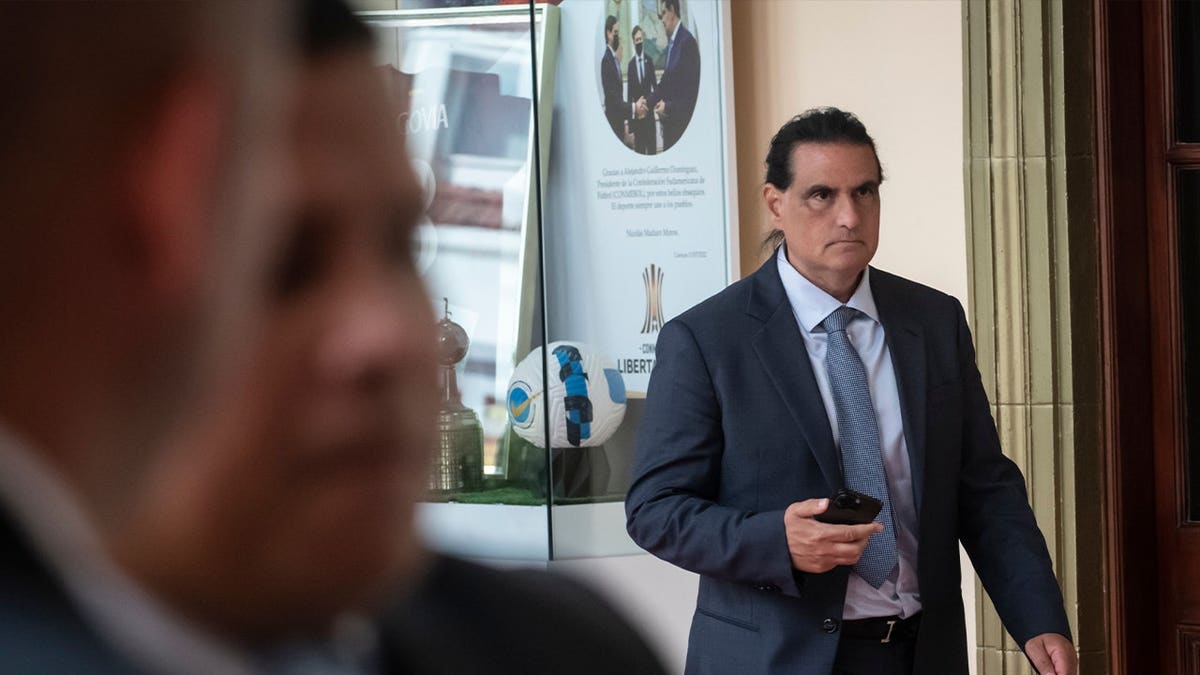
Businessman Alex Saab walks through Miraflores Palace in Caracas, Venezuela, on Tuesday, Feb. 20, 2024. (Carlos Becerra/Bloomberg via Getty Images)
Around 2019, as sweeping U.S. sanctions crippled Venezuela’s oil exports and placed severe strain on the country’s finances, including its ability to pay Saab and his associates under the CLAP program, Saab and his partners allegedly exploited their corrupt ties to government officials to gain access to billions of dollars’ worth of oil owned by Venezuela’s state-run oil company.
Officials allege the group sold the oil under false pretenses and used the profits to sustain and expand the original food fraud scheme.
Saab and his associates reportedly laundered the allegedly stolen funds through U.S. bank accounts in an effort to conceal the money trail, giving American authorities jurisdiction to prosecute the case.
«When illicit proceeds are moved through the United States financial system, our courts have jurisdiction and our prosecutors will act,» U.S. Attorney Jason A. Reding Quiñones said in a statement.
CLICK HERE TO DOWNLOAD THE FOX NEWS APP
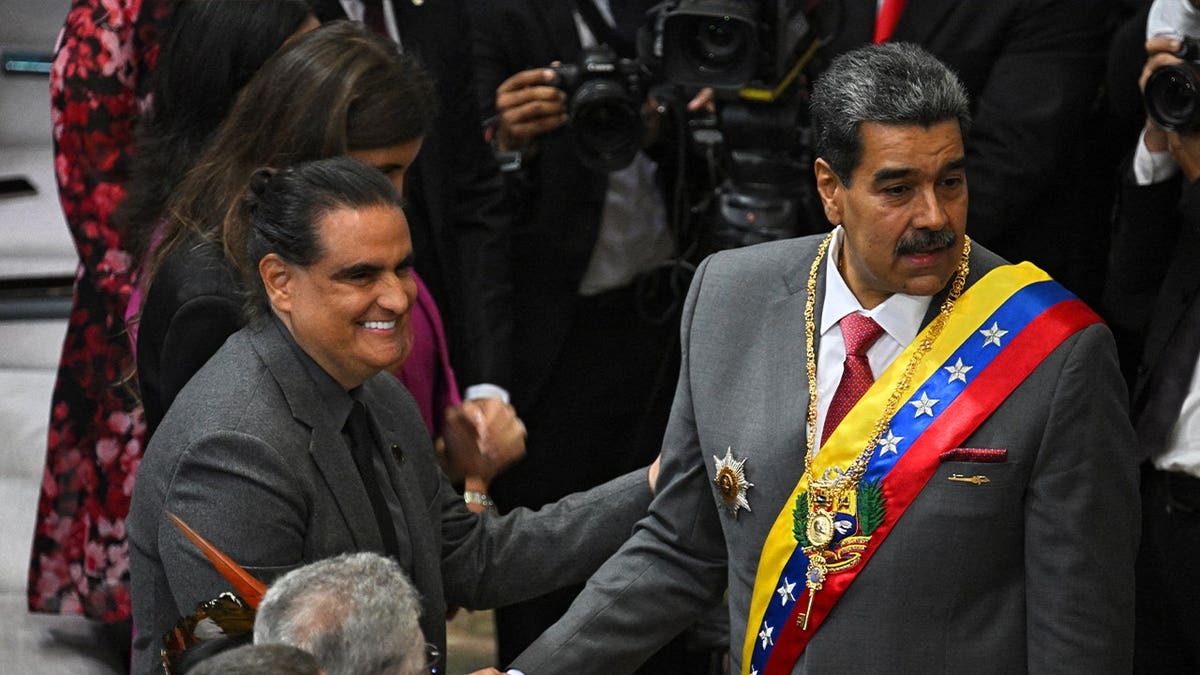
Venezuelan President Nicolas Maduro (R) shakes hands with Colombian-born businessman Alex Saab in Caracas on January 15, 2024. (FEDERICO PARRA/AFP)
Saab was previously indicted in the U.S. in 2019 and extradited from Cabo Verde in 2021. He was pardoned by President Biden in 2023 as part of a prisoner swap, though prosecutors say the new case involves alleged conduct not covered by that pardon.
A Miami-based attorney for Saab declined to comment to The Associated Press.
If convicted, Saab faces up to 20 years in federal prison. The government is also seeking forfeiture of any property or proceeds allegedly obtained through the alleged criminal activity.
The case was investigated by a U.S. Homeland Security Task Force (HSTF), which includes the Drug Enforcement Administration (DEA), the Federal Bureau of Investigation (FBI) and Homeland Security Investigations (HSI).
venezuelan political crisis, colombia, saab, nicolas maduro, sanctions, crime world









INTERNACIONAL
Demandan a Zohran Mamdani por un polémico impuesto inmobiliario que podría afectar a miles de personas
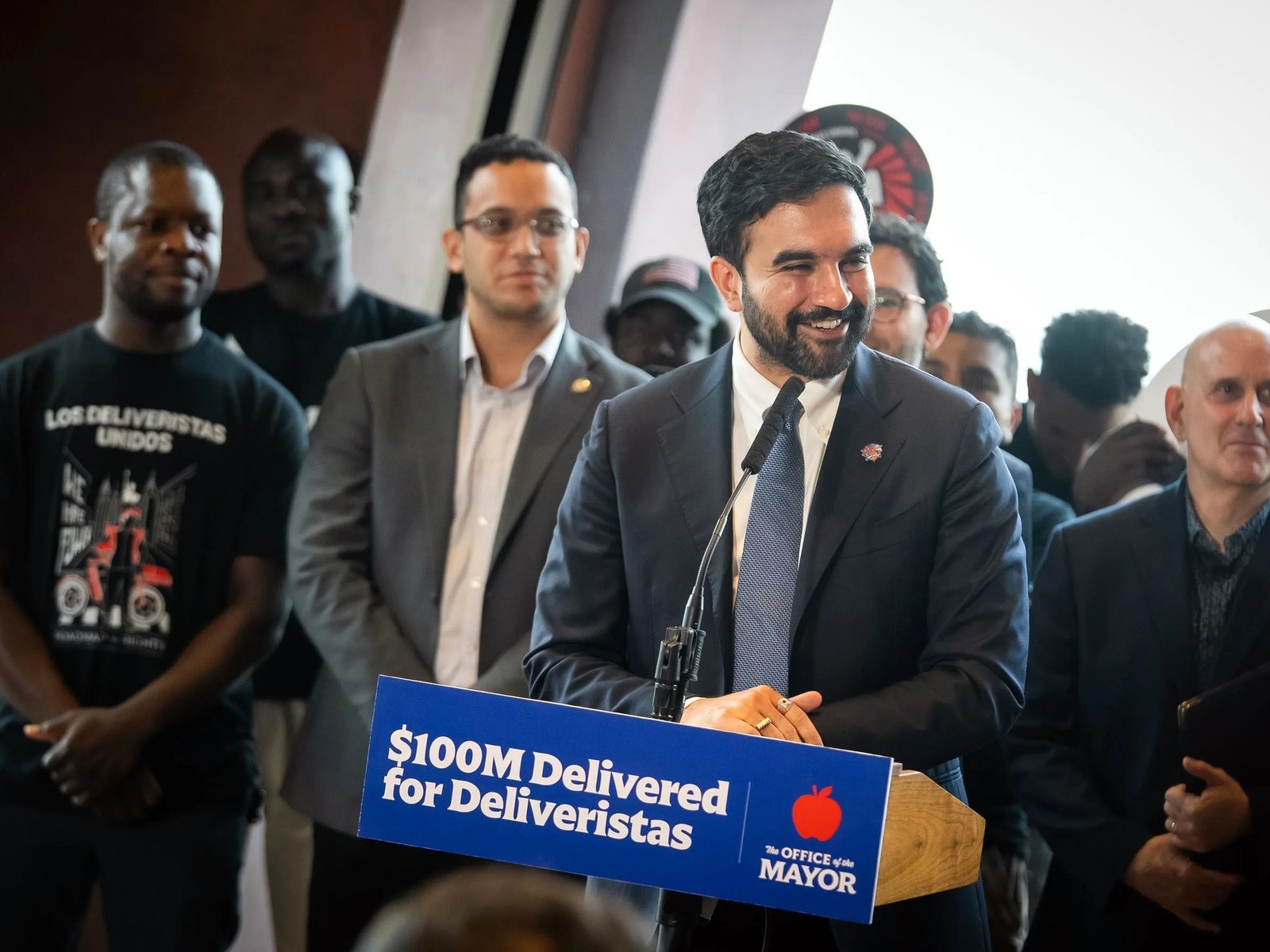
Un grupo de propietarios demandaron este viernes a Zohran Mamdani, el alcalde de la Ciudad de Nueva York, luego de que entrara en vigencia un impuesto a la segunda vivienda de lujo para personas no residentes.
La denuncia, presentada en Staten Island, no cuestiona al impuesto en sí, sino a las notificaciones que envió el gobierno local a los propietarios afectados y al registro de valuación que hizo la ciudad. Ese registro es de consulta pública en la web. Expone nombres, direcciones y valor de las propiedades identificadas en la lista.
Según los demandantes, la lista ha generado una «confusión masiva» y dio lugar a un «escrutinio injustificado» de su información personal.
En gobierno de Mamdani envió 17.000 notificaciones a los propietarios de algunas de las zonas más caras de Nueva York. La mayoría están concetradas en el Upper East y Upper West Side (5.000), pero también están marcadas 5.600 residencias de otros barrios de Manhattan como Hudson Yards, SoHo, West Village y Tribeca. La medida incluye, además, a unas 1.300 viviendas de Park Slope, Brooklyn.
La medida apunta a viviendas monofamiliares valuadas en US$5.000.000 o más, y departamentos a partir del millón de dólares. Mamdani espera recaudar alrededor de US$500.000.000 al año con este impuesto, conocido como ‘pied-a-terre’, que fue aprobado en mayo y se comenzó a aplicar en julio.
Los tres demandantes alegan que han recibido notificaciones de que sus viviendas podrían estar sujetas a este gravamen pese a que, afirman, estas son sus residencias principales. Los demandados instaron a ignorar este registro ya que «no formaba parte de los requisitos legales» sujetos al gravamen.
«Su publicación no solo provocó una gran confusión, sino que también facilitó, propició y amplificó un escrutinio indeseado de la información personal de los propietarios«, apunta la demanda.
Los demandantes solicitan al tribunal que invalide el listado con los nombres, direccciones y valor del inmueble de más de 900.000 propietarios, que el Departamento de Finanzas (DOF, por sus siglas en inglés) publicó en su web, y que obligue a la ciudad a no imponer el gravamen mientras se resuelve la querella.
El objetivo de la demanda -que está impulsada por el abogado Randy Mastro, vicealcalde de Rudolph Guliani- es retrasar la implementación del impuesto, que fue aprobado en mayo. Los demandantes esperan conseguir una fallo judicial que establezca que los propietarios no están obligados a responder a las notificaciones antes de la fecha límite del 18 de septiembre, y que el DOF retire de su web la lista de propietarios.
«El Departamento de Finanzas ha estado trabajando sin descanso para responder preguntas, brindar asistencia y garantizar que quienes están sujetos al recargo cuenten con la información que necesitan», dijo Matt Rauschenbach, vocero de Mamdani.
El documento, en el que también se acusa al Departamento de Finanzas y a su jefe, Richard Lee, agrega que los demandados «han admitido que enviaron cartas de notificación a unas 17.000 residencias», una cifra «aproximadamente tres veces mayor que el número de viviendas que la excomisionada del DOF, Martha Stark, estima que realmente están sujetas al impuesto».
En este sentido, la querella asegura que solo hay 24.000 propiedades en la ciudad que cumplen con los requisitos de valor de mercado que requiere el gravamen, de las cuales la mayoría son primeras residencias, pero que la ciudad envió notificaciones a más del 70% de estas viviendas.
Muchos neoyorquinos criticaron la lista, ya que contempla residencias principales, y miembros del Concejo Municipal que señalaron que su publicación los había tomado por sorpresa.
Aproximadamente 2.000 personas han presentado solicitudes para quedar exentos del impuesto, según informó el DOF. A comienzdos de agosto, la Ciudad extendió por cuatro semanas (hasta el 18 de septiembre) el período para prensentar las solicitudes de excención del impuesto.
Si bien algunas notificaciones ya fueron enviadas, la lista definitiva de las propiedades afectadas se conocerá recién el 31 de diciembre. Por ahora, la lista provisional es bastante más grande de la que se estimaba inicialmente -entre 10.000 y 13.000 propiedades- y se cree que podría afectar hasta 31.000 inmuebles.
Con información de EFE y Bloomberg
INTERNACIONAL
Democratic socialist Francesca Hong has former child star, OnlyFans model in senior campaign role: report

NEWYou can now listen to Fox News articles!
Former child actress and OnlyFans model Renee Olstead is reportedly serving in a senior role on Wisconsin state Rep. Francesca Hong’s gubernatorial campaign ahead of next week’s Democratic primary.
Olstead, who also goes by Renee Faust, is serving as Hong’s deputy campaign manager, according to The Heartland Post. Hong, a Democratic socialist, is among the candidates competing in next week’s Democratic gubernatorial primary.
The outlet reported that Olstead has worked as a paid campaign operative since at least January. Her X bio reads «HONG 4 GOV» and links to Hong’s get-out-the-vote page.
Her social media account also features photos from campaign events, and The Heartland Post reported that she has coordinated logistics for high-profile surrogates, including streamer and political commentator Hasan Piker.
FRANCESCA HONG REMARKS THANKSGIVING IS HER ‘FAVORITE HOLIDAY,’ ANSWERS SHE DOES NOT ‘WANT TO CANCEL IT’
Wisconsin state Rep. Francesca Hong, left, and former child actress Renee Olstead, right. Olstead is serving in a senior role on Hong’s gubernatorial campaign. (Paul Archuleta/Getty Images; USA TODAY Network via Reuters)
Fox News Digital asked Hong’s campaign to confirm Olstead’s title and responsibilities, when she began working for the campaign, whether she is a paid employee and her qualifications for the role. The campaign responded with a statement but did not directly address each question.
«Renee Faust is a licensed mental health clinician who has spent her career providing care to trafficking survivors,» the campaign said. «Since joining the campaign in December, she has helped build the largest grassroots campaign in Wisconsin history. The right-wing politicians attacking her are the same ones who want government dictating women’s health care decisions.»
Olstead previously founded the Coalition for American Sex Workers (CASW – LOCAL 304), which advocates for decriminalization and other policy changes affecting sex workers.
Last year, Hong and three other state representatives presented Olstead with an official Wisconsin State Assembly citation recognizing her advocacy for sex workers’ rights and her selection as «Penthouse Pet of the Year» in 2024.
CONTROVERSIAL SOCIALIST CHEF FLIP-FLOPS ON ABOLISH THE POLICE, SAYS SHE’S ‘SERIOUS ABOUT PUBLIC SAFETY’

Rep. Ilhan Omar (D-MN) (L) and influencer and left-wing political commentator Hasan Piker (C) stand with Wisconsin Gubernatorial candidate Francesca Hong during a campaign rally for Hong on August 2, 2026 (Joshua Lott/Getty Images)
The campaign did not directly respond to a separate question from Fox News Digital asking Hong to explain her decision to participate in presenting Olstead with the citation and what she intended to recognize.
Hong has also pursued legislation that would decriminalize prostitution involving adults and establish a sex workers’ bill of rights.
Wisconsin Family Action, a conservative advocacy organization based in Madison, criticized Olstead’s involvement in Hong’s campaign.
«Wisconsinites deserve to have serious people leading the state. It is unbelievable to see that the likely Democratic nominee for governor has an active sex worker leading her campaign,» Daniel Degner, president of Wisconsin Family Action, said in a statement. «Voters deserve to know whether if Hong is elected, she will elevate a porn star to leadership in her administration.»
SANDERS’ ANSWER WHEN ASKED IF HE WILL ENDORSE SOCIALIST HONG IN WISCONSIN SPARKS INSTANT MOCKERY: ‘SAYS A LOT’
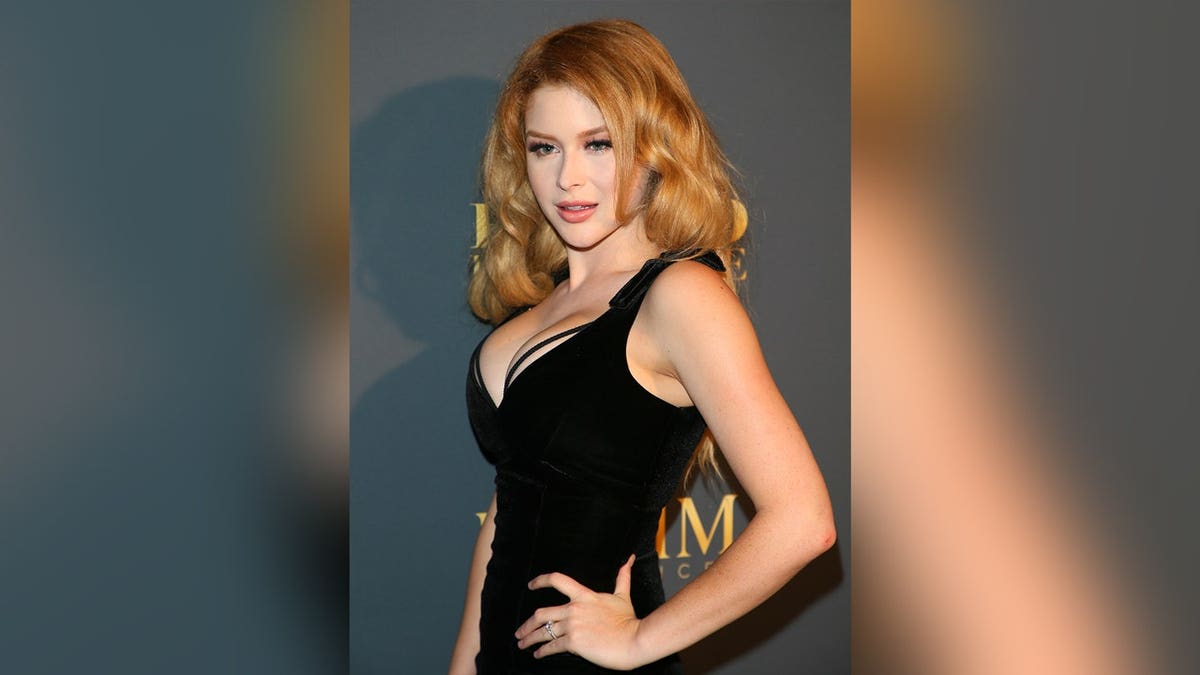
Former child actress Renee Olstead, who also goes by Renee Faust, is reportedly serving as deputy campaign manager for Wisconsin state Rep. Francesca Hong’s gubernatorial campaign. (JB Lacroix/WireImage)
Hong has previously expressed support on social media for progressive proposals including abolishing the U.S. Senate and defunding the police, though she has recently distanced herself from some of those positions in interviews ahead of Tuesday’s gubernatorial primary.
Hong faces Milwaukee County Executive David Crowley, former Wisconsin Department of Administration Secretary Joel Brennan and Democratic state Sen. Kelda Roys in the primary.
Hong also faced renewed scrutiny over a since-deleted 2020 X post calling to «cancel Thanksgiving» in order to «stop celebrating colonialism and the original superspreader event that killed Indegenous [sic] folx and women.»
She recently distanced herself from the post, telling Politico that Thanksgiving is her «favorite holiday» and that she does not want to cancel it.
«My favorite holiday is Thanksgiving,» Hong told Politico Playbook. «Yep, I don’t want to cancel it. I actually love it.»
Fox News Digital’s Andrew Mark Miller contributed to this report.
politics, elections, democrats elections, campaigning, wisconsin, elections state and local
INTERNACIONAL
Polémica en Chile: quieren obligar a las mujeres que decidan hacer un aborto a escuchar antes el latido del corazón del feto
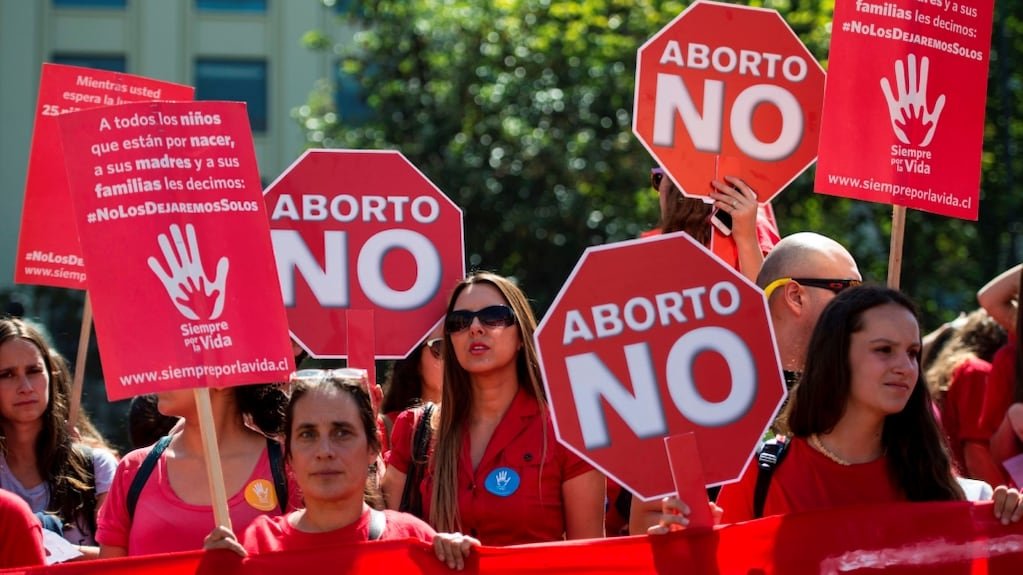
La asunción del presidente ultraderechista José Antonio Kast renovó en Chile el debate sobre el aborto, uno de los tantos temas que dividen y polarizan hoy a los chilenos. En medio de una fuerte polémica, un proyecto de ley busca obligar a las mujeres a escuchar los latidos del feto antes de someterse a esa práctica despenalizada solo parcialmente en el país.
La iniciativa fue presentada por seis diputados de los Partidos Republicano, fundado por el propio Kast; Renovación Nacional y Nacional Libertario, todos de derecha dura. La bautizaron: “Escuchar mi corazón”.
“Esperamos que el presidente de la República y el Gobierno den su apoyo a una iniciativa que lo único que busca es salvar vidas”, dijo su impulsor, el diputado libertario Cristóbal Urruticoechea.
Pero el gobierno se mostró reticente a entrar en este debate después de solo cinco meses de gestión y con una popularidad por el piso, según sondeos, a pesar de la firme postura histórica contra el aborto del mandatario.
En tanto, las combativas organizaciones sociales y movimientos feministas se declararon en alerta.
“El proyecto ‘Escucha mi corazón’ es cruel, por decir lo menos. Impone a las mujeres una barrera inhumana para acceder a una prestación garantizada por ley”, dijo a TN la vocera de la Coordinadora Feminista 8M, Laura Manzi Araneda.
¿Está permitido abortar en Chile?
La libre interrupción del embarazo está permitida en Chile solo bajo tres causales desde 2017: para salvar la vida de la madre, por inviabilidad fetal o violación.
El proyecto busca modificar el artículo 119 del Código Sanitario, que regula el procedimiento del aborto. De avanzar la ley en el Congreso, las mujeres que se sometan a una interrupción del embarazo deberán escuchar antes los latidos del corazón del feto.
Si se niegan, el médico no deberá realizar la intervención.
Una mujer chilena participa en una marcha a favor del aborto en Santiago (Foto de archivo: AP)
Desde el gobierno, la ministra de Salud, May Chomali, se desmarcó de la iniciativa.
“No entiendo cuál es el sentido. Científicamente no hay sentido que la mujer vaya a cambiar de decisión. No existe, y hemos buscando, evidencia científica de que un acto como ese pueda reducir la probabilidad de que la mujer quiera hacerse un aborto”, afirmó a Tele13 Radio.
Kast se mantuvo al margen de toda polémica. En campaña, prometió no dar una “batalla cultural” y dijo que centraría en las dos principales preocupaciones de la sociedad: la delincuencia y la economía. Los sondeos no lo favorecen y entrar en este tema solo le traería más polarización y críticas.
Desde la Iglesia Católica, el arzobispo de Santiago, cardenal Fernando Chomali, reiteró su rechazo a cualquier forma de aborto y dijo que le duele que una iniciativa de este tipo haya causado “una división, una polarización y una ira impresionante”.
“Lo otro que me duele (…) es que haya médicos que se presten para realizar un aborto. Esto lo encuentro terrible. En vez de mostrarle el latido del corazón a una mujer que está en una situación muy muy difícil, muy compleja, que yo reconozco, pienso que sería muy bueno que ese latido lo escuchara un médico que se comprometió a curar, a sanar, a preocuparse de la vida”, afirmó.
“Escucha mi corazón” vs. “Escucha mi decisión”
El debate pasó enseguida a la calle. El plan de la ultraderecha chilena generó una oleada de cuestionamientos en el ala progresista de la sociedad. La semana pasada, miles de mujeres se manifestaron en Santiago y otras ciudades del país bajo el lema: “Escucha mi corazón”, “Escucha mi decisión”.
En su diálogo con TN, Manzi Araneda afirmó: “El oficialismo intenta condicionar nuestras libertades a su moral. Una moral contradictoria, por lo demás: se dicen provida, pero nos niegan acceso a sala cuna universal o a jornadas laborales que permitan el cuidado”.
Dijo además: “Esta es una ley que, si bien no fue presentada por el gobierno, es claro que es parte del mismo proyecto cultural. Buscan reducir al mínimo las posibilidades de una vida digna”.
“El viernes (31 de julio) fuimos miles en las calles de todo el país diciendo: vamos por más. Es por esto que el proyecto no avanzará, porque las mujeres y personas gestantes no permitiremos que iniciativas como esta sean viables. Nosotras lo hemos dicho por años y lo seguiremos diciendo, Chile necesita aborto legal, seguro y gratuito”, sostuvo.
Chile, Aborto, Sumario

Demandan a Zohran Mamdani por un polémico impuesto inmobiliario que podría afectar a miles de personas

Facundo Moyano reapareció en redes con un particular posteo tras el escándalo con su novia influencer Candela Arizaga

Tigre vs River Plate: formaciones, hora y dónde ver por tv

Democratic socialist Francesca Hong has former child star, OnlyFans model in senior campaign role: report

Georgina Rodríguez, la futura esposa argentina de Cristiano Ronaldo, contestó las críticas a su cuerpo: “Me llaman gorda, pero…”

Fentanilo mortal: una ex funcionaria sigue detenida y otra fue liberada bajo fianza con prohibición de salir del país

Dólar hoy en vivo: a cuánto se negocian todas las cotizaciones minuto a minuto este miércoles 5 de agosto

La oposición cuestionó a Benegas Lynch por su empresa para vender campos a extranjeros y el senador libertario se defendió

Brasil retira a su embajador en la Argentina: qué consecuencias tiene la medida diplomática

Las centrales obreras y los movimientos sociales anunciaron dos días de conflicto callejero
-
 ECONOMIA3 días ago
Dólar hoy en vivo: a cuánto se negocian todas las cotizaciones minuto a minuto este miércoles 5 de agosto
-
 POLITICA2 días ago
La oposición cuestionó a Benegas Lynch por su empresa para vender campos a extranjeros y el senador libertario se defendió
-
 POLITICA3 días ago
Brasil retira a su embajador en la Argentina: qué consecuencias tiene la medida diplomática