INTERNACIONAL
WATCH: Eye-popping illegal immigration stat prompts senator’s demand to ‘redouble’ deportations

NEWYou can now listen to Fox News articles!
Testimony from a policy analyst at a libertarian think tank was unexpectedly highlighted by immigration hawks after he delivered an opening statement at a House Judiciary Subcommittee hearing featuring controversial Fairfax County prosecutor Stephen Descano.
The hearing, chaired by Rep. Thomas McClintock, R-Calif., examined several examples of allegedly lax prosecutions by Descano involving illegal immigrants with prior rap sheets — including a Sierra Leone national accused of murdering a young woman at a bus stop on U.S. 1.
In his opening remarks, Cato Institute immigration expert David Bier testified that the «way to fix Fairfax» is not to continue the «mass deportation» agenda of President Donald Trump.
«The first step would be to give up on the mass deportation fantasy,» Bier said.
SOROS-BACKED PROSECUTOR SET FOR CAPITOL HILL GRILLING AS SANCTUARY POLICIES FACE RECKONING
Fairfax County Commonwealth’s Attorney Stephen Descano, center, listens to testimony during a hearing before a House Judiciary Subcommittee. (Tom Williams/CQ via Getty Images)
«About 1-in-5 Fairfax residents is someone who could be deported or who lives with them — It would destroy neighborhoods, rip Americans away from their spouses, parents, friends, families, customers, employees, employers, nurses, nannies, and teachers.»
While Bier later added that he believes noncitizens who harm Americans should be deported, his earlier statement drew the attention of several immigration hawks, including Sen. Mike Lee, R-Utah.
Lee borrowed Bier’s logic to prove immigration hardliners’ point that mass deportation is the right solution:
«On the contrary: 20% of a wealthy DC suburb being illegal immigrants means we should redouble our efforts to deport them all,» Lee said.
Bier responded to Lee’s comments in a lengthy statement to Fox News Digital, arguing the Utah Republican failed to explain why mass deportation would benefit Americans in Fairfax County.
«What was the senator’s explanation for [his] statement? The senator never says why it would benefit the country to harm Fairfax County and the Americans who live there, so there’s nothing to rebut,» Bier said.
FOX NEWS POLL: VOTERS VIEW LEGAL IMMIGRATION AS HELPFUL, FAVOR DEPORTING THOSE WHO ARE HERE ILLEGALLY
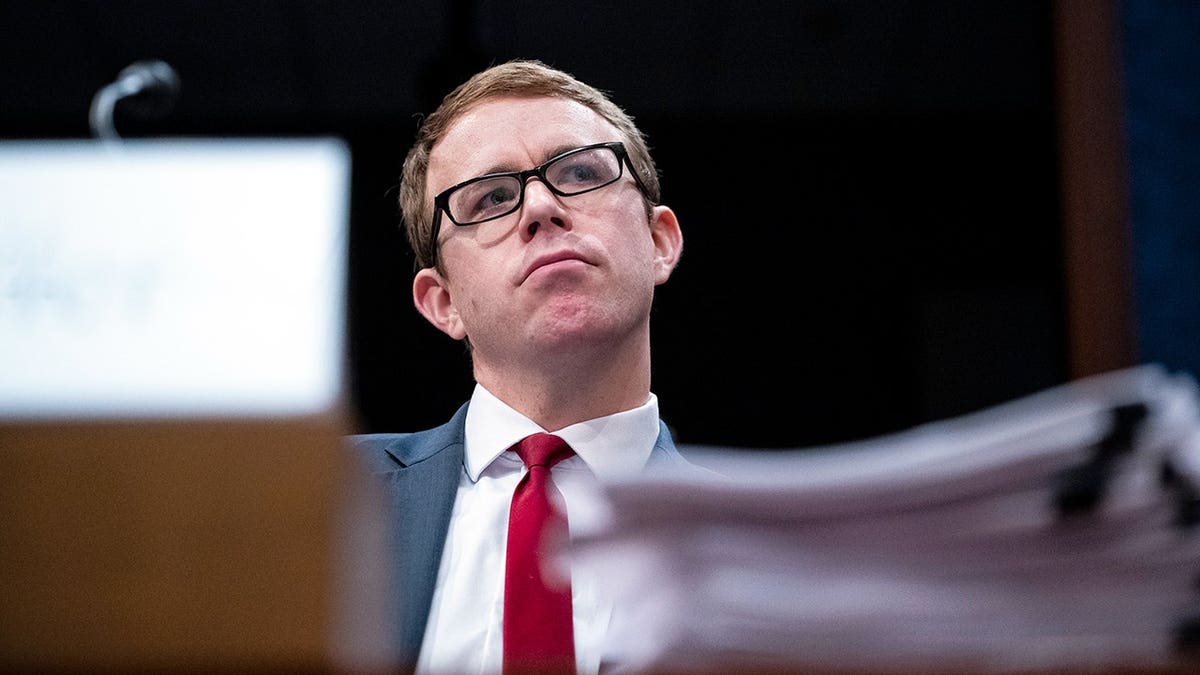
Cato Institute analyst David Bier testifies before Congress. (Graeme Sloan/Getty Images)
«The senator is wrong to characterize the 20% as all illegal immigrants since half of them are just people who live with illegal immigrants, which is precisely my point.»
«Mass deportation would harm those Americans and many others by ripping them away from their spouses, parents, children, friends, family, employees, employers, customers, nurses, nannies, and teachers,» the immigration expert added.
Bier said mass deportation becomes more expensive and impractical as the population of illegal immigrants grows, meaning continuing on the current course will harm Americans.
«I would ask the senator: how many Americans would have to be hurt by mass deportation before he would reconsider his views?»
Reached for additional comment, Lee spokesman Billy Gribbin told Fox News Digital that the Utahn «believes in enforcing US law and deporting illegal immigrants — not making excuses for criminals who hurt Americans.»
Fox News Digital also asked DHS about the apparent statistical admission, and an agency spokesperson blamed Gov. Abigail Spanberger’s «reckless sanctuary policies» for making Fairfax and the rest of the Old Dominion a «hotbed for illegal alien criminals.»
«The stories of the victims and facts speak for themselves. The sanctuary politicians of Fairfax County have blood on their hands,» the spokesperson said.
DHS Secretary Markwayne Mullin added separately that half the murders recorded recently in Fairfax were allegedly perpetrated by «illegals who shouldn’t have been in our country to begin with.»
«We have politicians who want to protect the criminals, President Trump is still protecting all of our neighborhoods,» Mullin said.
CLICK HERE TO DOWNLOAD THE FOX NEWS APP
Bier’s 1-in-5 statistic was also cited in a CATO document footnoted to the K Street firm Migration Policy Institute. MPI’s data showed an estimated 102,000-person «unauthorized» population in Fairfax — which has a census count of about 1.2 million as of 2020.
The top «countries-of-birth» on MPI’s list in that regard were El Salvador, Honduras, Guatemala, Bolivia and Peru, while only 4% combined was recorded from Canada, Europe and Oceania.
illegal immigrants, deportation, immigrant rights, sanctuary cities, markwayne mullin, virginia, politics













INTERNACIONAL
Donald Trump buscará robarse todas las miradas con la copa del mundo en la mano: «Es difícil apostar contra Messi»
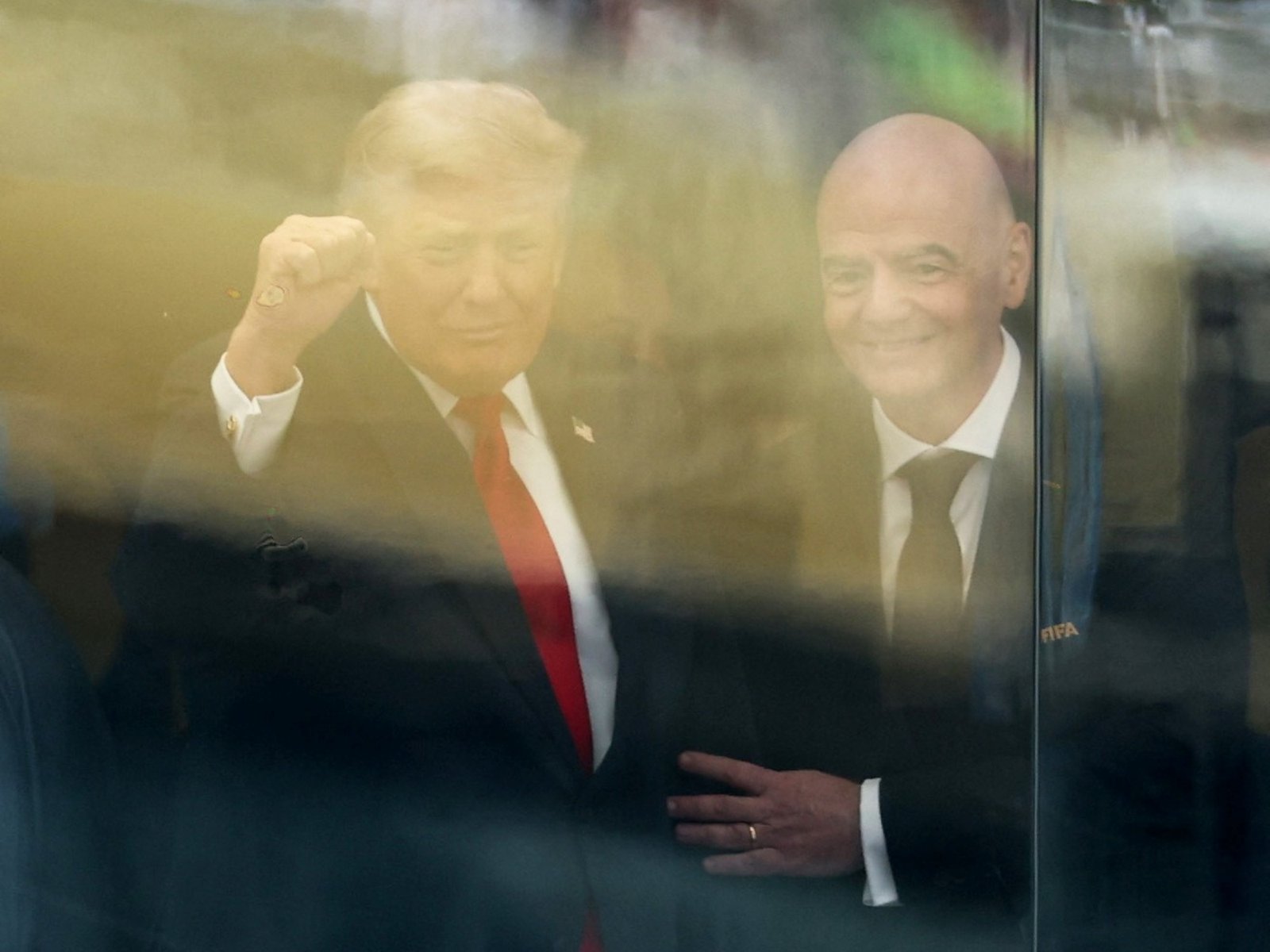
El presidente estadounidense, Donald Trump, asistirá por primera vez a un partido del Mundial en Estados Unidos, pero eligió el de máximo perfil para ser uno de los grandes protagonistas este domingo de la final entre España y Argentina porque entregará el trofeo al ganador junto al presidente de la FIFA, su amigo Gianni Infantino.
Trump llegó al estadio Nueva York/Nueva Jersey y dijo que aunque no tiene favoritos «es difícil apostar contra Messi». «El presidente de Argentina es buen amigo mío, ha hecho un gran trabajo. Pero lo que puedo decir es que es difícil apostar contra (Lionel) Messi», dijo Trump poco antes del partido a Fox Sports.
«No voy a elegir favoritos. Solo se que no apostaría contra Messi. Es grande«, añadió el mandatario.
Entregar la copa es un gesto inédito que le habilitó el líder del fútbol mundial a Trump, ya que los presidentes del país anfitrión no entregan el trofeo. Pero la estrecha relación entre ambos hará que el jefe de la Casa Blanca ocupe el centro de la escena ante millones de espectadores del planeta.
Trump ama estos shows multitudinarios y ya comenzó a darse cuenta de la masividad que tiene el fútbol a nivel global, pero también en forma creciente en Estados Unidos. Es una forma de tomar protagonismo cuando está en un momento de baja popularidad (38%, según los sondeos), empantanado en la guerra con Irán y complicado con el alza de la inflación. En noviembre hay elecciones legislativas y ser protagonista de un evento de tal magnitud lo energiza.
Ya pudo comprobar el año pasado lo que significa, luego de entregar el trofeo del nuevo Mundial de Clubes en el mismo estadio East Rutherford a los jugadores del Chelsea, una presencia en el podio junto a los jugadores que sorprendió. En ese entonces era tal el entusiasmo de Trump en los festejos con los ganadores que hasta el propio Infantino lo invitó a bajarse del escenario para que pudieran sacarse las fotos oficiales.
Trump ha forjado una gran amistad con Infantino, que se ha convertido un personaje habitual en la Casa Blanca y en actos del gobierno estadounidense que nada tienen que ver con el fútbol, como giras por la paz en Oriente Medio. Tanto que Infantino le entregó un «premio de la Paz Fifa» para suplir el Nobel de la Paz que no recibió.
Trump también llega a esta instancia envuelto en una polémica, porque reveló que llamó a Infantino para pedir que se anulara una tarjeta roja que habían sacado a Folarin Balogun, una estrella de la Selección de Estados Unidos. Esa controvertida decisión permitió al atacante disputar el partido contra Bélgica en octavos de final, finalmente ganado 4-1 por Bélgica.
Pese a un aluvión de críticas, el presidente estadounidense consideró que el Mundial 2026 «ha sido quizás el evento deportivo más exitoso de la historia». «Ha sido increíble», se alegró Trump el viernes durante una recepción de la FIFA en la Trump Tower, en Nueva York.
También afirmó que el Mundial ha contribuido a popularizar el «soccer» en Estados Unidos, donde el béisbol, el básquetbol y el fútbol americano se mantienen como los deportes más seguidos. «Se ha demostrado que somos un país de fútbol y creo que se va a mantener», aseguró Trump.
Trump se sentó en el palco de autoridades principales (tras un vidrio blindado) junto con su esposa Melania e Intantino. Atrás se veía al secretario de Estado, Marco Rubio. No se vio a ninguno de sus hijos, pero extrañaba que no estuviera Barron, el hijo menor del presidente, que jugaba fútbol en la secundaria.
El presidente Javier Milei no asistió a la ceremonia y fue representado por el embajador en Washington, Alec Oxenford.
Por España asistirán el Rey Felipe y la Reina Leticia y el presidente del gobierno Pedro Sánchez, que confirmó asistencia a último momento, a pesar de que suele tener fuertes cruces políticos con Trump, que reprocha a los ibéricos de no haber ofrecido ayuda para la guerra con Irán.
También en tensión por cuestiones arancelarias con Washington, los dirigentes de los países coanfitriones, la presidenta mexicana, Claudia Sheinbaum, y el primer ministro canadiense, Mark Carney, estuvieron presentes en el estadio.
NEWYou can now listen to Fox News articles!
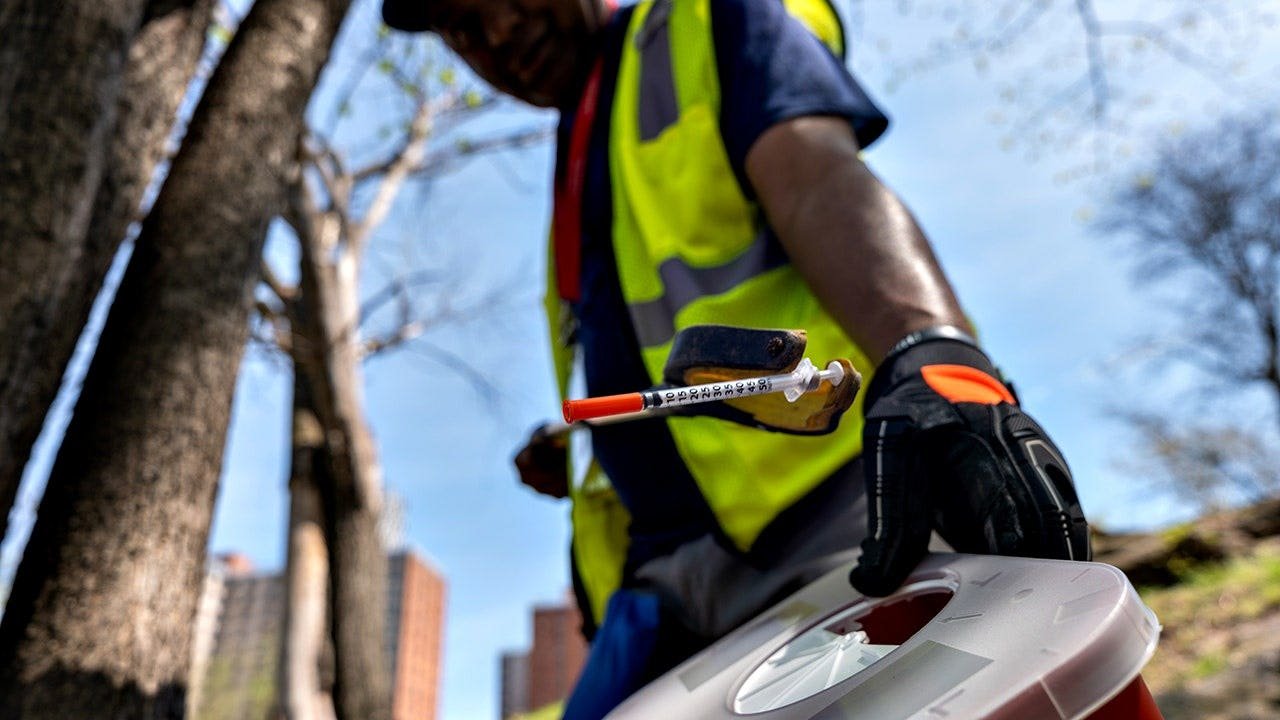
New York City is permanently bankrolling a program that pays people up to $10 a day for used syringes, a controversial effort critics argue puts taxpayer dollars into addicts’ pockets rather than getting them treatment.
The program, known as the Community Syringe Redemption Program, was quietly made permanent through Mayor Zohran Mamdani’s first city budget after the city’s $126 billion spending plan set aside $3 million to continue it beyond its pilot phase, the New York Post reported. The funding appeared in budget documents submitted to the New York City Council on June 30, shortly before lawmakers approved the budget.
Participants receive 20 cents for every used syringe they return, with payments capped at 50 syringes, or $10 a day, according to the New York City Health Department. The city operates eight redemption sites — five in the Bronx and one each in Brooklyn, Manhattan and Queens — where enrolled participants can drop off used needles during scheduled collection hours.
MAYORS WANT TO KEEP HANDING OUT FREE CASH AFTER FEDERAL FUNDS DRIED UP
A used syringe sits on the ground in a park as local politicians, religious leaders and members of the Harlem community participate in a Make Our Streets Safe for Our Children march and rally on Oct. 8 in New York City. (Spencer Platt/Getty Images)
The program launched as a pilot in March 2025 after legislation backed by progressive City Council members passed in 2022. It is run by Addiction Response Resources, a nonprofit that also started a similar syringe redemption program in Boston, under an $11.1 million contract that runs through the end of next year, the Post reported.
Health officials say the program has collected more than 2.3 million used syringes since it began about 16 months ago, the outlet reported. During its first year, the city paid out about $292,000 to more than 1,700 participants.
Sanitation Department data cited by the Post shows workers have collected 26,229 discarded needles so far this year, down from 64,560 during the same period in 2025.

Outreach worker Danilo with St. Ann’s Corner of Harm Reduction participates in a weekly needle clean-up at a Bronx park that drug users often use on April 23, 2025, in New York City. (Spencer Platt/Getty Images)
According to the Post, the city is paying for the program with more than $189 million in settlement funds it received from major opioid manufacturers and distributors — money some critics argue should be directed toward addiction treatment instead.
EX-EMPLOYEE OF TAXPAYER-FUNDED NONPROFIT CAUGHT SELLING FENTANYL NEAR LA PARK: DOCS
Queens Republican Councilwoman Joann Ariola argued the opioid settlement money used to fund the program «should all be going toward addiction treatment services — not for paying users to turn in their needles for cash,» the Post reported. She added that the program «is putting money in the pockets of addicts» instead of helping them overcome addiction.

Outreach workers with St. Ann’s Corner of Harm Reduction participate in a weekly needle clean-up on April 23, 2025 in New York City. (Spencer Platt/Getty Images)
Bronx Democratic Councilman Oswald Feliz credited the effort to remove discarded syringes but warned the city «should not recklessly create conditions that can threaten the safety of vulnerable communities,» according to the Post.
Some participants see the program differently.
Tamia Wright, 43, told the Post it had become «definitely a side hustle» after returning used needles at a park in the Bronx, adding she planned to spend the money on «weed… and cigarettes.»
CLICK HERE TO DOWNLOAD THE FOX NEWS APP
City officials say the program is meant to reduce dangerous syringe litter in neighborhoods that frequently report discarded needles. The Health Department says improperly discarded syringes can pose risks of needlestick injuries and disease transmission, and urges residents to safely dispose of sharps or report syringe litter through 311.
Health Department spokesperson Rachel Vick defended the program, saying it helps residents «live in a community free of syringe litter» while safely disposing of medical waste and connecting people in need with nearby care.
new york city, zohran mamdani, opioid crisis, health, state and local, us
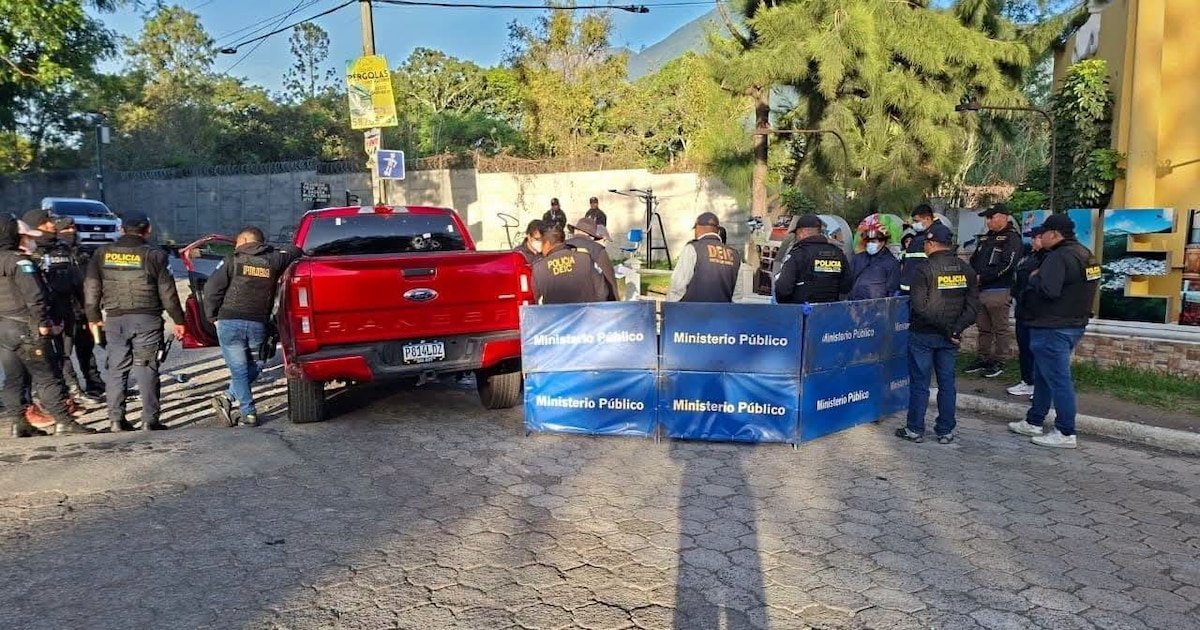
Un violento ataque armado sacudió la tranquilidad del municipio de San Miguel Dueñas, del departamento Sacatepéquez, en Guatemala.
El incidente, que inicialmente se reportó como una balacera aislada, cobró la vida de dos hombres y dejó a una tercera persona gravemente herida.
La alerta se activó en horas de la noche del sábado 18 de julio, cuando llamadas de emergencia movilizaron a los cuerpos de socorro hacia la escena del crimen. Bomberos Municipales Departamentales acudieron de inmediato para brindar asistencia médica.

Al llegar, los paramédicos evaluaron a las víctimas; sin embargo, dos de ellas ya no contaban con signos vitales debido a la gravedad y multiplicidad de los impactos de bala recibidos en órganos vitales. Una tercera víctima, que sobrevivió al ataque inicial, fue trasladada de urgencia en estado crítico hacia el hospital nacional más cercano.
El caso dio un giro determinante este domingo 19 de julio tras la revelación de grabaciones procedentes de cámaras de seguridad instaladas en los alrededores de la zona. Las imágenes captaron el momento exacto en el que se perpetró el crimen y evidenciaron que se trató de una emboscada.
En los metrajes compartidos en plataformas digitales se observa cómo las víctimas viajaban en un picop rojo cuando fueron interceptadas de manera sorpresiva por un vehículo blanco que les impidió el paso. En la escena aparece una camioneta agrícola más, de donde se bajan varias personas y abren fuego de forma directa y continua.
Un ataque armado en San Miguel Dueñas, Sacatepéquez, dejó dos hombres muertos y una tercera persona herida de gravedad. Las cámaras de seguridad revelaron que el crimen fue una emboscada y no una balacera aislada. Las grabaciones muestran que las víctimas viajaban en un picop rojo y fueron interceptadas por un vehículo blanco y otra camioneta agrícola. (Redes Sociales)
En las imágenes se observa cómo un grupo de personas que estaban sentadas en un área cercana salen huyendo al escuchar los disparos.
Mientras que las víctimas tratan de escapar, pero sólo logran movilizarse unos metros de retroceso. Luego buscan huir de frente, pero la ráfaga de disparos se los impide. Tras consolidar el crimen en cuestión de segundos, los sicarios huyeron del lugar con rumbo desconocido, aprovechando los callejones de la localidad.
Elementos de la Policía Nacional Civil (PNC) acordonaron rápidamente el perímetro para resguardar la escena y proteger las evidencias balísticas, mientras fiscales del Ministerio Público (MP) iniciaron la recolección de indicios y testimonios.

El material audiovisual de las cámaras de vigilancia se ha convertido en la pieza central de la investigación, ya que permite identificar cómo ocurrió el hecho, así como los vehículos empleados en la fuga.
Hasta el momento, las autoridades no han determinado el móvil del doble asesinato. Mientras que vecinos identificaron a una de las víctimas como Cristian Alexander López, más conocido como “Tiny Boy”. De acuerdo con medios locales, se trata de peligroso pandillero cabecilla de una clica que opera contra pilotos y comerciantes. Sin embargo, esta información aún no es confirmada por las autoridades.

Otra de las víctimas sería el cuñado de Alexander López, quien aún no ha sido identificado por nombre.
En tanto, autoridades del Ministerio Público y de las Fuerzas Especiales de la Policía Nacional Civil guatemalteca ya investigan los indicios y las posibles causas del ataque armado.
Guatemala,Emboscada,Ataque armado,San Miguel Dueñas,Sacatepéquez,Pandillas

La encrucijada del mercado laboral

Canales para ver el Argentina vs. España por el Mundial 2026

Donald Trump buscará robarse todas las miradas con la copa del mundo en la mano: «Es difícil apostar contra Messi»

El empresario argentino investigado por la muerte de Liam Payne quedó desvinculado del caso

La emoción de Messi y la Selección Argentina al cantar el Himno de María Becerra

El conmovedor momento del himno antes de Argentina-España: de la interpretación de María Becerra a la pasión de los jugadores

El machete del arquero inglés en una botella que sorprendió a Messi tras el triunfo: el dardo de un ayudante de Scaloni a Inglaterra

El fuerte cruce público entre Victoria Villarruel y Patricia Bullrich tras los chats filtrados antes de la sesión del Senado

Adrián Ravier, vocero de Milei: “No coincidimos en el Gobierno con esto de que la gente no llega a fin de mes”

🇦🇷La Victoria Legendaria – El llanto interminable de Lautaro Martínez tras el pase a la final del Mundial: “Soñé que iba a hacer este gol”

 POLITICA3 días ago
El fuerte cruce público entre Victoria Villarruel y Patricia Bullrich tras los chats filtrados antes de la sesión del Senado
- POLITICA3 días ago
Adrián Ravier, vocero de Milei: “No coincidimos en el Gobierno con esto de que la gente no llega a fin de mes”
- INTERNACIONAL2 días ago
Rubio’s call to combat global funders of far-left terrorism could put Singham in crosshairs