INTERNACIONAL
Mató a su compañero de celda para ser condenado a muerte y sorprendió con sus últimas palabras antes de ser ejecutado

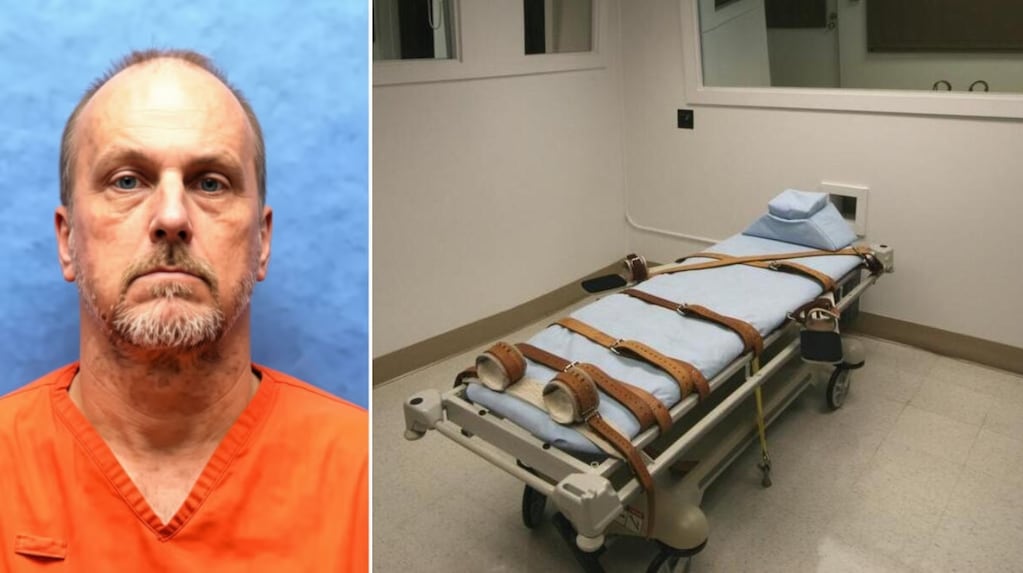
Florida llevó adelante este martes la ejecución de James Robertson, un recluso de 63 años. En 2008, el hombre había asesinado a su compañero de celda con el objetivo de ser condenado a muerte.
El procedimiento se realizó mediante inyección letal en la Prisión Estatal de Florida, cerca de Starke, y se concretó a las 12.32 horas locales.
“La ejecución se desarrolló sin incidentes”, declaró Jordan Kirkland, portavoz del departamento penitenciario estatal.
Qué crimen cometió James Robertson
Robertson había sido sentenciado por estrangular a Frank Hart en diciembre de 2008, mientras cumplía condenas por otros delitos en una prisión del suroeste del estado de Florida.
Según los documentos judiciales, el propio Robertson había confesado que cometió el crimen para obtener una sentencia de muerte y evitar pasar el resto de su vida en prisión.
Tras declararse culpable, renunció a apelar y reiteró ante el juez su deseo de que se cumpliera la condena.
Las sorprendentes últimas palabras de Robertson
Según Gulf Coast News Now, cuando le preguntaron a Robertson si deseaba pronunciar unas últimas palabras, contestó con un soprendente “No, estoy bien”.
La hija de Hart contó que su padre había sido asesinado tan solo ocho días antes de su fecha prevista de liberación.
“Cuando te arrebatan a un ser querido de una manera tan violenta, el mundo sigue girando, aunque sientas que una parte del tuyo se detuvo”, aseguró. “Otros siguen con sus vidas, pero vos cargás con tu pérdida cada día”.
Ya van 17 ejecuciones en lo que va del año en Florida
Con esta ejecución, Florida alcanzó las 17 muertes en lo que va de 2026, luego de cerrar 2025 con un récord de 19 ejecuciones, la cifra más alta desde que se restableció la pena capital en 1976.
El Estado de Florida, gobernado por Ron DeSantis, concentra más de la mitad de las 31 ejecuciones realizadas este año en los Estados Unidos.
DeSantis suspendió otra ejecución prevista para el mismo día
El martes también estaba programada la ejecución de William Lee Thompson, de 74 años, pero el gobernador DeSantis retiró la orden.
La defensa de Thompson argumentó que el preso padece demencia y otros problemas graves de salud. El mandatario primero suspendió la ejecución para una evaluación psiquiátrica y luego retiró la orden, sin dar explicaciones públicas.
Florida tiene previstas otras dos ejecuciones, el 20 de octubre y el 5 de noviembre. Si se concretan, igualará el récord de 19 ejecuciones alcanzado el año pasado.
El caso de Tennessee reavivó el debate sobre la pena de muerte
La muerte de Robertson se produjo en medio de la controversia nacional por la fallida ejecución de Christa Pike en Tennessee.
El 30 de septiembre, Pike, de 50 años, sobrevivió a dos dosis de pentobarbital durante un intento de ejecución por inyección letal, y debió ser trasladada de urgencia a un hospital. Tras su asombrosa recuperación, regresó a prisión.
El gobernador de Tennessee, Bill Lee, ordenó una investigación independiente y suspendió las ejecuciones pendientes en el estado.
El episodio, considerado sin precedentes en la era moderna de la pena capital en los Estados Unidos, intensificó el debate sobre los protocolos de ejecución y las condiciones en que se aplican.
Protestas y reclamos contra la pena capital en Florida
Mientras tanto, decenas de líderes evangélicos latinos se movilizaron este martes en Tallahassee, la capital de Florida, para pedirle a DeSantis que suspenda las ejecuciones. La organización Mission Talk entregó una carta firmada por más de 70 obispos, pastores y responsables de iglesias latinas que rechazan la pena de muerte.
El fundador de Mission Talk, Agustín Quiles, acusó al gobernador de convertir a Florida en la capital de las ejecuciones del país, mientras otros estados se alejan de esta práctica.
Estados Unidos, pena de muerte, florida












INTERNACIONAL
Trump-backed GOP candidate who ousted scandal-plagued incumbent warns against ‘never-ending war’ with Iran
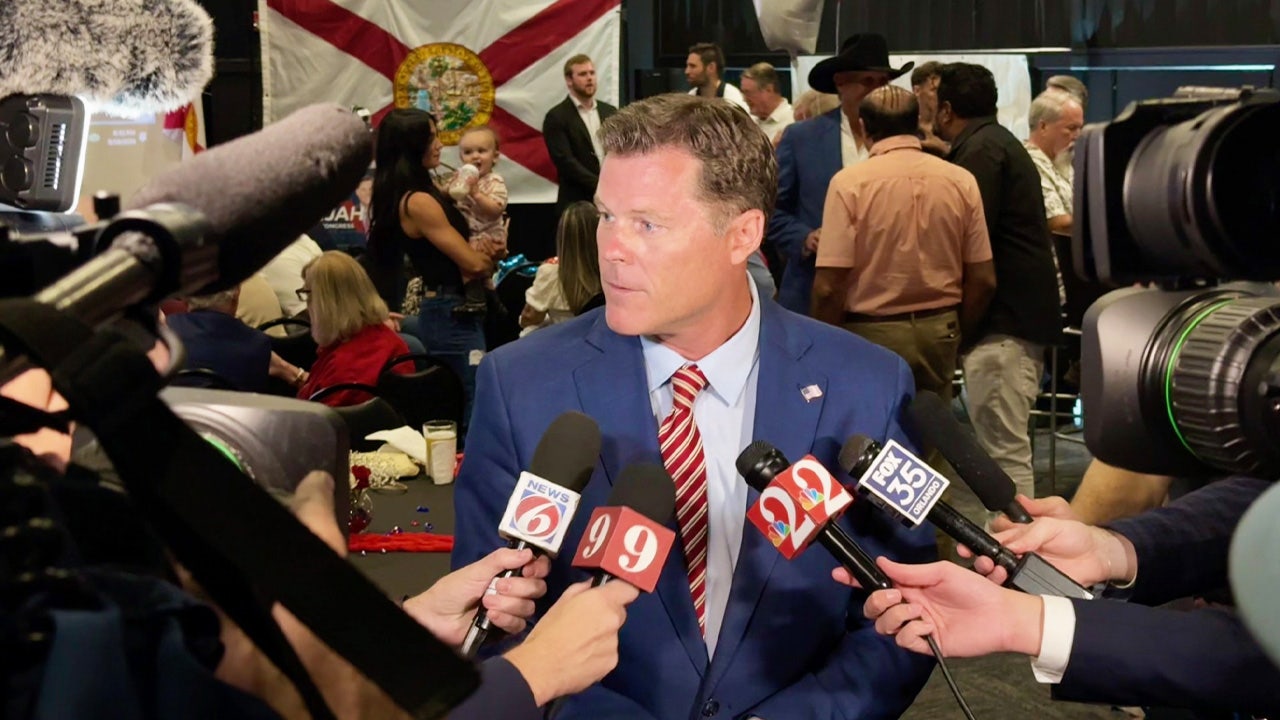
For 14 years, Ryan Elijah reported on Central Florida’s biggest stories from the television newsroom. Now, he is on a mission to represent the same community in Congress.
Elijah stepped into a contentious GOP primary in which he warned that incumbent Cory Mills was at risk of losing the Republican-leaning district to the Democrats, following a series of personal and professional scandals.
Elijah won a convincing victory in the August 18 Republican primary, receiving 47% of the vote to Mills’ 34%.
Trump, who had originally endorsed Mills, later claimed that he had privately encouraged the embattled congressman to withdraw from the race.
REP CORY MILLS DRAWS FIRST REPUBLICAN CHALLENGER AS SEXUAL MISCONDUCT ALLEGATIONS, EXPULSION THREAT MOUNT
Recently, the veteran television journalist sat down with Digital to discuss his views on Iran, affordability, and immigration, while pledging to remain an independent voice in Congress, and a strong advocate for Volusia and Seminole counties.
Elijah did not take the decision to leave working in media lightly, but felt a call to leadership:
«I love my job. It’s something I could have retired from TV and been perfectly happy. But I think we all look for the time you’re asked to step up and lead. And for me, that was this time. When we saw how the primary was playing out, it just became clear that we were going to lose this election in November.
«And I decided that we had the connections in this community to throw our hat in the ring. We had the trust from the community and the primary played out a lot like we thought it would, where people wanted a choice. I think that’s what primaries are all about in Seminole County and Volusia County spoke really loud. In that primary, and now I think they put us in a great spot to hold this seat in November.»
Elijah pledges to put transparency and accountability front and center for the constituents of the seventh district:
«Well, I think transparency and accountability are huge issues. I think when I talk to people, they don’t feel like they’re heard very much in Washington. And I think that you have to be transparent about whatever you can. And first of all, if you have nothing to hide, that’s the best way to be transparent because you can exactly show your business dealings and how your life dealings are.
«And that’s something we’ve talked about a lot…and then in terms of accountability, no one is above the law. And that’s a message that Americans want to hear, whether you’re a Democrat or Republican, there are laws for a reason, and we have to make sure those laws are upheld.»
As the military engagement with Iran is rattling global energy markets and pinching Americans’ pocketbooks, Elijah concedes the need to thwart a nuclear Iran, but also is wary of another forever war:
GOP RISING STAR HELPED TOPPLE TRUMP-BACKED INCUMBENT. NOW HE’S CAUGHT LEADERSHIP’S EYE
«This is a decade-long issue and a conflict between Iran and its proxies, where they have targeted and they have killed Americans. So the U.S. military right now is trying to end that conflict. But as representatives, we have to listen to the American people. We have to listen to central Floridians.
«And they have been very clear on this. They’re concerned about it. They are concerned this is going to be a never-ending war. They don’t want that. I don’t want that either. I share that belief, which is why I think we need to draw this conflict down. And we need to make sure that Iran is not a nuclear threat.»
On the immigration issue, Elijah cites improvement under GOP leadership on the issue, but argues that enforcement focus should remain on criminals:
«This is another issue where I think you have to look at where we’ve come from. When you let tens of millions of illegal people into this country, you’re going to have issues that take a long time to fix. And I think if you look at the way there has to be a federal, a local, and a state cooperation with immigration, that’s what it takes to work. Which is why when I talk to all the sheriffs in our district that are endorsing us, they’re handling immigration much better than other parts around the country because they have that cooperation.
«We need to start with the criminals. We have got many criminals still here illegally in the United States. That’s what they focused on in central Florida. That’s what ICE needs to focus on, removing the criminals. And there’s a compassionate way to handle this as we’ve got an issue that is not going to be fixed in just six or 12 months.»
Elijah consistently emphasizes that he will be an independent voice for the district, not a partisan rubber stamp:
«Well, I’ve said a lot. Look, I ran in this primary without the president’s endorsement. I’ve been an independent voice in this and I’ve told a lot of people that ask me that question.
«As you can imagine, I go to a lot of doors. That’s a question: ‘Will you support the president? Will you not support the president?’ And what I tell them is, if it’s a policy that supports our country and supports our district, I’m going to support that policy.
«More often than not, I will because I’m a Republican. I like a lot of those policies. If there’s a policy I disagree with, we won’t. So in that situation, that’s where things are at.»
Finally, Elijah acknowledges that affordability, while lacking a quick and easy fix, is the defining 2026 issue for much of the electorate:
«I think the number one thing that we hear from people, and that’s affordability, and that’s not an easy fix, but I think what they want out of government is accountability. We talked about that before, that government is going to be accountable on its spending, on its policies, and getting inflation down, which is going to lower interest rates. It’s going to lower the cost of living.
«People in Central Florida, people around the country, they want to be heard. And what they’re saying in a very clear tone right now is make sure that you control government spending and protect the future of our children. That’s probably the biggest thing I want them to notice.»
Elijah will be facing Navy veteran and former NASA employee Bale Dalton in the November 3 general election.
house of representatives politics, house of representatives, florida, midterm elections, war with iran
NEWYou can now listen to Fox News articles!
MEXICO CITY: Mexican cartels are said to be using commercial and modified drones to watch U.S. security personnel, map patrol routines and support smuggling corridors along the southern border as authorities expand efforts to disable the aircraft.
The U.S. military detected 378 drone incursions along the border during the previous 30 days, Brig. Gen. Brian Filler of Joint Task Force-Southern Border recently told reporters. He said the trend was increasing, and the aircraft were typically commercial drones with cameras used for surveillance tied to smuggling and human trafficking.
«On the border, the most common application is surveillance and reconnaissance as cartels look to establish a pattern of life for U.S. security personnel and support smuggling outcomes across the border,» Austin Doctor told Fox News Digital.
Doctor directs strategic initiatives at the National Counterterrorism Innovation, Technology and Education Center and teaches criminology and criminal justice at the University of Nebraska at Omaha.
US MILITARY LAUNCHES FIRST AUTONOMOUS WARFARE COMMAND TO DEPLOY UNMANNED SYSTEMS ACROSS LATIN AMERICA
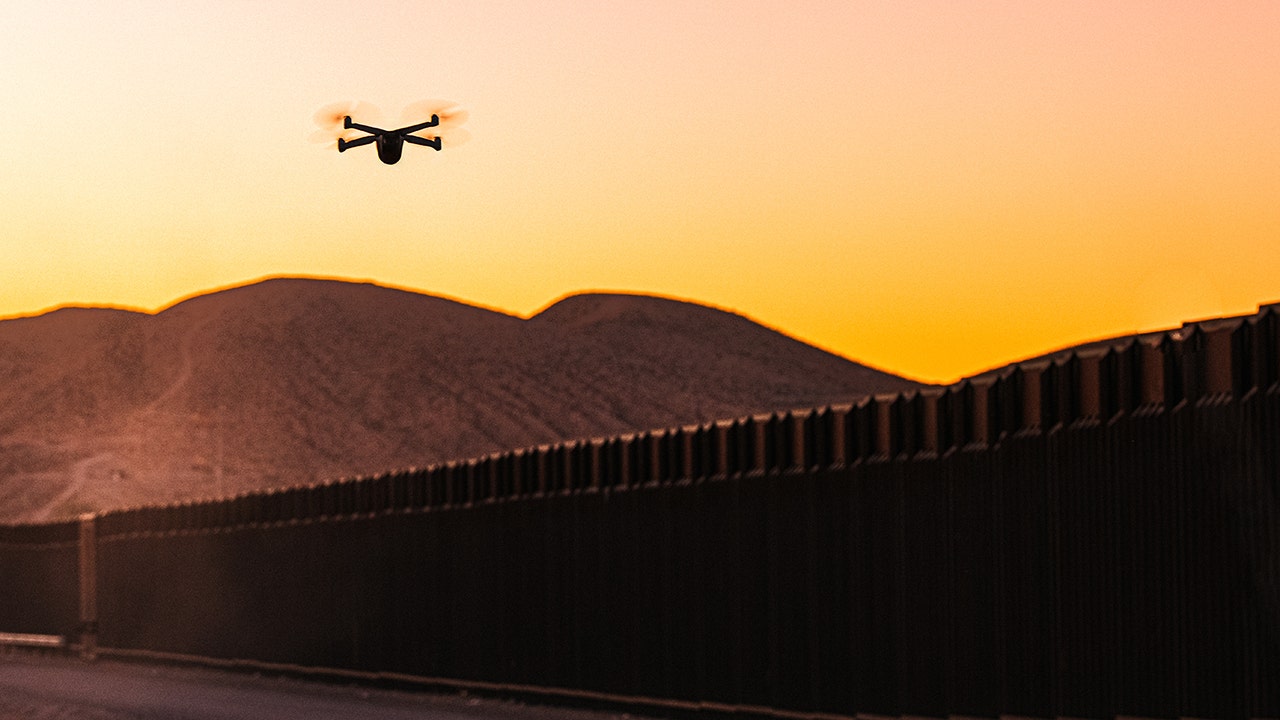
A new law allows law enforcement in Arizona to shoot down drones suspected of participating in criminal activity along the U.S.-Mexico border. (iStock)
A U.S. Customs and Border Protection spokesperson confirmed the growing threat, telling Fox News Digital, «Rapidly advancing Unmanned Aircraft System technology presents persistent threats, including counter-surveillance, illicit cargo movement and potential kinetic attacks.
«Cartels increasingly exploit UAS for surveillance, illicit activities, monitoring law enforcement, scouting crossing points and coordinating smuggling operations. CBP detected over 42,000 near-border UAS flights in (fiscal 2025) and over 37,000 in (fiscal 2026), underscoring the scale of this challenge.
«Under congressional authority (6 USC 124n), the Department of Homeland Security has approved Counter-UAS authorities for CBP. U.S. Border Patrol C-UAS operations, with DHS Secretary approval, cover the entire Southwest border and areas extending 100 miles inland for detection, identification, monitoring, and tracking of UASs. USBP C-UAS operates in all Southwest border sectors to detect, track, and mitigate these threats.»
Doctor explained how the cartels are using drones.
«Most cartels and cartel associates still rely on commercial-off-the-shelf drones,» he said. More sophisticated aircraft are emerging, however, including «larger agricultural drone devices.»
He added, «Cartels continue to innovate their drone designs, often focused on increasing payload sizes, improving resistance to countermeasures and boosting operational capabilities.»
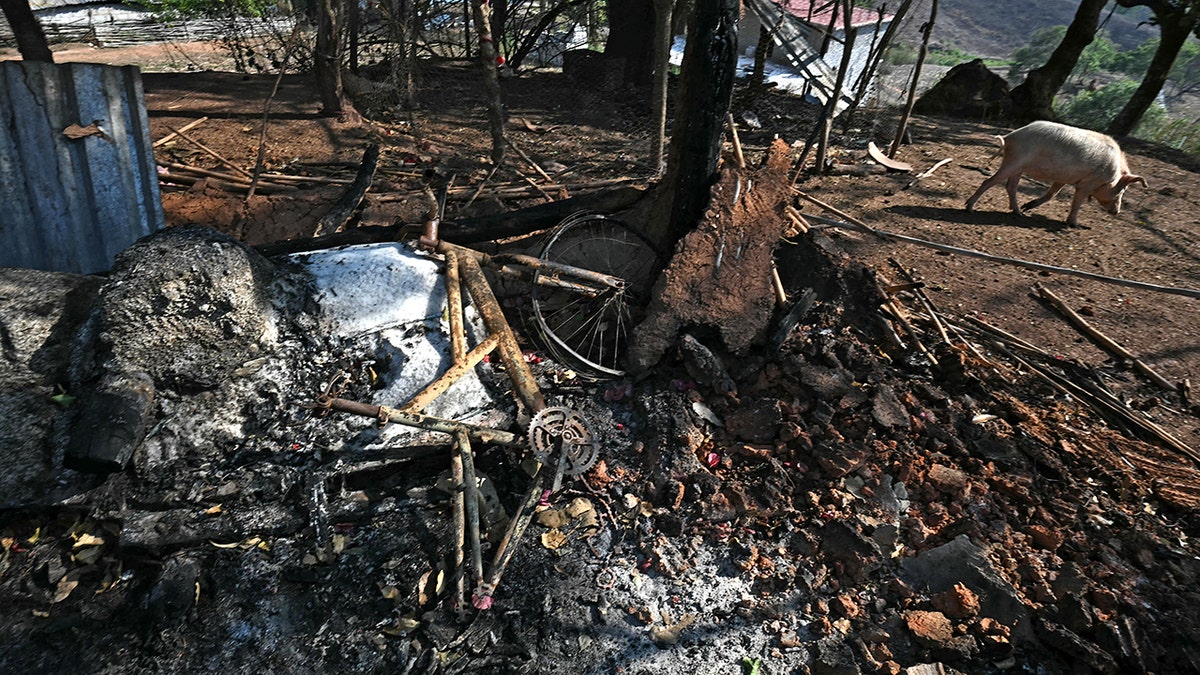
A pig walks near the rubble of a home after an alleged drone attack by the Los Ardillos cartel in Tula, Chilapa de Alvarez municipality, Guerrero state, Mexico, May 19, 2026. (Yuri Cortez/AFP via Getty Images)
He identified surveillance and logistics as the dominant border roles, with weaponized use more frequently documented inside Mexico.
«Cartels and cartel affiliates use drones for a wide range of tactics and operations. … That includes kinetic attacks on rival factions, civilians in Mexico and local security forces.»
Doctor said NCITE research identified the Jalisco New Generation Cartel, or CJNG, as «a key driver of drone innovation and adoption within the Mexico cartel ecosystem,» although drone use has spread among cartels and across Mexican states.
FBI WARNS BATTLEFIELD-STYLE DRONE ATTACKS COULD REACH US: ‘ONLY A MATTER OF TIME’

A U.S. Army soldier uses binoculars while riding a Stryker armored vehicle at the U.S.-Mexico border as part of the Trump administration’s crackdown on immigration and after the establishment of a 260-mile military zone along the U.S. southern border in New Mexico and Texas, in El Paso, Texas, May 22, 2025. (Reuters/Jose Luis Gonzalez)
A 2025 seizure in Reynosa, Tamaulipas, shows how border regions can support those programs. Mexico’s security cabinet said soldiers and state police detained a man and seized 18 drones, 151 explosive objects, two improvised explosive devices, a drone detector and three counter-drone devices. The official announcement did not identify a cartel. Doctor said the safehouse «was reported as linked to the Los Metros faction of the Gulf Cartel.»
Weaponized drones have also reached a Mexican border city. In October 2025, Baja California’s prosecutor said a drone dropped homemade explosive devices at an anti-kidnapping prosecutor’s office in Tijuana, damaging four vehicles but causing no injuries. Authorities described it as criminal retaliation but did not publicly identify a cartel.
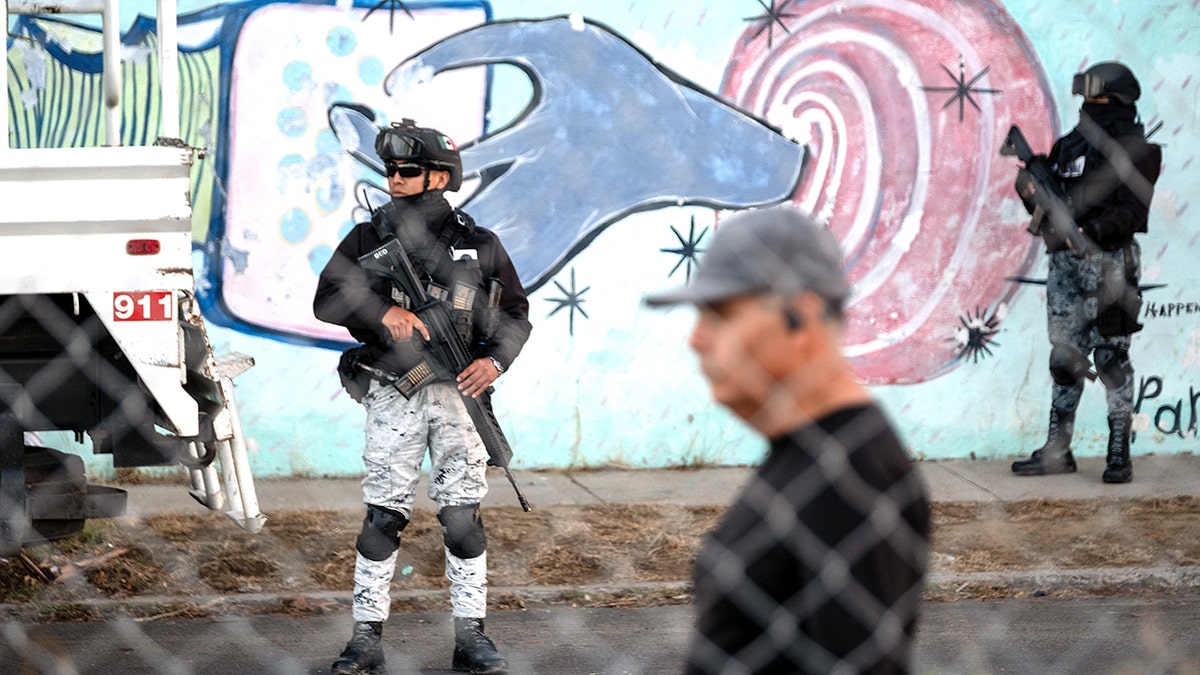
Mexican National Guard officers guard the area around the prosecutor’s office after a drone attack the night before,in Playas de Tijuana, Baja California state, Mexico, Oct. 16, 2025. (Guillermo Arias/AFP via Getty Images)
Doctor said Tijuana was among the exceptions to the pattern of attacks occurring farther inside Mexico. Border regions, he said, remain «critical facilitation hubs,» and the risk of increased kinetic attacks there «remains credible.»
Mexico says it is responding with interdictions, counter-drone equipment, military operations and new criminal penalties. During last month’s Águila Alta operation in the Tijuana-San Diego area, the defense ministry said Mexican forces neutralized five drones, detained one person and seized a gun, magazines and ammunition.
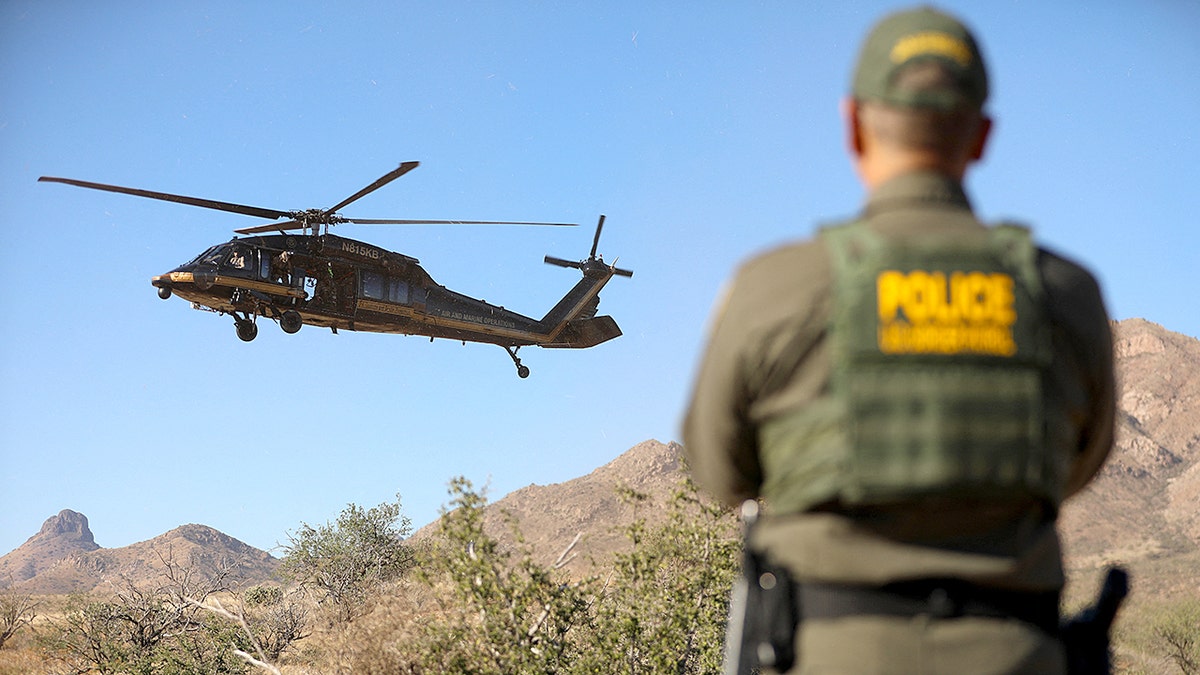
U.S. Border Patrol search, trauma and rescue agents from the Tucson Sector and Air and Marine Operations participate in a demonstration of the rescue of a migrant lost in the Brown Canyon desert near Sasabe, Arizona. (Herika Martinez/AFP via Getty Images)
One aircraft was initially detected in the U.S. and later neutralized in Mexico following information-sharing with Customs and Border Protection. Officials said the operation deterred criminal activity and strengthened coordination but released no before-and-after data showing whether drone traffic subsequently declined.
Mexico made certain drone-related conduct a federal crime in 2024, including dropping explosives, adapting aircraft to carry weapons or drugs and surveilling public officials.
CBP OFFICERS SEIZE $67 MILLION IN ILLEGAL DRUGS AT SAN DIEGO BORDER PORTS, DHS SAYS
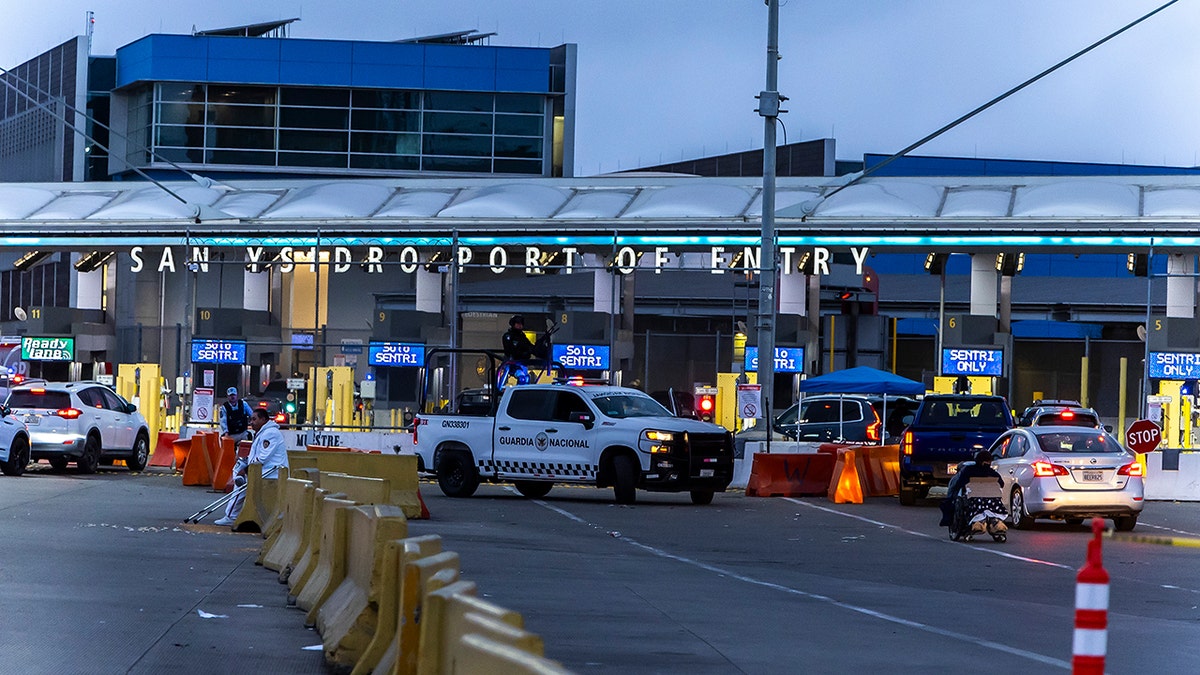
National Guard officers install a checkpoint to inspect motorists before crossing into the United States at San Ysidro Port of Entry Feb. 6, 2025, in Tijuana, Mexico (Francisco Vega/Getty Images)
Earlier this month, Mexico deployed 500 soldiers and National Guard members, two helicopters, drones and mobile and fixed counter-drone systems in five Tamaulipas municipalities. The Navy separately reported 159 personnel, 11 vehicles and two drones under Operation Sable.
In response to Fox News Digital’s questions, a Department of War spokesperson said Joint Task Force-Southern Border, CBP and the Department of Homeland Security use layered monitoring and detection systems to «observe, evaluate and, if needed, engage threats.»
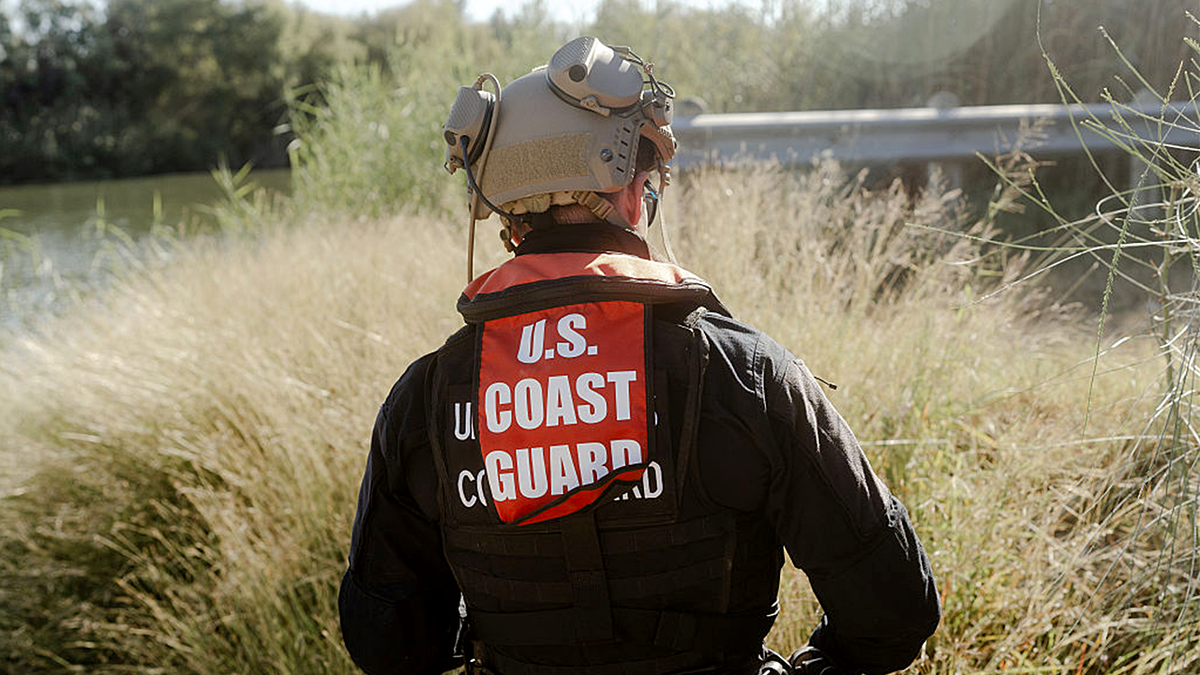
Coast Guard personnel exchanged gunfire with people on the Mexican side of the border. (Brenda Bazan/Bloomberg via Getty Images)
What remains unknown is the number of cartel-operated drones, which groups control individual flights and whether Mexico’s countermeasures are producing results.
Doctor said increased counter-drone resources are important but cautioned that «it is almost certain that cartels will continue to innovate and adapt.»
location mexico, mexican cartel violence, border security, national security, drones, homeland security
INTERNACIONAL
Panamá facilita la reconstrucción tras el terremoto con exoneraciones en obras públicas y privadas
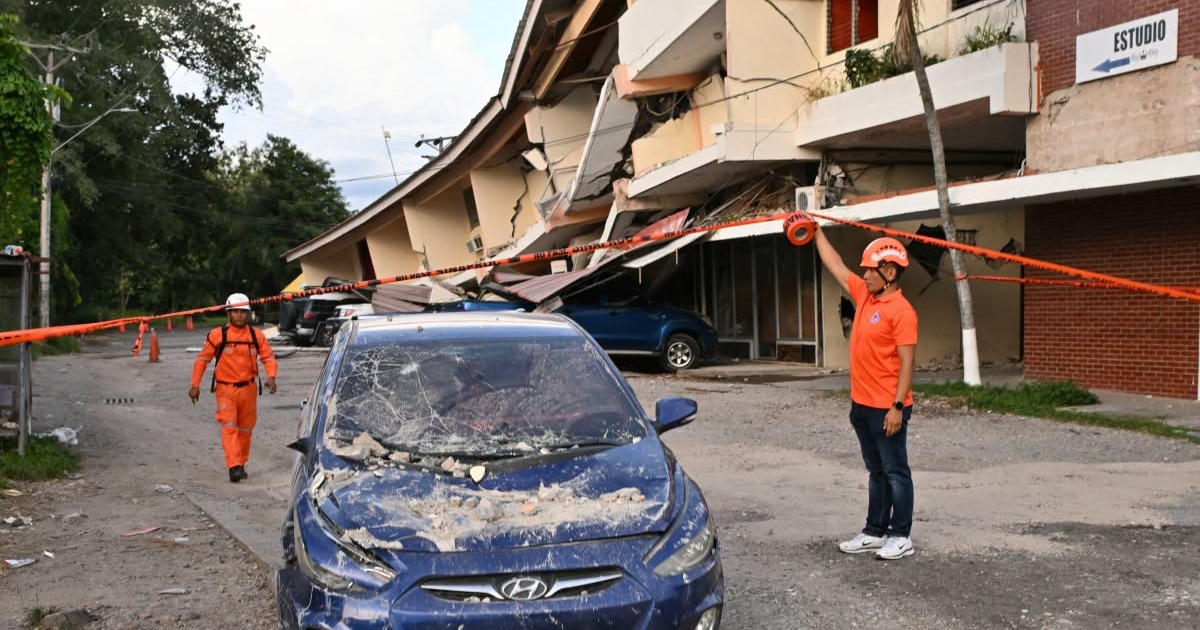
El Gobierno de Panamá aprobó exonerar el pago de tasas y otras contribuciones administrativas relacionadas con las obras de reparación, reforzamiento, rehabilitación y reconstrucción de infraestructuras afectadas por el terremoto del 9 de octubre.
La decisión busca reducir los costos y facilitar los trámites necesarios para recuperar viviendas, edificios públicos, carreteras y otras instalaciones dañadas por el movimiento sísmico de magnitud 7,5.
La medida fue adoptada por el Consejo de Gabinete mediante la Resolución No. 132-26, como complemento al estado de emergencia nacional. La instrucción está dirigida al Cuerpo de Bomberos, el Instituto de Acueductos y Alcantarillados Nacionales (IDAAN), los ministerios de Ambiente y Salud, así como a otras entidades competentes, para que apliquen las exoneraciones correspondientes dentro de sus procedimientos administrativos.
Estas disposiciones permitirán que las intervenciones directamente relacionadas con el desastre puedan tramitarse sin determinados cobros institucionales, dependiendo de las competencias de cada entidad.
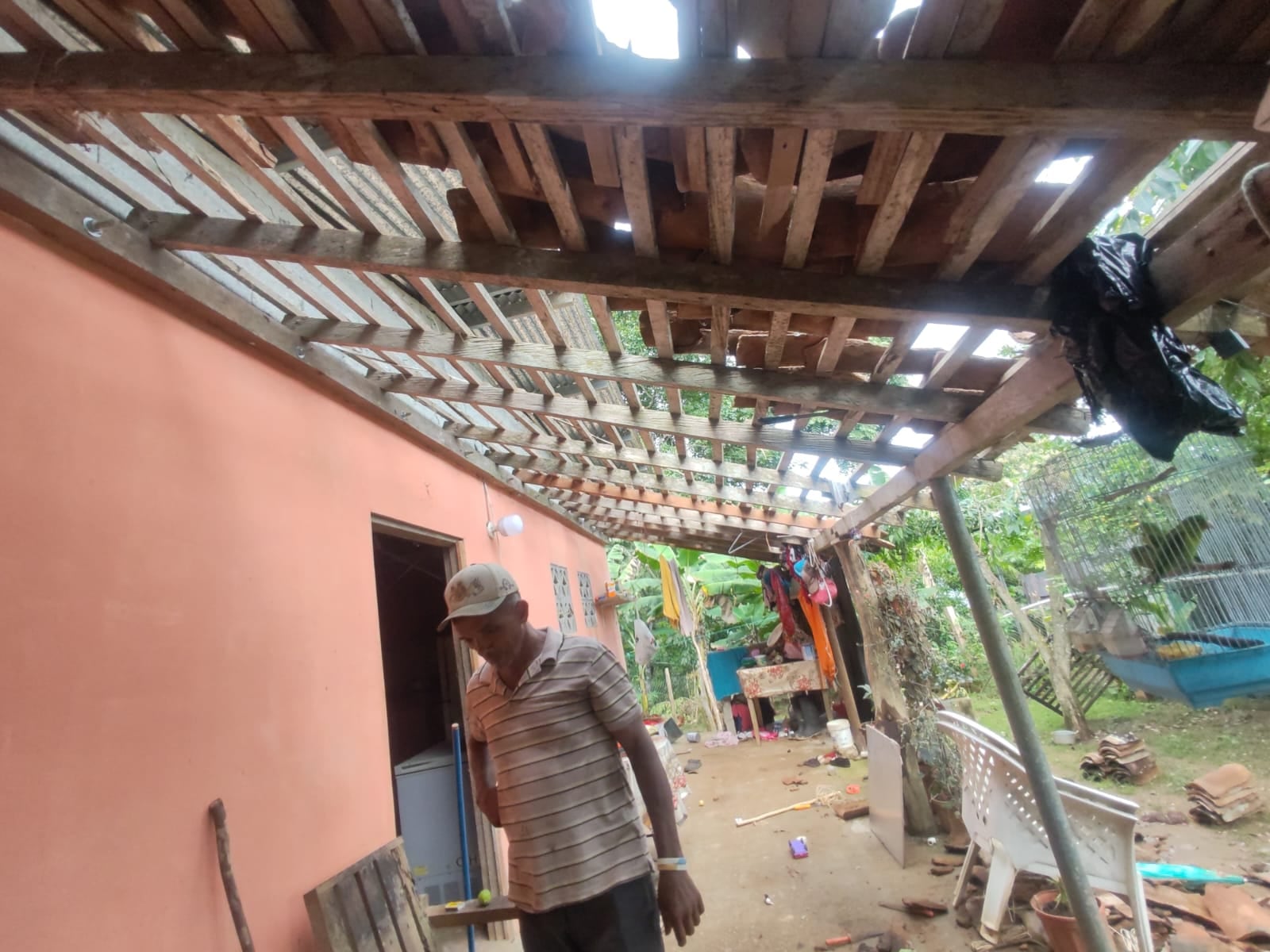
El objetivo es agilizar la recuperación de inmuebles e instalaciones esenciales, aunque la exoneración no significa que el Estado asumirá automáticamente los costos de reconstrucción ni que quedarán eliminados todos los impuestos aplicables a los materiales.
La decisión se produce mientras las autoridades continúan identificando daños en viviendas e infraestructuras de distintas provincias. Según el balance del Sistema Nacional de Protección Civil (Sinaproc), hasta la noche del 13 de octubre se habían evaluado más de 3.667 familias, equivalentes a 11.527 personas afectadas, entre ellas 42 mujeres embarazadas y 452 personas con discapacidad.
El informe oficial establece que 3.390 viviendas presentan afectaciones, de las cuales 727 registran pérdida total en Herrera y Los Santos. Esta última provincia concentra 1.613 residencias dañadas y seis lesionados, mientras Coclé contabiliza 1.052 inmuebles afectados y 17 heridos. En Veraguas se reportan 614 viviendas perjudicadas y dificultades en los servicios básicos, particularmente en comunidades apartadas.
La infraestructura educativa también enfrenta consecuencias importantes. El Ministerio de Educación mantiene 619 centros escolares oficiales bajo evaluación, mientras el balance preliminar identifica 35 planteles completamente colapsados, principalmente en las provincias centrales.
Las autoridades prevén una reanudación progresiva de las clases, condicionada a las inspecciones de seguridad y a las condiciones estructurales de los edificios.
En el sector sanitario, las inspecciones incluyen hospitales y otras instalaciones de atención médica, donde se busca determinar las condiciones de seguridad para pacientes y trabajadores.
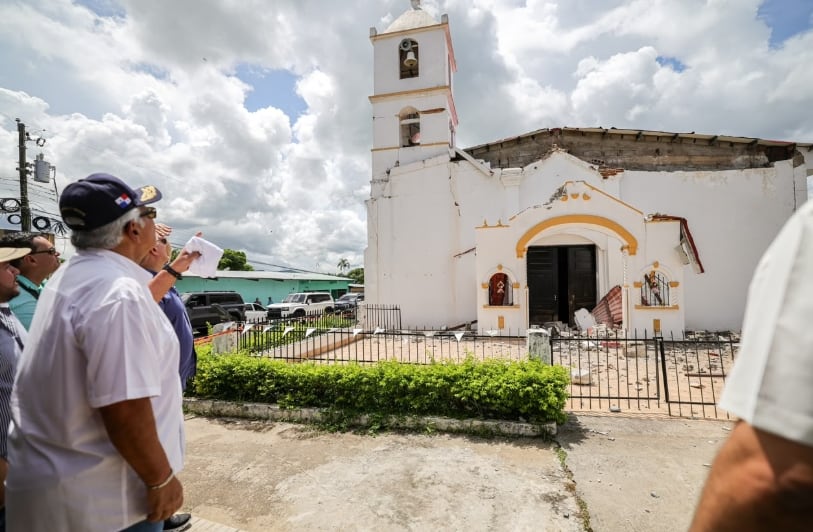
En Colón se reportaron daños parciales en tres hospitales, mientras equipos técnicos continúan revisando edificaciones públicas. Las iglesias y otros inmuebles comunitarios también forman parte de las estructuras afectadas que requieren evaluaciones antes de su rehabilitación.
Por su parte, el Ministerio de Obras Públicas (MOP) identificó 20 puentes que requieren rehabilitación, siete en Los Santos y 13 en Veraguas. En los pasos sobre los ríos Oria y Agua Buena se ejecutan trabajos para permitir la circulación de vehículos de hasta 10 toneladas.
La institución también reporta 12 puntos viales afectados en Herrera y cinco de mayor magnitud en Veraguas y Los Santos.

Entre las carreteras intervenidas figuran Atalaya-Mariato-Quebro-Flores, Las Tablas-Tonosí, Macaracas-Tonosí y Tonosí-Cambutal, donde se realizaron labores de despeje. En el tramo Tonosí-Búcaro permanecen habilitados desvíos mientras avanzan las reparaciones. En Herrera, la maquinaria trabaja en sectores de Los Pozos, Las Minas y Ocú, afectados por derrumbes y deslizamientos.
El ministro de Obras Públicas, José Luis Andrade, informó que los equipos mantienen operaciones para recuperar la conectividad terrestre, especialmente en comunidades que quedaron incomunicadas.
En Veraguas continúan las inspecciones en Torio y las intervenciones en Soná, mientras Coclé dispone de maquinaria pesada para atender sectores vulnerables. La prioridad es restablecer el tránsito y facilitar el ingreso de ayuda humanitaria.
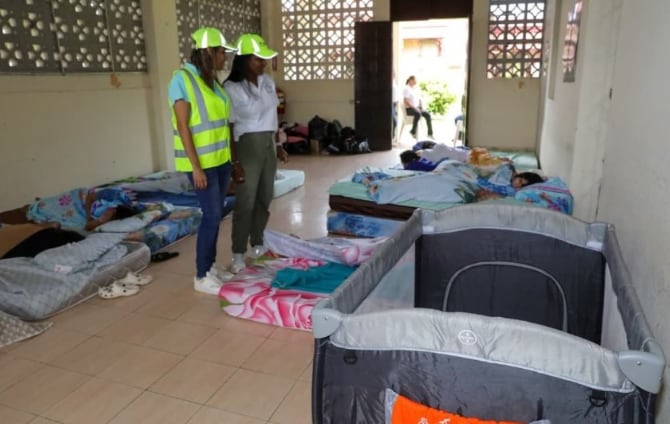
Mientras avanzan estas labores, más de 2.841 personas permanecen acogidas en 33 albergues temporales, según Sinaproc. Las operaciones humanitarias han movilizado más de 121.220 libras de suministros por vía aérea y 331 toneladas de agua potable. pANAM
El Gobierno mantiene la evaluación de daños y la recuperación de servicios esenciales como parte de las acciones derivadas de la declaratoria de emergencia.
corresponsal:Desde Panamá

Julieta Ortega habló del final de su amistad con Andrea Rincón: “Hay cosas que para mí se dirimen puertas adentro”

Las universidades dicen que la multa contra el Gobierno es “muy importante”, pero sostienen el reclamo

Preocupación en Boca Juniors por Sebastían Villa: ¿Llega para la vuelta ante Vasco da Gama?

El Niño impulsa crecidas en el Litoral y evacúan ganado de campos que quedan bajo el agua

Javier Milei vs. Alberto Fernández: según una encuestadora, ambas gestiones provocan el mismo nivel de rechazo

El posteo de un jugador del Vasco da Gama tras la victoria ante Boca que causó indignación: “Fue algo involuntario”

Andrea Rincón recordó el quiebre de su amistad con Julieta Ortega: «No se remontó»

Anticipan más crédito y mayor flujo en acciones con reforma del mercado de capitales

Corinthians presentó a un técnico europeo para salvarse del descenso

La controversia por la ley de Tierras avivó las diferencias internas en la Corte Suprema

 INTERNACIONAL3 días ago
El presidente Mulino confirma una llamada con Delcy Rodríguez tras el terremoto que sacudió Panamá
- DEPORTE3 días ago
Miguel Merentiel dejó un emotivo mensaje para el Manteca Martínez
- POLITICA3 días ago
El Gobierno enfrenta una nueva marcha universitaria en medio del conflicto por la Ley de Financiamiento