INTERNACIONAL
Melania Trump’s Epstein remarks turn up the heat on DOJ, Acting AG Todd Blanche to do more

NEWYou can now listen to Fox News articles!
First lady Melania Trump’s call for public hearings for Jeffrey Epstein’s victims is piling fresh pressure on Acting Attorney General Todd Blanche, who only days earlier signaled the administration wanted to move past the saga even as bipartisan lawmakers and survivors continue demanding more files, testimony and prosecutions.
While the first lady called on Congress to take additional steps to let Epstein «survivors» tell their stories, Epstein victims and members of Congress themselves argued that the onus is with the Trump administration, not Congress.
«First Lady asks Congress to bring Epstein survivors in for testimony. With all due respect, that’s Acting U.S. Attorney General Todd Blanche’s job!» Rep. Thomas Massie, R-Ky., who has been at odds with the president and his administration over how it has handled the Epstein case, said after the first lady’s remarks. «Rep. Ro Khanna, D-Calif., and I already gave brave survivors a chance to tell their horrific stories on Capitol Hill. Pam Bondi wouldn’t even acknowledge them. PROSECUTE!»
«Actually, Congress did act,» added Rep. Ted Lieu, D-Calif., in response to the First Lady’s Thursday night remarks calling on Congress to do more. «But Acting U.S. Attorney General Todd Blanche is violating the law and refusing to release the Epstein files as required by law.»
WHY MELANIA TRUMP IS DENYING ALLEGED SMEARS RELATED TO JEFFREY EPSTEIN–AND WANTS VICTIMS TO TESTIFY
President Donald Trump reportedly called the Palm Beach, Florida, Police Department in 2006 to thank them for investigating Jeffrey Epstein. (Davidoff Studios/Getty Images)
Meanwhile, in a letter released by over a dozen alleged Epstein victims, survivors also put pressure on the Justice Department to do more.
«First Lady Melania Trump is now shifting the burden onto survivors under politicized conditions that protect those with power: the Department of Justice, law enforcement, prosecutors, and the Trump administration, which has still not fully complied with the Epstein Files Transparency Act,» a letter allegedly signed by 15 Epstein victims, posted to social media by Rep. Melanie Stansbury, D-N.M., stated. «It also diverts attention from Pam Bondi, who must answer for withheld files and the exposure of survivors’ identities. Those failures continue to put lives at risk while shielding enablers.»
«Survivors have done their part. Now it’s time for those in power to do theirs,» the letter concluded.
MELANIA TRUMP’S FORCEFUL EPSTEIN DENIAL DRAWS BIPARTISAN SUPPORT FROM LAWMAKERS
Fox News Digital reached out to the Department of Justice and White House for comment on the first lady’s remarks and remarks from victims and members of Congress calling on the Trump administration to do more, but did not hear back.
However, in a statement to NPR following the first lady’s remarks, the Department of Justice said: «As we have always stated, we encourage any victims of Jeffrey Epstein — who wish to speak — to contact the FBI. Any survivor who has information on an abuser is encouraged to contact federal law enforcement.»
Not long after taking the reins from former U.S. Attorney General Pam Bondi, Blanche insisted it was time for the Justice Department to move on from the Epstein case.
«I think that to the extent that the Epstein files was a part of the past year of this Justice Department, it … should not be a part of anything going forward,» Blanche said Thursday in an interview with Fox News host Jesse Watters. He added that the DOJ «has now released all the files with respect to the Epstein saga.»
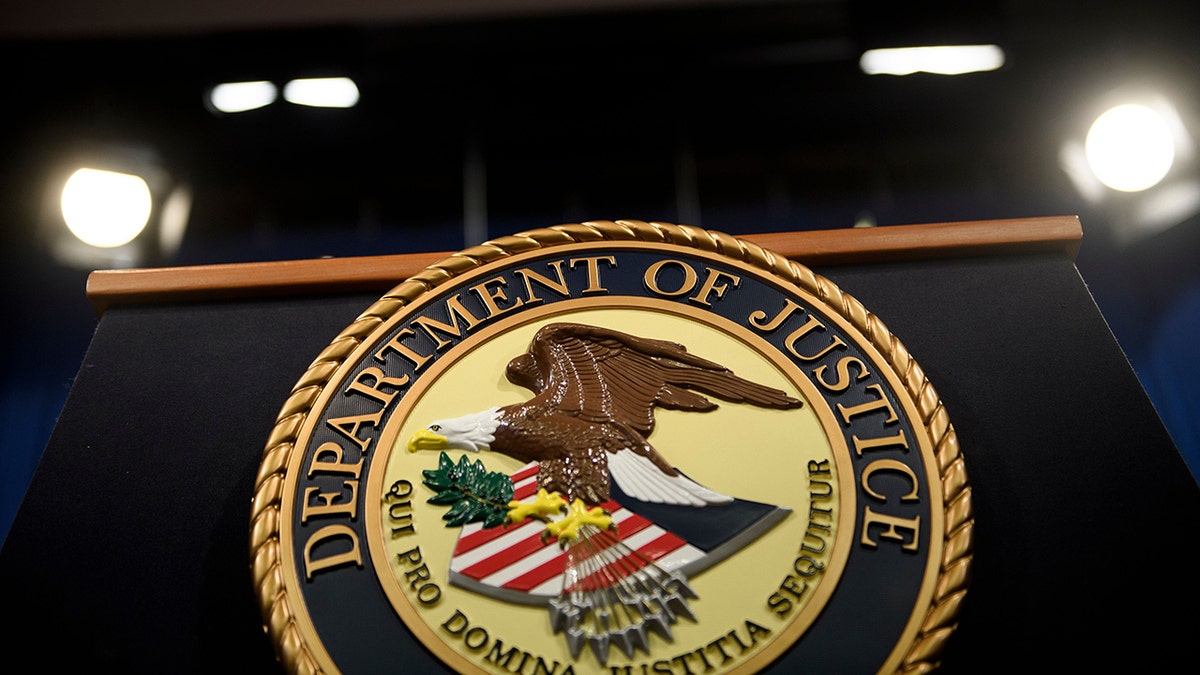
The Justice Department charged three individuals in connection with an alleged scheme to illegally export U.S. AI technology to China, officials said on March 19. (BRENDAN SMIALOWSKI/AFP via Getty Images)
Still, several members of Congress think there is more to be done on the matter.
Following the first lady’s remarks, Rep. Anna Paulina Luna, R-Fla., indicated that House Oversight chairman, Rep. James Comer, R-Ky., agreed to call four named co-conspirators to testify.
«And they won’t be the only ones,» the congresswoman added in a post on X.
«There are a number of doctors we also have questions for, and the list continues to grow,» the Florida congresswoman continued. «I am calling on the DOJ to prosecute individuals who took plea deals under civil rights violations, and to consider additional charges where appropriate. If you traffic a young girl(s), you don’t get to pretend to be a victim. There is a massive difference.»
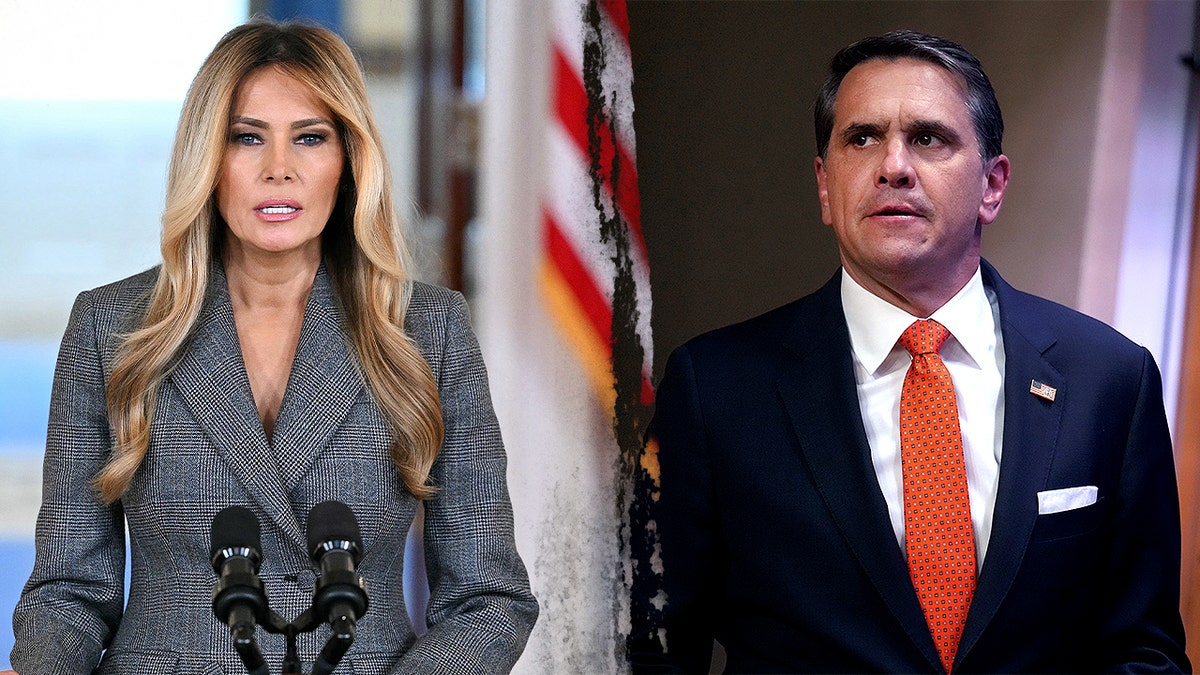
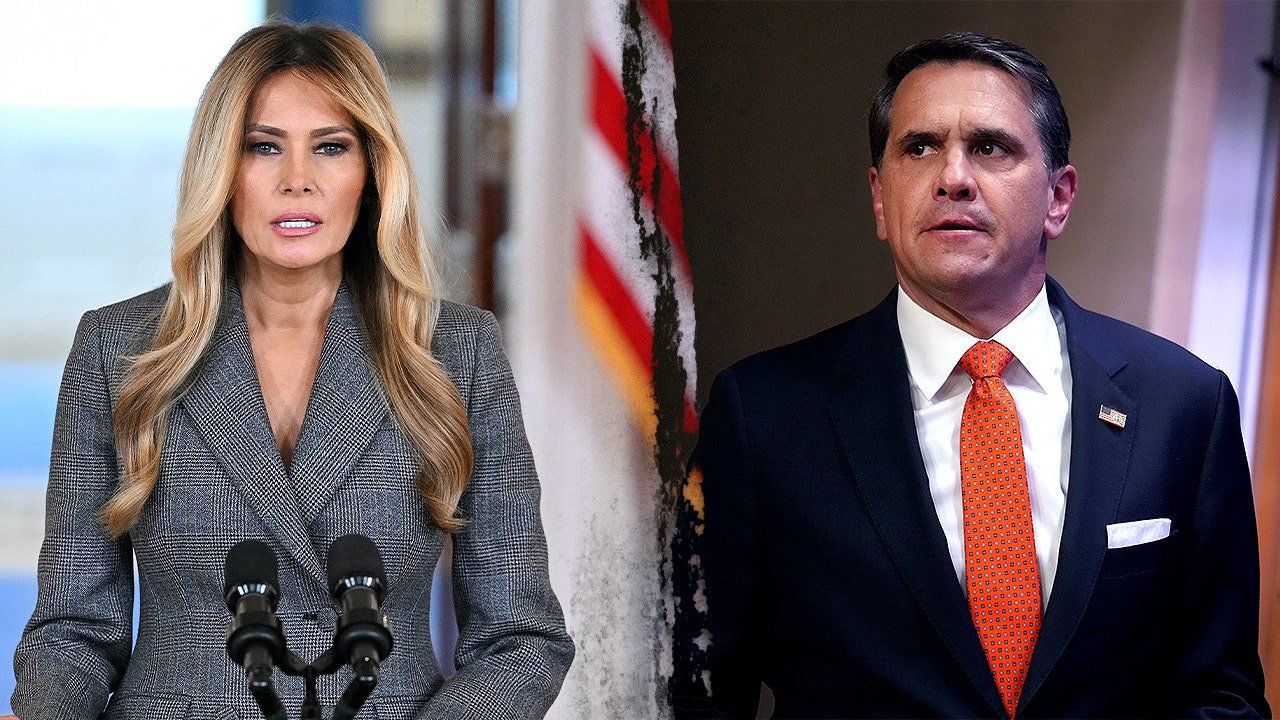
First lady Melania Trump (left) pictured next to Acting U.S. Attorney General Todd Blanche (right). (Getty Images)
CLICK HERE TO DOWNLOAD THE FOX NEWS APP
Meanwhile, Khanna also demanded the first lady come testify in front of Congress, arguing her remarks show she is privy to «relevant» information, while Rep. Robert Garcia, D-Calif., said following the first lady’s Thursday night remarks that he and his colleagues still want to see Bondi testify to Congress.
«Pam Bondi knows more about this cover-up and why the botched release of the files happened the way they did in doxxing survivors and putting their information out there, not protecting their identities. Pam Bondi must testify, that is her legal obligation.»
«I think there’s enough Republicans that also agree — she has been subpoenaed — they had a legal subpoena,» Garcia told CNN. «The DOJ and Todd Blanche continue to cover up for Donald Trump, continue to want this to go away, but we are going to continue to push every single day.»
justice department, jeffrey epstein, melania trump, congress, white house, pam bondi, politics











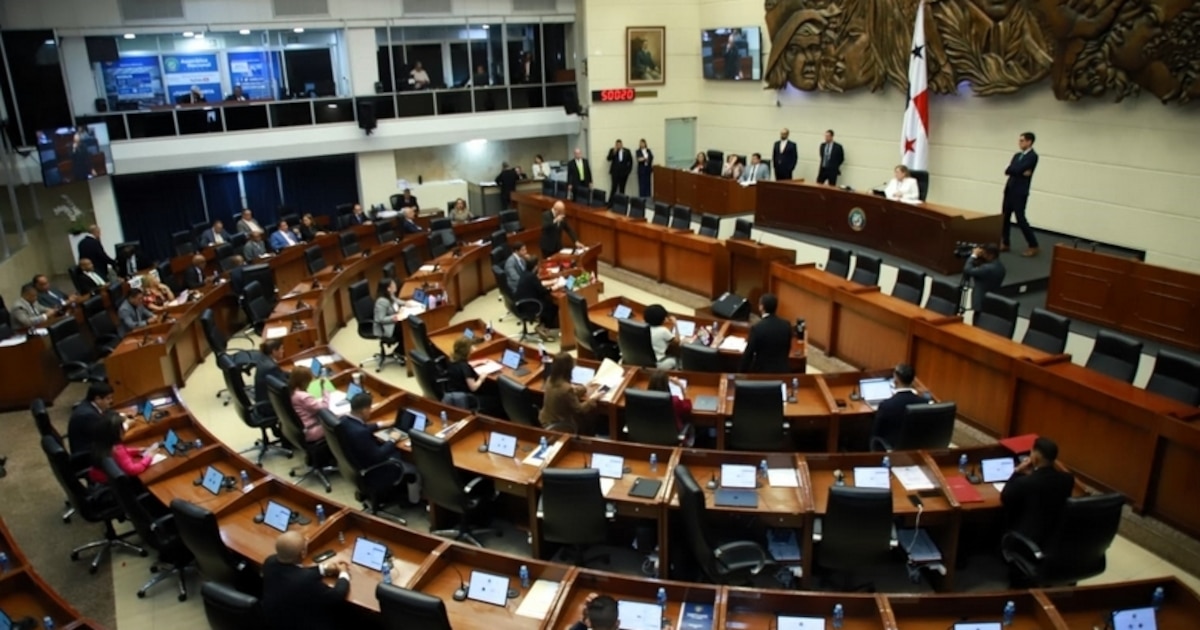
Diputados panameños calificaron como una injerencia en las decisiones del Legislativo el comunicado mediante el cual la Embajada de China expresó su rechazo a la conformación del Grupo Multipartidista de Intercambio Parlamentario Panamá-Taiwán y exigió a sus integrantes rectificar su posición.
Los parlamentarios consultados por Infobae defendieron que Panamá es un país democrático, libre y soberano, donde la conducción de las relaciones diplomáticas corresponde al Ejecutivo, pero la Asamblea Nacional mantiene independencia para promover intercambios legislativos. También afirmaron que la separación de poderes está reconocida constitucionalmente.
La representación del régimen de China manifestó su “fuerte descontento y enérgico rechazo” ante la iniciativa. Además, pidió a los diputados atenerse a la política exterior panameña, abandonar sus acercamientos con Taiwán y dejar de “entorpecer y socavar” las relaciones que Panamá mantiene con la República Popular China.
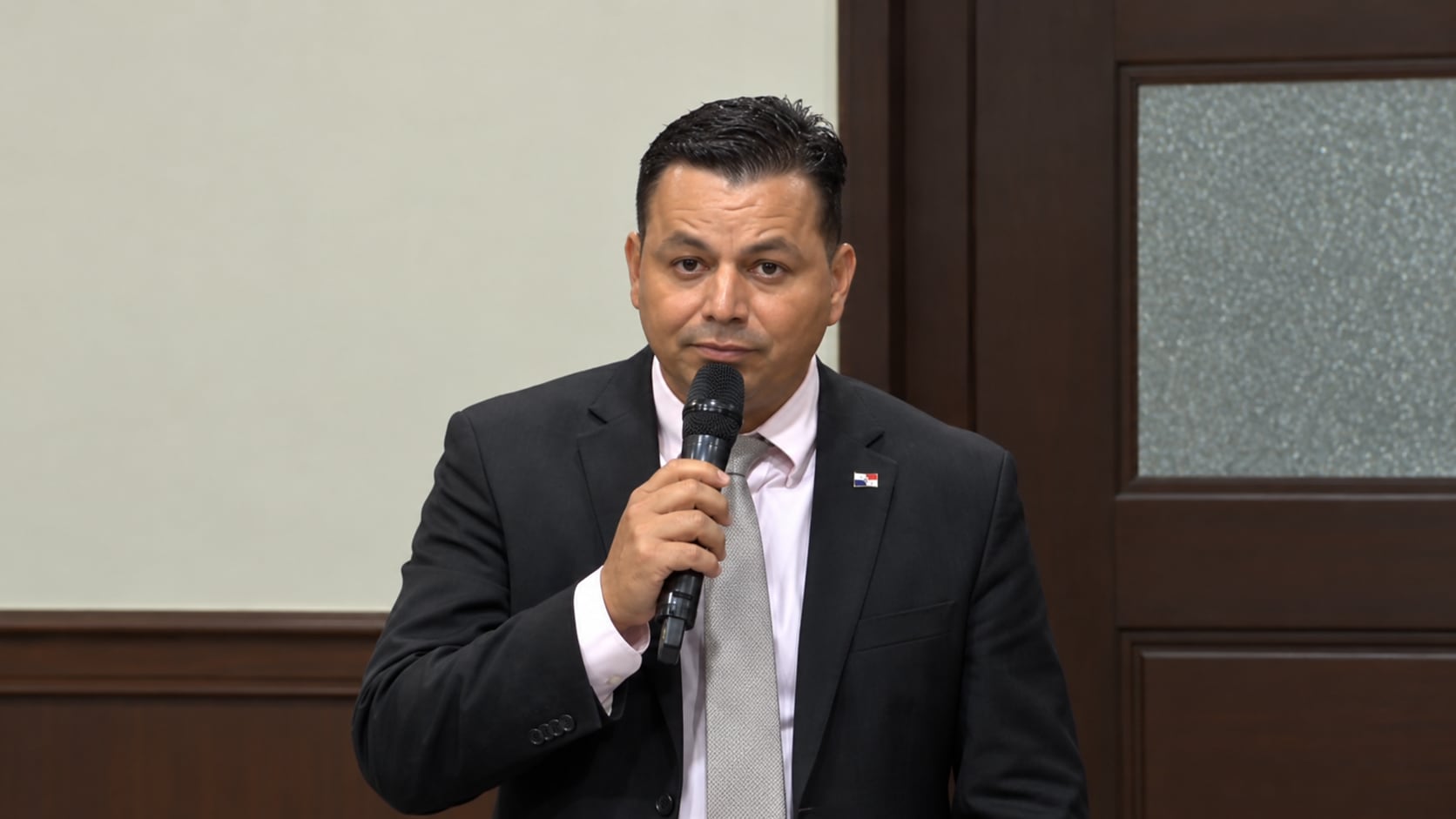
El presidente del grupo, el diputado Medin Jiménez, sostuvo que la iniciativa tiene carácter estrictamente parlamentario y no pretende asumir funciones diplomáticas. Según explicó, 45 legisladores firmaron su conformación, mientras otros manifestaron respaldo, pero no pudieron suscribir el documento durante su circulación por el pleno.
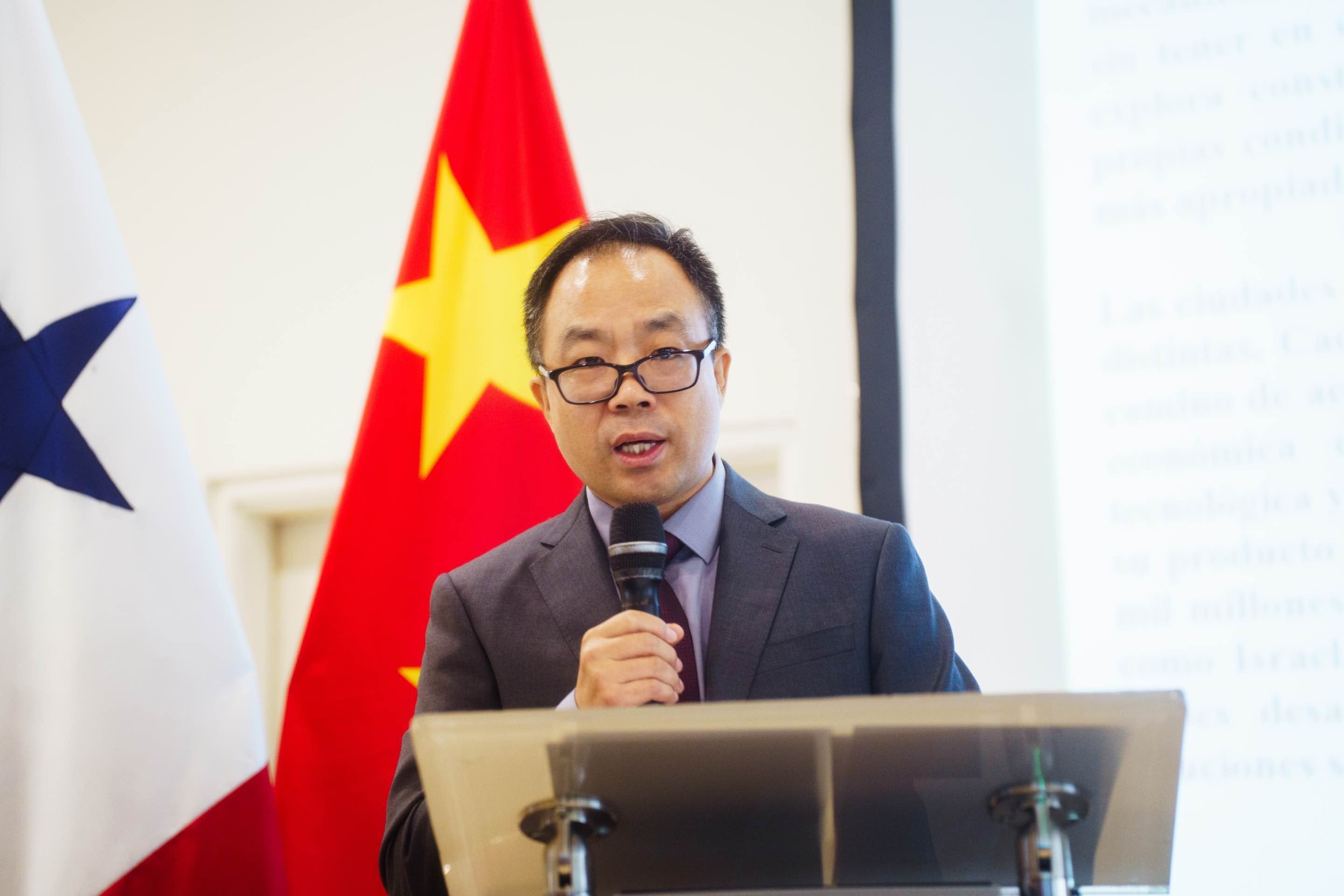
Jiménez rechazó el planteamiento de la Embajada china de considerar a la Asamblea como una institución que debe someterse al Ejecutivo en esta materia. “Somos un país de democracia, donde el primer órgano del Estado es la Asamblea”, declaró, al reivindicar la autonomía de los diputados para establecer vínculos con otros parlamentos.
El diputado del partido Panameñista aseguró que Panamá puede mantener intercambios con cualquier territorio, independientemente de disputas geopolíticas externas. Consideró que los conflictos entre Beijing y Taipéi pertenecen a su ámbito político y que los diputados deben concentrarse en obtener oportunidades de inversión, comercio y conocimiento que produzcan beneficios para la población panameña.
La directiva del grupo deberá reunirse ahora para definir una agenda y un plan de trabajo. Jiménez mencionó entre los asuntos prioritarios el intercambio parlamentario, las relaciones comerciales, el aprovechamiento del tratado de libre comercio y la seguridad jurídica para exportadores y productores nacionales.
También destacó la importancia de Taiwán para las exportaciones panameñas de camarón blanco. Según los datos citados por el diputado, durante el último periodo fiscal se comercializaron más de $158 millones en mariscos y otros productos, mientras una proporción relevante del camarón consumido en Taiwán tendría procedencia panameña.
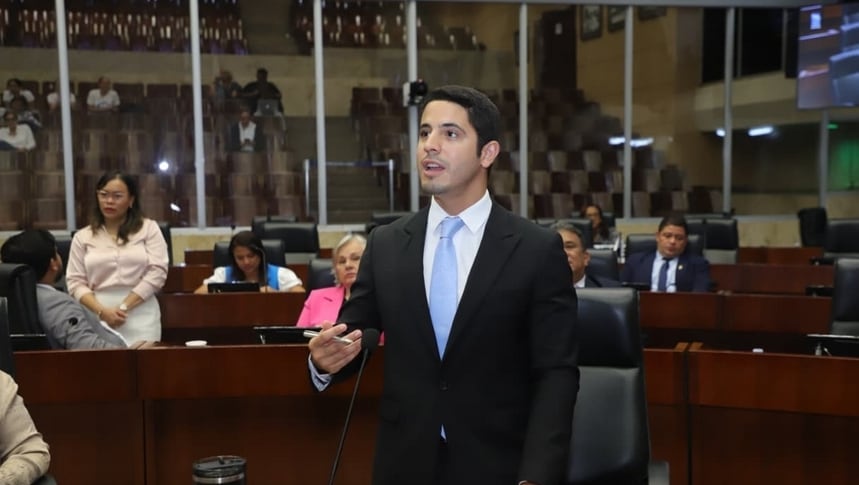
Jiménez afirmó que el grupo continuará funcionando pese al rechazo de Beijing. “Ellos tienen su postura y nosotros tenemos la nuestra como panameños”, manifestó. Agregó que su creación no constituye una actuación ilegal ni supone un desconocimiento de las atribuciones que el Ejecutivo ejerce sobre la diplomacia oficial.
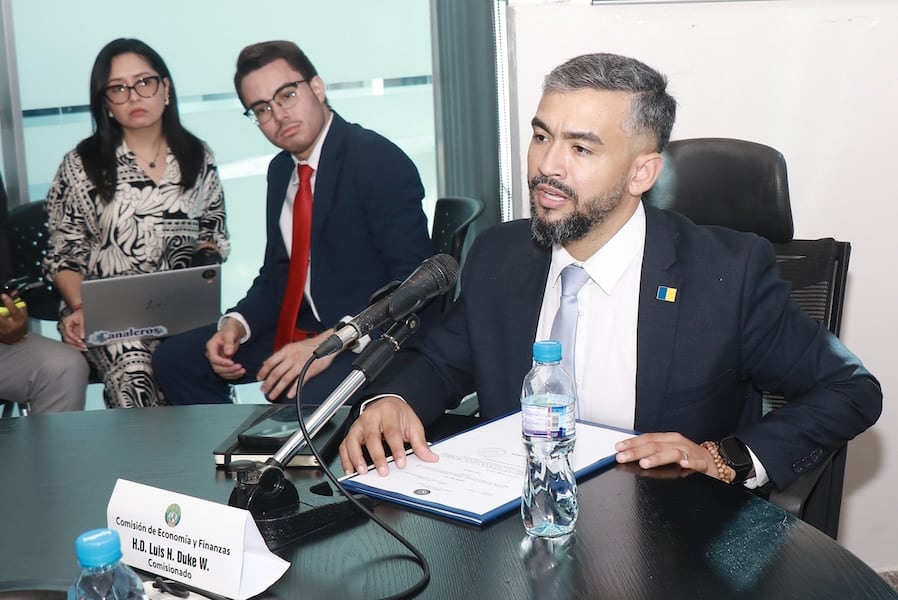
El diputado independiente Luis Duke coincidió en que el pronunciamiento representa una intervención en asuntos propios de la Asamblea. Explicó que los legisladores decidieron establecer una relación con el Yuan Legislativo debido al potencial taiwanés en semiconductores, tecnología, innovación y diseño de políticas públicas que podrían aportar conocimientos útiles para Panamá.
Duke aclaró que el acercamiento no modifica las relaciones diplomáticas panameñas ni contradice necesariamente los acuerdos existentes. “Nosotros no nos estamos metiendo en las relaciones diplomáticas del Estado”, señaló, antes de remarcar que se trata de decisiones parlamentarias orientadas a fortalecer el intercambio entre ambos órganos legislativos.
El diputado vinculó la iniciativa con los esfuerzos de Panamá por desarrollar capacidades relacionadas con la industria de semiconductores. Taiwán ocupa una posición central dentro de esa cadena mundial y, según Duke, su experiencia podría contribuir a las etapas de prueba, distribución y generación de conocimientos que el país pretende incorporar a su estrategia económica.
Duke confirmó que el bloque seguirá activo y celebrará reuniones para determinar sus próximos pasos. “El grupo sigue”, afirmó, al señalar que la posición expresada por la Embajada china no detendrá sus actividades ni el diálogo previsto entre la Asamblea Nacional panameña y el Yuan Legislativo de Taiwán.
Por su parte, José Pérez Barboni, del partido político Movimiento Otro Camino, calificó el comunicado como una respuesta “muy reactiva” y desafortunada. Cuestionó especialmente que la Embajada invitara a los diputados a rectificar, como si fuera incorrecto relacionarse con un territorio que varios legisladores consideran democrático, autónomo y dotado de autoridades propias.
Pérez Barboni reconoció que el Ejecutivo dirige la política exterior del Estado, pero sostuvo que cada diputado puede formar su propio criterio sobre los países o parlamentos con los cuales desea intercambiar experiencias. “Es una injerencia extranjera querer decidir” cómo deben actuar los diputads, expresó al rechazar el tono empleado por Beijing.
El parlamentario pidió a la representación del régimen chino respetar las decisiones adoptadas dentro de la Asamblea e hizo el mismo llamado al presidente José Raúl Mulino. A su juicio, los vínculos parlamentarios no deben interpretarse automáticamente como una modificación de las relaciones diplomáticas reconocidas por el Gobierno central panameño.
Mulino había marcado distancia de los viajes de diputados a Taiwán al recordar que la política exterior corresponde al Órgano Ejecutivo y que esas delegaciones no contaban con el aval de su administración. Tras la conformación del nuevo bloque, reiteró esa posición y sostuvo que la iniciativa no representa al Gobierno panameño.
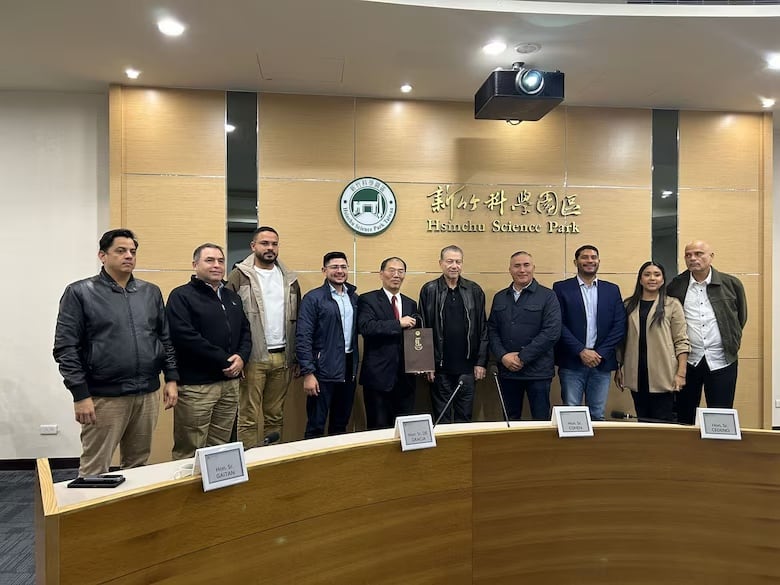
Los acercamientos legislativos tampoco comenzaron con la instalación del grupo. Diputados panameños han efectuado dos viajes a Taiwán durante el actual periodo legislativo: el primero generó una disputa diplomática a finales de 2025 y una segunda delegación viajó el 31 de enero de 2026, nuevamente sin representar oficialmente al Ejecutivo.
Panamá rompió relaciones diplomáticas con Taiwán en 2017 y reconoció desde entonces el principio de una sola China. Sin embargo, persisten vínculos comerciales, empresariales y académicos con la isla, argumento utilizado por los diputados para defender una instancia parlamentaria que, aseguran, no sustituye la política exterior del país.
La controversia deja abiertas dos posiciones dentro del Estado: el Ejecutivo reafirma su competencia exclusiva sobre la diplomacia, mientras los legisladores reivindican la independencia constitucional de la Asamblea Nacional. Para los integrantes del grupo, aceptar que una representación extranjera determine sus contactos supondría limitar la autonomía de uno de los órganos estatales.
Zhang Xiangyan,Panamá,China,diplomacia,discurso
INTERNACIONAL
EXCLUSIVE: 25 years after 9/11, ICE says more than 2K known or suspected terrorists have been deported
Tom Homan slams calls to abolish ICE as border enforcement hits records
Border czar Tom Homan slams calls from progressives to abolish the agency as border enforcement actions reach historic levels. Homan highlights recent record-breaking arrests and deportations, emphasizing that seventy percent of those detained are convicted criminals. He also reveals ICE’s critical role in rescuing over one hundred and fifty thousand smuggled children, warning of the dangerous consequences of dismantling the agency.
NEWYou can now listen to Fox News articles!
EXCLUSIVE: U.S. Immigration and Customs Enforcement (ICE) has deported more than 2,000 known or suspected terrorists from the U.S. since President Donald Trump took office in January 2025, the Department of Homeland Security (DHS) tells Fox News Digital, as the nation prepares to mark 25 years since the 9/11 terrorist attacks.
DHS said ICE arrested more than 2,150 known or suspected terrorists between Jan. 20, 2025, and Sept. 9, 2026, and deported 2,015 during that period.
«As we reflect on the 25th anniversary of the September 11 attacks, the brave men and women of ICE continue to carry out their duty to protect the homeland and keep the American people safe,» DHS Secretary Markwayne Mullin said in the department’s announcement.
TRUMP ADMINISTRATION’S IMMIGRATION PUSH FUELS ICE’S BIGGEST ARREST MONTH IN AGENCY HISTORY
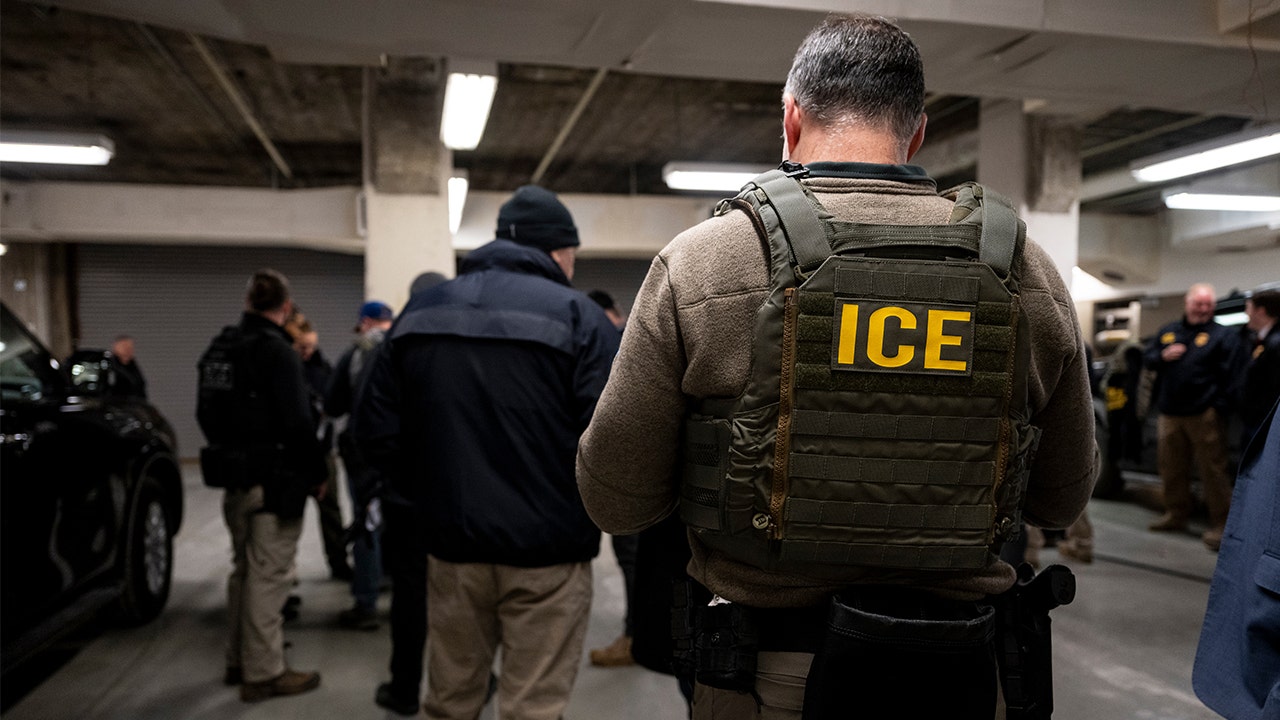
U.S. Immigration and Customs Enforcement (ICE) agents, along with other federal law enforcement agencies, attend a pre-enforcement meeting in Chicago. (Christopher Dilts/Bloomberg via Getty Images, File)
Mullin said ICE had arrested more than 2,100 known or suspected terrorists and deported more than 2,000, adding that the anniversary underscored the department’s commitment to «eternal vigilance.»
DHS pointed to several recent cases involving alleged terrorists and members of designated foreign terrorist organizations.
WHITE HOUSE UFC TERROR PLOT ‘RINGLEADER’ IS A MEXICAN ILLEGAL IMMIGRANT, DHS CONFIRMS
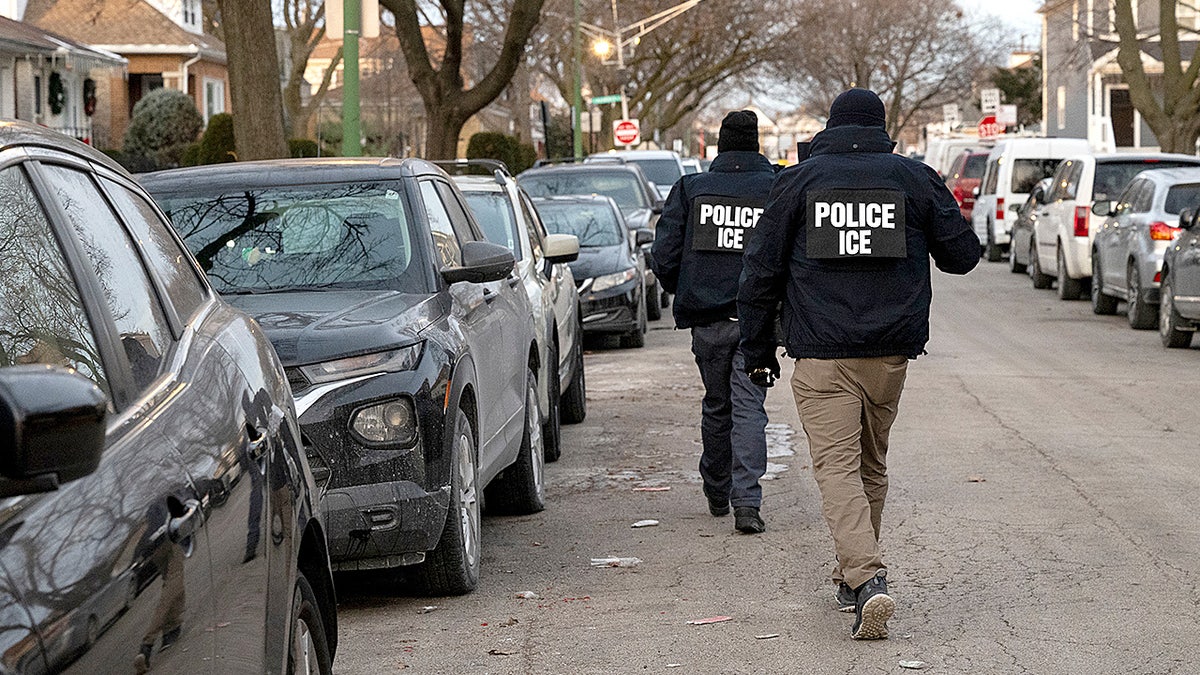
ICE agents conduct a multi-agency targeted enforcement operation in Chicago. (Christopher Dilts / Bloomberg via Getty Images, File)
In June, federal authorities arrested Abraham Hermosillo Alvarez, a Mexican national DHS described as the suspected ringleader of an alleged mass-casualty plot targeting UFC Freedom 250 at the White House.
DHS said Alvarez overstayed a visitor visa that expired in 2001 and later received DACA status in 2014. ICE lodged a detainer following his arrest.
Days earlier, ICE Homeland Security Investigations (HSI) arrested Felipe Linares De Oliveira Dell Aquilla, a Brazilian national DHS identified as a former commander of two designated foreign terrorist organizations.
Authorities said they recovered a handgun, cash and multiple electronic devices after a vehicle and foot pursuit in North Carolina.
TRUMP ADMINISTRATION SAYS FEDERAL AUTHORITIES HAVE ARRESTED MORE THAN 10,000 SUSPECTED GANG MEMBERS
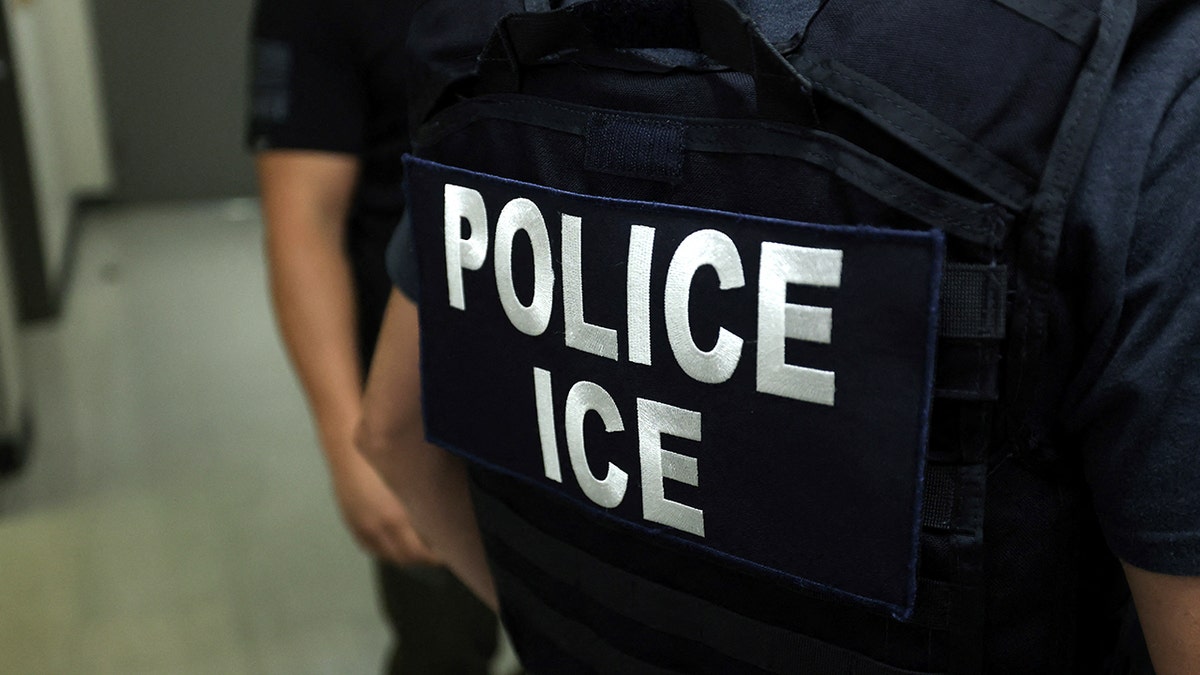
ICE conducts an immigration operation in New York City. (Charly Triballeau/AFP via Getty Images, File)
DHS said Aquilla was wanted in Brazil on criminal association and extortion charges and was allegedly holding his wife against her will while preparing to flee to Mexico.
ICE lodged a detainer after his arrest, while investigators pursued additional firearm and kidnapping charges.
Four Venezuelan members of Tren de Aragua also pleaded guilty in May to charges stemming from a 2024 Bronx shooting that killed two people.
DHS said all four had entered the United States illegally between 2022 and 2023.
REPORTER’S NOTEBOOK: 9/11 IS JUST A HISTORY CHAPTER FOR A NEW GENERATION OF AMERICANS
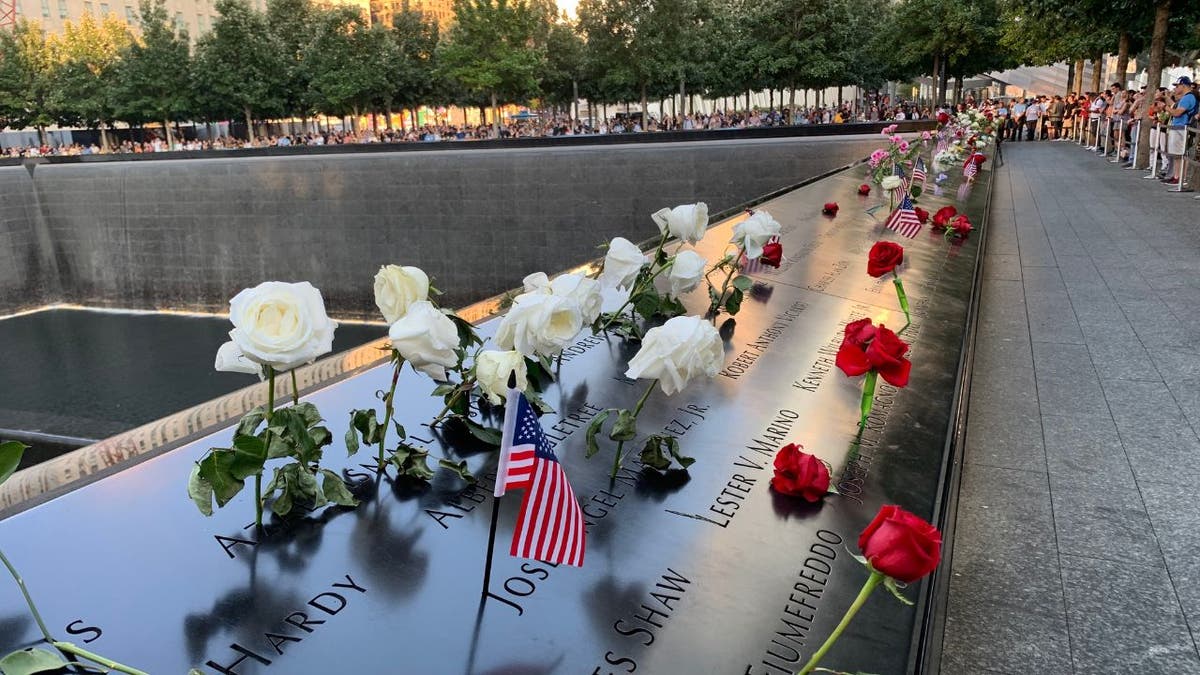
Flowers left by mourners at the 911 Memorial in New York City. (Getty Images, File)
The announcement comes as the nation prepares to mark 25 years since the 9/11 terrorist attacks, which killed nearly 3,000 people in New York City, at the Pentagon and in Pennsylvania.
The attacks prompted the largest overhaul of the nation’s homeland security apparatus in decades, including the creation of DHS in 2002 and ICE the following year.
Friday’s anniversary will commemorate the victims of the attacks and the first responders who rushed into danger, while marking a quarter-century of U.S. efforts to prevent another large-scale terrorist attack on American soil.
september 11, terrorism, deportation, national security, homeland security, donald trump, illegal immigrants, politics
En Fundamentos de una estética de la destrucción, el poeta y también crítico de arte Aldo Pellegrini escribió en 1961: “La destrucción del artista no es el acto brutal y sin sentido que determina el odio; es un acto que tiene sentido, y este sentido lleva la marca indeleble del humor”. Sobre ese tejido Profetas de la descomposición, que se presenta en Galería Del Infinito, construye su red, a partir de una revisión del arte argentino a través de la destrucción y el happening.
La muestra, una más de calidad museo del espacio de Recoleta, reúne obras históricas, registros visuales, publicaciones, materiales documentales y piezas de circulación poco conocidas a partir de una hipótesis central: leer el arte argentino como proceso y no como resultado definitivo, en permanente inestabilidad y transformación. Un arte que se deshace a si mismo para resurgir, como el Fénix, desde las cenizas, para convertir lo matérico en simbólico.
En su curaduría, Javier Villa seleccionó obras y experiencias que van desde la Galería Lirolay de los años 60, y nombres como Alberto Greco, Marta Minujín, Osvaldo Lamborghini, Margarita Paksa, Federico Manuel Peralta Ramos o Liliana Maresca, junto a otros cuyas trayectorias fueron desplazadas por el relato oficial.
La muestra compone así un recorrido que coloca a la destrucción y la transformación en un proceso simbiótico, a partir de acciones que marcaron una historia del arte argentino.
“Estos artistas actuaron sobre formas que parecían estables y produjeron grietas, restos, desplazamientos y nuevos modos de circulación. La destrucción aparece como una tecnología de pasaje capaz de alterar la materia, la imagen, la subjetividad y las instituciones”, escribe Villa.
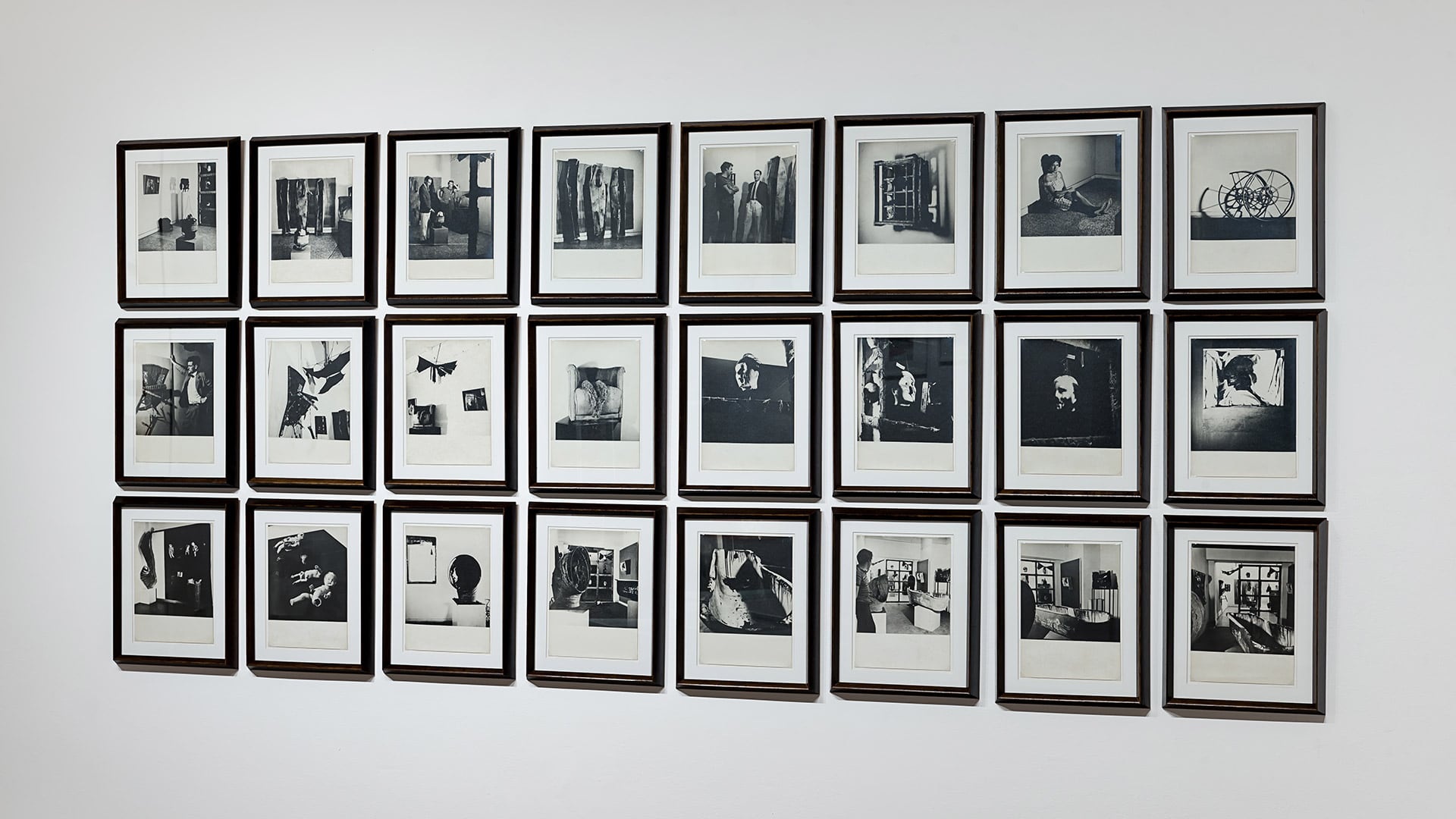
En el ingreso se puede observar una serie de fotografías de Jorge Roiger que reconstruyen la experiencia “Arte destructivo”, impulsada por Kenneth Kemble en 1961, del que participaron también Enrique Barilari, Jorge López Anaya, Antonio Seguí, Silvia Torras y Luis Alberto Wells y, en la cual, se destrozaron muebles y quemaron objetos en clima de violencia y desborde en la icónica Galería Lirolay y que fue un antecedente crucial para las manifestaciones del “arte de acción” de mediados de aquella década.
“Se me ocurrió que sería interesante canalizar esta tendencia destructiva del hombre, esta agresividad, reprimida en la mayoría de los casos pero siempre pronta a explotar nocivamente, en una experiencia artísticamente inofensiva”, escribió Kemble, en aquel entonces, en el texto de sala.
El recorrido continúa con la figura de Alberto Greco, quien este año tuvo una gran antológica en el Reina Sofia, y que a comienzos de la década del 60 formuló Vivo-Dito o Arte Vivo, un movimiento unipersonal que proponía señalar personas, objetos o situaciones de la vida cotidiana para convertirlos en obra de arte.
En el Manifiesto (1963) planteó que la obra ya existe en la realidad y que la acción artística consiste en revelarla. Así, trasladó la obra desde el objeto hacia la vida misma: personas reales, conversaciones y situaciones urbanas cimentaron nuevas preguntas sobre qué puede ser arte.
La expo reúne fotos de las series Albertus Grecvs y Cristo 63, momento en que amplió su práctica más allá de la pintura y pasó a trabajar con su cuerpo, su identidad y las situaciones que generaba a su alrededor.
En Cristo 63, realizado en Roma junto con Carmelo Bene y Giuseppe Lenti, la teatralización se extendió a una situación colectiva con improvisación, intervención del público, escándalo y pérdida de control. Las fotografías de Claudio Abate registraron fragmentos de una experiencia cuya forma dependía del tiempo, de los cuerpos presentes y de sus reacciones.
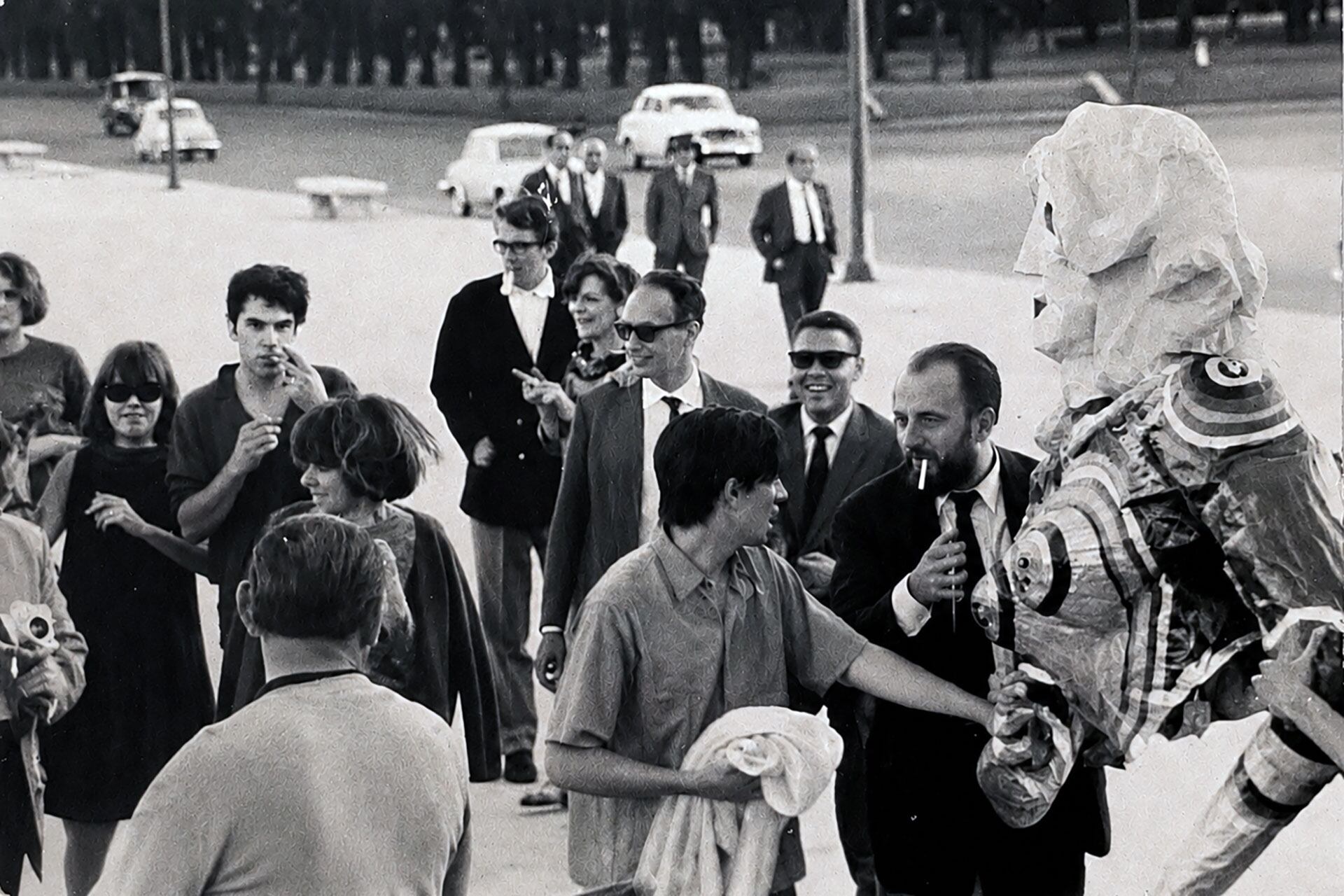
En Albertus Grecvs, construyó a partir de si mismo una figura ceremonial, religiosa y teatral a través del disfraz: Greco resurgió como personaje, emblema y objeto de culto, y convirtió su identidad en una superficie disponible para la ficción.
En ese marco, en el ’64 aparecen los registros fotográficos de Oscar Bony de la inauguración en la Galería Lirolay de las muestras Las aventuras de la Vicky y La casita de los enanos, de Juan Stoppani y Alfredo Rodriguez Arias y la posterior procesión hasta la Costanera Sur, donde arrojaron las obras al Río de la Plata, borrando la materialidad y privilegiando el registro y el acontecimiento. “Las obras no eran para quedarse, sino para que su ausencia abriera otras lecturas”, escribió el autor de La familia obrero en ese momento.
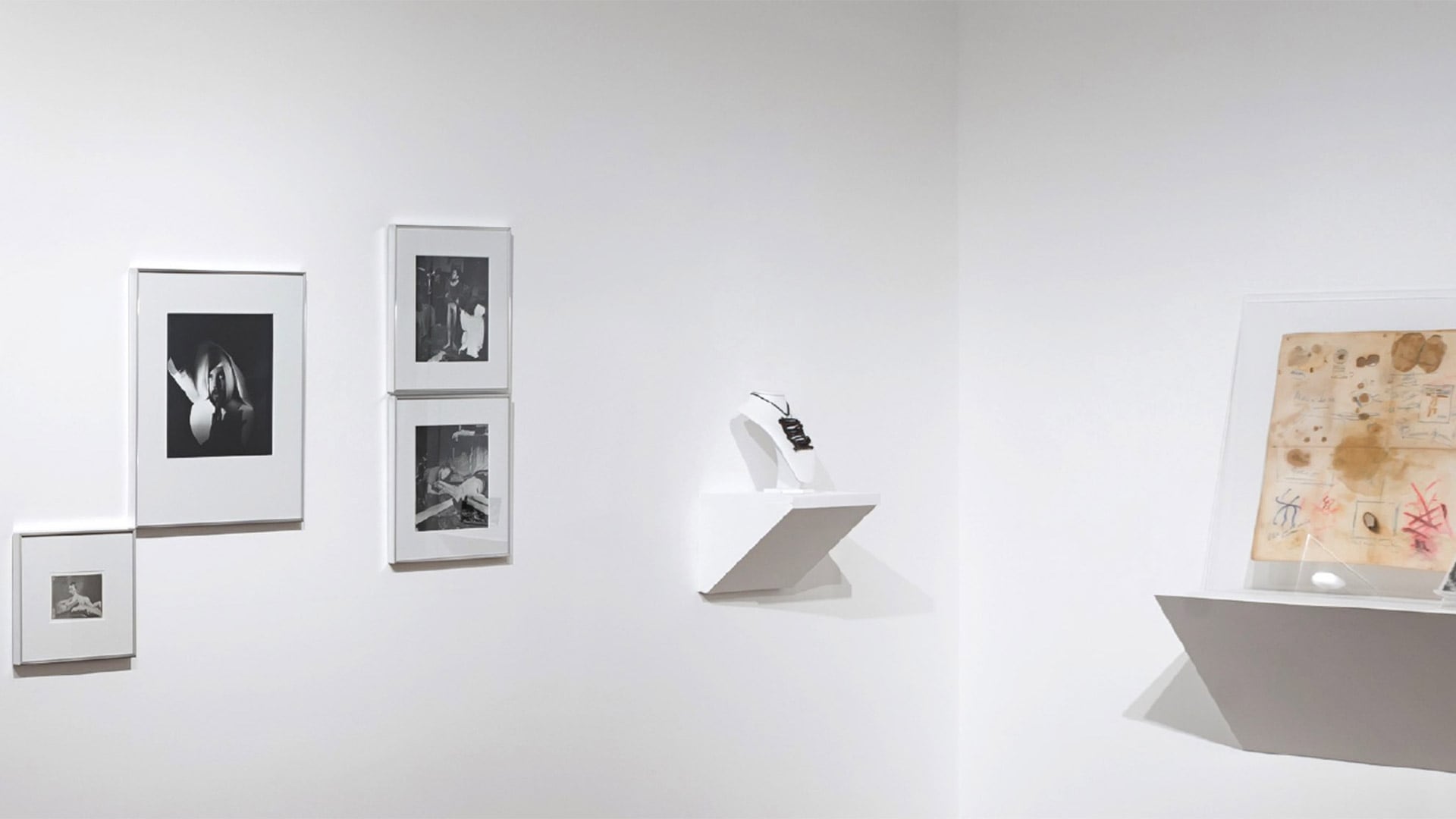
Entre las rarezas en torno a Greco se aprecian dos objetos: un collar de clavos de herradura de su época informalista y que colocaba en la solapa de sus amigos pertenecientes a la Orden de Greco, una institución personal y deliberadamente precaria en la que el propio artista elegía y condecoraba a sus integrantes.
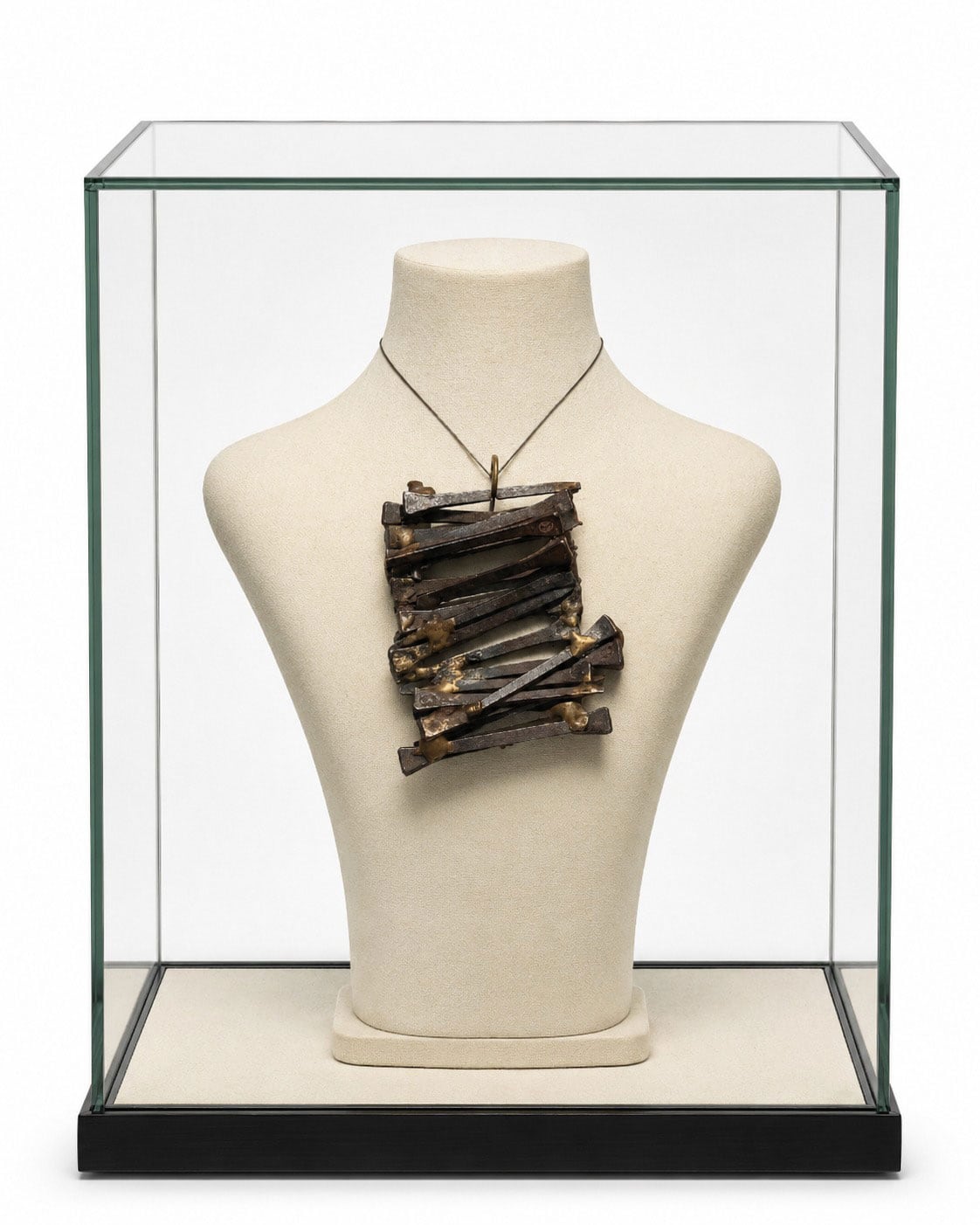
Las reuniones, que funcionaban como parodia de los mecanismos oficiales de reconocimiento y consagración, incluyó entre otras a Kenneth Kemble, Luis Felipe Noé y Ernesto Deira. Una foto, sacada por el propio Romulo Macció, ilustra uno de aquellos encuentros, junto a una servilleta intervenida durante la comida con dibujos, firmas, quemaduras, manchas y pequeñas construcciones, que registra la forma de trabajo que Greco estaba ensayando antes de formular el Vivo-Dito.
La figura de Rubén Santantonín aparece con el collage sobre cartón El Apocalipsis de San Juan (1962), pieza en la que comenzó a alejarse de la pintura y a construir obras con cartón, telas, yeso, alambres y materiales frágiles, un giro que lo llevó a llamar “cosas” a esas producciones.
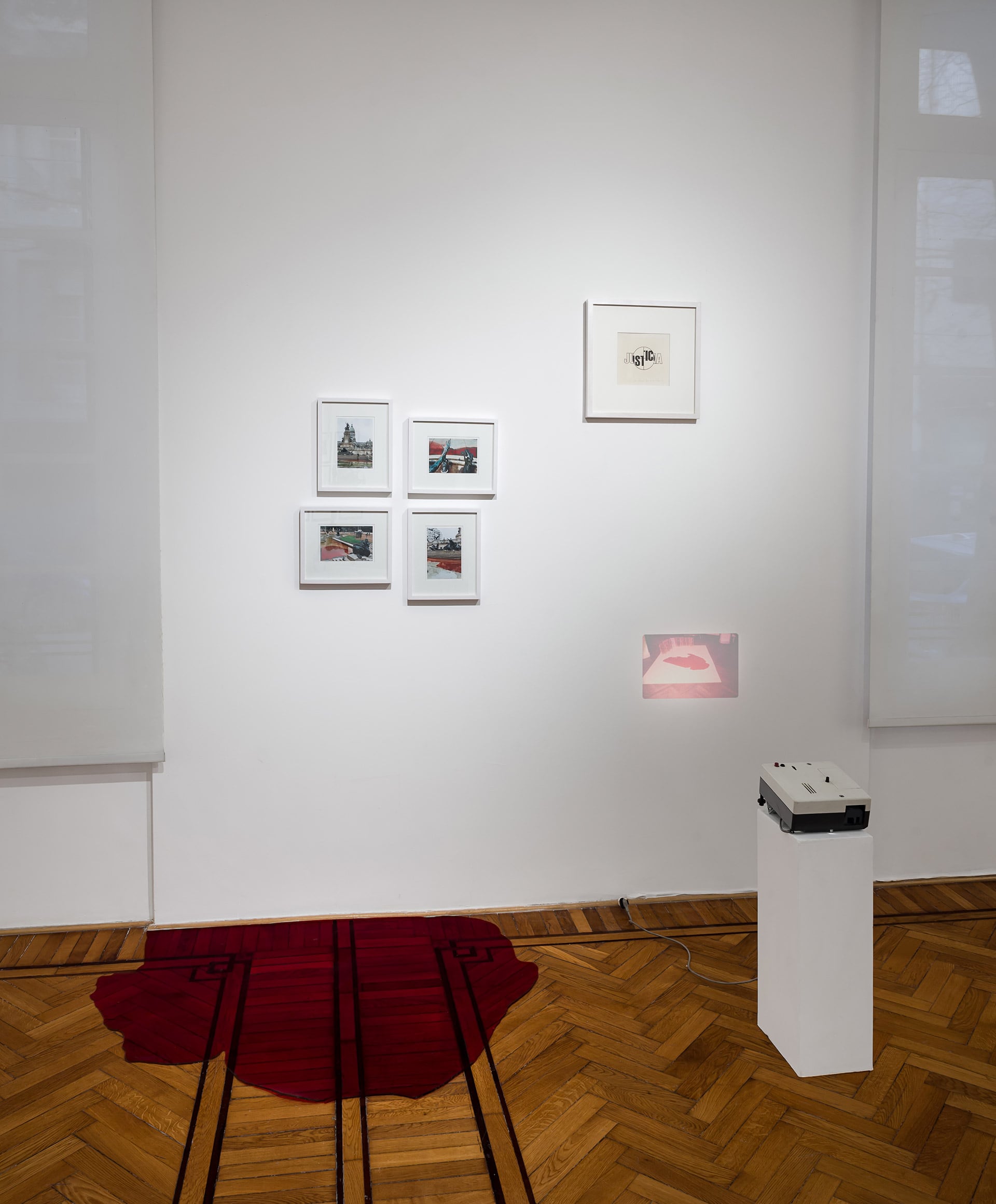
A continuación, aparece Mancha de sangre, de Ricardo Carreira, creada para el evento Homenaje al Viet-Nam del ‘66, en Galería Van Riel, en la que un charco de resina poliéster de color rojo colocado sobre el suelo, sin pedestal ni marco, resalta el acto destructivo pero en ausencia del objeto dañado, la víctima, como tampoco el después.
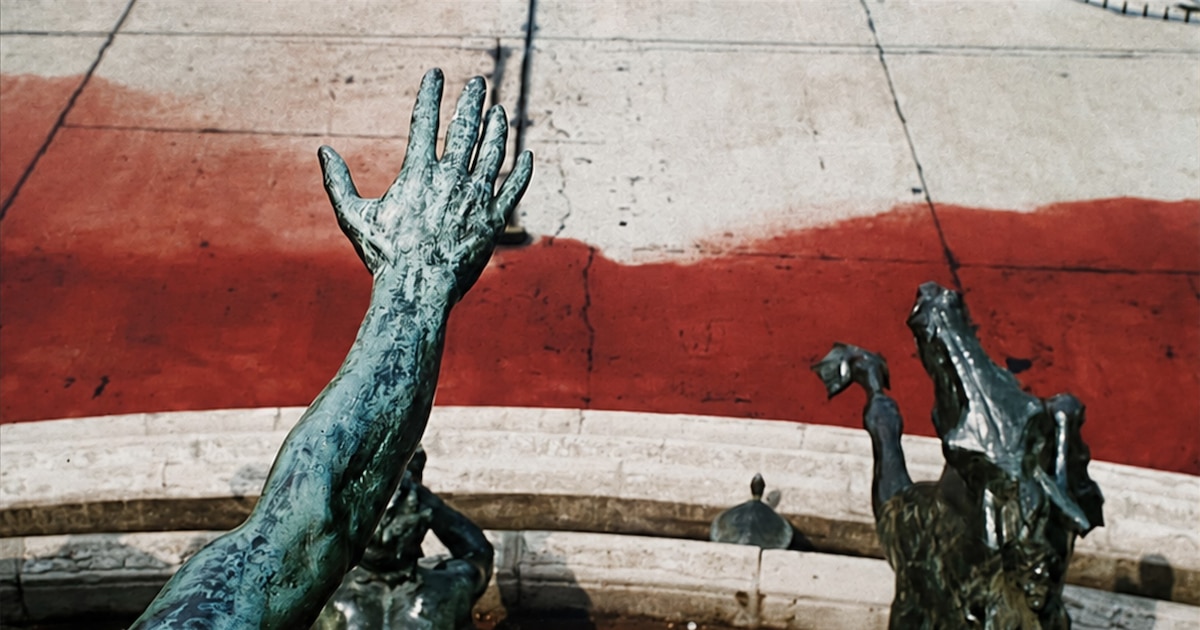
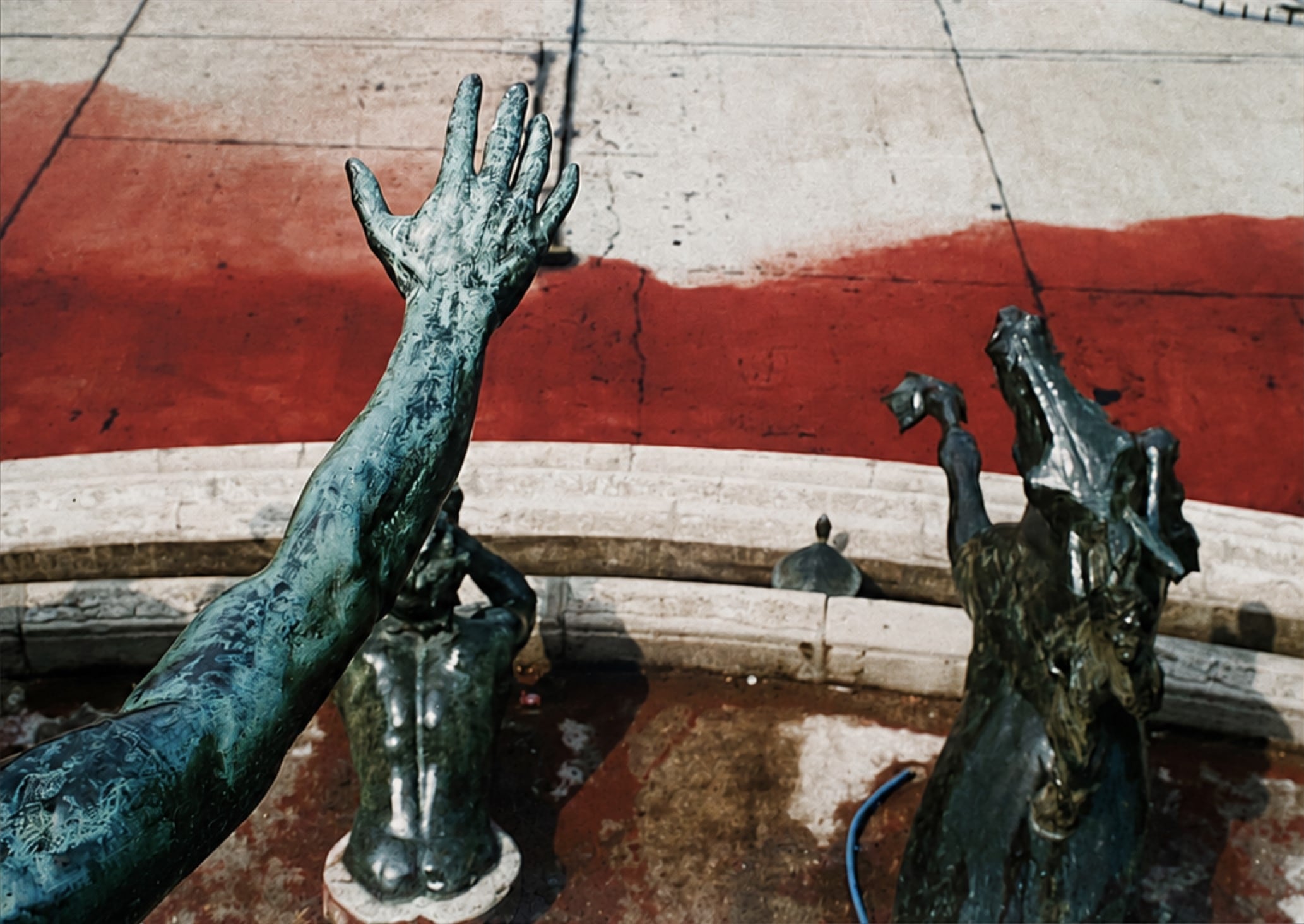
A su lado se presentan fotos de La acción de las fuentes rojas, intervención de Margarita Paksa, Roberto Jacoby, León Ferrari, Pablo Suárez, Beatriz Balvé y Juan Pablo Renzi, quienes de manera clandestina tiñeron de rojo el agua de fuentes públicas -Plaza de Mayo, Plaza Congreso y Plaza Lavalle- y convertirlas, al amanecer, en una imagen de sangre sobre espacios asociados con el poder político, la justicia y la vida pública, para recordar el primer aniversario de la muerte de Ernesto Che Guevara.
Realizada en 1968, mismo año que Tucumán Arde y en el que Nicolás García Uriburu tiñó de verde el Gran Canal en el marco de la Bienal de Venecia, la intromisión fue más bien efímera, ya que el agua no circulaba en un circuito cerrado y la anilina fue arrastrada con rapidez hacia los desagües. Queda, para la memoria, las fotos realizadas por Paksa.
En el centro de la sala se presenta el croquis y fotos, durante su construcción y ya edificado, del emblemático Obelisco acostado de Marta Minujín, quien, en 1978, reprodujo en madera y placas de aglomerado las dimensiones del monumento porteño y lo trasladó imaginariamente desde la Plaza de la República hasta el pabellón de la Bienal Latinoamericana de São Paulo.
Entonces, modificó la lógica vertical para colocar al símbolo fálico iconográfico de la ciudad en posición horizontal, “que podía ser recorrido por dentro y quedaba abierto a la participación del público”, pieza que forma parte de célebre serie La caída de los mitos.
De Minujín, en otra parte de la sale, también surgen algunos registros de La destrucción (1963), su primer happening, realizado en un terreno baldío de París, donde reunió a colegas para intervenir, hachar y quemar toda la obra, estructuras construidas con colchones usados, telas, cartones y restos recogidos de hospitales, que había producido hasta ese momento.
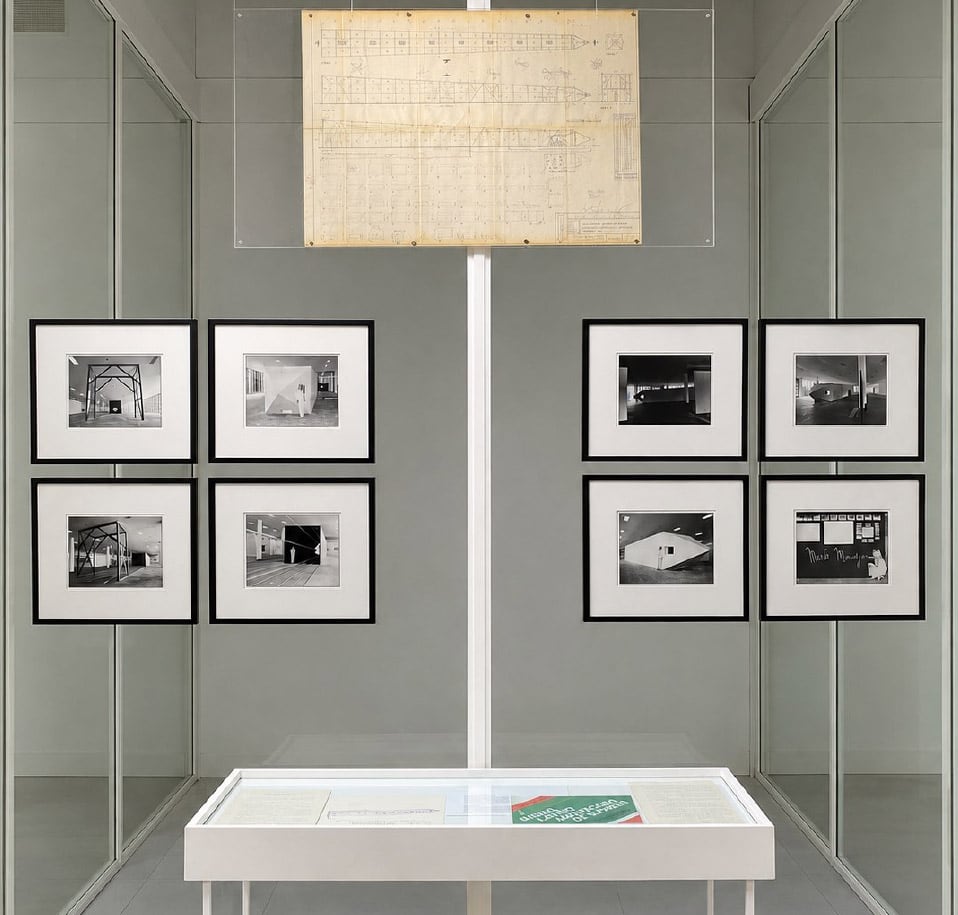
En el campo de los medios de comunicación y la cultura de masas, en 1966, Roberto Jacoby, Eduardo Costa y Raúl Escari crearon una fake-news que se replicó como noticial real: para el célebre Happening para un jabalí difunto, se crearon imágenes y testimonios ficticios que se dieron como reales.
Un evento que nunca sucedió, pero que a partir de su cobertura problematizaba sobre si lo real es lo que existe o si son los medios los que crean la veraz, lo que indagó en la “crisis de la autoridad documental de la fotografía y del periodismo” que tiene una enorme actualidad.
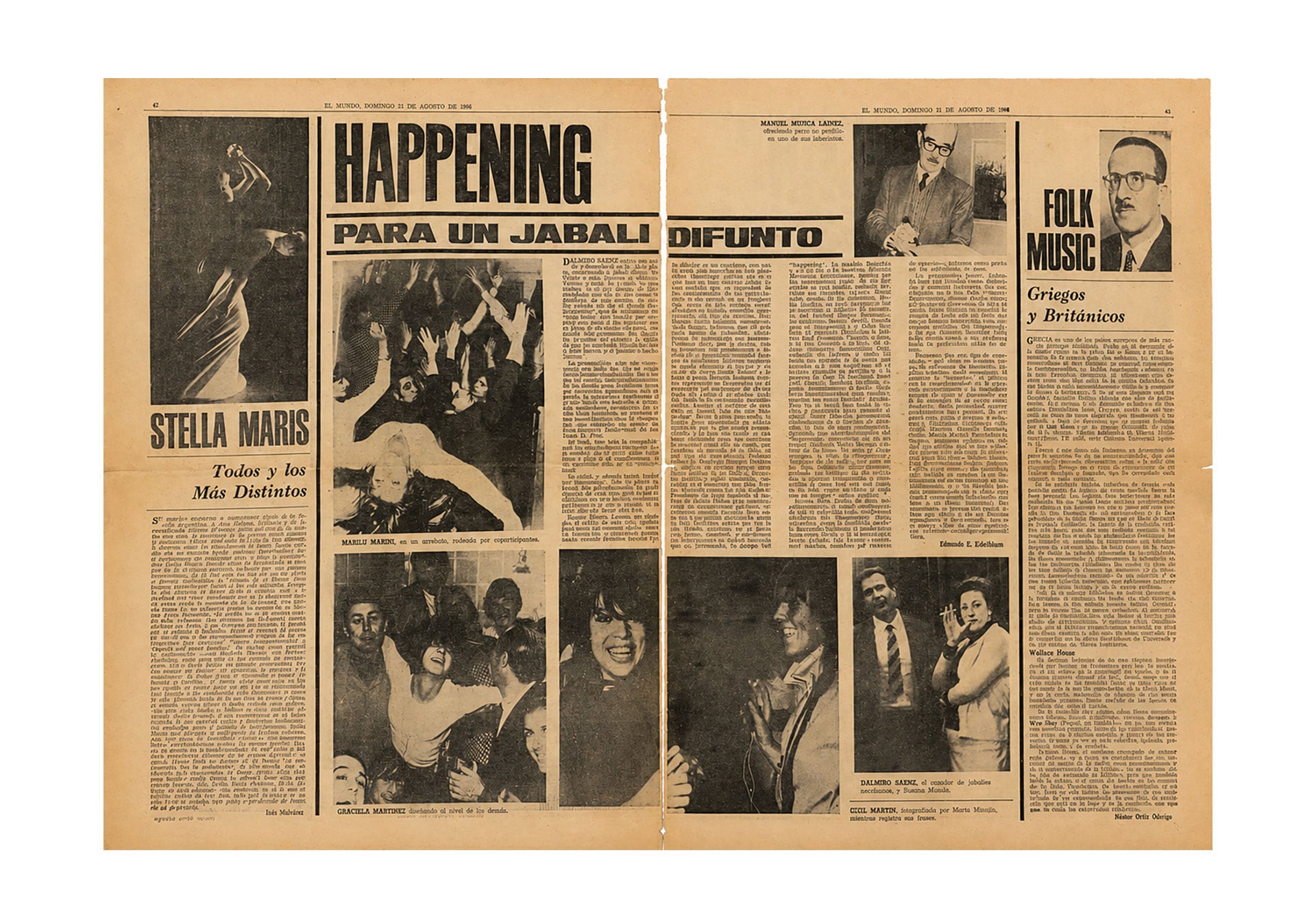
De Liliana Maresca se puede reveer el fotoperformance a doble página, al estilo aviso personal, con la frase: “Maresca se entrega. Todo destino” y un número telefónico real para que el público pudiera llamarla y contactarla, que salió en la revista El Libertino en 1993.
Con este acto, la artista extendía la performance por fuera de la sesión fotográfica y abría una situación imprevisible: el encuentro con el público que ya había establecido un año antes con Espacio disponible, donde había ofrecido un lugar “apto todo destino” con carteles y su teléfono. Dentro de esta muestra, la destrucción alcanza los límites entre intimidad y publicidad, sujeto y mercancía, artista y obra, explican en el texto.

Por otra parte, de Osvaldo Lamborghini se enseñan dibujos, collages y publicaciones de circulación popular intervenidas (en su mayoría pornográficas) -alteradas con pintura, escritura manuscrita, tachaduras, cortes y pegamentos- que produjo en sus últimos años en Barcelona a inicios de los ‘80.
En aquellos años, el escritor y poeta argentino, que dejó apenas tres novelas y otros tantos libros de poemas y cuentos, vivía sus últimos años en la ciudad condal, encerrado, mientras sobre una mesa intervenía las revistas que su pareja compraba, alterando el sentido original para construir, a partir de los restos de las imágenes, una tensión entre deseo, violencia, censura y exposición, algo que puede ser transferible a su obra literarira, donde son comunes las imágenes violentas como pornográficas y un sentido del humor algo lúgubre, a través de la parodia
Si bien Lamborghini ha tenido en los últimos años una reaparición de su “intromisión” en el sistema del arte, todavía falta una retrospectiva para conocer con mayor profundidad a esta figura “maldita”.
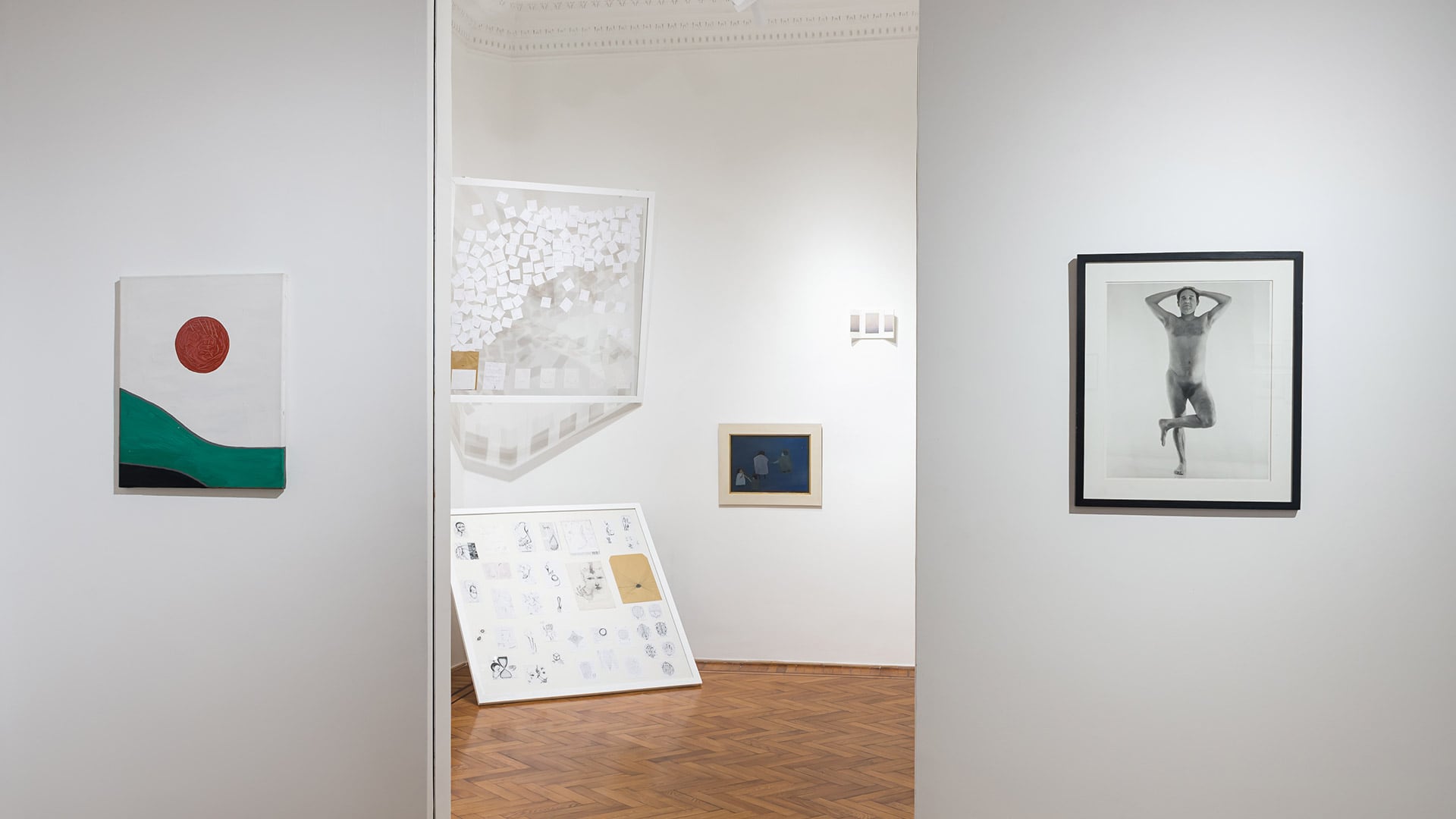
La figura de Federico Manuel Peralta Ramos da la bienvenida al último sector de la muestra: de un lado su pintura Paisaje metafísico de algo nuevo en la Argentina y, del otro, una fotografía de Silvio Fabrykant en la que aparece desnundo, ya que Federico le borroneó la zona genital porque “los ángeles no tienen sexo”
Hay algunas omisiones relacionadas al Di Tella, que podrían haber ingresado en este relato que se centra, en gran parte, a lo sucedido en los ‘60: la destrucción del famoso huevo gigante de Peralta Ramos a puro palazo (hoy, homenajeado frente a Plaza San Martín) y La barricada, en la que los artistas que formaron parte de Experiencias 68 destruyeron sus obras y las arrojaron a la calle Florida, en protesta por la censura a El baño de Roberto Plate y que significó el cierre definitivo del sector de artes visuales del mítico espacio.
Tras pasar el umbral se ingresa a la sala donde la expo visibiliza a figuras que la tradición dejó en los márgenes, como Leonor Vassena, Jacobo Fijman y Renée Cuellar, con una selección del Instituto Argentino de Artistas Rotos y Periferias Estéticas (IAARPE).
En el caso de Cuellar, artista que inspiró a la excelsa copista, conocida como La Negra, en la novela La luz negra de María Gainza, aparecen dibujos, sobres, cartas, manuscritos, libros intervenidos y pequeños objetos pasaron de mano en mano mediante regalos, trueques e intercambios personales. Muchas piezas quedaron atadas a una anécdota, una conversación o un vínculo concreto, con escritura e imagen funcionando como un solo campo de trabajo.
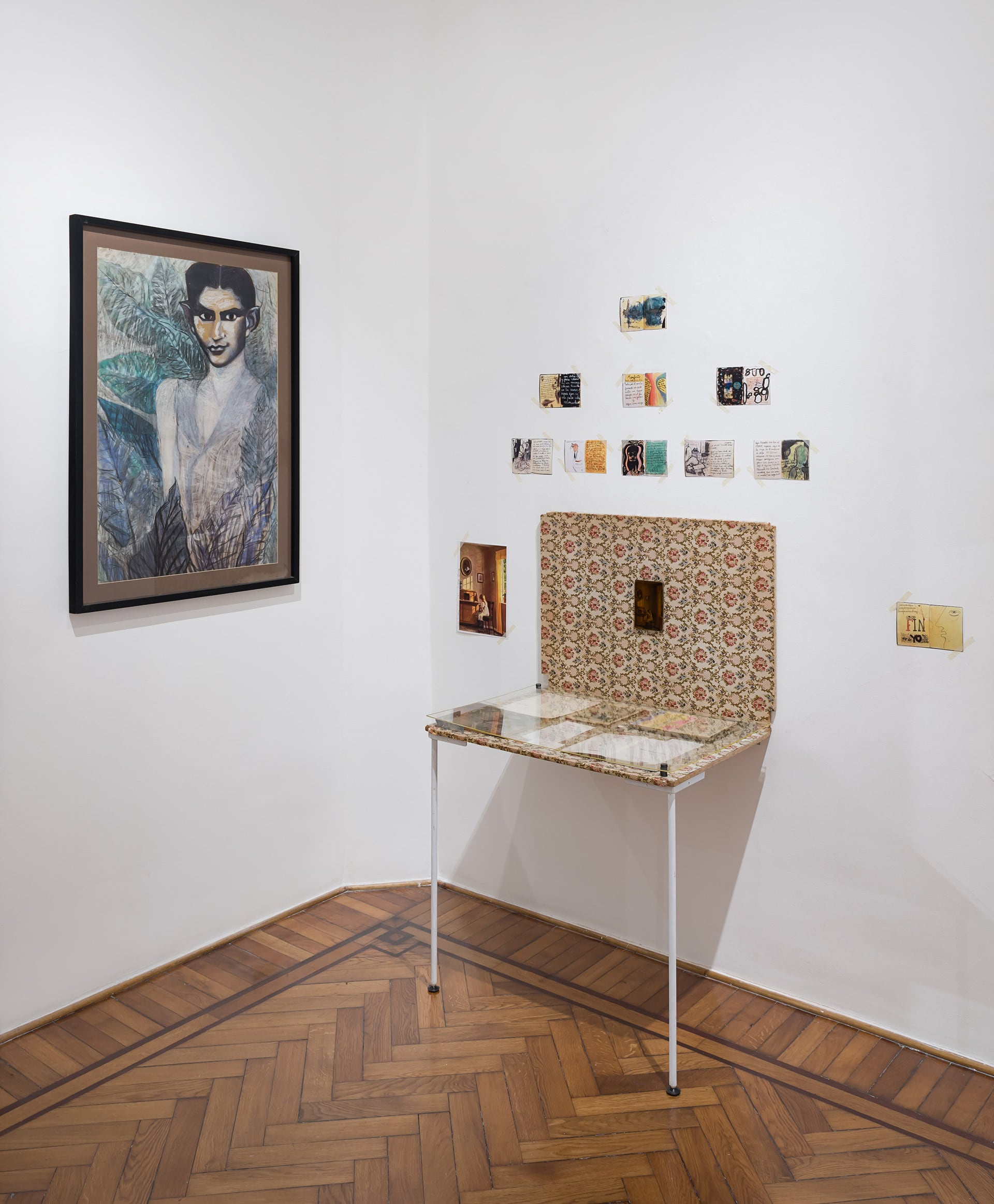
Leonor Vassena desarrolló una pintura concentrada en la figura humana, el paisaje y una búsqueda cada vez más austera de la forma. Se formó con Lino Enea Spilimbergo y más tarde se vinculó al ambiente artístico europeo, y construyó un lenguaje de fuerte intensidad interior, alejado del virtuosismo decorativo y de los efectos de color. Allí, se presentan dos pinturas de la década del ‘50 Cabeza abajo y Sin título, en la que sus figuras surgen ingrávidas, aisladas, encerradas en un mundo aislado, que se leen como una representación hacia una zona más psicológica y simbólica.
Finalmente, desde 1942 y hasta su muerte en 1970 Jacobo Fijman permaneció internado en instituciones neuropsiquiátricas. Allí siguió escribiendo y dibujando sobre pequeños papeles y cartones que muchas veces entregó a amigos, visitantes y trabajadores del hospital, y esa circulación fragmentaria dispersó buena parte de su trabajo.
Dentro de la exposición, la figura de de Fijman -retratado por Antonio Berni– invita a pensar la destrucción como la interrupción de la continuidad social del artista: su circulación pública se interrumpió, su producción se dispersó y su identidad quedó sometida durante décadas a la categoría de paciente, a partir de dibujos y poemas de esos años.
Profetas de la descomposición propone ver el gesto destructivo de los artistas no como un final, sino como comienzo y búsqueda. En esa crisis, en el marco de un mundo que se encontraba en conflicto tras la caída del Estado de Bienestar y la expansión del capitalismo militarista, y en la que el happening era la vanguardia, lo físico, lo material, se volvió efímero como crítica a un sistema, a la mercancía, y propuso lo ritual como obra de arte en sí. Había que romper todo. Como siguió la historia, ya todos lo saben.
*Profetas de la descomposición, en Galería Del Infinito, Av. Presidente Manuel Quintana 325, PB, en el barrio de Recoleta, CABA. Hasta el 30 de septiembre, de lunes a viernes, de 11:00 a 17:00 hs. Entrada gratuita.

“Cuando cambió la defensa, la situación de Álvarez pareció agravarse”: el punto de quiebre que hizo tambalear el juicio a “Pity”

Diputados panameños acusan al régimen chino de interferir en decisiones de la Asamblea

Thiago Tirante: su primera vez como local en Copa Davis y el balance de la gira sobre cemento

La intendenta K de José C. Paz criticó a Axel Kicillof por el asesinato del joven de 23 años

Javier Milei y sus medidas, en vivo: “Fenómeno barrial” y “extraordinario”, la reacción del Presidente ante mensajes de dos funcionarios de Trump

La Argentina se mantiene al margen de un nerviosismo mundial que va en ascenso

1000 días de Milei: los logros, las crisis que lo marcaron y los déficits de su gestión

Martín Menem dijo que Milei será el primer no peronista en ser reelecto y llamó a invertir más

Franco Colapinto largará en el puesto 7 con su Alpine el Gran Premio de Italia de la Fórmula 1: hora, TV y todo lo que hay que saber

Multas millonarias, arrestos y trabajo comunitario: cómo se prepara una provincia para enfrentar el Súper Niño

 SOCIEDAD3 días ago
Femicidio brutal en Merlo: un jubilado de 64 discutió con su esposa y la asesinó a puñaladas
- POLITICA3 días ago
El gobierno de Kicillof retendrá un 2% en los premios de las apuestas online
- DEPORTE3 días ago
El rotundo cambio de Julián Álvarez en una foto presentación del Atlético de Madrid tras quedarse en el club