
INTERNACIONAL
Netanyahu advirtió que la guerra con Irán aún no terminó: “Todavía hay material nuclear que debe ser retirado”

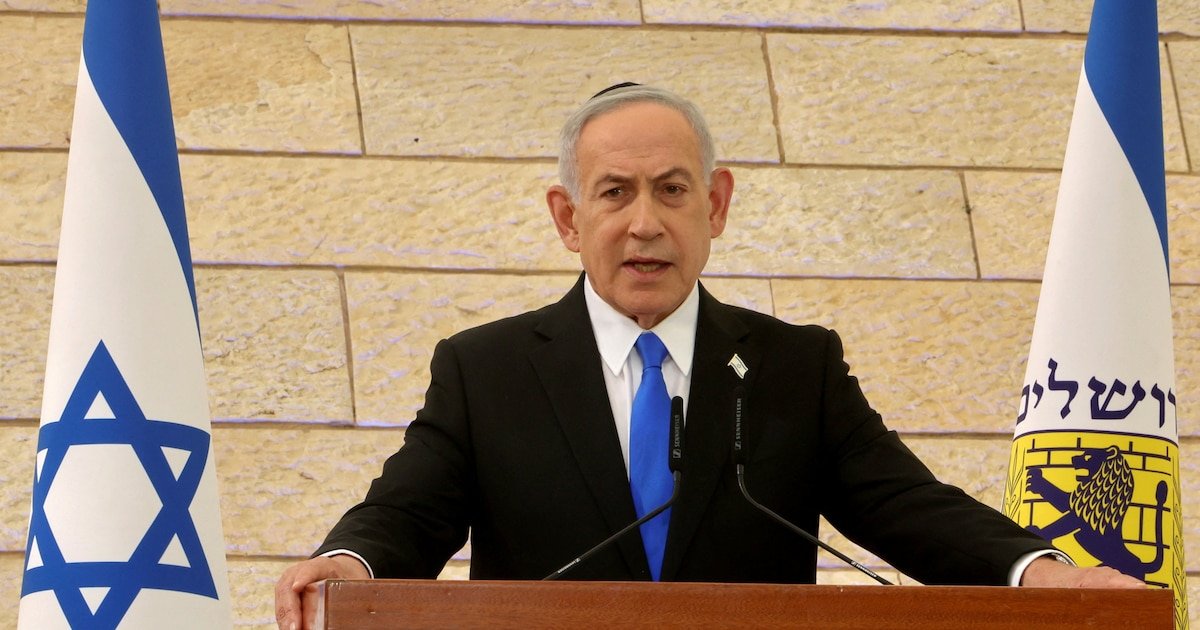
El primer ministro de Israel, Benjamin Netanyahu, aseguró este domingo que la guerra contra Irán todavía no puede considerarse terminada porque el régimen de Teherán mantiene reservas de uranio enriquecido y capacidad para continuar desarrollando infraestructura nuclear y armamento estratégico.
En declaraciones a CBS News, el líder israelí sostuvo que ese material “tiene que ser retirado” del territorio iraní y advirtió que aún quedan “muchas tareas pendientes” para neutralizar las capacidades militares de Teherán.
Durante una entrevista para el programa “60 Minutes”, Netanyahu afirmó que los recientes ataques estadounidenses e israelíes golpearon con fuerza el programa nuclear iraní, pero aclaró que los objetivos estratégicos aún no fueron completados.
“No terminó, porque todavía hay material nuclear, uranio enriquecido, que debe ser sacado de Irán”, declaró el líder israelí. También señaló que permanecen operativas instalaciones vinculadas al enriquecimiento de uranio y que esas estructuras “deben ser desmanteladas”.
Consultado sobre cómo podría concretarse la retirada del material nuclear, Netanyahu respondió: “Uno entra y lo saca”.

Aunque evitó brindar detalles operativos, dejó abierta la posibilidad de una acción directa para asegurar el control del uranio almacenado por el régimen iraní.
El primer ministro indicó además que el presidente de Estados Unidos, Donald Trump, mantiene una visión similar sobre el futuro del programa nuclear de los ayatollahs.
“Lo que el presidente Trump me dijo es: ‘Quiero entrar ahí’”, afirmó Netanyahu durante la entrevista.
El presidente de Estados Unidos, Donald Trump, insistió en que Irán sufrió una derrota militar y sostuvo que el programa nuclear quedó bajo control tras las operaciones desarrolladas en las últimas semanas.
En otra entrevista televisiva difundida este domingo, Trump aseguró que Estados Unidos puede acceder al uranio iraní “cuando quiera”.
“Lo tendremos vigilado”, afirmó. “Si alguien se acerca al lugar, lo sabremos y los haremos volar”.
Netanyahu, por su parte, insistió en que un eventual acuerdo diplomático sería el escenario más conveniente para retirar el material nuclear iraní.

“Creo que puede hacerse físicamente. Ese no es el problema”, explicó. “Si existe un acuerdo y uno entra para sacarlo, ¿por qué no? Esa es la mejor manera”.
Aun así, evitó responder si Israel contempla operaciones militares para tomar el control del uranio en caso de que fracasen las negociaciones con Teherán.
“No voy a hablar sobre nuestras posibilidades militares, planes ni nada de ese tipo”, sostuvo. “No voy a dar un calendario, pero sí voy a decir que es una misión tremendamente importante”.
Además del programa nuclear, Netanyahu mencionó otros objetivos estratégicos que Israel considera pendientes dentro del conflicto con Irán. Según explicó, Teherán todavía conserva capacidad para sostener y financiar organizaciones armadas aliadas en Medio Oriente, además de continuar produciendo misiles balísticos.
“Aún existen grupos respaldados por Irán y todavía quieren producir misiles balísticos”, afirmó. “Hemos degradado gran parte de esa capacidad, pero todo eso sigue allí y todavía queda trabajo por hacer”.
Netanyahu señaló que la vigilancia internacional sobre los sitios nucleares de Irán no reemplaza la necesidad de eliminar físicamente el material.

“Podemos tenerlo monitoreado, pero lo fundamental es sacarlo de allí”, insistió.
Las declaraciones se producen en medio de una tregua extremadamente frágil entre Irán y Estados Unidos, luego de semanas de ataques cruzados que incluyeron bombardeos contra instalaciones militares iraníes, ofensivas con drones y misiles en el Golfo Pérsico y enfrentamientos indirectos a través de grupos aliados de Teherán en distintos países de la región.
El gobierno israelí considera que el enriquecimiento de uranio sigue siendo el principal punto crítico del conflicto y sostiene que cualquier acuerdo futuro debe garantizar la eliminación efectiva de las reservas iraníes cercanas al nivel necesario para desarrollar armamento nuclear.
(Con información de AFP y EFE)
Anniversaries,Horizontal,Anniversaries,Middle East









INTERNACIONAL
El Partido de Concertación Nacional desmiente fórmula presidencial para las elecciones de 2027 en El Salvador
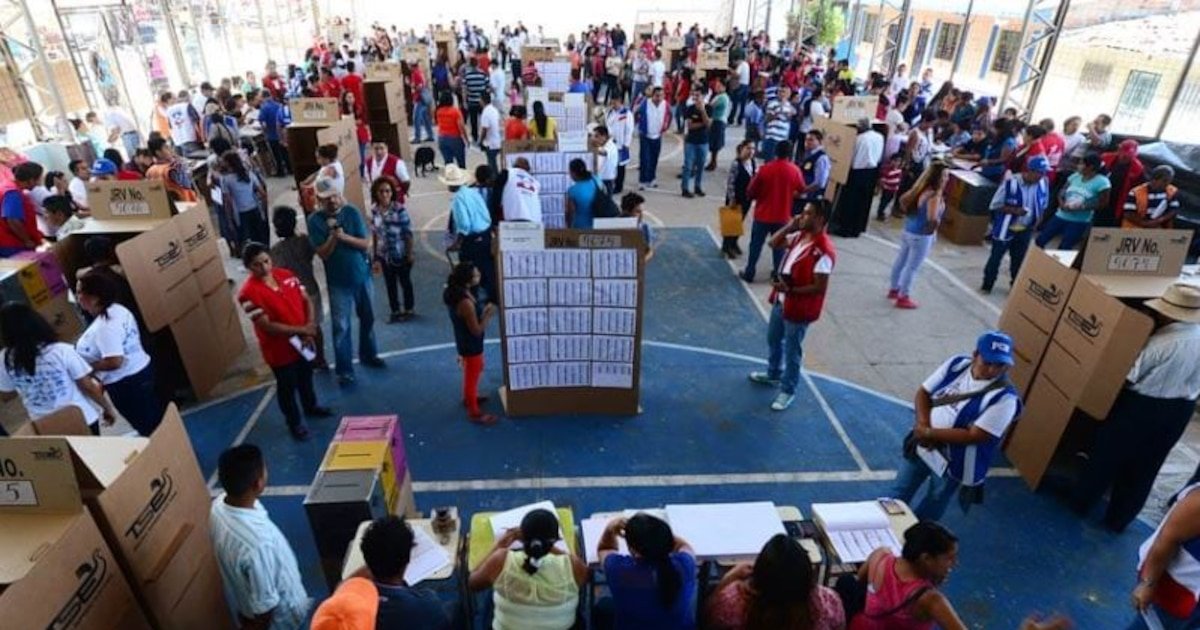
El Partido de Concertación Nacional (PCN) de El Salvador emitió un comunicado oficial para desmentir las versiones que han circulado en redes sociales y diversos medios sobre la supuesta definición de su fórmula presidencial para las elecciones de 2027.
El documento, divulgado el pasado 31 de julio, aclara que el partido aún no ha elegido oficialmente a sus candidatos a presidente y vicepresidente de la República. En la publicación, el PCN explica que el 24 de julio de 2026 solicitó al Tribunal Supremo Electoral (TSE) una prórroga del plazo para la realización de la elección interna de candidaturas presidenciales. En ese sentido, el organismo electoral resolvió concediendo una extensión de ocho días, iniciando el 29 de julio y finalizando el 5 de agosto de 2026.
La dirección del partido señala que el proceso interno sigue en marcha y, por respeto a sus estructuras partidarias, no existe hasta la fecha una fórmula presidencial electa.
El mensaje del Consejo Ejecutivo Nacional del PCN enfatiza que cualquier “publicación, imagen, anuncio o comentario que circule en redes sociales, medios de comunicación o plataforma digital o impresa” sobre la supuesta designación de candidatos presidenciales no representa “la posición oficial del partido”.

“El Partido de Concertación Nacional se compromete que vencido el plazo otorgado por el Tribunal Supremo Electoral informará a través de la Comisión Electoral Nacional los resultados oficiales”.
El comunicado fue publicado luego que, en los últimos días, circulara información que atribuía al PCN una fórmula encabezada por el general Alirio García Flamenco como candidato presidencial, y Mauricio Vilanova, exalcalde de San José Guayabal, en Cuscatlán Norte, como candidato a la vicepresidencia.
García Flamenco es un militar con extensa trayectoria en la Fuerza Armada, quien ha sido reconocido por liderar misiones en Irak y Afganistán. Su perfil ha sido percibido como el de una figura de peso en el ámbito militar y de seguridad nacional.
Mientras que Vilanova alcanzó popularidad durante su gestión municipal por mantener una postura de combate a las pandillas. Estas características han hecho que ambos nombres se posicionen en discusiones y rumores en torno a la estrategia electoral del PCN, aunque el partido insiste en que aún no existe decisión oficial.
Elecciones presidenciales 2027: proceso y candidatos confirmados

El proceso electoral en El Salvador para 2027 avanza bajo la supervisión del Tribunal Supremo Electoral. Para estas elecciones, el TSE ha abierto plazas temporales para personal de apoyo y ha instado a los salvadoreños en el exterior a actualizar su residencia para poder ejercer el sufragio. La Asamblea Legislativa aprobó un presupuesto de 172.1 millones de dólares para la organización de los comicios.
Hasta el momento, algunas fórmulas presidenciales han sido confirmadas por otros partidos, aunque la competencia oficial aún no está completamente definida. Medios nacionales indican que, al cierre de julio de 2026, las principales agrupaciones políticas continúan con sus procesos internos y definiciones de candidatos, y que figuras como Manuel Flores han desmentido anuncios prematuros sobre postulaciones para 2027. El debate sobre la participación de ARENA y FMLN también se mantiene vigente, mientras que la reelección indefinida ha sido tema de discusión en el contexto de reformas constitucionales recientes.
El PCN reitera en su comunicado el compromiso con la transparencia, la legalidad y el respeto a las normas democráticas en la elección de sus candidatos, asegurando que cualquier decisión se tomará conforme a la Constitución y la legislación electoral.
corresponsal:Desde San Salvador, El Salvador
INTERNACIONAL
Sen Bernie Moreno calls for ex-son-in-law to resign from House, get ‘serious psychological help’
NEWYou can now listen to Fox News articles!
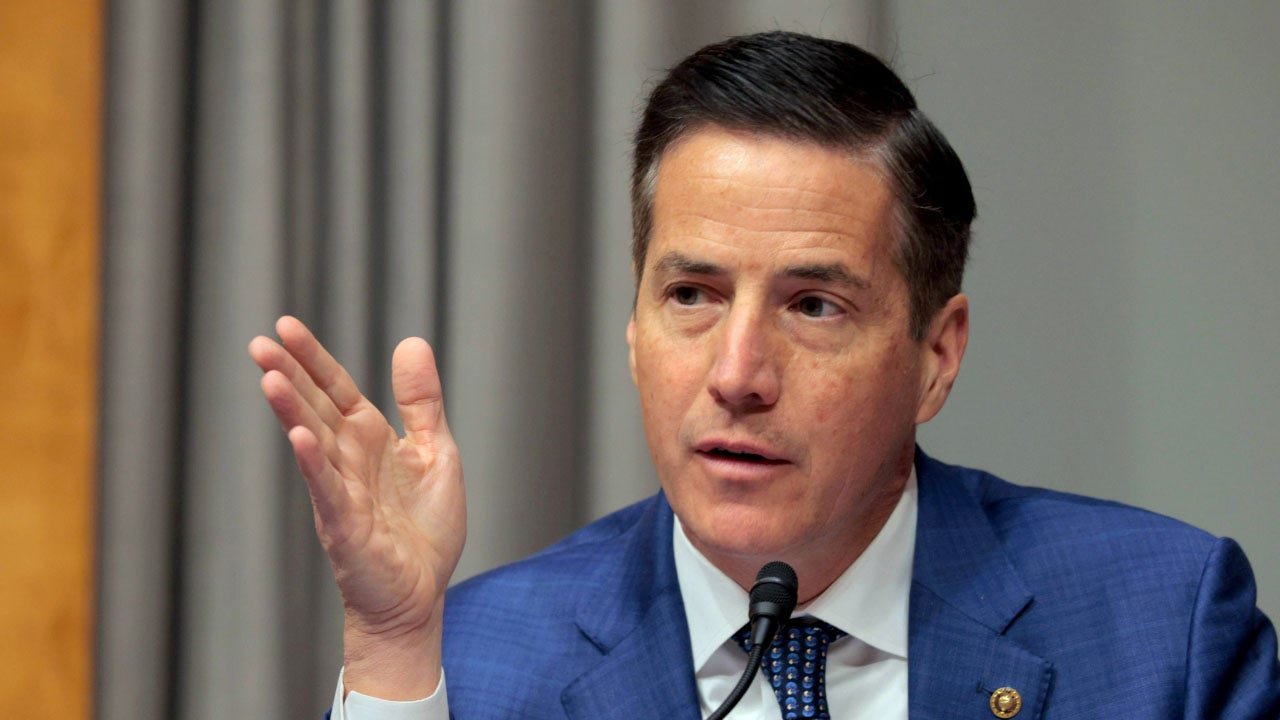
Unmoved by his former son-in-law’s X livestream denials Sunday, Sen. Bernie Moreno, R-Ohio, called on Rep. Max Miller, R-Ohio, to resign from Congress and seek «serious psychological help.»
«If there are any basic standards of character required to hold elected office, Max Miller fails them,» Moreno wrote in a lengthy statement on X. «He should not serve in the House of Representatives.»
It was a call repeated by Miller’s Democratic challenger in Ohio’s 7th Congressional District.
«No one credibly accused of holding a gun to his wife’s head and breaking their 2-year-old daughter’s collarbone belongs in the halls of power,» Brian Poindexter, the union ironworker and Brook Park city councilman, wrote in a statement Sunday.
GOP REP MAX MILLER PUSHES BACK AGAINST ABUSE ALLEGATIONS: ‘I HAVE NOTHING TO HIDE’
Sen. Bernie Moreno, R-Ohio, rejected Rep. Max Miller, R-Ohio, on his denials of daughter Emily Moreno’s allegations against his former son-in-law and called for him to resign from the House and seek ‘serious psychological help.’ (Chip Somodevilla/Getty Images)
Moreno delivered an even more blistering public rebuke an hour after Miller livestreamed a sweeping denial of domestic abuse allegations made by ex-wife Emily Moreno, the daughter of the senator.
«As he has admitted privately, Max Miller needs serious psychological help,» Moreno wrote. «He is a danger to my daughter, and I hold my breath every minute he has custody of my granddaughter.»
The aftermath of the couple’s divorce had been «pure hell» for his family, Moreno began.
«As a father and husband, I can tell you the last two years have been pure hell for my wife Bridget, our daughter Emily, me, and our entire family in the aftermath of Emily’s divorce,» Moreno wrote.
5TH ACCUSER COMES FORWARD AGAINST REP ERIC SWALWELL AHEAD OF EXPECTED RESIGNATION
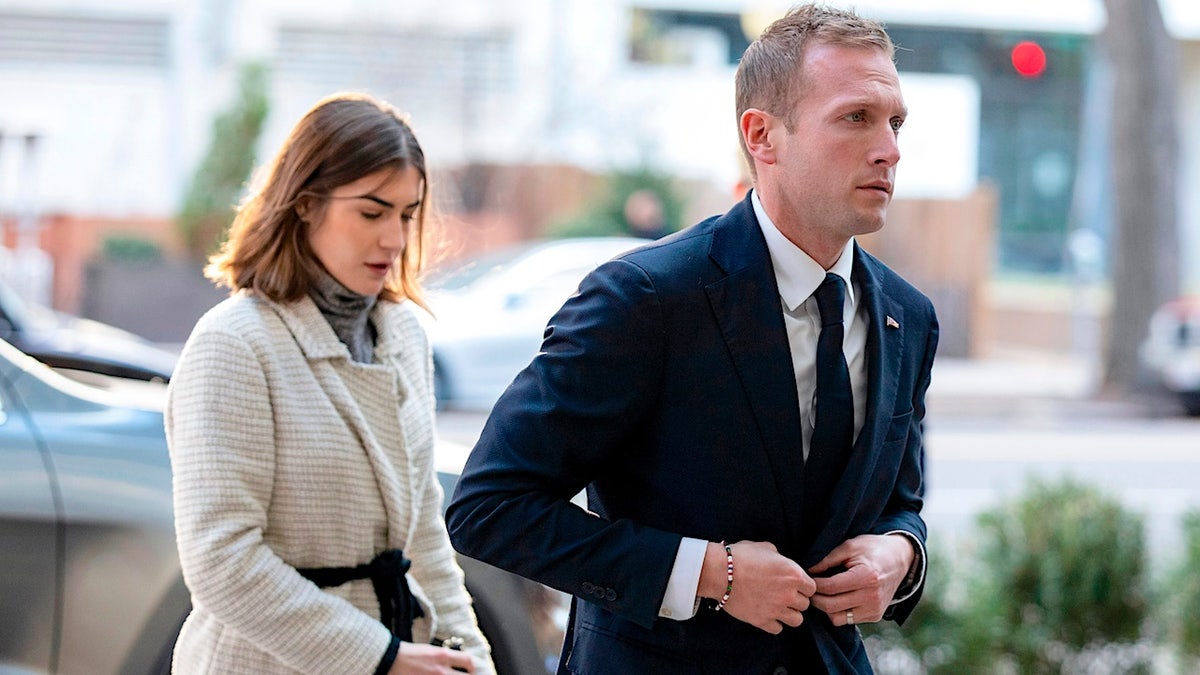
Emily Moreno and Rep. Max Miller, R-Ohio, have gone through a difficult divorce that continues to rock their family, the 2026 midterm elections and divide the Republican Party. (Amanda Andrade-Rhoades/AP)
«It has been horrific to watch this play out in full public view, all while knowing an innocent two-year-old girl is caught in the middle. Our priority has always been protecting our daughter and our granddaughter.
«Out of concern for the safety of my family, I hoped to keep this matter private but Max Miller’s increasingly erratic and dangerous behavior has made that impossible.»
Miller has categorically denied abusing Emily Moreno or their daughter. In the livestream, he said no court or government agency had substantiated an allegation of abuse against him and that he had never faced a criminal charge related to the claims.
The congressman said child welfare investigations involving his daughter had been closed without findings against him. He also argued that the allegations emerged as the former couple’s custody battle intensified and accused his former wife of using them as leverage.
DEMOCRATS TARGET MORE GOP HOUSE SEATS AFTER SOCIALIST VICTORIES ROCK LEFT-WING PRIMARIES
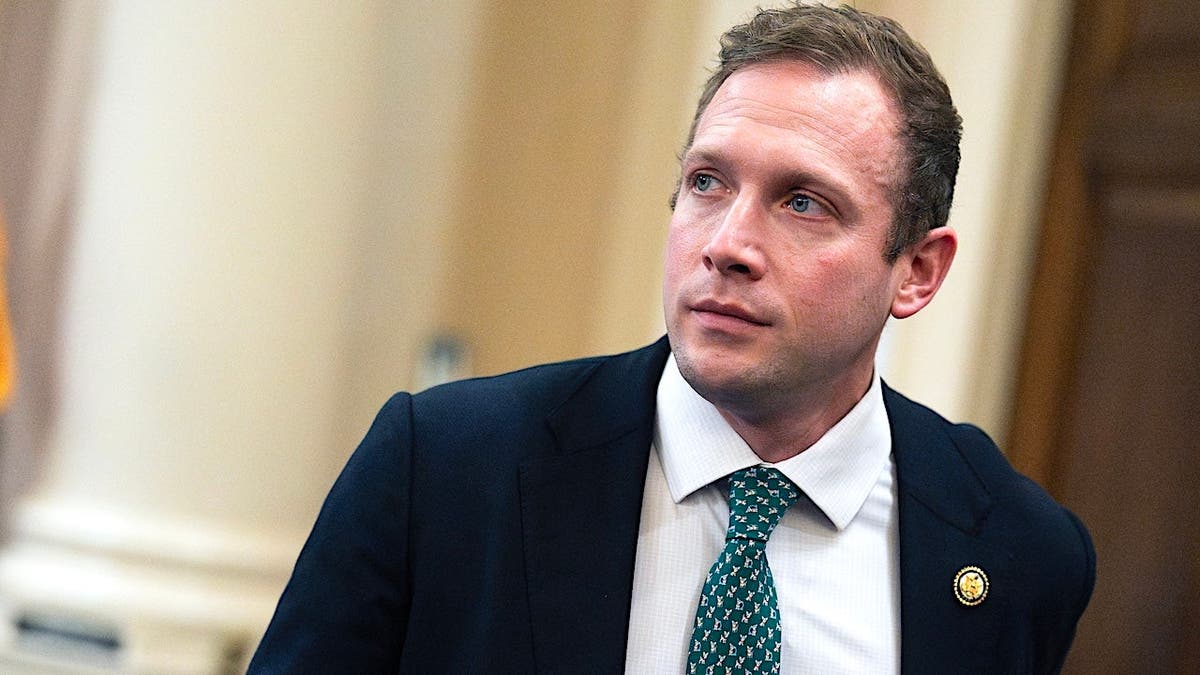
Rep. Max Miller, R-Ohio, vowed to stay in the race Sunday, but the Republican Party might still pressure him to resign before Wednesday’s deadline so they can replace him before the November general election ballot deadline. (CQ-Roll Call, Inc via Getty Images)
Emily Moreno has accused Miller of physically assaulting and threatening her during their marriage, including allegedly holding a gun to her head. Questions have also been raised about how the couple’s daughter suffered a broken collarbone. Miller denies causing the injury and said his daughter was no longer in his care when it was discovered.
Miller also denied an allegation that he threw boiling water on his former wife, saying he sprayed her with water from a kitchen sink during what he described as horseplay.
«It is shameful that Max Miller decided to go on a bizarre and lie-filled rant about his ex-wife to desperately try to save his political career,» Emily Moreno spokesman Stefan Mychajliw wrote in a statement Sunday.
«There is a documented trove of evidence that Miller has a history of violent and dangerous behavior and no amount of victim shaming will change that.
«It is despicable and abhorrent that Miller lied on an unhinged and humiliating video for their daughter to watch one day.
«No loving parent would have ever used their daughter as a PR pawn to save their own political career. Miller can lie and spin on X, but he cannot do so under oath in a court of law. We are confident that justice will prevail in court.»
The extraordinary intervention from a sitting Republican senator adds pressure on Miller as a Wednesday deadline approaches for the party to replace him on the November ballot. Democrats have increasingly viewed the northeast Ohio district as a possible pickup opportunity amid the controversy.
Miller, a former advisor in President Donald Trump’s first administration who had Trump’s endorsement, insisted Sunday that he would remain the Republican nominee.
«I’m not dropping out of this race,» Miller said. «And I’ll win in November.»
politics, house of representatives politics, senate, republicans, mental health
INTERNACIONAL
Mayor calls upscale restaurant bombing a ‘brutal terrorist act’ after 3 killed, 21 injured
NEWYou can now listen to Fox News articles!
A bombing at an upscale restaurant in Moscow that killed three people and wounded at least 21 others on Saturday was a «brutal terrorist act,» according to the city’s mayor, who vowed to hunt down those responsible for the attack.
Moscow Mayor Sergei Sobyanin made the declaration Sunday, a day after the explosion tore through the Balzi Rossi Italian restaurant in the Russian capital.
«Yesterday, a brutal terrorist act was committed in Moscow that claimed human lives. The victims are currently in the city’s hospitals, where they are receiving all necessary care,» Sobyanin wrote on social media Sunday.
EXPLOSION AT RESTAURANT IN CENTRAL MOSCOW LEAVES THREE DEAD, MORE THAN A DOZEN INJURED
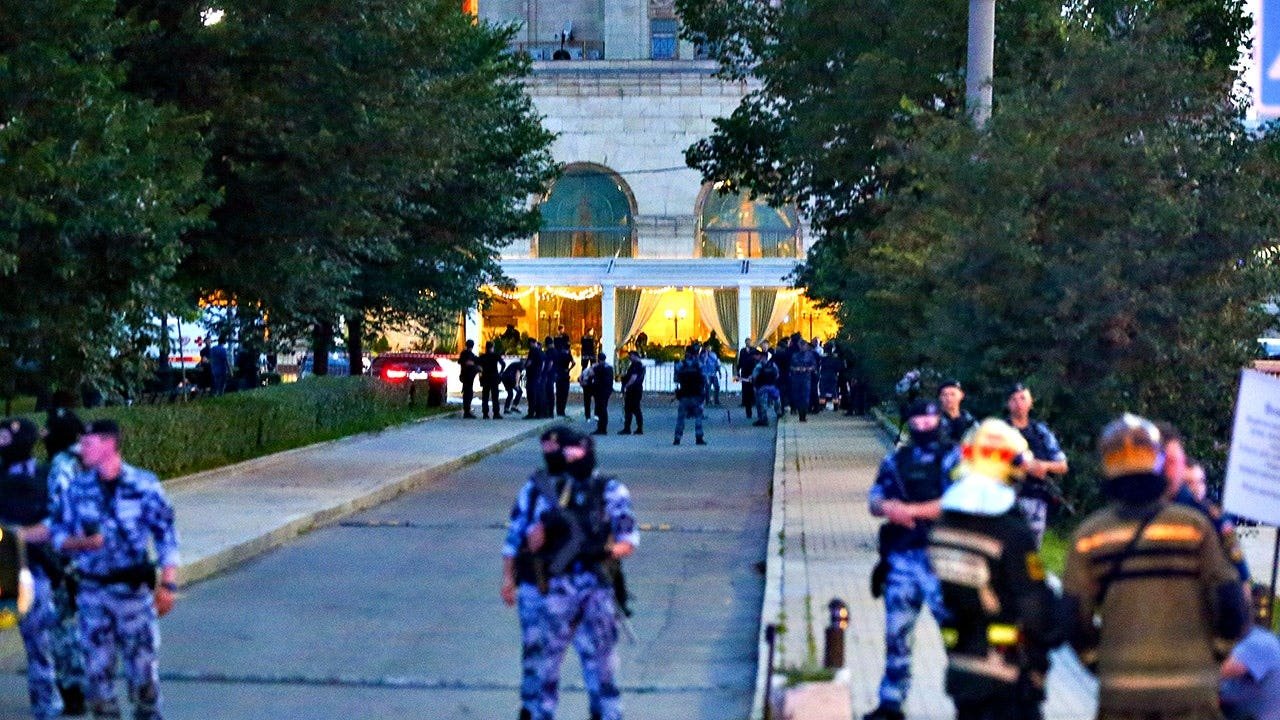
Police block an area near a deadly explosion at a restaurant in Moscow, Saturday, Aug. 1, 2026. (Sergei Vedyashkin/Moscow News Agency via AP)
He added investigators are working to identify those behind the attack and vowed they «will certainly be found and will face the punishment they deserve.»
Russian authorities have not identified any suspects, and no group had claimed responsibility as of Sunday.

Emergency vehicles are parked in an area near a deadly explosion at a restaurant in Moscow, Saturday, Aug. 1, 2026. (Sergei Vedyashkin/Moscow News Agency via AP)
Russia’s National Anti-Terrorism Committee said the blast was caused by a homemade explosive device. Russian state news agency RIA Novosti, citing local officials, reported that a woman carrying the bomb tried to enter the restaurant but was stopped by a security guard before it exploded.
The blast killed the woman, the security guard and a restaurant patron, RIA Novosti reported. At least 21 other people were injured in the explosion, which happened around 8 p.m. local time at the restaurant on Kudrinskaya Square.
UKRAINE UNLEASHES MORE THAN 400 DRONES NEAR MOSCOW IN ONE OF WAR’S BIGGEST ATTACKS
The restaurant was closed to the public Saturday night for a private event, according to its website and Russian state media.
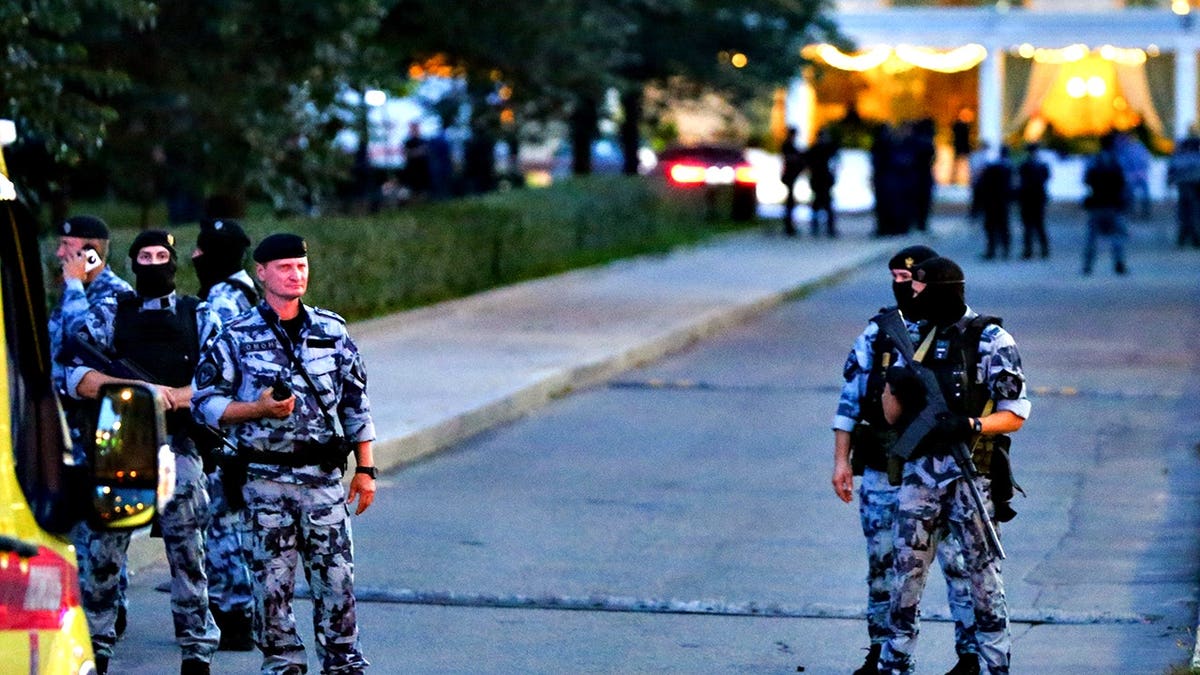
Police block an area near a deadly explosion at a restaurant in Moscow, Saturday, Aug. 1, 2026. (Sergei Vedyashkin/Moscow News Agency via AP)
Video released by Russian state media showed heavily armed police officers, ambulances and other emergency vehicles outside the damaged restaurant as investigators examined the scene.
Earlier this year, Russia’s Federal Security Service, or FSB, said it would tighten security for senior military and government officials following a series of assassination attempts in Russian cities since the Kremlin launched its full-scale invasion of Ukraine in February 2022.
Russian authorities have not linked the restaurant bombing to those earlier attacks or to the war in Ukraine.
Fox News Digital’s Brie Stimson and The Associated Press contributed to this report.
russia, terrorism, bombings, crime world, world

Milei dice que ya definió a su compañero de fórmula pero se guarda el nombre “por el momento”

Golpe bajo: Mauro Icardi provocó a Wanda Nara mostrando su familia ensamblada con la China Suárez

¿Conviene ahora viajar para comprar celulares y electrónica en países vecinos?: precios y todo lo que hay que saber

El impactante aumento de sueldo que habría recibido Gianni Infantino si se aprobaba el proyecto fallido de la FIFA

El Partido de Concertación Nacional desmiente fórmula presidencial para las elecciones de 2027 en El Salvador

Sen Bernie Moreno calls for ex-son-in-law to resign from House, get ‘serious psychological help’

Trump admin invokes 30-year dormant terror court as it seeks to deport Afghan woman tied to Election Day plot

“Casta”, “parásito” y “sea democrático”: fuerte respuesta de Victoria Villarruel a Diego Santilli

“Vamos a acelerar con todo”: el objetivo del Gobierno por las reformas y la agenda electoral de cara al 2027

Dem senator swipes credit for bill he opposed amid heated reelection bid: ‘Disturbing pattern’
-
 POLITICA2 días ago
“Casta”, “parásito” y “sea democrático”: fuerte respuesta de Victoria Villarruel a Diego Santilli
-
 POLITICA7 horas ago
“Vamos a acelerar con todo”: el objetivo del Gobierno por las reformas y la agenda electoral de cara al 2027
-
 INTERNACIONAL3 días ago
Dem senator swipes credit for bill he opposed amid heated reelection bid: ‘Disturbing pattern’