
INTERNACIONAL
Biden seeks to block DOJ release of 2017 audio, court filing says

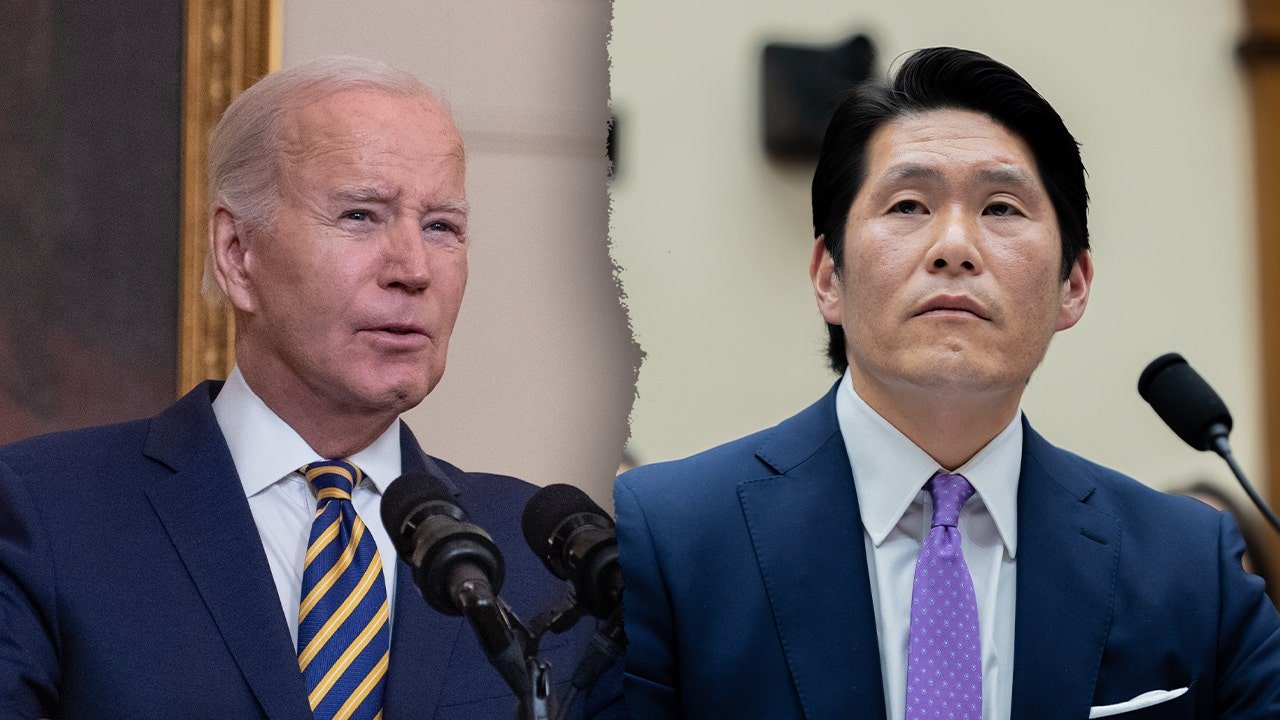
BREAKING: Biden-Hur audio released
Audio between former President Joe Biden and Special Counsel Robert Hur was released by Axios from October 2023 interviews as the former commander-in-chief seems to struggle with answers.
NEWYou can now listen to Fox News articles!
President Joe Biden’s lawyers are expected to object to the Justice Department’s release of redacted written transcripts and audio recordings of Biden’s 2017 interactions with his book ghostwriter, according to a new court filing.
«President Biden, through counsel, has advised the Department that he intends to seek to intervene to prevent any such disclosures,» Assistant Attorney General Civil Division Brett Shumate wrote in a filing from a Freedom of Information Act request from the Heritage Foundation’s Mike Howell. «The Department does not oppose intervention.»
There is a Tuesday deadline for Biden’s lawyers to respond to the DOJ’s release for a response to Howell’s FOIA request, which would come shortly after Tuesday if there was no objection.
Shumate noted the release of 70 hours of redacted recordings would be delayed until June 15 if Biden objects before the deadline.
BIDEN INTERVIEW AUDIO REVEALS WHO BROUGHT UP BEAU’S DEATH — AND IT WASN’T HUR
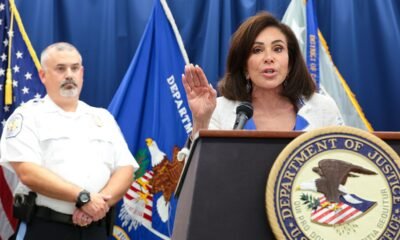
Audio from former President Joe Biden’s 2017 interview with a ghostwriter was obtained by Special Counsel Robert Hur’s investigation during the Biden administration. (Getty Images)
«Defendant intends to disclose the written transcript and audio recordings at issue in this matter, with redactions, to Congress, pursuant to a request from the Chair of the House Judiciary Committee, as well as to Plaintiffs,» the filing in Howell’s FOIA lawsuit with the DOJ read.
The interactions came between Biden and his ghostwriter for the 2017 book: «Promise Me, Dad: A Year of Hope, Hardship, and Purpose.» The audio and transcript were obtained by special counsel Robert Hur’s investigation into Biden’s handling of classified documents after the Obama administration ended, which included storing them in his garage and at the Penn Biden Center.
«President Biden cooperated fully with special counsel Hur, and agreed to provide audiotapes of conversations with his biographer for a book about his deceased son on the condition that they would not be made public,» Biden spokesperson TJ Ducklo told Politico in a statement Sunday. «The DOJ themselves have said these tapes serve no public interest.
FEDERAL JUDGE BLOCKS RELEASE OF JACK SMITH REPORT’S SECOND VOLUME
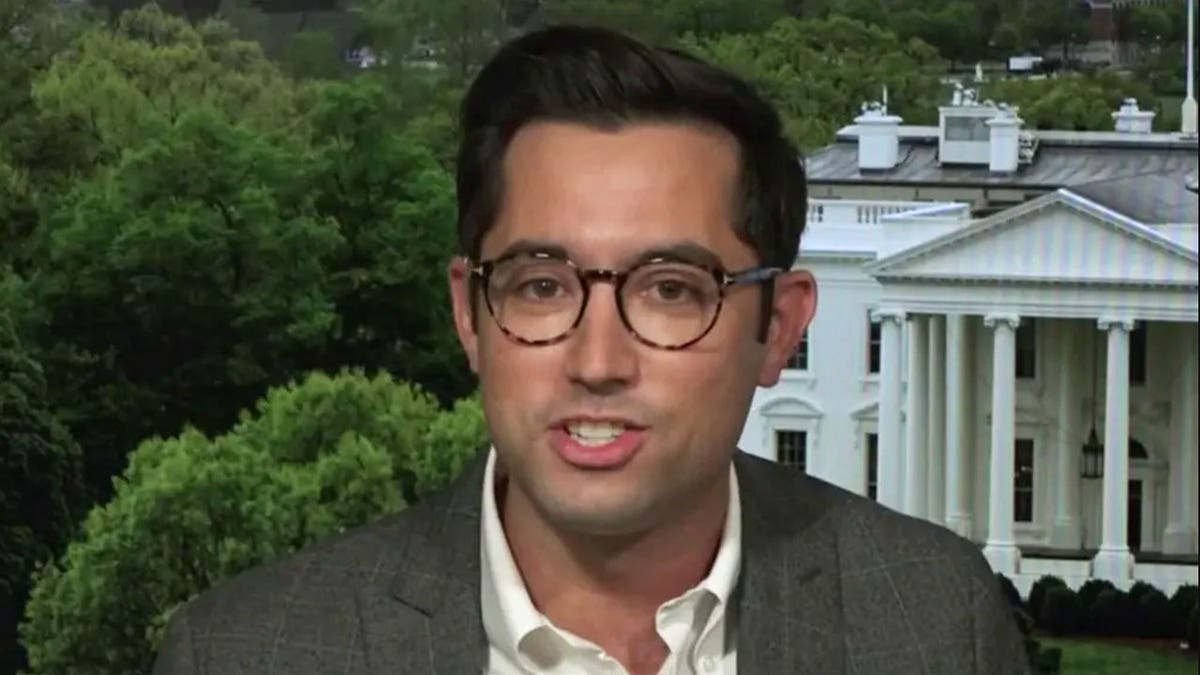
Former President Joe Biden’s spokesman TJ Ducklo told Politico of the intentions of objecting to Tuesday’s release of audio and transcripts of Biden’s 2017 conversations with a ghostwriter. (Fox News)
«What’s happening now isn’t about transparency. It’s about politics,» Ducklo continued. «If this Administration were genuinely committed to transparency, they would release Volume 2 of Special Counsel Jack Smith’s report on Donald Trump’s own alleged mishandling of classified documents. That report contains information Americans actually deserve to see.»
Fox News reached out to Ducklo for independent confirmation on this report and has not yet heard back.
The FOIA requester remains in pursuit of the documents.
CONSERVATIVES REACT TO LEAKED BIDEN AUDIO ON SOCIAL MEDIA: ‘THIS IS PAINFUL’
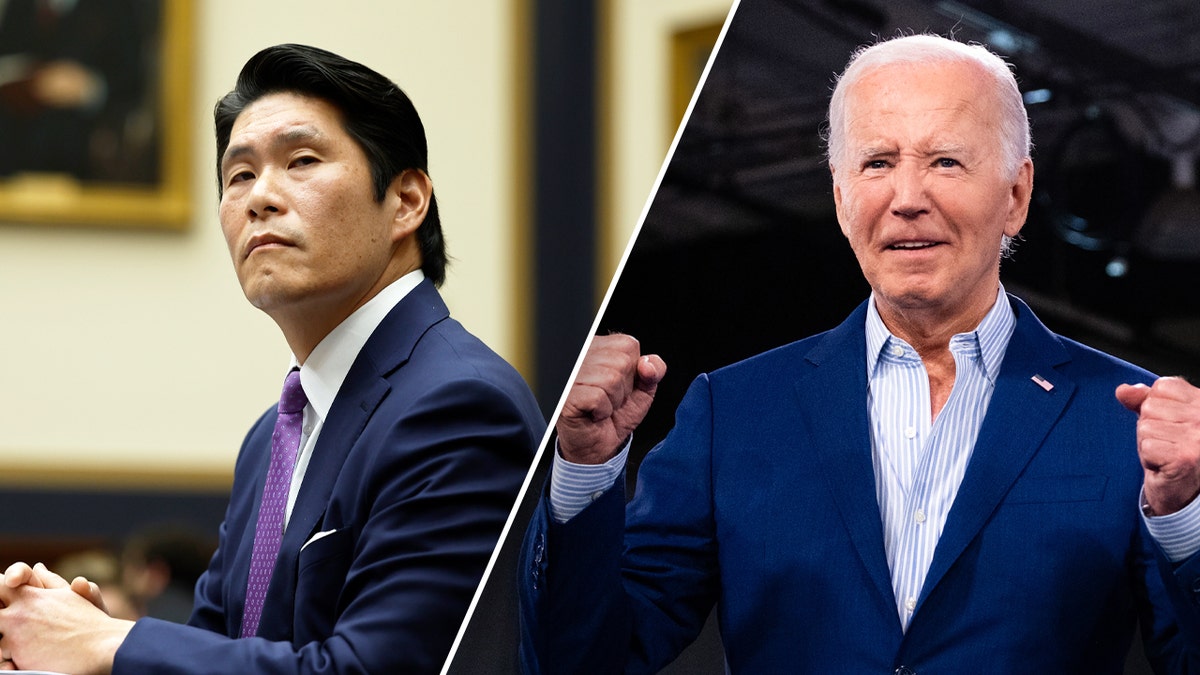
Special Counsel Robert Hur described President Joe Biden as «a sympathetic, well-meaning, elderly man with a poor memory,» reflecting the impression Biden left on debate viewers. (Getty Images)
«These tapes will further prove the massive lie regarding Biden’s fitness for office and the fact Biden revealed classified information,» Howell, president of Heritage’s Oversight Project, told Politico. «The shenanigans aren’t over: At the last possible second, and after every delay tactic possible, the autopen is objecting to the American People receiving transparency. «
Hur concluded his investigation into Biden’s handling of classified documents, noting longstanding DOJ policy of not indicting a sitting president and saying a jury would be sympathetic to the oldest sitting American president, 82, because he was a «well-meaning, elderly man with a poor memory.»
«It appears that after lengthy negotiation covering several months — at no point seeking to intervene into this case on a timely basis — President Biden has changed position and now seeks to even enjoin release of the portions of transcripts that match exact phrases quoted in the Hur Report,» Shumate’s filing Friday read.
GREGG JARRETT: BIDEN, THE ‘MARIONETTE PRESIDENT; AND THE CASE OF THE RUNAWAY AUTOPEN
«The potential intervention by former President Biden and the new development of a discretionary release to the House Judiciary Committee in response to their March 23, 2026 letter, raises a number of issues»:
«As Plaintiffs understand the matter, President Biden would need an order barring release in this case and an order enjoining the Department from producing to the House Judiciary Committee all by June 15, 2026.»
The DOJ also accuses Biden’s lawyers of slow-walking responses and rejecting deadlines.
BIDEN WHITE HOUSE AIDES FACE OVERSIGHT DEADLINE AMID THREAT OF SUBPOENAS
«President Biden’s lead counsel was unable to provide any information about President Biden’s submissions arguing that such discussion was somehow premature (whereas, in reality it is 16 months late) and incredibly indicating that despite the June 15, 2026 production date, the motion to intervene would not be filed until mid-next week and that President Biden would seek up to three days after a ruling granting a motion to intervene to submit a proposed schedule for substantive relief,» the filing read.
«That is no way to conduct litigation and smacks of kicking the can down the road to justify delaying the June 15, 2026 production by some form of administrative injunction.»
CLICK HERE TO DOWNLOAD THE FOX NEWS APP
The DOJ issued a new warning of Tuesday’s deadline, regardless.
READ THE COURT FILING – APP USERS, CLICK HERE:
«The public deserves to hear the tapes and read the transcripts as redacted by President Donald J. Trump’s Department of Justice,» Shumate’s filing concluded. «Plaintiffs regret that they are currently unable to assist the Court in this process due to the repeated failure of counsel for President Biden to engage with Plaintiffs on this matter, putting off even initial substantive conversations until next week.»
joe biden, justice department, politics







NEWYou can now listen to Fox News articles!
Pro-Israel college students who have watched socialism and anti-Israel activism gain ground on campus say the same political currents are now colliding with the Democratic Party — and the backlash is pushing some young Jewish voters to the right.
«Even before the craziness of the post-October 7 campus climate, it was already an underlying sense of, ‘America is bad and we’re gonna learn about that,’» University of Michigan rising senior Addison Stone told Fox News Digital.
Speaking at the Israel on Campus Coalition’s national summit in Washington this week, students said political currents they have watched spread on college campuses are increasingly surfacing in Democratic politics, particularly as the party’s progressive wing gains ground and clashes deepen over Israel.
Dylan Goldman, a rising senior at UC Berkeley, identified himself as «left leaning» and told Fox News Digital that Democratic lawmakers welcoming the popular socialist candidates – who overwhelmingly hold hostile postures toward Israel – are making a «really poor move.»
DEMOCRATS LURE ‘POLITICALLY HOMELESS’ GEN Z TOWARD SOCIALISM — A COUNTERATTACK IS TAKING SHAPE
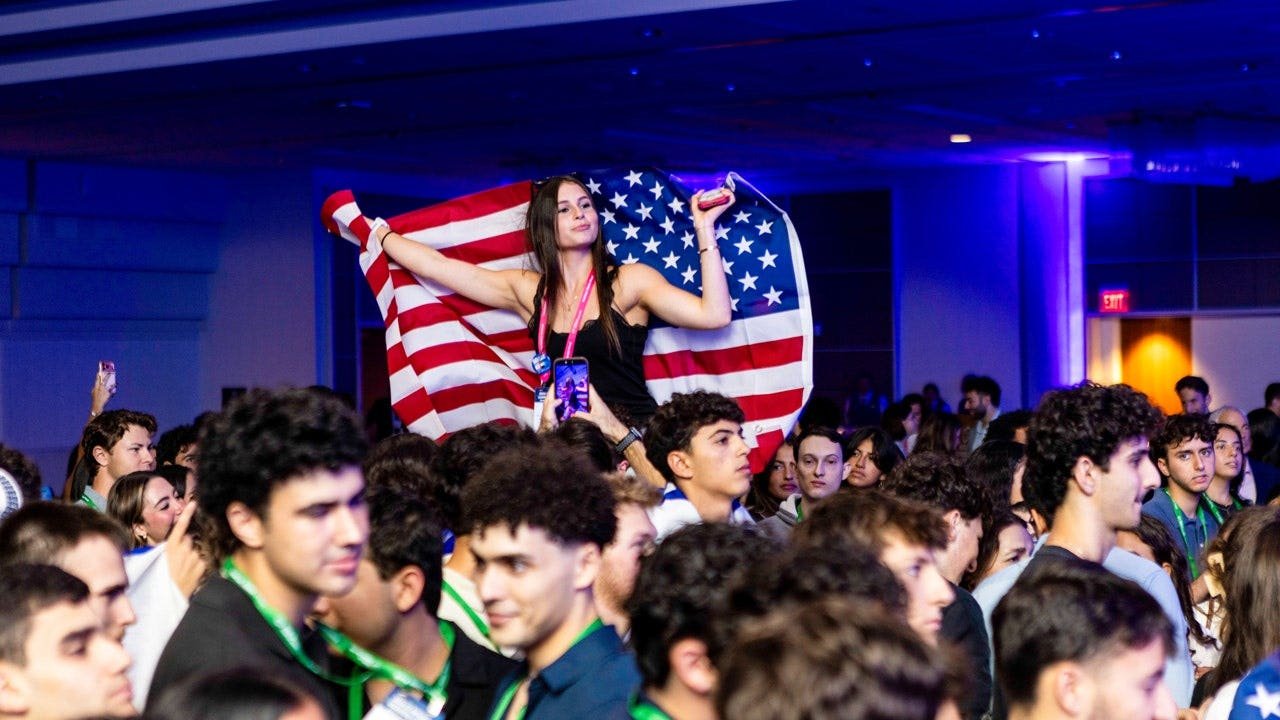
Israeli pop star Harel Skaat performs for students at the 2026 ICC National Leadership Summit in Washington, D.C. (Fox News Digital)
«Jewish Democrats who are not single-issue voters… now feel so alienated by our own party that it’s pushing us conservative. It’s pushing to go further right,» said Goldman.
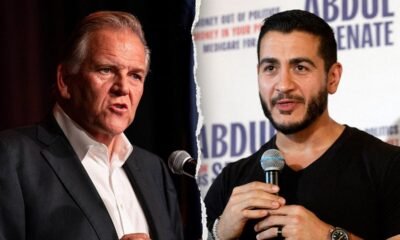
Abdul El-Sayed, a progressive whose campaign drew support from the democratic socialist movement, won Michigan’s Democratic Senate primary Tuesday, adding to a string of victories for left-wing candidates challenging the Democratic establishment as the party battles for control of Congress in November’s midterm elections.
The conference brought hundreds of pro-Israel students to Washington for advocacy training, networking and discussions on supporting Israel, combating antisemitism and strengthening the U.S.-Israel relationship on college campuses.
«The academics don’t help, but they’re sort of helping indoctrinate the next generation and the next generation with the combination of learning about that in classes and going on social media and seeing it and the DSA trying to make everything cool with communism,» Stone said. «You’re really seeing the outcome of that on college campuses where they’re burning both American and Israeli flags.»
JEWISH MICHIGAN DEMOCRATS ADMIT THEY WILL VOTE REPUBLICAN IF ABDUL EL-SAYED BECOMES NOMINEE
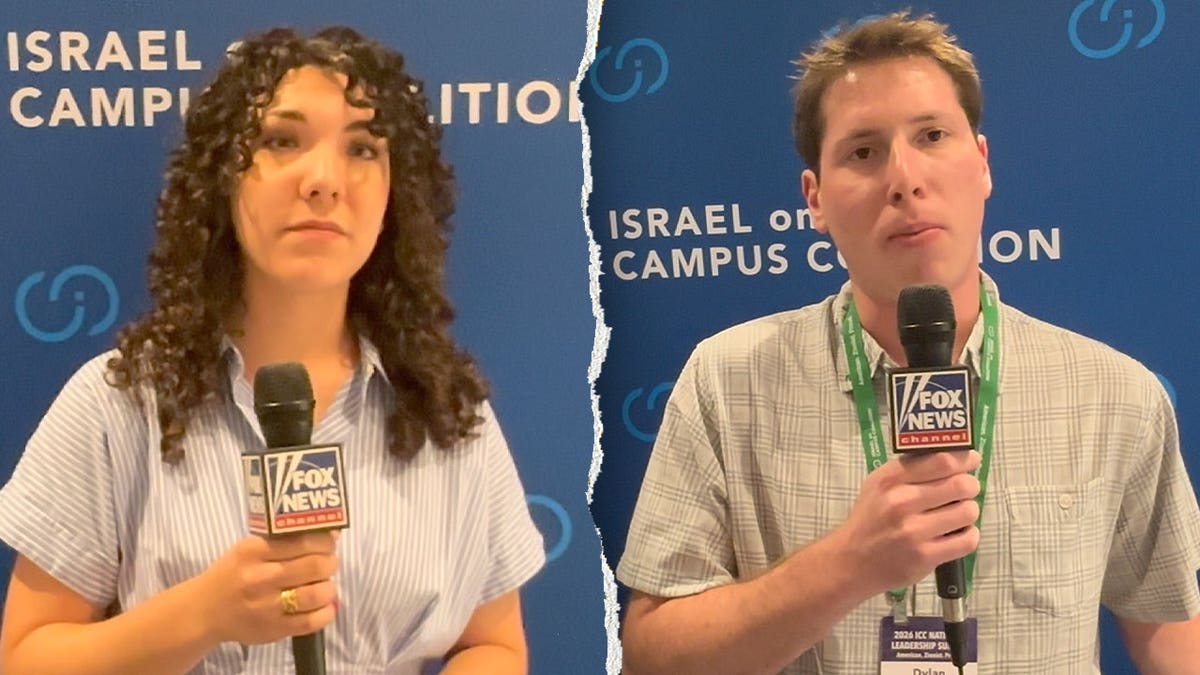
Student at a pro-Israel conference spoke with Fox News Digital about the ideologies finding support on college campuses. (Ashley DiMella/Fox News Digital)
As those political divisions play out nationally, organizers at the summit said Jewish students are still confronting the campus hostility that helped bring many of them to Washington.
«What’s happening to Jewish students on American campuses should alarm every American,» Israel on Campus Coalition CEO Jacob Baime told Fox News Digital. «The hostility is out in the open now: mobs on the quad, intimidation in the classroom, and harassment online. But here’s what the mob didn’t count on: this generation isn’t backing down.»
«These students are the proudest, toughest, most organized pro-Israel cohort we have ever seen. This week we brought more than 1000 campus leaders to Washington to train and equip them with the skills they need to go back to campus ready to fight for what they believe in,» he added.
FETTERMAN WINS PRAISE FOR ‘GUTS’ AFTER GOING TOE-TO-TOE WITH JON STEWART OVER ISRAEL SUPPORT
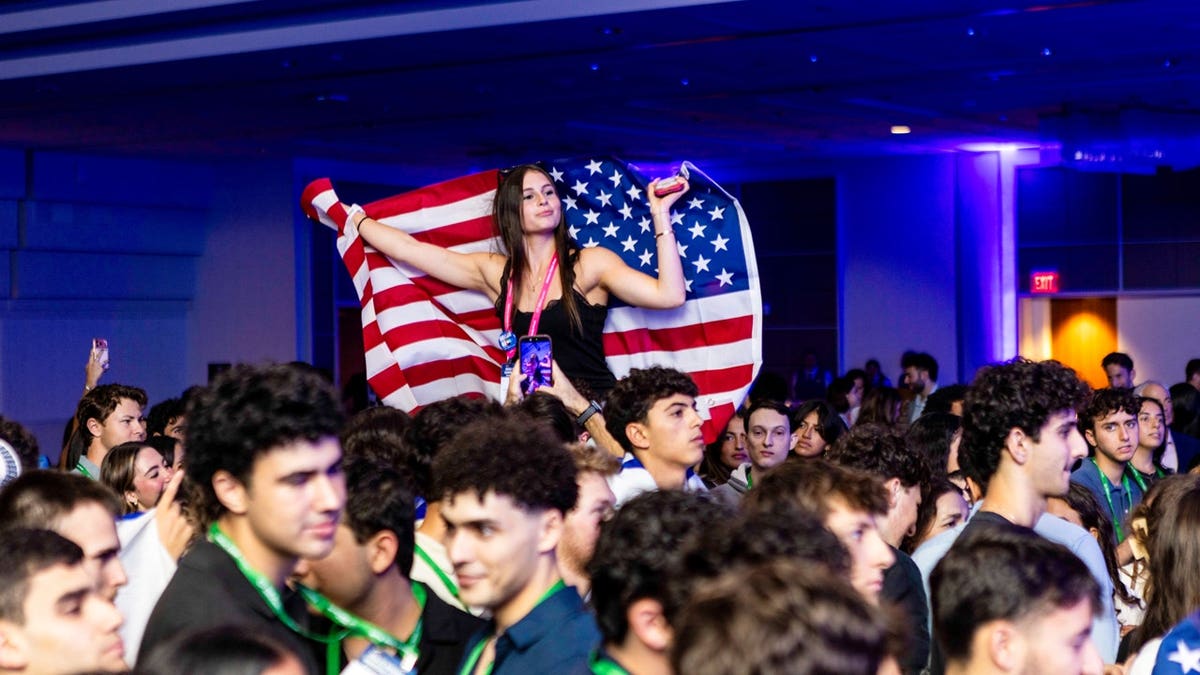
Israeli pop star Harel Skaat performs for students at the 2026 ICC National Leadership Summit in Washington, D.C. (Fox News Digital)
Fetterman, who spoke at the Israel on Campus Coalition’s flagship event, said the Democratic Party’s shifting posture toward Israel and the Jewish community is becoming increasingly consequential.
His support for Israel has repeatedly put him at odds with members of his own party, including over the broader conflict in the Middle East and his backing of President Donald Trump’s strikes on Iranian nuclear facilities.
«I think I was the only Democrat to support the Trump administration to bomb the Iranian nuclear facilities,» Fetterman told Fox News Digital. «If you don’t want them to acquire a nuclear bomb, it’s pretty reasonable to bomb their nuclear facilities.»
Fetterman argued the threat extends beyond Israel, casting the confrontation with Iran as a larger battle over American values and the West’s role in the region.
«The problem is Iran. That’s the problem,» he said, later adding, «I’m proud to stand for America, civilization, democracy, and Israel is our special ally that represents all of that in that region.»
campus radicals, socialism, gen z, campus controversy, democratic party, culture opinion, israel
INTERNACIONAL
Fiscalía pide 396 años de prisión para extesorero del Banco Nacional de Costa Rica acusado de sustraer ₡3,293 millones (USD 7.3 millones)
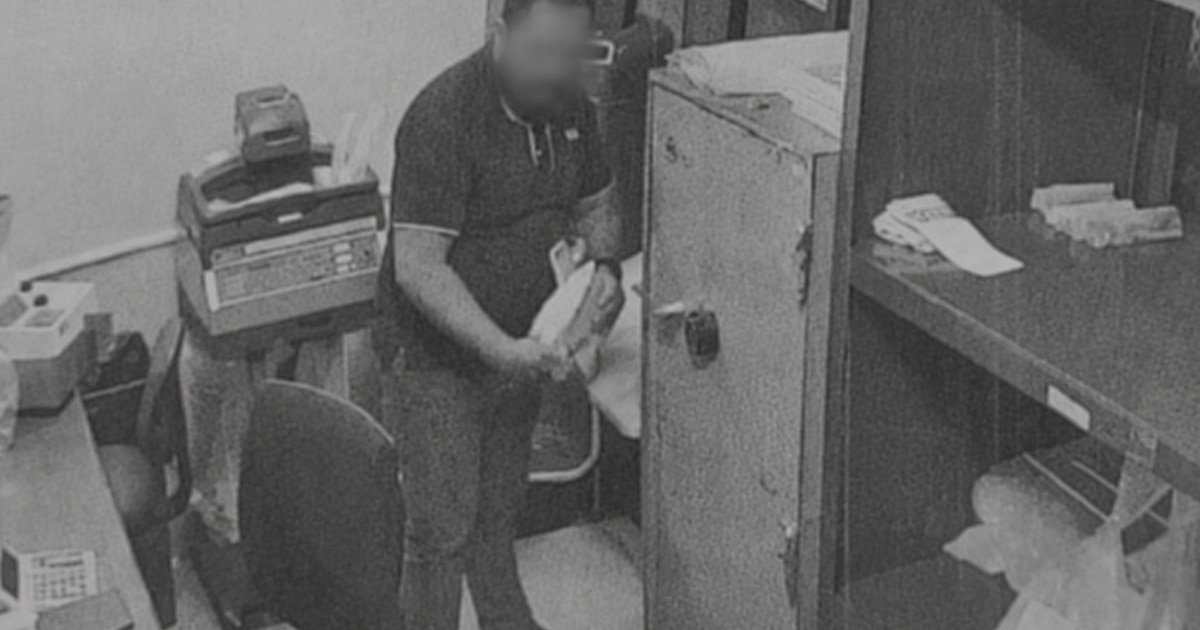
El juicio contra Ricardo Olivas Valle, extesorero del Banco Nacional de Costa Rica (BNCR), entró en su etapa final con la solicitud de la Fiscalía de una condena que suma 396 años de prisión por el supuesto desfalco de ₡3,293 millones (USD 7.3 millones) sustraídos de las bóvedas de la sede central de la entidad, en San José.
La Fiscalía Adjunta de Probidad, Transparencia y Anticorrupción (Fapta) inició la presentación de sus conclusiones ante el Tribunal Penal, donde expondrá por qué considera que el exfuncionario es responsable de los hechos que se le atribuyen y solicitará formalmente la pena de cárcel.
Olivas Valle enfrenta una acusación por 33 delitos de peculado, uno por cada extracción de dinero que, según el Ministerio Público, habría realizado entre 2021 y 2023 aprovechando los últimos minutos de la jornada laboral y los momentos de menor vigilancia dentro de la institución.
De acuerdo con la investigación, las sustracciones ocurrían principalmente entre las 4:16 p. m. y las 5:29 p. m., cuando el movimiento dentro de las instalaciones disminuía. La Fiscalía sostiene que el extesorero aprovechaba supuestos fallos en los controles internos para retirar millones de colones de las bóvedas.
Durante el juicio fueron analizadas decenas de grabaciones de seguridad que, según la acusación, muestran al exfuncionario colocando fajos de billetes en sobres de manila amarillos para luego salir de la entidad pasando por los controles de seguridad.

El caso fue denominado “Gallo Tapado” por el Organismo de Investigación Judicial (OIJ) y la Fiscalía debido al presunto mecanismo utilizado para ocultar el origen del dinero.
Según la tesis acusatoria, Olivas habría utilizado parte de los fondos sustraídos para comprar diariamente grandes cantidades de fracciones y billetes de lotería de la Junta de Protección Social (JPS). Cuando resultaba ganador, el dinero era depositado en sus cuentas bancarias, lo que habría permitido introducir los recursos al sistema financiero aparentando que provenían de una fuente legítima.
Durante los allanamientos realizados en su vivienda, las autoridades encontraron cerca de 3,000 fracciones de lotería, como parte de las evidencias incorporadas al expediente judicial.
El Ministerio Público sostiene que la prueba presentada durante el debate demuestra la participación del exfuncionario en las extracciones de dinero y solicitó una condena acumulada de 396 años.
Sin embargo, aunque la sumatoria de penas supera ampliamente la normativa nacional, la eventual sentencia deberá ajustarse al límite máximo establecido por la legislación costarricense, que actualmente es de 36 años de prisión.
Además de la Fiscalía, en el proceso participan como partes acusadoras la Procuraduría General de la República y el Banco Nacional, institución que reclama los recursos supuestamente sustraídos.
Durante su declaración ante el Tribunal, Olivas Valle reconoció que tuvo problemas relacionados con los juegos de azar, aunque afirmó que su adicción estaba limitada a la compra de lotería.
“Tuve adicción a los juegos, en algún momento, a la lotería solamente”, declaró el exfuncionario, quien aseguró que tras ingresar a prisión en 2023 su problema estaba relacionado únicamente con “ganas de jugar”.
El extesorero negó que su conducta estuviera vinculada con otros tipos de apuestas y afirmó que compraba principalmente tiempos y monazos, mientras que la lotería la adquiría en menor cantidad.

La investigación también reveló presuntas debilidades en los mecanismos de supervisión interna del Banco Nacional.
Según la acusación, desde 2019 no se realizaban arqueos físicos exhaustivos en las bóvedas, situación que habría permitido que las supuestas sustracciones continuaran durante varios años sin ser detectadas.
Además de Olivas Valle, otras personas fueron incluidas en investigaciones separadas por posibles omisiones, incumplimiento de deberes o encubrimiento. Entre ellas figuran supervisores, contadores, personal de seguridad y exdirectivos jurídicos de la entidad.
El juicio continuará con la etapa de conclusiones de las partes y posteriormente el Tribunal Penal deberá definir la responsabilidad del exfuncionario y la eventual sentencia.
INTERNACIONAL
Nigeria’s largest rescue operation frees 308 hostages held by militants in Kwara State
NEWYou can now listen to Fox News articles!
Victims held for six months in captivity at the hands of jihadi kidnappers in Nigeria detailed on Friday the harrowing conditions they were kept in after being liberated in what Nigerian officials are calling the largest rescue operation in the country’s history.
Nigerian forces rescued at least 308 victims from captivity in the past week, with the bulk of the victims coming from two distinct groups. 163 of the victims were taken from the Woro community in Nigeria’s Kwara State in a Feb. 3 raid that saw their jihadi kidnappers kill an additional 160 people in the Woro village.
The victims told the Associated Press that they believed they had been taken as punishment for refusing to accept and acquiesce to the religious preachings of the jihadis.
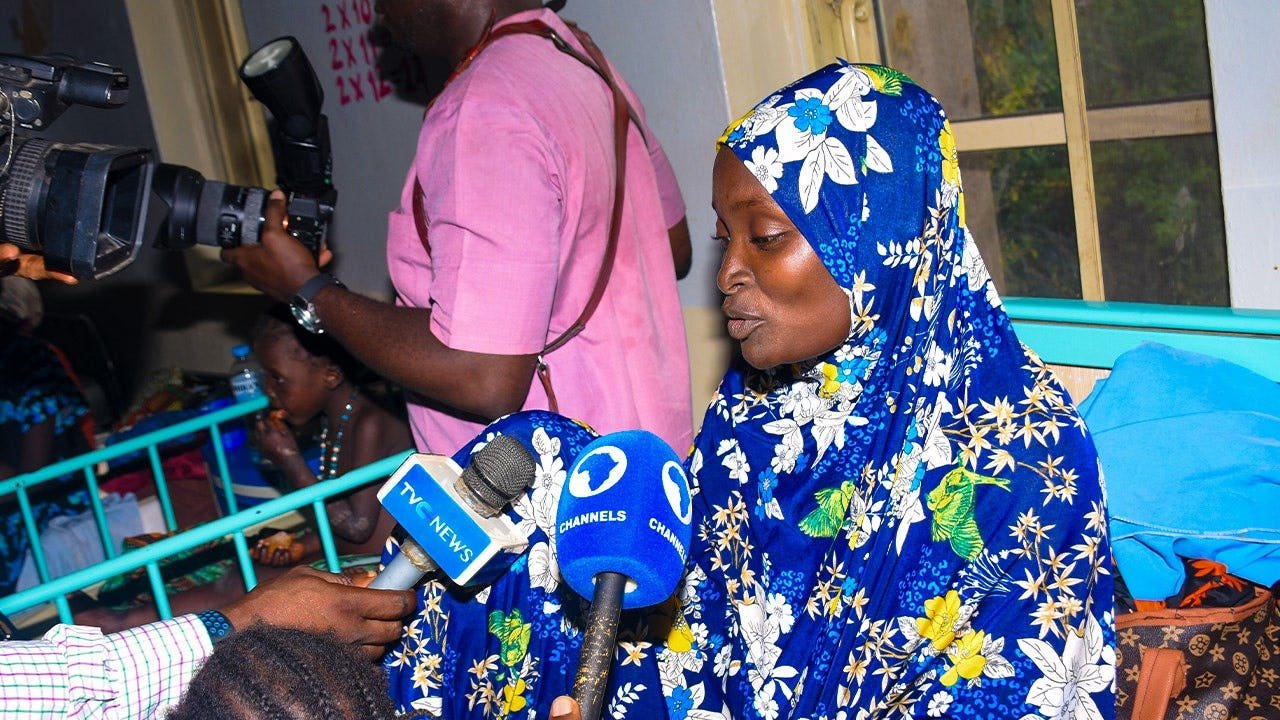
One woman, Hauwa Saliu, told the outlet that her captors constantly asked the victims if they had accepted jihad yet.
NIGERIAN PASTOR HIGHLIGHTED BY TRUMP SAYS HE’S NEXT AFTER MILITIA KILLS HIS RELATIVES
Hauwa Saliu, a woman who is among those rescued by Nigerian forces this week, about six months after being abducted by militants in February, speaks to journalist as she receives medical attention at a hospital in Ilorin, Nigeria, Friday, Aug. 7, 2026. (AP Photo/Abubakar Khadijat)
«We prayed to God to help us go back home, but it never really crossed our minds that we were going to go back home,» she told the outlet.
Another victim, Amira Saliu, described the conditions in which the women and children were being kept, explaining that they were held in a forest near a river, and forced to put out fires and hide when they heard helicopters nearby.
FREED HOSTAGE ROM BRASLAVSKI DETAILS ABUSE, STARVATION DURING 738 DAYS IN GAZA CAPTIVITY
Saliu, a nurse, also explained how she had to help 10 women give birth with no medical equipment or sanitary gloves.
«I had no choice but to use my bare hands,» she told the outlet.
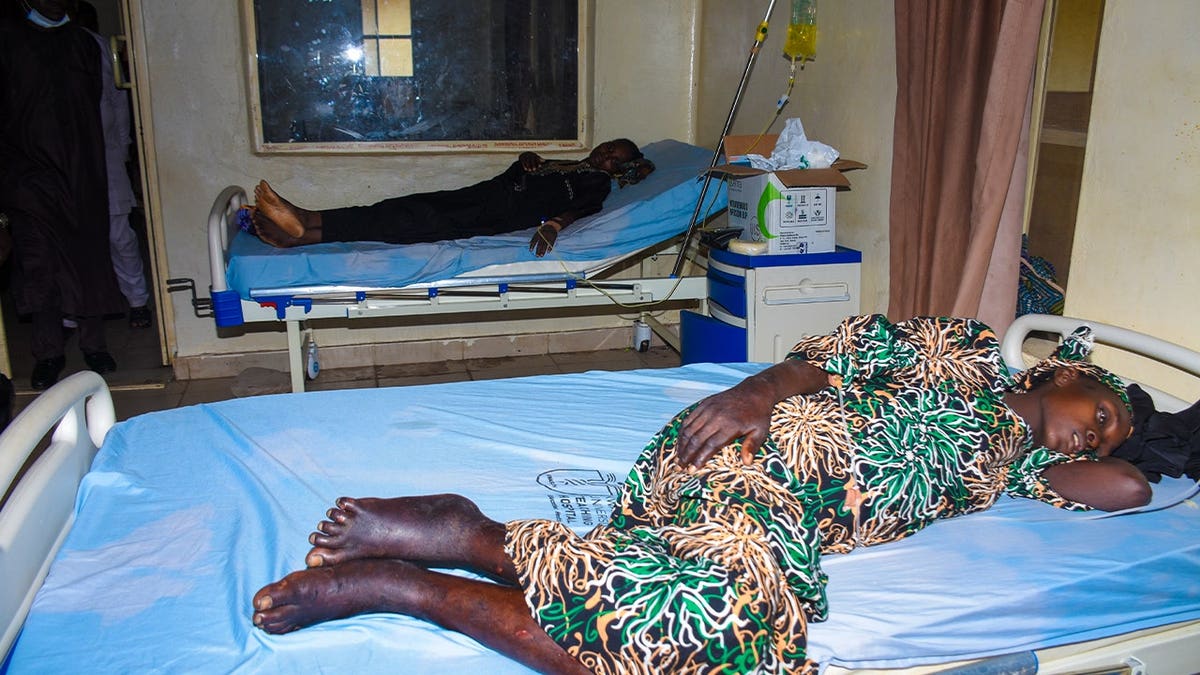
Women who were rescued after being held in a forest after they were abducted from the Woro community by gunmen in February receive medical attention at a hospital in Ilorin, Nigeria, Friday, Aug. 7, 2026. (AP Photo/Abubakar Khadijat)
Mary Ishaya, 44, told the outlet that the captives often went days without food and had to bury other captives who had died.
«I still cannot find the right words to describe what has happened to us. We saw death and suffering,» she said.

A woman who was rescued after being held in a forest after being abducted from the Woro community by gunmen in February receives medical attention at a hospital in Ilorin, Nigeria, Friday, Aug. 7, 2026. (AP Photo/Abubakar Khadijat)
The governor of Kwara State, AbdulRahman AbdulRasaq, told reporters during a news conference that 46 victims were being treated at a hospital.
«This is indeed, indeed a very sad situation. We’ve not yet come to terms with it. We’re still assessing the situation. As you can see, it’s just kids … children and women that are here today,» he said. «It’s truly a shame that this has happened.»
COULD THIS AFRICAN NATION BECOME TRUMP’S NEXT TERROR TARGET AS JIHADISTS CLOSE IN ON POWER?
The incident highlights the ongoing tensions between Nigeria’s militant Islamic insurgency in the north and the country’s large Christian population, who make up roughly 45% of Nigeria’s citizens.
On Christmas Day, President Donald Trump, in coordination with Nigeria’s government, authorized precision missile strikes on Islamic State-affiliated groups in northern Nigeria, citing the need to protect the country’s Christians.

US launches strike against ISIS in Nigeria. (Department of War via X)
The U.S. followed up in May, launching coordinated joint military action that reportedly resulted in the death of senior Islamic State leader Abu Bakr al-Mainuk.
The Associated Press contributed to this report.
islam, africa, counter terrorism, terrorism, world, human rights

Socialism’s campus appeal meets Gen Z resistance as students keep score on communism

El Chelsea de Xabi Alonso ya carbura y golea al Milan de Amorim

El reemplazo del histórico FAL: cómo Brasil desarrolló un fusil propio y qué pasó con el FARA 83 argentino

La mañana a pura complicidad de la China Suárez y Mauro Icardi: “Confía en mí”

El Gobierno, en racha de costos políticos: mala praxis y cerrazón ideológica

Murió Jorge Messi, en vivo: la resolución de la AFA para los partidos de todas las categorías del fútbol argentino

La oposición cuestionó a Benegas Lynch por su empresa para vender campos a extranjeros y el senador libertario se defendió

Dólar hoy en vivo: a cuánto se negocian todas las cotizaciones minuto a minuto este miércoles 5 de agosto

Brasil retira a su embajador en la Argentina: qué consecuencias tiene la medida diplomática

Las centrales obreras y los movimientos sociales anunciaron dos días de conflicto callejero
-
 POLITICA2 días ago
La oposición cuestionó a Benegas Lynch por su empresa para vender campos a extranjeros y el senador libertario se defendió
-
 POLITICA3 días ago
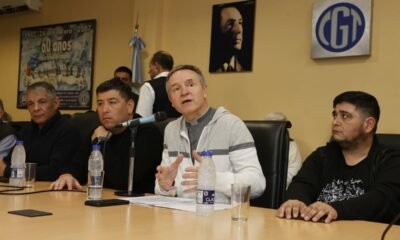
Las centrales obreras y los movimientos sociales anunciaron dos días de conflicto callejero
-

 POLITICA2 días ago
El mapa de cortes por la movilización al Congreso contra la modificación a la "Ley de Tierras"