INTERNACIONAL
Netanyahu faces coalition showdown as rivals maneuver to form Israel’s next government

US to stop billions in aid to Israel by year’s end
Fox News senior White House correspondent Jacqui Heinrich joins ‘America Reports’ to report on President Donald Trump’s announcement that the U.S. will halt aid to Israel at the end of the year and his closing push as midterm voting gets underway.
NEWYou can now listen to Fox News articles!
TEL AVIV, Israel: Prime Minister Benjamin Netanyahu’s hold on power in Israel will be tested Wednesday as President Isaac Herzog begins consultations with leaders of all parties elected to the 26th Knesset before deciding which lawmaker to task with forming the next government.
The final vote count, published last Friday by Israel’s Central Elections Committee, gave Netanyahu’s bloc 53 seats in the 120-member Knesset, compared with 48 for the opposition alliance led by Gadi Eisenkot — 61 seats are needed to form a government.
On Monday, Netanyahu posted to X that «the public in Israel does not want a government that depends on Ra’am and the Joint List—parties that support terrorism and reject the existence of the Jewish state.»
NETANYAHU DEFIES EXIT POLLS AS VOTE SHIFTS IN HIS FAVOR, BUT MAJORITY REMAINS ELUSIVE
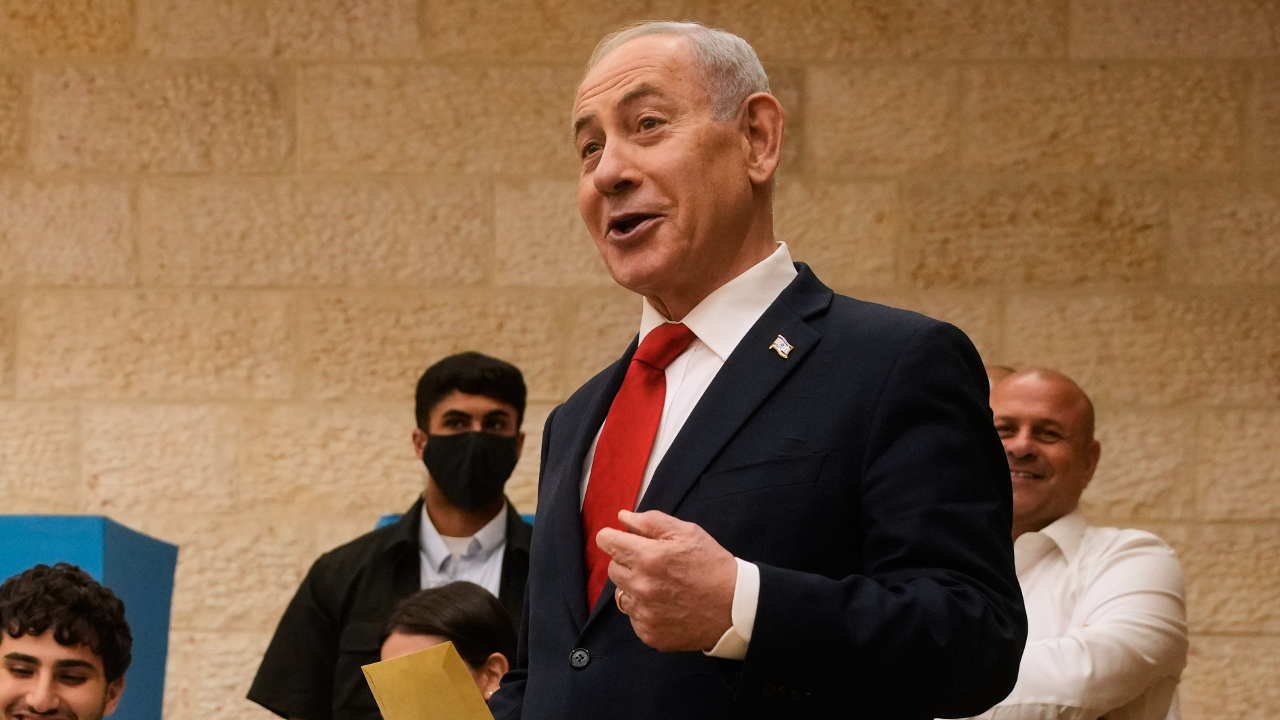
Israeli Prime Minister Benjamin Netanyahu speaks to the audience at a conference in Jerusalem, Sunday, July 27, 2025. (AP Photo/Ohad Zwigenberg)
«A clear majority in the Jewish public chose the Likud as the largest party and me, as prime minister, to lead the next government. We aspire to form a broad government with our partners and with any party that wishes to do so and does not support terrorism. I am open to holding discussions on the matter,» he added.
The two predominantly Arab parties he pointed his criticism at are the Joint List and Ra’am who secured a historic combined total of 19 seats, potentially positioning them as kingmakers in the government formation process.
A Joint List source told Fox News Digital that the alliance is likely to endorse Eisenkot to be the first lawmaker tasked with forming a government. If both predominantly Arab parties were to back him, he would receive recommendations from parties representing more than the 61 seats needed.
The lawmaker tasked with forming a government will have 28 days to do so, with the president authorized to grant an extension of up to 14 additional days.

Israeli President Isaac Herzog during an interview with Fox News Digital in Jerusalem, Israel. (Yoav Dudkevitch/TPS-IL for Fox News Digital)
Consultations will be held in ascending order of seat count, beginning with Religious Zionism-Zehut and Shas, which each won six seats, followed by Yisrael Beiteinu, which secured seven.
On Thursday, Herzog will meet with the leaders of United Torah Judaism and Otzma Yehudit, which each won seven seats, followed by The Democrats and Ra’am, which each won eight, the Joint List (11), BeYachad (12), Yashar (21) and Likud (27).
Defense and government affairs commentator Amir Oren told Fox News Digital that while Herzog is formally free to choose whom to task with forming a government, he would be inclined to select the candidate whose nomination is backed by parties representing a majority of Knesset seats.
FORMER ISRAELI PM EMERGES AS WILD CARD IN HIGH-STAKES ELECTION WITH MIDDLE EAST’S FUTURE AT STAKE
«He must then task Eisenkot with forming the next government. That does not mean Eisenkot will succeed. If he fails, he will have to return the mandate to the president,» Oren said.
Eisenkot may, in fact, struggle to assemble a 61-seat governing coalition, given competing interests within the opposition bloc. BeYachad leader Naftali Bennett and Yisrael Beiteinu chief Avigdor Liberman are unlikely to agree to serve in a government reliant on the Joint List, given the latter’s pro-Palestinian positions and opposition to Zionism.
It is theoretically possible, however, that the opposition bloc could agree to form a minority government with the Arab parties providing support from outside the coalition.
While Israel has no precedent for forming a minority government immediately following an election, such arrangements have occurred during a Knesset term. Most recently, during Netanyahu’s current term, one of the ultra-Orthodox parties withdrew from the coalition over a dispute related to military conscription but continued to support the government from outside.
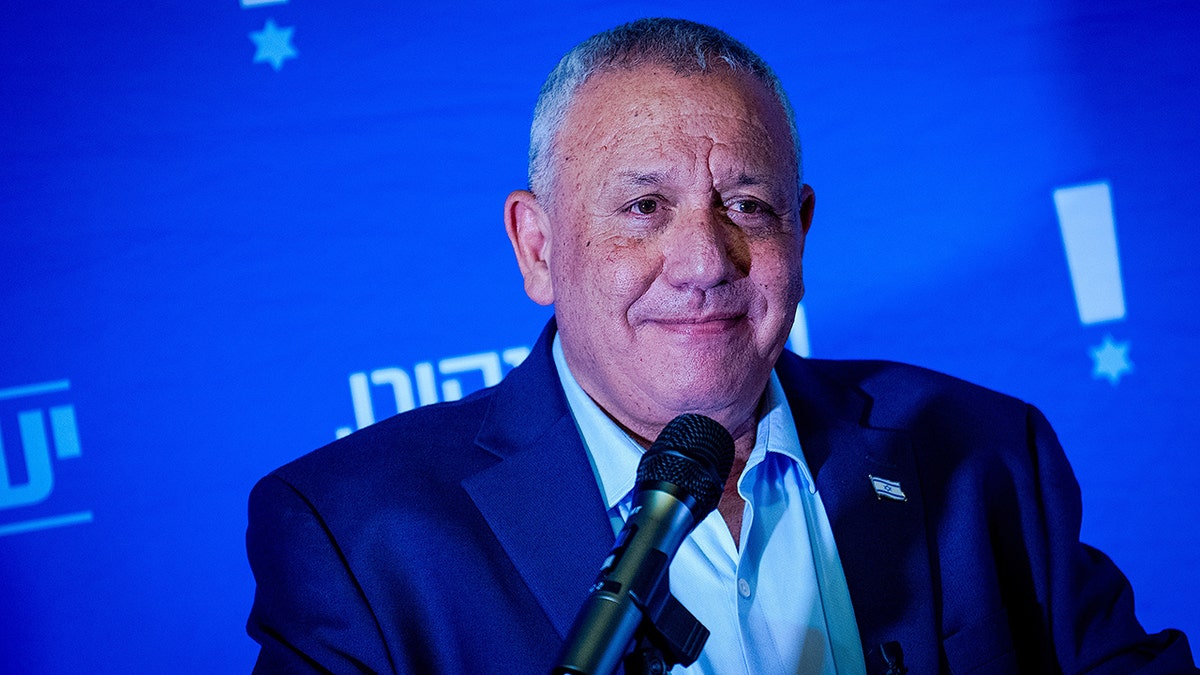
Yashar party leader Gadi Eisenkot attends the Jerusalem Residents Conference on Aug. 12, 2026 in Jerusalem. Gadi Eisenkot, a retired chief of the Israel Defense Forces and current leader of the Yashar party, has emerged as the foremost challenger to Benjamin Netanyahu ahead of October’s general election. (Erik Marmor/Getty Images)
Religious Zionism-Zehut, Otzma Yehudit and Shas each confirmed to Fox News Digital on Tuesday night that they would recommend Netanyahu to Herzog during consultations on forming a government.
Dan Diker, president of the Jerusalem Center for Security and Foreign Affairs, told Fox News Digital that Bennett and Liberman’s recent endorsement of Eisenkot suggests they are moving away from the prospect of a national unity government.
«I think it would behoove Netanyahu, Eisenkot, former Prime Minister Bennett and former Defense Minister Liberman to find a way to work together now, given the imminent clash between the apocalyptic death cult known as the Iranian regime, Israel and, by extension, the rest of the Western world,» he said.
Complicating matters for Netanyahu, the 26th Knesset is scheduled to be sworn in on Nov. 10. Its newly elected members are expected to begin forming committees and advancing legislation, while the current prime minister and ministers remain in office and continue carrying out their duties under the oversight of the new parliament, ensuring continuity of government.
WHO IS ITAMAR BEN-GVIR, THE ISRAELI FIREBRAND RISING WITH THE POPULIST RIGHT ACROSS THE GLOBE?

A supporter of former military chief Gadi Eisenkot, leader of the Yashar party, reacts to the exit poll at his party headquarters, on the evening of Israel’s national election, in Tel Aviv, Israel October 27, 2026. REUTERS/Shir Torem (Shir Torem/Reuters)
«They are doing everything they can to push Netanyahu out of office, and we are seeing that now with discussions about replacing the Knesset speaker. They can then begin trying to advance legislation in a Knesset with 19 seats held by Arab parties that would be very uncomfortable for Netanyahu,» Diker said.
Oren highlighted another potential challenge, suggesting that the caretaker government’s ability to launch military operations could face political constraints, potentially complicating any resumption of hostilities with Iran, even if U.S. President Donald Trump were to initiate such action.
Former Knesset member Dov Lipman told Fox News Digital that Eisenkot appears likely to be the first lawmaker tasked with forming a government, but suggested that most Israelis favor a national unity government built around Likud, Yashar and BeYachad, with one or more smaller parties also joining.
«As a first step, Eisenkot may approach Likud and ask it to join a government under his leadership, which Likud will reject. Eisenkot will then have to make a decision, as Liberman is unlikely to agree to serve in a government alongside Arab parties,» Lipman said.
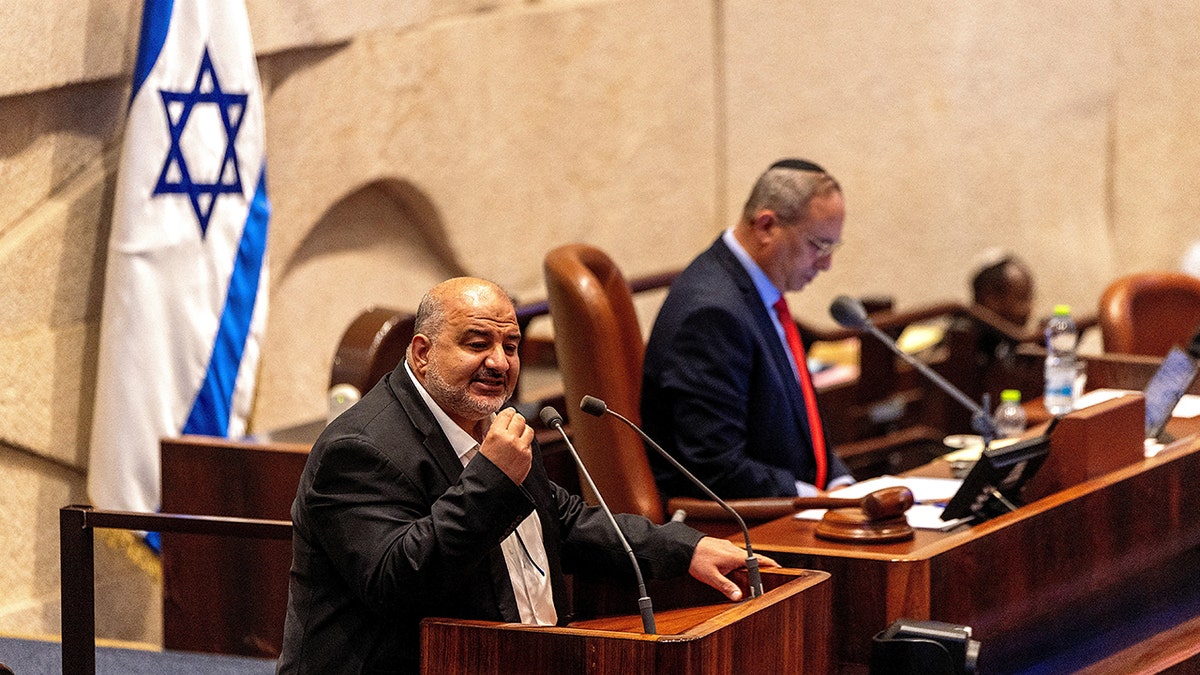
Mansour Abbas, leader of the Ra’am party, speaks at the plenum at the Knesset, Israel’s parliament, in Jerusalem, July 13, 2026 (Ronen Zvulun/Reuters)
«Eisenkot will likely fail to form a government, after which the mandate will pass to Netanyahu, who will also likely fail.»
That would trigger a 21-day period during which any Knesset member could attempt to form a government with the backing of at least 61 lawmakers. If the process reaches that stage, Eisenkot might agree to serve under Netanyahu for two years to avoid sending the country to another election, Lipman said.
Prof. Gideon Rahat, a senior fellow at the Israel Democracy Institute, told Fox News Digital that Netanyahu would need to make concessions to persuade opposition leaders that he would honor his commitments, given their experience with the 2020 power-sharing agreement with then-Blue and White party leader Benny Gantz.
NETANYAHU REVEALS HE WANTS AMERICAN FINANCIAL SUPPORT FOR ISRAEL TO ‘DRAW DOWN TO ZERO’
Under the agreement, Netanyahu was to serve as prime minister for the first 18 months, with Gantz serving as alternate prime minister and defense minister before taking over as premier on Nov. 17, 2021. However, the arrangement unraveled after the government failed to pass a state budget by the December 2020 deadline, triggering the Knesset’s automatic dissolution and new elections. Gantz never assumed the premiership.
Rahat pointed to Israel’s 1984-1988 national unity government as a precedent, saying a similar arrangement could work.
«At the time, Israel was still embroiled in the Lebanon War, with IDF forces deployed in the country, while the economy was facing a severe crisis, with annual inflation exceeding 400%. Against that backdrop, Likud and Labor formed a national unity government under a rotation agreement, with Shimon Peres serving as prime minister for the first two years, followed by Yitzhak Shamir for the next two,» he said.
While large parts of the public would likely support it, Rahat said, there are still issues that may create tension.
«They will have to freeze the judicial overhaul launched by Netanyahu’s government, find a way to investigate Oct. 7, as demanded by opposition parties and agree on a mechanism for Netanyahu to leave office when the time comes. But when it comes to major issues of security and the economy, unity governments can be quite effective,» Rahat said.
«Once they resolve the major challenges, however, they start fighting among themselves and the magic is over.»
benjamin netanyahu, israel, middle east, world elections














FIRST ON FOX: A new analysis from a conservative AI safety group found that deep-red counties with large data centers or proposed projects shifted further toward Democrats in last week’s midterm elections than comparable counties without such projects.
Humans First’s analysis, obtained by Digital, examined public election returns and data-center project records in 1,540 counties across 16 states. The memo used several comparisons to measure what the group describes as a «data center penalty.» Across all counties examined, those hosting large data centers shifted an additional 2.2 percentage points toward Democrats compared with non-host counties in the same states. The pattern appeared in 14 of the 16 states and 25 of the 27 governor and Senate races examined.
Restricting the analysis to deep-red counties — those President Donald Trump won by at least 20 points in 2024 — produced a 2.1-point raw gap between counties hosting large data centers and comparable counties without projects.
Among deep-red counties with projects still in the proposal stage, the gap was 1.1 percentage points after accounting for past voting patterns, rural or urban status, population size, racial and ethnic makeup and recent voting trends.
TEA PARTY FOUNDER LAUNCHES NATIONWIDE ‘DATA CENTER REVOLT’ AGAINST AI DATA CENTER EXPANSION
The group identified 114 proposed large data center projects across 92 deep-red counties, potentially setting up more local fights.
The memo found that Republican vote totals fell an additional 1.1% in deep-red host counties compared with comparable counties without large data centers, while Democratic vote totals showed no significant change.
The memo cautioned that its findings show an association rather than proof that data centers caused voters to change their behavior. County-level results also cannot determine whether Republicans switched their votes or simply stayed home.
«Our analysis looked at how counties with data centers voted and how those counties moved to the left,» Humans First Chairwoman Amy Kremer told Digital.
«I think this happened for the reason I’ve been warning conservatives and Republicans about for some time: People engage politically when issues affect them personally. There’s nothing more personal than your pocketbook, your health care, your kids and family, your home and your community. A data center involves all of those things, which is why I believe these counties moved away from Republicans,» she continued.
Humans First’s September «Data Center Revolt» bus tour made 35 stops in 27 states, including 14 stops in the states covered by the analysis. Nine of those stops were in deep-red counties, all of which hosted a large data center project. Those nine counties shifted 2.2 points further toward Democrats after the analysis accounted for its controls, compared with a 0.75-point shift among deep-red host counties overall. The group said those same nine counties showed no comparable gap from 2020 to 2024.
The findings do not establish whether the group’s visits influenced voting behavior or whether those counties already had stronger opposition to data center development.
Separately, voters favored restrictions on data center development or rejected measures supporting such projects in 46 of 47 local data center ballot measures in 2026, according to Ballotpedia. The measures included different types of proposals, including restrictions on development and advisory questions.
Kremer said this is a local control issue, stressing that Republicans should focus on protecting property rights and ensuring people have control over how things affect their lives.
«Whether you’re talking about AI technology or the infrastructure needed to build AI data centers, the American people have not had a seat at the table,» Kremer said. «They haven’t had a say in how the technology affects them or how the data center buildout affects their communities. In many places across the country, developers and companies have gone in and cut deals behind closed doors, under a cloak of darkness, using nondisclosure agreements and shell companies. By the time people in the community find out about the project, it’s too late to stop it.»
«These projects affect the quality of life and how much money people have. They can increase the cost of electricity and water, while tax abatements are given to trillion-dollar companies — some of the wealthiest companies in the world. That is money coming out of the pockets of the American people,» she continued.
Kremer added, «When you talk about Iran and gas prices, tariffs and now the AI data center buildout, all of these costs are coming out of people’s pockets. That’s when people engage politically, and I think that’s what we saw last Tuesday.»
The concerns come amid a broader debate over how data centers should pay for the electricity and grid infrastructure they require. The Energy Department estimates data centers used 4.7% of U.S. electricity in 2024 and, in its reference case, could account for 11.8% by 2030. The Federal Energy Regulatory Commission has directed regional grid operators to address safeguards against shifting the costs of serving large electricity users onto other customers. Those developments do not establish that data centers caused higher household rates in the counties examined by Humans First.
Tax incentives also vary by state. The National Conference of State Legislatures reported that at least 38 states offer incentives specifically for data centers, including equipment-tax exemptions and, in some states, exemptions involving electricity or property taxes. The Data Center Coalition, an industry trade group, says such incentives are similar to those offered to other capital-intensive industries and argues that data centers generate jobs, investment and tax revenue.
Humans First does not support a nationwide or statewide moratorium on data centers, but Kremer said individual communities should be free to approve or reject projects.
DATA CENTERS FORGOT THE CONSUMER — AND THAT COULD COST AMERICA THE AI RACE
«If a community comes together and votes for a moratorium, that is its prerogative. If a community wants a data center, that is its prerogative as well. It is all about local control,» she said.
Kremer said she learned that people engage more when it comes to issues that affect them personally, noting that data centers «encompass all of those issues.»
«Whether you’re talking about pocketbook issues, health care, kids and family, or your home and community, the data center battle is a physical manifestation of all those concerns,» she said. «When it comes to the economic impact on their communities, I think data centers absolutely played a role in the election.»
«I hope we can get on the right page and give local control back to communities. People should have a say in how they live and what goes into their communities. That is very personal, and I hope we can move in that direction,» Kremer added.
artificial intelligence, elections, politics, technology, midterm elections, republicans elections, voting
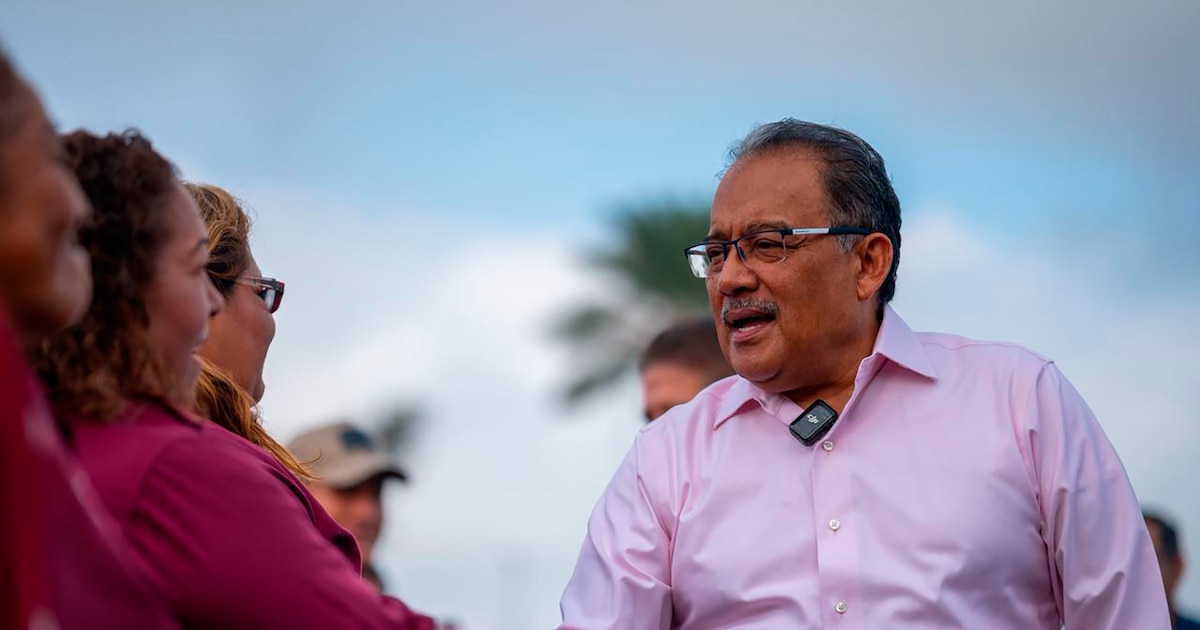
Los demócratas recuperaron el Senado y la Cámara de Representantes, incluso con victorias en estados tradicionalmente republicanos. Pesaron el costo de la vida, la guerra con Irán y el rechazo a decisiones del gobierno en turno, pero también importa cómo el Partido Demócrata escuchó ese descontento y construyó su respuesta.
Chuck Schumer, dirigente demócrata en el Senado, explicó en The Daily, de The New York Times, dos decisiones clave. La primera fue buscar candidaturas adecuadas para cada estado. No un molde ideológico aplicado a rajatabla. Una pediatra en Carolina del Sur, un pastor en Kansas, un exsenador en Ohio, un maestro de primaria en Texas: trayectorias distintas capaces de hablar con sus propias comunidades.
La dirigencia reclutó perfiles con mucha atención y los votantes decidieron en sus primarias de forma directa, sin nada en medio que distorsionara esa voluntad popular. No todo salió como los líderes preferían, pero ellos entendieron algo esencial: la política es el arte de lo posible porque, primero, es el arte de poner atención y dedicar tiempo a la auscultación y la investigación. Escuchar y respetar las singularidades no es renunciar a los principios. Es tomarse en serio a la gente.
La segunda decisión fue hablar de lo que pesaba en el bolsillo y en la vida cotidiana. Schumer resumió el mensaje en tres C: costos, caos y corrupción. Costos: la despensa, la vivienda, la salud, la electricidad. Caos: los sobresaltos de la administración en materia comercial y de política exterior. Corrupción: la exigencia de que el poder sirva a la ciudadanía, no a intereses particulares. Tres palabras fáciles de recordar porque nombran preocupaciones reales.
Pero hubo una tercera lección, quizá la más importante: no basta con tener el mensaje correcto. Hay que tener a la persona adecuada para transmitirlo.
Los demócratas abrieron espacio a nuevos rostros, trayectorias distintas y liderazgos que no parecieran simples reediciones de una clase política desgastada. No todos los vencedores eran nuevos ni jóvenes, pero representaban una renovación respecto a candidatos repetidos o de las familias o dinastías de siempre en cada región.
Sobre todo, los demócratas comprendieron la importancia de la integridad personal. Porque resulta difícil hablar contra la corrupción cuando quien lo hace arrastra cuestionamientos sobre su propia conducta. La honestidad exige coherencia entre las palabras, la trayectoria y los hechos. La integridad no se improvisa en una campaña. Se construye durante toda una vida.
La novedad tampoco es cuestión de edad. Significa ofrecer una forma distinta de ejercer el liderazgo, sin reproducir automáticamente los mismos personajes, los mismos conflictos y las mismas prácticas que han agotado la confianza pública.
Hay algunas afinidades entre distintas agendas demócratas (proteger el acceso a la salud, contener los costos y cuestionar una economía que concentra beneficios) y la prosperidad compartida que propone Morena, pero no son partidos ni países idénticos. Precisamente por eso debemos aprender del método y no copiar la receta.
Nuevo León merece esa atención a lo particular. Somos un estado industrial, emprendedor, universitario y trabajador. ¿Qué puede ofrecerle la Transformación a Nuevo León? Inversión con certeza, empleo, seguridad, movilidad, agua, aire limpio y oportunidades para todas las colonias. ¿Y qué espera Nuevo León de la Transformación? Honestidad para cuidar los recursos, capacidad para ejecutar, cercanía para escuchar y carácter para cumplir.
La Presidenta, la Dra. Claudia Sheinbaum Pardo, ha trazado con el Plan México una ruta de industrialización y crecimiento con justicia. Nuestro reto es darle identidad norteña, recuperar la tradición del Capitalismo Social y traducirla en resultados. Gobernando Escobedo aprendí que atraer empresas y fortalecer el tejido social son tareas que se complementan, no que compiten y lo he repetido por más de 5 años.
En cualquier caso, la enseñanza estadounidense no es que exista una fórmula mágica para ganar. Es que un proyecto puede tener principios nacionales y escuchar las necesidades de cada territorio, renovar sus liderazgos y exigir integridad a quienes lo representan.
Porque la política no consiste en ponerle el mismo traje a todos los estados. Consiste en entender qué necesita cada uno y encontrar personas con la honestidad, la capacidad y la cercanía para cumplirle. Eso es política real.
*Andrés Mijes es presidente municipal de General Escobedo, Nuevo León, y maestro en Ciencias Políticas por la Universidad Autónoma de Nuevo León.
INTERNACIONAL
Las claves del plan opositor para liberar a Cuba de la dictadura: fin de la represión, justicia y voto
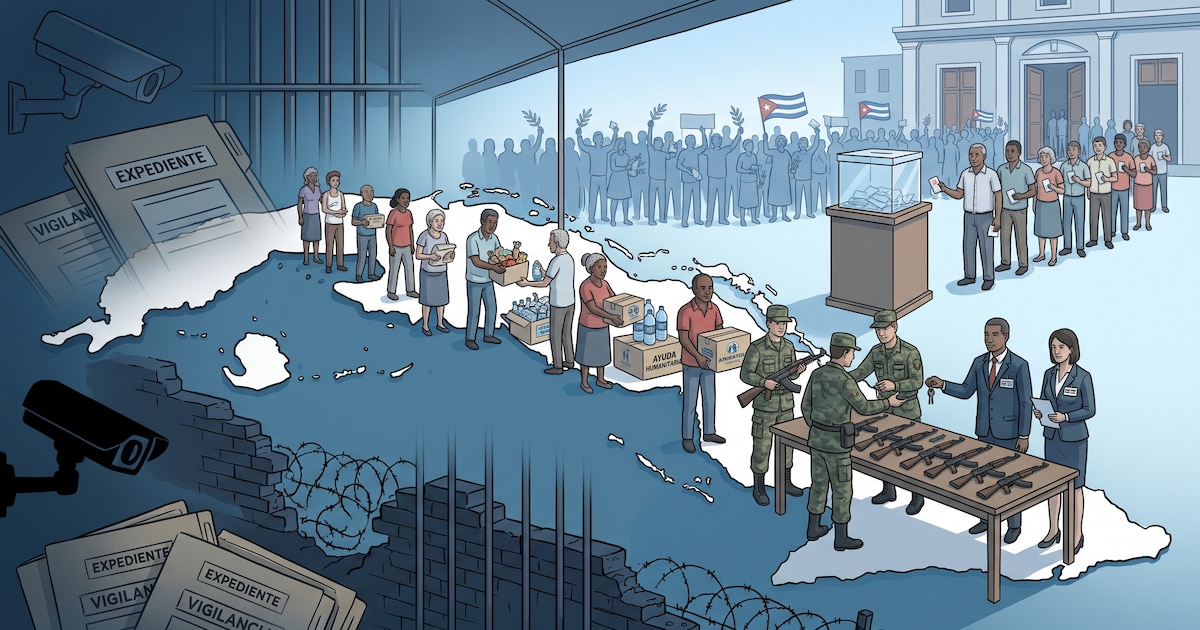
Desmontar la dictadura cubana no será un camino fácil, pero la oposición en el exilio ha puesto sobre la mesa un mapa con algunas vías que lleven a ese destino.
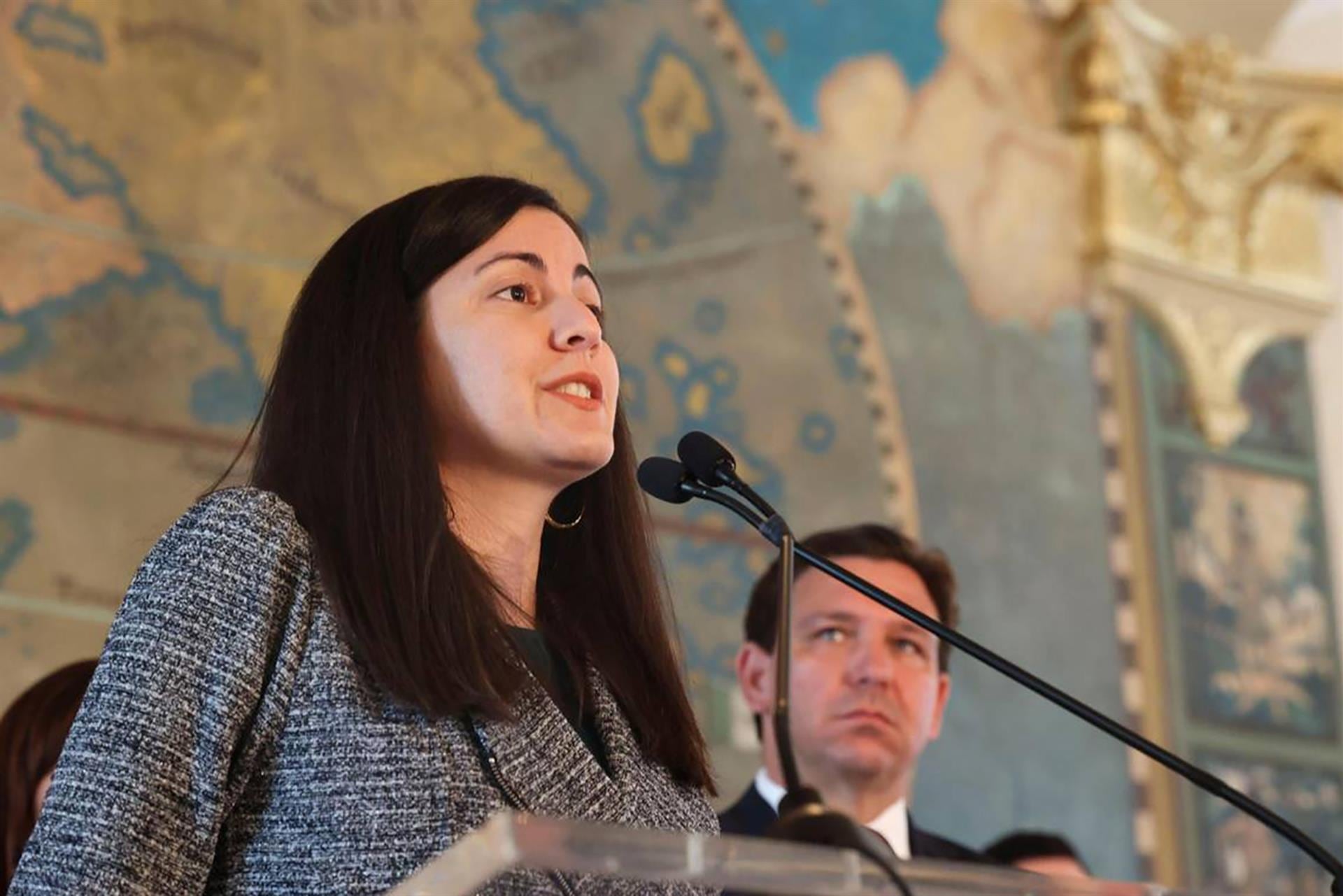
La activista Rosa María Payá presentó recientemente en Madrid un plan que plantea una transición democrática en Cuba dividida en tres fases, con el desmantelamiento de los organismos represivos, ayuda humanitaria inmediata, un gobierno provisional limitado en el tiempo y la convocatoria a elecciones plurales.
La iniciativa, expuesta durante el encuentro Cuba en el Umbral, reunió a activistas, juristas, economistas y representantes de organizaciones opositoras dentro y fuera de la isla. Sus planteamientos parten de una advertencia: el cambio político no podría sostenerse si las estructuras de vigilancia, control económico y poder partidista conservaran capacidad para condicionar el proceso.
El plan busca sustituir el actual sistema político cubano, prevé un período transitorio de entre 18 y 36 meses, sin prórrogas, y concluye con un plebiscito constitucional vinculante y comicios libres.
Payá, fundadora de Cuba Decide y coordinadora de la plataforma Pasos de Cambio, sostuvo que el objetivo no es administrar una transición indefinida, sino devolver a los ciudadanos la capacidad de decidir sobre el futuro político de la isla. “Ya no estamos exclusivamente denunciando la dictadura, estamos preparando la República”, afirmó durante la presentación, según informó 14ymedio.
El fin de la represión, condición para iniciar el proceso
La primera etapa del programa se denomina liberación y fija como requisito el cese de la represión estatal y la restitución de derechos fundamentales. Para los promotores del plan, no puede haber apertura política mientras se mantengan los mecanismos de persecución contra opositores, activistas, periodistas independientes y ciudadanos críticos del régimen.
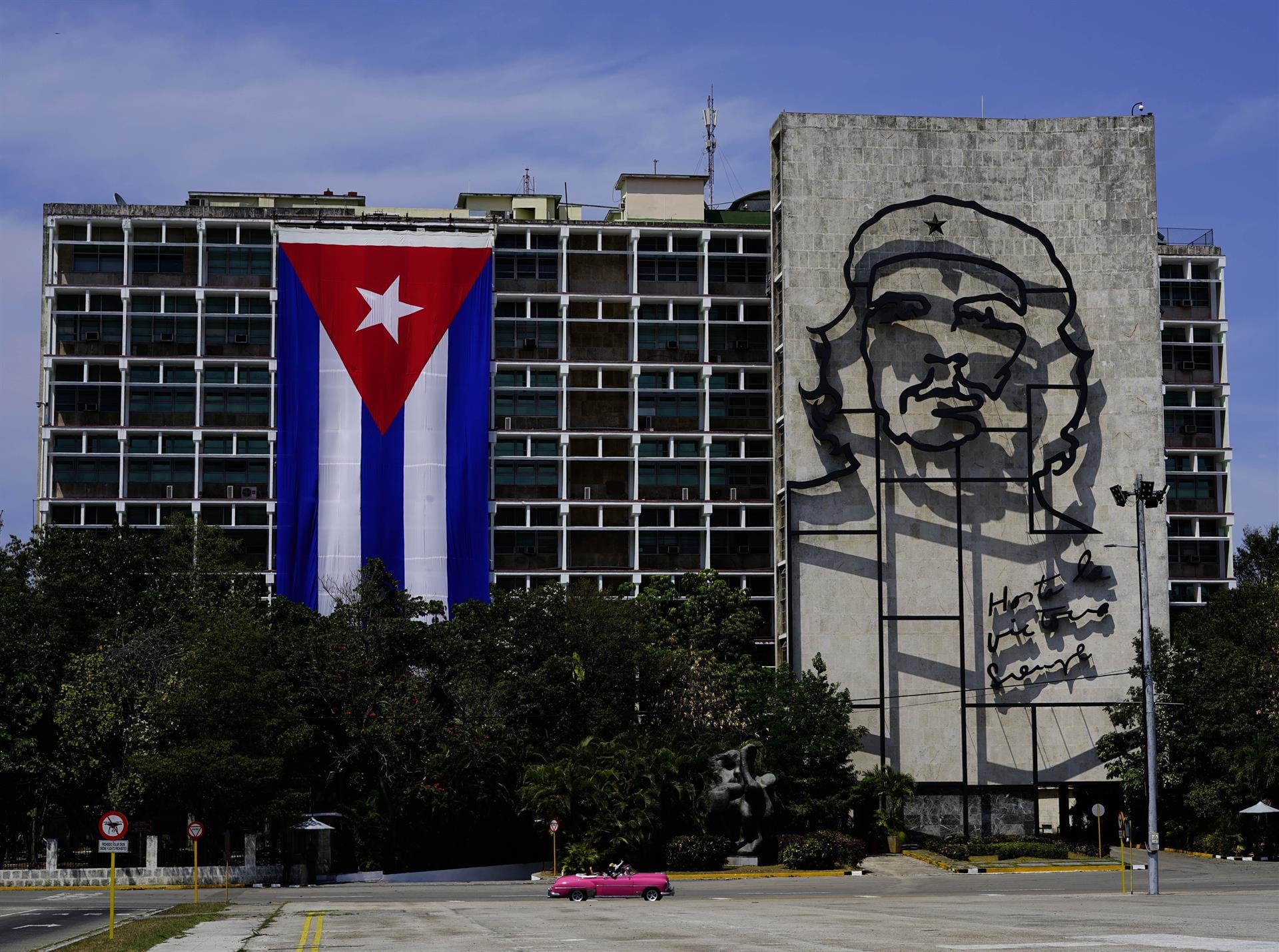
La propuesta incluye la disolución de la Seguridad del Estado, de las brigadas de respuesta rápida y de los sistemas de vigilancia vinculados a los Comités de Defensa de la Revolución. También plantea que las Fuerzas Armadas queden subordinadas a autoridades civiles, con el argumento de que el control de las armas debe responder a la ley y no al Partido Comunista.
Armando Ibarra, responsable del área de seguridad de la iniciativa, propuso retirar de Cuba los servicios de inteligencia de Rusia y China. El documento también contempla el traspaso del Grupo de Administración Empresarial S.A. (Gaesa), conglomerado controlado por las Fuerzas Armadas, a una administración civil. La reorganización del poder militar y económico figura como una de las condiciones centrales del programa opositor.
El planteamiento busca incorporar incluso a quienes hoy integran las instituciones oficiales. Payá señaló que la propuesta está dirigida a todos los cubanos, incluidos aquellos que permanecen dentro de estructuras estatales y partidarias. Esa definición apunta a evitar que el cambio político se limite a los sectores opositores y alcance a funcionarios, trabajadores públicos y miembros de organismos de seguridad.

Ayuda humanitaria gratuita en las primeras 72 horas
La segunda fase, definida como estabilización y reconstrucción, parte de un diagnóstico sobre el deterioro de las condiciones de vida en Cuba. El plan prevé la distribución de alimentos, agua y medicamentos durante los primeros 180 días de la transición, con un operativo inicial en un plazo de 72 horas.
Yaxys Cires, del Observatorio Cubano de Derechos Humanos, explicó que la asistencia sería gratuita y no tendría condicionamientos políticos. La propuesta incluye una autoridad nacional para coordinar la ayuda y centros logísticos destinados a asegurar su llegada a distintas zonas del país.
El abastecimiento de productos básicos en las primeras 72 horas busca responder a uno de los principales riesgos de una transición: que la escasez y la precariedad social generen inestabilidad durante el cambio institucional. Los opositores plantean que la emergencia humanitaria debe recibir atención antes de avanzar en reformas más amplias de la economía y el sistema político.
En el plano económico, el economista Elías Amor Bravo propuso reducir el peso del Estado en la actividad productiva, ampliar las garantías para la propiedad privada, contener la inflación y captar inversiones. La propuesta parte de la premisa de que existen recursos nacionales que requieren una administración distinta y mayor transparencia.

Justicia para las víctimas y revisión de las propiedades confiscadas
El documento también dedica un apartado a la justicia transicional. El politólogo y escritor Julio M. Shiling, asesor del área, propuso investigar los delitos atribuidos al régimen cubano, depurar las instituciones estatales y preservar los archivos de los organismos de seguridad.
El programa contempla mecanismos para restituir o indemnizar propiedades confiscadas tras la revolución, aunque establece el derecho de permanencia de quienes ocupan actualmente esos inmuebles. La devolución o compensación por los bienes confiscados aparece vinculada a una política de reparación sin desalojos automáticos.
La revisión del funcionamiento de Gaesa forma parte de ese proceso. Los impulsores de la iniciativa consideran que debe esclarecerse el manejo de los recursos controlados por el conglomerado militar y establecerse responsabilidades en caso de que las investigaciones detecten irregularidades.
Shiling propuso tomar como referencia la Constitución cubana de 1940, con adaptaciones a la realidad actual. El planteamiento busca ofrecer una base legal anterior al sistema instaurado después de 1959 y abrir un debate sobre el marco institucional de una futura República.
Organismos electorales autónomos en los primeros 90 días
La tercera y última fase se centra en la democratización. El abogado Mijail Bonito Lovio explicó que durante los primeros 90 días se deberían crear instituciones autónomas, entre ellas un servicio nacional electoral y una contraloría.
La denominada ley de transición democrática tendría carácter provisional y establecería los pasos jurídicos para el período de cambio. El límite máximo de 36 meses apunta a impedir que el gobierno transitorio se prolongue sin una consulta popular y sin elecciones competitivas.
El itinerario concluiría con un plebiscito constitucional vinculante y comicios plurales. La propuesta insiste en que el proceso debe devolver la soberanía a los ciudadanos dentro de la isla y a los cubanos residentes en el exterior.
Durante el encuentro en Madrid, la líder de las Damas de Blanco, Berta Soler, reclamó la liberación de los presos políticos, la exclusión del Partido Comunista de la etapa transitoria y la creación de tribunales que garanticen justicia para las víctimas. Iván Hernández Carrillo, representante de sindicatos independientes, pidió protección social y garantías laborales, con libertad sindical como condición para una democracia en el ámbito del trabajo.
La presentación del plan contó con la presencia del secretario general de la Organización de los Estados Americanos (OEA), Albert Ramdin, eurodiputados y representantes diplomáticos de Estados Unidos, Chile y países europeos. El proyecto amplía el Acuerdo de Liberación presentado en Miami en marzo y reúne propuestas de organizaciones opositoras dentro y fuera de Cuba.
Cuba,transición política,elecciones,ayuda humanitaria,desarme

Zidane convoca a un jugador de la segunda división alemana para paliar la baja de Kalulu

El papa León XIV saludó desde el balcón del Arzobispado a los fieles: “Que la bendición del Señor les llegue al corazón”

Lando Norris, con Infobae: “Espero con ilusión correr con la Fórmula 1 en Argentina”

Nicolás Cabré tomó una contundente decisión con Rufina en medio de la polémica que envuelve a Mauro Icardi

Red counties with data center projects swung away from GOP in midterms, analysis finds

Independiente perdería un gran suma de dinero por un futbolista que se iría en diciembre

Así fue el saludo entre Javier Milei y el papa León XIV en Aeroparque tras la llegada a la Argentina

Artemis IV: los detalles de cómo será la misión de la NASA que busca llevar astronautas a la superficie lunar en 2028

Racing sigue en la busqueda de un nuevo entrenador para el 2027 y hay tres nombres apuntados

Canales para ver el Tigre vs. Sarmiento por el Torneo Clausura

 POLITICA1 día ago
Así fue el saludo entre Javier Milei y el papa León XIV en Aeroparque tras la llegada a la Argentina
- DEPORTE3 días ago
Gimnasia de Mendoza vs Independiente Rivadavia: formaciones, hora y dónde ver por tv
- DEPORTE3 días ago
Franco Colapinto le hizo probar mate a Lewis Hamilton en un evento durante el GP de Brasil: la reacción del piloto de Ferrari