
INTERNACIONAL
Quién era Julio César Jasso Ramírez, el tirador mexicano que mató a una turista canadiense y desató «14 minutos de terror» en las pirámides de Teotihuacán



INTERNACIONAL
GOP lawmaker’s gifts, ‘effusive affection’ toward young staffers detailed in explosive ethics report
Kat Timpf: America needed Schumer’s fart to replace Swalwell
Kat Timpf delivers a humorous take on the alleged Sen. Chuck Schumer fart incident. She asserts that America desperately needed a new ‘farter’ to restore levity after former Rep. Eric Swalwell’s previous allegations, which had tainted the humor of such jokes.
NEWYou can now listen to Fox News articles!
A House GOP lawmaker is accused of sexually harassing two «young female staffers» in his office in an explosive report that details lavish gifts, trips, and even reciting a poem for one of the aides in an incident that made others in his office uncomfortable.
The House Ethics Committee is recommending a censure for Rep. Chuck Edwards, R-N.C., after an extensive probe found that he violated the House of Representatives’ code of conduct with repeated incidents targeting the two staffers.
«Specifically, the Committee found that Representative Edwards engaged in persistent unprofessional and inappropriate conduct towards two young female staffers. While Representative Edwards denied that any of his conduct was intended as a sexual or romantic advance, his pattern of behavior would lead a reasonable observer to interpret it as such, including providing the young women with lavish and recurrent gifts, making comments regarding their appearance and dress, inviting them to intimate dinners and vacations, sending notes regarding his effusive affection, and inviting them to other activities as a way to spend time together,» the report said.
The committee also said Edwards sought to cooperate with the panel, but that some messages deemed relevant to the probe were «omitted and/or seemingly deleted from his phone.»
REPUBLICAN LAWMAKER WELCOMES HOUSE ETHICS PROBE INTO SEXUAL MISCONDUCT ALLEGATIONS AGAINST HIM
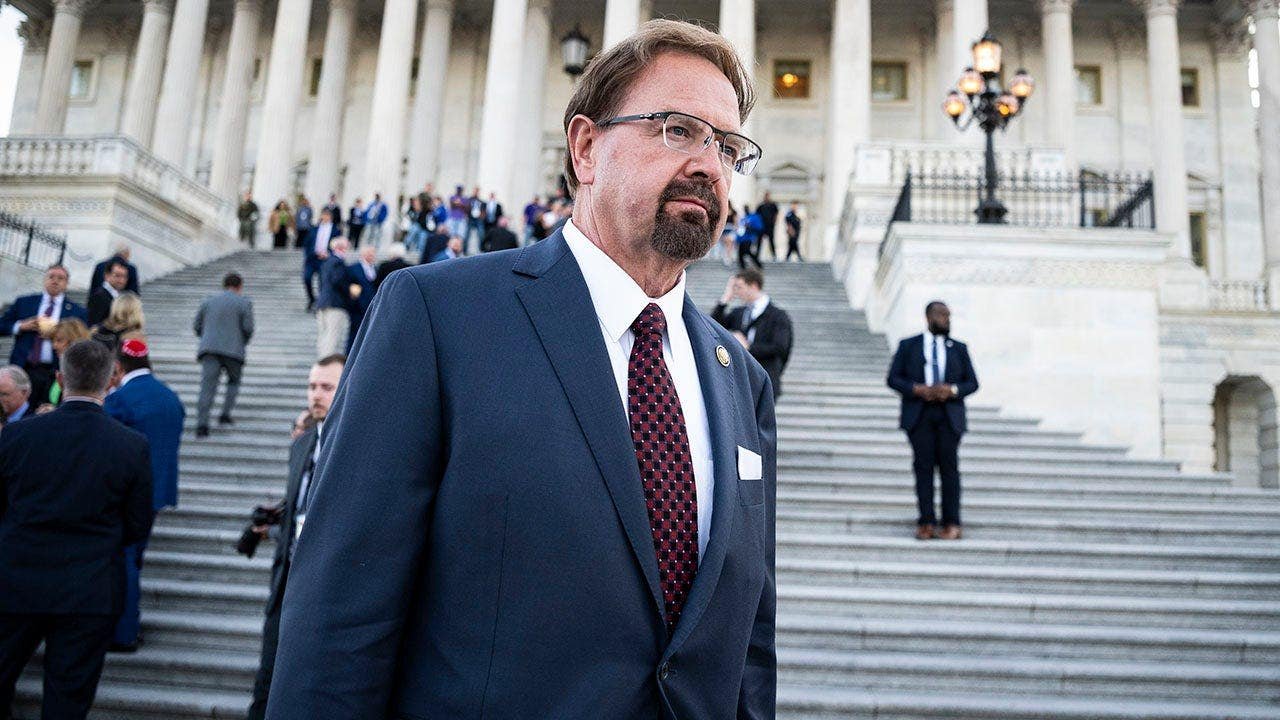
Rep. Chuck Edwards, R-N.C., departs from the U.S. Capitol on May 12, 2026, in Washington, D.C. (Graeme Sloan/Getty Images)
«An example of Representative Edwards’ unprofessional conduct was commenting on the two women’s appearance in the congressional office, telling them when they looked ‘pretty’ or ‘breathtaking,’ and even remarking on one staffer’s weight,» the report said.
Edwards told the committee he only commented on staffers’ clothing and said «it’s almost an insult if you don’t make some comment about [one another’s clothing],» according to the report.
While sexual harassment allegations are detailed regarding both staffers, the report goes into significant detail about Edwards’ alleged entreaties to the aide referred to as «Staffer 2.»
RESIGNATION IS THE NEW ESCAPE HATCH AS LAWMAKERS FACE EXPULSION
That includes that Edwards «wrote poems for Staffer 2, including one that he read at her going away party in the congressional office accompanied by a slideshow, during which he cried.»
«Several staffers present testified that they felt uncomfortable, and Representative Edwards acknowledged in his own testimony that he could tell the staff felt uncomfortable,» the report said.
Edwards also «arranged for a singer to go to Staffer 2’s birthday party to sing Ed Sheeran’s Hills of Aberfeldy and say that it was ‘from a special someone,’» according to the findings.
That staffer confided in a friend after the ordeal that it left her «scared lowkey,» the report said.
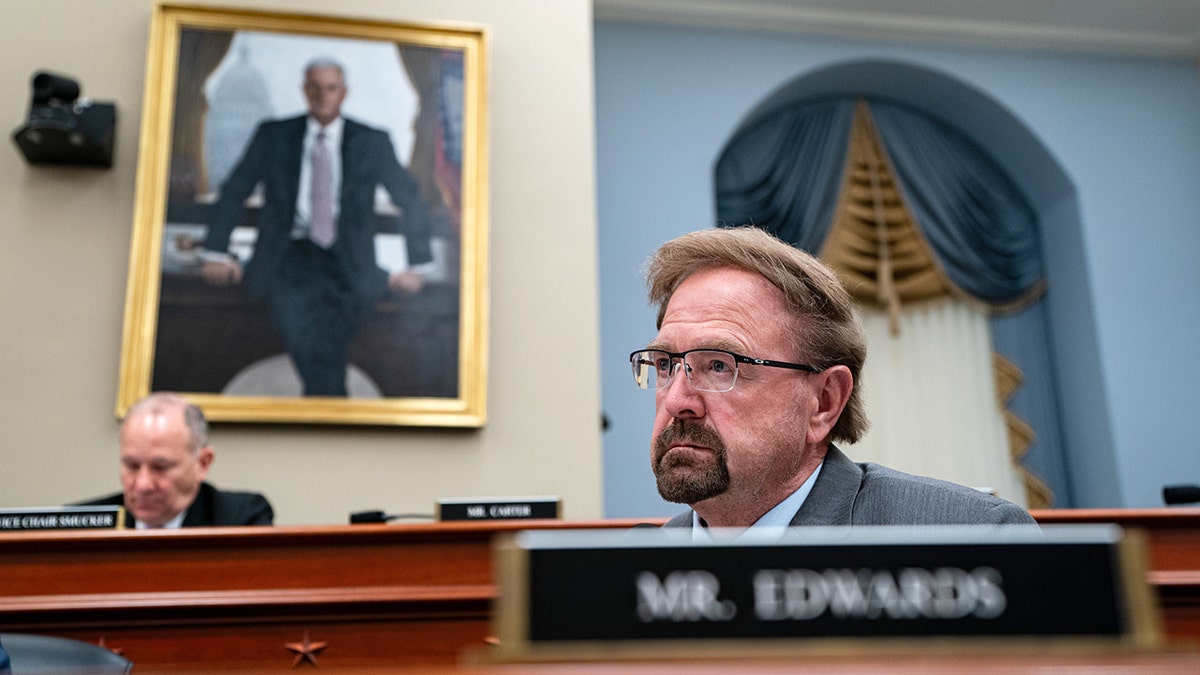
Edwards, R-N.C., during a House Budget Committee hearing on Capitol Hill in Washington, D.C., on Wednesday, April 15, 2026. (Al Drago/Bloomberg via Getty Images)
The congressman also went to her home «to perform chores like yard work, pick her up and drop her off for events and activities with his driver.»
He also missed House votes to help Staffer 2 decorate her Christmas tree, according to the report.
The findings also state he «Took Staffer 2 to the casino, bought her drinks and paid for her to gamble. Staffer 2 texted Representative Edwards after one such outing to thank him for a fun night.»
He printed that text message on paper and drew a heart next to it, the report said, and handwrote, «Perhaps my proudest personal moment!»
Edwards is also accused of booking and paying for spa treatments for that staffer and sending both staffers «personal texts late in the evening.»
Later, when «Staffer 2» told Edwards that she received another job offer, Edwards told her he cried and then proceeded to «repeatedly» ask her to dinner for the next several days, the report said.
She told the congressman that it was not «a great idea» after a friend asked her about rumors of an affair between Edwards and a staffer, to which the report said Edwards responded, «It’s disappointing to feel something that used to be easy has gotten complicated. Whether we were talking about cat poop, crime plots, or thoughts more meaningful—I’ve always valued the time we shared, and the money we won 🙂 and I thought you might too. I didn’t expect outside chatter to change that. Still, I understand. You get to set the boundaries, and I get to respect them. If you ever feel easy again, I hope you’ll give me the signal.»
Edwards told the committee that he «suppose[d]» his response could seem intended to make someone feel guilty, but that was not his intent.
«That was my way of saying – I ain’t asking again because part of harassment is, when an interaction is not wanted and repetitive, and I was just trying to set the groundwork for ‘I’m going [] to respect that,» he apparently told the committee.
Edwards also said the text showed he allowed those staffers to set boundaries on what they were comfortable with, but the committee noted it «received evidence that Staffer 1 and Staffer 2 did not always feel free to reject Representative Edwards’ attentions without fear of professional consequences.»
With «Staffer 1,» Edwards is also accused of leaving an event early and telling her it was because she «brought a date,» but he told the committee «that he told Staffer 1 that he did not want to be ‘in the way or something to that effect.’»
The House Ethics Committee is chaired by Edwards’ fellow Republican Rep. Michael Guest, R-Miss., but acts on a bipartisan basis to investigate lawmakers on both sides of the aisle.
The explosive report comes after a string of high-profile sexual harassment allegations against House members including now-former Reps. Eric Swalwell, D-Calif., and Tony Gonzalez, R-Texas, both of whom have since resigned amid the blowback.
house of representatives, politics, house of representatives politics
INTERNACIONAL
El Cuerpo de Bomberos de El Salvador reporta un alza del 150% en emergencias por incendios en el inicio de las Fiestas Agostinas
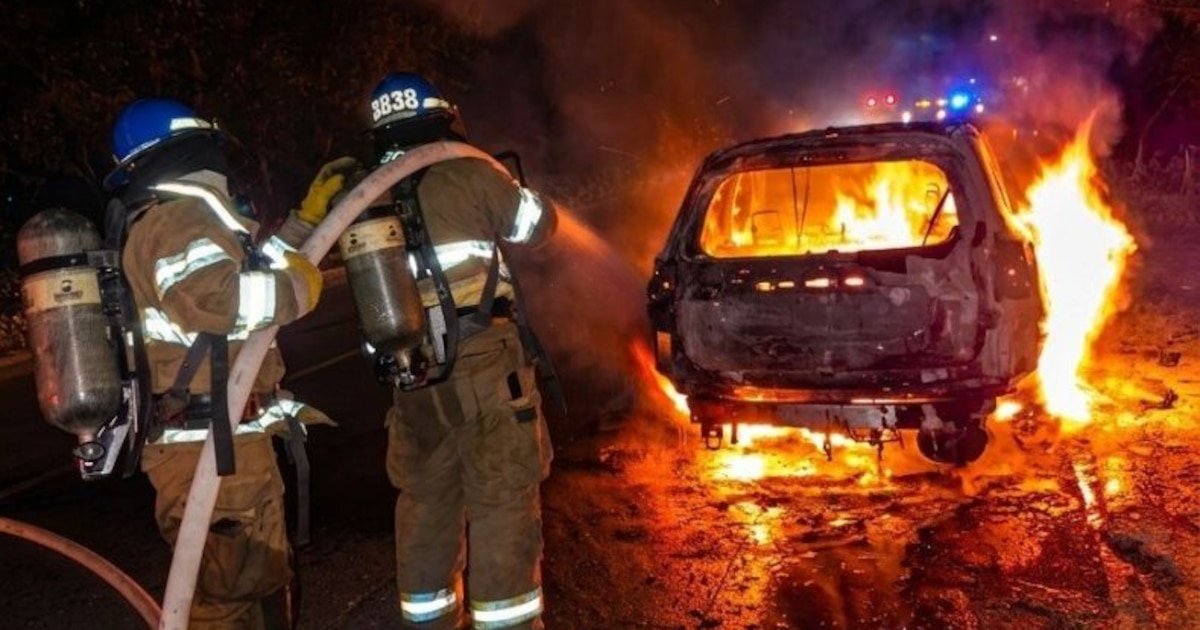
Durante el primer día del periodo vacacional en El Salvador durante las fiestas agostinas, el Cuerpo de Bomberos atendió un incremento notable en emergencias por incendios, con un alza del 150% respecto al año anterior. La jornada, que marca el inicio de una de las semanas con mayor movimiento turístico en el país, evidenció un despliegue especial de recursos y personal en las principales zonas recreativas, playas, lagos y centros históricos, donde la afluencia de visitantes nacionales e internacionales se multiplica.
En declaraciones brindadas durante el programa Entrevista AM, Baltazar Solano, director del Cuerpo de Bomberos de El Salvador, detalló que la corporación ha reforzado su capacidad operativa como parte del Plan Vacación 2026, en coordinación con el Sistema Nacional de Protección Civil. Más de 800 bomberos y 150 inspectores fueron desplegados a escala nacional para cubrir 17 estaciones estratégicamente ubicadas, con el objetivo de actuar de manera preventiva y responder a cualquier emergencia.
Solano explicó que, pese a estar en temporada lluviosa, la presencia de una canícula provocó condiciones secas que favorecieron la propagación de incendios, situación poco habitual para el mes de agosto. Según el balance presentado, el primer día del periodo vacacional de 2026 registró 9 incendios en maleza, 5 estructurales y 1 en vehículo, totalizando 15 emergencias por fuego, frente a 6 reportadas el año anterior en la misma fecha. El funcionario calificó estos datos como “anómalos” para la época, ya que este tipo de incidentes suelen concentrarse en la época seca.

El operativo preventivo no solo se enfocó en incendios. El Cuerpo de Bomberos realizó inspecciones en bares, restaurantes, hoteles, hostales, gasolineras y ventas de gas para verificar condiciones de seguridad, como el estado de los sistemas eléctricos, la ubicación y funcionamiento de extintores. Solano afirmó que el comercio y la industria han mostrado buena disposición para acatar las recomendaciones, sin hallazgos graves hasta el momento.
La vigilancia se extendió a los eventos religiosos, actividades masivas y ferias con énfasis en lugares como el parque de diversiones CívarLand y el Centro Histórico de San Salvador, donde se prevé la mayor concentración de visitantes durante la semana. En estos puntos, la institución mantuvo presencia permanente y revisó instalaciones eléctricas y de gas propano, así como la operación de juegos mecánicos, atendiendo el riesgo que representa la afluencia masiva y el uso de combustibles.
El director de Bomberos destacó la labor conjunta con los guardavidas de la Dirección General de Protección Civil, quienes realizaron 20 rescates profundos y 4 simples en el primer día del periodo. En 2025, durante la misma fecha, solo se reportaron 3 rescates profundos y ninguno simple. La cifra de 24 personas auxiliadas evidencia la intensidad del trabajo en playas y ríos, donde las corrientes, la imprudencia y el consumo de alcohol fueron factores de riesgo.

Solano lamentó la muerte de 1 persona en un río e insistió en la importancia de respetar las indicaciones de los guardavidas, especialmente en zonas de bandera roja, y evitar ingresar al mar o cuerpos de agua durante la noche o bajo los efectos del alcohol.
También subrayó la relevancia de acudir a lugares que cuenten con servicio de salvamento y recomendó a los excursionistas que visitan cerros o volcanes contratar guías certificados.
El Plan Vacación 2026 contempló, además, la revisión de protocolos para el uso de fuegos artificiales y la supervisión de eventos que implican aglomeraciones. El Cuerpo de Bomberos exige a organizadores y alcaldías notificar la realización de espectáculos pirotécnicos, para garantizar que se cumplan las normas de seguridad y se minimicen los riesgos de incendios accidentales.
Durante la entrevista, el director recordó que el número de emergencias habilitado para la población es el 913 y reiteró que la institución opera sin interrupciones durante toda la temporada. La estrategia gubernamental procura que tanto los salvadoreños como los turistas disfruten de las vacaciones con las condiciones de seguridad adecuadas, mientras las autoridades mantienen la vigilancia y la capacidad de respuesta ante cualquier eventualidad.
corresponsal:Desde San Salvador, El Salvador
NEWYou can now listen to Fox News articles!
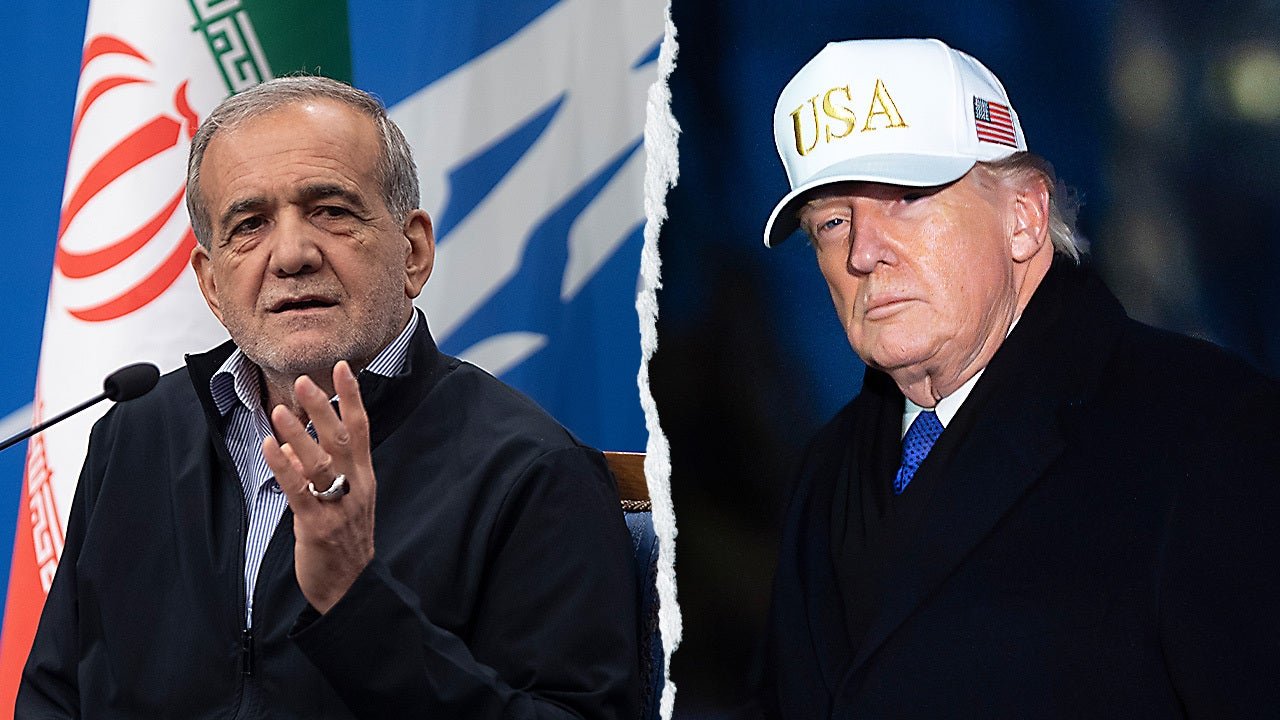
Iranian President Masoud Pezeshkian called Hamas’ newly elected leader to congratulate him and pledge Tehran’s continued support for the group’s cause, Hamas said Monday — as President Donald Trump promotes a landmark agreement intended to strip the terrorist organization of its weapons and power in Gaza.
Pezeshkian congratulated Khalil al-Hayya on his election as head of the group’s political bureau and told him Iran would continue supporting the Palestinian cause, according to a Hamas statement posted in Arabic, and reviewed by Fox News Digital.
«We are with you, and we support you in every action you take, despite the attacks we are facing,» Pezeshkian said, according to Hamas’ account of the call.
Fox News Digital has asked Iran’s mission to the United Nations to confirm that the call took place and provide an official readout.
HAMAS TAPS ‘ULTIMATE INSTITUTIONAL SURVIVOR’ AS TERROR CHIEF, SENDING MESSAGE TO ISRAEL: EXPERT
Analysts say Al-Hayya’s elevation signals that Hamas, after the destruction of Gaza and the losses since Oct. 7, 2023, has prioritized organizational cohesion, armed continuity and the preservation of its Iranian relationship. (Iranian Leader Press Office/Handout/Anadolu via Getty Images)
The reported conversation highlighted a central contradiction confronting Trump’s Gaza initiative: While the White House is presenting the roadmap as a landmark agreement to remove Hamas from power and secure its weapons, Iran — the group’s longtime military and financial patron — was simultaneously reaffirming its support for Hamas and its new leader. Tehran’s backing raises fresh questions about whether Hamas is prepared to surrender the arsenal at the core of its power and how the Board of Peace could enforce disarmament against a group that continues to receive political support from one of Washington’s principal regional adversaries.
Trump in recent days announced what he called a «HISTORIC agreement for the COMPLETE DISARMAMENT of Hamas and all other armed groups,» presenting it as a breakthrough after nearly three years of war. The stakes extend far beyond the wording of the deal: Hamas’ weapons remain the central obstacle to rebuilding Gaza, and the agreement will test whether Trump’s Board of Peace can enforce a postwar transition or whether Hamas will exploit the process to survive, regroup and retain power.
At the center of the effort is Trump’s Board of Peace, the president’s handpicked vehicle for implementing his Gaza policy and potentially extending his approach to other global conflicts. Trump chairs the board, whose executive leadership includes Secretary of State Marco Rubio, special envoy Steve Witkoff, Jared Kushner and former British Prime Minister Tony Blair.
The White House says the board will oversee Gaza’s transition, mobilize reconstruction funding and hold the parties accountable.
But the tensions intensified Monday also on the Israeli side, when Nickolay Mladenov, Board of Peace director-general and high representative for Gaza, and board advisor Aryeh Lightstone met with Israeli Prime Minister Benjamin Netanyahu and urged Israel to halt its attacks in Gaza.
Israel appeared to reject the board’s two central demands shortly afterward.
«Israel will not withdraw from its current line in the Gaza Strip and will continue to thwart any threat to our civilians and soldiers,» an Israeli political official said. The statement amounted to a rejection, at least for now, of demands that Israel return to the «yellow line» and halt targeted strikes in Gaza.
A Board of Peace official declined to discuss the meeting but said the body remained focused on carrying out the roadmap.
«We are focused on implementation,» the official told Fox News Digital. «We have provided a pragmatic path forward to transform Gaza by removing Hamas from power and seeing it hand over its weapons. These steps would undoubtedly allow for the improvement of life in Gaza and enhancement of security in Israel. We remain determined to advance these objectives.»
Meanwhile, the Hamas terrorist group says it has agreed only to a phased and conditional process involving the storage of weapons after Israel stops its attacks, withdraws its forces and allows more aid into Gaza. Hamas has avoided the word «disarmament» in its statements and insists its weapons would remain under Palestinian control rather than being surrendered to Israel or an international force.
HAMAS AGREES TO COMPLETE DISARMAMENT UNDER ‘HISTORIC’ GAZA AGREEMENT: TRUMP
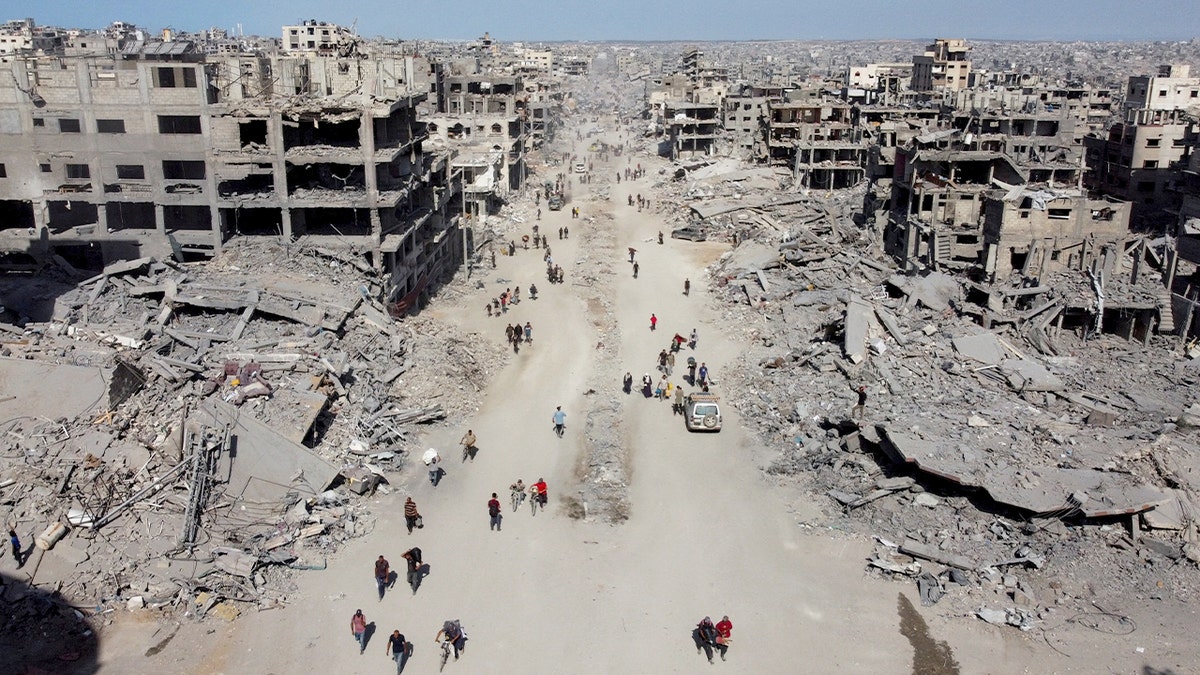
A drone view shows Palestinians walking past the rubble, following Israeli forces’ withdrawal from the area, amid a ceasefire between Israel and Hamas in Gaza, in Gaza City, Oct. 11, 2025. (Dawoud Abu Alkas/File Photo/Reuters)
The board’s 15-point roadmap calls for Hamas to transfer Gaza’s civilian government and security responsibilities to a Palestinian technocratic body known as the National Committee for the Administration of Gaza. Hamas-run police would surrender their weapons to the committee, while heavy weapons, military production sites, weapons depots and tunnels would be addressed later through a phased decommissioning process linked to an Israeli withdrawal.
The intended endpoint is that only the new Palestinian authority would possess or control weapons in Gaza. But the roadmap leaves unresolved who will enforce the process, what constitutes compliance and which side must act first.
Hamas’ disarmament remains a central obstacle to rebuilding Gaza. Trump has tied reconstruction to the group laying down its weapons, while The Associated Press reported that the Board of Peace had secured approximately $7 billion in pledges by February — a fraction of the estimated $70 billion needed to rebuild the devastated territory.
Moumen al-Natour, a Palestinian lawyer from Gaza and co-founder of the anti-Hamas «We Want to Live» movement, said civilians desperately want the agreement to succeed but do not trust Hamas to relinquish power.
«Civilian people inside Gaza Strip… want safety, want to stop this war, want a new government, want to be alive,» al-Natour told Fox News Digital.
But al-Natour, who previously was imprisoned by Hamas, warned that the group would use delays and violations to remain embedded in Gaza.
«I can’t trust Hamas because I know Hamas,» he said, arguing that the group had repeatedly arrested and killed Palestinians who opposed its rule. He said an international force of only a few hundred personnel would be unable to secure Gaza or prevent Hamas from intimidating residents and that a much larger force and a new Palestinian police structure would be required.
Drawing on a grassroots network of thousands of Gazan professionals who reject Hamas’ ideology, the «We Want to Live» movement is promoting its own plan to rebuild Gaza’s civil society and is calling for cooperation with the Board of Peace and the National Committee for the Administration of Gaza, the technocratic body tasked under the U.S.-backed transition plan with governing and rebuilding the enclave.
Al-Natour also proposed allowing civilians who want to escape Hamas-controlled areas to move into protected zones near the «yellow line» — the boundary separating Israeli-held territory from the rest of Gaza — where they could live under a new Palestinian administration backed by an international security force. He said the arrangement could provide Gazans with a safer alternative while a post-Hamas governing structure is established.
HAMAS SAYS IT WILL DISSOLVE GAZA GOVERNMENT, BUT ISRAEL WARNS GROUP STILL SEEKS HEZBOLLAH-STYLE CONTROL

A mourner carries the body of a Palestinian who was killed in Israeli strikes, according to medics, during a funeral, in Gaza City, Aug. 2, 2026. (Dawoud Abu Alkas/Reuters)
Michael Milstein, a former military intelligence officer in Israel and now head of the Palestinian Studies Centre at Tel Aviv University, said the compromise has been developing for months under pressure from Qatar, Turkey and Egypt.
Milstein said Hamas may be prepared to give up control of Gaza’s day-to-day government and accept restrictions on heavy weapons but is unlikely to abandon its armed organization completely.
Under the model Hamas appears to favor, Milstein said, a technocratic government and international forces would assume responsibility for public services and reconstruction while Hamas preserves its personnel, infrastructure and political influence — an arrangement resembling Hezbollah’s longtime position in Lebanon.
«There is a very, very low chance that Hamas will completely disarm,» Milstein told Fox News Digital, describing the roadmap as the kind of «gray area» Hamas has historically used to its advantage.
The Board of Peace also is pressing for an end to actions that could derail the plan. After Israeli strikes killed civilians and reportedly destroyed medical supplies over the weekend, Mladenov, the director-general of the Board of Peace, called for de-escalation but did not identify Israel by name.
«Two days of strikes across Gaza have killed civilians and destroyed medical supplies,» Mladenov wrote on X, adding that he was working with the parties and regional mediators to «create the space for the full implementation of the President’s plan.»
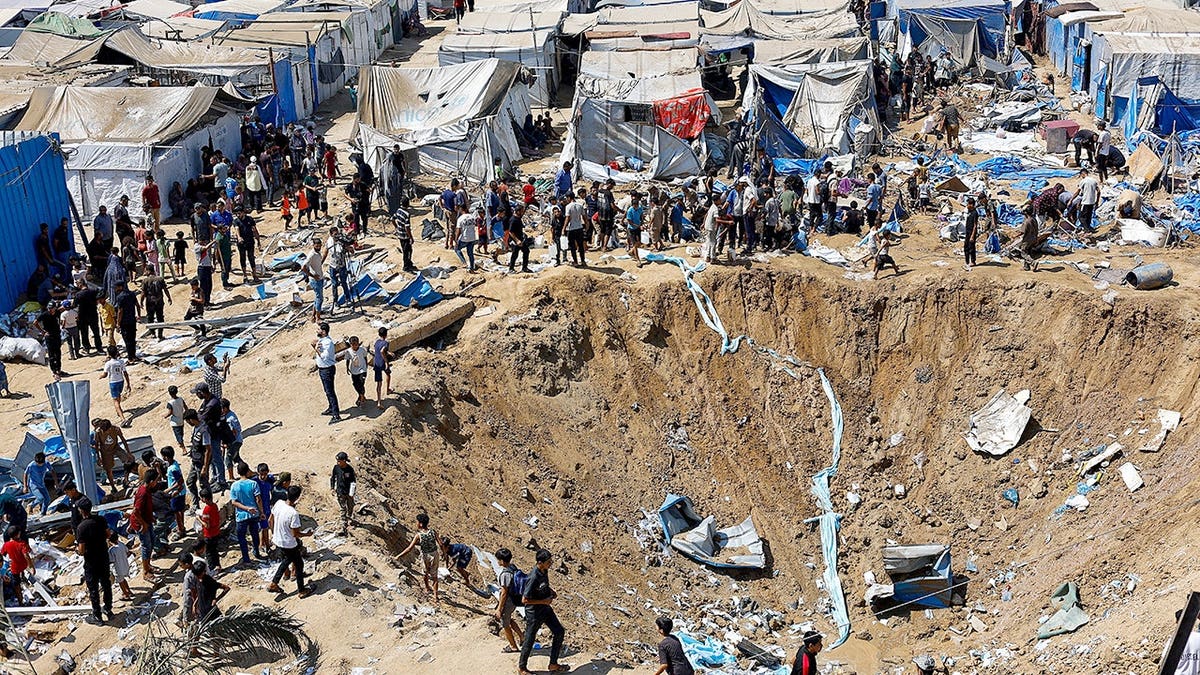
Palestinians inspect the site of an overnight Israeli strike on a medicine warehouse, according to medics, next to tents sheltering displaced Palestinians, in Deir al-Balah, in the central Gaza Strip, Aug. 1, 2026, residents had been pre-warned by the Israeli military to evacuate. (Mahmoud Issa/Reuters)
Israel, meanwhile, says it will not withdraw before Hamas genuinely disarms. Hamas says Israel must withdraw first.
The roadmap also faces resistance inside Israel’s government. Finance Minister Bezalel Smotrich and Settlements Minister Orit Strock urged Netanyahu on Monday to convene the security Cabinet immediately and block the international stabilization force from entering Gaza, according to Israel’s N12 news outlet.
In an urgent letter reported by N12 on Aug. 3, 2026, the ministers called the Board of Peace roadmap «dangerous to Israel» and argued that it contradicts Israel’s stated goals of disarming Hamas and demilitarizing Gaza. They objected that weapons would be placed under the authority of a new Palestinian body rather than removed from Gaza or handed to Israel and that Israeli troops would begin withdrawing while the disarmament process was still underway.
The far-right ministers also argued that the international force would monitor the separation between Israeli troops and the new Palestinian administration rather than directly disarm Hamas. They demanded that Netanyahu prevent implementation until the roadmap is revised to require full demilitarization before an Israeli withdrawal. The letter underscores that the plan’s obstacles extend beyond Hamas: Influential members of Netanyahu’s coalition are also challenging its sequencing, enforcement and security provisions.

Israeli troops are pictured outside the Gaza Strip ahead of a military operation in northern Gaza (Daphne Lemelin/AFP via Getty Images)
That leaves Trump’s proclaimed milestone resting on the same question that has stalled previous Gaza negotiations: whether Hamas is truly preparing to surrender the weapons that underpin its power — or merely buying time to ensure that it remains standing when the rebuilding begins.
hamas, iran, world, donald trump, israel

Quién es el ex novio español de Lali Espósito que le hizo vivir un infierno en un hotel con un incendio y deudas millonarias

A la altura de Curry o Hamilton: Lo que habría cobrado Gianni Infantino al vender los derechos del Mundial

Sillas de ruedas al precio de un auto 0km: polémica por sobreprecios en la obra social IOMA

Las provincias reciben cada vez menos recursos de la Nación a pesar de un repunte en la coparticipación

El dólar mayorista comenzó agosto en alza y volvió a acercarse a los 1.500 pesos

GOP lawmaker’s gifts, ‘effusive affection’ toward young staffers detailed in explosive ethics report

“Vamos a acelerar con todo”: el objetivo del Gobierno por las reformas y la agenda electoral de cara al 2027

Reelecciones indefinidas: el oficialismo bonaerense niega que busque ampliar la Legislatura como parte de una reforma política para beneficiar a los intendentes

“Casta”, “parásito” y “sea democrático”: fuerte respuesta de Victoria Villarruel a Diego Santilli

¡Chau Luck Ra! La salida de soltera de La Joaqui, muy bien acompañada, a días de su separación
-
 POLITICA1 día ago
“Vamos a acelerar con todo”: el objetivo del Gobierno por las reformas y la agenda electoral de cara al 2027
-
 POLITICA22 horas ago
Reelecciones indefinidas: el oficialismo bonaerense niega que busque ampliar la Legislatura como parte de una reforma política para beneficiar a los intendentes
-
 POLITICA3 días ago
“Casta”, “parásito” y “sea democrático”: fuerte respuesta de Victoria Villarruel a Diego Santilli