
INTERNACIONAL
Ramaswamy torches Dem rival over ‘outrageous’ COVID-19 claim: ‘Spewing lies’

NEWYou can now listen to Fox News articles!
Amy Acton, the Democratic nominee for governor of Ohio, is facing backlash from Republican rival Vivek Ramaswamy after claiming COVID-19 mortality rates had been as high as 50% in the early days of the 2020 pandemic.
Acton highlighted the figure as evidence of her effective leadership as director of the Ohio Department of Health on a podcast appearance in September.
«In those early days, the mortality rate was 50%. I started with that in March. By June, when we reopened, it was because we took swift, decisive action. The mortality rate had gone down to 5%. We learned how to save lives,» Acton said.
ONE OF THE MOST PROMINENT PRO-MASK MANDATE STUDIES DURING THE COVID PANDEMIC WAS A MISLEADING FAILURE
Democratic gubernatorial candidate Amy Acton speaks at a primary election night campaign event after winning the party’s nomination for governor in Columbus, Ohio, May 5, 2026. (Jay LaPrete/AP Photo)
Acton’s retelling of the pandemic’s lethality comes as she defends her record as health director and amid an uphill bid to become the next governor of the Buckeye State.
COVID-19’s mortality rate was well below the 50% Acton described, resulting in 275,000 deaths nationwide in 2020, according to the Centers for Disease Control (CDC)
Of patients who contracted the virus, the death rate was just 15.9% when adjusted for age. And when filtered further for when COVID was the cause of death, that figure fell further to 11.3%.
When asked about the figure, Acton’s office said she had been referring to death rates in hospitals.
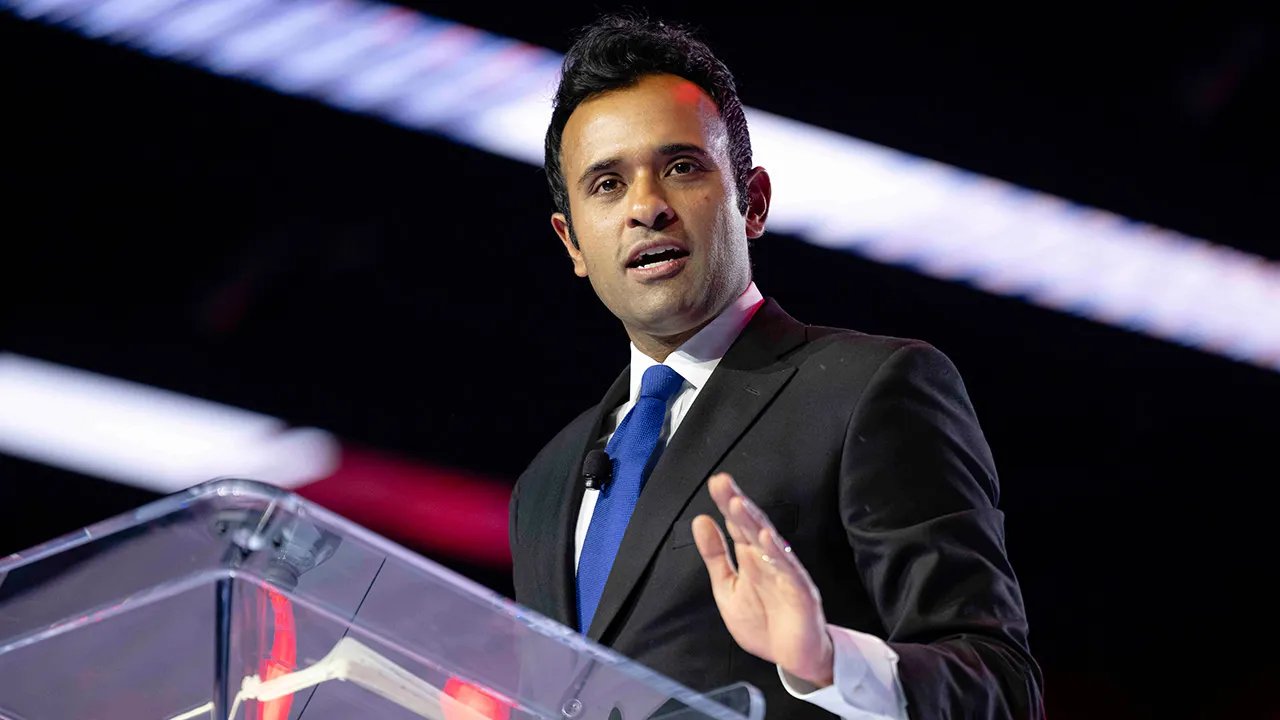
She also bashed Republican gubernatorial candidate Vivek Ramaswamy, the founder of Roivant Sciences, a biotech pharmaceutical company that helped produce COVID treatments.
«While Dr. Acton was working hand in hand with Governor DeWine to keep Ohioans safe, Vivek Ramaswamy was calling for mandatory COVID-19 testing, making more than $2 billion off of the COVID vaccine and recommending segregating Ohioans based on biomarker status,» Addie Bullock, a spokesperson for Acton’s campaign, said.
ANTHONY FAUCI BLAMES AMERICANS FOR NOT HITTING HIS COVID VACCINE TARGET WHILE IGNORING OTHER COUNTRIES
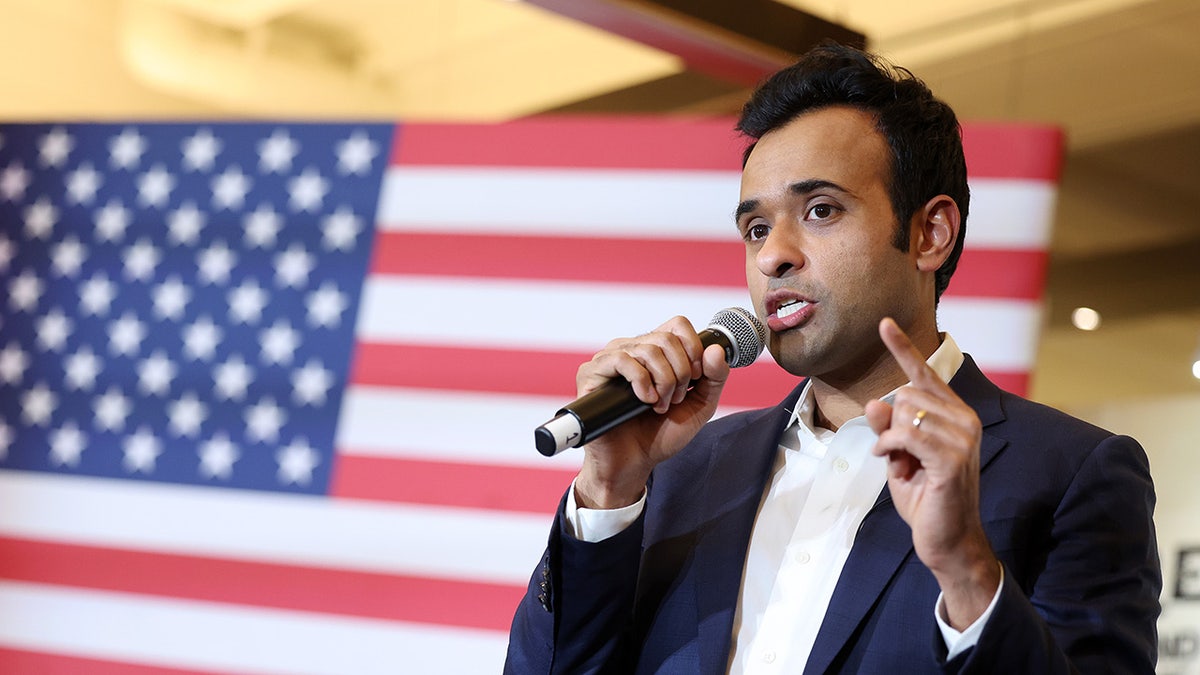
Republican presidential candidate Vivek Ramaswamy speaks at his caucus night event at the Surety Hotel Jan. 15, 2024 in Des Moines, Iowa. (Kevin Dietsch/Getty Images)
In the past, Acton has received Republican criticism for pushing Ohio’s COVID response too far. Acton has countered by arguing that her leadership, alongside Gov. Mike DeWine, a Republican, had been effective.
«I had quarantine power. … We were the very first to take action,» Acton said on the podcast.
A Ramaswamy spokesperson fired back at Acton, telling Fox News Digital she was «spewing lies» on COVID-19.
«Liberal Amy Acton is desperately trying to rewrite history, spewing lies in a futile attempt to justify her disastrous decision-making during COVID,» Connie Luck said.
«But her outrageous claims only confirm what we already know: She’s an incompetent, failed government bureaucrat who ran our state into the ground and is wholly unqualified to lead Ohio.»
With Acton’s advice, Ohio was one of the first states to impose broad emergency restrictions, becoming the first state to shut down schools in March, issuing stay-at-home orders, closing polling places and limiting public gatherings of 50 and then 100 people.
In those early days, Acton once overestimated the number of people in Ohio with COVID, asserting in March 2020 that the figure was 100,000, only to walk back the claim a few days later and state that she had been «guesstimating.» Also in March, Acton claimed Ohio could see as many as 10,000 new cases a day at a press conference with DeWine.
DeWine has defended Acton from criticism, saying it was ultimately his decision on which closures to enact and called Acton’s counsel «superb» in comments to local media.
Later, Acton split with the governor’s office. In particular, Acton disagreed with allowing county fairs, citing fears that the events would risk renewed spread of the virus. She also didn’t see eye to eye with which groups entered into partnerships with the state.
RAMASWAMY PUMPS $25M OF OWN CASH INTO OHIO GOVERNOR BID, SMASHES FUNDRAISING RECORDS WITH $50 MILLION HAUL
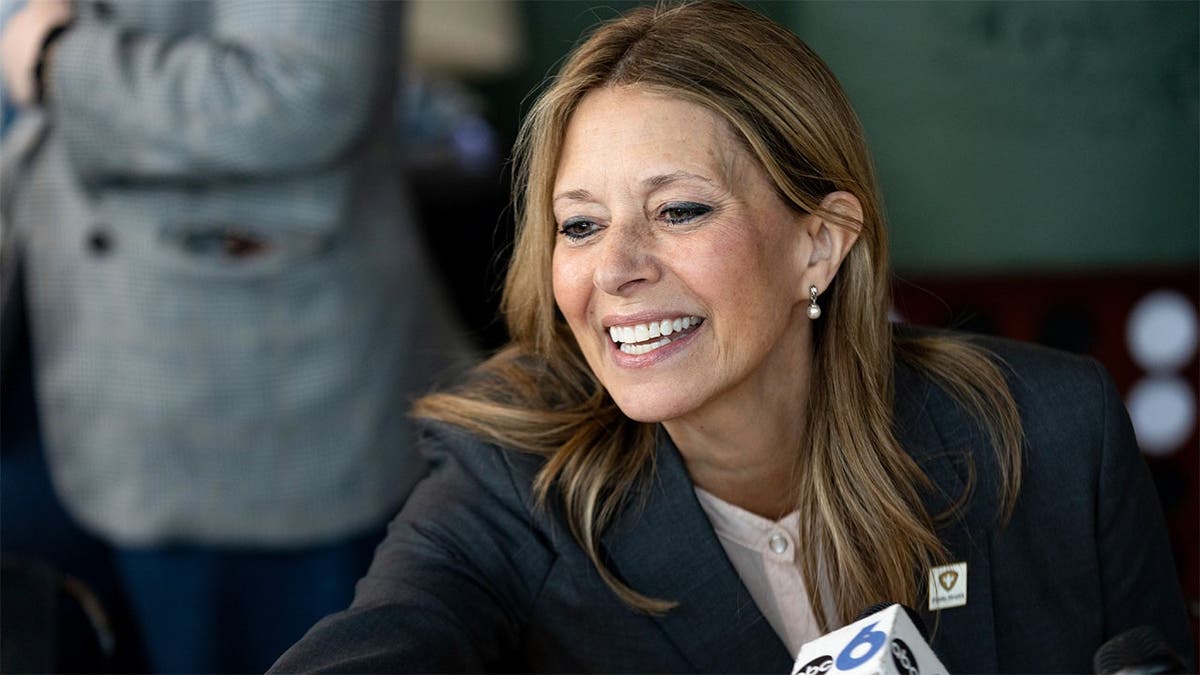
Amy Acton, former director of the Ohio Department of Health and Democratic, meets with local residents while campaigning at Bottoms Up Coffee in Columbus, Ohio, April 6, 2026. (Stephen Zenner/Bloomberg via Getty Images)
CLICK HERE TO DOWNLOAD THE FOX NEWS APP
«I stepped down because I would not sign orders that were being forced on me. I stepped down in June because they began to make COVID, like everything else in the state house, political, giving special interests and certain businesses advantage over other businesses,» Acton said.
Having cleared the Ohio primaries and secured the Democratic nomination, Acton will face Ramaswamy in the Nov. 3 general election.
vivek ramaswamy, gubernatorial, ohio, politics, health








Mexico questions FBI role in Sinaloa Cartel abduction
Mexican President Claudia Sheinbaum strongly criticizes the U.S. government for its alleged involvement in the 2024 abduction of former Sinaloa Cartel boss ‘El Mayo’ Zambada. Sheinbaum explicitly states the U.S. lied about its participation, claiming a violation of Mexican sovereignty. This incident raises serious questions about diplomatic relations between the two nations and American intervention in Mexico.
NEWYou can now listen to Fox News articles!
The U.S. State Department said a «threat against American interests» forced the United States to suspend all of its government activities in a Mexican state where visitors face a risk of violence «from terrorist groups, cartels, gangs and criminal organizations.»
The warning from the U.S. Embassy & Consulates in Mexico about the state of Michoacan, which is located west of Mexico City, includes a halt to the inspections of avocados required for their export, according to The Associated Press.
«Due to a threat against American interests, U.S. government activities in Michoacan State have been suspended as of August 5,» the message read. «Reminder that the U.S. travel advisory designates Michoacan as a Level 4 ‘Do Not Travel’ area.»
While the U.S. embassy did not specify the nature of the threat in its security alert, Michoacan Gov. Alfredo Ramírez Bedolla said on social media that a temporary halt to avocado inspections was intended to safeguard workers following recent arrests linked to alleged extortion, the AP reported.
5 MEXICAN CARTEL BOSSES CHARGED IN WEAPONS, DRUG TRAFFICKING, TIMESHARE FRAUD SCHEMES, DOJ SAYS
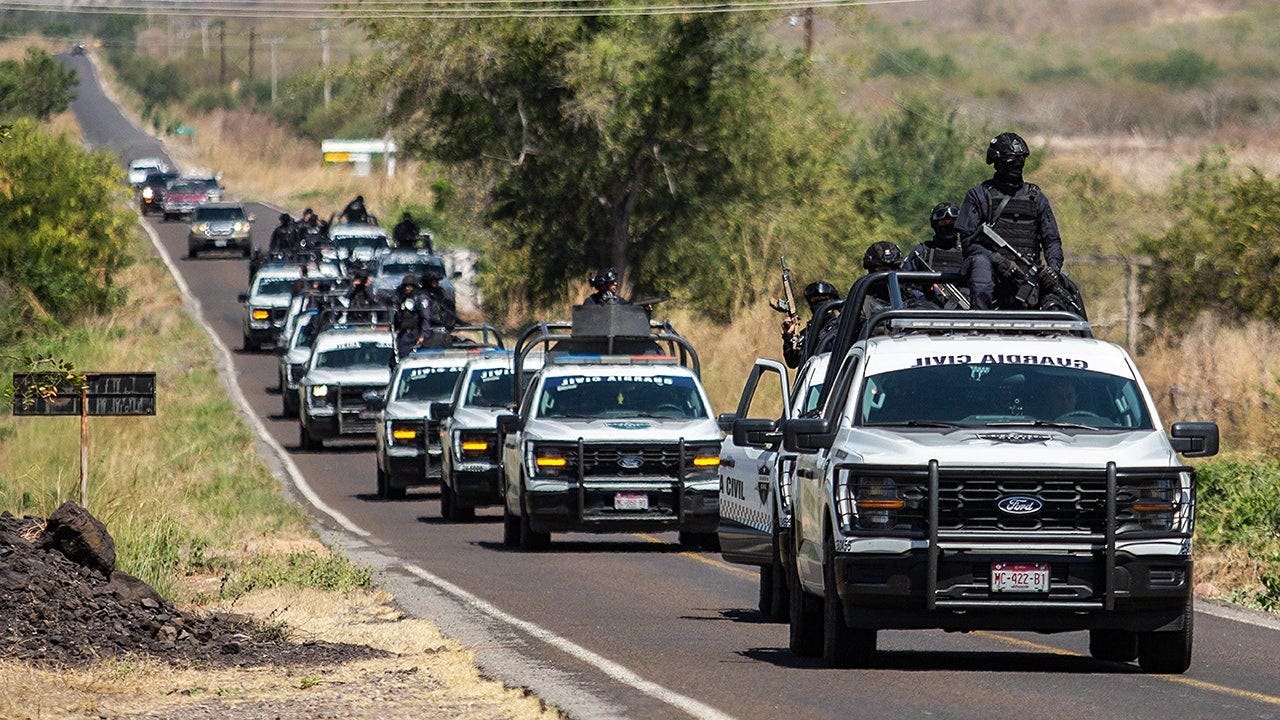
Members of the Civil Guard of Michoacan patrol a highway with armored vehicles after a wave of violence in Aguililla, Mexico, on Feb. 24, 2026. (AFP via Getty Images)
The western state of Michoacan is the leading exporter of avocados to the U.S. and has a high level of organized crime activity with at least four cartels — designated as terrorist organizations by the Trump administration — operating in the region. Besides trafficking drugs, cartels also make money through extortion, including of the avocado industry.
The State Department warns Americans to «exercise increased caution» throughout Mexico due to «terrorism, crime, and kidnapping.»
For Michoacan state, it said, «There is a risk of violence in the state from terrorist groups, cartels, gangs and criminal organizations.»
Michoacan State Security Secretary Antonio Cruz told the AP that one of the arrests mentioned by the governor was of «El Poncho,» the alias of Alfonso Fernández Magallón, leader of a local cartel operating in the avocado-growing region around Los Reyes.
SINALOA CARTEL BOSS ‘EL MAYO’ SENTENCED TO LIFE, ORDERED TO PAY $15B IN DRUG TRAFFICKING PROFITS
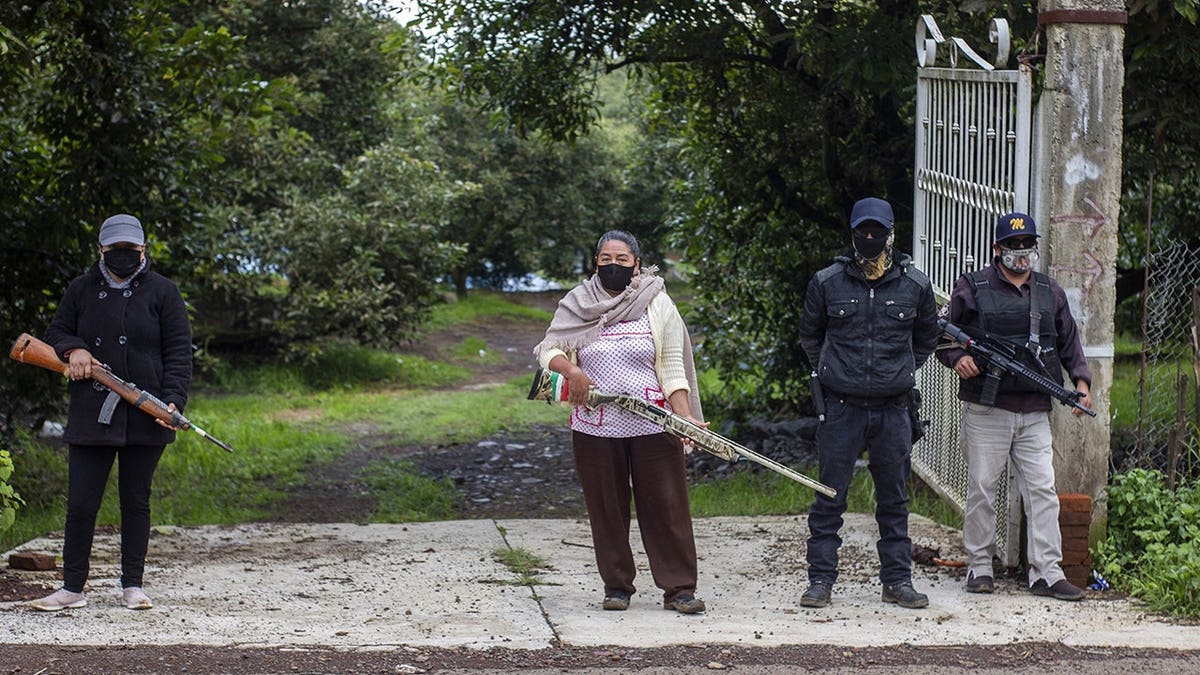
Members of the self-defense group Pueblos Unidos carry out guard duties to protect avocado plantations from drug cartels in Ario de Rosales, Michoacan, Mexico, on July 8, 2021. (AFP via Getty Images)
U.S. ambassador to Mexico Ronald Johnson welcomed the arrest, which came over the weekend. The U.S. government had offered a $5 million reward.
Cruz said his department was unaware of any direct incidents involving the avocado inspectors. However, 300 security personnel were deployed to the Los Reyes area as a preventive measure.
The governor said the priority was to «ensure the security conditions necessary for these operations to resume normally,» as has happened in the past.
In 2025, Mexico sold $3.65 billion worth of avocados to the United States, and in the first four months of this year, those exports rose by 35% compared to the same period in the previous year.
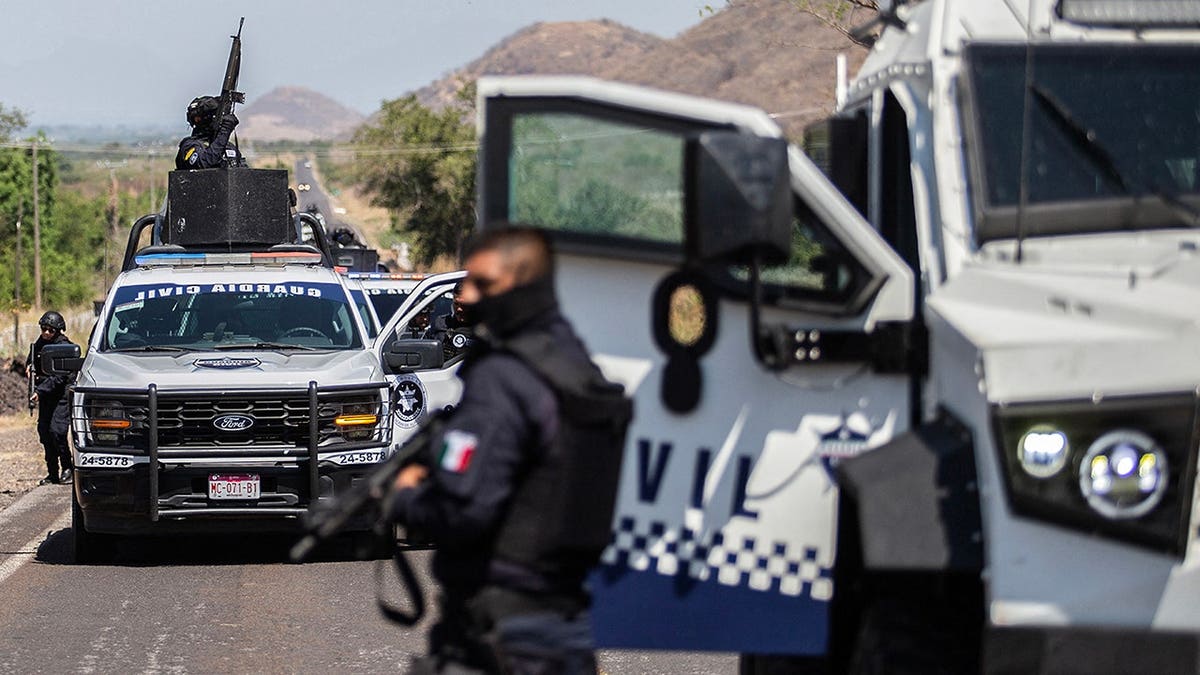
Members of the Civil Guard of Michoacan patrol a highway in armored vehicles after a wave of violence in Aguililla, Mexico, on Feb. 24, 2026. (AFP via Getty Images)
The U.S. Department of Agriculture sends inspectors in Mexico to monitor plantations and packing houses to ensure that exported produce is free of pests. Threats and violence against the inspectors have caused the U.S. to suspend inspections in the past.
The Associated Press contributed to this report.
mexican cartel violence, state department, location mexico, national security, world
INTERNACIONAL
Ministerio de Gobernación de Guatemala lanza la estrategia nacional de datos abiertos y abre una consulta ciudadana
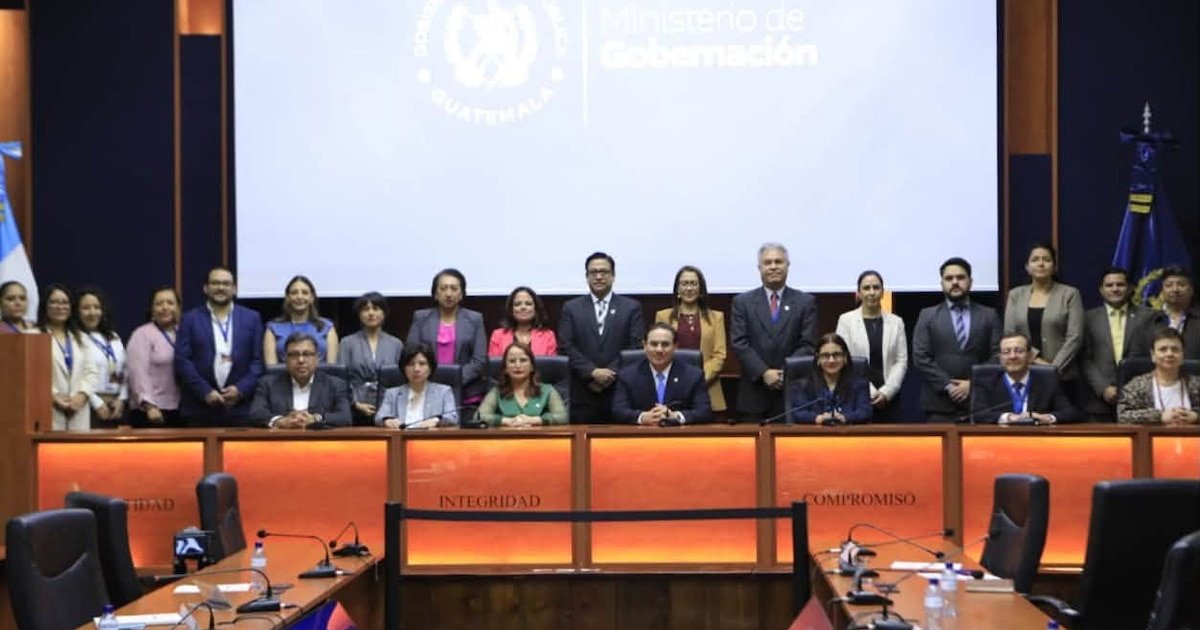
Guatemala lanzó la Estrategia Nacional de Datos Abiertos con el liderazgo del Ministerio de Gobernación para modernizar la gestión pública y ampliar la transparencia, en un proceso que además abre una consulta ciudadana para definir cómo las instituciones producirán, administrarán y compartirán información oficial.
La participación pública se canalizará a través del portal participacionciudadana.gob.gt, donde podrán integrarse aportes de organizaciones de sociedad civil, academia, medios de comunicación y ciudadanía en general.
El instrumento busca reunir información clara, precisa y accesible sobre la gestión gubernamental, proyectos y otras acciones impulsadas por el Organismo Ejecutivo.
Durante el lanzamiento, el ministro de Gobernación Marco Antonio Villeda sostuvo que la herramienta debe construirse con criterios técnicos, participación y estándares internacionales que garanticen calidad, seguridad y utilidad de los datos.
En esa línea, planteó que el objetivo es modificar la forma en que el Estado maneja la información pública.
Villeda definió el alcance de la iniciativa en estos términos: “Queremos una estrategia que cambie la manera en que las instituciones producen, administran y comparten la información pública”.

El ministro agregó que los datos abiertos permiten a las personas acceder a información pública, utilizarla, analizarla y compartirla. También afirmó: “Un gobierno que utiliza bien sus datos puede planificar mejor, responder mejor y rendir cuentas con mayor claridad. La modernización del Estado acerca las instituciones a la ciudadanía”.
La estrategia fue presentada como un paso para fortalecer la transparencia y la rendición de cuentas en la administración pública. El proceso también fue descrito como una vía para ampliar la supervisión social, el análisis de asuntos públicos y la participación de distintos sectores en la construcción de políticas de acceso a la información.
La viceministra de Tecnologías de la Información y las Comunicaciones Karen Ortiz explicó que cuando la información pública es accesible, reutilizable y está disponible en formatos abiertos, aumentan la rendición de cuentas, la participación ciudadana y las oportunidades para la innovación, la investigación y el desarrollo económico.
Ortiz añadió que los datos abiertos son una herramienta para construir gobiernos transparentes, eficientes y cercanos a la ciudadanía. También señaló que la hoja de ruta trazada tiene como meta la participación activa de todos los sectores sociales en la elaboración de la estrategia.
Rose Diegues, representante residente adjunta del Programa de las Naciones Unidas para el Desarrollo (PNUD), destacó el liderazgo del Ministerio de Gobernación en la preparación y futura implementación de la estrategia. Según explicó, el organismo acompaña a las instituciones del grupo motor en actividades de transformación digital, inteligencia artificial y elaboración de la política de datos abiertos.
Diegues describió ese respaldo con una referencia directa al programa en marcha: “Estamos apoyando a las instituciones del grupo motor para que desarrollen las actividades de transformación digital, de inteligencia artificial y de la elaboración de la estrategia de datos abiertos”.
De acuerdo con información difundida por PNUD Guatemala, este proceso forma parte del Programa Conjunto “Habilitando la transformación digital y mejorando la prestación de servicios públicos a gran escala en Guatemala”, implementado por ONU Guatemala a través del PNUD y financiado por la Unión Europea mediante el Joint SDG Fund. La publicación indicó además que la estrategia busca fortalecer la transparencia, impulsar la innovación y mejorar el aprovechamiento de los datos públicos para responder a necesidades de la ciudadanía.
En la actividad participaron el secretario de Planificación y Programación de la Presidencia Carlos Mendoza, el titular de la Secretaría Nacional de Ciencia y Tecnología Adolfo Monterroso, la coordinadora de la Comisión Presidencial de Gobierno Abierto y Electrónico Wendy Miranda y la subsecretaria privada de la Presidencia Julissa Cifuentes. También asistieron integrantes de la Mesa de Transformación Digital, miembros de organismos internacionales y representantes de instituciones del Grupo Motor de la Estrategia Nacional de Datos Abiertos.
Entre esas entidades figuran la Comisión Presidencial de Gobierno Abierto y Electrónico, la Secretaría de Planificación y Programación de la Presidencia, la Secretaría Privada de la Presidencia, la Secretaría Nacional de Ciencia y Tecnología, la Comisión Nacional contra la Corrupción y el Ministerio de Comunicaciones, Infraestructura y Vivienda. La actividad se realizó en la sede del Ministerio de Gobernación.
Guatemala,Gobernación,Gobierno,Reunión,Funcionarios
INTERNACIONAL
Gen Keane questions whether Pakistan, Saudi Arabia and Qatar can be trusted in Iran talks
NEWYou can now listen to Fox News articles!
Retired Army Gen. Jack Keane questioned whether Pakistan, Qatar and Saudi Arabia can be trusted to help shape negotiations with Iran, accusing the regional partners of steering President Donald Trump away from military pressure while leaving the United States and Israel to bear the risks of confronting Tehran.
Keane, a Fox News senior strategic analyst and former Army vice chief of staff, said during a Monday appearance on Fox News’ «America’s Newsroom» that Pakistan and Qatar were «compromised» as mediators because, in his view, they favor Iran over the United States.
«It is well known in the Middle East region, by our intelligence services, by all the players, that the Pakistanis and the Qataris are compromised because they favor Iran at the expense of the United States,» Keane said. «This is historical. This is not new.»
NUCLEAR EXPERTS URGE TRUMP NOT TO LET IRAN STEER TALKS AWAY FROM REGIME’S ATOMIC THREAT
Vice President JD Vance (center) walks with Pakistan’s Chief of Defence Forces and Chief of Army Staff Field Marshal Asim Munir (left), and Pakistani Deputy Prime Minister and Foreign Minister Mohammad Ishaq Dar after arriving for talks with Iranian officials on April 11, 2026, in Islamabad. (Jacquelyn Martin – Pool/Getty Images)
Keane’s criticism contrasts with Trump’s public praise for Islamabad.
Trump said April 26 during a phone interview with Fox News that he had «great respect for Pakistan» because its officials had «been terrific» and «really tried» to advance negotiations with Iran. He added that Pakistan would remain involved in the process.
While speaking to reporters after the G7 summit in France on June 18, Trump also credited Pakistan and Qatar with helping advance the negotiations that produced the U.S.–Iran memorandum of understanding.
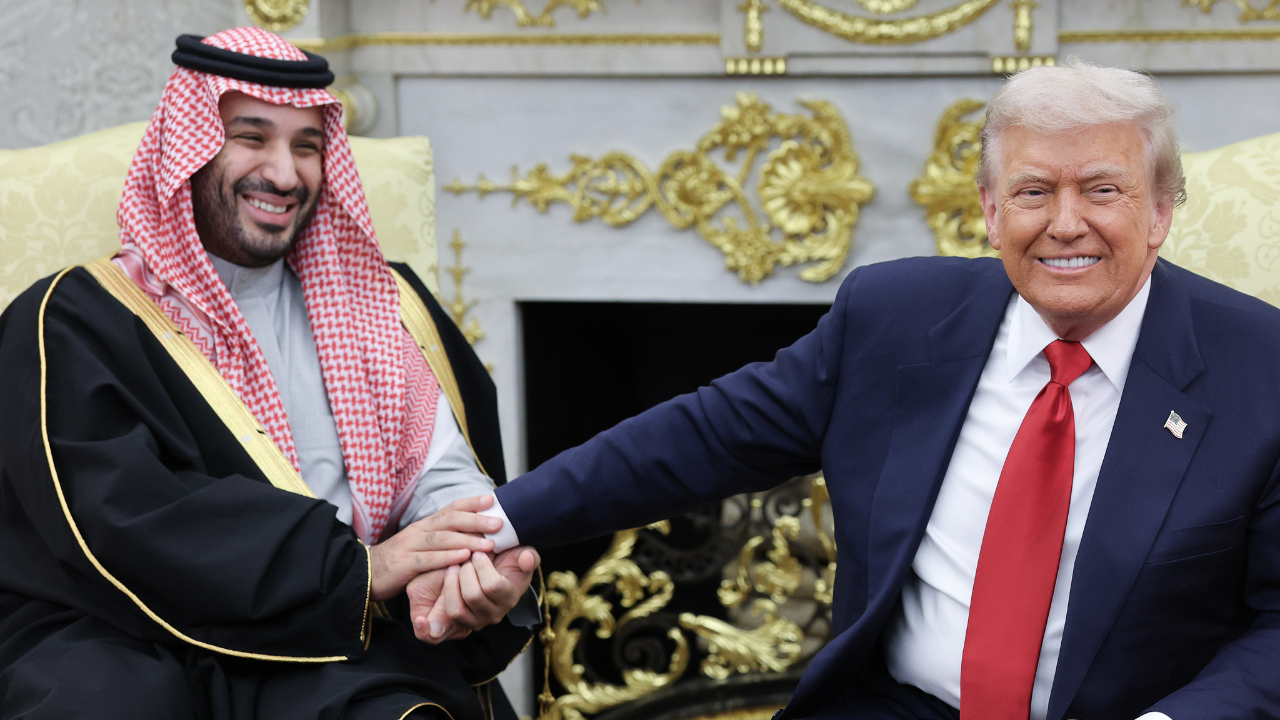
White House spokesperson Anna Kelly also defended the administration’s regional partners, telling Fox News Digital that, «President Trump has great relationships with leaders from Pakistan, Qatar and Saudi Arabia, and he appreciates the involvement of all of our regional partners who are assisting with negotiations.»
«If Iran cannot agree to a good deal with the United States, the fault will lie squarely with the regime, who will suffer the consequences,» Kelly added.
Mediators were preparing a second memorandum focused exclusively on the Strait of Hormuz, Wednesday reports indicated, potentially separating the immediate maritime crisis from the broader dispute over Iran’s nuclear activities.
Keane, a former four-star general, argued that their involvement may have contributed to Washington misunderstanding Iran’s intentions.
«And yet they’re mediators,» Keane said. «So their influence here, I think, had played a part in misleading the United States in terms of Iran’s real intentions.»
TRUMP SAYS SAUDI NUCLEAR AGREEMENT WON’T MOVE FORWARD WITHOUT ABRAHAM ACCORDS: ‘THEY HAVE TO BE A MEMBER’
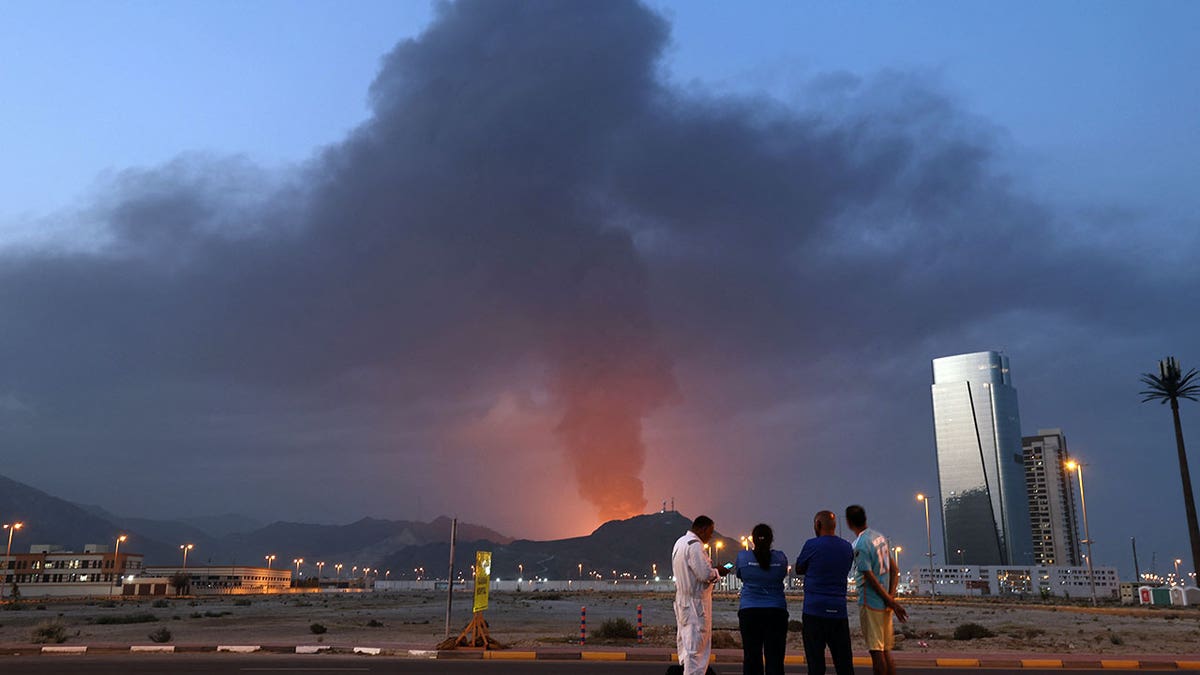
Foreign workers look at a tall plume of black smoke ascends following an explosion in the Fujairah industrial zone on March 3, 2026. Iran’s strikes on Gulf neighbors since February 28, following the U.S.-Israeli attack, forced the UAE to shut its airspace, blindsiding travelers who thought they were headed to one of the region’s safest holiday destinations. (Fadel Senna / AFP via Getty Images)
Pakistan and Qatar have played formal roles in the diplomatic process.
A June 22 joint statement from the two countries said they were mediating talks between the United States and Iran under the Islamabad Memorandum of Understanding. The framework established working groups on nuclear issues, sanctions, monitoring and dispute resolution, as well as a mechanism intended to prevent incidents involving commercial vessels in the Strait of Hormuz.
Pakistan declined to comment on Keane’s criticism. The Saudi and Qatari embassies in Washington did not respond by the time of publication.
Raza Rumi, editor-at-large of Pakistan’s The Friday Times, disputed Keane’s characterization, arguing that Islamabad’s working relationship with Tehran does not make it a compromised mediator.
IS THIS TRUMP’S LAST ‘LAST CHANCE’? CEASELESS STRING OF BROKEN CEASEFIRES FUELS DOUBT OVER IRAN DEAL
«Successful mediators are often those that enjoy channels of communication with all sides,» Rumi told Fox News Digital, saying Pakistan’s approach is shaped more by geography, security and economic concerns than ideological alignment with Iran.
He noted that Pakistan shares a long border with Iran and wants to prevent further instability, while also maintaining longstanding ties with the United States and close partnerships with Saudi Arabia and the United Arab Emirates. Rumi also pointed to the exchange of strikes between Pakistan and Iran in January 2024 as evidence that relations between the neighbors are not uniformly close.
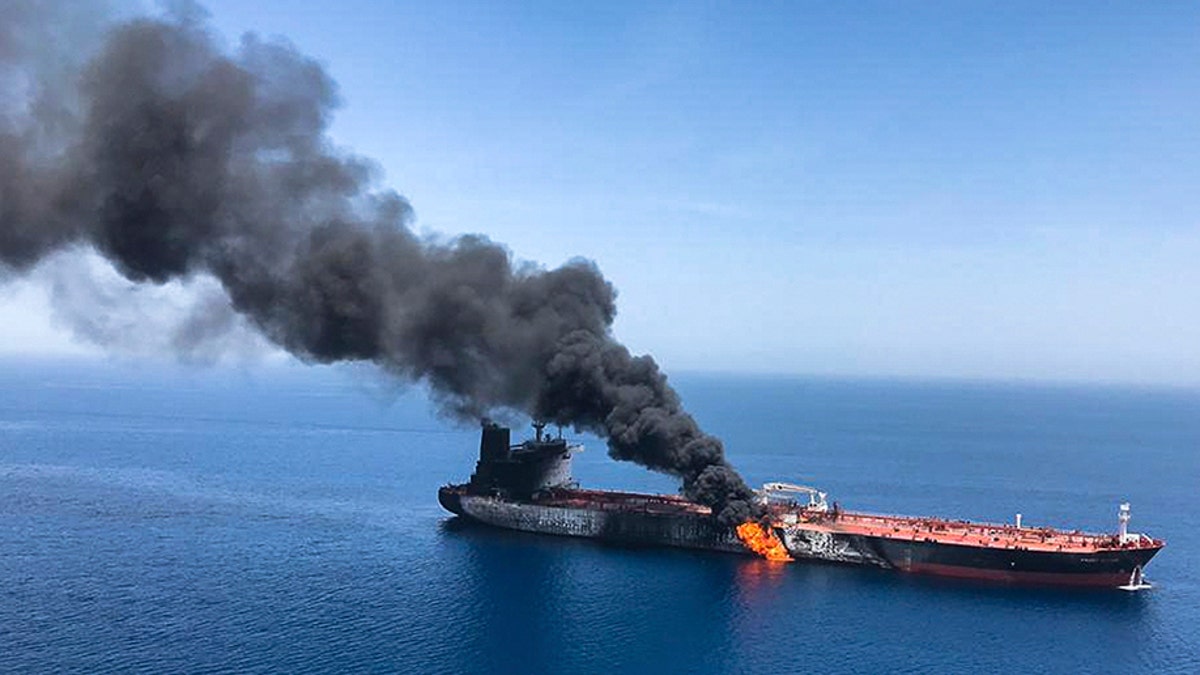
An oil tanker is on fire in the sea of Oman, Thursday, June 13, 2019. Two oil tankers near the strategic Strait of Hormuz were reportedly attacked on Thursday, an assault that left one ablaze and adrift as sailors were evacuated from both vessels and the U.S. Navy rushed to assist amid heightened tensions between Washington and Tehran. (AP Photo/ISNA)
«The suggestion that Pakistan somehow caused Washington to misunderstand Tehran’s intentions is difficult to substantiate,» Rumi said. «It would be a considerable stretch to attribute any American misreading of Iran’s intentions to Pakistani mediation.»
Keane directed even sharper criticism at Saudi Arabia, saying that Riyadh denied the United States access to Saudi airspace and a U.S. air base during preparations for a possible operation to forcibly reopen the Strait of Hormuz. He also claimed Saudi officials had repeatedly persuaded Trump not to resume major military operations against Iran.
«The fact of the matter is, the Saudis are not willing to sacrifice to rid the Middle East region of Iran’s aggression,» Keane said, describing the potential costs as casualties and damage to Saudi oil infrastructure.
«They’re willing for us to make that sacrifice, for sure,» he added. «They’re willing for Israel to make that sacrifice, for sure.»
His remarks highlighted a broader debate over whether Saudi caution represents an unwillingness to confront Tehran or a strategic effort to prevent an open-ended regional war.
GULF COUNTRIES STRONGLY CONDEMN IRAN’S DRONE ATTACK ON BAHRAIN AS RISING TENSIONS THREATEN MOU
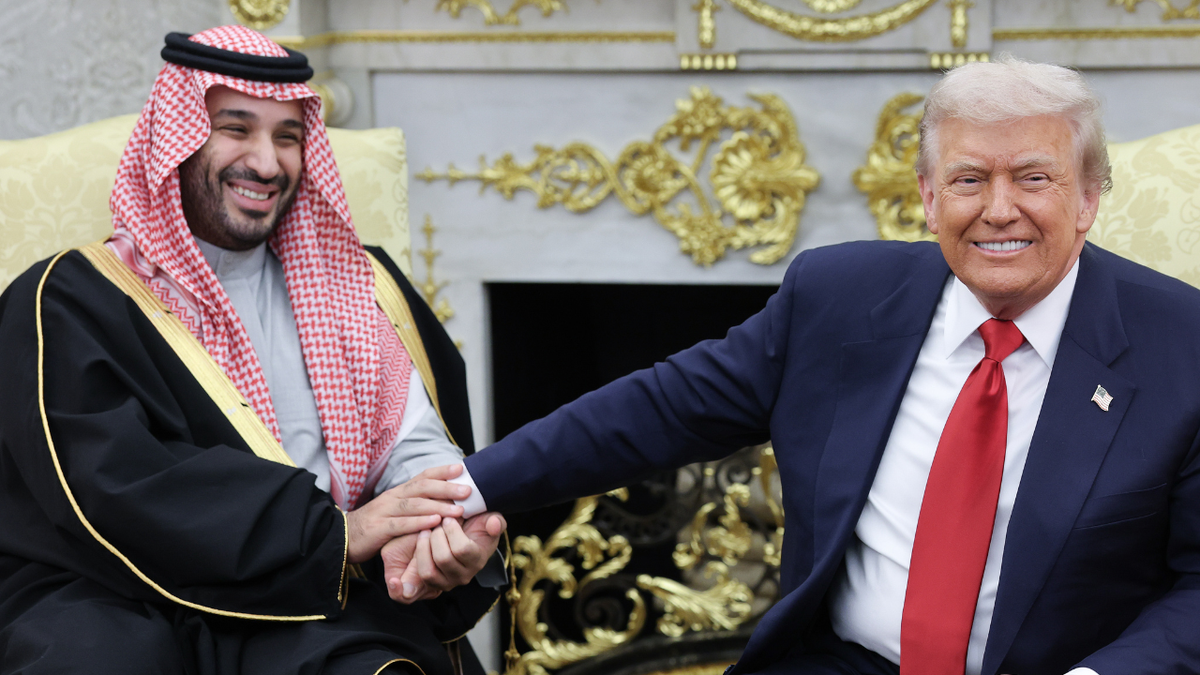
Salman Al-Ansari, a Saudi geopolitical analyst, rejected the suggestion that Riyadh is unwilling to confront Iran, saying the Kingdom distinguishes between credible deterrence and military action without clear objectives. (Win McNamee/Getty Images)
Salman Al-Ansari, a Saudi geopolitical analyst, rejected the suggestion that Riyadh is unwilling to confront Iran, saying the Kingdom distinguishes between credible deterrence and military action without clear objectives.
«Saudi Arabia supports confronting Iranian aggression, but not an open-ended regional war without clear objectives or an endgame,» Al-Ansari told Fox News Digital.
«Riyadh favors diplomacy backed by credible deterrence, but any agreement must be enforceable and verifiable, addressing Iran’s nuclear program, its proxies, and freedom of navigation in the Strait of Hormuz,» he added.
A Gulf affairs analyst who requested anonymity because of the sensitivity of the issue offered a different assessment, saying Saudi leaders fear that a wider confrontation would expose the Kingdom’s critical infrastructure to Iranian retaliation.
«Saudi Arabia believes it should appease Iran because it is deeply concerned about the consequences of a broader confrontation,» the analyst said. «Riyadh fears the damage Iran could inflict on the Kingdom’s infrastructure and has therefore favored restraint and negotiations over a decisive military campaign.»
The analyst described a widening divide among Gulf states, arguing that Saudi Arabia and Qatar favor accommodation while the United Arab Emirates, Bahrain and Kuwait support stronger pressure on Iran.
Richard Goldberg, a senior adviser at the Foundation for Defense of Democracies think tank and former National Security Council official, said during a separate Fox News appearance Wednesday, that Washington continues to depend on Saudi infrastructure even as disagreements persist over military strategy.
«When we talk about the Gulf states, we talk about Saudi Arabia and General Keane’s comments, remember, we also are relying on Saudi Arabia with their overland pipelines to keep us in the game here,» Goldberg said. «The fact that they’re at maximum capacity moving through the Red Sea also allows us to continue the strangulation strategy.»
TRUMP WARNS IRAN FIGHTING ISN’T OVER AS HE VOWS US WILL ‘WIN’ AS TALKS FADE
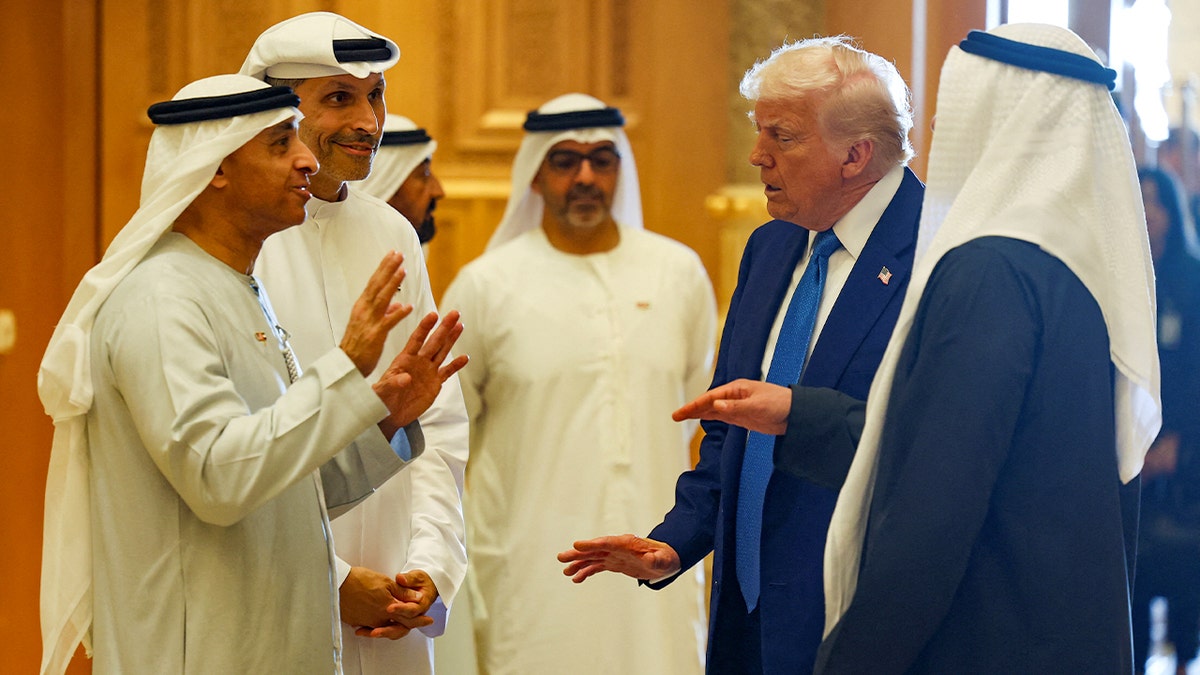
President Donald Trump attends a business forum at Qasr Al Watan during the final stop of his Gulf visit, in Abu Dhabi, United Arab Emirates, May 16, 2025. (Amr Alfiky/Reuters )
The debate comes as the United States and Iran continue negotiations over the Strait of Hormuz.
Oman, Pakistan, Qatar and Saudi Arabia all have been involved in the diplomatic effort, while reports Wednesday indicated that mediators were working on an interim arrangement that could establish separate shipping routes through Iranian and Omani waters as broader nuclear negotiations continue.
The central question is whether those negotiations can produce an enforceable agreement or merely allow Tehran to preserve its leverage over the waterway.
Keane said he remained doubtful that Iran was prepared to surrender meaningful control.
«They are not going to give up the Strait of Hormuz,» he said. «They think it’s a strategic asset.»
He predicted Iran would seek to retain some degree of control over the waterway and warned that reaching an agreement on Iran’s nuclear program would be even more difficult.
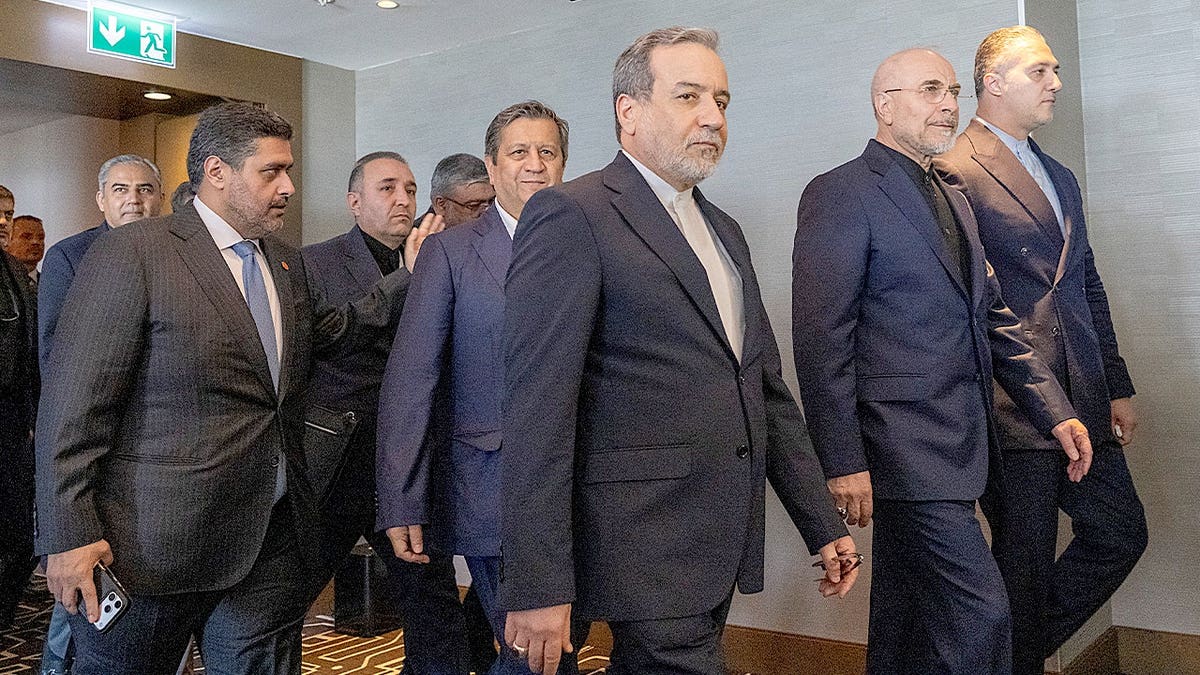
Iran sent an unprecedented «whole-regime» team to the U.S. deal talks which signals one priority, a counterterrorism expert said. (URS FLUEELER/Pool via REUTERS)
«My gut feeling here is no,» Keane said when asked whether Iran was prepared to reach and implement a substantive agreement. «The president is not going to make a bad deal here.»
war with iran, pakistan, saudi arabia, middle east, national security, iran

Diputados impulsan una declaración de respaldo a la visita del papa León XIV a la Argentina

Sensación Brais Méndez en la MLS

Javier Milei y sus medidas, EN VIVO: el Presidente ya está en Ecuador, donde hoy se reunirá con su par Daniel Noboa

Las bombas de La Joaqui contra Luck Ra, furiosa en medio de los rumores de una tercera en discordia en su separación: «Preferís la joda y…»

Marcha contra la ley de propiedad privada en Congreso, en vivo: la protesta se mantendrá pese a la tormenta

US pauses government operations in cartel-ridden Mexican state

Javier Milei cruzó a Victoria Villarruel y elevó la tensión: “Es una opositora, replica los argumentos kirchneristas”

Reelecciones indefinidas: el oficialismo bonaerense niega que busque ampliar la Legislatura como parte de una reforma política para beneficiar a los intendentes

¡Chau Luck Ra! La salida de soltera de La Joaqui, muy bien acompañada, a días de su separación

Un muerto y tres heridos al chocar un colectivo de turismo y un auto en Mendoza
-
 POLITICA3 días ago
Javier Milei cruzó a Victoria Villarruel y elevó la tensión: “Es una opositora, replica los argumentos kirchneristas”
-

 ECONOMIA24 horas ago
Dólar hoy en vivo: a cuánto se negocian todas las cotizaciones minuto a minuto este miércoles 5 de agosto
-
 INTERNACIONAL3 días ago
Top Trump ally warns super PAC bankrolled by Dem billionaire is meddling in his GOP primary