INTERNACIONAL
Rodrigo Paz: “Hay muchos intereses internos y externos en hacer fracasar esta democracia”

Las protestas contra el gobierno y los persistentes bloqueos de carreteras en Bolivia están poniendo a prueba la transición del país hacia una democracia abierta a la economía mundial, afirmó el presidente Rodrigo Paz en una entrevista con Wall Street Week de Bloomberg Television.
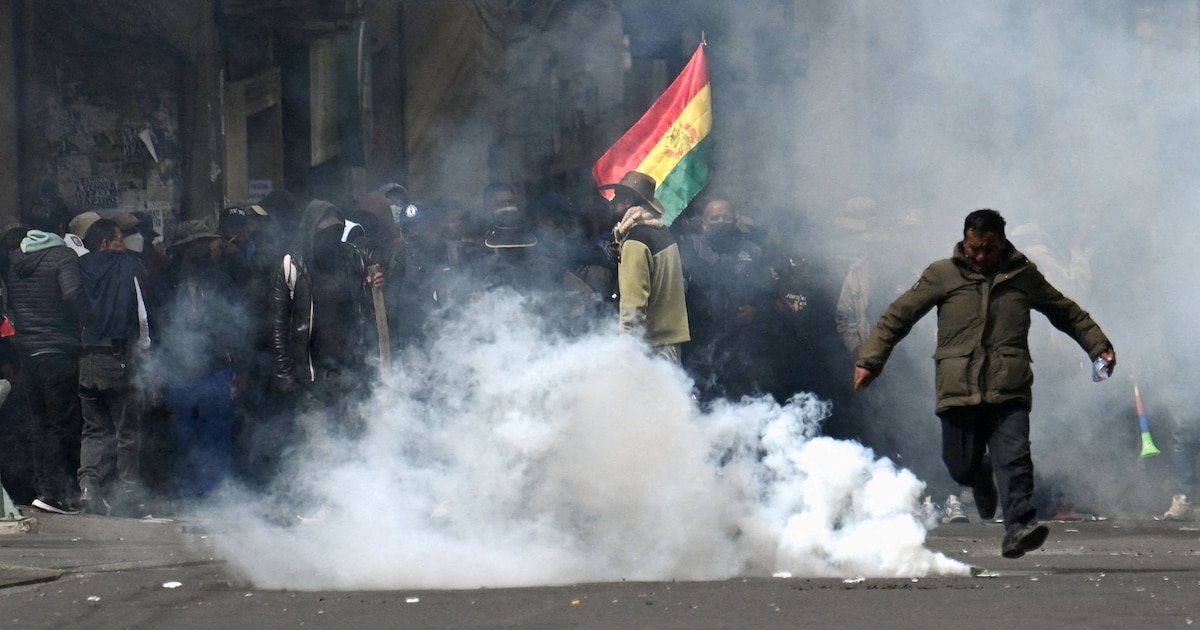
En su cuarta semana, los bloqueos han interrumpido el suministro de alimentos, combustible y medicinas hacia La Paz y la vecina ciudad de El Alto, en el oeste de Bolivia. Paz impulsa el diálogo con los manifestantes mientras despliega fuerzas de seguridad, en algunos casos utilizando gases lacrimógenos, para despejar las carreteras. El gobierno de EE.UU. informó que enviará ayuda humanitaria.
“Hay muchos intereses internos y externos en hacer fracasar esta democracia y generar desorden regional”, dijo Paz el sábado desde el palacio presidencial en La Paz.
“Este es un problema sobre si la democracia en Bolivia es viable o no”, afirmó Paz, quien asumió el cargo en noviembre tras dos décadas de gobiernos socialistas.
El gobierno invitó a la federación de agricultores de La Paz a dialogar el domingo y un consejo socioeconómico tiene previsto realizar una reunión mensual el miércoles para debatir legislación económica vinculada a sectores clave como petróleo y gas, minería, litio e inversiones.
Paz dijo que espera que estas reuniones produzcan resultados, aunque señaló que la Constitución permite el uso de la fuerza.
Los manifestantes reanudaron los bloqueos el domingo tras horas de enfrentamientos con las fuerzas de seguridad el sábado. El ministro de Obras Públicas, Mauricio Zamora, afirmó que fue emboscado tres veces por manifestantes armados con piedras y explosivos el sábado. “Sentí que mi vida estaba en riesgo”, dijo en un comunicado.

Los agricultores, dirigentes sindicales y seguidores del expresidente Evo Morales exigen la renuncia de Paz, argumentando que, tras seis meses en el cargo, no ha cumplido su promesa de resolver la aguda crisis económica de Bolivia.
Paz, aliado de la administración Trump que llegó al poder cautivando a bolivianos de clase trabajadora y a muchos simpatizantes del histórico Movimiento al Socialismo, prometió “capitalismo para todos” durante su campaña.
Ha implementado medidas para estabilizar la economía, incluyendo la flexibilización de subsidios a los combustibles, la aplicación de un valor de referencia cambiario y la moderación de la inflación, mientras busca atraer inversión extranjera y fortalecer al sector privado.
El gobierno de EE.UU. comenzó a proporcionar a Bolivia “asistencia alimentaria de emergencia y apoyo logístico operativo” para ayudar a las personas afectadas por la escasez de alimentos y medicinas causada por los bloqueos, informó el sábado en redes sociales la Oficina de Asuntos del Hemisferio Occidental del Departamento de Estado.
El secretario de Estado Marco Rubio dijo la semana pasada que EE.UU. no permitirá que “criminales y narcotraficantes derroquen a líderes democráticamente electos en nuestro hemisferio”.
La administración Paz ha enfrentado resistencia desde el comienzo, incluyendo quejas por la mala calidad de la gasolina, una impopular ley que modifica las normas de administración de tierras y demandas sindicales de aumentos salariales. Las protestas han convergido en un único objetivo: la renuncia de Paz.
Morales, quien se cree que está oculto dentro de un complejo de una emisora radial en la región cocalera del Chapare, en Cochabamba, su bastión tradicional, está pidiendo elecciones anticipadas.
Paz afirmó que existen sectores que no están dispuestos a permitir que Bolivia avance hacia la siguiente etapa de su transformación. “El pasado no quiere dar paso al presente y al futuro, y eso es parte del conflicto que estamos viviendo”, señaló.
El presidente dijo que imagina un país diferente al final de su mandato, con un déficit fiscal controlado, una economía abierta, seguridad jurídica y una sociedad donde las diferencias raciales y culturales ya no generen las tensiones que Bolivia atraviesa actualmente.
“Nuestro gobierno representa el cierre de un ciclo de gestión de los últimos 20 años”, dijo Paz. “Esta transición no será fácil, pero claramente es el camino correcto para liberar las fuerzas productivas de Bolivia”.
(C) Bloomberg.-
Civil Conflict,Demonstrations,Riots,South America / Central America,Civil Unrest











NEWYou can now listen to Fox News articles!
France’s mission to the United Nations in Geneva launched a verbal attack against the U.S. following a contentious vote to give U.N. High Commissioner for Human Rights Volker Türk another four-year term, accusing Washington of abandoning its role as a global human rights leader.
«The US used to be a beacon of human rights. Not anymore,» the official French mission account posted on X Saturday. «Today, it stands alongside North Korea, Nicaragua, Mali & Russia, isolated. And the world no longer listens to it.»
The mission added the hashtag «#AmericaAlone.»
IRAN SECURES UN ROLE WITH BACKING FROM UK, FRANCE, CANADA, AUSTRALIA AS US STANDS ALONE
High Commissioner for Human Rights Volker Turk speaks at a press conference at the UN Offices in Geneva on Dec. 9, 2022. (Fabrice Coffrini/AFP via Getty Images)
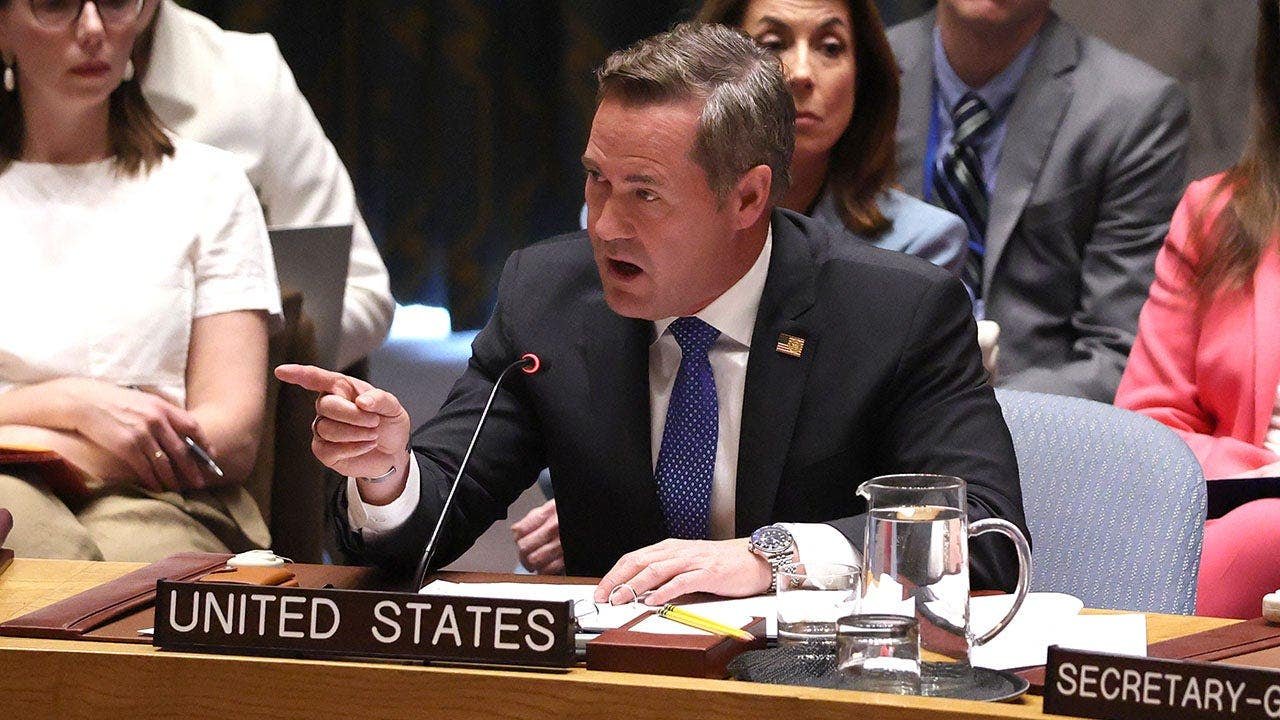
U.S. Ambassador to the U.N. Mike Waltz fired back, accusing France of using the attack to distract from its support for Türk.
«It is disappointing — though not surprising — that this is how France deflects on its shameful vote to coddle some of the worst human rights abusers,» Waltz wrote on X. «France voted for someone who has been lecturing free, sovereign democracies like the United States, the UK, and Israel, while cozying up to the world’s worst oppressors.»
During the vote by Ambassador Jeff Bartos, the U.S. representative for U.N. management and reform, declared that the U.N. human rights system «has been losing credibility for decades.»
TRUMP ADMINISTRATION TOUTS MORE THAN $1B IN UN BUDGET CUTS AS REFORM PUSH GAINS MOMENTUM
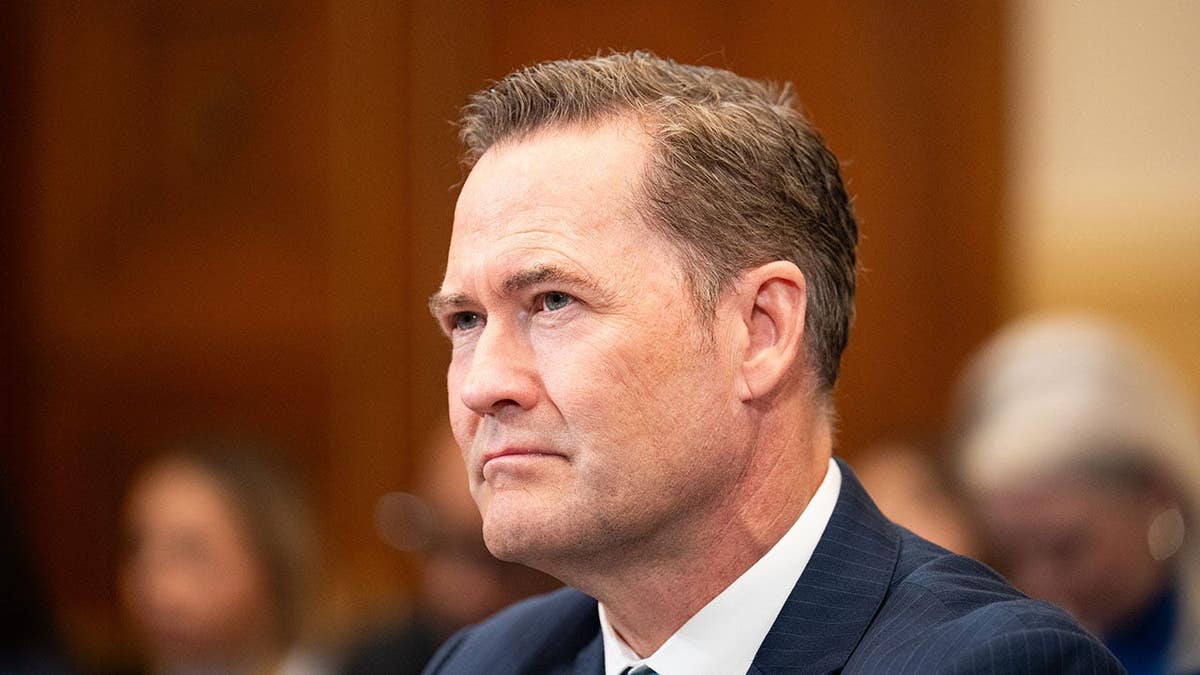
Ambassador Michael Waltz testifies during a House Foreign Affairs hearing on the United Nations in the Rayburn House Office Building on July 22, 2026. (CQ-Roll Call, Inc via Getty Images)
«Mr. Türk has guided it to its deathbed,» Bartos said. «And if you vote to reappoint Volker Türk for a four-year term, it will kick the bucket.»
Bartos accused Türk of disproportionately condemning democracies while failing to respond adequately to abuses committed by authoritarian governments.
He said Türk had criticized the United States, Britain, France, Australia, Italy and, more than any other country, Israel. Bartos also accused Türk of remaining silent for 12 days after the Iranian government allegedly began a new wave of violence against its citizens, while quickly condemning U.S. military action against Iran.
Bartos further criticized Türk’s office for calling on Washington to lift sanctions on Cuba, maintaining what he called a discriminatory database targeting American companies and enabling the U.N.’s «anti-Israel machinery.»
ISRAEL ACCUSES UN OF PLACING IT ON SAME SEXUAL VIOLENCE BLACKLIST AS HAMAS TERRORISTS, SEVERS TIES
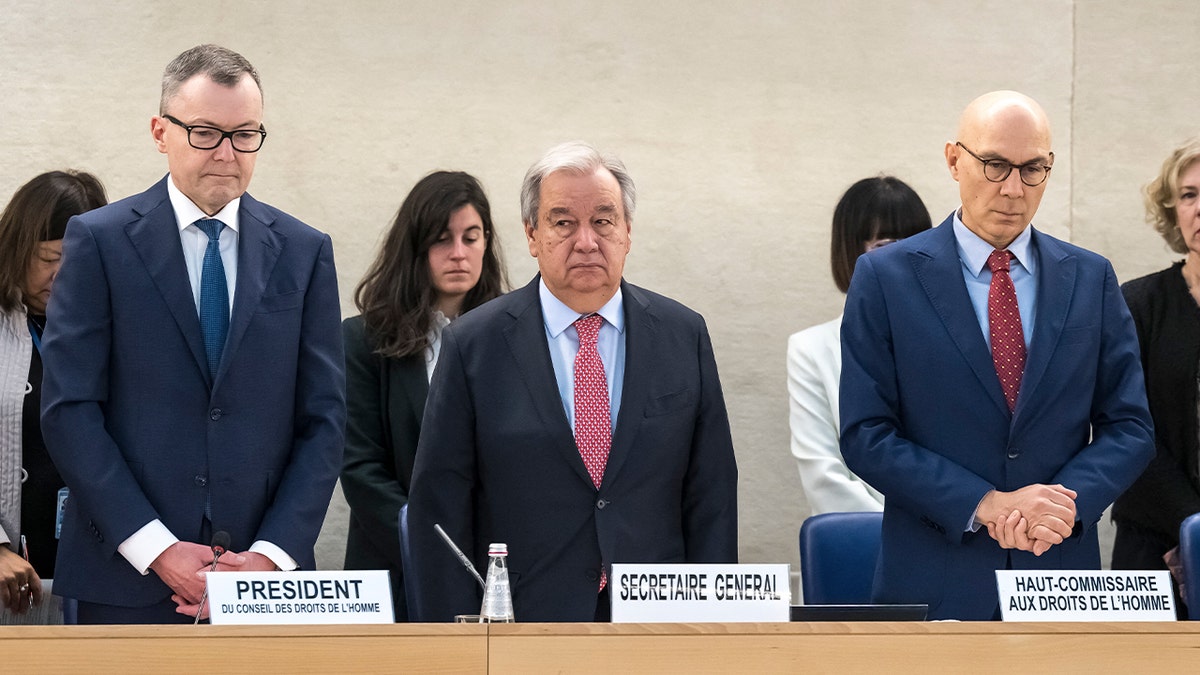
U.N. Human Rights Council President Jurg Lauber, Secretary-General Antonio Guterres and High Commissioner for Human Rights Volker Turk stand for a minute of silence honoring victims of human rights violations, at the opening of the 58th session of the United Nations Human Rights Council in Geneva, on Feb. 24, 2025. (Fabrice Coffrini/AFP via Getty Images)
France’s U.N. Ambassador Jérôme Bonnafont offered a sharply different assessment during the General Assembly debate, saying Türk had demonstrated «rigor and impartiality» during a first term marked by growing attacks on multilateral institutions and the universality of human rights.
«He has been a voice of conscience, confronting states with reality and their responsibilities,» Bonnafont said.
An official familiar with the U.S. position told Fox News Digital on background that American officials were surprised by France’s «brazen» public attack and rejected the suggestion that opposing one U.N. official’s reappointment amounted to opposing human rights.
The official said Washington and other delegations were also caught off guard by the expedited vote because Türk’s current term does not expire until Oct. 11.
The United States sought to postpone consideration for one week to allow additional consultations, but member states rejected the request. The General Assembly then approved Türk’s reappointment by a vote of 144-10, with 13 abstentions, extending his tenure from Oct. 12, 2026, through Oct. 11, 2030.
The assembly also rejected a Russian proposal to extend Türk’s term only through the end of 2026, which would have allowed the next U.N. secretary-general to participate in selecting the human rights chief.
WORLD COURT PROSECUTOR WHO WENT AFTER NETANYAHU FOR WAR CRIMES SUSPENDED OVER SEXUAL MISCONDUCT
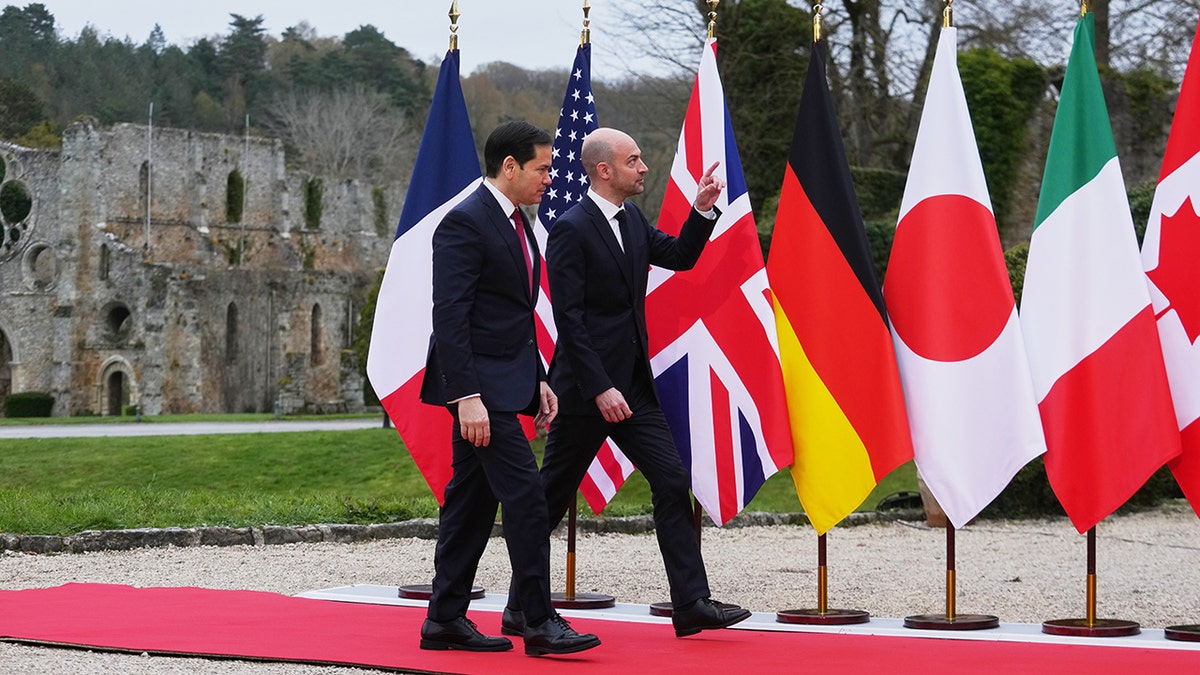
France’s Foreign Affairs Minister Jean-Noel Barrot, right, greets Secretary of State Marco Rubio at the G7 Foreign Ministers’ meeting in Cernay-la-Ville outside Paris, France, Friday, March 27, 2026. (Michel Euler/AP Photo)
France’s post grouped Washington with authoritarian governments that also opposed Türk, but did not address whether those countries voted against his reappointment for the same reasons. The U.S. said its opposition reflected both concerns about Türk’s record and objections to the accelerated process.
UN Watch, a Geneva-based watchdog, published a 2024 analysis of public statements initiated by Türk or his office between Oct. 17, 2022, and Oct. 31, 2024.
The organization concluded that Türk criticized the United States more frequently than China, North Korea, Cuba, Saudi Arabia and Qatar combined. It also said it found no self-initiated criticism during that period concerning abuses by Cuba, North Korea, Algeria, Eritrea, Mauritania, Lebanon or Qatar.
UN Watch’s methodology excluded statements required by the Human Rights Council, comments in mandated reports, broad updates to the council and other remarks that were not initiated at Türk’s discretion. Its findings therefore do not encompass every country reference, report or action by Türk’s office.
UN Watch Executive Director Hillel Neuer called the renewal «rushed and unprecedented» and said it was «unseemly» for French President Emmanuel Macron’s government to attack the United States while celebrating Türk’s reappointment.
Nile Gardiner, director of the Margaret Thatcher Center for Freedom at the Heritage Foundation, responded more bluntly.
«Perhaps show some gratitude instead?» Gardiner wrote on X. «The French owe their very existence as a sovereign nation to The United States.»
CLICK HERE TO DOWNLOAD THE FOX NEWS APP
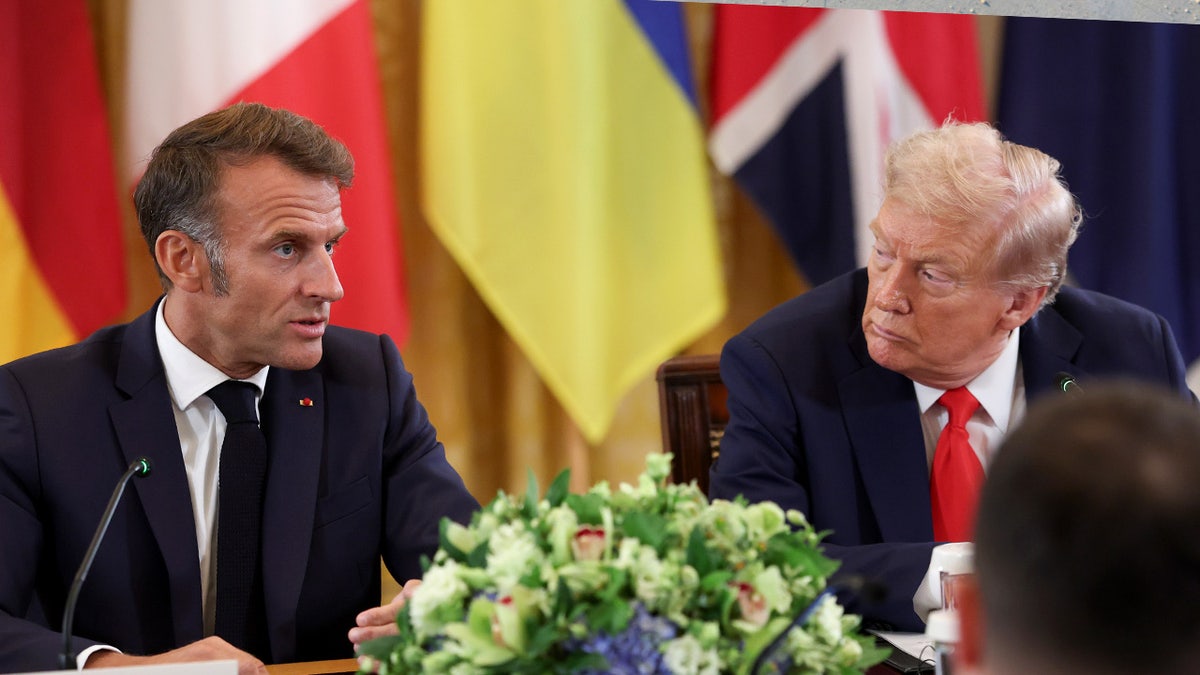
FrenchPresident Emmanuel Macron and President Donald Trump. (Win McNamee/Getty Images)
Türk’s supporters argue that his willingness to criticize powerful democracies is part of his responsibility to apply human rights standards universally. France and the European Union maintained that he had performed his duties objectively and that Secretary-General António Guterres acted within the rules allowing a high commissioner to serve a second four-year term.
Türk is set to become the first U.N. human rights chief to serve two complete four-year terms since the position was established in 1993.
united nations, human rights united nations, france, world, politics
INTERNACIONAL
Santiago, República Dominicana: se duplica la demanda de atención por trastornos del neurodesarrollo en los últimos años

El aumento de la demanda de atención por trastornos del neurodesarrollo en Santiago ha llevado a una transformación en la dinámica de los servicios de salud mental infantil y adolescente.
En los últimos cinco años, la Unidad de Psicología Especializada (UPSE) de la Clínica Corominas ha duplicado el número de pacientes, lo que refleja una mayor conciencia social y una búsqueda activa de ayuda profesional por parte de las familias.
Actualmente, la UPSE programa cerca de 132 citas diarias, con un 70 % destinadas a niños y adolescentes. La agenda de los sábados permanece llena desde las 8:00 hasta las 15:00. Según la neuropsicóloga clínica Saray Espinal Gómez, fundadora de la unidad, predominan los casos de trastorno por déficit de atención e hiperactividad (TDAH), trastornos del espectro autista (TEA), dificultades de aprendizaje y alteraciones conductuales. Este panorama ha sido detallado recientemente por Listín Diario al analizar la situación en la provincia.
El entorno escolar es el principal punto de detección, ya que los docentes suelen ser quienes observan las primeras señales de dificultades en el aprendizaje, la atención o la socialización. Espinal Gómez señala que “la mayoría de los niños vienen referidos por las escuelas”, aunque cada vez más padres, al comparar el desarrollo de sus hijos, deciden buscar ayuda de manera preventiva.
Los menores que llegan a consulta normalmente tienen entre 3 y 12 años. Todavía se reciben adolescentes de hasta 14 años que no fueron diagnosticados a tiempo y presentan problemas de habla, aprendizaje o síntomas de autismo no identificados previamente.
En cada caso, la UPSE realiza una evaluación científica antes de iniciar cualquier tratamiento. El diagnóstico permite diseñar un plan integral que puede incluir terapias conductuales, del habla, ocupacionales, estimulación temprana, terapia familiar o rehabilitación cognitiva.

El acompañamiento emocional a los padres es el primer paso tras el diagnóstico. Espinal Gómez enfatiza que “un diagnóstico no limita el futuro de un niño, sino que nos da las herramientas para potenciar sus capacidades”. La colaboración entre el consultorio, la familia y el colegio, junto a rutinas claras en el hogar, es fundamental para el éxito terapéutico.
La especialista destaca la urgencia de fortalecer la detección temprana desde el sector médico, en especial entre pediatras: “Debemos seguir trabajando con los pediatras para que hagan más referencias tempranas; mientras más rápido evaluemos a un niño, mayores serán sus oportunidades”, precisó a Listín Diario.
Al llegar a la adolescencia, las consultas cambian de foco y se concentran en la salud emocional, con la ansiedad, la depresión y los trastornos de la conducta en primer plano. Muchos de estos casos están relacionados con conflictos familiares, dificultades de adaptación y acoso escolar.
Espinal Gómez advierte que “muchas familias llegan pensando que el adolescente tiene depresión, pero al profundizar descubrimos que ha sido víctima de bullying durante mucho tiempo”.

La aparición temprana del consumo de sustancias como marihuana, vapeadores y alcohol agrava los cuadros de ansiedad y afecta el desarrollo cerebral en esta etapa.
En la clínica, es frecuente ver a madres solteras y abuelas tomando la responsabilidad principal en el proceso terapéutico y logístico de los menores. Espinal Gómez reconoce que “vemos a muchas mujeres haciendo el rol de madre y padre al mismo tiempo, realizando un trabajo extraordinario para sostener las terapias y la crianza”. Además, observa una tendencia positiva con más padres participando activamente en consultas y reuniones escolares.
Los signos de alerta más frecuentes incluyen retrasos en el habla, cambios abruptos de conducta y dificultades para socializar. Una intervención oportuna y la detección precoz son claves para transformar las perspectivas de desarrollo de los niños con trastornos del neurodesarrollo.
Un diagnóstico temprano permite acceder a recursos y estrategias que favorecen el crecimiento y la integración plena.
aula,vacío,escuela,niños,educación,aprendizaje,preescolar,jardín de infancia,mesas,sillas
INTERNACIONAL
9/11 families push to ban Mamdani from 25th anniversary remembrance over ‘hostile’ record
NEWYou can now listen to Fox News articles!
Families of 9/11 victims are urging organizers to bar New York City Mayor Zohran Mamdani from attending this year’s 25th anniversary remembrance ceremony in Lower Manhattan.
Several families of 9/11 victims published a petition urging the National September 11 Memorial & Museum, which organizes the annual remembrance, to reconsider inviting Mayor Zohran Mamdani, citing a laundry list of criticisms of the Uganda-born socialist Democrat.
«Concerns have been raised about Mr. Mamdani’s public positions, associations, and responses to rhetoric that many perceive as hostile to these shared values,» a Change.org petition organized by several victims’ families states.
«Given these concerns, we respectfully ask that the organizers carefully consider whether Mr. Mamdani’s participation would align with the intention of the ceremony and the expectations of the families most directly affected by the tragedy.»
FIREFIGHTER BROTHER OF 9/11 VICTIM INCENSED BY ‘RADICAL’ MUSLIMS WINNING KEY DEM PRIMARIES
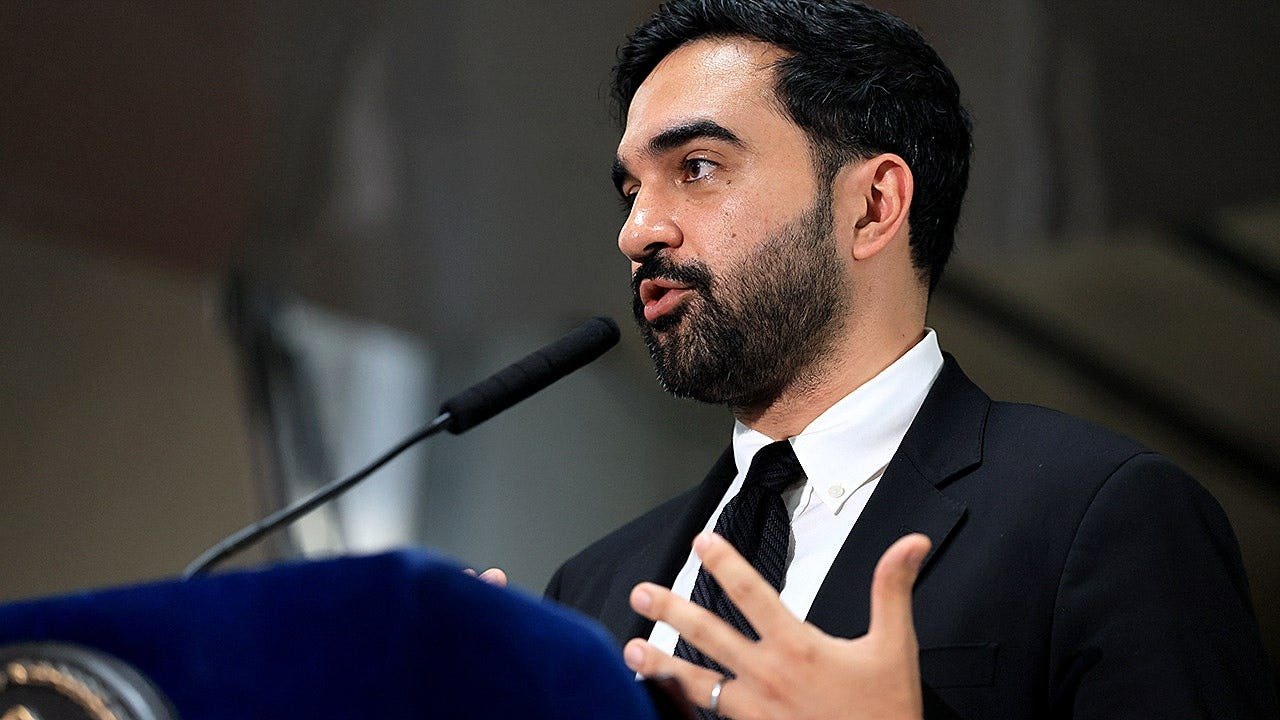
New York City Mayor Zohran Mamdani announces that five upcoming city-owned grocery stores will offer a 30 percent discount on produce, meat, bread, and milk when they open next year. The discount on essential items will potentially save shoppers an estimated $90 a month, or roughly $1,000 a year. Mamdani has pledged one community grocery store for each borough. July 27, 2026, in Brooklyn. (Spencer Platt/Getty Images)
Concerns listed include a «perceived reluctance» by Mamdani to unequivocally condemn phrases like «globalize the intifada» — a slogan associated with calls for the eradication of Jews.
They also expressed concern over Mamdani’s alleged support for or association with individuals either dismissive of American institutions or insufficiently critical of extremist ideologies.
A 2025 release by Rep. Chip Roy, R-Texas, outlined one such association with a radical Bed-Stuy imam who hosted the Blind Sheikh, mastermind of the 1993 World Trade Center bombing, and has made controversial statements about jihad.
MAMDANI’S POLITICS LINKED TO MUSLIM BROTHERHOOD IDEOLOGY AS NEW YORK VIOLENCE ESCALATES: REPORT
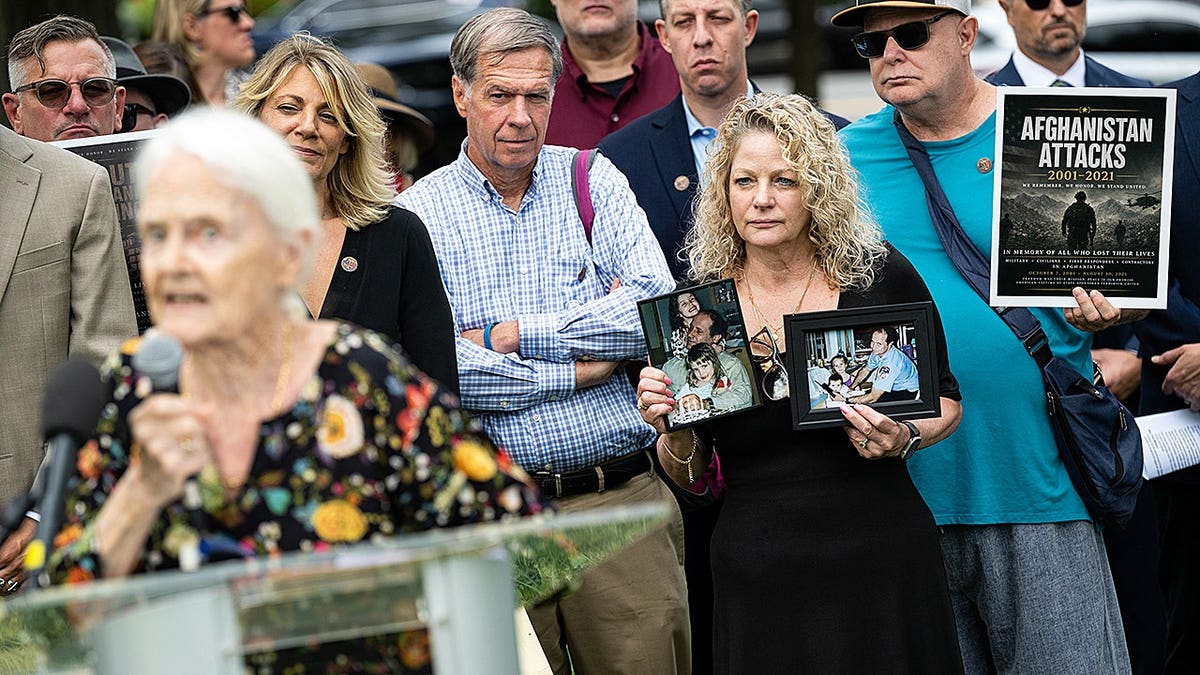
Janlyn Scauso, whose husband was a New York City firefighter killed in the Sept. 11 attacks, holds family photos during a rally near the U.S. Capitol in Washington, D.C., on Monday, July 20, 2026. Groups representing victims of Iranian-linked terrorism urged the U.S. not to release any money to Tehran, underscoring the political risks for President Donald Trump of fulfilling a key demand under a possible peace deal. (Graeme Sloan/Bloomberg via Getty Images)
Siraj Wahhaj, born Jeffrey Kearse, hosted Mamdani at his At-Taqwa mosque during the campaign and received criticism at the time from former FBI agents for failing to condemn the cleric.
The victims’ families also called out Mamdani’s father, Columbia government professor Mahmood Mamdani, whom they cite as authoring a book shortly after the attacks in which he argued suicide bombers should be «understood as a feature of modern political violence rather than stigmatized as a mark of barbarism.»
They wrote that Professor Mamdani’s book – «Good Muslim, Bad Muslim: America, the Cold War, and the Roots of Terror» – also included a passage arguing a moral equivalency between the United States and Al Qaeda.
FAR-LEFT SURGE: MAMDANI-BACKED CANDIDATES OUST DEM ESTABLISHMENT INCUMBENTS
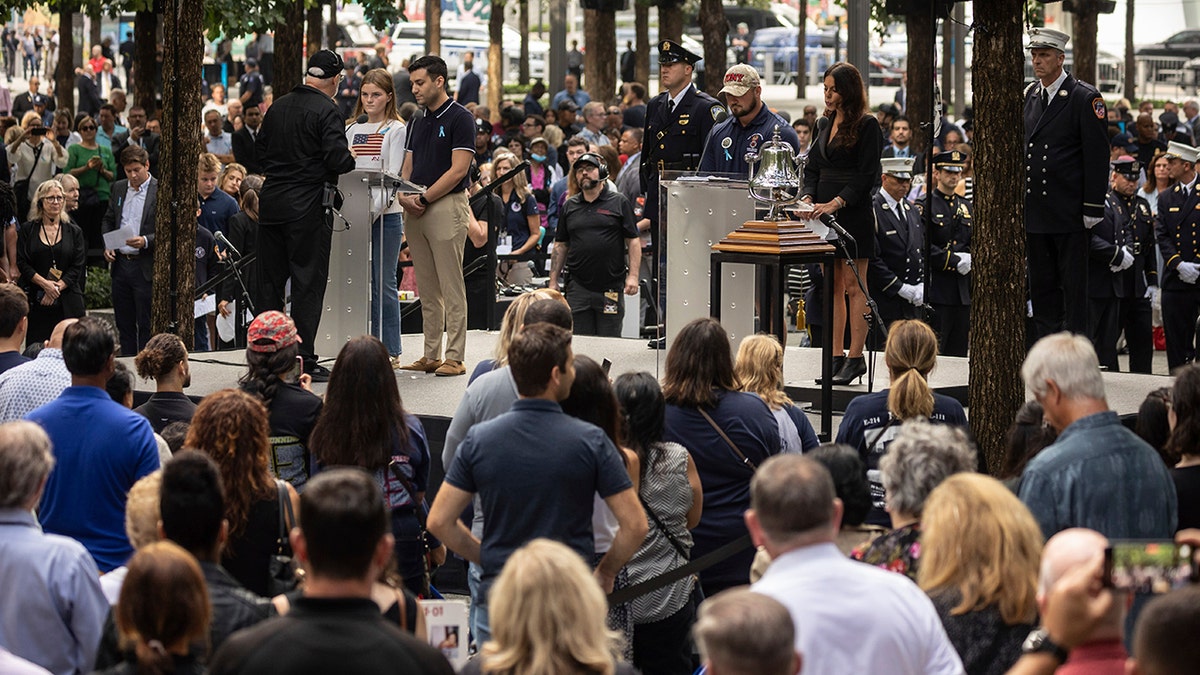
Names of victims are read during the commemoration ceremony on the 22nd anniversary of the September 11, 2001, terror attacks in New York City. (AP/Yuki Iwamura)
When the passage was resurfaced in 2025, prominent New York billionaire Bill Ackman quipped on X that the «apple doesn’t fall far from the tree.»
Fox News Digital reached out to both Mamdanis for comment.
While the mayor did not immediately return a request for comment, he told a reporter at an unrelated press conference Monday that he still plans to attend.
«I will proudly honor families the survivors the first resp forever impacted by that horrific terror attack by standing alongside them at this year’s 9/11 commemoration — reaffirming that we will never forget the solemn day…,» he said.
Victims’ families also excoriated the mayor for supporting and standing with socialist candidates they said hold radically anti-American views, including the DSA-endorsed woman who defeated left-wing Rep. Adriano Espaillat in Washington Heights.
The petition noted Darializa Chevalier once tweeted that she nonchalantly wiped soiled hands on an American flag after running out of napkins.
«For 9/11 families, this is not simply a public ceremony—it is a deeply personal day of mourning. The presence of individuals whose words or associations are perceived as conflicting with the solemn purpose of the event risks detracting from that focus and causing additional pain,» the consortium wrote.
SIGN UP TO GET THE POLITICS NEWSLETTER
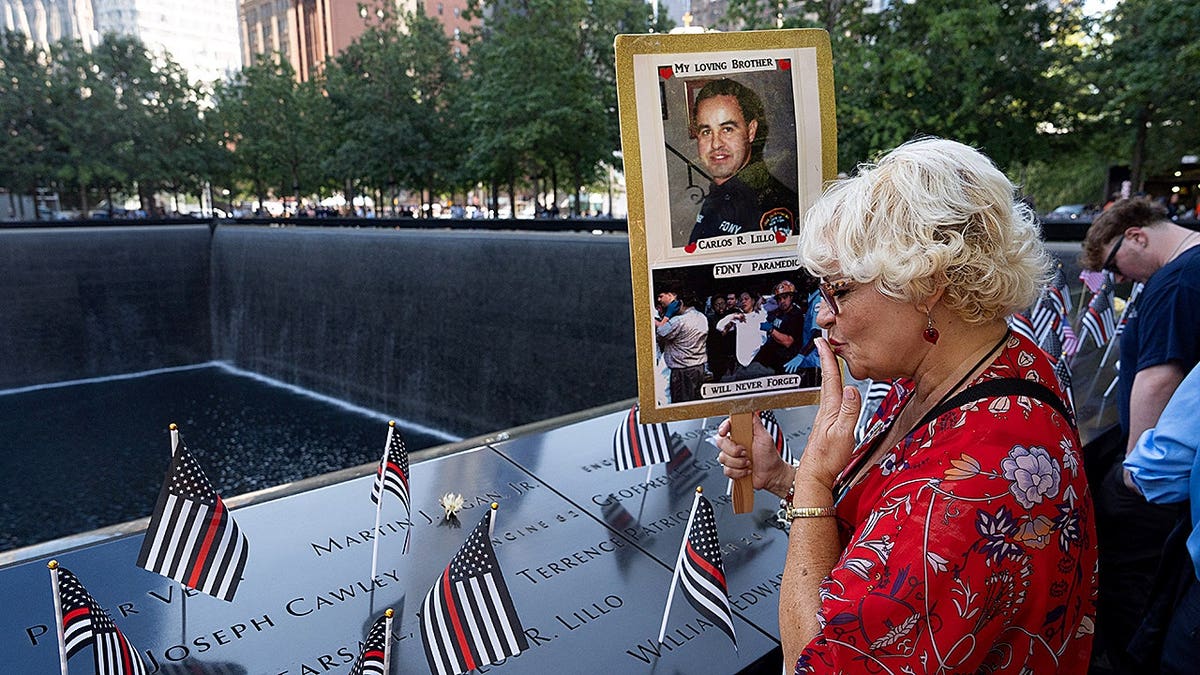
Olga Colon, 65, blows a kiss as she finds the name of her brother, Carlos Rey Lillo, a paramedic killed when the South Tower collapsed, at the south reflecting pool during the annual 9/11 Commemoration Ceremony at the National 9/11 Memorial and Museum on Sept. 11, 2025, in New York City. Government officials joined family, friends and first responders at Ground Zero on the 24th anniversary of the Sept. 11, 2001, terror attacks at the World Trade Center. (Adam Gray/Getty Images)
One organizer told the New York Post that mourning dignitaries from both parties will be welcomed, but emphasized they have all been involved in the healing process for years, citing former mayors Rudolph Giuliani and Michael Bloomberg, former Sen. Hillary Clinton, D-N.Y., and City Council Speaker Julie Menin, D-Upper East Side.
CLICK HERE TO DOWNLOAD THE FOX NEWS APP
The memorial museum said it has «intentionally worked to keep the commemoration free of politics because remembering those we lost on 9/11 should never be a partisan issue,» according to a statement to the Post from staffer Julie Wood.
The petition comes amid elevated rhetoric directed at Mamdani as he prepares to take office before his first September 11 commemoration as mayor, as Rep. Randy Fine, R-Fla., and radio host Sidney Rosenberg both recently declared the mayor a «terrorist.»
zohran mamdani, terrorism, new york city, september 11, politics

Waltz slams France after stunning social media attack on US after UN vote

La confianza en el Gobierno volvió a caer en julio, según un estudio de la Universidad Di Tella

Santiago, República Dominicana: se duplica la demanda de atención por trastornos del neurodesarrollo en los últimos años

El consumo de carne de cerdo casi se triplicó en los últimos 20 años y ya compite con el asado vacuno

“27 campeones, 27 identidades”: la historia detrás de los parches especiales que usarán los equipos en la Copa Libertadores

Por sus vínculos con la AFA: Galván Greenway y Catania, los jueces que Karina Milei mantiene “congelados” en el Senado

Mientras espera la vuelta de Macri, el PRO ya activó contactos con LLA: cómo sería la estrategia electoral en la Provincia

Río Negro: Alberto Weretilneck anunció un proyecto para eximir de Ingresos Brutos a los turistas extranjeros

González Charvay: el juez que disputa la causa por la quinta de Pilar y los extraños movimientos para que todo termine en su juzgado

Dem’s stunning ideal standard for immigration detention conditions resurfaces amid Texas senate bid

 POLITICA3 días ago
Convivencia pacífica o tensión administrada: el PRO define cómo pararse frente al gobierno de Milei rumbo a 2027
- POLITICA2 días ago
Cuentapropismo emocional en lo profundo del conurbano
- SOCIEDAD24 horas ago
San Isidro: la ballena que quedó varada en un banco de arena murió pese al operativo de rescate