INTERNACIONAL
“Siento que mi brazo va a explotar”: las últimas palabras de Christa Pike durante el fallido intento de ejecución en EE.UU.


“Siento que mi brazo va a reventar”. Esa fue una de las últimas frases que pronunció Christa Pike mientras intentaban ejecutarla mediante una inyección letal en una prisión de máxima seguridad de Tennessee, Estados Unidos.
La mujer de 50 años sobrevivió al procedimiento después de recibir las dos dosis de pentobarbital previstas y terminó hospitalizada. Ahora, el testimonio de los periodistas que estuvieron dentro del penal permitió reconstruir qué ocurrió durante esos minutos y qué dijo Pike mientras permanecía en la camilla.
Una de las testigos fue Tori Gessner, periodista y conductora de la cadena WKRN de Nashville, quien relató que Pike permaneció consciente durante parte del procedimiento e incluso interactuó con su asesor espiritual.
Cuando se abrieron las cortinas que separaban la cámara de ejecución del sector destinado a los testigos, la condenada estaba atada a la camilla. Antes de que comenzara la administración de los fármacos, pronunció unas palabras y aseguró que se marchaba “con amor”.
También cantó junto a su acompañante espiritual. Sin embargo, pocos minutos después comenzó a manifestar fuertes molestias en uno de sus brazos. Alrededor de las 19.34, según reconstruyó Gessner, Pike señaló la zona donde tenía colocada la vía y expresó: “Siento que mi brazo va a explotar”.
Qué pasó después de las últimas palabras de Christa Pike
Con el paso de los minutos, Pike dejó de hablar, pero el procedimiento estaba lejos de haber terminado.
Cerca de las 19.46, las autoridades cerraron por primera vez las cortinas. Los periodistas que estaban del otro lado todavía podían escucharla respirar y señalaron que la mujer comenzó a roncar.
Tres minutos más tarde, las cortinas volvieron a abrirse. Los testigos describieron entonces una respiración fuerte, con la boca abierta. Finalmente, alrededor de las 20.05, la visión hacia la cámara de ejecución volvió a quedar bloqueada. Esta vez las cortinas permanecieron cerradas hasta que los periodistas abandonaron el lugar.
Durante casi 50 minutos, sin embargo, continuaron escuchando sonidos provenientes del interior. A las 20.53, cuando los periodistas fueron retirados del sector, Pike todavía estaba con vida.
Catherine Sweeney, de la emisora WPLN y quien había presenciado otras ejecuciones en Tennessee, aseguró posteriormente que nunca había visto una situación similar.
muerte













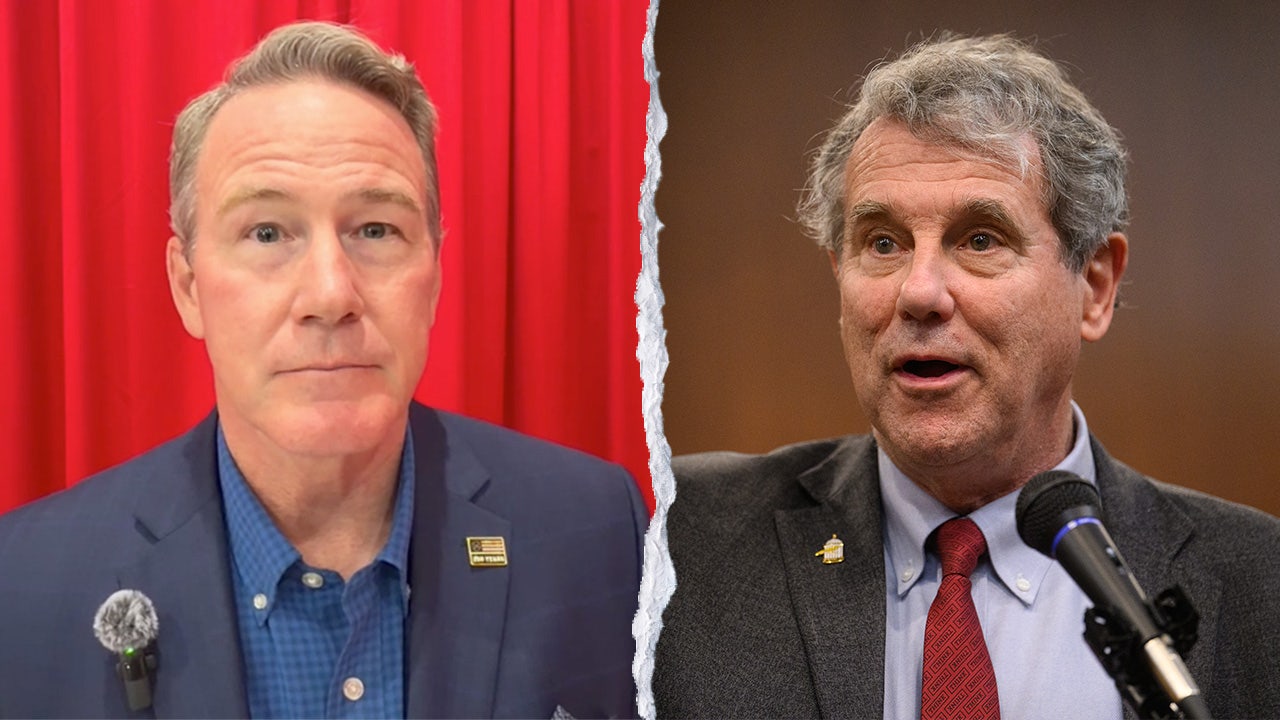
Powered by a clear favorability advantage, a large gender gap and voter discontent with both household finances and President Donald Trump, former Democratic Sen. Sherrod Brown has the edge over appointed Republican Sen. Jon Husted in the Ohio Senate race.
A survey of likely Ohio voters finds Brown leads Husted, 52% to 47%.
Brown’s advantage is anchored by his stronger personal standing, with his favorability rating 2 points above water (50% favorable, 48% unfavorable), while Husted’s rating sits 13 points underwater (42% favorable, 55% unfavorable).
POLL: COST-OF-LIVING CONCERNS WEIGH ON GOP IN MIDTERMS
More Brown supporters (88%) than Husted backers (83%) say they’re certain of their vote.
POLL: IT’S A LONE STAR SENATE SHOWDOWN BETWEEN TALARICO AND PAXTON
Economic unease creates another headwind for Husted because about 2½ times as many voters say their financial situation is worse than two years ago rather than better (46% vs. 19%). Those who say things are worse favor Brown by 49 points, while those who say their finances are better or the same favor Husted by 51 and 24 points, respectively.
The president’s standing in Ohio adds to Husted’s difficulties. Trump won the Buckeye State with 55% of the vote in 2024, but just 43% now approve of his job performance. A 57% majority disapproves, with 46% saying they «strongly» disapprove.
Meanwhile, 52% express concern that Husted is too close to Trump, including 38% who are extremely concerned. Brown faces similar concerns about being too liberal, as 50% are worried, though fewer, 30%, are extremely concerned.
In the matchup, women favor Brown by 14 points, while men support Husted by 4, an 18-point gender gap. Brown also has advantages among voters under 35, voters with a college degree, union voters and those living in urban and suburban areas. Husted relies on rural communities, non-college White men and married voters and has a narrow edge among those ages 65 and up.
Partisan crossovers further tilt the field toward the challenger. While Husted receives 90% of Republicans, 9% cross over to back Brown. Some 97% of Democrats support Brown, while just 2% choose Husted, and Brown carries independents by nearly two to one.
Voters who view both Senate candidates unfavorably prefer Husted by nearly 20 points.
Brown is up by 9 points among those who are extremely interested in the election and leads by 29 points among the 15% of Ohioans who say they have already voted.
Legislative preference tilts toward the Democrats, with Ohioans dividing 50% for Democratic control of the U.S. Senate and 48% for Republican control.
In the governor’s contest, likely voters favor Democrat Amy Acton over Republican Vivek Ramaswamy by 50% to 48%. Women favor Acton by 10 points, while men back Ramaswamy by 7, a nearly identical gender gap to the Senate race.
CLICK HERE FOR CROSSTABS AND TOPLINE
Ticket splitting goes in both directions: 8% of Brown supporters cross over to Ramaswamy, while 6% of Husted supporters back Acton.
The survey was completed before a negative television ad from Ramaswamy’s campaign featuring Acton’s estranged mother became public.
Conducted October 15-19, 2026, under the joint direction of Beacon Research (D) and Shaw & Company Research (R), this Poll includes interviews with a sample of 2,005 Ohio registered voters randomly selected from a statewide voter file. Respondents spoke with live interviewers on landlines (219) and cellphones (1,306) or completed the survey online after receiving a text message (480). Results based on the registered voter sample have a margin of sampling error of ±2 percentage points, and, for the subsample of 1,592 likely voters, it is ±2 percentage points.
Sampling error for results among subgroups is higher. In addition to sampling error, question wording and order can influence results. Sources for developing weight targets include the most recent American Community Survey, Voter Analysis and voter file data. Weights are generally applied to age, race, education and area variables to ensure the demographics of respondents are representative of the registered voter population. Likely voters are based on a probabilistic statistical model that relies on past vote history, interest in the current election, intention to vote, age, education, race, ethnicity, and marital status. Results among subgroups are only shown when the sample size is at least N=100.
Fox News’ Victoria Balara contributed to this report.
fox news poll, politics, midterm elections, republicans, democratic party, donald trump, senate
INTERNACIONAL
La psicooncóloga Rebeca Salandra habla del acompañamiento desde el diagnóstico de cáncer de mama hasta el final del proceso

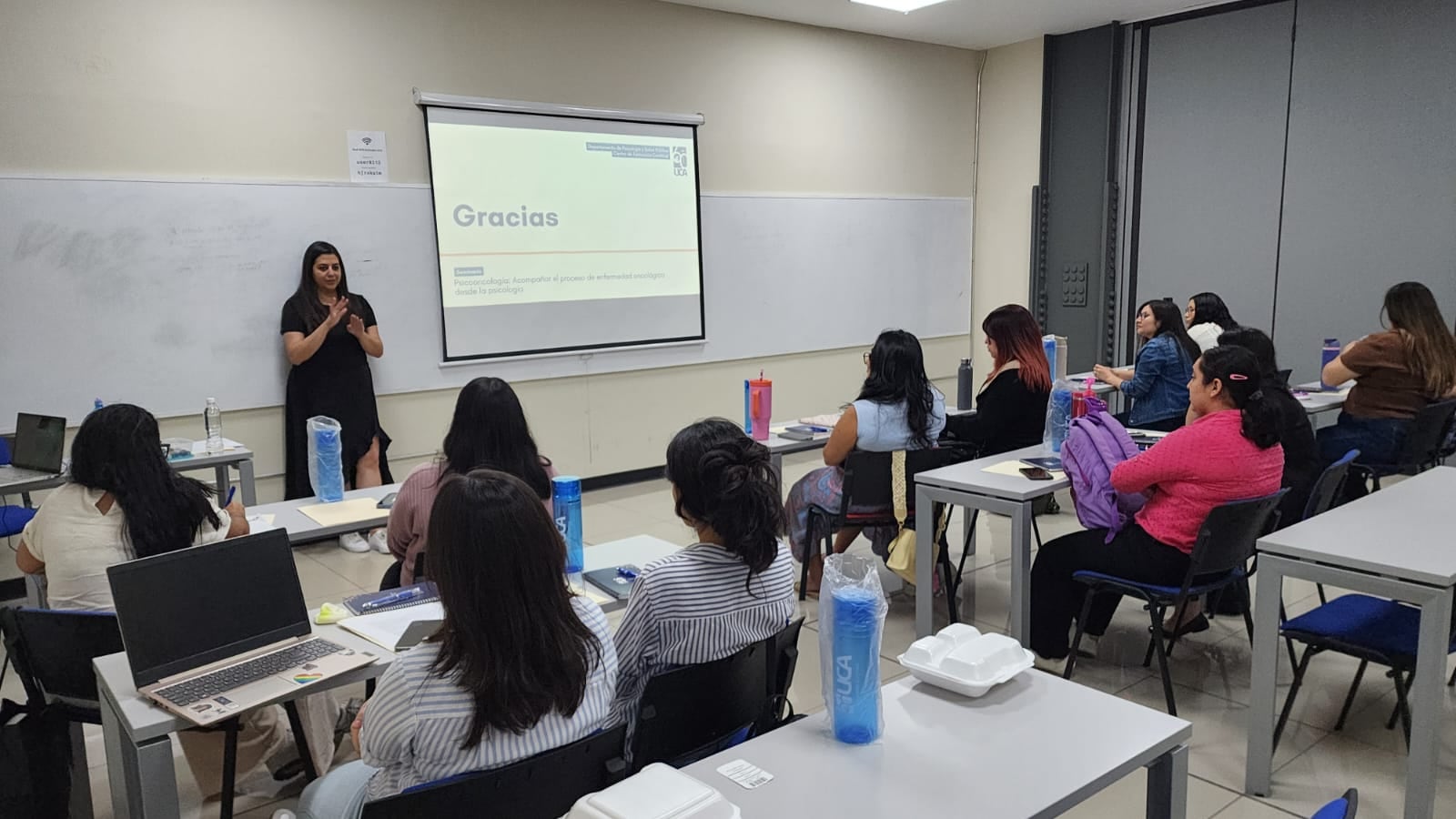
Rebeca Salandra, psicooncóloga y psicóloga de la salud, explicó que un diagnóstico de cáncer de mama provoca un impacto emocional que no equivale necesariamente a un trastorno psicológico, pero requiere acompañamiento desde la noticia inicial hasta el final del tratamiento o, según cada caso, el final de la vida. La especialista, que lleva alrededor de 13 años, también coordinadora nacional de los psicólogos de Instituto Salvadoreño del Seguro Social (ISSS), trabajando con pacientes oncológicos, sostuvo que la atención debe combinar el conocimiento de la enfermedad con la evaluación individual de cada persona.
La primera asociación suele ser inmediata: “Tengo cáncer igual a muerte”. En las madres, ese temor suele trasladarse a sus hijos y a la posibilidad de no poder cuidarlos, mientras que quienes tienen pareja piensan en su esposo y en el entorno familiar más cercano.
El cáncer de mama puede tener una alta posibilidad de curación si se detecta a tiempo, pero el miedo no desaparece automáticamente con esa información. Salandra señaló a Infobae que la psicooncología busca educar a las pacientes sobre el tipo específico de tumor, los tratamientos indicados y las emociones que pueden surgir durante el proceso.
Alrededor del 40% de los pacientes puede desarrollar depresión, trastornos de ansiedad o dificultades de adaptación tras el diagnóstico. Sin embargo, la reacción inicial de tristeza, incertidumbre o temor puede ser una respuesta normal frente a una amenaza para la salud y no implica por sí misma una enfermedad mental.

El impacto emocional de los cambios físicos
La quimioterapia, la radioterapia, las intervenciones quirúrgicas y los controles frecuentes modifican la rutina y pueden afectar la imagen corporal. La pérdida del cabello, el descenso de peso, una mastectomía o el uso de una prótesis no tienen el mismo significado para todas las mujeres, porque el impacto depende de la personalidad, la edad, la historia personal y el valor que cada paciente atribuye a su cuerpo.
“Todas las emociones que cada una de las personas vive son naturales y normales, son reacciones ante una amenaza”, afirmó Salandra. La ansiedad puede aumentar al comienzo del tratamiento, cuando aparecen dudas sobre la quimioterapia, la radioterapia o la inmunoterapia y sus posibles efectos secundarios.
La pérdida del cabello puede convertirse en un recordatorio visible de la enfermedad. Aunque vuelva a crecer, la especialista indicó que algunas pacientes atraviesan ese cambio como una pérdida relevante y necesitan despedirse simbólicamente de su cabello antes de que comience a caer.
El abordaje incluye el trabajo sobre la autoimagen y la adaptación a los cambios físicos. También contempla la pérdida de la salud, de la sensación de normalidad y de la autonomía cotidiana, ya que la vida empieza a organizarse alrededor de hospitales, estudios médicos y controles.
La situación económica puede añadir otra fuente de tensión. Por eso, la evaluación psicológica considera el impacto de la enfermedad en la paciente, su familia, su autoestima, la red de apoyo social y posibles antecedentes de depresión u otros trastornos previos al diagnóstico.
Educación sobre la enfermedad y decisiones de tratamiento
La herramienta más utilizada en la atención psicológica oncológica es la educación sobre la enfermedad y las emociones. Salandra explicó que una paciente necesita comprender, por ejemplo, qué implica un cáncer de mama triple negativo, por qué determinado tratamiento puede ser hormonal o por qué otra persona recibe una terapia diferente.
El objetivo es que las decisiones no dependan únicamente de búsquedas en internet, conversaciones con vecinos o información obtenida mediante herramientas digitales. Cuando la paciente recibe explicaciones de profesionales que conocen su caso, puede disminuir la ansiedad y adaptarse mejor a las pérdidas y a los cambios que atraviesa.
El acompañamiento tampoco sigue un esquema idéntico para todas las personas. Algunas mujeres pueden preocuparse principalmente por los cambios físicos, mientras que otras reviven el recuerdo de familiares o conocidos que murieron por cáncer de mama y enfrentan ese antecedente como una fuente adicional de miedo.
El cansancio acumulado puede llevar a una paciente a pensar en abandonar el tratamiento. La especialista consideró que esa decisión debe analizarse a partir de sus causas: efectos secundarios mal controlados, agotamiento, tristeza, temor, conflictos familiares o un objetivo terapéutico paliativo, orientado a aliviar síntomas y no a curar la enfermedad.

“Ellas tienen el derecho de cansarse, de tirar la toalla, pero luego levantarla”, sostuvo Salandra. La intervención psicológica no busca obligar a continuar, sino ayudar a que la decisión se tome con conciencia y no desde un bloqueo emocional.
En algunos casos, el malestar está relacionado con la preocupación por los hijos. La profesional relató que trabajó con una paciente que pensaba abandonar el tratamiento porque no quería que su hijo presenciara el proceso; la respuesta fue involucrarlo para normalizar la situación dentro del hogar.
El miedo después de terminar la terapia
La etapa posterior al tratamiento puede concentrar emociones que quedaron relegadas durante los meses de consultas, cirugías y terapias. Mientras el tratamiento está en marcha, predomina la ansiedad y la incertidumbre; al finalizar, pueden aparecer con más fuerza el miedo y la tristeza.
Salandra definió ese proceso como un duelo oncológico. La rapidez de las decisiones médicas y las exigencias de cada terapia pueden dejar poco espacio para procesar lo vivido, por lo que el impacto emocional puede hacerse más visible durante la fase de vigilancia y los controles posteriores.
El temor a una recaída puede ser natural, especialmente antes de realizarse estudios médicos. La situación requiere una intervención específica cuando ese miedo impide asistir a los controles, altera el sueño, bloquea la vida cotidiana o se vuelve desproporcionado.
La familia también puede influir en la continuidad de los tratamientos. La psicooncóloga advirtió que, en algunas zonas rurales, existen esposos que se oponen a que sus parejas reciban atención médica por mitos sobre la quimioterapia o la radioterapia, aunque esas creencias también aparecen en personas con formación universitaria.

Las reuniones familiares permiten explicar qué ocurre, desarmar temores y abordar las decisiones desde información clínica. La enfermedad puede avanzar aunque al principio no produzca síntomas, por lo que el rechazo al tratamiento necesita ser trabajado junto con la paciente y su entorno.
Salandra planteó que los equipos oncológicos deberían incluir desde el inicio a profesionales de la salud mental formados en cáncer. Cuando eso no ocurre, recomendó buscar ayuda si el llanto se vuelve frecuente, la tristeza se profundiza, los conflictos familiares crecen, el dolor se vuelve difícil de afrontar, aparece insomnio por ansiedad o surge la intención de abandonar la terapia.
Ser fuerte, resumió la especialista, no significa evitar la tristeza, el enojo o el miedo. Significa continuar el proceso pese a esas emociones, identificarlas, validarlas y buscar apoyo en personas de confianza o en un profesional especializado cuando la situación deja de ser manejable.
psicooncología,cáncer,apoyo emocional,El Salvador

The chaos engulfing France is a preview of what Democrats want for America, Sen. Eric Schmitt warned, contrasting the unrest with new manufacturing jobs and a federal crime crackdown in Missouri that he credits to cooperation with the Trump administration.
«You see what’s happening in France. That’s exactly what they want here, the DSA Democrats,» the Missouri Republican told Digital.
His warning comes as riots, fires and looting have swept France after protests over rising living costs and strained public services turned violent, prompting curfews in parts of Paris and other cities.
«I think the Democrat Party at this point is sort of post-American and anti-Western civilization,» Schmitt said.
VIOLENT FAR-LEFT RIOTS IN FRANCE ARE ‘CHILLING WARNING’ FOR AMERICANS AT HOME, MIKE JOHNSON SAYS
With control of the House «up for grabs,» Schmitt argued, Republicans need to make the stakes clear while showing voters what they have delivered.
INSIDE THE HOUSE GOP’S 4-WEEK BATTLE PLAN TO SAVE ITS MAJORITY
Asked what a Democratic House would mean for Trump’s agenda, Schmitt accused Democrats of obstructing Republican efforts on immigration, permitting reform and regulations.
‘SQUAD’ DEMOCRAT FORMALLY INTRODUCES BILL TO ABOLISH ICE, BORDER PATROL AND DISMANTLE DHS
He warned that Democratic control could jeopardize funding for Immigration and Customs Enforcement and revive what he described as the political weaponization of government under former President Joe Biden.
But Schmitt also argued Republicans need to give voters a reason to support them, pointing to jobs and public safety as areas where he says cooperation with the Trump administration is paying off.
KEY AMERICAN INDUSTRY SEEING BLUE-COLLAR JOBS BOOM AS TRUMP’S RE-SHORING POLICIES PAY OFF
In Missouri, he highlighted Boeing’s selection to build the Air Force’s F-47 and the Navy’s next-generation F/A-XX fighter as a potentially transformative investment in American manufacturing.
Boeing secured the Navy contract in September after winning the Air Force program last year.
BERNIE SANDERS ADMITS DEMOCRATS FAILED WORKING-CLASS VOTERS ON ECONOMICS, DRIVING THEM TO DONALD TRUMP
Schmitt, a member of the Senate Armed Services Committee, said the programs would mean 7,000 direct jobs, with additional opportunities for suppliers and surrounding businesses.
«It means that the goal we’ve been fighting for, which is that St. Louis is the defense tech capital of the United States of America, is coming true,» he said.
TRUMP SAYS POLLS ‘DON’T ACCOUNT FOR ONE THING,’ AS HE PLEDGES TO DEFEAT COMMUNISTS ‘ONCE AND FOR ALL’
Schmitt said he worked with Trump and administration officials to help land the programs, describing them as «generational opportunities» for Missouri workers.
«You think of the good-paying jobs that’s going to mean for generations to come, it’s just a game changer,» he said.
He also tied the aircraft programs to the broader competition with China, saying the next generation of fighters would help meet military demands in the Pacific.
On public safety, Schmitt pointed to Operation Show Me Justice, an ATF-led enforcement surge that resulted in 435 arrests and the seizure of 166 firearms in St. Louis, according to the Justice Department.
Authorities also seized 81 kilograms of drugs and more than $1.25 million linked to suspected illegal gun and drug transactions during the operation, which officials announced had concluded Oct. 15.
Schmitt said his conversations with administration officials have carried a straightforward request for his hometown.
TRUMP’S LAW-AND-ORDER BLITZ MARKS ONE YEAR WITH EYE-POPPING HAUL OF SUSPECTS, GUNS IN BLUE CITY
«St. Louis, we need your help,» he said.
The former Missouri attorney general described the toll of violence on families, including grandparents cleaning up broken glass and parents burying their children.
«We don’t need to accept this,» he said. «We just don’t need to accept the idea that violent crime needs to be in the headlines every single day.»
He pledged the effort would continue beyond the surge.
«This isn’t a one-and-done deal. There are more resources coming,» Schmitt said.
OMAR’S NEW LEGISLATION TARGETING ICE SPARKS OUTRAGE WHEN THE INTERNET SEES WHAT’S IN IT: ‘UN-AMERICAN’
For families wanting to send children safely to school, visit a park or attend a Cardinals game downtown, he said the goal is a better quality of life.
«I think the message is help is on the way, and there are real tangible results now, not just rhetoric, not just empty promises,» Schmitt said.
«We’re not letting up.»
Schmitt’s third major priority is modernizing St. Louis Lambert International Airport, an effort he linked to the region’s aerospace growth and aviation history.
His Modern Skies Act would fund improvements to air traffic control technology, towers and airport terminals. He said midsize airports need help securing investments that larger hubs can more readily finance.
«St. Louis is the gateway to the West,» he said. «It deserves a world-class airport.»
The proposal remains a legislative push rather than a guaranteed funding award for Lambert. Transportation Secretary Sean Duffy said during an October visit that airport funding would be competitive.
For Schmitt, those priorities form part of the argument Republicans need to make as voters weigh control of Congress.
He cast the election as «common sense versus crazy,» but cautioned that Republicans cannot assume their supporters will show up.
«I just don’t think you can take anything for granted,» Schmitt said. «I think we have to fight for every vote and tell an important story.»
«I think if we do that, we’re gonna hold on to the Senate, and the House is up for grabs.»
politics, republicans elections, house of representatives, midterm elections, st louis, defense, air force

El iPhone Duo de 2.300 euros desata una fiebre inédita por los plegables: se agota y acumula tres meses de espera

Siguen los tiros en el United: Bruno Fernandes contra Carrick post 1-4 vs. Como y la voz de un histórico como Ferdinand elogiando a Nico Paz

Un Centro de Estudios de la UBA brinda asesoramiento gratuito a morosos: cómo consultarlo para enfrentar deudas

Las advertencias que Julieta Prandi le hizo a Emanuel Ortega antes de la separación: “Situaciones inmanejables como…”

Poll: Gender gap and pocketbook pain shape Ohio Senate race

Kicillof demandó penalmente a Milei y a Caputo ante la justicia federal por el Fondo Hídrico

El Gobierno pone en marcha un nuevo plan de retiros voluntarios y busca que haya 20.000 empleados menos en el Estado

Alerta roja en Sudamérica por el Súper Niño: cambio climático, inundaciones extremas y el hallazgo de microplásticos y metales en el granizo

“Feliz día a la mejor mamá del mundo”: el doble gesto del Chato Prada con Lourdes Sánchez y la reacción de ella

De cara al debate por el endeudamiento familiar, el Gobierno sostiene un discurso duro y considera que funciona para la imagen de Milei

 POLITICA2 días ago
El Gobierno pone en marcha un nuevo plan de retiros voluntarios y busca que haya 20.000 empleados menos en el Estado
- CLIMA2 días ago
Alerta roja en Sudamérica por el Súper Niño: cambio climático, inundaciones extremas y el hallazgo de microplásticos y metales en el granizo
- POLITICA2 días ago
El Gobierno reconoció que “está bajo análisis” la postura argentina en el Comité de Descolonización de la ONU