
INTERNACIONAL
Sistema de capitalización de pensiones en Panamá logra un crecimiento sostenido


Al cierre de febrero de este año el Sistema de Ahorro y Capitalización de Pensiones de los Servidores Públicos (SIACAP) ha captado desde el 2000 un monto total de $2,282.3 millones, de los cuales el 48.4% se ha pagado en prestaciones a los afiliados y beneficiarios.
Creado mediante la Ley 8 del 6 de febrero de 1997, el SIACAP tiene como objetivo otorgar beneficios adicionales a las pensiones de invalidez permanente, incapacidad permanente absoluta por riesgo profesional y de vejez que se concedan al servidor público de acuerdo con la Ley Orgánica de la Caja del Seguro Social.
La entidad inició operaciones en julio del 2000, con un patrimonio de $435.1 millones, y actualmente cuenta con 609,408 cuentahabientes, de los cuales 169,297son cotizantes activos.
A febrero de este año el patrimonio neto de los afiliados correspondió a $1,043.9 millones, con un rendimiento en el mes de 8.5%, de los cuales el 40% correspondió a aportes y el restante 60% a rendimientos.
Rolando Mejía, secretario ejecutivo del SIACAP, señaló que al cierre del 2025 el Sistema de Ahorro y Capitalización de Pensiones de los Servidores Públicos registró un monto un total de $1,024 millones, cifra que representa un crecimiento sostenido a lo largo del tiempo y confirma la confianza que los servidores públicos mantienen con la institución.

Con este rendimiento, el funcionario dijo que la institución ha demostrado una madurez financiera y un manejo responsable de los recursos de los servidores públicos, cuyo rendimiento alcanzó un 7.45% durante el periodo del 2025, reflejando la eficiencia de su estrategia en el manejo del portafolio de inversiones.
Explicó que este desempeño le permitió generar $71.0 millones, fortaleciendo la confianza de sus afiliados y consolidando un modelo sostenible para el futuro.
El sistema opera mediante cuentas individuales donde se registran las contribuciones obligatorias, voluntarias y especiales de cada afiliado, así como los bonos negociables y los réditos generados.
Los funcionarios aportan un porcentaje de su salario al SIACAP y el Estado contribuye adicionalmente con un 0.3% del salario devengado.
Los fondos depositados son administrados por entidades administradoras de inversión, encargadas de generar rentabilidad y hacer crecer los ahorros de los afiliados.

Esto permite que los funcionarios cuenten con un aporte complementario a su jubilación.
Las declaraciones de Mejía se dieron durante la sustentación ante la Comisión de Economía y Finanzas de la Asamblea Nacional de la memoria de gestión de esta entidad, correspondiente al 2024-2025.
En la jornada, la Superintendente del Mercado de Valores (SMV), Maruquel Murgas de González, hizo lo propio al sustenta que esta entidad financiera ha desempeñado un papel fundamental en el fortalecimiento del sistema financiero, fomentando la transparencia, confianza y preservación del mercado.
Durante el 2025 la entidad presentó su plan estratégico compuesto por una hoja de ruta que se estructura en cinco pilares fundamentales, que abarcan áreas esenciales para el desarrollo institucional y el adecuado cumplimiento de sus funciones, con el objetivo de posicionar a la Superintendencia como un referente regional en materia de regulación y supervisión del sector.
Los pilares, según Murgas de González, son: modernización del Mercado de Valores, sostenibilidad y responsabilidad, fortalecimiento institucional, protección al inversionista, posicionamiento y vínculos Internacionales.

Mientras, la hoja de ruta estratégica y operativa define las acciones, plazos y recursos necesarios para avanzar de manera ordenada y eficiente hacia el cumplimiento de las metas, y constituye la base de las iniciativas desarrolladas durante el período que comprende la memoria institucional.
“Hemos avanzado de forma sostenida en la ejecución de este plan orientado a la modernización del mercado de valores y al fortalecimiento de nuestros procesos internos”, manifestó Murgas de González en la memoria institucional noviembre 2024- octubre 2025.
accounting,adult,analysis,banking,bills,bookkeeping,budget,budgeting,business,calculator,cash,commerce,counting,customer,deposit,desk,dollars,earning,economy,entrepreneur,finance,financial,fiscal,indoor,investment,laptop,loan,male,man,management,money,office,paperwork,payment,payout,payroll,planning,professional,profit,report,revenue,salary,savings,tax,transaction,work,workspace












INTERNACIONAL
Trump-backed incumbent loses primary after super PAC bankrolled by Dems meddled in race

NEWYou can now listen to Fox News articles!
Rep. Andy Ogles, R-Tenn., was defeated in a primary challenge on Thursday evening by Republican challenger Charlie Hatcher, a farmer and the state’s former commissioner of agriculture.
Although the primary was far from a top-watched contest coming into the 2026 primaries, it served as a microcosm of larger forces at play in the Republican Party. From a break in endorsements between President Donald Trump and Tennessee’s Republican Governor Bill Lee to millions being pumped into the district over environmental policy, the race attracted attention well beyond its borders.
The Invest in Tomorrow Coalition super PAC had spent roughly $2 million opposing Ogles and supporting Hatcher. The group has raised $6.7 million this year, making Ogles a sizable portion of their spending this cycle.
TOP TRUMP ALLY WARNS SUPER PAC BANKROLLED BY DEM BILLIONAIRE IS MEDDLING IN GOP PRIMARY
Charlie Hatcher, Republican candidate for Congress, left, pictured next to incumbent Rep. Andy Ogles, R-Tenn., right. (USA TODAY Network via Reuters Connect; Brett Carlsen/Getty Images)
The way that Ogles sees it, it’s an attempt to show Republicans what happens when lawmakers attempt to claw back government funding for renewable energy sources.
Like many other Republicans, Ogles has called to scale back renewable energy investments made under the Biden Administration.
«When you have a group spending roughly $2 million in a Republican primary, that tells you how much money they’re making off of government subsidies, and they’re upset that the government welfare has been taken away from them,» Ogles told Fox News Digital in an interview.
A Fox News Digital review of FEC filings discovered that the super PAC is bankrolled by Chris Larsen, the California-based billionaire chairman of Ripple, a financial technology company that, according to its website, offers crypto solutions for businesses.
Larsen is also a frequent Democratic donor, having contributed $5,444,975 to support Kamala Harris’s failed presidential campaign.
More than just his opposition to government-backed renewable energy initiatives, Ogles thinks it’s his proximity to Trump that has made him a target.
«It’s because I’m close to the president. It is because I am outspoken. And quite frankly, it is because I speak plainly on these issues,» Ogles said.
GOP GOVERNOR ENDORSES CANDIDATE CHALLENGING TRUMP-BACKED CONGRESSMAN IN REPUBLICAN US HOUSE PRIMARY

Rep. Andy Ogles (R-TN) addresses the New York Young Republican Club’s 113th Annual Gala at Cipriani Wall Street on December 13, 2025 in New York City. (Adam Gray/Getty Images)
For his own part, Hatcher, a fifth-generation Tennessee dairy farmer, has pitched himself as someone unencumbered by the political scene and ensnaring interests.
«I think there’s something missing in Washington. There’s a lack of farmer common sense. There’s a lack of work ethic. One of my strengths is problem-solving, looking for solutions, looking for collaborations and supporting the Trump Administration and Speaker Johnson on their agenda,» Hatcher said in a campaign video.
Notably, Tennessee’s Republican governor put his weight behind Hatcher late on Tuesday evening, citing a personal relationship between them.
«He served as my commissioner of agriculture; I know Charlie. I know his conservative values and how much he loves our country. Charlie has stood with President Trump since day one,» Lee said in a video.
Trump, who has endorsed Ogles, reaffirmed his support for the conservative firebrand ahead of the primary.
«Andy will be really enshrined as one of the best congressmen that you’ll ever see. He’s just fantastic,» Trump said. «Andy has always been there when we needed him and when I needed him. He’s been a great help. He’s been a source of inspiration to a lot of people in Congress,» Trump said in a post to Truth Social earlier this year.
TENNESSEE PASSES NEW CONGRESSIONAL MAP LIKELY TO FLIP FINAL DEM SEAT AS PROTESTS ERUPT INSIDE CAPITOL
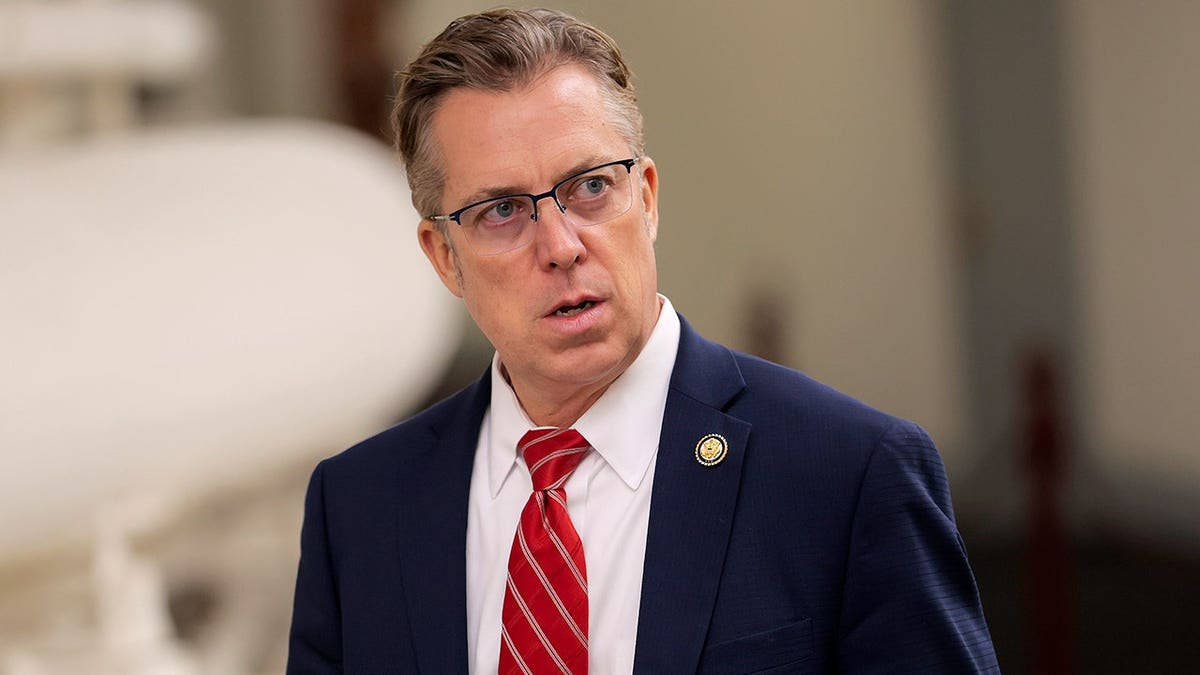
Rep. Andy Ogles, R-Tenn., walks through the U.S. Capitol on February 03, 2026 in Washington, D.C. (Heather Diehl/Getty Images)
Having captured the Republican nomination, Hatcher now advances to a general election he’s heavily favored to win on Nov. 3. He won re-election in 2024 in a 56.9% to 39.5% victory over Maryam Abolfazli.
politics, campaigning, tennessee

El presidente de Estados Unidos, Donald Trump, insiste con un tema que parece que lo desvela: este jueves firmó dos órdenes ejecutivas destinadas a restringir la ciudadanía por nacimiento, una iniciativa que intenta eludir la reciente sentencia judicial de la Corte Suprema que confirmó la protección constitucional para los que nacen en territorio estadounidense.
A finales de junio, el Tribunal Supremo anuló el decreto que Trump emitió el primer día de su segundo mandato, que buscaba acabar con la ciudadanía por nacimiento automática para todos los niños nacidos en suelo estadounidense, considerando que violaba la 14ª Enmienda.
«Tuvimos una decisión muy desafortunada en el Tribunal Supremo respecto al derecho por nacimiento», dijo Trump en el Salón Oval al firmar el decreto. «Estuvo cerca, pero fue una decisión muy, muy desafortunada. Así que estamos haciendo ajustes porque es muy injusto”, agregó.
Uno de los decretos firmados este jueves por el presidente amplía la definición de quién sería inelegible para la ciudadanía automática, incluyendo a «enemigos extranjeros de Estados Unidos, miembros de organizaciones terroristas extranjeras y grandes categorías de personas que hacen lobby y actúan en nombre de gobiernos extranjeros».
La segunda orden busca prohibir la práctica del «turismo por nacimiento», una forma de obtener un visado por motivos fraudulentos que ya es ilegal pero que se ha convertido en objetivo de ese derecho.
Trump también busca negar a ciudadanía por nacimiento a los hijos de algunos empelados diplomáticos extranjeros en EE.UU. y potencialmente, en territorios estadounidenses en el futuro.
Es el segundo intento de Trump de limitar la ciudadanía por nacimiento en EE.UU. y es posible que vuelva a ser impugnado en los tribunales por violar la 14 Enmienda, que garantiza la ciudadanía a casi todos los nacidos en Estados Unidos.
Pero el gobierno de Trump argumenta que la sentencia de la Corte aún le otorga la autoridad para limitar la ciudadanía por nacimiento bajo excepciones de larga data reconocidas por el tribunal. A la vez, a menos de 3 meses de las elecciones legislativas, busca instalar en la agenda política temas controversiales que agradan a las bases de su movimiento MAGA, contrarias a la inmigración.
Las órdenes ejecutivas anunciadas este jueves se aplican únicamente a futuros nacimientos vinculados a cuatro categorías:
—Hijos nacidos de personal diplomático extranjero que trabajaba para otro gobierno mientras están en EE. UU. La 14ª Enmienda no confiere ciudadanía automática a las familias de los embajadores, y esta orden ampliaría esa categoría a otros empleados no ciudadanos.
–Hijos de personas clasificadas como enemigos extranjeros, incluidos aquellos que pertenecen a grupos terroristas declarados federalmente. La 14ª Enmienda no se aplica a los “ejércitos invasores”, y esta designación ampliaría esa categoría.
–Aquellos nacidos en territorios estadounidenses, pero solo si el Congreso cambia la ley para acabar con la ciudadanía automática allí. El mes pasado se presentó un proyecto de ley que busca lograr eso, pero no se espera que sea aprobado. Esto se aplicaría especialmente a los de Puerto Rico.
—Niños nacidos de madres que expresa y engañosamente entran en EE. UU. con el único propósito de tener un hijo aquí, es decir, o sea “turismo por natalidad”. Se busca así limitar el uso de madres subrogadas para este propósito también.
–También el gobierno puede revocar la ciudadanía de quienes han sido naturalizados por fraude. La nueva orden establece que esta excepción ahora se aplica a una madre si participa de forma engañosa en la práctica comercial del turismo de nacimiento, según las autoridades.
Una segunda orden ejecutiva ordena al secretario de Estado y al secretario del Departamento de Seguridad Nacional emitir normas y directrices para detener el “turismo de nacimiento” y dirigirse a la industria tanto en el país como en el extranjero.
La ley ya prohíbe obtener un visado de turista «con el propósito principal de obtener la ciudadanía estadounidense para un niño que da a luz en Estados Unidos».
Los funcionarios de inmigración también pueden negar la entrada a una extranjera embarazada en EE. UU. si determinan que entra al país con el propósito de dar a luz.
Las estimaciones sobre el número de niños producto del turismo de nacimiento varían desde los pocos miles hasta decenas de miles, según las autoridades. Pero Trump se ha centrado mucho en este foco en su campaña para limitar la ciudadanía por nacimiento de forma más amplia.
«La ciudadanía por nacimiento no trata de personas ricas de China y del resto del mundo, que quieren que sus hijos, y cientos de miles más, por dinero, se conviertan ridículamente en ciudadanos de los Estados Unidos de América», escribió el 30 de marzo en Truth Social.
Es posible que con el tiempo estos decretos también terminen invalidados por la Corte, pero mientras sigue el proceso judicial, Trump reinstala el tema en la agenda política y provoca enorme confusión.
INTERNACIONAL
En Panamá multan a 105 conductores por utilizar estacionamientos reservados para personas con discapacidad

Un total de 105 infracciones impusieron a igual cantidad de conductores las autoridades de la Autoridad del Tránsito y Transporte Terrestre (ATTT) durante una jornada de verificación para supervisar que los estacionamientos reservados para personas con discapacidad (estacionamientos azules) sean utilizados correctamente.
Estacionarse en estos puestos sin la debida autorización constituye una Infracción que conlleva una multa de $300.00. La sanción se irá duplicando de manera progresiva en caso de reincidencia.
Ante la cantidad de infracciones impuestas en las últimas semanas a nivel nacional, las autoridades manifestaron que la inclusión y la accesibilidad no son un privilegio, son un derecho fundamental que garantiza la movilidad autónoma y equitativa de las personas con discapacidad.
Para el director general de la ATTT, Nicolás Brea, “estos operativos no buscan sancionar, sino enviar un mensaje claro a toda la ciudadanía: el respeto a los espacios reservados es un deber cívico de empatía y humanidad”.
El funcionario agregó que garantizar la accesibilidad de las personas con discapacidad es una prioridad, por lo que la entidad que dirige continuará en las calles velando porque los derechos de las personas con discapacidad sean respetados de manera permanente en todo el país.

Ocupar un espacio reservado “solo por un minuto” o sin contar con el permiso emitido por la Dirección Nacional de Certificaciones de la Secretaría Nacional de Discapacidad (Senadis) vulnera la autonomía de quienes realmente lo necesitan, se indicó.
Más allá de evitar una sanción económica, el verdadero cambio empieza por la empatía, el civismo y la conciencia. Cada espacio respetado es un paso más hacia una sociedad verdaderamente inclusiva, anotaron las autoridades.
En Panamá el uso correcto de los estacionamientos destinados a las personas con discapacidad está amparado en la Ley 42 del 27 de agosto de 1999 “Por la cual se establece la equiparación de oportunidades para las personas con discapacidad”.
De acuerdo a la norma, tienen derecho a utilizar los estacionamientos destinados a las personas con discapacidad quienes tengan incapacidad para caminar sin la asistencia de una ayuda técnica u otra persona, quienes usen sillas de rueda, oxígeno portátil, quienes padezcan de insuficiencias respiratoria severa o cardiacas severas, al igual que quienes tengan una severa limitación para caminar debido a condiciones de origen artrítica, neurológica u ortopédica.
También se obliga a que los establecimientos públicos y privados de uso público destinarán al menos el 5% de sus estacionamientos para el uso temporal de vehículos conducidos por personas con discapacidad o que las transporten.

Se reitera que solo podrán hacer uso de estos espacios los vehículos que cuenten con el permiso expedido por la Dirección Nacional de Certificaciones de la Secretaría Nacional de Discapacidad (Senadis).
La Segunda Encuesta Nacional de Discapacidad (Endis-2) realizada en el primer trimestre de 2024 daba cuenta de que en el país unas 781,478 personas viven con algún grado de discapacidad, estadística que representa un 18% de la población.
La cifra representa, según la encuesta, un aumento significativo al compararla con el 11.3% registrado en 2006.
Del total el 58% son mujeres y el 42% restante corresponde a hombres, revela el sondeo, que agrega que el 67% de las personas con discapacidad reside en áreas urbanas y el 33% en las zonas rurales.
Sobre este punto, el sondeo de la Dirección Nacional de Certificaciones de la Secretaría Nacional de Discapacidad (Senadis), detalla que la concentración de las personas con algún grado de discapacidad en el país se ubica en las provincias de Panamá, Panamá Oeste, Chiriquí, Coclé, y la comarca indígena Ngäbe Buglé. Igualmente, en las provincias de Colón, Veraguas, Herrera, Bocas del Toro, Los Santos, Darién y el resto de las comarcas indígenas.
estacionamiento,discapacidad,señal,accesibilidad,normativa

Con el apoyo de la AFA, el uno por uno de cómo quedaron posicionadas las federaciones en torno a Infantino

Hernán Lacunza cuestionó el rumbo económico del Gobierno: “La gente sabe que hoy llena menos el changuito”

Se retiró el agua en Mar del Plata y emergió una llamativa “isla” frente al faro de Punta Mogotes: de qué se trata

Milei se reunió con Noboa en Ecuador para la firma de acuerdos bilaterales

Yanina Latorre reveló su charla íntima con La Joaqui tras separarse de Luck Ra: “La odia a Tuli Acosta”

Trump-backed incumbent loses primary after super PAC bankrolled by Dems meddled in race

Javier Milei cruzó a Victoria Villarruel y elevó la tensión: “Es una opositora, replica los argumentos kirchneristas”

Dólar hoy en vivo: a cuánto se negocian todas las cotizaciones minuto a minuto este miércoles 5 de agosto

La oposición cuestionó a Benegas Lynch por su empresa para vender campos a extranjeros y el senador libertario se defendió

Inédito boicot a un decreto para bajar costos portuarios: el Gobierno envió intimaciones con Prefectura
-
 ECONOMIA2 días ago
Dólar hoy en vivo: a cuánto se negocian todas las cotizaciones minuto a minuto este miércoles 5 de agosto
-
 POLITICA5 horas ago
La oposición cuestionó a Benegas Lynch por su empresa para vender campos a extranjeros y el senador libertario se defendió
-

 POLITICA2 días ago
Brasil retira a su embajador en la Argentina: qué consecuencias tiene la medida diplomática