
INTERNACIONAL
Trump AG pick hangs by a thread as key GOP senators refuse to commit

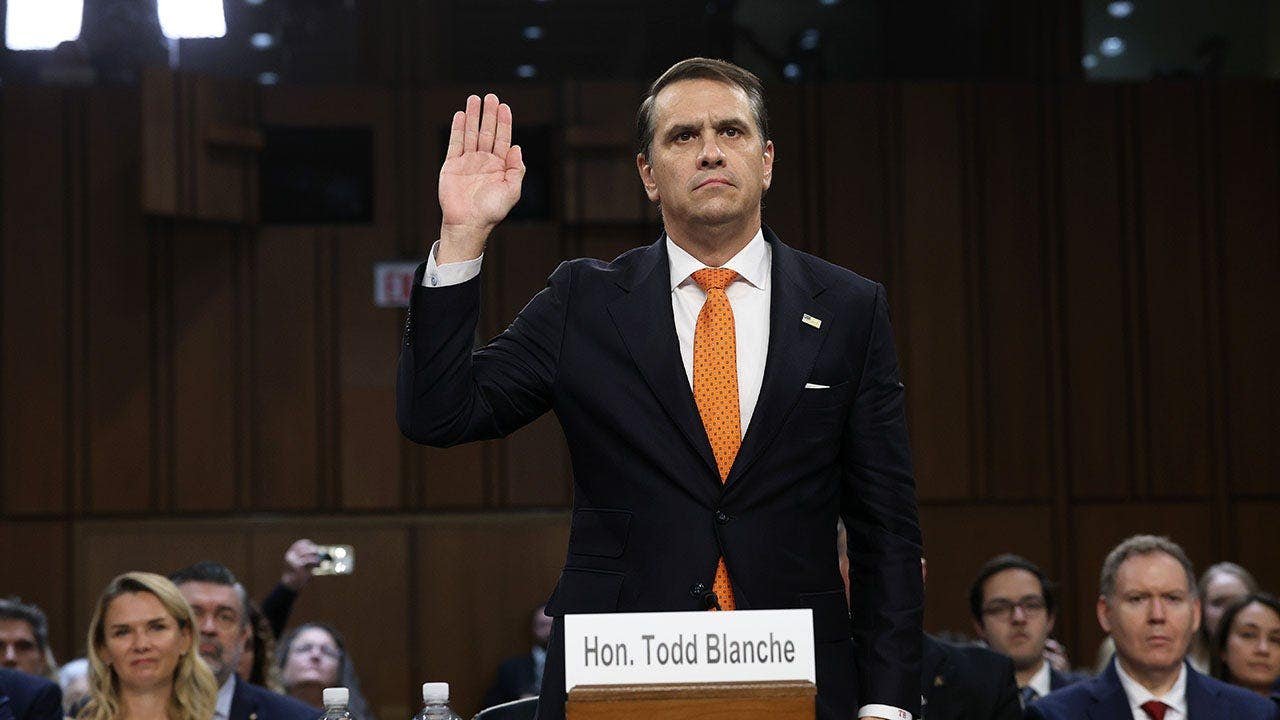
Acting AG Todd Blanche faces tough confirmation hearing questions
Acting Attorney General Todd Blanche faces intense scrutiny from the Senate Judiciary Committee during his confirmation hearing. Senators probe Blanche on the Justice Department’s independence from the White House, the Jeffrey Epstein investigation and election fraud complaints. Former Deputy Assistant Attorney General John Yoo offers insights into the contentious session, highlighting the historical context of attorney general appointments and executive power.
NEWYou can now listen to Fox News articles!
Acting Attorney General Todd Blanche is headed for a second straight day of grilling in the Senate, and his path to confirmation still remains cluttered with two key Republicans keeping tight-lipped on whether they’ll support him.
Blanche’s first day was fraught with questions about the Department of Justice’s (DOJ) handling of millions of documents related to the late, convicted sex offender Jeffrey Epstein, known as the Epstein Files, the now-defunct anti-weaponization fund and whether he would operate the DOJ as a tool of retribution for President Donald Trump.
Two Republicans on the committee hold the key to Blanche’s success, Sens. Thom Tillis, R-N.C., and John Cornyn, R-Texas, and so far, neither has committed to voting for him.
TRUMP’S DOJ PICK IN TROUBLE AS GOP CONCERNS THREATEN CONFIRMATION
Acting Attorney General Todd Blanche is sworn in during his confirmation hearing before the Senate Judiciary Committee on Capitol Hill in Washington, D.C. (Win McNamee/Getty Images)
Cornyn, who has taken issue with the nearly $1.8 billion anti-weaponization fund and the underlying settlement reached by Trump and his family and the IRS, which Blanche acknowledged was still «enforceable» but was not moving forward, was noncommittal on how he would vote.
Cornyn, who has taken issue with the nearly $1.8 billion anti-weaponization fund, created under Trump’s IRS settlement to compensate people who claimed they were victims of government «weaponization,» which Blanche acknowledged was still «enforceable» but not moving forward, was noncommittal on how he would vote.
«Well, I don’t know what other information’s gonna be coming in,» Cornyn said. «The hearing is not even halfway done. And so, you know, I don’t have to make a decision now, so I’m not.»
Blanche received heat throughout the hearing for being Trump’s former personal defense lawyer, and quickly corrected himself when asked by Sen. John Kennedy, R-La., if he considered himself the president’s friend.
TRUMP’S AG NOMINEE RACKS UP MASSIVE SUPPORT AHEAD OF CONFIRMATION HEARING: ‘REAL RESULTS’
«I’m his lawyer — was his lawyer, and now I’m the deputy attorney general,» Blanche said.
When asked about the slip-up, Cornyn said, «I think he’s trying to walk the line.»
«I think he’s trying to walk a very difficult line,» he said.
Tillis’ primary concern, similar to Cornyn’s, is the anti-weaponization fund and whether it is truly dead and gone.
He declined to say whether he would support Blanche, but noted that when asked if he was willing to work on legislation to put a permanent end to the fund, Blanche said, «Yes.»
TRUMP DOUBLES DOWN ON $1.8 BILLION ‘SLUSH FUND’ THAT KILLED HIS AGENDA, SPURRED REPUBLICAN REBELLION

Sen. John Cornyn, R-Texas, departs a meeting with Senate Republicans at the U.S. Capitol in Washington, D.C., on June 4, 2026. (Kent Nishimura/AFP via Getty Images)
«I think that’s a pretty strong indication that he and the administration are OK with [it],» Tillis said. «Does anybody really believe that the nominee for attorney general would answer that question if he didn’t think that he had the support of the president to end this?»
Meanwhile, Senate Democrats on the panel are dug in against him.
Sen. Dick Durbin, D-Ill., the top-ranking Democrat on the committee, browbeat Blanche for his handling of the Epstein Files release and whether he would actually meet with Epstein survivors.
CLICK HERE TO DOWNLOAD THE FOX NEWS APP
«Anyone who can represent a known pathological liar like Donald Trump can have no integrity,» Durbin said. «You can’t have integrity if you represent Donald Trump, because he is such an inveterate liar. And that person, of course, should never, never, never be attorney general.»
And Sen. Chris Coons, D-Del., admitted that Blanche was, «qualified … as someone who has been a prosecutor.»
«But given his legal experience, he should have known better than to be willing to tolerate or support the weaponization of the department,» Coons said. «Using it as a tool not to follow the facts and the law, to pursue justice, but to carry out a retribution agenda by President Trump.»
politics, attorney general, justice department, todd blanche, jeffrey epstein








INTERNACIONAL
Ministerio de Gobernación de Guatemala lanza la estrategia nacional de datos abiertos y abre una consulta ciudadana
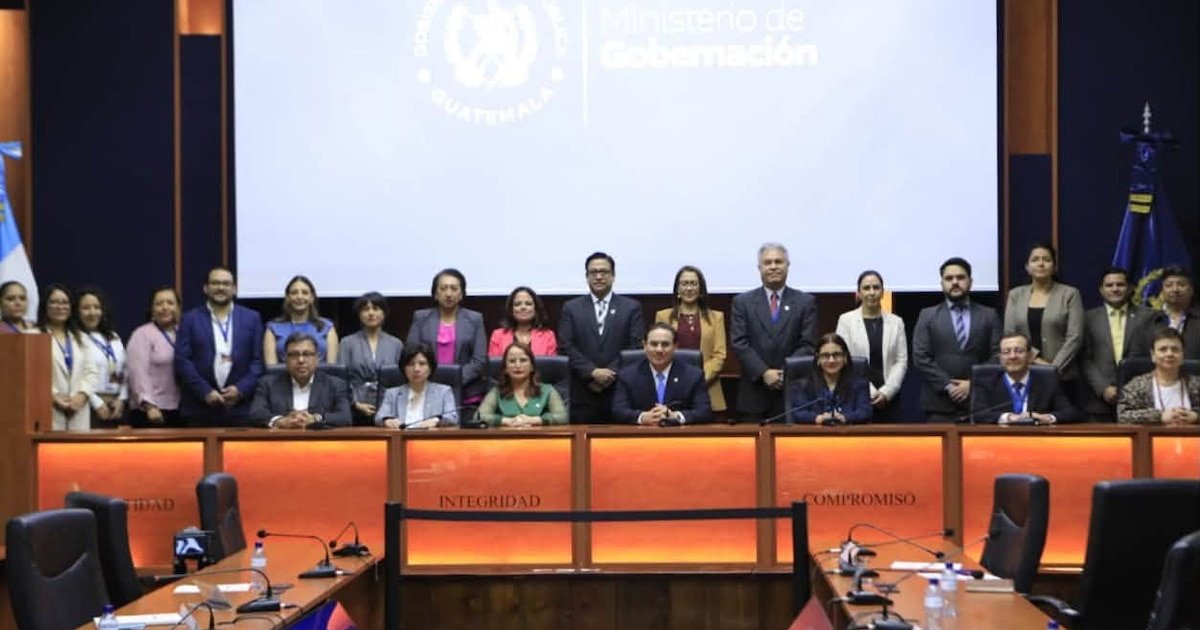
Guatemala lanzó la Estrategia Nacional de Datos Abiertos con el liderazgo del Ministerio de Gobernación para modernizar la gestión pública y ampliar la transparencia, en un proceso que además abre una consulta ciudadana para definir cómo las instituciones producirán, administrarán y compartirán información oficial.
La participación pública se canalizará a través del portal participacionciudadana.gob.gt, donde podrán integrarse aportes de organizaciones de sociedad civil, academia, medios de comunicación y ciudadanía en general.
El instrumento busca reunir información clara, precisa y accesible sobre la gestión gubernamental, proyectos y otras acciones impulsadas por el Organismo Ejecutivo.
Durante el lanzamiento, el ministro de Gobernación Marco Antonio Villeda sostuvo que la herramienta debe construirse con criterios técnicos, participación y estándares internacionales que garanticen calidad, seguridad y utilidad de los datos.
En esa línea, planteó que el objetivo es modificar la forma en que el Estado maneja la información pública.
Villeda definió el alcance de la iniciativa en estos términos: “Queremos una estrategia que cambie la manera en que las instituciones producen, administran y comparten la información pública”.

El ministro agregó que los datos abiertos permiten a las personas acceder a información pública, utilizarla, analizarla y compartirla. También afirmó: “Un gobierno que utiliza bien sus datos puede planificar mejor, responder mejor y rendir cuentas con mayor claridad. La modernización del Estado acerca las instituciones a la ciudadanía”.
La estrategia fue presentada como un paso para fortalecer la transparencia y la rendición de cuentas en la administración pública. El proceso también fue descrito como una vía para ampliar la supervisión social, el análisis de asuntos públicos y la participación de distintos sectores en la construcción de políticas de acceso a la información.
La viceministra de Tecnologías de la Información y las Comunicaciones Karen Ortiz explicó que cuando la información pública es accesible, reutilizable y está disponible en formatos abiertos, aumentan la rendición de cuentas, la participación ciudadana y las oportunidades para la innovación, la investigación y el desarrollo económico.
Ortiz añadió que los datos abiertos son una herramienta para construir gobiernos transparentes, eficientes y cercanos a la ciudadanía. También señaló que la hoja de ruta trazada tiene como meta la participación activa de todos los sectores sociales en la elaboración de la estrategia.
Rose Diegues, representante residente adjunta del Programa de las Naciones Unidas para el Desarrollo (PNUD), destacó el liderazgo del Ministerio de Gobernación en la preparación y futura implementación de la estrategia. Según explicó, el organismo acompaña a las instituciones del grupo motor en actividades de transformación digital, inteligencia artificial y elaboración de la política de datos abiertos.
Diegues describió ese respaldo con una referencia directa al programa en marcha: “Estamos apoyando a las instituciones del grupo motor para que desarrollen las actividades de transformación digital, de inteligencia artificial y de la elaboración de la estrategia de datos abiertos”.
De acuerdo con información difundida por PNUD Guatemala, este proceso forma parte del Programa Conjunto “Habilitando la transformación digital y mejorando la prestación de servicios públicos a gran escala en Guatemala”, implementado por ONU Guatemala a través del PNUD y financiado por la Unión Europea mediante el Joint SDG Fund. La publicación indicó además que la estrategia busca fortalecer la transparencia, impulsar la innovación y mejorar el aprovechamiento de los datos públicos para responder a necesidades de la ciudadanía.
En la actividad participaron el secretario de Planificación y Programación de la Presidencia Carlos Mendoza, el titular de la Secretaría Nacional de Ciencia y Tecnología Adolfo Monterroso, la coordinadora de la Comisión Presidencial de Gobierno Abierto y Electrónico Wendy Miranda y la subsecretaria privada de la Presidencia Julissa Cifuentes. También asistieron integrantes de la Mesa de Transformación Digital, miembros de organismos internacionales y representantes de instituciones del Grupo Motor de la Estrategia Nacional de Datos Abiertos.
Entre esas entidades figuran la Comisión Presidencial de Gobierno Abierto y Electrónico, la Secretaría de Planificación y Programación de la Presidencia, la Secretaría Privada de la Presidencia, la Secretaría Nacional de Ciencia y Tecnología, la Comisión Nacional contra la Corrupción y el Ministerio de Comunicaciones, Infraestructura y Vivienda. La actividad se realizó en la sede del Ministerio de Gobernación.
Guatemala,Gobernación,Gobierno,Reunión,Funcionarios
INTERNACIONAL
Gen Keane questions whether Pakistan, Saudi Arabia and Qatar can be trusted in Iran talks
NEWYou can now listen to Fox News articles!
Retired Army Gen. Jack Keane questioned whether Pakistan, Qatar and Saudi Arabia can be trusted to help shape negotiations with Iran, accusing the regional partners of steering President Donald Trump away from military pressure while leaving the United States and Israel to bear the risks of confronting Tehran.
Keane, a Fox News senior strategic analyst and former Army vice chief of staff, said during a Monday appearance on Fox News’ «America’s Newsroom» that Pakistan and Qatar were «compromised» as mediators because, in his view, they favor Iran over the United States.
«It is well known in the Middle East region, by our intelligence services, by all the players, that the Pakistanis and the Qataris are compromised because they favor Iran at the expense of the United States,» Keane said. «This is historical. This is not new.»
NUCLEAR EXPERTS URGE TRUMP NOT TO LET IRAN STEER TALKS AWAY FROM REGIME’S ATOMIC THREAT
Vice President JD Vance (center) walks with Pakistan’s Chief of Defence Forces and Chief of Army Staff Field Marshal Asim Munir (left), and Pakistani Deputy Prime Minister and Foreign Minister Mohammad Ishaq Dar after arriving for talks with Iranian officials on April 11, 2026, in Islamabad. (Jacquelyn Martin – Pool/Getty Images)
Keane’s criticism contrasts with Trump’s public praise for Islamabad.
Trump said April 26 during a phone interview with Fox News that he had «great respect for Pakistan» because its officials had «been terrific» and «really tried» to advance negotiations with Iran. He added that Pakistan would remain involved in the process.
While speaking to reporters after the G7 summit in France on June 18, Trump also credited Pakistan and Qatar with helping advance the negotiations that produced the U.S.–Iran memorandum of understanding.
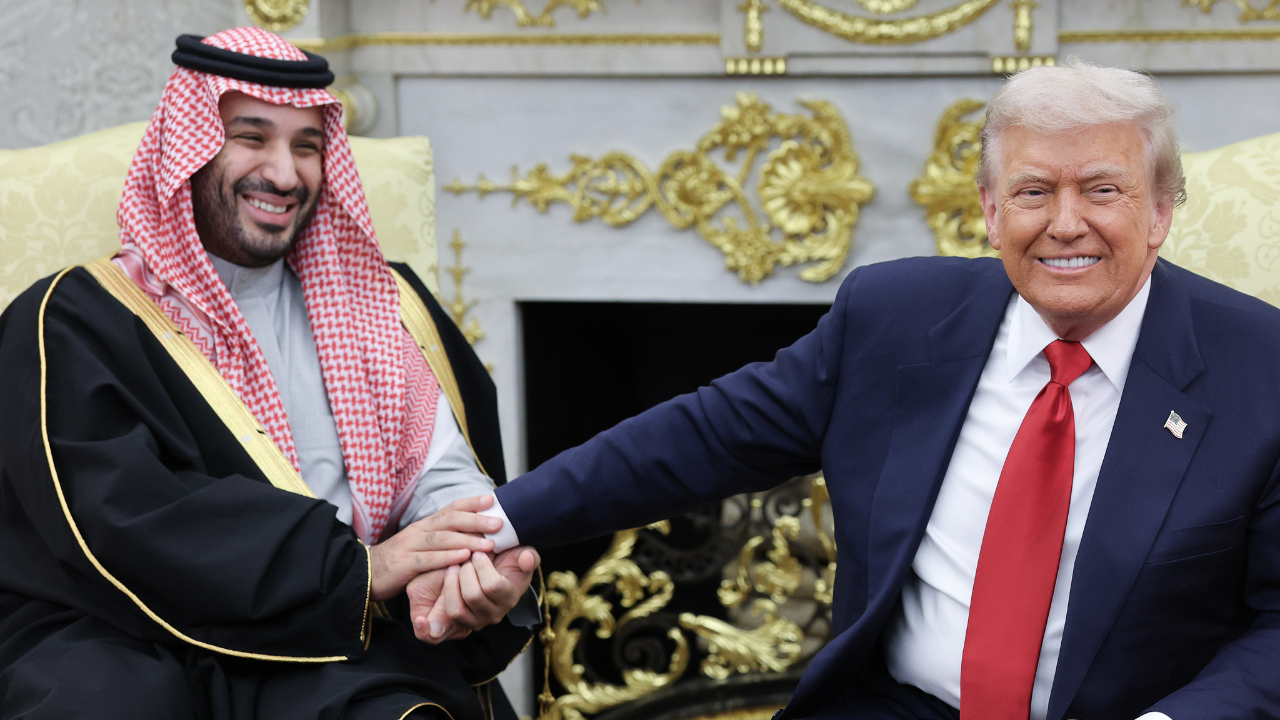
White House spokesperson Anna Kelly also defended the administration’s regional partners, telling Fox News Digital that, «President Trump has great relationships with leaders from Pakistan, Qatar and Saudi Arabia, and he appreciates the involvement of all of our regional partners who are assisting with negotiations.»
«If Iran cannot agree to a good deal with the United States, the fault will lie squarely with the regime, who will suffer the consequences,» Kelly added.
Mediators were preparing a second memorandum focused exclusively on the Strait of Hormuz, Wednesday reports indicated, potentially separating the immediate maritime crisis from the broader dispute over Iran’s nuclear activities.
Keane, a former four-star general, argued that their involvement may have contributed to Washington misunderstanding Iran’s intentions.
«And yet they’re mediators,» Keane said. «So their influence here, I think, had played a part in misleading the United States in terms of Iran’s real intentions.»
TRUMP SAYS SAUDI NUCLEAR AGREEMENT WON’T MOVE FORWARD WITHOUT ABRAHAM ACCORDS: ‘THEY HAVE TO BE A MEMBER’
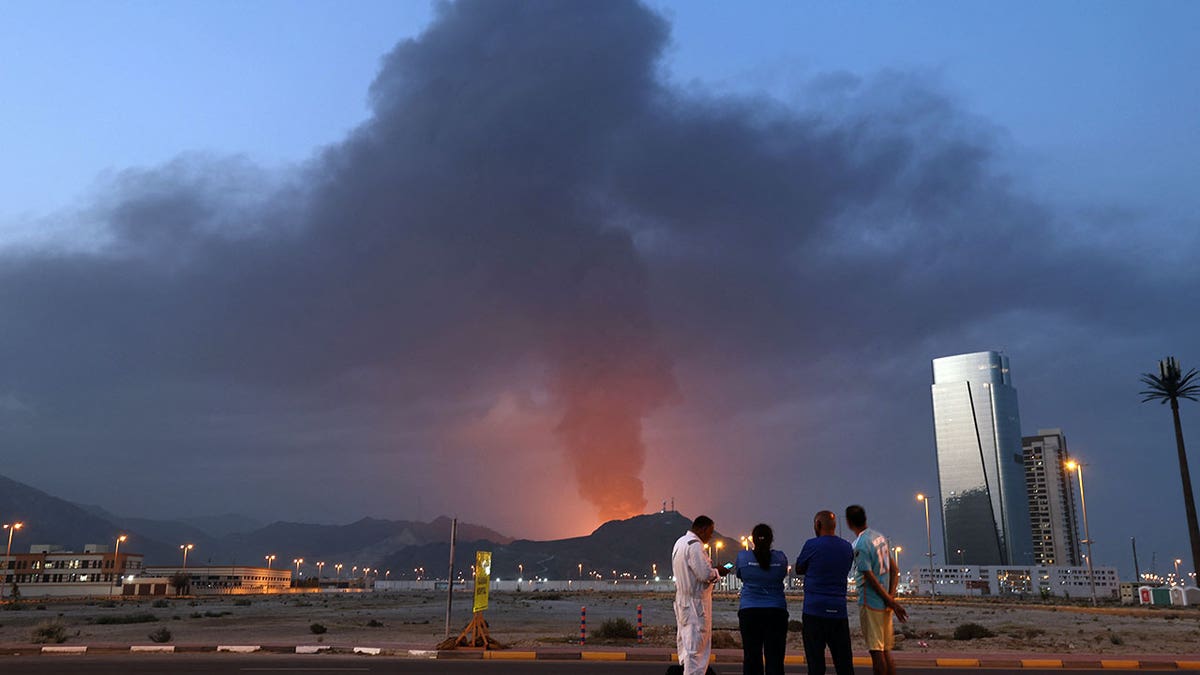
Foreign workers look at a tall plume of black smoke ascends following an explosion in the Fujairah industrial zone on March 3, 2026. Iran’s strikes on Gulf neighbors since February 28, following the U.S.-Israeli attack, forced the UAE to shut its airspace, blindsiding travelers who thought they were headed to one of the region’s safest holiday destinations. (Fadel Senna / AFP via Getty Images)
Pakistan and Qatar have played formal roles in the diplomatic process.
A June 22 joint statement from the two countries said they were mediating talks between the United States and Iran under the Islamabad Memorandum of Understanding. The framework established working groups on nuclear issues, sanctions, monitoring and dispute resolution, as well as a mechanism intended to prevent incidents involving commercial vessels in the Strait of Hormuz.
Pakistan declined to comment on Keane’s criticism. The Saudi and Qatari embassies in Washington did not respond by the time of publication.
Raza Rumi, editor-at-large of Pakistan’s The Friday Times, disputed Keane’s characterization, arguing that Islamabad’s working relationship with Tehran does not make it a compromised mediator.
IS THIS TRUMP’S LAST ‘LAST CHANCE’? CEASELESS STRING OF BROKEN CEASEFIRES FUELS DOUBT OVER IRAN DEAL
«Successful mediators are often those that enjoy channels of communication with all sides,» Rumi told Fox News Digital, saying Pakistan’s approach is shaped more by geography, security and economic concerns than ideological alignment with Iran.
He noted that Pakistan shares a long border with Iran and wants to prevent further instability, while also maintaining longstanding ties with the United States and close partnerships with Saudi Arabia and the United Arab Emirates. Rumi also pointed to the exchange of strikes between Pakistan and Iran in January 2024 as evidence that relations between the neighbors are not uniformly close.
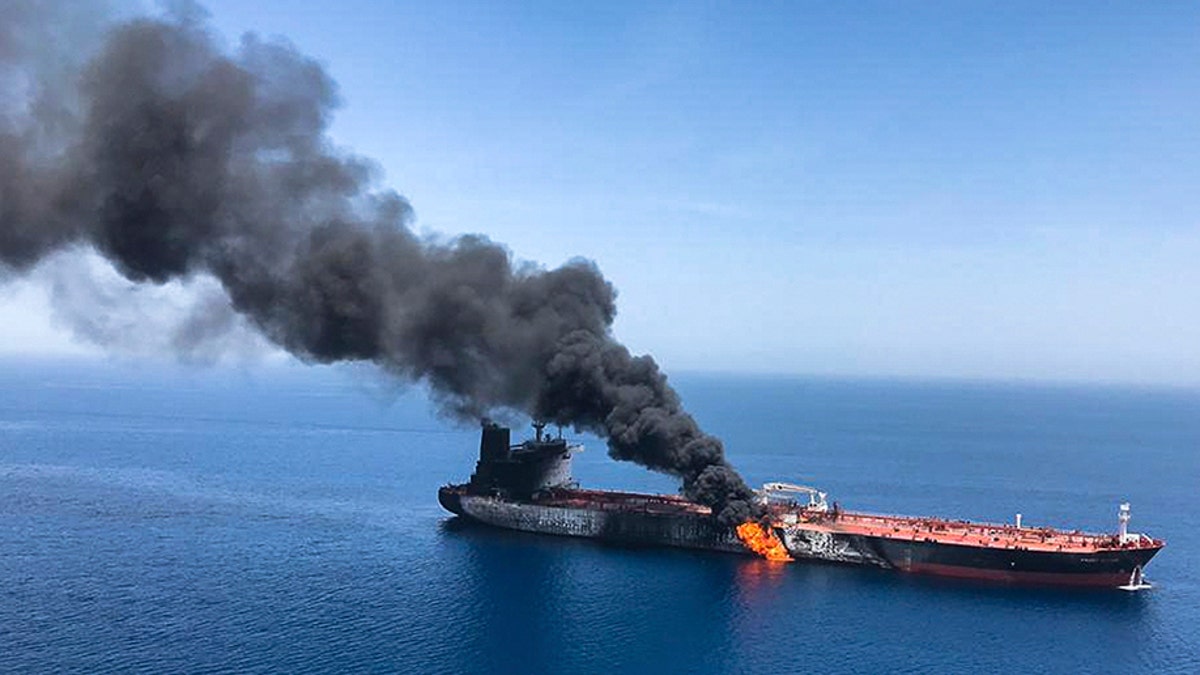
An oil tanker is on fire in the sea of Oman, Thursday, June 13, 2019. Two oil tankers near the strategic Strait of Hormuz were reportedly attacked on Thursday, an assault that left one ablaze and adrift as sailors were evacuated from both vessels and the U.S. Navy rushed to assist amid heightened tensions between Washington and Tehran. (AP Photo/ISNA)
«The suggestion that Pakistan somehow caused Washington to misunderstand Tehran’s intentions is difficult to substantiate,» Rumi said. «It would be a considerable stretch to attribute any American misreading of Iran’s intentions to Pakistani mediation.»
Keane directed even sharper criticism at Saudi Arabia, saying that Riyadh denied the United States access to Saudi airspace and a U.S. air base during preparations for a possible operation to forcibly reopen the Strait of Hormuz. He also claimed Saudi officials had repeatedly persuaded Trump not to resume major military operations against Iran.
«The fact of the matter is, the Saudis are not willing to sacrifice to rid the Middle East region of Iran’s aggression,» Keane said, describing the potential costs as casualties and damage to Saudi oil infrastructure.
«They’re willing for us to make that sacrifice, for sure,» he added. «They’re willing for Israel to make that sacrifice, for sure.»
His remarks highlighted a broader debate over whether Saudi caution represents an unwillingness to confront Tehran or a strategic effort to prevent an open-ended regional war.
GULF COUNTRIES STRONGLY CONDEMN IRAN’S DRONE ATTACK ON BAHRAIN AS RISING TENSIONS THREATEN MOU
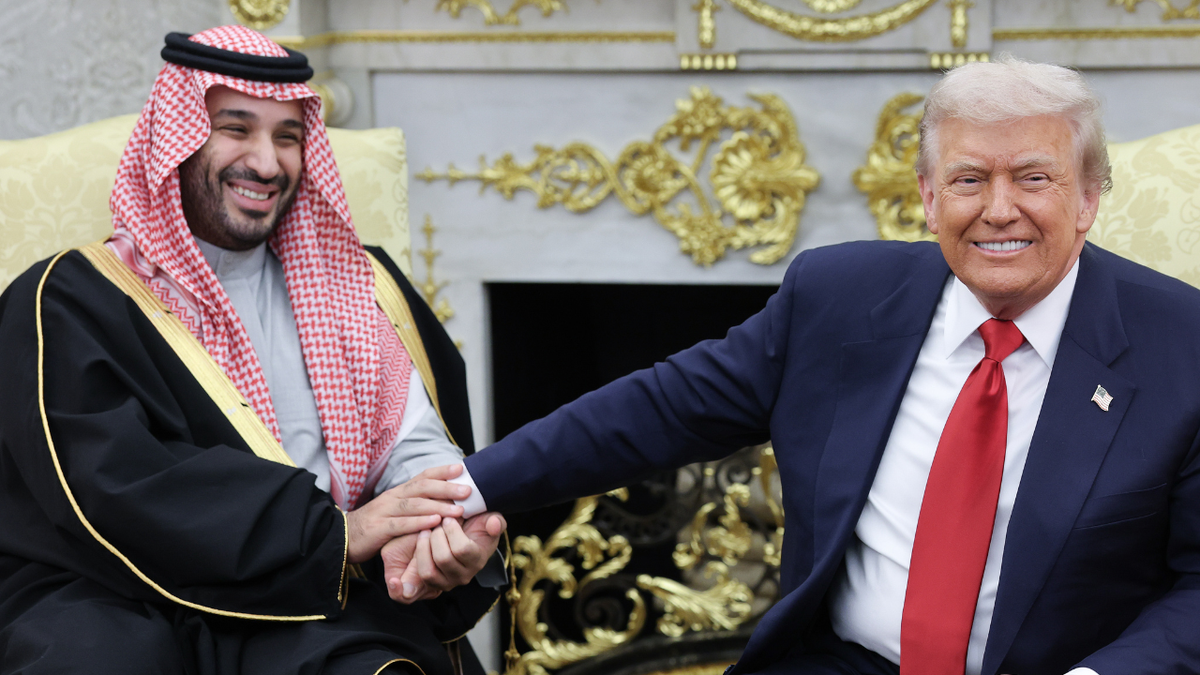
Salman Al-Ansari, a Saudi geopolitical analyst, rejected the suggestion that Riyadh is unwilling to confront Iran, saying the Kingdom distinguishes between credible deterrence and military action without clear objectives. (Win McNamee/Getty Images)
Salman Al-Ansari, a Saudi geopolitical analyst, rejected the suggestion that Riyadh is unwilling to confront Iran, saying the Kingdom distinguishes between credible deterrence and military action without clear objectives.
«Saudi Arabia supports confronting Iranian aggression, but not an open-ended regional war without clear objectives or an endgame,» Al-Ansari told Fox News Digital.
«Riyadh favors diplomacy backed by credible deterrence, but any agreement must be enforceable and verifiable, addressing Iran’s nuclear program, its proxies, and freedom of navigation in the Strait of Hormuz,» he added.
A Gulf affairs analyst who requested anonymity because of the sensitivity of the issue offered a different assessment, saying Saudi leaders fear that a wider confrontation would expose the Kingdom’s critical infrastructure to Iranian retaliation.
«Saudi Arabia believes it should appease Iran because it is deeply concerned about the consequences of a broader confrontation,» the analyst said. «Riyadh fears the damage Iran could inflict on the Kingdom’s infrastructure and has therefore favored restraint and negotiations over a decisive military campaign.»
The analyst described a widening divide among Gulf states, arguing that Saudi Arabia and Qatar favor accommodation while the United Arab Emirates, Bahrain and Kuwait support stronger pressure on Iran.
Richard Goldberg, a senior adviser at the Foundation for Defense of Democracies think tank and former National Security Council official, said during a separate Fox News appearance Wednesday, that Washington continues to depend on Saudi infrastructure even as disagreements persist over military strategy.
«When we talk about the Gulf states, we talk about Saudi Arabia and General Keane’s comments, remember, we also are relying on Saudi Arabia with their overland pipelines to keep us in the game here,» Goldberg said. «The fact that they’re at maximum capacity moving through the Red Sea also allows us to continue the strangulation strategy.»
TRUMP WARNS IRAN FIGHTING ISN’T OVER AS HE VOWS US WILL ‘WIN’ AS TALKS FADE
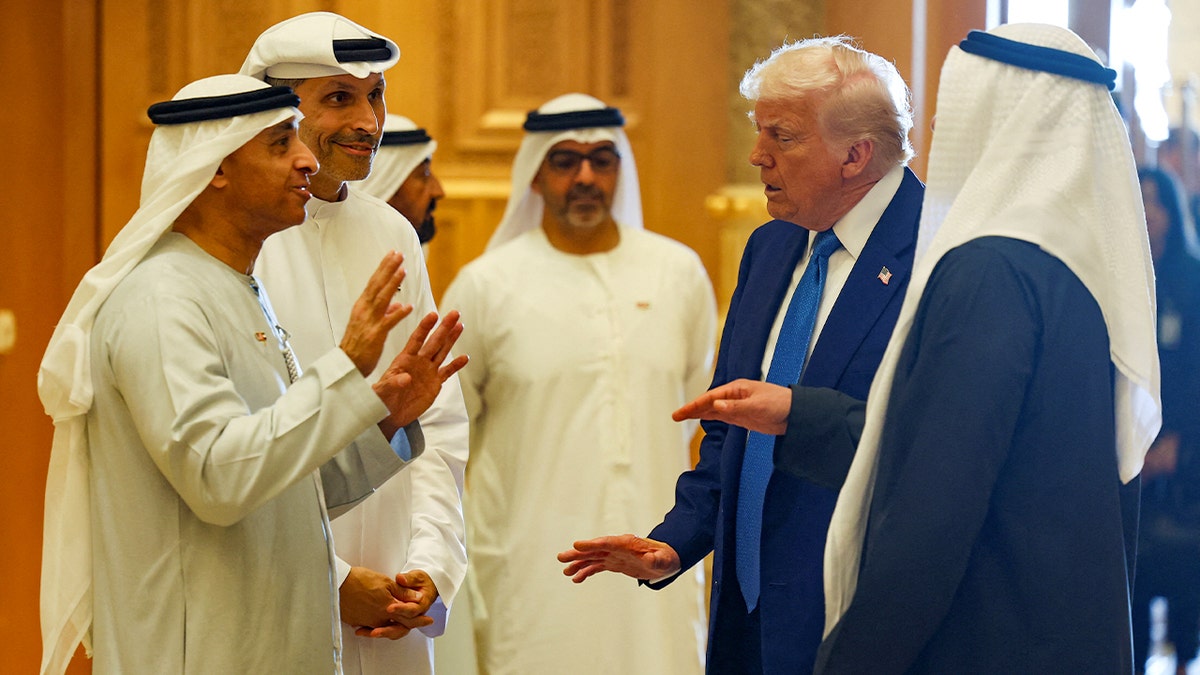
President Donald Trump attends a business forum at Qasr Al Watan during the final stop of his Gulf visit, in Abu Dhabi, United Arab Emirates, May 16, 2025. (Amr Alfiky/Reuters )
The debate comes as the United States and Iran continue negotiations over the Strait of Hormuz.
Oman, Pakistan, Qatar and Saudi Arabia all have been involved in the diplomatic effort, while reports Wednesday indicated that mediators were working on an interim arrangement that could establish separate shipping routes through Iranian and Omani waters as broader nuclear negotiations continue.
The central question is whether those negotiations can produce an enforceable agreement or merely allow Tehran to preserve its leverage over the waterway.
Keane said he remained doubtful that Iran was prepared to surrender meaningful control.
«They are not going to give up the Strait of Hormuz,» he said. «They think it’s a strategic asset.»
He predicted Iran would seek to retain some degree of control over the waterway and warned that reaching an agreement on Iran’s nuclear program would be even more difficult.
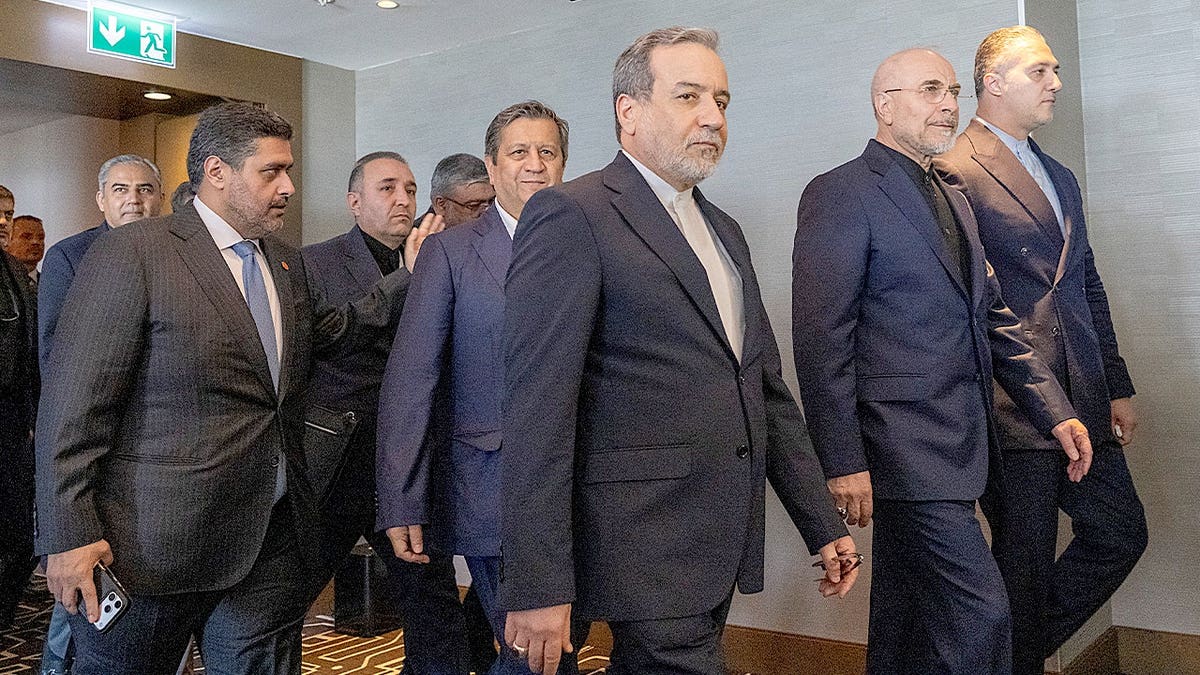
Iran sent an unprecedented «whole-regime» team to the U.S. deal talks which signals one priority, a counterterrorism expert said. (URS FLUEELER/Pool via REUTERS)
«My gut feeling here is no,» Keane said when asked whether Iran was prepared to reach and implement a substantive agreement. «The president is not going to make a bad deal here.»
war with iran, pakistan, saudi arabia, middle east, national security, iran
INTERNACIONAL
Brasil: los diplomáticos ven anómala y grave la revocación de la visa a la embajadora de Lula en Washington
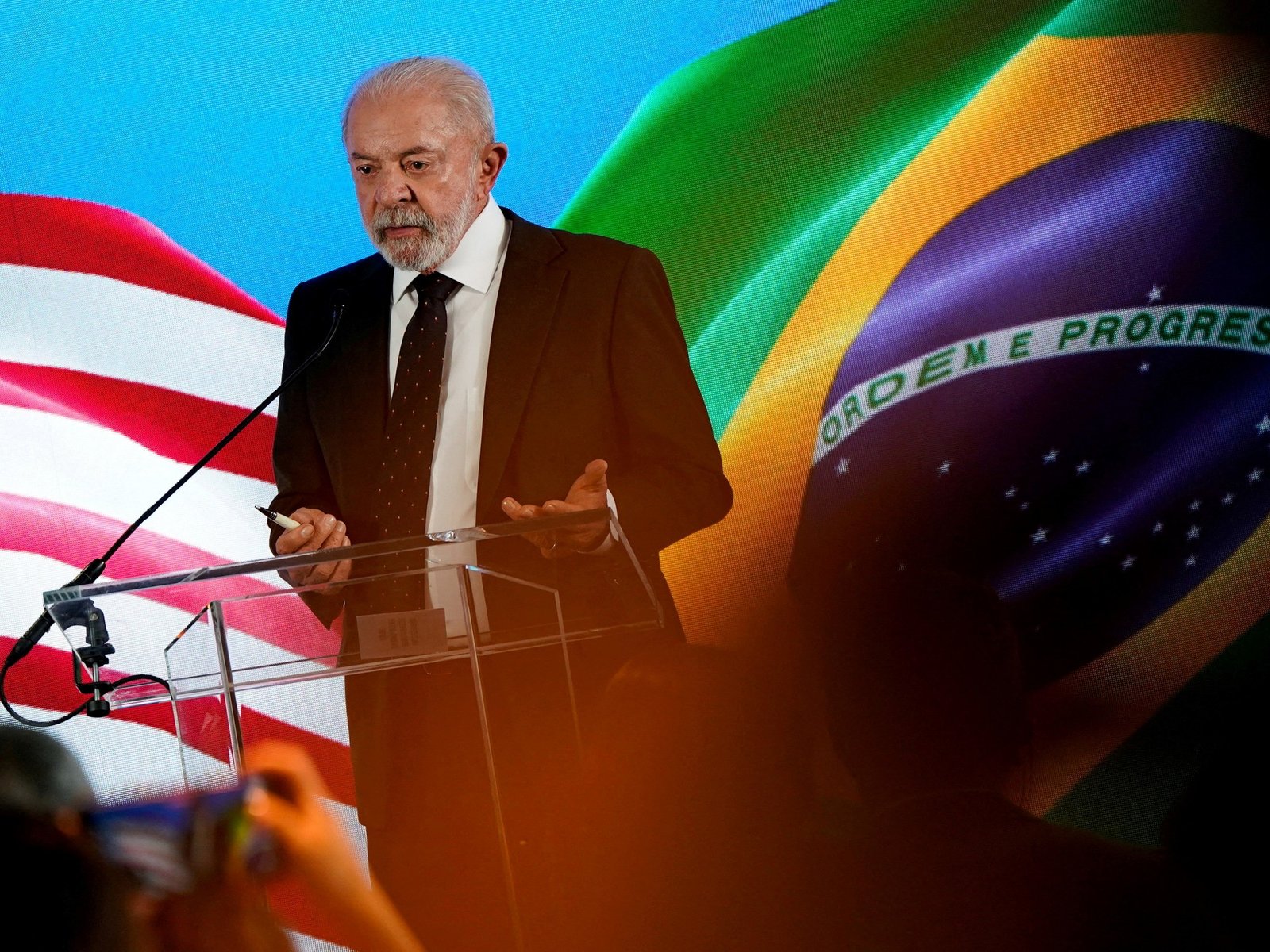
La decisión del gobierno de Donald Trump de revocar la visa de la embajadora brasileña en Washington, Maria Luiza Viotti, es considerada extremadamente grave, desproporcionada y sin precedentes por diplomáticos estadounidenses y brasileños.
La razón aducida por Washington para revocar el visado de Viotti fue la demora en la concesión del acuerdo al futuro embajador de EE.UU. en Brasilia, el cubano nortamericano Daniel Pérez.
Una investigación del sólido diario Folha de Sao Paulo, señala varios aspectos que los especialistas consideran anómalos en la decisión: Estados Unidos tarda aún más en analizar las solicitudes de aprobación (jerga para otorgar la autorización) para embajadores extranjeros, la demora en otorgarla tradicionalmente no genera represalias directas y, en la práctica diplomática, el nombre de un nominado no se anuncia públicamente antes de que el país anfitrión lo acepte.
«Este episodio en particular (la revocación de la visa) se centra en el hecho de que tenemos un candidato a embajador altamente calificado; el gobierno brasileño nos debe una respuesta rápida y positiva a la solicitud de acuerdo», dijo un alto funcionario estadounidense a los periodistas.
Pero, según diplomáticos estadounidenses, Estados Unidos tarda al menos dos o tres meses en revisar una solicitud y otorgar el acuerdo a los embajadores de otros países.
En el caso de Pérez, el nominado por Trump para embajador en Brasilia, han transcurrido poco más de dos meses desde su solicitud en junio. No existe constancia de que autoridades de otros países hayan revocado visas a embajadores estadounidenses debido a demoras en la concesión del agrément a sus representantes en Estados Unidos.
Además, las demoras o los indicios de que un país no aprobará a un embajador nominado no suelen dar lugar a represalias contra los diplomáticos. Esto solo ocurre cuando los embajadores son expulsados.
Existen dos ejemplos recientes. En agosto de 2015, el primer ministro israelí, Benjamin Netanyahu, solicitó al gobierno de Dilma Rousseff la aprobación para que Dani Dayan, quien había sido líder de colonos judíos, se convirtiera en el nuevo embajador de Israel en Brasil. Sin embargo, el gobierno del Partido de los Trabajadores se opuso a la política de asentamientos del gobierno israelí en los territorios palestinos ocupados.
Tras meses de incertidumbre, el Ministerio de Asuntos Exteriores israelí convocó al embajador brasileño para exigir una respuesta oficial. Netanyahu criticó la demora.
Sin embargo, no hubo represalias, y mucho menos la revocación del visado del entonces embajador brasileño en Israel, Henrique Sardinha Pinto. Este dejó el cargo recién en septiembre de 2016, tras cuatro años en el puesto.
Israel retiró su solicitud de acuerdo para Dani Dayan y lo propuso para otro cargo. Como señal de protesta y de deterioro de las relaciones diplomáticas, Israel dejó vacante el puesto de embajador en Brasil durante varios meses.
En 2021, casi seis meses después de proponer al exalcalde de Río de Janeiro, Marcelo Crivella, como embajador de Brasil en Sudáfrica, el gobierno de Jair Bolsonaro retiró la solicitud de nominación.
La nominación de Crivella —obispo con licencia de la Iglesia Universal del Reino de Dios— dependía de la aprobación de Sudáfrica, la cual no se produjo. La solicitud de agrément, una consulta formal en la que Brasilia solicitó a Pretoria autorización para nombrar a Crivella como embajador, fue ignorada por el gobierno de Cyril Ramaphosa.
El gobierno de Bolsonaro no tomó represalias contra Sudáfrica, y el entonces embajador del país, Vusumuzi Wellington Mavimbela, sigue en el cargo hasta el día de hoy.
Según diplomáticos estadounidenses y brasileños, al igual que en el caso de Netanyahu con Dani Dayan, Trump violó una de las reglas básicas de la diplomacia: no anunciar el nombre del nuevo embajador antes de que el país anfitrión acepte la nominación mediante la concesión del agrément.
Al anunciar a Pérez como el nuevo representante de Washington en Brasil sin consultar al gobierno brasileño y luego exigir una aprobación rápida del acuerdo, la administración Trump rompió el protocolo y demostró una falta de respeto.

Quién es “Pollo”, el líder de la banda de las asombrosas salideras en la city porteña: el detalle que lo delató

Conmoción en el mundo del fútbol por el brutal asesinato de un jugador de una selección africana a los 27 años

Ministerio de Gobernación de Guatemala lanza la estrategia nacional de datos abiertos y abre una consulta ciudadana

La Libertad Avanza resignó el capítulo de tierras, pero salvó el resto del proyecto sobre la propiedad privada y confía en lograr la media sanción

La Joaqui lanzó una cumbia de desamor y sus fans apuntaron a Luck Ra: “Preferís la joda y yo prefería tus mimos”

Qué impacto podría tener el conflicto diplomático con Brasil en la industria automotriz argentina

Javier Milei cruzó a Victoria Villarruel y elevó la tensión: “Es una opositora, replica los argumentos kirchneristas”

Reelecciones indefinidas: el oficialismo bonaerense niega que busque ampliar la Legislatura como parte de una reforma política para beneficiar a los intendentes

¡Chau Luck Ra! La salida de soltera de La Joaqui, muy bien acompañada, a días de su separación

Un muerto y tres heridos al chocar un colectivo de turismo y un auto en Mendoza
-
 POLITICA3 días ago
Javier Milei cruzó a Victoria Villarruel y elevó la tensión: “Es una opositora, replica los argumentos kirchneristas”
-

 ECONOMIA23 horas ago
Dólar hoy en vivo: a cuánto se negocian todas las cotizaciones minuto a minuto este miércoles 5 de agosto
-
 INTERNACIONAL3 días ago
Top Trump ally warns super PAC bankrolled by Dem billionaire is meddling in his GOP primary