INTERNACIONAL
Trump asks Kimberly Guilfoyle to resign as Greece ambassador, White House confirms

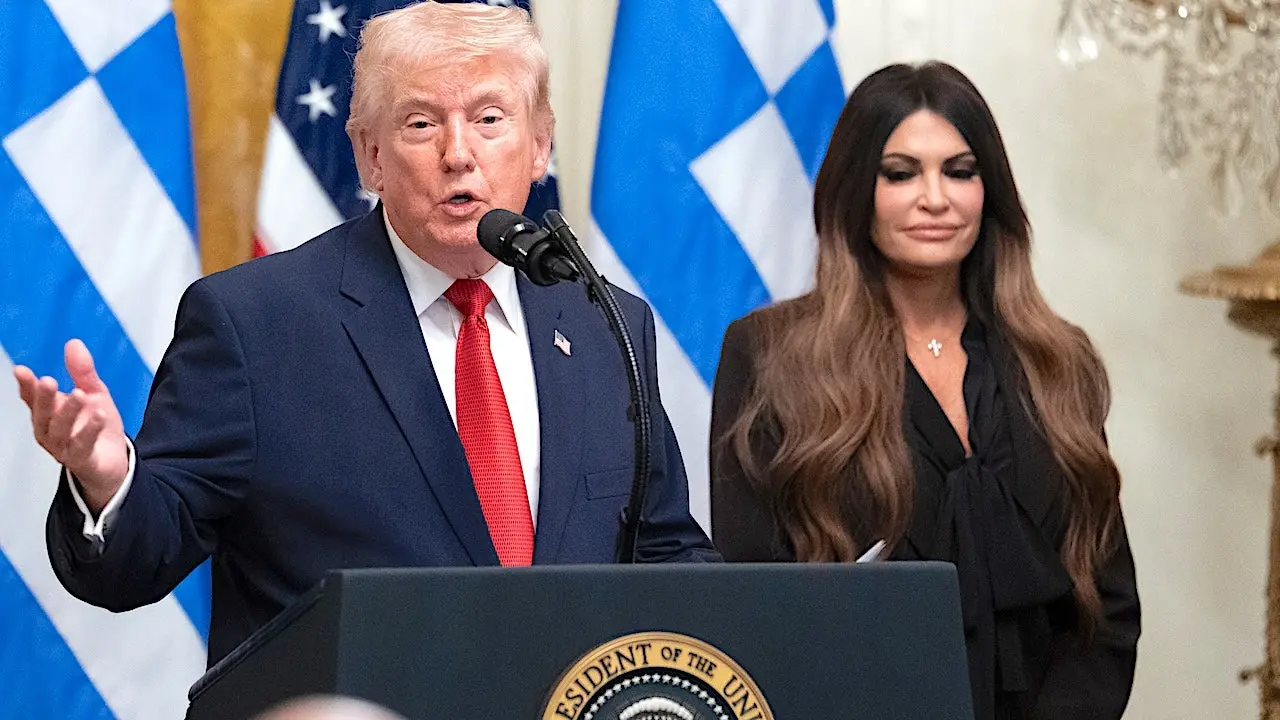
The White House has asked Kimberly Guilfoyle to resign as U.S. ambassador to Greece amid mounting allegations involving her financial dealings, treatment of embassy staff and relationships with foreign business interests.
«We have asked Ambassador Guilfoyle to resign. She has been a wonderful asset to the team, and we wish her well,» White House press secretary Katie Zacharia announced Tuesday during her first-ever briefing to the press.
It is not clear whether Guilfoyle lodged her official resignation, and when asked for clarity, the White House referred Digital to the remarks from the briefing.
The update from Zacharia came just one day after President Donald Trump publicly acknowledged that he was considering firing Guilfoyle, who was previously engaged to his eldest son, Donald Trump Jr.
Trump further distanced himself from the ambassador when asked about the reports and her status with the first family.
«Kimberly Guilfoyle — she was almost a member of your family. How surprised were you to learn about these allegations? What did you think?,» a reporter asked Tuesday before he left for Alaska.
«She wasn’t a member of my family. She, I guess, dated my son a long time ago,» Trump said. «She was doing a good job, but we didn’t like what we were reading.»
TRUMP ‘LOOKING AT’ FIRING AMBASSADOR TO GREECE: ‘WE’RE NOT HAPPY’
Guilfoyle was with Donald Trump Jr. for six years, four of which they were engaged. They publicly split in December 2024, the same month Trump nominated her to serve as ambassador to Greece.
The ambassador came under scrutiny last week after The Wall Street Journal reported that she asked Trump donor Eric Deters to pay off a $100,000 American Express bill shortly before her Senate confirmation hearing in July 2025.
According to messages reviewed by the Journal, Guilfoyle urged Deters to wire the money directly to American Express, saying the transaction would not leave a paper trail, while offering to help him gain access to senior Trump administration officials. Deters said he never made the payment.
Guilfoyle’s attorney, Jesse Binnall, disputed the authenticity of the messages, saying Guilfoyle had been paid to speak at events before her nomination and «was owed a balance for traveling to and supporting these patriotic events.»
The allegations followed an earlier Journal investigation into Guilfoyle’s conduct in Greece, including claims that she promoted the interests of Greek construction and energy company Aktor Group and allowed its registered lobbyist, Christos Marafatsos, to accompany her to private diplomatic meetings with senior officials.
The Journal also reported that Guilfoyle suggested at a dinner with Greek officials that the U.S. would undermine their government, citing political developments in Romania. Greece’s foreign minister subsequently said there was no need to summon Guilfoyle for an explanation because the country’s energy minister denied that any threat had been made.
Separately, the State Department’s Office of Inspector General reportedly opened an investigation into allegations involving Guilfoyle’s treatment of embassy employees, private travel, acceptance of gifts and relationships with business interests, according to the Daily Mail.
HOUSE DEMOCRAT INVESTIGATED OVER ALLEGED ‘INAPPROPRIATE SEXUAL CONTACT’ WITH STAFFER
Sources described a hostile workplace in which Guilfoyle allegedly threatened to fire employees. They also claimed that she demoted members of her security detail over minor incidents, including an officer who reportedly failed to answer a 4 a.m. request for ice while she was vacationing in Mykonos.
The inspector general’s office declined to confirm or deny the existence of an investigation. Binnall told the Daily Mail that «any implication of wrongdoing by the Ambassador is unsupported.»
The allegations drew scrutiny from congressional Democrats, including Sen. Jeanne Shaheen, D-N.H., and Rep. Gregory Meeks, D-N.Y., who called for a review of Guilfoyle’s conduct. Meeks urged her removal if the allegations were substantiated.
Vice President JD Vance addressed the controversy Friday, cautioning against rushing to judgment while acknowledging that misconduct should carry consequences.
«Let’s actually see what the facts are. Let’s see what the truth is,» Vance told reporters in Ohio. «And obviously, if there was something bad that happened, then people have to suffer consequences for it.»
Secretary of State Marco Rubio, who visited Greece last week and delivered remarks against the backdrop of the Acropolis, initially defended Guilfoyle’s performance.
«Our ambassador has been a strong ambassador here,» Rubio told reporters Wednesday.
A day later, Rubio declined to address the allegations directly, challenging reporters over their reliance on unnamed sources. «You guys walk around thinking that because some source told you something, and you reported it, it’s the gospel. It’s not the gospel,» Rubio said last Thursday. Just days later, the White House announced their request for her resignation.
Trump nominated Guilfoyle to the diplomatic post in December 2024. A former California prosecutor and longtime Trump ally, she previously served as a prominent surrogate and fundraiser for the president.
Before her engagement to Don Jr., Guilfoyle was previously married to California Gov. Gavin Newsom, a Democrat, from 2001 to 2006, when he served as mayor of San Francisco.
politics, white house, secretary of state, controversies state and local, state department










INTERNACIONAL
Trump administration weighs targeting Iran’s top regime leaders in bid to end war: report
NEWYou can now listen to Fox News articles!
The Trump administration has renewed internal discussions about potentially targeting senior Iranian regime leaders in strikes that some officials believe could end the ongoing war, according to reports.
Citing a U. S. official and another source, NBC News reported Tuesday that some officials believe eliminating senior figures could pressure Tehran to end the conflict by showing that Washington can locate and strike the regime’s leadership at any time.
Though the option has long been under consideration, it has «been under renewed discussion in recent weeks» as President Donald Trump deliberates over the next phase of the war, two sources told the outlet.
The deliberations come amid reports that Iran could be developing a radioactive «dirty bomb» and a report citing U. S. intelligence assessments of potential Iranian plots involving chemical weapons aimed at senior officials in Washington.
TRUMP WARNS IRAN ABOUT REPORTED PLOT AGAINST ADMIN OFFICIALS: ‘WE TAKE IT VERY SERIOUSLY’
Iran’s new supreme leader, Mojtaba Khamenei, the second son of late Iranian Supreme Leader Ayatollah Ali Khamenei, attends a meeting in Tehran, Iran, in a photo from March 2016. (Rouhollah Vahdati/ISNA/WANA/Reuters)
«We know a lot about what’s happening in Iran. We know everything they say. We know who they are, where they are. We’ll find out about it. We will not allow that,» Trump had told reporters at the White House Nov. 20.
Iran’s surviving leadership includes Supreme Leader Mojtaba Khamenei, who succeeded his father, Ayatollah Ali Khamenei, after the elder Khamenei was killed in the opening strikes of the war Feb. 28.
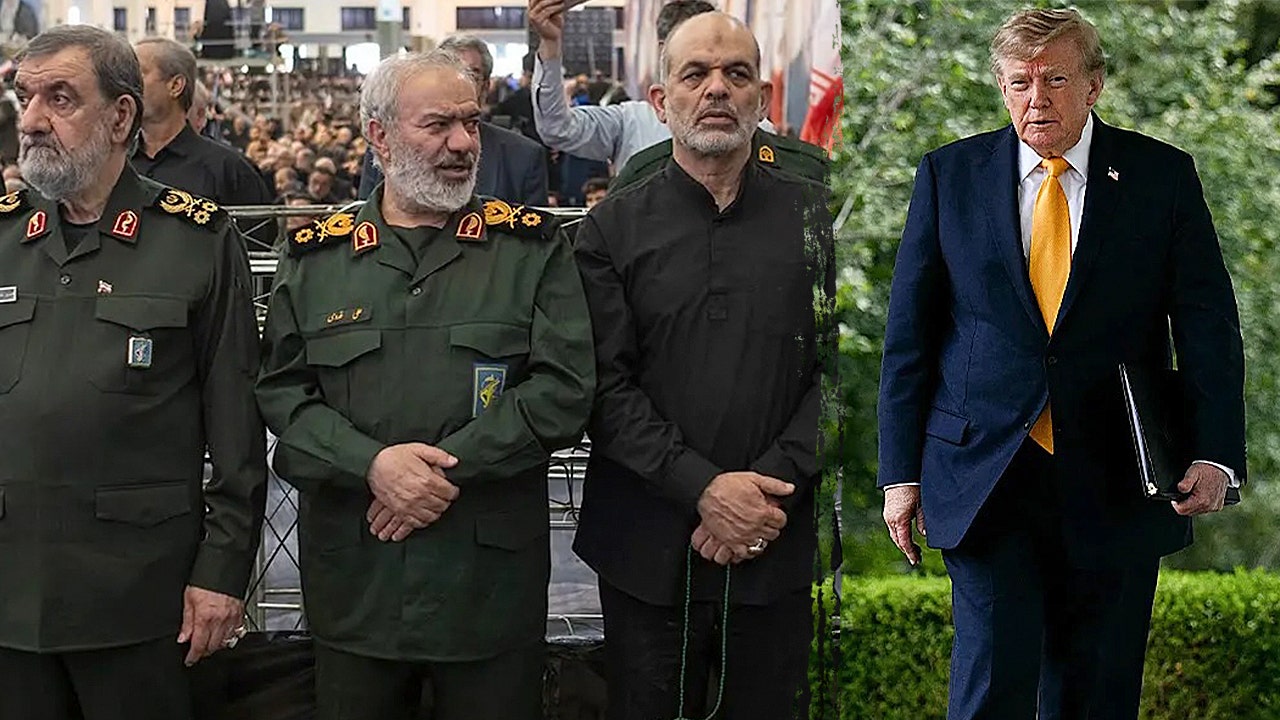
Other senior figures in Iran’s military and national security apparatus include Islamic Revolutionary Guard Corps (IRGC) Commander Ahmad Vahidi, armed forces chief of staff Ali Abdollahi, army chief Amir Hatami and Mohsen Rezaei, a former IRGC commander in chief reportedly appointed secretary of Iran’s Supreme National Security Council in August 2026.
AFTER 6 MONTHS OF WAR, US MUST PREPARE FOR A FUTURE AFTER IRAN’S GOVERNMENT FALLS
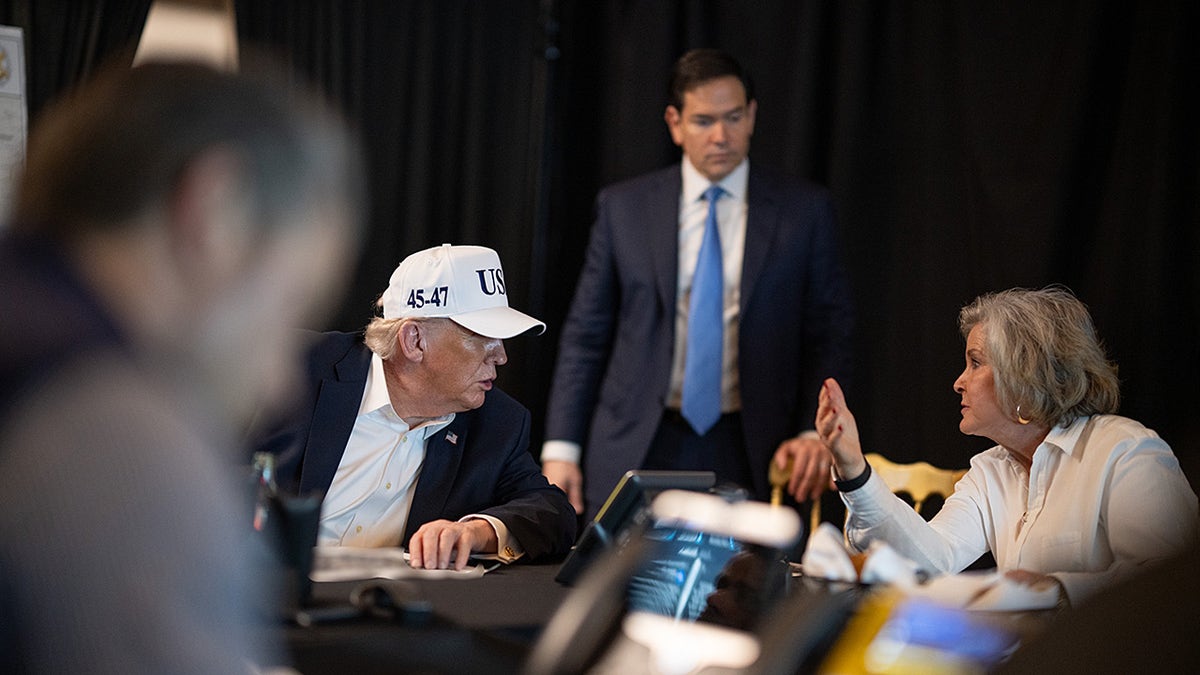
President Donald Trump monitors U.S. military operations in Iran after an Israeli strike in Tehran Feb. 28, 2026. (@WhiteHouse/X)
NBC News did not identify any of those officials as specific targets of the operations under discussion.
Administration officials opposed to the proposal have reportedly warned that targeting Iranian leaders could expose American officials to retaliatory attacks, stiffen the resolve of surviving regime figures and undermine future diplomatic efforts to end the conflict, now in its ninth month.
The administration continues to weigh military options, enforce its naval blockade and assert control over the strategically vital Strait of Hormuz.
The debate comes months after U. S. and Israeli strikes killed Iran’s supreme leader and other senior military and intelligence officials, igniting a prolonged conflict centered on Tehran’s nuclear program, ballistic missile capabilities and regional military activities.
Mojtaba Khamenei, who was reportedly injured in the strikes that killed his father, has not been seen publicly since assuming power, though he has warned Washington and Jerusalem against resuming major attacks on Iranian leadership.
MOJTABA KHAMENEI DEFIES ‘MALICIOUS’ ATTACKS AS US ARMY ZEROES IN ON IRAN’S 350,000 TROOPS
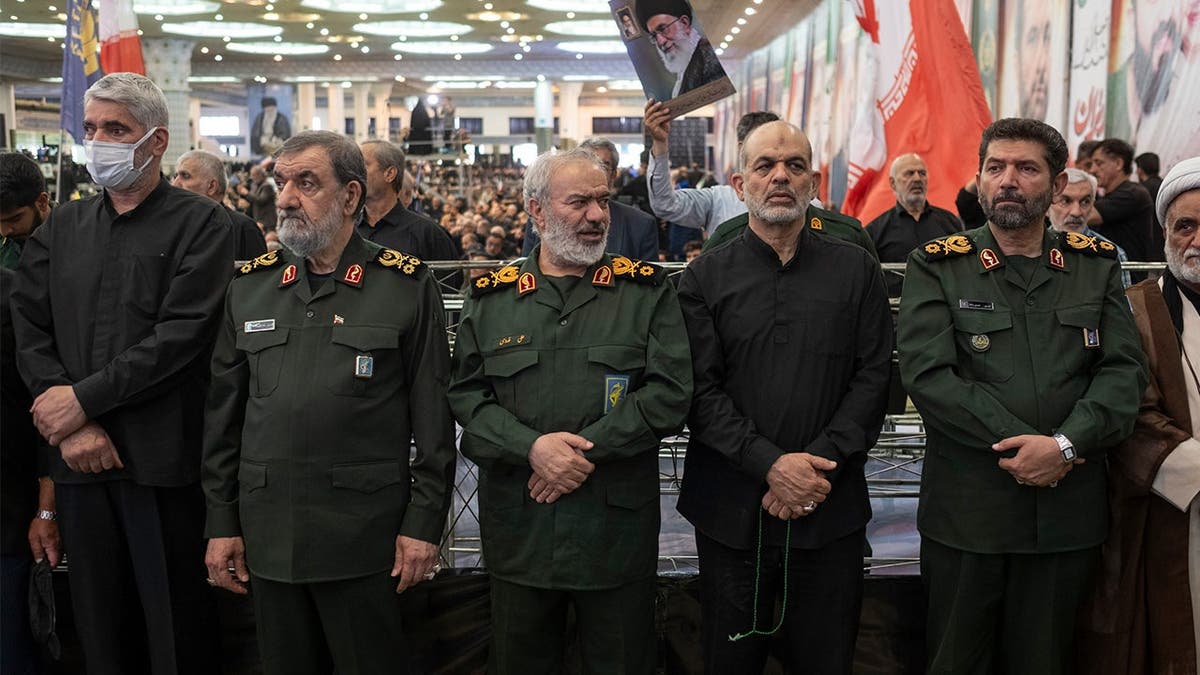
Islamic Revolutionary Guard Corps (IRGC) generals and commanders Mohsen Rezaei, second left; Ali Fadavi, third left; Ahmad Vahidi, second right; and Hassan Hassanzadeh, right, attend a memorial ceremony for IRGC commanders, nuclear scientists and civilians killed in the Iran-Israel war at the Imam Khomeini Grand Mosque in downtown Tehran, Iran, July 2, 2025. (Morteza Nikoubazl/NurPhoto via Getty Images)
«If the enemies once again launch military or terrorist attacks, it is the armed forces of the Islamic Republic and the Iranian nation that will determine the time and conditions for ending them,» a statement attributed to Khamenei said.
The warning reportedly followed a meeting with senior Iranian military commanders, including Abdollahi, Hatami and Vahidi. On Oct. 31, Khamenei also directed Iran’s armed forces to prepare an «immediate, impactful and geographically unrestricted response» to any future threats.
«The United States is in a very strong position with control of the Strait of Hormuz and the Iranian economy collapsing,» a White House official told Fox News Digital Tuesday.
«The president has been clear that the greatest naval blockade in history, Operation Economic Outcast, and the new Task Force Iron Gate will continue with full effect.
«President Trump has many options at his disposal and will make the best possible decision to ensure Iran can never possess a nuclear weapon. «
world, war with iran, iran, national security, foreign policy, geopolitics, middle east foreign policy
INTERNACIONAL
Por qué una suricata sola en el desierto puede brindar claves sobre la memoria a largo plazo
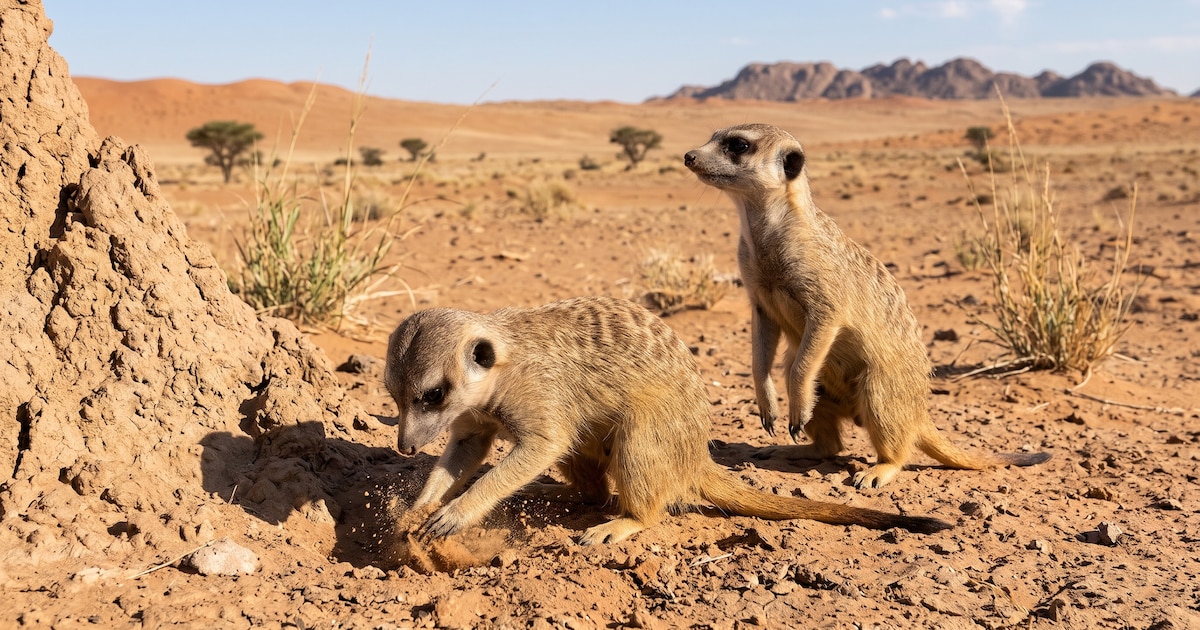
Un estudio realizado entre enero y marzo de 2025 reveló que las suricatas (Suricata suricatta) son capaces de orientarse solas en el desierto del Kalahari tras ser separadas de su grupo, utilizando la memoria a largo plazo para regresar a su madriguera o reunirse con sus compañeros. La investigación fue liderada por Mathilde Martin, de la Universidad de Zúrich, en colaboración con el Proyecto Kalahari Meerkat (PKM).
El equipo trasladó a 20 suricatas adultas hasta 1,5 kilómetros desde el punto donde fueron capturadas, una distancia mayor a la que recorre un grupo en un día completo. 18 de los 20 animales lograron llegar a un lugar conocido o reencontrarse con sus compañeros tras ser liberados. Los resultados, publicados en el Journal of Experimental Biology, desafían la idea de que dependen exclusivamente del grupo para moverse por su territorio.
Catorce suricatas se dirigieron primero a la madriguera donde habían dormido

Luego de ser liberadas, 16 de las 18 suricatas que abandonaron el lugar de liberación se orientaron hacia un destino fijo. De ellas, 14 eligieron como primer destino la madriguera donde el grupo había pasado la noche, según constató el equipo de investigación.
La distancia en línea recta hasta el objetivo representó, en promedio, el 82% del camino real recorrido por cada animal, este dato indica que los trayectos fueron notablemente directos una vez que cada suricata tomó una dirección.
Dos machos nunca abandonaron el punto de suelta y debieron ser devueltos a sus colonias por los científicos tras 90 minutos. Los investigadores atribuyeron este comportamiento al estrés y no a una falta de conocimiento del territorio.
Las zonas de suelta no habían sido visitadas en al menos 30 días

Los sitios de liberación fueron elegidos dentro del espacio de cada agrupación, pero en áreas que no habían sido recorridas en al menos un mes. Esto llevó al equipo a concluir que las suricatas se guiaron por su memoria a largo plazo del territorio y no por rastros recientes de sus compañeros.
El PKM trabaja con alrededor de 15 grupos silvestres habituados a la presencia humana, lo que facilitó la captura y el equipamiento de los animales. “Nuestro trabajo con las suricatas nos permite distraerlas con una botella de agua y colocarles el collar en pocos segundos mientras beben de pie; una mera formalidad para ellos”, explicó Martin en declaraciones recogidas por earth.com.
Cada individuo recibió una etiqueta GPS que registraba su posición una vez por segundo, además de un transmisor de radio y una pequeña grabadora de audio para registrar sus llamados.
Las suricatas exploraron el terreno mirando diez veces más de lo que olfatearon

Durante el trayecto de regreso, las suricatas dedicaron aproximadamente dos tercios de su tiempo a buscar señales del entorno, mientras que la mayor parte del tiempo restante fue empleado en desplazarse. Pocos individuos se detuvieron a comer; los que lo hicieron solo tomaron milpiés que se arrastraban sobre la arena.
Para orientarse, los animales se paraban sobre sus patas traseras o trepaban arbustos y troncos para examinar el paisaje. En total, invirtieron 10 veces más tiempo mirando que olfateando. Sin embargo, esta proporción cambió al acercarse al destino: en esa etapa final, el olfateo ocupó más del 20% del tiempo dedicado a buscar señales.
Los investigadores también observaron que las suricatas olfateaban con frecuencia los pequeños refugios que los animales excavan a lo largo de su territorio. Un experimento previo ya había demostrado que estos ejemplares recuerdan dónde están esas excavaciones, por lo que el equipo sugirió que podrían funcionar como puntos de referencia en su mapa mental.
La experiencia individual previa no predijo el desempeño de cada animal

El equipo evaluó si ciertos factores individuales podían anticipar cuál ejemplar navegaría mejor. Se analizaron la edad, el tiempo dedicado a tareas de vigilancia, la frecuencia con la que marcaban el espacio con feromonas y cuánto excavaban en los refugios. También se consideró si era subordinado y si había realizado desplazamientos solitarios previos en busca de pareja o por haber sido expulsado temporalmente del grupo por la hembra dominante.
Ninguno de esos factores resultó predictivo, tampoco se encontró una diferencia clara entre machos y hembras, aunque el estudio contó con solo cinco ejemplares femeninos frente a 15 masculinos.
Los autores consideran que la explicación está en la estabilidad del territorio: con una superficie que la comunidad recorre entre 0,5 y 1 kilómetro por día, es probable que cada adulto haya cruzado la totalidad del espacio varias veces antes de alcanzar la madurez. En ese sentido, señalaron que las palomas de distintas edades también son capaces de regresar a su hogar con igual eficacia.
Trece suricatas lograron reunirse con su grupo de forma autónoma
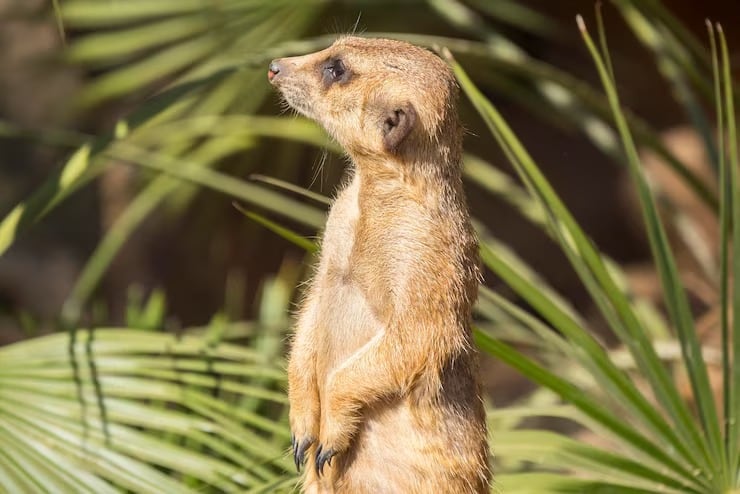
Al finalizar el recorrido, 13 de los 20 animales encontraron a su grupo por sus propios medios. El más lento tardó casi tres horas. Otros cinco llegaron a la madriguera o al punto de captura, pero no lograron encontrar a la comunidad dentro del límite establecido y debieron ser asistidos por el equipo.
El coinvestigador Benjamin Robira indicó que los especialistas tienen previsto profundizar en la comprensión del mapa mental que las suricatas construyen de su zona, así como en los mecanismos que emplean para moverse de un punto a otro.
Los autores reconocieron que una muestra de 20 individuos es reducida y que todos los evaluados eran adultos subordinados mayores de 10 meses; los cachorros y los animales dominantes no fueron incluidos en el estudio. Además, todas las sueltas se realizaron dentro del territorio familiar, por lo que los hallazgos no permiten saber cómo se comportaría un ejemplar en un entorno desconocido.
suricata,Suricata suricatta,desierto
INTERNACIONAL
Polémica ambiental en EE.UU.: el Ejército pidió evacuar un pueblo para detonar 4500 kilos de un material explosivo inestable
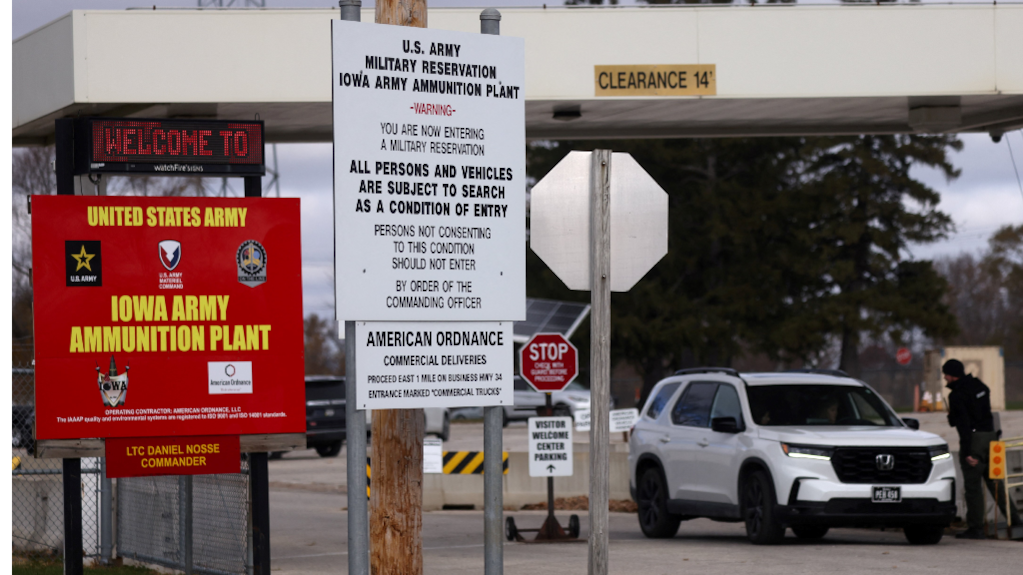
El Ejército de Estados Unidos pidió evacuar un pequeño pueblo de Iowa y sus zonas aledañas antes de la detonación controlada, prevista para el miércoles, de 4500 kg de material explosivo inestable, en medio de una creciente polémica ambiental.
El plan es destruir las reservas de azida de plomo, que se utilizaba como detonador para activar otros explosivos en municiones. Sin embargo, el material está degradado y corre el riesgo de una detonación espontánea.
Numerosos residentes de Middletown sellaron sus ventanas y puertas como precaución para impedir la entrada de cualquier polvo de plomo altamente contaminante que pudiera resultar de la detonación.
Otras personas que viven más lejos expresaron preocupación en redes sociales sobre las posibles trayectorias que podría seguir la nube, dependiendo de los cambios en el viento.
Las autoridades reconocieron que el plomo es tóxico y recomendaron que la gente permanezca en interiores cuando ocurra la detonación, y que después limpie con agua las superficies exteriores para limitar la exposición a cualquier partícula de este metal.
Qué está pasando en Iowa
La Agencia Federal para el Manejo de Emergencias (FEMA) está “apoyando la reubicación recomendada de todos los residentes de Middletown, Iowa, y de las áreas circundantes afectadas”, por “precaución extrema”, según una advertencia de seguridad pública.
Middletown tiene unos 360 habitantes. La explosión controlada ha suscitado temores de contaminación por plomo en el área circundante.
“Existe consenso entre los expertos de todo el país de que una detonación controlada y mitigada de la azida de plomo (…) es preferible a una detonación espontánea y no controlada”, declaró el secretario interino del Ejército, Adam Telle, en una conferencia de prensa.
La detonación fue autorizada por una corte federal de apelaciones.
En un comunicado emitido el lunes por la noche, el Ejército indicó que está procediendo con una remoción controlada de 68 barriles de azida de plomo en coordinación con autoridades estatales, locales y federales. “Esta es una decisión por consenso”, publicó Telle en redes sociales.
Unidos

La Cámara de Casación reabrió una causa por las coimas de Odebrecht que había sido declarada prescripta

La Facultad de Ciencias Sociales de la UBA suspendió el polémico homenaje al terrorista Mario Santucho

Primer comunicado de la CAF tras la decisión del TAS: ‘Se tomarán todas las medidas necesarias para implementarlo’

Atento Boca Juniors: la sorprendente frase de Paulo Dybala sobre su futuro

Se achica la estructura del Gobierno porteño: desaparece Espacio Público, en una señal a los libertarios y a Mauricio Macri

Las acciones argentinas retomaron las pérdidas, contagiadas por las ventas de Wall Street

Financial Times duda de la economía argentina: riesgo país, financiamiento e imagen Milei

Agustín “Rada” Aristarán se despide de Chanta: “Con esta obra dejé de ser un impostor”

NYC college put on notice after Jewish campus group shunned by student government: ‘rude awakening’

Tras algunos gestos de distensión, Bullrich y Milei podrían reencontrarse esta noche en un evento

 ECONOMIA2 días ago
Financial Times duda de la economía argentina: riesgo país, financiamiento e imagen Milei
- CHIMENTOS3 días ago
Agustín “Rada” Aristarán se despide de Chanta: “Con esta obra dejé de ser un impostor”
- INTERNACIONAL3 días ago
NYC college put on notice after Jewish campus group shunned by student government: ‘rude awakening’