
INTERNACIONAL
Trump gets major win against China in African rare earth minerals race

NEWYou can now listen to Fox News articles!
In what’s being hailed as a major win for the Trump administration against Chinese domination of the rare earth minerals market, the U.S. has supported an American company, Virtus Minerals, in developing two major mines producing cobalt and copper in the Democratic Republic of the Congo (DRC).
This is claimed to be the first U.S. rare earth minerals acquisition in the African nation since President Trump announced the Washington Accord last December.
Historically, China has been the heavy lifter of these metals. The Strategic Studies Institute reported that 80% of the world’s cobalt is produced in the DRC — and 80% of that is controlled by China. Cobalt, used in a wide range of applications, from electric cars and mobile phones to military jets, is on the U.S. government’s list of critical minerals. Copper, also on the list, has traditional uses such as piping for plumbing, but is also needed in electronics and the automotive industry.
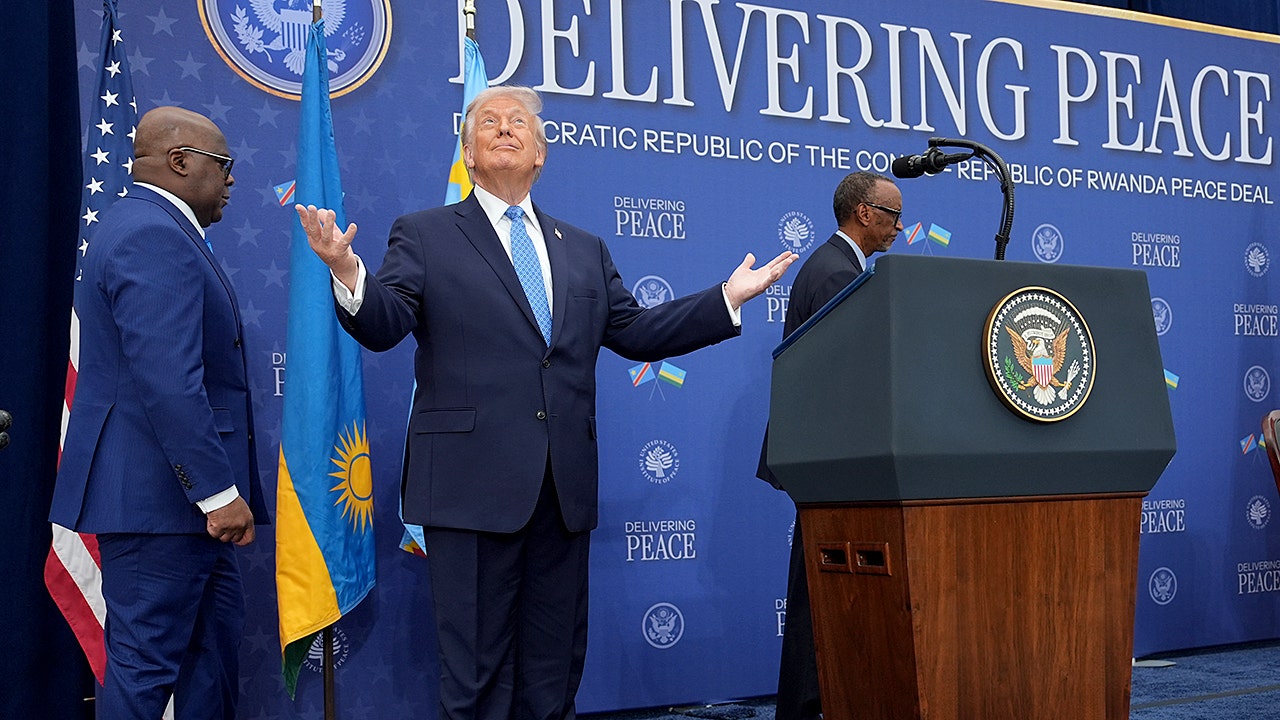
President Donald Trump attends a signing ceremony with Rwanda’s President Paul Kagame and Democratic Republic of Congo President Felix-Antoine Tshisekedi at the Donald J. Trump Institute of Peace in Washington on Dec. 4, 2025. (Evan Vucci/AP)
During December’s signing at the White House, Trump made clear the administration’s fight to curb Chinese domination of minerals and help American mining companies make a major impact in the DRC. «A great day for Africa, a great day for the world,» Trump said. The accord also aims to bring an end to fighting between the DRC and Rwandan-backed forces, although the Rwandan-supported M23 rebel group have continued their hostile infiltration in the Eastern DRC.
American mining company Virtus is, with U.S. support, claiming to be «the first U.S.-owned operator back in the DRC in more than a decade», with its investment in Chemaf, a local cobalt and copper producer with two mining operations, one, Étoile, in Lubumbashi and Mutoshi, in Kolwezi. Together it’s planned the mines will produce a combined 75,000 tonnes of copper, and 20,000 tonnes of cobalt a year. The processing plants are currently under development and will come online next year.
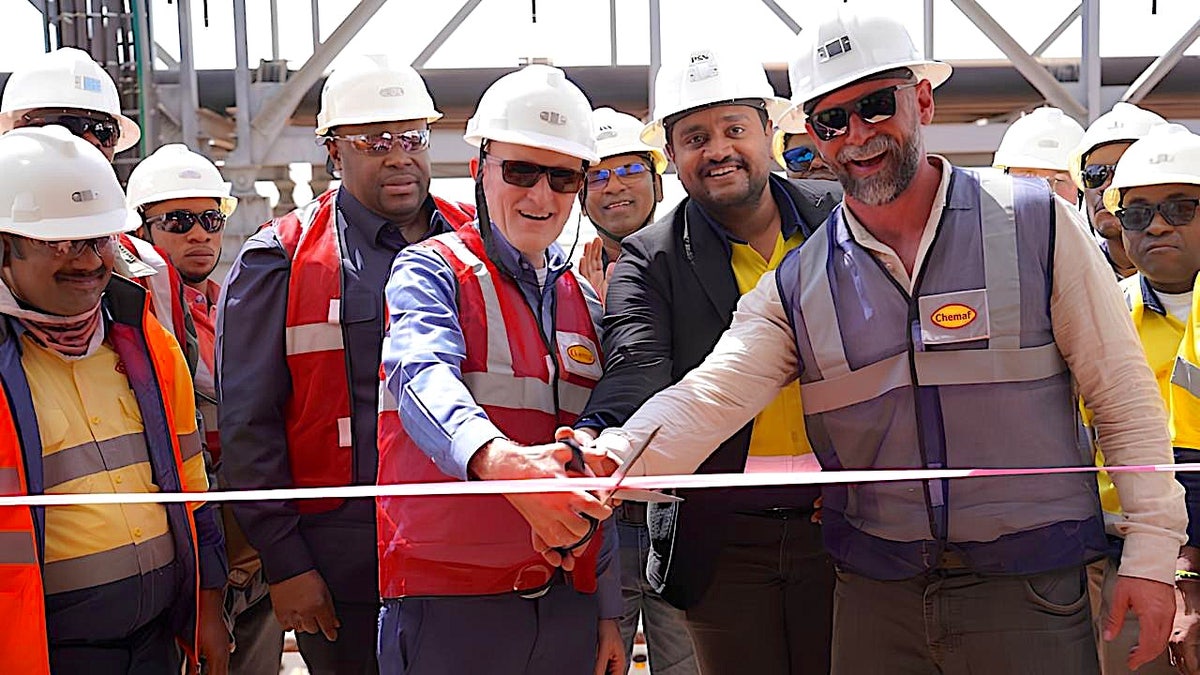
Virtus Minerals CEO and Chamaf Chairman. Phillip Braun, the Chargé d’Affaires U.S. Embassy Kinshasa Ian J. McCary, and Chemaf Managing Director Sooryanarayanan Prabhakaran cutting the ribbon of the new mine. (Virtus Minerals / Chemaf)
The minerals will ultimately be exported to the west through the Lobito Corridor to a port in Angola. Lobito is the rail route the U.S. has backed with a $5 billion investment commitment, with, according to a Virtus statement, «the aim of obtaining a secure, auditable copper and cobalt supply chain for the U.S. and its allies.»
THE WEST STILL DOESN’T GRASP THE DANGER OF CHINA’S RARE EARTH ENDGAME
Frans Cronje, president of the Washington-based Yorktown Foundation for Freedom, says the Virtus projects are significant because they show the administration is seriously trying to change the balance in a minerals battle with China.
He told Fox News Digital, «This development signals a more assertive United States effort to compete with China for access to Africa’s critical mineral base, particularly in the Democratic Republic of Congo, where cobalt and copper are strategically vital to global energy and defense supply chains.»
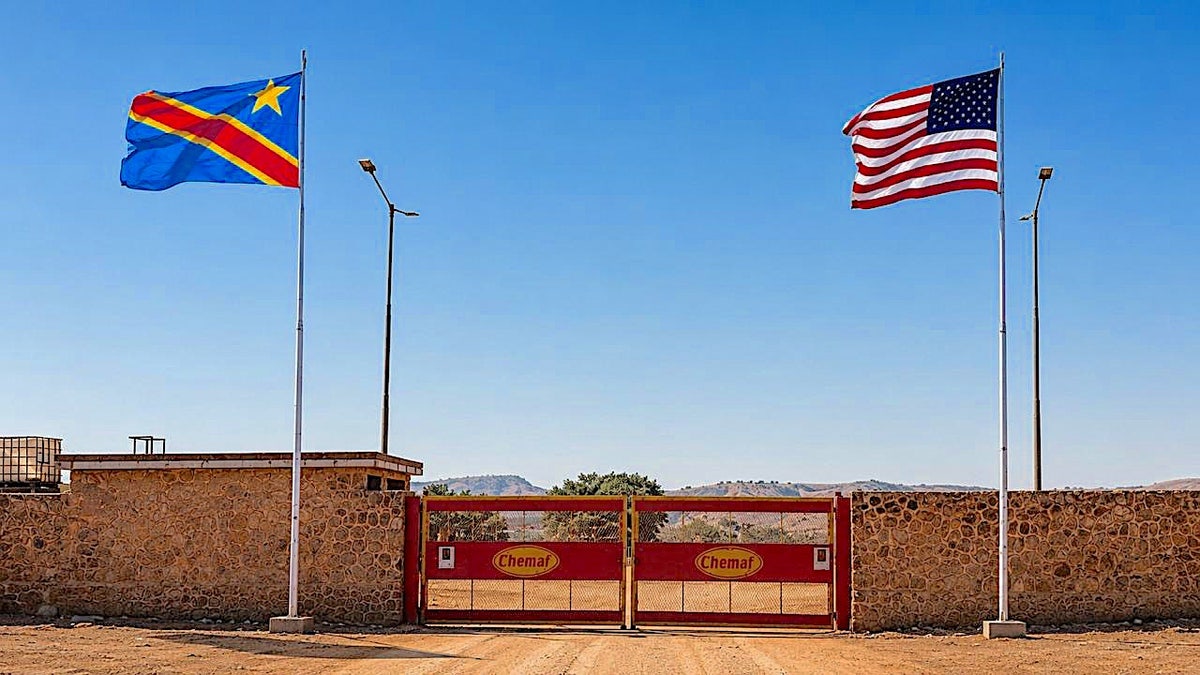
The U.S. and DRC flags fly outside Chemaf’s site in Kolwezi, Democratic Republic of the Congo. (Virtus Minerals / Chemaf)
Cronje added, «China has built deep structural dominance across much of Africa’s resource sector over the past two decades, but U.S.-backed initiatives such as this suggest a shift towards more direct engagement, rather than relying on Chinese-controlled supply routes. This matters because Africa’s vast resource endowment, combined with its geostrategic position along key Atlantic and Indian Ocean corridors, makes it central to future global economic and security competition.»
A State Department spokesperson told Fox News Digital, «President Trump and Secretary Rubio remain firmly committed to supporting U.S. companies that seek to do business in the DRC.»
AFRICAN WAR-TORN NATION INVOKES TRUMP ‘GOLDEN AGE’ FOR MINERALS DEAL IN EXCHANGE FOR BOOTING VIOLENT REBELS

Chemaf’s site in Kolwezi, Democratic Republic of the Congo. (Virtus Minerals / Chemaf)
«The United States government fully supports the efforts of Virtus Minerals,» the spokesperson continued. «This acquisition serves as an initial flagship U.S. investment in the DRC, and sends a clear signal that the U.S. private sector interest is real and will catalyze further investment in alignment with the U.S.-DRC Strategic Partnership Agreement, which positions the DRC to play an integral role in the Trump Administration’s global efforts to secure critical mineral supply chains.»
The spokesperson added, «increased U.S. investment will create quality jobs for American and Congolese workers, foster skills development and support local communities that have long been exploited by the opaque systems constructed and perpetuated by adversarial foreign actors who have controlled the DRC’s critical minerals sector.»
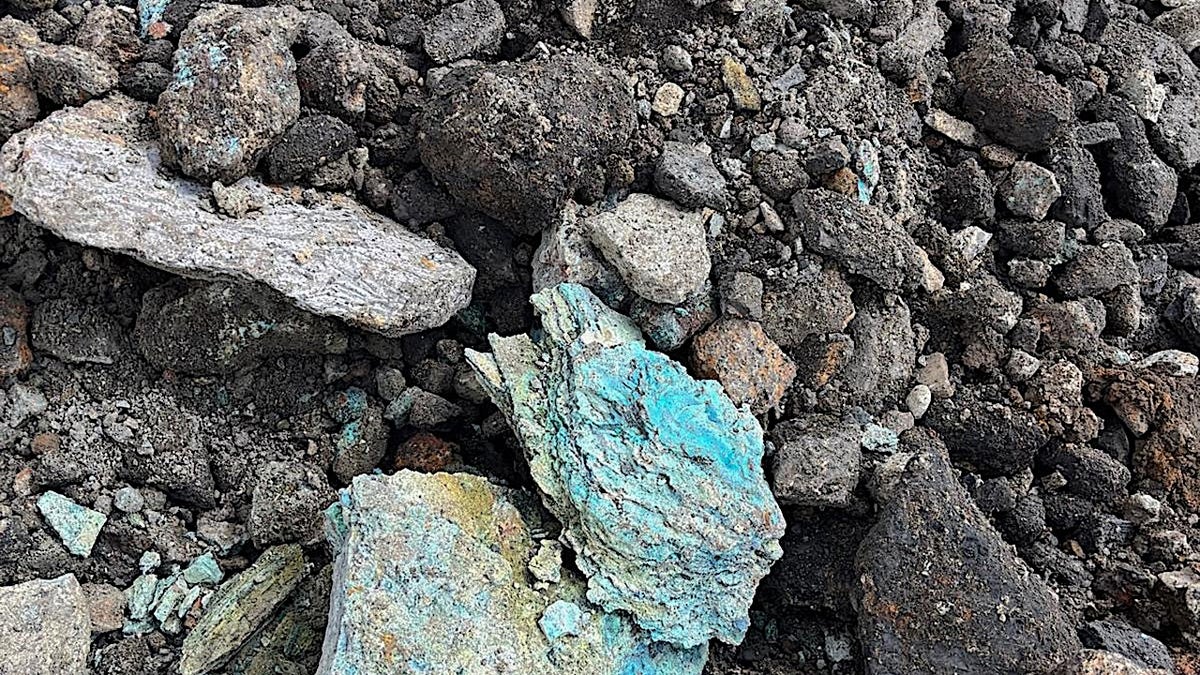
Cobalt and Copper mined from Chemaf’s Etoile site in Lubumbashi, DRC. (Virtus Minerals / Chemaf)
Virtus holds 56 mining licenses in total in the DRC. Phillip Braun, Virtus Minerals CEO and Chemaf chairman, told Fox News Digital, «our first goal is to bring the Étoile and Mutoshi plants up to full production. From there, we will explore everything Chemaf’s 56 mining permits have to offer — copper, cobalt and other metals like tungsten.»
«None of this would be possible,» Braun added, «without the strong partnership now growing between the United States and the DRC, and the support of leaders in both countries who saw what was possible. We look forward to bringing our two nations closer by building a steady, trusted supply of the minerals we depend on and supporting other American companies that want to invest in the DRC any way we can.»
CLICK HERE TO DOWNLOAD THE FOX NEWS APP
«A more active U.S. presence in these supply chains,» Cronje continued, «would mark a significant rebalancing of influence on the continent, with implications not only for resource access but for broader geopolitical alignment in regions that are becoming increasingly contested.»
Fox News Digital reached out to the DRC government for comment, but did not receive a response.
africa, administration, conflicts, donald trump










INTERNACIONAL
El Gobierno de Panamá ratificó la declaratoria del estado regional de alerta preventiva por el fenómeno atmosférico de El Niño
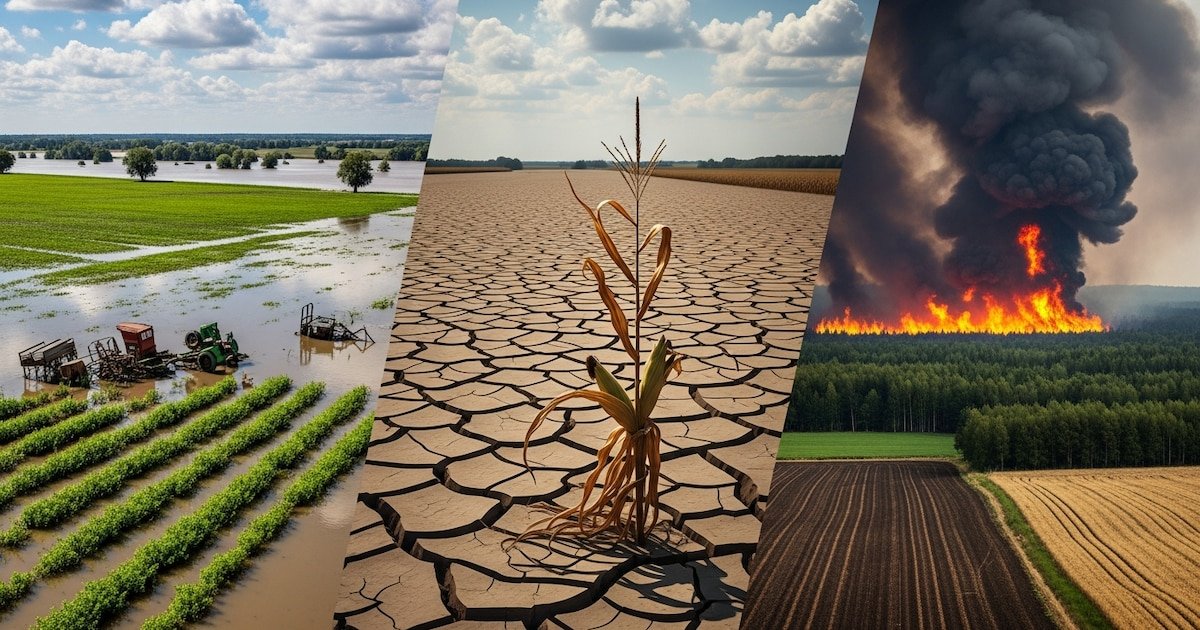
Panamá ratificó la declaratoria del estado regional de alerta preventiva para el sector agrícola de los países frente a los posibles efectos del fenómeno El Niño 2026-2027.
La decisión, dijeron las autoridades agropecuarias, responde a la necesidad de fortalecer las capacidades regionales para anticipar posibles impactos sobre la producción agropecuaria, la disponibilidad de alimentos y los medios de vida de las personas productoras, mediante una respuesta articulada entre los países miembros.
El pronunciamiento se realizó durante un diálogo regional organizado junto con la Secretaría Ejecutiva del Consejo Agropecuario Centroamericano (SECAC), en el que participaron autoridades, especialistas y representantes de los países del Sistema de la Integración Centroamericana (SICA), para analizar el impacto previsto de El Niño y compartir experiencias sobre mecanismos de preparación y respuesta.
La perspectiva climática de agosto-octubre de 2026, presentada recientemente por el Foro del Clima y el Foro Hidrológico de América Central, reitera que la región enfrentará un escenario de El Niño fuerte, con una intensificación prevista a la categoría de El Niño muy fuerte entre octubre y diciembre de 2026.
Estas condiciones incrementan el riesgo de afectaciones sobre la producción agropecuaria y constituyen la base técnica que motivó a los ministros y ministras de Agricultura de los países del SICA a fortalecer las acciones de preparación y coordinación regional mediante la ratificación de la declaratoria del estado regional de alerta preventiva para el sector agropecuario.

En la mayor parte de Centroamérica, según se informó, se esperan precipitaciones por debajo de lo normal y que, con excepción de Panamá, el período se presentó de forma anticipada y se prolongaría hasta finales de agosto.
“La evidencia científica nos permite anticipar escenarios y prepararnos mejor para actuar frente a fenómenos climáticos cada vez más intensos. En este contexto, las reservas estratégicas de alimentos representan una herramienta fundamental para fortalecer la resiliencia de los sistemas agroalimentarios y reducir el impacto sobre las poblaciones más vulnerables”, destacó el subdirector general y representante regional de la Organización de las Naciones Unidas para la Alimentación y la Agricultura (FAO) para América Latina y el Caribe, Rene Orellana Halkyer.
El subdirector general de la FAO recordó que los eventos climáticos extremos están modificando los patrones de temperatura y precipitación, incrementando las sequías, inundaciones, olas de calor e incendios forestales que afectan directamente la producción agrícola y los medios de vida rurales.
De acuerdo con la FAO, América Latina y el Caribe concentra el 22 % de las pérdidas mundiales ocasionadas por desastres climáticos en la agricultura, equivalentes a aproximadamente $713 mil millones entre 1991 y 2023, lo que evidencia la necesidad de fortalecer medidas preventivas y de gestión del riesgo.
Durante el encuentro se destacó que las reservas estratégicas de alimentos, particularmente de granos básicos, permiten anticiparse a escenarios de escasez, responder oportunamente durante emergencias, estabilizar los mercados en períodos de alta volatilidad de precios y garantizar la continuidad de programas de protección social y asistencia alimentaria.

Asimismo, se compartieron experiencias exitosas de la región, como el caso de las agroferias del Instituto de Mercadeo Agropecuario (IMA) de Panamá, que según se dijo benefician cada año a cientos de miles de familias mediante alimentos a precios accesibles.
No obstante, en un documento la propia institución señala que enfrenta una serie de debilidades que, de no ser corregidas, podrían dificultar el cumplimiento de sus metas.
Estas debilidades se centran en las infraestructuras obsoletas, actualización de los sistemas de manejo, control y certificación, la subutilización de recursos, la limitación presupuestaria, la falta de personal operativo y agroindustrial, regionales. y agroindustrial, regionales.
Las instalaciones no están operando a su capacidad máxima, lo que representa una pérdida de potencial operativo y un uso ineficiente de los recursos disponibles.
Esta subutilización, señala la entidad, se ve agravada por la falta de almacenamiento bodegas modernas de con tecnología de punta, lo que dificulta el manejo adecuado de los productos y control de plagas; con el consiguiente aumento de pérdidas postcosecha.

Además, estas instalaciones no están diseñadas ni equipadas para un manejo y conservación óptimo de los productos almacenados, lo que afecta su calidad y vida útil, sostiene la institución.
tractor,agricultura,sequía,campo,labranza,tierra agrietada
INTERNACIONAL
‘Doctor’ El-Sayed’s bizarre health hustle raises campaign headache: ‘Moon Juice Brain Dust’
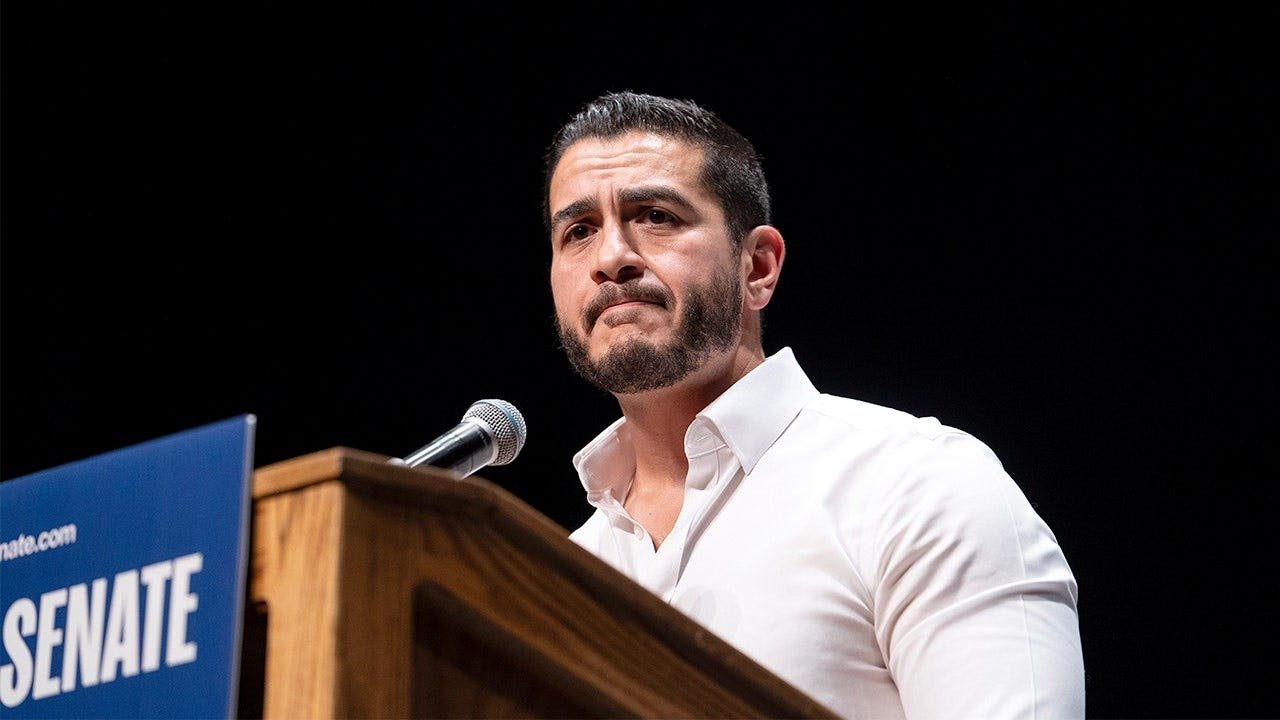
Joe Concha slams Michigan candidate Abdul El-Sayed over alleged medical credential claims
Fox News contributor Joe Concha vehemently criticizes Michigan Senate candidate Abdul El-Sayed for allegedly misrepresenting his medical credentials. Concha highlights the rigorous path and sacrifice of real doctors, contrasting it with El-Sayed’s claims. He argues El-Sayed, lacking a medical license, has not saved lives, branding his claims as deceitful and a disservice to the profession. Concha argues voters should be wary of such misrepresentations.
NEWYou can now listen to Fox News articles!
Michigan Democratic Senate candidate Abdul El-Sayed made money promoting health products, including while invoking his medical credentials, despite saying he broadly rejected advertisements for products making health claims and criticizing others for doing the same.
Before running for Senate, El-Sayed hosted a podcast that provided him with a six-figure income partially through ad reads. Among the companies El-Sayed promoted for cash, often citing his purported experience as a doctor, were firms selling supplements, peptides, and an Israeli metabolism-tracking device that has been scrutinized by health experts.
The ad reads came despite an assurance from El-Sayed that he would not use his platform to sell health products to people who listen to him.
SOCIALISM’S WAR ON SUCCESS HAS A NEW CHAMPION — AND HE’S RUNNING FOR SENATE IN MICHIGAN
Michigan Senate candidate Abdul El-Sayed poses for a portrait in Grand Rapids, Michigan, on Saturday, Feb. 21, 2026. (Evan Cobb for The Washington Post via Getty Images)
«I broadly reject any advertisements that are for products making claims about health,» he wrote in a now-deleted social media post from March 2022.
El-Sayed also accused Mehmet Oz during his 2022 Pennsylvania Senate run of being part of the «medical industrial complex that exists to sell you things that you don’t need that are not actually based in any level of science.»
«Yet he can … say, ‘Well, I’m a doctor, so you should trust what I have to say,’» El-Sayed added.
DR OZ REVEALS THE HEALTHY RETIREMENT HABIT THAT COULD MAKE AMERICA $1 TRILLION RICHER

Rep. Alexandria Ocasio-Cortez (D-NY), Michigan Democratic candidate for Senate Abdul El-Sayed and Sen. Bernie Sanders (I-VT) greet the crowd after El-Sayed spoke at The People V. The Powerful rally at the Detroit Opera House on July 18, 2026, in Detroit, Michigan. (Sarah Rice/Getty Images)
After assuring his audience that he wouldn’t hawk health products, and criticizing Oz for using his medical credentials for doing so, El-Sayed used his medical credentials to sell health products.
«Even as a doctor and epidemiologist, nutrition labels are obnoxiously hard to process,» El-Sayed said during a March 2025 ad read. «That’s where Thrive Market comes in. See, I love Thrive Market, my go to online grocery store for getting all of my healthy essentials delivered. And I don’t even have to leave my couch.»
Thrive Market has sold a wide selection of supplements, including items such as «Moon Juice Brain Dust» and «Royal Jelly Brain Fuel» that claim to improve the cognitive function of those who use them. Health experts have cast doubt on whether or not such supplements can actually improve brain function.
Moon Juice Brain Dust describes itself as a «nootropic blend of adaptogens and herbs that target stress to support mental stamina, alertness, and concentration» that is «informed by Traditional Chinese Medicine and Ayurveda.» Royal jelly, meanwhile, is a thick, milky substance produced by bees to feed their queen. Proponents argue it can be helpful in treating menopause symptoms or addressing low energy, though scientific evidence for such claims is limited.
Thrive did not respond to a request for comment when reached by Fox News Digital on Monday.
IV THERAPY AND SUPPLEMENTS UNDER SCRUTINY AS EXPERTS WARN OF POTENTIAL SIDE EFFECTS
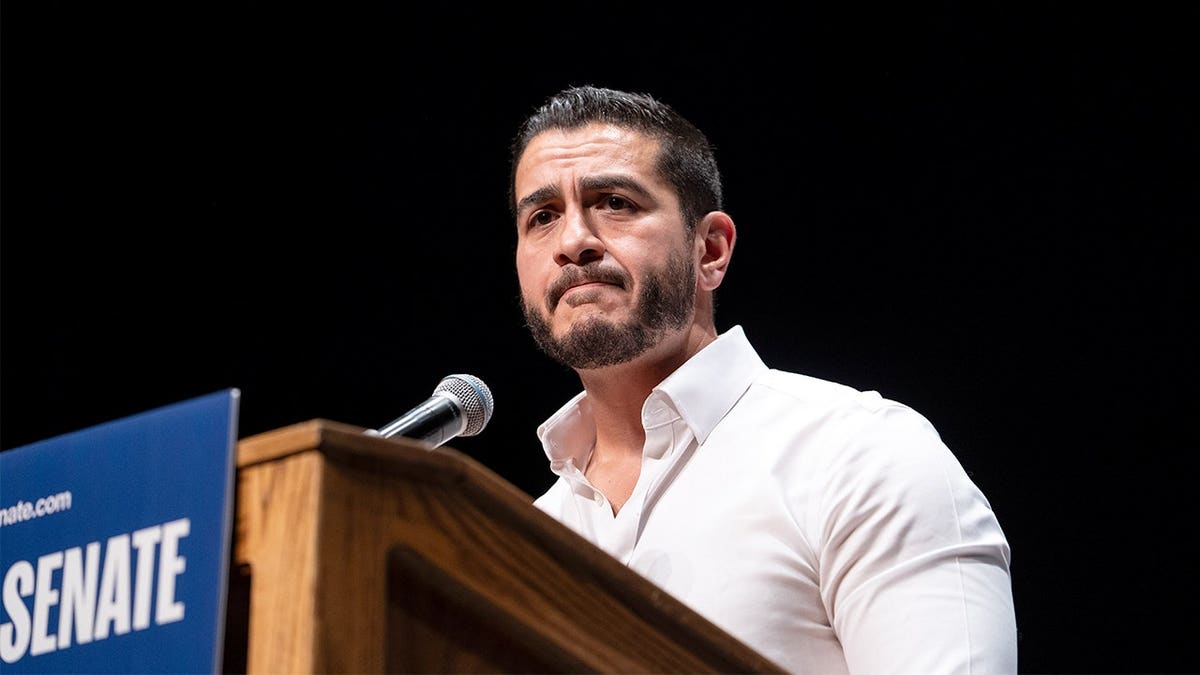
Michigan Democratic candidate for Senate Abdul El-Sayed speaks at The People V. The Powerful rally at the Detroit Opera House on July 18, 2026, in Detroit, Michigan. (Sarah Rice/Getty Images)
While El-Sayed has leaned heavily on his identity as a doctor both in doing ad reads and on the campaign trail, public records indicate that he never held a medical license or completed a residency. He does, however, hold a medical degree and a doctorate degree in public health.
The New York Post was the first to report on El-Sayed’s advertisement for health goods.
A company making moon dust and brain jelly wasn’t El-Sayed’s only customer.
On July 23, 2024, El-Sayed read an ad promoting a medical device created by an Israel-based startup.
«Lumen is the world’s first handheld metabolic coach. It’s a device that measures your metabolism through your breath and on the app. It lets you know if you’re burning fat or carbs and gives you tailored guidance to improve your nutrition, workout, sleep, and even manage your stress,» he said. «All you’ve got to do is breathe into your Lumen first thing in the morning, and it’ll give you an inside look into what’s going on with your metabolism, whether you’re burning mostly fats or carbs.»
Years before El-Sayed took Lumen’s advertising money, experts were raising concerns about its medical claims.
«I just don’t see a practical use for the product in helping people achieve their weight-loss goals,» Harbor-UCLA Medical Center senior researcher Nicholas Tiller told Outside Magazine in 2022. «The use of metabolic flexibility and other science-sounding terms lend the product a false scientific legitimacy.»
«It’s quintessential marketing over science,» he added.
El-Sayed also advertised for a company offering a peptide that allegedly improves skin health.
The El-Sayed campaign did not respond to a request for comment when reached by Fox News Digital on Monday.
health, health care executive, politics, michigan, senate
INTERNACIONAL
Cuba: las reformas económicas y el rol del nieto de Raúl Castro abren una grieta en el Partido Comunista de la isla

El paquete de reformas para liberalizar y descentralizar la economía cubana y el surgimiento de la figura de un nieto del expresidente Raúl Castro como interlocutor para EE.UU. ha abierto una grieta para las autoridades de la isla por un extremo imprevisto: su izquierda.
El descontento se ha cocinado a fuego lento en las últimas semanas -principalmente en colectivos militantes de la isla, medios alternativos de izquierdas y redes sociales- a raíz del anuncio por sorpresa de las 176 medidas para transformar la economía cubana y su aprobación expedita.
La defensa de la economía socialista es el principal caballo de batalla de estos críticos y escépticos, que temen que el paquete de medidas abra las puertas -y los activos del país- al capitalismo, pese a que el Gobierno cubano, que califica los cambios de «urgentes y necesarios», lo ha negado en repetidas ocasiones.
El medio digital cubano Punto y Aparte denuncia en un editorial que algunas reformas «implican el retorno del país hacia un régimen capitalista puro y duro, y acentúan las desigualdades» y son «un acto de rendición de la Revolución Cubana frente a los intereses de la nueva burguesía del país y del capital financiero internacional».
Su colectivo editorial critica además «la arrogancia y la mezquindad» de «funcionarios y negociantes que ya han demostrado demasiadas veces no estar a la altura del momento histórico» e insta a la «participación popular» para revisar y modificar las reformas, a «no seguir en silencio cuando la patria necesita escuchar la voz de todos sus hijos».
Un informe interno de militantes del Partido Comunista de Cuba (PCC, único legal) al que EFE tuvo acceso afirma por su parte que algunas medidas «rebasan ampliamente lo que históricamente se fijó como admisible e incluso confrontan con lo que han sido las representaciones del socialismo en nuestro pueblo».
El documento, titulado «Impulsar el Socialismo desde el Poder Popular», exige además que las transformaciones que necesita el país se debatan abiertamente en las comunidades.
En esa misma línea argumenta un escrito en redes sociales de Alejandro Sánchez, secretario de la Unión de Jóvenes Comunistas (UJC) en la Universidad de La Habana, que pide un poder ejercido no «solamente desde arriba», sino acompañado de «mayor participación» y «control popular».
El otro elemento de controversia para estos sectores es el papel que ha asumido de manera implícita Raúl Guillermo Rodríguez Castro, nieto y guardaespaldas del expresidente Raúl Castro, como referente de la parte cubana en los contactos con EE.UU., pese a no tener ningún cargo formal.
El periodista cubano Michel Torres, presentador del programa ‘Con filo’ en la televisión estatal, ha sido uno de los críticos más fuertes del rol del nieto de Castro, como quedó reflejado en una columna de opinión aparecida en el medio uruguayo Mate Amargo.
En ese texto critica a Rodríguez Castro por «usurpar las funciones del Gobierno» y «asumir un rol público» para el que no fue elegido. Además advierte que a Cuba «no la van a salvar los vástagos corrompidos por la estulticia y la frivolidad».
También lamenta que se dejase prosperar a perfiles de este tipo por no «atentar contra la unidad», pero considera que «el ruido que provocan ya es ensordecedor»: «No hay arenga o reclamo que calme la indignación que provocan esos frutos del nepotismo ‘socialista’: ¿qué justifica su impunidad?».
En declaraciones a EFE, Torres asegura que en la isla hay posturas «muy heterogéneas» y aboga porque se expresen, «incluso desde posturas críticas o de divergencia», siempre que no se lacere la unidad, «porque el enemigo no está ni en el Comité Central (del PCC) ni en el Gobierno cubano: el enemigo está en Miami, en Washington».
A su juicio, la unidad no debe ser «acrítica», pero sí «monolítica». «Porque de lo contrario estamos regalándole juego a los que quieren ver el final de la revolución. Por mucho que podamos discrepar, sabemos que eso sería lapidario para el proceso revolucionario cubano», argumenta.

El Gobierno de Panamá ratificó la declaratoria del estado regional de alerta preventiva por el fenómeno atmosférico de El Niño

Jornada financiera: cayó con fuerza el riesgo país, las acciones argentinas operaron dispares y subió el dólar

Sindicatos docentes de la CGT confirmaron un plan de lucha sin paros: qué protestas harán durante todo agosto

Así está el historial entre Independiente vs Vélez Sarfield

Un ministro clave de Kicillof dijo que la IA le diagnosticó a Milei un “delirio persecutorio”

‘Doctor’ El-Sayed’s bizarre health hustle raises campaign headache: ‘Moon Juice Brain Dust’

“Vamos a acelerar con todo”: el objetivo del Gobierno por las reformas y la agenda electoral de cara al 2027

Reelecciones indefinidas: el oficialismo bonaerense niega que busque ampliar la Legislatura como parte de una reforma política para beneficiar a los intendentes

“Casta”, “parásito” y “sea democrático”: fuerte respuesta de Victoria Villarruel a Diego Santilli

¡Chau Luck Ra! La salida de soltera de La Joaqui, muy bien acompañada, a días de su separación
-
 POLITICA1 día ago
“Vamos a acelerar con todo”: el objetivo del Gobierno por las reformas y la agenda electoral de cara al 2027
-
 POLITICA23 horas ago
Reelecciones indefinidas: el oficialismo bonaerense niega que busque ampliar la Legislatura como parte de una reforma política para beneficiar a los intendentes
-
 POLITICA3 días ago
“Casta”, “parásito” y “sea democrático”: fuerte respuesta de Victoria Villarruel a Diego Santilli