INTERNACIONAL
Una cena que no llegó a la mesa: Bebé de dos meses pierde a sus padres tras tragedia vial en Nicaragua

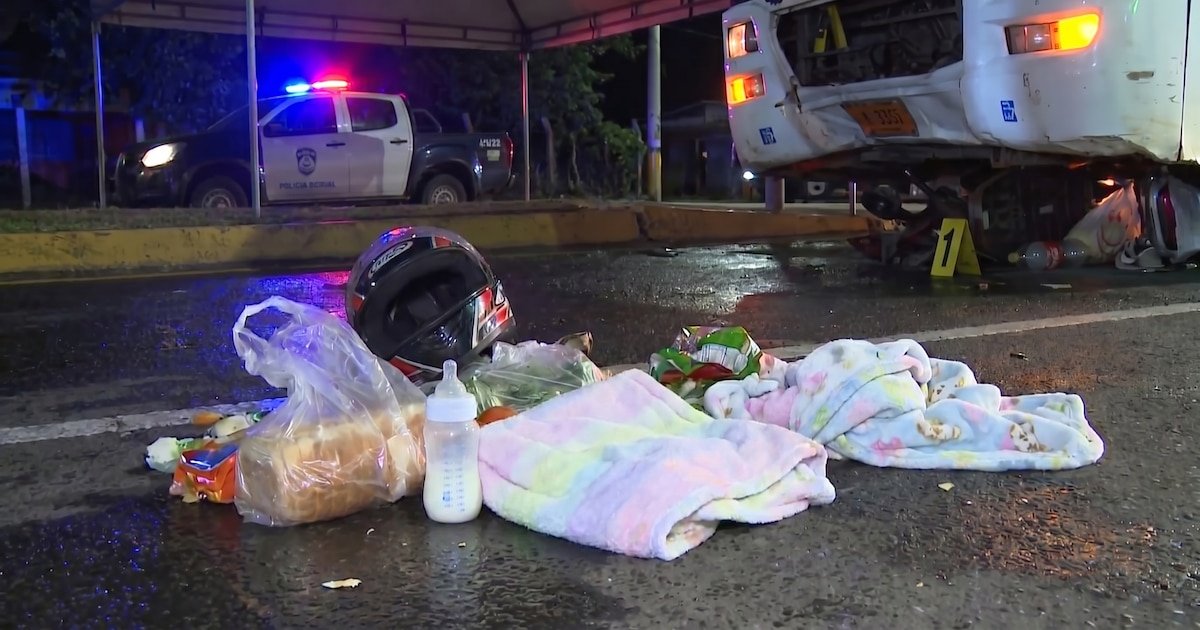
La noche del jueves 23 de abril en Managua tenía el peso húmedo de la rutina y la cotidianidad de los barrios que se preparan para el descanso. Gustavo Adolfo Matamoros Martínez, de 27 años, llegó a su casa con el alivio que solo siente un trabajador joven al finalizar la quincena: tenía el pago en el bolsillo. No hubo planes de lujos ni salidas extraordinarias; el gesto fue simple, doméstico y cargado de afecto.
— “Me acaban de pagar, vamos a comprar un pollo” —le dijo Gustavo a su padre antes de salir. Esas palabras, que hoy resuenan en las paredes de su hogar como un eco doloroso, fueron el preludio de un viaje corto que buscaba unir a la familia a través de un gesto cotidiano.
Gustavo subió a su motocicleta junto a su pareja, Grethel Valeria García García, de apenas 21 años. El plan era claro: irían a Las Mercedes a comprar la cena y luego, tras doblar en la ruta acostumbrada, se dirigirían al barrio La Luz. Allí los esperaba la madre de Grethel; le llevaban un pollo, querían visitarla y compartir un momento de alegría tras la jornada laboral.
Sin embargo, salieron con el casco puesto y la prisa dulce de quien tiene una bebé de apenas dos meses esperando en casa. Sin embargo, el destino se truncó de forma violenta antes de que pudieran entregar aquel encargo. Eran pasadas las ocho de la noche cuando la tragedia interceptó su camino en las inmediaciones de los semáforos de Larreynaga.
Según los reportes preliminares, la motocicleta circulaba de norte a sur, mientras un coloso de hierro y metal, un autobús de la ruta 168 conducido por Eliezer Gómez, de 24 años, avanzaba de este a oeste. El estruendo del impacto rompió el murmullo del tráfico capitalino. En la intersección, el asfalto se convirtió en el escenario de una escena dantesca.
Grethel, la joven madre que apenas empezaba a descubrir los retos de la crianza, murió de forma instantánea bajo el peso del coloso. Su cuerpo quedó allí, bajo las luces de neón de una ciudad que no se detiene, mientras los testigos llamaban frenéticamente a los servicios de emergencia.
Gustavo, herido de gravedad pero aún aferrado a un hilo de vida, fue trasladado de urgencia al Hospital Escuela Manolo Morales. Sin embargo, la violencia del choque había sido definitiva; poco después de ingresar, el joven fue declarado muerto.
Una orfandad que conmociona
La tía de los jóvenes, en medio del dolor, relató a los medios de comunicación la sencillez del plan que terminó en muerte: “Iban a Las Mercedes a comprar un pollo y después, cuando doblaron, iban a la casa de la mamá de Grethel… Le llevaban un pollo, iban a visitarla”. Aquel pollo, símbolo de un hijo responsable y una nuera atenta, nunca llegó a la mesa del barrio La Luz.
La tragedia deja un vacío imposible de llenar: una niña de solo 60 días de nacida que ahora queda al cuidado de sus tías. Este hecho no es una estadística aislada. Según el balance de la Policía Nacional, desde el 1 de enero hasta el 19 de abril de 2026, Nicaragua ha registrado 1,349 accidentes de tránsito.
De este gran total, las autoridades reportan que 403 víctimas han sido motociclistas, convirtiendo a este vehículo en el más vulnerable de las vías.
Mientras el conductor del autobús permanece detenido bajo investigación para determinar la responsabilidad exacta en el irrespeto a la señal roja, la capital se prepara para el entierro de la pareja este fin de semana. La historia de Gustavo y Grethel quedará marcada como la crónica de una cena interrumpida y una bebé que, sin entenderlo aún, ha heredado el dolor de una ciudad que sangra en sus semáforos.

INTERNACIONAL
Russia launches ballistic missile attack on Kyiv hours after Zelenskyy warns of major strike
NEWYou can now listen to Fox News articles!
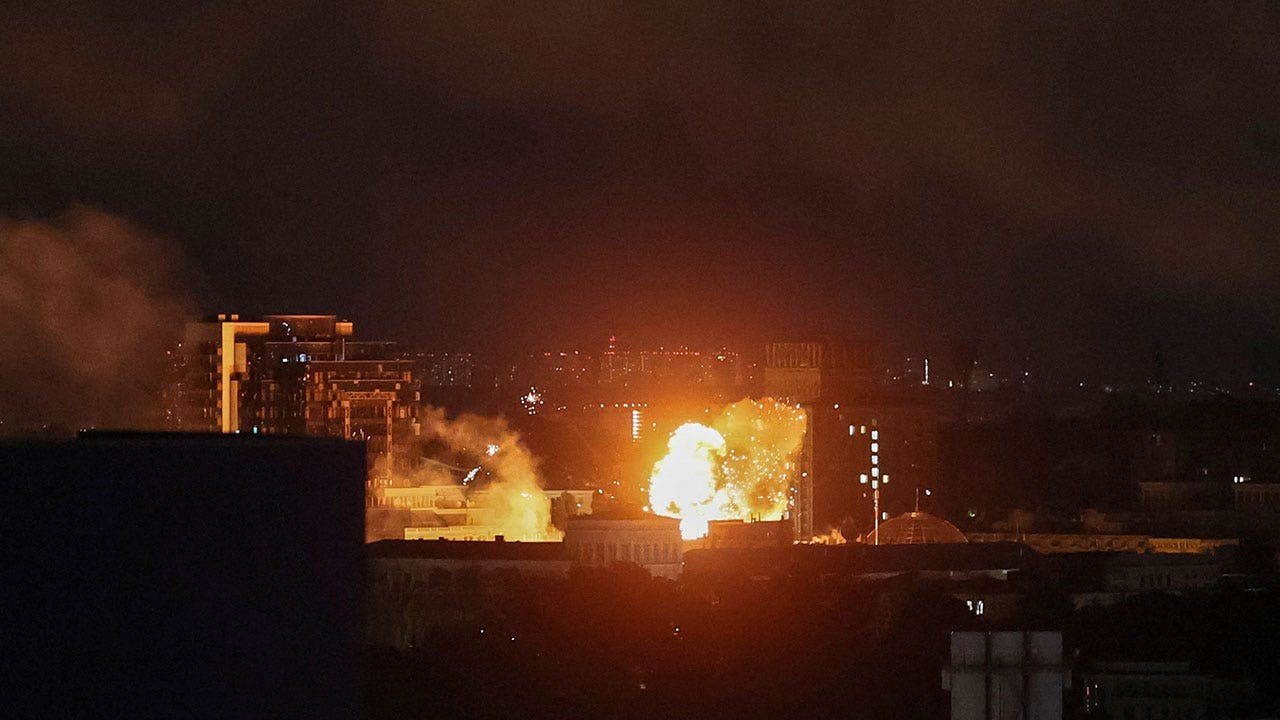
Russia launched a ballistic missile attack on Ukraine’s capital early Thursday, with multiple explosions reported across Kyiv, according to Ukrainian officials.
Kyiv Mayor Vitali Klitschko urged residents to seek shelter as blasts rocked the city. Reuters, citing a witness, reported hearing multiple explosions.
The Ukrainian Air Force also said Russia was targeting the capital with ballistic missiles.
RUSSIA UNLEASHES NEARLY 600 MISSILES AND DRONES ON KYIV IN DEADLIEST STRIKE SINCE MAY
An explosion lights up the sky over the city during a Russian missile and drone strike amid Russia’s attack on Ukraine, in Kyiv, July 2, 2026. (Gleb Garanich/Reuters)
Klitschko later said several non-residential sites caught fire following the strikes. There were no immediate reports of casualties.
The attack came just hours after Ukrainian President Volodymyr Zelenskyy warned that Russia appeared to be preparing a major overnight assault.
«I received a report from Air Force Commander Anatolii Kryvonozhko,» Zelenskyy wrote on X Wednesday, saying Russia had prepared a «massive attack several days ago» and that there was a «high probability» it would be carried out overnight.
ZELENSKYY SAYS PUTIN ‘LOST THE INITIATIVE’ AS UKRAINE’S TECH INDUSTRY RESHAPES THE WAR
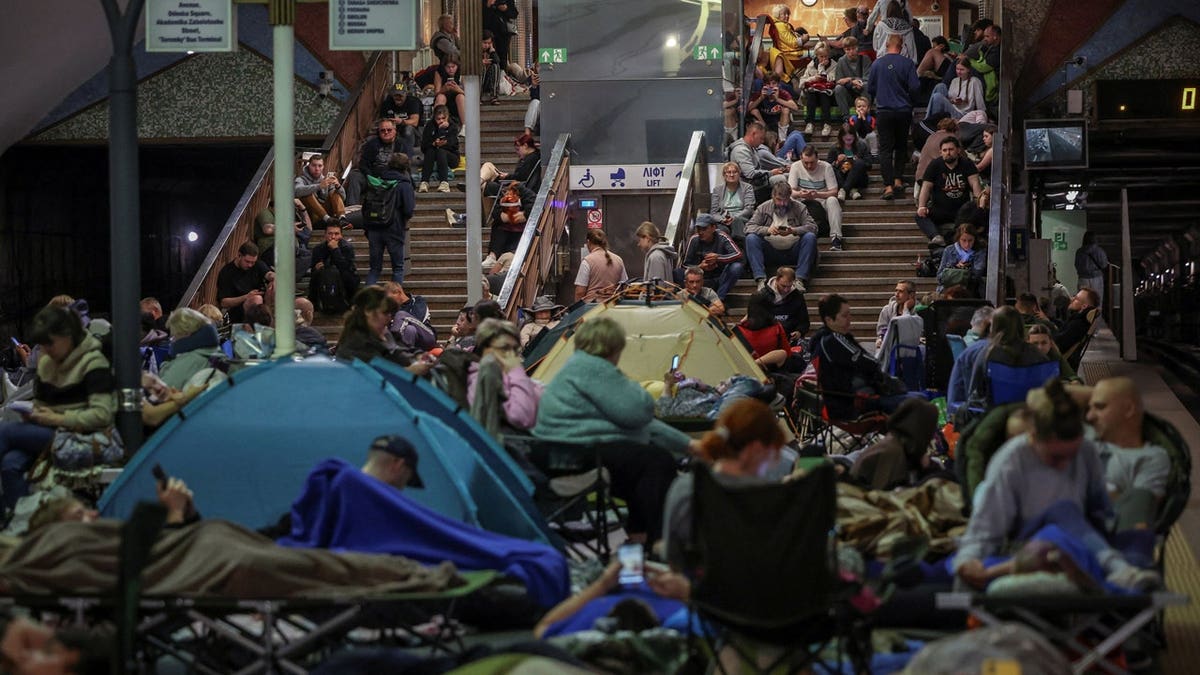
People take shelter inside an overcrowded metro station during a Russian missile and drone strike amid Russia’s attack in Kyiv, Ukraine, July 30, 2026. (Alina Smutko/Reuters)
«It is important that our partners fully understand what is happening and that the protection of lives directly depends on their readiness, or lack thereof, to help us with air defense missiles,» Zelenskyy said.
The Ukrainian president made the appeal after returning from the United States, where he met with President Donald Trump.
Trump recently announced at the NATO summit in Turkey that the United States would license Ukraine to manufacture Patriot air defense systems, according to The Associated Press.
«First and foremost, this concerns the United States and those partners that have Patriot missiles and can provide them to support our defense,» Zelenskyy wrote.
CLICK HERE TO DOWNLOAD THE FOX NEWS APP
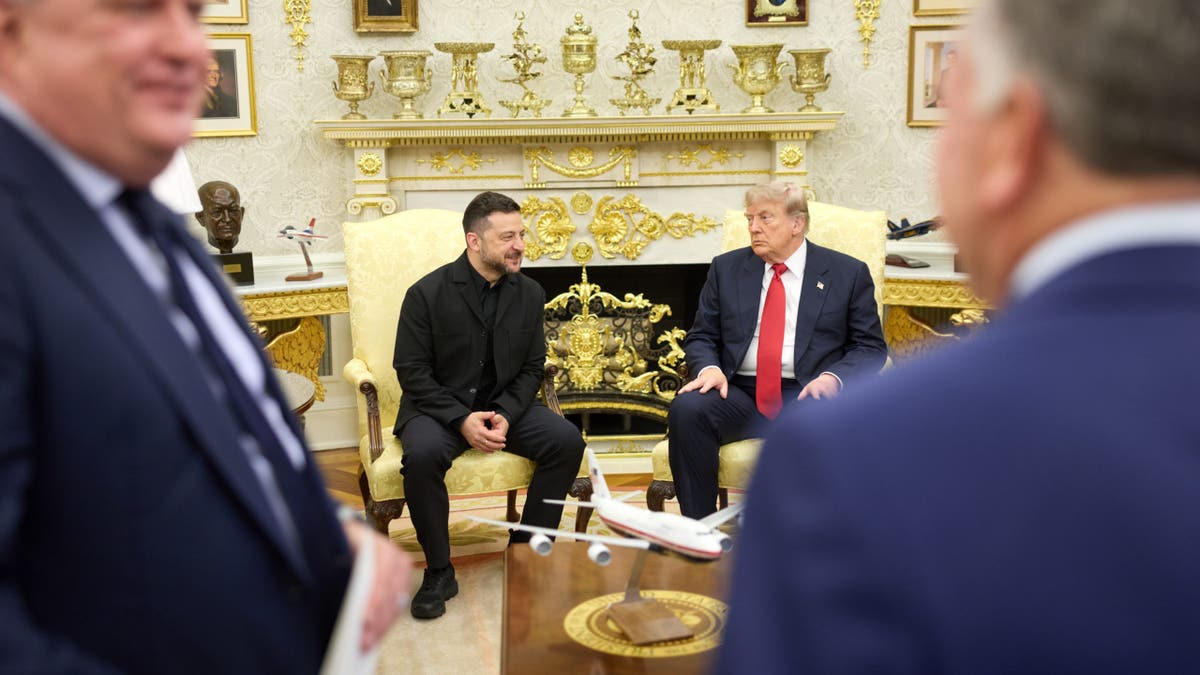
Ukrainian President Volodymyr Zelenskyy met with President Donald Trump at the White House during his visit to Washington, D.C., July 28, 2026.
«Every partner knows what is needed and fully understands the consequences of marking time.»
Fox News Digital’s Emma Bussey and Reuters contributed to this report.
world, ukraine, volodymyr zelenskyy, russia
NEWYou can now listen to Fox News articles!
Acting Attorney General Todd Blanche’s chances of confirmation were derailed Wednesday, less than 24 hours before a pivotal vote in the Senate.
It’s another chapter in the troubled saga that has followed Blanche since he was tapped to replace former Attorney General Pam Bondi and one that boils down to issues among Blanche, the Department of Justice (DOJ) and two key Republicans who control his fate in the Senate Judiciary Committee.
Senators John Cornyn, R-Texas, and Thom Tillis, R-N.C., are demanding that the DOJ provide explicit, written proposals to modify the settlement deal reached between the IRS and President Donald Trump and his family earlier this year.
TRUMP AG PICK TODD BLANCHE FACES SENATE TEST IN FIRST MAJOR CONFIRMATION FIGHT SINCE GRAHAM’S DEATH
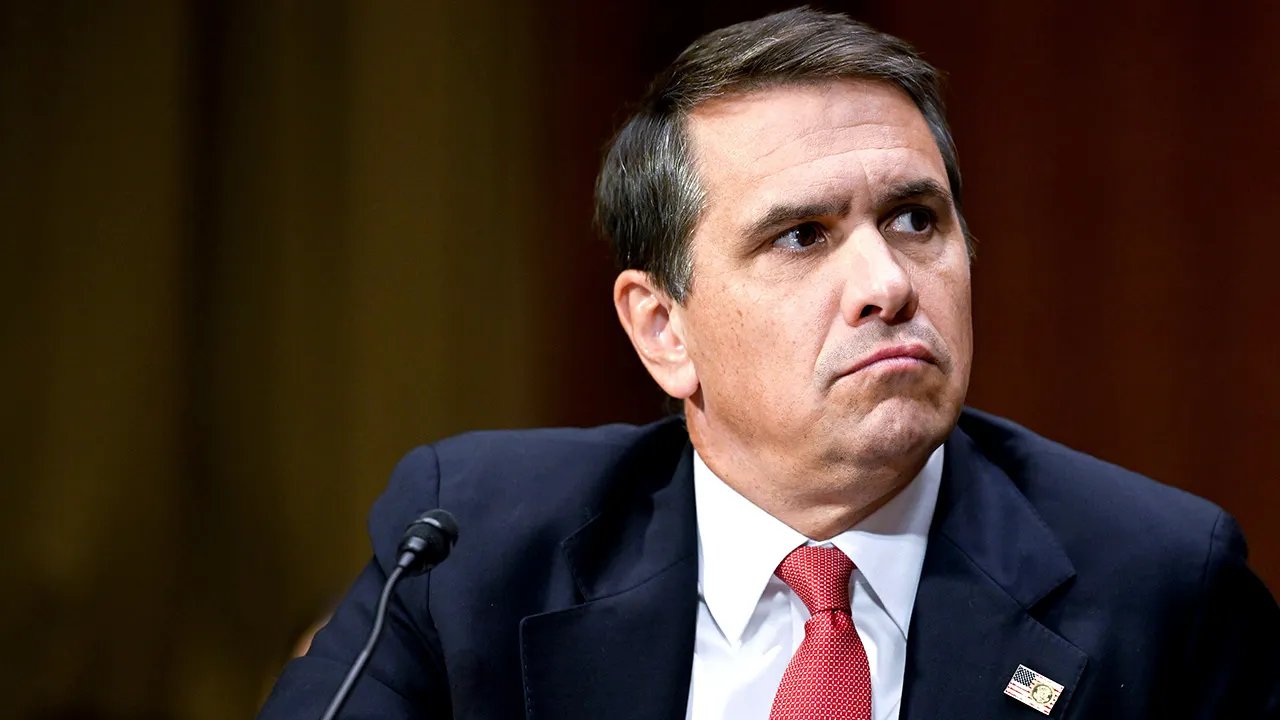
Todd Blanche, nominee for U.S. deputy attorney general, testifies before the Senate Judiciary Committee in Washington, D.C., on Feb. 12, 2026. (Daniel Heuer/Bloomberg via Getty Images)
Senate Majority Leader John Thune, R-S.D., had hoped a deal could be struck and allow for the confirmation to move forward, eying next week as the major floor vote to formally confirm Blanche as Bondi’s replacement.
«I think that that’s an issue between, right now, the White House and Senators Cornyn and Tillis,» Thune said. «But, yeah, I would encourage them to sit down, which I think they are, and try to come to a resolution there so that the markup can continue tomorrow, and we can get Todd Blanche ready for the floor.»
The DOJ had until 4 p.m. Wednesday to get the lawmakers what they wanted, but the agency fell short, and Blanche’s bumpy carriage ride to confirmation turned into a pumpkin.
Without a guarantee that Cornyn or Tillis would vote to confirm Blanche, Senate Judiciary Committee Chair Chuck Grassley, R-Iowa, opted to postpone the hearing until a later date.
Their targets are the now-defunct, nearly $2 billion anti-weaponization fund and the president’s audit immunity. Republicans and Democrats alike railed against the fund, particularly over concerns that the funding would go to people involved in the Jan. 6, 2021, riots on Capitol Hill.
Trump’s audit immunity has similarly ruffled feathers. Blanche, in his announcement of the settlement deal earlier this year, outlined that, as part of the agreement, the IRS would not be allowed to audit Trump, his family or affiliated companies.
DEMS REJECT TRUMP’S TOP SPY PICK AFTER DEMANDING REPLACEMENT, LEAVING COUNTER-TERROR TOOL IN AIR
Cornyn has proven the most resistant until his demands are met. He’s used his newfound freedom to extract concessions from the Trump administration in recent weeks.
His push for an explicit end to the audit language in the settlement agreement is another such example. The longtime lawmaker, who will exit the Senate at the end of this year after being ousted by the Trump-backed Ken Paxton, was set to meet Blanche Wednesday morning.
But the confab was called off, and Blanche continued making the rounds in the Senate throughout the day, capping off his visit to the Capitol with Senate Majority Whip John Barrasso, R-Wyo. He declined to comment to reporters on his way out.
Cornyn said it was «made clear from the outset that we expected some written proposals to modify the release that was signed in the tax dispute with President Trump and his organization.»
«We need to conform the actual document to what Todd Blanche testified under oath as the president’s acting attorney general,» Cornyn said. «We’ve had two meetings scheduled that have now been canceled because they have not been responsive in providing those written documents.»
TRUMP AG PICK HANGS BY A THREAD AS KEY GOP SENATORS REFUSE TO COMMIT

Sen. John Cornyn, R-Texas, departs a meeting with Senate Republicans at the U.S. Capitol in Washington, D.C., June 4, 2026. (Kent Nishimura/AFP via Getty Images)
Trump, when asked about the holdup in the Senate for Blanche, portrayed himself as a president at an arm’s length from the situation and said he heard his attorney general pick was «going through quite nicely.»
«Well, all I can say is Todd Blanche is outstanding. And I thought he’s — I thought it was pretty routine because he’s so good,» Trump told reporters in the Oval Office. «You just wouldn’t find a better person. So, I don’t know, maybe John Cornyn is upset with me because I didn’t endorse him. I don’t know what it is, but I haven’t heard that there’s a problem.»
Tillis made clear he doesn’t «have a beef with DOJ or with Blanche.»
«They’re trying to get it done, but still gotta get it done,» Tillis said.
He also noted that the number of hurdles that getting those kinds of written proposals through was more extensive than meets the eye. For example, Tillis said the actual settlement likely was signed by the president’s lawyer and not Trump himself.
CLICK HERE TO DOWNLOAD THE FOX NEWS APP
«So there’s, you know, there’s a circle of people that have to go through the loop,» he said. «And I get that, but, you know, if we can get it done or possibly get him reported out on Tuesday, if they schedule a markup, I would support that if we get the language.»
politics, senate elections, todd blanche, justice department, chuck grassley
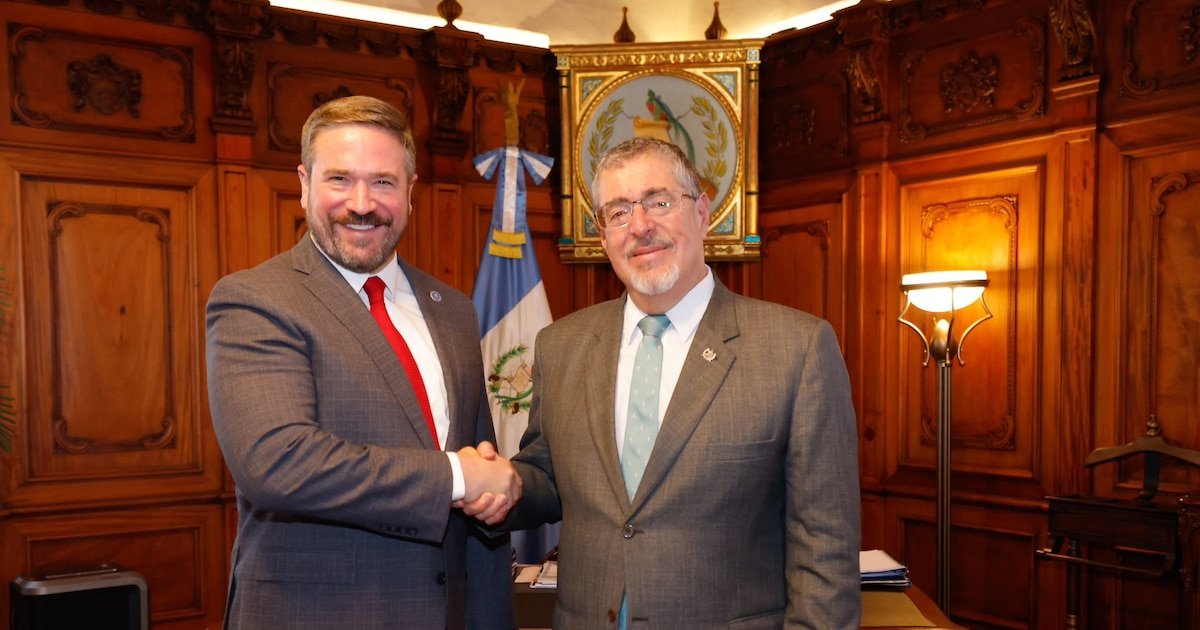
El subdirector adjunto del Buró Federal de Investigaciones (FBI, por sus siglas en inglés), Andrew Bailey, visitó Guatemala este 29 de julio para reforzar la cooperación bilateral en seguridad y justicia, en una agenda que incluyó una reunión con el presidente Bernardo Arévalo
De acuerdo con la Embajada de Estados Unidos en Guatemala, el viaje forma parte de la estrategia de Washington para combatir organizaciones criminales transnacionales y otras amenazas antes de que alcancen territorio estadounidense.
Por su parte, el presidente guatemalteco informó a través de sus redes sociales que el encuentro está orientado a reafirmar el compromiso de ambos países de fortalecer la colaboración frente al crimen transnacional y de respaldar a las instituciones encargadas de la seguridad.
En un video divulgado por la Embajada de Estados Unidos en Guatemala, Bailey afirmó: “Estoy aquí en la Ciudad de Guatemala para fortalecer la alianza bilateral en materia de seguridad entre Estados Unidos y Guatemala”.
El funcionario estadounidense también vinculó esa cooperación con la línea política del presidente Donald Trump, en la que resalta la prioridad de proteger el territorio estadounidense mediante la desarticulación de organizaciones criminales y la detención de personas que representen una amenaza para la seguridad del país.
“Esto refleja el compromiso del presidente Trump con la política de ‘Estados Unidos primero’ y con la protección de la nación estadounidense, mediante el desmantelamiento de organizaciones criminales y la detención de terroristas antes de que puedan amenazar las fronteras y comunidades de Estados Unidos”, manifestó Bailey en su mensaje.
Andrew Bailey, codirector adjunto del FBI, ofrece un mensaje durante su visita a Guatemala este 29 de julio de 2026. Bailey sostuvo que su presencia buscó fortalecer la alianza bilateral en materia de seguridad entre Estados Unidos y Guatemala.
La Embajada de Estados Unidos señaló que la visita de Bailey se inscribe en la estrategia del Gobierno estadounidense para reforzar el trabajo conjunto con Guatemala contra redes criminales transnacionales. El enfoque, según esa explicación oficial, abarca tanto a esas estructuras como a otras amenazas a la seguridad.
Bailey definió a Guatemala como un “socio confiable y valioso” y sostuvo que la relación bilateral sigue fortaleciéndose sobre la base de intereses compartidos. Esa definición apareció en el video difundido por la sede diplomática durante la jornada.

Arévalo utilizó un tono similar al comunicar su reunión con el funcionario del Buró Federal de Investigaciones. “Guatemala es un socio serio, confiable y comprometido con la seguridad y la justicia. Fue un gusto recibir al señor Andrew Bailey, codirector adjunto del FBI, en una productiva visita a Guatemala”, expresó el mandatario.
La respuesta central del encuentro fue una: Guatemala y Estados Unidos acordaron profundizar la cooperación bilateral en seguridad y justicia para enfrentar amenazas vinculadas al crimen transnacional. Esa fue la definición compartida en los mensajes públicos del presidente guatemalteco y del funcionario estadounidense.

Arévalo afirmó que ambos países reforzarán la colaboración para enfrentar esas amenazas y fortalecer a las instituciones responsables del área. Bailey, por su parte, remarcó que la cooperación busca combatir las redes criminales antes de que lleguen a suelo estadounidense.
“La cooperación y la colaboración se fortalecen para enfrentar juntos las amenazas del crimen transnacional y seguir construyendo instituciones al servicio de nuestros pueblos”, resaltó el mandatario guatemalteco.
Guatemala,FBI,Andrew Bailey,Narcotráfico,Crimen organizado,Estados Unidos

Dovbyk y Savinho echan de menos Girona

Bullrich se refirió a las posibilidades de ser candidata en la Ciudad: “Me tengo una fe bárbara”

Russia launches ballistic missile attack on Kyiv hours after Zelenskyy warns of major strike

El Gobierno aún no pagará la multa por la nacionalización de Aerolíneas Argentinas y se prepara para ir a la Corte Suprema de EEUU

Es el periodista más querido por la Selección Argentina, estuvo cerca de Nati Jota y ahora se enamoró de una Gran Hermano y la llevó a Ibiza

Instituto le ganó 2-1 a Platense por la segunda fecha del Torneo Clausura

Crisis entre Milei y Lula: la trama política, personal y geopolítica detrás del mayor choque diplomático entre Argentina y Brasil

San Isidro: la ballena que quedó varada en un banco de arena murió pese al operativo de rescate

Cómo manejar en el hielo y la nieve: técnicas y precauciones para usar el auto en la montaña en vacaciones de invierno

La pelea con Lula y el verdadero desafío que enfrenta Milei

 POLITICA3 días ago
Crisis entre Milei y Lula: la trama política, personal y geopolítica detrás del mayor choque diplomático entre Argentina y Brasil
- ECONOMIA2 días ago
Cómo manejar en el hielo y la nieve: técnicas y precauciones para usar el auto en la montaña en vacaciones de invierno
- POLITICA2 días ago
La pelea con Lula y el verdadero desafío que enfrenta Milei