INTERNACIONAL
Incautan 450 paquetes de presunta cocaína y detienen a cuatro venezolanos en República Dominicana

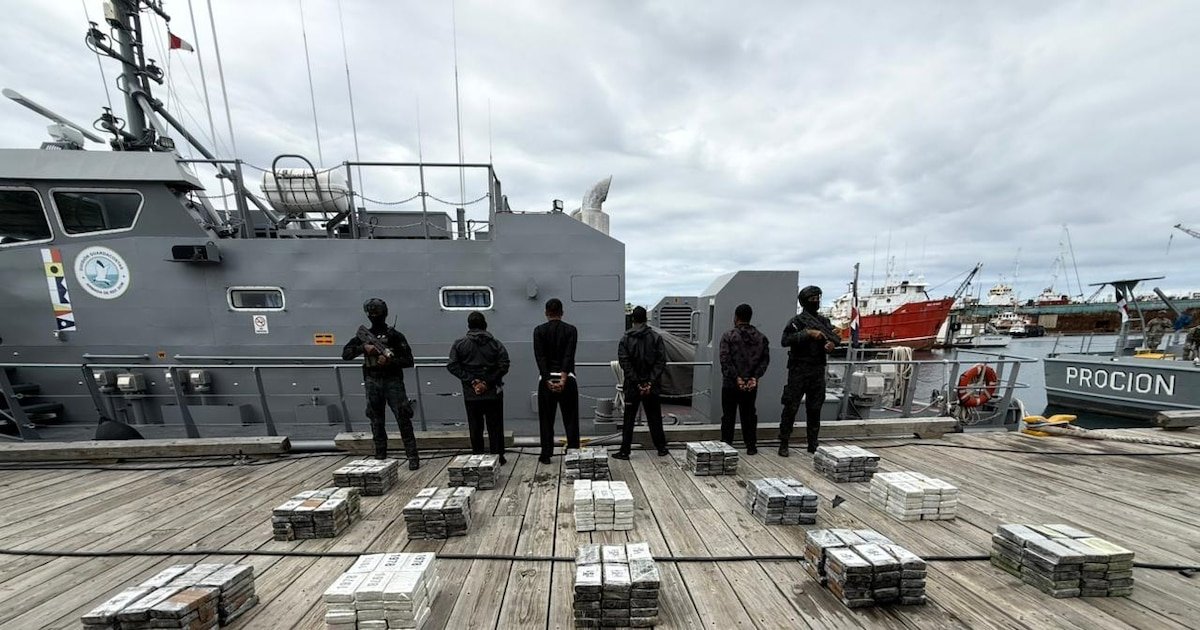
En una de las mayores operaciones antinarcóticos de este año, las fuerzas de seguridad de República Dominicana lograron la incautación de 450 paquetes de presunta cocaína y la captura de cuatro ciudadanos venezolanos en las costas de Baní, provincia Peravia. La acción, descrita por la Dirección Nacional de Control de Drogas (DNCD) como un “cerco total al narcotráfico”, movilizó helicópteros, lanchas rápidas y equipos terrestres en una persecución que se extendió durante más de 12 horas.
Según informó la DNCD en un comunicado, la operación contó con la intervención coordinada de la Armada de República Dominicana (ARD), la Fuerza Aérea (FARD), agencias de inteligencia estatales, y el respaldo de la Administración de Control de Drogas de Estados Unidos (DEA) junto a otras entidades internacionales, bajo la supervisión del Ministerio Público.
Las autoridades establecieron un protocolo de vigilancia que permitió detectar una embarcación con perfil sospechoso que avanzaba hacia costas dominicanas.
El despliegue de medios aéreos, navales y terrestres permitió interceptar la narcolancha a varias millas náuticas al sur de Punta Salinas. Al notar la presencia de las fuerzas de seguridad, los tripulantes arrojaron varias pacas al mar e intentaron maniobrar para huir, pero fueron finalmente neutralizados.
Las autoridades arrestaron a cuatro venezolanos y, tras un operativo de rastreo en la zona, recuperaron de las aguas 15 pacas, en cuyo interior se hallaron 450 paquetes envueltos en fundas plásticas y marcados con distintos logotipos.
La DNCD precisó que “los paquetes de la sustancia fueron enviados al Instituto Nacional de Ciencias Forenses (INACIF), bajo el protocolo de la cadena de custodia, para determinar el tipo y peso exacto del cargamento”.
El Ministerio Público y la DNCD mantienen abiertas las investigaciones para establecer posibles conexiones de esta incautación con redes internacionales de tráfico de drogas.
De acuerdo con la Dirección Nacional de Control de Drogas, los cuatro ciudadanos venezolanos serán presentados ante la justicia en las próximas horas y enfrentarán cargos conforme a la ley 50-88 sobre drogas y sustancias controladas.
Las autoridades destacaron que “estamos frente a estructuras criminales que utilizan narcolanchas bien equipadas con potentes motores fuera de borda y tecnología avanzada de comunicación, cuya modalidad es tratar de introducir a territorio dominicano grandes alijos de drogas procedentes de Sudamérica”.

Durante la operación, participaron unidades especializadas y se emplearon recursos tecnológicos para rastrear la ruta de la embarcación, confirmaron fuentes de la DNCD. El comunicado oficial destaca que la colaboración internacional resultó fundamental para el éxito de la misión, y que las fuerzas de seguridad dominicanas mantienen un “cerco total” contra el narcotráfico en la región.
El balance presentado por la DNCD señala que, con este nuevo golpe, los organismos oficiales han logrado decomisar más de 11 toneladas de drogas en lo que va de 2026. Este resultado refuerza la posición de República Dominicana como uno de los países con mayor capacidad de respuesta en la lucha contra el crimen organizado transnacional en el Caribe.
La DNCD reiteró que el combate al tráfico de drogas sigue siendo una prioridad nacional y regional, y que las operaciones conjuntas continuarán fortaleciéndose en coordinación con organismos extranjeros.
“El trabajo combinado entre las agencias nacionales y socios internacionales refleja el compromiso de mantener a raya el narcotráfico y proteger la seguridad ciudadana”, afirmó la institución en su más reciente reporte.

Las autoridades dominicanas informaron que el destino final de las drogas incautadas suele ser Estados Unidos y Europa, utilizando rutas marítimas que atraviesan el Caribe. La utilización de lanchas rápidas y técnicas de camuflaje sofisticadas representa un desafío constante para las fuerzas de seguridad.
Autoridades reiteraron que la investigación permanece abierta y no se descartan nuevas detenciones vinculadas a esta red.

INTERNACIONAL
NVIDIA advierte que la mayoría de los agentes de inteligencia artificial fracasa al pasar de la prueba a la producción
REUTERS/Dado Ruvic/Ilustración/Foto de archivo
El problema central de los agentes de inteligencia artificial dejó de ser su creación y pasó a ser su sostenimiento en el tiempo, afirmó Marcio Aguiar, director de la división Enterprise de NVIDIA para América Latina, en un comunicado difundido por la compañía. Según el ejecutivo, construir un agente capaz de ejecutar tareas específicas se volvió relativamente sencillo, pero mantenerlo funcionando todos los días, dentro de un presupuesto sostenible y con reglas claras sobre lo que puede o no hacer, es el verdadero obstáculo que enfrentan las empresas.
Los agentes de inteligencia artificial son sistemas que, a diferencia de los modelos que solo responden preguntas o generan texto e imágenes, ejecutan tareas de forma autónoma, acceden a documentos y toman decisiones limitadas dentro de reglas y permisos definidos. Su desarrollo atrajo fuertes inversiones durante el último año y multiplicó los anuncios corporativos, pero la brecha entre lo que las empresas muestran en sus demostraciones y lo que logran sostener en funcionamiento real se convirtió en uno de los debates centrales del sector tecnológico.
“Lo que vemos hoy es que muchas empresas ya han pasado de la fase de experimentación a la implementación de la inteligencia artificial, pero convertir esos proyectos en operaciones consistentes sigue siendo un reto”, sostuvo Aguiar en el comunicado. El directivo describió una distancia concreta entre el momento de la presentación de un proyecto y su funcionamiento sostenido: “Una demostración convence a la junta directiva en veinte minutos, pero lo que realmente define el éxito del proyecto es lo que ocurre en los seis meses siguientes, cuando el agente debe funcionar todos los días, dentro de un costo que la empresa pueda sostener y con reglas claras sobre lo que puede o no puede hacer”.

REUTERS/Ricardo Moraes
El diagnóstico de NVIDIA identifica tres errores recurrentes en las empresas que intentan escalar sus proyectos de agentes autónomos. El primero es subestimar el consumo de recursos computacionales que exigen estos sistemas una vez que pasan de un entorno de prueba a un uso masivo. El segundo es tratar la seguridad y la gobernanza como una etapa posterior al lanzamiento, en lugar de incorporarlas desde el diseño inicial. El tercero es escalar los proyectos sin tener claro el retorno de inversión esperado. La combinación de estos factores deriva, según el ejecutivo, en presupuestos excedidos, agentes desactivados tras incidentes de seguridad y proyectos piloto que permanecen indefinidamente en fase de experimentación sin llegar a producción.
Detrás de este diagnóstico hay un cambio en la naturaleza técnica de los propios agentes. La mayoría de los sistemas que operan hoy se activan mediante un comando puntual, ejecutan una tarea específica y terminan su actividad. Los llamados agentes autónomos de larga duración, en cambio, funcionan de manera continua en segundo plano: revisan a intervalos regulares sus listas de tareas, identifican cuáles requieren acción, ejecutan lo que está dentro de sus permisos y remiten a personas únicamente los casos que exigen una decisión humana. Este modo de funcionamiento implica un acceso más amplio y constante a datos internos, lo que eleva las exigencias de seguridad respecto de los agentes que se activan de forma puntual.
Aguiar situó esta discusión en el centro de la conversación que, según anticipa, dominará al sector en los próximos meses. “La pregunta que se hará el mercado de ahora en adelante no es quién tiene un agente, sino quién logra mantenerlo operando de manera segura y generando resultados”, planteó el ejecutivo, para quien las compañías que traten la infraestructura de soporte como un componente estratégico, y no como una capa técnica secundaria, estarán mejor posicionadas para escalar sus proyectos de inteligencia artificial.
Aguiar concluyó que la diferencia entre las empresas en los próximos dos años no estará determinada por el acceso a los modelos de inteligencia artificial, cada vez más equiparado entre competidores, sino por la capacidad de convertirlos en operaciones confiables bajo las reglas específicas de cada negocio. Esa capacidad de sostener en el tiempo lo que hoy funciona en una demostración será, según el planteo de NVIDIA, el factor que determine qué empresas logren capturar el valor prometido por la inteligencia artificial agéntica y cuáles queden atrapadas en una fase de experimentación permanente.
Europe
INTERNACIONAL
Dems reject Trump’s top spy pick after demanding replacement, leaving counter-terror tool in air
Jay Clayton set for DNI confirmation hearing
Fox News chief congressional correspondent Chad Pergram reports on Jay Clayton’s Senate confirmation hearing as he looks to become the next director of national intelligence. Pergram also reports House Republicans are linking the SAVE America Act to a State Department funding bill following the expiration of the FISA program.
NEWYou can now listen to Fox News articles!
Senate Democrats demanded a new, experienced person to lead the nation’s spy agencies, but when given the chance, they rejected President Donald Trump’s latest pick.
Still, their resistance was not enough to stop Republicans from confirming Jay Clayton to be the next Director of National Intelligence (DNI) to replace former DNI Tulsi Gabbard. Clayton, who was tapped to be the top prosecutor in Manhattan last year, was confirmed on a party line vote Tuesday.
He will replace acting DNI and Federal Housing Finance Agency director Bill Pulte, whose interim appointment prompted Senate Democrats to demand an immediate, permanent replacement over fears that Pulte would weaponize the nation’s 18 intelligence agencies or try to dismantle them.
SENATE CLEARS WAY FOR TRUMP’S TOP SPY AS KEY ANTI-TERROR PROGRAM REMAINS IN LIMBO
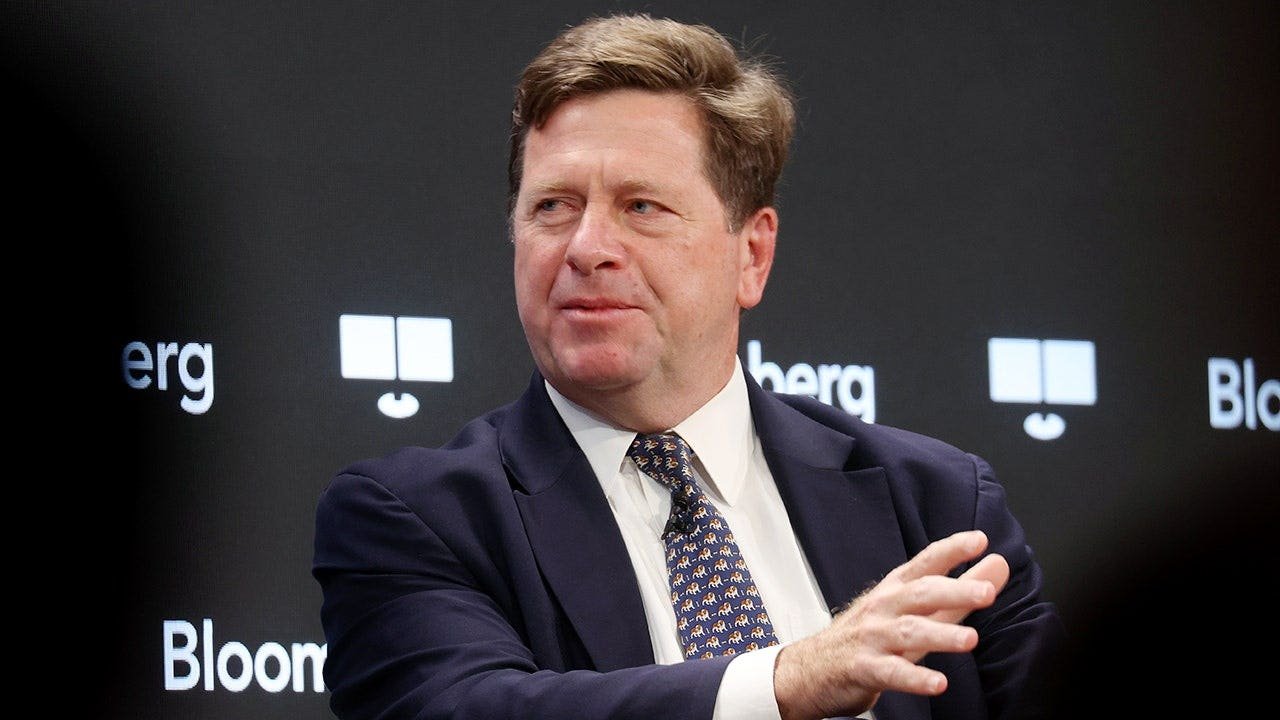
Jay Clayton, U.S. attorney for the Southern District of New York (SDNY), during the Bloomberg Global Credit Forum in New York, US, on Wednesday, June 3, 2026. (Michael Nagle/Bloomberg via Getty Images)
Clayton’s confirmation was thought to be a means to an end for the ongoing standoff over Section 702 of the Foreign Intelligence Surveillance Act (FISA), a tool that has been used to thwart several terror plots, including a planned mass-casualty event at a Taylor Swift concert in Vienna, Austria.
However, they changed their tune when it came time to vote, and after a contentious confirmation hearing where only Republicans voted to send him to the Senate floor.
«As Senate Republicans move to once again confirm an inexperienced and unqualified nominee to a position of massive national security consequence for years to come, one thing remains clear — this type of politicized leadership will only make Americans less safe,» Sen. Adam Schiff, D-Calif., said in a statement.
Boiled down, the Section 702 program allows the U.S. government to collect intelligence on foreigners abroad who are using U.S. communication systems, and it serves as a major part of Trump’s daily intelligence briefing.
LAWMAKERS SCRAMBLE AFTER TRUMP DERAILS BID TO REVIVE KEY COUNTERTERRORISM TOOL DAYS AFTER FBI THWARTS UFC PLOT
But it also sweeps up communications from Americans who are talking to foreign suspects — a key issue that threatened reauthorization among privacy hawks in both parties well before Pulte’s appointment and Clayton’s subsequent nomination.
The program expired, however, last month in response to Pulte’s appointment, despite warnings from Republicans that allowing Section 702 to go dark could have dire national security consequences.
And Clayton’s confirmation, for now, does not appear to be breaking through the partisan logjam. Sen. Mark Warner, D-Va., and the top Democrat on the Senate Intelligence Committee, told Fox News Digital that the pressure wasn’t on to reauthorize FISA.
«Democrats have refused to pass a bipartisan FISA bill until a new DNI is confirmed,» a spokesperson for Senate Intelligence Committee Chair Tom Cotton, R-Ark., told Fox News Digital. «Now that Jay Clayton is confirmed, it’s time for them to stop playing politics with national security and put up the votes to give our intelligence community the tools it needs to keep this country safe.»
TRUMP’S DNI PICK CLEARS KEY HURDLE, REVIVING PATH FOR NATION’S TOP ANTI-TERROR SURVEILLANCE PROGRAM
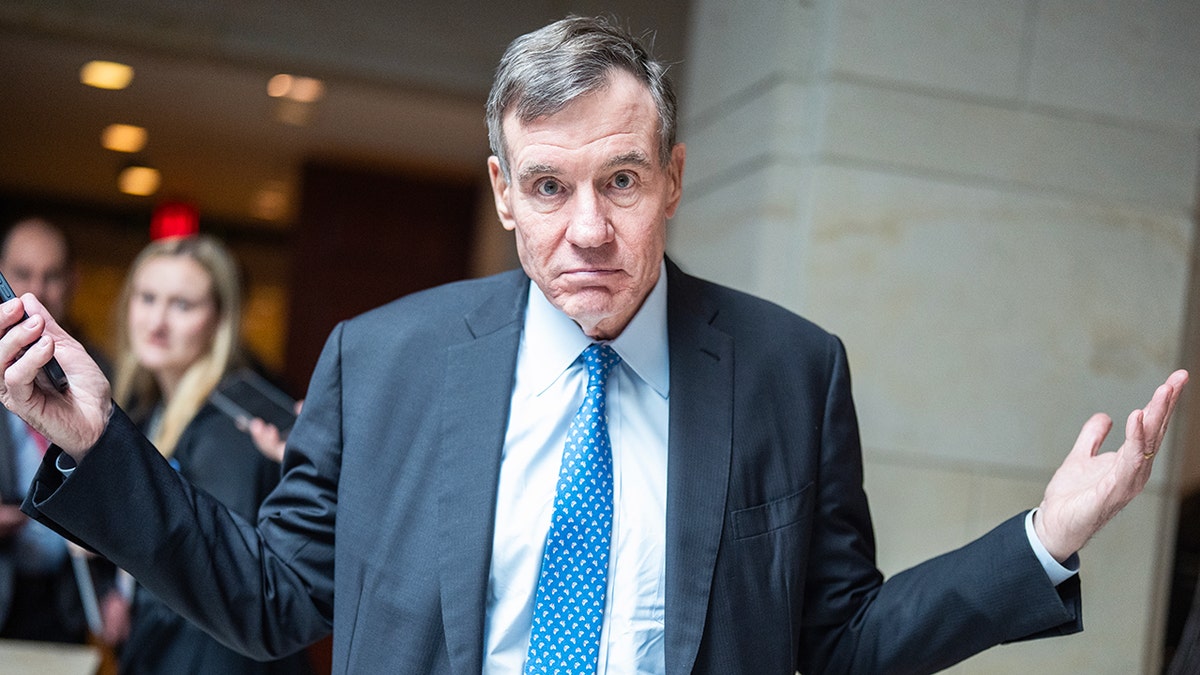
Sen. Mark Warner, D-Va., arrives to the Capitol Visitor Center for a briefing about Iran on Tuesday, February 24, 2026. (Tom Williams/CQ-Roll Call, Inc via Getty Images)
«You know … we don’t have the immediate time pressure because the communication providers are still cooperating,» Warner said.
Before the deadline to reauthorize, lawmakers had differing trains of thought on what would exactly happen should it go completely dark. Some argued that it would slowly draw down, given that FISA courts had already authorized continued intelligence gathering until 2027.
Others worried that telecommunications giants, like Google, would ignore agreements without explicit authorization from Congress.
CLICK HERE TO DOWNLOAD THE FOX NEWS APP
But, as Warner noted, the latter isn’t happening.
Still, it leaves Clayton and the intelligence community on a murky path forward in the months ahead. And there’s not much time left on the Senate’s calendar to tackle the issue. The upper chamber is slated to leave Washington after the first week of August, and won’t return until early September. From there, keeping the government open will be a top priority for Senate Majority Leader John Thune, R-S.D.
politics, senate elections, national security, tulsi gabbard, donald trump
INTERNACIONAL
Los supermercados municipales de Zohran Mamdani con 30% de descuento están destinados al fracaso: la lección de MERCAL en Venezuela, los fantasmas de Detroit y la Nueva York de 1975

El presupuesto de los $125.800 millones de dólares: parches, recortes y la «herencia pesada»

El espejo de MERCAL y la anatomía del colapso venezolano


¿Por qué Nueva York no es Venezuela? Diferencias y la visión de la diáspora venezolana


Los antecedentes urbanos: la «Vía Detroit» y la crisis de Nueva York de 1975


De México a la India: el fracaso de los subsidios al abasto en modelos internacionales


Las señales de alerta financiera en el mercado de 2026 para Nueva York


Aparecieron las hijas de Mauro Icardi: las fotos que mostró Wanda Nara tras sufrir un robo y quedar traumadas

Dubois habló sobre la caída de la confianza en el Gobierno: “Una medición aislada no marca una tendencia”

San Lorenzo le ganó 1-0 a Gimnasia de Mendoza y logró el primer triunfo en el ciclo de Néstor Gorosito como entrenador

Un presidente con el método del escrache

NVIDIA advierte que la mayoría de los agentes de inteligencia artificial fracasa al pasar de la prueba a la producción

Dems reject Trump’s top spy pick after demanding replacement, leaving counter-terror tool in air

Crisis entre Milei y Lula: la trama política, personal y geopolítica detrás del mayor choque diplomático entre Argentina y Brasil

Cuentapropismo emocional en lo profundo del conurbano

San Isidro: la ballena que quedó varada en un banco de arena murió pese al operativo de rescate

Joaquín Furriel contó cómo fue ver la final del Mundial con su novia española: “Una situación incómoda”

 POLITICA2 días ago
Crisis entre Milei y Lula: la trama política, personal y geopolítica detrás del mayor choque diplomático entre Argentina y Brasil
- POLITICA3 días ago
Cuentapropismo emocional en lo profundo del conurbano
- SOCIEDAD2 días ago
San Isidro: la ballena que quedó varada en un banco de arena murió pese al operativo de rescate