INTERNACIONAL
US targets Chinese refinery in sweeping Iran oil crackdown, sanctions ‘shadow fleet’ tankers

NEWYou can now listen to Fox News articles!
The U.S. Treasury’s Office of Foreign Assets Control (OFAC) on Friday sanctioned a major Chinese oil refinery and dozens of ships tied to Iran’s «shadow fleet,» escalating efforts to choke off Tehran’s main source of revenue.
Officials said in a press release the move targets Hengli Petrochemical, one of Iran’s largest oil buyers, along with a network of shipping companies and tankers responsible for transporting billions of dollars worth of petroleum products to foreign markets.
The Treasury Department identified these «shadow fleet» vessels as the financial lifeline for Iran’s «unstable regime.»
SECOND TANKER SEIZED NEAR VENEZUELA AS US ENFORCES OIL BLOCKADE
The crackdown is part of Economic Fury, a broader campaign to squeeze Iran’s economy by limiting its ability to sell oil abroad, revenue the U.S. says funds the regime’s military and destabilizing activities across the Middle East.
«Economic Fury is imposing a financial stranglehold on the Iranian regime, hampering its aggression in the Middle East and helping to curtail its nuclear ambitions,» Treasury Secretary Scott Bessent said.
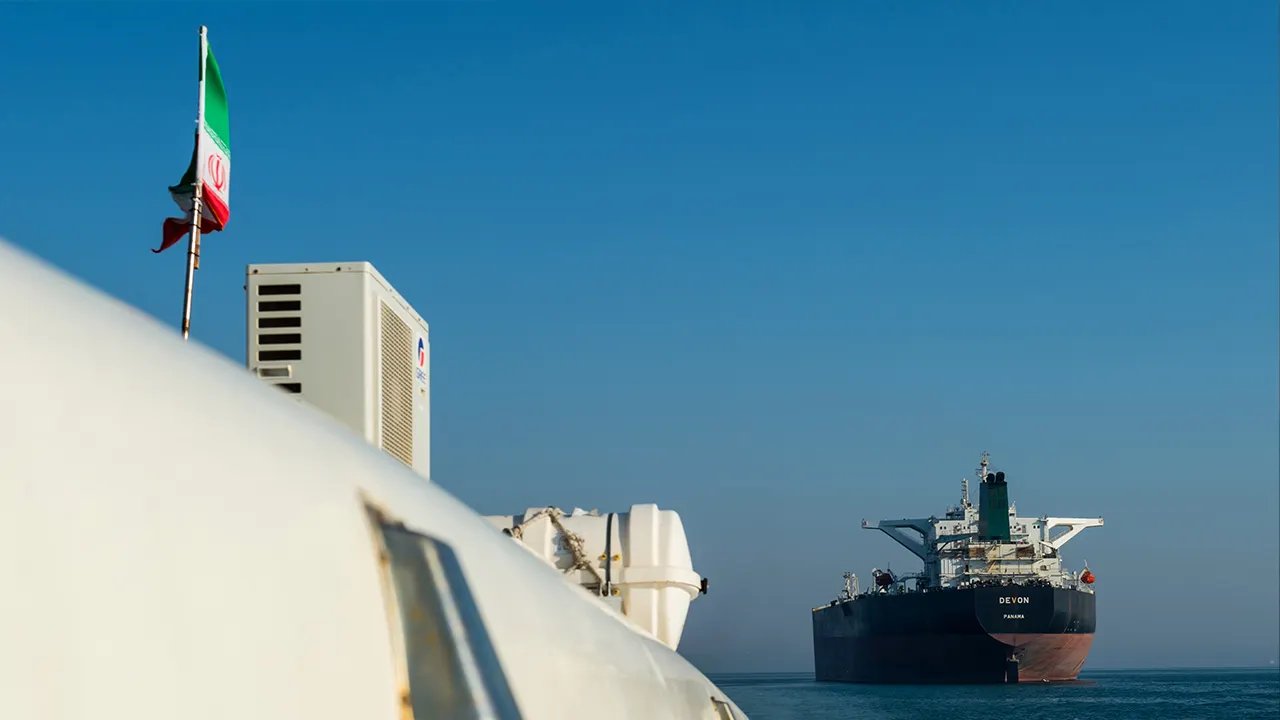
An oil tanker near the terminal at Kharg Island, Iran, as U.S. officials and analysts consider whether seizing the island could significantly impact Iran’s oil exports. (Ali Mohammadi/Bloomberg via Getty Images)
Hengli Petrochemical (Dalian) Refinery Co. is a China-based «teapot» refinery, a term used for independent facilities known for purchasing discounted crude, including from sanctioned countries.
The refinery, one of China’s largest independent facilities, has received Iranian oil cargoes from sanctioned shadow fleet vessels since at least 2023. Hengli has also purchased oil tied to Iran’s armed forces, generating hundreds of millions of dollars for the Iranian military.
Hengli has also received shipments tied to Sepehr Energy Jahan Nama Pars Company, a firm identified by U.S. officials as a front for Iran’s armed forces that helps facilitate oil sales abroad.
The company operates on behalf of Iran’s Armed Forces General Staff, using a network of intermediaries and vessels to move sanctioned crude, with proceeds helping fund the country’s military programs and regional proxy groups.
IRAN’S REMAINING WEAPONS: HOW TEHRAN CAN STILL DISRUPT THE STRAIT OF HORMUZ
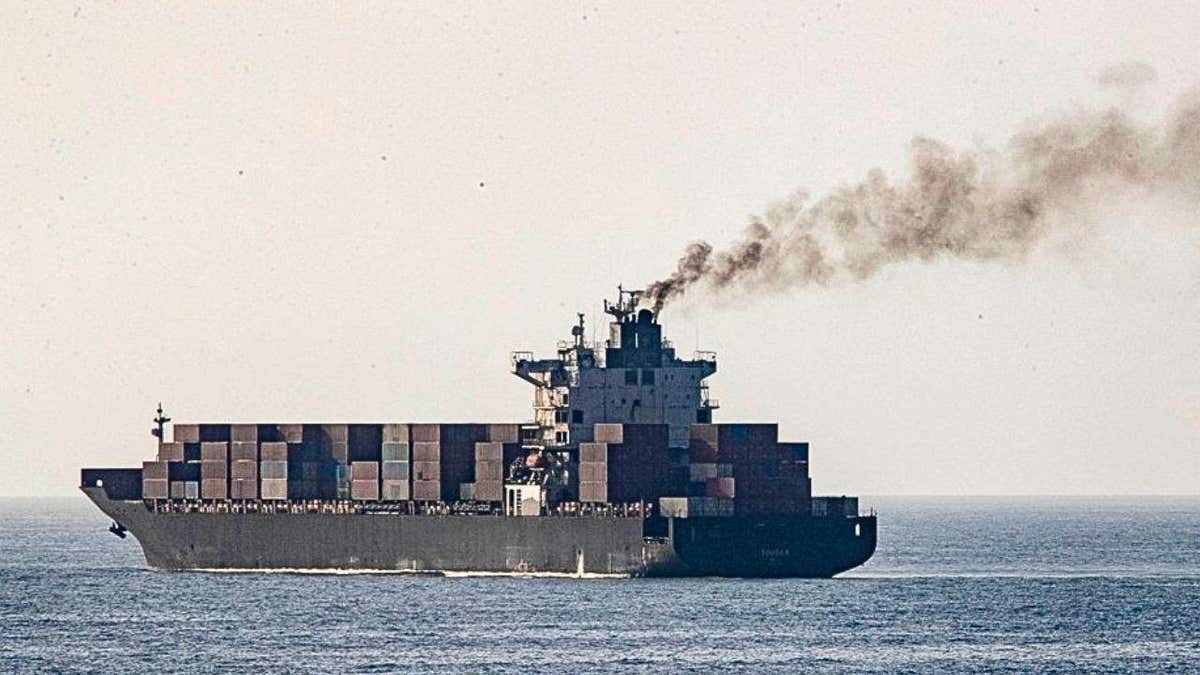
The Iranian-flagged Touska cargo ship after U.S. forces launched missiles at its control room after its violation of the U.S. blockade in the Strait of Hormuz April 20, 2026. (U.S. Central Command )
The new sanctions also target the network that makes these oil sales possible, a «shadow fleet» of aging tankers and shell companies that move petroleum across global markets while evading sanctions and obscuring the origin of shipments.
These ships avoid detection by transferring cargo from one tanker to another in the open ocean. Treasury officials said 19 vessels were targeted in the action.
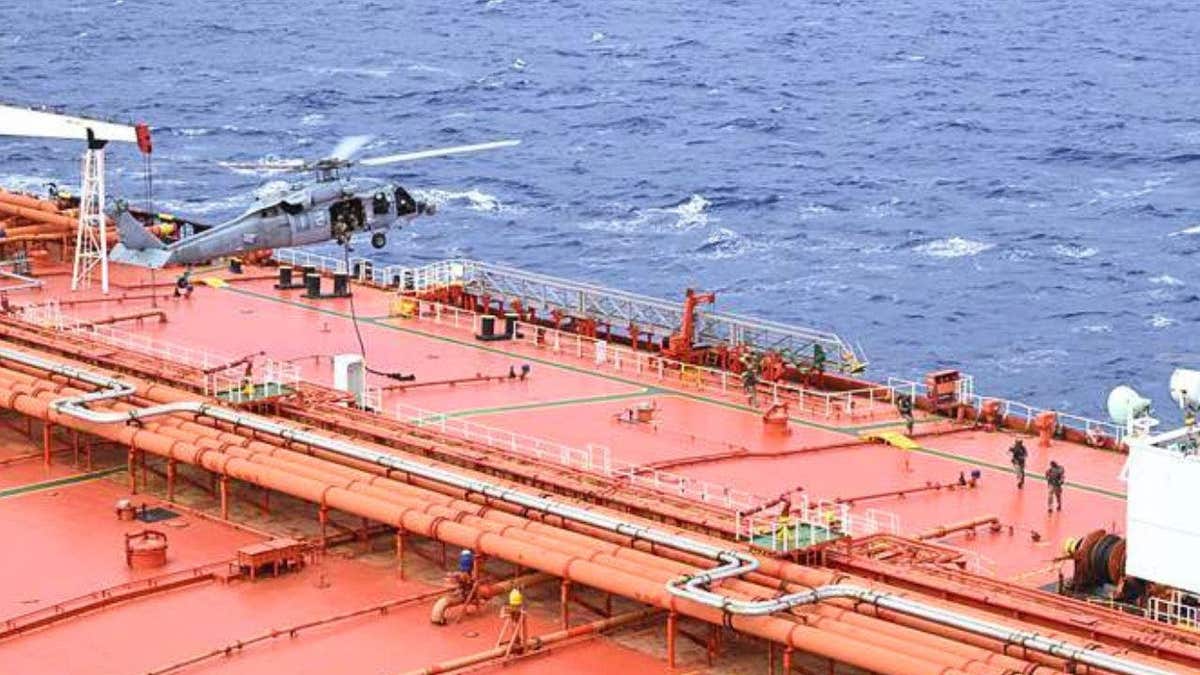
A U.S. military helicopter hovers over the sanctioned stateless crude oil tanker M/T Tifani during an interdiction April 21, 2026. (Department of War)
The move is part of the Trump administration’s renewed «maximum pressure» campaign against Iran, aimed at cutting off the regime’s primary source of revenue through oil exports and sanctions enforcement.
CLICK HERE TO DOWNLOAD THE FOX NEWS APP
U.S. officials say oil exports remain the backbone of Iran’s economy, and efforts to restrict those flows are designed to limit the government’s ability to fund its military, support proxy groups and advance its nuclear program.
Treasury officials warned that additional sanctions are likely as the U.S. continues targeting the networks, intermediaries and buyers that enable Iran to move oil on the global market.
iran, sanctions, economy, armed forces, nuclear proliferation, energy












INTERNACIONAL
Habló el guardavidas de 16 años que salvó a un nene en California: “Se iba a ahogar y no iba a dejar que eso pasara”
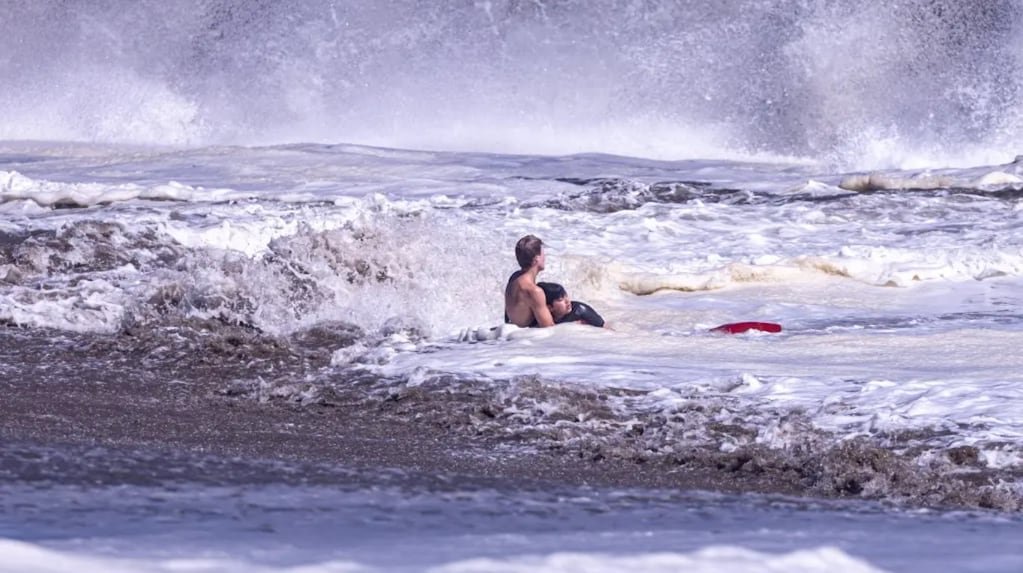
El sábado, en la playa Seabright State Beach de Santa Cruz, Ryder Williams, un guardavidas de apenas 16 años, se convirtió en protagonista de una historia que recorrió todo Estados Unidos. En medio de un mar agitado y con la costa repleta de gente, el adolescente rescató a Nathaniel Rai, un nene de 10 años que había sido arrastrado por las olas.
Williams, que está en su primer año como guardavidas de California State Parks, contó que vio cómo el chico perdió el equilibrio en la orilla y fue arrastrado hacia aguas profundas por la fuerza del mar.
Sin dudarlo, avisó por radio, dejó sus cosas en la base de la torre y corrió hacia el agua con sus aletas y el flotador. Ryder Williams salvó a Nathaniel Rai, de 10 años, en medio de un fuerte oleaje (Foto: Instagram/@Santacruznow).
“No iba a soltar a ese chico”, le contó después a su papá, Shane Williams, un bombero retirado. “Se iba a ahogar y no iba a dejar que eso pasara”, agregó el joven, que no dudó en lanzarse al mar pese a las condiciones peligrosas.
El dramático rescate en medio de olas gigantes
Williams explicó que, debido a la violencia del agua, no pudo colocarle el tubo de rescate al nene, que llegó a quedarse inmóvil mientras las olas los golpeaban una y otra vez.
“Después de la primera ola, no pude sacarlo porque estaba flácido y las olas empujaban con mucha fuerza”, señaló en un comunicado.
El Servicio de Parques de California, que emplea a los salvavidas en esa playa, indicó que el niño fue arrastrado unos 13,7 metros mar adentro antes de que el Ryder lograra alcanzarlo

Ryder Williams con su papá, Shane, un exbombero. (Foto: gentileza The New York Post).
En el video que grabaron testigos. se ve a Williams zambullirse en una ola que venía mientras se aferra con fuerza al niño.
Otro salvavidas, Aaron Bohnen, se lanzó para ayudar, junto con algunos bañistas, a quienes Williams pidió que volvieran a la orilla para no poner más vidas en riesgo.
Williams y Bohnen consiguieron sacar a Nathaniel del agua y llevarlo a la playa, donde Williams buscó el equipo médico para asistir al chico.
Reconocimiento nacional y una invitación especial
El rescate no solo evitó una tragedia, sino que también le valió a Ryder Williams el reconocimiento a nivel nacional. El propio presidente de Estados Unidos, Donald Trump, anunció que planea invitarlo a la Casa Blanca para entregarle una distinción civil por su valentía. Trump anunció que condecorará a Ryder Williams por su valentía. (Foto: captura de X).
Las autoridades destacaron que Williams estuvo asignado a la Torre 2 durante toda la jornada, haciendo controles de seguridad por la gran cantidad de gente y el mar peligroso.
Tras el rescate, el joven volvió a su puesto y terminó su turno como cualquier otro día.
“Estoy agradecido de haber podido devolver al chico a su familia sano y salvo. Este es mi trabajo y amo lo que hago”, expresó Williams en su primer comunicado tras el hecho.
“Estoy agradecido con mis compañeros salvavidas, que realizan rescates como este todos los días”, agregó.
El niño no sufrió lesiones graves y, tras una evaluación médica, se fue con su familia.
El dramático testimonio del padre del nene que fue rescatado
Sumit Rai, el papá del nene, le expresó su gratitud a Ryder en declaraciones a la agencia de noticias AP. “Lo que hizo, nunca jamás podré pagarlo”, afirmó. “Le estaré agradecido para siempre”, manifestó.
El hombre alabó el coraje del adolescente. “Se metió en ese agua pese a esas condiciones mortales. Había olas de 3 metros; hay resacas y corrientes que entran”, dijo Rai “Es peligroso meterse allí, así que estaba arriesgando su propia seguridad”, añadió sobre Ryder.
El hombre, que estaba en Dallas, se enteró de lo que había pasado al hablar por teléfono con su hijo horas después del rescate. “Mi hijo me dijo que se ahogó y que perdió el conocimiento”, comentó.
Y agregó: “Estaba muy apagado, todavía en estado de shock”.
Además, el nene le contó que le entró arena en los pulmones y que la estuvo expulsando al toser después de llegar a la orilla. Según dijo, el nene tuvo pesadillas tras el duro momento: “Fue traumático”
Estados Unidos, guardavidas
INTERNACIONAL
Bombshell voting scandal adds to pattern of noncitizen voters as Trump warns of threat to ‘heart’ of democracy
NEWYou can now listen to Fox News articles!
New Jersey Democratic Gov. Mikie Sherrill’s recent announcement of 6,600 ineligible voters found on the state’s rolls is only the latest in a decades-long string of cases involving noncitizens registered to vote in U.S. elections, records show.
Sherrill said that the ineligible voters were registered due to a «serious software error» in New Jersey’s Motor Vehicle System. Her announcement came within a week of a major address from President Donald Trump in which he warned that digital election interference posed a «cyber threat aimed at the very heart of our democracy.»
While New Jersey is the latest documented failure, it is not an isolated anomaly. New Jersey’s error adds to a 25-year record of state reviews, software failures and prosecutions that found noncitizens on voter rolls and, in some documented cases, casting ballots. Experts say the episodes establish a recurring vulnerability. However, due to the lack of a national standard for identifying and reporting errors, reviews are sporadic and use different methods, making it impossible to determine how widespread the problem truly is.
«It’s a major vulnerability,» Jason Snead, executive director of the conservative think tank the Honest Elections Project, told Fox News Digital. «And we have seen just within the last couple of years many states that have checked their voter rolls and found non-citizens on them … So, this is a big problem.»
NEW JERSEY REMOVES 6,600 PEOPLE FROM VOTER ROLLS WHO WERE ELIGIBLE TO CAST A BALLOT FOR 2024 ELECTION
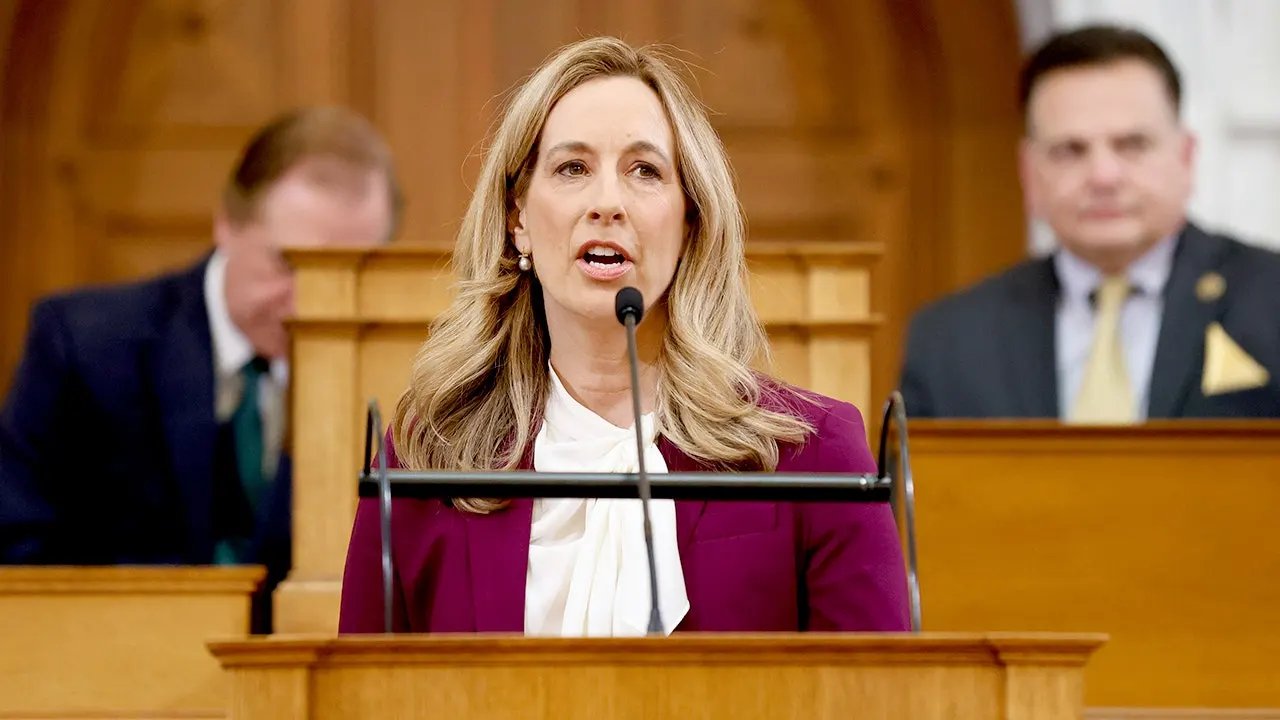
Mikie Sherrill, governor of New Jersey, speaks in the Assembly Chamber of the New Jersey State House in Trenton, New Jersey, US, on Tuesday, March 10, 2026. (Heather Khalifa/Bloomberg via Getty Images)
According to New Jersey’s preliminary findings, fewer than 400 individuals who were improperly registered ended up voting. Sherrill said they lived all across the state and mostly lacked a party affiliation, though there were some registered as Democrats or Republicans.
Fox News Digital reached out to the New Jersey Secretary of State Division of Elections, state Attorney General Dale Caldwell and the chairs of several key legislative elections oversight committees for clarification on which elections the 400 ineligible voters participated in and to request details on the state’s auditing protocols. Fox News Digital did not receive a response from any of the state officials mentioned above.
Snead explained that though states are required by law to ensure their voter rolls are up to date and accurate, there is no uniform federal requirement for a state to disclose its findings. He said that this has led to differences across states in how the law is enforced and how errors are reported.
«There are federal requirements to maintain clean and accurate voter rolls. And of course, it is a federal crime for a noncitizen to register and to vote, but there’s no requirement that a state report how many non-citizens that they have found up to the federal government. That’s entirely a state law question,» he explained.
He argued that problems involving noncitizen voting are greater in blue states due to policies he said make it easier to cheat.
LEAVITT RIPS BLUE STATE’S EXPLOSIVE NONCITIZEN VOTER-ROLL ADMISSION: ‘NOT A COINCIDENCE’
«When you look at the policies that are pushed in blue states by the left, things like automatic voter registration, giving drivers licenses to illegal aliens, banning voter identification laws, no proof of citizenship to vote on and on and, this is the inevitable outcome of all of those policies,» said Snead, adding, «This is not the first time that we’ve seen a state with automatic voter registration add potential non-citizens to the rolls.»
After the president’s speech, Homeland Security Secretary Markwayne Mullin released a statement announcing that preliminary DHS reviews of state records found «as many as» 250,000 noncitizens registered to vote in four states: 35,152 in New Jersey, 190,832 in California, 15,903 in Nevada and 14,576 in Pennsylvania.
Fox News Digital reached out to DHS for clarification on its preliminary findings. However, DHS did not answer Fox News Digital’s questions and instead sent a statement from Mullin reiterating the number.
In the statement, Mullin emphasized to Fox News Digital that «this shouldn’t be a red or blue state issue: ONLY Americans should elect American leaders.» He added that «we’ve put these governors on notice. States must work with us to ensure free, fair, and honest elections.»
Charles Stewart III, a professor of political science specializing in elections at MIT, explained that the controlling federal law governing voter registration, the National Voter Registration Act (NVRA), is «silent on the issue of noncitizens on the roll.»
He told Fox News Digital that because «this was not an issue in the early 1990s … one of the ambiguities right now and controversies is over precisely what sort of obligations states have to audit their rolls for noncitizens.»
«This is really at the crux of the matter and two of President Trump’s executive orders. It’s the crux of the matter in the Save America Act. It is the crux to the matter in the current efforts, well, back to the executive orders and a lot of the lawsuits. And the states are pointing out, when being pressed by the federal government, that yes, it is illegal for noncitizens to vote, for sure, and states should have an obligation to make sure noncitizens are not registering, but there is no federal law that compels states to do investigations, nor is there a federal law to compel them to report.
Meanwhile, states that have published review results have reported concerning findings. Besides New Jersey, state reviews conducted since 2020 have found evidence of significant numbers of noncitizens registered to vote in Louisiana, Iowa, Michigan, Ohio and Illinois, a Fox News Digital review found.
Earlier this year, Louisiana Secretary of State said that using the federal Systematic Alien Verification for Entitlements (SAVE) database, which was rolled out by the Trump administration last year, the state identified 403 noncitizens on its voter rolls, 83 of whom had voted in elections, American Press reported.
In 2025, an audit by the Iowa secretary of state confirmed that 277 noncitizens were registered to vote and that 35 successfully voted in the 2024 election while five attempted to vote but were rejected.
TRUMP RELEASES DECLASSIFIED ELECTION INTELLIGENCE, SAYS IT REVEALS ‘SHOCKING VULNERABILITIES’
The same year, the Michigan Department of State published its findings from a review of the 2024 election, which it said proved that «credible cases of noncitizens casting a ballot in Michigan elections are extremely rare.» The review found that 15 people, who it said «appear to be non-U.S. citizens,» cast a ballot in the election. Additionally, the department identified a Chinese national who allegedly voted illegally.
The Ohio Secretary of State’s Office announced in 2024 and 2021 that it had identified 597 and 117 apparent noncitizen voter registrations, respectively, and referred the cases for further investigation.
According to findings cited in Illinois legislation and testimony by secretary of state officials before the general assembly, a programming error in the state’s automatic voter registration system allowed the records of 574 people who identified themselves as noncitizens to be transmitted to election officials between 2018 and 2019.
Further, officials in Pennsylvania, Texas, Maryland, Colorado, Florida and North Carolina have also reported cases of noncitizens being registered to vote as far back as 2000.
In testimony given to the Pennsylvania House State Government Committee in 2017, then elections commissioner Jonathan Marks revealed that the state had found 1,160 records of apparent noncitizens who self-reported and canceled. Marks said that a deeper analysis of the years 2000 through 2017 found 544 ballots were cast by the identified registrants.
SIGN UP TO GET THE POLITICS NEWSLETTER
In Texas, authorities discovered a resident alien named Rosa Ortega registered in 2002 and voted five times from 2004 through 2014, according to Attorney General Ken Paxton.
In another case, a Ghanaian national named Michael Nana Baako registered to vote in Maryland, swearing that he was a U.S. citizen in 2005 and subsequently voted in 10 federal elections between 2006 and 2018, according to the DOJ.
A 2012 report by the Colorado Department of State revealed that the state identified 3,903 registered voters whose citizenship status was «in question.» An additional 430 Colorado voters were found to have identified themselves as ineligible to vote because of citizenship requirements.
The report noted that in Colorado «no proof is required to validate the status indicated on a registration form.» It said that individuals can register to vote at a driver’s license office, state public assistance office, county office, private voter registration drive, or even online, none of which verify citizenship.
Three reviews conducted by the Florida Department of State for the years between 2013 and 2017 identified 821 noncitizen registrations and 126 people with voting histories.
Meanwhile, a 2017 state audit in North Carolina concluded that 41 legal-status noncitizens cast ballots.
NJ REPUBLICAN SAYS MOTOR VOTER SCANDAL VINDICATES YEARS OF ELECTION INTEGRITY WARNINGS, PUSHES FOR LEGISLATIVE PROBE
(Adam Gray/Bloomberg via Getty Images) (Adam Gray/Bloomberg via Getty Images)
Fox News Digital also reached out to the Justice Department to ask how many individuals the agency has charged with noncitizen voting or unlawful voter registration since 2000. However, a spokesperson for the DOJ did not offer specifics. Instead, the spokesperson sent Fox News Digital a statement assuring that the department’s Civil Rights Division «is investigating and will keep pressing states to clean their rolls» and is «prosecuting cases where the law and evidence support it.»
The DOJ spokesperson reiterated that «it is illegal for any noncitizen to vote in a federal election» and that «every unlawful vote dilutes the voice of American citizens.»
«Whether or not a case is prosecutable doesn’t change the fact that the wrongful vote happened — DHS found over 250,000 likely noncitizens on voter rolls nationwide, and New Jersey’s own Governor confirmed 400 noncitizens voted there,» the spokesperson said.
«The fact of the matter is that election after election after election after election happened and no one did anything about it,» remarked Gene Hamilton, president of America First Legal.
He pointed to a letter sent by the DOJ’s Civil Rights Division to election officials in all 50 states which he said, «reminded them of their obligations and the possibility of legal consequences for not taking action.»
Since President Donald Trump’s return to office, the Civil Rights Division has filed lawsuits against 30 states and the District of Columbia seeking to compel the production of full voter registration lists under the NVRA, according to the Brennan Center for Justice.
«There are ways to fix it,» said Hamilton. «It’s just a matter of desire.»
voter fraud concerns, voting, new jersey, elections, donald trump, politics
INTERNACIONAL
Ucrania bombardeó una instalación energética y almacenes de Wildberries, “el Amazon de Rusia”, en la región de Volgogrado
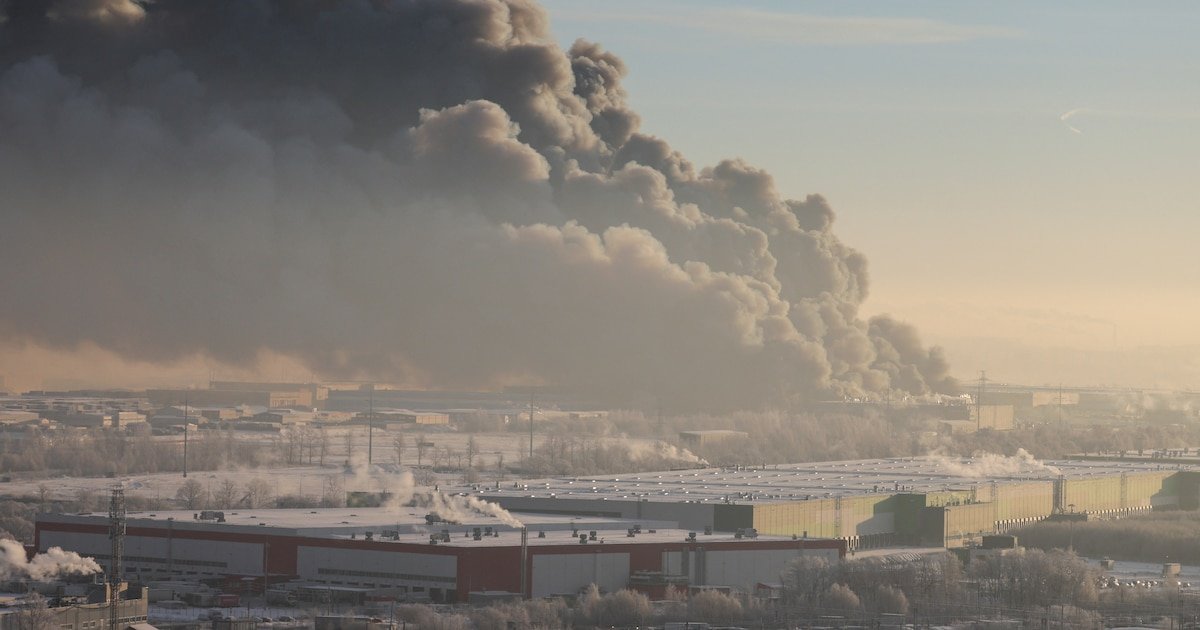
Un ataque con drones provocó un incendio en una instalación energética y en almacenes de la principal empresa de venta online minorista , Wildberries, en la región rusa de Volgogrado este viernes y dejó al menos cinco heridos, según informó el gobernador regional, Andrei Bocharov.
El mandatario no precisó detalles sobre el tipo de instalación afectada, aunque en la zona opera una refinería de petróleo propiedad de Lukoil. Esta instalación es una de las refinerías de petróleo más grandes de Rusia y produce gasolina, gasóleo, combustible para aviación y otros productos derivados del petróleo.
Bocharov indicó a través de Telegram que los cinco heridos recibieron atención médica. En la vecina región sureña de Rostov, una mujer resultó herida tras un ataque con drones en la localidad de Gukovo, según comunicó el gobernador Yuri Slyusar.
En las últimas semanas, Ucrania intensificó los ataques contra centros logísticos rusos, incluyendo almacenes de Wildberries, conocido como “el Amazon de Rusia”, que reportó daños recientes en varias de sus instalaciones. La empresa anunció en Telegram el pago de un segundo tramo de apoyo financiero a cerca de 100.000 vendedores cuyos productos resultaron afectados.
El Gobierno ucraniano sostiene que estos ataques en profundidad en territorio ruso constituyen “sanciones de largo alcance”, cuyo objetivo es debilitar la capacidad bélica de Moscú y forzar el fin de la invasión, que ya supera los cuatro años y medio. Mientras tanto, Ucrania continúa sufriendo bombardeos constantes sobre sus propias ciudades.
A su vez, la refinería de petróleo de Ryazan, una de las mayores de Rusia, suspendió el procesamiento de crudo tras un ataque con drones y podría permanecer cerrada durante aproximadamente dos semanas, según informó Reuters con referencia a fuentes del sector.
Ucrania anunció que las Fuerzas Armadas ucranianas atacaron la refinería, propiedad de la empresa petrolera líder en Rusia, Rosneft, durante la noche del miercoles. Una fuente consultada por el medio indicó que “la refinería de petróleo de Ryazan dejó de operar el miércoles”. “Se espera que el cierre dure aproximadamente dos semanas”, detalló.
El reporte señaló que, tras una parada no programada de este tipo, es necesario un tiempo considerable para reiniciar las operaciones de refinación, volver a poner en marcha las unidades primarias y secundarias, ajustar los procesos tecnológicos y restablecer el cumplimiento de los estándares de calidad del producto.
La infraestructura de la refinería ya había sufrido daños en un ataque con drones el pasado 15 de mayo, lo que también obligó a suspender temporalmente las operaciones. A pesar de la paralización actual, la planta continuó vendiendo productos petrolíferos en la Bolsa Internacional de Materias Primas de San Petersburgo hasta el jueves, ofreciendo lotes de gasolina y diésel.

En paralelo, el Ejército ruso tomó el control de cuatro localidades ucranianas en las últimas 24 horas, según informó el jueves el Ministerio de Defensa de Rusia. Tres de las poblaciones se encuentran en las regiones de Kharkiv y Sumy, donde Moscú busca establecer una franja de seguridad, y la cuarta en la región anexionada de Donetsk.
De acuerdo con el parte militar difundido por la red de mensajería MAX, “las unidades de la agrupación militar Norte establecieron el control de la localidad de Yúrchenkovo en Kharkiv, y de Mogritsia y Mala Slobidka en Sumy”. Además, el mando castrense añadió que “las unidades de la agrupación Centro liberaron la localidad de Krasnoyárske en la república popular de Donetsk”.
Pese al aumento de los ataques aéreos ucranianos contra la retaguardia rusa con drones y misiles, las fuerzas rusas siguen avanzando por tierra en las últimas semanas, aunque a un ritmo lento. Esta situación reavivó rumores sobre una posible segunda movilización en Rusia, algo que el Kremlin negó categóricamente.
(Con información de Reuters)

Por qué la exportación de soja podría impulsar la economía en el segundo semestre y ayudar al BCRA a comprar dólares

Habló el guardavidas de 16 años que salvó a un nene en California: “Se iba a ahogar y no iba a dejar que eso pasara”

Bombshell voting scandal adds to pattern of noncitizen voters as Trump warns of threat to ‘heart’ of democracy

La desesperada y desopilante reacción de Gustavo Garzón cuando perdió a uno de sus hijos en el parque

Patricia Bullrich reactivó la discusión electoral en el Gobierno y vuelve a sonar como posible candidata para la Ciudad en 2027

Conmoción en el mundo del fútbol: murió Franco Baresi, leyenda del Milan y la selección de Italia

Crisis entre Milei y Lula: la trama política, personal y geopolítica detrás del mayor choque diplomático entre Argentina y Brasil

La pelea con Lula y el verdadero desafío que enfrenta Milei

Cómo manejar en el hielo y la nieve: técnicas y precauciones para usar el auto en la montaña en vacaciones de invierno

El BCRA cortó la racha de compra y en el mercado vuelan rumores de maniobras para frenar al dólar

 POLITICA3 días ago
La pelea con Lula y el verdadero desafío que enfrenta Milei
- ECONOMIA3 días ago
El BCRA cortó la racha de compra y en el mercado vuelan rumores de maniobras para frenar al dólar
- INTERNACIONAL2 días ago
World-famous Catholic shrine torched, ‘Devil in a skirt’ scrawled on Virgin Mary statue