INTERNACIONAL
Senate takes first step to fund ICE, Border Patrol in bid to cut Dems out of the funding process

NEWYou can now listen to Fox News articles!
Senate Republicans launched their party-line gamble Tuesday to fund immigration operations for the remainder of President Donald Trump’s time in office.
The GOP took its first step in the budget reconciliation process, which is meant to fund Immigration and Customs Enforcement (ICE) and Border Patrol for the next three-and-a-half years. The party-line vote sets up a forthcoming marathon vote on amendments in the upper chamber before the budget blueprint is shipped to the House.
It’s a maneuver meant to cut Democrats out of the process, as they refused to fund immigration operations absent stringent reforms during weeks of negotiations to end the Department of Homeland Security (DHS) shutdown.
SENATE REPUBLICANS UNVEIL IMMIGRATION FUNDING PLAN WITH $140 BILLION PRICE TAG AS GOP AIMS TO SPEND LESS
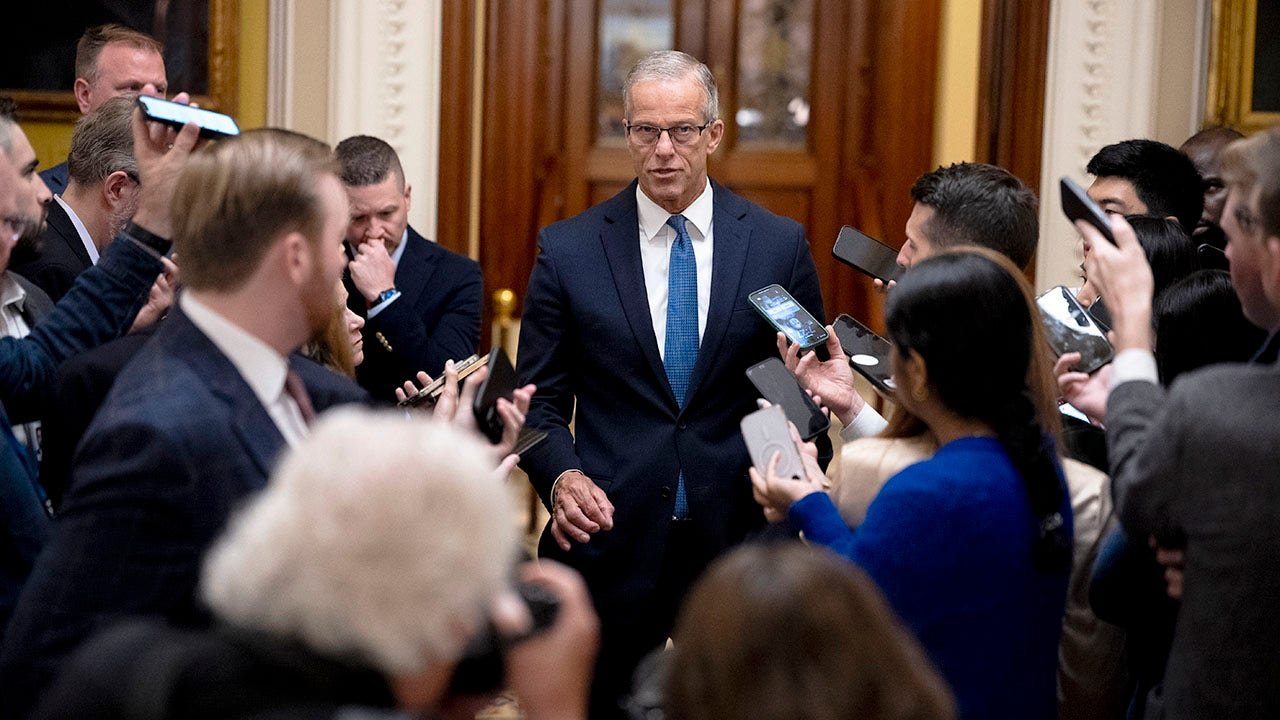
Senate Majority Leader John Thune spoke to the media outside the Senate chamber at the U.S. Capitol after the Senate passed a Department of Homeland Security funding bill by unanimous consent on April 2, 2026, in Washington, D.C. (Andrew Harnik/Getty Images)
«Republicans are doing something that must be done quickly, and that our Democrat colleagues are trying to prevent us from doing,» said Sen. Lindsey Graham, R-S.C., who crafted the resolution. «That something is simple: fully fund Border Patrol and ICE at a time of great threat to the United States.»
Republicans earlier unveiled their budget resolution, which will serve as the guiding framework as the GOP moves forward to fund immigration enforcement. It sets instructions for the Senate Judiciary Committee and the Homeland Security and Governmental Affairs Committee to spend up to $70 billion each.
While the combined sum of $140 billion is eye-popping, Republicans are eyeing between $70 billion and $80 billion as the final total for immigration enforcement and want to give both committees maximum flexibility as they craft the legislative meat of the package.
Senate Democrats argue that the money could go toward tackling affordability issues in the country, citing healthcare, housing, and soaring gas prices stemming from President Donald Trump’s war in Iran as examples.
SENATE GOP READYING PARTY-LINE FUNDING BILL DESPITE DIVISIONS, ANGER AT THE HOUSE
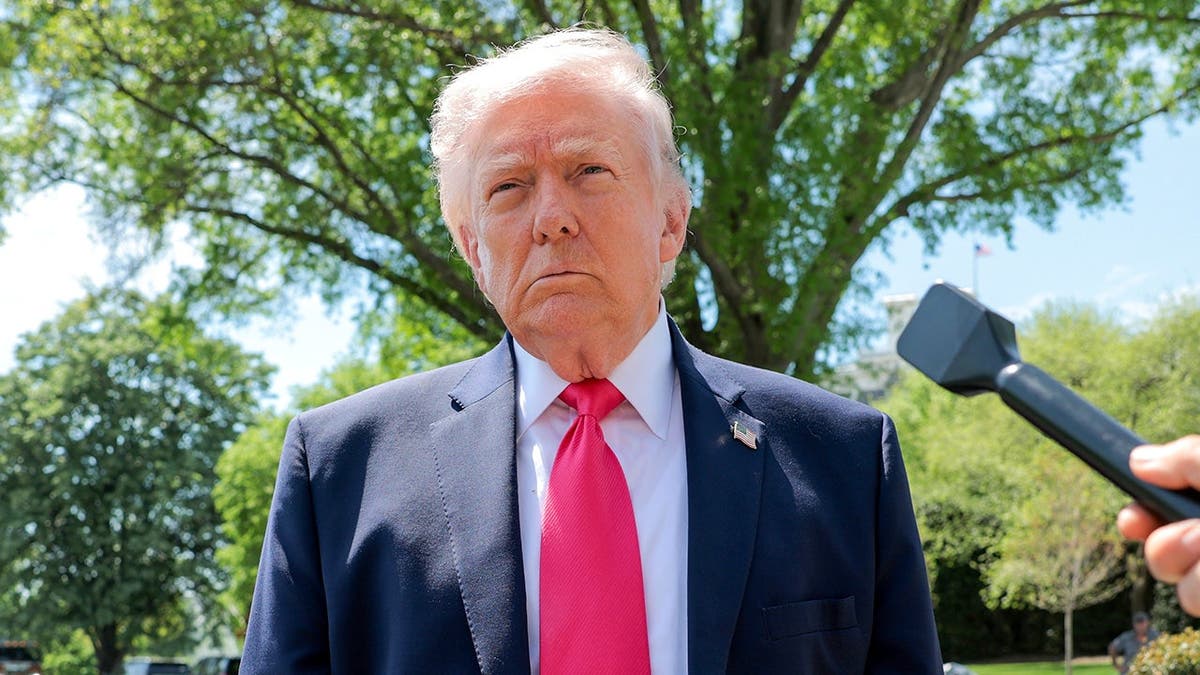
President Donald Trump spoke to the media before boarding Marine One on the South Lawn of the White House on April 16, 2026, in Washington, D.C. (Anna Moneymaker/Getty Images)
«No reforms, no accountability, no strings attached, let it sink in,» Senate Minority Leader Chuck Schumer, D-N.Y., said. «One hundred forty billion for ICE, $0 to lower your costs. That’s these days what the Republican Party seems to stand for. Senate Republicans are choosing to follow Trump and Stephen Miller instead of the needs of the American families.»
Turning to the party-line process to fund immigration operations was not the first choice for Republicans, but one made out of necessity given Democrats’ blockade of funding for ICE and much of CBP.
Still, some are worried about the precedent that could be set for how Congress is supposed to fund the government.
Senate Majority Leader John Thune, R-S.D., raised that concern and argued, «I don’t see any way, in a Trump administration, that they’re gonna come to the table and fund those two agencies.»
SENATE REPUBLICANS RACE TO FUND ICE, CBP WITHOUT DEMOCRATS AS SHUTDOWN DRAGS
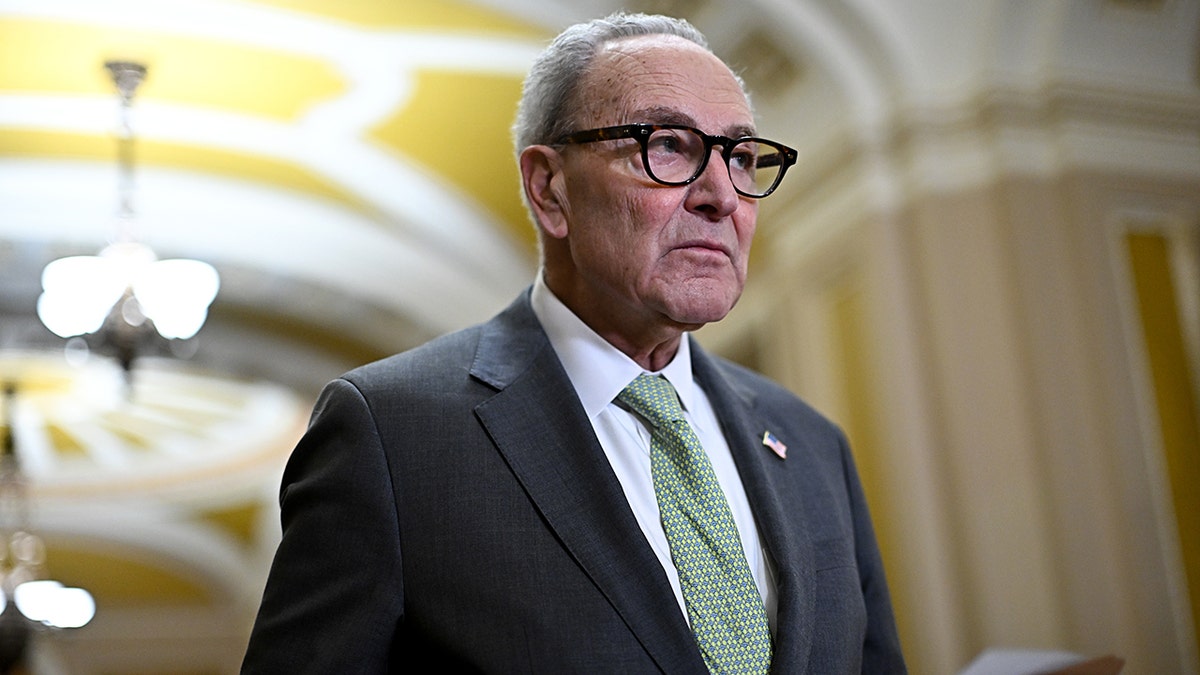
Senate Minority Leader Chuck Schumer, D-N.Y., speaks at a news conference following Senate Democrat policy luncheons at the U.S. Capitol in Washington, D.C., on March 3, 2026. (Graeme Sloan/Bloomberg via Getty Images)
«We tried to avoid this. But at some point, we recognized that they’re just not gonna get to ‘yes,’» Thune said. «And that was pretty clear after spending weeks trying to negotiate with them.»
Still, Republicans have a long way to go before they advance the budget resolution to the House — and even further before the final product lands on Trump’s desk. He’s demanded that the GOP produce the package no later than June 1.
CLICK HERE TO DOWNLOAD THE FOX NEWS APP
Not every Republican in the upper chamber is thrilled with the narrow scope of the plan, with some wanting to front-load several issues into one package out of concern they may not get another shot.
For now, however, they’re moving full speed ahead.
«It’s not am I OK with it, is the president’s administration OK with it,» Sen. Ron Johnson, R-Wis., a fiscal hawk who was critical of the GOP’s previous reconciliation attempt. «I mean, do they think they have enough through fiscal year 2029? That’s their call, not mine.»
politics, homeland security, republicans elections, government shutdown, democrats senate, donald trump












INTERNACIONAL
Emmanuel Macron le ofreció a Siria ayuda francesa para convertirse en un nodo regional de energía y logística
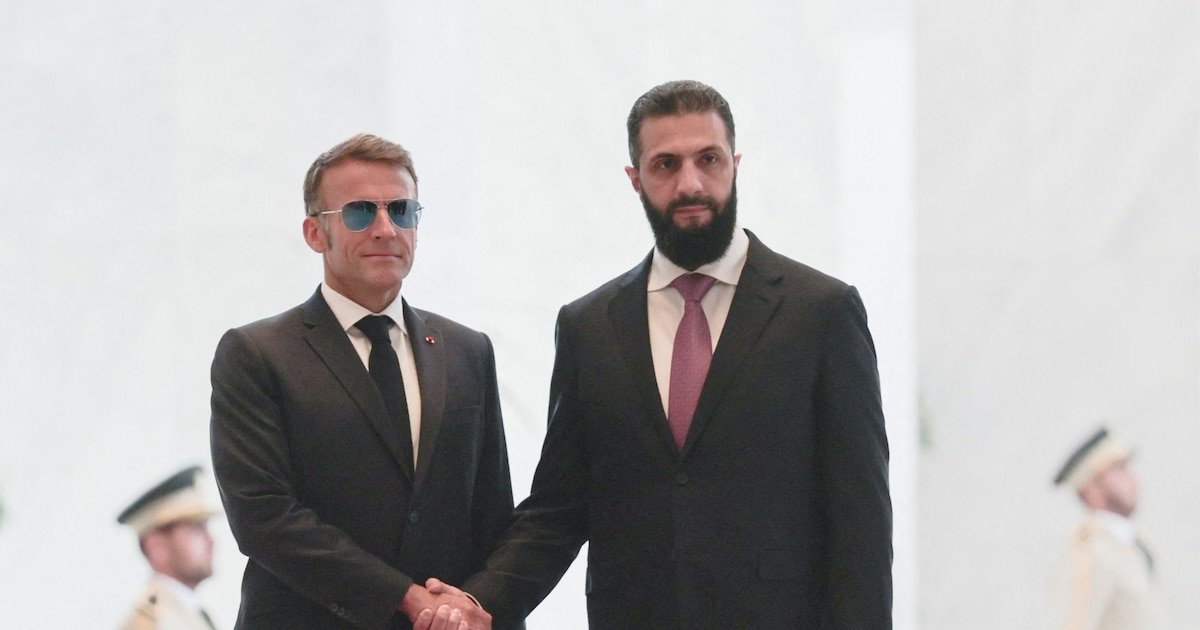
El presidente de Francia, Emmanuel Macron, afirmó este martes en Damasco que su país está dispuesto a acompañar la reconstrucción de Siria y ayudar a convertirla, con el tiempo, en un “centro regional” para nuevas cadenas logísticas y corredores energéticos.
Macron participó junto al presidente sirio, Ahmed al Sharaa, en un foro económico en la capital siria, en el que ambos defendieron una nueva etapa de cooperación económica y atracción de inversiones tras la caída del régimen de Bachar al Asad, resultado de una ofensiva encabezada por el propio Al Sharaa en diciembre de 2024.
El presidente francés remarcó el interés de Francia en mantener e impulsar su apoyo para el desarrollo de Siria a través de una “asociación con efecto duradero” y “la construcción de ese nodo regional de corredores energéticos”.
Para ello, Macron, cuya visita a Siria es la primera de un líder de la UE desde el derrocamiento de Al Asad, sostuvo que la estabilización y reconstrucción del país deben generar oportunidades de empleo tanto para desplazados internos como refugiados en el extranjero.
“Es igualmente hacer de Siria, con el tiempo, un nodo regional”, afirmó al señalar que el país puede convertirse en un espacio donde se “desarrollen estrategias de largo plazo, nuevas cadenas logísticas y rutas energéticas que contribuyan a reducir los riesgos que afectan actualmente al funcionamiento de Oriente Medio”.

En ese contexto, aludió a las tensiones registradas en el estrecho de Ormuz como ejemplo de la necesidad de diversificar las rutas comerciales y energéticas, una circunstancia que, dijo, abre oportunidades para empresas e inversores franceses.
Antes de participar en este foro, hubo dos explosiones cerca del hotel donde se aloja Macron -sin que ningún autor las haya reivindicado aún- que provocaron al menos 18 heridos.
El presidente francés destacó el compromiso de Francia y de la Unión Europea con el levantamiento progresivo de las sanciones contra Siria y recordó que París fue uno de los primeros gobiernos en impulsar ese proceso, además de intentar convencer a otros socios, entre ellos Estados Unidos, para avanzar en esa dirección.
Asimismo, insistió en que la prioridad pasa por generar un “impulso de confianza” que permita atraer inversiones internacionales mediante un sistema financiero transparente y fiable.
En ese sentido, ofreció la cooperación de expertos franceses para apoyar la reforma del sistema bancario sirio, colaborar con el Grupo de Acción Financiera Internacional (GAFI), reforzar la cooperación con el Banco Central sirio y avanzar en la reestructuración de la deuda junto con el Fondo Monetario Internacional y el Club de París.
Según Macron, ese marco permitirá consolidar la estabilización del país y sentar las bases para una colaboración duradera que favorezca la creación de nuevos corredores energéticos y de conectividad regional.
Por su parte, Al Sharaa presentó a Siria como un país decidido a recuperar su papel económico gracias a su posición geográfica entre el Mediterráneo, el golfo Pérsico e Irak.
El mandatario afirmó que la reciente crisis en Ormuz puso de relieve el valor estratégico de contar con rutas marítimas seguras y sostuvo que Siria ha recuperado su relevancia como centro neurálgico para el comercio internacional.
“Queremos que Francia sea nuestro principal socio en este proyecto”, aseguró.
Asimismo, recordó que el grupo naviero francés CMA CGM firmó hace 14 meses un contrato para desarrollar el puerto de Latakia con una inversión de 230 millones de euros y posteriormente decidió ampliar el proyecto con otros 200 millones para incrementar la capacidad de la terminal hasta 625.000 contenedores antes de finales de este año.

Al Sharaa también expuso una amplia hoja de ruta para la reconstrucción que incluye la modernización de puertos, aeropuertos, navegación aérea, redes de electricidad y agua, exploración de recursos energéticos, digitalización de servicios públicos e impulso a las ciudades industriales.
Además, aseguró que su Gobierno trabaja en una reforma bancaria y regulatoria para reconectar el sistema financiero sirio con los mercados internacionales y facilitar la actividad de los inversores extranjeros mediante un entorno “seguro y transparente”, al tiempo que definió la alianza con Francia como un modelo para las futuras relaciones de Siria con Europa.
Macron, aseguró este martes que “nada podrá sofocar la aspiración de los sirios a vivir en una Siria plenamente soberana, segura, plural y unida”, después de las dos explosiones registradas en el centro de Damasco durante su visita oficial al país.
“He conocido esta mañana Siria en toda su diversidad. He visto dignidad, coraje y determinación. Mi visita continúa”, escribió el mandatario francés en sus redes sociales mientras proseguía su agenda oficial.
El Elíseo confirmó que Macron mantiene sin cambios el programa de su visita de dos días a la capital siria, pese a las explosiones registradas en las inmediaciones del hotel donde pasó la noche.
Momento de la explosión en Damasco durante la visita de Macron 2
“El programa continúa”, indicaron fuentes de la Presidencia francesa, que precisaron que, en el momento de las detonaciones, el jefe del Estado se encontraba en el Palacio Presidencial, donde mantenía una reunión con el presidente interino sirio, Ahmed al Sharaa, y las delegaciones de ambos países.
Macron realiza la primera visita de un jefe de Estado o de Gobierno de la Unión Europea a Siria desde la llegada al poder de la coalición islamista. Durante el encuentro con Al Sharaa, ambos dirigentes abordan la reactivación de la cooperación económica, la reconstrucción del país y cuestiones de seguridad.
Según la televisión estatal siria Al Ijbariya y la agencia oficial SANA, dos artefactos explosivos improvisados detonaron cerca del Ministerio de Turismo y del hotel Four Seasons. El Ministerio del Interior indicó que los explosivos habían sido detectados por las Fuerzas de Seguridad Interna durante operaciones sobre el terreno y que se abrió una investigación para identificar a los responsables.
Las autoridades sirias informaron de que al menos 18 personas, entre ellas cuatro agentes de policía, resultaron heridas en las explosiones, sin que por el momento se haya reivindicado su autoría.
Los atentados se producen pocos días después de otro ataque con bomba en una cafetería frecuentada por abogados, que causó diez muertos y 21 heridos, coincidiendo con el inicio de los juicios contra altos cargos del derrocado régimen de Bachar al Asad, acusados de asesinatos y de la represión de las protestas de 2011 que desencadenaron la guerra civil siria.
(Con información de EFE)
International,Relations,Diplomacy / Foreign Policy,Middle East
NEWYou can now listen to Fox News articles!
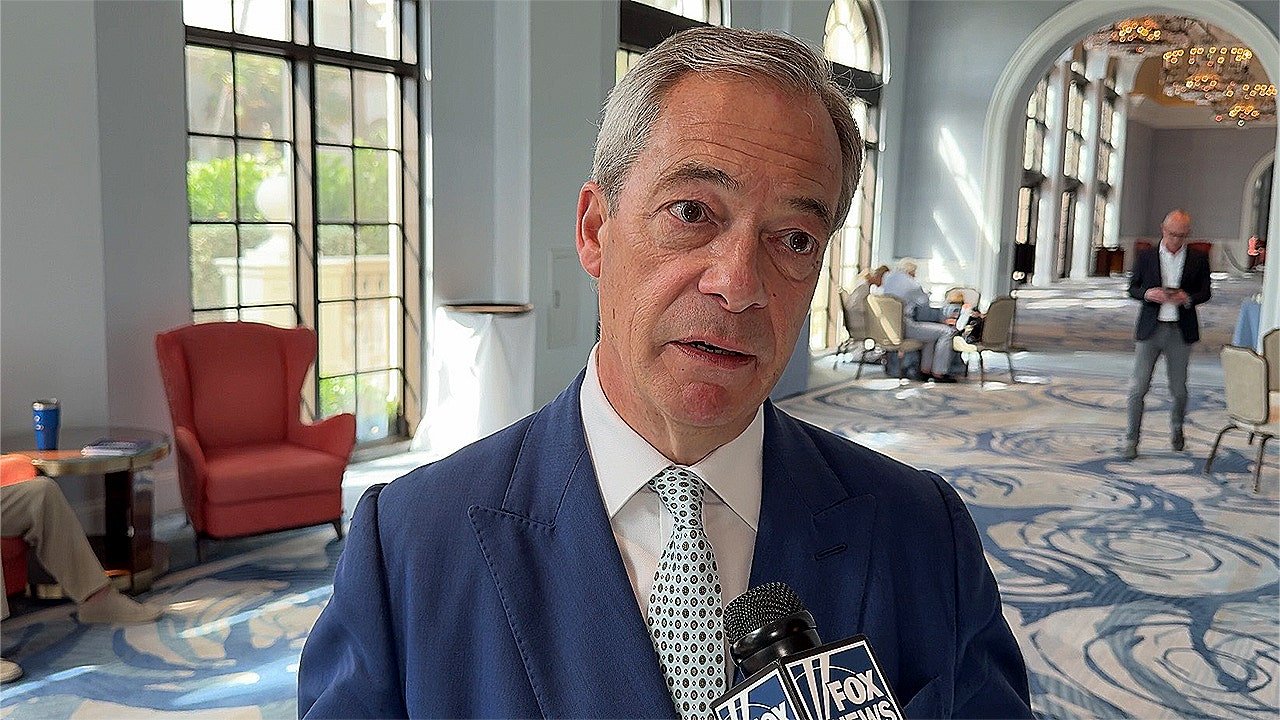
Reform UK leader and British Member of Parliament (MP) Nigel Farage announced he was resigning from Parliament on Tuesday.
Farage claimed he was resigning to force a by-election in his Clacton district and claimed he would run in it.
«Today I will resign as a Member of Parliament for Clacton-on-Sea, thereby forcing a by-election, which will happen, I hope in short order,» he said in a press conference broadcast from the Reform UK YouTube channel.
«This will be a people vs. the establishment by-election. It’s a chance to stick two fingers up to the entire establishment, to frankly tell them where to go, and that is why I will be putting my name forward to stand in this by-election,» he said.
CLICK HERE TO DOWNLOAD THE FOX NEWS APP
This is a developing story. Please check back for updates.
united kingdom
INTERNACIONAL
Dem senator accused of being ‘nowhere to be found’ on crucial issue impacting kids in swing state
NEWYou can now listen to Fox News articles!
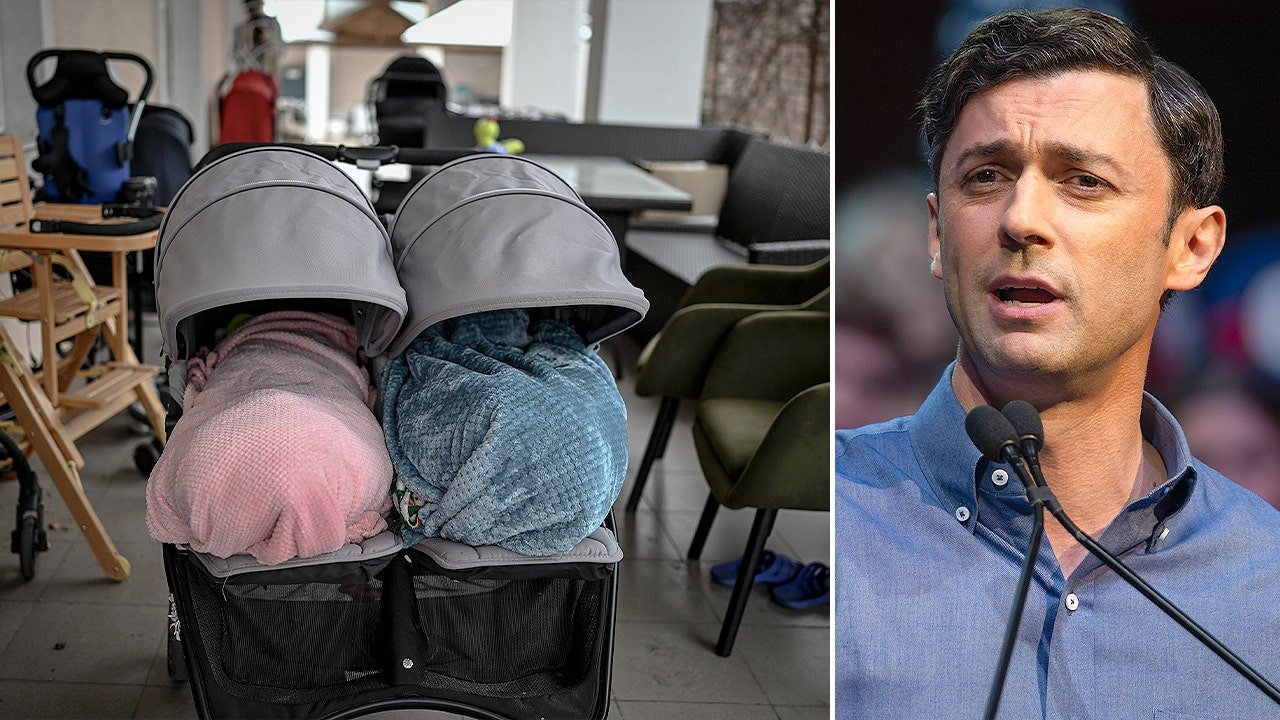
Sen. Jon Ossoff, D-Ga., is being accused by Georgia’s top child welfare official of using vulnerable children and the state’s embattled foster care system for campaign credit after releasing a new ad touting his work on the state’s troubled system.
Georgia Division of Family & Children Services (DFCS) Director Candice Broce criticized the new foster care-focused ad released last week as the Georgia Democrat seeks re-election in one of the nation’s most closely watched races. In the ad, titled «Our Kids,» Ossoff highlights «a scathing report» and «yearlong bipartisan investigation» alongside Sen. Marsha Blackburn, R-Tenn., into the Georgia foster care system.
Ossoff presents his probe and new legislation as part of his record protecting children and holding the system accountable. However, Broce says the Democrat is overstating his role and turning a serious child welfare issue into a political victory lap.
«For five years, I’ve been in the trenches fighting for vulnerable children and foster care reform alongside thousands of DFCS workers. Trust us when we say Jon Ossoff is nowhere to be found,» Broce said in a post on X. «Ossoff didn’t get more funding for DFCS after calling us incompetent and resource-strapped. He didn’t secure more federal support for child advocacy centers despite the State’s requests.»
FOX NEWS POLL: AN EARLY LOOK AT THE GEORGIA SENATE RACE
Sen. Jon Ossoff, D-Ga., recently released an ad titled «Our Kids» touting his work reforming mismanagement and neglect in his state’s foster care system. (Getty Images)
«He didn’t fix federal law putting group homes out of business,» she continued. «He hasn’t streamlined adoptions for kids placed with loving families. Jon’s ad sounds great, but his words are meaningless to the men and women in the arena.»
Ossoff’s team fired back, however, calling Broce an «unqualified partisan political hack» and accusing her of «dangerous incompetence.» They pointed to Ossoff’s oversight work highlighted in the advertisement that Broce criticizes, which the spokesperson said found children in Georgia’s foster care system were likely sex trafficked while in state care, among other issues.
«The Office of the Child Advocate, juvenile court judges, former foster children, nonpartisan advocates, investigative reporting, and Senator Ossoff’s yearlong investigation have laid bare the deep and dangerous dysfunction at DFCS,» an Ossoff campaign spokesperson told Fox News Digital.
The campaign also cited testimony from juvenile court judges who accused Broce of suggesting that children with special needs be held in juvenile detention while DFCS searched for placements. Broce has denied the allegations, describing them as politically motivated and arguing they distort a broader discussion about how to keep foster youth with complex behavioral issues, runaway histories and trafficking risks safe amid placement shortages.
ONE OF NATION’S LARGEST CHRISTIAN FOSTER AGENCIES WILL NOT ALLOW LGBTQ COUPLES TO ADOPT CHILDREN
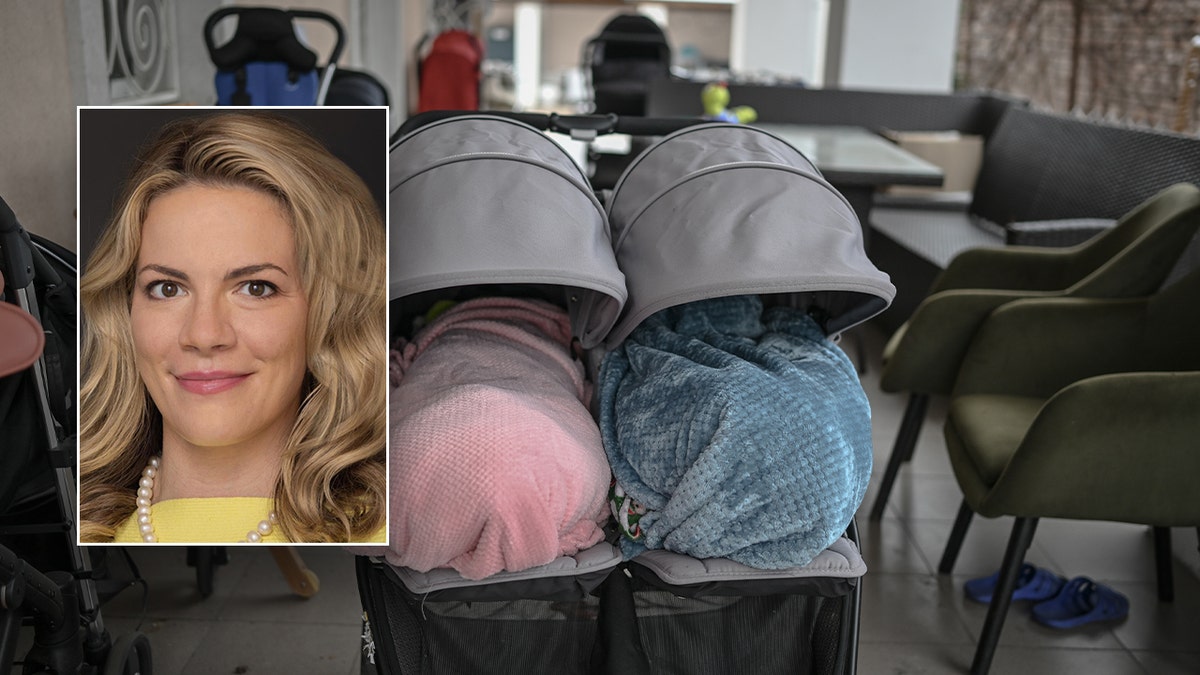
Candice L. Broce (left) is the Director of the Georgia Division of Family & Children Services (DFCS). She is pictured next to an image of baby strollers in an office. (Georgia DFCS/Getty Images)
«Candice Broce is a partisan political hack irresponsibly placed in charge of care for the state’s most vulnerable kids,» the Ossoff spokesperson said. «Instead of whining that her dangerous incompetence was made public, she should fix her broken agency.»
Broce rejected the attacks on her qualifications, pointing to her background as a health care attorney, former chief deputy executive counsel and chief operating officer to Gov. Brian Kemp and saying roughly 40 state agencies, including DFCS, reported to her in that role.
At the same time, she did not dispute that Georgia’s foster care system has faced serious challenges, but argued Ossoff used those problems for hearings, reports and campaign messaging without delivering meaningful help to fix them.
«If you’re going to beat us down, show up with something to make it better,» Broce said. «He didn’t do that.»
16 CHILDREN FOUND LIVING IN ‘DEPLORABLE’ OHIO HOME CONDITIONS, 4 ARRESTED: ‘PURE EVIL’
Broce said Ossoff could have used his federal role to pursue resources on Medicaid, behavioral health access and placement capacity, rather than simply spotlighting DFCS failures.
«What’s actually bipartisan is the over $100 million in state funds we’ve gotten from Republican and Democrat legislators who support the issues we’re tackling and believe we deserve more resources,» Broce said. «If he decides today that he actually wants to help us and vulnerable Georgia kids, we’d welcome him with open arms.»
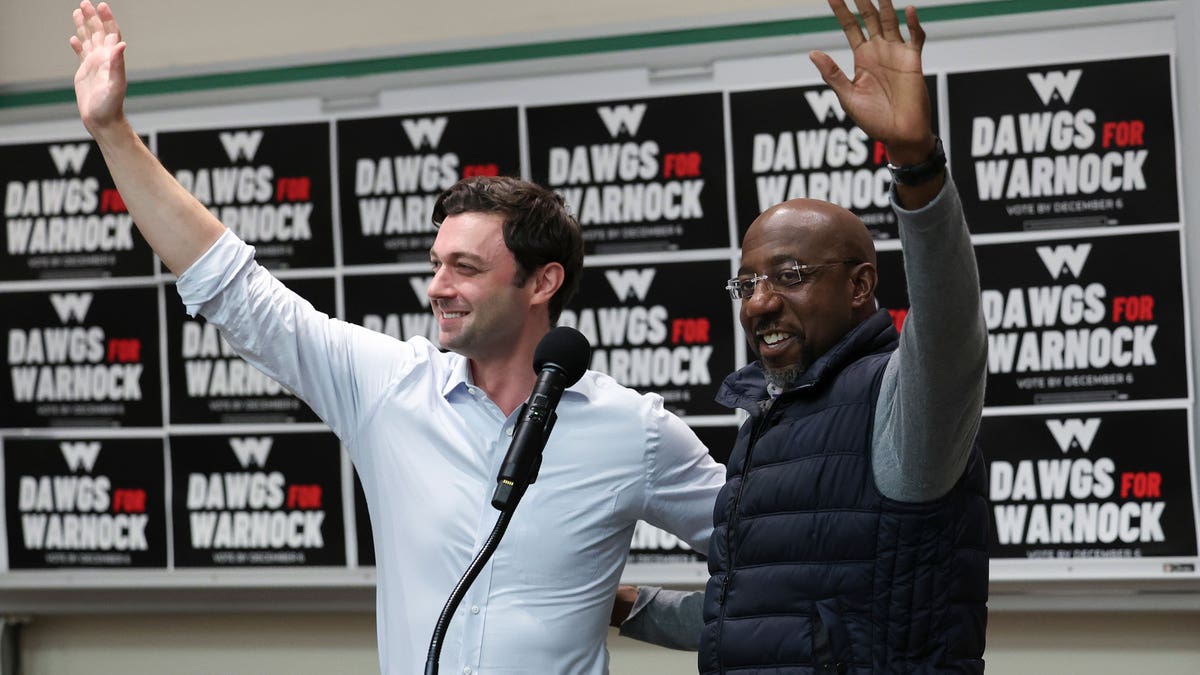
U.S. Sen. Raphael Warnock, D-Ga., (right) and Sen. Jon Ossoff, D-Ga., (left) wave to students before speaking at a Dawgs for Warnock rally at the University of Georgia December 4, 2022, in Athens, Georgia. (Win McNamee/Getty Images)
However, Ossoff’s team contests it is not even «Senator Ossoff’s job to fix the state agency [Broce] leads» in the first place, and said Broce was whining that «it’s Senator Ossoff’s job to fix the state agency she leads.»
«While Sen. Ossoff led oversight, passed an anti-trafficking law, and helped save foster care funding President Trump cut, unqualified partisan hack Broce whines it’s Senator Ossoff’s job to fix the state agency she leads,» Ossoff’s representatives told Fox News Digital.
CLICK HERE TO DOWNLOAD THE FOX NEWS APP
Broce’s criticism of Ossoff included a contrast between his record and that of Georgia’s other U.S. Senator, Democrat Raphael Warnock. Broce called the difference «stark,» pointing to Warnock’s community events for vulnerable mothers and children and adoption-related measures as examples of practical support she says Ossoff has not delivered.
«Compare his child welfare record to Warnock’s. It’s crystal clear which U.S. Senator from Georgia cares about vulnerable families and kids, and it’s not Jon,» Broce said in her X post.
Ossoff, who ran unopposed for the Democratic nomination, is seeking a second term in November against Rep. Mike Collins, R-Ga., who won the Republican nomination after defeating former football coach Derek Dooley in a mid-June GOP runoff election. Warnock will not face reelection again until 2028.
democrats elections, democrats senate, midterm elections, georgia, senate elections

Emmanuel Macron le ofreció a Siria ayuda francesa para convertirse en un nodo regional de energía y logística

Nigel Farage resigning from UK Parliament

El insólito error que trajo a un testigo equivocado al juicio de los cuadernos de las coimas

El PRO respaldó las reformas económicas del Gobierno nacional, pero pidió alivio fiscal para la producción

Dólar hoy en vivo: a cuánto se operan todas las cotizaciones minuto a minuto este martes 7 de julio

El especial mensaje que publicó Mario Massaccesi, cargado de mucho cariño: «Gracias Walter por tu incondicionalidad conmigo»

El Salvador, segundo país más dependiente de importaciones alimentarias, según la Mesa por la Soberanía Alimentaria

El inquilino no paga las expensas o los impuestos: qué puede hacer el propietario

A 1 año del «comprá dólares, campeón»: cómo les fue a los ahorristas que le hicieron caso a Caputo

Feria, shows, vuelos militares y fuegos artificiales: Washington se disfraza de «Trumplandia» para los festejos del 4 de julio

 ECONOMIA1 día ago
La producción textil aceleró su caída y la capacidad instalada siguió entre las más bajas de la industria
- DEPORTE22 horas ago
Portugal vs España: formaciones, hora y dónde ver por tv
- POLITICA2 días ago
Fin al presidente antisistema: Milei ya tiene su “casta” y se aferra al dogma económico