INTERNACIONAL
‘Illegals first’: Senate Republicans blast Schumer’s gambit to force vote on protecting Haitian migrants

NEWYou can now listen to Fox News articles!
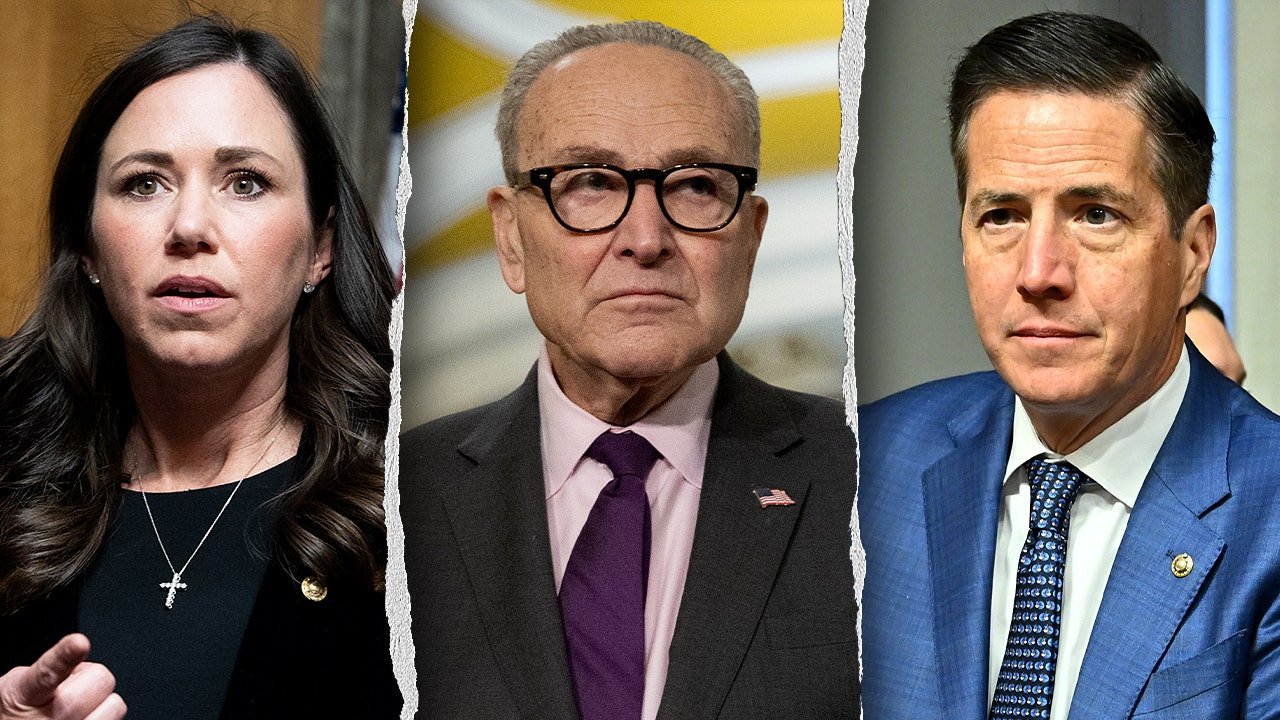
Senate Minority Leader Chuck Schumer, D-N.Y., wants to extend protections for Haitian migrants, and Republicans say it’s a perfect example of him putting the interests of illegal immigrants over Americans.
Schumer fast-tracked a House-passed bill that would extend the Temporary Protected Status (TPS) of Haitian migrants for three years earlier this week onto the Senate schedule. Whether it actually makes it to the floor is ultimately up to Senate Majority Leader John Thune, R-S.D.
The top Senate Democrat’s desire to pass the legislation in the Senate comes at an inflection point for both the protected status of Haitian migrants and a funding battle started, in part, over immigration operations in the country.
Senate Minority Leader Chuck Schumer, D-N.Y., fast-tracked a House-passed bill to extend the protected status of Haitian migrants for another three years, but Sens. Katie Britt, R-Ala., and Bernie Moreno, R-Ohio, say it’s the perfect example of Schumer prioritizing illegals over Americans. (Tom Williams/CQ-Roll Call, Inc. via Getty Images; Nathan Posner/Anadolu via Getty Images; Graeme Sloan/Bloomberg via Getty Images)
HOUSE REPUBLICANS DEFY TRUMP TO SHIELD HAITIANS FROM DEPORTATION
Sen. Katie Britt, R-Ala., who led negotiations for Senate Republicans to try to strike a compromise deal to end the Department of Homeland Security (DHS) shutdown, told Fox News Digital, «I’m so glad that he is prioritizing people who are not American consistently.»
«What about the countless Americans that have died at the hands of illegal aliens? I mean, the fact that you’re literally trying to defund the organization that is tasked with keeping our streets safe, our borders secure, keeping Americans — allowing Americans to go home to their families at night,» Britt said. «It’s just totally, his priorities are completely and totally off.»
While Schumer is trying to extend the protected status of Haitian migrants, DHS is still shut down over disagreements on Immigration and Customs Enforcement (ICE) and Customs and Border Protection (CBP) funding.
SENATE TAKES FIRST STEP TO FUND ICE, BORDER PATROL IN BID TO CUT DEMS OUT OF THE FUNDING PROCESS
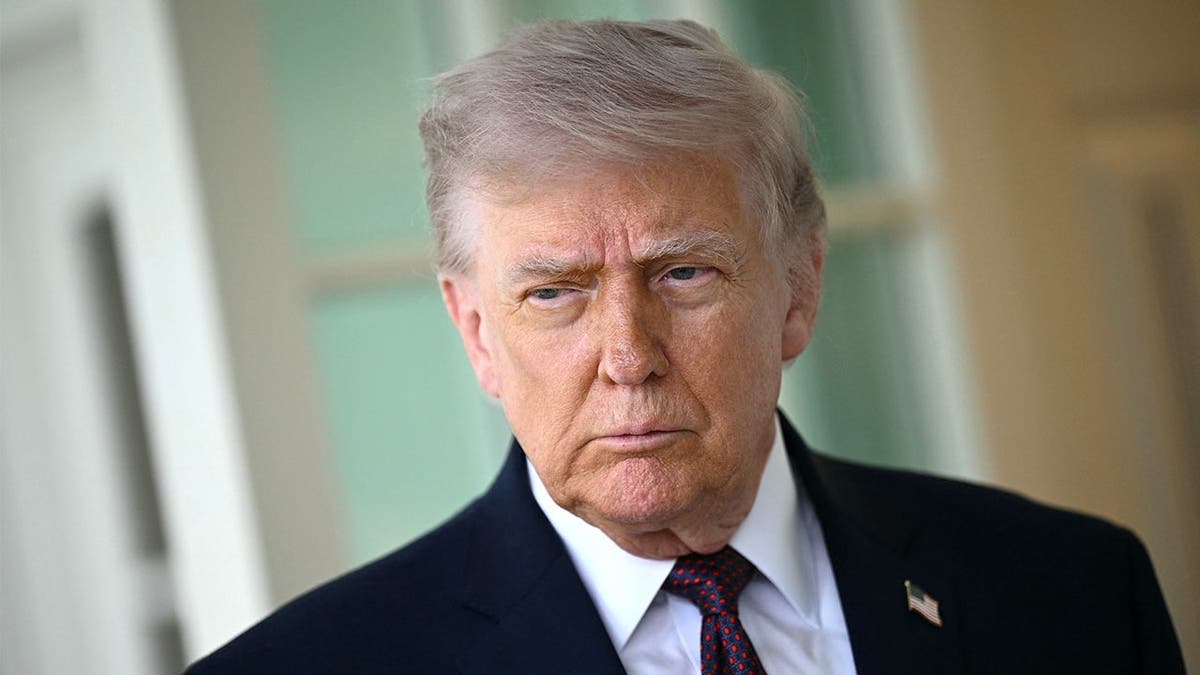
President Donald Trump tried to revoke the program for Haiti, but his administration’s effort is currently snarled in the courts. (Brendan Smialowski/AFP via Getty Images)
The legislation made it through the House last week after 10 Republicans bucked President Donald Trump and joined Democrats to shield more than 350,000 Haitian nationals from deportation.
The TPS program allows foreign nationals whose home countries face humanitarian crises or dangerous conditions to temporarily live and work in the United States without fear of deportation, but it does not provide a pathway to citizenship.
Schumer noted on the Senate floor earlier this week that Haitian migrants became a political flash point during Trump’s campaign, in which he claimed that a community of Haitians in Ohio were eating pets.
SENATE REPUBLICANS UNVEIL IMMIGRATION FUNDING PLAN WITH $140 BILLION PRICE TAG AS GOP AIMS TO SPEND LESS
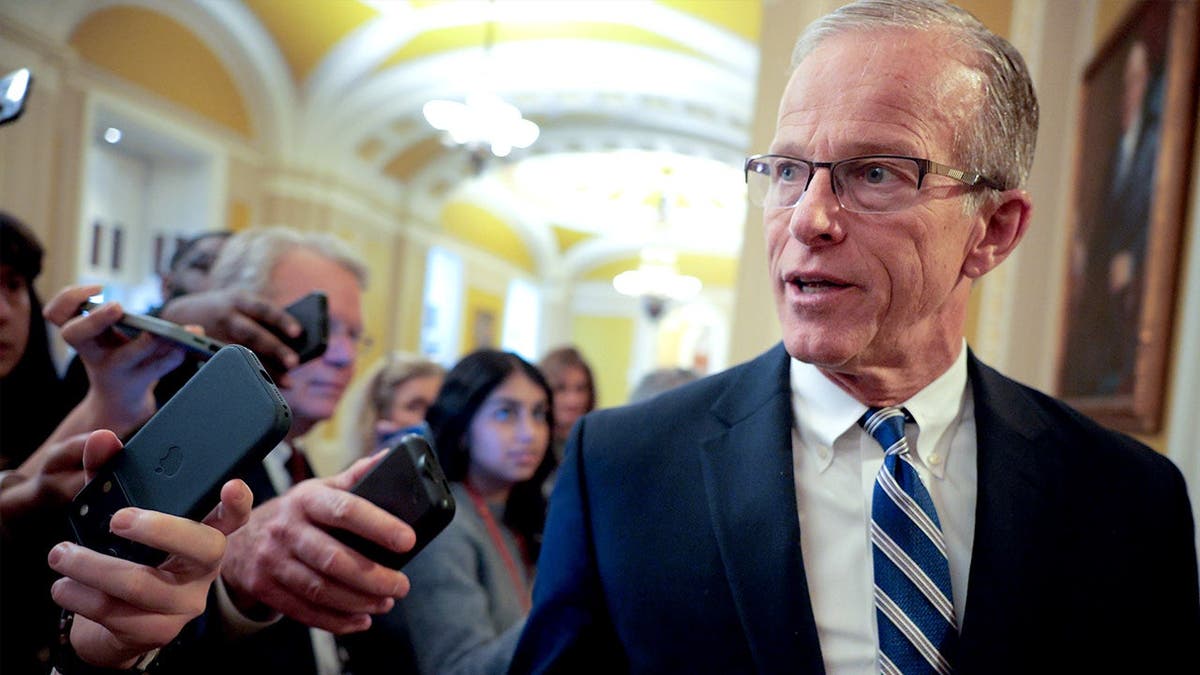
Senate Majority Leader John Thune, R-S.D., spoke with reporters as he headed to the Senate chamber at the U.S. Capitol on March 12, 2026, in Washington, D.C. (Chip Somodevilla/Getty Images)
«Despite ongoing violence, gang violence, civil instability, terrible medical infrastructure, and poor food access in Haiti,» Schumer said, «Trump directed Kristi Noem to strip Haitian immigrants of their TPS, their Temporary Protected Status, disregarding the process Congress set into law.»
Trump tried to revoke the program for Haiti and argued that because conditions have improved in the country, granting Haitians legal protections runs counter to American interests. But his administration’s effort is currently snarled in the courts.
And if it were to make it to a vote, Republicans plan to swiftly kill it.
CLICK HERE TO DOWNLOAD THE FOX NEWS APP
When asked whether the bill stood a chance in the upper chamber, Sen. Bernie Moreno, R-Ohio, flashed a zero sign by connecting his index finger and thumb.
«Zero point zero,» Moreno told Fox News Digital. «Schumer is all illegals first, it’s crazy.»
politics, chuck schumer, immigrant rights, republicans












INTERNACIONAL
El presidente de Irán viaja a Pakistán para coordinar la agenda diplomática tras el acuerdo alcanzado con Estados Unidos
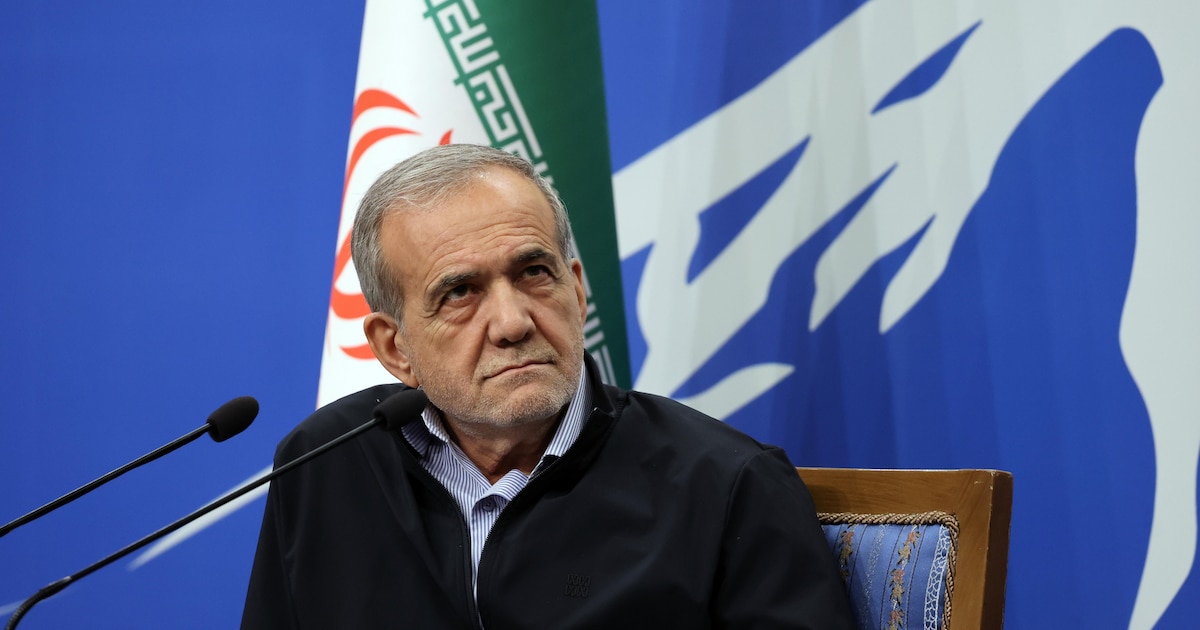
El presidente iraní, Masud Pezeshkian, visitará este martes Pakistán para mantener reuniones con las principales autoridades del país y abordar los compromisos diplomáticos derivados del memorando de entendimiento firmado recientemente entre Irán y Estados Unidos para el cese de hostilidades en Medio Oriente.
Pezeshkian llegará a Islamabad acompañado por una delegación de alto nivel integrada por ministros y otros funcionarios iraníes, en una visita que realizará por invitación del primer ministro paquistaní, Shehbaz Sharif, según informó el Ministerio de Exteriores de Pakistán.
Durante su estancia, el mandatario iraní se reunirá con el presidente de Pakistán, Asif Ali Zardari; con Sharif; con el presidente del Senado; con el titular de la Asamblea Nacional; y con el ministro de Exteriores, Ishaq Dar, quien desempeñó un papel central en las negociaciones entre Teherán y Washington.
La Cancillería paquistaní señaló que durante los encuentros “ambas partes (…) explorarán nuevas vías para profundizar la cooperación en diversos sectores, como el comercio, la energía, la seguridad fronteriza, los intercambios entre personas y la conectividad regional”.
El Ministerio de Exteriores indicó además que la visita de Pezeshkian, la segunda que realiza a Pakistán desde su llegada a la Presidencia iraní en julio de 2024, “brindará una importante oportunidad para abordar los compromisos diplomáticos en curso tras la firma del Memorando de Entendimiento de Islamabad, así como los acontecimientos regionales e internacionales de interés mutuo”.

Pakistán actuó como mediador en los contactos entre Irán y Estados Unidos que culminaron con la firma del memorando de entendimiento destinado a poner fin a las hostilidades en la región.
En paralelo, el secretario de Estado de Estados Unidos, Marco Rubio, iniciará este martes una gira de tres días por Emiratos Árabes Unidos, Kuwait y Baréin para presentar a los aliados del Golfo el memorando de entendimiento que Washington firmó la semana pasada con Teherán.
El portavoz del Departamento de Estado, Tommy Pigott, informó que Rubio permanecerá en esos tres países entre el 23 y el 25 de junio. Según el comunicado oficial, durante la visita “abordará diversas prioridades regionales, entre ellas el memorando de entendimiento con Irán, los esfuerzos para garantizar el tránsito seguro y libre por el estrecho de Ormuz y la importancia de la paz y la estabilidad en la región”.
En Baréin, el jefe de la diplomacia estadounidense participará además en una reunión del Consejo de Cooperación del Golfo (CCG), integrado también por Arabia Saudita, Catar y Omán.
El memorando fue firmado el miércoles pasado por el presidente Donald Trump en el Palacio de Versalles, durante una visita oficial a Emmanuel Macron. El documento establece un plazo de 60 días para negociar un tratado de paz definitivo que incluya el programa nuclear iraní.

Aunque los países del CCG respaldaron en términos generales los esfuerzos para poner fin al conflicto, dos aspectos del acuerdo generan preocupación en la región: la creación de un fondo de reconstrucción para Irán por USD 300.000 millones y la falta de referencias al desmantelamiento del programa de misiles balísticos iraní.
Los gobiernos del Golfo consideran que esos recursos podrían destinarse a la reconstrucción de capacidades militares iraníes y al financiamiento de grupos aliados en la región. Emiratos Árabes Unidos, Arabia Saudita, Kuwait, Baréin y Catar, países que albergan bases militares estadounidenses, sufrieron ataques con misiles y drones atribuidos a Irán en los últimos meses. Cualquier modificación en el esquema de seguridad regional tendría consecuencias directas para la estrategia militar de Washington en Medio Oriente.
La gira de Rubio coincide con una intensa agenda diplomática vinculada al acuerdo. Durante el fin de semana, el vicepresidente J. D. Vance encabezó en Suiza una ronda de conversaciones con mediadores cataríes y paquistaníes para avanzar en los aspectos técnicos del pacto. La primera etapa de las negociaciones concluyó el lunes y las discusiones continuarán durante esta semana.
(Con información de Agencias)
politicos,rueda de prensa
INTERNACIONAL
Por qué Donald Trump no apareció en ningún partido del Mundial 2026: temor a los abucheos, cánticos sexuales y dudas de su presencia en la final


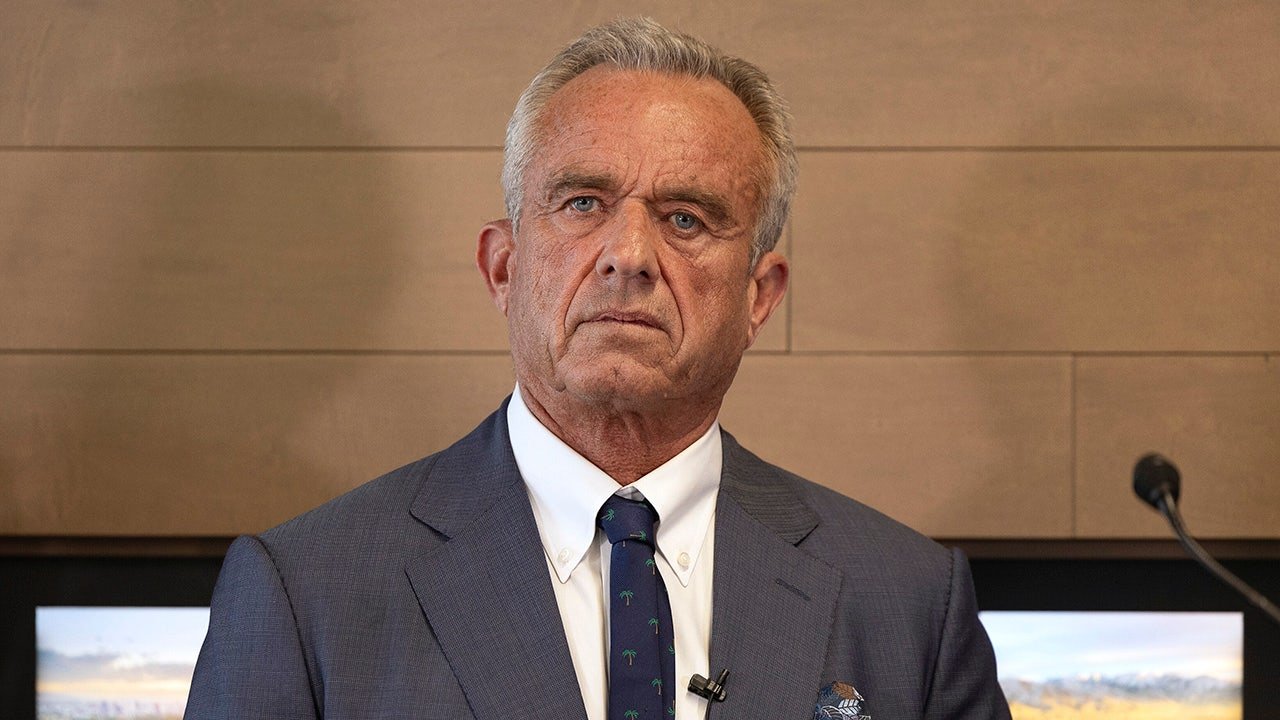
NEWYou can now listen to Fox News articles!
When it comes to the U.S. food supply, more voters prioritize protecting public health than lowering food prices, according to the latest Fox News Poll.
The survey, released Monday, also finds broad voter support for key elements of the Make America Healthy Again (MAHA) movement, even as they give Health and Human Services Secretary Robert F. Kennedy Jr. negative job ratings.
By a 16-point margin, voters prefer safeguarding public health (58%) more than lowering food prices (42%).
FOX NEWS POLL: MOVE OVER BIG BROTHER, VOTERS SEE BIG TECH AS GREATER THREAT TO US
That view crosses party lines, with majorities of Democrats (57%), Republicans (58%), and independents (62%) prioritizing health and well-being.
MAHA was popularized by Kennedy during his 2024 presidential campaign and evolved into a national health-policy movement after he ended his bid and endorsed President Trump. Some of its goals include improving nutrition, eliminating harmful additives, and enhancing children’s health.
Roughly 9 in 10 voters say it is extremely or very important for the government to focus on improving food safety (89% important), lowering food costs (88%), and expanding access to healthy foods (85%). About 8 in 10 consider limiting harmful additives (83% important) and increasing transparency in food labeling (81%) important. About 6 in 10 place the same emphasis on reducing vaping and nicotine use (63% important) or limiting screen time for children under age 16 (60%).
FOX NEWS POLL: VOTERS DOUBT NEW AGREEMENT WILL STOP IRAN FROM DEVELOPING NUKES
Support for new food regulations is prevalent. More than 9 in 10 voters favor requiring clearer food labeling (91%), and almost as many (87%) support banning food additives that other countries have restricted because of health concerns.
Smaller majorities support banning flavored nicotine products, including vapes and nicotine pouches (65% favor) and prohibiting children under 16 from using social media platforms (60%).
Eliminating vaccine requirements is less popular, as fewer than 4 in 10 are in favor (36%) – although that number is up 10 points since December.
Most policies enjoy widespread support across key demographics, except on vaccines where differences emerge.
More Republicans (45%) than Democrats (25%) favor eliminating vaccine requirements in public schools by a 20-point margin (the only proposal where fewer than half of each group favor it), and more MAGA (53%) than non-MAGA Republicans (32%) support eliminating vaccines by 21 points.
Men, Black voters, and voters under age 30 are more likely to favor eliminating vaccine requirements than women, White voters, and voters 65 and up.
«If I were advising Republicans in state and local races in 2026, I would tell them to embrace key policy elements from the MAHA agenda,» says Republican pollster Daron Shaw who helps conduct the Fox News Poll alongside Democratic counterpart Chris Anderson. «Protecting Americans, especially children, from bad food, bad drugs, and bad apps is extremely popular, particularly with groups Republicans have struggled with lately.»
CLICK HERE FOR CROSSTABS AND TOPLINE
Despite support for many MAHA priorities, Kennedy’s job rating remains underwater: 45% approve of his performance, while 54% disapprove. Those numbers are largely unchanged since last September.
About 9 in 10 MAGA Republicans (88%) approve of Kennedy, compared to 6 in 10 non-MAGA Republicans (58%).
Fathers (54% approve) and voters under 30 (51%) also boost Kennedy’s ratings, with more than half approving of his job performance, higher than mothers (43% approve), non-parents (44%), and voters 65 and over (39%).
A closer look at parents
Mothers and fathers differ in food-policy priorities. More moms prioritize keeping food costs low by 2 points, while dads favor protecting public health by 16 points.
Although parents and non-parents generally align on many MAHA-related issues, more dads than moms say it is important for the government to reduce screen time for children under 16 (68% vs. 47% important) and support banning children from social media platforms (67% vs. 59% favor).
Dads are also more likely than moms to favor eliminating vaccine requirements (52% vs. 33% favor), and more parents support eliminating them than non-parents (42% vs. 34% favor).
The generational divide
Voters under age 30 favor prioritizing public health more than lower food costs by 8 points, but that gap widens to 44 points among voters 65 and over.
On screen time, voters under 30 support banning children under 16 from social media by just 2 points, while that margin expands to 24 points among voters 65 and over.
When it comes to vaccines, young voters oppose eliminating them by 10 points, compared to a large 57-point opposition among those 65 and up.
Conducted June 12-15, 2026, under the direction of Beacon Research (D) and Shaw & Company Research (R), this Fox News survey includes interviews with a sample of 1,002 registered voters randomly selected from a national voter file. Respondents spoke with live interviewers on landlines (101) and cellphones (644) or completed the survey online after receiving a text (257). Results based on the full sample have a margin of sampling error of ±3 percentage points. Sampling error for results among subgroups is higher. In addition to sampling error, question wording and order can influence results. Weights are generally applied to age, race, education, and area variables to ensure the demographics are representative of the registered voter population. Sources for developing weight targets include the most recent American Community Survey, Fox News Voter Analysis, and voter file data.
fox news poll, politics, donald trump, white house, health, health care, maha

Portugal-Uzbekistán, EN VIVO, por el Mundial 2026: hora, TV, formaciones y todo lo que hay que saber

Pensión por invalidez laboral: el paso a paso para hacer el trámite en ANSES en julio 2026

El presidente de Irán viaja a Pakistán para coordinar la agenda diplomática tras el acuerdo alcanzado con Estados Unidos

El mensaje de Maximo Kirchner alteró la convivencia del peronismo y sembró dudas sobre la unidad en el 2027

La calculadora de Argentina para el cruce de 16avos de final del Mundial: cuál puede ser el rival entre España, Uruguay, Cabo Verde y Arabia Saudita

Autorizaron a YPF a avanzar con la construcción de un nuevo gasoducto en Neuquén

LA DOBLE VARA ZURDA: Militantes K prefieren el pasado dictatorial y los excesos de Maradona antes que el éxito limpio de Messi

Preocupación en el oficialismo por el impacto digital del caso Adorni y la insuficiencia del “efecto Mundial”

Difundieron videos en los que Jésica Cirio aparece junto a miles de dólares

Qué dijo Jesica Cirio tras la difusión de los videos donde se ven fajos con millones de dólares en la casa de Martín Insaurralde

 POLITICA2 días ago
LA DOBLE VARA ZURDA: Militantes K prefieren el pasado dictatorial y los excesos de Maradona antes que el éxito limpio de Messi
- POLITICA2 días ago
Preocupación en el oficialismo por el impacto digital del caso Adorni y la insuficiencia del “efecto Mundial”
- POLITICA3 días ago
Difundieron videos en los que Jésica Cirio aparece junto a miles de dólares