INTERNACIONAL
Radical activist groups circle wagons around Southern Poverty Law Center amid federal charges

DOJ charges SPLC with fraud, alleges millions funneled to extremists
The Department of Justice charges the Southern Poverty Law Center (SPLC) with fraud, accusing the organization of funneling over $3 million to various extremist groups. Acting Attorney General Todd Blanche and FBI Director Kash Patel detailed the accusations, highlighting payments to KKK members and Aryan Nations affiliates. GW University Law Professor Jonathan Turley adds that an earlier probe into the SPLC was mysteriously closed by the Biden administration.
NEWYou can now listen to Fox News articles!
Left-wing nonprofits are rallying behind the Southern Poverty Law Center (SPLC) as the self-described «beacon of hope» for «fighting white supremacy» faces federal fraud charges.
In a blog post written by National Association of Social Workers (NASW) Senior Policy Advisor Mel Wilson, Wilson said, «it is important that we stand with and support The Southern Poverty Law Center until the legal travails are complete — with full confidence that SPLC will be vindicated.»
Below her commentary, Wilson listed a number of «coalition members» that are standing with SPLC and are a part of «The Leadership Conference on Civil and Human Rights.»
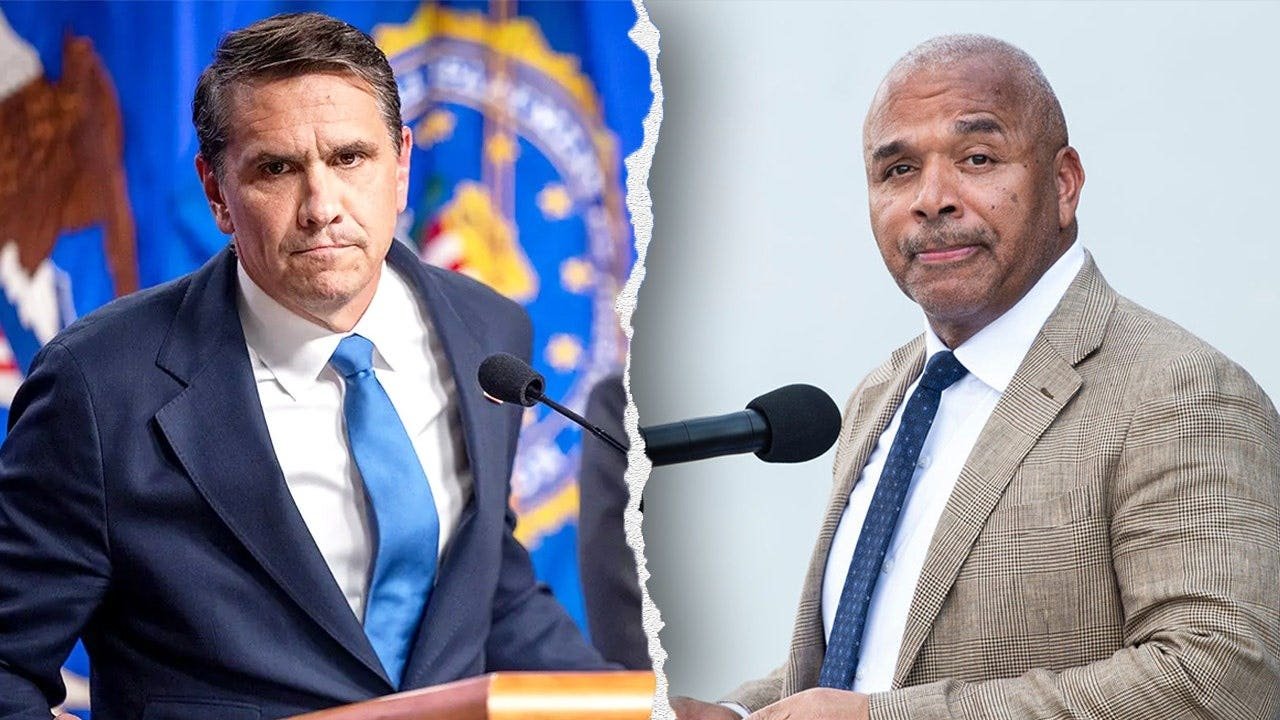
Acting Attorney General Todd Blanche, left, and SPLC interim President and CEO Bryan Fair are shown in a split image as the Justice Department pursues charges against the Southern Poverty Law Center. (Nathan Posner/Anadolu via Getty Images; USA TODAY Network via Imagn Images)
The list included more than one hundred non-profit organizations.
SPLC INDICTMENT BUILDS MOMENTUM FOR BESSENT’S TREASURY TO PROBE PARTISAN NONPROFITS
Separately, the Council on American-Islamic Relations (CAIR) issued a press release defending SPLC, saying that it stands with the nonprofit, and accusing the Department of Justice of «targeting» the organization.
«This reported federal targeting of SPLC appears to be a transparently political attack on the rule of law meant to undermine the vital role civil rights groups play in countering hate groups. This is unacceptable and must not stand,» CAIR’s statement read.
«We encourage all Americans and elected officials to stand in solidarity with the SPLC and all other organizations dedicated to the protection of civil rights,» the statement continued.
BLACK CHURCH GROUP RETRACTS ‘INAPPROPRIATE’ CALL FOR AL SHARPTON’S SUSPENSION OVER DONATIONS FROM HARRIS CAMP
CAIR was named a co-conspirator during The Holy Land Foundation (HLF) trial from 2007-2008, where five members of the HLF were convicted of conspiracy to provide material support to a terrorist organization, providing material support, money laundering and tax fraud after allegations that HLF funneled $12.4 million to Hamas in the early 2000s.
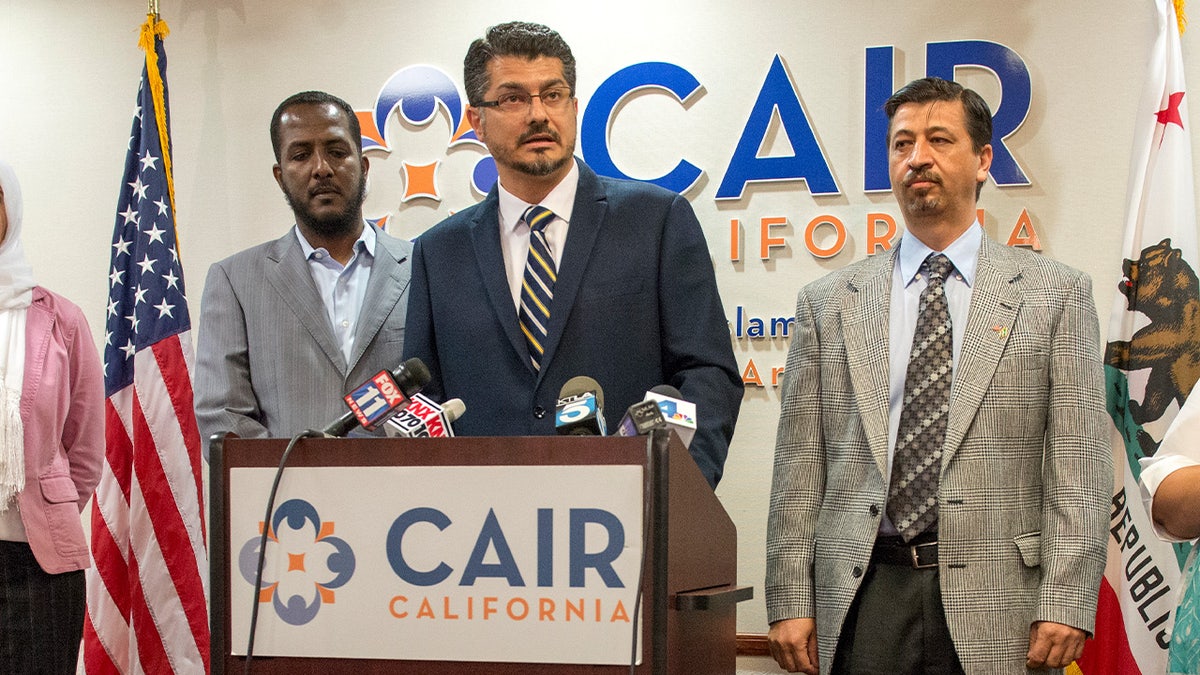
Hussam Ayloush, executive director of the Greater Los Angeles Area office of the Council on American-Islamic Relations, leads a press conference with CAIR California leaders amid calls from House Ways and Means Committee Chairman Jason Smith for an IRS investigation into the group’s tax-exempt status. (Leonard Ortiz/Digital First Media/Orange County Register/Getty Images)
While CAIR never faced charges and was only named by prosecutors during the trial, the FBI cut ties with the nonprofit following the case.
SEC. NOEM SAYS HOMELAND SECURITY WILL FREEZE GRANTS TO NON-GOVERNMENTAL ORGANIZATIONS
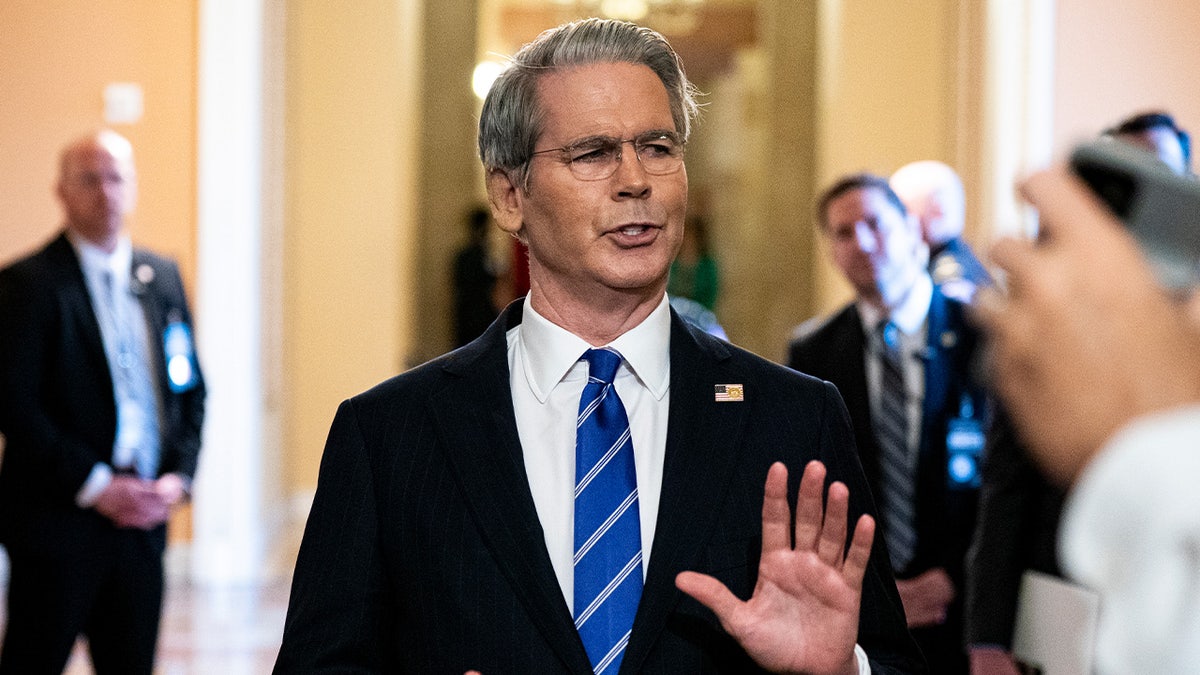
House Ways and Means Committee Chairman Jason Smith sent a letter to Treasury Secretary Scott Bessent and IRS CEO Frank Bisignano referring CAIR-California for IRS review. Treasury Secretary Scott Bessent spoke to reporters following a Senate Republican luncheon. (Al Drago/Getty Images)
Fox News Digital reached out to NASW but did not receive a response.
Federal authorities announced earlier this week that the Southern Poverty Law Center, known for civil rights litigation and racial justice, was indicted by a federal grand jury for allegedly funneling millions to members of violent extremist groups like the Ku Klux Klan, Aryan Nations and the National Socialist Party of America (American Nazi Party).
FAR-LEFT AGITATOR WHO ORGANIZED MN CHURCH STORMING RAKED IN OVER $1 MILLION FROM ANTI-POVERTY NONPROFIT
According to the SPLC’s Form 990 filing with the IRS, the 501(c)(3) tax-exempt charitable organization posted roughly $129 million in total revenue in fiscal year 2024 with nearly $800 million in total assets.
The organization says that the money was for informants to report back to SPLC and provide information about the groups and their inner workings.
The indictment said that one alleged informant, who was paid $270,000, shared «racist social media posts» under SPLC supervision, and that the nonprofit «helped organize transportation to events» during the deadly 2017 «Unite the Right» event in Charlottesville, Virginia.
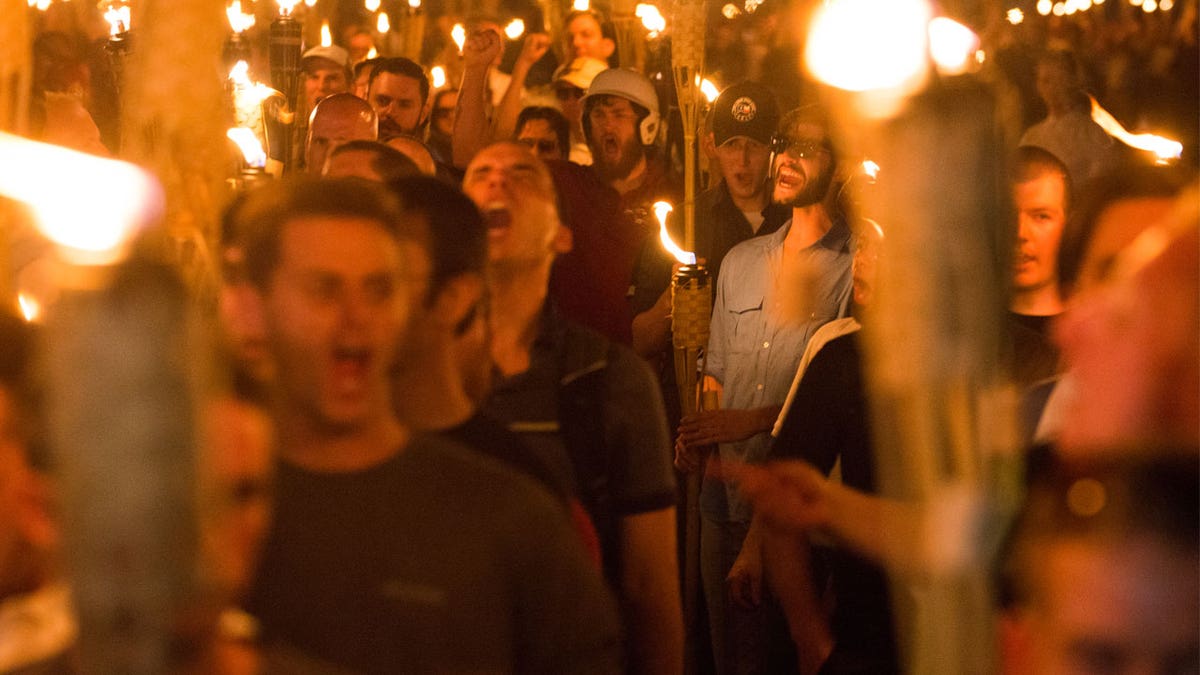
Neo Nazis, Alt-Right, and White Supremacists take part a the night before the ‘Unite the Right’ rally in Charlottesville, VA, white supremacists march with tiki torchs through the University of Virginia campus. (Zach D Roberts/NurPhoto via Getty Images)
EX-NONPROFIT BOSS ALLEGEDLY SWIPED $1.2M MEANT FOR HOMELESS PROGRAMS TO FUND LAVISH LIFESTYLE, DA SAYS
«These individuals risked their lives to infiltrate and inform on the activities of our nation’s most radical and violent extremist groups,» SPLC Interim President and CEO Bryan Fair said in a video statement. «When we began working with informants, we were living in the shadow of the height of the civil rights movement, which had seen bombings at churches, state-sponsored violence against demonstrators, and the murders of activists that went unanswered by the justice system.»
In 1994, an investigative series by the Montgomery Advertiser examined the financials of SPLC at the time, finding that the founder was heavily focused on fundraising for the nonprofit, running the organization like a business or corporation. It also found that the salaries of SPLC were high, and that the nonprofit raised significantly more money than it spent.
The Montgomery Advertiser was a finalist for the 1995 Pulitzer Prize in Explanatory Journalism due to the series on SPLC.

The Southern Poverty Law Center (SPLC) building seen in March 2020 in Montgomery, Alabama. (Barry Lewis/InPictures via Getty Images)
SPLC co-founder Joe Levin rejected the paper’s claims at the time.
DOJ SAYS SOUTHERN POVERTY LAW CENTER FUNNELED $3M+ TO WHITE SUPREMACIST AND EXTREMIST GROUPS
Margaret Huang, who served as the CEO of the nonprofit until her resignation last summer, made $522,000 a year as reported by Charity Watch, which gave SPLC an «F» rating in May 2025 «due to it having six years’ worth of available assets in reserve.»
The indictments also raise questions about whether SPLC donors were misled on how their money was being spent, including payments made to members of the KKK and other extremist groups.
«The SPLC indictment is legally valid, well-pleaded, and built to survive motion practice, former federal prosecutor and legal expert Andrew Cherkasky told Fox News Digital. «The wire fraud counts rest on specific, quoted solicitations telling donors their money would be used to ‘dismantle’ violent extremist groups, paired with the material omission that more than three million dollars flowed to the leaders, fundraisers, and organizers of those very same groups.»
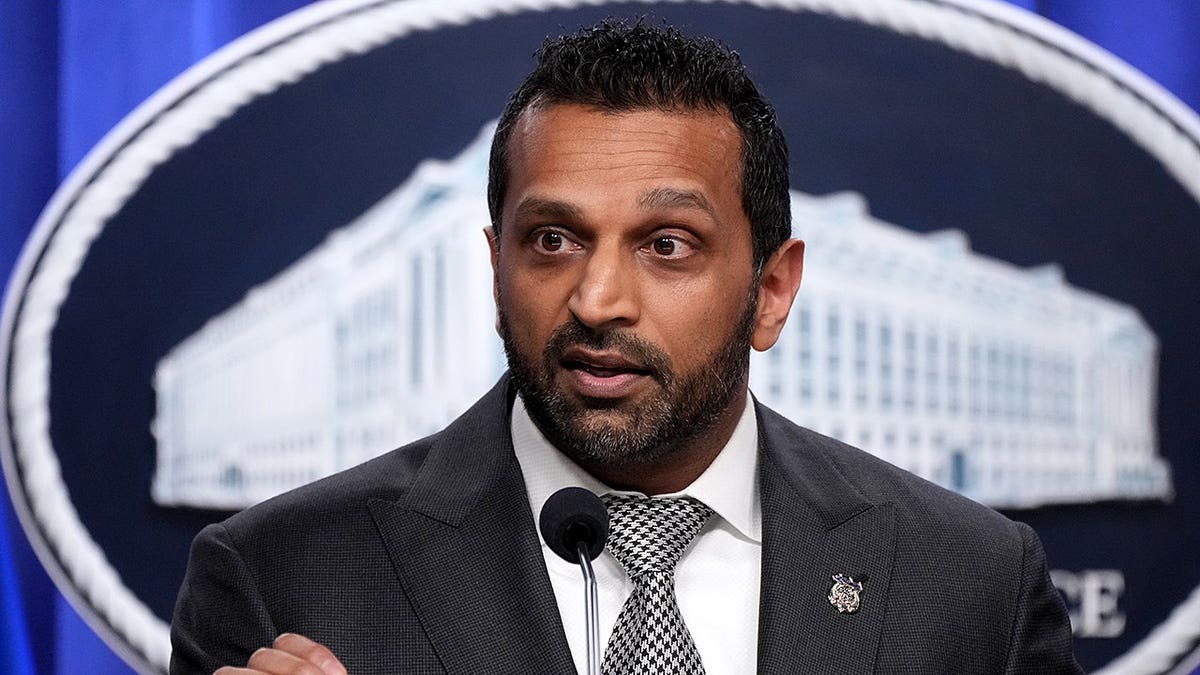
FBI Director Kash Patel speaks during a news conference at the Justice Department in Washington on April 21, 2026. (Jacquelyn Martin/AP)
OVERSIGHT DEMANDS DOJ ANSWERS ON FOREIGN FUNDING OF AGITATOR GROUPS AS IRAN, ANTI-ICE PROTESTS CONTINUE
Cherkasky noted that paying informants is not illegal, and that journalists, watchdog groups and the government regularly use them. But he noted «a nonprofit is criminally liable for the acts of its agents committed within the scope of their duties and for the organization’s benefit.»
«A high-level SPLC employee coordinated payment for documents stolen by a paid source who twice burglarized an extremist group’s headquarters, and a different source was paid six thousand dollars to falsely confess to the theft,» Cherkasky explained. «If proven, that is sponsored criminal conduct directed from inside the organization, and it carries institutional exposure that extends beyond the criminal counts to potential loss of tax-exempt status, civil liability to victims, and fiduciary exposure for directors and officers.»
FBI Director Kash Patel said Tuesday that SPLC was not honest or transparent with its donors.
CLICK HERE TO DOWNLOAD THE FOX NEWS APP
«They lied to their donors, vowing to dismantle violent extremist groups, and actually turned around and paid the leaders of these very extremist groups — even utilizing the funds to have these groups facilitate the commission of state and federal crimes,» Patel said. «That is illegal — and this is an ongoing investigation against all individuals involved.»
Fox News Digital reached out to SPLC, but did not receive a response.
hate crime, fbi, law, investigations, fund raising








INTERNACIONAL
La lectura potencia el cerebro más que el ejercicio, el sueño o la cafeína, afirma una nueva investigación

Un nuevo estudio sobre lectura y actividad cognitiva sostiene que la alfabetización no se limita a descifrar textos, sino que reconfigura funciones mentales como la memoria, la atención, el procesamiento del lenguaje, el razonamiento e incluso el reconocimiento de rostros, según plantea Falk Huettig, investigador principal del Instituto Max Planck de Psicolingüística.
De acuerdo con la investigación, la lectura actúa como uno de los potenciadores cognitivos más poderosos y con efectos cada vez mejor documentados. La alfabetización transforma la manera en que las personas procesan el lenguaje, organizan la atención, usan la memoria, razonan e incluso reconocen rostros.
Huettig sostiene que la lectura recibe menos atención que otros factores asociados al rendimiento mental, como el sueño, el ejercicio, la nutrición, el manejo del estrés, la cafeína o la neuroestimulación.
El estudio reúne trabajos de psicología, lingüística, neurociencia y educación para ordenar esa investigación en una sola explicación. Su tesis central es que leer y escribir no son herramientas neutrales, sino prácticas que transforman de forma profunda la mente.

Uno de los hallazgos más llamativos del estudio aborda el reconocimiento de rostros. Una idea extendida en neurociencia planteaba que, como la lectura es una adquisición cultural reciente, su aprendizaje podría ocupar parte de redes visuales más antiguas, incluidas las dedicadas a identificar caras.
Huettig rebate esa hipótesis. Sostiene que aprender a leer puede afinar esas redes, en vez de restarles capacidad, al aumentar la sensibilidad ante rostros y otras categorías de objetos visuales.
Esa propuesta se apoyó en estudios con adultos alfabetizados y analfabetos en India. Según el investigador, esas pruebas confirmaron que las personas alfabetizadas reconocían mejor los rostros que las analfabetas.
El estudio también rechaza la idea de que la alfabetización sea una meta que se alcanza de una vez y para siempre. Huettig afirma que la competencia lectora sigue desarrollándose después de que una persona aprende a leer con fluidez.

A su juicio, la práctica continuada automatiza y refina esos subprocesos y su coordinación. Esa evolución, añade, hace que las personas alfabetizadas miren el mundo con un filtro distinto al de quienes no leen o lo hacen menos.
Huettig añade que solo una minoría alcanza los niveles más altos de lectura crítica en evaluaciones internacionales como las pruebas PISA. También subraya que el tipo de textos importa, porque llegar a esa lectura avanzada exige contacto regular con materiales complejos y habilidades sólidas de pensamiento crítico y razonamiento.
En el debate sobre formatos, Huettig describe un panorama menos tajante. Señala que metaanálisis previos detectaron una comprensión lectora inferior en pantallas, aunque atribuye parte de esa diferencia a la autorregulación del lector.
Su explicación es que muchas personas consideran el papel un soporte más apropiado para la lectura seria y, por eso, ajustan su conducta y su esfuerzo mental de otra manera. Aun así, advierte que la investigación disponible no respalda la conclusión simplificada de que el papel siempre ofrece mejores resultados que lo digital.
Sobre los audiolibros, el investigador reconoce beneficios parciales. Explica que pueden exponer a vocabulario poco frecuente, construcciones gramaticales complejas y estructuras narrativas elaboradas, pero remarca que el conjunto completo de ventajas de la lectura solo se obtiene con el texto escrito.

De cara a padres y educadores, Huettig cuestiona la tendencia a simplificar en exceso los textos para adaptarlos a un vocabulario más reducido o a una menor destreza gramatical entre los jóvenes. También alerta sobre una dependencia excesiva de puntuaciones de legibilidad generadas por personas o por inteligencia artificial, así como del autocorrector para buscar palabras o gramática “mejores”.
Su propuesta apunta en sentido contrario: dar prioridad a la buena escritura, a una prosa memorable y a un lenguaje complejo y poco común para sostener y fortalecer la alfabetización. El trasfondo, según plantea, es que está en juego mucho más que una destreza escolar.
El estudio cierra con una advertencia sobre el lugar de la escritura en los próximos años, en un contexto marcado por teléfonos inteligentes, aprendizaje en línea e inteligencia artificial generativa. Huettig compara el posible destino del texto escrito con medios que pasaron de uso general a interés de nicho.
Si la alfabetización sigue cayendo a escala global, el investigador prevé que también podrían deteriorarse las habilidades que hoy miden las pruebas de inteligencia. Aunque futuras tecnologías lleguen a aliviar parte de esa pérdida, considera poco probable que compensen por sí solas ese retroceso.
Alfabetización,Georgia,Educación,Escuela primaria,Tercer grado,Estudiantes,Niñez,Lectura,Docente,Crisis educativa
INTERNACIONAL
Huida de película: escapó de China en un gomón y con un celular casi sin batería y llegó a Canadá

Dong dice que superó el miedo a la muerte
Del centro de refugiados a Canadá
Dong promete seguir adelante con su activismo
NEWYou can now listen to Fox News articles!
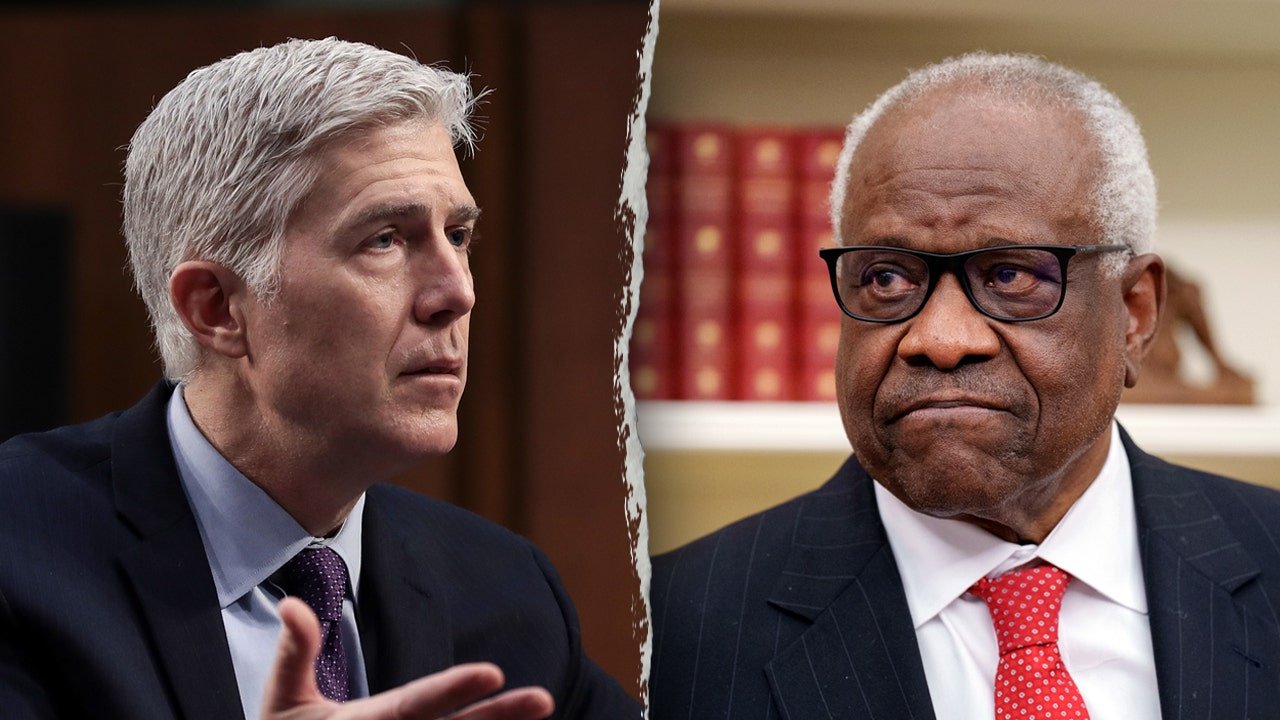
Two of the Supreme Court’s conservative justices criticized the majority’s decision not to take up attorney Alan Dershowitz’s defamation case against CNN, saying the high court missed an opportunity to revisit a controversial 1960s defamation precedent.
The dissent from the court’s conservative wing effectively called on the justices to revisit longstanding libel precedent, echoing President Donald Trump’s 2016 calls to loosen U.S. libel laws.
Dershowitz, who has represented famous figures like Trump, O.J. Simpson and Leona Helmsley, claimed CNN deceptively edited a snippet of his defense during Trump’s first impeachment trial about «quid pro quo[s]» to make it sound like he said the opposite of his fuller statements and used that clip to damage his reputation.
Justices Clarence Thomas and Neil Gorsuch — appointees of Presidents George H.W. Bush and Trump, respectively — criticized their colleagues for relying on the «actual malice» standard in evaluating whether CNN defamed Dershowitz, arguing the standard is not rooted in the Constitution and instead was created in the Supreme Court’s landmark 1964 decision in New York Times Co. v. Sullivan.
ISRAELI PM NETANYAHU INITIATING DEFAMATION LAWSUIT AGAINST NEW YORK TIMES OVER CONTROVERSIAL ‘DOG RAPE’ STORY
«Predictably, Dershowitz did not prevail under that exacting standard, which this Court created in New York Times Co. v. Sullivan. Dershowitz now asks this Court to overrule Sullivan and related precedents,» the conservatives wrote.
Dershowitz also reacted to the dissent in remarks to Fox News Digital, calling the majority’s standard «impossible» to overcome.
«All the judges agreed that CNN lied about me,» he said Monday.
«But the majority ruled, over dissents, that I had to prove actual malice by clear and convincing evidence— an impossible standard that I believe will be overruled in years to come.»
The Sullivan case arose after a Montgomery, Alabama, commissioner sued the Times for libel over a full-page advertisement criticizing how the city treated civil rights protesters.
An Alabama jury awarded damages to L.B. Sullivan even though he was not mentioned by name in the ad. The Supreme Court later reversed the ruling, holding that a public official cannot prevail in a defamation case unless he proves the statement was made with «actual malice» — knowing it was false or acting with reckless disregard for the truth.
«The actual-malice standard for public figures bears no relation to the text, history, or structure of the Constitution,» Thomas and Gorsuch wrote Monday in Dershowitz’ case.
«Instead, the founding generation believed that, if anything, public figures had stronger claims for damages when they were defamed.»
As one historical example, Thomas and Gorsuch pointed to the Sedition Act of 1798, which imposed a far lower threshold for defamatory statements about public officials.
Then-Rep. Matthew Lyon, D-Vt., was prosecuted under the law for characterizing President John Adams as someone with «unbounded thirst for ridiculous pomp, foolish adulation and selfish avarice» during American tensions with France.
JUDGE DISMISSES TRUMP’S $10B DEFAMATION LAWSUIT AGAINST THE WALL STREET JOURNAL OVER EPSTEIN STORY
President Thomas Jefferson allowed that law to expire in 1801 and pardoned many caught in its net.
More recently, Trump has called for loosening U.S. libel laws, echoing concerns similar to those expressed by Thomas and Gorsuch about the court’s defamation jurisprudence.
While running for president in 2016, Trump pledged to «open up our libel laws» if elected to pursue the ideological conglomerate he often labels «fake news.»
SIGN UP TO GET THE POLITICS NEWSLETTER
Journalists who «write purposefully negative and horrible and false articles — we can sue them and win lots of money,» Trump said.
He has often singled out defendant CNN more than most – famously warring regularly with its then-White House correspondent, podcaster Jim Acosta.
During one 2017 incident, Acosta repeatedly interrupted Trump during a news conference, leading the president to demand he not «be rude.».» Trump informed Acosta that he would not be taking a question from him because «you are fake news.»
Supreme Court Associate Justices Samuel Alito and Clarence Thomas wait to leave the stage after the inauguration ceremonies in the Rotunda of the U.S. Capitol in Washington, D.C., on Jan. 20, 2025. (Chip Somodevilla/AFP via Getty Images)
CLICK HERE TO DOWNLOAD THE FOX NEWS APP
«We’re going to open up libel laws, and we’re going to have people sue you like you’ve never got sued before,» Trump said at the 2016 event, going on to further name-drop the Times and Washington Post.
The ruling, along with Trump’s own lawsuit against the Ted Turner-founded network over its use of the term «Big Lie» to describe his claims about the 2020 election, leaves open the possibility that the court could revisit Sullivan, though such a shift appears unlikely in the near term.
Fox News Digital reached out to CNN for comment on the dissent.
first amendment, politics, federal courts, donald trump, judiciary, media, supreme court

Exportadores y el sindicato de aceiteros acordaron un aumento de sueldo para todo 2026

La lectura potencia el cerebro más que el ejercicio, el sueño o la cafeína, afirma una nueva investigación

Una funcionaria declaró que le prestó su tarjeta de crédito a Adorni para que se comprara un monitor de videojuegos

Una funcionaria confirmó ante la Justicia que le prestó su tarjeta de crédito a Adorni para comprar un monitor gamer

Dos exjugadores de la NBA Malik Beasley y Ed Davis fueron acusados en una investigación de apuestas deportivas ilegales

La impactante señal que Ana Acosta recibió de Ernestina Pais desde el más allá: “Les juro que no estoy loca”

El punto de quiebre que sentó la suerte de Manuel Adorni y los preparativos que hace el Gobierno ante su inminente salida

La bomba de Nico Occhiato tras el escándalo de Florencia Peña con Messi: “Lo más groso que pudimos haber logrado”

Una escena estremecedora: el dato más doloroso de los minutos posteriores a la muerte de Ernestina Pais

Cómo ganar $20 millones con Mercado Pago: el paso a paso para quienes cobran ANSES

 POLITICA2 días ago
El punto de quiebre que sentó la suerte de Manuel Adorni y los preparativos que hace el Gobierno ante su inminente salida
- CHIMENTOS2 días ago
La bomba de Nico Occhiato tras el escándalo de Florencia Peña con Messi: “Lo más groso que pudimos haber logrado”
- CHIMENTOS3 días ago
Una escena estremecedora: el dato más doloroso de los minutos posteriores a la muerte de Ernestina Pais