INTERNACIONAL
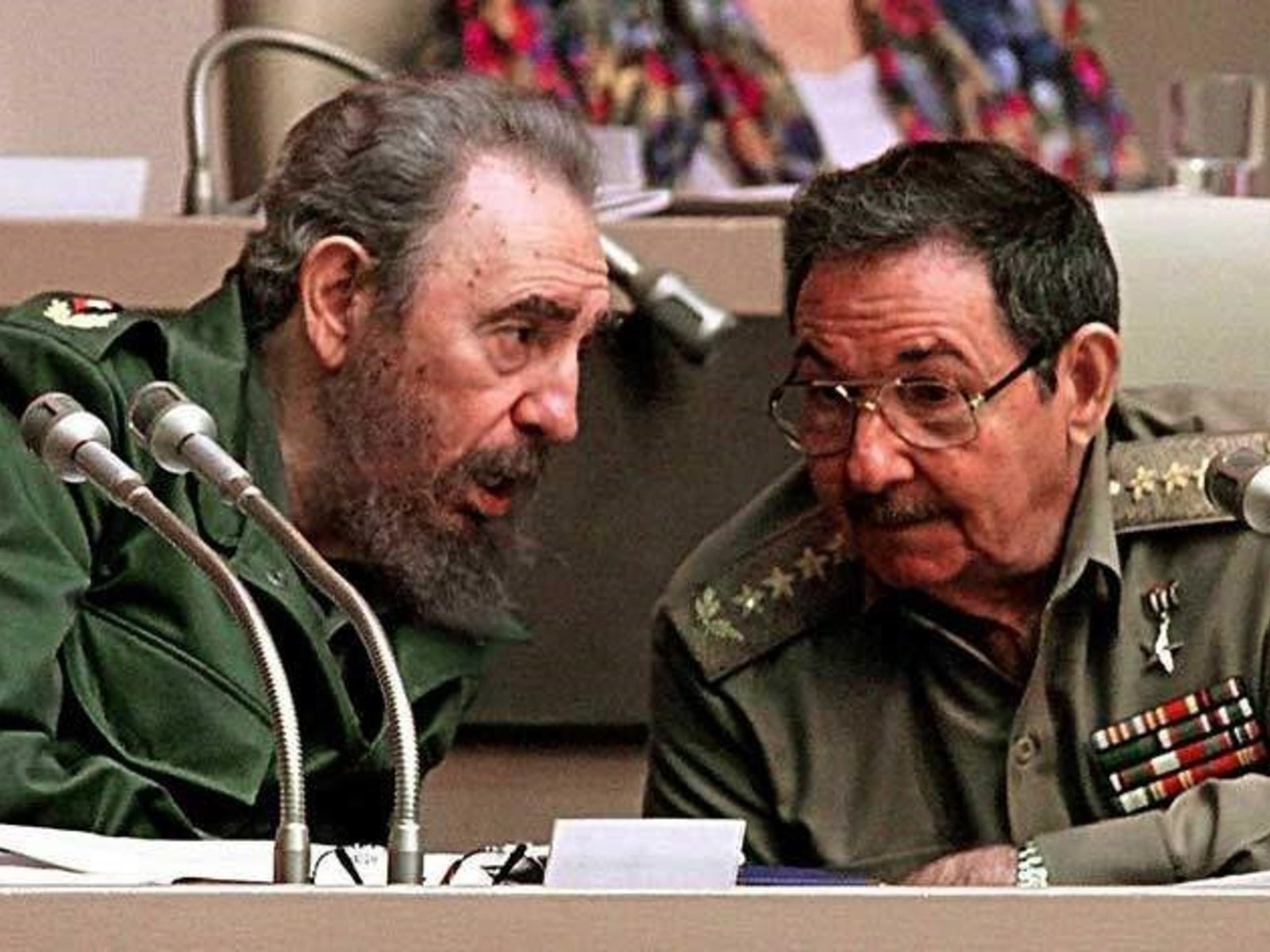
La presión de Trump sobre Cuba: EE.UU. prepara una acusación contra Raúl Castro por el derribo de dos avionetas hace 30 años




INTERNACIONAL
Billions in taxpayer income are leaving two iconic states — as a new economic map emerges

NEWYou can now listen to Fox News articles!
As Americans continue relocating across state lines, California and New York remain at the center of the nation’s migration story.
The latest IRS data show the top 10 counties with the largest net losses of taxpayers to other states were all located in California and New York. Compiled from federal tax returns, the figures offer one of the clearest snapshots of where Americans are relocating — and where their income is moving with them. Economists say those migration patterns help explain broader shifts in state economies, tax bases and housing markets as families weigh affordability, taxes and job opportunities when considering where they want to put down roots.
The movement of taxpayers and their income can also affect state and local tax collections, which help fund schools, public safety and infrastructure.
Los Angeles County, home to Hollywood and one of the nation’s largest economic engines, led the nation with a net loss of 17,496 tax filers. Those departing taxpayers took nearly $1.9 billion in income with them as they moved to other states.
THE RED STATES RACING AHEAD IN AMERICA’S POWERFUL WEALTH BOOM — AND THE STATES FALLING BEHIND
Other major counties in California and New York saw similar outflows. The next-largest taxpayer losses were recorded in Queens County, New York (-17,109), the Bronx (-16,319), Orange County, California (-11,618) and Suffolk County, New York (-10,434).
One New York county stood out for a different reason.
Manhattan gained more interstate tax filers than any other county in the nation while simultaneously losing nearly $1 billion in adjusted gross income, suggesting many of the newcomers earned less than those who left.
The latest data continue to point to a shift away from many of the nation’s largest coastal counties toward fast-growing destinations in the Sun Belt and Mountain West.
«It’s very, very clear that people ultimately vote with their feet and when they feel like they’re getting taxed too much, they go somewhere else where they will be taxed less,» Heritage Foundation chief economist E.J. Antoni told Fox News Digital.
«If you look at where these people are going, they’re not going to Massachusetts or Illinois or California,» Antoni said. «They’re going to Texas. They’re going to Tennessee. They’re going to Florida — places with low or no income taxes and low overall levels of taxation.»
AMERICANS KEEP MOVING TO TEXAS AND FLORIDA — BUT ONE OTHER RED STATE IS GROWING EVEN FASTER
Americans continue moving across state lines as migration patterns reshape local economies. (Lindsey Nicholson/UCG/Universal Images Group via Getty Images)
The remaining counties rounding out the top 10 for taxpayer losses were San Diego County, California (-9,401); Nassau County, New York (-9,130); Riverside County, California (-8,968); San Bernardino County, California (-8,462); and Kings County, New York (-6,924).
While those two states dominated the counties with the largest taxpayer losses, other parts of the country continued attracting new residents. The counties with the largest net gains in interstate tax filers were Maricopa County, Arizona (+9,353); Harris County, Texas (+8,955); King County, Washington (+8,297); and Clark County, Nevada (+7,524).
«The ‘vote with your feet’ movement, is real,» Paul Teller, a conservative strategist who previously served in the Trump-Pence White House, told Fox News Digital.
THESE STATES ARE ‘AHEAD OF THE GAME’ IN BRINGING DOWN HOME PRICES, TRUMP’S HOUSING CHIEF SAYS
Teller said Americans continue leaving high-tax, highly regulated states for places where they can keep more of what they earn and face lower costs of living, arguing the migration patterns should serve as a warning for policymakers in states that continue losing residents.
«What baffles me, especially as a former New Yorker, is that there doesn’t seem to be a lot of concern in the states that are losing people,» Teller told Fox News Digital.
CLICK HERE TO DOWNLOAD THE FOX NEWS APP

Manhattan attracted the nation’s most new tax filers between 2022 and 2023, yet still saw a sharp decline in reported income as wealthy residents left. (Spencer Platt/Getty Images)
Teller argued the trend could carry long-term fiscal consequences if affluent taxpayers continue leaving. He said the debate has taken on renewed attention as New York City Mayor Zohran Mamdani advances an agenda that includes higher taxes on top earners, rent freezes for stabilized apartments, free city buses and city-owned grocery stores.
California has likewise remained at the center of debates over taxes on high-income earners, maintaining one of the nation’s highest top marginal income tax rates.
«Let’s see what happens when the wealthy keep moving out of big blue states like California and New York,» Teller said. «We’ll see what happens to tax revenue. We’re already seeing it. It’s going down significantly.»
economy, taxes, politics, new york, california, texas
NEWYou can now listen to Fox News articles!
FIRST ON FOX: Many African economies are accelerating – booming – since the Trump Administration shifted policy focus from aid to trade, a senior State Department official told Fox News Digital.
In some African countries, doom was forecast when the Trump administration severely cut back USAID funding, but instead there’s been unprecedented economic growth, credited to the Commercial Diplomacy Strategy, introduced at the beginning of President Trump’s second term.
Now, «nine of the 20 fastest-growing economies (in the world) are in Africa,» Assistant Secretary for the Bureau of African Affairs Frank Garcia told Fox News Digital.
IRAN AND HOUTHI TERROR PROXY FACING RED SEA THREAT FROM PRO-US AFRICAN NATION
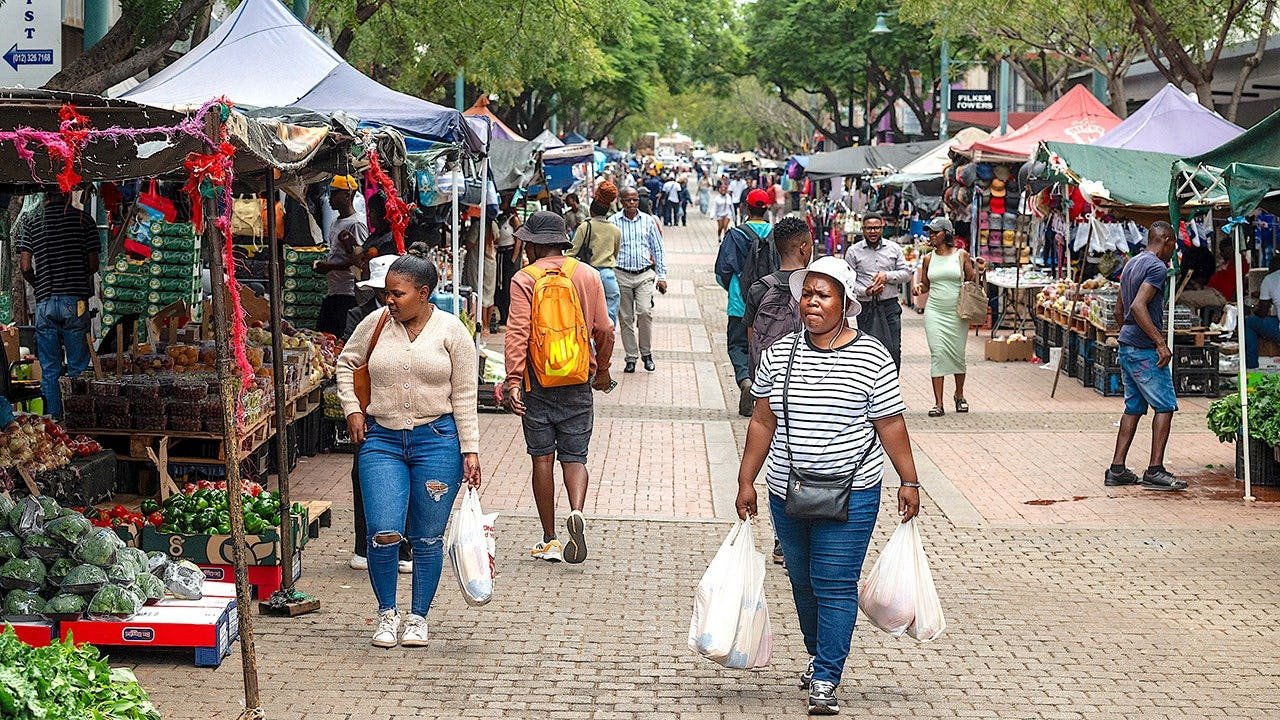
South African shoppers in Pretoria’s Central Business District. (Leon Sadiki/Bloomberg via Getty Images)
Garcia added, «African economies are responding positively to the shift from aid to trade. In 2025, U.S. exports to sub-Saharan Africa increased by 23% to $22.6 billion. And continue to grow this year.»
When the Administration cut USAID by 83% early last year, «The predictions were catastrophic: economies heavily dependent on foreign donors—from Ethiopia to South Sudan and Malawi — were expected to collapse. Instead, something quite different happened,» Anna Mahjar-Barducci, Project Director at the Middle East Media Research Institute (MEMRI), told Fox News Digital.
«The African continent proved far more resilient than expected, citing Ethiopia, which revised its 2026 growth forecasts upward despite the funding cuts,» Mahjar-Barducci continued. «According to projections by the International Monetary Fund (IMF), Sub-Saharan Africa is expected to grow between 4.3% and 4.6% in 2026, outpacing Asia as a whole, whose growth is forecast at around 4.1%. Growth is propelled by massive hydroelectric investments, construction, mining and expanding coffee exports.»
TRUMP GETS MAJOR WIN AGAINST CHINA IN AFRICAN RARE EARTH MINERALS RACE

Oil refinery in Ibeju Lekki district, Nigeria (Toyin Adedokun/AFP via Getty Images)
«This is no minor detail,» she continued. «For decades, we were told that without international aid Africa would collapse. Now that aid is genuinely drying up, much of the continent is not only avoiding collapse —i t is accelerating. This is precisely the argument that a long-standing school of African economic thought, now more relevant than ever, has advanced for years: aid is not the solution. In many cases, it is part of the problem.»
Assistant Secretary Garcia explained how the strategy works:» We see this economic acceleration in Africa. In order to best capitalize on it, the United States is focused on driving private investment, sustainable growth in terms of partnership and treating African nations not as aid recipients, but as capable commercial partners.»
He added «Our embassies (in Africa) work directly with the private sector to identify the policies, laws, and regulations constraining U.S. trade and investment. We then work with partner governments to develop practical reforms, identify the officials responsible for implementing them and determine where technical assistance may support implementation.»
CHRISTIAN FARMING COMMUNITIES UNDER SIEGE AS US REPORT NAMES FULANI MILITANTS NIGERIA’S DEADLIEST THREAT
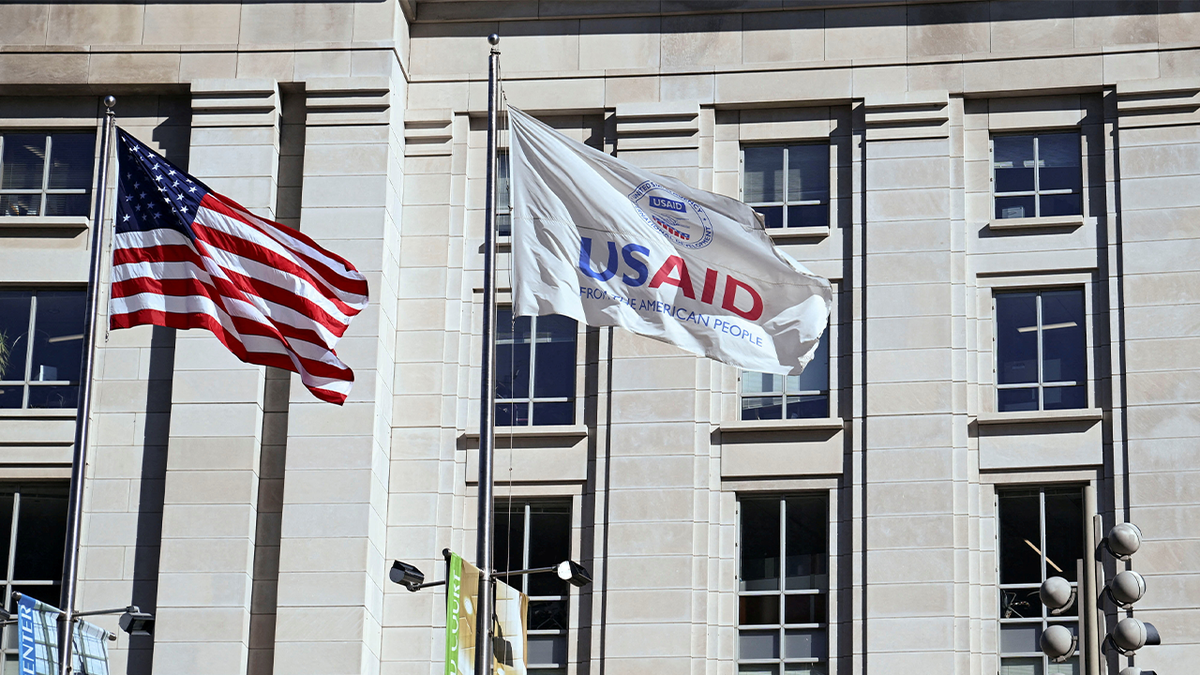
An American flag and USAID flag fly outside the USAID building in Washington, D.C., U.S., February 1, 2025. (REUTERS/Annabelle Gordon)
It’s a strategy that appears to be working, with Garcia adding, «The Bureau of African Affairs has worked on 37 commercial transactions that have closed since the beginning of the (current) Trump Administration, representing $25.67 billion in total value, with more still being reported. Embassies across the continent are actively working to close hundreds more. Top sectors include Energy 24%, ICT 19%, Critical Minerals and Mining 11%, Aerospace 8%, Agriculture 8%, Infrastructure 8%.»
Mahjar-Barducci criticized the way USAID worked, telling Fox News Digital,» When aid flows to governments rather than markets, it tends to finance projects designed in Brussels, Rome, or Washington which are not responding to the actual needs of local economies. Poverty cannot be overcome by treating people as permanent recipients of charity. Poverty can be reduced by recognizing people as entrepreneurs, workers and economic partners capable of building their own prosperity.»
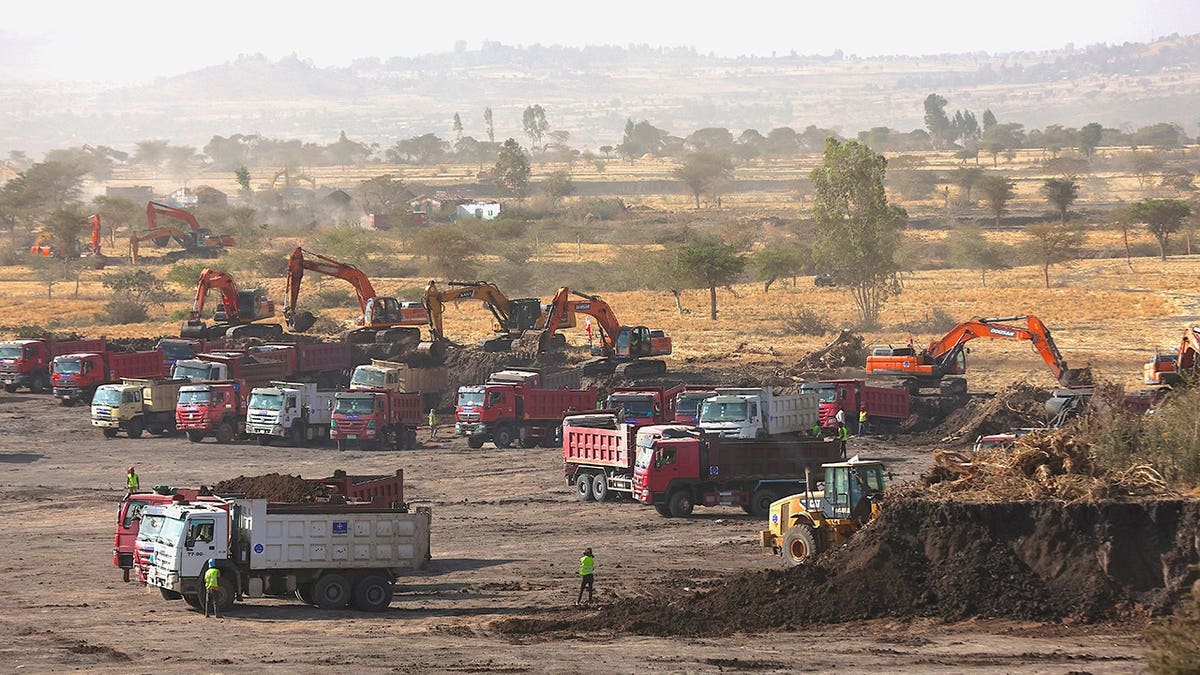
The Bishoftu International Airport is expected to become Africa’s largest aviation hub upon completion. (Geng Xinning/Xinhua via Getty Images)
AFRICAN UNION CHIEF DENIES GENOCIDE CLAIMS AGAINST CHRISTIANS AS CRUZ WARNS NIGERIAN OFFICIALS
Trade, rather than aid works, Mahjar-Barducci claimed. «The Trump administration’s more transactional approach to aid — access to critical minerals, or to citizens’ health data, in exchange for funding — should not be dismissed as merely cynical. Unconditional transfers have long been the deeper flaw in the traditional aid model: money with no strings attached removes any incentive for a recipient government to reform and often entrenches the same officials responsible for the underlying poverty.»
Enter the America First Global Health Strategy. A senior State Department official told Fox News Digital this week that the administration «has signed 34 bilateral global health Memoranda of Understanding(MOU) representing more than $24 billion in new health funding, including more than $14.3 billion in U.S. assistance, alongside more than $9.6 billion in co-investment from recipient countries.»
«24 of these MOUs were signed with sub-Saharan African countries,» the official continued. «These new bilateral MOUs are designed to continue life-saving care, build resilient healthcare systems, reduce dependency on American taxpayers and strengthen country ownership.»
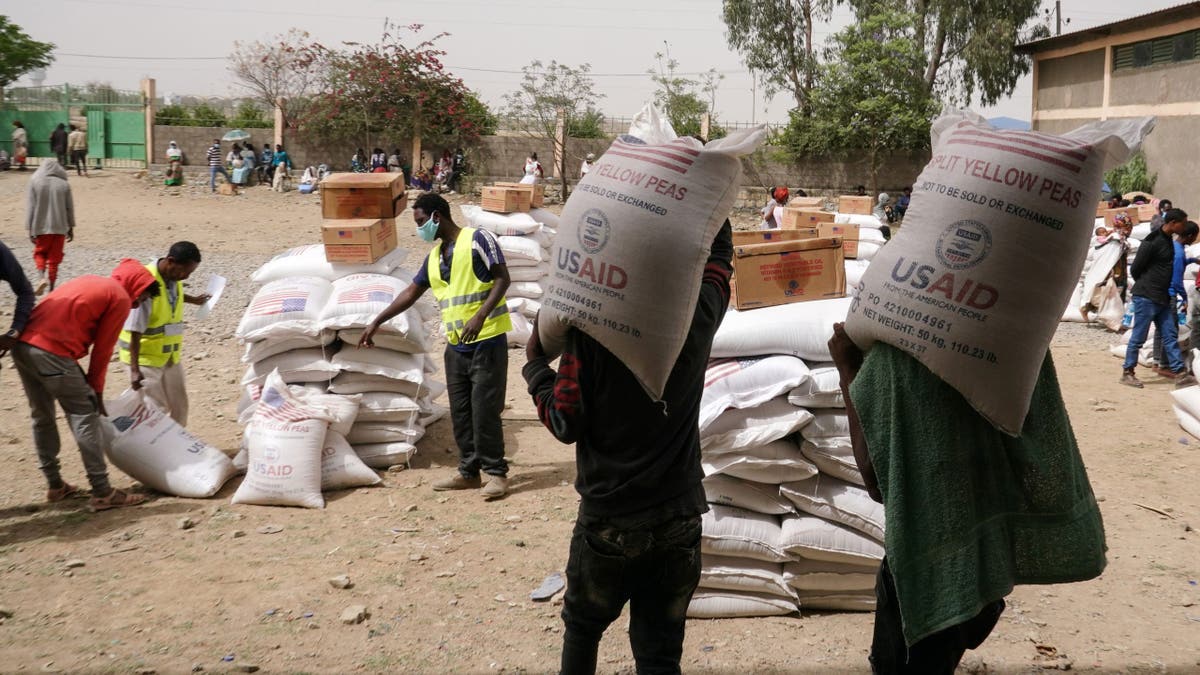
MEKELE, ETHIOPIA – JUNE 16: Aid workers move bags of yellow lentils that are part of athree-piece «Full Package» to be distributed to residents of Geha subcity at an aid operation run by USAID, Catholic Relief Services and the Relief Society of Tigray on June 16, 2021 in Mekele, Ethiopia. (emal Countess/Getty Images)
The administration has also decided to cut funding for a U.S. anti-AIDS program known as PEPFAR. Africa has been hit hard by the HIV/AIDS pandemic. UNAIDS, the United Nations program that deals with the virus, reports that South Africa has the highest infection rate in the world.
But the State Department official Fox News Digital spoke with says South Africa must take some of the blame for cutting help to its own people. «The United States has decided to initiate a phased drawdown of PEPFAR programming in South Africa, following South Africa’s failure to make demonstrable progress on policy requests by the administration. The United States communicated to [the] South African government multiple times at many levels that PEPFAR funding would be terminated if they failed to address President Trump’s concerns.»
CLICK HERE TO DOWNLOAD THE FOX NEWS APP
«PEPFAR was never intended to be permanent,» the official added. «Its success is measured by countries’ ability to sustain and build upon these gains. South Africa is a middle-income country and is more than capable of supporting its own health programs.»
Fox News Digital reached out to the South African government, but received no response.
africa, national security, state department, aid, donald trump, south africa
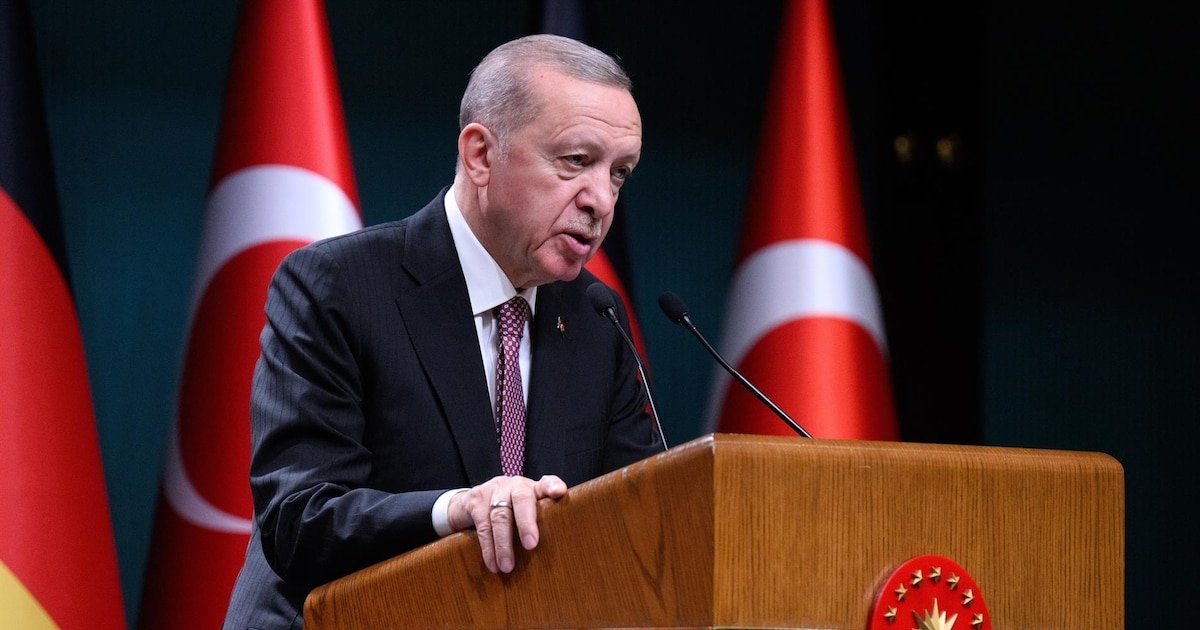
Cuando el historiador británico Martin Walker, a principios del año 2000, instauró el concepto del “dilema turco”, la disyuntiva se planteaba en términos interiores: Atatürk versus Erdogan, laicismo o islamismo, democracia o autocracia. Veintiséis años después, el concepto subsiste, pero no para definir la realidad dual turca, sino para expresar la encrucijada que representa Turquía para Occidente. En dos décadas, y especialmente después del intento de golpe de estado de 2016 y de la posterior represión de Erdogan, el dilema interior ha desaparecido: el laicismo ha sido sustituido por el islamismo como identidad nacional, y la democracia parlamentaria se ha transformado en una autocracia presidencial.
La biografía del propio Recep Tayyip Erdoğan es una fotografía precisa de esta transformación que ha cambiado radicalmente el paradigma turco. En 1997, siendo alcalde de Estambul fue acusado de extremismo y odio religioso, y fue sentenciado a dimitir de su cargo y pasar cuatro meses en la cárcel. Su partido, el islamista Refah Partisi fue ilegalizado por el Constitucional turco. El detonante, que sumaba a una larga carrera en defensa del integrismo, fue un poema del poeta Ziya Gökalp que Erdogan leyó en un mitin, modificando la letra para convertirla en una soflama fundamentalista. Este fue el texto que alertó a las autoridades turcas: “Las mezquitas son nuestros cuarteles, las cúpulas son nuestros cascos, los minaretes nuestras bayonetas y los creyentes, nuestros soldados”. En aquel momento, la defensa del laicismo era el eje central de la vida política y judicial de Turquía, en coherencia con el mítico legado de Mustafa Kemal Atatürk. Dos décadas después, ese legado es historia: el gobierno ha inyectado miles de millones en crear escuelas públicas religiosas (las Imam Hatip); han reducido las horas de ciencia y biología en primera y secundaria, sustituidas por el estudio de la moral religiosa; se ha incorporado la asignatura de historia de la Jihad; han convertido el Ministerio de Asuntos Religiosos en un gran poder económico que instruye a miles de mezquitas, convertidas en correas de transmisión; y, más allá de otras muchas decisiones de corte islamista, en 2020 Erdogan revocó el decreto de Ataturk que convertía la basílica de Santa Sofía en un museo, y la ha vuelto a transformar en mezquita.
Si en lo identitario, Turquía ha transitado hacia una severa islamización que sistemáticamente purga y discrimina la laicidad, en lo político el proceso hacia una autarquía represora ha sido tan veloz como implacable. Con la excusa del golpe de estado de 2016, Erdogan ha ido perpetrando una purga masiva que implica centenares de miles de personas destituidas de sus cargos o directamente encarceladas, desde militares, hasta periodistas, intelectuales, profesores políticos, abogados y cualquiera que se enfrente a su poder. La purga en el ejército ha significado la expulsión de miles de miembros y el cierre de centenares de academias, como lo ha sido la purga en los medios de comunicación (centenares clausurados), en las asociaciones cívicas, fundaciones y sindicatos. Solo a nivel educativo, cerca de 130.000 profesores (en todos los niveles, desde primaria hasta catedráticos) han sido destituidos. Uno a uno, todos los líderes opositores han acabado en procesos judiciales y muchos de ellos encarcelados. El caso más notorio es del alcalde de Estambul Ekrem Imamogly, el líder del principal partido opositor, el Partido Republicano del Pueblo (CHP), que fue arrestado en marzo de 2025 junto a decenas de funcionarios municipales, acusado de todo tipo de cargos, desde corrupción y malversación, a terrorismo. La acusación llegó justo cuando su partido lo nombró candidato a la presidencia. Piden para él 2.430 años de cárcel. Además, vía justicia, Erdogan ha conseguido la disolución forzosa de la cúpula del partido, con lo cual ha conseguido anular a su principal opositor. Se calcula que el número de presos políticos en las cárceles turcas se acerca a los 40.000.
Hoy por hoy Erdogan gobierna con un poder absoluto que implica el dominio de los poderes del estado, desde el control integral de la justicia, (ahora es el jefe del estado quien nombra a los miembros del Consejo de Jueces y Fiscales y a los magistrados del Constitucional), hasta el dominio de las universidades (los rectores también son nominados por él, o los medios de comunicación, que también queda en manos del ejecutivo). Con el cambio constitucional de 2017 en el que se sustituyó el sistema parlamentario por un sistema presidencialista con amplios poderes, la capacidad de los diputados para influir en las políticas públicas ha quedado en nada. Y así, entre el proceso de islamización masivo, y el proceso de desdemocratización, Erdogan se asienta en un poder imperial desde hace 23 años, que puede alargarse ad eternum.
El dilema turco interior ha quedado engullido por la voracidad de este islamista radical cuyo objetivo es la desaparición del legado de Ataturk. Pero si el interior está desdibujado, el dilema turco en el exterior está más vivo que nunca: por un lado, es un país militarmente poderoso y geopolíticamente imprescindible, de manera que tanto la OTAN como la UE necesitan tenerlo de socio; por el otro, preocupa su política exterior, agresiva, ambivalente y expansiva. Interviene en Libia, donde ha sentado bases permanentes, en el Sahel, a través de las dictaduras prorrusas, en el Cáucaso, en la isla de Chipre (con una política islamizadora muy agresiva), y por supuesto en todo Oriente Medio, donde quiere sustituir a Irán y a Arabia Saudita como poder central, mientras hostiga permanentemente a Israel. Si en lo identitario, Erdogan anhela restituir a la Turquía islámica, y en lo político, emula al sultanato, en la estrategia internacional quiere recuperar el viejo imperio otomano. Algo así como la Gran Rusia de Putin, pero en versión turca. De ahí que sea un auténtico dilema para Occidente porque Turquía es una solución, pero una solución envuelta en un problema. Un problema que, de la mano de Erdogan, puede convertirse en el más importante de la región en los próximos tiempos.
X: @RaholaOficial
Web:
Instagram: pilar_rahola/

Pix quedó en el centro de una disputa entre EEUU y Brasil: hay quejas contra el medio de pago más usado por los turistas argentinos

Victoria Villarruel y Patricia Bullrich tuvieron una dura discusión por la sesión en el Senado: los chats con fuertes acusaciones

La crónica de un periodista inglés que vio el partido entre 150 mil argentinos: “Si crees que nos apasiona el fútbol, deberías visitar este inmenso país”

Billions in taxpayer income are leaving two iconic states — as a new economic map emerges

Milei habló de la bandera de Malvinas que mostraron los jugadores: “En el peor de los casos será una sanción de US$30.000″

El escándalo que desató Enzo Fernández en su club tras el triunfazo contra Inglaterra: “Matón racista y payaso”

El álbum de las vacaciones soñadas de Darío Barassi con su familia: “Ibiza, nos vas enamorando”

El petróleo sube más de 3% tras la reanudación de los ataques de EEUU contra Irán y la amenaza de cierre del estrecho de Ormuz

Cámara de Comercio panameña cierra filas y llama a fortalecer la Zona Libre de Colón

Operativo Reelección 2027: Los 8 Cambios Urgentes que Javier Milei Debe Implementar para Asegurar su Continuidad

 POLITICA3 días ago
Operativo Reelección 2027: Los 8 Cambios Urgentes que Javier Milei Debe Implementar para Asegurar su Continuidad
- ECONOMIA3 días ago
Quiénes se quedan con las esquinas más cotizadas de la Ciudad tras el cierre de sucursales bancarias
- ECONOMIA3 días ago
Aumentó 900% la cantidad de repartidores de plataforma en los últimos 6 años