INTERNACIONAL
Pakistan: America’s most complicated ally — and why Trump is betting on it again

NEWYou can now listen to Fox News articles!
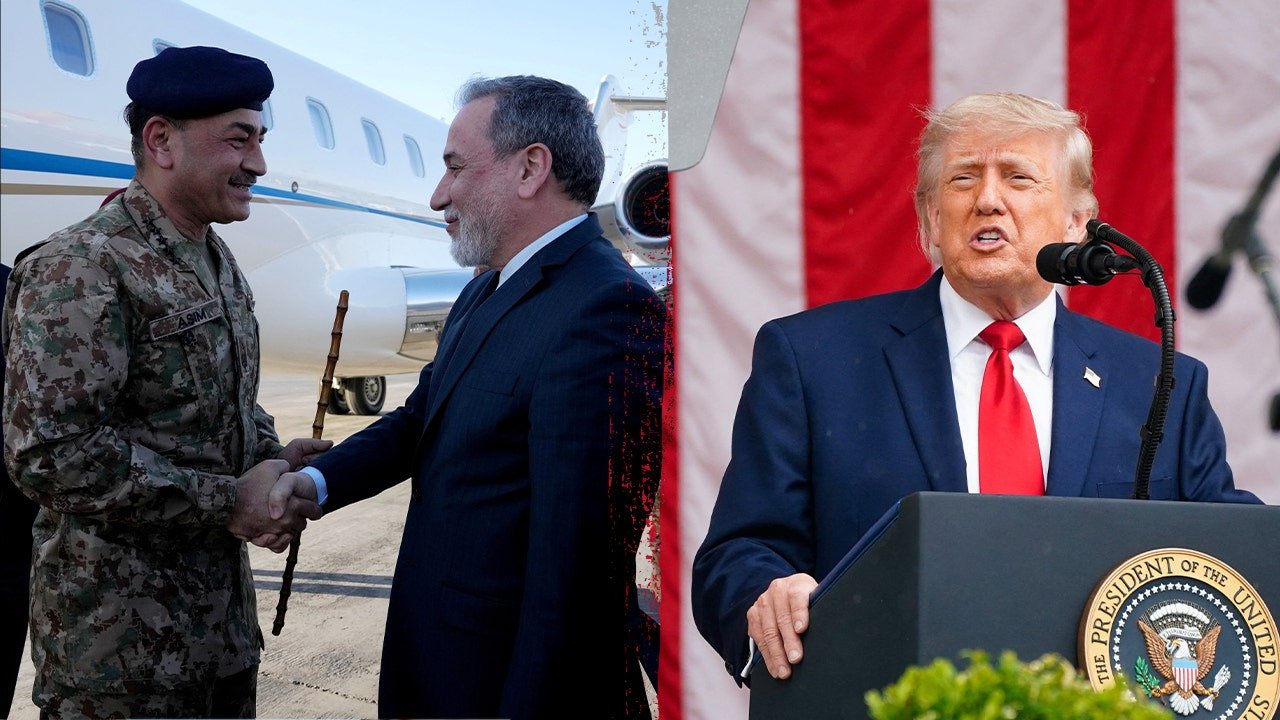
As Pakistan’s army chief, Field Marshal Asim Munir, emerged as a key intermediary in negotiations tied to the escalating Iran crisis, Washington once again found itself relying on a country that American officials have spent decades accusing of playing both sides in the war on terror.
Munir has emerged as a key intermediary in negotiations aimed at preventing renewed conflict with Iran, placing Pakistan — despite decades of accusations involving Taliban safe havens, nuclear proliferation and Osama bin Laden — back at the center of U.S. diplomacy in the Middle East.
The latest negotiations have again exposed one of the biggest contradictions in U.S. foreign policy: Washington keeps turning to Pakistan even after years of tension, distrust and accusations that elements of the country’s security establishment supported militant groups fighting American troops.
ISLAMABAD DENIES SHELTERING IRAN JETS, TRUMP PRAISES PAKISTAN’S MEDIATION AS ‘ABSOLUTELY GREAT’
Pakistan’s renewed diplomatic role has come under heightened scrutiny — and exposed divisions among Republicans — after allegations that Iranian military aircraft may have been moved into Pakistani territory during the recent conflict, claims Islamabad has denied.
«I don’t trust Pakistan as far as I can throw them,» Sen. Lindsey Graham, R-S.C., said May 12. «If they actually have Iranian aircraft parked in Pakistan bases to protect Iranian military assets, that tells me maybe we should be looking for somebody else to mediate.»
Trump, however, publicly praised Pakistan’s leadership the same day.
«They’re great,» Trump told reporters May 12. «I think the Pakistanis have been great. The field marshal and the prime minister of Pakistan have been absolutely great.»
«Prime Minister Shehbaz Sharif and Field Marshal Asim Munir have been helpful mediators, and the United States is grateful for Pakistan’s efforts to bring an end to the conflict. When Iran’s nuclear threat is removed for good, the entire world will be safer and more stable,» White House spokesperson Olivia Wales told Fox News Digital in a statement.
Iranian Parliament Speaker Mohammad Bagher Ghalibaf meets with chief of Defence Forces of Pakistan, Field Marshal Asim Munir, in Tehran, Iran, May 23, 2026. (Iranian Parliament Speaker Office/WANA (West Asia News Agency)/Handout via Reuters)
Where Pakistan burned the US
Pakistan has long occupied an uneasy place in American foreign policy.
The nuclear-armed country borders both Iran and Afghanistan, maintains deep ties across the region’s security landscape and has historically been viewed by U.S. officials as too strategically important to fully isolate.
Even critics who accuse Pakistan of double-dealing acknowledge Washington has struggled to disengage from Islamabad because of the country’s nuclear arsenal, geographic position and influence over regional militant networks.
But distrust between Washington and Islamabad deepened dramatically after U.S. forces killed bin Laden in Abbottabad, Pakistan, in 2011 — a military town located near the country’s premier military academy.
«The fact that we had to do that operation without Pakistani support speaks volumes as to how much we trusted them,» Bill Roggio, senior fellow at the Foundation for Defense of Democracies and editor of the Long War Journal, told Fox News Digital.
Critics and former U.S. officials long questioned whether Pakistani intelligence could have been unaware of bin Laden’s presence in Abbottabad, though Pakistan has repeatedly denied knowingly sheltering him.
Analysts say Pakistan’s military establishment also spent years viewing Afghanistan through the lens of its rivalry with India, seeing a Taliban-friendly government in Kabul as a form of strategic leverage against Indian influence in the region.
«They view Afghanistan as strategic depth,» Roggio said.
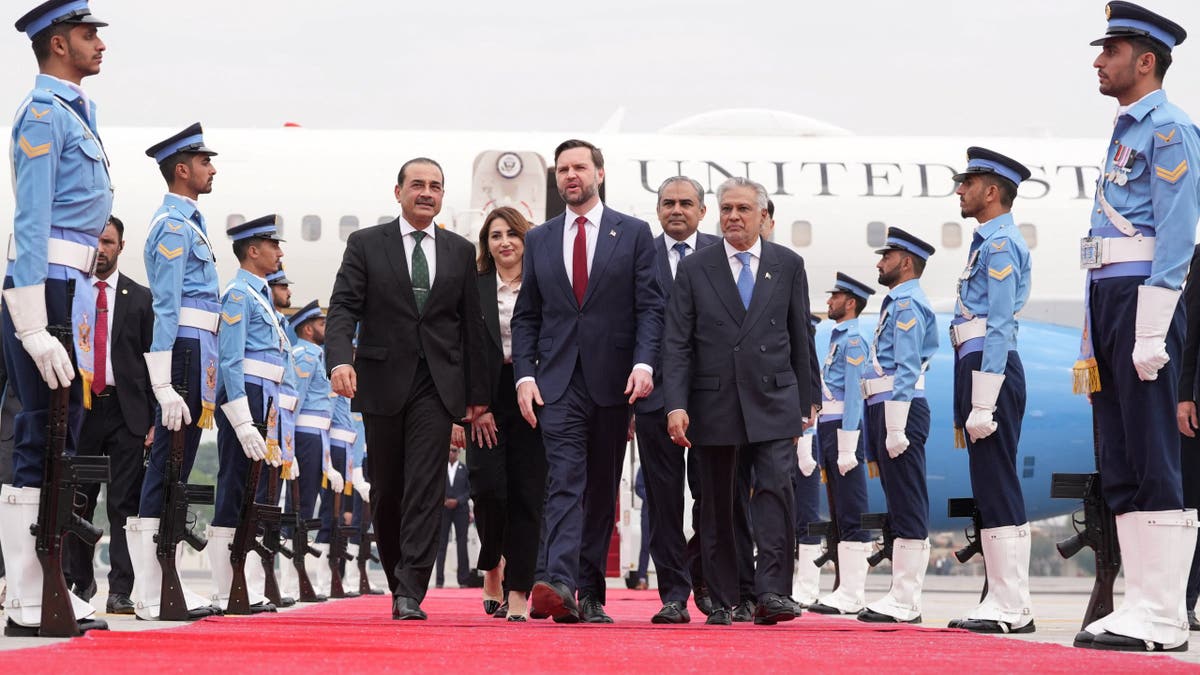
Vice President JD Vance walks with Pakistan’s Chief of Defense Forces Field Marshal Asim Munir, Deputy Prime Minister Mohammad Ishaq Dar, U.S. Embassy Charge d’Affaires Natalie A. Baker, and Interior Minister Mohsin Raza Naqvi after arriving for talks with Iranian officials in Islamabad, Pakistan, on April 11, 2026. (Jacquelyn Martin/Reuters)
Analysts say Pakistan’s security establishment historically differentiated between militant groups targeting Pakistan itself and groups viewed as useful against India or in Afghanistan — a strategy critics argue led Islamabad to tolerate or maintain ties with some Taliban-linked and anti-India groups even while cooperating with U.S. counterterrorism operations after 9/11.
Pakistani officials also have argued the country paid a heavy price for aligning with Washington after 9/11, pointing to years of suicide bombings, insurgent attacks and instability inside Pakistan itself.
Pakistan’s defense minister recently acknowledged the country had done «dirty work» for the U.S. and the West during decades of regional conflict, arguing policies tied to the anti-Soviet war in Afghanistan and the post-9/11 era ultimately destabilized Pakistan itself.
Roggio argued Pakistan’s security establishment spent years publicly cooperating with Washington while simultaneously tolerating or supporting Taliban-linked groups fighting American troops in Afghanistan.
PAKISTAN FLIP FLOPS ON TRUMP NOBEL PEACE PRIZE NOMINATION AFTER LESS THAN 24 HOURS
«Pakistan supported the Taliban knowing that they were killing Americans,» he said.
Pakistan’s latest diplomatic role has also drawn renewed scrutiny after allegations that Iranian military aircraft may have been moved into Pakistani territory during the recent conflict — claims Islamabad has denied.
Pakistan’s nuclear history has fueled concern in Washington for decades as well. Abdul Qadeer Khan, the architect of Pakistan’s nuclear program, later admitted operating a proliferation network that transferred nuclear technology and expertise to countries including Iran, Libya and North Korea.
Counterterrorism analysts and former U.S. officials have long warned that al Qaeda operatives and affiliated groups continued finding sanctuary in parts of Pakistan’s tribal regions even after the 9/11 attacks, though the scale of those networks remains debated.
Pakistani officials have long denied supporting terrorist organizations and argue the country has itself suffered heavily from Islamist violence, including attacks by ISIS-K and the Pakistani Taliban. Islamabad also has denied allegations that Iranian military aircraft were sheltered inside Pakistan during the recent conflict.
Why Trump is betting on Pakistan again
More than a decade after the bin Laden raid shattered trust between Washington and Islamabad, Pakistan’s military leadership has again emerged as a critical diplomatic channel for Washington — this time during the escalating crisis involving Iran.
Trump increasingly has engaged Munir directly in recent weeks, reinforcing longstanding perceptions that Pakistan’s military — rather than its civilian government — remains the country’s dominant power center.
Munir, a former intelligence chief, has leveraged Pakistan’s longstanding relationships across the region to position himself as a channel between Washington and Tehran.
Roggio argued Pakistan is also attempting to rehabilitate its international image by presenting itself as a stabilizing force in the region.
«They’re trying to present an image of being a purveyor of peace in the region,» he said.
Earlier rounds of diplomacy tied to the Iran conflict were also hosted in Islamabad, elevating Pakistan’s role as a regional intermediary.
Pakistan and Qatar appear to have emerged as complementary diplomatic channels rather than competing ones during the latest negotiations involving Iran.
Analysts say Pakistan’s military leadership has increasingly positioned itself as a political and security intermediary between Washington and Tehran, while Qatar has remained central to the more formal diplomatic and financial dimensions of regional negotiations.
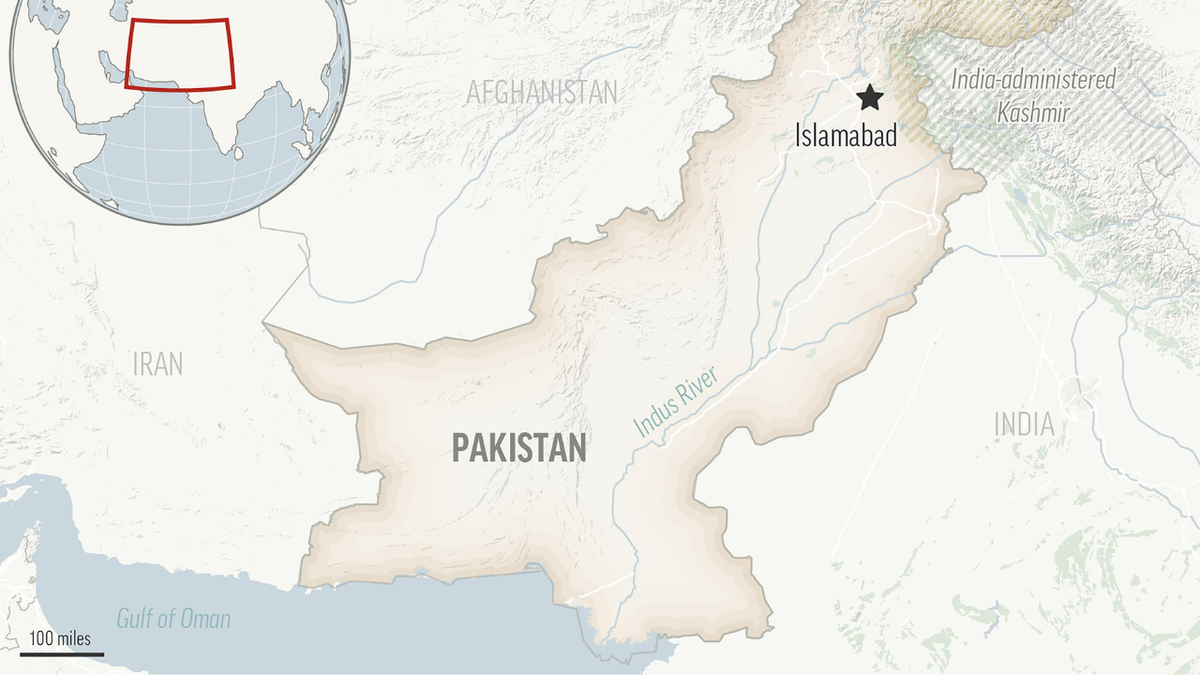
This is a locator map for Pakistan with its capital, Islamabad, and the Kashmir region.
Qatar, which hosted negotiations between the U.S. and the Taliban that led to the 2020 Doha agreement laying out the framework for the eventual U.S. withdrawal from Afghanistan, has again emerged as a central diplomatic channel as talks intensified over the weekend.
Pakistan also played a behind-the-scenes role in those negotiations, reflecting Washington’s longstanding reliance on Islamabad’s ties to the Taliban leadership during the Afghanistan war.
Critics of the Doha agreement argued it sidelined the U.S.-backed Afghan government while strengthening the Taliban ahead of its return to power in 2021.
Pakistan’s relationship with the Taliban also has become increasingly strained since the group returned to power in Afghanistan. Pakistani officials have accused Taliban authorities of failing to stop militants launching attacks into Pakistan from across the border, and Islamabad has threatened military action against some groups operating near Afghan territory.
The divide over Pakistan reflects a broader debate that has shaped U.S. foreign policy for decades: whether Washington’s strategic need for Islamabad outweighs longstanding concerns over the country’s relationships with militant groups and regional adversaries.
CLICK HERE TO DOWNLOAD THE FOX NEWS APP
More than a decade after the bin Laden raid shattered trust between Washington and Islamabad, Pakistan has once again become a diplomatic channel the U.S. appears unable — or unwilling — to avoid during one of the region’s most volatile crises.
afghanistan, middle east foreign policy, pakistan, foreign policy, iran









INTERNACIONAL
Santiago Peña se reunió con Felipe VI para abordar los desafíos globales y la cooperación de cara a la Cumbre Iberoamericana
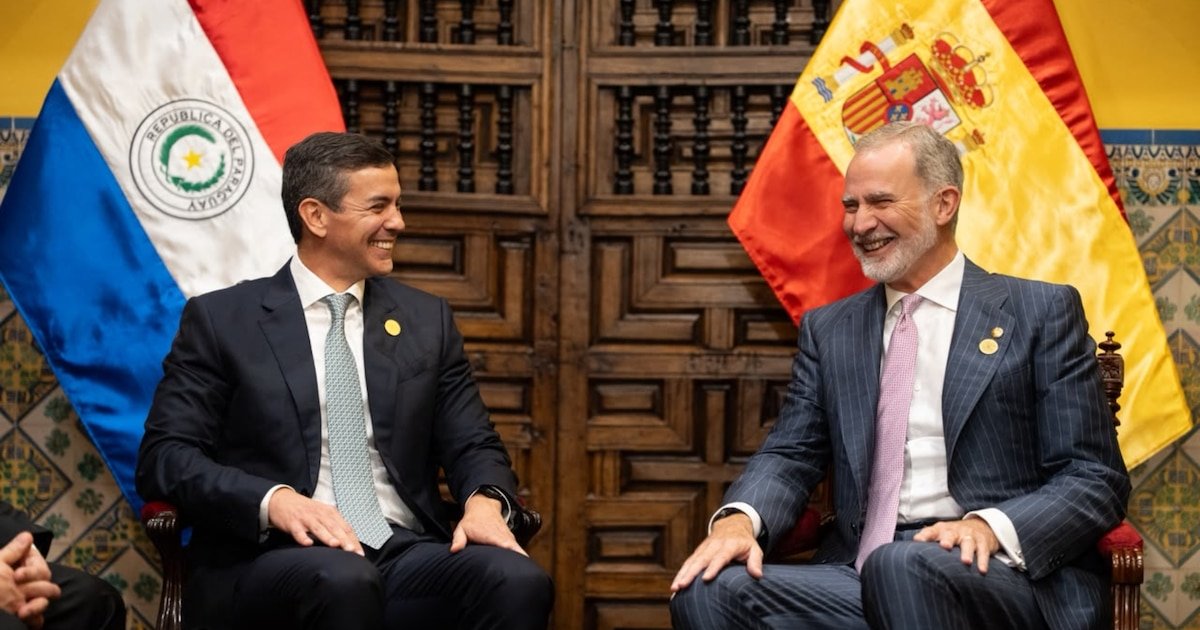
El presidente de Paraguay, Santiago Peña se reunió con el rey de España, Felipe VI, el martes en Lima en el marco de la juramentación de Keiko Fujimori como presidenta de Perú. En el encuentro bilateral, analizaron los grandes desafíos globales, la cooperación entre ambos países y temas sustantivos de cara a la próxima Cumbre Iberoamericana, que se celebrará en noviembre en Madrid, según informaron fuentes oficiales.
Durante su visita a la capital de Perú, Felipe VI y Peña abordaron prioridades comunes en materia internacional. “Durante un excelente encuentro bilateral con el rey Felipe VI de España evaluamos los grandes desafíos globales que enfrentan nuestros continentes”, publicó Peña en la red social X.
El jefe de Estado paraguayo resaltó que en la conversación también se incluyó la cooperación ambiental ante emergencias climáticas actuales, así como la importancia de la transición energética y el papel de las inversiones españolas en proyectos solares en Paraguay. Además, ambos mandatarios trataron la lucha conjunta contra el crimen organizado. “Definimos temas sustantivos para seguir fortaleciendo los lazos de cara a la próxima Cumbre Iberoamericana de noviembre”, agregó el presidente paraguayo.
Por su parte, la Casa Real de España comunicó, a través de la misma red social, que la reunión entre Felipe VI y Peña se realizó en el contexto de los actos de transmisión de mando presidencial en el país latinoamericano.

En junio, el ministro de Relaciones Exteriores de Paraguay, Rubén Ramírez, y su homólogo de Asuntos Exteriores, Unión Europea y Cooperación de España, José Manuel Albares, conversaron telefónicamente sobre el acuerdo comercial entre la Unión Europea (UE) y el Mercosur. Dicho acuerdo entró en vigor parcialmente el 1 de mayo. En ese diálogo también incluyeron temas vinculados a la Cumbre Iberoamericana.
El Ministerio de Relaciones Exteriores de Paraguay informó en un comunicado que Albares agradeció la confirmación de la participación de Paraguay “al más alto nivel” en la XXX Cumbre Iberoamericana, que se desarrollará en Madrid del 3 al 5 de noviembre. La cita, que tendrá como lema “Iberoamérica: juntos construimos nuestra comunidad, juntos la proyectamos hacia el futuro”, fue resaltada por la Cancillería asuncena.
La secretaria de Estado de Comercio del Gobierno de España, Amparo López Senovilla, afirmó el 14 de julio en Asunción que el intercambio comercial entre España y Paraguay posee margen para crecer, en particular tras la entrada en vigor del acuerdo entre la Unión Europea (UE) y el Mercosur. En declaraciones a la agencia EFE, la funcionaria sostuvo: “Las relaciones comerciales con Paraguay son unas relaciones buenas, con unas cifras de comercio bilateral que, sin embargo, creo que tienen que mejorar, porque ambos países tenemos más potencial para aumentar nuestro comercio bilateral”.

Durante su visita oficial a la capital de Paraguay, López Senovilla mantuvo un encuentro con empresarios españoles y con el embajador de España en Asunción, Javier Parrondo. La funcionaria desarrolló su agenda en el país como parte de una gira por los Estados miembros del Mercosur —entre ellos Brasil, Argentina, Uruguay y Paraguay, con Bolivia en proceso de adhesión— orientada a destacar la relevancia del reciente pacto de libre comercio suscrito entre el bloque suramericano y la UE en enero.
En ese contexto, López Senovilla subrayó que el acuerdo brinda “certidumbre y seguridad jurídica” a los empresarios españoles interesados en iniciar o ampliar inversiones en Paraguay. De acuerdo con la secretaria de Estado, España se posiciona como el quinto inversor extranjero en el país, con unos 190 millones de euros combinados.
“La previsibilidad, esa certidumbre y esa seguridad jurídica muchas veces son los factores que buscan los inversores para incrementar esas inversiones en distintos países y, creo que, en ese sentido Paraguay se verá beneficiado de esa estabilidad”, puntualizó López Senovilla a EFE.
La funcionaria destacó además el papel de Paraguay como miembro del Mercosur señalando que el país “tiene mucho que ofrecer” por su ubicación estratégica dentro del bloque y por la proyección de sus industrias manufacturera, agroindustrial y energética.
(Con información de EFE)
Diplomacy / Foreign Policy,South America / Central America,Government / Politics,Royals
NEWYou can now listen to Fox News articles!
City Hall repeatedly touted New York City Mayor Zohran Mamdani’s 19-member judiciary advisory panel as a «truly representative cross-section» of New York City’s legal profession — but four Jewish bar associations say not one Jewish member was appointed.
The groups, backed by the Anti-Defamation League (ADL), are demanding Mamdani correct what they called a profound omission from the influential committee, which screens and recommends candidates for judgeships across the five boroughs and across various different courts, including Criminal Court, Family Court and, on an interim basis, Civil Court.
City Hall touted Mamdani’s 19-member judiciary advisory panel as a «truly representative cross-section» when it was announced July 22. Meanwhile, Mamdani’s own Jan. 2 executive order establishing the committee stated that its membership «shall reflect the cosmopolitan population of the City of New York.»
«The members announced today offer a truly representative cross-section of the legal profession in New York City, bringing a wide range of professional experience from all five boroughs to the Mayor’s Advisory Committee on the Judiciary,» said Ramzi Kassem, Chief Counsel to the Mayor and City Hall, who supervises the activities of the Committee.
BLUE STATE MOCKED AFTER ‘SEX AND THE CITY’ ACTRESS TAPPED TO RECOMMEND TOP JUDGES
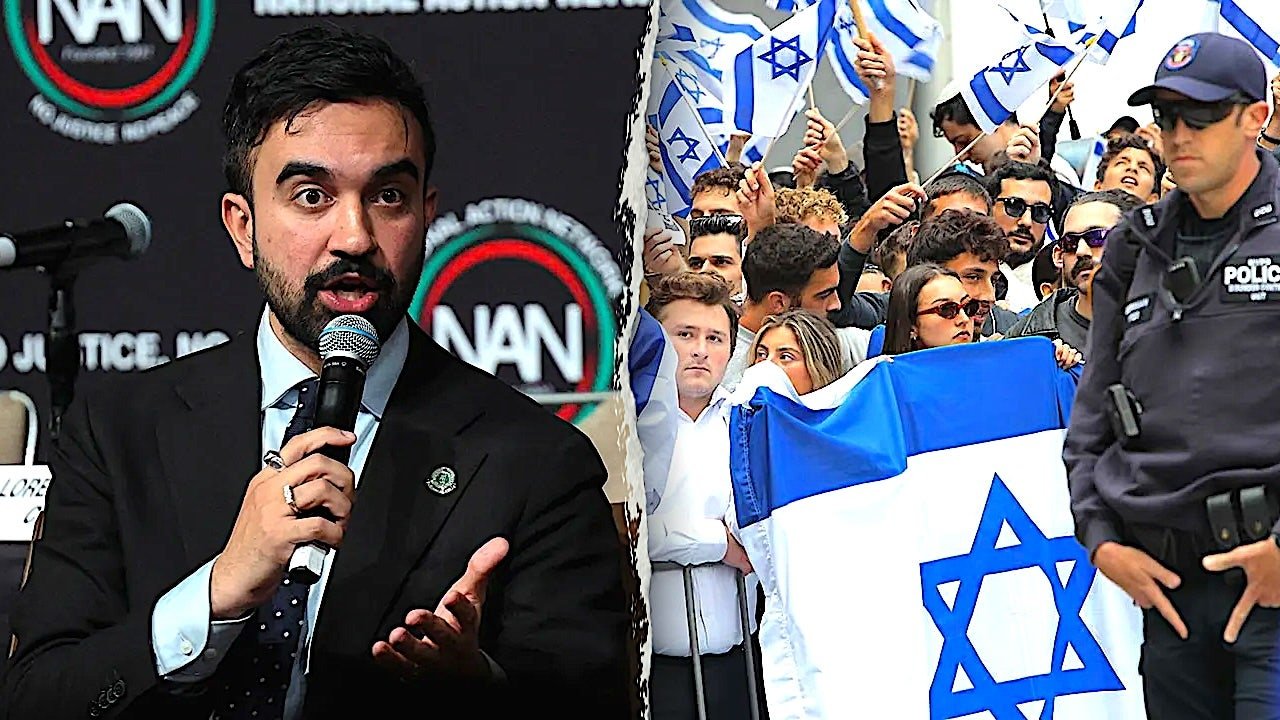
Left: Then New York City mayoral candidate, now mayor, Zohran Mamdani speaks during the National Action Network National Convention in New York City, U.S., April 3, 2025. Right: Demonstrators attend an «emergency rally for Gaza» outside of the Israeli Consulate in New York City, New York on Monday, Oct. 9, 2023. Supporters of both Palestine and Israel clashed at the event as Israel remains at war with Hamas. (Reuters/Jeenah Moon and Jennifer Mitchell for Fox News Digital)
«Under Mayor Mamdani’s leadership, [Mayor’s Advisory Committee on the Judiciary] will reach across the legal community to build a broad and highly qualified pool of judicial applicants,» Kassem continued. «An independent and impartial judiciary composed of jurists who have served their fellow New Yorkers in a range of legal circumstances is essential to a healthy democracy, and these appointments reflect our administration’s commitment to a fair, inclusive and transparent judicial selection process.»
But the Brandeis Association, Jewish Lawyers Guild, Brooklyn Brandeis Society and Queens Brandeis Association — along with other critics — say the absence of even one Jewish member from the 19-person panel exposes a glaring contradiction between City Hall’s rhetoric and its appointments.
«At a time when antisemitism is rising and Jewish communities are increasingly under threat, excluding Jewish voices from this influential body is not only disheartening, it is dangerous,» the groups wrote in a joint letter they sent to Mamdani on Monday. «The absence of Jewish representation on a committee entrusted with shaping the future of our judiciary sends a deeply troubling message to the Jewish community and undermines the committee’s credibility and ability to serve all New Yorkers fairly.»
NY ASSEMBLYMAN CALLS FOR DOJ TO INVESTIGATE MAMDANI, PROTECT JEWISH NEW YORKERS AFTER STABBING ATTACKS
In addition to Mamdani, the four groups sent the letter to New York Gov. Kathy Hochul, New York Attorney General Letitia James and New York Chief Judge Rowan Wilson, along with other state, city and judicial officials.
The letter’s warning, which included calls to «correct this exclusion,» came amid renewed fears over Jewish safety in the city.
On Tuesday, a hammer-carrying intruder entered the grounds of the Jewish Institute of Queens and shoved an 8-year-old boy into a fence during a struggle with security, leaving the child with a head injury, authorities said. Police did not believe the boy was the intended target, and investigators have not established a motive.
The frightening episode followed last week’s alleged hate-crime attack on an Orthodox Jewish man who was stabbed in the chest with a screwdriver shortly after leaving an Upper West Side synagogue. Prosecutors say the suspect shouted «Justice for Islam» and «Allahu Akbar» before committing the attack.
SUSPECT ARRESTED AFTER ALLEGEDLY YELLING ‘ALLAHU AKBAR,’ STABBING 2 MEN IN NYC ATTACK

Two men were stabbed in unprovoked attacks near Central Park by a suspect who allegedly shouted «Allahu Akbar,» police said. Investigators are examining possible hate and mental health motives. (WNYW)
The mayor’s office, the Mayor’s Advisory Committee on the Judiciary and committee Chairman Ali Najmi did not respond to Fox News Digital’s request for comment by publication time. However, Mamdani press secretary Joe Calvello told NBC New York that any suggestion the appointments to the Mayor’s Advisory Committee on the Judiciary were motivated by religion was «false.»
Calvello said Mamdani had appointed «a dozen qualified judges from a range of backgrounds, including Jewish judges,» and said the administration declined to appoint retired Justice John Leventhal, who is Jewish, after learning he had served on Ghislaine Maxwell’s legal team.
«Make no mistake, the leader of the Democrat Party, Mayor Mamdani, is working to bulldoze the rest of New York government to fit his ideology,» Mark Bednar, a principal at Monument Advocacy who previously led communications for former House Speaker Kevin McCarthy and served as communications director for then-Rep. Sean Duffy, told Fox News Digital. «Americans of all backgrounds should take notice of the threat his ideology poses, and to sound the alarm about anyone he appoints to important positions.»
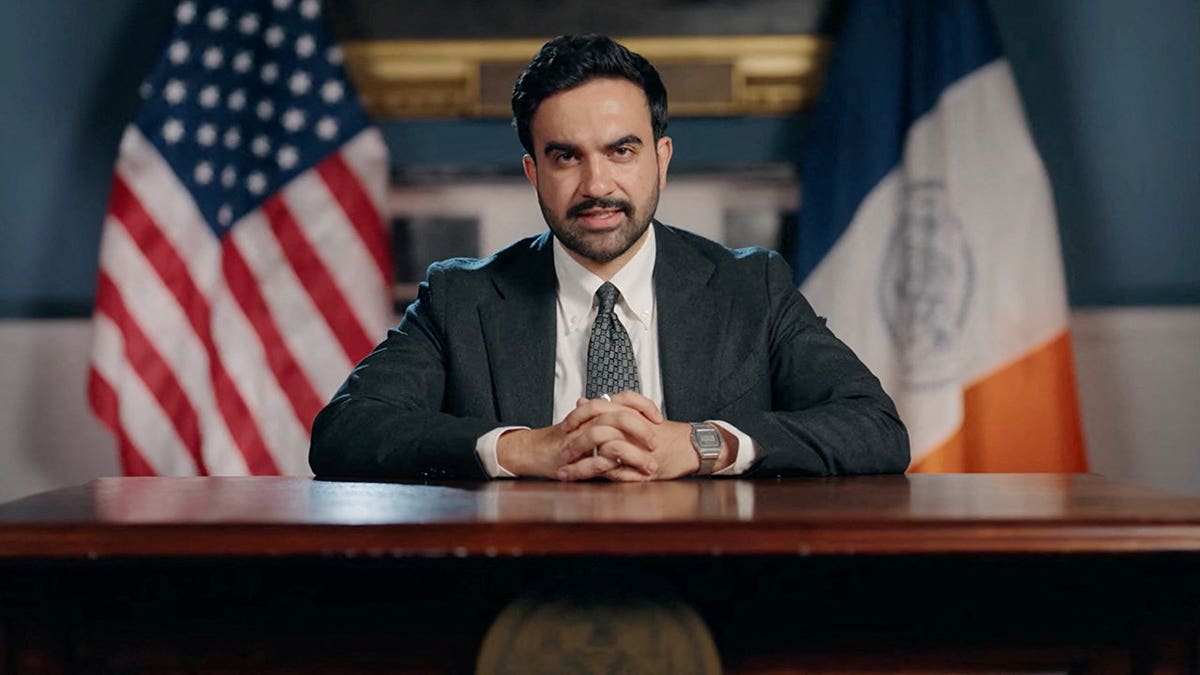
New York City Mayor Zohran Mamdani speaks about Israeli Prime Minister Benjamin Netanyahu in a still image taken from handout video released on July 21, 2026. (Reuters)
CLICK HERE TO DOWNLOAD THE FOX NEWS APP
Jewish civil rights attorney Gerard Filitti argued that the absence of Jewish members was particularly glaring in a city with the largest Jewish population in the country. He also pointed out the committee’s influence over the courts that hear hate-crime cases.
«His own chief counsel called the slate a truly representative cross-section of the city’s legal profession, in the city with the largest Jewish population in America, on the panel that will pick the judges who hear hate-crime cases,» Filitti wrote on X. «City Hall did not deny the exclusion. It changed the subject to judges Mamdani appointed elsewhere. Jewish New Yorkers are owed the same representation as everyone else, and this mayor just seated a panel that gives them none.»
zohran mamdani, new york city, judaism, politics, judiciary
INTERNACIONAL
Francia ordenó la evacuación de otras 4.000 personas por los incendios forestales en medio de una nueva ola de calor
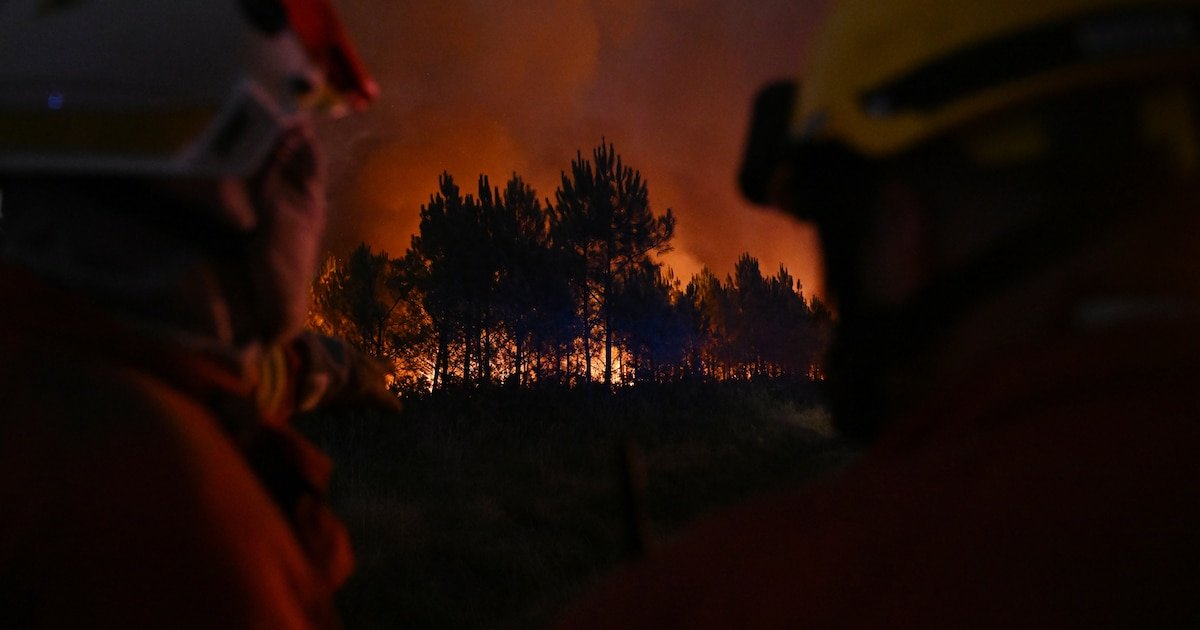
Las autoridades francesas ordenaron este martes la evacuación de 4.000 personas adicionales en sitios turísticos de la costa atlántica, en el marco de lo que podría convertirse en la mayor evacuación en Francia. El avance del incendio forestal al oeste de Burdeos mantiene bajo amenaza los esfuerzos de los bomberos, que ven complicado el control de la situación debido al regreso de altas temperaturas que marcan un promedio de 30°C de máxima durante esta semana.
El fuego se reactivó cerca de Grand Crohot, una concurrida playa de la península de Lège-Cap-Ferret, según informaron fuentes locales. Una flota de 23 aviones y helicópteros, en aumento respecto a los 18 desplegados inicialmente, trabajó arrojando agua y retardante de fuego para frenar la propagación de las llamas.
“La situación sigue siendo complicada. Eso está claro. Todavía no hemos superado la crisis”, advirtió la prefecta de Gironda, Sophie Brocas. La funcionaria detalló que unos 60.000 residentes evacuados preventivamente de Le Haillan y de zonas de Mérignac y Eysines, en las afueras de Burdeos, podrían regresar durante la jornada. Aunque no se registraron incendios en estas áreas, se recomendó a la población mantener sus teléfonos encendidos y mochilas de emergencia listas.
Mientras miles de personas debieron abandonar los puntos turísticos costeros, quienes regresaban a sus hogares recibieron advertencias para permanecer en estado de alerta ante la fragilidad del control sobre el incendio.

En Francia y España, alrededor de 330.000 personas debieron dejar sus hogares y lugares de vacaciones ante los grandes incendios forestales. España enfrenta su cuarta ola de calor del verano, con varios focos aún activos, incluido el mayor incendio registrado en su historia. Las autoridades comenzaron a levantar órdenes de evacuación y confinamiento domiciliario en algunos sectores tras avances los logrados por los bomberos durante la noche.
El incendio de la Gironda destruyó una superficie equivalente a cuatro veces el tamaño de París y forzó la evacuación de 220.000 personas. El ministro del Interior, Laurent Núñez, calificó la operación como “muy probablemente” la mayor evacuación civil efectuada en el país fuera de un contexto bélico.
La orden de evacuación preventiva abarca campings, complejos vacacionales, residencias turísticas y parques de ocio en los alrededores de la localidad de Lacanau, según comunicaron las autoridades regionales de Gironda. El portavoz de la federación francesa de bomberos, Eric Brocardi, indicó a la cadena BFMTV: «Nos encontramos en un punto crítico. Seguiremos combatiendo este incendio a pesar del aumento previsto de las temperaturas“.

Mientras las llamas alcanzaban viviendas y las autoridades pedían a los turistas mantenerse alejados, algunos visitantes expresaron su intención de no cancelar sus vacaciones pese al riesgo. Un grupo familiar comentó al diario galo Le Parisien que decidió continuar con su viaje, valorado en 4.000 euros (4.558 dólares), mientras que otro grupo evaluaba si abandonar unas vacaciones de 650 euros (741 dólares) por persona.
En el momento de mayor intensidad, el incendio de la Gironda provocó una gigantesca nube de tormenta negra, electrificada e iluminada desde el interior, fenómeno identificado como nube pirocúmulonimbo, el primero de su tipo registrado en Francia. Esta formación desencadenó relámpagos, vientos huracanados y la aparición de nuevos focos fuera del frente inicial.
El servicio meteorológico nacional activó una alerta amarilla por calor para la Gironda, con temperaturas previstas entre 33 y 35 °C (91 y 95 °F) en el interior, a partir del mediodía del martes.

El Ministerio del Interior informó que, en lo que va del año, los incendios han quemado más de 1.160 kilómetros cuadrados (448 millas cuadradas) en Francia.
Según el servicio climático Copernicus de la Unión Europea, el viejo continente es actualmente el que experimenta el calentamiento más rápido del planeta, con registros que duplican el promedio mundial. Europa Occidental marcó el junio más caluroso de su historia, y el calor extremo junto a la sequía han favorecido la propagación e intensidad de los incendios en Francia y España.
(Con información de Associated Press)
wildfires

Después de la reforma del BCRA, el Gobierno buscará blindar en el Congreso la permanencia de Santiago Bausili

Cambia Ganancias para asalariados y jubilados con nuevo piso y devoluciones en 2027

Frantzdy Pierrot, futbolista de Haití que disputó el Mundial: ‘Mi padre tenía que decidir si comprarme las botas de Cristiano o pagar la luz’

Gustavo Garzón recordó la insólita táctica que usó para encontrar a su hijo después de que se extraviara en el parque

Santiago Peña se reunió con Felipe VI para abordar los desafíos globales y la cooperación de cara a la Cumbre Iberoamericana

Kazutaka Kodaka revela que Danganronpa 2 estuvo a punto de no hacerse y más detalles sobre la franquicia – Nintenderos

Crisis entre Milei y Lula: la trama política, personal y geopolítica detrás del mayor choque diplomático entre Argentina y Brasil

Cuentapropismo emocional en lo profundo del conurbano

San Isidro: la ballena que quedó varada en un banco de arena murió pese al operativo de rescate

Joaquín Furriel contó cómo fue ver la final del Mundial con su novia española: “Una situación incómoda”

 POLITICA2 días ago
Crisis entre Milei y Lula: la trama política, personal y geopolítica detrás del mayor choque diplomático entre Argentina y Brasil
- SOCIEDAD2 días ago
San Isidro: la ballena que quedó varada en un banco de arena murió pese al operativo de rescate
- POLITICA3 días ago
Milei cruzó al aire a De Mendiguren, exministro de Duhalde: “Vos, sí, ladrón”