INTERNACIONAL
GOP firebrand lashes out at reporter over Massie allegation: ‘F— you, first of all!’

NEWYou can now listen to Fox News articles!
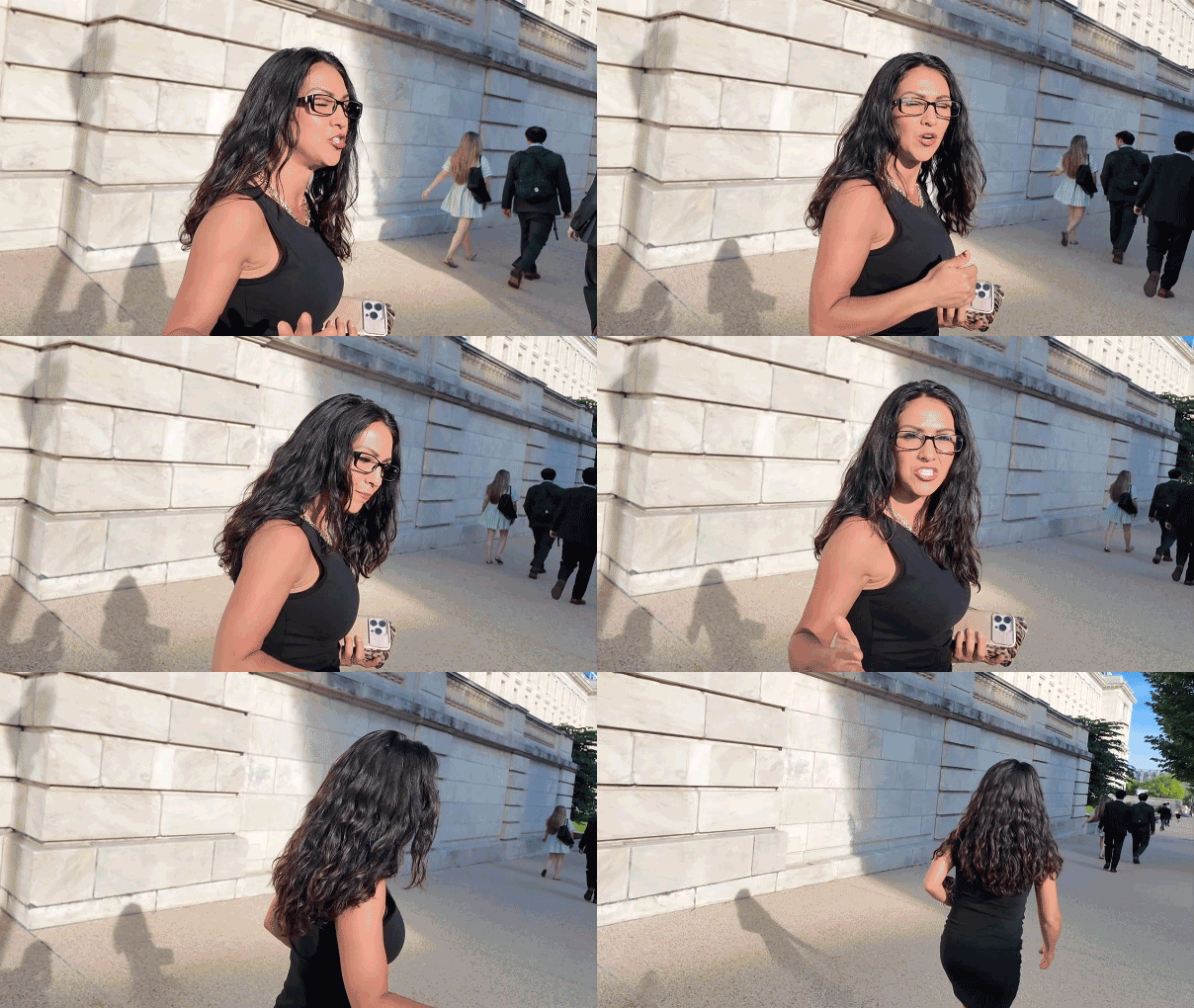
Rep. Lauren Boebert, R-Colo., cursed out a Fox News Digital reporter after he began asking about allegations of a sexual relationship between her and Rep. Thomas Massie, R-Ky., that were recently raised by a woman identifying herself as Massie’s ex-girlfriend.
«F – – – you, first of all!’ Boebert said to a Fox News Digital reporter when bringing up claims from Massie’s alleged ex-girlfriend.
«If you’re gonna bring me into this, like, the sexist stuff is like out of control,» she continued. «So there’s your clickbait that you were looking for.»
FIVE TIMES NANCY PELOSI LOST HER COOL WITH THE MEDIA
Rep. Lauren Boebert, R-Colo., reacts to a Fox News Digital reporter’s question about allegations involving Rep. Thomas Massie, R-Ky., before ending the interview and walking away. (Nicholas Ballasy/Fox News Digital)
Boebert then declined to discuss the allegations further.
The exchange came after Boebert had been discussing President Donald Trump’s efforts to unseat Republican incumbents and Massie’s political future.
The former congressional staffer Cynthia West, who previously worked for Rep. Victoria Spartz, R-Ind., accused Massie of bragging to her about an alleged sexual encounter with Boebert within weeks of his wife’s death.
West also accused Massie of offering her $5,000 to drop a wrongful termination lawsuit she was pursuing against Spartz, an ally of Massie. The allegations surfaced just a week before Massie lost his House seat in the May 19 Republican primary.
«I don’t want to talk about anybody’s exes and their crazy s– – – that they do,» Boebert said to the reporter.
Before the exchange turned contentious, Boebert was answering questions about whether Trump’s strategy of backing primary challengers against Republican incumbents is backfiring on the GOP agenda.
MTG SAYS GOP’S FUTURE ‘DESTROYED’ AFTER TRUMP-BACKED PRIMARY CHALLENGER DEFEATS THOMAS MASSIE IN PRIMARY
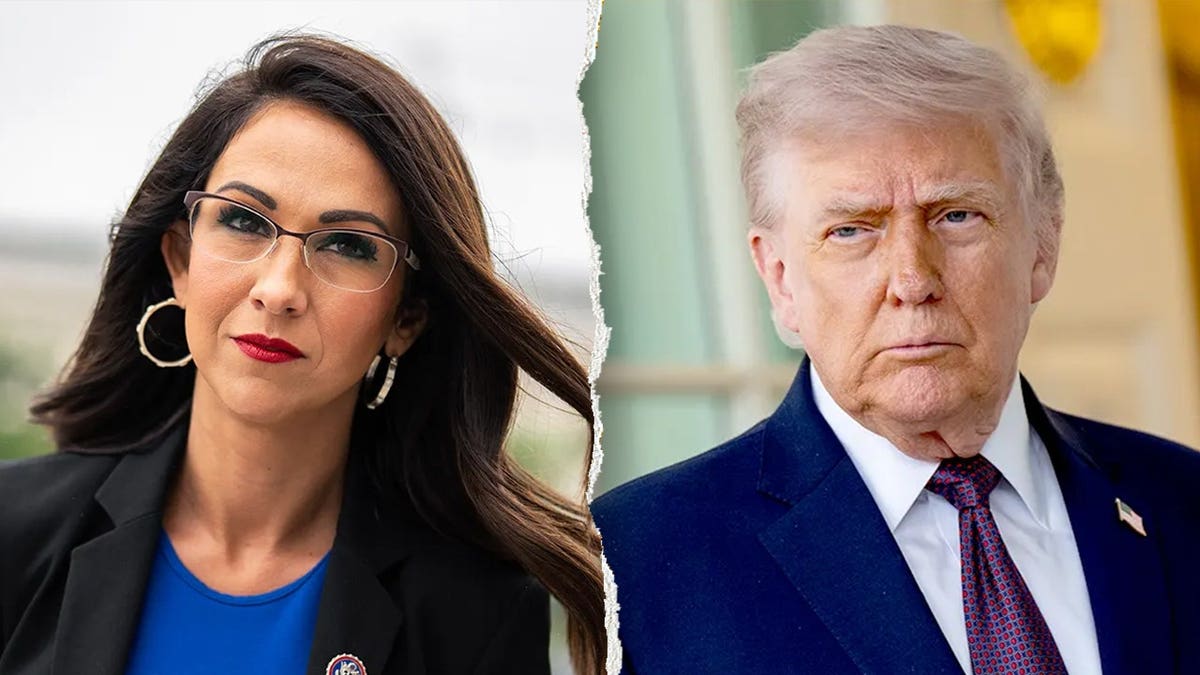
Rep. Lauren Boebert defended her support for Rep. Thomas Massie after criticism from President Donald Trump. (Tom Williams/CQ-Roll Call, Inc via Getty Images; Salwan Georges/Bloomberg via Getty Images)
«I think most of the folks that have lost their primaries, they were backfiring on the GOP agenda — Cassidy, Cornyn,» Boebert replied.
«I mean, obviously Thomas Massie is the only one that I’m a little sad about,» she said.
Boebert was also asked about Massie’s recent announcement that he is filing for re-election in 2028. Many are speculating that Massie could make a 2028 presidential run as he said he is unsure which position he will be seeking re-election for.
«I haven’t made a final decision about which office to seek, if I run,» he wrote in a post on X announcing his re-election filing with the Federal Election Commission.
TRUMP CALLS OUT REP THOMAS MASSIE: ‘KENTUCKY, GET THIS LOSER OUT OF POLITICS’ TUESDAY
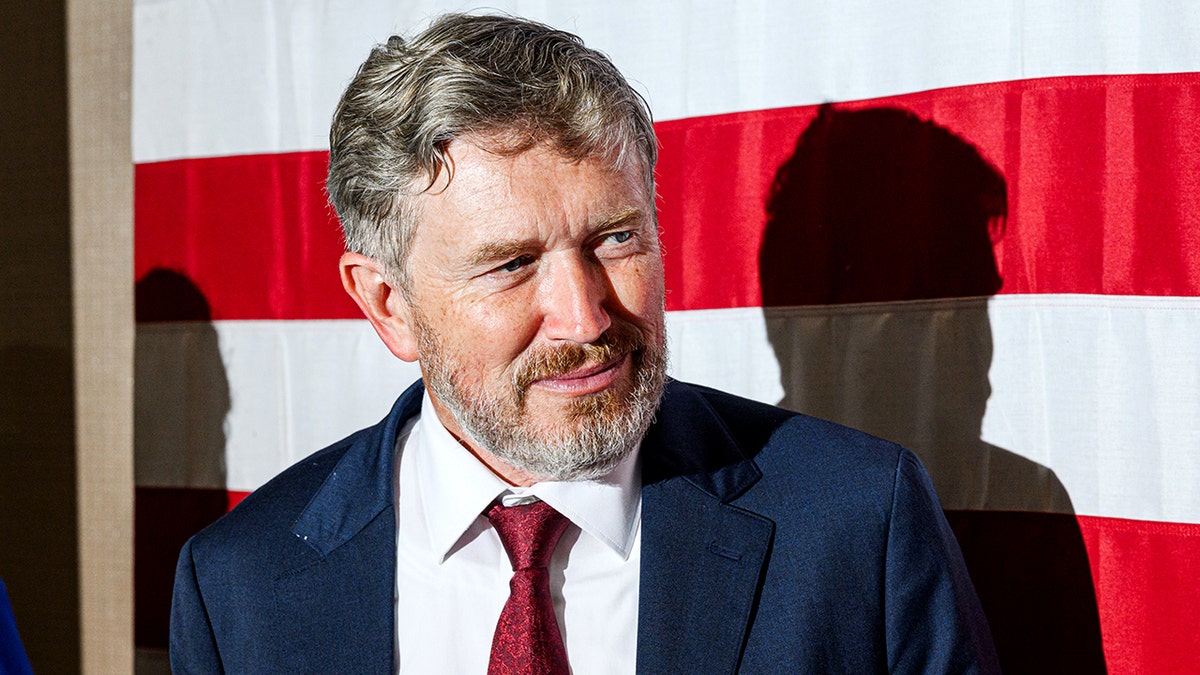
Rep. Thomas Massie speaks with supporters after his concession speech in Hebron, Ky., on May 19, 2026. (Jon Cherry/Getty Images)
Boebert shared that she was unsure of Massie’s next move, before she reprimanded the reporter for shifting the conversation to allegations raised by West.
«He filed for something,» she said. «He didn’t specify what and I don’t know if he’s going to move forward with that or not. I don’t know.» «Hopefully he leaves here and makes some money,» Boebert added.
CLICK HERE TO DOWNLOAD THE FOX NEWS APP
Moments later, the reporter began asking about the allegations from Massie’s alleged ex-girlfriend, prompting Boebert’s expletive-laced response.
Boebert declined to discuss the allegations further and walked away from the interview.
maxine waters, fox news digital, fox news, steve scalise












INTERNACIONAL
“Sobrevivir 90 minutos bajo la guillotina”: Los salvadoreños Iván Barton y David Morán, galardonados tras el Mundial 2026

El arbitraje salvadoreño volvió a escribir una página de oro en la historia del fútbol internacional. En un acto de reconocimiento encabezado por el presidente de la Federación Salvadoreña de Fútbol (Fesfut), Yamil Bukele, los colegiados Iván Barton y David Morán compartieron sus vivencias, aprendizajes y el costado más humano de su destacada labor en la Copa del Mundo 2026, donde alcanzaron la histórica instancia de semifinales.
Infobae estuvo presente en el auditorio de la federación durante la cobertura de esta emotiva ceremonia, donde además se anunció un incentivo económico de 2.500 dólares para cada uno de los réferis.
Más allá de los reconocimientos monetarios y los récords estadísticos, las declaraciones recogidas por este medio dejaron al descubierto la enorme carga emocional, la presión extrema y los dolorosos sacrificios personales que exige mantenerse en la cima del arbitraje de alto rendimiento.

Uno de los momentos más desgarradores y de mayor sensibilidad durante la conferencia ocurrió cuando el árbitro asistente David Morán tomó la palabra. Frente a los medios de comunicación e invitados especiales, Morán relató el que, sin duda alguna, fue el desafío más complejo de toda su vida profesional y personal. Mientras un país entero celebraba cada una de sus apariciones en las canchas mundialistas, el colegiado atravesaba por un duelo desgarrador en absoluto silencio.
Justo en los días previos a encarar su segundo compromiso del torneo, Morán recibió la trágica noticia del fallecimiento de su suegro, una persona a quien consideraba como un pilar fundamental en su vida. Lejos de su patria y sin la posibilidad inmediata de abrazar a los suyos en un instante tan devastador, el asistente salvadoreño tuvo que sobreponerse al dolor para vestir la vestimenta oficial y salir a rendir al máximo nivel exigido por FIFA.
“Luego salir a la cancha con el corazón destrozado, pero sabiendo la responsabilidad que llevamos, quiero dedicar sin duda este triunfo a mi familia, que son el principal soporte para poder alcanzar lo que se ha alcanzado”, confesó Morán visiblemente conmovido.
A pesar de que los reglamentos del organismo internacional le permitían solicitar un vuelo de retorno de emergencia para acompañar a su familia, Morán decidió permanecer en la concentración. Iván Barton no dudó en alabar la fortaleza mental de su compañero de equipo durante la sesión de preguntas recogida por Infobae, revelando que no sabían qué pasaría con la terna si él decidía marcharse, pero que el profesionalismo de Morán salvaguardó el trabajo de años.
El árbitro asistente salvadoreño, David Morán, comparte su emoción y gratitud por el inmenso apoyo recibido de la afición tras su participación mundialista. Escucha sus sentidas palabras sobre lo que significó sentir el calor del pueblo.
Por su parte, el árbitro principal Iván Barton abordó la complejidad de la profesión arbitral y la gigantesca responsabilidad de portar el acrónimo de El Salvador (SLV) ante los ojos del mundo entero. Barton, quien inició su intervención bromeando sobre los nervios que sentía en el podio asegurando que eran mayores a los experimentados antes de pitar la semifinal mundialista, profundizó en cómo lidian los jueces con la abrumadora presión mediática y la constante exigencia del público.
Para el réferi central, dirigir al más alto nivel equivale a convivir constantemente con el riesgo de caer en el descrédito ante la primera falla, en una metáfora tan clara como contundente sobre la vulnerabilidad del árbitro en el terreno de juego.
“Un árbitro, cada vez que entramos a cada partido, yo siempre he dicho que hago una analogía. Es como que si vamos y ponemos nuestra cabeza justo con la guillotina arriba. Aquí está mi cabeza y tengo que sobrevivir 90 minutos o lo que dure, sabiendo que en cualquier momento esa guillotina puede caer.

¿Qué tan fuerte voy a ser para resistir y no morir ahí? Mientras existan las ganas, esa pasión de seguir ejerciendo esta linda profesión, vamos a seguir dando lo mejor para seguir estando en la élite”, reflexiono Barton ante los micrófonos.
El réferi salvadoreño también recordó con mucha nostalgia el momento exacto en el que les comunicaron la designación para dirigir la semifinal. Confesó que tanto él como Morán daban por sentado que ese partido le correspondería a una terna europea y que él ya se encontraba revisando su itinerario de vuelo de regreso a San Salvador.
“Cuando hubo una pausa que tomaron el documento para leer las designaciones, yo saqué mi teléfono y dije: ‘Bueno, mi vuelo ha sido para mañana, así que yo voy mañana’. Y cuando escucho mi nombre, realmente creo que es el momento más dulce. Cuando se dijo mi apellido para la semifinal, sobre todo por el calibre de juego que significaba”, relató.
Respecto a las críticas y declaraciones despectivas emitidas por figuras internacionales durante el desarrollo del torneo como las del entrenador francés Didier Deschamps, Barton se mostró imperturbable y maduro frente a las cámaras de Infobae:
“Él tiene derecho a tener su opinión, pero a nosotros no nos designan basados en la opinión de un técnico, a nosotros no nos designan basados en la opinión de una red social. Lo digo con mucho respeto, porque al final en las redes sociales cada quien va a tener su opinión, pero al final del día lo que a nosotros nos interesa es cumplir técnicamente. Te respeto que digas que soy malo, más no que soy deshonesto”, sentenció enfáticamente.

La actuación de la dupla Barton-Morán no solo llena de orgullo a la afición salvadoreña, sino que los posiciona de manera indiscutible como la terna arbitral centroamericana con mayor recorrido, partidos dirigidos y trascendencia en toda la historia de las Copas del Mundo.
De cara al futuro, ambos colegiados coincidieron ante las preguntas de la prensa en que la única fórmula para sostenerse en la élite es mantener la humildad, el trabajo diario en los entrenamientos y la plena disposición de volcar todo ese aprendizaje internacional en la profesionalización de la liga local y las nuevas generaciones de réferis en El Salvador.
iván barton,david morán,arbitros salvadoreños en el mundial,mundial 2026,fesfut

NEWYou can now listen to Fox News articles!
Disapproval of President Donald Trump’s handling of Iran hit a record high in July, as a majority of voters oppose U.S. military action, and nearly two thirds think the conflict will last at least a year.
The latest Fox News survey finds 56% oppose U.S. military action against Iran, including 40% who «strongly» oppose. More Democrats oppose the war (84%) than Republicans support it (76%).
FOX NEWS POLL: A CLOSE SENATE CONTEST IS BREWING IN IOWA
Voters increasingly expect a long-term commitment. Today, 64% think the war will last a year or more, up 13 percentage points since May. Expectations vary sharply depending on attitudes toward the Iran war. Among supporters, 56% think it will be over in weeks or months, while 80% of opponents expect it to last at least a year.
FOX NEWS POLL: VOTERS WANT MAJOR CHANGE AMID ECONOMIC AND POLITICAL DISCONTENT
There is also doubt the conflict will produce an agreement. About half think the U.S. will not reach a deal with Iran, while the rest split between expecting a good deal (27%) and a bad one (25%).
Roughly half of Democrats, Republicans, and independents predict there will be no agreement with the Islamic Republic. Among those anticipating a deal, Democrats are 20 points more likely to expect a bad one, while Republicans are 27 points more likely to expect a good one.
Just 34% of voters approve of Trump’s handling of Iran, while 66% disapprove, his worst marks to date.
Trump’s overall standing remains steady, but underwater. Thirty-nine percent approve of his job performance, unchanged for the past three months. Sixty-one percent disapprove, tying a previous high. That includes 49% who «strongly» disapprove, matching a record high.
For historical context, Trump’s best rating, 49% approve and 49% disapprove, came in April 2020. His current 39% approval is close to former President Joe Biden’s 40% (July 2022) and former President Barack Obama’s 42% (July 2014), during the summer of a midterm election year.
Trump continues to receive some of his strongest support from MAGA Republicans (97% approve) and conservatives (72%). But compared to June, his approval has declined to a near record low among rural voters (down 7 points to 44%) and an all-time low among White voters (down 3 points to 41%).
Yet the largest change comes among non-MAGA Republicans. Their support has fallen 13 points since last month to 51% approval, after hitting 70% at the beginning of Trump’s second term.
Trump’s ratings are also underwater on the economy (33% approve, 67% disapprove) and inflation (27-73%).
Republicans lose advantage on immigration
Voters are now divided over which party can better handle immigration: 50% say the Democrats and 49% the Republicans, a meaningful shift since April, when the GOP held an 8-point advantage. Women and voters under age 45 prefer the Democrats on immigration, while men and those ages 45 and older favor the Republicans.
«During the Biden administration years, immigration attitudes were often defined by border security considerations,» says Republican pollster Daron Shaw, who works on the Fox News Poll with Democratic counterpart Chris Anderson. «Today, immigration enforcement and ICE often dominate, eroding the GOP’s edge on the issue.»
Immigration remains Trump’s best performing issue in the survey, but his rating is still negative: 42% approve, while 57% disapprove.
Views of Immigration and Customs Enforcement (ICE) follow a similar pattern. ICE approval stands at 41%, unchanged since early this year but down from 49% last September.
Majorities of Democrats (90%) and independents (68%) disapprove of ICE, while most Republicans approve (79%). Fully 78% of Democrats, and 50% of independents «strongly» disapprove, compared with 53% of Republicans who «strongly» approve.
Few voters support allowing all illegal immigrants to remain in the U.S. Just 7% take that position, including 11% of Democrats, 5% of independents, and 2% of Republicans.
Instead, 62% favor deporting those who have been charged with crimes while allowing others to stay and eventually qualify for citizenship. That position draws majority support from every demographic group except Republicans (39%), conservatives (41%), and White evangelical Christians (48%).
Thirty-one percent favor deporting all illegal immigrants, with support highest among MAGA Republicans at 68%.
When asked about their concerns about illegal immigration, voters are most worried about the strain on government services (39%). Smaller shares cite crime (19%), job losses for U.S. citizens (14%), changes to the country’s culture (13%), and terrorism (10%).
Overburdened government programs rank as the top concern across demographic groups. College graduates, those living in high income households, suburban voters and independents are among those most likely to cite it.
The immigration findings also reveal a consistent divide within the Republican Party. ICE approval is 91% among MAGA Republicans compared with 59% among other Republicans, one of the widest gaps in the survey.
A similar split appears in ratings of Trump’s handling of immigration, with 91% of MAGA Republicans approving compared with 63% of other Republicans. MAGA Republicans are also nearly 30 points more likely to favor deporting all illegal immigrants (68% vs. 41%).
Conducted July 17–20, 2026, under the direction of Beacon Research (D) and Shaw & Company Research (R), this Fox News survey includes interviews with a sample of 1,003 registered voters randomly selected from a national voter file. Respondents spoke with live interviewers on landlines (70) and cellphones (681) or completed the survey online after receiving a text (252). Results based on the full sample have a margin of sampling error of ±3 percentage points. The survey includes an oversample of 200 voters aged 18–29, bringing the sample size for that subgroup to 350 (±5). Sampling error for results among subgroups is higher. In addition to sampling errors, question wording and order can influence results. Weights are generally applied to age, race, education, and area variables to ensure the demographics are representative of the registered voter population. Sources for developing weight targets include the most recent American Community Survey, Fox News Voter Analysis, and voter file data.
Fox News’ Victoria Balara contributed to this report.
fox news poll, republicans, democratic party, war with iran, donald trump, immigration, politics
INTERNACIONAL
Cárceles al borde del colapso en Gran Bretaña: polémica por la liberación anticipada de miles de presos

Milei quiere que los medicamentos se vendan en todos lados y encendió alarmas entre farmacias

Mientras espera la vuelta de Macri, el PRO ya activó contactos con LLA: cómo sería la estrategia electoral en la Provincia

Los entrenadores coinciden: “A partir de los 60, la fuerza y la masa muscular mejoran si subís y bajás escaleras todos los días y hacés sesiones de 30 minutos con ejercicios como sentadillas o remo”

Oficial: Modric se queda un año más en el Milan

La sutil indirecta de Ekaterina Ojeda a la China Suárez por su relación con Mauro Icardi

Río Negro: Alberto Weretilneck anunció un proyecto para eximir de Ingresos Brutos a los turistas extranjeros

Escándalo Mundial: Las presiones secretas, la amenaza de la FIFA por Malvinas y la verdad detrás del partido contra España

Sin la Copa y sin Messi en el avión, vuelve Tapia y deberá enfrentar tres frentes de tormenta tras la pausa del Mundial

Samuel L. Jackson llamó a Argentina “el país más racista del mundo”: la contundente respuesta que le dejó Bárbara Lombardo

Le ganan a la inflación: los senadores pasarán a cobrar $12 millones brutos a partir de agosto

 DEPORTE2 días ago
Escándalo Mundial: Las presiones secretas, la amenaza de la FIFA por Malvinas y la verdad detrás del partido contra España
- CHIMENTOS3 días ago
Samuel L. Jackson llamó a Argentina “el país más racista del mundo”: la contundente respuesta que le dejó Bárbara Lombardo
- POLITICA21 horas ago
Jorge Berredo, general retirado de las FFAA, asumió como Secretario de Seguridad en San Isidro