INTERNACIONAL
Pro-US conservative faces leftist in Peru’s high-stakes presidential runoff

NEWYou can now listen to Fox News articles!
Peruvians head to the polls in a pivotal presidential runoff June 7 in an election that could reshape not only the country’s future but also the balance of power across Latin America.
Two candidates are vying to become the country’s ninth president in just 10 years. Conservative candidate Keiko Fujimori is campaigning on law and order, free-market policies and closer ties with the United States, while left-wing challenger Roberto Sánchez represents a political movement that many see as a continuation of the leftist currents that have challenged U.S. interests in the region.
José Ignacio Beteta, executive director of Asociación de Contribuyentes, a think tank in Peru, told Fox News Digital, «Peru’s June 7 runoff carries consequences well beyond its borders. When analyzed against the current U.S. National Security Strategy, this election will determine whether Peru consolidates its alignment as a U.S. partner or devolves into deeper geopolitical contention. Peru’s institutional weakness has already allowed China to expand into strategic sectors.»
MEET ‘CHINA’S MAN IN LIMA’ WHO JETTED OVER TO US TO COLLECT TRAINS DONATED BY BIDEN ADMIN
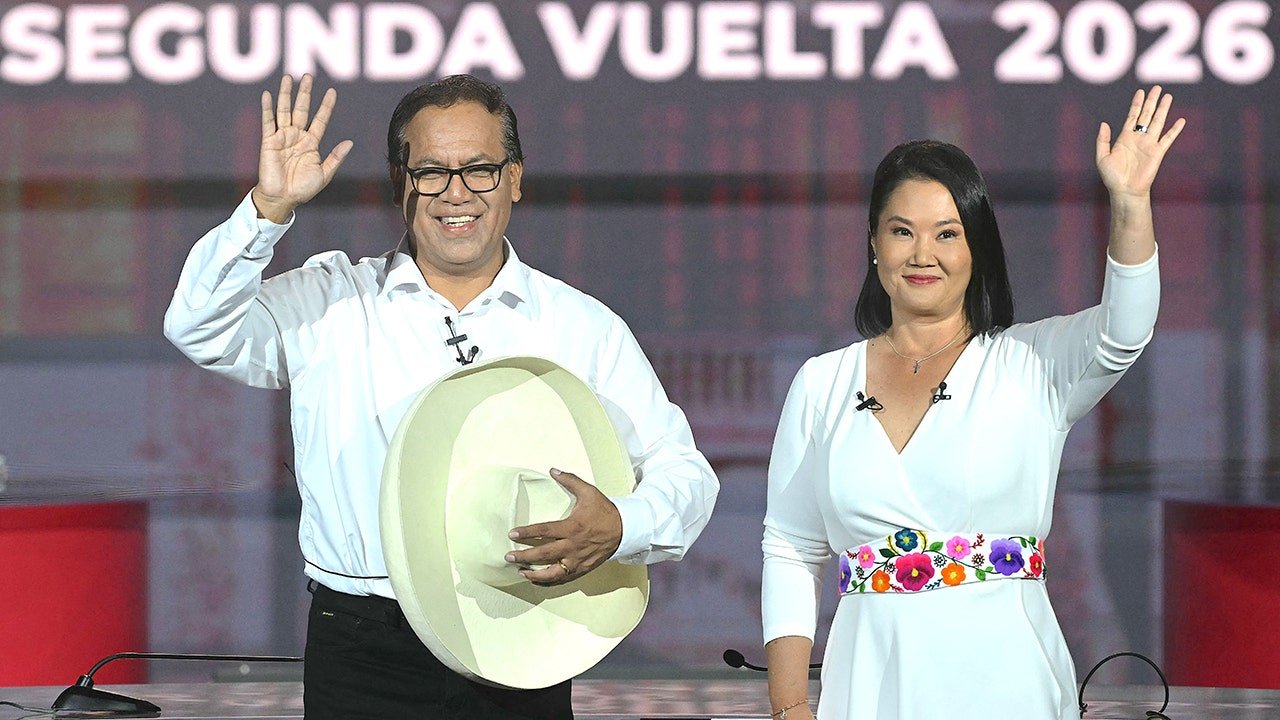
Peru’s presidential candidates Keiko Fujimori (right) for the Fuerza Popular party, and Roberto Sanchez (left) for the Juntos por el Peru party, wave during a debate in Lima on May 31, 2026, ahead of the presidential runoff election on June 7. (Ernesto Benavides/AFP Via Getty Images)
Beteta added, «Meanwhile, the vote is seen as a choice between a return to freer and more competitive economic and security policies with Fujimori and a second attempt at left-wing governance with Sanchez, a binary that mirrors South America’s broader ideological fractures.»
The election follows years of political instability in Peru, a country that has seen multiple presidents removed from office over the past decade and remains deeply divided between urban and rural constituencies.
Sunday’s election’s outcome is expected to be very close, with the possibility of a final result not being known for days, according to the Associated Press.
For Washington, Peru’s election represents more than a domestic political contest. It is another test of the broader political direction of Latin America. Over the past several years, several countries in the region have experienced electoral shifts toward center-right or conservative governments, including Argentina under Javier Milei and Ecuador under Daniel Noboa who are all more friendly to Washington.
A Fujimori victory would reinforce that trend and could position Peru alongside a growing bloc of governments favoring tougher approaches to crime, stronger ties with the United States and market-oriented economic policies.
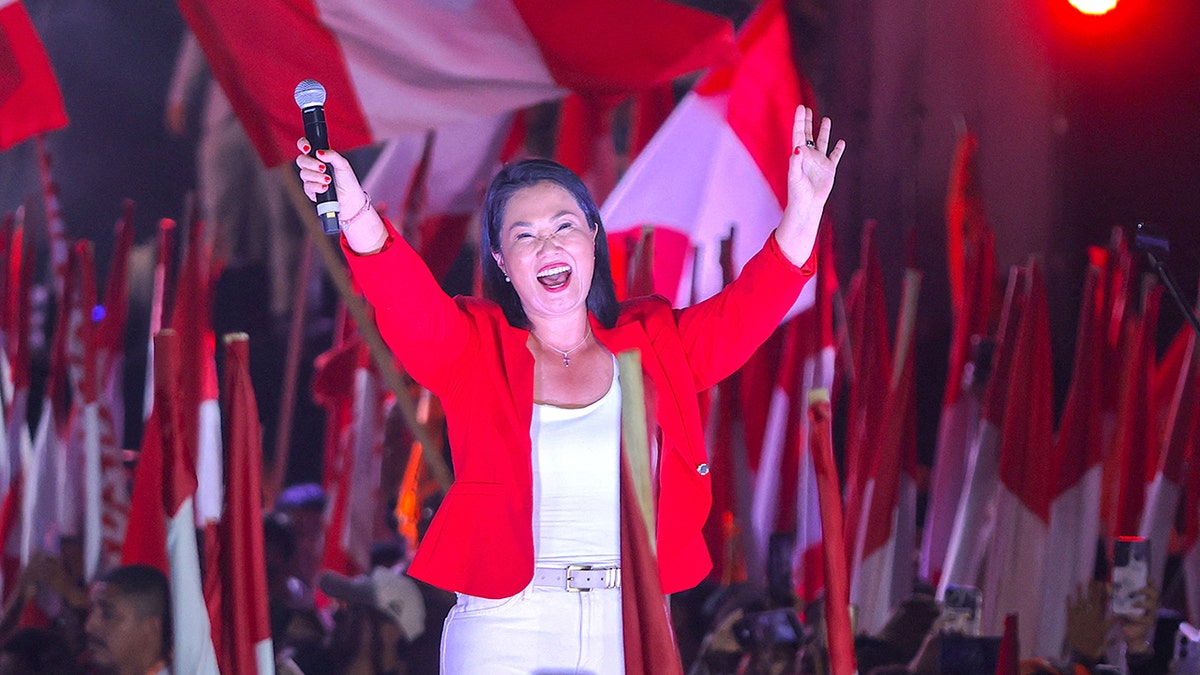
Peru’s presidential candidate for the Fuerza Popular party, Keiko Fujimori, waves to supporters during her closing campaign rally in Lima on June 4, 2026. Right-wing candidate Keiko Fujimori and leftist Roberto Sanchez will face off in Peru’s presidential runoff on June 7, 2026. (Anthony Nino de Guzman / AFP via Getty Images)
Presidential candidate Keiko Fujimori told Fox News Digital that if she wins, «My government’s foreign policy will be based on a very clear premise: defending Peru’s interests. Specifically, regarding the United States, my government will seek a relationship of cooperation, mutual respect and investment promotion. We welcome the Trump administration’s renewed perspective on Latin America and, especially, on Peru, which occupies a strategic geopolitical position in the region.»
Fujimori continued: «We want to seize this opportunity by generating greater stability, legal certainty, and confidence for investment. Peru must always be a country open to the world, committed to freedom, free competition, and the free market. Our goal is to lay the groundwork so that investors from the United States and around the world find in Peru a reliable, stable, and attractive country in which to invest, produce, and create jobs.»
Fox News Digital reached out to Sánchez’ campaign but did not get a response.
ALLIANCE WITH US ‘DISMANTLED’ BY LEFTIST PETRO REGIME, COLOMBIA’S FORMER DEFENSE MINISTER SAYS
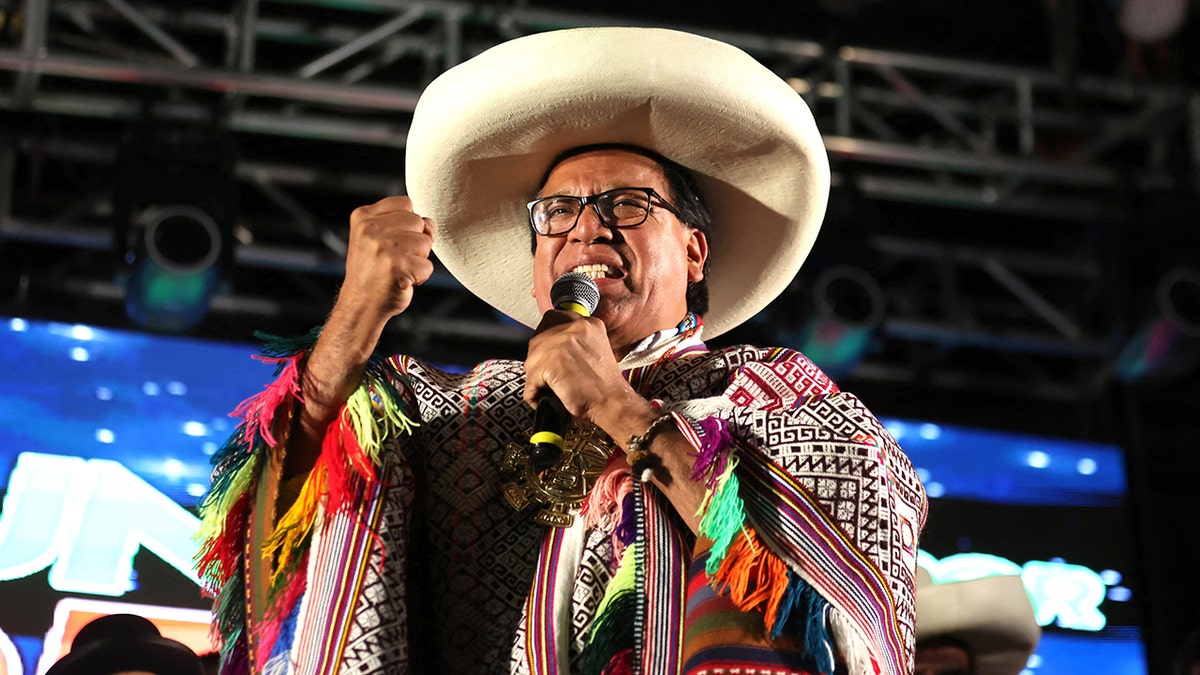
Peru’s presidential candidate for the Juntos por el Peru party, Roberto Sanchez, speaks during a campaign rally at the Plaza Tupac Amaru in Cusco, Peru, on June 2, 2026. (Jose Angulo / AFP via Getty Images)
Peruvian analyst and legal expert Lucas Ghersi told Fox News Digital, «Roberto Sánchez represents a rather radical left. His platform includes nationalizations and expropriations, and he is close to Evo Morales and Nicolás Maduro. This election is highly polarizing Peruvian society.»
Ghersi continued, «If Keiko Fujimori wins, she would have a good relationship with the United States. She is a reasonable person who defends the constitutional framework and the rule of law, and she has ties to the United States because she has done academic work at Florida International University (FIU).
«Roberto Sánchez, on the other hand, would create tension in the relationship with the United States. During his campaign and in the presidential debate, he bitterly criticized Peru’s purchase of F-16 jets from the United States. He said that Peru shouldn’t buy from the United States and should instead use that money for health or education. He also has ties to illegal mining and has been accused of drug trafficking. This could create tensions in the relationship with the United States.»
TRUMP LOOMS LARGE AS BIDEN SET TO MEET CHINA’S XI DURING LATIN AMERICA SUMMITS
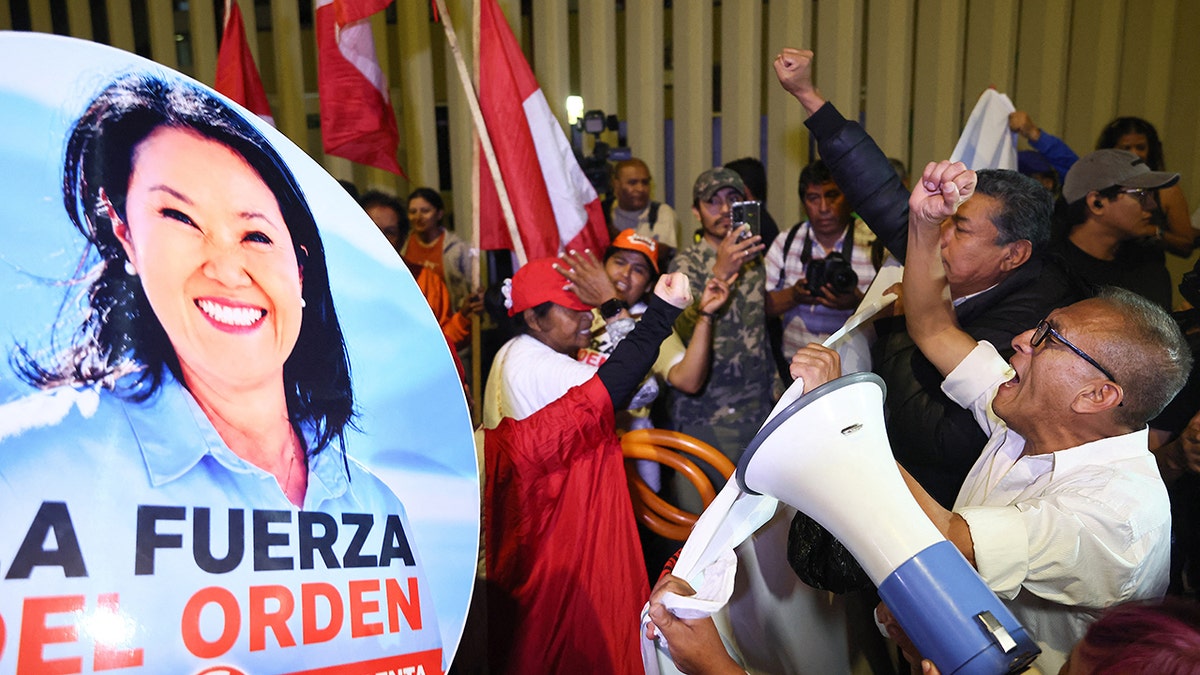
Supporters of Peru’s presidential candidate Keiko Fujimori, for the Fuerza Popular party, shout slogans outside the Lima Convention Center ahead of her debate with Roberto Sanchez, for the Juntos por el Peru party, in Lima on May 31, 2026. Peru will hold the presidential runoff election on June 7. (Connie France/AFP via Getty Images)
Ghersi concluded, «Peru is a very strategic country and has been the focus of competition between the United States and China. Peru has one of the largest proven copper reserves and is a major gold producer. Therefore, both China and the United States are vying for influence in Peru, and China has been promoting mega-investment projects there, such as a mega-port that is already operational. In response, the United States offered to renovate the Peruvian Navy’s base and invest in large port projects.»
A Fujimori victory would likely be interpreted in Washington as a continuation of the recent trend toward center-right governance in parts of Latin America. Fujimori has campaigned on restoring public security, strengthening economic growth, and maintaining Peru’s market-oriented model. Her supporters argue that these policies could encourage greater foreign investment and closer cooperation with the United States on security and economic issues.
CLICK HERE TO DOWNLOAD THE FOX NEWS APP
A Sánchez victory would present a different scenario. Although he has recently moderated portions of his platform, emphasizing respect for private property, free trade agreements and macroeconomic stability, questions remain about how his administration would approach relations with Washington and regional left-wing movements.
The next Peruvian president will help determine whether one of South America’s most important countries moves closer to Washington, or charts a leftward course.
The Associated Press reports that voting is mandatory in Peru for citizens from the ages of 18 to 70, with more than 27 million people registered.
The Associated Press contributed to this report.
latin america, south america, national security, china







INTERNACIONAL
Cárceles al borde del colapso en Gran Bretaña: polémica por la liberación anticipada de miles de presos
NEWYou can now listen to Fox News articles!
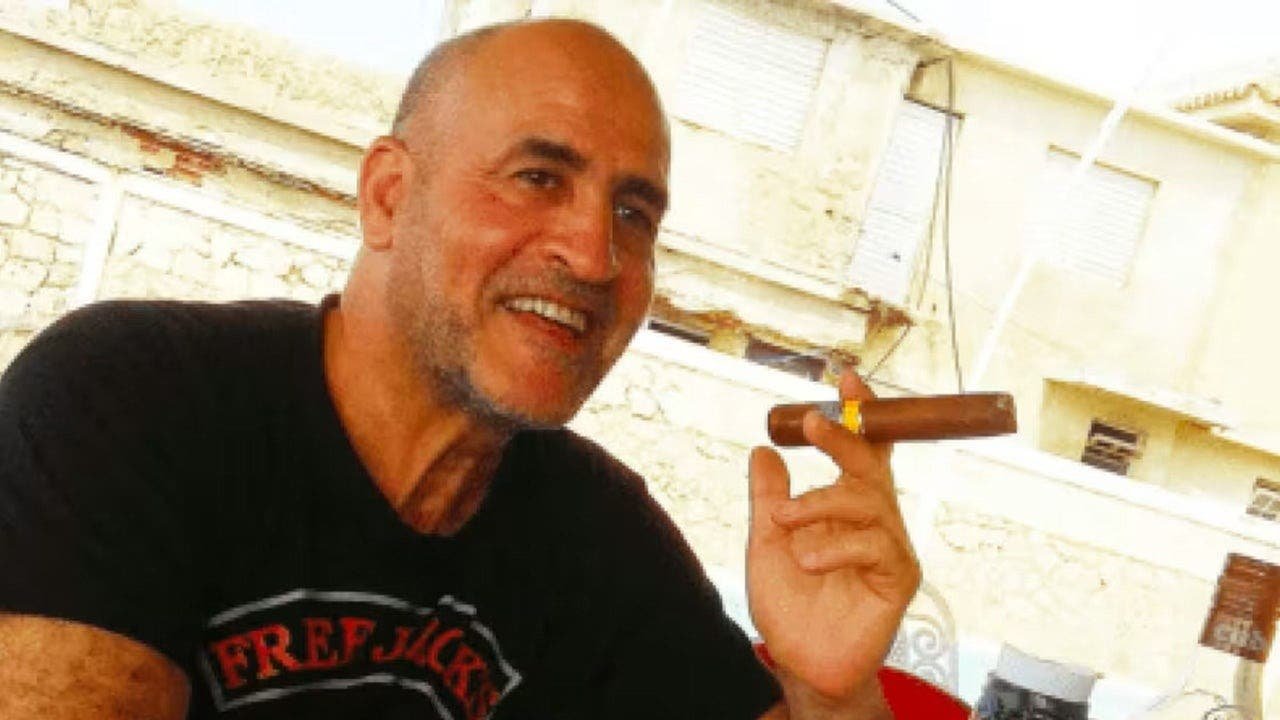
A French modeling scout with ties to Jeffrey Epstein was found dead inside his Paris apartment, prosecutors said.
The body of Daniel Siad, 69, was discovered Monday night, and an autopsy is pending. Siad’s attorney, Menya Arab-Tigrine, told Fox News Digital that he died from a heart attack.
«While he died of a heart attack, the unbearable waiting, the stigma cast upon him—and, by extension, his loved ones—as well as the daily pressure and anxiety he endured, undoubtedly played a role,» she said. «We must await the autopsy results to determine whether his body simply gave out.»
Fox News Digital has reached out to French prosecutors.
JEFFREY EPSTEIN’S PURPORTED SUICIDE NOTE UNSEALED BY FEDERAL JUDGE IN CELLMATE’S CASE
Daniel Siad, 69, a French modeling scout with ties to Jeffrey Epstein, was found dead inside his Paris apartment, prosecutors said Wednesday. (Justice Department)
Siad’s name appeared around 2,000 times in the Epstein files released by the Justice Department, Reuters reported.
«I am here in Barcelona I have girls staying with me from Australia Croecian origin, so you can speak with her very Sweet,» Siad allegedly wrote to Epstein in one email.
«I am looking to place her here and Paris,» he added.
DEMOCRAT CALLS HOWARD LUTNICK A ‘PATHOLOGICAL LIAR’ AFTER CLOSED-DOOR EPSTEIN TESTIMONY

This photograph taken on July 22, 2026, shows the residence of model agent Daniel Siad in Colombes, a north-western suburb of Paris, where he was found dead on July 20. Authorities opened an investigation into the cause of death and ordered a post-mortem examination. (AFP via Getty Images)
«Photo?» Epstein replied.
Another email from Siad to Epstein from April 2009 included images of a 17-year-old Slovakian girl while he was scouting models in Bratislava.
At least 24 women have come forward as victims or witnesses of alleged acts committed by Siad or others following the February launch of a human trafficking and fraud probe, Paris prosecutor Laure Beccuau told Reuters.
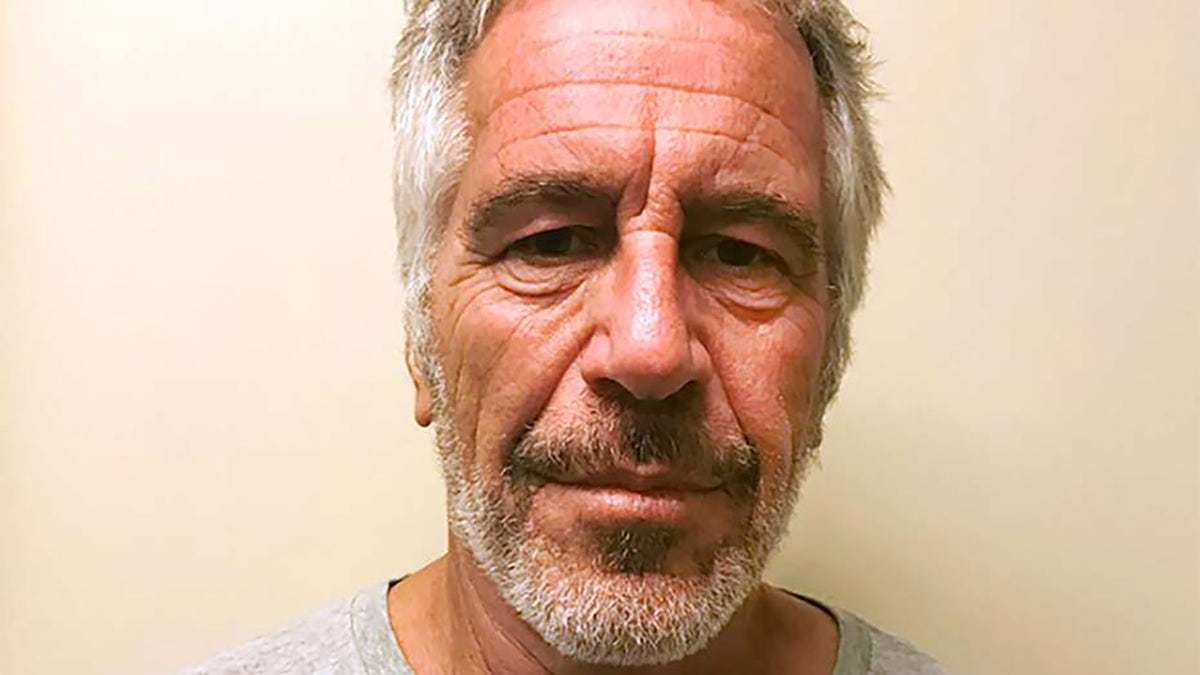
Jeffrey Epstein was found dead in federal custody in 2019. (New York State Sex Offender Registry via AP, File)
CLICK HERE TO DOWNLOAD THE FOX NEWS APP
Investigators looked into Siad, but there wasn’t enough evidence to justify his immediate arrest, said Arab-Tigrine.
«Let us not forget that he was never prosecuted, nor was he ever formally implicated in any legal proceedings,» she said. «In the coming days, we must respect the grief of his loved ones. He has passed away, and he was innocent.»
jeffrey epstein, investigations, france
INTERNACIONAL
Estados Unidos condiciona el programa nuclear con Arabia Saudita: le exige que normalice sus relaciones con Israel
Arabia Saudita está a punto de patear el tablero geopolítico de Medio Oriente.
Su alianza militar y económica con Estados Unidos subió un nuevo peldaño con el anunciado acuerdo para desarrollar un programa nuclear civil que incluiría el enriquecimiento de uranio entre una creciente preocupación regional por el eventual inicio de una carrera armamentística atómica .
Pero esta asociación no será gratuita. Más allá de los jugosos réditos económicos que embolsará Washington, Donald Trump condicionó este acuerdo a que el reino saudita normalice sus relaciones con Israel.
“Está totalmente supeditado a que Arabia Saudita se sume a los muy respetados y exitosos Acuerdos de Abraham”, dijo el presidente estadounidense. Dicho de otro modo, Riad deberá reconocer la existencia del Estado judío como ya lo hicieron en 2020 Emiratos Árabes Unidos, Baréin, Marruecos y Sudán bajo el impulso de la Casa Blanca.
No se trata de un mero paso diplomático. Sería algo histórico que podría impactar de lleno en una región desestabilizada por la guerra en Irán, en la que Trump se encuentra empantanado a pesar de la evidente supremacía militar norteamericana.
“Sería un avance histórico para la paz en Medio Oriente”, reaccionó la oficina del primer ministro israelí, Benjamin Netanyahu. Pero al mismo tiempo significaría un cambio rotundo en la política exterior saudita que tendría repercusiones en China y sería un golpe letal para los palestinos.
El impacto del acuerdo en Medio Oriente
Arabia Saudita está empeñada en “blanquear” su imagen.
El asesinato del periodista saudita Jamal Khashoggi en octubre de 2018, en pleno consulado del reino en Estambul, Turquía, puso al primer ministro Mohammed Bin Salman en el centro de los cuestionamientos internacionales.
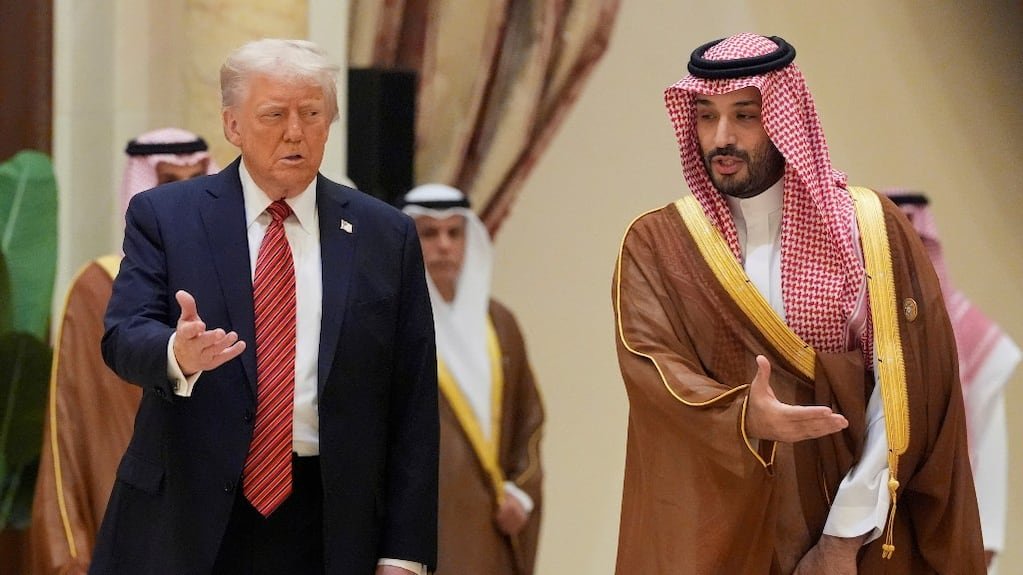
Donald Trump selló una alianza con el príncipe heredero saudita Mohammed bin Salman (Haiyun Jiang/The New York Times)
Pero a fuerza de interminables petrodólares, una alianza con Trump y desembolsos millonarios para impulsar el deporte, limpiaron esa imagen de paria mundial tras una oleada de acusaciones de violaciones a los derechos humanos, persecución de opositores y homosexuales y de una aceitada maquinaria de condenas a muerte.
Hoy nadie habla del asesinato de Kashoggi, cuyo cuerpo fue desmembrado y sacado en valijas de la sede diplomática.
El reino saudita logró que su país se destaque en eventos deportivos: tener estrellas futbolísticas como Cristiano Ronaldo, organizar el Gran Premio de Fórmula 1 (suspendido este año por la guerra) y además ser la sede del Mundial de fútbol 2034. Si hasta logró que Lionel Messi sea su embajador turístico. Además, compró el Newcastle, de la premier inglesa para reconvertido en un club-Estado al estilo del PSG qatarí.
Los ejemplos se suceden. El reino creó la LIV Golf, una liga fundada en 2022 y financiada por el fondo de inversión soberano nacional y llevó el Rally Dakar y hasta el Master femenino de tenis al país. Arabia Saudita se convirtió en un verdadero hub deportivo.
Leé también: Nayib Bukele lidera las encuestas y lanzó su candidatura a la reelección en El Salvador: quiere gobernar hasta 2033
El plan estaba cerca de llegar a un punto de inflexión poco antes de octubre de 2023 con negociaciones que presagiaban un acuerdo diplomático con Israel. Pero el brutal ataque de Hamas a ese país derrumbó el plan. Los sauditas jamás hubiesen aceptado un pacto de este tipo en medio de la guerra de Gaza.
Después llegó el conflicto en Irán y la situación geopolítica volvió a cambiar.
El analista Said Chaya, coordinador del Núcleo de Estudios en Medio Oriente de la Universidad Austral, dijo a TN que el reconocimiento de Israel por parte de Arabia Saudita “implicaría un abandono del acuerdo que auspició China en marzo de 2023 sobre la normalización de relaciones entre Irán y Arabia Saudita e implicaría que Riad eligió un bando, cambiando la estrategia de diversificación por la que había optado hace tres años”.
Además, advirtió: “Eventualmente podría abrir la puerta a una guerra total contra Irán, y obligaría a reconsiderar la cuestión de la estabilidad regional que se propusieron en Vision 2030″, un plan con el que busca reducir su dependencia del petróleo y diversificar su economía.
“También implicaría un cambio profundo en la política exterior saudita, que siempre apoyó el establecimiento de un Estado palestino”, indicó Chaya. Ese sería el punto más díficil de aceptar para el pueblo saudita, que abraza como propia la causa palestina.
¿Le conviene a Arabia Saudita reconocer a Israel?
El analista Federico Gaón, especializado en cuestiones de Medio Oriente, se mostró cauto.
En diálogo con TN, dijo que “los tratos entre la administración Trump y los países de Medio Oriente vienen siendo endebles y están rodeados de contradicciones y visiones opuestas”.
“No es secreto que Arabia Saudita quiere desarollar infrastructura nuclear, en principio para uso civil. Sin embargo, el propio Mohammed bin Salman admitió públicamente que buscarían la bomba nuclear enseguida en caso de que Irán hiciera lo mismo”, indicó.
Para el analista, “ya en la era (de Joe) Biden, los estrategas estadounidenses entendieron que Riad acudiría a China si Washington no prestaba apoyo, lo que resultaría en un gran retroceso estratégico en términos de proyección norteamericana en la región”.

Donald Trump y Mohammed bin Salman en la Casa Blanca (Foto: (Kenny Holston/The New York Times)
“Sin embargo, a efectos de mitigar el riesgo de una carrera nuclear, la Casa Blanca había condicionado su apoyo a que Arabia Saudita normalizara relaciones con Israel. Muchos analistas creen que los ataques de Hamas del 7 de octubre de 2023 buscaban truncar semejante acuerdo. Haya tenido esa finalidad o no, lo cierto es que Riad públicamente abandonó la que hasta entonces era una postura conciliatoria con Israel de cara a una posible normalización”, prosiguió.
Gaón dijo que “la beligerancia de Irán y sus proxies en Medio Oriente (Hezbollah y los hutíes de Yemen) hace pensar que Arabia Saudita estaría más interesada ahora en mejorar su perfil de defensa”.
Leé también: Alemania: a dos meses de las elecciones regionales, la ultraderecha está cerca de gobernar por primera vez un estado federado
“No es para nada descabellado pensar que Irán buscará ahora la bomba a como dé lugar, de modo que es altamente probable que Riad quiera avanzar con desarollar infrastructura nuclear”, indicó.
Según afirmó, “los detalles de lo negociado con Estados Unidos no se conocen, pero no deja de ser cierto que a Riad no le conviene en estas circunstancias reconocer diplomáticamente a Israel».
“Eso conllevaría ponerse a gran parte del mundo musulmán en contra, perder influencia o soft power frente a Turquía y erosionar la legitimidad de la monarquía saudita a ojos de millones de sus súbditos. Además, reconocer a Israel incrementaría el riesgo de que Irán y sus proxies como los hutíes lancen ataques directos contra Arabia Saudita. Las condiciones no son las mejores”, concluyó.
Medio Oriente, arabia saudita, Israel, Donald Trump, nuclear

Cárceles al borde del colapso en Gran Bretaña: polémica por la liberación anticipada de miles de presos

Jornada financiera: las acciones argentinas cayeron hasta casi 10% en Wall Street y saltó el riesgo país

Jimena Monteverde recordó el look que utilizaba en los inicios de su carrera para molestar a un compañero: “Entangada”

Patricia Bullrich se reunió con Sturzenegger para definir los cambios a la Ley de Propiedad Privada: «Tiene el aporte de todos, creemos que va a salir»

Pedro Porro se pronuncia sobre su futuro

Senado: Bullrich y Sturzenegger cierran filas para tratar de avanzar con la extranjerización de tierras

Escándalo Mundial: Las presiones secretas, la amenaza de la FIFA por Malvinas y la verdad detrás del partido contra España

Sin la Copa y sin Messi en el avión, vuelve Tapia y deberá enfrentar tres frentes de tormenta tras la pausa del Mundial

Samuel L. Jackson llamó a Argentina “el país más racista del mundo”: la contundente respuesta que le dejó Bárbara Lombardo

Le ganan a la inflación: los senadores pasarán a cobrar $12 millones brutos a partir de agosto

 DEPORTE2 días ago
Escándalo Mundial: Las presiones secretas, la amenaza de la FIFA por Malvinas y la verdad detrás del partido contra España
- CHIMENTOS3 días ago
Samuel L. Jackson llamó a Argentina “el país más racista del mundo”: la contundente respuesta que le dejó Bárbara Lombardo
- POLITICA18 horas ago
Jorge Berredo, general retirado de las FFAA, asumió como Secretario de Seguridad en San Isidro