
INTERNACIONAL
Balotaje en Perú: Keiko Fujimori buscará por cuarta vez la presidencia ante el izquierdista Roberto Sánchez

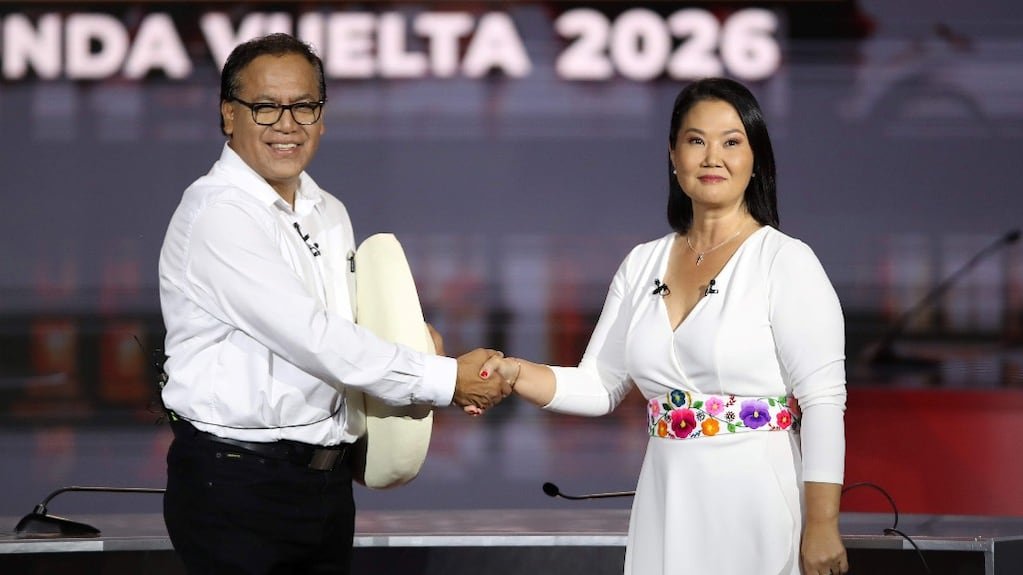
Derecha o izquierda. Como ocurrió en Colombia hace una semana, Perú elegirá este domingo entre dos candidatos de ideología opuesta en un reñido balotaje que definirá quien será el noveno presidente de la última década.
Por un lado estará la candidata de Fuerza Popular, la derechista Keiko Fujimori, hija del exdictador Alberto Fujimori y que intentará llegar a la Casa de Pizarro por cuarta vez en su extensa carrera política.
Su rival será el izquierdista Roberto Sánchez, de Juntos por el Perú y heredero del expresidente Pedro Castillo, destituido en 2022 y de quien fue su ministro de Comercio y Turismo en su efímero gobierno de un año y cinco meses.
“El último sondeo nos da un empate técnico. Pero hay un bolsón muy grande de indecisos. En las elecciones de 2021 los votos blancos y nulos sumaron 6,5%. Ahora, ascienden a 25%. Todavía hay un margen muy grande de votantes que deben decidir”, dijo a TN la analista peruana Urpi Torrado, gerente general de la consultora Datum Internacional.
Quien gane las elecciones asumirá el 28 de julio.
Qué está en juego en el balotaje del Perú
Más de 27 millones de peruanos están habilitados para elegir quién será el noveno presidente desde 2016, en un país que atraviesa una gravísima crisis política y de credibilidad en sus instituciones.
En ese escenario, Perú tuvo ocho presidentes en la última década, lo que da una gestión promedio de un año y dos meses. Los mandatarios son electos por partidos débiles, pactan alianzas de poder sin sustento ideológico y caen a los pocos meses jaqueados por denuncias e intrigas políticas. El Parlamento se ha convertido en un organismo desprestigiado encargado de destituir a los jefes de Estado de turno.
La primera vuelta de las elecciones fue un claro cuadro de situación de esta realidad que vive el país: hubo 35 candidatos a la presidencia. La más votada, Keiko Fujimori, obtuvo poco más del 17% de los votos, seguida de Roberto Sánchez, que apenas alcanzó el 12% y superó por un puñado de miles de sufragios al exalcalde de Lima, el ultraderechista Rafael López Aliaga.
Imagen de archivo: el candidato presidencial Roberto Sánchez, del partido Juntos por el Perú, llega para reunirse con simpatizantes en la comunidad de Huaycán, Lima, Perú, el sábado 9 de mayo de 2026. (Foto: Martín Mejía/AP)
“El antivoto es muy fuerte. Ambos candidatos están en magnitudes similares de rechazo. Más allá de la elección, vemos un ciudadano muy desconectado, decepciado y desconfiado”, dijo Torrado.
La resistencia de la población a los políticos es muy fuerte y eso se traduce en el elevado número de indecisos que podría alimentar el voto en blanco o nulo.
Leé también: Balotaje en Colombia: quién es Abelardo de la Espriella, el “outsider” que admira a Trump y promete mano dura
“Tuvimos un presidente por año. Mientras cae el gobierno, se elige un nuevo mandatario y llegan nuevos ministros, se genera un vacío y finalmente esta ausencia del estado, en especial en las zonas mas vulnerables, resiente a la poblacion”, afirmó la analista.
Esa creciente sensación de desamparo no se refleja tanto en términos económicos, pero sí en cuestiones de seguridad.
La economía, más allá de las enormes desigualdades sociales, está hoy en un segundo plano. El PBI creció 3,4% en 2025 y se espera que este año lo haga entre 2,7 y 3,2%. La inflación cerró el año pasado en apenas 1,5% interanual.
Pero en las calles solo se habla de la inseguridad. La ola de asesinatos es inédita en el país, con 10,7 homicidios por cada 100.000 habitantes (frente a 3,7 de la Argentina).
Keiko Fujimori, líder del partido Fuerza Popular, en un acto de campaña el mes pasado en Lima. (Sara Wayra para The New York Times)
Además, hay un gran incremento de las extorsiones a transportistas y pequeños negocios, que viene de la mano del surgimiento de la figura del sicario.
Las protestas contra la inseguridad se han sucedido en los últimos meses, mientras crecen los cuestionamientos a la dirigencia política.
Leé también: El Estado Islámico busca reorganizar sus fuerzas en Siria: emboscadas, guerra de guerrillas y asesinatos
En ese contexto, los peruanos deberán decidir entre una especie de continuidad del modelo económico neoliberal encarnado por Keiko Fujimori, o dar un giro a la izquierda y volver a atravesar una gestión truncada con la destitución de Pedro Castillo, hoy condenado a 11 años de cárcel, en 2022.
De hecho, el candidato Roberto Sánchez no solo reivindica el gobierno de Castillo, sino que promete indultarlo y disolver el Parlamento en caso de que le impida desarrollar su agenda de gobierno.
Perú, Keiko Fujimori, Sumario












INTERNACIONAL
Después de 16 años, el gobierno venezolano liberó a una jueza que estaba presa por «corrupción espiritual»
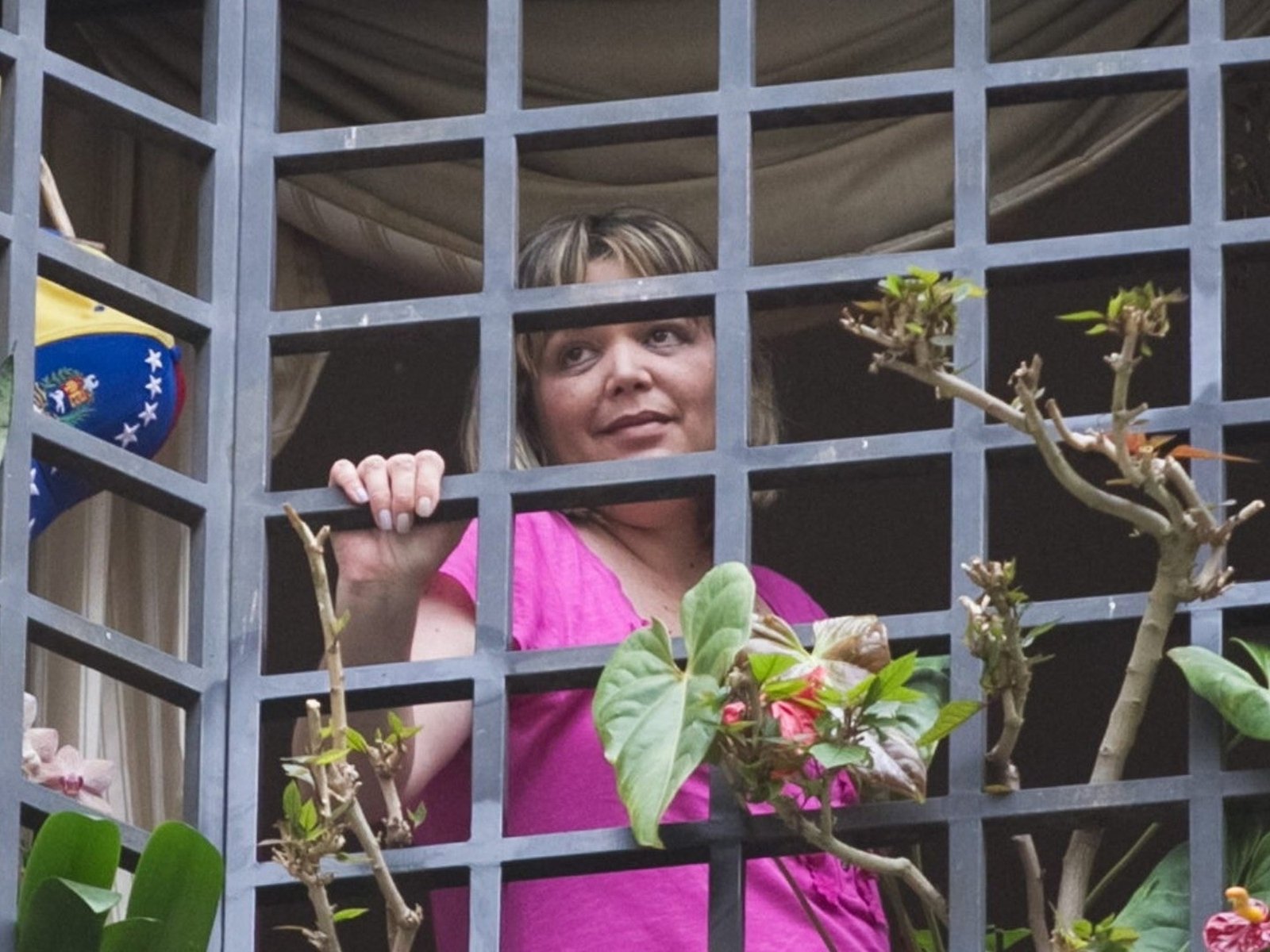
La justicia venezolana cerró de manera definitiva el caso de la jueza María Lourdes Afiuni, considerada una presa política del fallecido presidente Hugo Chávez, y le otorgó la libertad plena, informó este viernes su familia.
En un comunicado, el hermano de la jueza, Nelson Afiuni y la representante legal de la familia, Thelma Fernández, afirmaron que la decisión «pone fin de manera definitiva al proceso seguido en su contra y restituye plenamente su libertad, cerrando formalmente un caso que nunca debió existir».
La jueza fue detenida en diciembre de 2009 tras otorgar libertad bajo fianza a Eligio Cedeño, un banquero acusado de efectuar operaciones cambiarias ilegales. En televisión, Chávez la llamó «bandida» y pidió que se le impusiera la condena máxima de 30 años de cárcel por supuestamente haber facilitado la fuga del empresario, quien salió del país.
Estuvo en prisión hasta 2011, cuando pasó a arresto domiciliario, y en 2013 obtuvo libertad condicional.
En 2019, fue condenada a cinco años por «corrupción espiritual», es decir, la misma fiscalía reconoció que no tuvo ningún beneficio económico.
Hasta hoy, Afiuni tenía una libertad condicional que incluía, según la familia, prohibición de salir de la ciudad, hablar a la prensa o en redes sociales y votar. Tampoco tenía derecho a un pasaporte y estaba inhabilitada políticamente.
En el comunicado, el hermano y la abogada aseguraron que el cierre del caso y su libertad representan «el final de un largo y doloroso capítulo marcado por graves violaciones a los derechos humanos y al debido proceso».
«Durante años, la jueza Afiuni y su familia soportaron las consecuencias de una persecución que trascendió el ámbito personal y se convirtió en un símbolo inequívoco del deterioro de la independencia judicial en Venezuela», expresaron ambos, quienes agradecieron a todos los que «acompañaron esta causa con firmeza y constancia».
Sin embargo, señalaron que el cierre definitivo del expediente «no borra el sufrimiento vivido ni repara, por sí solo, los daños ocasionados».
Afirmaron que el caso «permanece como una advertencia para toda la región sobre las consecuencias de utilizar el sistema de justicia como instrumento de represalia contra quienes ejercen sus funciones con independencia e imparcialidad».
COMUNICADO CASO DE LA JUEZA @mariafiuni pic.twitter.com/IwX6ZFgPT8
— Nelson Afiuni (@nelsonafiuni) August 7, 2026
«Ningún juez debe volver a enfrentar prisión, persecución, humillación o amenazas por cumplir con su deber, aplicar la ley o dar cumplimiento a decisiones y estándares del derecho internacional de los derechos humanos. Una justicia independiente solo puede existir cuando sus jueces pueden decidir libres de intimidación, presiones o represalias», aseveraron.
La abogada familiar y el hermano de la jueza expresaron su confianza en que la decisión «marque también el inicio de una reflexión indispensable sobre la necesidad de reconstruir la independencia judicial en Venezuela y de garantizar que hechos como los ocurridos en este caso jamás vuelvan a repetirse».
Durante el fin de semana, Afiuni había recibido atención médica de urgencia, tras presentar un cuadro de mareos, vómitos e hipertensión. Allí se detectó que la exjueza tiene tres lesiones tumorales en distintas partes del cuerpo, según señala el comunicado.
«En este momento, cuando su estado de salud requiere atención especializada y decisiones médicas oportunas, resulta indispensable que las autoridades adopten una solución definitiva que ponga fin a un caso que debió haber sido cerrado hace muchos años», informó la familia este jueves.
«El respeto al derecho a la salud de la jueza Afiuni requiere eliminar las restricciones que le impiden acceder plenamente a la atención médica que necesita y reunirse con su única hija en este momento de especial vulnerabilidad», agrega el documento publicado.
Los familiares consideran que la enfermedad de la jueza es consecuencia «de un prolongado proceso de persecución, de su injusta privación de libertad, de las condiciones de reclusión que soportó y de la falta de atención médica oportuna».
Meses atrás, la familia había pedido que Afiuni fuera favorecida por la ley de amnistía impulsada por la presidenta encargada Delcy Rodríguez. Este año, cientos de presos políticos han sido excarcelados y a miles de personas se les han levantado las restricciones a su libertad, luego de la captura de Nicolás Maduro por parte de Estados Unidos.
INTERNACIONAL
Trump urges Jeanine Pirro to revisit dropped Lincoln Memorial Reflecting Pool vandalism case

NEWYou can now listen to Fox News articles!
President Donald Trump on Friday urged U.S. Attorney Jeanine Pirro to take a second look at the recently dropped charges over vandalism at the Lincoln Memorial Reflecting Pool.
«Now that people are able to see it up close, they are reporting pure VANDALISM at The Reflecting Pool,» Trump wrote on Truth Social, sharing photos from a freelance photographer that allegedly showed vandalism.
The president claimed that «People were on their knees with their hands in the water at the exact location of the ‘slashes.’ Additionally, there were witnesses to the VANDALISM, and the flexible areas of the material were cut with a knife.
TRUMP SAYS HE ‘DISAGREES 100%’ WITH U.S. ATTORNEY JEANINE PIRRO OVER REFLECTING POOL CASE
President Donald Trump on Friday urged U.S. Attorney Jeanine Pirro to take a second look at the recently dropped charges over vandalism at the Lincoln Memorial Reflecting Pool. (Getty Images)
«U.S. Attorney Jeanine Pirro should re-visit her hastily made decision, especially since it turned out that the ‘gentleman’ involved is a big player in ActBlue, a disgraceful fundraising SCAM, and is represented by a TRUMP DERANGED SLEAZEBAG, Political Hack Lawyer, Norm Eisen, and CREW, a group that uses ‘charity’ for political purposes which is, to the best of my knowledge, ILLEGAL!»
Trump has been highly critical of Pirro’s decision to drop the felony vandalism case against former Olympian David Hearn last Friday.
Earlier this week, Trump claimed Pirro «choked» under pressure from a judge regarding the case and «folded like an umbrella.»
A day after the case was dropped, Trump wrote on Truth Social «I disagree 100% with Jeanine Pirro, the U.S. Attorney for the District of Columbia, on the Reflecting Pool. I don’t know what she was thinking?»
FORMER US OLYMPIAN DAVID HEARN INDICTED IN ALLEGED REFLECTING POOL VANDALISM
Hearn was indicted on July 2 on one count of felony destruction of property. U.S. Park Police alleged Hearn grabbed and tugged at a loose section of the pool’s coating on June 19, continuing after a National Park Service employee told him to stop. Officials initially claimed he caused more than $1,000 in damage.
However, Pirro’s office said the Department of the Interior initially provided prosecutors with «barebones» reports and failed to disclose records documenting extensive problems with the coating’s installation.
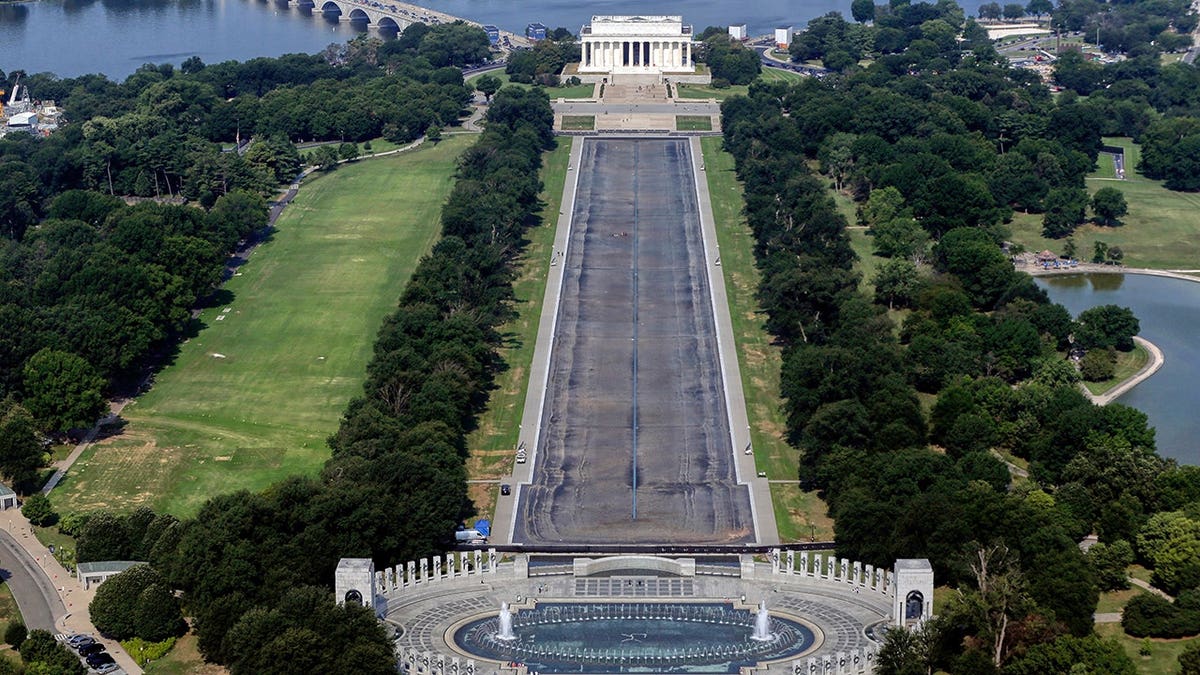
The Lincoln Memorial and the Reflecting Pool are seen from the Washington Monument on Wednesday, July 15, 2026, in Washington. Rahmat Gul/AP (Rahmat Gul/AP)
«Had DOI been forthcoming with the information clearly in its possession, the government would not have sought a grand jury indictment,» prosecutors wrote.
«It was not until after the return of the indictment, that the DOI provided additional documents to the USAO-DC indicating that damage to the Lincoln Memorial Reflecting Pool in June 2026 was the result of flawed installation by the contractor, Atlantic Industrial Coatings (‘AIC’), and the rush to complete the project prior to events associated with the America 250 celebration in the weeks surrounding Independence Day 2026.»
OLYMPIAN CHARGED IN REFLECTING POOL VANDALISM DONATED THROUGH DEM FUNDRAISING GIANT

David Hearn of the United States competes in the men’s C1 whitewater canoeing final of the 2000 Summer Olympics at the Penrith Whitewater Stadium. Penrith, Australia, on Sept. 18, 2000. (David Madison/Getty Images)
The DOJ said the new evidence made it difficult to prove beyond a reasonable doubt that Hearn caused the damage. Prosecutors asked the court to dismiss the indictment without prejudice, which would leave open the possibility of bringing the charge again.
«The Trump administration’s case against Davey Hearn should never have been brought,» Hearn’s attorneys Norm Eisen, Mary Dohrmann and Steve Levin in a statement last Friday, according to the New York Post. «Its dismissal today does not erase the abuse of government power in arresting and charging a patriotic American who did nothing wrong. The government’s approach was ready, fire, aim. The administration owes Mr. Hearn an apology.»
Fox News’ Jackson Thompson and Reuters contributed to this report.
justice department, donald trump, politics

La Contraloría General de la República de Panamá ordenó iniciar auditorías forenses a contratos ejecutados por el Instituto Panameño de Deportes (Pandeportes), luego de recibir denuncias ciudadanas relacionadas con proyectos de infraestructura deportiva.
Las primeras revisiones se concentrarán en nueve instalaciones ubicadas en la provincia de Coclé, aunque el organismo fiscalizador advirtió que el escrutinio alcanzará los contratos vinculados con los señalamientos recibidos.
Las investigaciones buscan establecer si las actuaciones administrativas, contractuales y financieras se desarrollaron conforme a la legislación vigente, así como determinar si existió una correcta administración de los recursos públicos.
La Contraloría explicó que, por la naturaleza y alcance de los hechos denunciados, consideró indispensable realizar una investigación especializada para determinar posibles lesiones administrativas, contractuales y financieras al Estado.
La primera auditoría estará dirigida al contrato para el estudio, diseño y construcción de nueve instalaciones deportivas en los distritos de Olá, Natá y La Pintada, en Coclé.

El proyecto fue ejecutado por el Consorcio Nueve Canchas Coclé, integrado por Grupo Innova, S.A. y Jardines Urbanos, S.A.
Los auditores examinarán la ejecución integral del contrato, las modificaciones aprobadas, adendas, ampliaciones de plazo, pagos realizados y liquidaciones, además de otras actuaciones administrativas relacionadas con el proyecto.
La revisión pretende reconstruir cómo se desarrolló financiera y contractualmente la obra y determinar si cada actuación contó con el debido sustento.
Para ello, los equipos especializados tendrán acceso a expedientes administrativos, documentación financiera, registros contables, informes técnicos, órdenes de cambio y estados de pago.
También podrán revisar cualquier otra evidencia necesaria para establecer técnicamente cómo fueron ejecutados los proyectos y si los procedimientos utilizados se ajustaron al marco legal vigente.

La Contraloría fue enfática al señalar que “ningún contrato quedará fuera del escrutinio” y que cada adenda, pago y liquidación será examinada. No obstante, aclaró que la apertura de las auditorías no constituye un señalamiento anticipado contra ninguna persona natural o jurídica, sino el comienzo de un proceso técnico e independiente.
Si las investigaciones encuentran posibles lesiones patrimoniales al Estado o hechos que puedan tener relevancia penal, los expedientes serán remitidos a las autoridades competentes para establecer responsabilidades.
La Dirección Nacional de Investigación y Auditoría Forense tiene precisamente entre sus funciones detectar e investigar conductas potencialmente lesivas al patrimonio público y suministrar informes técnicos a las autoridades correspondientes.
La revisión de los contratos deportivos no fue la primera actuación de la Contraloría relacionada con Pandeportes durante 2026. Documentos oficiales del organismo fiscalizador muestran que desde marzo se habían realizado trabajos de inspección vinculados con contratos e infraestructura deportiva administrada por la institución.
Uno de esos registros correspondió a una inspección relacionada con el contrato 04-2022 INV y tres campos deportivos, lo que mostró que la Contraloría ya había realizado verificaciones sobre proyectos de Pandeportes antes del anuncio de las nuevas auditorías forenses derivadas de denuncias ciudadanas.

Las nuevas revisiones se sumaron a una agenda de fiscalización que durante el último año alcanzó diferentes áreas del gasto público. Entre ellas estuvieron las auditorías sobre recursos transferidos a municipios y juntas comunales, después de que las autoridades anunciaran revisiones sobre el manejo de fondos de descentralización.
La Contraloría también había informado que culminó la revisión de más de 4.000 expedientes correspondientes a auxilios económicos del Instituto para la Formación y Aprovechamiento de Recursos Humanos (Ifarhu).
De ese universo, identificó 2.860 casos con posibles perjuicios superiores a $52 millones, cuyos resultados serían remitidos al Ministerio Público para las investigaciones correspondientes.
En ese mismo proceso de fiscalización, el organismo anunció la entrega de 18 auditorías relacionadas con juntas comunales que administraron recursos de descentralización durante el gobierno anterior.
Estas revisiones estuvieron entre los principales frentes de control sobre el uso de fondos públicos, debido al volumen de recursos transferidos y a los cuestionamientos surgidos sobre su administración.

En el caso de Pandeportes, la apertura de las auditorías forenses no significó que se hubiera determinado previamente una lesión patrimonial ni responsabilidad penal alguna. Esa conclusión dependerá del análisis de contratos, adendas, pagos, liquidaciones y demás documentación relacionada con los proyectos.
La Contraloría indicó que el procedimiento se desarrollará respetando el debido proceso y el derecho de defensa de las partes involucradas. Si los equipos especializados encuentran posibles afectaciones al patrimonio estatal o hechos con relevancia penal, los expedientes serán remitidos a las autoridades competentes para determinar las responsabilidades correspondientes.
elecciones,actas,votación,transparencia,verificación,proceso electoral,funcionarios,democracia,conteo,resultados

Después de 16 años, el gobierno venezolano liberó a una jueza que estaba presa por «corrupción espiritual»

El horóscopo de hoy: sábado 8 de agosto

El misterioso tren de vida de Facundo Moyano y el resurgir económico de un gremio en extinción

Ni vino ni fernet: la cerveza lidera el consumo y un informe revela el ranking de las ciudades

Ronaldinho, el crack de Brasil al que aman los argentinos: sus geniales fotos haciendo asado y tomando mate en la previa de su cumpleaños 45

Un foro libertario reunió en el Congreso a dirigentes de 10 países y destacó el liderazgo regional de Milei

Dólar hoy en vivo: a cuánto se negocian todas las cotizaciones minuto a minuto este miércoles 5 de agosto

La oposición cuestionó a Benegas Lynch por su empresa para vender campos a extranjeros y el senador libertario se defendió

Brasil retira a su embajador en la Argentina: qué consecuencias tiene la medida diplomática

Las centrales obreras y los movimientos sociales anunciaron dos días de conflicto callejero
-
 ECONOMIA3 días ago
Dólar hoy en vivo: a cuánto se negocian todas las cotizaciones minuto a minuto este miércoles 5 de agosto
-
 POLITICA1 día ago
La oposición cuestionó a Benegas Lynch por su empresa para vender campos a extranjeros y el senador libertario se defendió
-
 POLITICA3 días ago
Brasil retira a su embajador en la Argentina: qué consecuencias tiene la medida diplomática