INTERNACIONAL
El jefe del Pentágono avisa a la OTAN que Estados Unidos reexaminará su despliegue militar en Europa

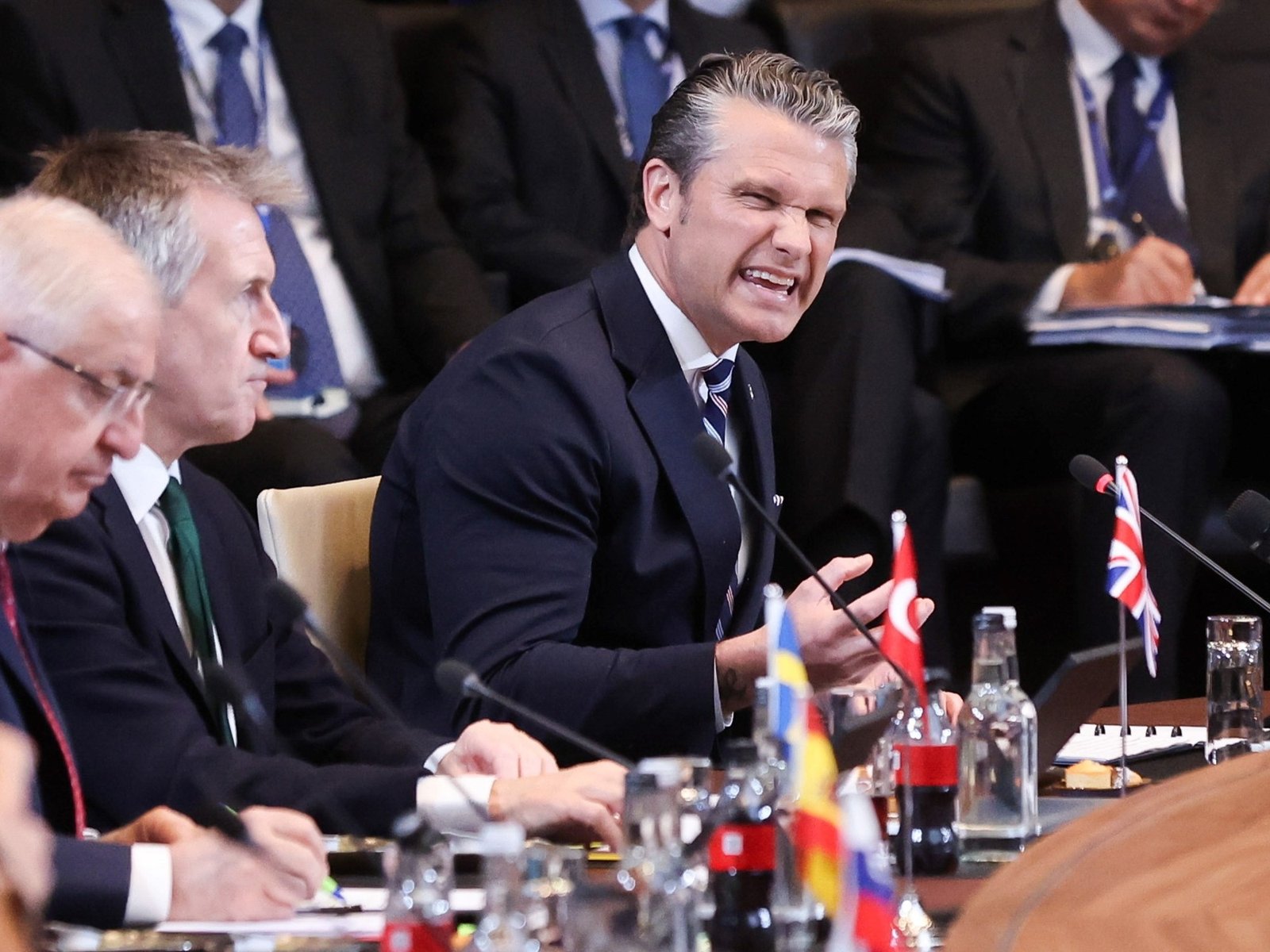
Estados Unidos lanza un proceso de seis meses para evaluar su presencia militar en Europa y decidir si la reduce, como el presidente Donald Trump ha dicho en varias ocasiones. El anuncio lo hizo este jueves en la sede de la OTAN en Bruselas el secretario de Guerra estadounidense, Pete Hegseth, quien dijo que no se trata de vaciar Europa de tropas estadounidenses.
“Será una evaluación real. Estará diseñada para garantizar que la OTAN avance con rapidez e irreversiblemente hacia un liderazgo europeo, asumiendo la responsabilidad principal en la defensa de Europa”, dijo Hegseth según un cable de agencia citado por Radio France International. El anuncio llega justo después de que a principios de mayo Estados Unidos oficializara la retirada de 5.000 hombres de sus bases alemanas.
La idea es la misma que repiten muchos gobiernos europeos desde hace meses. Europa debe asumir la responsabilidad de la seguridad en el continente europeo, y Estados Unidos será únicamente un garante lejano, más pendiente de otras regiones del mundo, sobre todo del área Asia-Pacífico, donde su rivalidad con China, creen los diplomáticos y analistas estadounidenses, marcará el planeta en lo que resta de siglo.
El papel de Estados Unidos en la seguridad europea se limitará, advierte Washington en la OTAN desde hace meses, a servir como único garante gracias al paraguas nuclear.
Si ese es el objetivo a largo plazo, los europeos esperan ahora ver hasta dónde está dispuesto a retirarse Estados Unidos, porque en Europa tiene más 40 instalaciones de diferente tamaño (una decena de bases grandes) y unos 65.000 soldados, que pueden llegar a ser cerca de 80.000 en función de las rotaciones.
Al final de la Guerra Fría llegó a tener más de 250.000 hombres estacionados en Europa. Ahora mismo más de 30.000, aproximadamente la mitad, está en Alemania. Italia, Reino Unido y España son los otros países con presencia considerable y varias bases.
Hegseth dijo a sus homólogos en Bruselas que la evaluación también se hace para garantizar que “el acceso, las bases y el sobrevuelo de Estados Unidos estén claramente definidos y asegurados”. Ya lo están, pero lo están de tal forma que los gobiernos europeos pueden, como hicieron en esta guerra contra Irán algunos como el italiano y el español, negar el uso de esas bases, que legalmente son bases conjuntas, no estadounidenses.
Trump, el propio Hegseth y sobre todo el secretario de Estado Marco Rubio se preguntaron en público en varias ocasiones para qué servía la OTAN si cuando Estados Unidos necesitaba sus bases en Europa no podía usarlas.
La OTAN, según sus documentos fundacionales, está para proteger el espacio europeo y norteamericano de ataques externos, no para aventuras militares de sus Estados miembros en otras partes del mundo.
El uso de las bases en Europa se regula a partir de acuerdos bilaterales entre Estados Unidos y cada país involucrado, no hay un marco común en la OTAN. A pesar de eso, Hegseth dijo en la OTAN, ante la mirada de los ministros de Defensa de gobiernos que negaron el uso de las bases, que esa decisión fue un acto “vergonzoso. Estos aliados pusieron en riesgo a los hijos e hijas de Estados Unidos, a nuestros hijos e hijas. No hay excusa para eso”.
Cuando España e Italia anunciaron que negaban el uso de las bases conjuntas para los ataques en Irán, Trump amenazó con cerrar las bases en esos países para moverlas hacia otros como Polonia o Rumanía, supuestamente más amables con las decisiones de Washington. Analistas estadounidenses aseguraron poco después que reubicar la base naval de Rota, en el sur de España, era estratégicamente inviable.
La reunión de este jueves también sirvió para hablar de dinero. Estados Unidos está empeñado en que los 31 otros estados miembros de la OTAN cumplan lo que prometieron hace casi un año en una cumbre en La Haya: gastar en 2035 el 5% de su PBI en Defensa. España no aceptó ese número y asegura desde entonces que el 2,0% que ya gastó en 2025 es suficiente.
Fuentes diplomáticas españolas contaron a Clarín que hace un año, cuando se negociaba esa cumbre, el Gobierno español habló con el italiano a sabiendas de que Italia no podía llegar al 5,0% por su situación fiscal y podrían hacer frente común. Los italianos, como muchos otros, dijeron entonces que prometerían el 5,0% sabiendo que no lo cumplirían.
Los últimos datos oficiales de la OTAN, del pasado abril, colocan a España en el 2,0%, a Alemania en el 2,0%, a Italia en el 2,01% y a Francia en el 2,05%. El Reino Unido en el 2,40%. Todos lejos del 5,0%. Ese objetivo sólo parece políticamente viable en países que ya estaban aumentando el gasto militar antes de la presión de Donald Trump. Son los más cercanos a Rusia, como las tres repúblicas bálticas, Finlandia o Polonia.
Hegseth dijo en Bruselas que a partir de ahora el gasto de la cuota estadounidense para los costos de funcionamiento de la OTAN (básicamente administrativos porque como entidad no tiene armamento), unos 790 millones de dólares este año, estará “condicionado” a que los aliados gasten más en defensa.

INTERNACIONAL
Planned Parenthood offered hormones but had no answers when detransitioner sought help, undercover probe finds
NEWYou can now listen to Fox News articles!
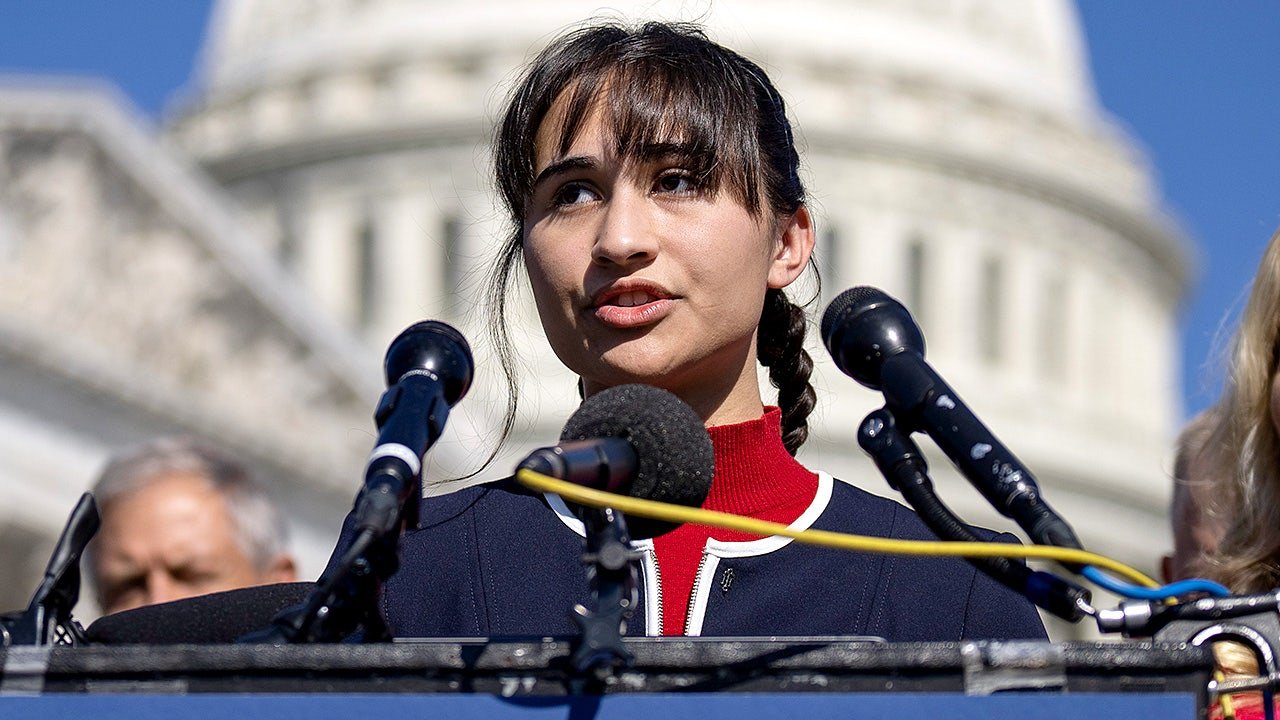
FIRST ON FOX: Detransitioner Chloe Cole says Planned Parenthood clinics across multiple states had few answers when she sought help reversing the effects of a gender transition, according to a new undercover investigation obtained by Fox News Digital.
The investigation, conducted by pro-life advocacy group Live Action in partnership with Cole, involved calls to Planned Parenthood locations in Idaho, Alaska, New York and Washington, D.C., among other jurisdictions. In the calls, Cole posed as a patient seeking information about detransitioning after previously undergoing a gender transition.
Across multiple conversations reviewed by Fox News Digital, employees described services available for patients seeking gender-affirming care but did not identify detransition-specific programs, treatment pathways or clinical resources when asked about options for individuals seeking to reverse course after transition-related medical treatment.
In one call reviewed by Fox News Digital, Cole asked whether Planned Parenthood offered services for patients attempting to stop or reverse a transition.
UNDERCOVER INVESTIGATION: PLANNED PARENTHOOD PRESCRIBING HORMONES TO MINORS WITH MINIMAL OVERSIGHT
Chloe Cole says an undercover investigation found Planned Parenthood clinics offered few answers and no clear services when she sought help detransitioning. (Drew Angerer/Getty Images)
«We only have gender-affirming care services, like for hormones, but not to detransition,» a Planned Parenthood employee told Cole.
When Cole asked whether the organization offered help addressing fertility concerns or other effects associated with prior transition-related treatment, the employee responded: «As in right now, it’s a no, I don’t think we do that type of healthcare.»
The calls form the basis of a new campaign by Live Action urging lawmakers to continue restrictions on federal funding for Planned Parenthood, which the organization says has expanded its transgender-related healthcare services in recent years.
I WAS 15 AND TRUSTED THE ‘EXPERTS’ ON GENDER CARE. TURNS OUT, THEY WERE WINGING IT

A title sign sits outside a Planned Parenthood branch in Pasadena, Calif., on May 16, 2023. (Marcio Jose Sanchez/AP Photo)
For Cole, the issue is personal.
«My name is Chloe Cole. When I was 12 years old, I began the process of trying to change my gender from female to male,» she says in the investigation video.
«At age 15, I even had both of my breasts surgically removed. But I realized that what I was doing was actually harming my body. So at age 16, I began to detransition.»
Cole said she launched the investigation because she wanted to know what resources existed for patients seeking help after regretting a transition.
«I know firsthand the pain of being pushed down the path of transition,» Cole told Fox News Digital in a statement.
«In this investigation with Live Action, I wanted to see what Planned Parenthood would do when someone came back asking for help to detransition.»
‘LOSING THEIR HEALTH’: DETRANSITIONER SOUNDS ALARM ABOUT SEX-CHANGE SURGERIES NEGATIVELY IMPACTING CHILDREN

Protestors hold «Defund Planned Parenthood» signs outside the U.S. Supreme Court in Washington, D.C., on June 20, 2025. (Kayla Bartkowski/Getty Images)
«What I found was horrifying: Planned Parenthood was ready to help people start transitioning, but had no real answers, no meaningful support, and no services to help them reverse course,» she said.
During the calls, Cole raised concerns about fertility, the effects of cross-sex hormones, breast reconstruction and other questions related to detransitioning. According to the investigation, employees referred her to outside providers, said they were unfamiliar with detransition-related care or stated they were not aware of such services being offered through Planned Parenthood.
In one exchange, Cole told a Planned Parenthood employee, «I had surgery, I’ve been on the drugs, and I need help recovering the things I’ve lost,» while asking what resources might be available to patients seeking to detransition.
DETRANSITIONER TOUTS $2-MILLION LANDMARK MALPRACTICE RULING AS GOOD START, BUT ‘NOT NEARLY ENOUGH’
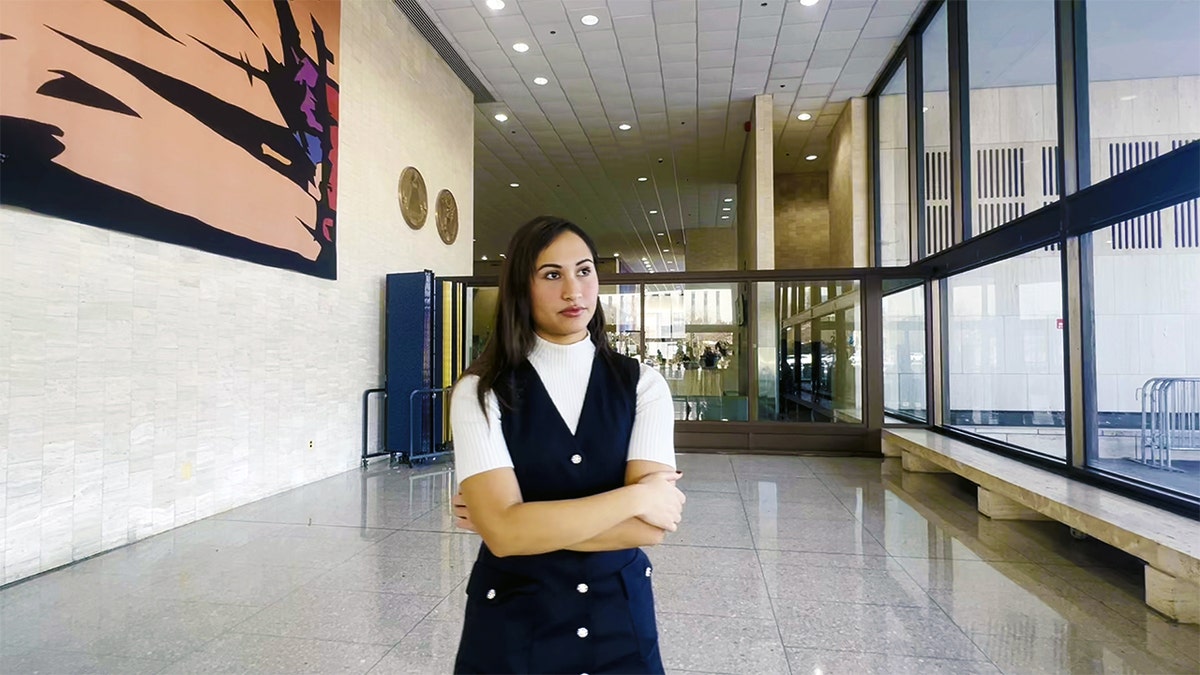
Chloe Cole, another well-known detransitioner, has also filed a medical malpractice lawsuit over her gender transition. (Fox News Digital)
The employee replied that Planned Parenthood could schedule an appointment with a provider but added, «I don’t think we do that type of healthcare.»
At another point during the call, a staff member said Planned Parenthood facilities typically see patients who are «getting started on gender-affirming care.»
The findings follow a separate undercover investigation reported by Fox News Digital in May that found some Planned Parenthood locations said minors as young as 16 could obtain cross-sex hormones through the organization’s informed-consent model with limited requirements for therapy or mental-health evaluations.
CHLOE COLE ACT AIMED AT BLOCKING MINORS FROM UNDERGOING LIFE-ALTERING TRANSGENDER SURGERIES, GOP LAWMAKER SAYS
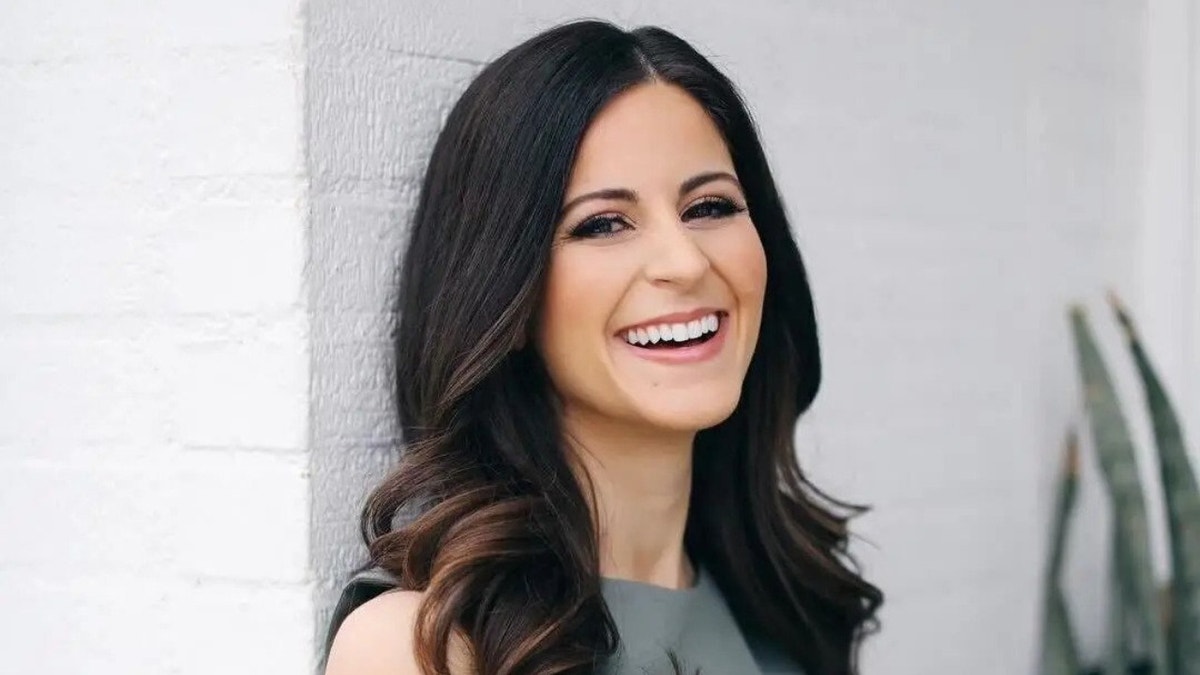
Lila Rose, founder of the pro-life organization Live Action, expresses optimism for the pro-life movement despite recent legal setbacks. (Live Action)
At the time, Live Action released recordings from calls to Planned Parenthood facilities in multiple states in which employees allegedly said cross-sex hormones could be prescribed at an initial appointment.
The new investigation focuses instead on what support is available for individuals seeking to discontinue treatment or detransition.
Live Action founder and president Lila Rose said the calls revealed what she described as a one-sided system.
«Live Action’s undercover investigation with detransitioner Chloe Cole exposed Planned Parenthood’s one-way body destruction pipeline,» Rose said in a statement.
«Planned Parenthood is willing to prescribe cross-sex hormones and push vulnerable people further into dangerous so-called ‘gender-affirming care,’ but when someone comes back seeking help to detransition, Planned Parenthood has no answers, no support and no services to help reverse the damage.»
Planned Parenthood’s website states that many of its health centers provide gender-affirming care and lists services including hormone therapy, puberty blockers, surgery referrals and «transition support (social, legal).» The website does not specifically reference detransition-related services on its gender-affirming care page. Not all Planned Parenthood health centers offer the same services, according to the organization.
The organization is using the investigation as part of a broader effort urging Congress and the Trump administration to continue restricting federal funding for Planned Parenthood after current limitations expire.
According to Planned Parenthood’s most recent annual report, the organization received hundreds of millions of dollars in government reimbursements and grants while continuing to provide reproductive healthcare and other medical services nationwide.
Fox News Digital asked Planned Parenthood whether any of its health centers provide detransition-related services, referrals, counseling or medical support to patients seeking to discontinue or reverse prior gender-related medical treatment, and whether it disputes any findings contained in the investigation.
CLICK HERE TO DOWNLOAD THE FOX NEWS APP
Planned Parenthood did not immediately respond to Fox News Digital’s request for comment.
Fox News Digital’s Peter Pinedo contributed to this reporting.
surgery, health care senate, investigations, fox news investigates, womens health
INTERNACIONAL
Cuba prepara una mayor apertura de mercado bajo la fuerte presión de Trump: “Cambiar para salir de la crisis”
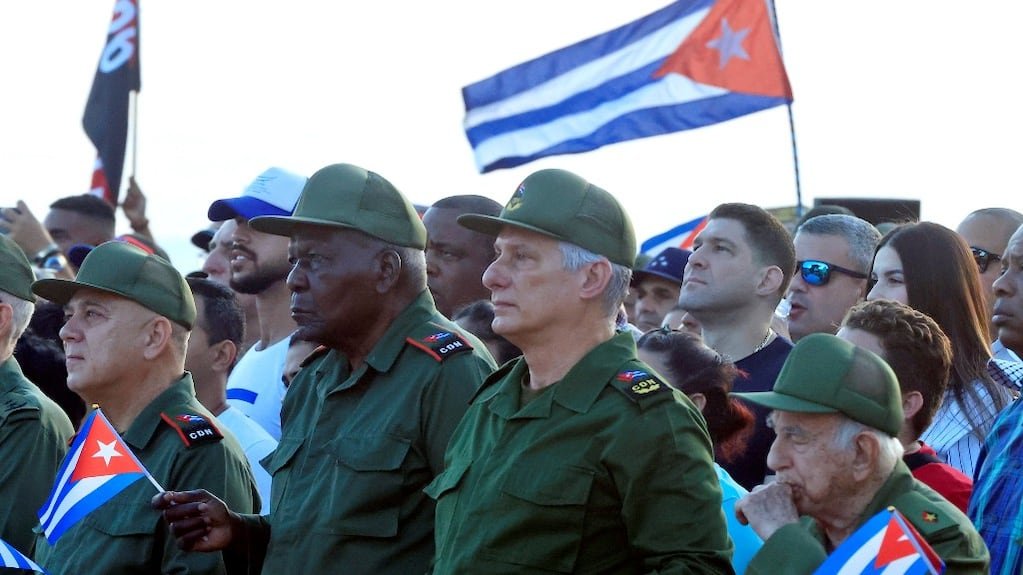
En momentos en que la Asamblea Nacional se dispone a aprobar un paquete de reformas orientadas hacia una mayor apertura de mercado, el presidente cubano Miguel Díaz-Canel dijo este jueves que la economía de la isla, afectada por una profunda crisis económica bajo presión de Washington, necesita “cambios urgentes”.
“Cuando la vida del pueblo se vuelve tan dura, el primer deber del Partido Comunista y del Gobierno revolucionario no es explicar mejor la crisis, sino cambiar lo que haya que cambiar para salir de ella”, dijo el jefe de Estado, también primer secretario del PCC.
Estas reformas, cuyos detalles aún no se conocen completamente, buscan abrir más sectores a la inversión privada, atraer más capital de los cubanos en el exterior, reducir el peso del Estado y otorgar mayor autonomía a las empresas públicas.
“La realidad nos impone cambios urgentes y necesarios”, declaró el jefe de Estado en un discurso transmitido por la televisión estatal y pronunciado el miércoles durante una sesión extraordinaria del Comité Central del Partido Comunista (PCC, único).
En forma paralela, el gobierno convocó a un grupo de expertos conformado por economistas habitualmente críticos del rumbo del país para asesorar sobre el plan.
El paquete de reformas
Durante esta sesión extraordinaria, la máxima instancia del partido aprobó un paquete de reformas hacia una mayor liberalización económica, cuyos lineamientos habían sido presentados por Díaz-Canel la semana pasada.
“Algunas no tendrán un consenso absoluto, pero son impostergables”, insistió este jueves el mandatario. Una mujer vestida con los colores de la bandera de Estados Unidos compra frutas a un vendedor ambulante en una calle de La Habana (Foto: EFE)
Estos anuncios de reformas se producen mientras el presidente estadounidense Donald Trump aplica una política de máxima presión sobre la isla, sometida desde hace casi cinco meses a un bloqueo petrolero.
Leé también: China refuerza su control financiero y limita las inversiones de sus ciudadanos en acciones estadounidenses
El influyente expresidente Raúl Castro, de 94 años, ya ha dado su apoyo a las reformas. La Asamblea Nacional del Poder Popular se reúne de urgencia la tarde del jueves para aprobarlas.
“Decisiones inteligentes”
Díaz Canel, quien mencionó los ejemplos de China y Vietnam, abogó por una transformación económica “profunda y ágil, ejecutable en corto plazo”.
El viernes había señalado que el abanico de actividades abiertas al sector privado será “lo más amplio posible”.
Las empresas privadas, de hasta 100 empleados, están autorizadas en la isla comunista desde 2021. Unas 10.000 empresas ocupan un lugar creciente en el tejido económico cubano y emplean actualmente a un tercio de la población activa.
El bloqueo estadounidense ha llevado a la economía cubana, bajo embargo desde 1962, al borde del colapso, provocando cortes de electricidad generalizados, así como escasez de alimentos, combustible, agua potable y medicamentos.
Washington no oculta su deseo de ver un cambio de modelo económico, e incluso de régimen, en la isla situada a unos 150 kilómetros de las costas de Florida.
“Si toman decisiones inteligentes, tendremos una relación mucho mejor con esa isla”, reaccionó el vicepresidente estadounidense JD Vance, interrogado en la Casa Blanca sobre una posible intervención militar en Cuba tras la firma de un acuerdo entre Washington y Teherán.

Un montón de basura arde en La Habana, Cuba, el miércoles 17 de junio de 2026. (AP Foto/Jorge Luis Banos)
El presidente cubano llamó a “crear un entorno institucional y regulatorio” que incentive a empresas y trabajadores a producir bienes y ofrecer servicios de calidad y con eficiencia.
“Hay trabas que no vienen de afuera, ni del bloqueo (estadounidense). Hay lentitud, burocracia, normas que frenan al que quiere producir y decisiones que hemos postergado” por “error”, reconoció.
Quiénes son los expertos que asesoran al gobierno cubano
Uno de los expertos más reconocidos que asesoran al gobierno cubano es el economista Omar Everleny Pérez, exdirector del Centro de Estudios de la Economía Cubana y profesor de la Universidad de La Habana.
En una reciente entrevista con TN, dijo que Cuba necesita una reforma al estilo de Vietnam.
El país asiático mantuvo su modelo de partido comunista único, pero adoptó una economía de mercado con orientación social. Así, hace 30 años realizó privatizaciones agrícolas, apertura a la inversión extranjera y una integración al mundo globalizado.
Everleny Pérez ya impulsó como asesor una apertura económica a mediados de los 90, tras el derrumbe de la Unión Soviética, pero la mayoría de sus propuestas fueron rechazadas por el entonces presidente Fidel Castro. Otros asesores son los economistas Juan Triana y Julio Carranza.
Los tres expertos suelen expresar cuestionamientos al modelo económico cubano en ámbitos académicos y medios independientes.
Por el ámbito oficial, en el grupo participan dos diputados: el exministro de Economía y Planificación José Luis Rodríguez García y el presidente de la Asociación Nacional de Economistas y Contadores (ANEC), José Carlos del Toro Ríos.
(Con información de AFP)
cuba, Miguel Díaz-Canel
INTERNACIONAL
Iran hardliner behind US deal warns Tehran won’t honor agreement if Trump fails to deliver
NEWYou can now listen to Fox News articles!
Iran’s hardline parliament speaker and key negotiator Mohammad Bagher Ghalibaf warned that Tehran would not honor its commitments under a newly signed memorandum with the U.S. if Washington fails to uphold its side of the deal, according to the media arm of Iran’s Islamic Revolutionary Guard Corps.
«If the United States does not honor its commitments, there is no way Iran will honor its own commitments,» Ghalibaf said, according to the outlet.
Ghalibaf’s warning was echoed Thursday by Islamic Revolutionary Guard Corps Quds Force commander Esmail Qaani, who threatened the U.S. in remarks translated by MEMRI TV, saying, «Americans should know their place and avoid confronting the Muslims.»
Qaani added that «Trump is trembling» and warned that the U.S. «should fear not only Hormuz and Bab al-Mandeb, but many other locations as well.»
MEET IRAN’S HARDLINE SPEAKER WHO THREATENED TO BURN US FORCES — REPORTEDLY TEHRAN’S POINT MAN FOR TALKS
The warnings came after President Donald Trump and Iranian President Masoud Pezeshkian Wednesday digitally signed a copy of the memorandum aimed at ending the war and resuming the flow of traffic through the Strait of Hormuz.
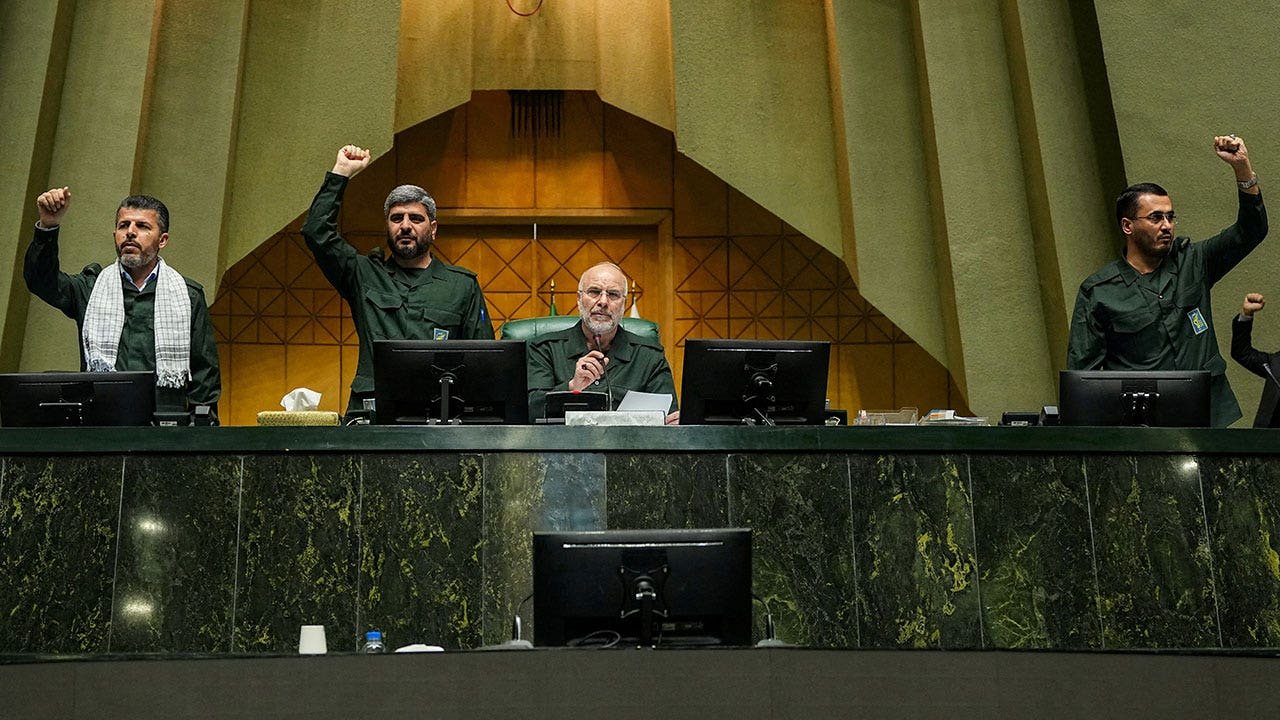
Iran’s hardline parliament speaker and key negotiator Mohammad Bagher Ghalibaf warned that Tehran would not honor its commitments under a newly signed memorandum with the U.S. if Washington fails to uphold its side of the deal. (Majid Asgaripour/WANA)
The memorandum gives Iran major economic relief while leaving some of the most difficult nuclear questions for a final agreement to be negotiated throughout the next 60 days. Under the 14-point plan read by a senior U.S. official, Washington agreed to begin lifting its naval blockade, work with regional partners on a $300 billion reconstruction and development plan for Iran, and terminate U.S., U.N. and other sanctions on an agreed schedule as part of a final deal.
The memorandum also says all licenses, waivers and permissions needed for related financial transactions would be granted by the United States.
In return, Iran reaffirmed that it «shall not procure or develop nuclear weapons,» and the two sides agreed to resolve the fate of Iran’s stockpiled enriched material under a future mechanism, with the minimum method being on-site down-blending under International Atomic Energy Agency supervision.
The agreement defers many of the hardest questions — including how to wind down Iran’s nuclear program — until the 60-day negotiation period for a final deal.
But the Iranian figure at the center of the deal is not a diplomat known for moderation.
Ghalibaf, a former Islamic Revolutionary Guard Corps commander and longtime regime insider, has threatened American forces, vowed Trump would «pay the price» and built his career through loyalty to Iran’s security establishment.
The new warning underscored what experts say is the central risk of the agreement: Washington may be entering a deal with officials who can enforce Iran’s commitments, but who have shown little sign of changing the regime’s long-term posture toward the U.S., Israel or the region.
Ghalibaf, 64, is a product of Iran’s security establishment. He rose through the ranks of the Islamic Revolutionary Guard Corps during the Iran-Iraq War, eventually becoming commander of the Islamic Revolutionary Guard Corps air force.
He later served as Iran’s national police chief, overseeing internal security forces responsible for suppressing protests, including the 1999 student uprising, alongside Qassem Soleimani.
After transitioning into politics, Ghalibaf attempted to run for president multiple times but failed. He instead built his career through loyalty to the system, serving as Tehran’s mayor for more than a decade before becoming speaker of parliament in 2020.
FAMILIES OF IRAN’S ELITE LIVE LAVISHLY ABROAD WHILE ORDINARY CITIZENS SUFFER AT HOME
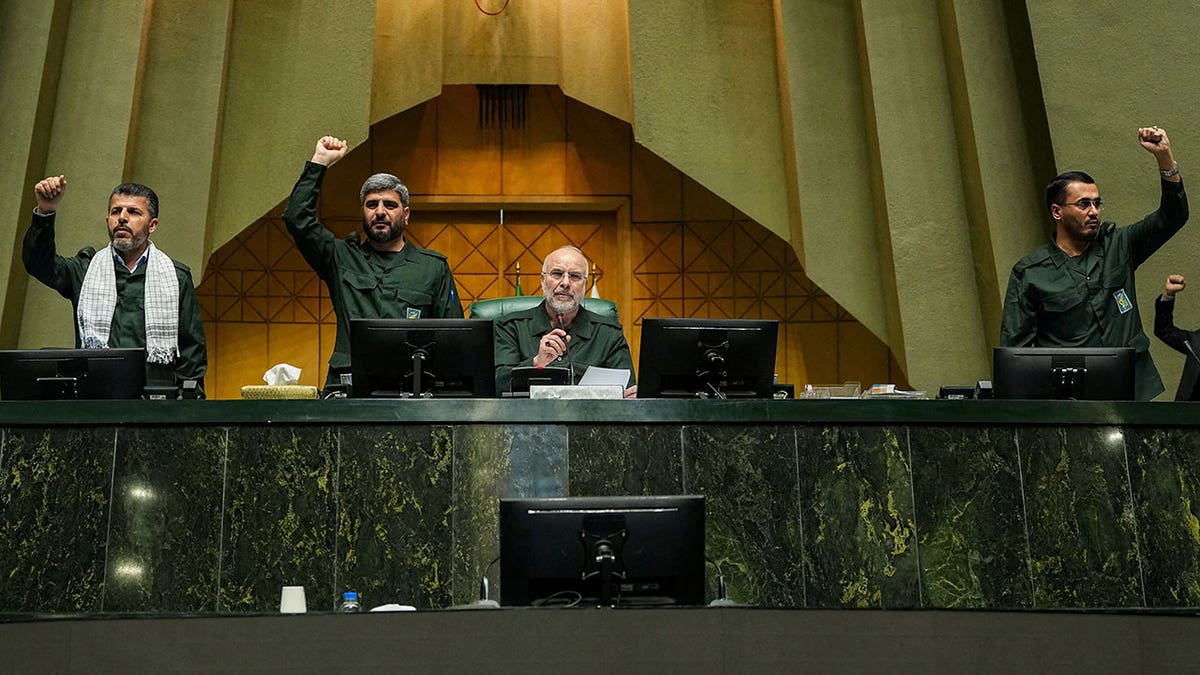
Iranian Parliament Speaker Mohammad-Bagher Ghalibaf looks on as parliament members wearing military uniforms chant in support of the IRGC in Tehran, Iran, on Feb. 1, 2026. (Hamed Malekpour/Islamic consultative assembly news agency/WANA (West Asia News Agency)/Handout via Reuters)
«Ghalibaf doesn’t have an independent line. His strength is that he is a ‘yes man,’» Beni Sabti, an Iran expert at the Institute for National Security Studies, previously told Fox News Digital. «If he is told to shake hands with Special Envoy Steve Witkoff, he will do it. If he is told to escalate, he will. It is not about moderation, it is about who gives the orders.»
«His name has also been linked to multiple corruption allegations, including misuse of oil revenues and sanctions evasion networks involving his family. His sons have reportedly been involved and are under sanctions,» Sabti said, adding, «There have also been public scandals involving family members traveling abroad and making luxury purchases, including widely circulated images of them arriving with numerous high-end Gucci suitcases.»
Behnam Ben Taleblu, a senior fellow at the Foundation for Defense of Democracies, said the image of Ghalibaf at a signing ceremony with a senior U.S. official would be a propaganda victory for the regime.
«There was a time when the Islamic Republic would have been terrified to be seen signing such a thing,» Ben Taleblu told Fox News Digital. «Post-war, this is a sign of the regime’s opportunism, and no one identifies that opportunism better than someone like Ghalibaf, who comes from the IRGC, who is a corrupt politician and is a wheeler and dealer.»
But Taleblu warned that Washington should not confuse Ghalibaf’s opportunism with moderation.
«The mirage is the myth of Iranian military moderation and the myth that, with time, this regime will integrate and put aside all the things that have kept it on the sidelines for so long,» he said. «Transforming Iran via a deal — that is a huge lift.»
Ghalibaf’s wartime statements reflect the hardline posture inside Iran’s leadership. In remarks aired on Iranian television on Jan. 12 and translated by MEMRI, he warned that U.S. forces would face catastrophic consequences if they confronted Iran.
«Come, so you can see what catastrophe befalls American bases, ships and forces,» he said, adding that American troops would be «burned by the fire of Iran’s defenders.»
TRUMP ADMINISTRATION UNVEILS SWEEPING TERMS OF PROPOSED IRAN AGREEMENT
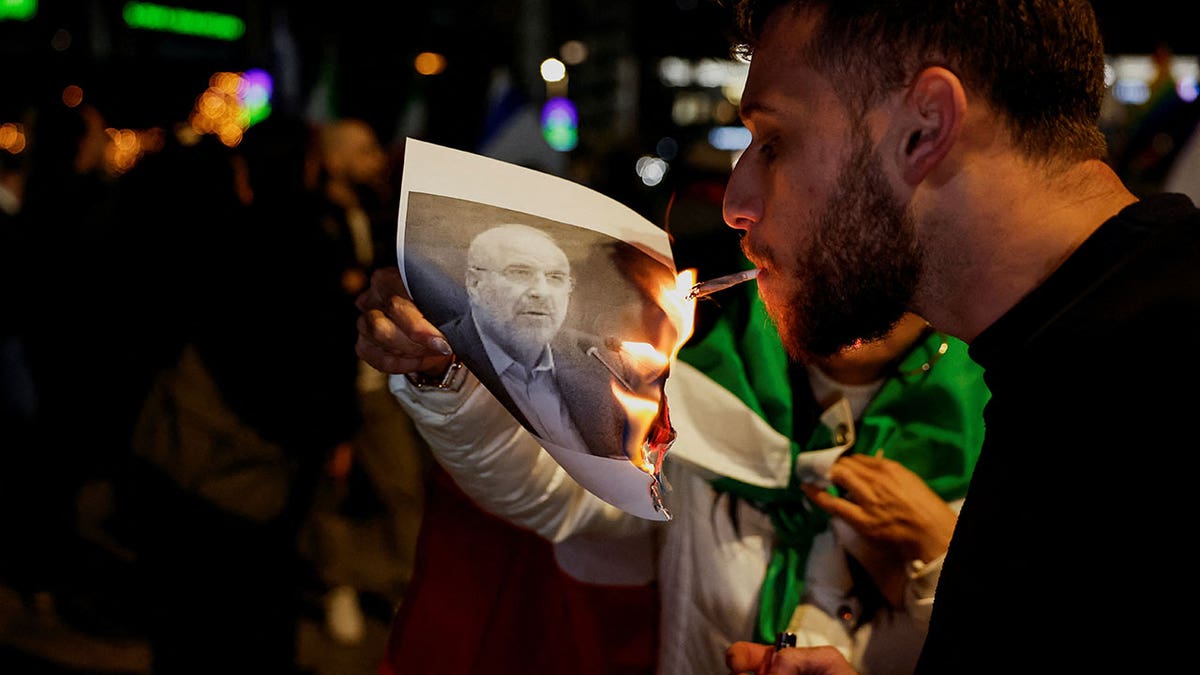
A man lights a cigarette with fire from a burning picture of Iranian Parliament Speaker Mohammad Bagher Ghalibaf as Israelis rally in support of nationwide protests in Iran in Holon, Israel, on Jan. 14, 2026. (Ammar Awad/Reuters)
More recently, he warned that «the blood of American soldiers is the personal responsibility of Trump,» and vowed Iran would «settle accounts with the Americans and Israelis,» adding that «Trump and Netanyahu crossed our red lines and will pay the price.»
John Hannah, a senior fellow at the Jewish Institute for National Security of America and a former national security adviser to Vice President Dick Cheney, said Ghalibaf’s expected role reflects the reality of who holds power inside Iran.
«If you’re going to sign an agreement with Iran, those are the forces in charge and calling the shots, presumably with the approval of the new Supreme Leader,» Hannah told Fox News Digital. «If the U.S. harbors hope that Iran will ever implement any of their obligations under the MOU, these are the people — odious as they are — capable of making it happen.»
But Hannah said the central question is whether Iran’s leadership sees compliance as useful, or whether the agreement is simply a tactical pause.
«The big question is whether they see it in their interest to do so, or are they only buying time, rebuilding their power and preparing for the next round of conflict,» he said.
Ben Taleblu was even more blunt, warning that even a seemingly favorable agreement would not change the nature of the regime.
«Even if you’ve got the perfect deal, with this kind of regime, with this kind of mentality, they will escalate,» he said. «I thought we would have learned by now what the regime did after the JCPOA. It built a vast missile arsenal. It literally built an empire of terror proxies that took Israel years of blood, effort and money to dismantle, backed by American support.»
CLICK HERE TO DOWNLOAD THE FOX NEWS APP
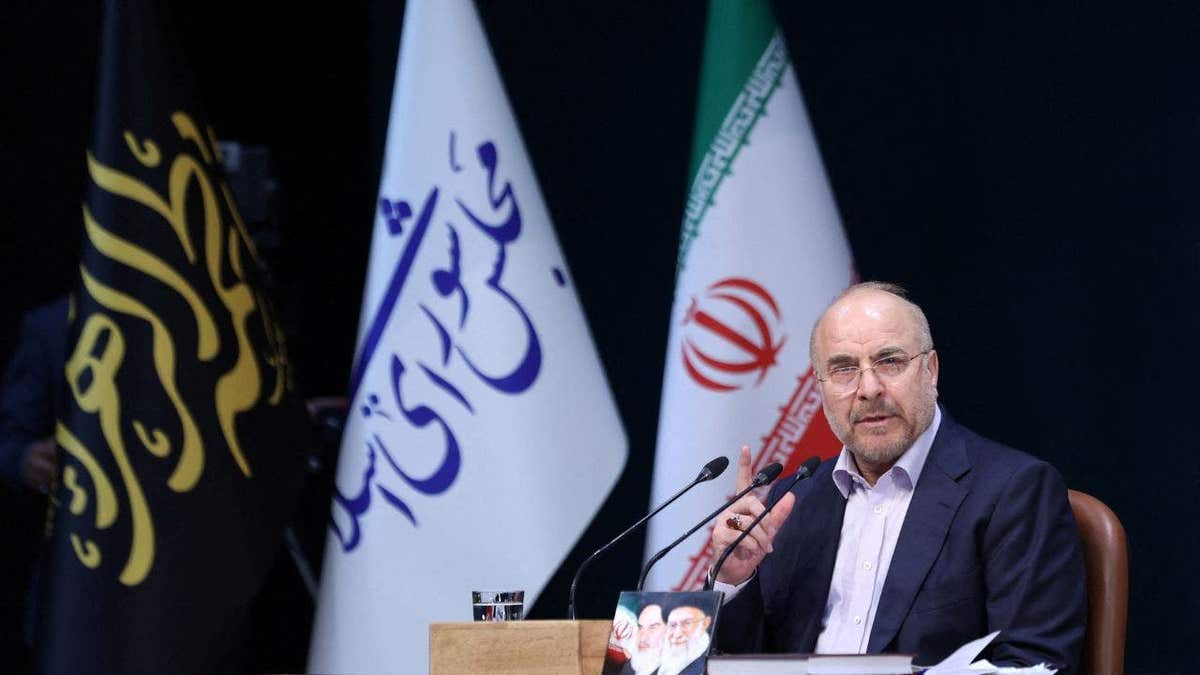
Iranian Parliament Speaker Mohammad Bagher Ghalibaf speaks during a press conference in Tehran, Iran, Nov. 27, 2024. (Majid Asgaripour/WANA (West Asia News Agency) via REUTERS)
«If we engage in pay-to-play with these guys,» he added, «I’m sorry to sound the alarm bell like this — but something tells me this is bad either way.»
Fox News Digital reached out to the White House for comment.
war with iran, iran, sanctions, benjamin netanyahu, treaties

Precio del dólar alcanza el nivel más alto desde febrero y la City estima cuánto más puede escalar

Tras el pedido de Nicolás Occhiato, Florencia Peña renunció por difundir la noticia falsa sobre la salud del papá de Messi

Un avión con el menaje “Cristina es inocente” sobrevoló La Matanza durante una charla de Lorenzetti

Canadá vs. Qatar: formaciones, hora y dónde ver por tv

Oriana Sabatini habló de los rumores de distanciamiento con la familia de Paulo Dybala: “A nadie explicaciones”

A través de una iniciativa propuesta por Argentina, la OEA designó el 27 enero como “Día Internacional en Memoria de las víctimas del Holocausto”

Patricia Bullrich: “El Presidente considera que Adorni dio una explicación razonable”

El Gobierno envía señales de que Adorni tiene las horas contadas para evitar que sesione el Senado

La secuencia del golazo de Messi para Argentina ante Argelia en el debut en el Mundial 2026 y los récords que rompió

Gaspi, reconocido streamer argentino, falleció en un accidente aéreo en Brasil

 POLITICA20 horas ago
Patricia Bullrich: “El Presidente considera que Adorni dio una explicación razonable”
- POLITICA1 día ago
El Gobierno envía señales de que Adorni tiene las horas contadas para evitar que sesione el Senado
- DEPORTE2 días ago
La secuencia del golazo de Messi para Argentina ante Argelia en el debut en el Mundial 2026 y los récords que rompió