INTERNACIONAL
From bear hugs to handshakes: How India lost its edge with Trump while Pakistan quietly gained ground

NEWYou can now listen to Fox News articles!
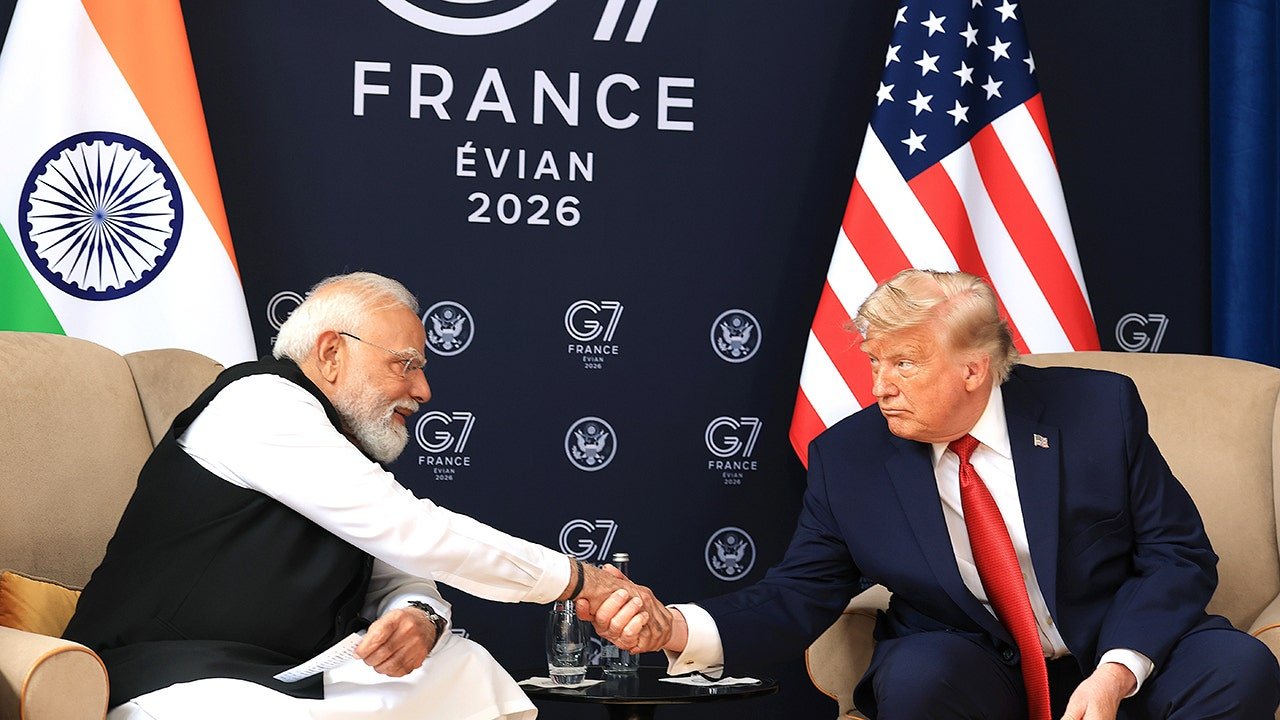
This week, President Donald Trump and Indian Prime Minister Narendra Modi came face-to-face at the G7 summit in France, their first such encounter since February 2025. Rather than his trademark bear hug, Modi greeted Trump with a smile and handshake.
Then on Wednesday, the two held a bilateral meeting. It was a friendly chat, but one that came against a backdrop of compounding tensions.
As India works at restoring its relationship with Washington, its arch-foe Pakistan has expanded its own diplomatic profile, complicating India’s campaign against its nuclear-armed rival.
COMMERCE SECRETARY HOWARD LUTNICK MAKES QUIET TRIP TO INDIA DAYS AFTER TARIFF SETBACK
President Donald Trump looks at Pakistan’s Prime Minister Shehbaz Sharif speaking following the official signing of the first phase of the Gaza ceasefire agreement between Israel and Hamas. Shariff announced his intention to nominate Trump for the Noble Peace Prize for a second time. (Evelyn Hockstein / Reuters)
For years, India built an international case against Pakistan, projecting it as an isolated or destabilizing state. This hardline stance appeared to be working, with Modi declaring to Pakistan, «India has been successful in isolating you, and we will intensify those efforts.»
But a decade later, Pakistan is rapidly emerging as a key global player in the region and beyond.
While Modi initially tried to engage Pakistan, his government’s approach eventually hardened around the mantra that «terror and talks cannot coexist.»
In Washington, India has typically been favored, with Presidents Trump, Biden, Obama and George W. Bush all making visits during their time in office.
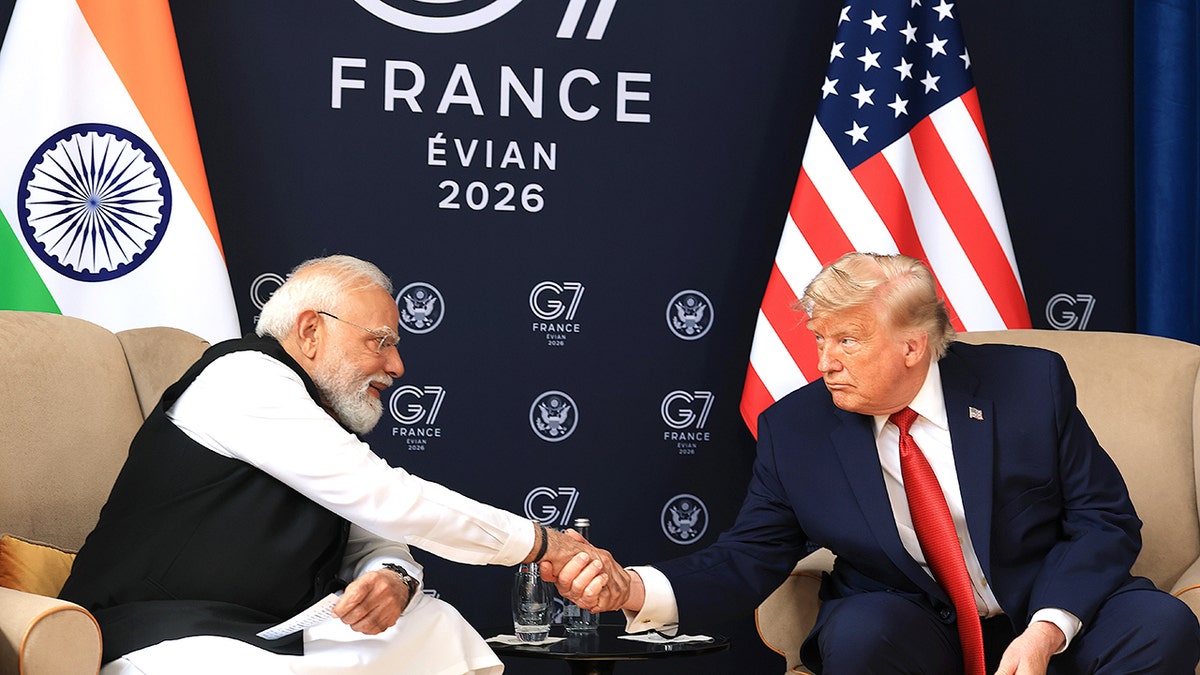
President Donald Trump (R) shakes hands with Indian Prime Minister Narendra Modi during a bilateral meeting at the G7 Summit on June 17, 2026 in Evian-les-Bains, France. (Anna Moneymaker/Getty Images)
Modi built a rapport with Trump during his first term in office and was one of the first world leaders invited to the White House after Trump’s inauguration. But over the past year, that relationship has come under strain as Islamabad quietly clawed its way back to credibility.
«India misjudged Trump in term two, banking on once friendly relations,» Sid Dubey, a visiting professor at Bennett University in India, told Fox News Digital. «They have yet to start recovering from that.»
PRESIDENT TRUMP, INDIA’S MODI TO TACKLE TRADE, TARIFF TENSIONS AT HIGH-STAKES MEETING
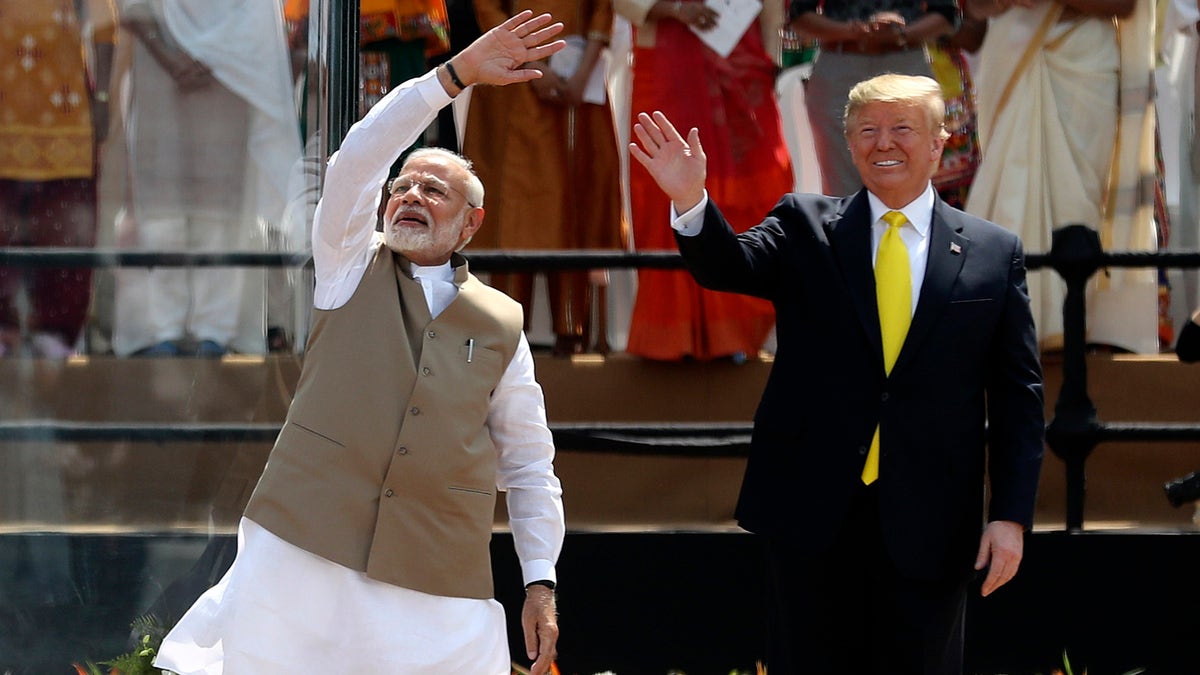
U.S. President Donald Trump and Indian Prime Minister Narendra Modi wave to the crowd at Sardar Patel Stadium in Ahmedabad, India, Monday, Feb. 24, 2020. India poured on the pageantry with a joyful, colorful welcome for President Donald Trump on Monday that kicked off a whirlwind 36-hour visit meant to reaffirm U.S.-India ties while providing enviable overseas imagery for a president in a re-election year. (AP Photo/Aijaz Rahi)
The shift first became apparent in May 2025, when President Trump announced he had secured a ceasefire between nuclear-armed India and Pakistan. The fighting had come over India-administered Kashmir and was the worst in decades.
Islamabad promptly praised Trump for ending the deadly dispute and even nominated him for a Nobel Peace Prize. New Delhi, however, rejected the claim, insisting the ceasefire was the result of direct bilateral talks with Pakistan.
The response reflected India’s long-standing sensitivity to third-party involvement in what it fiercely maintains is a bilateral dispute.
In the months that followed, frictions only deepened.
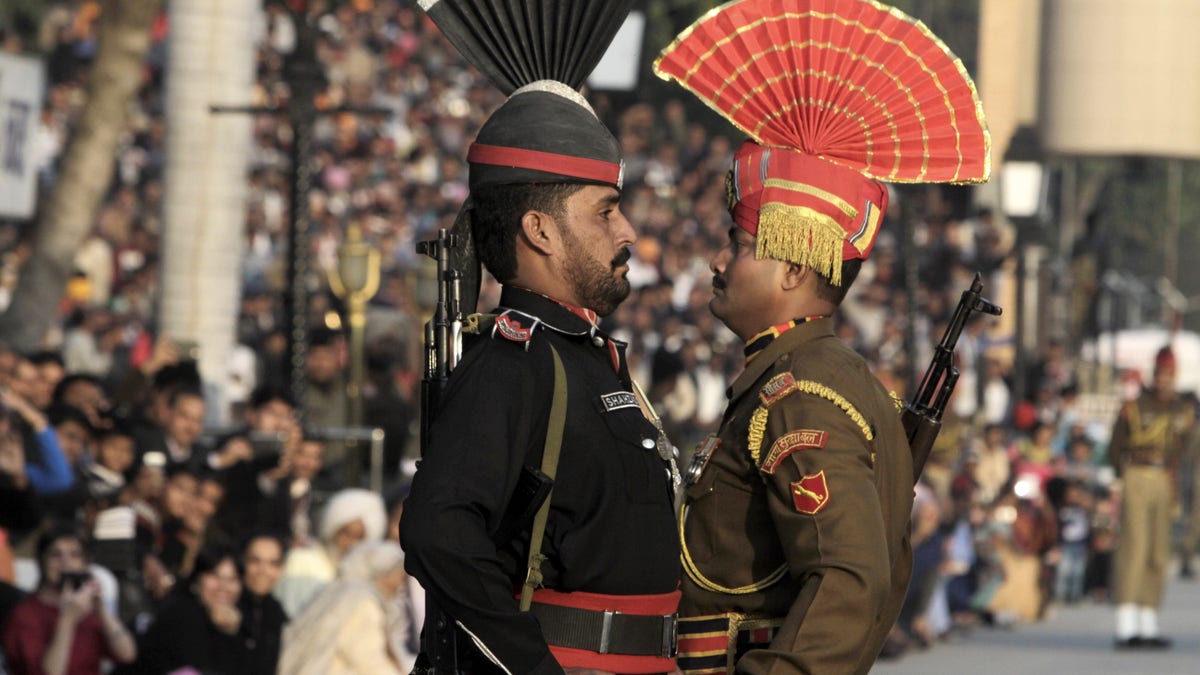
FILE — In this Jan. 11, 2013 file photo, a Pakistani Ranger in black uniform and his Indian counterpart march during a flag-off ceremony, at the joint Pakistan-India border check post of Wagah near Lahore, Pakistan. (AP Photo/K.M. Chaudary, File)
President Trump hit India with some of the steepest tariffs imposed on any major economy. Meanwhile, U.S. sanctions pressure on Russian oil rattled energy import-dependent India, while disputes over H-1B visas added further strain. Analysts say Trump’s America First agenda increasingly overshadowed the friendship Modi had cultivated during Trump’s first term.
«When Trump unfortunately said the May 2025 clash ended because of him personally, that upset India a lot, and they made that known,» Dubey said. «Then the tariffs were another slap in India’s face. Meanwhile, Pakistan took advantage, leaving India at a bit of a loss. From there, relations fell further with the Iran conflict.»
India is among the countries most indirectly affected by the strategic fallout from the Iran war, facing economic pressure and mounting energy concerns.
IRAN WAR FUELS ASIA ENERGY CRUNCH AS INDIA, JAPAN, OTHERS FEEL STRAIN
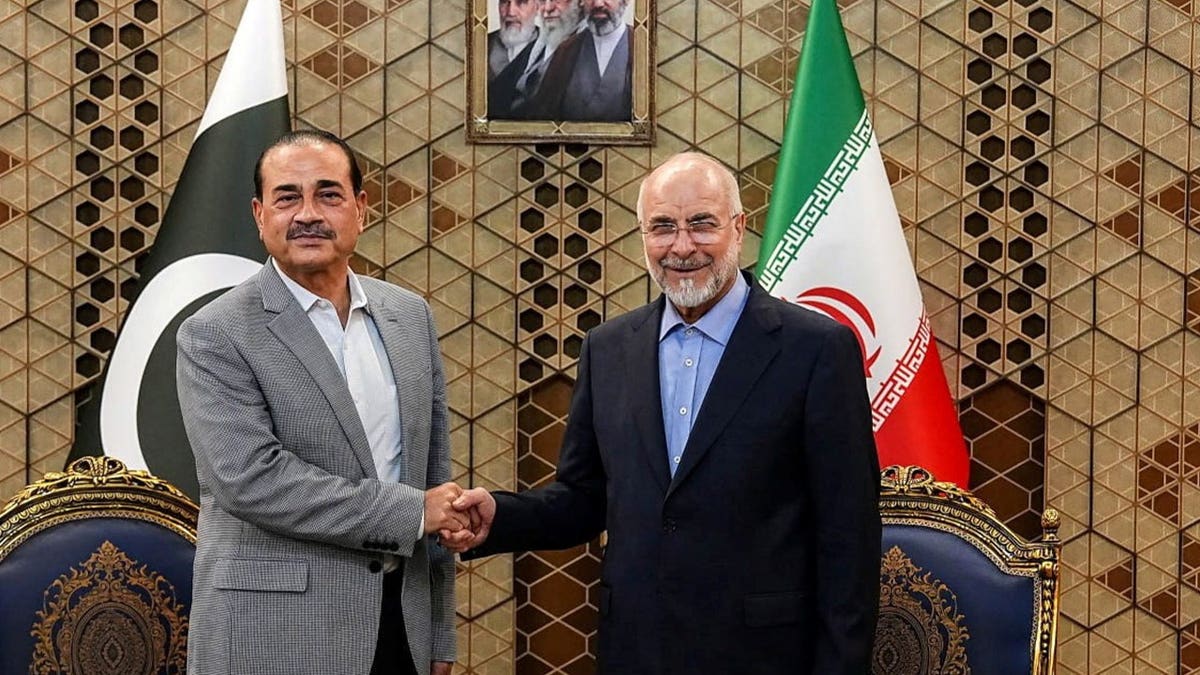
Iranian Parliament Speaker Mohammad Bagher Ghalibaf meets with chief of Defence Forces of Pakistan, Field Marshal Asim Munir, in Tehran, Iran, May 23, 2026. (Iranian Parliament Speaker Office/WANA (West Asia News Agency)/Handout via Reuters)
Last week, a U.S. strike further exacerbated tensions after three Indian seafarers became collateral damage in the conflict. They were the first and only seafarers confirmed killed as part of the U.S. blockade, sparking outrage across India.
New Delhi instantly summoned Washington’s Chargé d’Affaires Jason Meeks, expressing deep concern over the renewed attacks and arguing that its nationals were becoming casualties in a war not their own.
India also warned of the broader humanitarian, economic, and energy consequences of the conflict, which are expected to linger even as an agreement has now been reached.
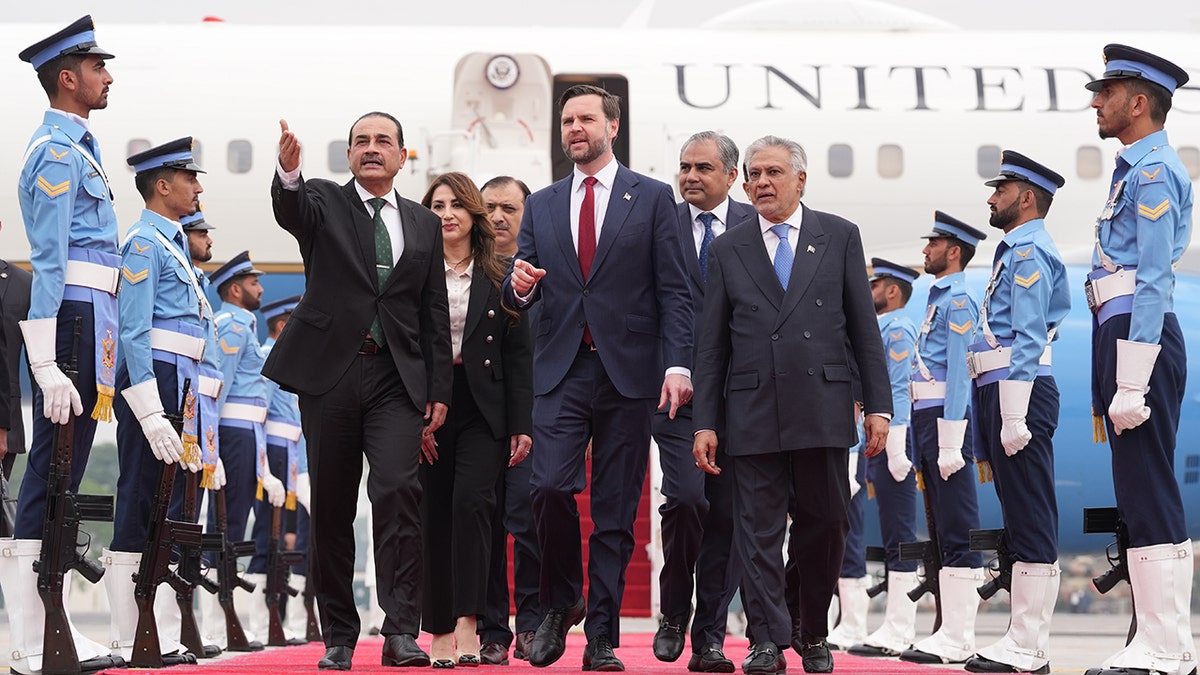
U.S. Vice President JD Vance, center, walks with Pakistan’s Chief of Defence Forces and Chief of Army Staff Field Marshall Asim Munir, left, and Pakistani Deputy Prime Minister and Foreign Minister Mohammad Ishaq Dar after arriving for talks with Iranian officials in Islamabad, Pakistan, Saturday, April 11, 2026. (Jacquelyn Martin/Pool via AP Photo)
All the while, Pakistan was gaining diplomatic visibility, finding itself in the unusual position of currying favor in Washington while maintaining deep ties with China, Iran and the Gulf states.
Pakistan’s prominent role in recent months highlighted how Islamabad has been more nimble in its diplomacy than India,» Council on Foreign Relations Senior Fellow Sadanand Dhume told Fox News Digital. «Additionally, Pakistan decisively outmaneuvered India’s quixotic bid to isolate Pakistan on the world stage.»
Regional dynamics have also been reshaped by the two rivals’ competing strategies. India has deepened its strategic partnership with the U.S. through alliances such as the Quad partnership with the U.S., Australia, and Japan and has expanded cooperation across South Asian states, including a burgeoning relationship with Afghanistan. Meanwhile, Pakistan’s growing regional relevance has been reflected in its strengthened ties with China, improved relations with regional partners like Bangladesh and expanded security cooperation with Gulf states.
RUBIO VISIT TO INDIA PUSHES DEEPER ENERGY TIES AS IRAN CONFLICT RATTLES GLOBAL OIL MARKETS
Additionally, Trump, who accused Pakistan of «deceit and lies» during his first term, has since repeatedly praised its leadership. In June 2025, the president invited Pakistan’s army chief Asim Munir to the White House for a high-profile lunch meeting.
Munir was the first Pakistani military chief who was not also president to be hosted by a U.S. president. He also led the war effort against India earlier that year.
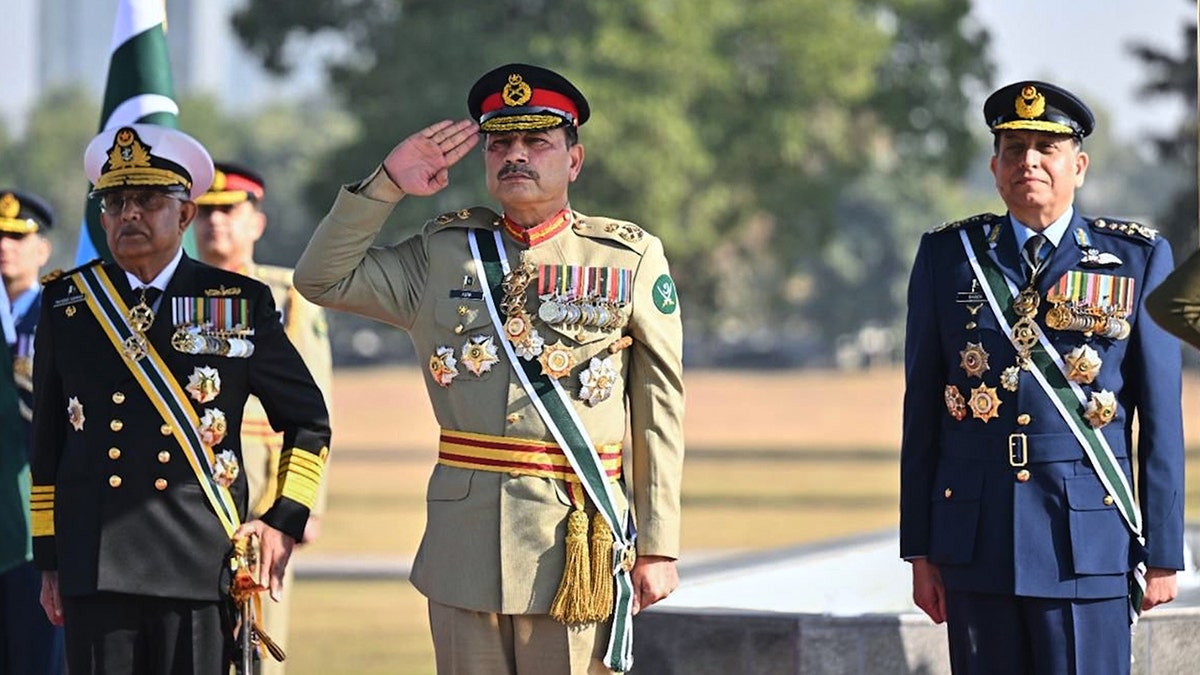
In this photo released by the Inter Services Public Relations, Pakistan’s Chief of Defense Forces and Army Chief Gen. Asim Munir, center, Pakistan Naval Chief Admiral Naveed Ashraf, left, and Pakistan Air Force Chief Air Chief Marshal Zaheer Ahmed Babar attend a guard of honor ceremony at the joint military command headquarters in Rawalpindi, Pakistan, Monday, Dec. 8, 2025. (Inter Services Public Relations via AP)
Trump described Munir as his «favorite Field Marshal» and an «exceptional human being.»
Their relationship has been further reflected in trade deals and, most recently, Pakistan’s role as a principal mediator in restoring diplomacy between the U.S. and Iran.
«India tried to make Pakistan an international pariah. Instead, Pakistan has wormed its way into Trump’s good books through a combination of concrete co-operation with the U.S. and outrageous flattery of the president, leading to Trump elevating Field Marshal Asim Munir and Prime Minister Shehbaz Sharif as heroes,» Dhume said.
India, meanwhile, has maintained close ties with Israel while generally sticking to more measured messaging.
TRUMP’S FAVORITE FIELD MARSHAL: WHO IS PAKISTAN’S POWERFUL ARMY CHIEF ASIM MUNIR WITH DEEP INTEL TIES
On June 15, upon the agreement of a deal with Iran, Modi released a statement, saying, «India hopes that the implementation of this understanding will help restore peace and stability in the region and ensure the freedom of navigation and commerce.»
«Hats off to Pakistan. They worked really hard to bring this awfully disruptive war with Iran to an end,» Dubey told Fox. «India unfortunately lost out by not seeking to be a problem solver like Pakistan. It could have played its cards better as a peacemaker, given its traditionally strong relations with Tehran.»
Still, analysts caution these are rapidly evolving dynamics. There is no guarantee that Pakistan’s current moment will last, and the tide for India could still turn.
«Pakistan’s mediation role has allowed it to substantially reset its international image. It has positioned itself as a responsible international actor rather than a rogue state responsible for both nuclear proliferation and exporting Islamic terrorism. How long this lasts depends in large measure on two things: will Pakistan find a way to remain in Trump’s good books, and will it be able to change its behavior sufficiently to convince the world that it has indeed turned over a new leaf,» Dhume told Fox News Digital.
Meanwhile, India is working to regain its position and show the U.S. it is still a reliable partner.
Marco Rubio visited India last month, his first since becoming Trump’s top diplomat last year, which was widely seen as an attempt to reset ties.
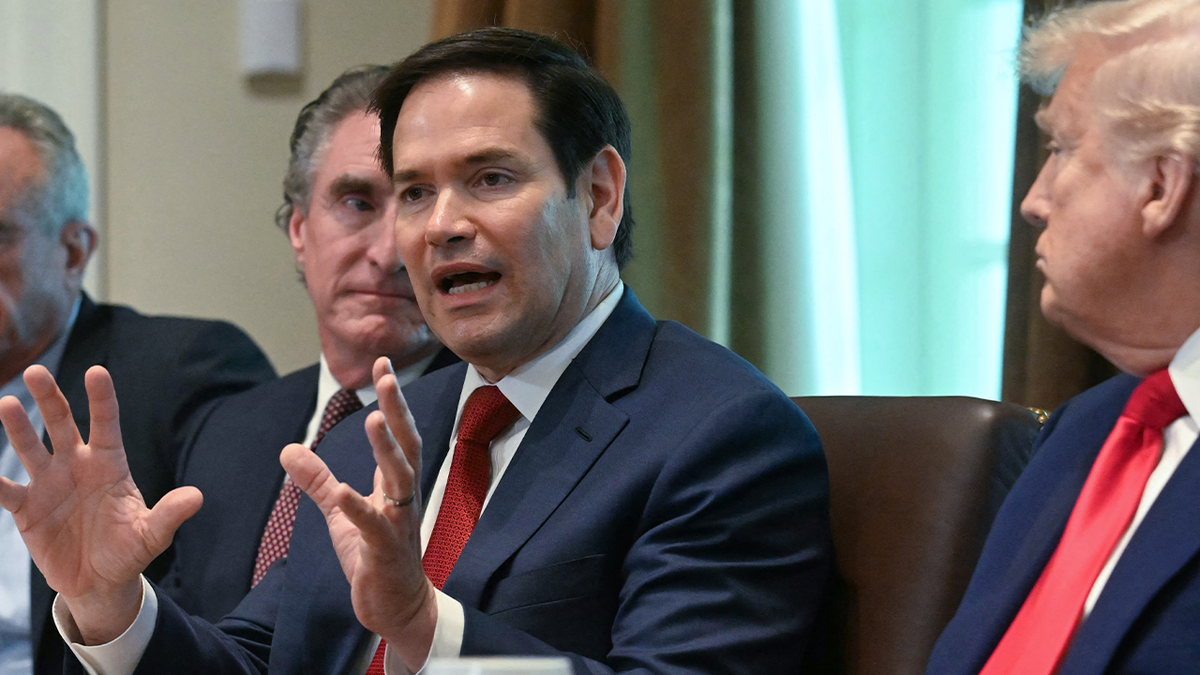
Secretary of State Marco Rubio speaks as President Donald Trump looks on during a cabinet meeting in the Cabinet Room of the White House in Washington, DC, on April 30, 2025. (JIM WATSON/AFP via Getty Images)
Trump and Modi’s G7 meeting marked another significant step.
Trump praised Modi as «calm, cool and totally killer» and said he would be traveling to India «sometime in the future.» India has been pressing Trump for a visit, potentially as part of a broader meeting involving Japan and Australia.
Trump also said the United States would defend India.
CLICK HERE TO DOWNLOAD THE FOX NEWS APP
«If anybody attacks that man, we’re going to be there,» Trump said, referring to Modi. «Now, if there’s a new leader, I’m not sure about it.»
The Pakistani and Indian governments did not respond to Fox News Digital requests for comment.
india, pakistan, world, asia world regions, donald trump








NEWYou can now listen to Fox News articles!
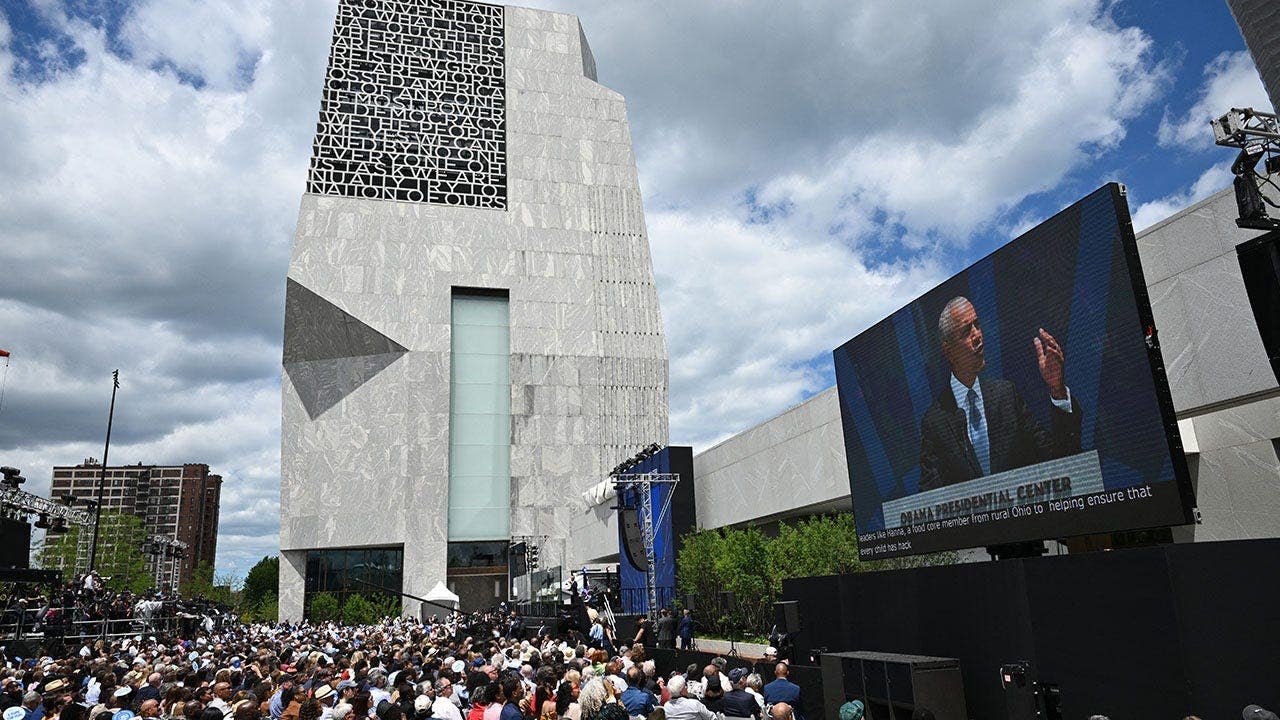
At Thursday’s ceremony marking the beginning of the Obama Presidential Center’s opening weekend, the master of ceremonies began with a left-wing «land acknowledgment ritual,» for which the entire event was promptly mocked.
Valerie Jarrett, the former senior advisor to Obama when he was president and the current CEO of the Obama Foundation, kicked things off.
«We’d also like to take a moment to recognize the original inhabitants of the land upon which we are gathered today,» she said. «We honor the Anishinaabe, the Council of Three Fires, the Ojibwe, the Odawa and the Potawatomi nations.»
Obama Foundation CEO Valerie Jarrett stands near the Obama Presidential Center under construction in Chicago’s Jackson Park. The foundation reported nearly $210 million in total revenue in 2024, according to federal filings. (Steven Ferdman/Getty Images)
Land acknowledgments have been mocked as performative left-wing routines completed to commemorate the Native Americans who once lived on the land where an event is happening.
OSCARS FEATURES INDIGENOUS LAND ACKNOWLEDGMENT, ROASTED AS ‘PERFORMATIVE NONSENSE’ ON SOCIAL MEDIA
They are an extension of the belief that the United States exists on «stolen land.»
But as many keen online observers noted, Democrats hosting the Obama Presidential Center’s grand opening have no intention of returning the land to the people they believe are its rightful owners.
«Wouldn’t they prefer you just give them their land back?» conservative commentator Steve Deace asked sarcastically.
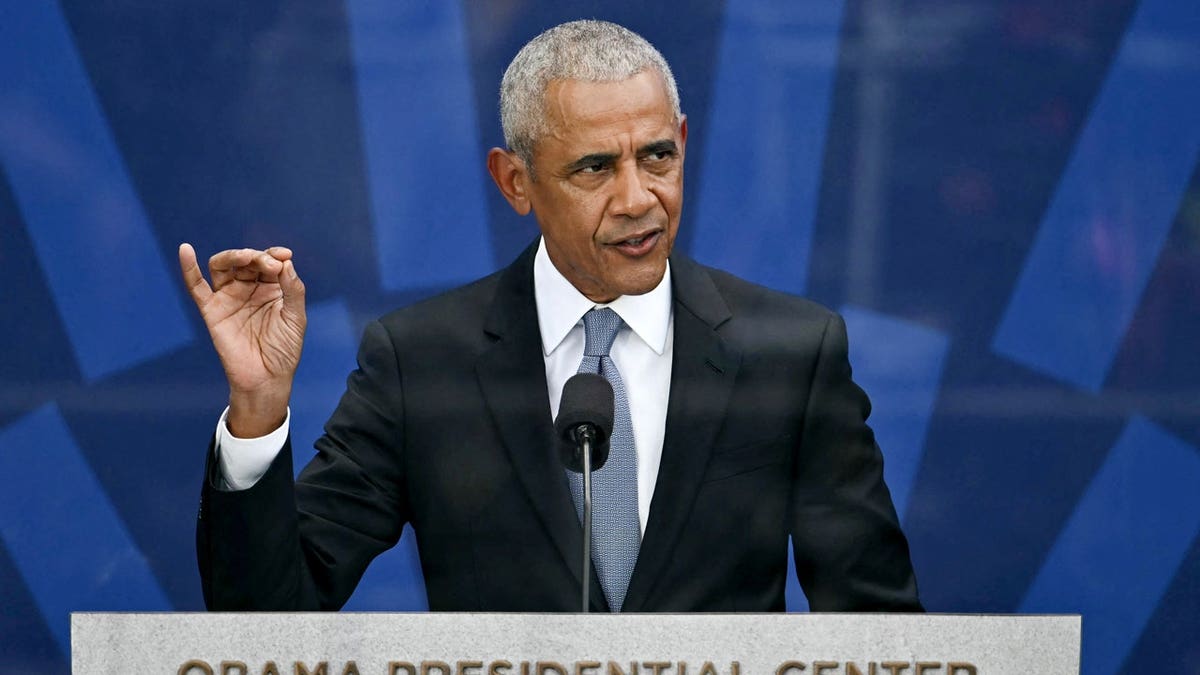
Barack Obama speaks during the dedication of the Barack Obama Presidential Center in Chicago, Illinois. (Kent NISHIMURA / AFP via Getty Images)
CARVILLE REBUKES DNC OVER WOKE ‘LAND ACKNOWLEDGMENT’ LAMENTING TREATMENT OF NATIVE AMERICANS
«Land acknowledgements are funny because the real message is ‘I want to say I care, but I don’t really care or I wouldn’t have built this on land which I just said is yours,’» said Beth Anne Mumford of Americans for Prosperity.
«So you just went ahead and built on that land anyway, huh,» said conservative commentator Stephen Miller
Townhall senior strategist Siraj Hashmi weighed in with a reference to infamous Chicago rapper Chief Keef.
REWARDING RACISM: HOW TRIBAL POLITICS IS TEARING AMERICA APART
«Pretty disrespectful for the Obama Presidential Center to not acknowledge the current tribe leader of the South Side of Chicago: Chief Keef,» he quipped.
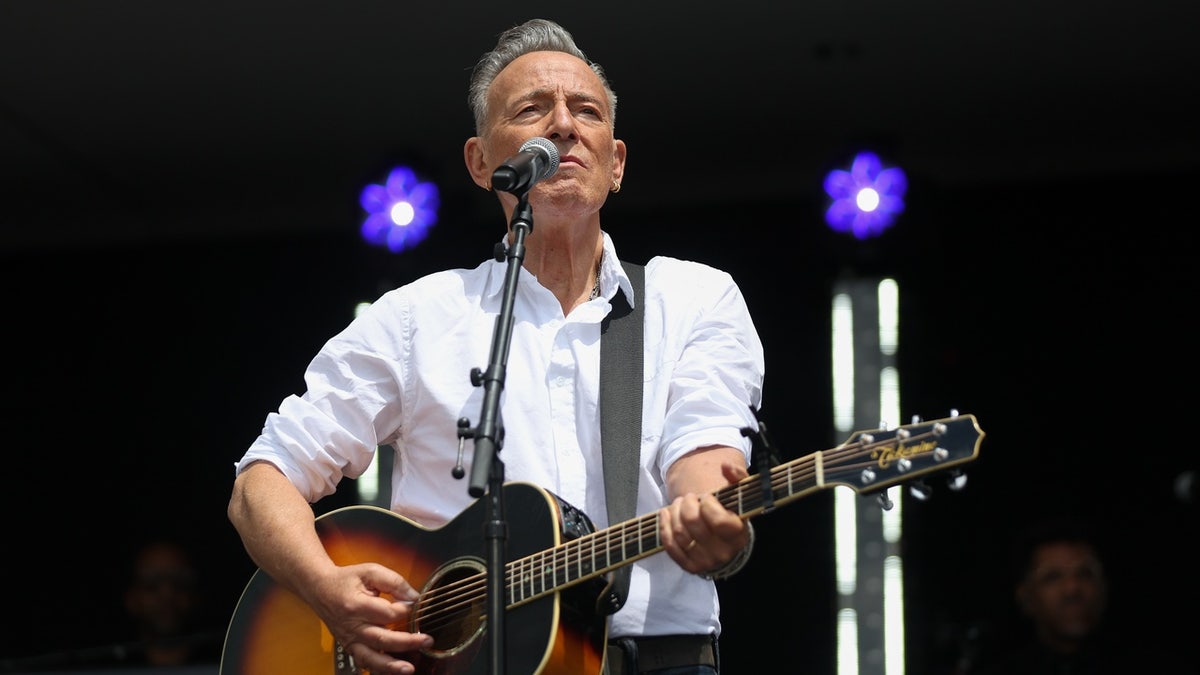
Musician Bruce Springsteen performs during the opening of the Obama Presidential Center in the Jackson Park neighborhood of Chicago, Illinois, on June 18, 2026. (Talia Sprague/Bloomberg)
An anonymous user balked at the logic, or apparent lack thereof, of building «a communist monument» on «stolen land» that the new owners refused to give back.
«The mental hurdles are Olympics level,» the user said.
OBAMA PRESIDENTIAL CENTER’S $470M SAFETY NET UNDER SCRUTINY AS SUBCONTRACTORS SAY THEY’RE OWED MILLIONS
Thursday’s event featured high-profile Democrats, including former Vice President Kamala Harris, former President Bill Clinton and former Secretary of State and failed presidential candidate Hillary Clinton, along with A-list performers like John Legend, Stevie Wonder and Bruce Springsteen who put on a concert.
Oprah Winfrey, Tom Hanks, David Letterman and others were also present.
The presidential center itself, which cost nearly $1 billion to build and has been embroiled in controversy, will officially open on Friday. It was initially estimated to cost about half that amount.
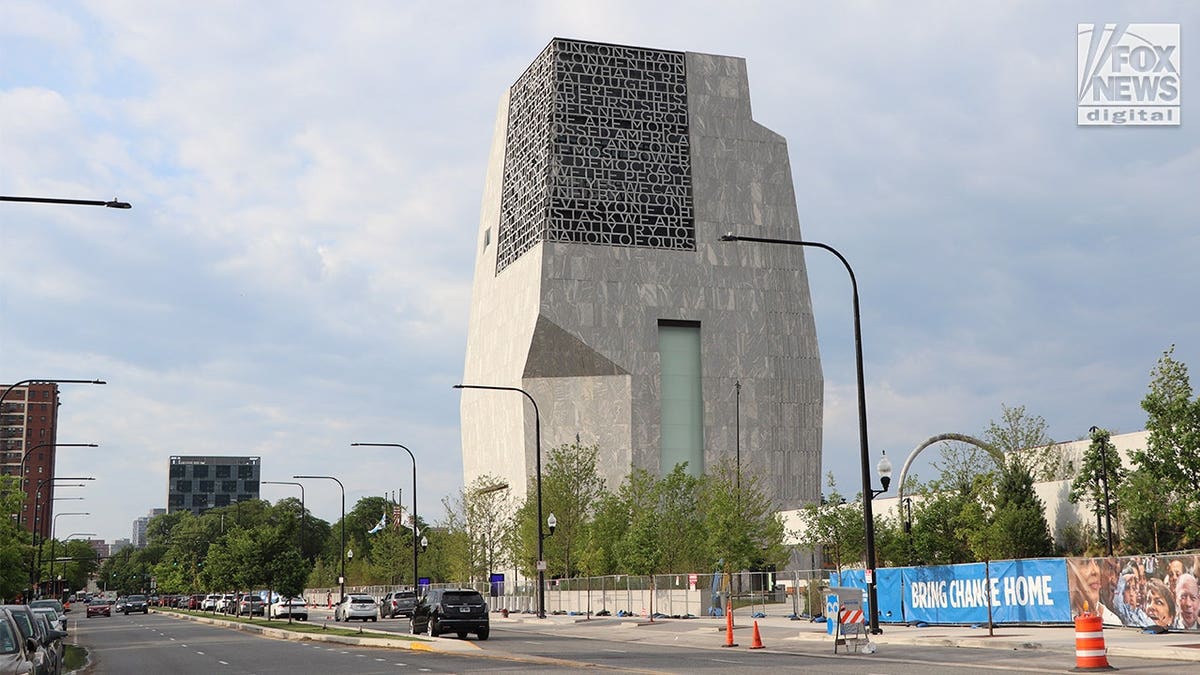
A view of the Obama Presidential Center from a nearby roadway in Chicago. (Michael Dorgan/Fox News Digital)
Despite the explicitly stated goal that the center would help uplift minority-owned contracting businesses by hiring them to work on high-profile projects, some claim they’ve been stiffed and are facing financial ruin, according to a Fox News Digital investigation.
One subcontractor says his firm is owed $4 million for work it completed on the center.
CLICK HERE TO DOWNLOAD THE FOX NEWS APP
The project was announced in 2015, and the site — Jackson Park on Chicago’s South Side — chosen in 2016, but the groundbreaking was delayed until 2021 due to bureaucratic red tape. The project required numerous local and federal approvals to build on the location, which is a historic preservation site, multiple environmental reviews and was subject to several lawsuits.
After construction began, the price tag on the project continuously skyrocketed. The center was scheduled to open in March 2025, but was delayed for another year
barack obama, the clintons, chicago, land, inauguration, politics
INTERNACIONAL
A tres meses y medio de las elecciones en Brasil, un escándalo de corrupción amenaza al gobierno de Lula
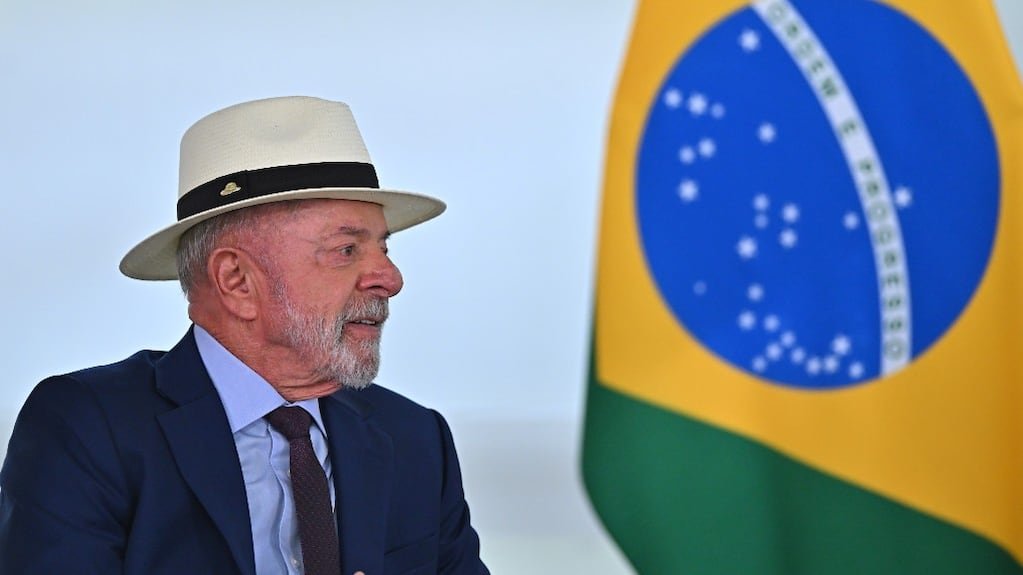
Un oscuro escándalo de corrupción sacude a un aliado político clave del presidente brasileño Luiz Lula da Silva a solo tres meses y medio de las elecciones generales en las que buscará su reelección por otros cuatro años.
El senador Jaques Wagner, líder del gobierno en el Senado, está en el centro de una investigación por un esquema ilegal vinculado al proceso de liquidación del Banco Master.
El también exministro de Defensa y exjefe de la Casa Civil (jefe de gabinete) durante la presidencia de Dilma Rousseff (2011/2016) está acusado de recibir “ventajas económicas indebidas” para favorecer a esa entidad bancaria. Según la denuncia, habría recibido dinero, un departamento y dádivas como el uso de aviones privados.
El monto que investiga la justicia en concepto de pagos irregulares supera el millón de dólares.
“Aunque Lula no esté directamente involucrado en el escándalo, Wagner es el líder de su gobierno y un hombre de confianza estratégica, además de ser candidato al Senado por Bahía” en las elecciones generales del 4 de octubre, dijo a TN el analista brasileño Marco Teixeira, del la Fundación Getulio Vargas, de Río de Janeiro.
Wagner fue además gobernador de ese populoso estado del nordeste del país.
El impacto del caso en la campaña
Los asesores de Lula buscan ahora minimizar la denuncia cuando el foco de este escándalo estaba puesto en su principal rival, el candidato de la derecha Flavio Bolsonaro, hijo del expresidente Jair Bolsonaro, por sus supuestos vínculos con el dueño del banco denunciado, Daniel Vorcaro.
En un audio revelado por la prensa local en las últimas semanas se escucha al postulante presidencial de la derecha brasileña solicitarle dinero a Vorcaro para financiar una película biográfica sobre su padre, hoy encarcelado y condenado a 11 años de prisión por golpismo.
Vorcaro se encuentra en prisión desde marzo. El senador Flavio Bolsonaro (Foto: REUTERS/Alexandre Meneghini)
El Banco Master fue liquidado por insolvencia en noviembre pasado. Se estima que presentaba deudas por más de 7000 millones de dólares a unos 800.000 inversores (reembolsados por el fondo de garantías).
El audio tuvo un fuerte impacto en la campaña de Bolsonaro. De hecho, el escándalo frenó su fuerte repunte en los sondeos. En los últimos meses, el candidato conservador había recortado una desventaja de hasta 10 puntos con Lula y se había colocado en un empate técnico.
Leé también: Rusia pierde otro aliado estratégico: Armenia mira a Europa y Putin lanza sanciones bajo la sombra de Ucrania
Sin embargo, este escándalo volvió a poner a Lula en primer lugar, con una leve ventaja de hasta cuatro puntos, según Datafolha. Pero todo podría cambiar con el caso Wagner.
La causa tuvo un fuerte giro este jueves cuando la policía realizó 18 allanamientos en tres estados de Brasil. Wagner es uno de los objetivos, según fuentes policiales.
El legislador, de 75 años, está acusado de defender los intereses del Banco Master en el Senado. Según la investigación, tramitó una enmienda constitucional -que finalmente no prosperó- para aumentar el límite del fondo de garantía del sistema bancario brasileño con el fin de salvar a la entidad de la quiebra.
En concreto se lo investiga por corrupción pasiva, corrupción activa y lavado de dinero.
Para Teixeira, el gobierno “perdió su oportunidad. Pudieron haber destituido a Wagner del liderazgo del Senado mucho antes, cuando orquestó de forma deficiente la (rechazada) nominación del Abogado General de la Unión Jorge Messias (amigo de Lula) al Supremo Tribunal Federal”, el máximo tribunal de Justicia.
“Wagner convenció al gobierno de que podían enviar la nominación al Senado y que Messias sería aprobado. Fue un fracaso político y una clara muestra de la incapacidad de Wagner para expresarse con claridad, lo que significó que no podía continuar como líder del gobierno» en el Senado, indicó.
Teixeira dijo “el gobierno está pagando ahora un precio más alto por el escándalo, por no haber actuado a tiempo y no haberlo sustituido” antes.
Según el analista, este escándalo ahora “le da munición al propio Flávio Bolsonaro” que “ahora intenta volver a poner en tela de juicio el problema de la corrupción en el gobierno y en el propio PT (el oficialista Partido de los Trabajadores)”.
Además, Bolsonaro “pasó al ataque y está intentando revivir” su campaña con propuestas de seguridad pública radicales.
En ese excenario, el candidato de derecha presentó este jueves su plan “Brasil sin Miedo” que incluye conformar un “paredón” militar en la frontera, castración química para violadores y unidades penitenciarias inspiradas en el modelo del salvadoreño Nayib Bukele.
A tres meses y medio de las elecciones, la campaña está abierta.
“Nadie sabe qué deparará el futuro. Así, el caso Volcaro es una caja de sorpresas, un enigma que, cada vez que se remueve, afecta a alguien. Y este es un caso típico en el que no tiene afiliación ideológica. Puede derrotar a cualquier líder político importante de cualquiera de los dos bandos en la contienda presidencial”, concluyó Teixeira.
Brasil, Lula Da Silva, Flavio Bolsonaro
INTERNACIONAL
Interna en el régimen iraní: el líder supremo se oponía al acuerdo con Estados Unidos impulsado por el presidente Pezeshkian
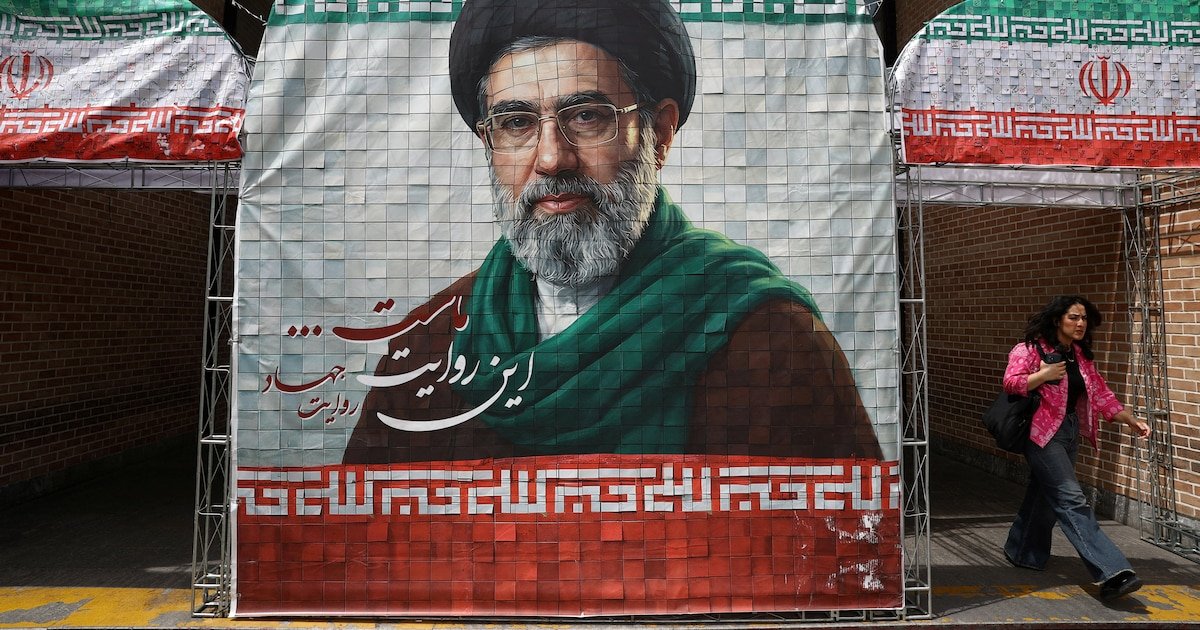
La firma del acuerdo entre Irán y Estados Unidos para poner fin a la guerra en Medio Oriente dejó al descubierto diferencias en la cúpula del régimen iraní. El líder supremo, Mojtaba Khamenei, reconoció este jueves que no compartía la estrategia que condujo al entendimiento con Washington y que terminó autorizándolo únicamente después de recibir garantías del presidente Masud Pezeshkian y del Consejo Supremo de Seguridad Nacional.
La declaración representa una inusual admisión pública de desacuerdo dentro de las estructuras de mando de la República Islámica en un momento clave, apenas un día después de que los presidentes Donald Trump y Pezeshkian formalizaran el memorando que abrió una etapa de negociaciones para cerrar definitivamente el conflicto.
En un mensaje dirigido a la población iraní, Khamenei explicó que inicialmente no respaldaba el acuerdo alcanzado con Estados Unidos.
“Yo, por principio, tenía una opinión diferente”, afirmó. Sin embargo, sostuvo que decidió dar luz verde al proceso después de que el mandatario iraní y los máximos responsables de seguridad asumieran compromisos concretos para proteger los intereses nacionales.
Según relató, Pezeshkian le garantizó personalmente que Irán no aceptaría condiciones que considerara perjudiciales durante las conversaciones con Washington.
“Si la parte estadounidense intentaba plantear exigencias excesivas, no se sometería”, indicó el líder supremo al describir las garantías que recibió antes de otorgar su consentimiento.

Lejos de presentar el acuerdo como un acercamiento político a Washington, Khamenei buscó marcar distancia y transmitir que el régimen seguirá considerando a Estados Unidos como un adversario estratégico.
“Las negociaciones presenciales futuras no implicarán la aceptación de la postura del enemigo”, afirmó.
Khamenei también aprovechó el mensaje para cuestionar directamente a Donald Trump. Según su versión, fue la Casa Blanca la que presionó para concretar el entendimiento después de meses de enfrentamientos.
“Fue el presidente estadounidense quien, en un acto de desesperación, utilizó toda clase de presión para lograrlo”, sostuvo.
Las declaraciones muestran un intento de equilibrar dos mensajes distintos dentro de Irán. Por un lado, respaldar una decisión adoptada por el gobierno y los organismos de seguridad. Por otro, evitar que el acuerdo sea interpretado por los sectores más duros del régimen como una concesión política ante Washington.
La intervención de Khamenei también tuvo relevancia porque se trata de su primera reacción pública sobre el pacto desde que asumió el cargo en marzo, tras la muerte de su padre, el ayatollah Ali Khamenei, durante los ataques estadounidenses e israelíes del 28 de febrero que desencadenaron la guerra regional.
Desde entonces, el nuevo líder supremo no ha realizado apariciones públicas y se ha limitado a difundir mensajes a través de los canales oficiales del Estado.

El memorando firmado por Estados Unidos e Irán establece el cese permanente de las operaciones militares, contempla compromisos relacionados con la situación en el Líbano y prevé la reapertura del estrecho de Ormuz para el tránsito marítimo internacional.
El documento también abrió un período de 60 días destinado a negociar un acuerdo definitivo sobre el programa nuclear iraní y el levantamiento de sanciones económicas.
Esas futuras conversaciones constituyen uno de los puntos más sensibles para Teherán. Aunque el memorando contempla negociaciones sobre cuestiones nucleares, Khamenei dejó claro que no considera que el proceso implique una modificación de la postura estratégica de la República Islámica frente a Estados Unidos.
La firma del acuerdo puso fin a la guerra, pero también dejó expuestas las tensiones entre quienes consideran necesario avanzar en una negociación con Washington y quienes continúan viendo ese camino con desconfianza.
(Con información de Reuters, AFP, EFE y Europa Press)
Middle East

Cayó un sospechoso de cometer un secuestro extorsivo en Adrogué: la víctima lo reconoció y lo vinculan a otros tres ataques

Obama Center’s opening ceremony ridiculed for far-left ritual before star-studded show

A tres meses y medio de las elecciones en Brasil, un escándalo de corrupción amenaza al gobierno de Lula

La Cámara de Casación respaldó la libertad de expresión al rechazar una querella contra Jorge Rial

Rodolfo Arruabarrena fue oficialmente presentado en Boca Juniors: primer día y ya limpió a cuatro jugadores

Jorge Asís: “Hace bien Milei en sostener a Manuel Adorni”

Patricia Bullrich: “El Presidente considera que Adorni dio una explicación razonable”

El Gobierno envía señales de que Adorni tiene las horas contadas para evitar que sesione el Senado

La secuencia del golazo de Messi para Argentina ante Argelia en el debut en el Mundial 2026 y los récords que rompió

El Gobierno modificará por decreto el sistema de selección de jueces de la Corte Suprema de Justicia

 POLITICA24 horas ago
Patricia Bullrich: “El Presidente considera que Adorni dio una explicación razonable”
- POLITICA2 días ago
El Gobierno envía señales de que Adorni tiene las horas contadas para evitar que sesione el Senado
- DEPORTE2 días ago
La secuencia del golazo de Messi para Argentina ante Argelia en el debut en el Mundial 2026 y los récords que rompió