INTERNACIONAL
College sports sees pivotal moment as Senate looks to move legislation on NIL, transfers across goal line


Senate stepping in to regulate college sports
The Senate is actively preparing to debate a bipartisan bill that could significantly alter the landscape of intercollegiate sports. Lawmakers aim to create national standards for Name, Image, and Likeness (NIL) money and curb roster chaos from transfers. Senators Cruz, Cantwell, Baldwin, and Booker discuss the necessity of federal intervention due to perceived failures of the NCAA.
NEWYou can now listen to Fox News articles!
Congress could determine the future of college sports.
Thursday was a seminal day as to whether Congress can either salvage – or potentially ruin – intercollegiate athletics. It’s a congressional Hail Mary as senators address name, image and likeness (NIL) deals for athletes, compensation packages and transfers between schools.
«College sports is in crisis,» declared Senate Commerce Committee Chairman Ted Cruz, R-Texas.
«There’s a sense of urgency in that room you can feel it, right? You’ve got to do something rapidly,» said Sen. John Hickenlooper, D-Colo.
TED CRUZ, MARIA CANTWELL UNVEIL BIPARTISAN COLLEGE ATHLETICS BILL AMID NIL CHAOS, LAWSUITS, ‘LANE KIFFIN RULE’
Senate lawmakers advanced a bipartisan college sports bill that would create national NIL standards and limit athlete transfers. The measure now heads toward a full Senate debate. (Kevin Carter/Getty Images)
The Commerce Committee approved a bipartisan gameplan to fundamentally alter college sports. The full Senate plans to debate the bill in July.
«We have put something on the table that’s going to bring more certainty and predictability to the system,» said Sen. Maria Cantwell, D-Wash., the top Democrat on the panel.
Establishing a nationwide payout framework is a key aspect of the deal. Lawmakers know that inaction could mean that monied, major programs will simply outbid smaller schools. Perhaps even for a future NFL MVP.
«I’m worried that we’ll never see a Josh Allen again at the University of Wyoming,» said Sen. Cynthia Lummis, R-Wyo., referring to the Buffalo Bills standout quarterback. «It leaves those of us who don’t really have a donor base [to struggle to] pay for players of that caliber.»
The bill also restricts athletes to one transfer between schools during a five-year period without a penalty.
«Now we have this unbelievable number of players that get in the (transfer) portal every year and we have nothing to control the agents,» said former Alabama head football coach Nick Saban to a Senate panel earlier this month.
UCLA QUARTERBACK ATTEMPTS TO EXPLOIT LOOPHOLE IN TRANSFER PORTAL WINDOW WITH UNIQUE TACTIC
Lawmakers believe this plan will curb the constant roster chaos.
Advocates of the legislation believe it protects student-athletes.
«It definitely makes sure that predatory contracting done by agents or universities or conferences or shill organizations, don’t get students stuck in binding arbitration,» said Cantwell.
Sen. Cory Booker, D-N.J., is the only former Division I college athlete in the Senate. He played tight end for Stanford’s football team. Booker opposes the bill.
SENS MARSHA BLACKBURN, MARIA CANTWELL HUSTLING TO PROTECT COLLEGE ATHLETES’ FINANCES IN MURKY NIL WORLD
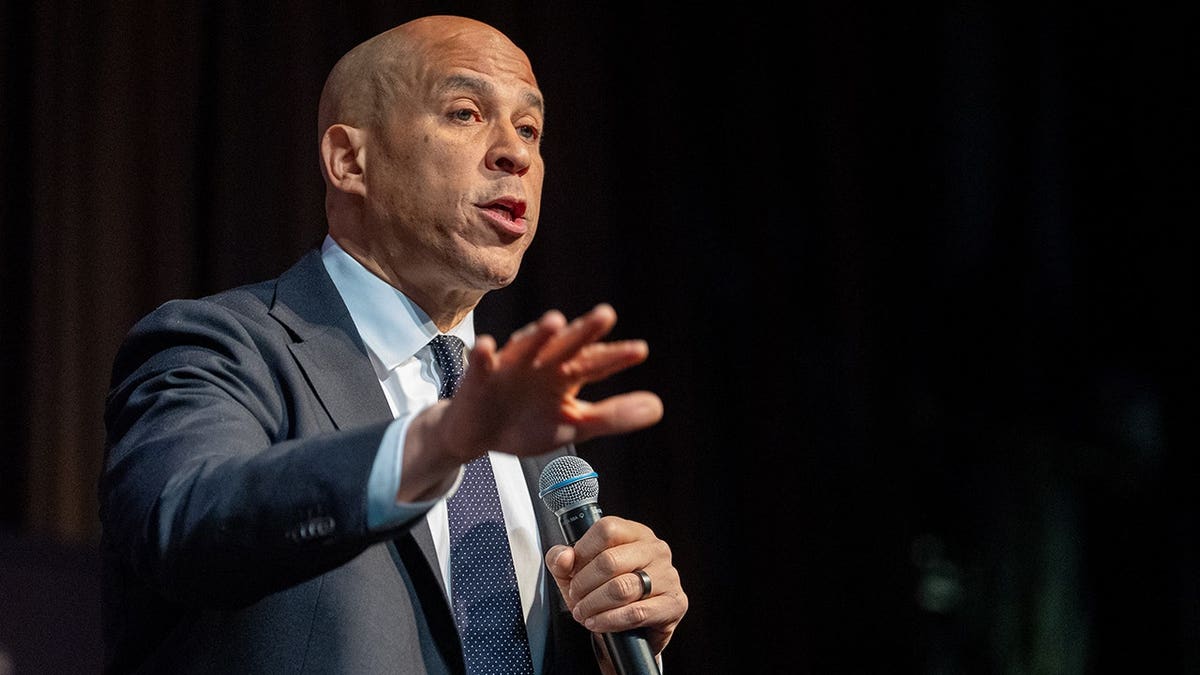
Congress is weighing major changes to college athletics, including athlete compensation, transfers and NIL regulations amid growing concerns about competitive imbalance. (David Dee Delgado/Getty Images)
«I’ve seen decade after decade, how the NCAA has screwed athletes. And so we need to make sure there’s firm athletic protections and not trust the NCAA to do it,» said Booker.
Sen. Tommy Tuberville, R-Ala., is the only former Division I football head coach in the Senate. He led programs at Auburn, Ole Miss, Texas Tech and Cincinnati. He joins Booker in condemning the legislation.
«They’re trying to turn college sports into the same situation we got in with Obamacare,» said Tuberville on Fox News Radio. «We can’t get the federal government involved in college sports.»
During a floor speech, Tuberville argued that «Congress should not decide how much money student athletes can earn.»
Yet Tuberville conceded that «college sports is facing a five-alarm fire. It’s getting ready to be over with as we know it.»
That’s why Cruz believes Congress should intervene.
«If the alternative is do nothing and allow chaos to continue in college sports to be destroyed, I think that alternative is unacceptable,» said Cruz.
Congress struggles to do lots of things right. That’s why some observers doubt that Congress is a good substitute for the NCAA.
Matt Mackowiak is a former GOP Senate aide who’s written about Brendan Sorsby, his gambling scandal and the saga involving Texas Tech megabooster Cody Campbell. Big money lured Sorsby to the school for a hot minute. Mackowiak says the Cruz/Cantwell bill fails to prevent another Sorsby situation. But Mackowiak’s biggest concern is congressional willingness to undercut the NCAA.
«I don’t know why you need to create some new system and make it overly complicated. You have a governing body. They haven’t had a lot of teeth in their enforcement in recent years.»
Some of that is because super conferences like the Big Ten and SEC wield more power than the NCAA. Notably, neither of those conferences endorsed the Senate bill. But it was the NCAA which demanded congressional intervention. The NCAA has told lawmakers it can’t address NIL on its own and pushed for a national standard set by Capitol Hill.
But Booker isn’t enamored with the NCAA.
«The NCAA, which can’t be trusted, has shown decade after decade, (of) failing college athletes,» he said.
There’s concern the bill could undercut current sports broadcasters by diversifying the number of streamers and outlets carrying games. That could complicate viewing. Additional options aren’t necessarily good for fans if they struggle to find their games.
«Then the fans get hurt because all the content is behind a paywall,» said Sen. Amy Klobuchar, D-Minn.
«I suspect everyone in this room has heard about frustrations from their constituents in trying to watch their favorite professional sports teams play. They are met with blackouts and paywalls,» said Sen. Tammy Baldwin, D-Wis.
The House of Representatives stumbled in two previous efforts to regulate college sports. The House Republican leadership had to yank completely different college sports regulation bills off the floor in December and this spring because they lacked the votes. So, now it’s the Senate’s turn to try.
There are lots of questions about whether the Senate, like the House, can command the votes for this bill. Moreover, what bandwidth does the Senate even have for serious legislating in July? The Senate is trying to figure out what’s next about the nomination of Jay Clayton to serve as director of national intelligence. The future of FISA Section 702 – the nation’s top program to fight terrorism – is up in the air after authorization expired a few weeks ago. And some Republicans are optimistic the Senate can advance a third «reconciliation package» to pay for the war in Iran, cut taxes and reduce fraud.
It would seem that those priorities might outweigh something on college sports.
REPORTER’S NOTEBOOK: HOUSE DEMS QUESTION SPORTS BILL TIMING AMID LANE KIFFIN CONTROVERSY
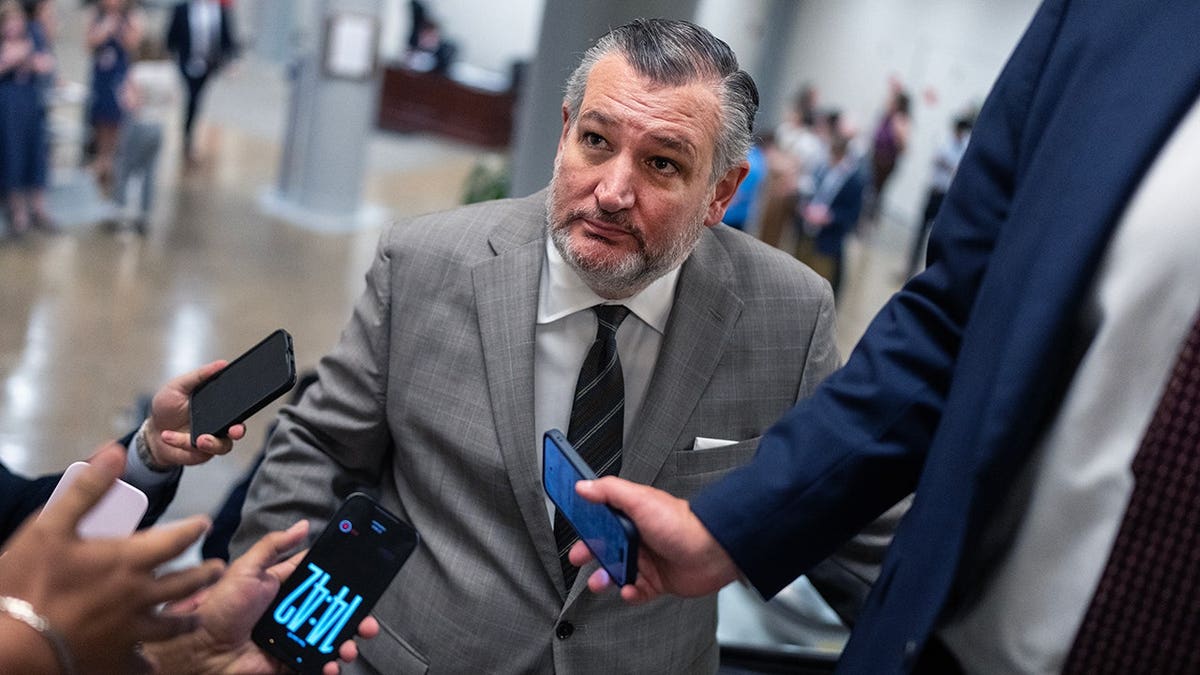
A Senate panel approved legislation supporters say would bring stability to college sports as critics warn it expands federal involvement. (Tom Williams/CQ-Roll Call, Inc via Getty Images)
But as Cruz and Tuberville both say, the situation in college sports is dire. There’s worry that the SEC and/or Big Ten might form a mega conference. Or develop their own broadcast platforms for games. And there may be a lot more Brendan Sorsbys as gaming becomes more ubiquitous.
None of this is going to get any better.
CLICK HERE TO DOWNLOAD THE FOX NEWS APP
The future of college sports is on the line.
So, to fix it, the Senate might just give it the old college try.
ncaa, congress, sec, ncaa fb, senate elections











Ni el genocidio en Gaza y la muerte de decenas de miles de palestinos (fue la respuesta militar a los atentados de Hamás en Palestina), ni el juicio contra la dirigencia israelí en la Corte Penal Internacional sirvieron para que la Unión Europea reaccionara rápido contra Israel. Pero el barco europeo, lento y complejo de virar, debe aprobar este lunes, en una reunión de cancilleres, sus primeras sanciones directas contra Israel. Hasta ahora se había sancionado personalmente a los dirigentes más violentos de los colonos en tierras ocupadas a Palestina, pero ahora ya se ataca a la economía.
Los ministros tienen varias opciones sobre la mesa. La más probable, la que según fuentes diplomáticas es prácticamente imposible de frenar ya porque debe salir por mayoría cualificada, no por unanimidad, es la prohibición de exportar a Europa cualquier producto que tenga como origen la Palestina ocupada por Israel.
Los cancilleres también tratarán de los últimos acontecimientos en Ucrania y de la situación en Líbano y en el Estrecho de Ormuz, pero sin decisiones previstas.
La Comisión Europea, presidida por una Úrsula von der Leyen que como miembro de la CDU alemana se ha negado repetidamente a sancionar a Israel, terminó por verse forzada por los gobiernos a preparar un documento con opciones para los cancilleres. La ‘canciller’ Kaja Kallas también empujó a favor de las sanciones.
Más allá de esas restricciones al comercio desde los territorios ocupados, que es la opción que más apoyo recaba y difícilmente será bloqueada, los cancilleres tienen otras opciones que políticamente serían más difíciles de aprobar. Algunas porque recaen en competencias de política exterior para las que se necesita unanimidad. Y Alemania aplicaría su veto.
Los ministros también tendrán sobre la mesa la posibilidad de aprobar sanciones personales contra el ministro ultraderechista israelí Itamar Ben-Gvir. En algunos documentos aparece también su colega Bezalel Smotrich, aunque el foco sigue sobre Ben-Gvir, sobre todo después de haber aparecido videos suyos amenazando y humillando a ciudadanos europeos de una flotilla de solidaridad con Palestina que fue abordada por Israel en el Mediterráneo y sus miembros trasladados a Israel.
De sancionarse a Ben-Gvir se buscaría congelar todos sus activos en Europa, se cortaría cualquier relación con su Ministerio y se le prohibiría la entrada en la Unión Europea. Tampoco es muy probable que Ben-Gvir fuera a pisar Europa porque ya hay varios sistemas judiciales europeos que lo tienen en el punto de mira por el acontecimiento de aquella flotilla.
Una opción que sigue sobre la mesa pero que difícilmente se aprobaría porque Alemania aplicaría su veto sería la suspensión parcial del Acuerdo de Asociación UE-Israel. A Israel le da derecho a mantener relaciones comerciales preferenciales (la UE es su primer socio comercial) y a participar en proyectos de cooperación científica como si fuera prácticamente un Estado miembro de la UE.
Varios gobiernos, como el español, el irlandés o el belga defienden que se suspenda ese acuerdo alegando que Israel estaría incumpliendo la cláusula de derechos humanos del mismo. España, Irlanda, Bélgica, Francia y Suecia son, salvo matices, los países que más se están moviendo para que este lunes los portavoces europeos puedan ya decir que “la Unión Europea aprueba sus primeras sanciones contra Israel”.
El papel de Kaja Kallas ha ido virando. Si en los primeros meses tras los atentados de Hamas se puso, con Von der Leyen, del lado del Gobierno de Netanyahu a pesar de que este ya había empezado los bombardeos masivos sobre Gaza, con los meses, y sobre en el último año, fue virando hasta ponerse a favor de las sanciones.
A mediados de junio, en una conversación en un foro privado que terminó por filtrarse, Kallas dijo que Israel se comporta como la Suráfrica del apartheid. El Gobierno israelí exigió una rectificación que nunca se produjo y decidió entonces romper cualquier relación con la canciller europea. Kallas dijo lo que todos piensan en Europa.
La Comisión Europea, que suele ser quien presione y prepare todo para que se aprueben paquetes de sanciones, por ejemplo contra Rusia desde 2022, arrastra los pies. Si por el brazo ejecutivo de la Unión Europea fuera, no habría sanciones contra Israel.
INTERNACIONAL
Lindsey Graham, South Carolina senator who rose from small-town roots to GOP power broker, dies at 71
NEWYou can now listen to Fox News articles!
Sen. Lindsey Graham, who died Saturday at 71 following what his office described as a «brief and sudden illness,» spent more than three decades as one of the Republican Party’s most influential voices.
The South Carolina Republican forged a congressional career spanning more than 30 years, emerging as one of Capitol Hill’s most recognizable Republicans and a trusted advisor to President Donald Trump on national security, judicial nominations and foreign policy.
Born on July 9, 1955, in Central, South Carolina, Graham grew up helping his parents run the family business before becoming the first in his household to attend college.
His life changed dramatically while he was a student at the University of South Carolina, when both of his parents died within 15 months of each other, leaving him to raise his younger sister.
SEN. LINDSEY GRAHAM DEAD AT 71 AFTER ‘BRIEF AND SUDDEN’ ILLNESS, OFFICE SAYS
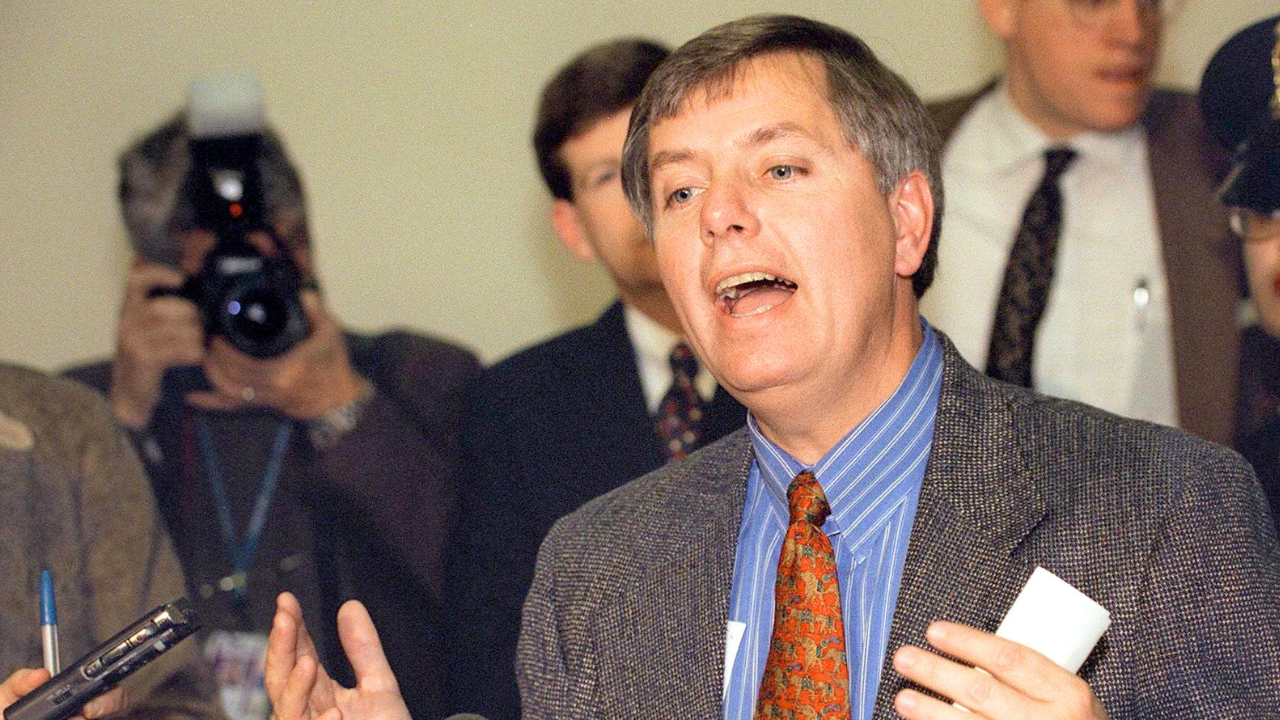
Graham launched his congressional career in the U.S. House in 1995, laying the foundation for more than 30 years on Capitol Hill. (Tim Sloan/AFP/Getty Images)
After earning a law degree, Graham joined the U.S. Air Force Judge Advocate General’s Corps, serving as a military lawyer before entering politics. He remained in the Air Force Reserve throughout much of his congressional career, retiring as a colonel after more than three decades of service.
His political career began in 1992, when he was elected to the South Carolina House of Representatives. Two years later, he won a seat in the U.S. House as part of the Republican wave that gave the GOP control of Congress.
He emerged as a national figure during President Bill Clinton’s impeachment, serving as one of the House managers who presented the case against Clinton during the 1999 Senate trial.
The high-profile role elevated his standing within the Republican Party and helped establish him as a rising conservative voice on Capitol Hill.
‘AMERICA AND THE WORLD HAVE LOST A DETERMINED LEADER’: TRIBUTES POUR IN AFTER SEN. LINDSEY GRAHAM’S DEATH
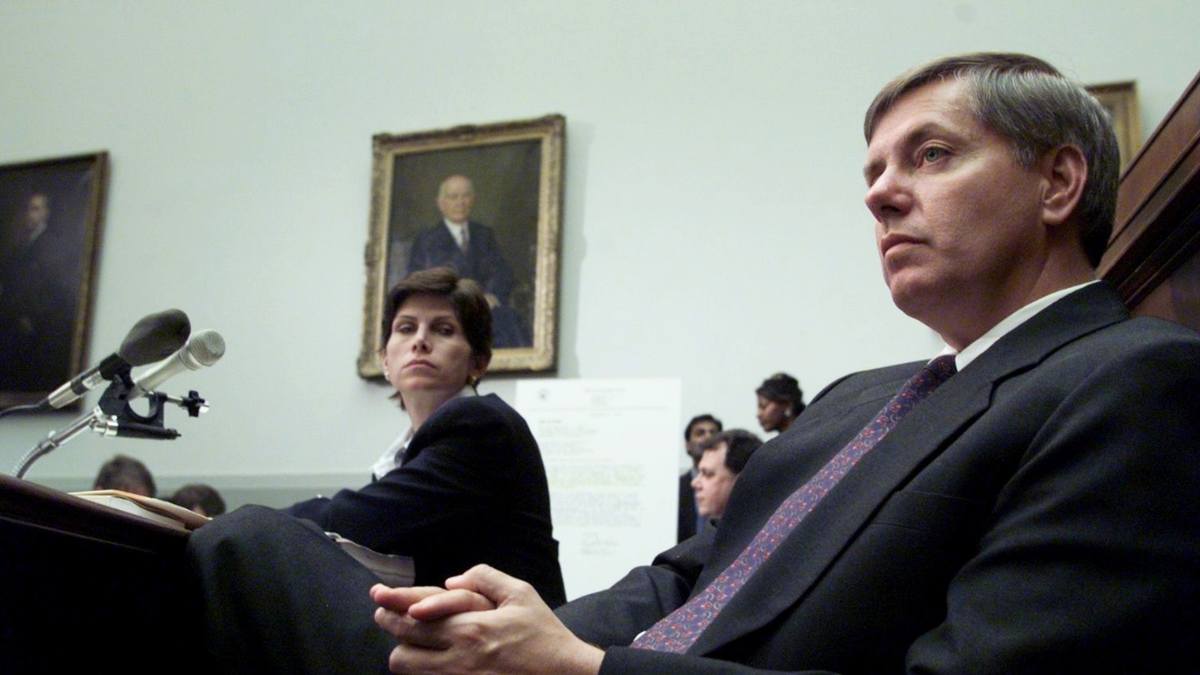
As a House Republican, Lindsey Graham served as one of the impeachment managers who prosecuted President Bill Clinton during his 1999 Senate trial. (Harry Hamburg/NY Daily News Archive/Getty Images)
In 2002, he was elected to the Senate, succeeding longtime Republican Sen. Strom Thurmond.
Over the next two decades, Graham became one of the Senate’s most influential Republicans on national security, serving on the Armed Services and Judiciary committees while emerging as a leading voice on military affairs, judicial confirmations and U.S. foreign policy.
One of Graham’s closest political relationships was with Arizona Sen. John McCain.
Along with Democratic Sen. Joe Lieberman, the three became known as the bipartisan «Three Amigos,» frequently traveling to war zones and emerging as some of Congress’ strongest advocates for American military power and support for U.S. allies.
CHAD PERGRAM BREAKS DOWN WHAT’S NEXT FOR GOP AFTER GRAHAM’S DEATH
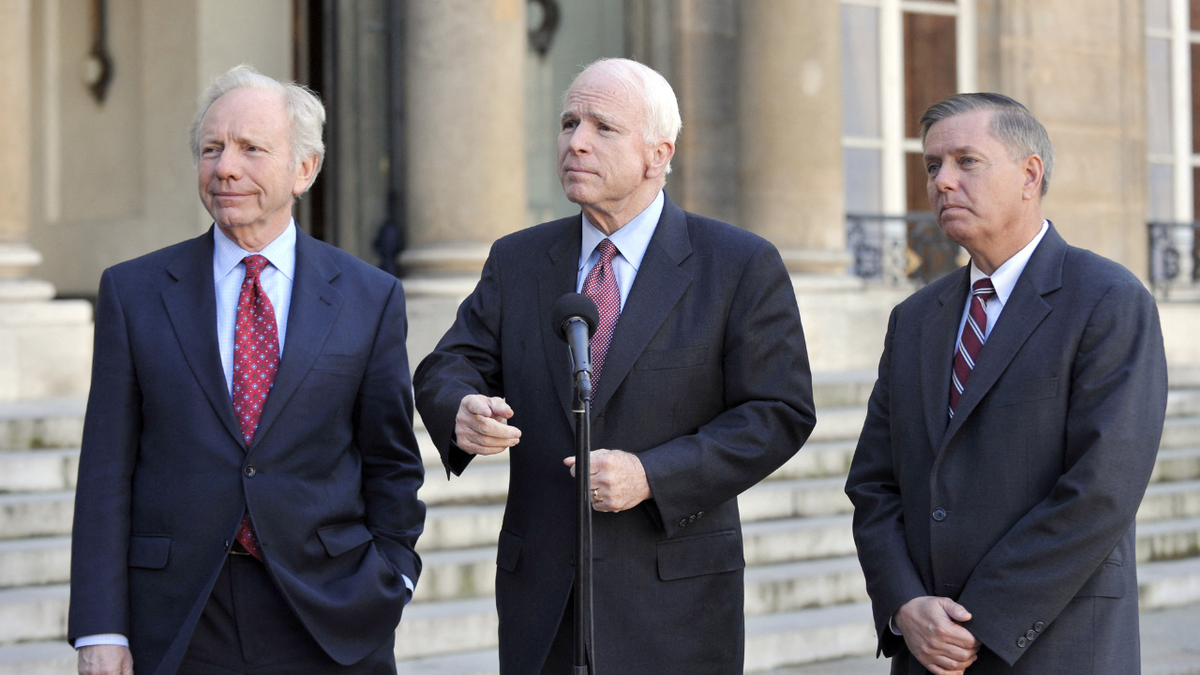
Alongside the late Sens. John McCain and Joe Lieberman, Graham was part of the bipartisan «Three Amigos,» a group known for championing national security and U.S. engagement overseas. (Franck Fife/AFP/Getty Images)
Graham championed higher defense spending and was among Congress’ most vocal supporters of Israel and, more recently, Ukraine.
He also played a central role in reshaping the federal courts. As chairman of the Senate Judiciary Committee, Graham helped steer the confirmation of dozens of federal judges, including Supreme Court Justice Amy Coney Barrett. He also emerged as one of Brett Kavanaugh’s fiercest defenders during the justice’s contentious 2018 confirmation battle, calling the process «the most unethical sham» he had seen in politics.
His relationship with Trump underwent one of Washington’s most notable political transformations.
SIGN UP TO GET THE POLITICS NEWSLETTER
After sharply criticizing Trump during the 2016 Republican primary, Graham became one of the president’s closest congressional allies, advising him on judicial nominations, national security and foreign policy while serving as a key defender of his agenda. Graham was once again critical of Trump in the wake of the January 6 Capitol Hill riots, but Trump appeared to shrug that off when he returned to the White House.
Graham remained a leading voice in the Republican conference until his death. At the time of his death, he was serving as chairman of the Senate Budget Committee and campaigning for a fifth Senate term.
He never married and had no children.
CLICK HERE TO DOWNLOAD THE FOX NEWS APP
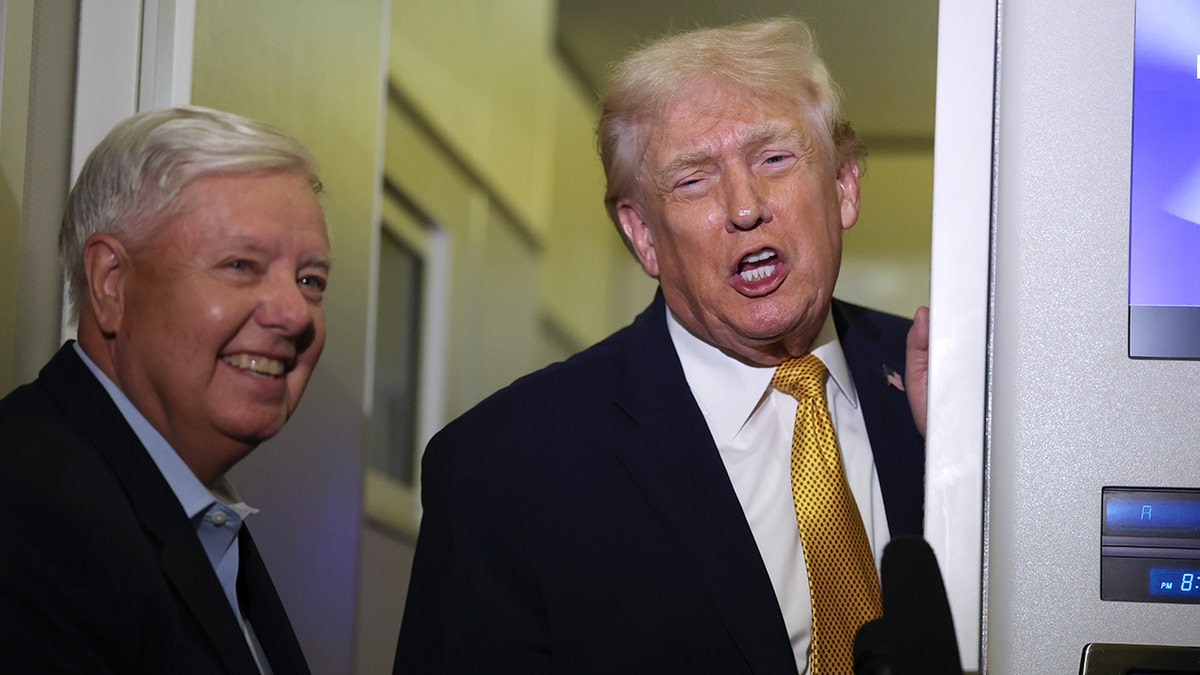
President Donald Trump and Sen. Lindsey Graham speak to the media aboard Air Force One enroute to Washington, D.C., on Jan. 4, 2026. (Joe Raedle/Getty Images)
South Carolina Gov. Henry McMaster called Graham «irreplaceable» and the «fiercest of fighters for South Carolina and America.» Per South Carolina law, McMaster will appoint a temporary replacement for Graham, who was seeking a fifth term in November.
President Trump wrote on Truth Social that Graham «was always working,» and called the Palmetto State senator «a true American Patriot.»
Funeral and memorial arrangements were not immediately announced. Trump said on Truth Social that «details and arrangements» would follow.
lindsey graham, republicans elections, donald trump, politics, senate elections
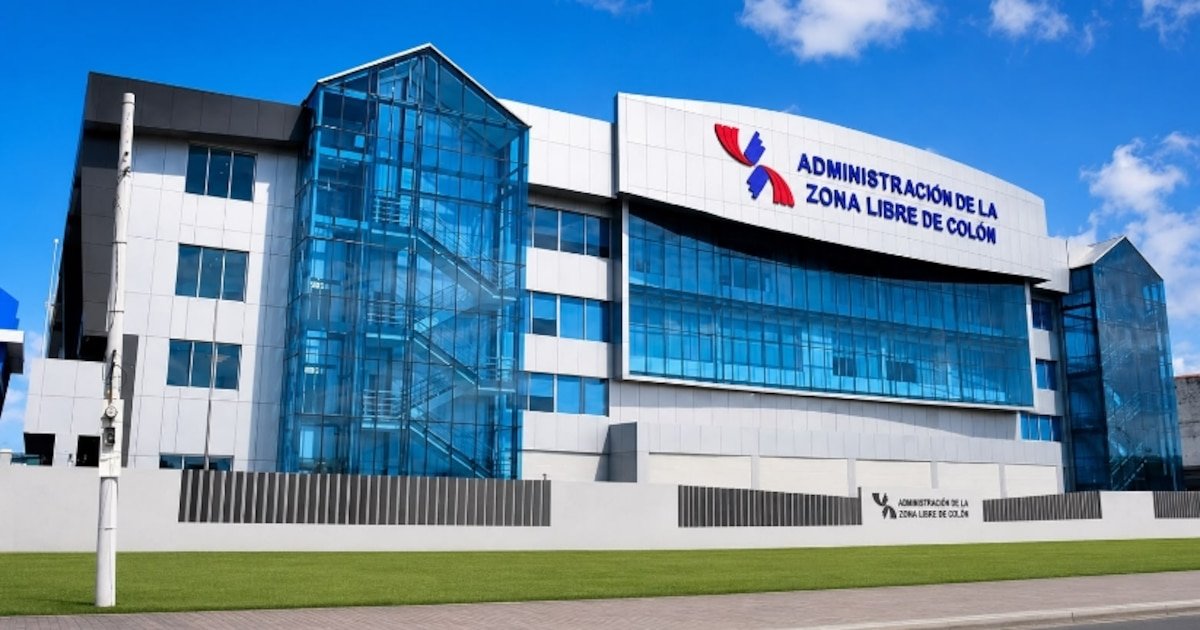
El fortalecimiento de la Zona Libre de Colón es una tarea de múltiples instituciones, una responsabilidad compartida entre el Estado y el sector privado.
Esto lo afirma la Cámara de Comercio, Industrias y Agricultura de Panamá, luego de que un informe de la Alianza Transnacional para Combatir el Comercio Ilícito (TRACIT), señalara supuestas vulnerabilidades del país frente al comercio ilícito.
Jeffrey Hardy, director general de TRACIT, manifestó esta semana que Panamá ha mostrado avances respecto al índice anterior y que actualmente figura como el segundo país de mejor desempeño en Centroamérica en materia de resiliencia frente al comercio ilícito.
No obstante, advirtió que aún persisten importantes vulnerabilidades relacionadas con las zonas francas, el contrabando de cigarrillos, la falsificación de mercancías, el comercio electrónico y el movimiento de pequeños paquetes procedentes del extranjero.
La regulación de las zonas francas, añadió Hardy, continúa siendo una de las principales debilidades detectadas por la organización en Centroamérica y sostuvo que la Zona Libre de Colón, por su relevancia en el comercio internacional, debe continuar fortaleciendo sus controles, la gestión de riesgos y la cooperación entre el sector público y privado.

Ante este planteamiento, las autoridades nacionales rechazaron “categóricamente” cualquier intento de presentar a la Zona Libre de Colón como un espacio de tolerancia al crimen organizado.
Un comunicado del Ministerio de Relaciones Exteriores afirmó que esa narrativa “desconoce la realidad, los avances alcanzados y el profundo proceso de modernización que impulsa el Gobierno Nacional».
El planteamiento gubernamental fue más allá al señalar que las incidencias de actividades ilícitas representan apenas el 0,00042% del volumen comercial de una plataforma que mueve más de $25.000 millones anuales, por lo que, a su juicio, se trata de casos aislados y no de una práctica sistemática.
Por su parte, la Cámara de Comercio recuerda que la Zona Libre de Colón es uno de los principales activos estratégicos de Panamá. Su capacidad histórica de casi ocho décadas para conectar mercados, generar empleo y atraer inversión la convierte en una pieza esencial de nuestra plataforma logística y comercial.
En su publicación semanal, avalada por su presidente Aurelio Barría Pino, el organismo empresarial sostiene que para lograr su competitividad la institución avanza en acciones concretas, entre las que cita la creación de la primera Oficina de Cumplimiento, la certificación de auditores BASC, el mantenimiento de la certificación ISO 9001, la integración tecnológica entre el sistema DMCE y la Autoridad Nacional de Aduanas, que aduce unen la gobernanza, la transparencia, la trazabilidad y la mejora continua.

El gremio de los comerciantes también menciona la coordinación permanente con la Autoridad Nacional de Aduanas, la Unidad de Análisis Financiero, el Ministerio de Seguridad Pública, la Dirección General de Ingresos y otras entidades, lo que fortalece la seguridad y la confianza.
A ello, agrega, se suman el Centro de Monitoreo y Videovigilancia, los sistemas inteligentes de control y la cooperación con el gobierno de Estados Unidos para impulsar la capacidad de inspección mediante tecnología de última generación.
“La actualización que hoy experimenta la Zona Libre de Colón la moderniza, la diversifica y la conecta con las nuevas demandas del comercio global. Al mismo tiempo, amplía las oportunidades para aprovechar la integración económica regional y fortalecer las relaciones comerciales con mercados estratégicos, incluyendo los países del Mercosur», anota.
La Cámara de Comercio, Industrias y Agricultura de Panamá puntualiza que continuará siendo una aliada permanente de esta transformación, alegando que la ruta es clara: inversión, tecnología, institucionalidad y trabajo conjunto.

La guerra en Gaza: Europa aprobaría este lunes sus primeras sanciones a Israel

Tigre vs Independiente Rivadavia de Mendoza: formaciones, hora y dónde ver por tv

La nueva geografía del ingreso en la Argentina: menor poder adquisitivo, pero más integración laboral en los hogares vulnerables

Escandaloso trato a Prestianni en Benfica-Flamengo

La noche de Messi contra Suiza: de su ojo ensangrentado a la picante discusión con el árbitro

Lindsey Graham, South Carolina senator who rose from small-town roots to GOP power broker, dies at 71

“Hablame bien”: el tenso cruce de Lionel Messi con el árbitro en la victoria de Argentina ante Suiza en el Mundial

Contundente respaldo de la FIFA tras las críticas a los árbitros de Argentina-Egipto: “Las acusaciones infundadas no tienen cabida”

Trump envoy warns China’s power move at sea is threat ‘we cannot afford to ignore’

Un apostante gana un millón de dólares en Toshi.bet

 DEPORTE13 horas ago
“Hablame bien”: el tenso cruce de Lionel Messi con el árbitro en la victoria de Argentina ante Suiza en el Mundial
- POLITICA2 días ago
Hackearon a la AFA y enviaron correos con falsas denuncias sobre el arbitraje ante Egipto
- ECONOMIA3 días ago
Shutdown en Argentina: la razón detrás de la idea de Milei de avanzar con un «apagón» del Estado