INTERNACIONAL
El presidente de Irán viaja a Pakistán para coordinar la agenda diplomática tras el acuerdo alcanzado con Estados Unidos

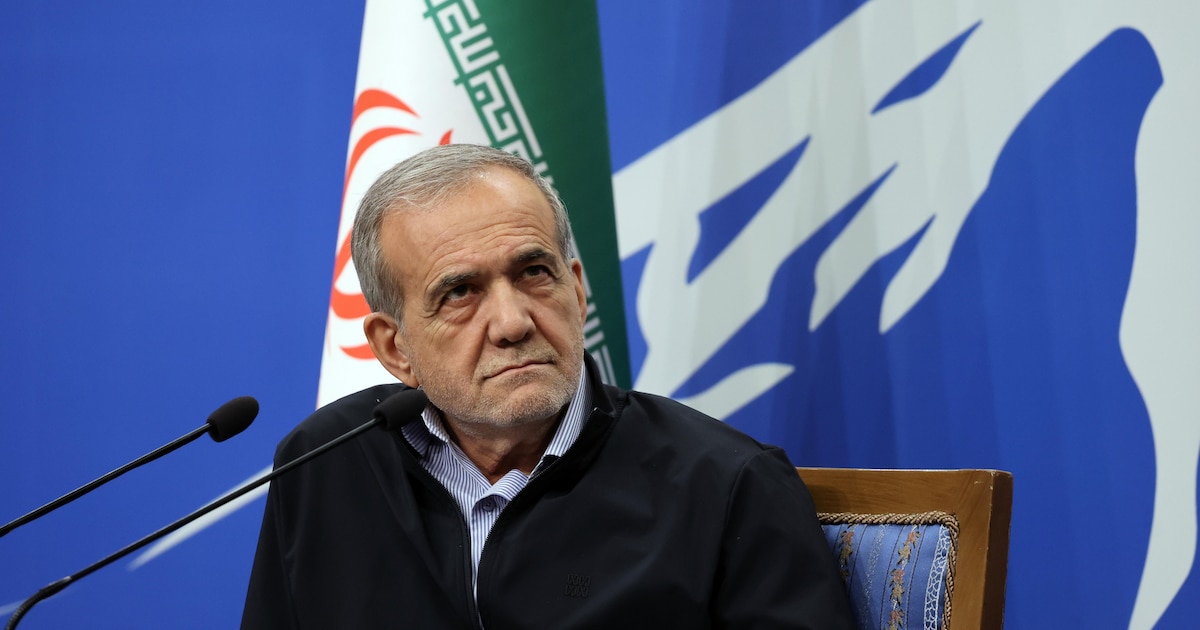
El presidente iraní, Masud Pezeshkian, visitará este martes Pakistán para mantener reuniones con las principales autoridades del país y abordar los compromisos diplomáticos derivados del memorando de entendimiento firmado recientemente entre Irán y Estados Unidos para el cese de hostilidades en Medio Oriente.
Pezeshkian llegará a Islamabad acompañado por una delegación de alto nivel integrada por ministros y otros funcionarios iraníes, en una visita que realizará por invitación del primer ministro paquistaní, Shehbaz Sharif, según informó el Ministerio de Exteriores de Pakistán.
Durante su estancia, el mandatario iraní se reunirá con el presidente de Pakistán, Asif Ali Zardari; con Sharif; con el presidente del Senado; con el titular de la Asamblea Nacional; y con el ministro de Exteriores, Ishaq Dar, quien desempeñó un papel central en las negociaciones entre Teherán y Washington.
La Cancillería paquistaní señaló que durante los encuentros “ambas partes (…) explorarán nuevas vías para profundizar la cooperación en diversos sectores, como el comercio, la energía, la seguridad fronteriza, los intercambios entre personas y la conectividad regional”.
El Ministerio de Exteriores indicó además que la visita de Pezeshkian, la segunda que realiza a Pakistán desde su llegada a la Presidencia iraní en julio de 2024, “brindará una importante oportunidad para abordar los compromisos diplomáticos en curso tras la firma del Memorando de Entendimiento de Islamabad, así como los acontecimientos regionales e internacionales de interés mutuo”.

Pakistán actuó como mediador en los contactos entre Irán y Estados Unidos que culminaron con la firma del memorando de entendimiento destinado a poner fin a las hostilidades en la región.
En paralelo, el secretario de Estado de Estados Unidos, Marco Rubio, iniciará este martes una gira de tres días por Emiratos Árabes Unidos, Kuwait y Baréin para presentar a los aliados del Golfo el memorando de entendimiento que Washington firmó la semana pasada con Teherán.
El portavoz del Departamento de Estado, Tommy Pigott, informó que Rubio permanecerá en esos tres países entre el 23 y el 25 de junio. Según el comunicado oficial, durante la visita “abordará diversas prioridades regionales, entre ellas el memorando de entendimiento con Irán, los esfuerzos para garantizar el tránsito seguro y libre por el estrecho de Ormuz y la importancia de la paz y la estabilidad en la región”.
En Baréin, el jefe de la diplomacia estadounidense participará además en una reunión del Consejo de Cooperación del Golfo (CCG), integrado también por Arabia Saudita, Catar y Omán.
El memorando fue firmado el miércoles pasado por el presidente Donald Trump en el Palacio de Versalles, durante una visita oficial a Emmanuel Macron. El documento establece un plazo de 60 días para negociar un tratado de paz definitivo que incluya el programa nuclear iraní.

Aunque los países del CCG respaldaron en términos generales los esfuerzos para poner fin al conflicto, dos aspectos del acuerdo generan preocupación en la región: la creación de un fondo de reconstrucción para Irán por USD 300.000 millones y la falta de referencias al desmantelamiento del programa de misiles balísticos iraní.
Los gobiernos del Golfo consideran que esos recursos podrían destinarse a la reconstrucción de capacidades militares iraníes y al financiamiento de grupos aliados en la región. Emiratos Árabes Unidos, Arabia Saudita, Kuwait, Baréin y Catar, países que albergan bases militares estadounidenses, sufrieron ataques con misiles y drones atribuidos a Irán en los últimos meses. Cualquier modificación en el esquema de seguridad regional tendría consecuencias directas para la estrategia militar de Washington en Medio Oriente.
La gira de Rubio coincide con una intensa agenda diplomática vinculada al acuerdo. Durante el fin de semana, el vicepresidente J. D. Vance encabezó en Suiza una ronda de conversaciones con mediadores cataríes y paquistaníes para avanzar en los aspectos técnicos del pacto. La primera etapa de las negociaciones concluyó el lunes y las discusiones continuarán durante esta semana.
(Con información de Agencias)
politicos,rueda de prensa









INTERNACIONAL
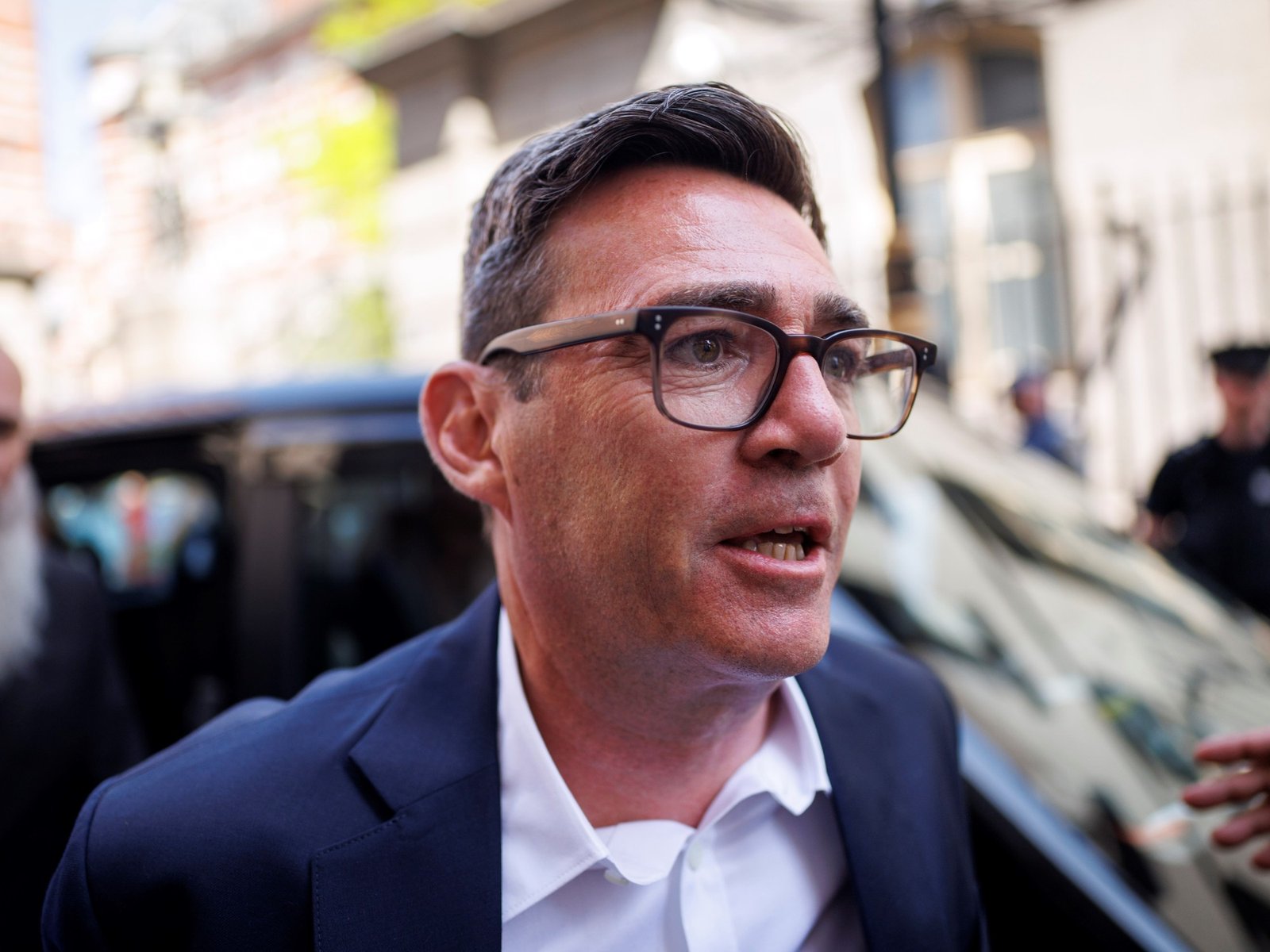
«El mundo está seguro»: cómo Andy Burnham heredó el poder en el Reino Unido en solo veinte minutos
El ascenso de Andy Burnham
Streeting renunció a desafiarlo

Diplomacia interpares
¿Un liderazgo de izquierda?

Starmer, muy emocionado


Reacciones
La reacción de Nigel Farage
La herencia
INTERNACIONAL
Obama-era inspection flaws in Iran could persist as experts warn of nuclear blind spots
NEWYou can now listen to Fox News articles!
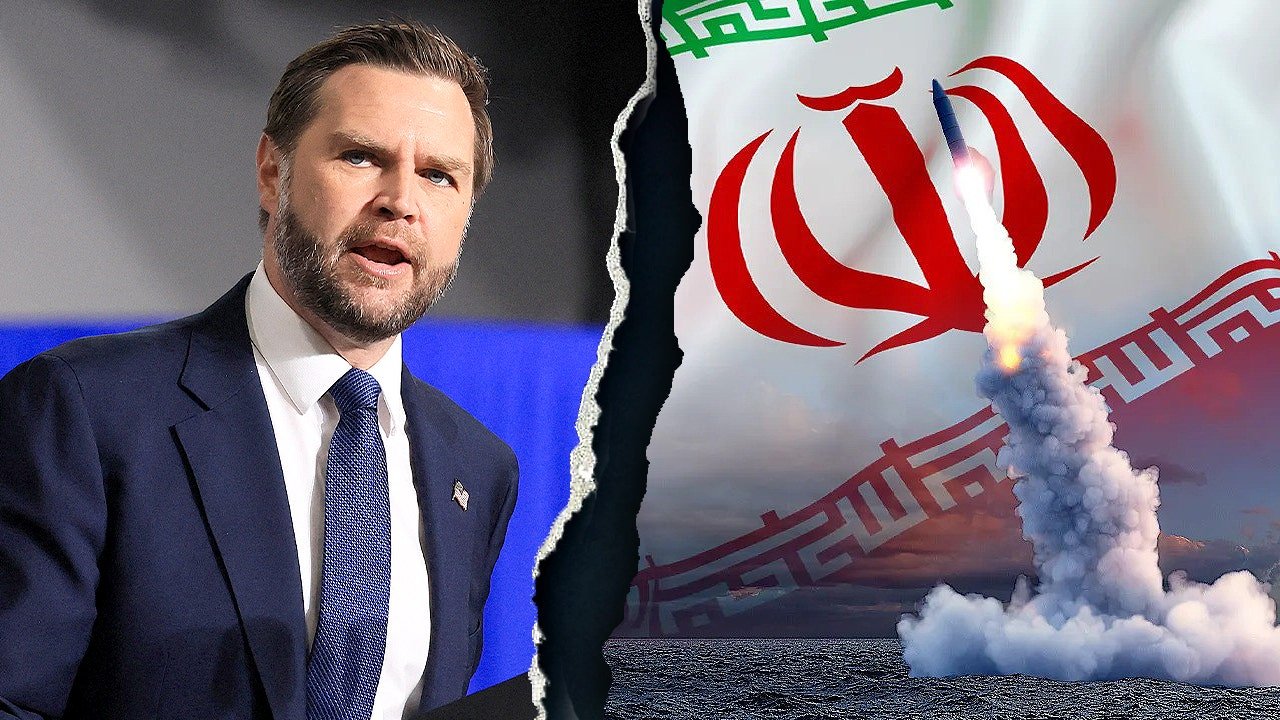
Iran has agreed to let nuclear inspectors back into the country, Vice President JD Vance said Monday, as nuclear experts warned President Donald Trump’s new Tehran framework will only work if inspectors get the kind of unfettered access they say was missing from the Obama-era Iran deal.
The news, which Vance described as «a major milestone,» comes as Trump’s new Iran framework drew warnings from nuclear experts who told Fox News Digital the deal could leave Tehran too much control over its uranium stockpile unless inspectors first locate, secure and verify the material. The IAEA has not been able to resume full in-field verification of Iran’s declared nuclear program since last year’s strikes, apart from a June inspection at a single Iranian nuclear power plant.
The verification gap concern centers on language in the reported U.S.-Iran memorandum of understanding (MOU) saying the two sides will resolve the fate of Iran’s enriched uranium stockpile through a still-to-be-negotiated process. The MOU identifies onsite «downblending,» which means diluting enriched uranium so it is less usable for a nuclear weapon, under International Atomic Energy Agency (IAEA) supervision as the minimum acceptable method for dealing with the material. The MOU does not explicitly say Iran will retain a civilian nuclear program, but it says the two sides will discuss enrichment and other matters related to Iran’s «nuclear needs» in a final deal.
«Unfettered verification is everything,» Chuck DeVore, Chief National Initiatives Officer at the Texas Public Policy Foundation, told Fox News Digital. «There can be no denial for teams to inspect on the ground. Remote, technological means can achieve a lot, but nothing beats in-person inspections.»
TRUMP NUCLEAR TALKS FACE DEFINING QUESTION: WHAT HAPPENS TO IRAN’S URANIUM STOCKPILE?
Vice President JD Vance said the Iranians have agreed to let nuclear inspectors back into their country. U.S. nuclear experts are warning that Trump’s reported Iran framework could leave Tehran too much control over its uranium stockpile unless inspectors first fully account for and secure the material. (Photo by Spencer Platt / POOL / AFP via Getty Images)
IAEA supervision would only be meaningful if inspectors first regain enough access to fully account for Iran’s enriched uranium stockpile and ensure Tehran does not retain unchecked control of the material, experts warned Fox News Digital. Meanwhile, a recent IAEA report released this month underscored the agency’s limited visibility into Iran’s declared nuclear program after last year’s military strikes, saying that aside from a single inspection at an Iranian nuclear power plant, the agency «has not received information from Iran» about the status of its other declared nuclear facilities or associated nuclear material. «Nor has the Agency had access» to those sites for in-field verification, the report noted.
A senior administration official told Fox News Digital on background that the MOU required Iran’s regime to reaffirm that it will not procure or develop nuclear weapons, calling that a critical first step under Iran’s new Supreme Leader.
The official said the U.S. has reached understandings with Iran when it comes to its uranium stockpile, and the new deal is the first step of turning these understandings into real results, which include progress on enriched uranium stockpiles, dismantlement of nuclear sites, an enrichment ban and inspection access. The official added that the U.S. has already had productive discussions with Iran on those issues and, now that the MOU is formally in place, negotiators will work to make quick progress.
US-IRAN TALKS POSTPONED IN SWITZERLAND AMID ISRAEL-HEZBOLLAH TENSIONS; HORMUZ REMAINS A KEY ISSUE
The official also referred Fox News Digital to comments Vice President JD Vance made Thursday, when he said the deal’s benefits depend on Iran following through on its promises.
«They have promised not to enrich. They have promised that they would allow inspectors in to destroy that highly enriched stockpile. And then, of course, it’s not usable anymore. You take it somewhere else,» Vance said. «They promised a number of things, and that’s why the deal contemplates a number of benefits if they do those things. But it doesn’t do anything if they don’t actually meet those promises.»
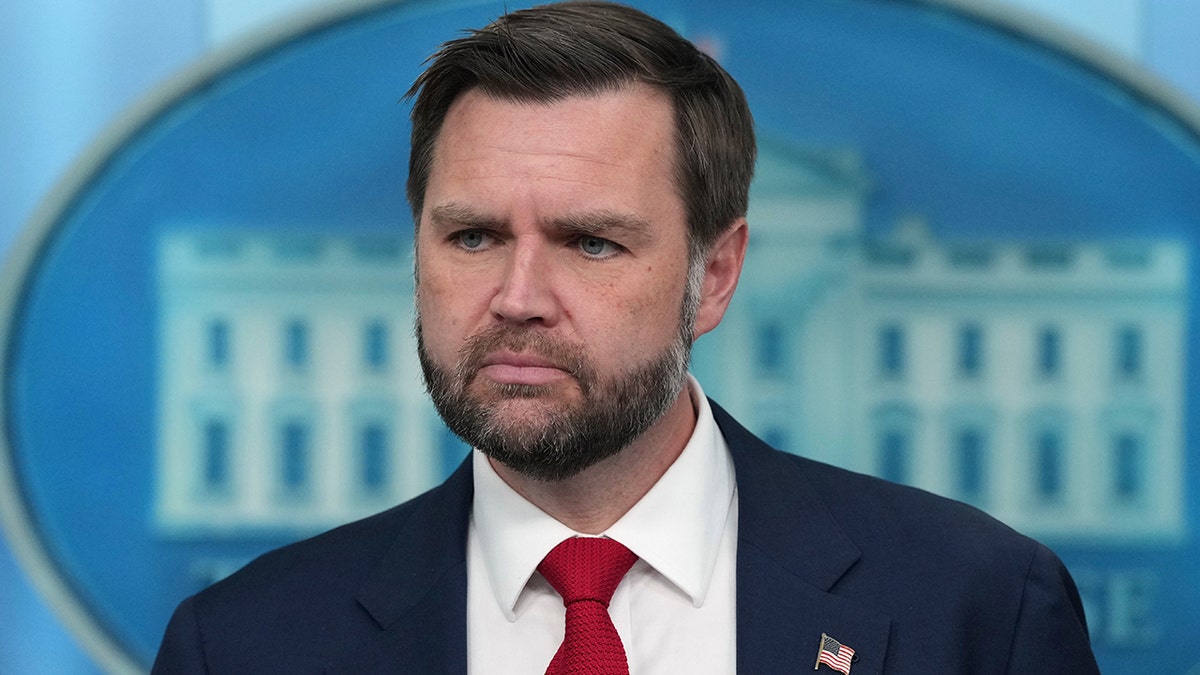
Vice President JD Vance listens as a reporter asks a question in the James Brady Press Briefing Room at the White House, on Thursday, June 18, 2026, in Washington. (Jacquelyn Martin/AP)
«The Iranians have agreed to invite IAEA inspectors back into their country. That is a major milestone for the American people, and the first step in permanently denuclearize, easing or permanently ending a nuclear weapons program in Iran,» Vance added Monday after negotiations in Switzerland resumed. «And that’s exactly what we wanted to do. That’s exactly what we asked to happen.»
The Vice President said that the technical negotiations will continue over the next weeks and days, even in his absence. He said a framework for «proper political oversight» of these negotiations has been established as well. Vance simultaneously highlighted that «a lot of great progress on other nuclear talks» has already been made in the early days.
Andrea Stricker, deputy director of the Foundation for Defense of Democracies’ Nonproliferation Program, told Fox News Digital that any credible agreement must begin with recovering and safeguarding Iran’s enriched uranium stockpile, and not allowing Tehran to keep control of the material while it is diluted inside the country.
«Without verifiably dismantling and destroying all of Iran’s fundamental nuclear capabilities — nuclear material, facilities, centrifuges, manufacturing capabilities, equipment, documentation, and weaponization capacities, and ensuring scientists are redirected to civilian work — Iran’s pledge on paper is meaningless,» she told Fox News Digital, noting that Iran’s enriched uranium stockpile could, if recovered and further enriched, provide enough weapons-grade material for roughly 22 nuclear weapons.
HOW DOES TRUMP SOLVE KEY ‘NUCLEAR DUST’ HANG-UP IN NEGOTIATIONS TO END IRAN WAR?
DeVore was more cautious about assigning a single number to Iran’s potential weapons capacity, saying the estimate depends heavily on the sophistication of the weapon design. He said the same stockpile could translate into fewer basic weapons or be stretched further by a more advanced nuclear program.
He said onsite downblending, if properly verified, would be aimed at making Iran’s roughly 1,000 pounds of 60% enriched uranium unavailable for further enrichment. DeVore cautioned that the material would still need additional processing to be turned into weapons-grade uranium and said he does not believe Tehran can currently do that because key facilities were destroyed in last year’s strikes.
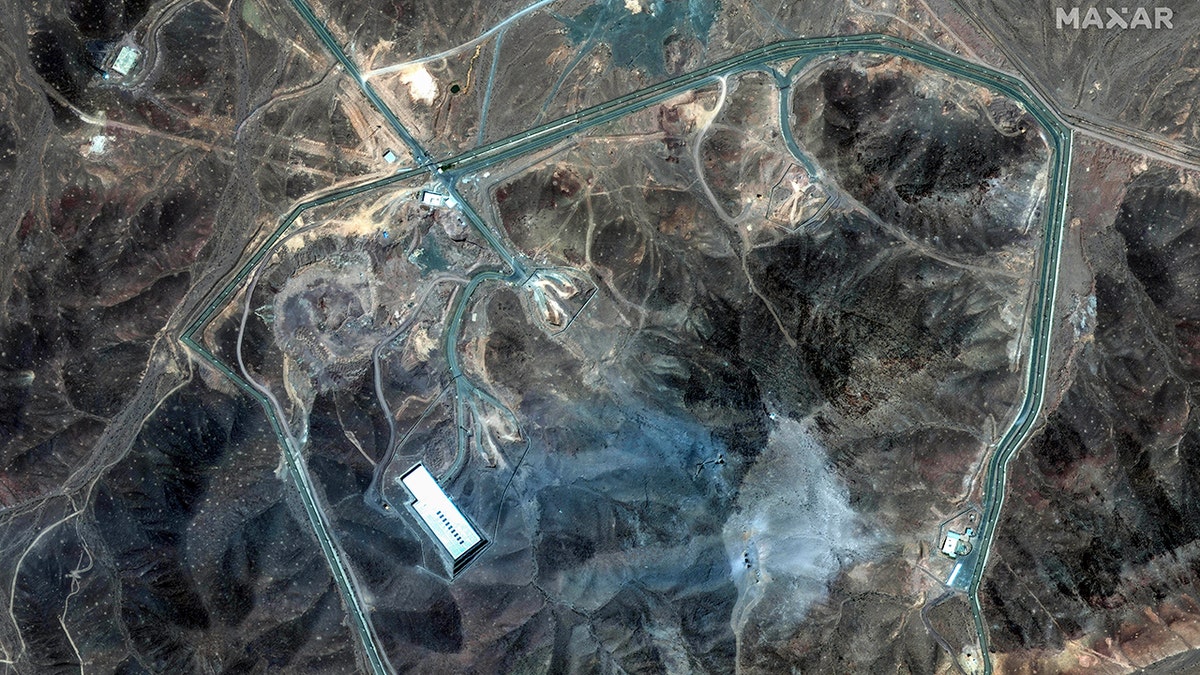
A satellite image shows damage at the Fordo enrichment facility in Iran after U.S. strikes on June 22, 2025. (Maxar Technologies)
Asked what would be needed to make any Iran deal enforceable, DeVore told Fox News Digital the U.S. must avoid repeating what he described as a key weakness of the Obama-era nuclear deal: allowing Tehran to restrict access or keep certain sites off limits. He said the «ultimate question» is onsite verification, warning that Washington cannot allow itself to be pushed into «an agreement for agreement’s sake.»
TOP SENATE REPUBLICAN RIPS INTO TRUMP’S IRAN DEAL, SAYS $300B MAKES OBAMA DEAL LOOK LIKE ‘A PITTANCE’
DeVore also said the Obama-era JCPOA gave inspectors too much notice and too little freedom to inspect suspicious locations as well, arguing that any new deal must avoid a system where Iran can delay, limit or steer inspections before the IAEA gets on the ground.
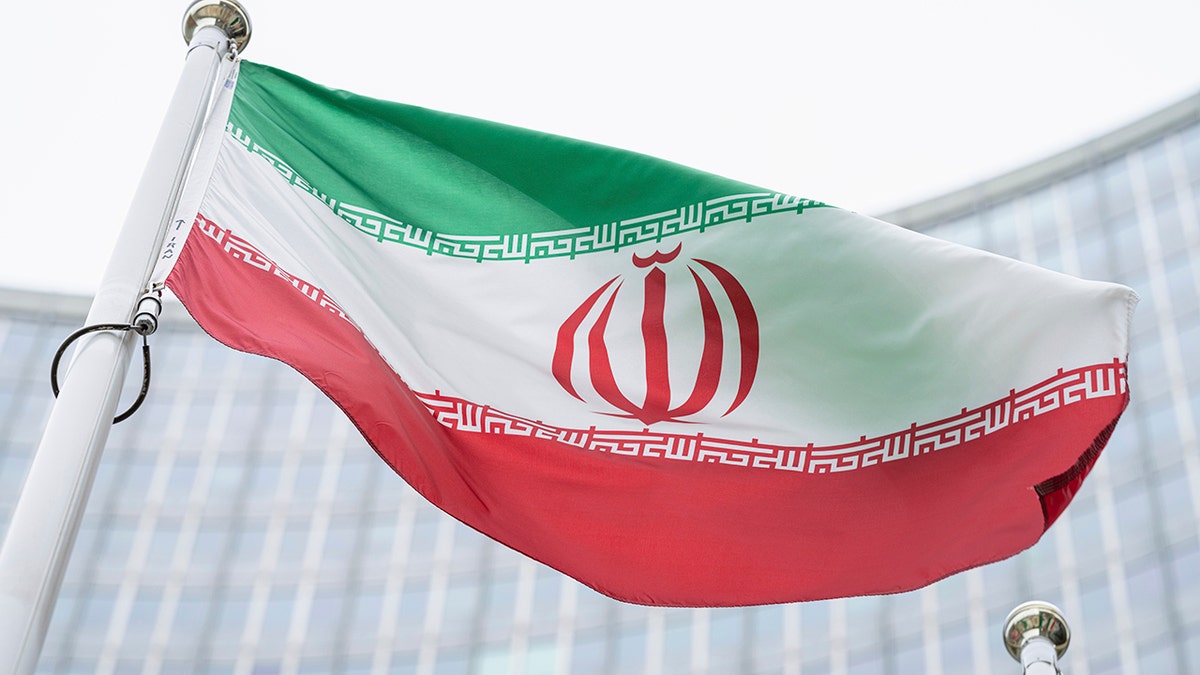
The flag of Iran waves in front of the International Atomic Energy Agency headquarters in Vienna, Austria. (Florian Schroetter/AP Photo)
DeVore told Fox News Digital that his concern is informed by his experience as a young special assistant for foreign affairs in the Reagan administration, when he worked on verification issues surrounding Cold War-era nuclear agreements with the Soviet Union, including the Peaceful Nuclear Explosions Treaty and the Threshold Test Ban Treaty.
In those negotiations, DeVore said, the danger was that the minimum level of verification sought by defense and intelligence officials could become the starting point for diplomats, meaning the final deal could end up below what experts believed was necessary.
CLICK HERE TO DOWNLOAD THE FOX NEWS APP
«Once you say, ‘This is the minimum we need,’ then that becomes the starting point, so anything agreed to is less than that,» DeVore said. «That’s what I fear.»
Fox News Digital reached out to the IAEA asking whether the agency can currently account for Iran’s enriched uranium stockpile and whether it has any comment on the verification questions raised by the reported framework but did not hear back. The agency did not release any statement after Vance said they would be allowed access to Iran in time for publication.
war with iran, nuclear proliferation, foreign policy, middle east foreign policy, treaties, sanctions
INTERNACIONAL
Pese a las advertencias de Trump, el gobierno iraní aseguró que administrará el estrecho de Ormuz
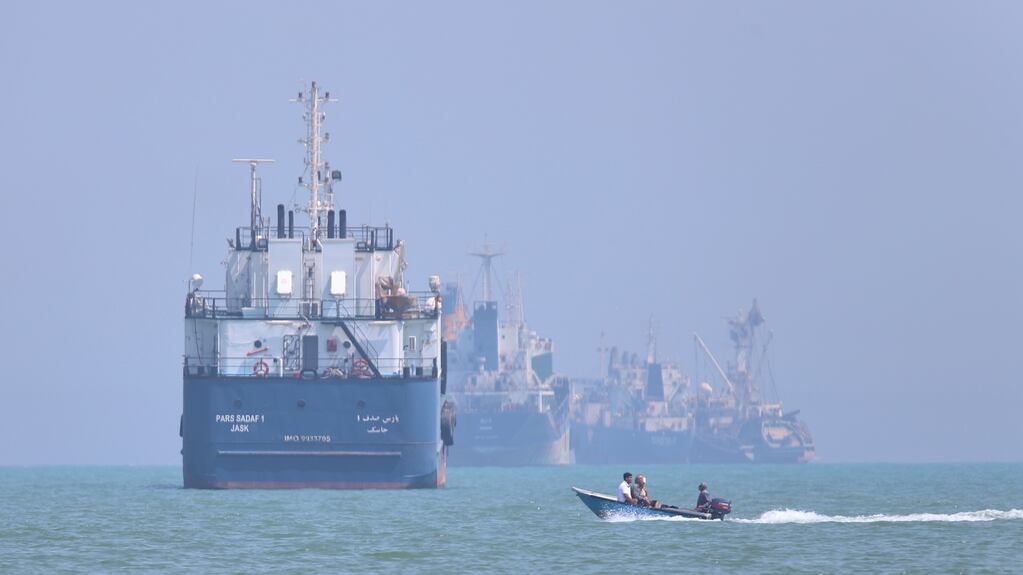
El gobierno de Irán salió al cruce de las declaraciones de Donald Trump sobre el estrecho de Ormuz y dejó en claro que no piensa ceder el control de esa estratégica vía marítima, clave para el comercio mundial de petróleo.
El lunes por la noche, el jefe negociador iraní, Mohamad Baqer Qalibaf, sostuvo que la administración del paso “nunca volverá a ser lo que era antes de la guerra” y remarcó que será Irán quien lo gestione, aunque respetará las normas internacionales.
“Todos deben saber que la administración del estrecho de Ormuz nunca volverá a ser lo que era antes de la guerra”, afirmó Qalibaf, citado por la agencia estatal IRNA.
En esa misma línea, el funcionario agregó: “Por supuesto, se respetarán las normas internacionales, pero Irán administrará el estrecho de Ormuz”.
Las palabras de Qalibaf llegaron horas después de que Trump asegurara desde la Casa Blanca que Estados Unidos mantiene el control total del estrecho y que cuenta con una armada capaz de imponer un bloqueo si fuera necesario.
“Tenemos el control total del estrecho; contamos con una armada capaz de imponer un bloqueo”, había asegurado el mandatario, en un mensaje directo a Teherán. El negociador iraní, Mohamad Baqer Qalibaf, dijo que Irán seguirá administrando el estrecho de Ormuz. (Foto: REUTERS/Amr Abdallah Dalsh).
Negociaciones en marcha y advertencias cruzadas
El cruce de declaraciones se dio en medio de las negociaciones entre ambos países para alcanzar un acuerdo más amplio sobre seguridad regional y el programa nuclear iraní.
Tras la firma de un memorando de entendimiento que abrió una tregua temporal, Washington y Teherán tienen un plazo de 60 días para avanzar en temas clave.
Qalibaf participó el lunes en Suiza de la primera ronda de conversaciones con representantes estadounidenses y destacó los logros obtenidos.
“Desde mi punto de vista, este viaje ha dado lugar a grandes logros, especialmente en lo que respecta a las discusiones sobre el estrecho, las relacionadas con Líbano, la cuestión de las exenciones petroleras y el tema del desbloqueo de los activos congelados, que es uno de los avances que estamos logrando”, expresó en un video publicado en la red social Telegram.
Leé también: Nueva crisis política en el Reino Unido: la renuncia del premier Keir Starmer desata la carrera por la sucesión
El funcionario iraní aclaró que las negociaciones recién comienzan y que “debemos continuar con nuestros esfuerzos”.
Por su parte, Trump lanzó una advertencia sobre el cumplimiento de los compromisos asumidos por Teherán. “Si Irán no cumple con el acuerdo o no se comporta como debe, haré lo que tenga que hacer”, afirmó ante periodistas.
Además, el presidente estadounidense insistió en que espera avances en materia de supervisión nuclear y aseguró que Irán aceptará inspecciones amplias para garantizar lo que describió como “honestidad nuclear”.
Disputa por los fondos desbloqueados y el rol de Israel
Otro punto de tensión surgió en torno a los fondos iraníes desbloqueados tras el entendimiento bilateral. Trump afirmó que esos recursos terminarán destinados a la compra de productos estadounidenses: “Todo ese dinero volverá en forma de compras de alimentos que necesitan desesperadamente”, sostuvo.
Sin embargo, desde Teherán rechazaron esa interpretación. El gobernador del Banco Central de Irán, Abdolnaser Hemmati, aclaró que el memorando vigente no obliga a Irán a adquirir productos agrícolas estadounidenses y que los recursos podrán utilizarse para otros bienes autorizados por el régimen de sanciones.
En paralelo, Qalibaf acusó a Israel de intentar obstaculizar las conversaciones. Según el funcionario, el gobierno israelí “se encuentra ferozmente opuesto a este proceso de negociación, al que ve como una amenaza para su propia existencia y busca sabotearlo”.
Teherán también insiste en que Líbano debe formar parte del acuerdo destinado a poner fin al conflicto regional, mientras continúan las negociaciones entre representantes iraníes y estadounidenses.
Irán, Estados Unidos, Medio Oriente

«El mundo está seguro»: cómo Andy Burnham heredó el poder en el Reino Unido en solo veinte minutos

Daniel López Rosetti, médico cardiólogo: “No hay que ser mejor que otros, sino mejor que ayer; la competencia es con uno mismo”

Antonela Roccuzzo rompió el silencio y expresó su bronca por el escándalo que vivió Messi con Nico Occhiato: «Acá el problema es…»

Los gestos de Lionel Messi contra el banco de Austria tras marcar el primer gol que se volvieron virales

Crisis de abastecimiento en invierno: qué dijo la Cámara de GNC sobre los cortes de gas

Obama-era inspection flaws in Iran could persist as experts warn of nuclear blind spots

LA DOBLE VARA ZURDA: Militantes K prefieren el pasado dictatorial y los excesos de Maradona antes que el éxito limpio de Messi

Preocupación en el oficialismo por el impacto digital del caso Adorni y la insuficiencia del “efecto Mundial”

Difundieron videos en los que Jésica Cirio aparece junto a miles de dólares

Qué dijo Jesica Cirio tras la difusión de los videos donde se ven fajos con millones de dólares en la casa de Martín Insaurralde

 POLITICA2 días ago
LA DOBLE VARA ZURDA: Militantes K prefieren el pasado dictatorial y los excesos de Maradona antes que el éxito limpio de Messi
- POLITICA2 días ago
Preocupación en el oficialismo por el impacto digital del caso Adorni y la insuficiencia del “efecto Mundial”
- POLITICA3 días ago
Difundieron videos en los que Jésica Cirio aparece junto a miles de dólares