INTERNACIONAL
Insomnio golpea cada vez más a los costarricenses: en promedio 157 consultas diarias durante 2025

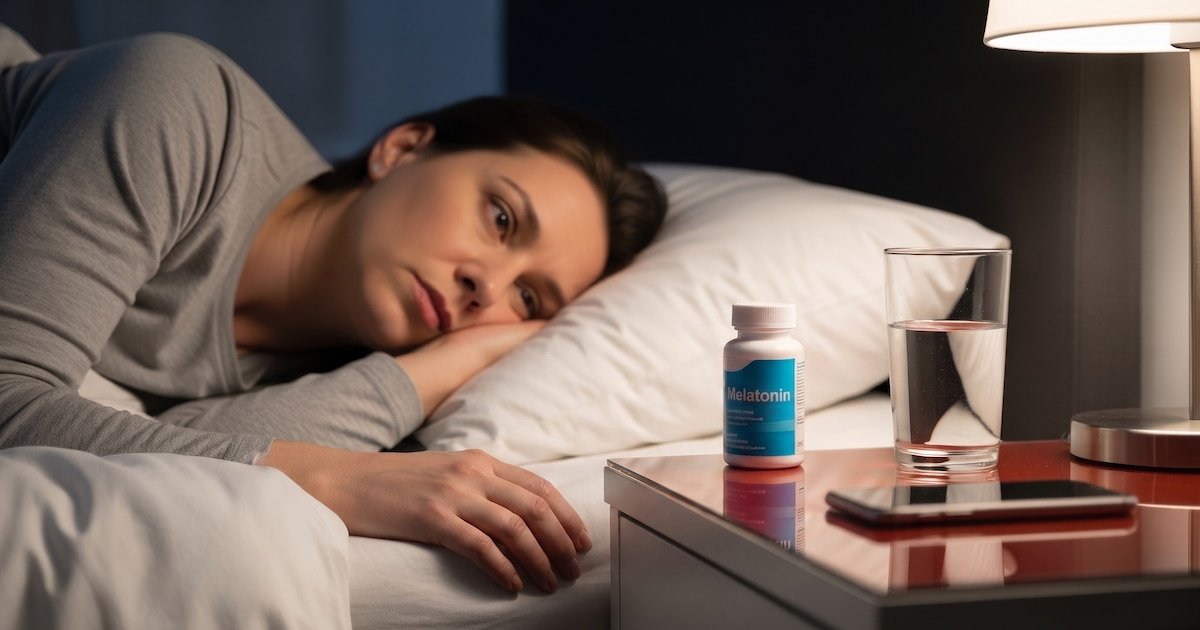
Dormir bien se ha convertido en un reto para miles de costarricenses. Las cifras más recientes de la Caja Costarricense de Seguro Social (CCSS), reflejan que el insomnio dejó de ser un problema aislado para convertirse en un fenómeno que impacta diariamente los servicios de salud del país.
Solo durante 2025, la institución registró un promedio de 157 consultas diarias por insomnio en los servicios de consulta externa, mientras que en los servicios de emergencias se atendieron 5,381 casos, equivalentes a unos 15 pacientes cada día. Los datos forman parte de un análisis presentado por la Universidad Hispanoamericana con base en estadísticas de la CCSS.
El estudio evidencia que, entre 2021 y 2025, la consulta externa acumuló 197,984 atenciones relacionadas con insomnio, un promedio anual que osciló entre 147 y 163 consultas diarias. Del total de casos, el 59 % correspondió a mujeres, mientras que el 41 % restante fue registrado en hombres.
Sin embargo, los especialistas aclaran que estas cifras representan el número de atenciones brindadas y no la cantidad de pacientes, ya que una misma persona pudo acudir varias veces durante el mismo año por este trastorno. Además, los registros incluyen diagnósticos asociados tanto al insomnio orgánico como al no orgánico, este último relacionado frecuentemente con ansiedad, estrés, depresión o malos hábitos de sueño.
De acuerdo con la Organización Mundial de la Salud (OMS), cerca del 40 % de la población mundial duerme mal o presenta algún trastorno del sueño, mientras que diversos estudios indican que uno de cada tres adultos experimentará síntomas de insomnio en algún momento de su vida, lo que convierte este padecimiento en un problema de salud pública.

(Foto cortesía CCSS)
El doctor Luis Diego Ballestero Murillo, psicólogo clínico y docente de la Escuela de Psicología de la Universidad Hispanoamericana, explicó que el insomnio va mucho más allá de pasar una mala noche.
El especialista señaló que este trastorno se diagnostica cuando una persona presenta dificultad para conciliar el sueño, mantenerse dormida o volver a dormir después de despertarse durante la noche por un periodo de al menos tres meses, situación que termina afectando su desempeño físico, emocional, social o laboral. Entre los síntomas más frecuentes figuran tardar más de media hora en quedarse dormido, despertares constantes durante la madrugada, sueño poco reparador, cansancio durante el día, problemas de concentración, irritabilidad y cambios de humor.
Las consecuencias, advierte el experto, pueden ir mucho más allá del agotamiento.
El insomnio se relaciona con un mayor riesgo de desarrollar enfermedades cardiovasculares, hipertensión arterial, diabetes, trastornos metabólicos, debilitamiento del sistema inmunológico, ansiedad, depresión, estrés crónico e incluso problemas en el manejo de la ira.
Los datos también muestran diferencias según la edad. Mientras en consulta externa la mayor cantidad de atenciones corresponde a personas mayores de 45 años, en los servicios de emergencias el grupo más afectado fue el de adultos jóvenes entre 20 y 44 años, quienes concentraron cerca del 45 % de las consultas registradas durante 2025. Entre las posibles causas aparecen el exceso de videojuegos, el consumo de alcohol y drogas, así como altos niveles de estrés.
No obstante, el problema tampoco excluye a la población infantil.

Durante el periodo analizado, la CCSS contabilizó 6,414 atenciones en consulta externa y 449 en emergencias correspondientes a menores de 15 años. Según el especialista, en estos casos influyen factores como horarios irregulares para dormir, ansiedad por separación de los padres, violencia intrafamiliar, compartir la habitación con otros familiares y, especialmente, el uso excesivo de videojuegos y dispositivos electrónicos durante la noche.
Otro dato que llamó la atención de los investigadores fue el incremento en las hospitalizaciones asociadas al insomnio. Entre 2023 y 2024, los egresos hospitalarios pasaron de 62 a 205, lo que representa un crecimiento del 231 %, siendo las mujeres quienes concentraron el 60 % de estos casos. Para el especialista, este aumento evidencia que el trastorno puede alcanzar niveles de gravedad que requieren atención hospitalaria cuando no es tratado oportunamente.
Frente a este panorama, los expertos insisten en fortalecer la llamada higiene del sueño, un conjunto de hábitos que favorecen un descanso adecuado. Entre las principales recomendaciones destacan mantener un horario fijo para acostarse y levantarse, realizar actividad física durante el día, practicar técnicas de relajación, evitar el uso de teléfonos celulares, computadoras y videojuegos al menos una hora antes de dormir, consumir cenas ligeras y utilizar la cama únicamente para descansar, evitando trabajar, estudiar o ver televisión desde ella. Si los problemas persisten pese a estos cambios, aconsejan buscar atención médica especializada.
Para los especialistas, las casi 200,000 atenciones registradas en apenas cinco años representan una señal de alerta que obliga a reforzar la educación sobre la importancia del sueño como un componente esencial de la salud física y mental. Dormir bien, concluyen, no debe verse como un lujo, sino como una necesidad para prevenir enfermedades y mejorar la calidad de vida de la población.
mujer,insomnio,melatonina,dormir,cama,noche













INTERNACIONAL
House passes daylight saving time reform as Trump signals support for ending clock change

NEWYou can now listen to Fox News articles!
A bipartisan effort to make daylight saving time permanent is one step closer to becoming law after the House of Representatives overwhelmingly approved the measure on Tuesday.
Lawmakers voted 308-117 to pass the Sunshine Protection Act, which would allow states to voluntarily observe daylight saving time year-round as a growing mass of lawmakers push to extend daylight into the evening hours.
«For decades, we have accepted this ritual of springing forward and falling back, even though it disrupts routines, throws off our sleep and creates unnecessary frustration for families across the country,» Rep. Kat Cammack, R-Fla., said Tuesday, detailing how the clock changes have disrupted her infant son’s sleep schedule.
«Let’s stop asking Americans to reset their clocks every March and November,» she continued. «Let’s provide some certainty and consistency and a little more sunshine at the end of the day.»
House Speaker Mike Johnson, R-La., attends a news conference at the U.S. Capitol in Washington, D.C. (Graeme Sloan/Bloomberg via Getty Images)
TRUMP-BACKED DAYLIGHT SAVING TIME BILL CLEARS KEY HOUSE HURDLE
The legislation divided lawmakers in both parties, with members largely from coastal areas, such as Louisiana, Florida and New Jersey, supporting permanent daylight saving time and others from the Midwest and agriculture-heavy states opposing it.
Democrats were nearly evenly split, with House Minority Leader Hakeem Jeffries, D-N.Y., opposing it. Just 22 Republicans voted in opposition, including Reps. Bryan Steil, R-Wis.; Rick Crawford, R-Ark.; Ryan Zinke, R-Mont.; and Harriet Hageman, R-Wyo.
The measure now heads to the Senate, where its prospects remain uncertain amid skepticism from members of both parties. President Donald Trump, who has long called for ending the twice-a-year clock changes, is expected to sign the bill if it reaches his desk.
The White House urged lawmakers to support the Sunshine Protection Act in an internal memo sent to Hill offices Tuesday, calling it a «popular, common-sense reform.»
Nearly every state follows the practice of setting clocks forward one hour in March to preserve more evening daylight before «falling back» one hour in November.
But nearly 20 states have already approved legislation to make daylight saving time permanent if Congress authorizes the practice. Hawaii and most of Arizona, however, do not observe daylight saving time.
Proponents argued the legislation, authored by Rep. Vern Buchanan, R-Fla., was necessary to end disruptions caused by switching clocks, including to children’s routines and road safety, while arguing longer daylight would boost tourism and outdoor recreation.
«More evening sunshine means more time with family and more time to enjoy our local restaurants, shops, and everything Florida has to offer,» Rep. Maria Elvira Salazar, R-Fla., wrote on social media. «It’s common sense. Let’s get it done.»
Some lawmakers, however, argue that year-round daylight saving time would delay winter sunrises until after 9 a.m. in some parts of the country, raising safety concerns about darker morning commutes and economic challenges for farmers who would likely have to start work later.
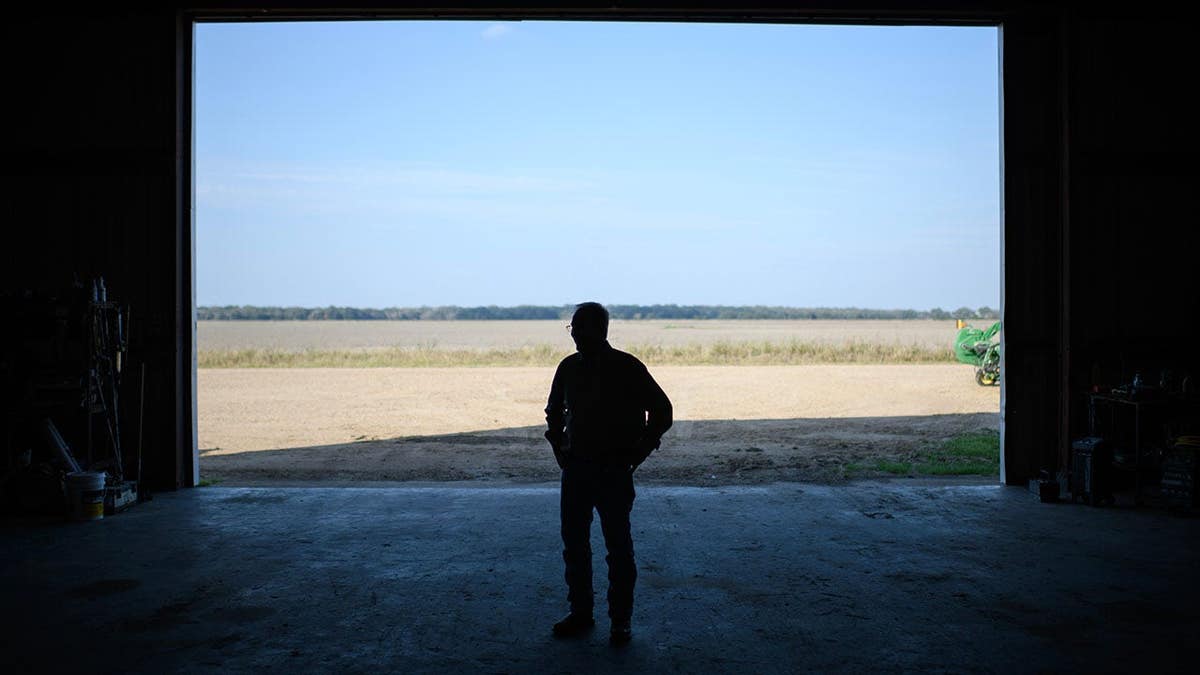
Texas rice farmer LG Raun stands in El Campo, Texas, Jan. 6, 2026. (Mark Felix/Bloomberg via Getty Images)
SLEEP DOCTOR REVEALS THE BRUTAL HEALTH DOWNSIDE OF DAYLIGHT SAVING TIME
Detractors have also stated that permanent standard time — meaning more light in the mornings — better aligns with circadian rhythms.
«If we’re going to make a permanent change that affects every American, we should follow the science and prioritize Americans’ health, particularly that of the children,» Rep. Mary Gay Scanlon, D-Pa., who favors permanent standard time, said during debate Monday.
Scanlon also pointed to the nation’s brief experiment with year-round daylight saving time in 1974, which Congress reversed after widespread public backlash.
Tuesday’s vote comes as the semiannual clock change remains widely unpopular with Americans, according to recent polling.
An AP-NORC survey released in December found that just 12% of Americans favor the current daylight saving time system, with nearly half opposed. Another 40% of respondents had no opinion.
The survey also found that more Americans support having daylight saving time year-round compared to standard time by a 14-point margin.
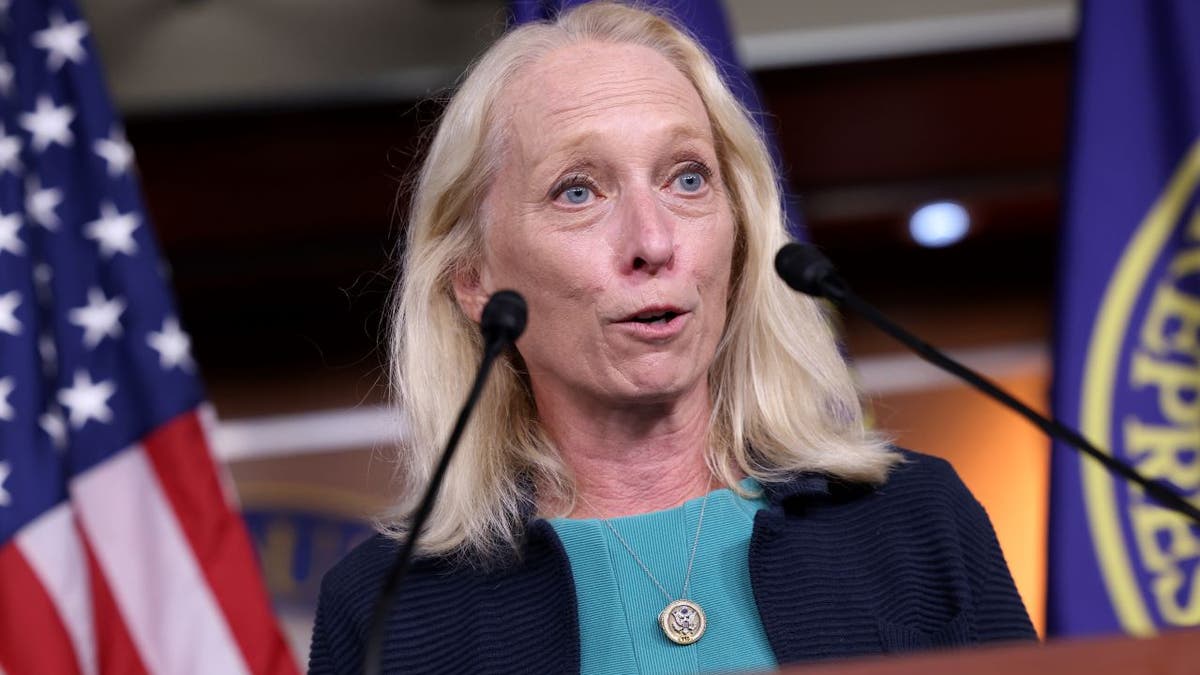
Rep. Mary Gay Scanlon, D-Pa., argued that permanent daylight saving time would create significant health and safety risks for children, who would likely go to school during darker morning hours. (Kevin Dietsch/Getty Images)
CLICK HERE TO DOWNLOAD THE FOX NEWS APP
The Senate previously passed year-round daylight saving time legislation in 2022, but the measure failed to clear the House.
politics, republicans, congress, donald trump, house of representatives politics
INTERNACIONAL
Tiene 67 millones de años, conserva el 63% de sus huesos y acaba de romper un récord mundial

Un esqueleto de Tyrannosaurus rex de 67 millones de años hizo historia al convertirse en el fósil de dinosaurio más valioso jamás vendido en una subasta. La casa Sotheby’s confirmó este martes que el ejemplar, conocido como “Gus”, fue adquirido por 50,1 millones de dólares, una cifra que superó ampliamente la estimación inicial de entre 20 y 30 millones.
Con ese monto, el fósil desplazó al estegosaurio “Apex”, que hasta ahora ostentaba el récord tras haber sido vendido en 2024 por casi 45 millones de dólares. También dejó atrás a “Stan”, otro famoso T-Rex que había alcanzado cerca de 32 millones de dólares en 2020.
La puja se desarrolló durante unos diez minutos y enfrentó a siete interesados, tanto de manera presencial como virtual. Finalmente, un comprador cuya identidad permanece en reserva se quedó con la pieza tras una intensa competencia.
En uno de los momentos más llamativos de la subasta, la martillera Phyllis Kao alentó a los oferentes con una frase que despertó sonrisas entre los presentes: “Prueben con un mordisco más grande. Después de todo, es un T-Rex”. Gus fue excavado a lo largo de tres temporadas, de 2021 a 2023, y luego fue sometido a tres años más de trabajo de laboratorio para limpiar y montar los huesos. (Foto: Reuters)
El ejemplar vendido es considerado uno de los más importantes descubiertos en los últimos años. “Gus” mide aproximadamente 3,8 metros de altura y 11,5 metros de largo cuando se encuentra montado en posición erguida, con la cola extendida y una de su patas ligeramente elevada.
Según Sotheby’s, el fósil conserva alrededor del 63% de su estructura ósea original, un porcentaje muy elevado para un dinosaurio de estas características. Entre las piezas preservadas se destacan una mandíbula abierta repleta de grandes dientes, ambos pies con abundantes huesos originales y una fúrcula —conocida popularmente como “hueso de la suerte”—, un elemento anatómico poco frecuente en este tipo de hallazgos.
Tras concretarse la venta, Cassandra Hatton, vicepresidenta de Sotheby’s, destacó: “Gus no solo es un hallazgo excepcional, sino un ejemplar que fue excavado, documentado, preparado y preservado con un nivel extraordinario de excelencia. El mercado responde cuando estos grandes fósiles son tratados de la manera correcta”, afirmó.
Leé también: El elefante marino más famoso de Australia es un fenómeno viral que preocupa a los defensores de animales
Sin embargo, la operación volvió a poner sobre la mesa una discusión que divide a paleontólogos y coleccionistas privados.
La Society of Vertebrate Paleontology, una organización integrada por investigadores, docentes y estudiantes especializados en fósiles manifestó antes de la subasta que ejemplares de semejante importancia deberían permanecer en instituciones públicas, donde puedan ser estudiados y exhibidos para futuras generaciones.
Kristina Curry Rogers, vicepresidenta de la entidad, sostuvo que el verdadero valor científico de un fósil no termina cuando es extraído del suelo.
“El descubrimiento de un fósil importante es apenas el comienzo de su historia científica. Muchos de los avances más relevantes en paleontología ocurrieron años o incluso décadas después del hallazgo, gracias al desarrollo de nuevas tecnologías que permitieron responder preguntas que antes eran imposibles”, explicó. Con un 63% completo según el recuento óseo, Gus es uno de los fósiles de T. rex más completos jamás encontrados. (Foto: Reuters)
Existen antecedentes de grandes fósiles adquiridos por privados que luego terminaron en museos. El estegosaurio “Apex”, por ejemplo, se encuentra cedido en préstamo de largo plazo al Museo Americano de Historia Natural de Nueva York.
Algo similar ocurrió con “Sue”, el célebre T-Rex vendido por Sotheby’s en 1997, que hoy constituye una de las principales atracciones del Field Museum de Chicago.
Ahora, “Gus” suma un nuevo récord a esa historia: además de ser uno de los T-Rex más completos encontrados hasta el momento, pasó a ser el fósil de dinosaurio más caro adquirido en una subasta, con una venta que volvió a demostrar el enorme interés que despiertan estas piezas únicas en el mercado del coleccionismo y en el mundo de la ciencia.
fosiles, dinosaurio, Subasta
NEWYou can now listen to Fox News articles!
During four terms in Congress, South Dakota’s Dusty Johnson has emerged as a leading voice on American agricultural policy, U.S.-China relations and fiscal responsibility.
Often known as the «problem solver,» he recently sat down with Fox News Digital at Freedom Fest in Las Vegas to discuss his congressional career, his South Dakota gubernatorial bid and his future plans as his time in the U.S. House draws to a close.
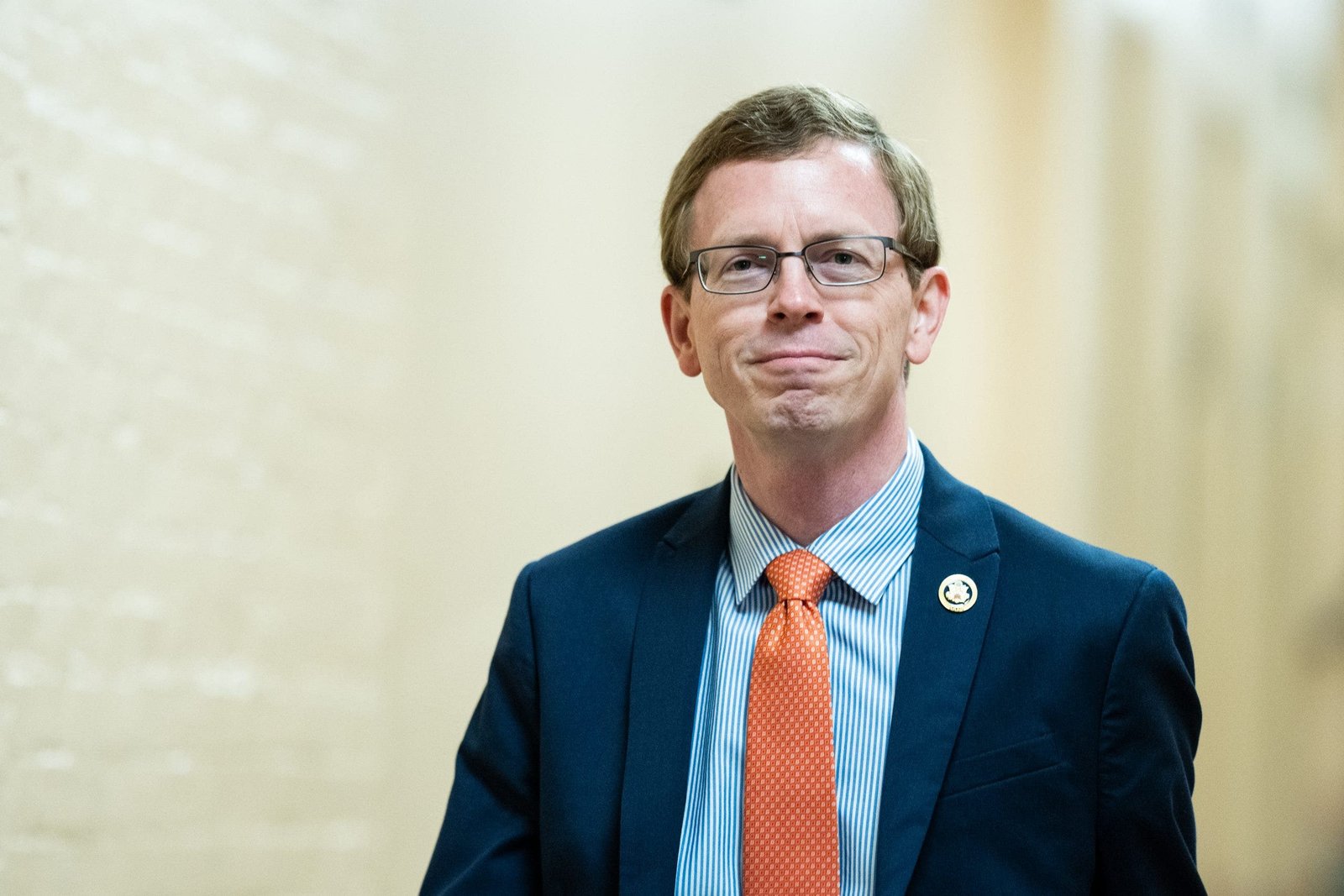
Rep. Dusty Johnson, R-S.D., arrives for the House Republican Conference caucus meeting in the U.S. Capitol June 4, 2024. (Bill Clark/CQ-Roll Call, Inc via Getty Images)
Long respected for his detailed analysis of China policy, Johnson believes the United States is routinely underestimating the geopolitical and economic threat posed by Beijing.
REP. DUSTY JOHNSON INTRODUCES GET AMERICANS BACK TO WORK ACT
«I think the biggest mistake is that we’re basically sleepwalking through this competition. I mean, every day the leaders of China get up, and they try to figure out how to beat America, how to destabilize our country, how to get an advantage.
«And we’re, frankly, in this country spending more time fighting one another than we are trying to think about how to compete with the Chinese Communist Party.»
Johnson is the former leader of the Republican Main Street Caucus, a group of center-right Republicans focused on commonsense governance and pragmatism. He has approached his career aspiring to break the famed Washington gridlock.
However, recently Johnson lamented that «it’s a tough time to be normal,» observing that the loudest and angriest voices seem to be increasingly dominating the national conversation.
«Well … looking a little further than the New York primaries last week, where just an insane bunch of really out there democratic socialists beat some pretty liberal but still kind of mainstream American political thought Democrats, I just think you see that happening in both parties.

Darializa Avila Chevalier, U.S. Democratic House candidate for New York, speaks at a Get Out The Vote rally at Kings Theater in Brooklyn, N.Y., June 18, 2026, ahead of the state’s primary election June 23. (Adam Gray/Bloomberg via Getty Images)
«Primary turnout is rarely great. Those who do turn out are generally the most interested in purity rather than in progress. And, so, when you’re trying to swim upstream, when you are trying to deliver a message of nuance and thoughtfulness, that sometimes doesn’t go over as well as just saying, ‘Let’s go fight.’»
Even as the GOP has controlled the White House and both chambers of Congress on several occasions over the past generation, it has been perennially unable to tackle the problem of balancing budgets and reducing the national debt.
Johnson argues that only a bipartisan approach has hope of offering a solution.
«Well, everybody wants to go to heaven, but nobody wants to die,» he said. «I’ve certainly rolled out a number of plans that would have some pretty substantial reforms to our entitlement programs. I’m not looking to take away grandma’s Social Security or Medicare. But we simply are not going to restore solvency to those programs with a status quo approach.
«And, unfortunately, candidate Harris, candidate Biden, candidate Trump … they damn near swore on a stack of Bibles that they were not going to touch Social Security or Medicare. That approach guarantees failure.
«The other thing we have to acknowledge is one party’s not going to get this done. And I know that’s hard for Republicans to hear because so many Republican office holders have sold the American people a bill of goods that this can be done with one party alone. It cannot.
«The last time we made much-needed reform to Social Security in 1983, it took Democratic Speaker Tip O’Neill and Republican President Ronald Reagan to get it done. If we do not start thinking about avoiding fiscal calamity as a bipartisan problem, we will fail.»
Johnson entered the 2026 South Dakota GOP gubernatorial primary as the frontrunner but ended up placing third in a tight race behind real estate executive Toby Doeden and incumbent Gov. Larry Rhoden.
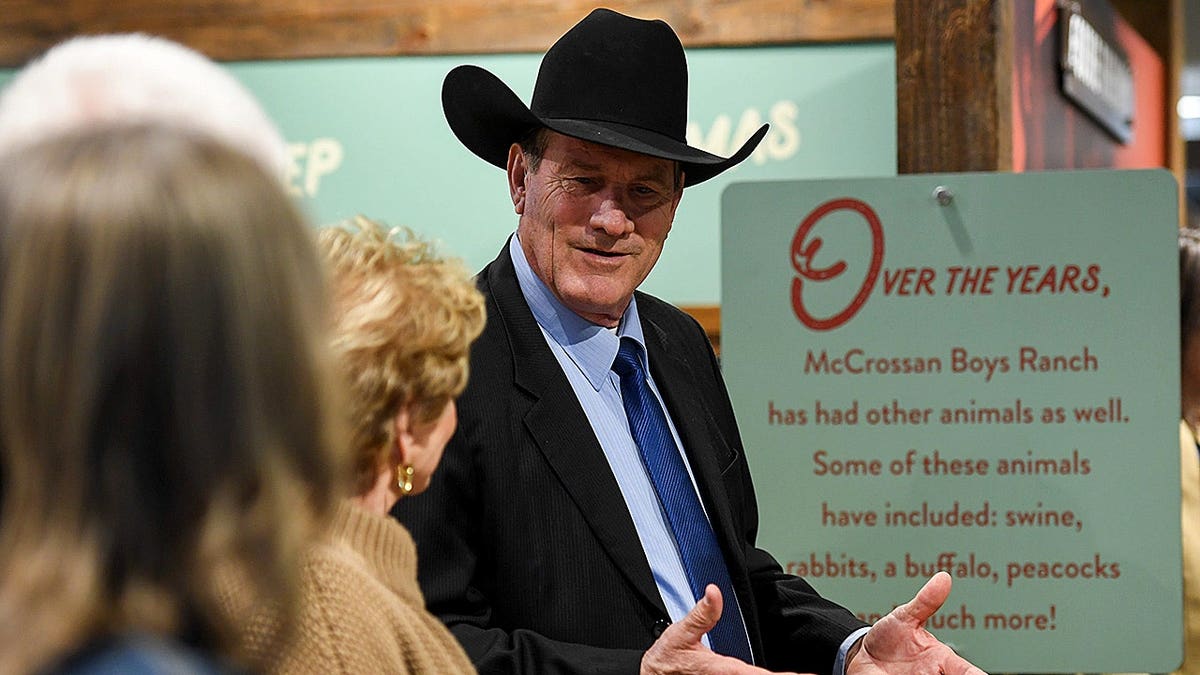
South Dakota Gov. Larry Rhoden speaks with the press during Education Secretary Linda McMahon’s Returning Education to the States tour April 8, 2026, at McCrossan Boys Ranch in Sioux Falls, S.D. (Samantha Laurey/Argus Leader/USA Today Network via Imagn Images)
He acknowledges that a congressional pedigree, once seen as a boost in a bid for a higher office, now appears to be something of an albatross.
SOUTH DAKOTA GOVERNOR SURVIVES CROWDED PRIMARY — FOR NOW
«Well, I think an absolute onslaught of negative ads the last three or four weeks against me, they really worked. Told people I was a career politician, that I was a RINO, that I was a liberal, and we saw in the polling that that was resonating. Those ads worked so well because they tapped into kind of the spirit of the times.
«I have 13 of my colleagues in Congress who have lost their races for governor or senator. Normally, running as a House member, that gives you a bit of an advantage if you’re running for a different office. That’s no longer the case. People are fed up with Washington, D.C. And that clearly is a drag on my many colleagues like me who’ve lost their races.»
Despite the outcome of the crowded primary, Johnson looks to his future plans with optimism, not bitterness, and pledges that his work is not yet finished, citing previous success in the business and non-profit sectors.
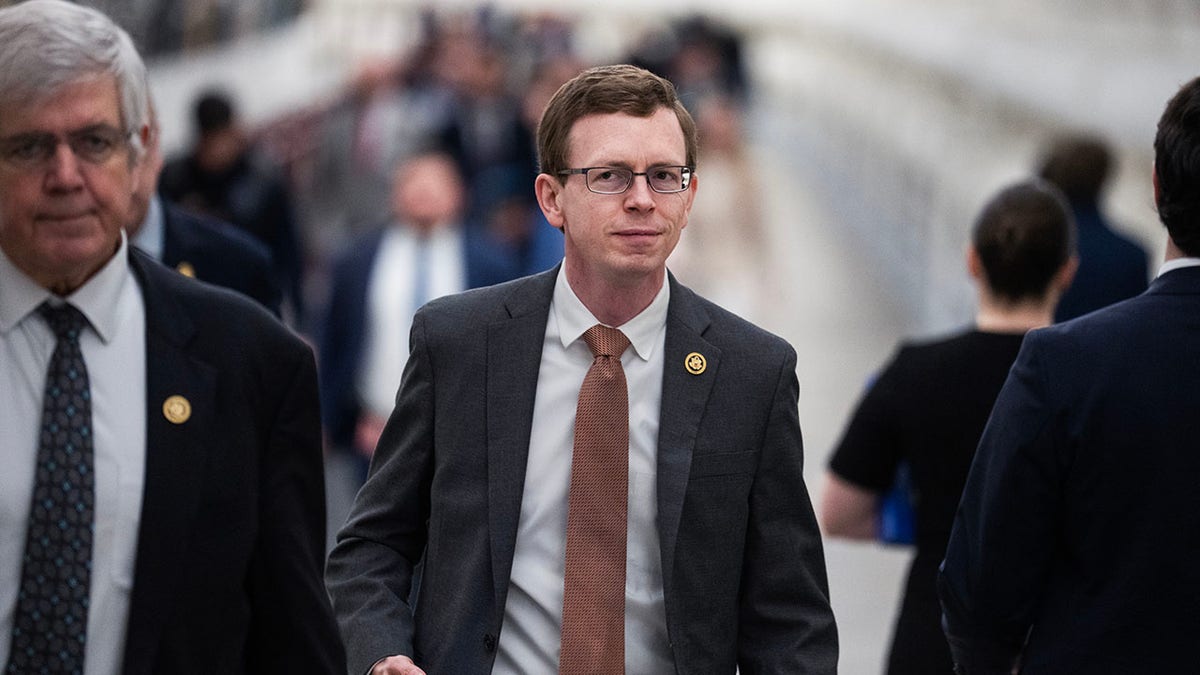
Rep. Dusty Johnson, R-S.D., in the Cannon tunnel during the last votes of the week Feb. 15, 2024. (Williams/CQ-Roll Call, Inc via Getty Images)
«Well, I don’t know yet. Of course, I’ve got to spend most of my time focused on my day job, which is being South Dakota’s only voice in the U.S. House of Representatives. I’ll do that until January, but listen, I know you can lead a life of consequence.
CLICK HERE TO DOWNLOAD THE FOX NEWS APP
«You can make a better society in business. I’ve done that before. In the nonprofit sector, in lesser elected office or government office. So, I don’t really know yet, but I do know that I’m surely not ready to retire. I’m 50, but I feel like a real young 50, and I’m still filled with plenty of piss and vinegar. Let’s go get it done.»
politics, house of representatives politics, midterm elections, republicans, south dakota

Argentina-Inglaterra: preparan un operativo especial de seguridad y prevén un corte en la zona del Obelisco

House passes daylight saving time reform as Trump signals support for ending clock change

Cuánta plata necesitó una familia para no ser pobre en junio, según INDEC

ATE le pidió al Gobierno asueto administrativo para el partido de la selección contra Inglaterra

El origen de la descarnada pelea de Tomás y Fernando Dente: un secreto familiar y graves acusaciones de una herida abierta

El aviso de Simons: ‘Cuando vuelva al campo vais a ver a un nuevo Xavi’

Pablo Cervi, senador de LLA, defendió la eliminación de las PASO: “Hay que sacarle ese costo a la población”

“Hablame bien”: el tenso cruce de Lionel Messi con el árbitro en la victoria de Argentina ante Suiza en el Mundial

El álbum de las vacaciones soñadas de Darío Barassi con su familia: “Ibiza, nos vas enamorando”

El petróleo sube más de 3% tras la reanudación de los ataques de EEUU contra Irán y la amenaza de cierre del estrecho de Ormuz

 DEPORTE3 días ago
“Hablame bien”: el tenso cruce de Lionel Messi con el árbitro en la victoria de Argentina ante Suiza en el Mundial
- CHIMENTOS2 días ago
El álbum de las vacaciones soñadas de Darío Barassi con su familia: “Ibiza, nos vas enamorando”
- ECONOMIA2 días ago
El petróleo sube más de 3% tras la reanudación de los ataques de EEUU contra Irán y la amenaza de cierre del estrecho de Ormuz